The floor squeaked. Not a creak or a groan — a chirp. A high-pitched, bird-like sound that came from under my feet as I shifted my weight. Then the person in front of me took a step and their section chirped too. Then the person behind me. The whole corridor was singing.
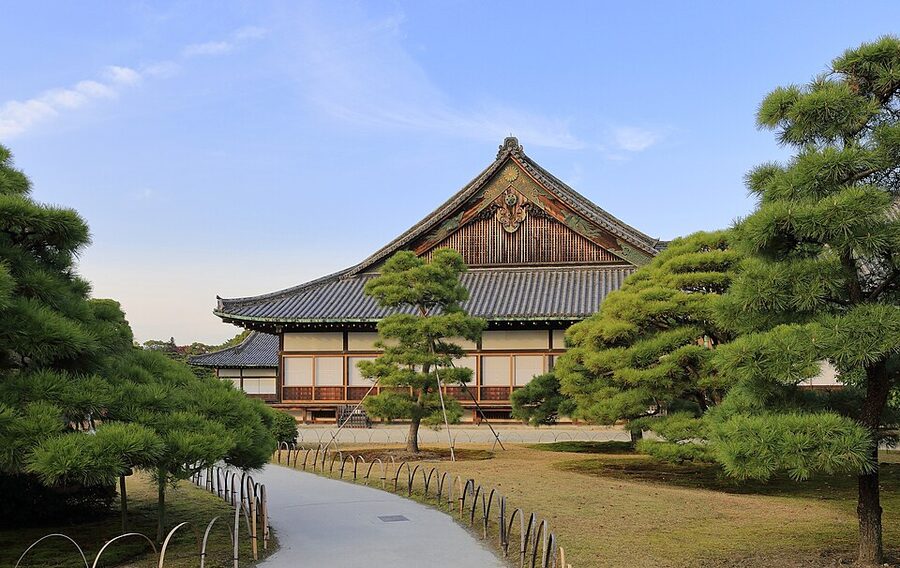
These are the nightingale floors of Nijo Castle — uguisubari in Japanese. Metal clamps beneath the floorboards rub against nails when pressure is applied, producing a chirping sound that’s impossible to muffle. They were installed as a security system. If an assassin tried to sneak through the corridors at night, the floor would announce them. Four hundred years later, every tourist who walks through Ninomaru Palace announces themselves too. It’s the most elegant burglar alarm ever built.
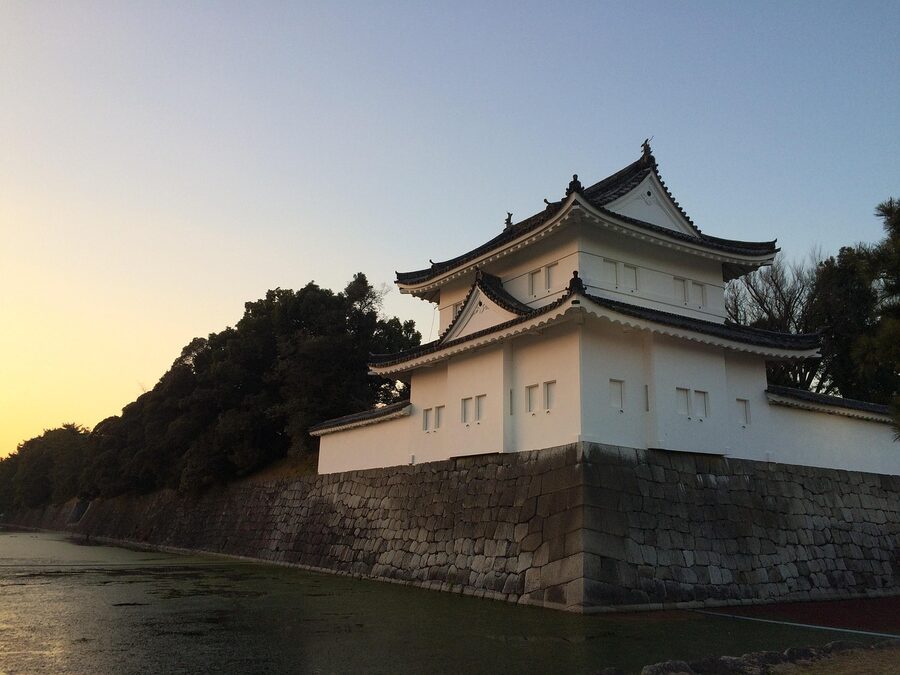
Nijo Castle is unlike any other castle in Japan. It’s not a soaring tower on a hilltop. It’s a sprawling palace compound in the middle of Kyoto — designed not for war but for intimidation. The shogun who built it wanted visiting feudal lords to feel small, monitored, and reminded of who was in charge. The nightingale floors were part of that message. So were the 3,600 painted wall panels, the reception halls designed so the shogun sat higher than everyone else, and the gardens that were visible but unreachable — beauty you could see but not touch.
Short on time? Here are my top picks:
Best focused tour: Nijo Castle & Ninomaru Palace Guided Tour — $16. 1-hour guided tour with Ninomaru Palace access. The cheapest and most focused option.
Best combined walk: Imperial Palace & Nijo Castle Walking Tour — $49. Covers both major Kyoto palace sites in one guided walk.
Full-day Kyoto: Nijo Castle, Arashiyama, Kiyomizu & Fushimi Inari — $54. All four major Kyoto landmarks in one day with tickets included.
- What You’ll See Inside
- Ninomaru Palace — The Main Event
- Ninomaru Garden
- Honmaru Palace
- Which Tour to Book
- 1. Nijo Castle & Ninomaru Palace Guided Tour —
- 2. Imperial Palace & Nijo Castle Walking Tour —
- 3. Nijo Castle, Arashiyama, Kiyomizu & Fushimi Inari —
- Tokugawa Ieyasu and the Castle Built for Power
- Visiting Without a Tour — Self-Guided Option
- The Nightingale Floors — Engineering and Mythology
- Cherry Blossom and Autumn Season
- Practical Tips
- More Kyoto Guides
What You’ll See Inside
Nijo Castle has two palace compounds separated by an inner moat.
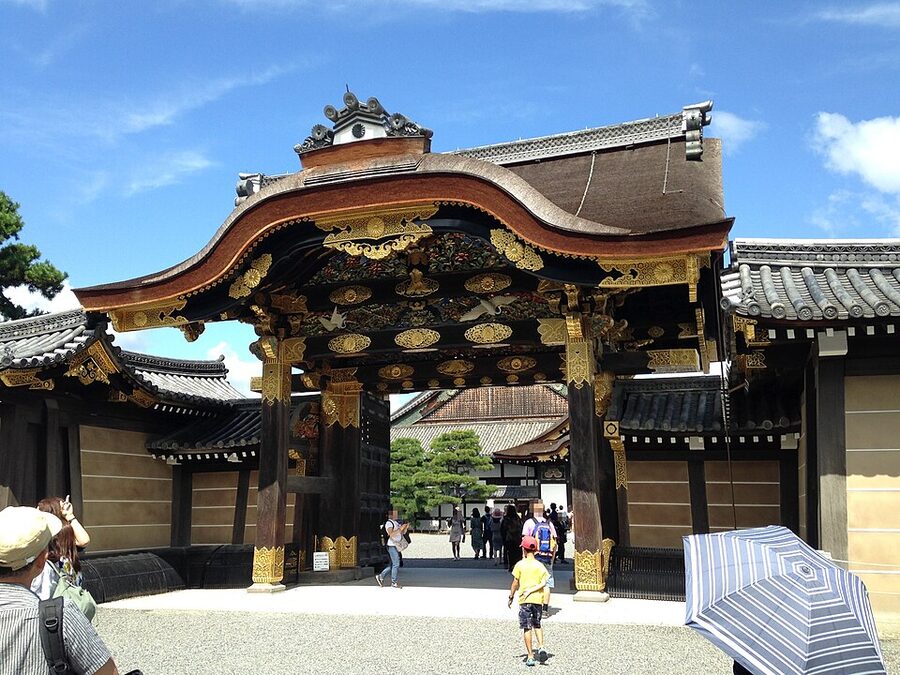
Ninomaru Palace — The Main Event
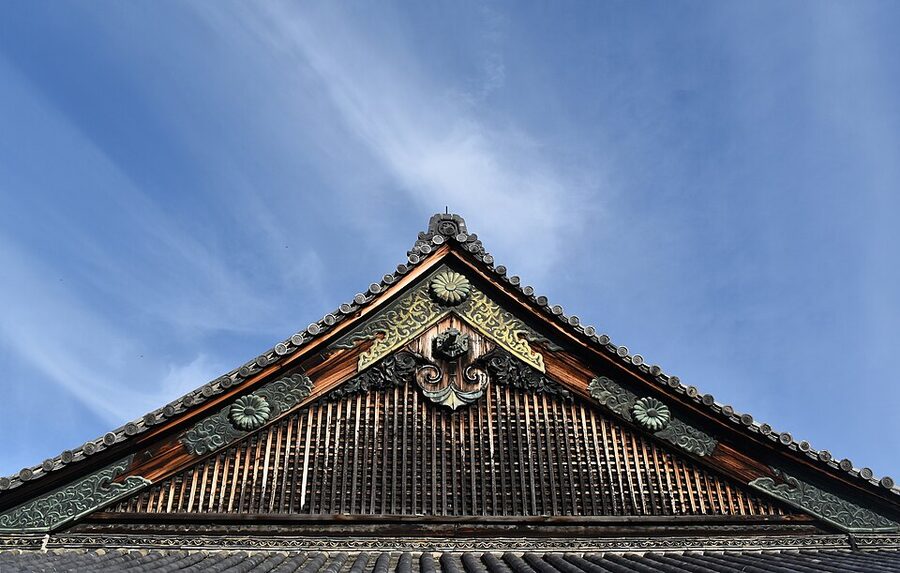
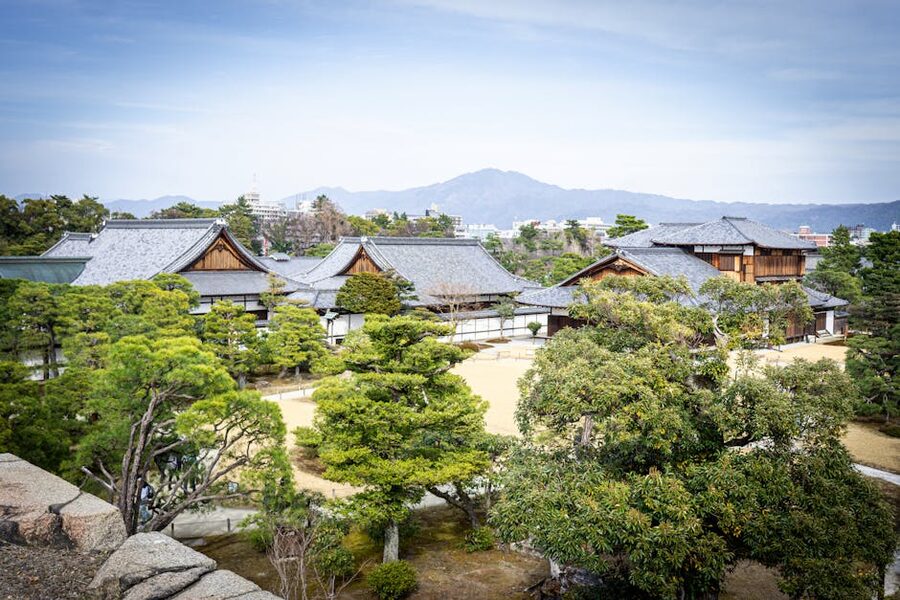
This is what most visitors come for and what the guided tours focus on. Ninomaru Palace is a series of interconnected buildings arranged in a diagonal line, each one stepping back and upward from the previous — a deliberate architectural choice that created a hierarchy of spaces. The further you penetrated into the palace, the more important the room, and the higher the shogun’s position relative to yours.
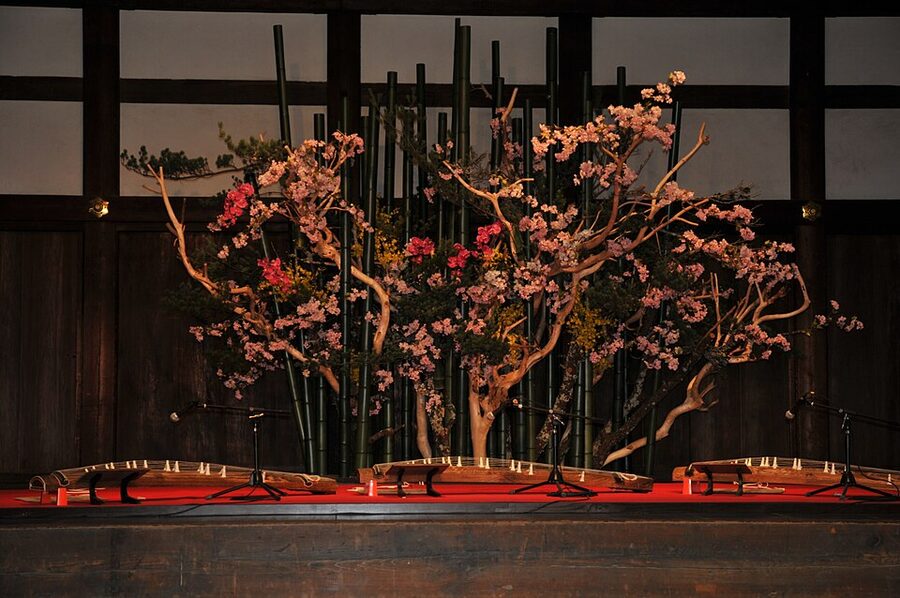
The six buildings of Ninomaru Palace contain 33 rooms with over 3,600 painted wall and ceiling panels — primarily the work of the Kano school of painters, Japan’s most prestigious artistic dynasty. The paintings depict pine trees, tigers, hawks, and seasonal landscapes. The rooms get progressively more ornate as you move deeper — the outermost reception hall has relatively restrained pine tree paintings, while the inner chambers where the shogun actually sat feature gold-leaf backgrounds with elaborate scenes.
The nightingale floors run through the corridors connecting the rooms. You’ll hear them as you walk — the chirping sound is unmistakable and impossible to walk quietly on. The guide will explain the mechanism (clamps, nails, and floorboard design) and probably invite someone to try walking silently. Nobody succeeds.
Ninomaru Garden
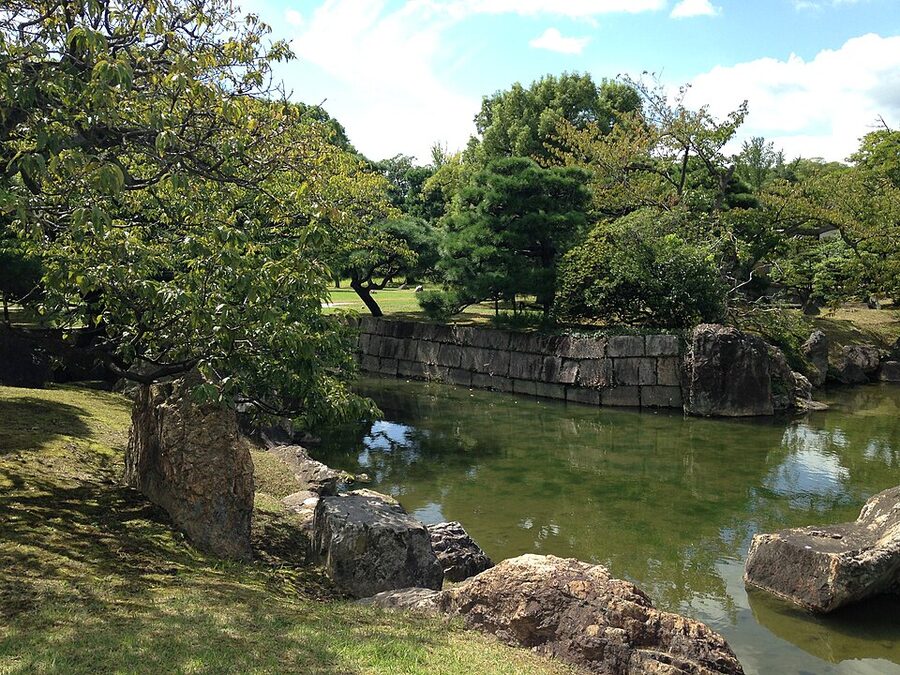
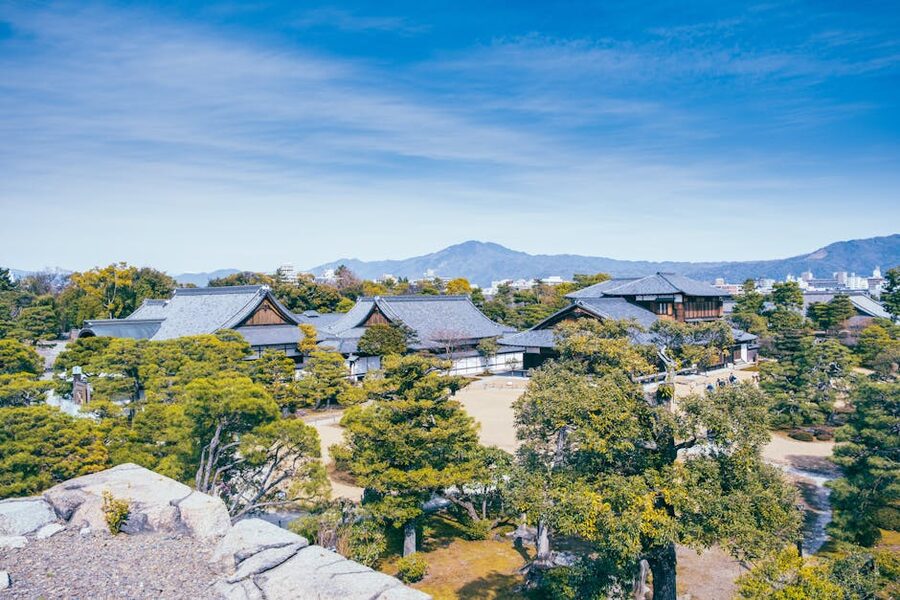
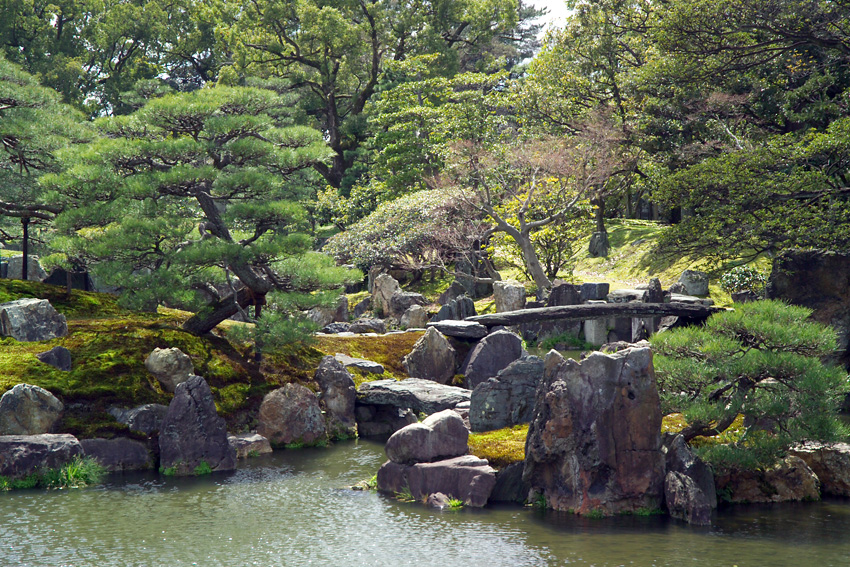
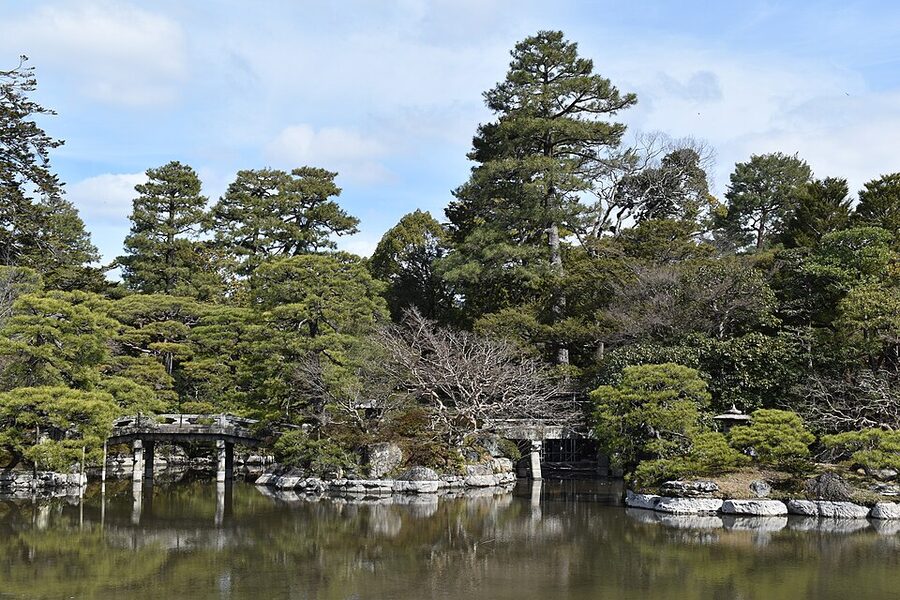
The garden between Ninomaru and Honmaru palaces was designed by Kobori Enshu, one of Japan’s most celebrated landscape architects. It follows the karesansui (dry landscape) tradition with a central pond, carefully placed rocks, and pruned pine trees. What makes it special is that it was designed to be viewed from inside the palace — each room frames a different section of the garden, creating what amounts to a series of living paintings.
Honmaru Palace
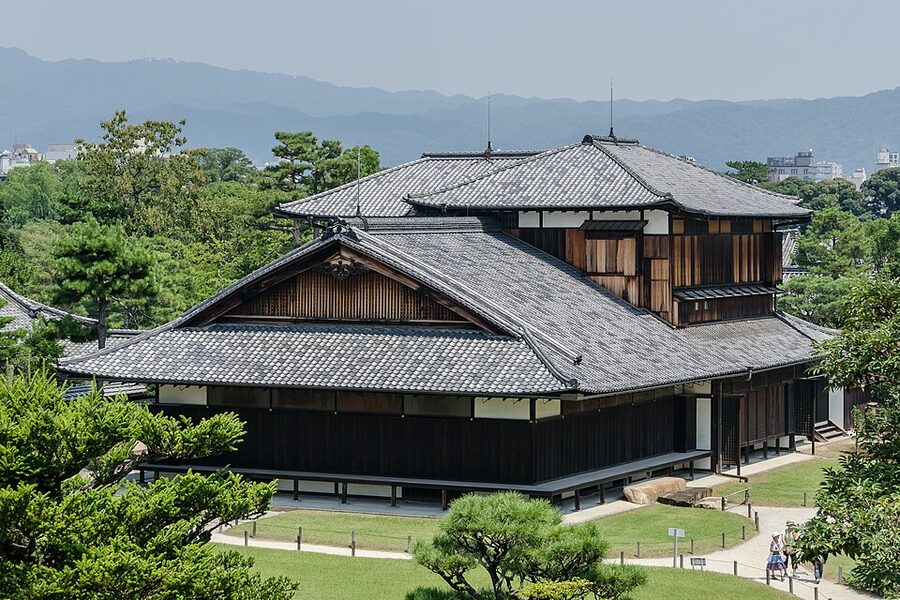
The inner compound, surrounded by its own moat and stone walls. The current Honmaru Palace building was relocated here from the Kyoto Imperial Palace in 1893 — the original Honmaru was destroyed by fire in 1788. Interior access is limited and varies by season, but you can walk around the exterior and climb the inner fortification walls for views across the entire castle complex.
Which Tour to Book
1. Nijo Castle & Ninomaru Palace Guided Tour — $16

The focused option. At $16 per person for a 1-hour guided tour, this covers Ninomaru Palace with a knowledgeable English-speaking guide who explains the history, architecture, and hidden details you’d miss on your own — including the nightingale floor mechanism, the significance of the room layouts, and the political messages encoded in the paintings.
The guide makes a genuine difference here. Nijo Castle without context is a pretty building with squeaky floors. Nijo Castle with context is a masterclass in how architecture was used as a tool of political control. Our review covers the typical tour route.
2. Imperial Palace & Nijo Castle Walking Tour — $49
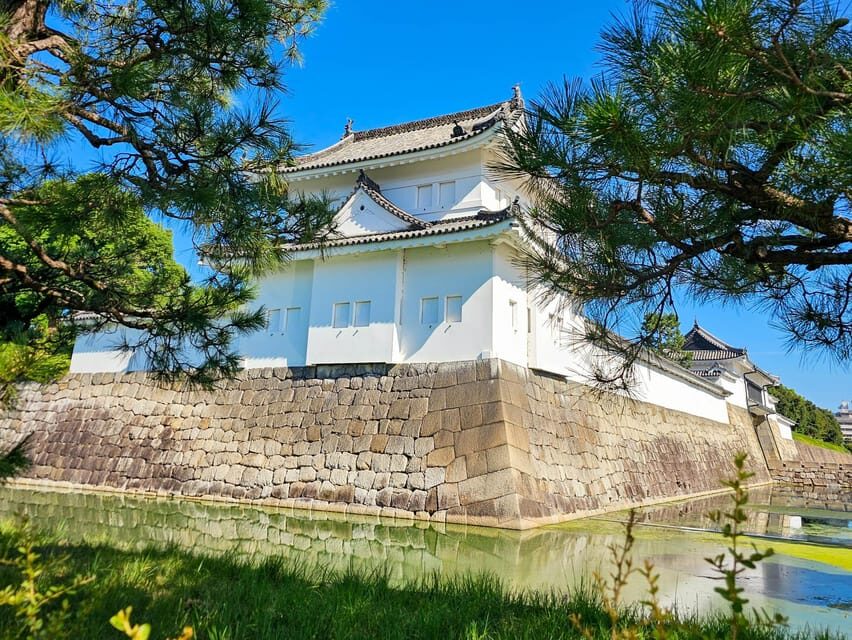
At $49 per person for a 3-hour walk, this covers both of Kyoto’s major palace sites. The guide walks you from the Imperial Palace (the emperor’s residence, mostly ceremonial) to Nijo Castle (the shogun’s stronghold, where the real power was). The contrast between the two — the emperor’s restrained elegance vs the shogun’s aggressive opulence — tells the story of Japanese political history more effectively than any textbook.
Our review covers the full route. If you’re interested in understanding how power worked in feudal Japan, this is the tour.
3. Nijo Castle, Arashiyama, Kiyomizu & Fushimi Inari — $54
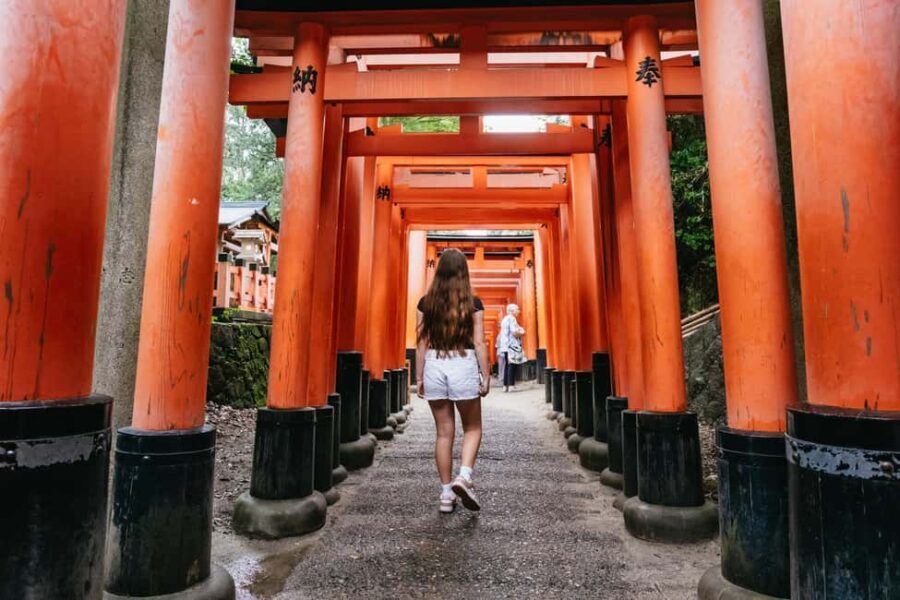
The full-day option for people who want maximum Kyoto coverage. At $54 per person for an 11-hour guided tour, you hit Nijo Castle, Arashiyama Bamboo Forest, Kiyomizu-dera Temple, and Fushimi Inari Shrine — four of Kyoto’s five most visited sites in a single day with all tickets and transport included.
Nijo Castle is typically the first stop (morning, before crowds build), which means you get the best conditions for the nightingale floors and the garden. Our review covers the full itinerary and time allocation. The trade-off is obvious: you spend 1-1.5 hours at each site rather than the 2-3 hours that each deserves. But if time is limited, this is the most efficient way to see Kyoto’s highlights.
Tokugawa Ieyasu and the Castle Built for Power
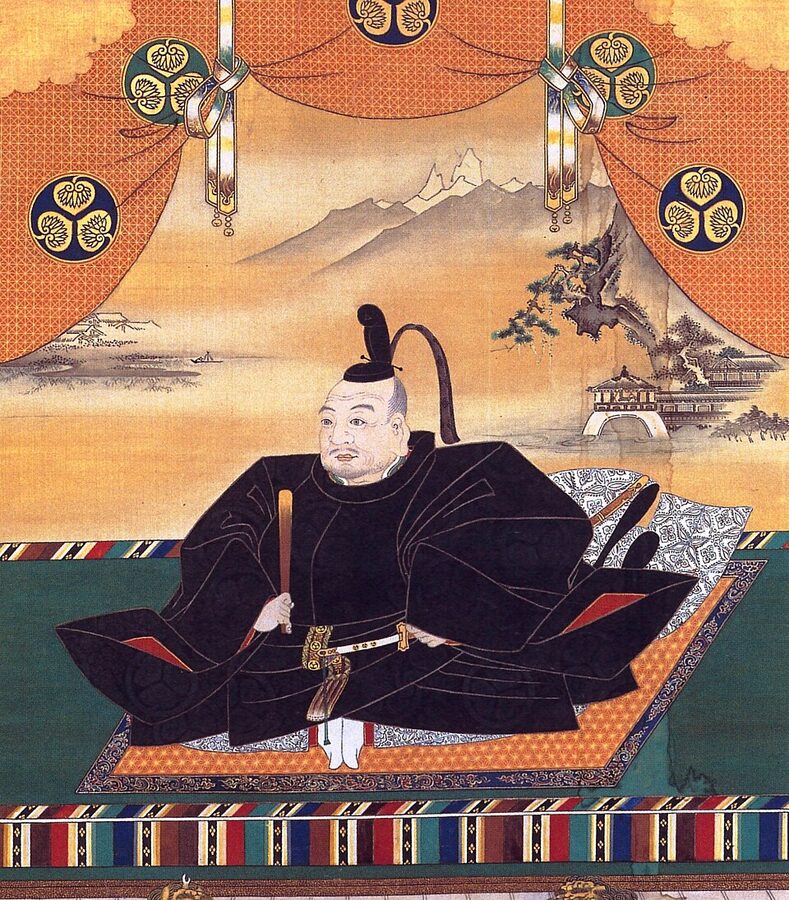
Nijo Castle was commissioned by Tokugawa Ieyasu in 1601, two years before he formally established the Tokugawa Shogunate. Japan had just emerged from over a century of civil war (the Sengoku period), and Ieyasu had won the decisive Battle of Sekigahara in 1600. He was the most powerful man in Japan but he had a problem: the emperor still lived in Kyoto.
The emperor had no real power — he hadn’t for centuries — but he remained the symbolic head of state, and Kyoto remained the cultural capital. Ieyasu ruled from Edo (modern Tokyo), 500 kilometres away. He needed a base in Kyoto that made his authority physically visible. That’s why Nijo Castle exists. Not as a military fortress but as an architectural argument.
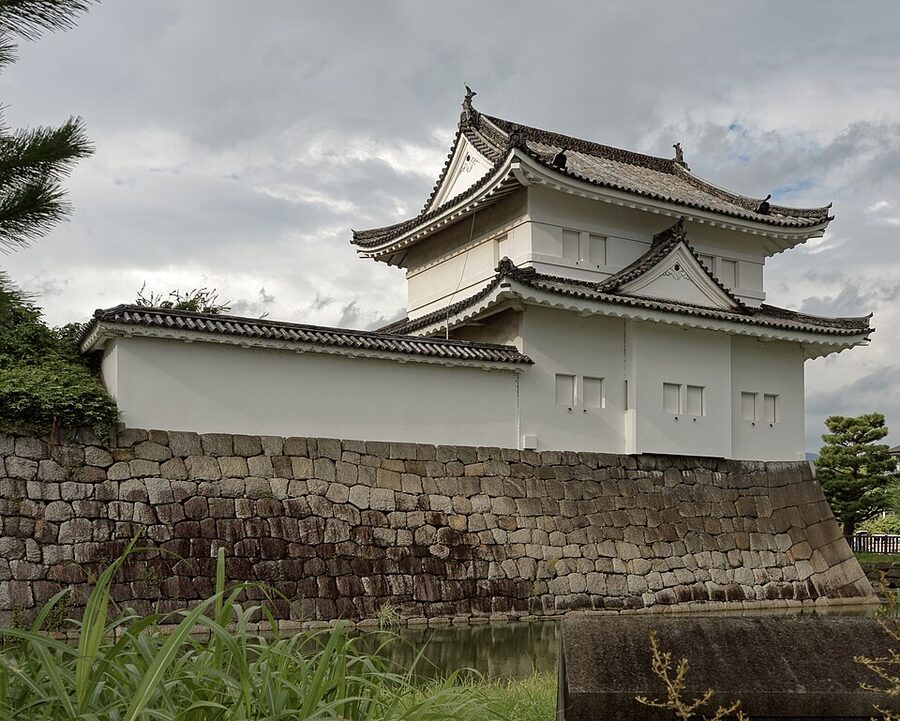
The palace was completed in 1603 and expanded by the third shogun, Tokugawa Iemitsu, in 1626. Iemitsu’s additions were even more extravagant than the original — more gold leaf, more elaborate carvings, more rooms designed to make visiting feudal lords feel inadequate. When the emperor visited Nijo Castle in 1626, the shogunate remodelled sections of the palace specifically for the occasion. The message was clear: the shogun could afford to redecorate a castle for a single visit.
The Tokugawa Shogunate ruled Japan for 265 years from this political position — the shogun held real power, the emperor held symbolic authority, and Nijo Castle was where the two worlds physically intersected. When the shogunate finally fell in 1867, it was in Nijo Castle that the last shogun, Tokugawa Yoshinobu, formally returned power to the emperor. The room where this happened — the Ohiroma (grand hall) in Ninomaru Palace — is part of the tour route. You can stand in the exact spot where 700 years of military government ended.
Visiting Without a Tour — Self-Guided Option
You don’t need a guided tour to visit Nijo Castle. Walk-up entry tickets cost 1,300 yen (about $9) for the castle grounds and Ninomaru Palace, or 2,100 yen (about $14) to add Honmaru Palace when it’s open.
The self-guided experience is fine — the castle provides English-language audio guides for rent, and the signage throughout is bilingual. But the guided tours add substantial value for three reasons:
First, the nightingale floors. Without a guide explaining the mechanism and the history, they’re just squeaky floors. With context, they’re a 400-year-old security system that’s still functioning.
Second, the paintings. The 3,600 painted panels in Ninomaru Palace follow a deliberate programme — each room’s imagery was chosen to convey specific messages to specific audiences. Tigers for military visitors (strength). Pine trees for diplomats (longevity and stability). Hawks for the shogun’s inner circle (precision and vision). A guide connects these visual elements to the political history of the castle.
Third, the architecture. The diagonal stepping layout of Ninomaru Palace — each building slightly higher and further back than the previous — created a spatial hierarchy that visitors literally walked through. The closer you got to the shogun, the more steps you climbed. It’s subtle enough that most self-guided visitors don’t notice it.
The Nightingale Floors — Engineering and Mythology
The uguisubari floors are Nijo Castle’s most famous feature and they deserve a closer look. The mechanism is deceptively simple: metal clamps (called kazugai) are fitted beneath the floorboards, wrapping around supporting nails. When weight presses on the boards, the clamps shift against the nails, producing a chirping sound. The pitch varies depending on the pressure — a light step produces a quiet chirp, a heavy step produces a louder one.
The sound has been compared to the Japanese bush warbler (uguisu), hence the name. Whether the original builders intended the sound as a security feature or whether it was an accidental result of the construction method is actually debated among historians. The security explanation is the popular story — and it makes for a better tour narrative — but some architectural historians argue that the chirping was an unintended side effect that was later mythologised.
What is not debated is that the floors work. You cannot walk through the corridors silently. Many visitors try. All visitors fail. The mechanism has been functioning continuously for over 400 years without maintenance or replacement, which says something about both the quality of the original construction and the durability of Japanese joinery.
Similar nightingale floors exist at a few other Japanese temples and castles (Chion-in Temple in Kyoto has them, as does Matsumoto Castle in Nagano), but Nijo Castle’s are the most famous and the most extensive — running through virtually all the corridors connecting Ninomaru Palace’s 33 rooms.
Cherry Blossom and Autumn Season
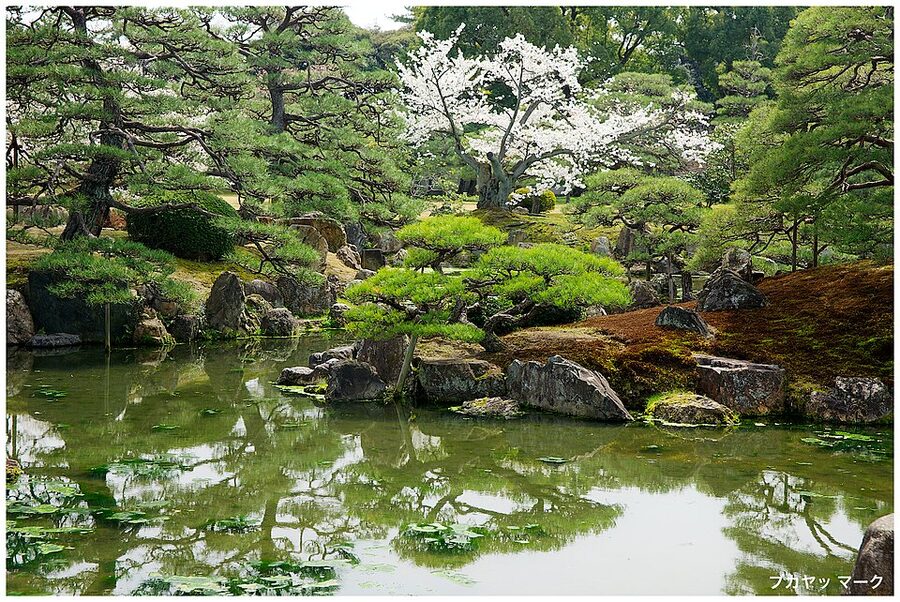
Nijo Castle has 50 different varieties of cherry trees and over 400 trees total. During cherry blossom season (usually late March to mid April in Kyoto), the castle grounds become one of the city’s best hanami (flower viewing) spots. The variety of species means some trees bloom early and others bloom late, extending the viewing window to about three weeks.
The castle runs special evening illumination events during cherry blossom and autumn foliage seasons — the gardens and paths are lit with lanterns and spotlights that create dramatic shadows on the stone walls and moat. These events typically run from 6pm to 9pm and require a separate ticket (about 1,600 yen).
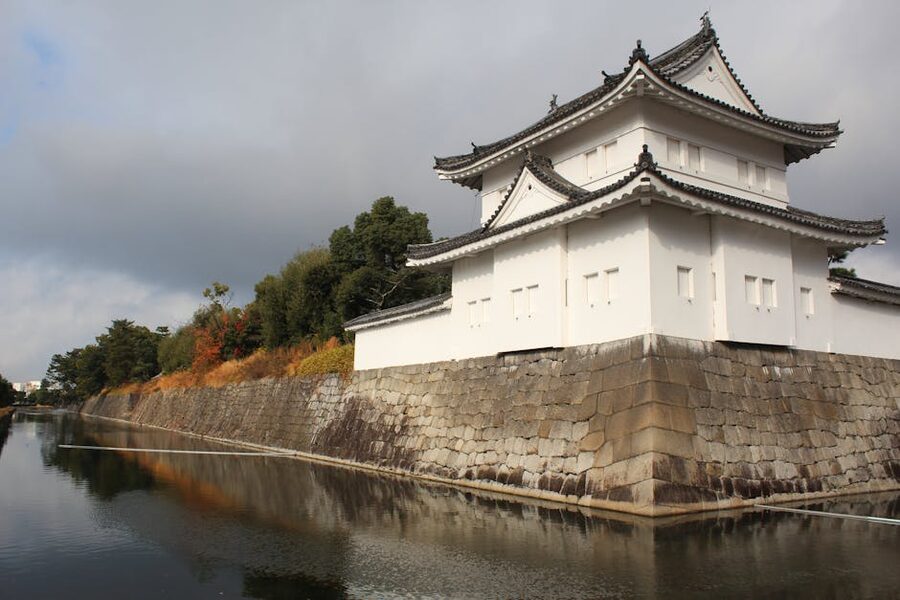
Autumn (mid November to early December) brings red and gold maple foliage to the castle gardens. The maples along the inner moat path are particularly photogenic — the leaves reflect in the still water and the stone walls provide a grey backdrop that makes the colours pop. Autumn is less crowded than cherry blossom season but the colours are arguably more dramatic.
Practical Tips
Opening hours matter. Nijo Castle opens at 8:45am and closes at 5pm (last entry 4pm). Ninomaru Palace closes earlier — last entry at 4:10pm. The guided tours run at fixed times throughout the day. Morning tours (9-10am) are best for avoiding crowds.
Closed on certain Tuesdays and over New Year. The castle closes on Tuesdays in January, July, August, and December (not all Tuesdays — check the calendar). It also closes December 26 to January 4. The official website has the exact schedule.
Shoes off in Ninomaru Palace. You leave your shoes in a locker at the entrance and walk through in socks. The wooden floors are cold in winter — wear warm socks. In summer, the lack of air conditioning in a 400-year-old wooden building is part of the experience (the building predates electricity by about 300 years).
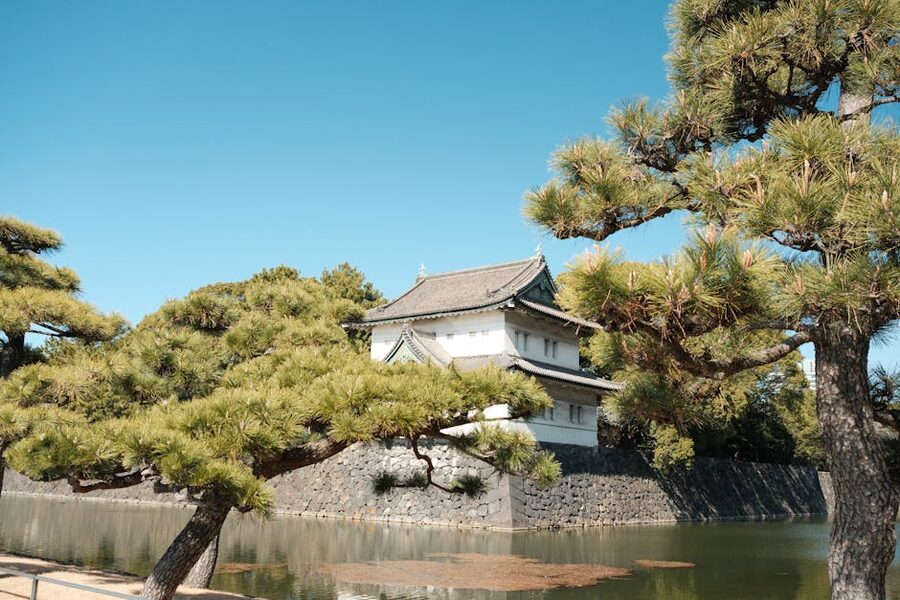
No photography inside Ninomaru Palace. The painted panels are light-sensitive and the no-photography rule is enforced. You can photograph everything else — the gardens, the exterior, the moat, the watchtowers. Budget 1.5-2 hours for a thorough visit (guided tour + gardens + grounds).
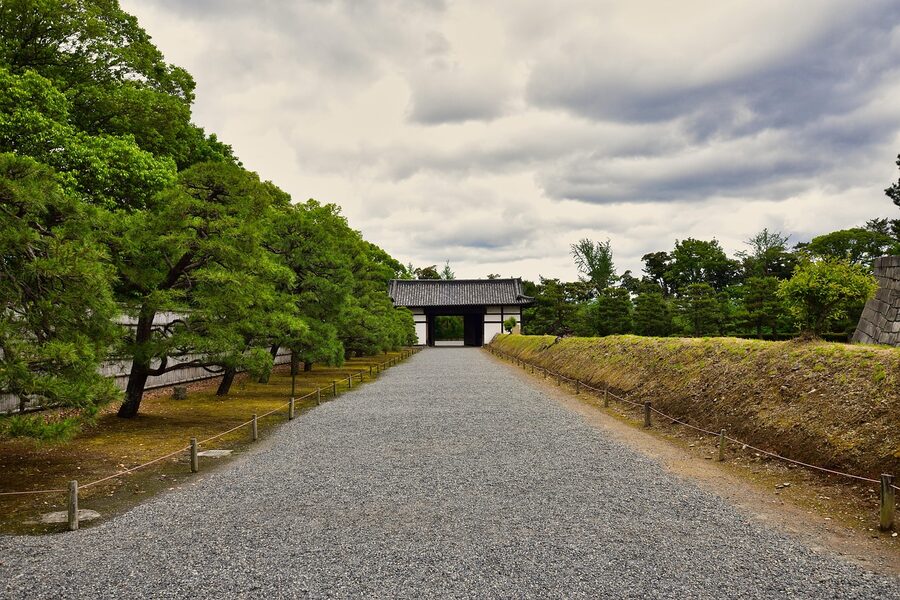
Combine with the Imperial Palace. The Kyoto Imperial Palace is 1.5 kilometres northeast of Nijo Castle — a 20-minute walk through pleasant Kyoto streets. Tour 2 above covers both, but you can also visit independently (the Imperial Palace grounds are free to enter). The contrast between the shogun’s power-architecture at Nijo and the emperor’s refined restraint at the Imperial Palace is one of the most interesting comparisons in Japanese history.
More Kyoto Guides
Nijo Castle pairs well with several other Kyoto experiences. The early morning temple tours cover Fushimi Inari and Kiyomizu-dera before the crowds — do the morning tour first, then Nijo Castle mid-morning when it opens. The full-day bus tours include Nijo Castle on most itineraries.
For the afternoon, the Gion geisha district walk and tea ceremony experiences offer a different side of Kyoto culture. And if you enjoyed the Tokugawa history at Nijo Castle, the samurai experience in Kyoto goes deeper into the warrior culture that built it.
For evening, the Kyoto night food tours through Pontocho and Gion are the natural next step — dinner in the city that Tokugawa Ieyasu’s shoguns helped shape.