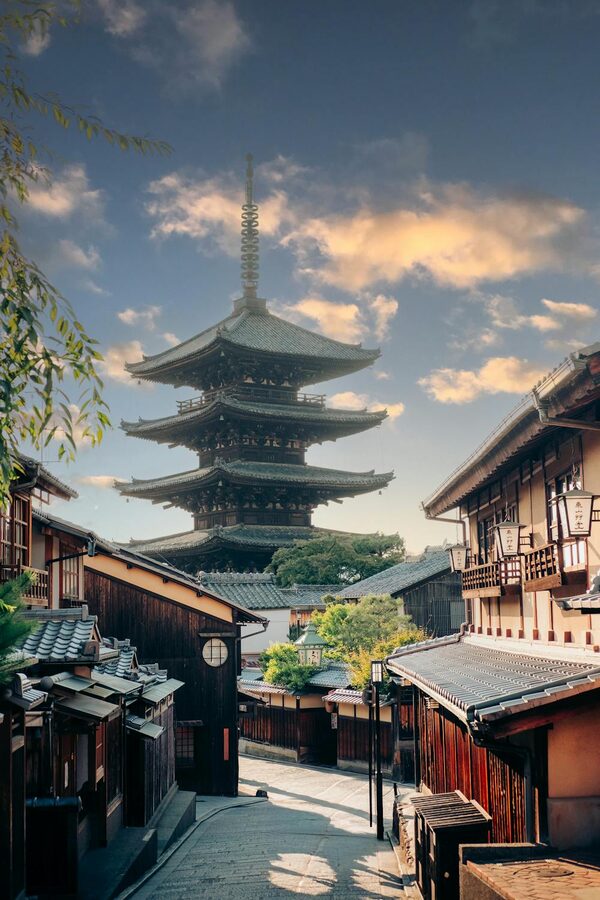
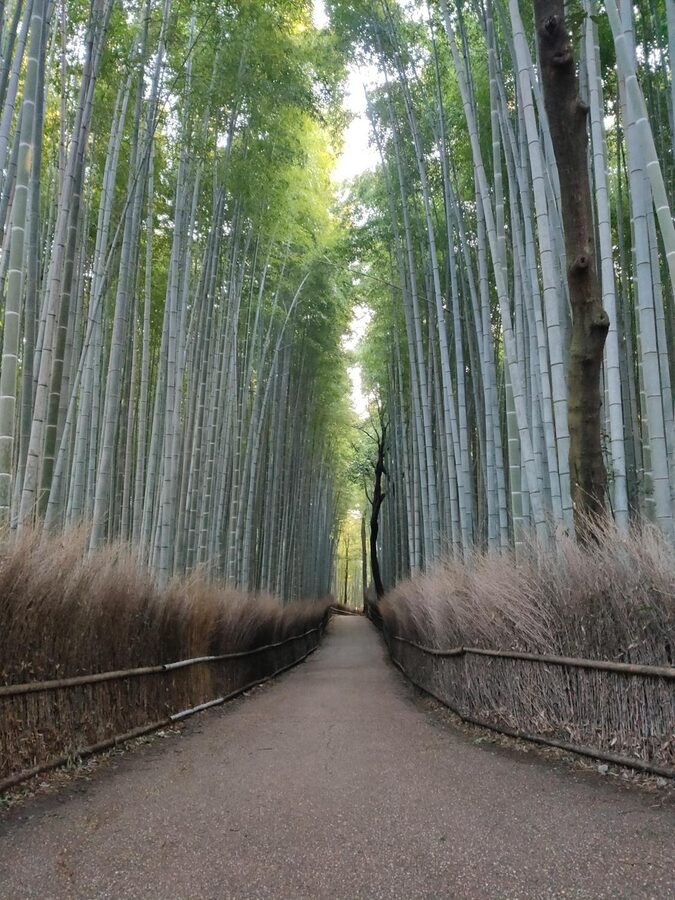
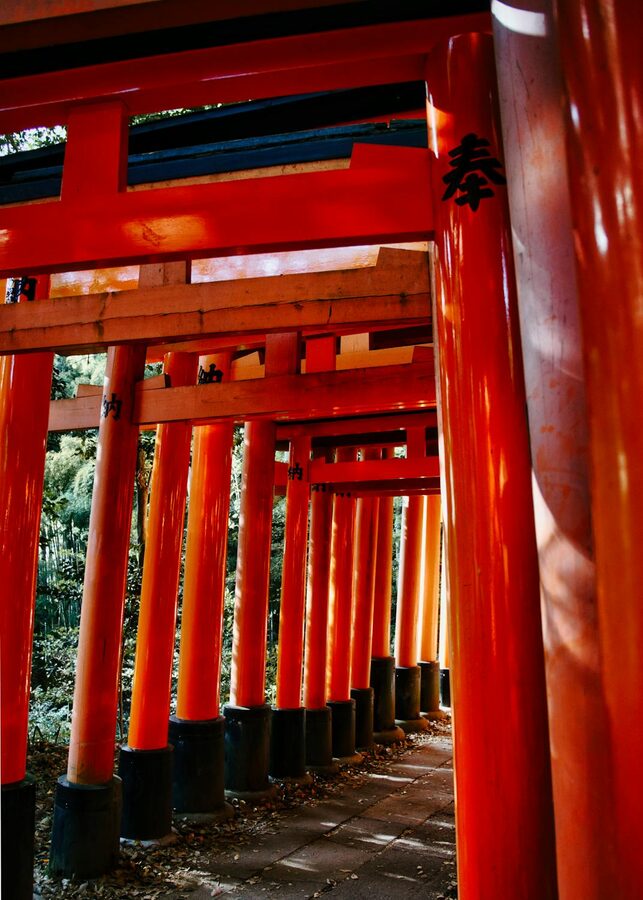
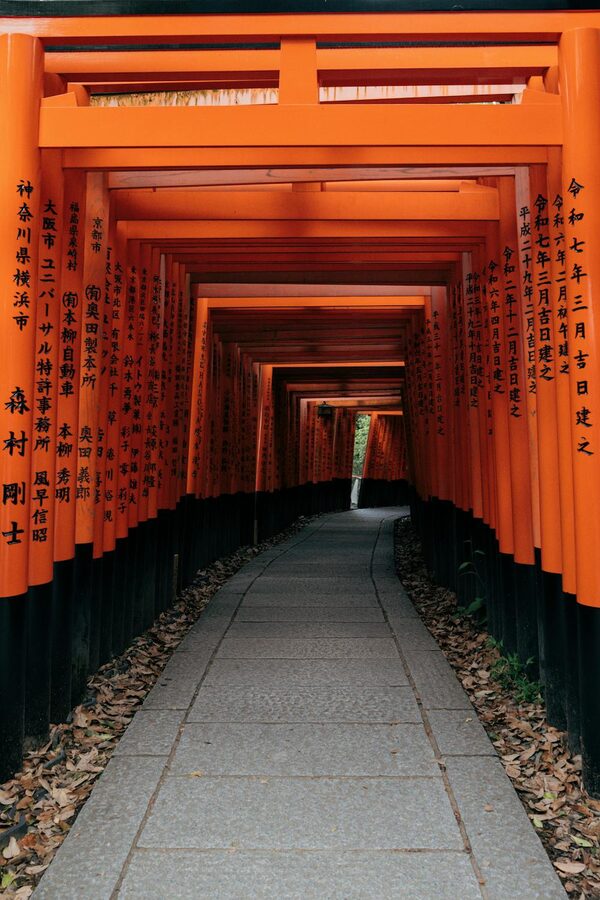
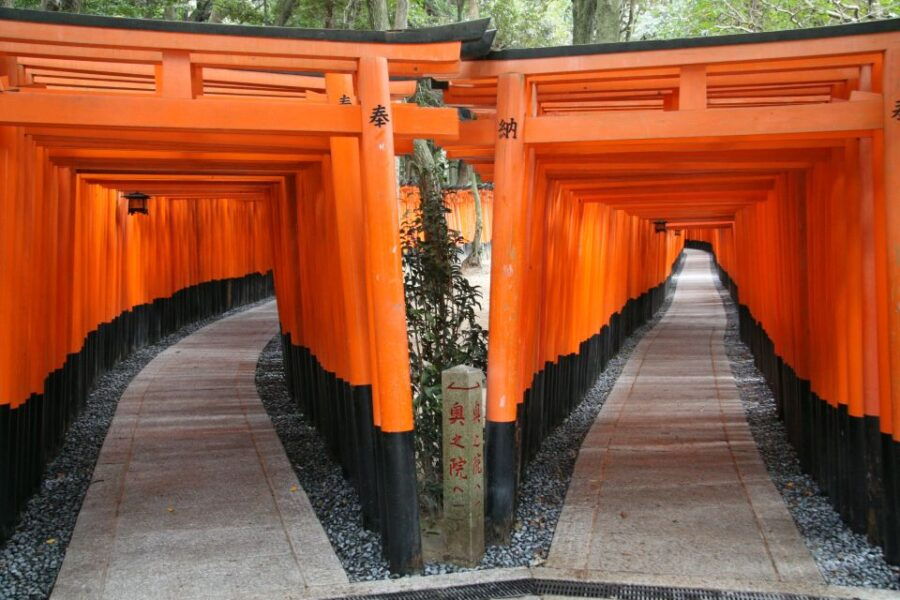
Fushimi Inari has 10,000 torii gates. By 10am on any given day, it also has roughly 10,000 travelers. I know because I was one of them on my first visit — shuffling through the lower gates in a human conveyor belt, phone held above head height, trying to get a single shot without someone’s selfie stick in it.
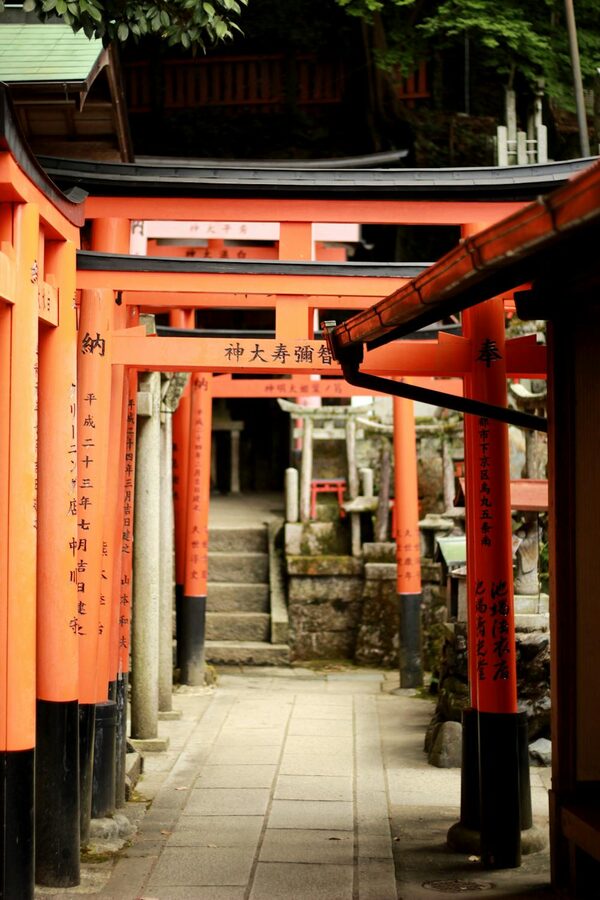
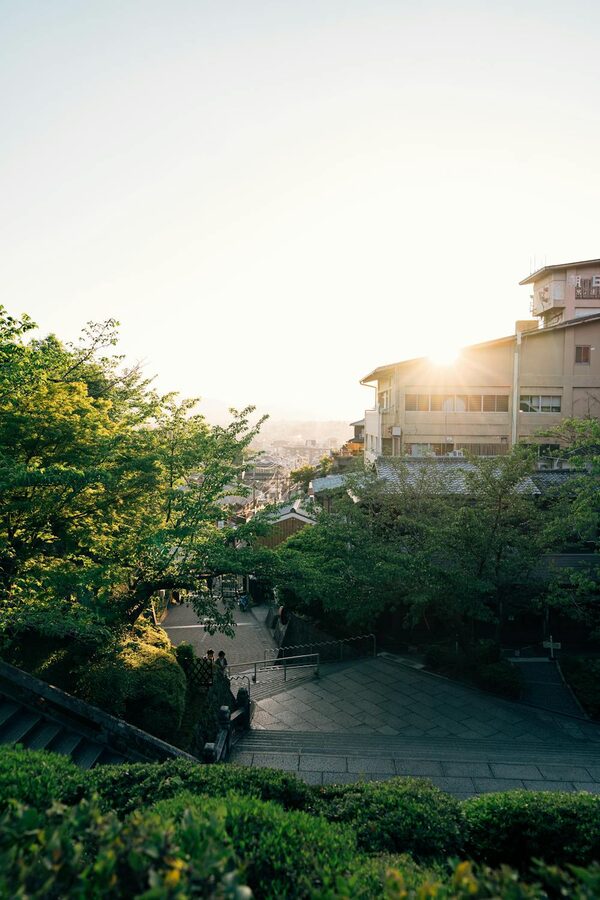
The second time I went back, I booked an early morning tour. 6am start. Same shrine, completely different experience. The gates were empty. The only sounds were birds and the occasional monk sweeping leaves. I got photos I’d been trying to get for two days in about five minutes.
That’s the entire pitch for Kyoto early morning tours: the same sites, minus the crowds. And it turns out that changes everything about the experience.
Short on time? Here are my top picks:
Best value: Kyoto Early Morning Tour (Viator) — $69. Starts at 6am, covers Fushimi Inari and Kiyomizu-dera before the crowds arrive. Perfect 5.0 rating.
Most comprehensive: Kyoto Early Morning Tour (GYG) — $101. 5.5-hour tour adding Kinkakuji (Golden Pavilion) to the itinerary. More ground covered, slightly higher price.
Full-day alternative: Full-Day UNESCO Bus Tour — $122. If you’d rather cover everything in one long day with transport included.
- Why Early Morning Makes Such a Difference in Kyoto
- What the Early Morning Tours Actually Cover
- Which Tour to Book
- 1. Kyoto Early Morning Tour —
- 2. Kyoto Early Morning Tour With Kinkakuji — 1
- 3. Kyoto Full-Day UNESCO Bus Tour — 2
- What to Know Before You Book
- Fushimi Inari — What You Need to Know
- Kiyomizu-dera — What You Need to Know
- After the Tour — What to Do With Your Day
Why Early Morning Makes Such a Difference in Kyoto
Kyoto gets over 50 million visitors a year. Most of them are doing the same circuit: Fushimi Inari, Kinkakuji, Kiyomizu-dera, Arashiyama Bamboo Forest. These sites open early — Fushimi Inari is open 24 hours, Kiyomizu-dera opens at 6am — but most tour buses don’t arrive until 9 or 10am, and independent travellers tend to start even later.
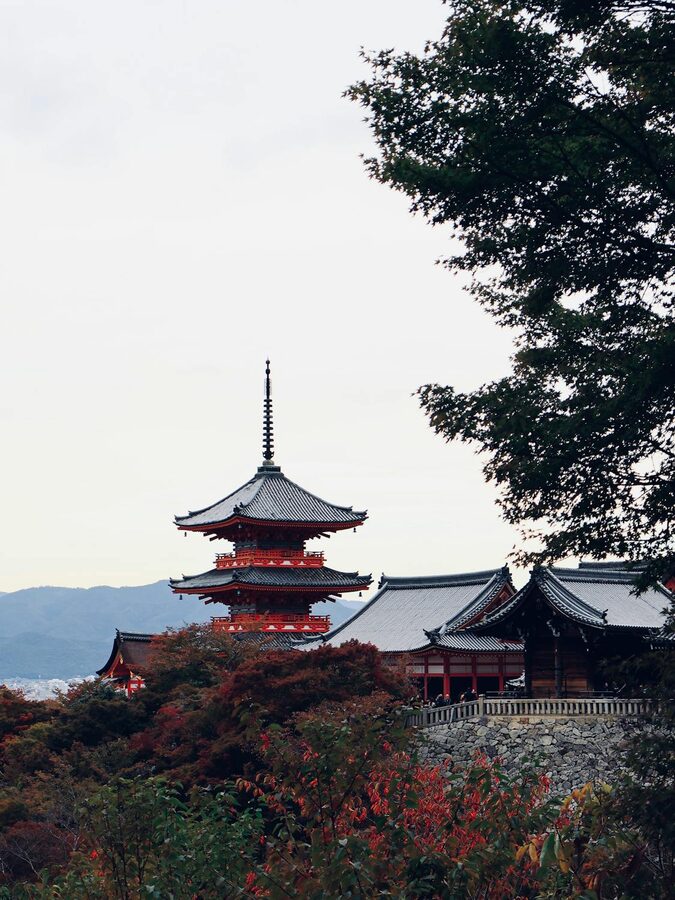
The window between 6am and 8:30am is what locals call the golden hours. It’s not just about fewer people — the light is different, the temperature is cooler, and there’s a stillness to the temples that completely evaporates by mid-morning. Monks are doing their morning routines. Shopkeepers are sweeping storefronts. The neighbourhood cats are still asleep on the stone walls.
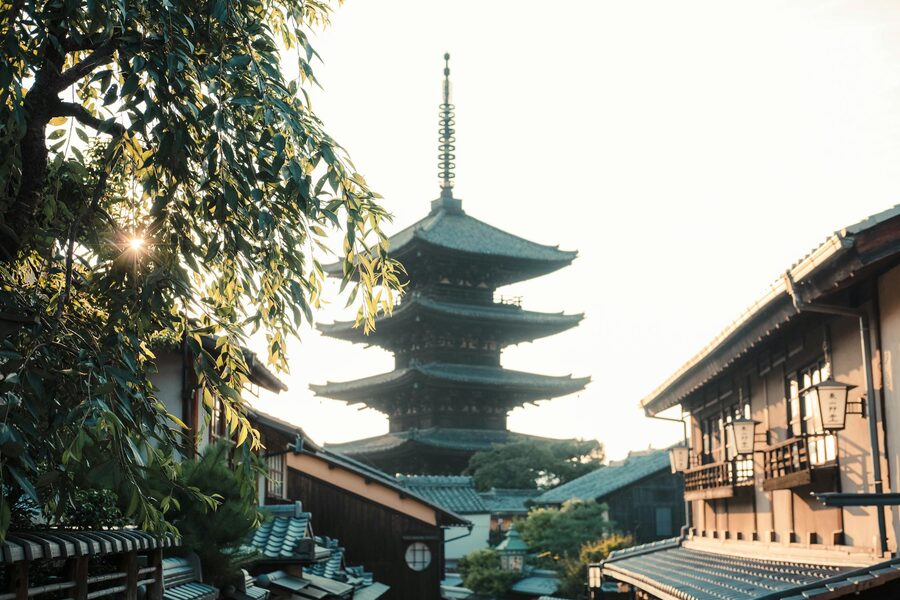
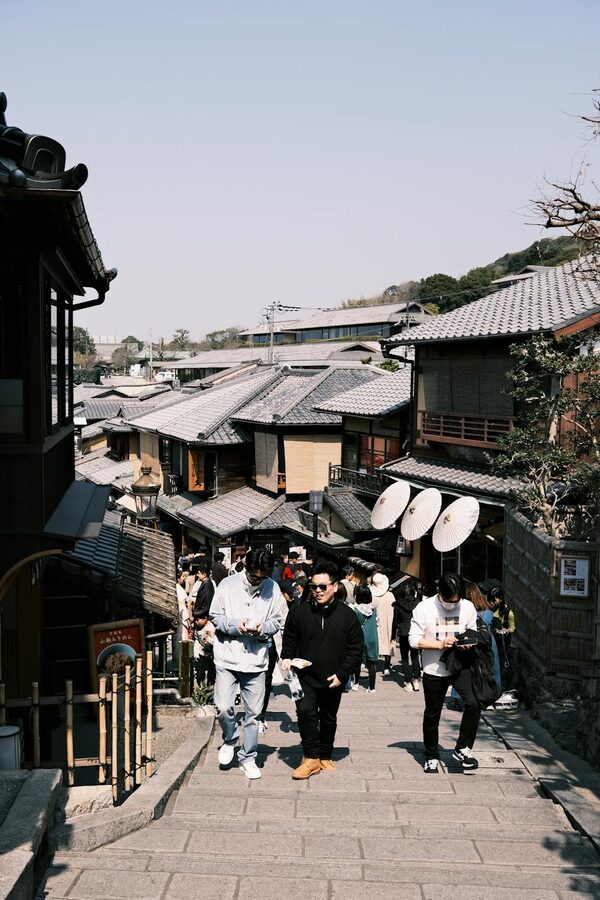
By 9am the dynamic shifts completely. Tour buses start unloading at Fushimi Inari. School groups appear at Kinkakuji. The narrow lanes of Higashiyama become a one-way pedestrian flow. If you’ve ever seen photos of Kyoto that look peaceful and uncrowded, they were almost certainly taken before 8am.
What the Early Morning Tours Actually Cover
The two main early morning tours on the market cover similar ground but with different itineraries.
The shorter tour (about 3-4 hours) typically hits Fushimi Inari Shrine and Kiyomizu-dera Temple — the two biggest draws that benefit most from early access. You start at 6am and finish by 9:30 or 10am, which leaves your entire afternoon free for other Kyoto activities.
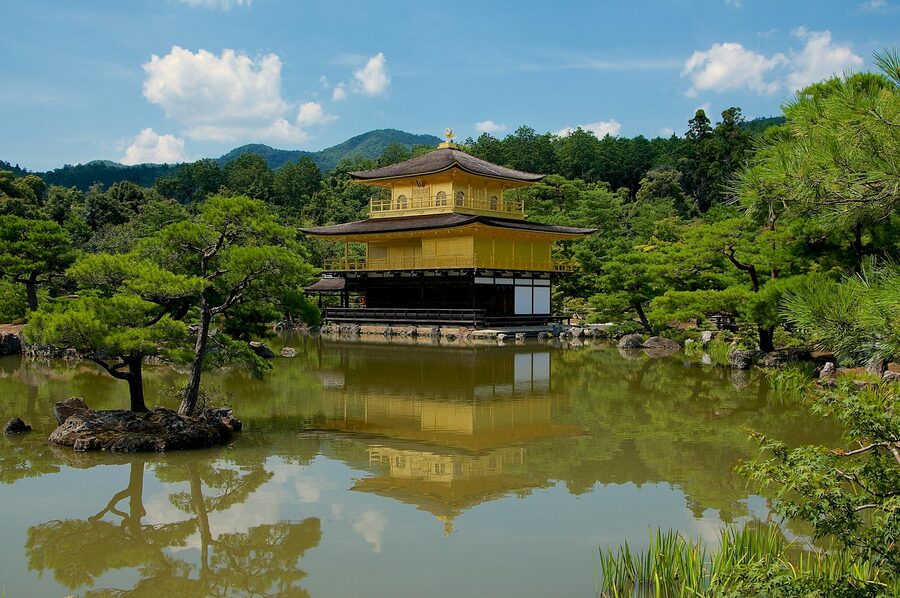
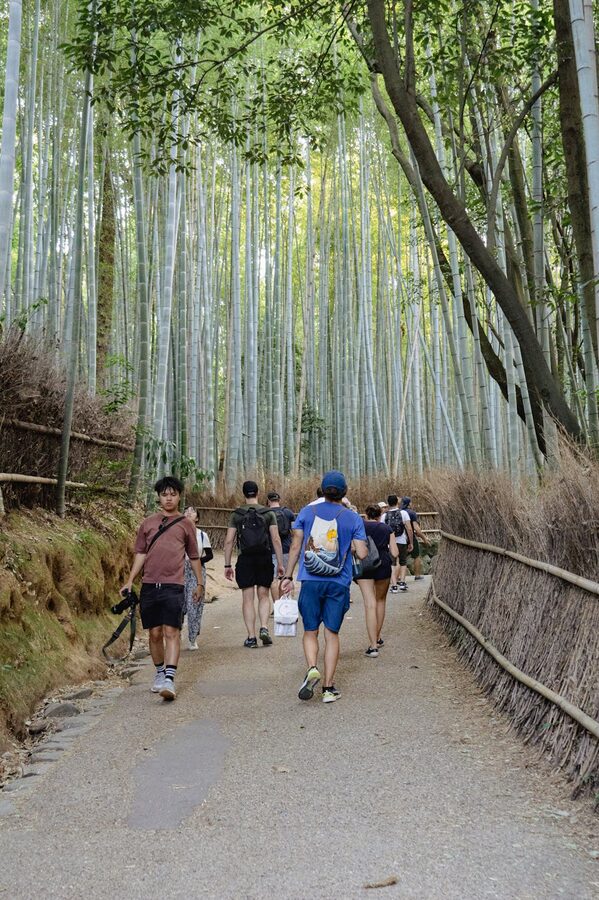
The longer tour (5-5.5 hours) adds Kinkakuji (the Golden Pavilion) and sometimes Arashiyama. This means a bit more travel time between sites but you get a more complete Kyoto experience in a single morning. The trade-off is that Kinkakuji doesn’t open until 9am, so by the time you arrive you’re hitting the start of the crowds rather than avoiding them entirely.
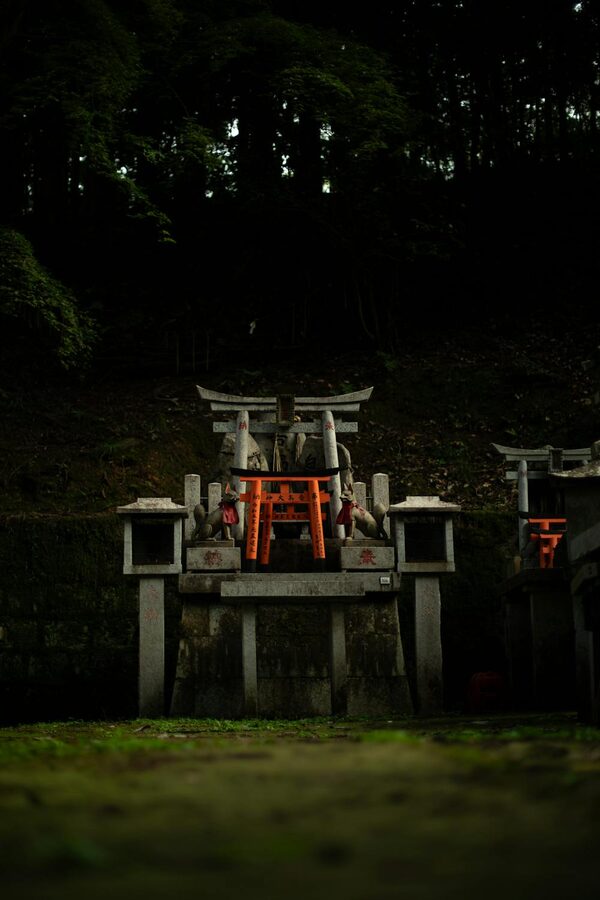
Both tours include an English-speaking guide, which makes a bigger difference than you might think. The guides point out details you’d walk right past on your own — the hidden fox statues at Fushimi Inari, the reason certain gates face specific directions, the significance of the different fox poses. Context turns a pretty photo walk into something you actually remember.
Which Tour to Book
1. Kyoto Early Morning Tour — $69

This is the original Kyoto early morning tour and it holds a perfect 5.0 rating across a huge number of bookings. Operated by MagicalTrip, the format is simple: meet at 6am near Fushimi Inari, spend about 90 minutes hiking the shrine trails before anyone else arrives, then head to Kiyomizu-dera Temple for the same crowd-free experience.
At $69 per person, the value is hard to argue with. That’s about the same as a mediocre lunch in the Gion district. The guides — multiple names come up repeatedly in reviews — are young, enthusiastic, and genuinely knowledgeable about Kyoto’s history and culture. They don’t just narrate facts; they share stories about the shrines that make the whole experience feel personal. Our full review has details on the exact route and timing.
The tour finishes by mid-morning, which is actually the best part — you’ve already ticked off Kyoto’s two biggest attractions and you still have the entire day ahead of you. Use the afternoon for Arashiyama or a tea ceremony.
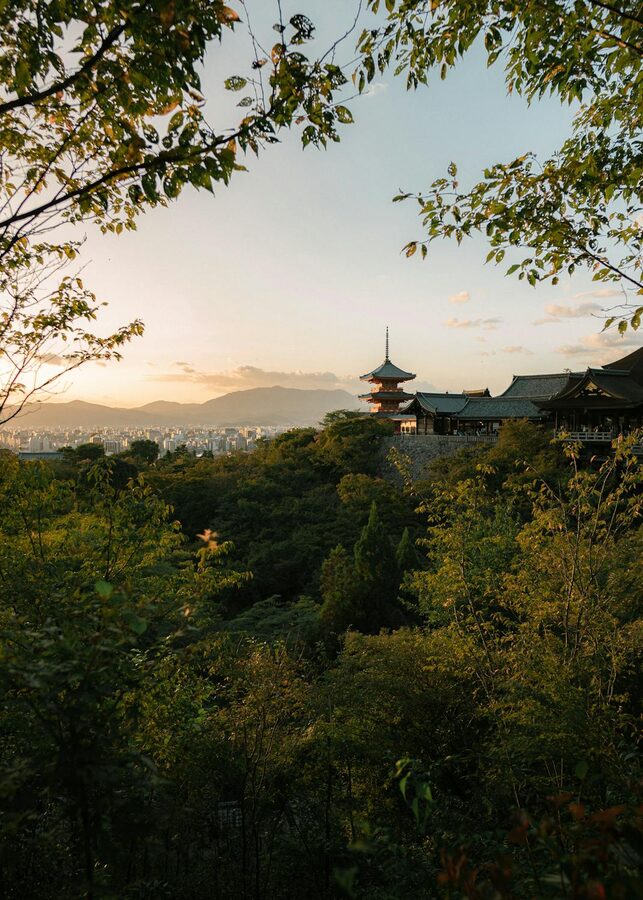
2. Kyoto Early Morning Tour With Kinkakuji — $101

Same concept as the tour above but with a longer route that adds Kinkakuji (the Golden Pavilion) to the itinerary. At $101 per person for 5.5 hours, you’re covering three of Kyoto’s top five attractions in a single morning. The pace is faster — more walking, less lingering — but you get more ground covered.
The reality check: Kinkakuji doesn’t open until 9am, so by the time you reach it the early-morning advantage has partially worn off. You’ll still beat the main rush, but there will be other visitors. The Fushimi Inari and Kiyomizu-dera portions still benefit fully from the early start. If Kinkakuji is a priority for you, this tour is the efficient way to see it without dedicating a separate half-day. If you’re flexible, book Tour 1 and visit Kinkakuji independently in the late afternoon when the crowds thin out again.
3. Kyoto Full-Day UNESCO Bus Tour — $122
This isn’t an early morning tour specifically, but it’s worth mentioning because it’s the most popular full-day Kyoto tour on the market and many readers will be deciding between a focused morning tour and a comprehensive all-day option. At $122 per person for a 9-hour bus tour hitting seven UNESCO sites, the value per site is actually excellent.
The trade-off is obvious: you’re on a bus with a group, and you arrive at each temple at the same time as everyone else. No crowd-free magic. But if your goal is coverage rather than atmosphere — you want to see Kiyomizu-dera, Kinkakuji, Arashiyama, AND Nara’s deer park in a single day — this tour does that efficiently. Just know what you’re giving up: the early-morning stillness that makes Tours 1 and 2 special.
What to Know Before You Book
The 6am start means a 5am alarm. Most tours meet near Fushimi Inari station, which is a 15-20 minute taxi ride from central Kyoto (about 1,500 yen). The Keihan Railway runs from Gion-Shijo to Fushimi Inari in 5 minutes but the first train isn’t until 5:09am — cutting it tight. A taxi is the safer bet if you’re nervous about being late.
Wear comfortable shoes you don’t mind getting dirty. Fushimi Inari involves a hill climb on uneven stone steps. The full hike to the summit takes about 2 hours (the tours only do the lower section, roughly 45-60 minutes), but even the lower portion can be slippery when wet. Trainers, not sandals.
Bring water and a light snack. You won’t find convenience stores on the shrine trail, and the vending machines at Fushimi Inari are at the base, not partway up. The tours don’t typically include breakfast, and you’ll be walking for 3+ hours on an empty stomach if you don’t plan ahead.
Spring and autumn are the best (and most crowded) seasons. Cherry blossom season (late March to mid April) and autumn foliage (mid November to early December) make Kyoto’s temples look otherworldly — but also bring the biggest crowds. Early morning tours during these seasons are especially valuable because the crowd-to-beauty ratio is at its worst by mid-morning.
Book at least 3-4 days ahead. The early morning tours have small group sizes (8-12 people max) and fill up fast during peak season. I’ve seen the Viator tour show as fully booked for the next week during cherry blossom season. If your dates are locked, book as soon as you can.
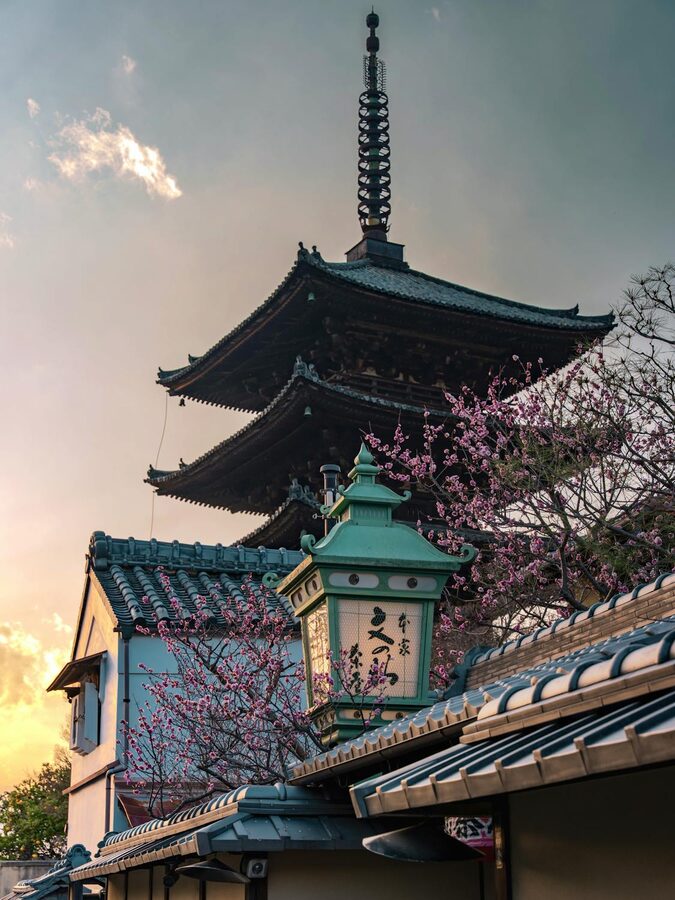
Summer is hot and humid. Kyoto sits in a valley and July-August temperatures regularly hit 35°C with oppressive humidity. An early morning start in summer is actually ideal because you’re done before the worst of the heat. But bring a towel and water regardless.
Fushimi Inari — What You Need to Know
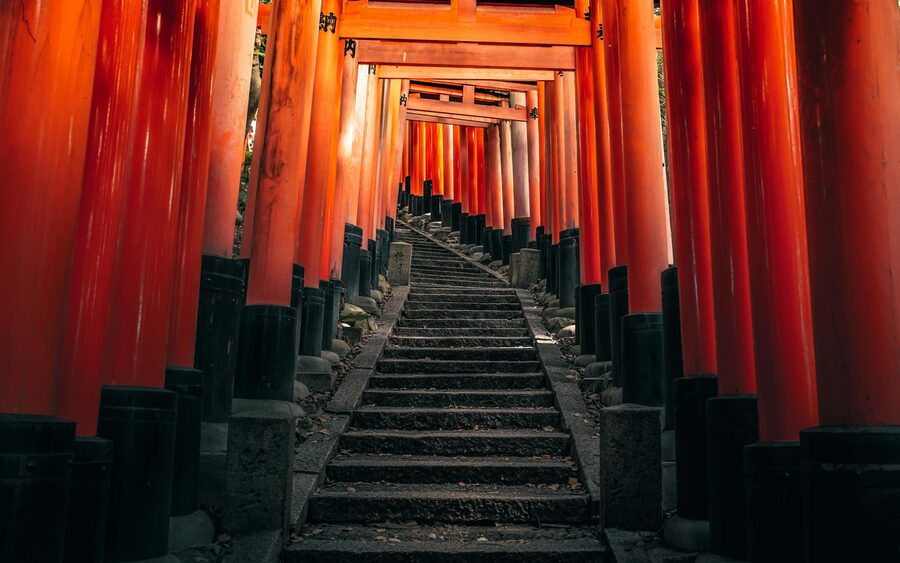
Fushimi Inari Taisha is the single most visited site in Kyoto, and it’s unlike anything else in Japan. The shrine is dedicated to Inari, the Shinto deity of rice, sake, tea, and business prosperity. The thousands of torii gates lining the mountain trails behind the main shrine were donated by businesses and individuals seeking good fortune — each one inscribed with the donor’s name and the date of donation.
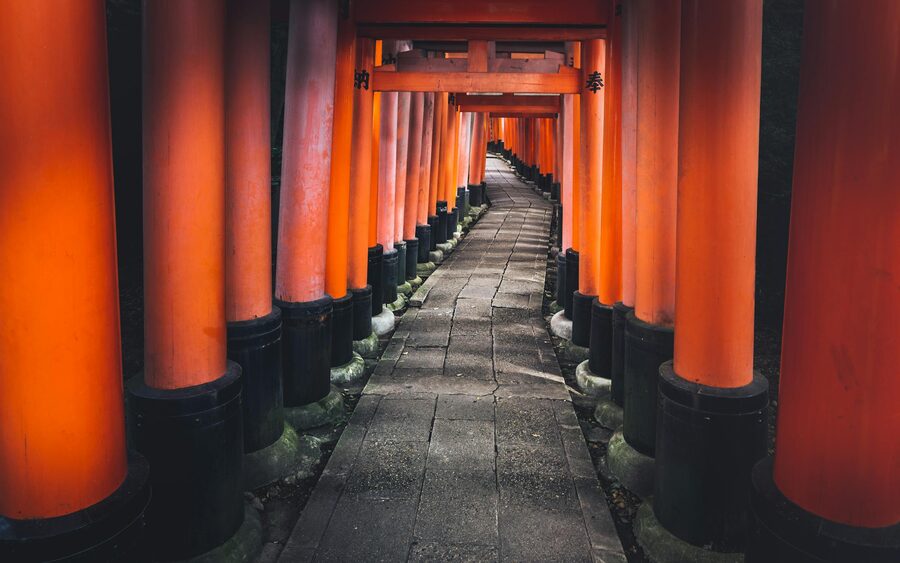
The shrine sits on Mount Inari, which is 233 metres high. The full loop trail covers about 4 kilometres and takes 2-3 hours to hike at a relaxed pace. The early morning tours typically cover the first third — up to the Yotsutsuji intersection, which is where the trail splits and also where you get the first panoramic view of Kyoto.
Most travelers turn around at Yotsutsuji. If you want the full hike, come back independently after your tour and continue up. The upper trails are always quieter — even at peak hours.
Kiyomizu-dera — What You Need to Know
Kiyomizu-dera (the Pure Water Temple) is a UNESCO World Heritage Site perched on a hillside in eastern Kyoto. The main hall’s wooden stage juts out over a cliff and offers sweeping views of the city — it’s the shot you’ve seen on every Kyoto travel poster.
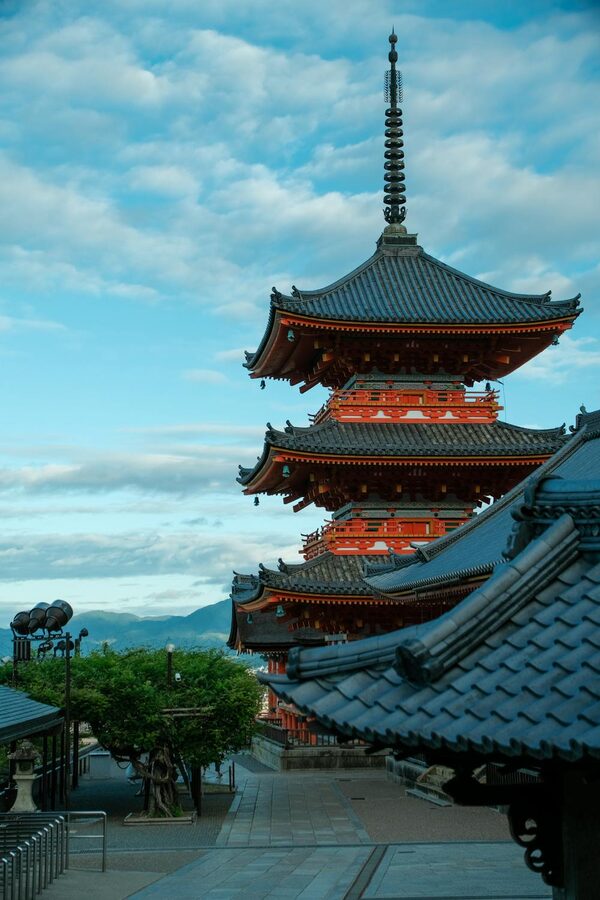
The temple opens at 6am year-round, making it perfect for early morning visits. At the base, the Otowa Waterfall has three streams of water, each said to grant a different benefit: longevity, success in school, and a fulfilling love life. The trick is to drink from only one or two — locals say drinking from all three is considered greedy, and bad luck.
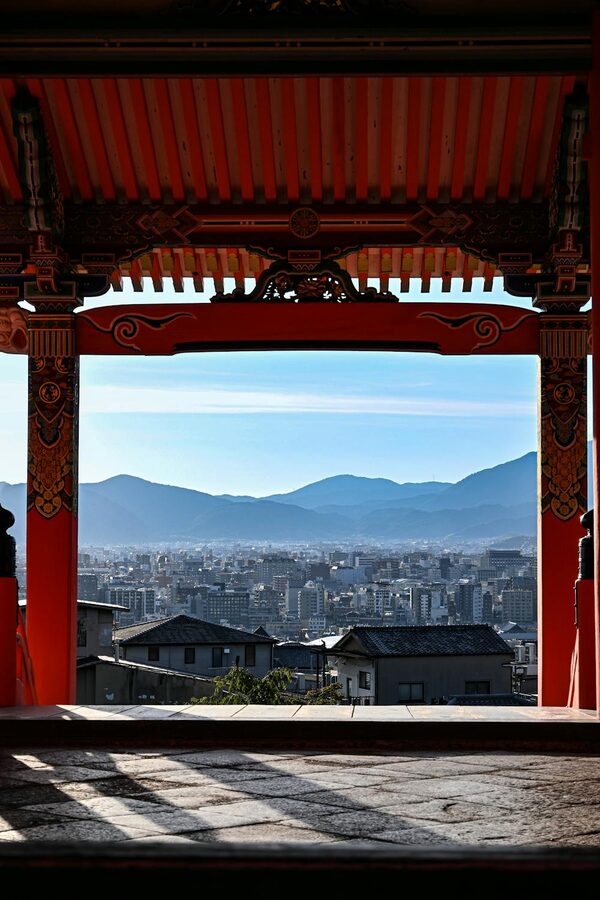
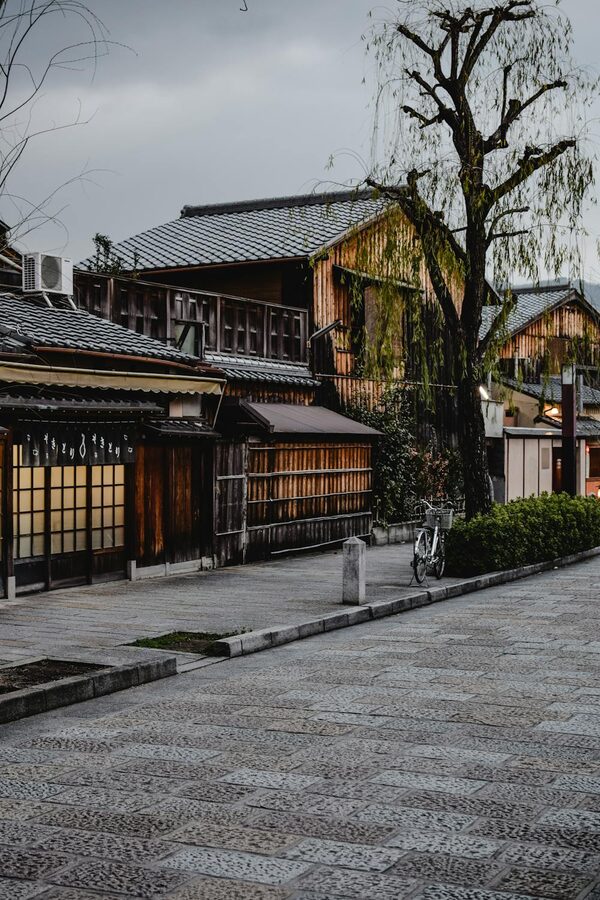
The approach to Kiyomizu-dera is through two of Kyoto’s most photogenic streets: Sannen-zaka and Ninen-zaka. These stone-paved lanes lined with traditional shops and teahouses are beautiful in the morning light. The shops don’t open until 9 or 10am, but the architecture is the real draw. There’s a Starbucks on Ninen-zaka that’s been converted from a 100-year-old townhouse — it’s worth a look even if you don’t buy anything.
After the Tour — What to Do With Your Day
The beauty of finishing by 9:30 or 10am is that you’ve already won. The two hardest sites to see without crowds are done. Now you can enjoy the rest of Kyoto at whatever pace you want.
A tea ceremony pairs perfectly with a morning tour — most sessions run in the afternoon and give you a chance to sit down, decompress, and experience a completely different side of Kyoto culture. The Gion geisha district walking tours run in the evening, making them an ideal bookend to your early morning start.
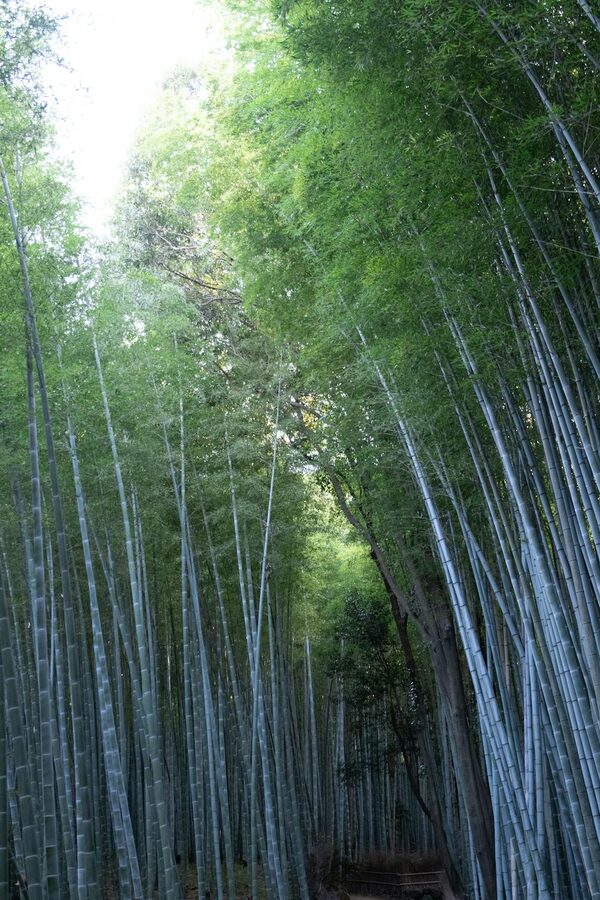
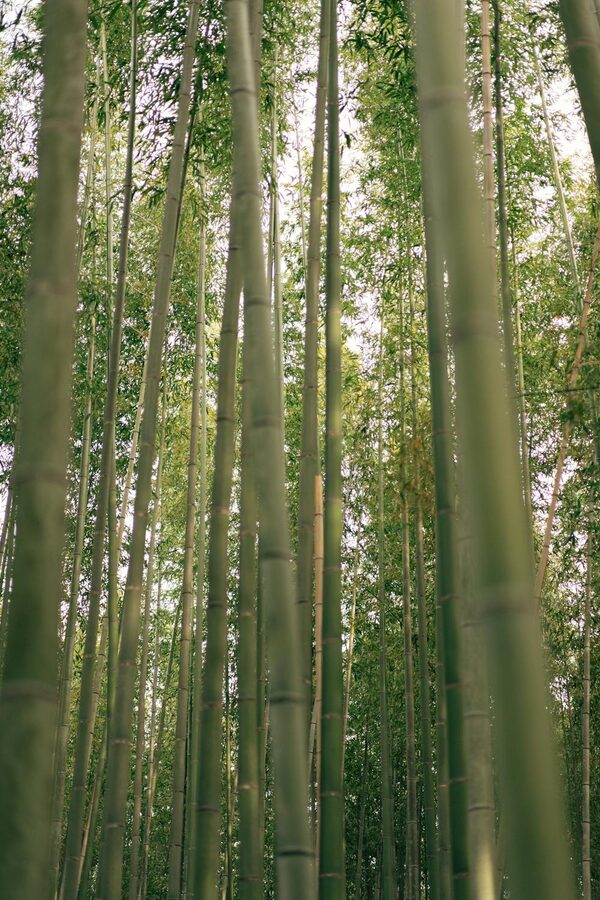
For a full day combining the best of Kyoto, the sequence that works best is: early morning temple tour, lunch in Nishiki Market (Kyoto’s 400-year-old food market, a 10-minute walk from Gion), afternoon Arashiyama bamboo walk, then a Gion evening walk. That covers most of Kyoto’s highlights in a single day without the rushed feeling of a bus tour.
If you’re spending more than one day in Kyoto, consider our guides to bike tours (the best way to see northern Kyoto’s quieter temples), Fushimi Inari hiking tours (the full mountain, not just the lower gates), and day trips to Nara — which is just 45 minutes away by train and has a completely different atmosphere.