
The guide stopped walking. We were about 20 minutes into the Arashiyama bamboo forest, the path lit only by his headlamp, and he turned around and said: “In 1582, a samurai committed seppuku on this exact stone. The locals say if you hear bamboo creaking in a still wind, it’s him.”
Then the bamboo creaked. There was no wind.
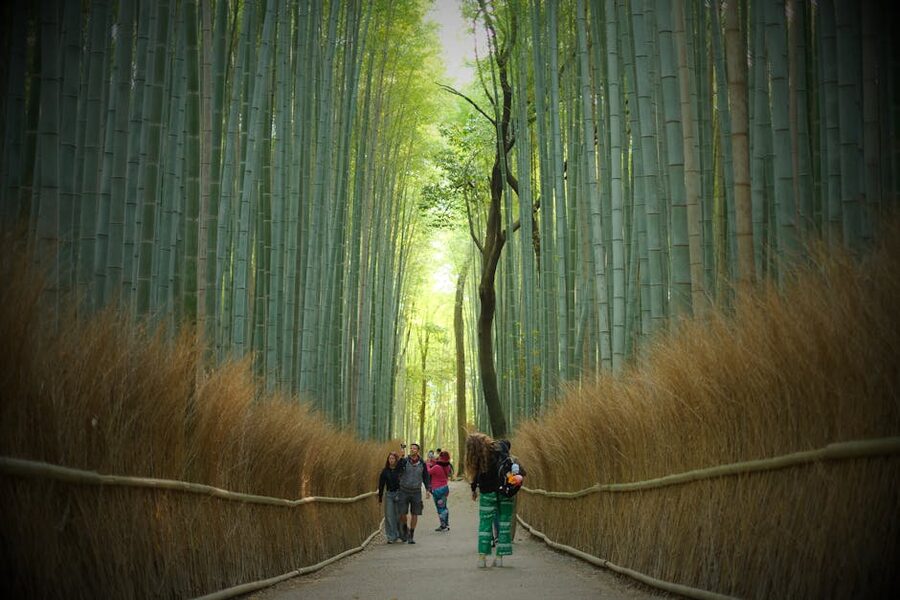
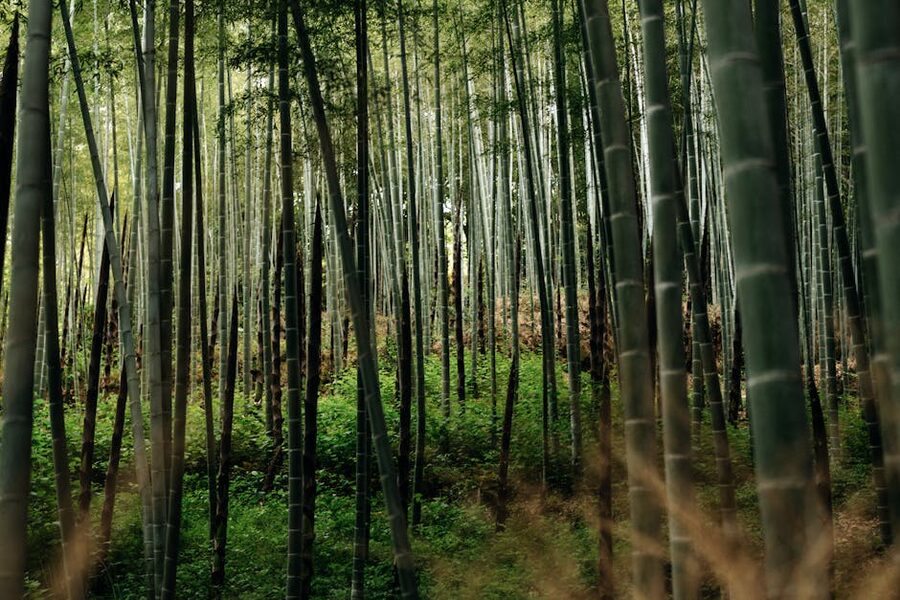
Kyoto’s ghost night tours are one of the city’s weirdest and best-kept secrets. They blend real Japanese folklore — ghosts, demons, haunted shrines — with actual history into a 90-minute-to-3-hour walking tour. You visit bamboo forests, old cemeteries, Shinto shrines at midnight, and the alleys of Gion where geisha have seen things they refuse to talk about.
Sounds cheesy. It’s not. The guides are storytellers, the history is real, and Kyoto at night is genuinely the most atmospheric city in Japan. If you’re on the fence: book it.
Short on time? Here are my top picks:
Best overall: Gion Magical Night Walking Tour with Geisha Trivia — $24, 100 min, 2,393 reviews. The most-booked Kyoto night tour. Gion at night, geisha spotting, storytelling.
Most atmospheric: Gion Night Owl Walking Tour — $24, 2 hours, 2,058 reviews. Later start, quieter streets, more storytelling.
Pure ghost experience: Ghost Hunting in the Bamboo Forest — Arashiyama at Night — $44, perfect 5.0, 625 reviews. The bamboo forest after dark with ghost stories. Scarier and more memorable.
- What Actually Happens on a Kyoto Ghost Tour
- Meeting Point
- Stop 1: Real History + Real Haunting
- Stop 2: Yokai Folklore
- Stop 3: The Atmospheric Payoff
- The 3 Best Kyoto Ghost & Night Walking Tours
- 1. Gion Magical Night Walking Tour with Geisha Trivia —
- 2. Gion Night Owl Walking Tour —
- 3. Ghost Hunting in the Bamboo Forest — Arashiyama at Night —
- Gion Tour vs Arashiyama Ghost Tour: Which to Pick
- 1,400 Years of Kyoto Haunting
- Arashiyama Bamboo Forest at Night: The Experience
- Gion at Night: The Alternative Experience
- Practical Tips
- Combining with Other Kyoto Experiences
- Getting There
- More Kyoto Night Experiences
What Actually Happens on a Kyoto Ghost Tour
The format varies by tour, but here’s the rhythm that most of them follow.
Meeting Point
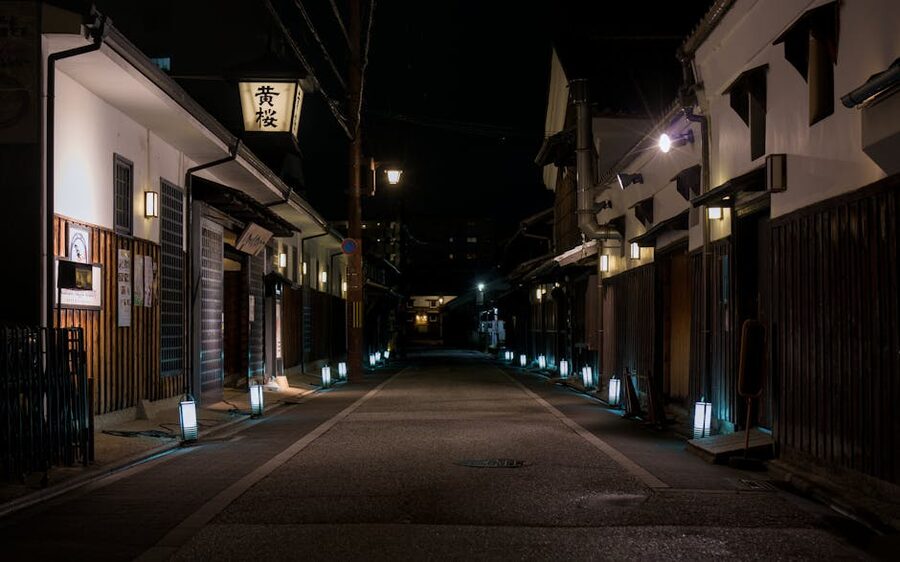
Small groups (6-10 people usually) meet near a Kyoto landmark. For Gion tours, it’s near Yasaka Shrine or Hanami-koji. For the Arashiyama bamboo tour, it’s Saga-Arashiyama Station. The guide introduces themselves, hands out flashlights for the creepier sections, and sets the tone.
Stop 1: Real History + Real Haunting
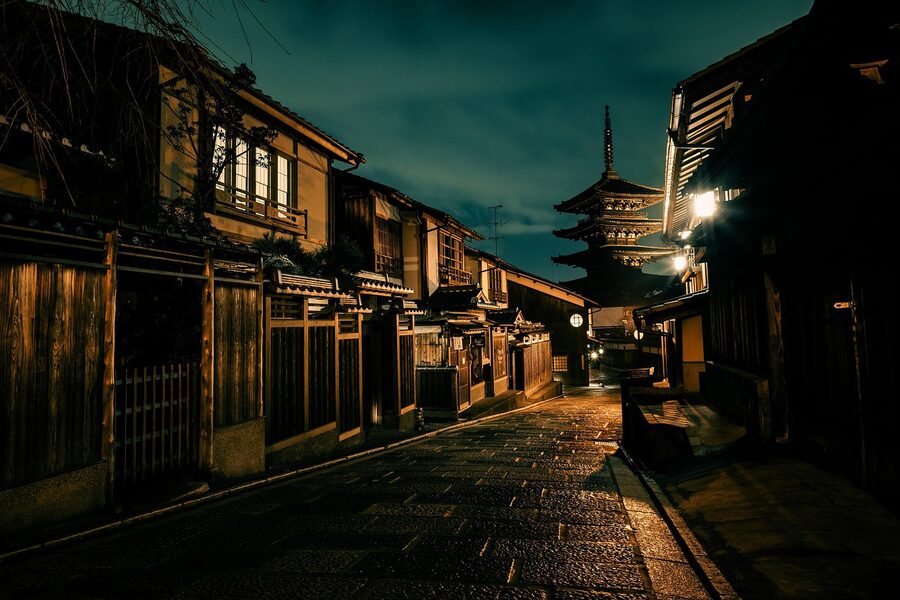
The first story is usually the most historically documented one — something that actually happened, witnessed by actual people, recorded in actual old texts. The Sengoku period (1467-1615) gives Kyoto plenty of material: suicides, murders, executions, betrayals, and all the baggage of a 1,000-year-old capital.
This is where the tours differentiate themselves from cheap “haunted house” tourist traps. The guides have done the research. You’re getting actual Kyoto history dressed in ghost-story framing.
Stop 2: Yokai Folklore
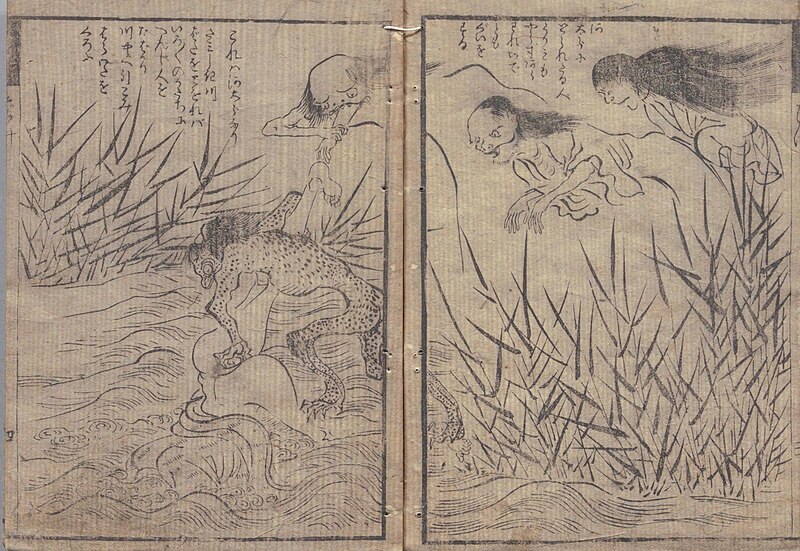
Japanese ghosts aren’t like Western ones. Yokai (supernatural creatures), yurei (vengeful spirits), onryo (grudge ghosts) — they all have specific rules, backstories, and locations where they supposedly appear. Some are scary. Some are cute. Some want revenge. Some just want to be acknowledged.
The guide will explain 2-3 specific yokai that are associated with the area you’re walking through. The kappa (water demons) live in rivers and ponds. The kitsune (fox spirits) live at Fushimi Inari. The onryo — the Grudge-style long-haired women — live anywhere someone was murdered unfairly.
Stop 3: The Atmospheric Payoff
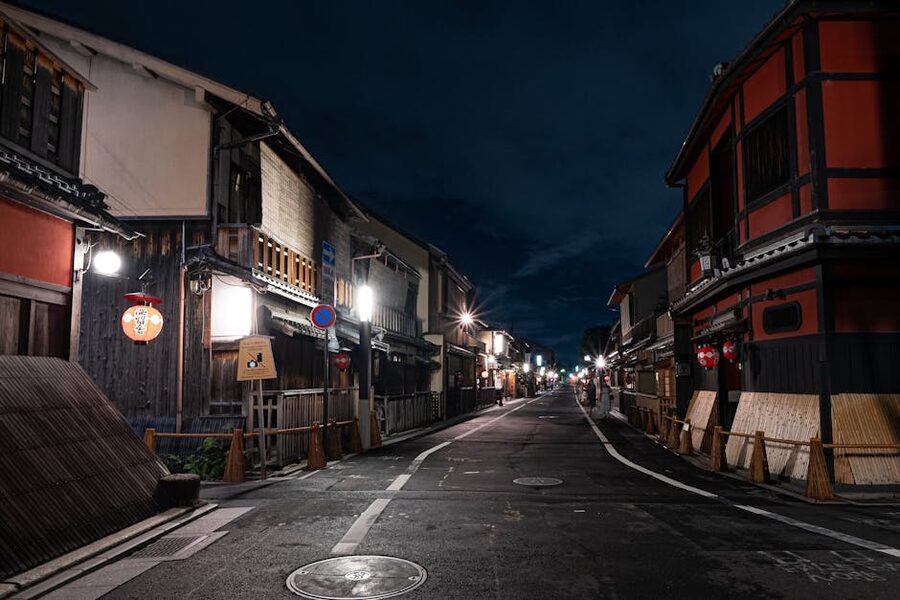
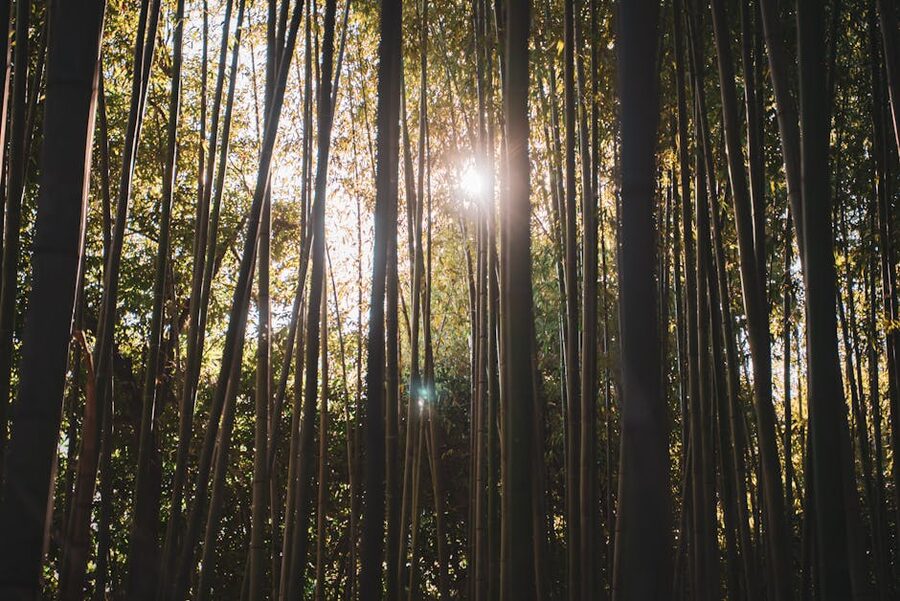
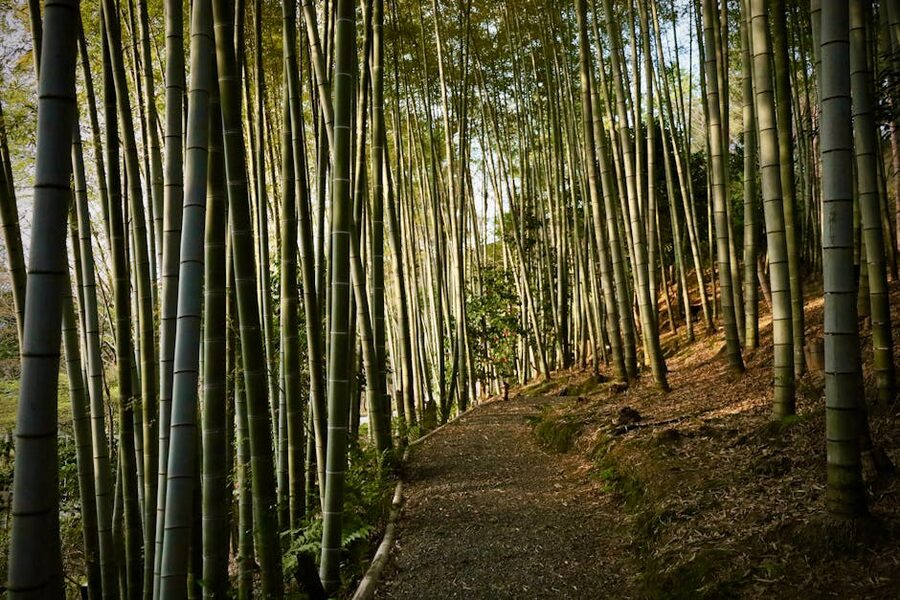
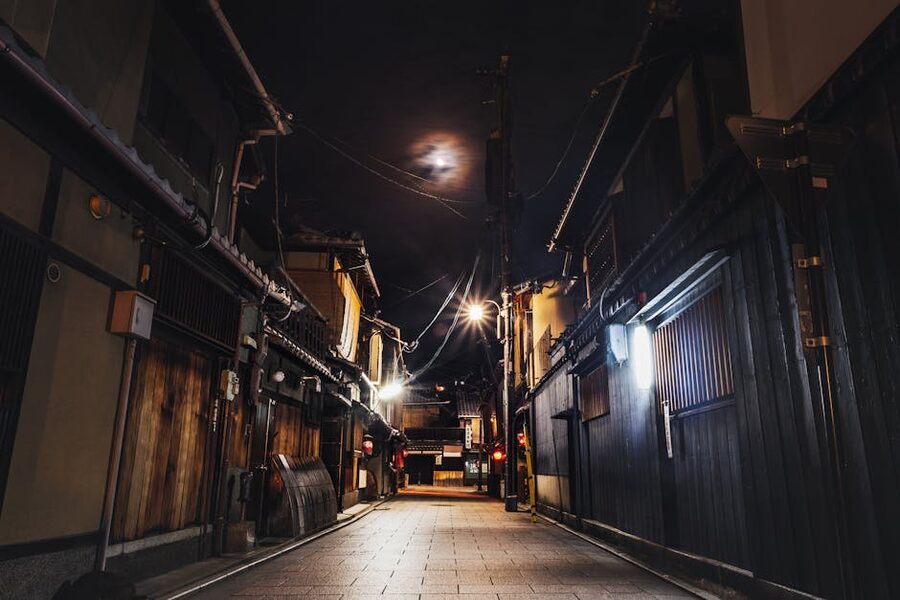
Every good tour has a big moment. For the Gion tours, it’s usually the walk through the quietest stretches of the geisha district. For the Arashiyama bamboo tour, it’s the silent walk into the heart of the forest where you can hear the bamboo creaking and see the stars through the canopy.
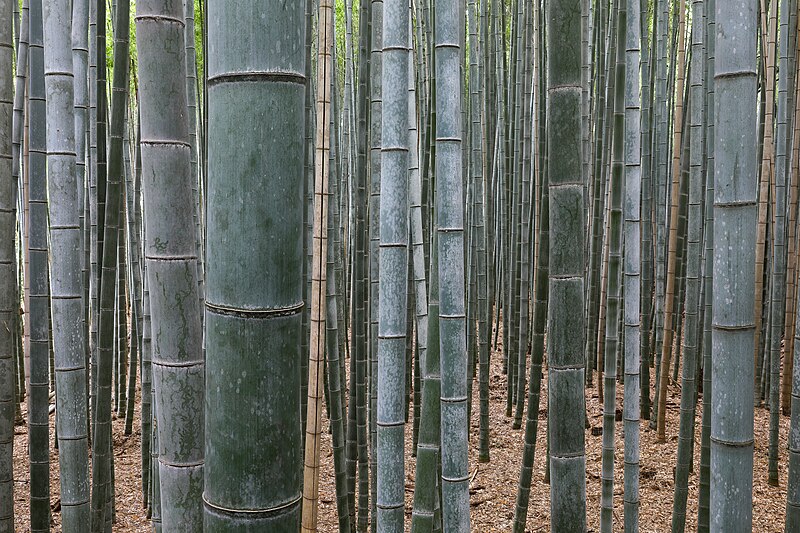
This is the moment people remember. The tour will usually give you a few minutes of silence to just experience the place. Phones down. No talking. Just the bamboo, the stars, and 1,400 years of Kyoto behind you.
The 3 Best Kyoto Ghost & Night Walking Tours
1. Gion Magical Night Walking Tour with Geisha Trivia — $24

The biggest Kyoto night tour by review count — 2,393 reviews at $24. Groups up to 10 people, 100 minutes through Gion’s quieter backstreets with stories about the geisha world, Kyoto folklore, and local history. Jessica from a recent visit said the guide was friendly and knowledgeable, and the group even spotted an actual geisha during the tour. Our full review covers the Gion route and what you learn.
2. Gion Night Owl Walking Tour — $24
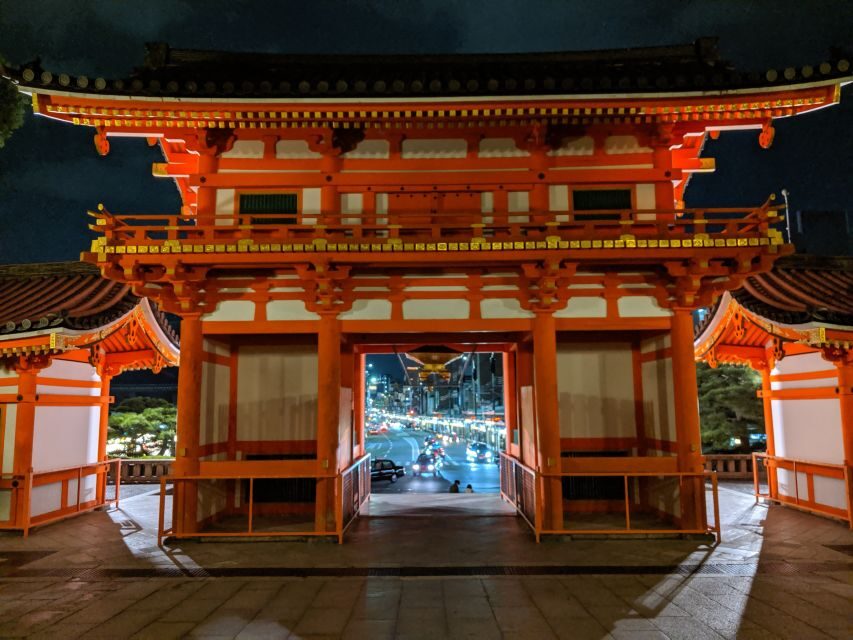
2,058 reviews at $24 and a 4.9 rating. 2-hour format — slightly longer and slightly slower than the Magical Night tour. Starts later, so Gion is genuinely quiet by the time you’re walking through. A recent guest praised the guide’s knowledge and said the tour was amazing despite cold weather. Our review explains the Night Owl format and how it compares to the earlier Magical tour.
3. Ghost Hunting in the Bamboo Forest — Arashiyama at Night — $44
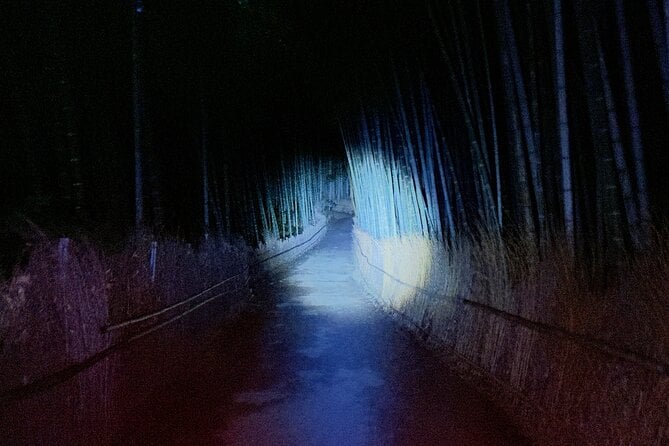
Perfect 5.0 across 625 reviews. The only real “ghost hunting” format on the market. Small groups, bamboo forest setting, genuine folklore with historical depth. Includes a drink to start and a brief solo walk in the dark for the truly spooky moment. Vicki called it “light-hearted and fun but just creepy enough to be memorable” and loved seeing the bamboo forest when it’s not packed. Our review covers the full ghost tour format.
Gion Tour vs Arashiyama Ghost Tour: Which to Pick
The two tours have similar prices and ratings but offer different experiences. Here’s how to choose.
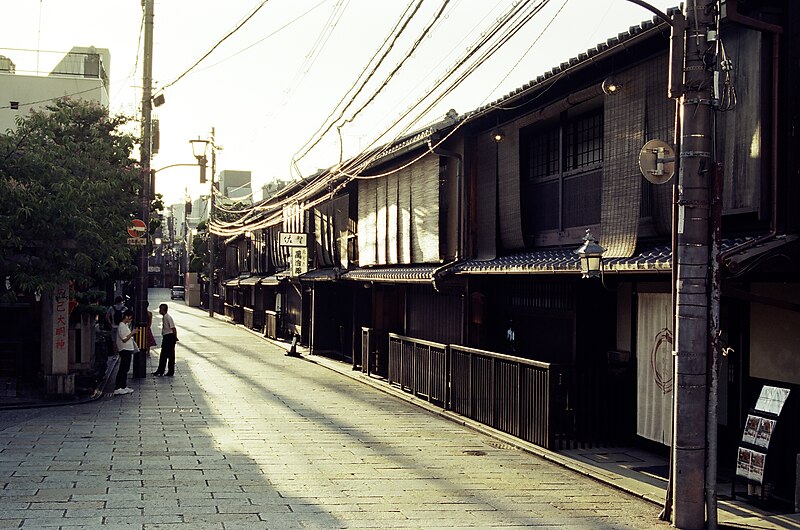
Book the Gion tours if: You want the geisha angle, you’re staying in central Kyoto, you want a shorter tour (100 min), you prefer atmosphere to straight-up creepiness, you have kids or nervous family members along.
Book the Arashiyama ghost tour if: You love folklore, you want the “scary” version, you’ve already done Gion during the day, you want something genuinely memorable, you’re okay with a 30-minute train ride to the start.
If you’re spending 3+ nights in Kyoto and love this kind of thing: do both. The Gion tour on night one, the Arashiyama ghost tour on night two. They cover different neighbourhoods and different types of stories.
1,400 Years of Kyoto Haunting
Kyoto has more ghost stories per square kilometre than any other Japanese city. There’s a reason.
From 794 to 1868, Kyoto was Japan’s capital. Every emperor lived here. Every court intrigue, betrayal, assassination, and execution happened on these streets. When Kyoto lost the capital to Tokyo, it kept all the ghosts.
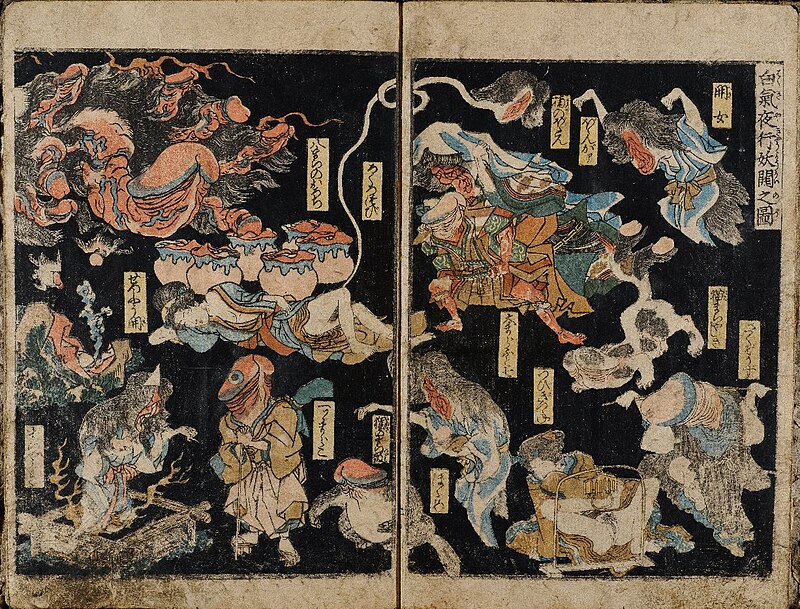
In Japanese folklore, there’s a specific event called the Hyakki Yagyo — the “Night Parade of One Hundred Demons.” On certain nights of the summer and autumn, spirits, demons, and forgotten gods march through the streets of Kyoto. Anyone who sees them dies. The only protection is a specific Buddhist sutra. The tour guides will point out the exact streets where the parade is supposed to pass.
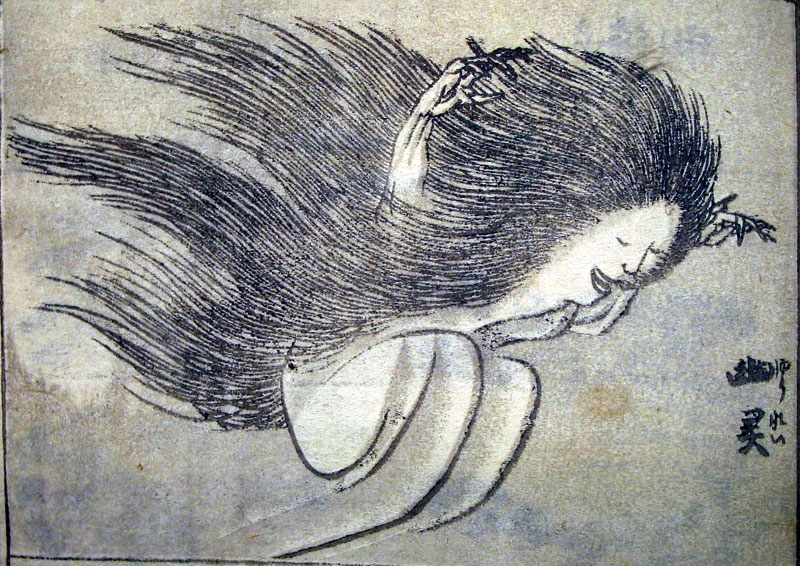
Then there’s the yurei tradition. These are vengeful female spirits — long black hair, white burial kimono, floating above the ground. They appear when a woman dies with unfinished business. Kyoto has dozens of documented yurei stories. The Hanami-koji area in Gion has three of them associated with specific teahouses that are still operating today.
Why this matters when you visit: The ghost stories your guide tells aren’t made up for tourists. Most of them are in old Japanese literature. Some are in Kyoto city records. The guides are distilling 1,000+ years of accumulated folklore into a 90-minute walk. The bamboo forest, the temple grounds, the quiet Gion alleys — they’re all “haunted” by stories that real people have been telling for real reasons for centuries.
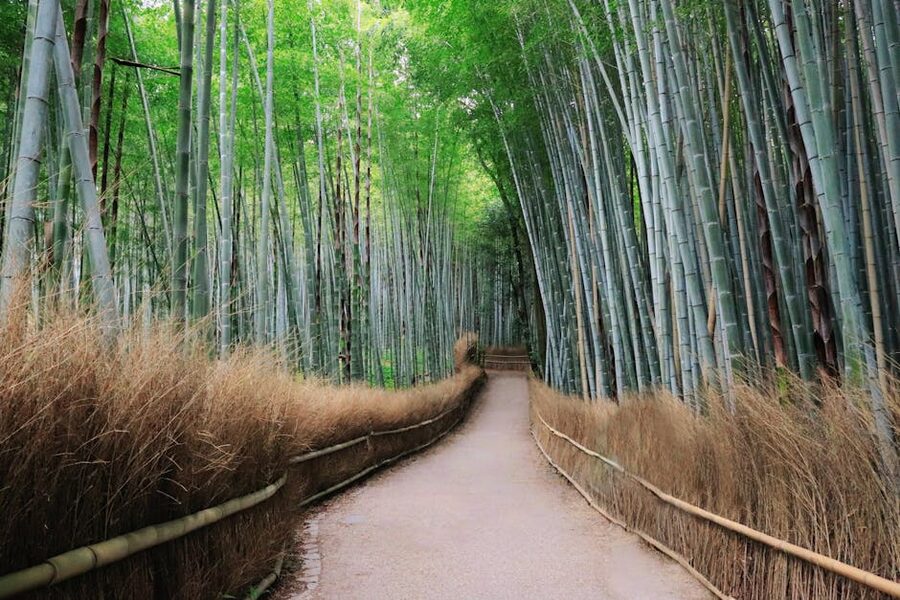
Arashiyama Bamboo Forest at Night: The Experience
If you’ve seen the bamboo forest by day (everyone has — it’s the most photographed spot in Kyoto), you haven’t seen it. The night version is a completely different place.
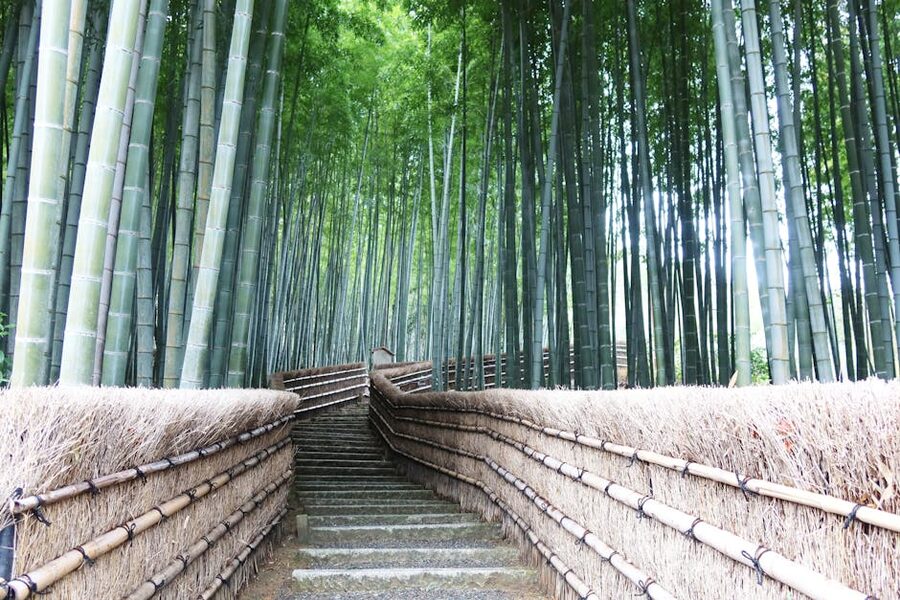
During the day, the Sagano bamboo grove has about 3,000 visitors per hour at peak times. The path is wall-to-wall people. You have to wait for gaps to take photos. The atmosphere is “chaotic tourist attraction” rather than “mystical nature experience.”
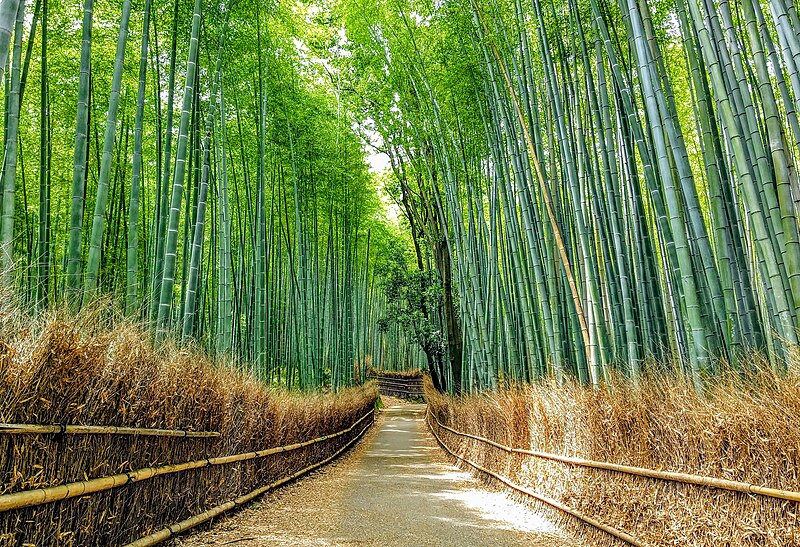
At night, the tour groups are essentially the only people there. The bamboo is taller than it looks from the path — 10-15 metres overhead. Wind moves through the top of the canopy and makes a sound like ocean waves far away. The stars are visible through the gaps. It feels genuinely primordial.
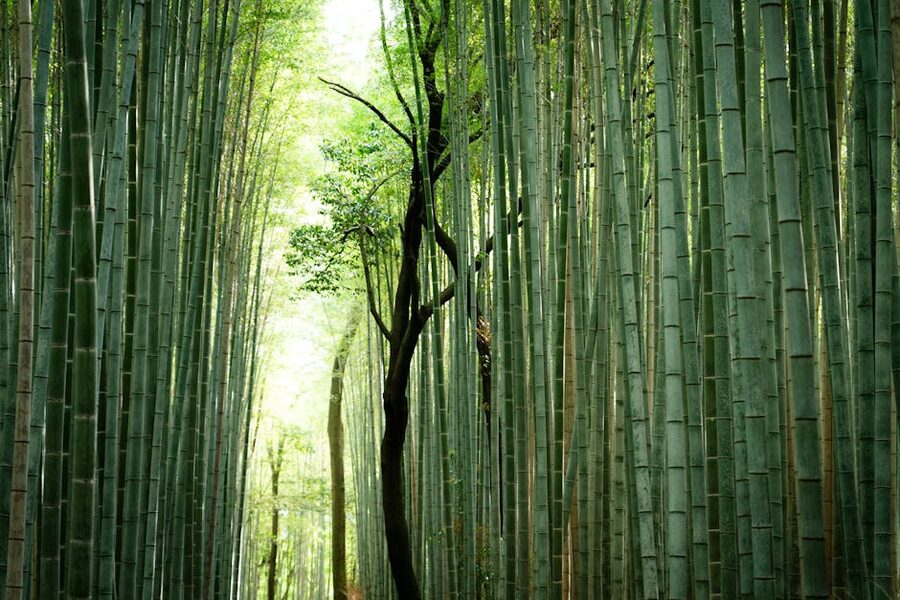
The guides time their spooky stories to specific points on the path. The moment when you’re deepest in the bamboo, furthest from any streetlight, they’ll stop and tell you about the samurai, the suicides, or the kappa that supposedly lives in the nearby river. It’s effective.
Gion at Night: The Alternative Experience
The Gion tours skip the forest and lean into the “haunted geisha district” angle.
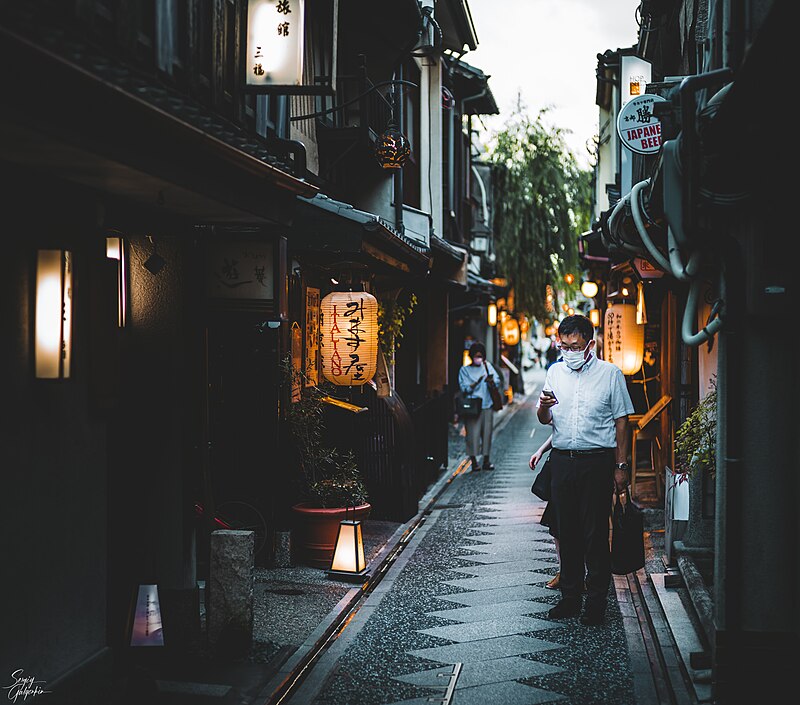
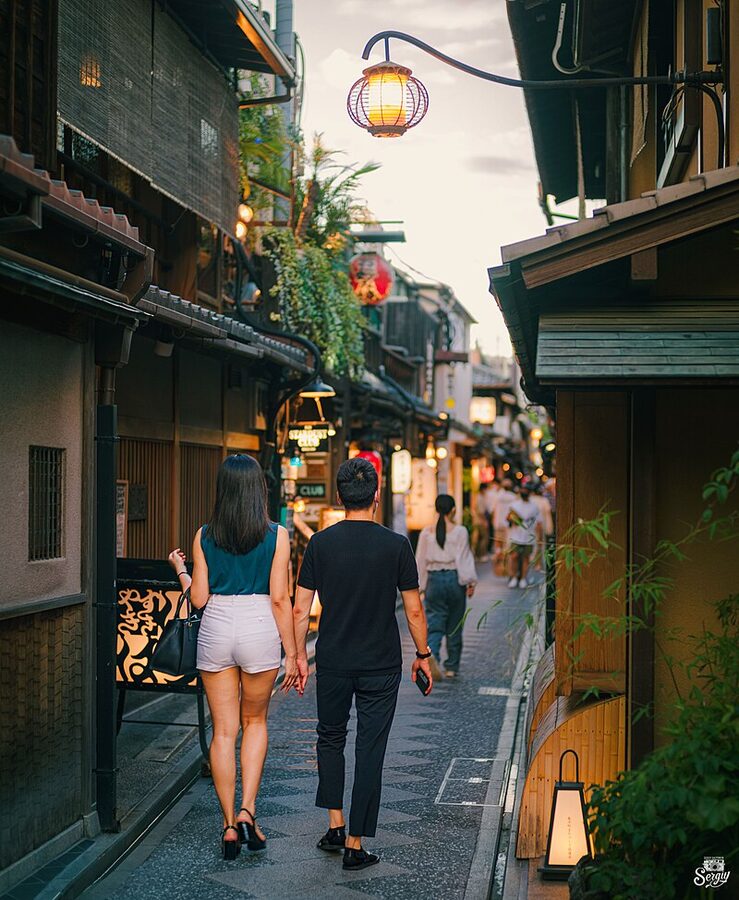
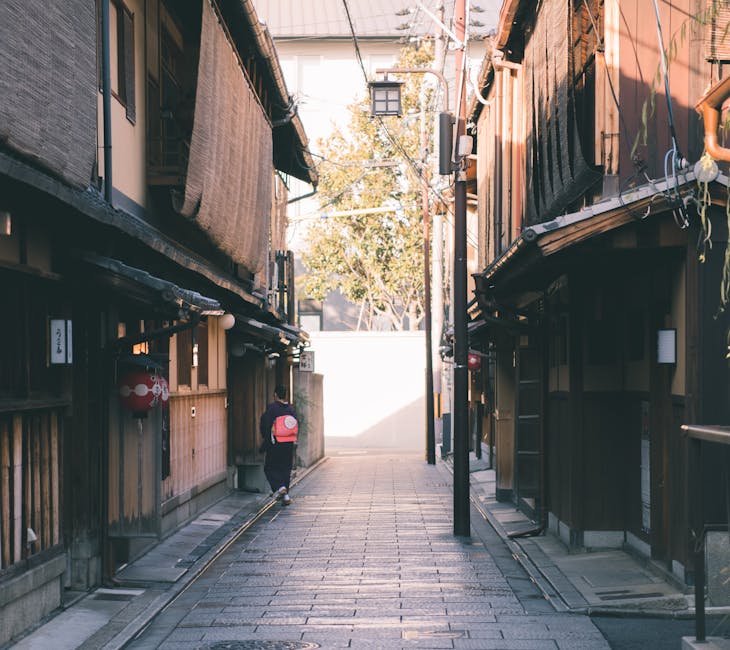
Gion has over 400 years of history as a pleasure district. That means 400 years of love, betrayal, debt, suicide, and revenge — all of which is exactly the kind of material that produces ghost stories. The tours visit specific teahouses where famous yurei appearances were documented, the bridges where lovers died together, and the alleys where murdered geisha have been seen by guests.
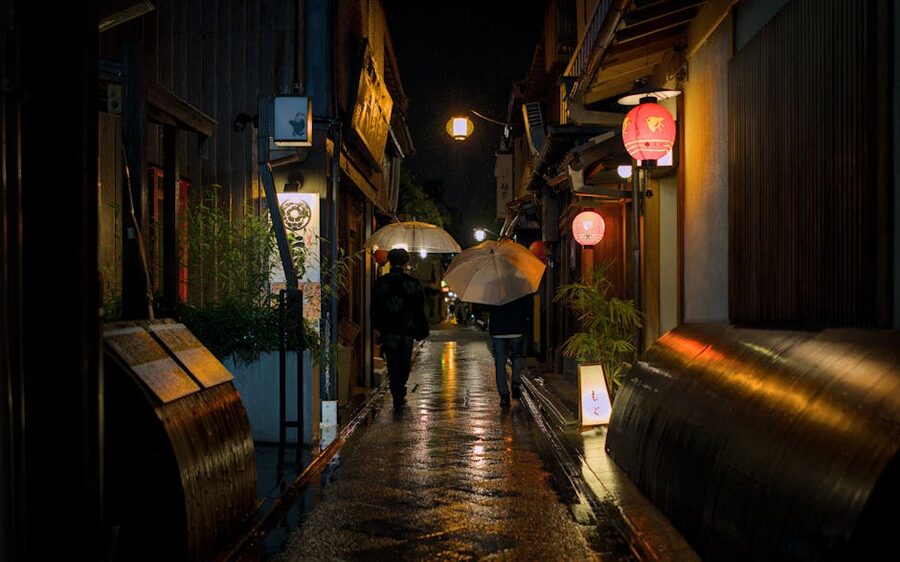
The other advantage of the Gion tours is geisha spotting. Real maiko (apprentice geisha) travel between teahouses during the evening hours, and the tour timings are specifically set to coincide with peak geisha movement. You might see one. If you do, your guide will quietly explain the rules: no chasing, no touching, no blocking their path, photos from distance only.
Practical Tips
When to book: 2-3 days ahead for most tours. 5+ days for the Arashiyama ghost tour (smaller groups, fills fast) and for weekend slots. Summer months have later sunsets so tours start later.
Weather: Most tours run rain or shine. Bring a light rain jacket. The Arashiyama tour is especially affected — the bamboo forest in heavy rain is genuinely magical, but also very wet.
What to wear: Comfortable shoes (walking tours), light jacket (temperature drops at night even in summer), and bring a small flashlight or phone with light if doing the Arashiyama tour.
Photography: Allowed everywhere. Flash is fine on the walking tours but kills the atmosphere on the ghost tour. The guides will encourage you to put phones away during the key storytelling moments.
Age: All three tours are generally fine for kids aged 10+. The Arashiyama ghost tour is the most intense — check with the operator if you have younger children or anyone who scares easily.
Language: All tours are in English. The guides are usually native English speakers or bilingual Japanese guides who’ve spent years perfecting the storytelling.
Cancellation: Most GYG-listed tours offer free cancellation up to 24 hours. The Viator ghost tour has similar terms.
Food: Eat before you go. Most tours are 90 minutes to 3 hours and don’t include food. You’ll be hungry after.
Combining with Other Kyoto Experiences
The night tours are the final evening activity of a full Kyoto day. Here’s how they fit.
Morning: Fushimi Inari hike or early morning temple tour — beat the crowds.
Late morning: Arashiyama walking tour (if you’re saving the bamboo forest for day mode first) or Nishiki Market food tour.
Afternoon: Gion walking tour (daytime version for context) or samurai kenbu show.
Early evening: Dinner in Gion or Pontocho. Kaiseki if budget allows, casual izakaya if not.
Night: Ghost tour or Gion night walk. Arrive 10 minutes early. Bring a light jacket.
After the tour: Kyoto bar hopping if you want to keep going, or head back to your hotel. Both options work.
Getting There
Gion tours: Meet at Yasaka Shrine or Hanami-koji (specified in booking). Closest station: Gion-Shijo (Keihan Line) or Kawaramachi (Hankyu Line). 5-10 minute walk to meeting point.
Arashiyama ghost tour: Meet at Saga-Arashiyama Station (JR Sagano Line) — 20 minutes from Kyoto Station. The specific meeting point is the round window near the North Gate, upstairs.
From Kyoto Station: To Gion — bus 206 (15 minutes). To Arashiyama — JR Sagano Line to Saga-Arashiyama (15 minutes).
More Kyoto Night Experiences
Ghost tours are the atmospheric end of Kyoto’s after-dark offerings. For food-forward nights, our Kyoto night food tour guide covers Pontocho and Gion dinner tours. If drinking is more your thing, the Kyoto bar hopping tour takes you into the hidden izakaya. For a different kind of spectacle, the samurai kenbu sword dance brings you back to the warrior traditions that created some of the ghost stories you heard on the tour. The daytime Gion tour is a perfect companion — walk the same streets in daylight, understand the history properly, then come back at night for the creepy version. And if you want to continue the haunted theme the next day, Nijo Castle’s nightingale floors were literally built to detect the sounds of approaching assassins — the most anti-ghost defensive architecture in Japanese history.