
The guide stopped in front of a wooden door with no sign, knocked twice, and walked in like he owned the place. Inside were 8 bar stools, a salaryman already two drinks deep, and a bartender who nodded at our guide like an old friend.
I would have walked past this building a hundred times. That’s the entire point of a Kyoto bar hopping tour.
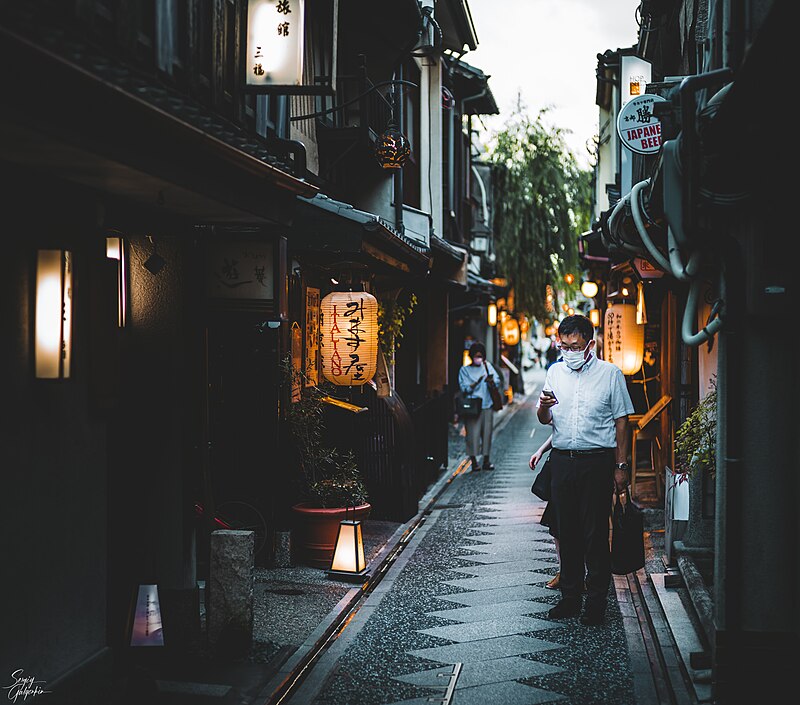
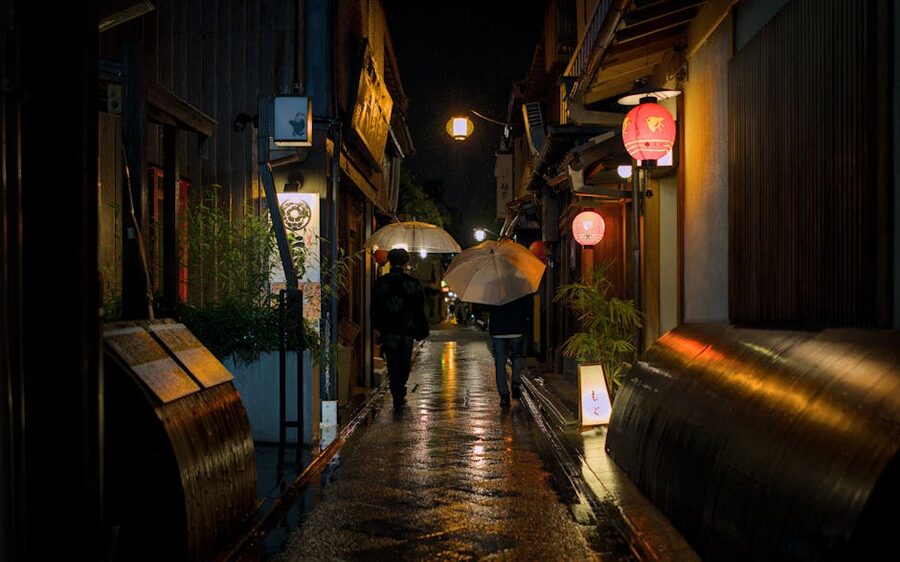
Kyoto bar hopping tours take you into the backstreet izakaya and sake bars of Pontocho, Gion, and Kiyamachi — neighbourhoods most visitors walk past without entering. You follow a local guide through 3-4 tiny venues, drink Kyoto-made sake, eat traditional bar food, and meet the owners and regulars. Three hours. Usually includes everything.
This is the calmer, more cultural cousin of a Tokyo pub crawl. Fewer shots. Smaller groups. More actual Kyoto.
Short on time? Here are my top picks:
Best value: Kyoto Izakaya Bars Guided Walking Tour — $25, 3 hours, 815 reviews. The most reviewed Kyoto bar tour. Small groups, backstreet izakaya, local sake tasting.
Most premium: Kyoto Bar Hopping Night Tour — $105, 613 reviews. Higher-end bars, longer sessions, more food and sake included.
Party vibe: Kyoto Local Bar Crawl in Gion & Kawaramachi — $28, 378 reviews, perfect 5.0. More social, moves through multiple neighbourhoods, mixed crowd.
- What Happens on a Kyoto Bar Hopping Tour
- Meeting Point (6:30-7pm)
- Bar 1: The Safe Start
- Bar 2: The Hidden Spot
- Bar 3: The Local Hangout
- Optional Bar 4
- The 3 Best Kyoto Bar Hopping Tours
- 1. Kyoto Izakaya Bars Guided Walking Tour —
- 2. Kyoto Bar Hopping Night Tour — 5
- 3. Kyoto Local Bar Crawl in Gion & Kawaramachi —
- Pontocho vs Gion vs Kiyamachi: Where to Drink
- Pontocho
- Gion
- Kiyamachi
- 400 Years of Kyoto Drinking Culture
- Bar Hopping vs Night Food Tour: Which to Book
- Sake 101 (What Your Guide Will Teach You)
- Solo Travellers and Group Size
- How to Book
- After the Tour
- Combining the Bar Tour with Other Kyoto Experiences
- Getting There
- More Kyoto Nightlife
What Happens on a Kyoto Bar Hopping Tour
The format is simple but the execution makes or breaks it. Here’s how a typical evening runs.
Meeting Point (6:30-7pm)
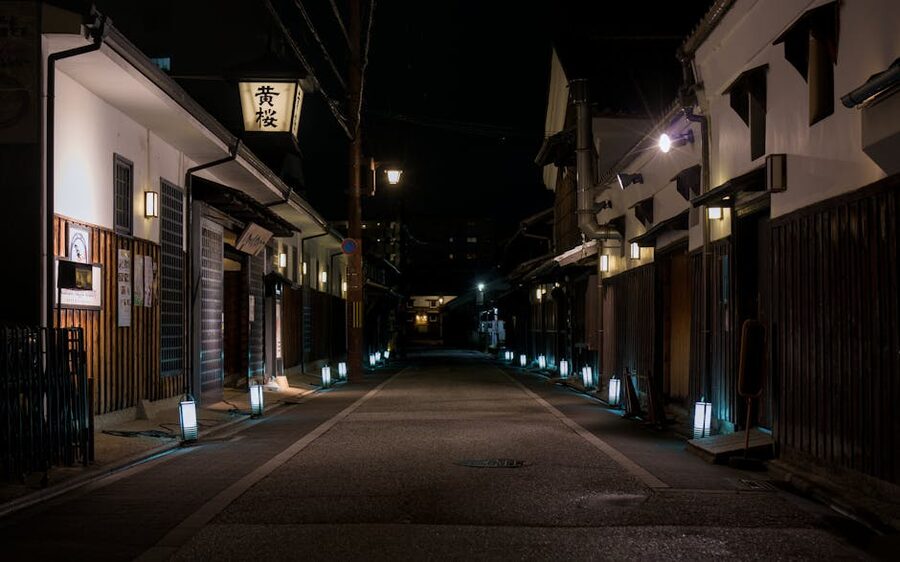
Most tours meet on Shijo-dori near the Pontocho entrance or at a specific landmark in Gion. The group is usually 4-10 people. Your guide gives a quick rundown, confirms allergies, and sets expectations for the night.
One thing they’ll say upfront: “Some of these places are very small. We’ll split up if we need to.” Expect this. It’s not a problem — it’s the feature.
Bar 1: The Safe Start
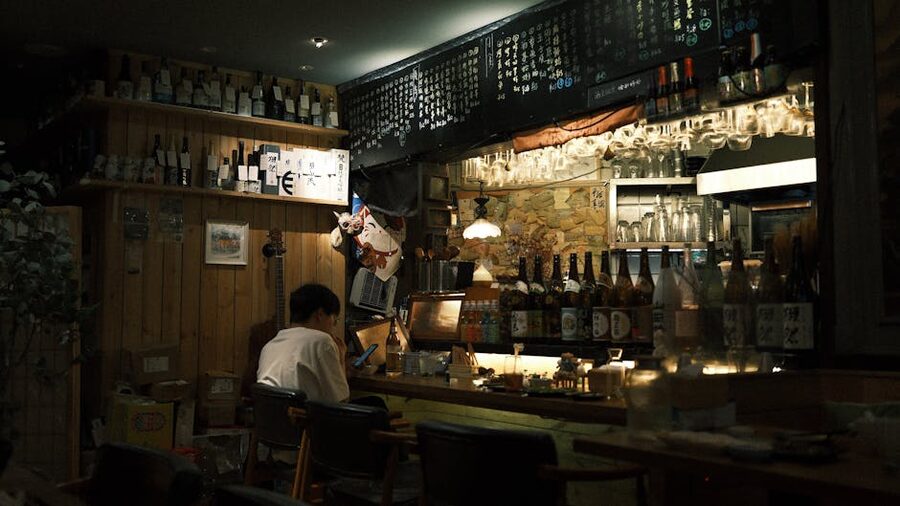
The first bar is usually a slightly larger izakaya that can fit the whole group. The guide introduces you to the bartender, recommends a starter drink (usually local sake or a Japanese beer), and orders food to share.
Expect yakitori (grilled chicken skewers), pickled vegetables, agedashi tofu, and maybe sashimi. This is where you learn the basic vocabulary: kanpai (cheers), oishii (delicious), mou ippai (one more).
Bar 2: The Hidden Spot
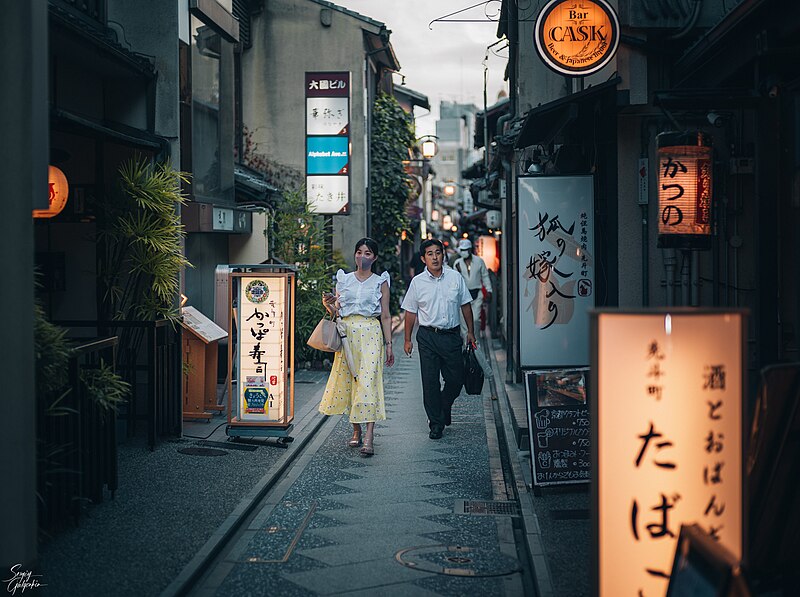
The second stop is smaller — usually a bar that seats 6-8 and where you’d never walk in cold. These are the “members-only” or “regulars-only” places that foreign visitors get quietly turned away from on their own. With a guide who knows the owner, you’re suddenly welcome.
This is where the good sake comes out. The guide will usually order a flight — 3 or 4 small glasses of different Kyoto-made sakes, with explanations of what you’re tasting. Fruity, dry, rice-forward, mineral. Most visitors have never tasted sake this good.
Bar 3: The Local Hangout
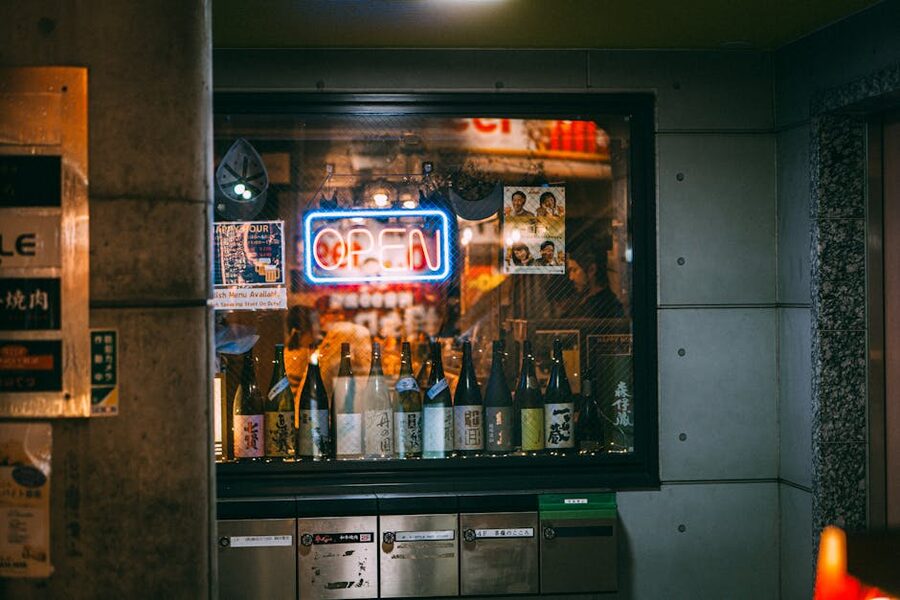
The third stop is where the magic usually happens. A tiny standing bar (tachinomiya) or a basement spot with regulars. By now you’re loose enough to talk to strangers, the guide has broken the ice, and the bartender is pouring you something they want you to try.
This is also where you’ll end up having a conversation with a 70-year-old Kyoto salaryman who speaks 10 words of English but insists on buying you a drink. That’s happened to me twice. It’s the best part of the night.
Optional Bar 4
Some tours include a fourth stop or let you continue on your own. By this point you know where you are, you’ve been introduced to the neighbourhood, and you can navigate the backstreets alone. This is when bar hopping stops being a tour and starts being your Kyoto.
The 3 Best Kyoto Bar Hopping Tours
1. Kyoto Izakaya Bars Guided Walking Tour — $25
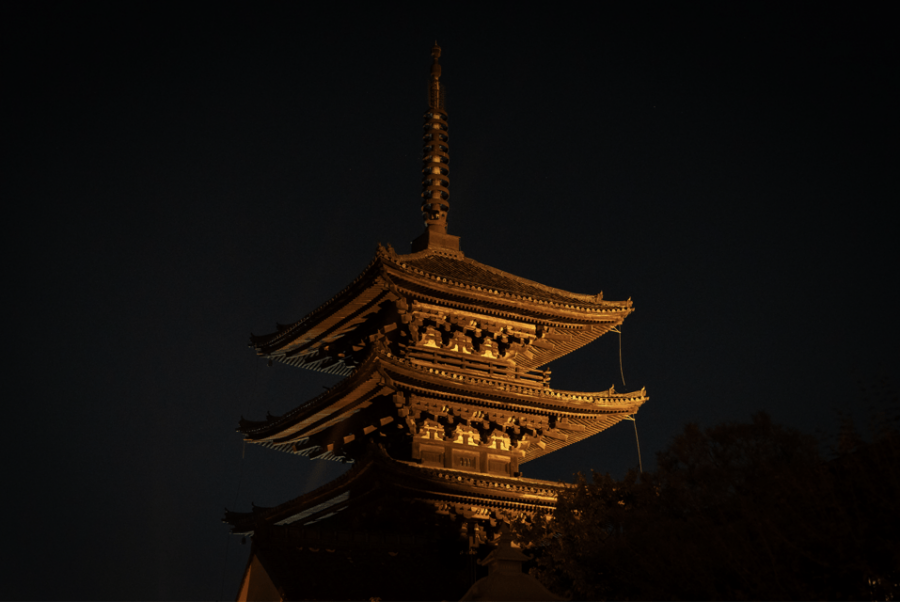
The most popular option with 815 reviews and a 4.9 rating. Three hours of guided izakaya hopping through Pontocho and the backstreets, with sake tasting and local food included. Karen from a recent visit called it an excellent intro to Kyoto nightlife — loved the food range, the sake tasting, and the backstreet spots. Our review covers the full route and food stops.
2. Kyoto Bar Hopping Night Tour — $105

The pricier option at $105 with 613 reviews. Goes deeper into the hidden Pontocho scene — the kind of bars you literally cannot find on Google Maps. More food included, longer sake tastings, and the guides tend to be more experienced. Worth the upcharge if you’re a serious drinker or a foodie. Our review explains the premium format.
3. Kyoto Local Bar Crawl in Gion & Kawaramachi — $28
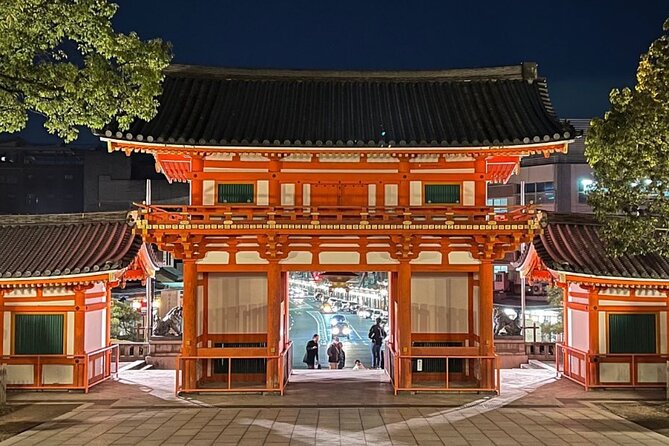
A perfect 5.0 rating across 378 reviews at $28. This one leans more social — it crosses between Gion and Kawaramachi, so you see more neighbourhoods, and the group tends to be more mixed (solo travellers, couples, small groups of friends). Less cultural deep-dive, more social night out. Our review breaks down the two-neighbourhood format.
Pontocho vs Gion vs Kiyamachi: Where to Drink
Kyoto’s nightlife splits into three adjacent neighbourhoods. They all sit within 10 minutes’ walk of each other, but each has a different personality.
Pontocho
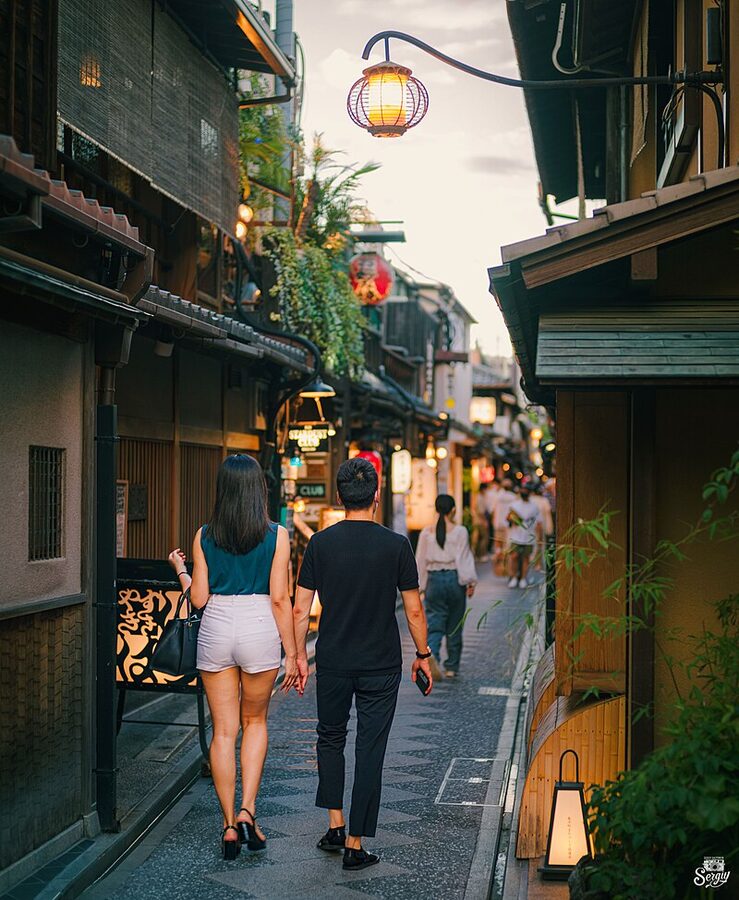
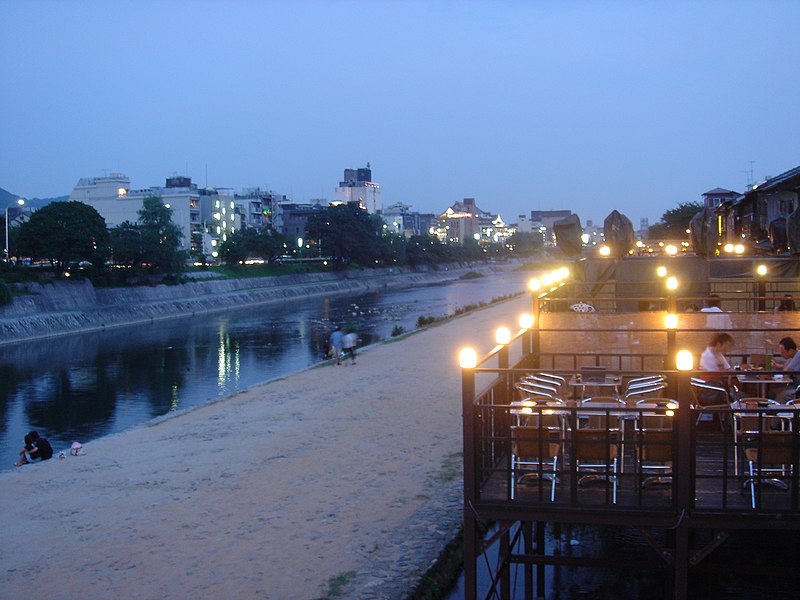
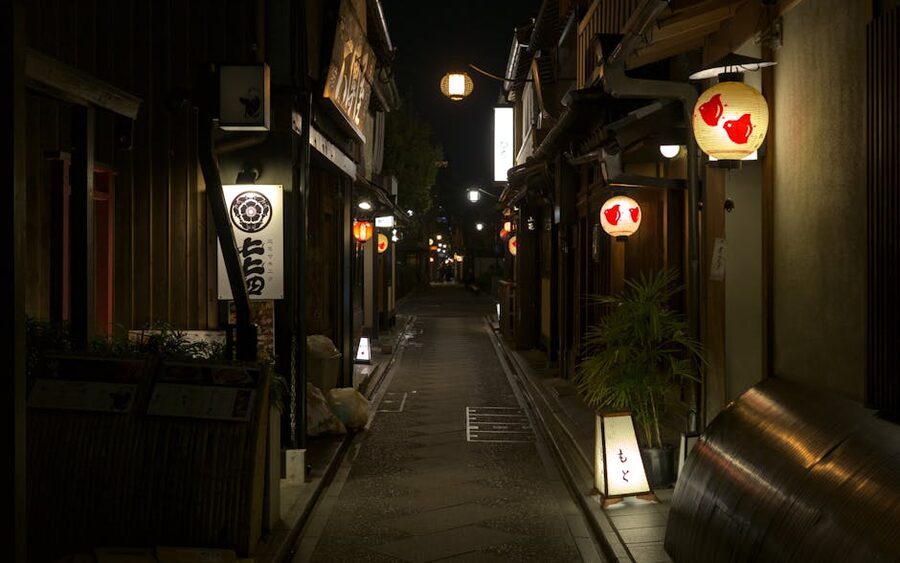
Pontocho is a single narrow alley — the most famous one in Kyoto. It runs north-south parallel to the Kamogawa River. Historically, it was the geisha district’s entertainment strip. Today it’s packed with over 100 bars, restaurants, and teahouses, ranging from 200-yen standing bars to 30,000-yen kaiseki restaurants.
The atmosphere is intense but intimate. You’re walking shoulder-to-shoulder through a 3-metre-wide passageway, every doorway hiding a different establishment. This is the most photographed Kyoto nightlife spot. The bar hopping tours all include at least one Pontocho stop.
Gion
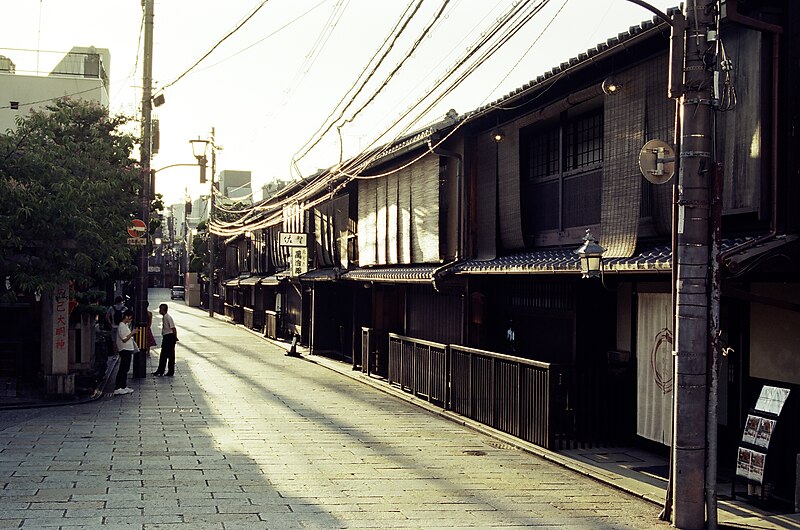
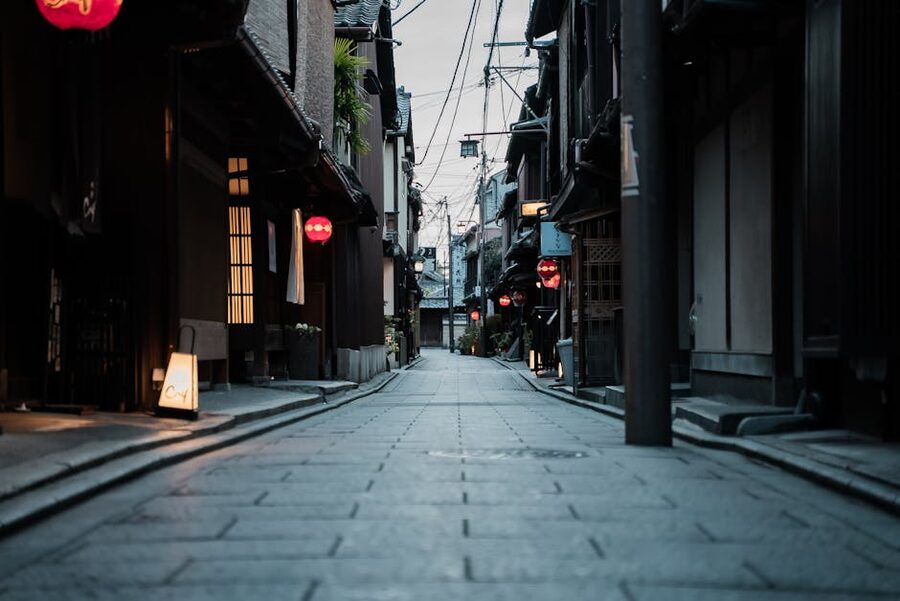
Gion is traditional Kyoto’s entertainment district — the one with the geisha, the wooden machiya, and the impossibly photogenic streets. The drinking scene here is less about neon bars and more about tatami rooms, quiet sake, and restaurants that have been run by the same family for 200 years.
Some of the most exclusive Gion teahouses are “ichigen-san okotowari” — no first-time guests. You can literally not walk in unless you’re known. The bar tours avoid those and stick to places that welcome visitors, but they’ll point out which doors to stay away from.
Kiyamachi
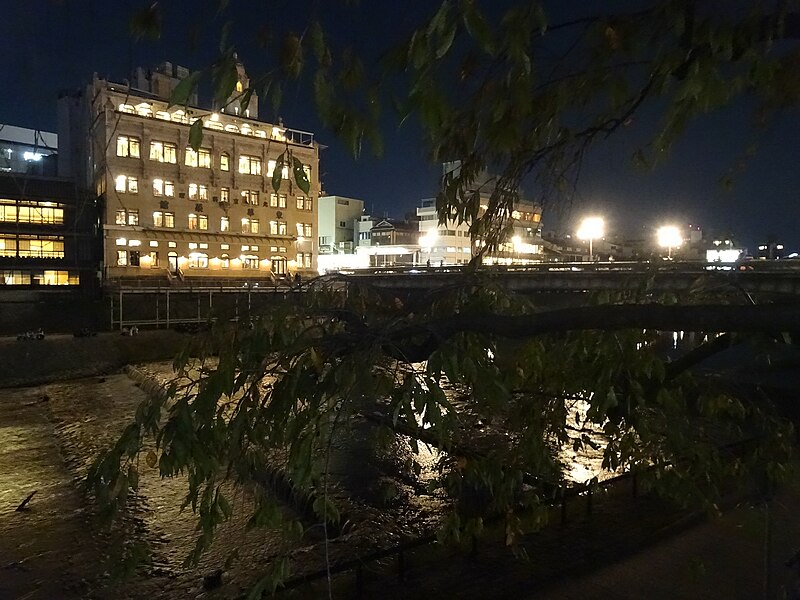
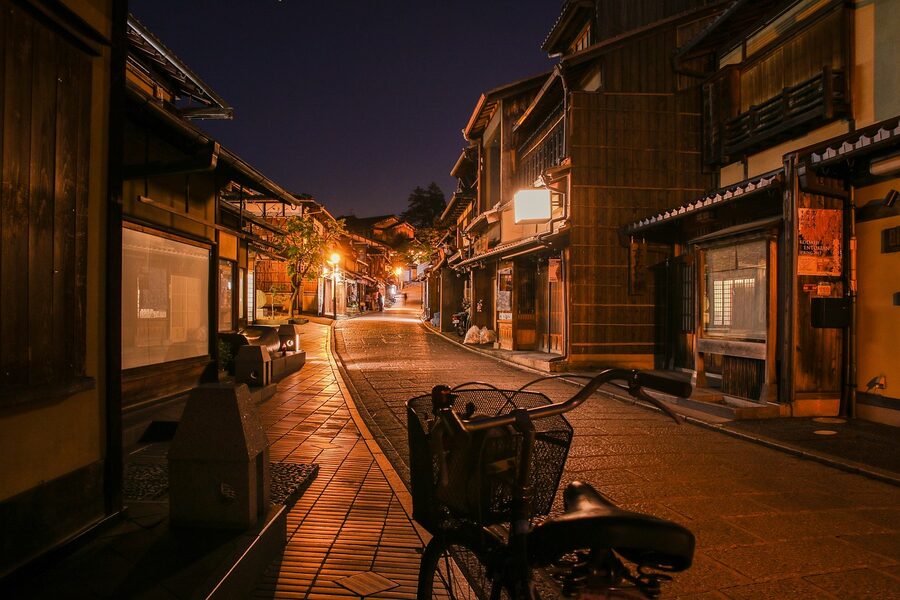
Kiyamachi is the third leg of the Kyoto nightlife triangle. It runs along a small canal between Pontocho and the main street. More modern than Pontocho, more affordable than Gion, and with a younger crowd. This is where Kyoto students drink.
400 Years of Kyoto Drinking Culture
Kyoto’s drinking districts didn’t happen by accident. They were built.
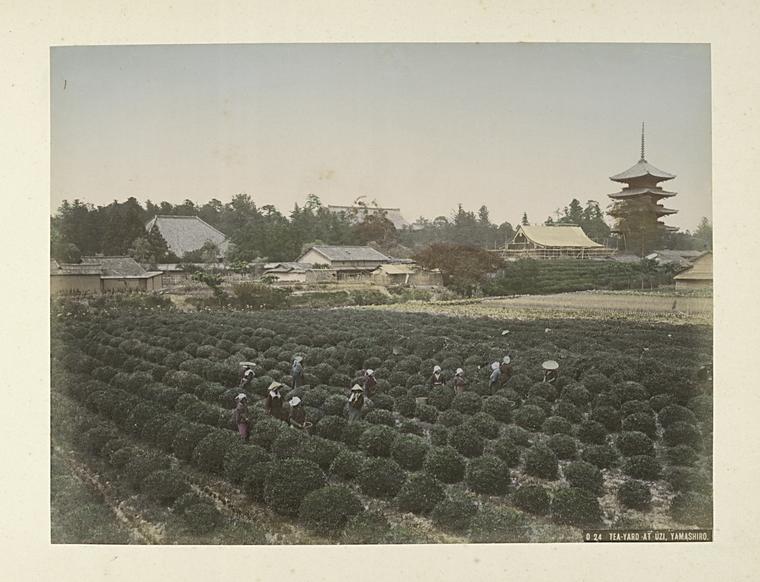
Pontocho started in the early 1600s as a riverside entertainment strip. When the Tokugawa shogunate regulated Japan’s pleasure quarters in 1712, Pontocho was officially licensed as one of Kyoto’s two “hanamachi” (flower towns) — the districts where geisha, courtesans, and teahouses operated legally.
Gion, just across the river, became the more famous sibling. Both districts trained geisha, ran teahouses, and hosted the wealthy merchant class that controlled Kyoto’s economy. They still do. About 200 geisha still work in Gion today.
The izakaya culture layered on top of all this. “Izakaya” literally means “to stay at a sake shop” — originally, these were sake shops that started offering food so customers would linger. That informal, drink-forward, food-second vibe is still what defines a proper izakaya today.
Why this matters when you visit: The bars you’ll drink in on a tour aren’t replicas. They’re the actual descendants of the sake shops that fed Kyoto’s merchants and samurai 400 years ago. The family running the place might be 8th or 9th generation. The bar tour guides know this stuff and will tell you which bars are historically significant.
Bar Hopping vs Night Food Tour: Which to Book
Kyoto has two overlapping nightlife tour styles. Picking the right one depends on what you care about.
Bar hopping: Drink-forward. The focus is on sake, local bars, and atmosphere. Food is included but it’s bar snacks — yakitori, sashimi, pickles, small dishes. 3-4 venues. 3 hours. Perfect if you love drinking culture and want to meet locals.
Night food tour: Food-forward. The focus is on tasting Kyoto specialties at restaurants rather than drinking at bars. Includes some drinks but less emphasis. More diverse food. Similar price range. Perfect if you’re a foodie first, drinker second.
If you have time, do both on different nights. The bar tour for the social atmosphere, the food tour for the meals. Our Kyoto night food tour guide covers the food-forward options.
Sake 101 (What Your Guide Will Teach You)
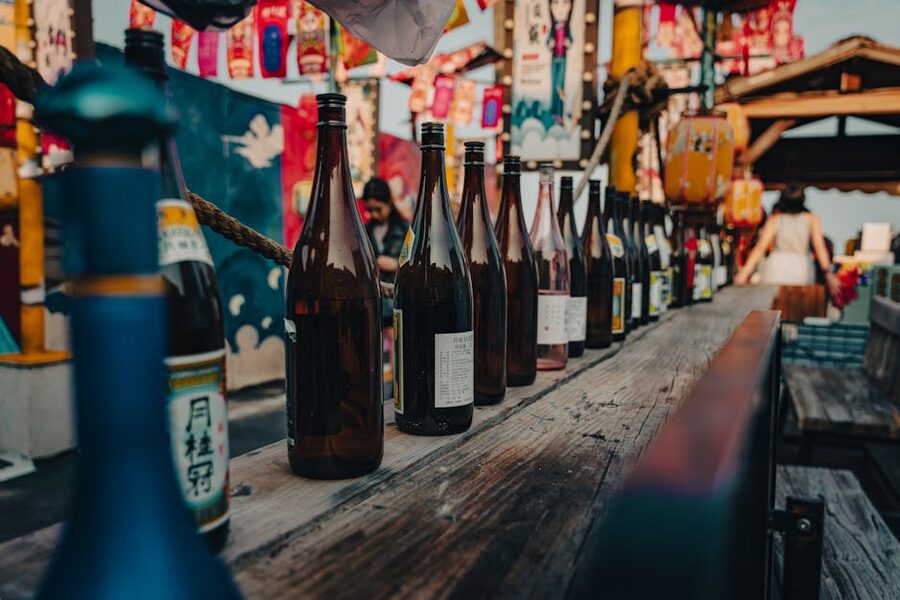
Every bar hopping tour includes a mini sake lesson. You don’t need to study in advance, but knowing a few basics makes the tastings more fun.
Junmai: Pure rice sake. Nothing added. Richer, deeper flavour. Often served warm in winter. This is “real” sake to purists.
Ginjo / Daiginjo: The rice grains have been polished down to 60% or 50% respectively. More elegant, fruity, lighter. Usually served chilled. The premium category.
Nigori: Unfiltered sake — cloudy, sweet, sometimes sparkling. Divisive. You’ll either love it or hate it immediately.
Nama: Unpasteurized. Drunk young, fresh, slightly more acidic. Only available at the brewery or in Japan.
Solo Travellers and Group Size
Bar hopping is an ideal solo activity in Kyoto. Groups are small (4-10 people), the guide makes introductions, and the intimate venues force conversation. By bar two, you know everyone’s name. By bar three, you’ve found your people for the night.
Female solo travellers: Kyoto nightlife is very safe. The bar hopping tour format adds a layer of comfort — you’re always in a small group with a local guide, the venues are vetted, and the neighbourhood itself is genuinely fine to walk alone at midnight. Standard precautions apply but you won’t feel unsafe.
Couples: Great for date night. The intimate scale works in your favour. Just know that some of the bars seat 6-8 people total, so you’ll be sharing small spaces with strangers.
Groups of friends: The $25-28 tours are the sweet spot. You get the guide’s knowledge without feeling like you’re on a structured tour — more like being introduced to the city by a local friend who happens to know every bar.
How to Book
When: 2-3 days ahead for the $25 tours. 4-5 days for the premium $105 tour (smaller groups, fill faster). Weekend nights (Fri/Sat) book up fastest.
Start time: Most tours start between 6:30-7pm and end around 10pm. Perfect if you’ve had dinner around 5:30pm (Japanese eat early) — you’re not too full for bar food. Bad if you’re planning a big dinner after — you won’t want it.
What to wear: Casual. Comfortable walking shoes. Japanese summers are hot and humid — a lightweight shirt is better than layers. Winter gets cold, so a jacket. Some bars remove shoes, so socks are smart.
Cash: The tour fee is prepaid, but if you want extra drinks beyond what’s included, some bars are cash-only. Bring 3,000-5,000 yen just in case.
Allergies: Tell the guide at the start. Sake contains rice (obvious). Many izakaya dishes contain shellfish dashi even when not labelled. Vegans will find it tricky but possible — the guides can navigate it.
Alcohol tolerance: Pace yourself. Japanese sake runs 15-17% ABV, which is higher than wine. Drinking 4 glasses at 4 bars over 3 hours is equivalent to a solid night of wine — respect that. Water between bars is free and normal.
After the Tour
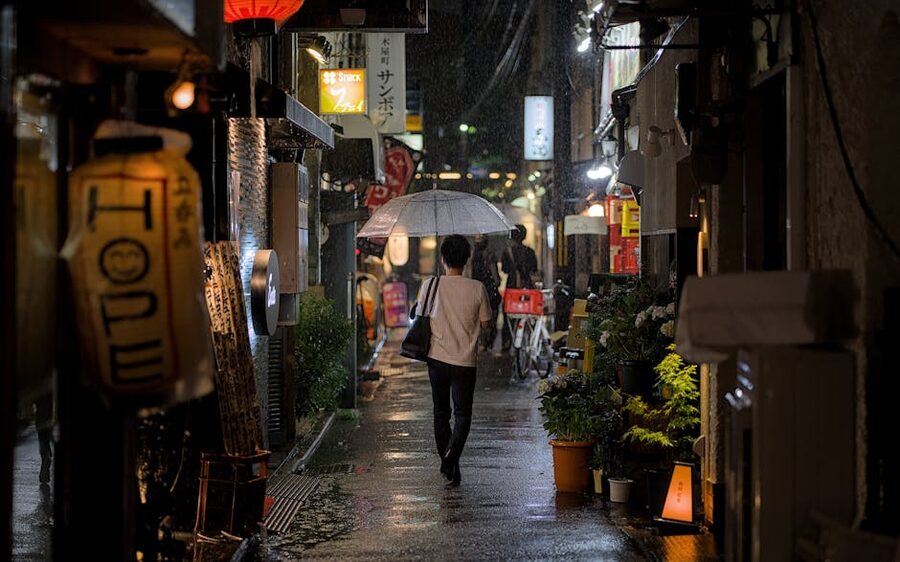
The tour ends around 10pm. The city keeps going. Here’s what to do next.
Keep drinking: Most guides will recommend 1-2 additional bars where you can continue on your own. Pontocho has late-night places until 2am.
Hit a karaoke box: Kyoto has multiple 24-hour karaoke chains near Pontocho. Cheap, fun, the perfect 11pm-2am activity.
Walk home along the Kamogawa: If your hotel is in central Kyoto, the walk back along the riverbank at midnight is one of the city’s quietest, best moments. The river is narrow, the lights reflect on the water, and Kyoto feels like it’s yours.
Pair with the next day: An early morning temple visit the day after. The Kyoto early morning temple tour gets you to Kiyomizu-dera at 6am before the crowds. A hangover is optional.
Combining the Bar Tour with Other Kyoto Experiences
If you want to build a full day around Kyoto culture ending at the bar hop, here’s the sequence that works best.
Morning: Visit Fushimi Inari’s thousand torii gates. Get there early (7-8am) to beat crowds.
Late morning: Nishiki Market food tour. Eat breakfast and lunch at once.
Afternoon: Either the samurai kenbu sword dance or the Gion geisha walking tour. Both get you into Higashiyama and leave you near Pontocho.
Early evening: Quick snack or tea ceremony. Something to slow you down before the bars.
Night: Bar hopping tour 6:30-10pm. Optional post-tour drinks.
Getting There
Pontocho entrance: Shijo-Kawaramachi subway station (Hankyu Line), Exit 1. 2-minute walk to the south entrance of Pontocho alley.
Gion: Gion-Shijo station (Keihan Line) or a 10-minute walk east from Pontocho across the Kamogawa River.
Kiyamachi: Same stations. Kiyamachi runs between the river and Pontocho, so you walk past it automatically on the way to the alley.
From Kyoto Station: 15 minutes by taxi (~1,200 yen) or subway: Karasuma Line north to Shijo, walk 10 minutes east.
More Kyoto Nightlife
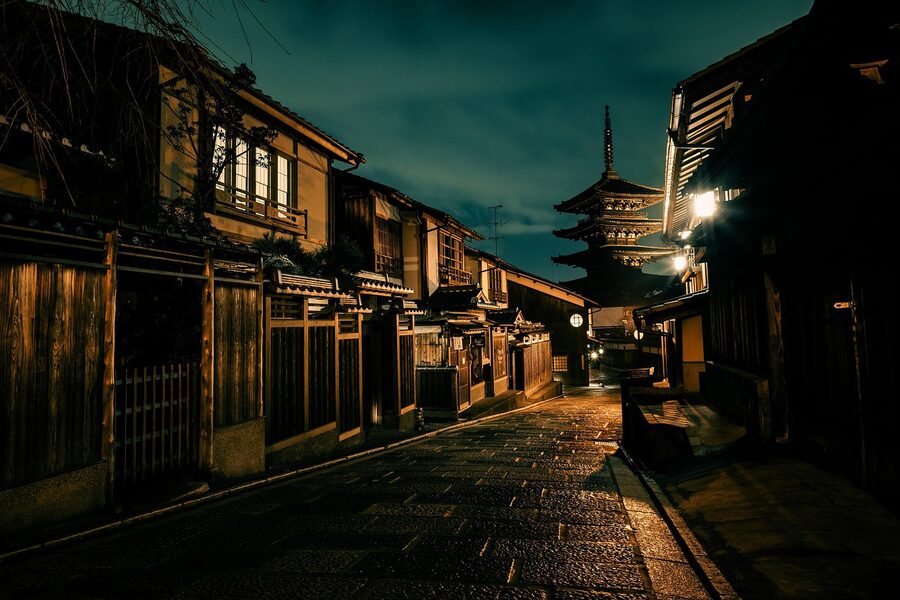
The bar hop is one piece of Kyoto after dark. For food-forward nights, our Kyoto night food tour guide covers the best Pontocho and Gion dinner tours, and our dedicated Kyoto Gion food tour guide goes deeper on the Gion-specific sit-down options. The sake brewery tour is the educational counterpart — less drinking, more understanding how sake is made. If you’re doing Kyoto and Tokyo on the same trip, compare this with the Tokyo pub crawl or our Tokyo bar hopping guide — the differences tell you a lot about each city’s personality. The Gion geisha walking tour earlier in the day pairs beautifully. And if you want pure atmosphere without the drinking, a traditional tea ceremony is the calmer evening alternative.