
My friend Naomi spent six weeks in Tokyo last spring and told me she learned more about Japanese food in a single three-hour cooking class than she did eating out every night. “It’s the difference between watching a movie and being in one,” she said. And that stuck with me.
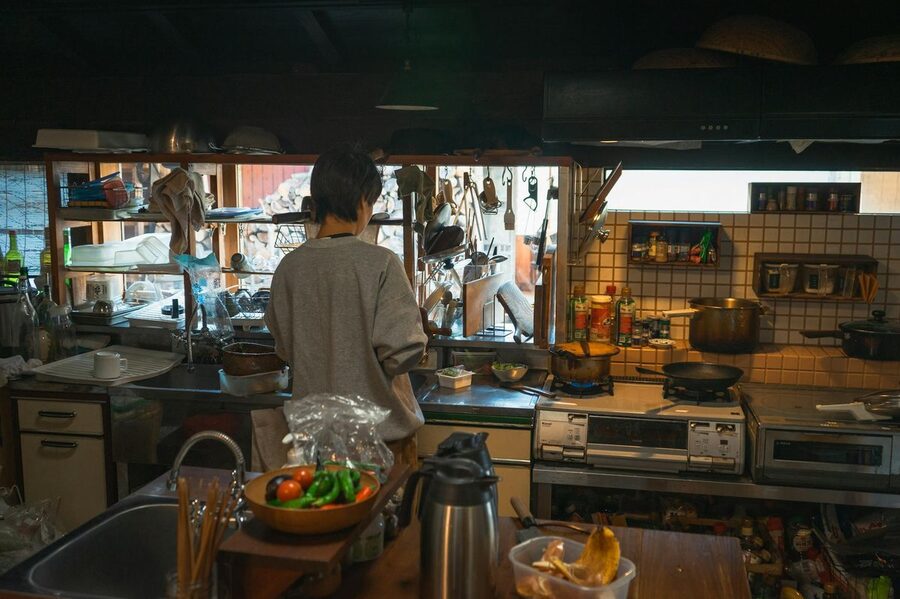
Tokyo has dozens of cooking classes, and the obvious ones — sushi making and ramen classes — get all the attention. But the city’s real cooking class scene goes much deeper. Wagyu beef, matcha and wagashi, bento making, izakaya-style home cooking, tempura, gyoza. The kind of dishes you actually eat every day in Japan but have no idea how to make at home.
This guide covers everything that’s NOT sushi or ramen. If those are what you’re after, I’ve got separate guides for both. Here, we’re talking about the classes where you roll up your sleeves, visit a local supermarket, fold gyoza by hand, shape wagashi with a toothpick, or learn why your tempura batter has been wrong your whole life.
Short on time? Here are my top 3 picks:
Best overall: Wagyu & 7 Japanese Dishes Cooking Class — $67. Full kaiseki-style meal with premium wagyu in a small group.
Best budget: Matcha Making & Japanese Sweets in Asakusa — $22. Quick, fun, and right in the middle of Asakusa.
Best for families: Cute Bento Cooking Class — $64. Creative, hands-on, and kids genuinely love it.
- How Cooking Classes in Tokyo Actually Work
- Booking Direct vs Through a Tour Platform
- The Best Tokyo Cooking Classes to Book
- 1. Wagyu & 7 Japanese Dishes Cooking Class —
- 2. Matcha Making & Japanese Sweets in Asakusa —
- 3. Izakaya Style Home Cooking & Sake Pairing —
- 4. Cute Bento Cooking Class —
- 5. Ramen and Gyoza Class with Supermarket Tour — 3
- When to Book
- How to Get There
- Tips That’ll Save You Time and Money
- What You’ll Actually Learn
- More Japan Guides
How Cooking Classes in Tokyo Actually Work
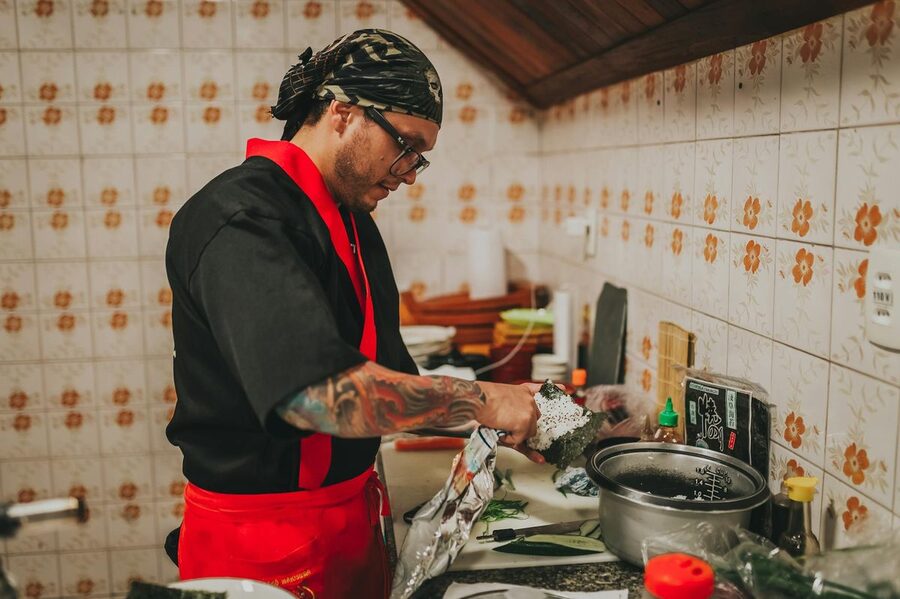
Most Tokyo cooking classes follow a similar pattern. You book online through a platform like Viator, GetYourGuide, or Klook, pick a date, and show up at the instructor’s kitchen or studio space. Class sizes are usually small — anywhere from 2 to 8 people — which means you’re actually cooking, not just watching.
The typical format: your host walks you through 3-5 dishes step by step. You prep, chop, mix, and cook everything yourself. Then you sit down and eat what you made. The whole thing takes 2-4 hours depending on the class. Some include a market visit at the beginning, which adds about 30-45 minutes but is worth it for the shopping tips alone.
Prices range from about $22 for a quick matcha session to $130 for a premium wagyu class with sake pairing. Most fall in the $60-$100 range. Almost all classes are taught in English.
One thing to know: many of these classes run from private homes or small studios, not commercial kitchens. Don’t let that put you off — it’s actually part of the charm. You’re learning the way Japanese home cooks actually do it, not some restaurant production line.
Booking Direct vs Through a Tour Platform
Some studios like Cooking Sun and Tokyo Cooking Studio have their own websites where you can book directly. But honestly, I’d use a platform like Viator or GetYourGuide for most classes. Here’s why:
The platforms give you free cancellation up to 24 hours before, which matters when your Tokyo plans might shift. Direct bookings with small studios often have stricter cancellation policies — sometimes no refund at all within 48 hours.
You also get the review infrastructure. A class with 800+ reviews and a 5.0 rating on Viator tells you something real. The same class booked direct might be just as good, but you’re going in blind.
The one exception: if you want a very specific cuisine focus (like Okinawan food or Buddhist temple cooking), the smaller studios that don’t list on platforms might be your only option. Check Cookly.me for some of those niche offerings.
The Best Tokyo Cooking Classes to Book
I’ve picked five classes that cover different styles, budgets, and group sizes. All of them have strong review counts and teach something you can actually recreate at home.
1. Wagyu & 7 Japanese Dishes Cooking Class — $67
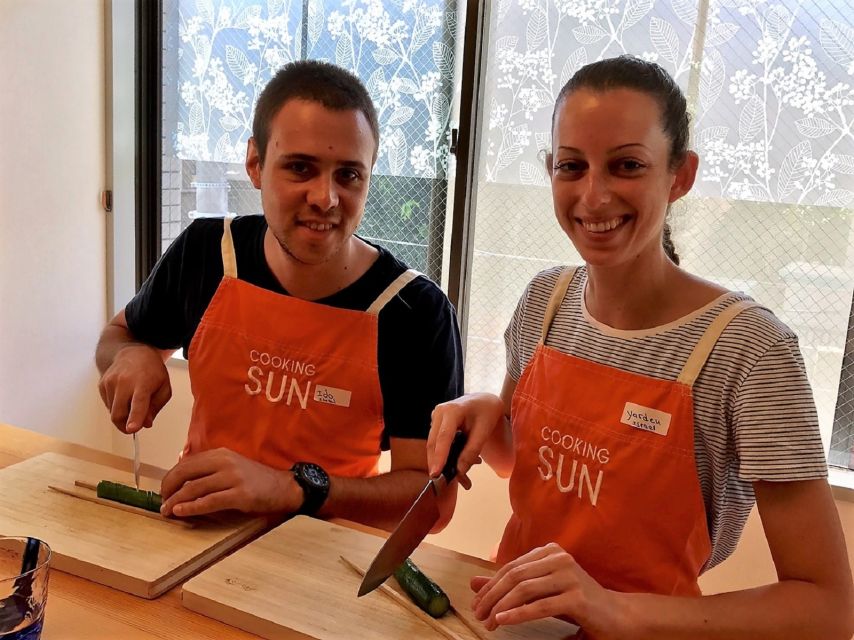
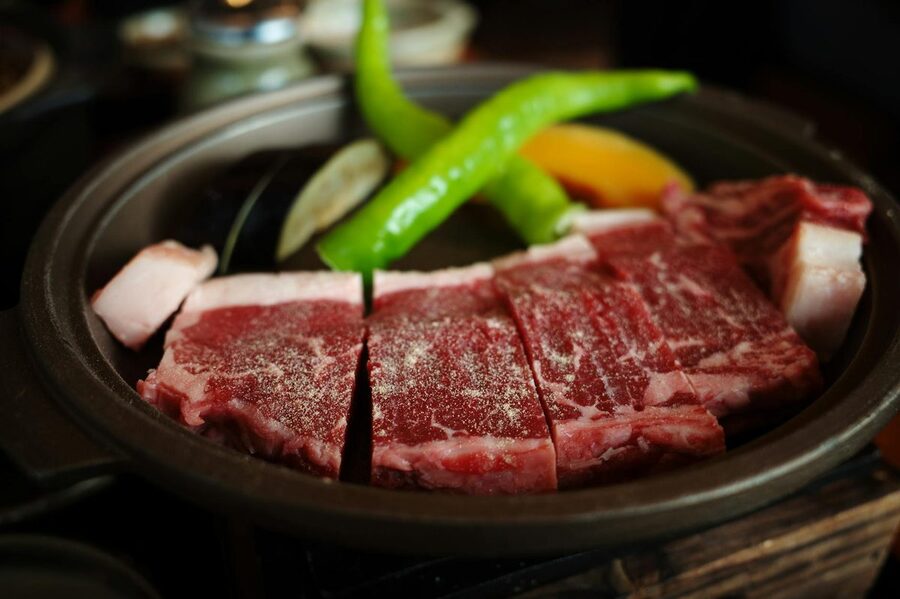
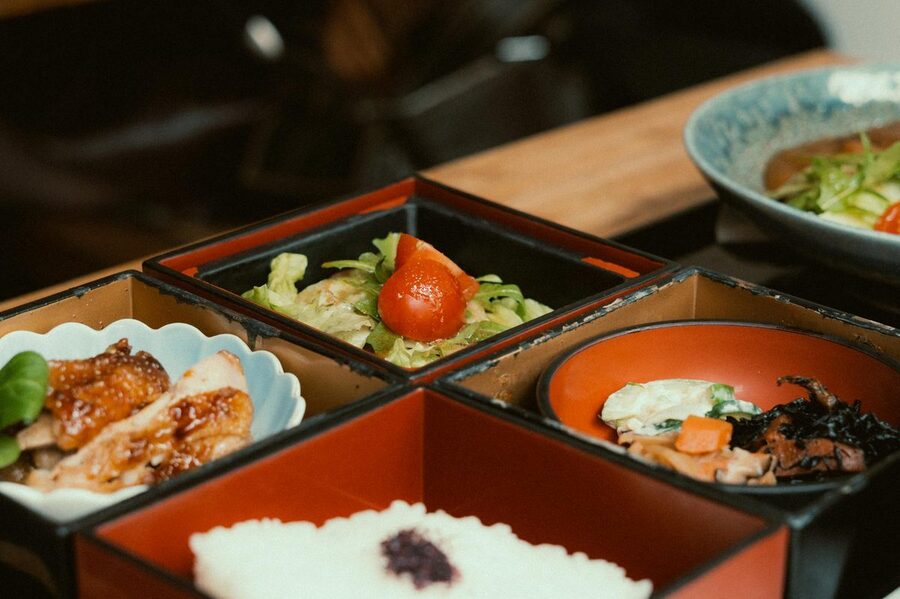
This is the one I’d book first. You’re cooking a proper kaiseki-style meal — miso soup, rice, pickled vegetables, seasonal sides, and the main event: premium wagyu beef that you sear yourself. At $67 per person it’s seriously good value for what you get, especially considering wagyu alone costs that much in most Tokyo restaurants.
Groups are small (max 7-8), the instructor speaks fluent English, and you eat everything you make at the end. The class runs about 3 hours. Nearly 300 people have left reviews and it holds a near-perfect rating. The Viator and GYG listings are the same class — pick whichever platform you prefer.
2. Matcha Making & Japanese Sweets in Asakusa — $22
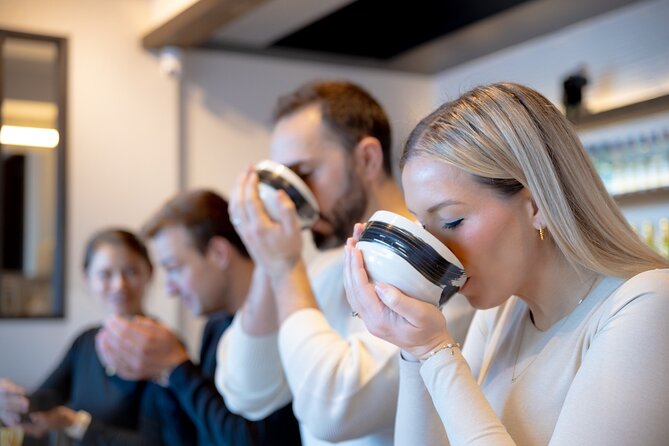
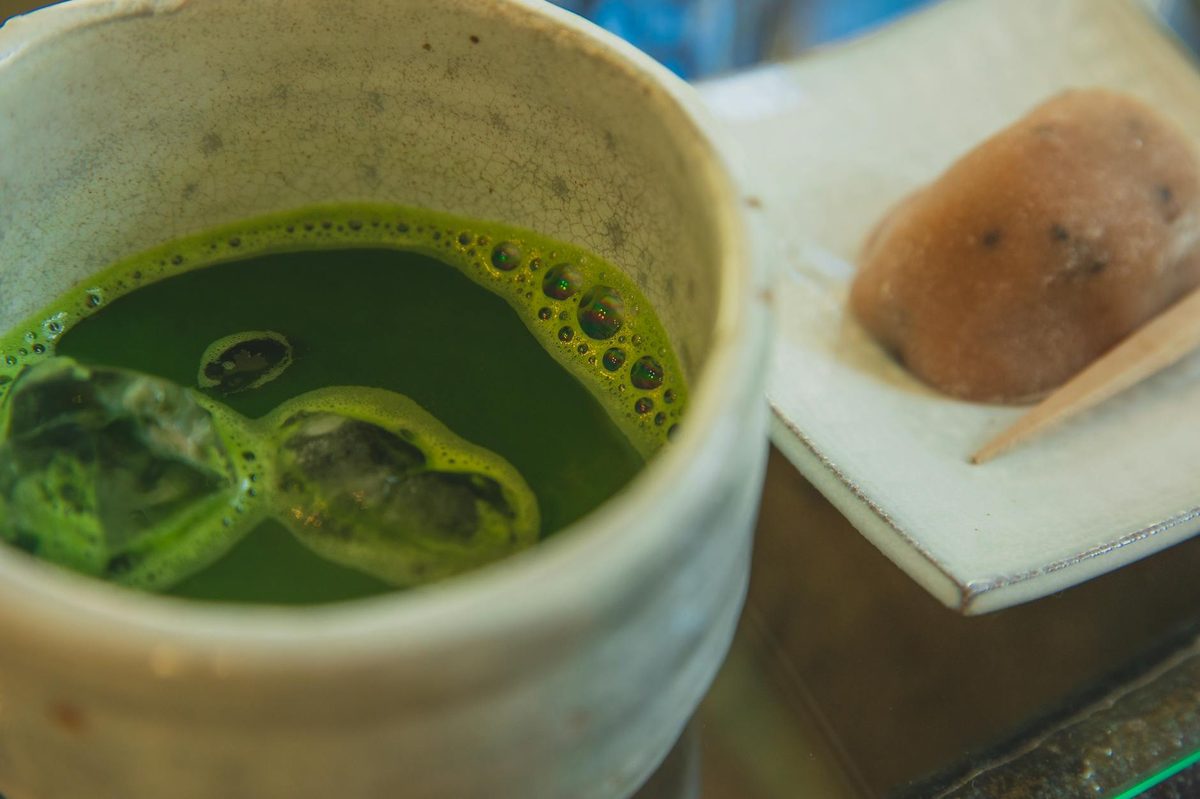
If you’re near Asakusa and want something quick, this is perfect. At $22 it’s the cheapest option on this list and it’s genuinely fun — you learn to take matcha properly with a bamboo chasen, and you get a set of traditional Japanese sweets to go with it. The whole thing takes about an hour.
It’s not a full cooking class in the traditional sense, but if you’re interested in the tea ceremony side of Japanese food culture without the formality of a full tea ceremony, this hits the right note. Over 740 reviews and a perfect score. Kids enjoy it too.
3. Izakaya Style Home Cooking & Sake Pairing — $79
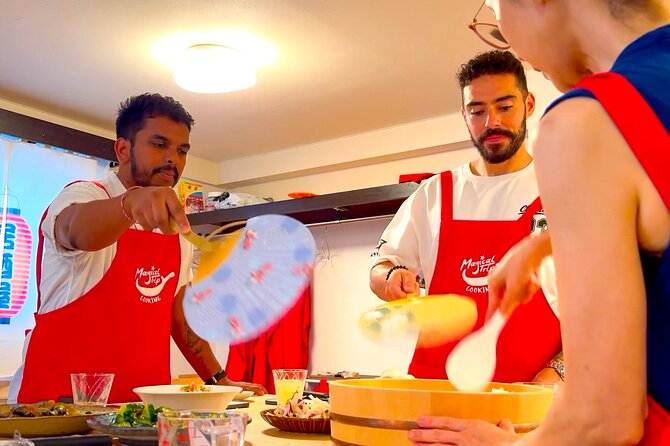
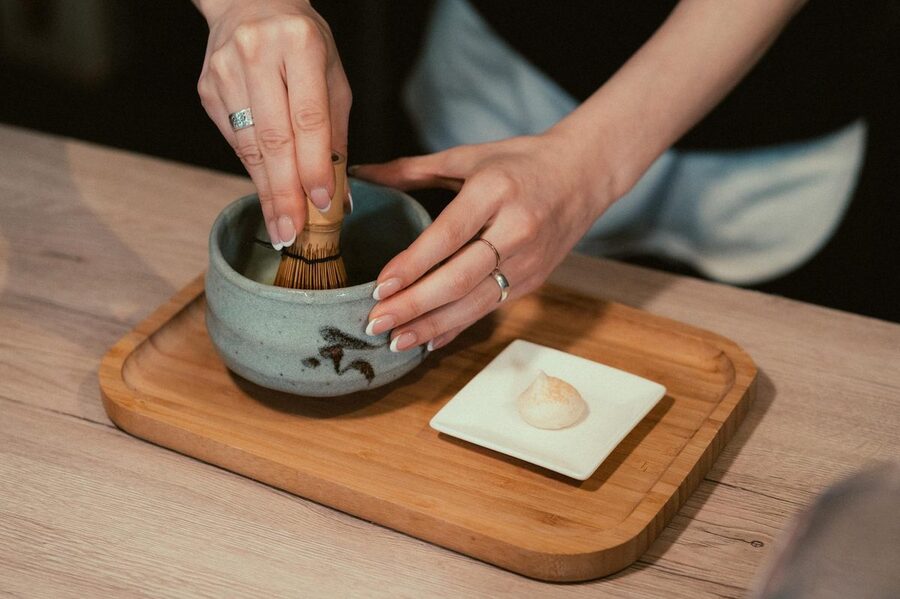
This is for people who want the social, drinking side of Japanese food culture. You’re making five izakaya-style dishes — think yakitori, edamame, grilled fish, pickles — and pairing each with different sakes. The instructor Alice runs it out of her home kitchen and the vibe is relaxed, almost like being invited to a friend’s house for dinner.
At $79 it’s mid-range, and the sake pairing is included in the price. That alone makes it good value. If you’re also planning to do some bar hopping in Tokyo, this pairs well as a warm-up — you’ll actually know what you’re drinking afterwards. About 70 reviews, all positive, and the personal home-kitchen format keeps groups very small.
4. Cute Bento Cooking Class — $64
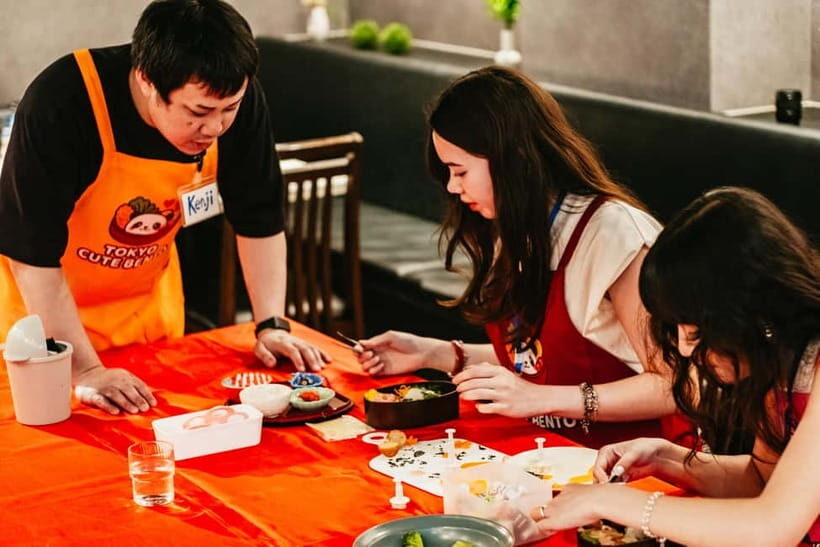
Bento making is one of those Japanese skills that looks impossible from the outside — all those tiny compartments with perfectly shaped rice balls, decorative vegetable cuts, and little character faces. This class breaks it down step by step, and you walk away with an actual bento you made yourself. It’s genuinely creative work, more like edible art than cooking.
At $64 it’s reasonable, and families love it. The class is great for teenagers and older kids who might be bored by a traditional cooking class but get excited about making a panda-shaped rice ball. Runs about 2.5 hours. The reviews specifically call out how patient and encouraging the instructor is, which matters when you’re trying to shape onigiri with the precision of a surgeon.
5. Ramen and Gyoza Class with Supermarket Tour — $123
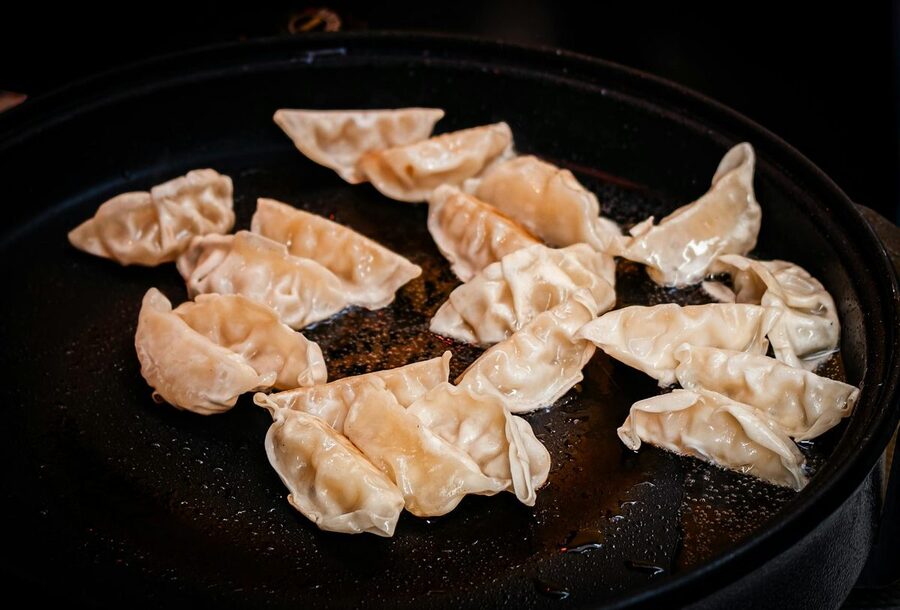
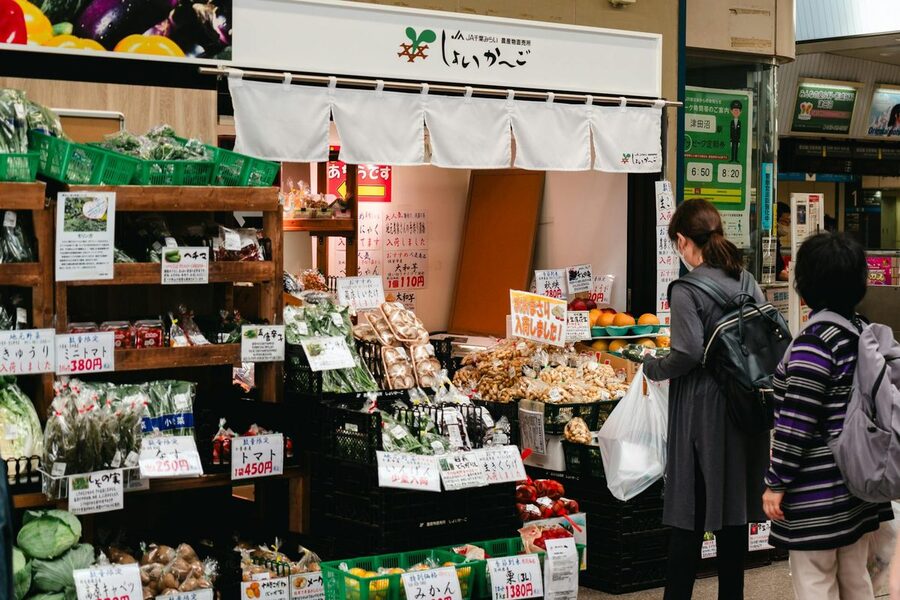
I know I said this guide isn’t about ramen — but this class deserves a mention because it’s really a Japanese home cooking class that happens to include ramen. You start at a local supermarket where your instructor walks you through the aisles, explaining ingredients you’ve walked past a hundred times without understanding. Then you go back to the kitchen and make ramen from scratch (including the broth), plus handmade gyoza.
At $123 it’s the most expensive option here, but the supermarket tour adds real practical value. Over 820 people have reviewed it with a perfect 5.0 rating, which is remarkable for a class at this price point. The detailed guide is in our ramen cooking class article, but I’m including it here because the supermarket component and the gyoza-making are the real stars.
When to Book
Most cooking classes run daily, with morning (10am-1pm) and afternoon (3pm-6pm) sessions. Some offer evening slots too, especially the izakaya-style ones.
Book at least 3-5 days ahead during peak season (cherry blossom season in late March/April, autumn leaves in November, and the Christmas-New Year period). During summer and January, you can often book a day or two before.
Morning classes are generally the best choice. You’ll be fresh, markets are at their liveliest, and you’ll have the rest of the afternoon free. Evening classes work well if you want it to double as your dinner — the izakaya and sake pairing ones are designed for this.
One practical tip: don’t book a cooking class on the same day as a food tour. You’re going to eat a full meal at the end of the class, and combining that with a walking food tour is a recipe for regret.
How to Get There
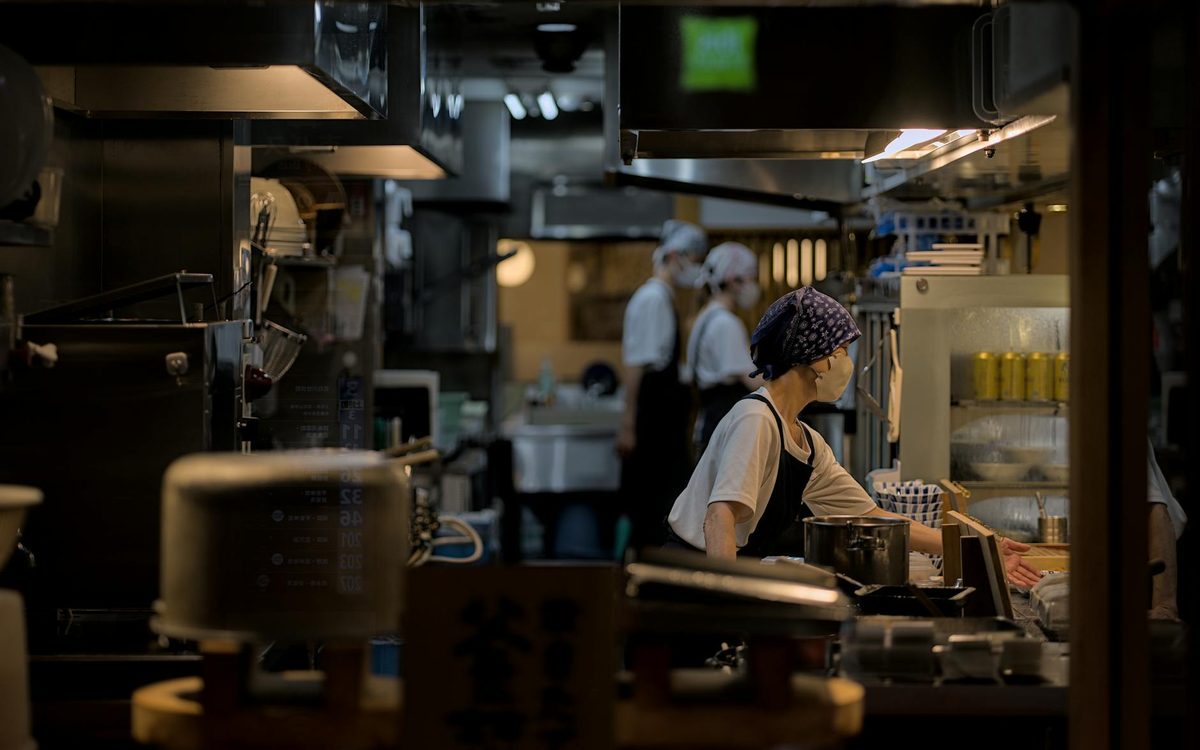
Locations vary because most classes operate from private spaces, but they’re almost always within walking distance of a major metro station. Common neighborhoods:
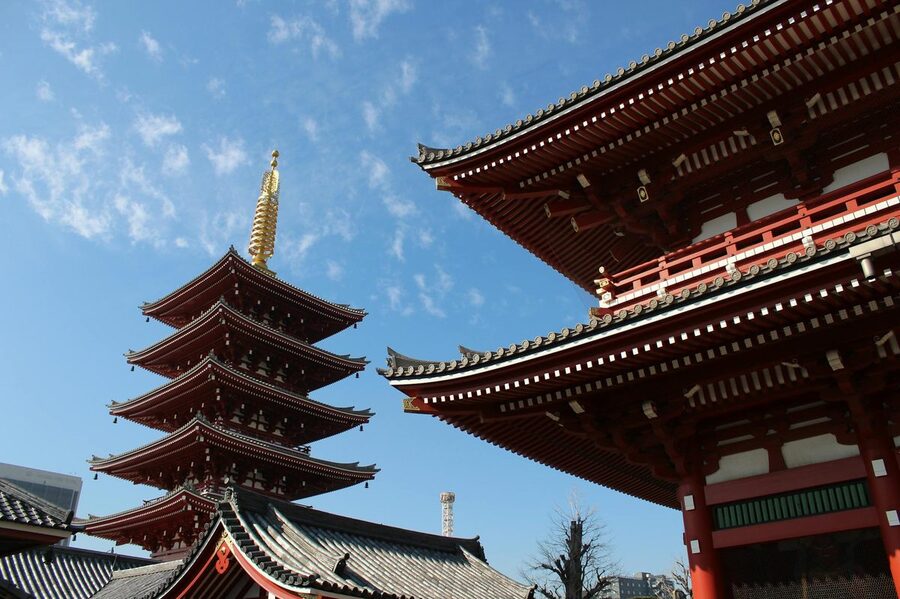
Asakusa — Popular for matcha and wagashi classes. Take the Ginza Line or Asakusa Line to Asakusa Station.
Shinjuku — Several cooking studios near the west exit. A few minutes’ walk from JR Shinjuku Station. Good if you’re also hitting the Shinjuku food tour area.
Shibuya/Ebisu — Some of the more upscale wagyu classes are here. Shibuya Station on the JR Yamanote Line.
Tsukiji area — Classes that include a market visit often start near the outer market. Tsukiji Station on the Hibiya Line.
Your booking confirmation will include the exact address and meeting point. Most instructors also send a follow-up message with walking directions from the nearest station. If you get lost, Japanese addresses are confusing even for locals — just show the address to a station attendant or use Google Maps in walking mode.
Tips That’ll Save You Time and Money
Dietary restrictions: Most classes can accommodate vegetarian, vegan, halal, or gluten-free needs if you mention it at booking. Don’t wait until you arrive — the instructor needs to adjust ingredients and sometimes the entire menu.
Bring a phone or camera. Every class I’ve seen encourages you to take photos and videos during cooking. Some instructors will send you the recipes afterward, but your own videos of the technique are more useful than a written recipe.
Wear comfortable clothes. You’ll be standing for 2-3 hours. Avoid loose sleeves and anything you’d be upset about getting splashed with soy sauce.
Don’t eat a big meal before. Seriously. You’ll cook 3-7 dishes and eat all of them. Arrive a little hungry.
Private classes are worth it for groups. Most operators offer private sessions for about 20-30% more than the per-person group rate. If you’re traveling with 3-4 people, the per-person cost often comes out the same as a group class, but you get the instructor’s full attention. Plus you can customize the menu.
Combine with a market visit. Even if your class doesn’t include one, spend 30 minutes at a local supermarket beforehand. The Tsukiji outer market area is excellent for this. Understanding Japanese ingredients makes the class itself much more meaningful.
What You’ll Actually Learn
This depends on which class you pick, but broadly:
Wagyu classes teach you about marbling grades (A5 is the top), why you cook it differently from Western beef (lower heat, shorter time), and how to build a multi-course meal around a single premium ingredient. You’ll also learn about dashi, the stock that’s the foundation of Japanese cooking.
Matcha and wagashi classes are more about technique than recipes. taking matcha requires a specific wrist motion that takes practice. Wagashi (traditional sweets) are sculpted by hand into seasonal shapes — cherry blossoms in spring, maple leaves in autumn. It’s meditative, almost therapeutic.
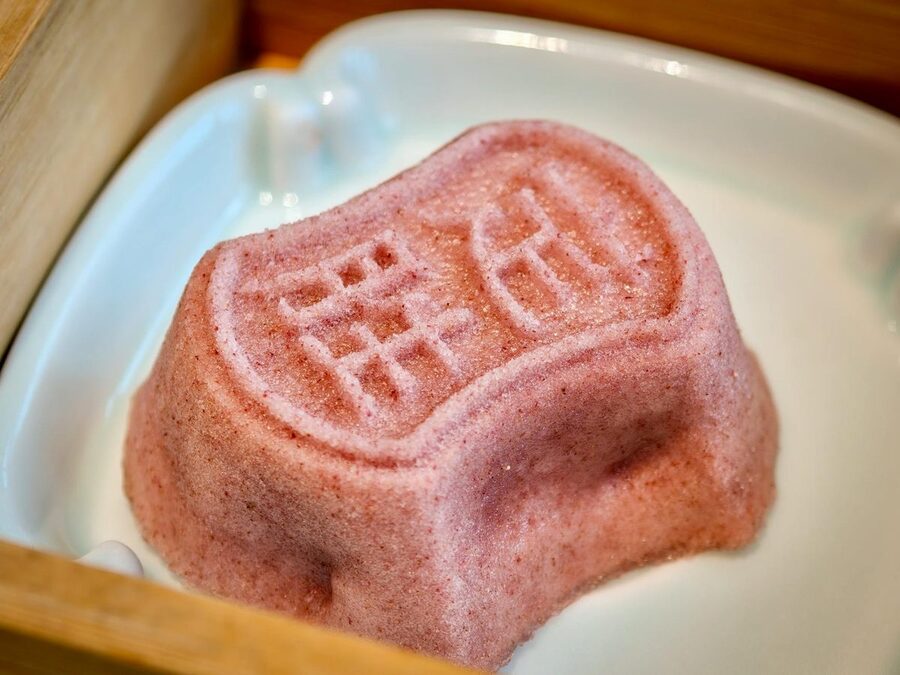
Bento classes focus on efficiency and aesthetics. Japanese lunch culture is an art form — how to pack rice so it doesn’t get soggy, which foods complement each other in flavor and color, and the small knife techniques that turn a carrot into a flower. These skills transfer directly to home meal prep.
Gyoza and dumpling classes are the most hands-on. Folding technique is everything — a poorly sealed gyoza will burst open in the pan. Your instructor will demonstrate 2-3 different folding styles and you’ll practice until you get it right. The pan-frying method (with water added to steam the tops while crisping the bottoms) is the real takeaway skill.
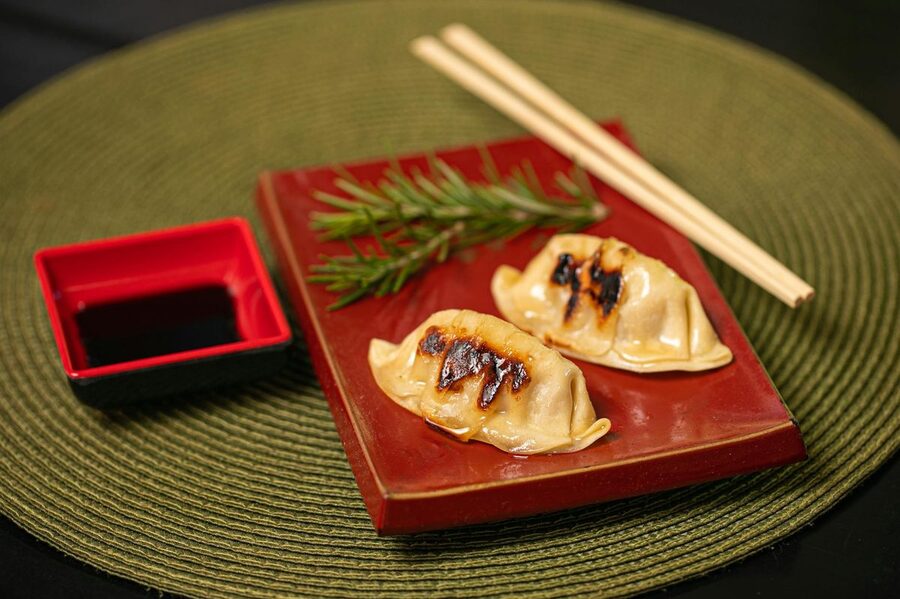
Izakaya cooking is the most practical for everyday life back home. These are the dishes Japanese people actually make for casual dinners and drinking snacks. Nothing fancy, nothing fussy — just solid technique applied to simple ingredients. The sake pairing element teaches you which types of sake match different flavors, which is genuinely useful if you drink sake at home.
If you’re also interested in craft experiences beyond food, the chopstick making workshops and samurai experiences in Tokyo pair well with a cooking class — making your own chopsticks and then learning to cook with them is a pretty satisfying combination.
More Japan Guides
If you are spending a few days in Tokyo, a cooking class pairs well with some of the city’s other experiences. The sushi making classes and ramen classes cover the two big categories I have deliberately left out of this guide.
For full days out of the city, the Kamakura day trip and Nikko day trip are the two strongest options in opposite directions, and the Nagano snow monkey trip is unforgettable in winter.
If you are heading to other cities, the Hiroshima and Miyajima day trip and Nara day trip are both worth planning around, and the Kyoto tea ceremony is the natural companion piece to any matcha class you take in Tokyo.
This article contains affiliate links. If you book through our links, we earn a small commission at no extra cost to you. This helps us keep writing these guides.