
Osaka has some of the best food in Japan and some of the cheapest drinks. Those two facts don’t usually go together in a city this size.
In Tokyo, a decent night out will empty your wallet before midnight. In Osaka, you can eat grilled skewers at a standing bar, wash them down with a cold Asahi, and still have change from a thousand-yen note. The catch? The best spots don’t have English menus. Some don’t even have signs.
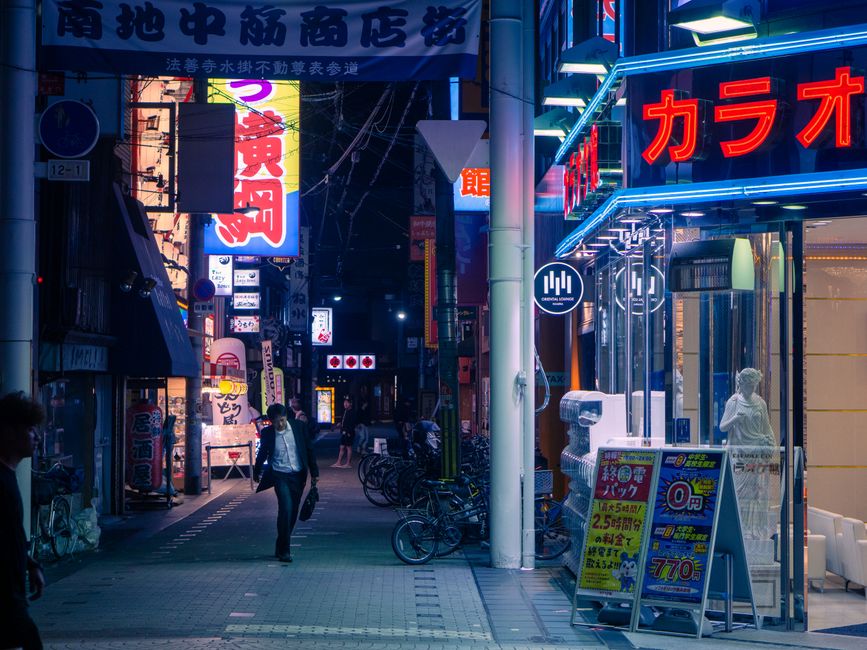
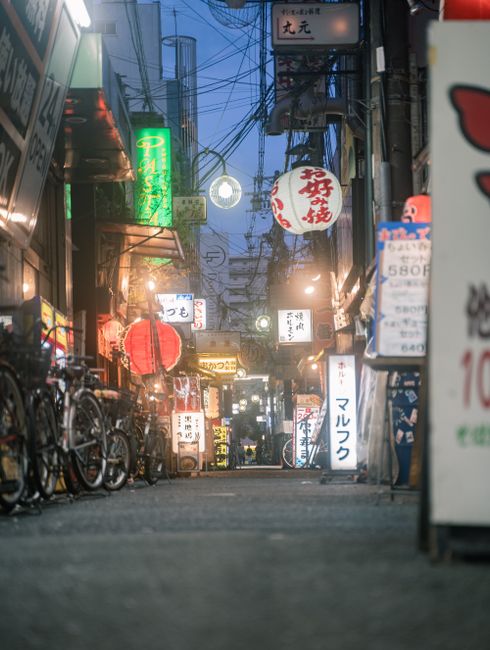
That’s where a bar hopping tour earns its money. Not for the drinking itself — you can do that anywhere — but for the doors it opens. The tiny six-seat izakaya behind the pachinko parlor. The kushikatsu counter where the owner has been frying the same skewers since 1987. The standing sake bar where nobody speaks English but everybody toasts you anyway.

Short on time? Here are my top picks:
Best overall: Osaka Bar Hopping Night Walking Tour in Namba — $98.66. Three bars, six food tastings, drinks included. The guide picks places you’d never find alone.
Best budget: Osaka Local Bar Crawl in Dotonbori & Uranamba — $19. Three hours of drinking for less than the price of two beers in Tokyo. No food included but you’ll eat cheaply along the way.
Best for groups: Osaka Namba Pub Bar Crawl with Local Guide — $30. Three and a half hours with a local guide who knows every backstreet in Namba.
- How Osaka’s Bar Scene Actually Works
- Guided Tour vs Going Solo
- The Best Osaka Bar Hopping Tours to Book
- 1. Osaka Bar Hopping Night Walking Tour in Namba — .66
- 2. Osaka Namba Pub Bar Crawl with Local Guide —
- 3. Osaka Local Bar Crawl in Dotonbori & Uranamba —
- When to Go Bar Hopping in Osaka
- How to Get to Namba
- Tips That Will Actually Help
- What You’ll Actually Experience
- More to Do in Osaka
How Osaka’s Bar Scene Actually Works
Osaka’s drinking culture is different from Tokyo’s. In Tokyo, people drink politely after work in designated entertainment districts. In Osaka, drinking IS the entertainment — and it happens everywhere.
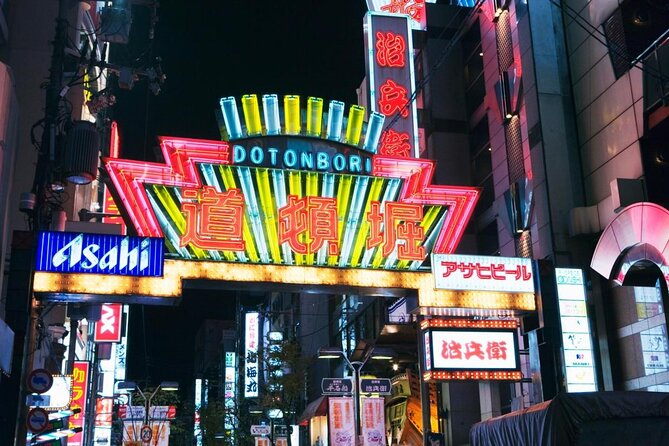
The city’s main nightlife zones for visitors are Dotonbori (the famous canal strip, touristy but fun), Namba (the wider area around it, with backstreet gems), and Uranamba (literally “behind Namba” — the locals’ zone that most travellers never reach). There’s also Shinsekai, the retro neighborhood under Tsutenkaku Tower that the Osaka walking tours cover during the day, where kushikatsu bars line the streets and a beer costs less than a bottle of water at the airport.

You don’t need a reservation at most places. Japanese drinking etiquette is straightforward: order a drink first (it’s rude to sit without ordering), say “kanpai” before the first sip, and keep your glass off the table when someone pours for you. Some bars charge a small otoshi (table charge of 300-500 yen) that comes with a small appetizer — this is normal, not a scam.
The language barrier is real though. Outside of Dotonbori’s tourist strips, English menus are rare. Staff won’t be rude about it — Osakans are famously friendly — but ordering becomes a pointing-and-hoping exercise. This is honestly the main reason a guided bar hop is worth it for your first night. After that, you’ll know enough spots to go back on your own.

Guided Tour vs Going Solo
Let me be straight about this. You absolutely can bar hop in Osaka on your own. It’s not dangerous, it’s not confusing, and you won’t get ripped off. Unlike some tour-heavy experiences in Japan, this one is genuinely doable independently.
So why take a tour? Two reasons.
First, access. The best izakaya in Namba and Uranamba are the ones with six seats, no sign, and a regular clientele. Walking into one of these as a tourist without speaking Japanese is… awkward. A local guide walks you in, introduces you to the owner, and suddenly you’re being served the house specialty that isn’t on any menu. That doesn’t happen when you walk in cold.
Second, translation. Not just of the menu, but of the culture. Why does the guy next to you keep pouring your drink? (It’s polite — you pour for him too.) What’s in that mysterious skewer? (It’s chicken skin, and it’s incredible.) Why did the owner just hand you a raw egg? (It’s for dipping the kushikatsu — don’t double-dip or you’ll get scolded.)

If you’ve done bar hopping in Tokyo already and know Japanese drinking customs, you can probably skip the guide in Osaka. But if this is your first time drinking in Japan, a guided tour on night one will teach you everything you need for the rest of your trip.
The Best Osaka Bar Hopping Tours to Book
I’ve narrowed the Osaka bar hopping options down to three that are genuinely worth your time and money. They cover different budgets and styles, from a premium all-inclusive crawl to a dirt-cheap local pub walk.
1. Osaka Bar Hopping Night Walking Tour in Namba — $98.66
This is the premium option and the one I’d pick if you only have one night in Osaka. Run by Magical Trip (one of the most established local tour operators in Japan), it includes three bars, six food tastings, and drinks at every stop. The guide is a local who actually drinks at these places when they’re not working, which makes a difference — they know the owners by name.
At $98.66 it’s not cheap, but when you add up what you’re getting (food, drinks, and a guide for the evening), you’d spend close to that amount going solo and eating at tourist-priced restaurants in Dotonbori. Nearly a thousand reviews with a perfect 5.0 rating is almost unheard of for a nightlife tour. The groups are kept small so you’re not marching through bars like a pub crawl bus tour.
2. Osaka Namba Pub Bar Crawl with Local Guide — $30
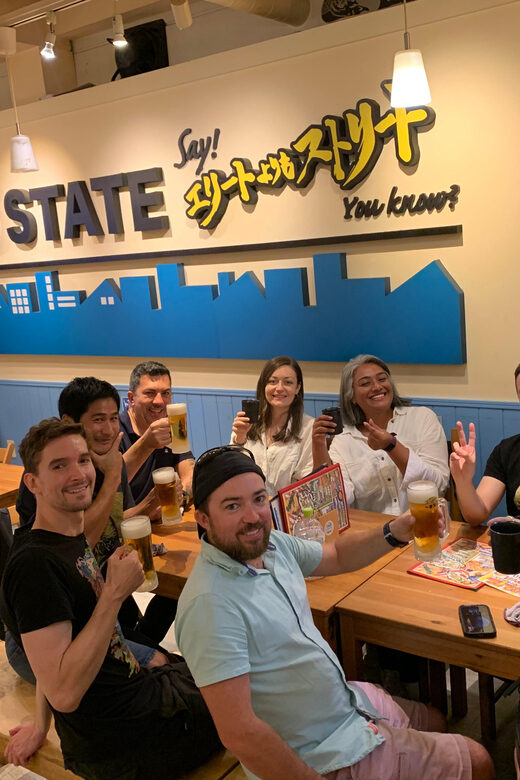
This is the sweet spot between price and experience. $30 gets you a local guide for three and a half hours through the backstreets of Namba. Drinks and food aren’t included in the price — you buy your own — but that’s actually an advantage because you order exactly what you want and the overall cost stays low. A beer at most of these places runs 300-500 yen (about $2-3).
Over 400 reviews with a 4.9 rating, and the guides are actual Osaka residents who picked their favorite bars. The route covers Dotonbori, Uranamba, and the quieter streets that travellers miss. You’ll hit standing bars, tiny sake joints, and at least one place where the owner will try to teach you a drinking game. The group atmosphere makes it more social than a private tour — you’ll probably end the night trading travel stories with people from five different countries.
3. Osaka Local Bar Crawl in Dotonbori & Uranamba — $19

If your travel budget is tight and you want to maximize drinking time, this is the one. $19 for three hours of guided bar hopping is almost suspiciously cheap — but it works because you’re paying only for the guide’s time and knowledge, not for drinks or food. You cover your own tabs, which at Osaka prices means you’ll spend maybe 2,000-3,000 yen ($13-20) total for an evening of drinking.
The route focuses specifically on Dotonbori and Uranamba, which is the heart of Osaka’s drinking scene. Nearly 400 reviews at 4.9 stars, and the local guides know these streets cold. It’s less polished than the premium Magical Trip option — more spontaneous, more “let’s try this place” energy — and that’s actually what makes it fun. You’ll end up at bars where you’re the only non-Japanese person in the room, which is exactly what a bar crawl should be.
When to Go Bar Hopping in Osaka
Most Osaka bars open around 5 or 6 PM and stay open until midnight or later. The sweet spot for starting a bar crawl is 6:30-7:00 PM — early enough to see the sunset over Dotonbori canal (genuinely beautiful with all the neon reflecting on the water), but late enough that the bars are warming up.
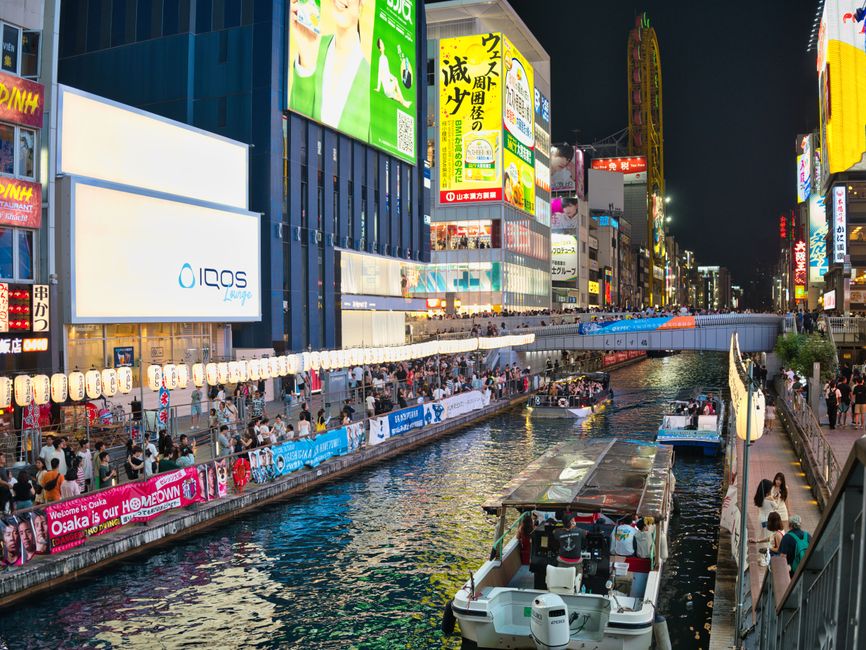
Best nights: Thursday through Saturday are the liveliest, when locals are out in force. Friday is peak atmosphere. Sunday and Monday are quieter — some smaller bars close entirely.
Best months: October through November is ideal. The weather is cool enough for walking between bars without sweating, and the autumn food season means bars are serving seasonal specialties. Spring (March-April) is also great — cherry blossom season means outdoor drinking is socially encouraged. Avoid July-August unless you enjoy walking between bars in 35-degree heat with 80% humidity.
Worst time: The week between Christmas and New Year. Half the small bars close for the holidays, and the ones that stay open are packed with travellers paying inflated prices. Same goes for Golden Week (late April to early May).

How to Get to Namba
Every bar hopping tour in Osaka starts in or near Namba, which is one of the easiest areas in the city to reach.
From Kansai Airport (KIX): The Nankai Rapi:t express train runs directly to Namba Station in 38 minutes. It costs 1,450 yen and drops you right in the middle of everything. The regular Nankai train takes about 45 minutes and costs 930 yen if you want to save a few hundred yen.
From Shin-Osaka Station (shinkansen): Take the Midosuji Line subway directly to Namba — about 15 minutes, 280 yen. This is the fastest option.
From Kyoto: The Hankyu Railway runs from Kyoto-Kawaramachi to Osaka-Umeda in about 45 minutes (400 yen), then transfer to the Midosuji Line for Namba. Or take the Keihan Line to Yodoyabashi and transfer. If you’re planning a tea ceremony in Kyoto during the day and bar hopping in Osaka at night, the last train back to Kyoto leaves around midnight — double-check the schedule.
From your hotel: If you’re staying in Umeda/Osaka Station area, the Midosuji Line runs to Namba every 3-4 minutes. From Tennoji, it’s two stops north on the same line. Osaka’s subway system is simple and cheap. And if you’re coming from a Mt Fuji day trip or full-day Tokyo bus tour, the shinkansen from Tokyo Station to Shin-Osaka takes about 2.5 hours.
Tips That Will Actually Help
Bring cash. This is non-negotiable. Most small Osaka bars are cash-only. ATMs at 7-Eleven and Lawson convenience stores accept international cards and don’t charge withdrawal fees. Take out 10,000-15,000 yen before your tour — you’ll use it.
Eat before you drink (or book a tour that includes food). Japanese drinking culture assumes you’re eating while drinking, but the budget bar crawls don’t include food. Grab some takoyaki (octopus balls) or okonomiyaki from a street vendor before you start, or even better, book an Osaka food tour earlier in the evening and roll straight into bar hopping afterward. Drinking on an empty stomach at Osaka’s pace is a recipe for a very short night.
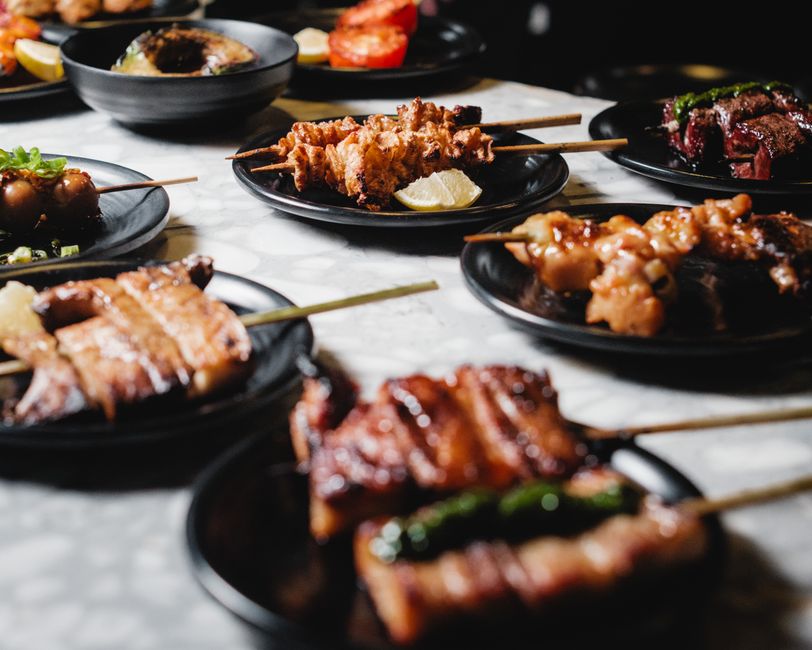
Don’t double-dip the kushikatsu sauce. Seriously. In Osaka’s kushikatsu bars, there’s a shared pot of sauce on the counter. You dip once. If you need more sauce, use the cabbage leaves provided to scoop sauce onto your food. Double-dipping will get you a lecture from the owner, and in Osaka they won’t be subtle about it.
Last trains matter. Osaka’s subway stops running around midnight (exact times vary by line). If your tour ends late, you’ll need a taxi or a 20-minute walk back. The guided tours typically end by 10-10:30 PM, which gives you time to either catch the last train or continue drinking on your own. Check the Tokyo bar hopping guide for similar late-night transit tips if you’re doing both cities.
Consider a food tour first. If you’re arriving in Osaka early, an Osaka food tour during the day followed by bar hopping at night is the perfect one-two punch. You’ll already have a sense of Japanese food culture by the time you sit down at your first izakaya.
Pace yourself with highballs. Japanese whisky highballs are the default drink at most izakaya — cheap, refreshing, and lower alcohol than sake or straight whisky. They’re also enormous. If you’re doing three bars, alternate between highballs and water or you’ll be done by the second stop.

What You’ll Actually Experience
A bar hopping tour in Osaka isn’t just about drinking. It’s one of the best ways to understand how Osakans actually live.
Osaka has a reputation in Japan as the country’s kitchen — “kuidaore” literally means “eat until you drop,” and it’s the city’s unofficial motto. The drinking culture is an extension of that food-first philosophy. Bars serve food. Restaurants serve drinks. The line between the two barely exists, and the best places do both brilliantly.

The Uranamba area behind the main Namba strip is where things get interesting. This is a grid of narrow streets packed with tiny bars — most seating four to eight people — that operate almost like private living rooms. The owner cooks behind a counter the width of an ironing board, regulars sit on wooden stools, and conversation flows between strangers because there’s literally no room to avoid it. It’s the opposite of a nightclub.
You’ll try dishes that don’t exist outside Osaka. Kushikatsu — deep-fried skewers of everything from lotus root to quail eggs — is the signature bar food, and each place has its own batter recipe. Doteyaki (beef tendon stewed in miso) is the kind of dish that only makes sense at 10 PM after two beers. And negiyaki (a green onion pancake that’s basically okonomiyaki’s less famous cousin) appears on menus you’ll only see with a local guide.

If you’re doing a food tour in Shinjuku on your Tokyo leg, the contrast with Osaka is striking. Tokyo food tours are polished. Osaka bar hops are chaotic, loud, and unapologetically messy — and most people prefer them.


More to Do in Osaka
Bar hopping is the nightcap, but Osaka’s daytime is just as packed. The Osaka Castle is the obvious morning activity, and the walking tours cover the castle, Shinsekai, and Dotonbori in a single loop if you want a guided overview. For something offbeat, the sumo experience puts you in the ring with retired wrestlers before lunch.
After dark on a different night, the teamLab Botanical Garden is a calmer alternative to the bar scene. Day trips are simple from here too — Nara is 30 minutes for deer and temples, and the Gion district in Kyoto is a completely different evening vibe. If you are headed to Tokyo, our Tokyo bar hopping guide covers the capital’s take on nightlife.
This article contains affiliate links. If you book through our links, we earn a small commission at no extra cost to you. This helps us keep writing these guides. All opinions are our own — we only recommend tours we’d actually book ourselves.