
The trees were already glowing when I turned the corner into the garden.
Not a soft glow, either. Full-spectrum color washing up the trunks and spilling across the canopy, shifting from deep blue to hot pink to something that doesn’t have a name. A kid next to me just stood there with her mouth open. Fair enough. I did the same thing.
teamLab Botanical Garden in Osaka is one of those rare attractions where the photos genuinely don’t do it justice. It’s built inside Nagai Park’s botanical garden — a real, living garden with 1,200 species of plants — and after sunset, the whole thing transforms into an interactive digital art installation. You walk through it. The art reacts to you. And it changes with the seasons, so no two visits are exactly alike.
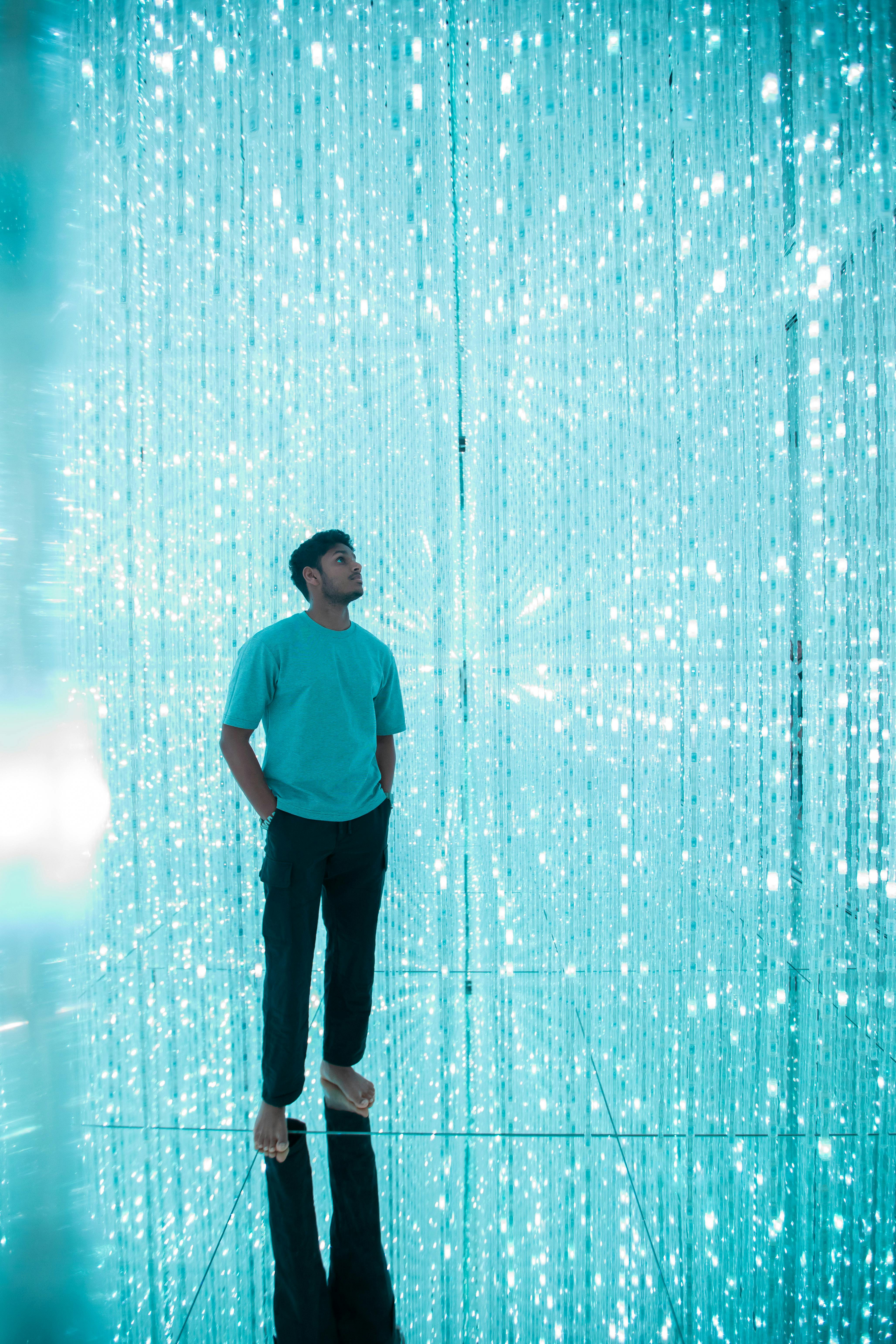
If you’ve been to teamLab Planets in Tokyo, this is a completely different experience. Planets is indoors, barefoot, and focused on water and floor-based installations. The Botanical Garden is outdoors, you keep your shoes on, and the art wraps around trees, ponds, flowers, and open sky. Both are worth doing. But if you’re in Osaka and you’ve already done the Tokyo ones, this is not a repeat — it’s its own thing.
Short on time? Here’s the deal:
Only option you need: teamLab Botanical Garden Entry Ticket — $11. Standard admission, book online, skip the gate queue. That’s it. There’s only one ticket type and one way in.

- How teamLab Botanical Garden Tickets Work
- Why This Is Different from teamLab Planets (Tokyo)
- The Best Way to Book teamLab Botanical Garden
- teamLab Botanical Garden Entry Ticket —
- When to Visit
- How to Get There
- Tips for Getting the Most Out of Your Visit
- What You’ll Actually See
- Planning the Rest of Your Osaka Trip
How teamLab Botanical Garden Tickets Work
This is refreshingly simple compared to most Osaka attractions. There’s one ticket type: general admission at around 1,600 yen ($11 USD). No VIP tiers, no fast-pass upgrades, no confusing bundle options. You buy your ticket, pick a date, and show up.
You can buy tickets at the gate, but I’d strongly recommend booking online through GetYourGuide instead. The gate queue can get long on weekends and during popular seasons (cherry blossoms, autumn leaves, Christmas illumination period). The e-ticket lets you scan and walk straight in.

A few important details:
- Children under 3 are free. Kids 4-12 and seniors get a reduced rate
- The ticket is valid for one day only — the specific date you select when booking
- Entry is timed to some degree during peak periods. On regular weekdays you can show up anytime during operating hours, but weekend slots can sell out. Book a few days ahead if you’re visiting on a Friday or Saturday night
- The garden is outdoors. Rain doesn’t cancel the event (the installations are weatherproof), but heavy storms might. No refunds for weather — check the forecast
- There’s no re-entry. Once you leave, you can’t come back in on the same ticket
The Osaka Amazing Pass does not include teamLab Botanical Garden. You need a separate ticket regardless of what city pass you have.
Why This Is Different from teamLab Planets (Tokyo)
People ask this constantly, so let me break it down clearly.
teamLab Planets in Tokyo is an indoor museum. You take your shoes off, wade through water, walk on mirrored floors, and the installations are contained in individual rooms. It’s intimate, controlled, and designed around specific sensory experiences. The whole visit takes about 60-90 minutes because the space is finite.
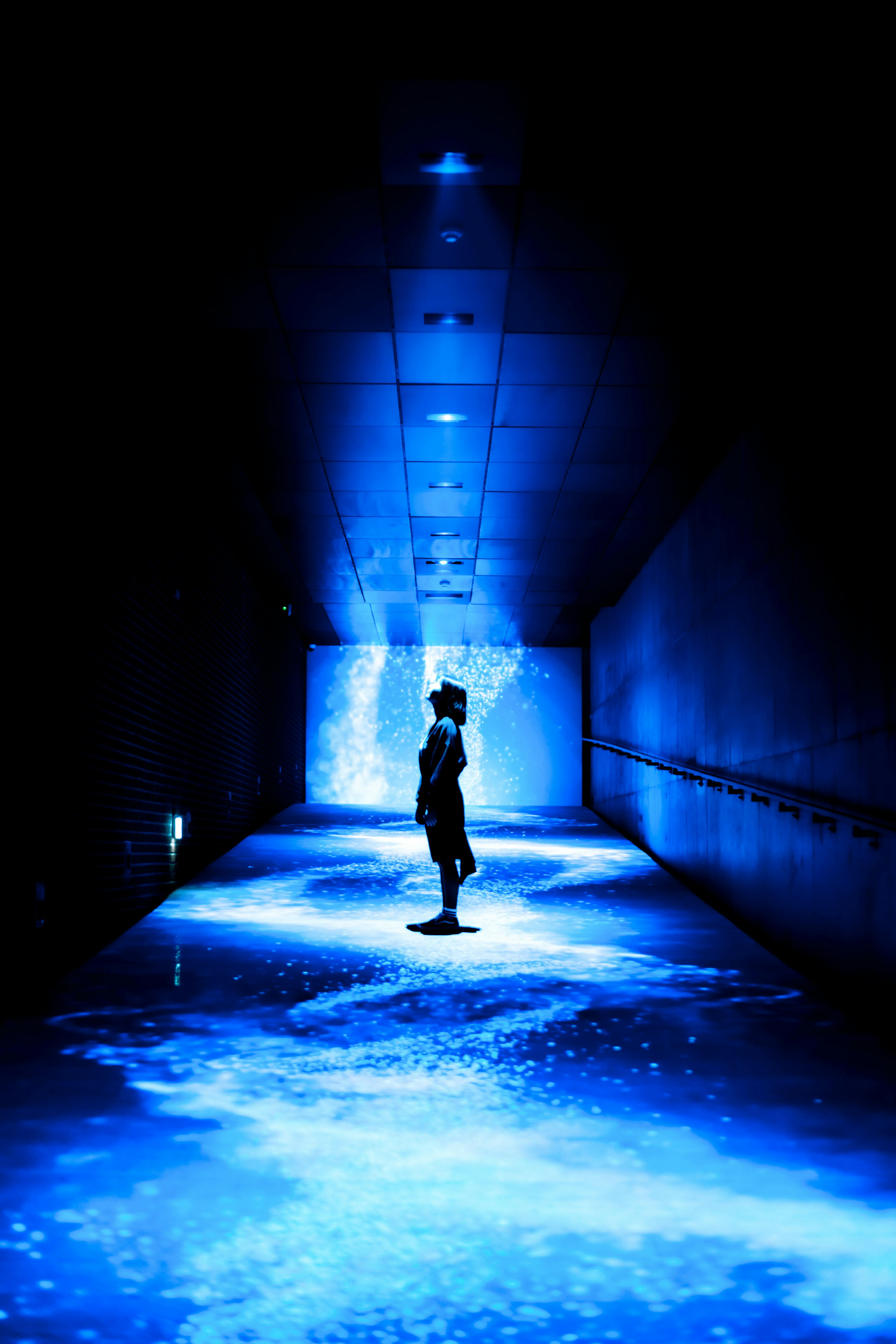
The Botanical Garden in Osaka is the opposite in almost every way. It’s outdoor. The installations are mapped onto actual trees, ponds, flower beds, and open lawns. You keep your shoes on. The path through the garden is about 1.5 kilometers and there’s no set route — you wander wherever you want.
And because the art responds to real weather, real wind, and real plant growth, no two visits look the same. A windy night creates movement in the projections that a still night doesn’t.
The Botanical Garden is also calmer. Planets can feel crowded because everyone funnels through the same rooms. Here, the space is huge and the crowds spread out. Even on busy nights you can find a quiet corner where it’s just you and the glowing trees.
If you’re choosing between them: do both if you can. If you can only pick one, Planets is the more intense sensory hit, but the Botanical Garden is the one that sticks with you afterward.
The Best Way to Book teamLab Botanical Garden
teamLab Botanical Garden Entry Ticket — $11

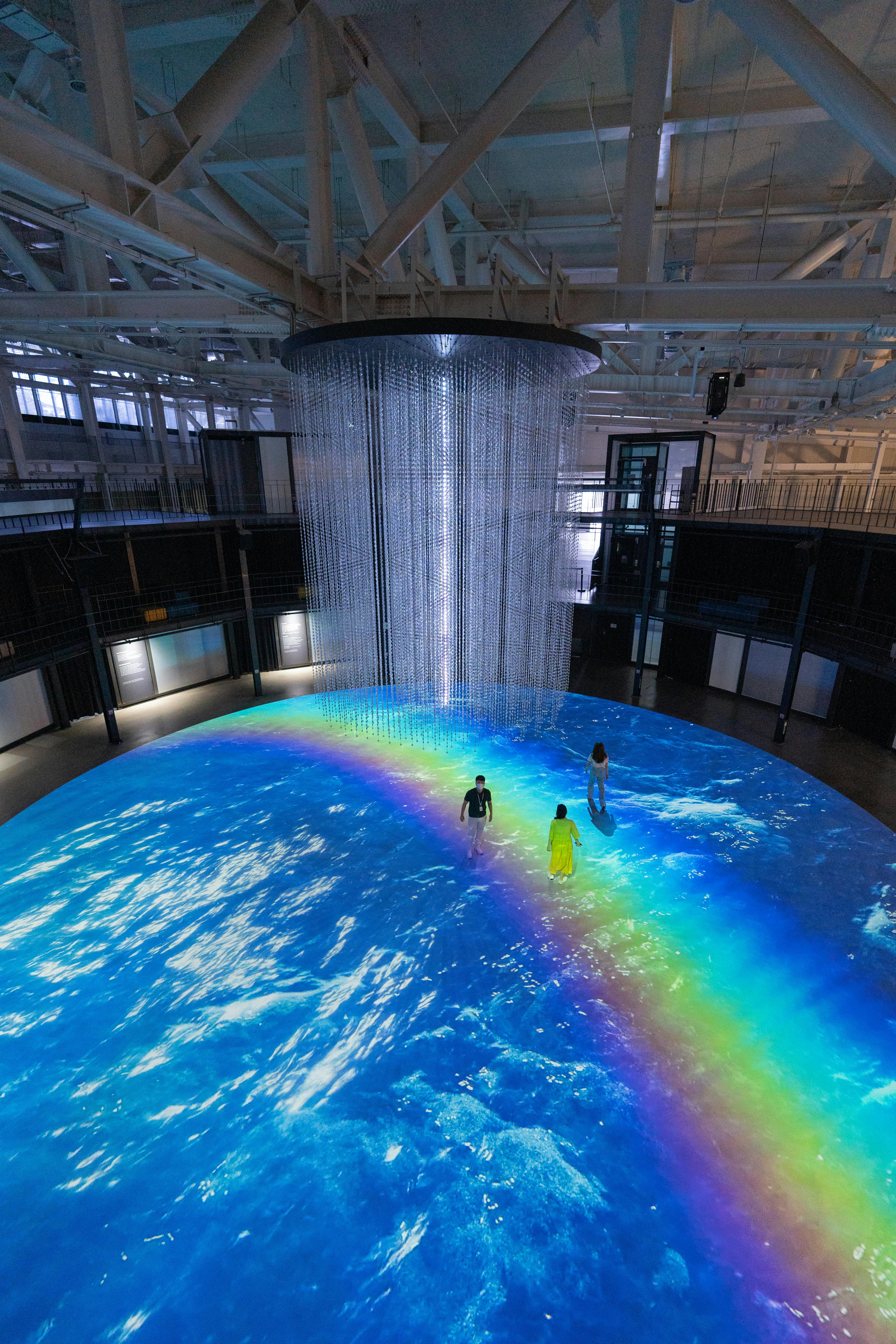
With over 1,700 reviews and a 4.5-star rating on GetYourGuide, this is the standard (and only) way to get in. The e-ticket arrives on your phone instantly after booking. Select your date, show up after sunset, scan the QR code at the gate, and you’re walking through glowing forests within minutes.
At $11 per person, this is absurdly cheap for what you get. For context, teamLab Planets in Tokyo costs $25-30 and you’re inside for about an hour. Here you can wander the garden for as long as it’s open and the space is significantly larger. The low price point makes it an easy add to any Osaka evening — even if you only stay 45 minutes, you’ve gotten your money’s worth. Most people stay 90 minutes to two hours.
One thing the reviews consistently mention: go on a weeknight if possible. Weekend crowds are manageable but weeknights are genuinely peaceful. You’ll have entire sections of the garden to yourself, which completely changes the vibe from “tourist attraction” to “private art experience.”

When to Visit
The garden opens at sunset and runs until 9:00 PM or 10:00 PM depending on the season. In summer (June-August), sunset is late so the garden doesn’t open until around 7:00 PM but stays open until 10:00 PM. In winter (December-February), it opens as early as 5:30 PM because the sun sets so much earlier.
Closed on Mondays (unless Monday is a national holiday, then it closes Tuesday instead). Also closed for a maintenance period in early February — check the official teamLab site for exact dates.
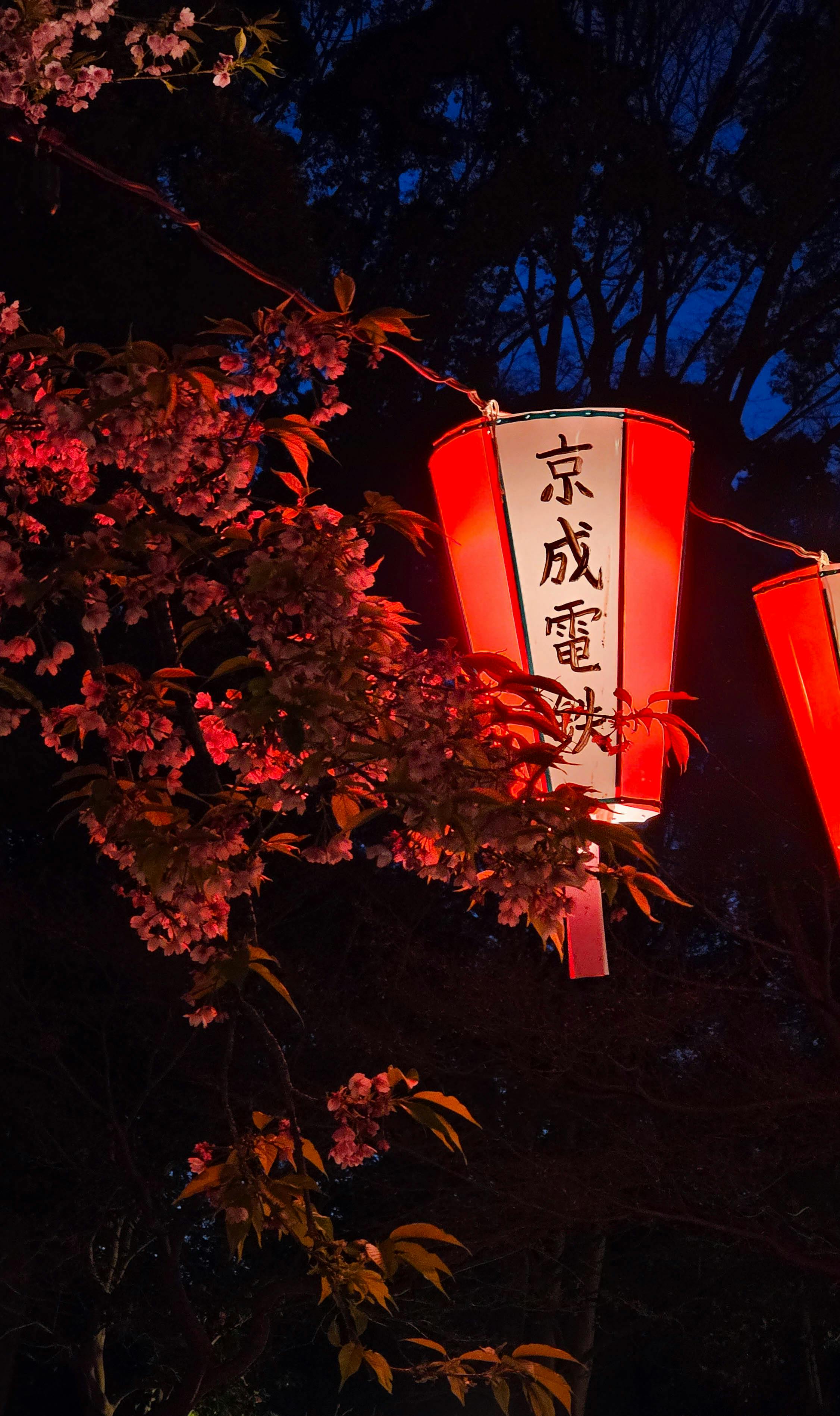
Best seasons:
- Late March to mid-April (cherry blossoms) — The garden’s cherry trees get the teamLab treatment. Petals glowing pink and white, falling projections mixing with real falling petals. It’s the most popular time and tickets sell out fast on weekends
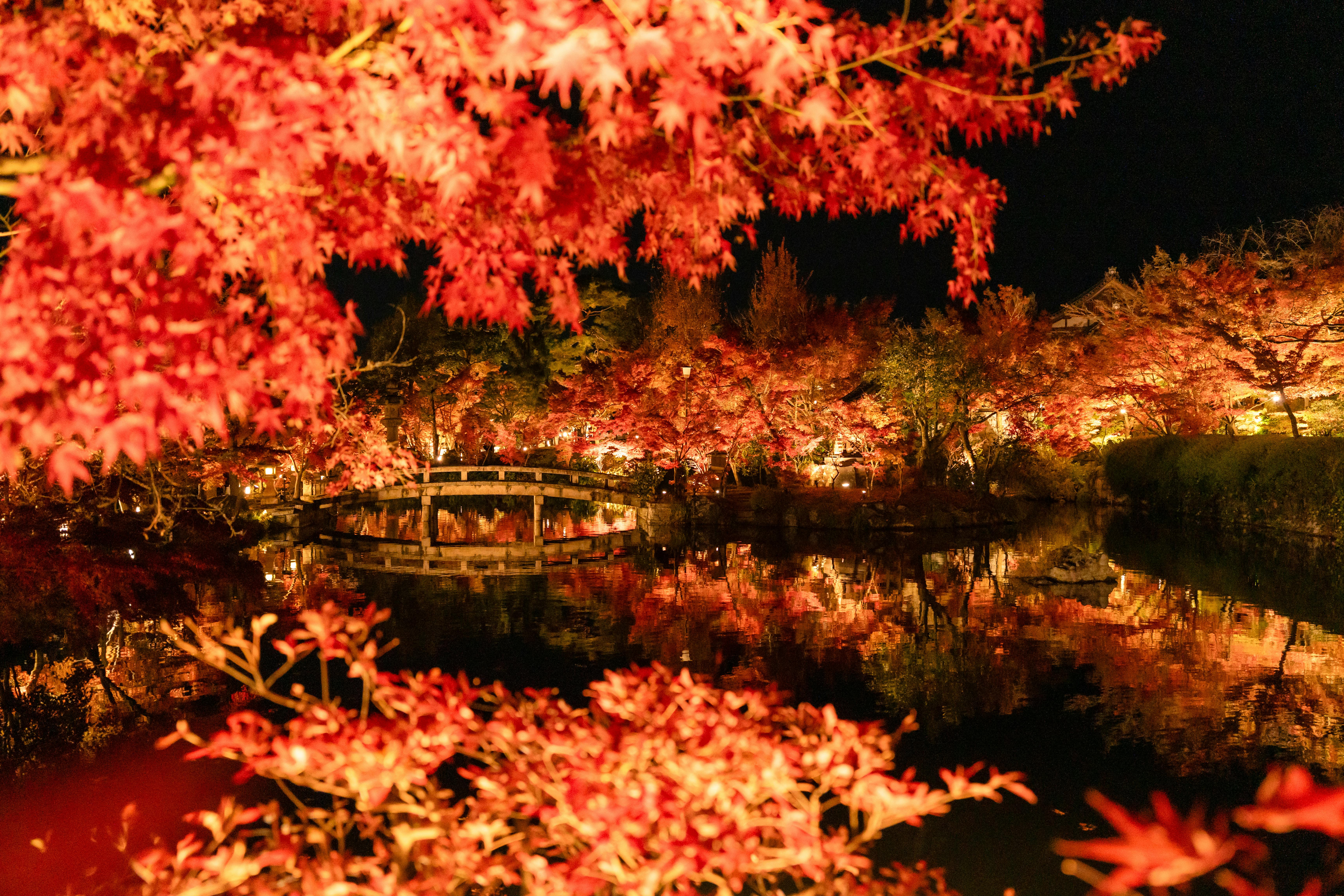
- Late November (autumn leaves) — Maple trees lit up in reds, oranges, and golds. The projections play off the natural colors and the effect is stunning. Less crowded than cherry blossom season
- December (holiday illumination) — Special winter installations get added. Cold but worth it. Wear layers
- Summer — The garden stays open latest (until 10pm), and the warm evenings make for a comfortable long visit. Cicada sounds mixed with the digital art is uniquely Japanese
Best time of night: Right at opening is the busiest because everyone arrives at once. Show up 45-60 minutes after opening and the initial wave has spread out through the garden. The last hour before closing is the quietest.
How to Get There
teamLab Botanical Garden is inside Nagai Park, in southern Osaka. It’s not in the tourist center of the city, which actually works in its favor — fewer random walk-ins, more people who planned to be there.
By subway: Take the Midosuji Line to Nagai Station. The park entrance is about a 5-minute walk from exit 3. From the park entrance, it’s another 5-10 minutes on foot to the Botanical Garden gate. Total from the subway: about 15 minutes.
From Namba: Midosuji Line direct to Nagai, about 12 minutes. Easy.
From Osaka/Umeda Station: Midosuji Line south to Nagai, about 20 minutes. No transfers needed.
From Shin-Osaka (shinkansen): Midosuji Line south, about 25 minutes direct to Nagai.
There’s a JR Hanwa Line stop called Tsurugaoka that’s also close, but the Midosuji subway is more convenient for most visitors because it connects to all the major hotel areas.
By car: Nagai Park has paid parking, but spaces fill up on weekends. The subway is easier and cheaper.
Tips for Getting the Most Out of Your Visit
- Wear comfortable walking shoes. The path is about 1.5 kilometers on paved and gravel surfaces. Heels are a bad idea. Flat shoes or sneakers work fine
- Bring a light jacket even in summer. The garden gets cooler at night than you’d expect, especially in exposed areas near the ponds
- Don’t use flash photography. It ruins the experience for everyone around you and the photos come out worse with flash anyway. Use night mode on your phone instead — modern phones handle the low light surprisingly well
- Slow down. Seriously. The installations evolve over time. A tree that’s glowing blue when you walk past might shift through five different colors over the next three minutes. If you rush through the garden in 30 minutes, you’ll miss the entire point. Budget at least 90 minutes
- Check the weather. Light rain is fine and can actually make the projections look more dramatic (water droplets catch the light). Heavy rain or thunderstorms might close the garden. No refunds for weather closures, so plan accordingly
- Go hungry. There’s a small cafe area near the entrance, but the real move is to head back toward Shinsekai or Dotonbori for an Osaka food tour or a late dinner. Alternatively, an Osaka bar hopping tour makes a great follow-up — the night is young when you leave the garden
- If you’re visiting with young children, the garden is stroller-accessible on the main paths. Kids absolutely love this place — everything is at their level and the interactive elements respond to their movement just like adults

What You’ll Actually See
The garden has around 10-15 installations spread across the grounds, and the lineup changes seasonally. I won’t list every single one because half the fun is discovering them as you walk. But here’s a sense of what to expect.
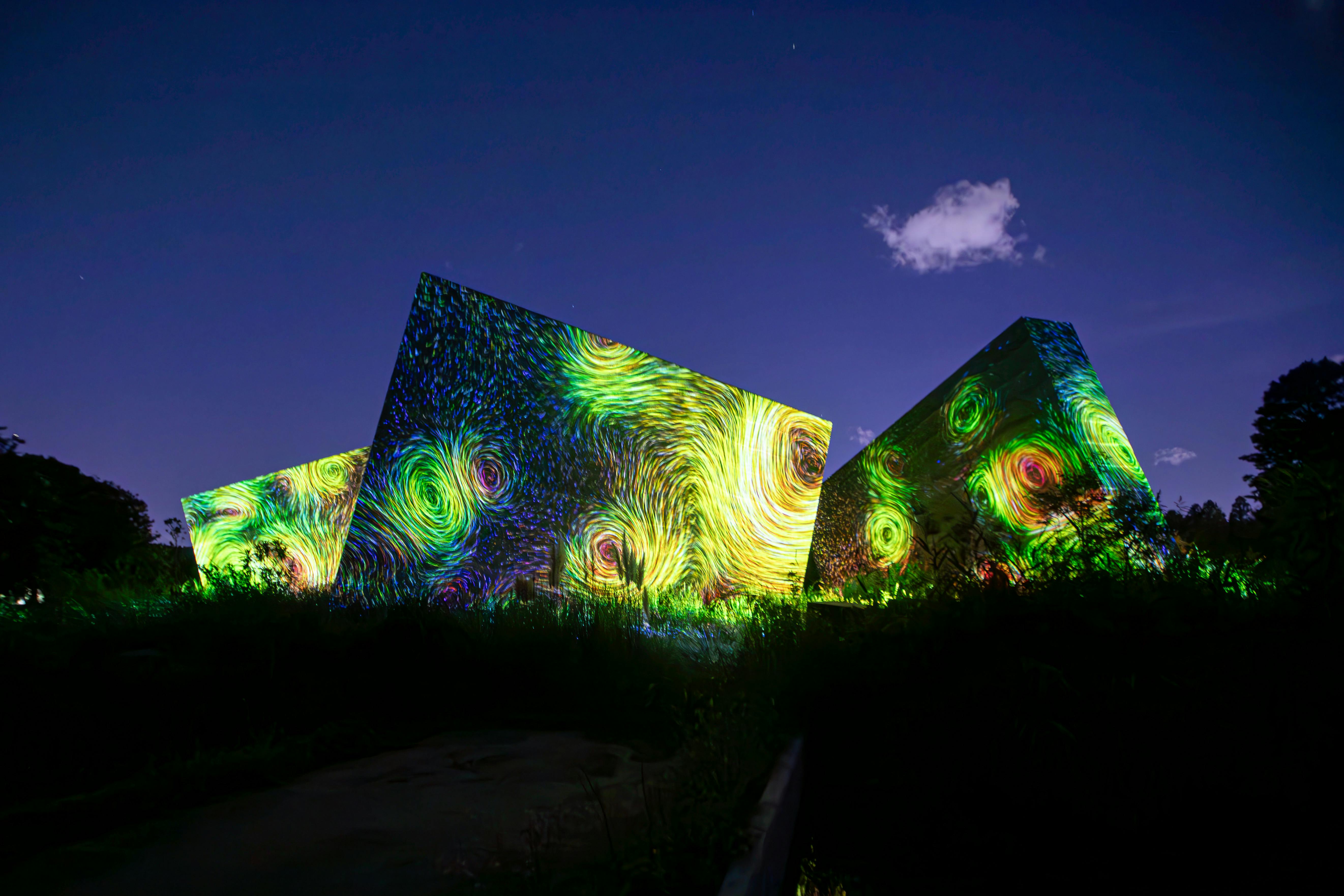
The forest areas have projections mapped directly onto tree trunks and canopies. As you walk through, the light patterns shift and flow around you. The effect works because it’s projected onto real bark, real leaves, real branches — not flat screens. The texture of the trees makes the light look organic and alive in a way that indoor installations can’t replicate.
The pond installations use the water surface as a mirror. Koi-shaped light forms swim across the water, scattering when you get close to the edge. Flowers bloom and wither in cycles on the water surface, and if a real koi breaks the surface (they do — this is a real pond with real fish), the digital patterns react to the ripples.
The flower fields are where the seasonal variety really shows. In spring, the projections match the cherry blossoms. In summer, it’s tropical greens and firefly-like particles. Autumn gets reds and golds that blend with the real maple colors. Each season has a different palette and different animation patterns, which is why repeat visitors aren’t unusual.
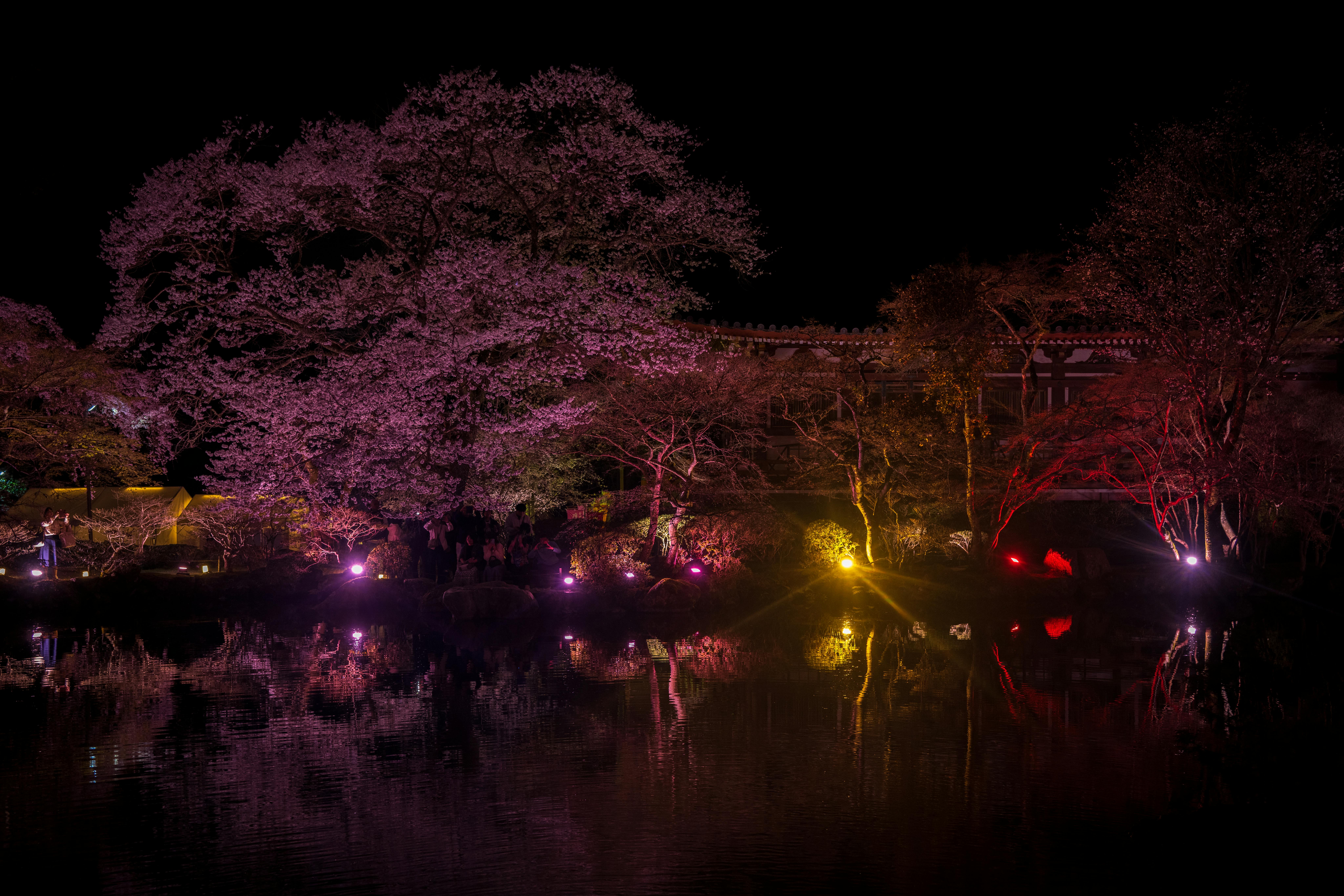
The open lawn sections have larger-scale installations where the whole ground shifts color. These are the best spots to just sit down and take it in. Bring a small blanket if you want to sit on the grass (it’s clean but can be damp at night).
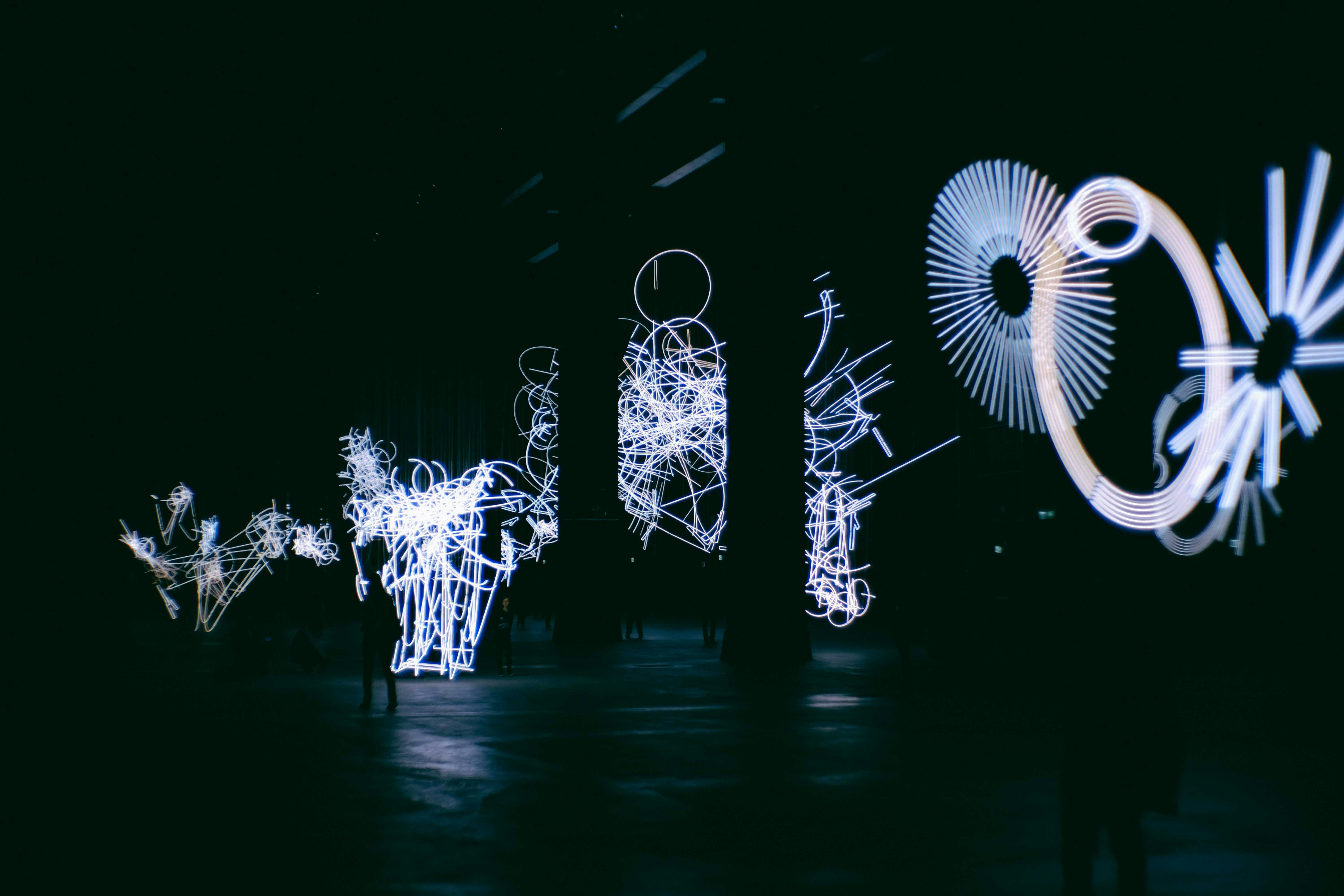
Everything is interactive. The art responds to your presence — not in a gimmicky way, but through actual sensor tracking. Walk near a tree and the light pattern changes. Stand still in a flower field and the projections gather around you. Step away and they scatter. It’s subtle enough that you might not notice at first, but once you do, you start experimenting. That’s when it gets really fun.


Planning the Rest of Your Osaka Trip
teamLab Botanical Garden pairs perfectly with a daytime visit to Osaka Castle — do the castle in the morning, explore Dotonbori and Shinsekai for lunch and afternoon food, then head to Nagai Park for the evening light show. The teamLab Planets guide for Tokyo covers the indoor counterpart if you’re heading there next.
For day trips from Osaka, the Hiroshima and Miyajima excursion is a full day but absolutely worth it, and Kyoto’s tea ceremony experiences are just 30 minutes away. If food is your priority, the Tsukiji food tour in Tokyo and the sushi making classes are both worth booking ahead.
Affiliate disclosure: Some links in this article are affiliate links. If you book through them, I earn a small commission at no extra cost to you. This helps keep this site running and free to read. I only recommend tours and tickets I’d genuinely suggest to a friend.