
“I thought it was going to be like WWE,” a guy from Texas told me at the Hirakuza theater in Osaka, still looking slightly stunned. He’d just watched two wrestlers the size of refrigerators collide in the ring with enough force to shake the wooden floor beneath his seat. “That was real. That was violent.”
He wasn’t wrong. Sumo catches most visitors off guard. The matches are short — often under ten seconds — but the build-up, the ritual, the sheer physical power on display — it hits differently when you’re sitting close enough to feel the impact. This isn’t theater. These guys train six hours a day and eat 7,000 calories to maintain bodies that can generate explosive force most professional athletes can’t match.
n
Osaka happens to be one of the best places in Japan to see sumo, and you don’t need to time your trip around the tournament calendar to do it. The city has permanent sumo show venues that run year-round, and the best ones let you try the sport yourself, eat the same food the wrestlers eat, and take photos with actual rikishi (wrestlers). Here’s how to book it.
n


Short on time? Here are my top picks:
Best overall: Osaka Sumo Show + Ring Training + Chanko Nabe — $63. Watch real matches, try training exercises, and eat chanko nabe with the wrestlers. The full package.
Best for photos: Osaka Sumo Stage Show with Bento & Photo Shooting — $93. Includes a photo session with the wrestlers and a bento meal. More polished, more expensive.
- How Sumo Shows in Osaka Actually Work
- Sumo Show vs Official Tournament
- The Best Osaka Sumo Experiences to Book
- 1. Osaka Sumo Show, Ring Training, Rikishi Match + Chanko Nabe —
- 2. Osaka Sumo Stage Show with Bento & Fight + Photo Shooting —
- When to See Sumo in Osaka
- How to Get to Hirakuza
- Tips for Getting the Most Out of Your Sumo Experience
- What You’ll Actually See and Do
- Fill Out the Rest of Your Osaka Itinerary
How Sumo Shows in Osaka Actually Work
There are two ways to see sumo in Japan: the official Grand Tournament (honbasho), or a dedicated sumo experience show. In Osaka, both exist — but they work very differently.
The Grand Sumo Tournament comes to Osaka once a year, in March, at the Edion Arena (formerly Osaka Prefectural Gymnasium). It runs for 15 days and features the top-ranked professional wrestlers in the country. Tickets sell out fast, especially ringside seats, and prices range from about 3,800 yen for upper-level unreserved seats to 14,800 yen for closer positions. If you happen to be in Osaka during March, this is the real thing — but most visitors aren’t.
For everyone else, Osaka has The Sumo Hall Hirakuza, a permanent venue in Namba that runs sumo experience shows year-round. This isn’t a watered-down tourist trap. The wrestlers are real (some are retired professionals, others are active in lower divisions), the matches are full-contact, and the venue is intimate enough that you’re sitting meters from the dohyo (ring).
Shows typically run 60-90 minutes and include match demonstrations, cultural explanations, and audience participation segments where you can step onto the ring yourself.

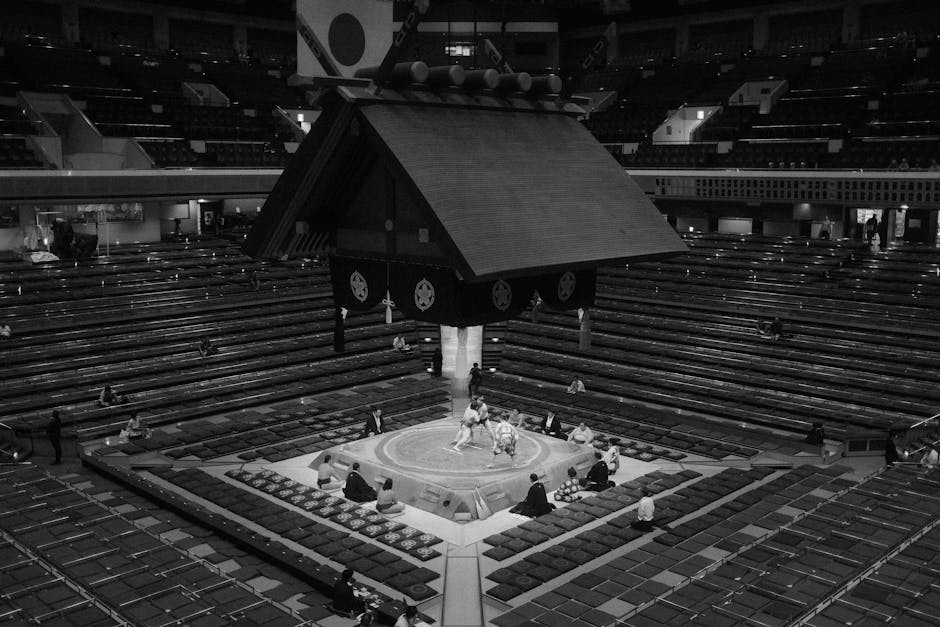
The key difference from the official tournament: at Hirakuza, the show is designed for visitors. Everything is explained in English (or with translation). You’ll learn why wrestlers throw salt (purification), what the referee’s fan means (it signals the winner), and why the ring has a roof suspended above it (it represents a Shinto shrine). At the official tournament, you get none of that context — you’re expected to know it already.
If you did the sumo experience in Tokyo, the Osaka version is run by a different company at a different venue, but the format is similar. The Osaka shows lean a bit more into audience participation and tend to include food (chanko nabe or bento), which the Tokyo options often charge separately for.
Sumo Show vs Official Tournament
This is worth thinking about before you book, because the experiences are genuinely different.
The official tournament (March only) is the authentic competitive experience. Real stakes, real rankings, real consequences. The atmosphere in the arena when a yokozuna (grand champion) enters is electric — 8,000 people going quiet at once. But you’ll be sitting far from the action unless you pay premium prices, there’s no English explanation, and matches happen continuously for hours. It’s amazing if you already know and love sumo. It’s confusing if you don’t.
n
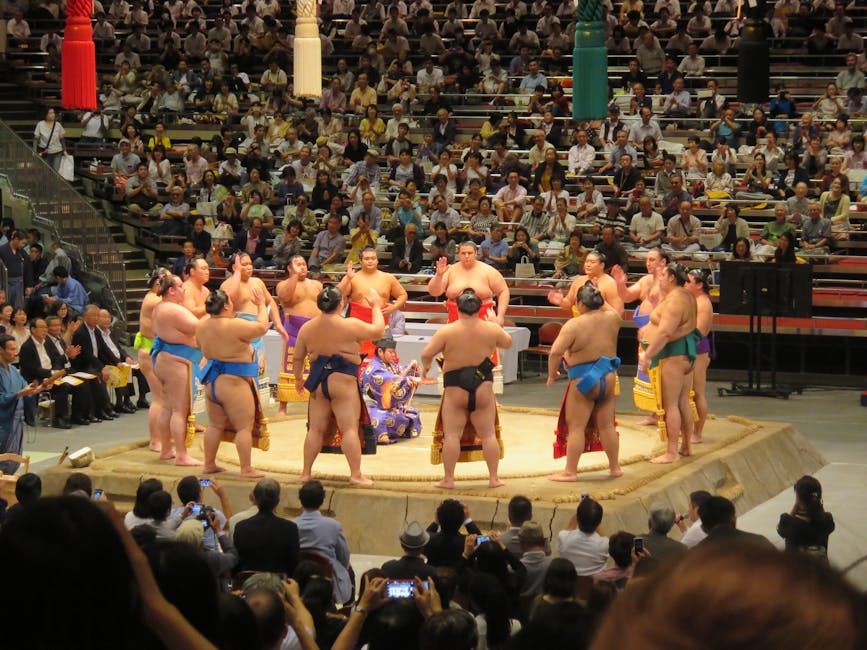
The Hirakuza experience shows sacrifice some authenticity for accessibility. You’ll learn more in 90 minutes at Hirakuza than in three hours at the tournament. You can ask questions. You can try sumo moves yourself. You can eat with the wrestlers afterward. And you can do it any day of the year, not just during two weeks in March.
My honest take: if you’re already a sumo fan and you’re in Osaka in March, go to the tournament. For literally everyone else, book a Hirakuza show. You’ll enjoy it more and actually understand what you’re watching.
The Best Osaka Sumo Experiences to Book
There are two main sumo experiences worth booking in Osaka, and they’re both at the same venue (Hirakuza) but offer different packages. Here’s how they compare.
1. Osaka Sumo Show, Ring Training, Rikishi Match + Chanko Nabe — $63
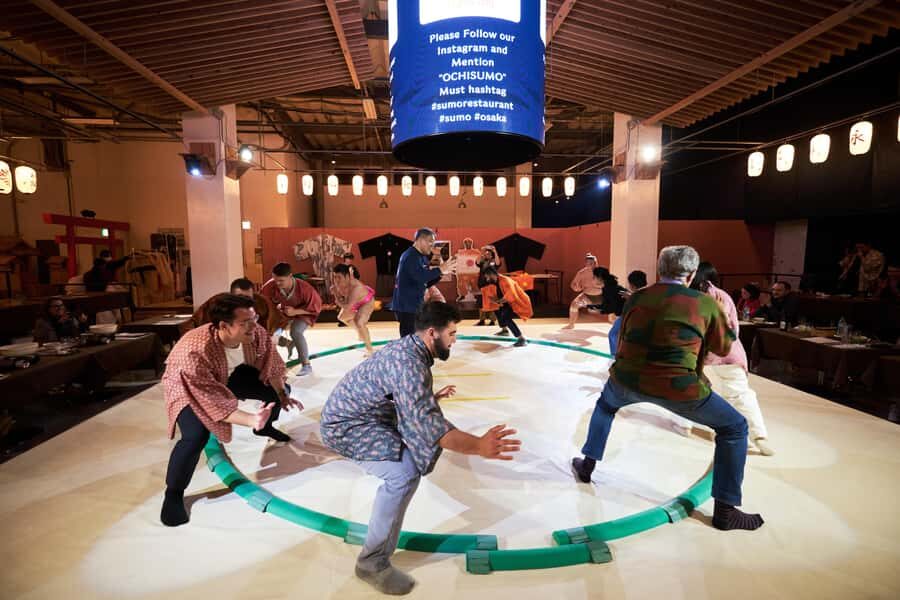
This is the one I’d book. At $63, it packs in the full sumo experience: you watch real matches, get a guided explanation of techniques and traditions, try basic sumo exercises yourself on the dohyo, and then sit down to eat chanko nabe — the traditional hot pot that sumo wrestlers eat in enormous quantities during training. The whole thing runs 90 minutes to two hours depending on the day.
Over 1,300 reviews and it’s the most-booked sumo experience in Osaka for a reason. The interactive elements are what set it apart — you’re not just watching from a seat, you’re stepping into the ring (briefly, and you will lose). The wrestlers are genuinely engaging and seem to enjoy the audience participation as much as the visitors do.
The chanko nabe served at the end is proper comfort food — chicken, tofu, vegetables in a rich broth that tastes way better than you’d expect from a tourist attraction’s kitchen.
2. Osaka Sumo Stage Show with Bento & Fight + Photo Shooting — $93
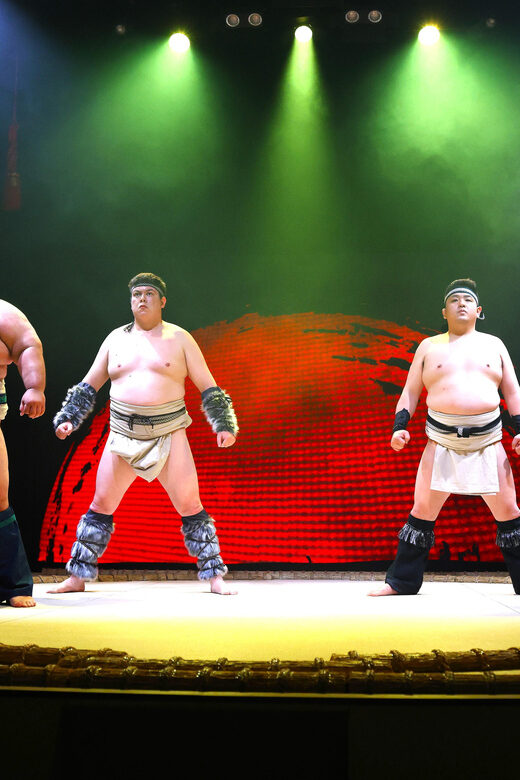
The premium option at $93, and the main reason to choose it over the cheaper package is the dedicated photo session with the wrestlers. After the show and match demonstrations, you get individual photos with the rikishi — and these aren’t rushed phone snaps. They set up proper photo opportunities, and the wrestlers are used to posing with visitors. You also get a bento box instead of chanko nabe, which is more of a refined meal but (honestly) less memorable than the hot pot.
The show portion is similar to the first option — matches, explanations, demonstrations. It runs about an hour, which is shorter than the chanko nabe version. Over 360 reviews at 4.3 stars. The slight dip in rating compared to the first option seems to come down to the price-to-value ratio — at $93 versus $63, the extra $30 is mainly buying you the photo session and a fancier meal.
If those matter to you (especially if you’re traveling with kids who want a photo with a real sumo wrestler), it’s worth the upgrade. Otherwise, the first option gives you more for less.
When to See Sumo in Osaka
Hirakuza shows run year-round, with multiple time slots most days. Morning shows typically start at 10:00 or 11:00 AM, afternoon shows around 1:00-2:00 PM, and some evening slots at 5:00-6:00 PM. Weekend slots fill up faster than weekday ones — book at least a few days ahead if you’re visiting on a Saturday.

Best timing strategy: Book a morning show (10:00 or 11:00 AM). You’ll be done by noon or 12:30, which leaves the rest of the day free for exploring Namba, hitting an Osaka food tour in Shinsekai, or heading to Hiroshima for a day trip. The afternoon shows work too, but they cut into prime sightseeing time.
n
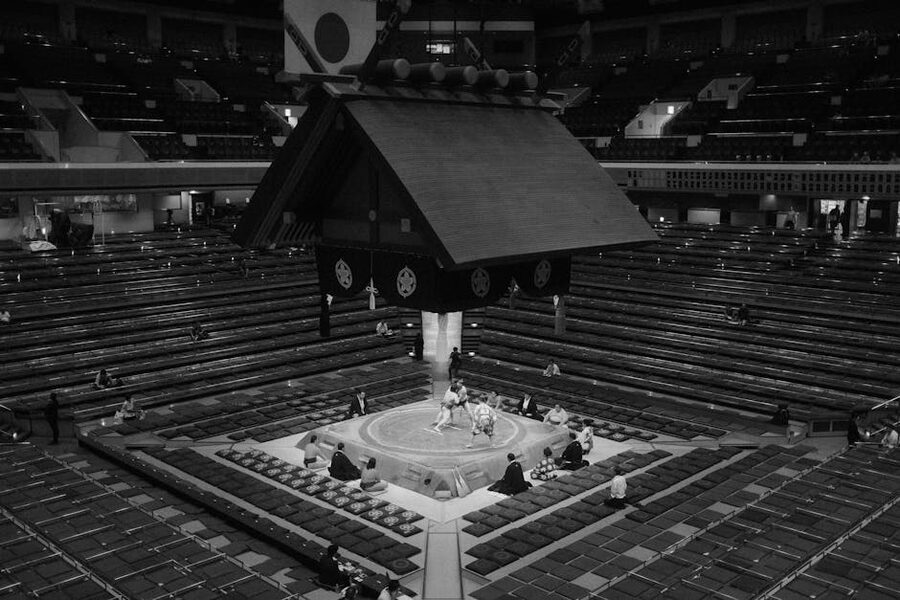
For the March Grand Tournament: Tickets go on sale about a month before the tournament starts, through the official Japan Sumo Association website and at convenience store kiosks (Loppi at Lawson, Multi-Copy at 7-Eleven). Ringside box seats (tamari-seki) are nearly impossible to get — they go to sponsors and sumo fan clubs first.
Arena seats (masu-seki, box seats for 4) run 9,500-11,700 yen per person and sell out within days. Balcony seats (2F) at 3,800-8,500 yen are your best bet as a visitor. Check daily online — returned tickets sometimes appear the morning of each day’s bouts.
Avoid Golden Week (late April to early May) for the Hirakuza shows unless you book well in advance. Domestic tourism peaks during this period and the popular time slots sell out.
How to Get to Hirakuza
n
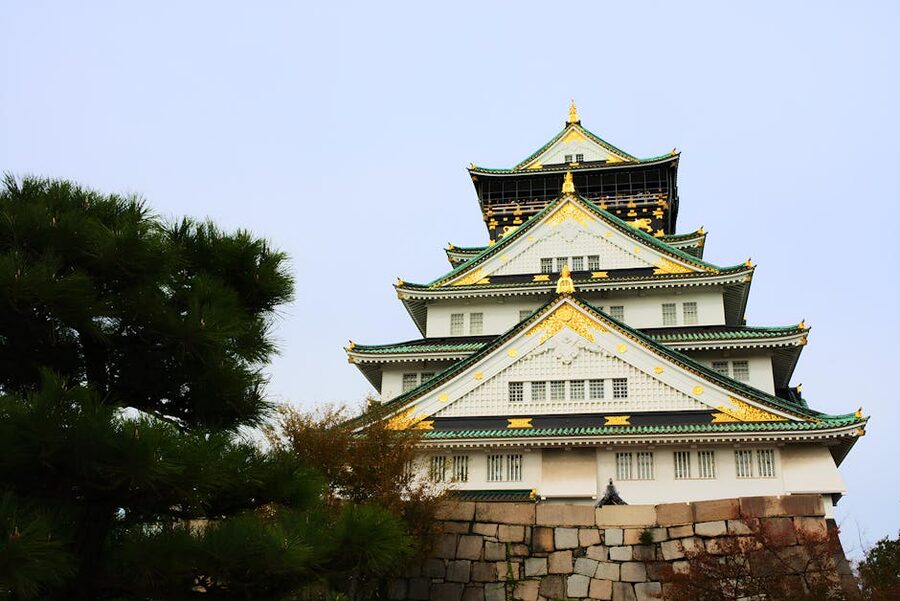
The Sumo Hall Hirakuza is in Namba, Osaka’s main entertainment district — the same area where most of the city’s nightlife, shopping, and food scenes are concentrated.
Nearest station: Namba Station (Midosuji Line, Nankai Line, or Kintetsu Line). The venue is about a 5-minute walk from exit 14. Follow the signs toward Dotonbori and you’ll pass it on the way.
From Shin-Osaka (shinkansen): Midosuji Line subway directly to Namba, about 15 minutes, 280 yen. Dead simple.
From Kansai Airport: Nankai Rapi:t express to Namba Station, 38 minutes, 1,450 yen. The regular Nankai train is 930 yen if you prefer to save money and don’t mind the extra 10 minutes.
From Kyoto: Take the Hankyu Line to Umeda, transfer to the Midosuji Line to Namba. Total journey about 50-55 minutes. If you’re combining a Gion walking tour in Kyoto with a sumo show in Osaka, morning sumo then afternoon Gion (or vice versa) works perfectly — the trains run every few minutes.
From Osaka Station/Umeda: Midosuji Line, 10 minutes to Namba. You genuinely cannot get lost — it’s one straight line south. If you’re arriving from Tokyo on the shinkansen after a full-day sightseeing tour or a morning at teamLab Planets, the bullet train from Tokyo drops you at Shin-Osaka — one stop on the Midosuji Line to Namba.
Tips for Getting the Most Out of Your Sumo Experience
n
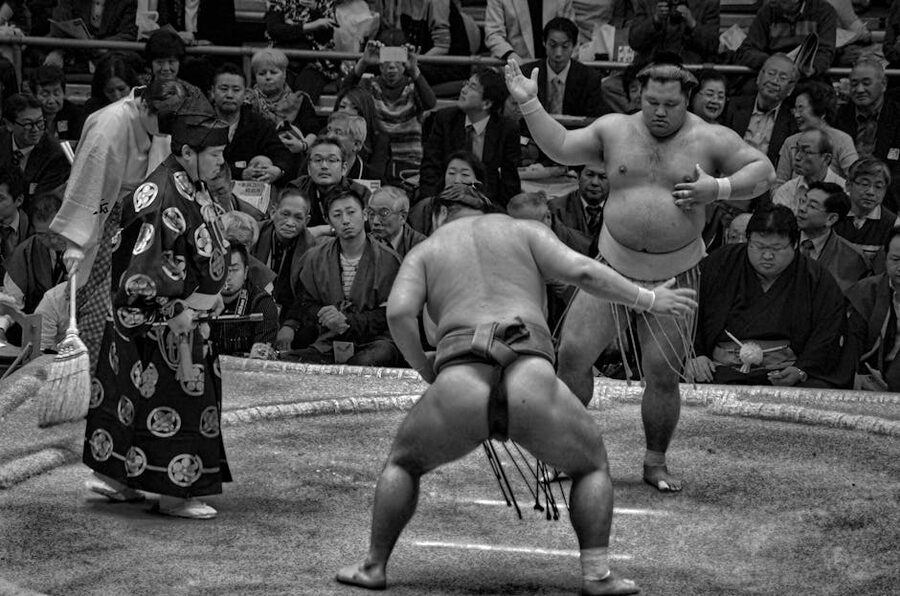
Wear comfortable clothes if you plan to try sumo. The audience participation segment involves basic sumo stances and exercises. You won’t be wrestling anyone, but you’ll be squatting low and pushing against padded targets. Tight jeans are not your friend here. Loose pants or athletic wear is ideal.
Arrive 15 minutes early. The shows start on time and latecomers miss the opening ceremony, which is actually one of the best parts. The salt-throwing, the ceremonial stomping, the referee’s chanting — it sets the tone for everything that follows.

n
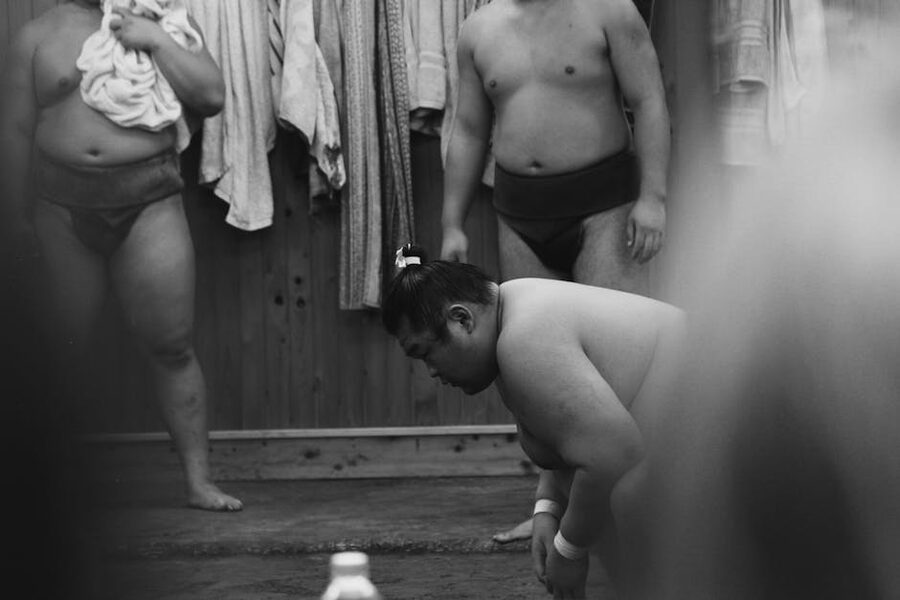
Don’t eat a big meal before the chanko nabe option. The hot pot is more food than you’d expect. A light breakfast or no breakfast works best if you’re doing the morning show with the chanko package. The bento option (with the photo package) is lighter and more manageable after a regular meal.
Kids love this. Sumo shows are one of the few cultural experiences in Japan that work equally well for children and adults. The physicality is impressive, the audience participation is exciting for younger kids, and the food is approachable. There’s no age minimum at Hirakuza, though children under 3 sit on laps.
Photos are encouraged during the show. Unlike many traditional Japanese performances where photography is restricted, the sumo experience shows actively encourage it. Flash is fine. Video is fine. The wrestlers will even pause for good photo angles during demonstration segments. Just be respectful during the actual competitive bouts — keep your phone steady and don’t use flash in their faces.
Combine it with bar hopping. A morning sumo show followed by an evening Osaka bar hopping tour is a full day of uniquely Japanese experiences. The sumo chanko nabe will keep you full through the afternoon, and you’ll have stories to tell at every izakaya. If you’re doing Tokyo too, the Shinjuku food tour is a solid daytime pairing with the Tokyo bar hopping scene.

What You’ll Actually See and Do
n
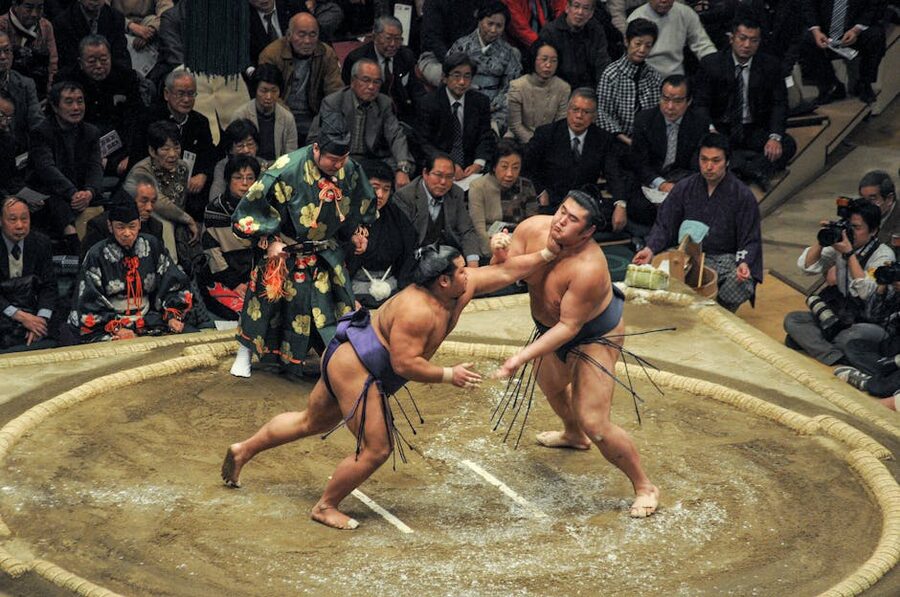
Sumo is Japan’s national sport, and it’s older than almost everything else in Japanese culture. The sport traces back over 1,500 years, with roots in Shinto religious rituals. Every element of a sumo bout — from the salt purification to the referee’s outfit to the design of the ring itself — carries spiritual significance that most visitors never learn unless someone explains it.
At the Hirakuza shows, you’ll learn the 82 winning techniques (kimarite) that are officially recognized, though most matches end with one of about ten common throws and pushes. The most dramatic is uwatenage (overarm throw), where a wrestler grips the opponent’s mawashi belt and hurls them to the clay — watching a 130-kilogram man get thrown through the air by someone even larger is genuinely breathtaking.
The dohyo (ring) is smaller than you’d expect — just 4.55 meters in diameter, made of packed clay with a thin layer of sand on top. Step outside the straw boundary or touch the ground with anything other than your feet, and you lose. That’s it. Those are basically the only rules, which is part of what makes sumo so immediately gripping even if you’ve never watched a match before.
n
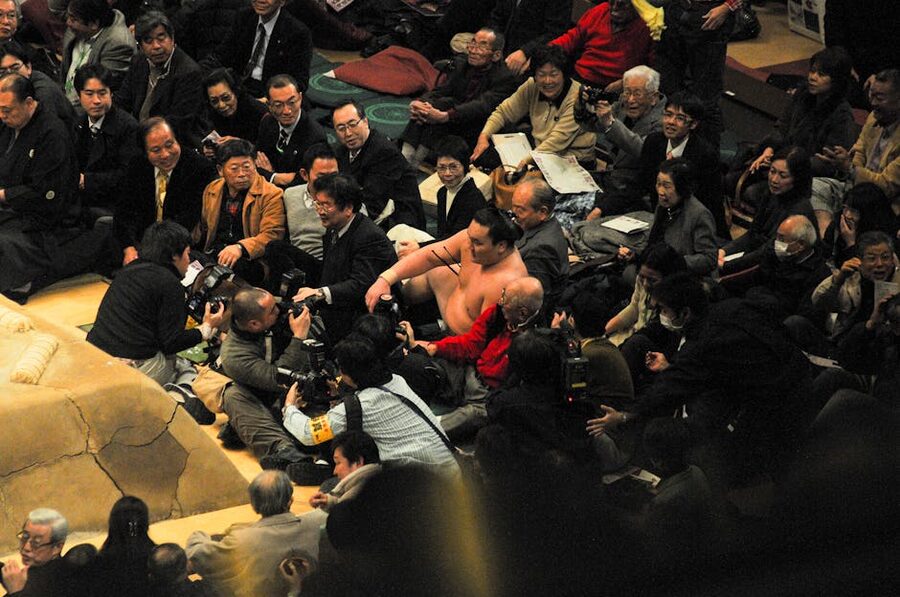

The audience participation segment varies by show, but typically involves learning the shiko (the famous leg-lift stomp that wrestlers use to warm up), trying to push against a padded training post, and sometimes attempting to move a wrestler who’s braced in a low stance. Spoiler: you will not move the wrestler. People twice your size try and fail. It puts the sport’s power dynamics into physical perspective better than any amount of watching from a seat.

If you’ve already done our Tokyo sumo experience, the Osaka version is worth doing too — different venue, different wrestlers, and the Osaka audience tends to be louder and more engaged (Osakans are famous for being the most vocal sports fans in Japan). The chanko nabe recipe is also different between venues, if you’re the kind of person who notices these things.


Fill Out the Rest of Your Osaka Itinerary
n
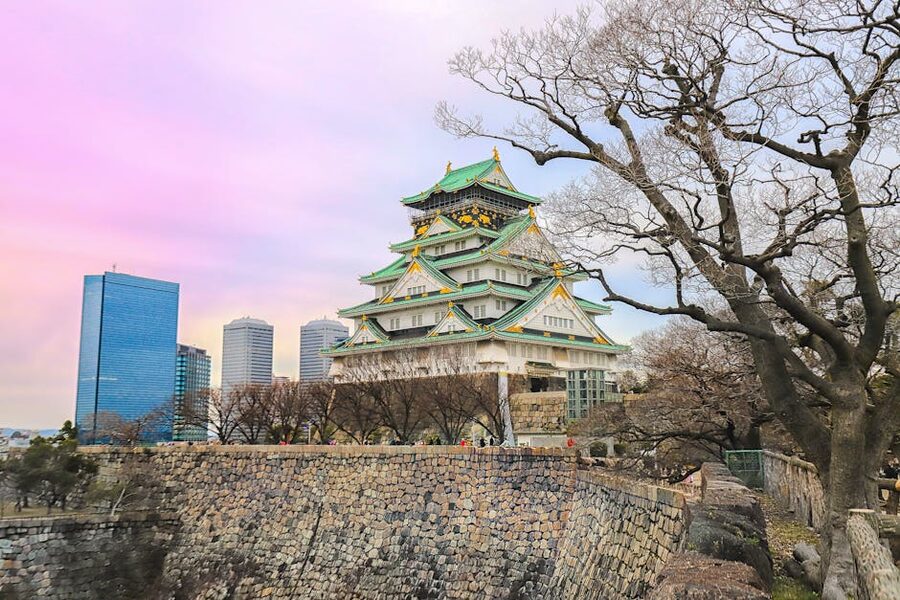
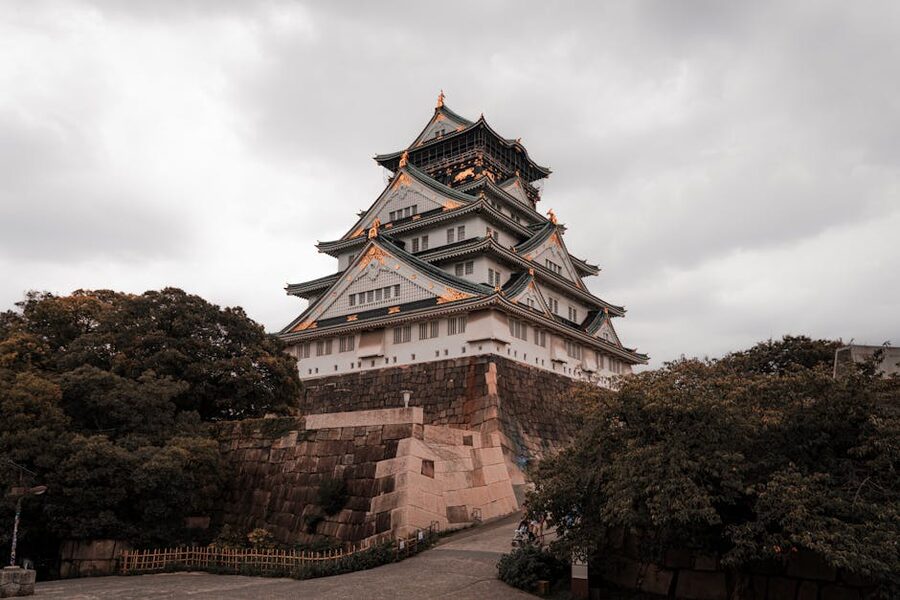
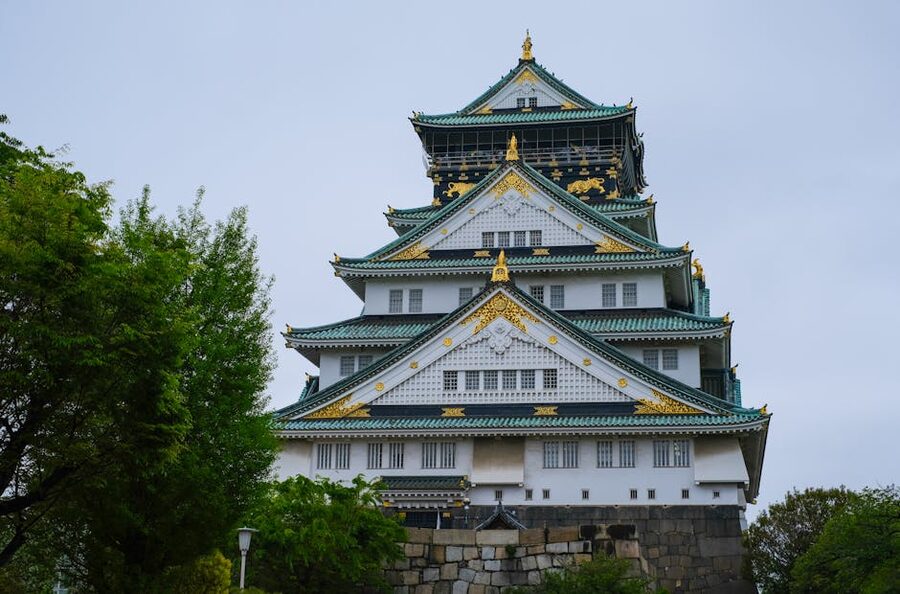
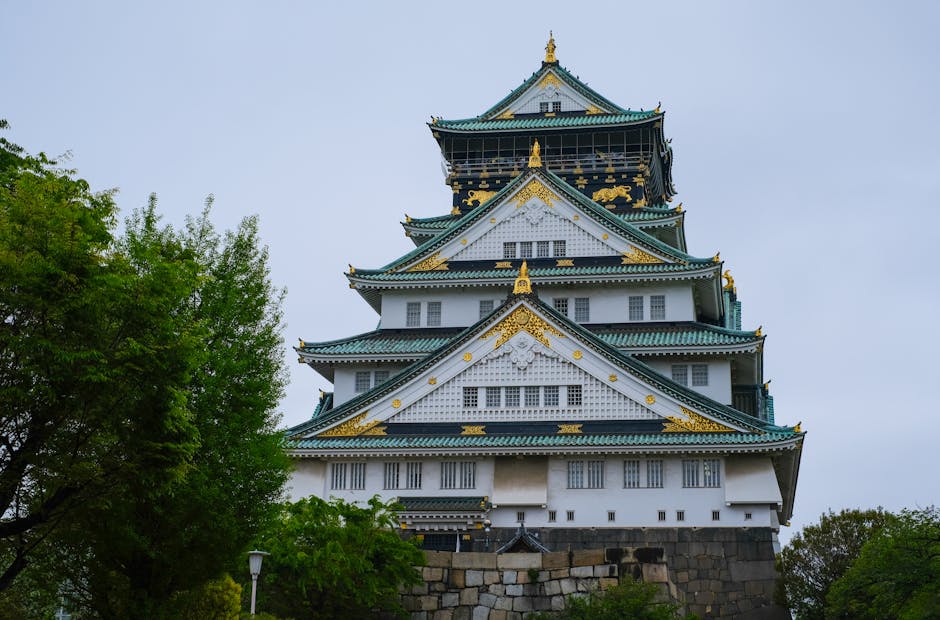
Sumo works best as a morning activity, leaving the rest of your Osaka day wide open. The Osaka Castle is a natural afternoon follow-up with its museum and observation deck, or you could join an Osaka walking tour that covers the castle, Shinsekai, and Dotonbori in one sweep.
After dark, the teamLab Botanical Garden is a completely different sensory experience, and the bar hopping tours will introduce you to tiny izakayas in the backstreets of Namba. If you want a day trip, Nara is 30 minutes by train for the deer park and Todaiji Temple.
And for the Tokyo leg of your trip, our Tokyo sumo guide covers the capital’s version of the experience at a different venue with different wrestlers.
This article contains affiliate links. If you book through our links, we earn a small commission at no extra cost to you. This helps us keep writing these guides. All opinions are our own — we only recommend tours we’d actually book ourselves.