Tokyo Station and the Imperial Palace sit close enough to make a compact introduction to central Tokyo, but a short guided walk can give the area more meaning than a quick photo stop. I like that guides such as Tomo and Yuuki use charts, slides, or a book to explain what you are seeing, and that the walk includes photo opportunities as well as history.
I also like the one-hour format: it is easy to fit into a busy day, and one family found it worked well in hot weather. One thing to check before booking is the route and access. The standard option may take you only to the East Imperial Garden entrance, and one visitor objected to being asked for a donation.
- Key points to know
- A short walk with a useful point of view
- Tokyo Station, beyond a quick photo
- The Imperial Palace area and the garden entrance
- Guides who make the hour personal
- What one hour can and cannot do
- Is .09 good value?
- Booking details to check before you go
- Should you book this Tokyo walk?
- FAQ
- How long is the Tokyo Station and Imperial Palace tour?
- What places does the tour cover?
- Does the guide go inside the palace?
- Is an English-language guide available?
- How much does the tour cost?
- What is the tour’s rating?
- Can I cancel and receive a full refund?
- The Best Of Tokyo!
- More Guided Tours in Tokyo
- More Tours in Tokyo
- More Tour Reviews in Tokyo
- Not for you? Here's more nearby things to do in Tokyo we have reviewed
Key points to know
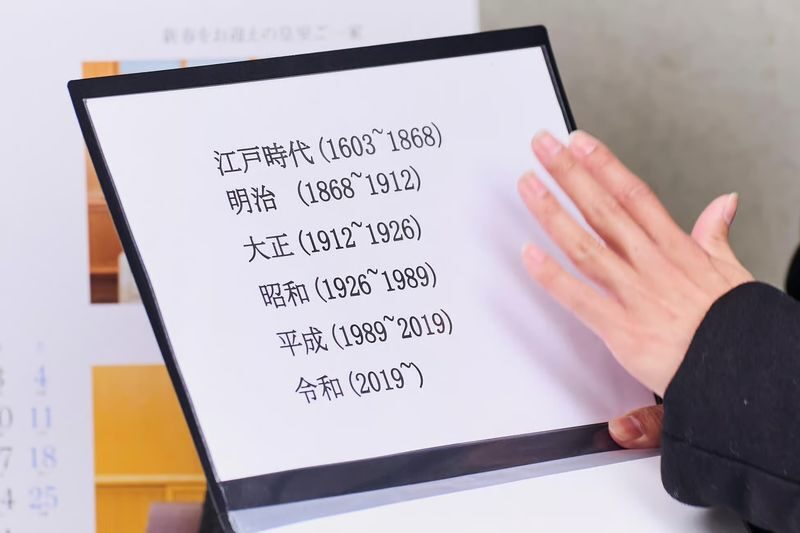
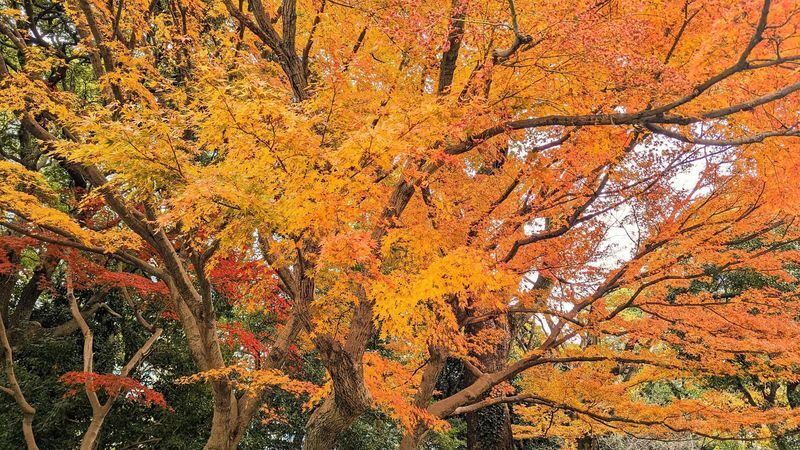

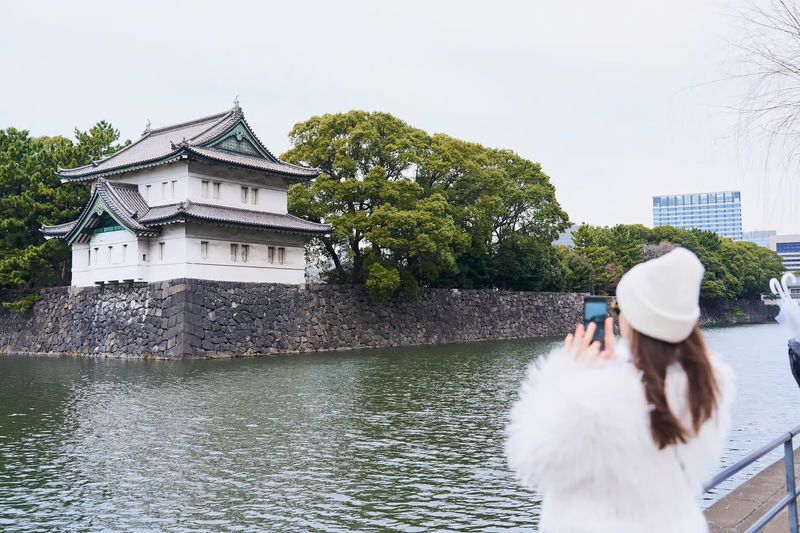
- A one-hour introduction: The tour covers Tokyo Station and the Imperial Palace area in a short, focused walk.
- Guides add context: Guides including Yuuki, Mizuho, Yoshi, Tomo, and Nonoka have been praised for clear English and helpful explanations.
- Visual aids can help: Some guides bring slides, charts, or a book to make the historical details easier to follow.
- Check what palace access means: The route may end at the East Imperial Garden entrance. Choose the correct tour option if you want a guide to go inside with you.
- A low starting price: The advertised price starts at $7.09, making this a modest-cost way to add context to a central Tokyo visit.
- The small-group feel may vary: One group reported having six people, but that number is not a stated guarantee.

👉 See our pick of the 25 Best Guided Tours In Tokyo
A short walk with a useful point of view
A one-hour tour is not meant to explain all of Tokyo, and that is part of its appeal. It gives you a guided introduction to two important places without claiming half a day of your itinerary. You can hear a bit of context, ask questions, take a few photos, and still have plenty of time left for whatever comes next.
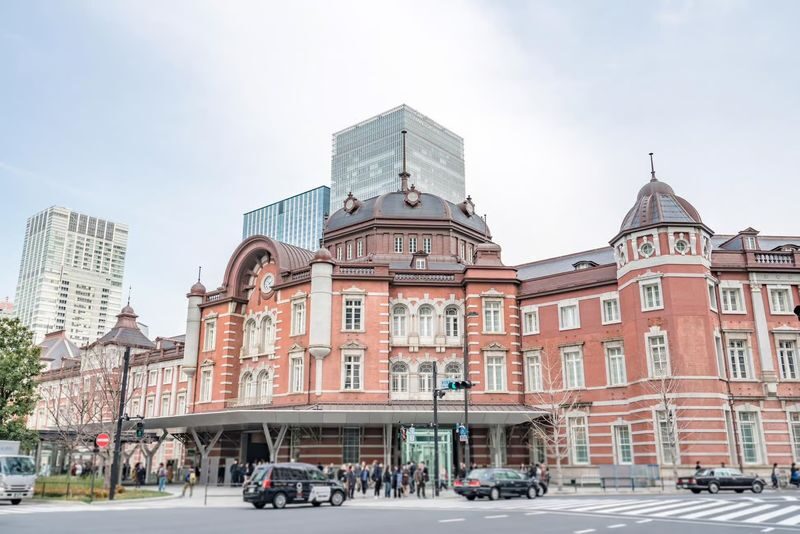
Tokyo Station and the Imperial Palace area make an apt pairing. One is a major city landmark; the other gives the walk a different historical frame. Rather than seeing each as a separate stop, you get a chance to connect them through a guide’s explanation. That connection matters most if you are new to Tokyo or prefer to understand a place before exploring it on your own.
The tour’s strongest feature is its human scale. Guides are not simply naming sights and moving on. Yuuki, for example, has used slides and supplied extra directions and information during and after the walk. Tomo has brought charts and visuals, while another guide used a book and trivia to keep a family with teenagers engaged. Those touches can turn a brisk walk into a more memorable hour.
You can also read our reviews of more guided tours in Tokyo



Tokyo Station, beyond a quick photo
Tokyo Station is one of the two main subjects, and it gives the tour a practical starting point for thinking about the city. A guide can help you notice details and explain the station’s significance rather than leaving you to take a picture and move on. The supplied information does not specify a fixed list of station stops, so expect the exact explanations and route to depend on your guide.
That flexibility can be a plus. Guides such as Yoshi have been described as happy to answer questions, and the best use of a short tour is often to ask about what catches your eye. If you want a particular detail explained, speak up. A one-hour walk moves quickly, and a question can make the difference between hearing a general fact and getting information that matters to you.
The guides’ use of visual aids is worth noting. A chart or slide can make historical context easier to follow, especially if you are trying to take in a new place while walking. It also gives the tour a little more structure than a string of dates and names. You are not guaranteed that every guide will bring the same materials, but this approach appears to be part of what makes the tour engaging.
The Imperial Palace area and the garden entrance
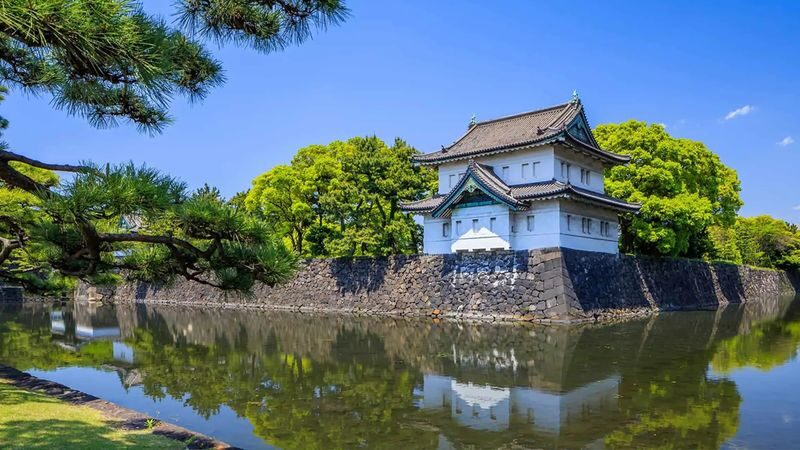
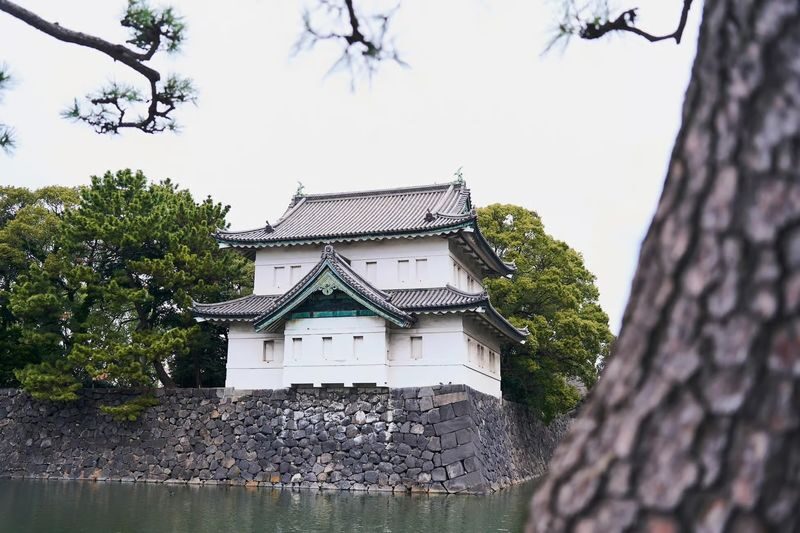
The walk also covers the Imperial Palace area, adding a second perspective to the tour. You can expect historical facts and explanations along the way, with guides sharing trivia and answering questions. The tour’s short length means it is an introduction, not an exhaustive account of the palace or its grounds.
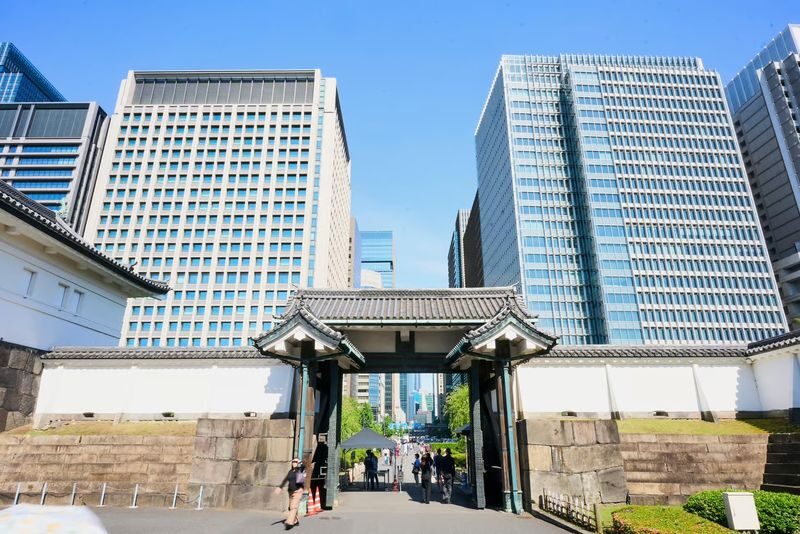
Pay close attention to the wording of the option you book. One guide explained that you should select the correct tour if you want a guide to go into the palace with you. Another group was brought to the East Imperial Garden entrance as the final stop and received a QR code for a self-guided English guide. That can be a handy handoff if you plan to continue exploring independently, but it is not the same as having a guide accompany you inside.
This distinction is easy to miss when you see the words Imperial Palace in a tour title. Before booking, decide whether you want a short walk around the area or guided time inside. If the latter matters to you, confirm that the option you choose includes it. The supplied details do not promise palace entry for every booking.
The garden entrance can still be a useful endpoint. You finish with a clear next step instead of being left to work out where to go, and the QR code can help you continue at your own pace. Just keep your expectations in line with the option you have selected.
Guides who make the hour personal
The guide can shape this experience more than any single stop. Mizuho has been described as punctual, kind, and clear in English. Yoshi has offered practical help beyond the explanations, including walking two people back to the station so they would not get lost, and writing their names in Japanese. That sort of small, personal gesture can be especially useful early in a trip, when even finding your way out of a station can feel like a puzzle.
Yuuki’s use of slides and follow-up directions points to a guide who treats the tour as more than a fixed speech. Tomo’s charts and visuals, and Nonoka’s clear English and historical explanations, suggest the same strength: the information is delivered in a way that can hold your attention. Kodai has been described as pleasant and thorough, while Shinuku used a book and trivia that helped keep teenagers interested.
These names are useful examples, not a promise that you can request a particular guide. The exact guide for your departure is not specified in the activity details. What you can reasonably look for is a conversational walk where questions are welcome and where the explanations add more than a list of facts.
The experience may suit you particularly well if you enjoy learning by asking questions. It can also work for couples, solo visitors, and families. One family found the hour a good fit for teenagers, and another visitor liked it as a short outing on a hot day. You do not need to be a history specialist to get something from it.
What one hour can and cannot do
The short duration is both the tour’s main advantage and its main limit. An hour is easy to fit between other plans, and the walk can provide useful context before you revisit the area on your own. It is also short enough that the guide has to choose what to cover. If you want a long discussion of the palace, a deep account of Tokyo’s past, or extensive time inside the grounds, this is unlikely to satisfy that appetite.
Think of it as an orientation, not a full-day history course. You will get a guided look at Tokyo Station and the Imperial Palace area, plus explanations, trivia, and an opportunity to ask questions. Some tours also point you toward further self-guided exploration at the garden entrance. For a first visit, that can be a sensible balance: enough background to make the places more legible, without taking over the day.
A group of six was described by one participant, which suggests the tour can feel manageable in a small group. Still, that is one reported group size, not a confirmed limit or standard. If you strongly prefer a private walk or need a guaranteed small group, the available details do not establish either.
The walk may be especially comfortable for people who want an active but brief outing. One family chose it after lunch on a hot day and felt the length was right. Weather and pace can affect any outdoor walk, so bring what you need for the conditions and remember that the experience is built around walking between places.
You can also read our reviews of more tours and experiences in Tokyo





Is $7.09 good value?
At a starting price of $7.09, this is an inexpensive way to add a guide’s explanation to a central Tokyo visit. The value is not simply the number of sights covered. It is the chance to hear historical context, see photo spots, ask questions, and get useful directions from someone who can help you make sense of the area.
The low starting price does not tell you that every departure or option costs the same, so check the price for your chosen package. Also consider what is included. If your main goal is a guide who enters the palace with you, make sure you select that option rather than assuming the standard walk includes it.
One point deserves a plain mention: a participant objected to a donation request during the tour. The details provided do not state that donations are required, and you should not feel obliged to give money simply because a request is made. If a donation comes up, you can decide freely.
The tour has an average rating of 4.8 out of 5 from 12 ratings. That is a strong score, though the number of ratings is modest. The praise centers on the guides’ explanations, clear English, preparation, and warmth, rather than on a long or elaborate itinerary. That is a good clue about what you are paying for.
Booking details to check before you go
The activity offers instant confirmation and free cancellation when you cancel at least 24 hours before the activity date, using the destination’s local time. The stated refund terms say that full refunds are issued for unsuccessful or rejected bookings. Keep those conditions in mind when your plans are still shifting.
Before you book, check the package name and the palace access included. If an escorted visit inside the palace is important to you, choose the right option rather than relying on the general tour title. If you are happy with an area walk and an independent visit afterward, a finish at the East Imperial Garden entrance may suit you well.
You can also think about what you want from the guide. Bring questions about the places you are seeing, and take note of practical suggestions. Yoshi’s recommendation of Komeda’s Coffee is an example of the kind of local tip that can make a short tour useful beyond its main subject. These personal recommendations are a bonus, not something to count on in every group.
Should you book this Tokyo walk?
I would consider this tour if you want a low-cost, one-hour introduction to Tokyo Station and the Imperial Palace area, especially if you enjoy asking questions and learning from a guide who uses visuals or trivia. It looks like a good fit for first-time visitors, couples, solo travelers, and families who want a compact activity rather than a long formal tour.
I would pause if you expect a guaranteed palace visit with a guide, a fixed small group, or a detailed historical lecture. Confirm the option carefully, and treat the tour as a lively orientation with a possible self-guided continuation. At its starting price, the value is appealing, provided the route matches what you want.
Tokyo Station & Imperial Palace 1-Hour Guided Tour
“The value you are getting during this tour is wild. Yuuki goes out of his way to make sure that he explains to you everything that he can during th…”
FAQ
How long is the Tokyo Station and Imperial Palace tour?
The guided tour lasts one hour.
What places does the tour cover?
It covers Tokyo Station and the Imperial Palace area. Some tours finish at the East Imperial Garden entrance.
Does the guide go inside the palace?
Not necessarily. The correct tour option must be booked if you want a guide to go inside with you.
Is an English-language guide available?
Several guides have been described as speaking clear or proficient English. The activity details do not guarantee a specific guide.
How much does the tour cost?
The listed starting price is $7.09. Check the selected package for its price.
What is the tour’s rating?
It is rated 4.8 out of 5 from 12 ratings.
Can I cancel and receive a full refund?
Free cancellation is available with at least 24 hours’ notice before the activity date, based on local time. Full refunds are also stated for unsuccessful or rejected bookings.