Edo Castle’s story is written into the ground: in its broad moats, massive stone walls, and gates built to control who could enter. This two-hour walk through the Imperial Palace East Gardens helps you read those clues and understand how the Tokugawa shoguns made this the seat of their power.
I like that the tour pairs fortress history with a calm garden walk, and that an English-speaking guide can explain the significance of what might otherwise look like a pleasant park. Guides have included Yuya, Christian, Giulia, and Rucha, though your guide will depend on the departure. One consideration: the scenery is more subtle than spectacular. You are here for the stories as much as the sights, and the tour does not go inside the Imperial Palace.
At a glance
- Edo Castle’s defenses: Look for stone walls, gates, and moats, then hear how they served the shoguns’ stronghold.
- A guide connects the clues: The walk focuses on the history behind the garden, not just its paths and views.
- Two eras in one place: Learn about the Tokugawa shogunate and Japan’s imperial tradition.
- A peaceful pause in central Tokyo: The gardens offer a quieter change of pace just minutes from Tokyo Station.
- Seasonal garden scenery: Spring may bring cherry blossoms, while autumn can bring colorful leaves.
- A practical two-hour outing: Admission and an English-speaking guide are included, with departures at several times of day.

👉 See our pick of the 25 Best Guided Tours In Tokyo
- At a glance
- Reading Edo Castle in the East Gardens
- Starting at Starbucks by Wadakura Fountain Park
- Passing Through Ote-mon Gate
- Following the Garden Paths and Moats
- Connecting Samurai, Shoguns, and Emperors
- What Two Hours Can and Cannot Cover
- Judging the Price and Overall Value
- Who Should Book This Walk
- FAQ
- How long is the Tokyo Imperial Palace and Edo Castle tour?
- Where is the meeting point?
- What time can I start?
- What is included in the price?
- Does the tour go inside the Imperial Palace?
- Is there an age limit?
- Can I cancel for a refund?
- The Best Of Tokyo!
- More Walking Tours in Tokyo
- More Tours in Tokyo
- More Tour Reviews in Tokyo
- Not for you? Here's more nearby things to do in Tokyo we have reviewed
Reading Edo Castle in the East Gardens
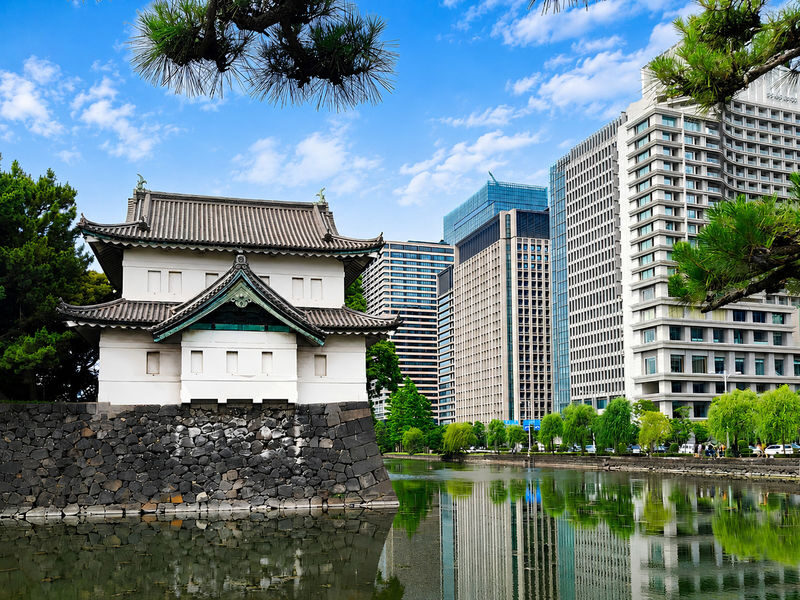
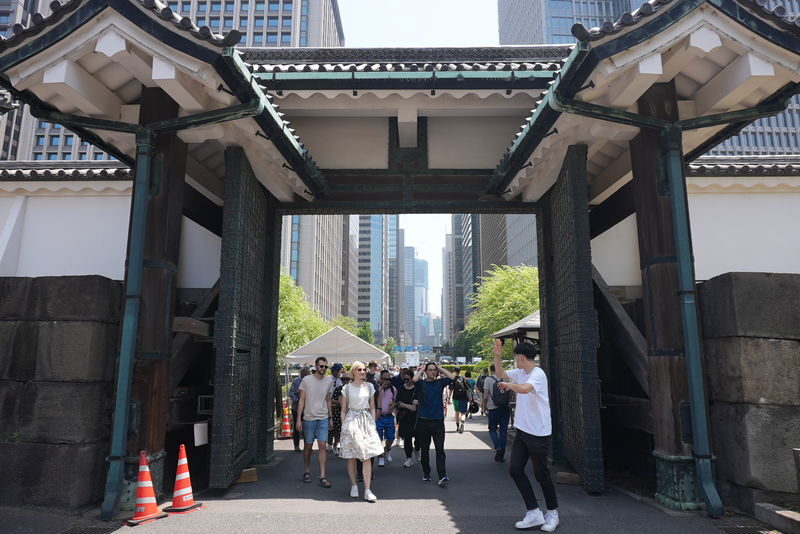
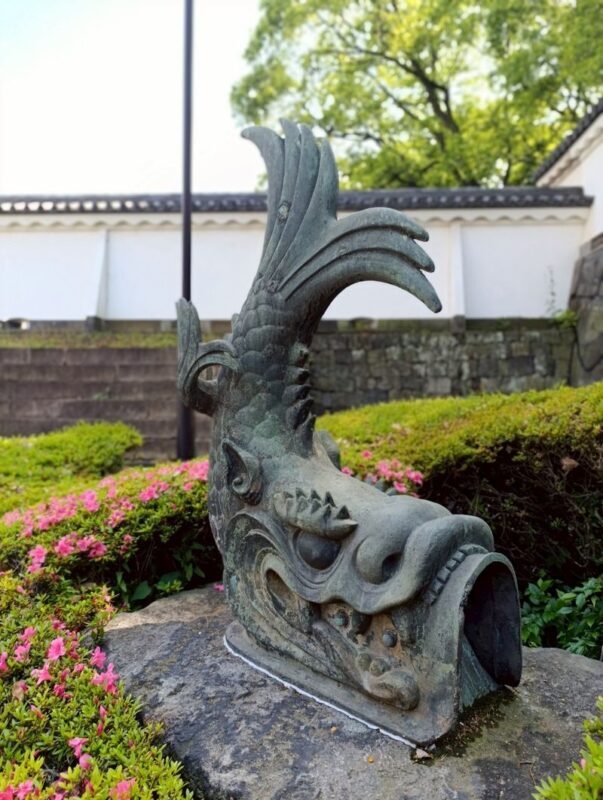
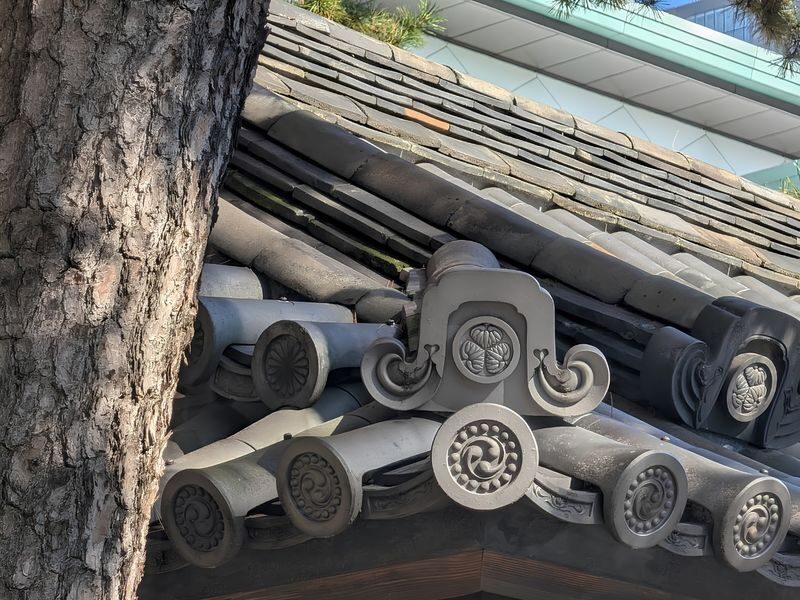
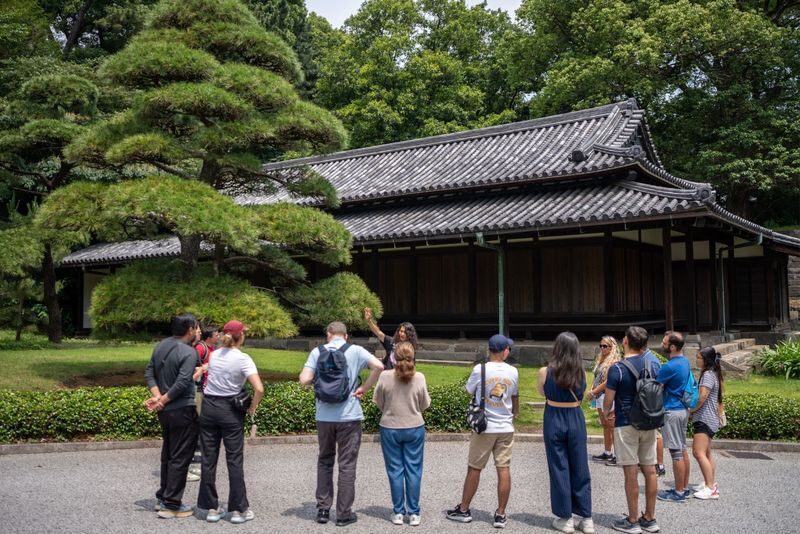
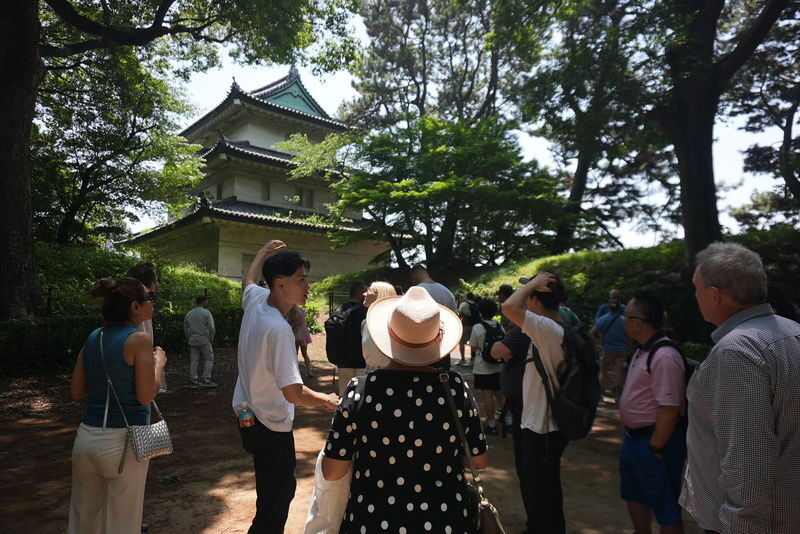
The Imperial Palace East Gardens occupy what was once the heart of Edo Castle. The castle served as the seat of shogun power during the Tokugawa era, a period that lasted about 260 years. Today, you won’t see a preserved castle interior on this tour. Instead, you walk through the grounds and examine the features that remain: gates, stonework, moats, and open garden spaces.
That distinction matters when you decide whether to book. If you want access to palace rooms or a grand castle building, this is not that experience. The appeal is learning how a fortress worked and how the site’s role changed from a shogun’s stronghold to the setting of Japan’s imperial institution.
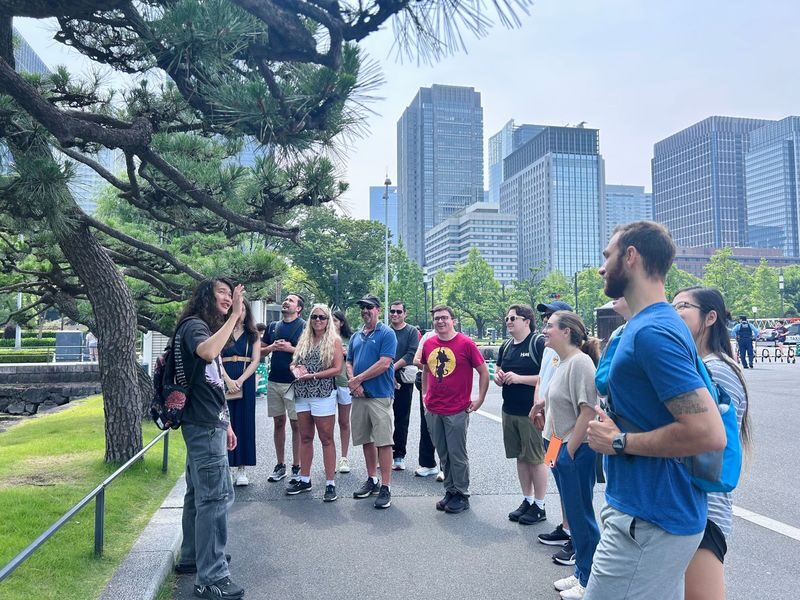
Your guide puts the physical remains into context. A stretch of stone wall becomes more than an attractive backdrop when you understand its defensive purpose. A gate is not just a photo stop when you hear how it helped control entry. The tour’s central value is this translation from landscape to history.
You can also read our reviews of more walking tours in Tokyo


Starting at Starbucks by Wadakura Fountain Park
The meeting point is in front of Starbucks Coffee at Kokyo Gaien Wadakura Fountain Park, at 3-1 Kokyogaien, Chiyoda City. It is a straightforward place to find, with coffee nearby if you arrive early. The walk begins and ends at this same Starbucks.
Plan to arrive five minutes before the departure you selected. Available start times are 9:30, 11:00, 12:30, and 14:00. Return times are listed as 11:30, 13:00, 14:30, and 16:00, depending on your chosen start and the tour’s duration. Confirm your own time when booking, since you must join the departure you selected.
There is no transport component: this is a meet-up walking tour. The activity takes about two hours, and the schedule may change with weather or other conditions. Luggage storage is not provided, so leave large bags elsewhere before you come.
Passing Through Ote-mon Gate
Ote-mon Gate is a key stop on the route and a useful point to begin thinking about how people entered the castle grounds. The tour highlights the gate alongside the broader system of walls and moats that helped protect Edo Castle. Your guide can explain how these defenses fit together and what made the shogun’s stronghold formidable.
The gate also helps give the visit a human scale. Rather than treating the castle as a distant name in a history book, you can stand at an entrance and consider the movement of people through it. The guide’s explanations are particularly helpful here, because a gate can look like a simple threshold if you don’t know what to look for.
The experience is about interpretation, not a long list of buildings. Don’t expect every stop to deliver a dramatic view or a preserved room. The history is what gives the site its shape.
Following the Garden Paths and Moats
After the gate, the walk continues into the East Gardens, where the mood shifts from fortress to green space. You pass stone walls, old moats, and peaceful garden areas. Seasonal changes can add another layer: cherry blossoms in spring and colorful foliage in autumn are among the garden’s highlights.
The gardens are also a reminder that a historic site does not need a reconstructed castle to be worth visiting. The open paths give you room to picture how the grounds once functioned, while the guide fills in the details that are easy to miss on a self-guided stroll. The tour is a good fit if you like history delivered in manageable pieces, with time to look around as you listen.
You may also encounter koi in a pond or hear the imperial guard practicing, as has happened on some walks. Those are possible extras, not guaranteed parts of the route. The dependable draw is the combination of garden scenery and historical explanation.
Connecting Samurai, Shoguns, and Emperors
The guide’s main job is to connect the site’s layers of history. The tour covers samurai, shoguns, the 260-year Tokugawa period, and Japan’s 2,600-year imperial history. That is a large span to fit into a two-hour walk, so the value lies in a clear overview rather than exhaustive detail.
A good guide can make these subjects feel approachable without turning the walk into a lecture. Guides on recent departures have included Yuya, Christian, Giulia, Rucha, Ma, Hiroki, Matheus, and Blake. Names and assignments vary, but the strongest descriptions of the guiding style point to lively explanations, humor, patience, and willingness to answer questions. Several guides have also shared useful advice about Tokyo beyond the palace grounds.
The tour can be especially useful if you are new to Japanese history. You can ask questions as the group moves, and the guide can adjust the explanation to the interests in front of them. If you already know the broad story, you may still enjoy the setting, but you might want a more specialized history tour for greater depth.
You can also read our reviews of more guided tours in Tokyo





What Two Hours Can and Cannot Cover
Two hours is enough to see the main garden area and understand why the site matters, but it is not a deep study of every period or structure. The walk is intentionally focused: East Gardens, Ote-mon Gate, and the history that ties them together. Think of it as a strong introduction rather than a complete account of the palace grounds.
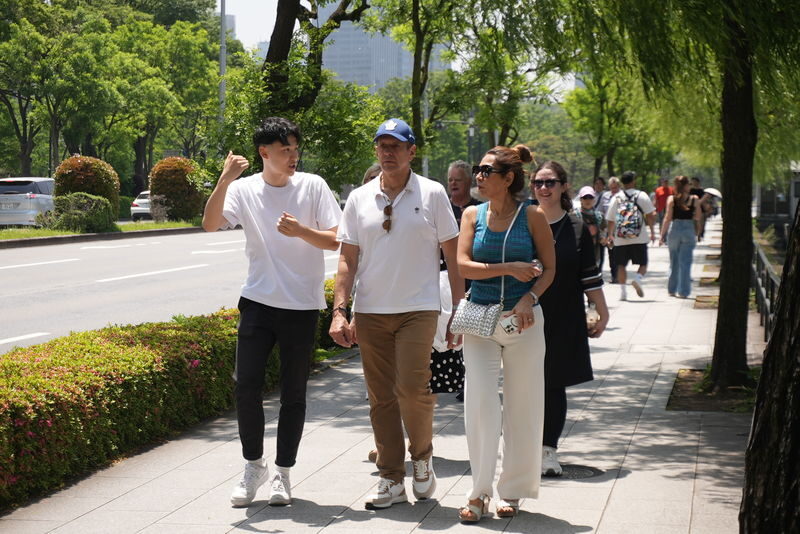
The pace has been described as comfortable, and guides have been noted for waiting for slower walkers and taking care in hot weather. Still, this is a walking activity, so wear shoes you can manage on garden paths and be prepared for the weather. Rain has not necessarily stopped the tour, but conditions can affect the schedule.
A guide also changes the experience in a way that a solo visit cannot. You can wander independently, but you will need to supply your own historical context. Here, someone points out the features worth noticing and explains what the site meant in different eras. If the history is your main reason for coming, that guidance is likely the difference between a pleasant walk and a more meaningful visit.
Judging the Price and Overall Value
The price starts at $13.29, with admission to the East Garden and an English-speaking guide included. For a two-hour activity in central Tokyo, that is a modest cost, especially if you value having someone explain the site as you explore it. The price is not paying for entry to a palace interior or a special access area. It is paying for guided interpretation and a structured walk.
That makes the tour a better value for curious first-time visitors than for someone who only wants to see the gardens. If you are content to stroll quietly and take in the scenery, you may prefer to visit on your own. If you want to understand the castle’s defenses and the shift from shogun rule to imperial history, the guide adds real purpose to the visit.
The tour has a 4.9 out of 5 rating from 952 reviews, and the strongest recurring praise is for guide quality: clear explanations, humor, friendly conversation, and a pace that works for a mixed group. That matters more here than on a tour built around showy sights. The landscape is understated; a strong guide makes it come alive.
Who Should Book This Walk
I’d recommend this tour if you want a compact introduction to Japanese history in a pleasant outdoor setting. It suits people who like to ask questions, enjoy learning while walking, or want a break from Tokyo’s busy streets without traveling far from the center. Families can join, and the activity has no age limit, though each person should be comfortable with a two-hour walk.
It is also a sensible choice early in a Tokyo visit. The guide may offer context that helps you make sense of other places you see later, and the walk finishes at its starting point, leaving you free to plan the rest of your day nearby.
Skip it if your priority is entering the Imperial Palace, seeing a castle building, or spending your time mainly on gardens and photography. The tour does not promise palace interiors, and the grounds themselves may not feel dramatic without the historical story.
Tokyo Imperial Palace and Edo castle Historical Guided Walking Tour
“Giulia was really kind, personable, and fun. We had a fantastic time!!”
FAQ
How long is the Tokyo Imperial Palace and Edo Castle tour?
The walking tour lasts about two hours.
Where is the meeting point?
Meet in front of Starbucks Coffee at Kokyo Gaien Wadakura Fountain Park, 3-1 Kokyogaien, Chiyoda City, Tokyo.
What time can I start?
Available departure times are 9:30, 11:00, 12:30, and 14:00. Choose your time when booking and arrive five minutes early.
What is included in the price?
Admission to the Imperial Palace East Garden and an English-speaking guide are included. Personal expenses are not included.
Does the tour go inside the Imperial Palace?
The tour visits the East Gardens and Ote-mon Gate. It does not include a visit inside the Imperial Palace.
Is there an age limit?
No. The activity has no age limit.
Can I cancel for a refund?
You can receive a full refund if you cancel at least 24 hours before the activity date, using destination local time. If you arrive late or do not show up, refunds or changes are not available.