Doka Estate’s tour follows coffee from seedling to roasted bean, with stops at the nursery, wet mill, drying patios, and roasting room. You get a close look at the work behind a cup, rather than just a tasting at the end.
I like two things in particular: the clear, step-by-step explanation of how coffee is grown and processed, and the chance to taste different blends and roasts while the subject is fresh. Guides Clara, Oscar, and Jonathan are names worth remembering for their engaging explanations.
One consideration: the tour is only two hours, so the coffee operation gets the main attention. The gardens are yours to explore afterward, but lunch and drinks beyond the included iced coffee and samples cost extra.
- At a glance: what makes this Doka tour useful
- Starting with coffee at Hacienda Doka
- The nursery: coffee begins before the harvest
- The wet mill and drying patios: where processing takes shape
- The roasting room: follow the aroma
- Coffee samples: put the lesson in your cup
- Beyond the tour: gardens, photos, and a meal
- Is a fair price for two hours?
- Timing, access, and practical details
- Who should book the Doka Estate tour?
- FAQ
- How long is the Doka Estate coffee tour?
- How much does the tour cost?
- What is included in the price?
- What parts of the coffee estate does the tour visit?
- What languages are available?
- Where is the meeting point?
- Is the tour wheelchair accessible?
- Is lunch included?
- Can I cancel for a refund?
- The Best Of Alajuela!
- More Tours in Alajuela
- More Tour Reviews in Alajuela
- Not for you? Here's more nearby things to do in Alajuela we have reviewed
At a glance: what makes this Doka tour useful
 1 / 10
 2 / 10
 3 / 10
 4 / 10
 5 / 10
 6 / 10
 7 / 10
 8 / 10
 9 / 10
 10 / 10
- See the whole coffee chain: Visit the nursery, wet mill, drying patios, and roasting room, then connect each stop to the cup you drink.
- Taste with context: Try coffee samples from different blends and roasts after learning how the beans are handled.
- Meet the Vargas family’s story: Hear about the family, the estate, and coffee’s place in Costa Rica.
- Stay for the gardens: The butterfly, botanical, bonsai, and hydroponic gardens offer a quieter follow-up and good photo spots.
- Get a bilingual introduction: Tours are offered in English and Spanish, with guides including Clara, Oscar, and Jonathan.
- Pay for more than a tasting: At $35 for two hours, the price covers a guided plantation visit, an iced coffee, and coffee samples, but not lunch.
👉 See our pick of the 2 Best Shopping Tours In Alajuela
Starting with coffee at Hacienda Doka
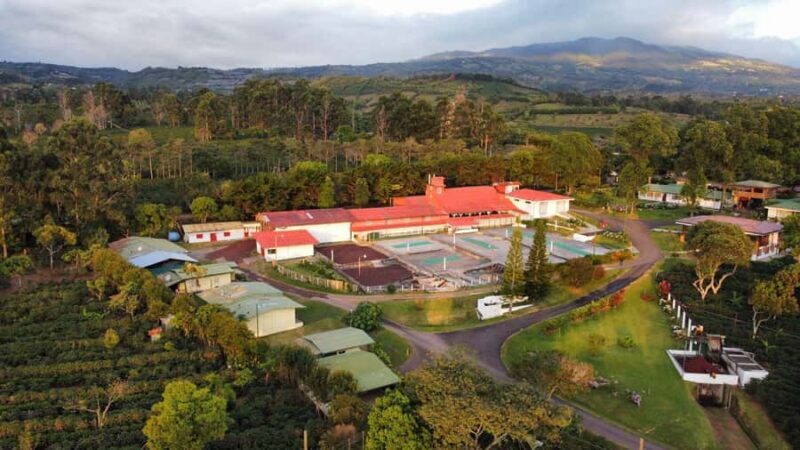
The tour begins at the Hacienda Doka Coffee Tour Reception in Alajuela Province. Plan to arrive 15 minutes before your start time. Your welcome drink is iced coffee, a pleasant way to begin before the group sets off through the plantation.
Doka’s appeal is that the visit connects the product in your cup to the place and people behind it. You learn about the Vargas family and the estate’s history alongside the broader story of coffee in Costa Rica. That context matters: coffee production is not simply a matter of roasting beans until they smell good. The crop passes through a long chain of growing, picking, processing, drying, and roasting, and each stage affects what you eventually taste.
The tour is led in English or Spanish. The guide’s role is central, since you are learning a process rather than just looking at scenery. Clara, Oscar, and Jonathan have all led tours, and the explanations are frequently described as clear, lively, and well paced. One especially useful detail for anyone with limited mobility: a visitor with a leg issue was able to keep up with Oscar’s explanation. The tour is listed as wheelchair accessible, though you may want to contact the estate directly if you need details about specific routes or facilities.
You can also read our reviews of more tours and experiences in Alajuela.

The nursery: coffee begins before the harvest
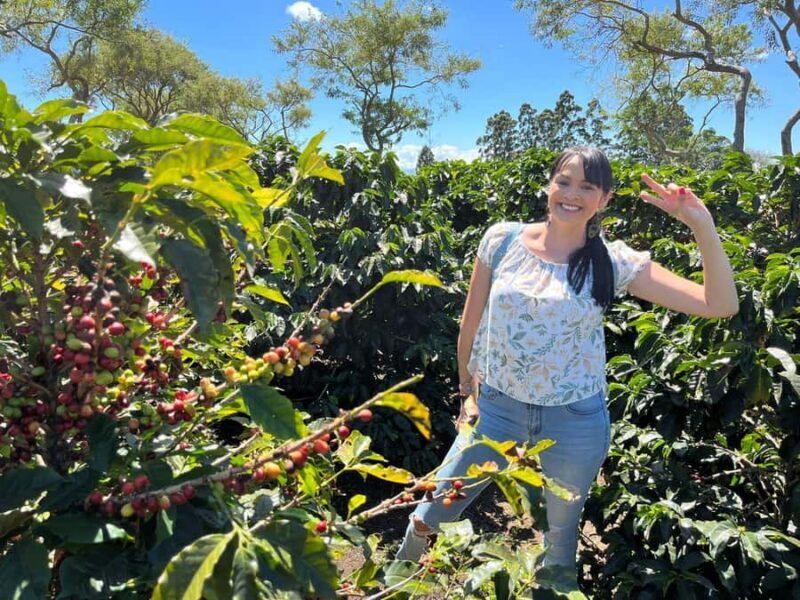
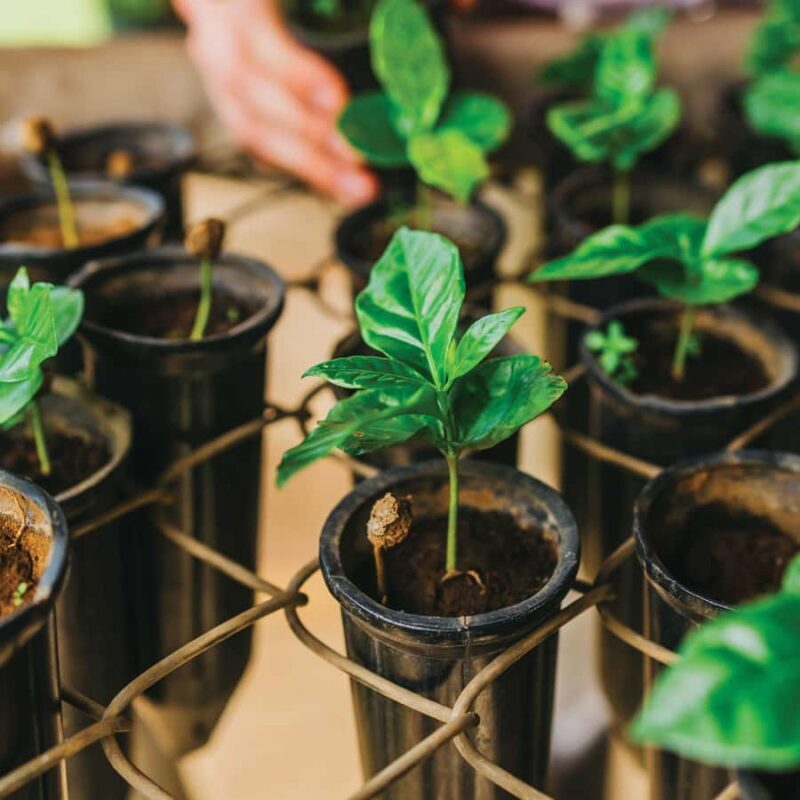
At the coffee nursery, you start with the plant itself. This is a useful first stop because it makes the scale of the process easier to grasp. A coffee bean does not arrive as a finished product, and the plants require time and care before they produce a crop.
Your guide explains how beans are planted, grown, and harvested on the estate. The exact length of the visit at each station is not specified, but the tour is designed to move through the key stages rather than dwell at one spot. If you are new to coffee, this overview gives you a framework for the rest of the visit. If you already know the basics, use this part to ask how Doka handles its own crop.
The plantation setting adds more than a pretty backdrop. Seeing the growing area helps tie the later stages to their source, and visitors often choose to walk the grounds and trails after the guided portion. Take your time with the surroundings if you have room in your schedule. The guided tour is two hours, but the estate’s gardens and paths give you a reason not to rush straight back to the car.
The wet mill and drying patios: where processing takes shape
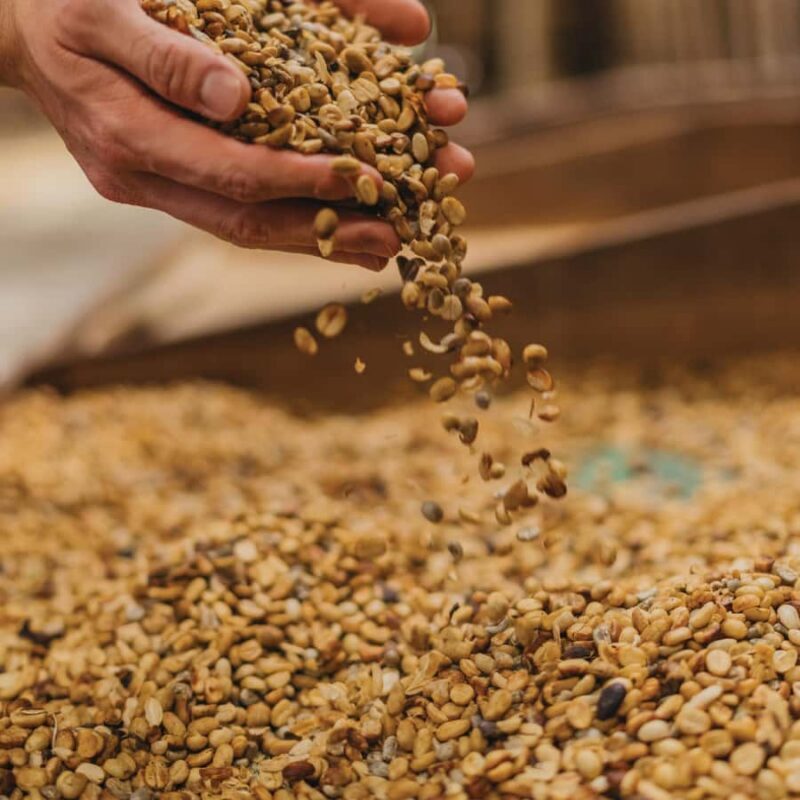
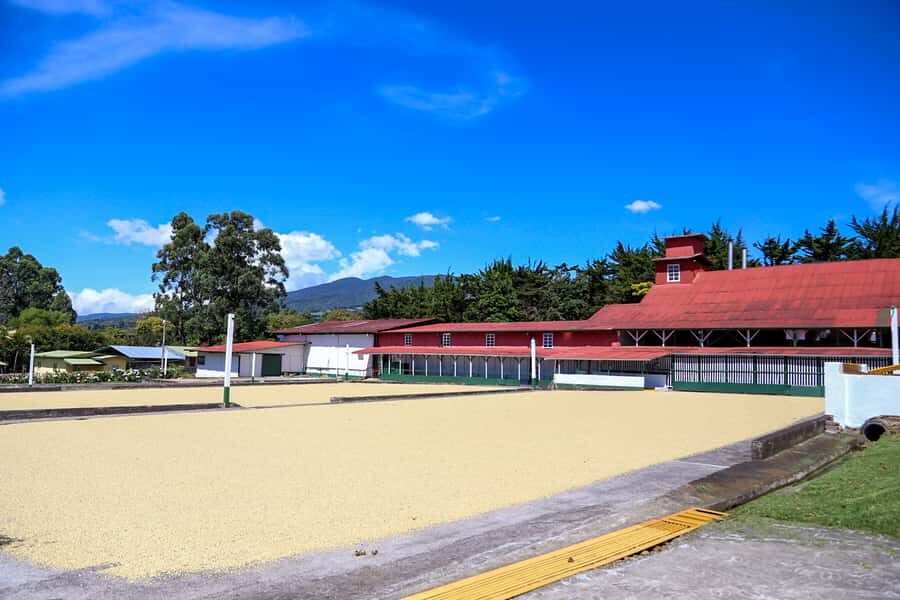
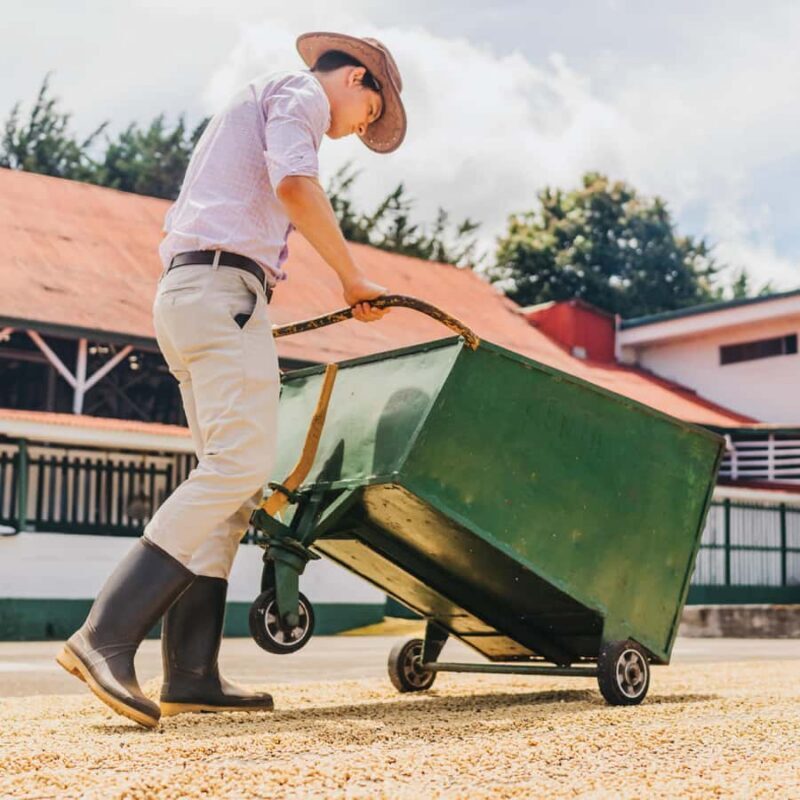
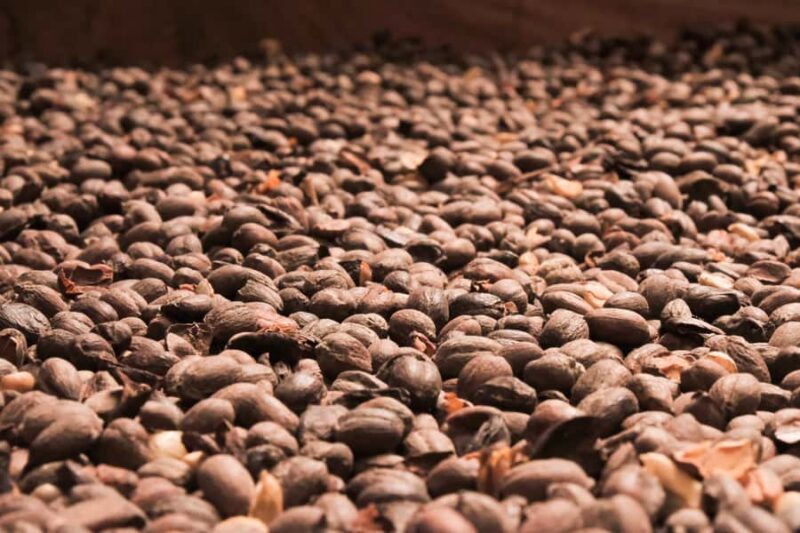
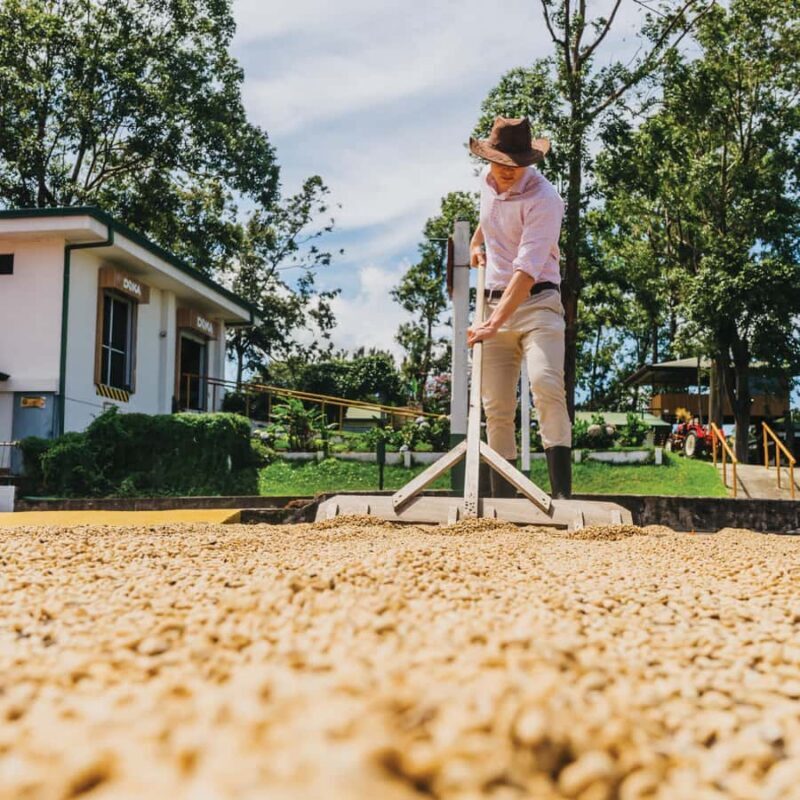
The wet mill and drying patios show what happens after harvest. These stops are where the tour shifts from cultivation to processing, and they help explain why coffee is more than a crop that gets dried and bagged. Your guide walks you through the estate’s methods and the work involved in preparing beans for roasting.
The wet mill is a particularly valuable stop for visitors who have never seen coffee processing. It gives you a practical link between the harvested crop and the beans that later appear in the roasting room. The drying patios continue that story, showing another stage before roasting. Guides explain the process from planting through shipping, so the visit gives you a broad view rather than a narrow focus on the farm alone.
This is also where questions can make the tour more rewarding. Ask about the differences between processing stages, what the estate does at each station, or how the choices made here shape the final coffee. The tour is not a coffee certification course, but it should leave you with a clearer sense of why origin and processing matter.
The experience also offers a chance to think about the people doing the work. One visitor left with a greater appreciation for coffee workers and the way they are treated at Doka. If that subject matters to you, ask your guide about the estate’s practices rather than assuming the tour will cover every labor detail in depth.
The roasting room: follow the aroma
The roasting room is likely to be one of the most memorable stops for your nose. The tour invites you to take in the coffee aromas here, and the smell makes the processing stages feel immediate. Up to this point, you have followed the crop through cultivation and preparation. Now you encounter the transformation that gives coffee its familiar roasted character.
Roasting is also where tasting becomes easier to understand. Different roasts can produce distinct flavors, and the guide explains how they compare. You do not need to arrive as a coffee expert. In fact, the tour is well suited to a casual drinker who wants to understand what is in the mug without memorizing specialist terms.
The explanations can change the way you approach your daily coffee. After learning how much care goes into growing and processing the beans, even a familiar cup can feel less anonymous. That is a practical return from a short tour: you leave with more than photos and a bag of beans. You have a better way to notice differences in roast and blend.
More Great Tours NearbyCoffee samples: put the lesson in your cup
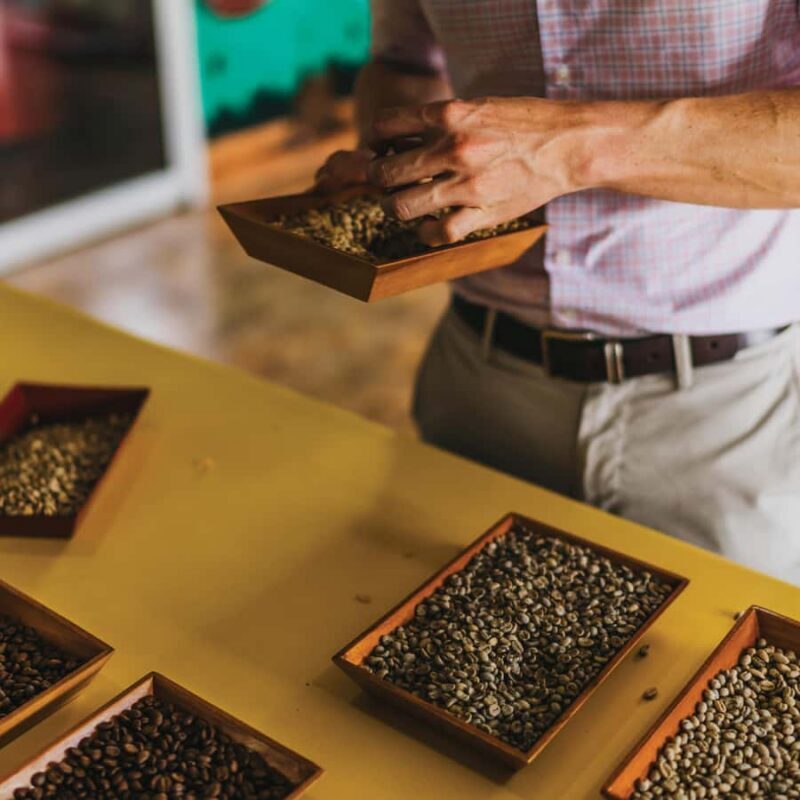
The tasting gives you a chance to sample different blends and roasts. This is the tour’s most direct payoff: you hear about the process, then taste examples while the details are still fresh. A welcome iced coffee is included at the start, as are the coffee samples during the visit.
You can use the tasting to compare what you prefer. Notice the contrast between the samples rather than trying to identify every flavor note. If you are a regular coffee drinker, the point is not to leave with a new set of rules. It is to understand that roast and blend choices affect what you taste, and to find out what suits you.
Some visitors have also enjoyed chocolate samples during their visit, but the stated inclusions are iced coffee, coffee samples, the plantation tour, and a bilingual guide. Treat chocolate as a possible extra, not something to count on. The souvenir shop gives you a chance to buy Doka coffee after tasting it. If you find a blend you like, bringing some home is a simple way to extend the visit, though coffee purchases are not included in the $35 ticket.
You can also read our reviews of more guided tours in Alajuela
Beyond the tour: gardens, photos, and a meal
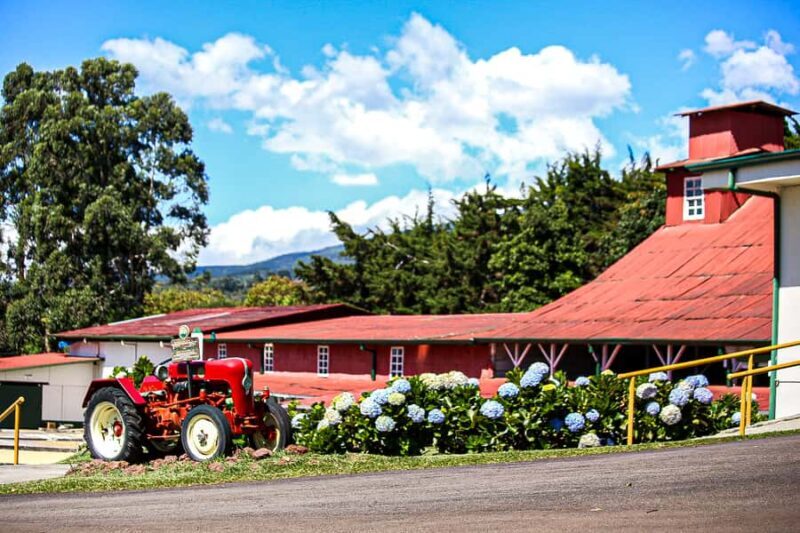
Once the guided portion is over, you can explore the butterfly garden, botanical garden, bonsai garden, and hydroponic garden. These areas offer a change of pace from the processing stations and give you more time outdoors. The gardens are also a good reason to leave a little breathing room after the two-hour tour, especially if you enjoy taking photographs.
The estate’s different garden areas make the visit more than a coffee lesson, but they should be seen as an add-on to the main event. The guided tour focuses on coffee. If you are hoping for a long, detailed botanical tour, that is not what is described here. Instead, think of the gardens as a pleasant chance to wander, look around, and enjoy the setting after the guide has finished.
There is a restaurant on site serving typical food, which can make Doka a convenient stop if you want to add a meal. Lunch and drinks are not included in the tour price, so plan for an extra charge if you want to eat. One visitor found the food good, but the tour itself does not include lunch, and meal choices or prices are not specified.
Is $35 a fair price for two hours?
At $35 per person, this is a solid value if you want a guided explanation of coffee production, not just a short tasting. The fee includes the two-hour plantation tour, an English- or Spanish-speaking guide, an iced coffee, and coffee samples. You also get the option to continue exploring the gardens afterward.
The price makes less sense if you only want to drink coffee or browse a shop. You can do those things without needing a full tour, and the ticket does not cover lunch, drinks beyond the included items, or any coffee you buy. But if you are curious about how coffee is grown and processed, the guided stops and tasting give the cost a clear purpose.
A useful way to judge the value is to ask whether the subject interests you. The tour suits coffee drinkers who want a better understanding of what they buy, but it also works for people who are simply curious about Costa Rican agriculture and the Vargas family’s estate. The guides’ ability to explain the process in a lively, approachable way is a major part of what makes the experience worthwhile.
Timing, access, and practical details
The tour lasts two hours, and starting times vary, so check availability for your date. Arrive 15 minutes early at the Hacienda Doka Coffee Tour Reception. If you are driving or arranging your own transport, allow enough time to find the reception before your scheduled start.
The experience is wheelchair accessible, and tours are available in English and Spanish. If you have specific access needs, check directly with the provider about the route and facilities before booking, since detailed access information is not provided.
Booking can be flexible: you can reserve now and pay later, and cancellation up to 24 hours in advance is eligible for a full refund. These terms are useful if your plans are still shifting, but check the conditions shown for your selected date when you book.
Who should book the Doka Estate tour?
I would recommend this tour if you want an approachable introduction to Costa Rican coffee, enjoy learning how food is produced, or want a short activity with both a guided component and time outdoors afterward. It also suits mixed-interest groups: a coffee enthusiast can focus on processing and roast differences, while someone less committed to the subject can enjoy the plantation and gardens.
It is especially appealing if you value an engaging guide. The experience depends on the explanations, and Clara, Oscar, and Jonathan have all been praised for making the process easy to follow. The pace can work for casual drinkers as well as people who already care about coffee, since the tour moves from basic growing stages to roasting and tasting.
You may want to choose something else if your priority is a long botanical visit, a full meal included in the ticket, or an advanced technical course. Doka’s tour is a clear, two-hour introduction, not an all-day program. Book it if you want to come away understanding the work behind a cup, then leave time to enjoy the gardens and, if it suits your plans, try the restaurant.
Alajuela: Coffee Plantation Guided Tour with Tasting
FAQ
How long is the Doka Estate coffee tour?
The tour lasts two hours. You can explore the gardens after the guided portion.
How much does the tour cost?
The listed price is $35 per person.
What is included in the price?
The price includes an iced coffee, a bilingual tour guide, a plantation tour, and coffee samples.
What parts of the coffee estate does the tour visit?
The tour visits the coffee nursery, wet mill, drying patios, roasting room, and souvenir shop.
What languages are available?
The live tour guide speaks English or Spanish.
Where is the meeting point?
Meet at Hacienda Doka Coffee Tour Reception in Alajuela Province. Arrive 15 minutes before the tour starts.
Is the tour wheelchair accessible?
Yes, the activity is listed as wheelchair accessible. Contact Hacienda Doka if you need details about a particular access requirement.
Is lunch included?
No. Lunch and drinks are not included, though the estate has a restaurant where you can buy typical food.
Can I cancel for a refund?
You can cancel up to 24 hours in advance for a full refund. The activity also offers a reserve-now, pay-later option.
You can check availability for your dates here: