Caesarea’s Roman theatre, Haifa’s hillside gardens and Acre’s Crusader tunnels make a fine cross-section of Israel’s Mediterranean coast. In one long day, you move from monumental ruins to sea caves and a lived-in old port, with the Lebanon border in view at Rosh Hanikra.
I like two things in particular: the itinerary pairs big historical sites with striking sea views, and the coach makes a far-flung route possible without arranging several separate trips. Guides such as Dorit and Abraham have been praised for explaining the sites with patience and a warm manner.
The trade-off is the clock. This is a 10- to 12-hour outing with an early start, several stops and a transfer from Jerusalem to Tel Aviv; a group of close to 30 can take time to gather, and a delayed schedule may leave lunch feeling short.
What matters most
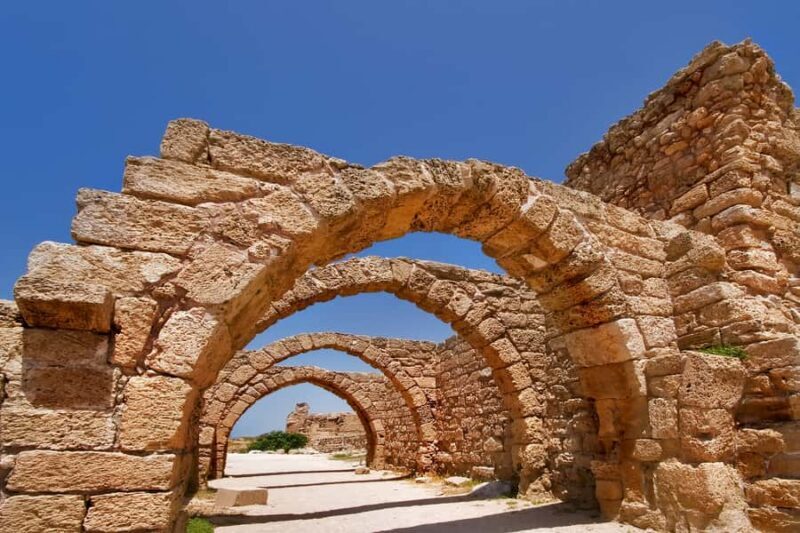
- Caesarea combines a Roman theatre, harbor remains and a mighty aqueduct in a walk through a major archaeological site.
- Haifa’s Baha’i Gardens are a viewpoint stop, with a broad look across the city and bay from Mount Carmel.
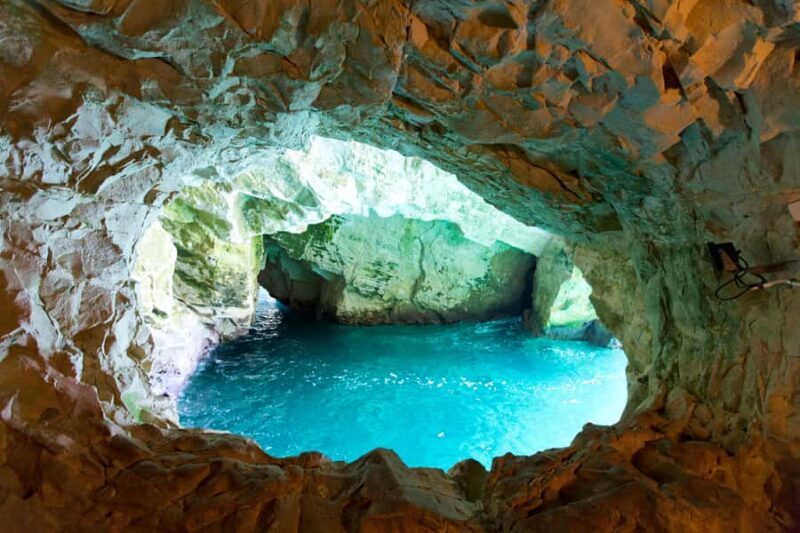
- Rosh Hanikra brings you to white limestone cliffs and sea grottoes, with the Lebanon border nearby.
- Acre offers both an underground Crusader city and an active old town, including its market and port.
- The $105 tour price excludes admissions, estimated at about $34 per person, as well as food and drinks.
- The Jerusalem departure begins at 5:50, so plan for an early morning and a full day away.

👉 See our pick of the 3 Best Workshops And Classes In Jerusalem
- What matters most
- A long coastal loop from Jerusalem
- Caesarea’s Roman port and theatre
- Haifa from Mount Carmel
- Rosh Hanikra’s chalk cliffs and grottoes
- Acre’s tunnels, market and old port
- What the price includes, and what it does not
- The early start, group pace and what to pack
- Is this the right coast tour for you?
- FAQ
- How long is the tour?
- What is included in the 5 price?
- Are entrance fees included?
- Are food and drinks included?
- What languages are available?
- Is the tour suitable for children under four or wheelchair users?
- What should I wear?
- The Best Of Jerusalem!
- More 1-Day Tours in Jerusalem
- More Tours in Jerusalem
- More Tour Reviews in Jerusalem
- Not for you? Here's more nearby things to do in Jerusalem we have reviewed
A long coastal loop from Jerusalem
 1 / 8
 2 / 8
 3 / 8
 4 / 8
 5 / 8
 6 / 8
 7 / 8
 8 / 8
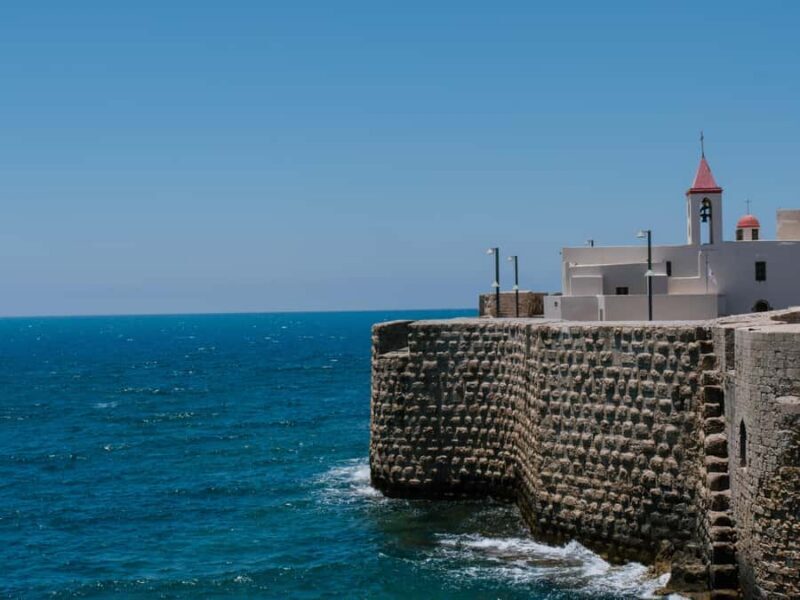
This trip links four places that each tell a different part of the coast’s story. Caesarea recalls Roman rule and King Herod’s grand port; Haifa brings a striking modern city view; Rosh Hanikra is about the meeting of chalk cliffs and sea; and Acre layers centuries of rule into a compact old town.
The route starts with an air-conditioned coach pickup in Jerusalem, then a transfer to Tel Aviv to join the coastal tour. From there, you travel north along the Mediterranean coast on Israel’s coastal highway. The coach is a real asset on a route this long: it saves you from piecing together transport between sites and lets you settle in between stops.
Still, do not mistake convenience for a relaxed pace. The stated duration is 10 to 12 hours, and the Jerusalem pickup is at 5:50. Allow room in your plans for the return, too. The exact end time depends on the day’s schedule and the time spent gathering the group at each stop.
A professional guide leads the tour, with French, English, German and Spanish listed as available languages. The guide’s role matters here: the sites are spread out, and their stories make more sense when you can connect a Roman harbor, a Crusader stronghold and an old Ottoman-era city in one trip.
You can also read our reviews of more tours and experiences in Jerusalem

Caesarea’s Roman port and theatre
Caesarea is the first major stop, around halfway between Haifa and Tel Aviv. King Herod developed a modest Phoenician port into one of the grandest cities in Palestine. It endured until the 13th century, when Baybars of Egypt destroyed it.
You take a walking tour through the archaeological excavations. The remains include a Roman theatre and a substantial aqueduct, along with traces of the harbor and city. The scale helps you picture Caesarea not as an isolated ruin, but as a once-important port built to serve a large settlement.
The theatre is a natural focal point, while the aqueduct gives you a sense of the infrastructure behind the city’s grand ambitions. This is an outdoor archaeological site, so comfortable shoes and a hat are sensible. The visit is a walk rather than a ride-through, and the ground may feel uneven underfoot.
Caesarea is a rewarding opening because it gives the day a strong historical anchor. But the tour has several major stops still to come, so you should not expect to explore every corner at leisure. Admission fees are not included in the tour price, and the estimated total for entry fees across the day is about $34 per person.
Haifa from Mount Carmel
The road continues north to Haifa, Israel’s third-largest city. The stop centers on the Baha’i Gardens at the Baha’i World Center, a UNESCO World Heritage Site. From Mount Carmel, you get a broad view over the gardens, the city and Haifa Bay.
This is primarily a view and photo stop, not a promise of a long garden visit. That distinction is useful when you set expectations: the gardens are the visual centerpiece, but the time here is limited within a full-day route. I like the contrast with Caesarea. After walking among ancient stone remains, you pause above a working coastal city and look across the curve of the bay.
Haifa’s location makes the view especially helpful for understanding the coast. The city rises from the shore toward Mount Carmel, and the port sits along the bay below. Bring your camera, but also take a moment to look beyond the gardens and note how the city and sea fit together.
Rosh Hanikra’s chalk cliffs and grottoes
At Rosh Hanikra, the scenery takes over. White chalk cliffs meet the sea, and the limestone grottoes offer a close look at the coast’s natural formations. The site is near the Lebanon border, which adds a striking geographic detail to the stop.
This is the day’s clearest change of pace. Caesarea and Acre ask you to think about the people who built and ruled here; Rosh Hanikra gives you cliffs, water and the sound of the coast. The grottoes are the main attraction, while the pale rock faces make a good subject for photos.
The tour description includes exploring the grottoes, but the listed admission costs are separate from the $105 price. Keep that in mind when comparing the headline rate with the likely total. The estimate is about $34 per person for admissions across the trip, not a meal budget.
Comfortable walking shoes are a good idea here, just as at Caesarea and Acre. The day includes several periods on your feet, and you will enjoy the stops more if you are not thinking about sore feet by the time you reach the old city.
More Great Tours NearbyAcre’s tunnels, market and old port
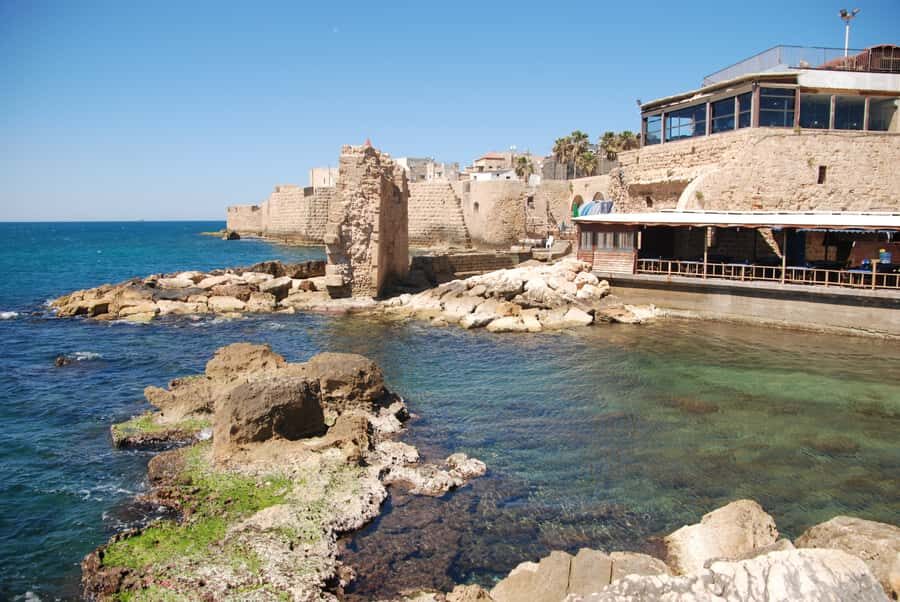
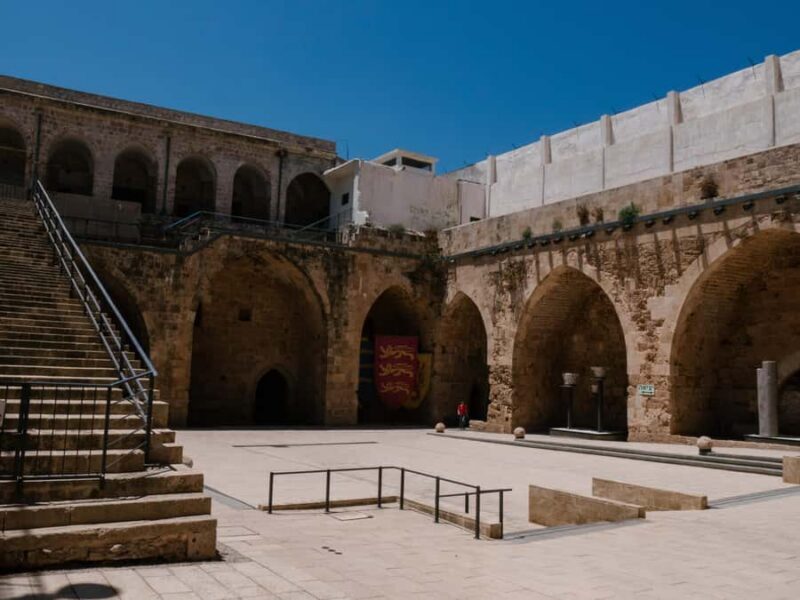
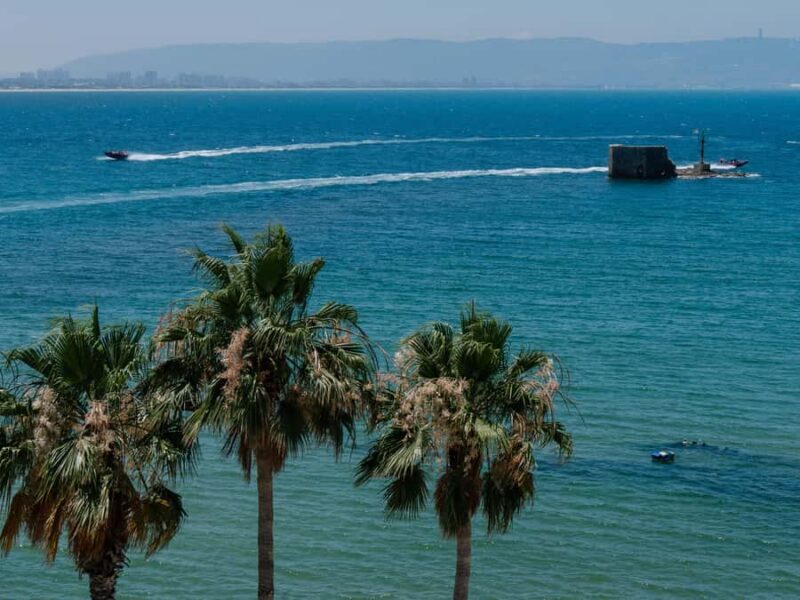
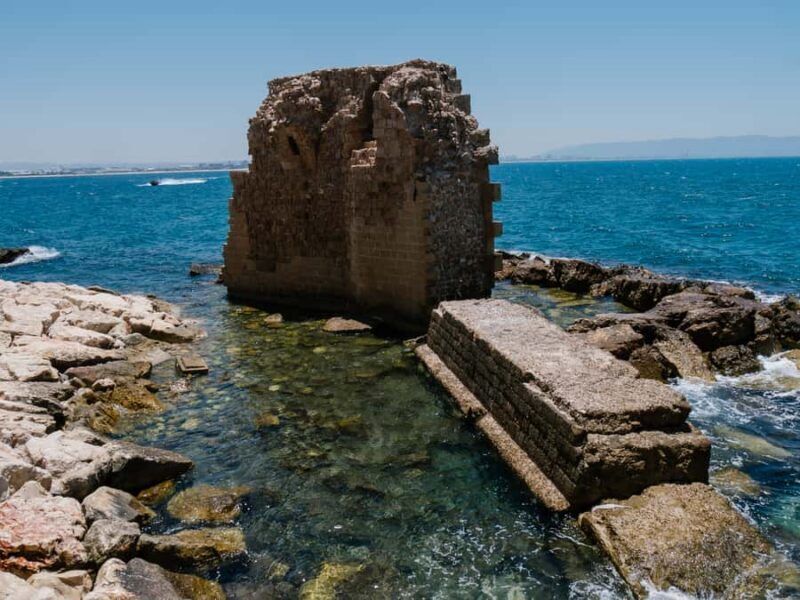
Acre, also called Akko, is the northernmost stop, at the end of Haifa Bay. It is one of the oldest continuously inhabited sites in the Western Galilee, and its old town is a UNESCO World Heritage Site. Greeks, Byzantines, Arabs, Crusaders, Ottomans and the British all left marks on the city.
The Crusader underground city and crypt are the main historical draw. They give you a look beneath the streets and into the layers of the medieval city. Above ground, massive walls and a charming port frame a more everyday side of Acre, while the market adds the sounds and movement of a working town.
You also pass Jezzar Pasha Mosque, known for a striking relic: a single hair said to be from the beard of the Prophet Mohammed. The mosque is part of the city’s story, but do not assume the itinerary promises a full interior visit. The tour specifically highlights the underground Crusader complex and time to wander the old city.
Acre is the stop where the itinerary’s mix of history and present-day life works best. You can move from underground chambers to market lanes, then take in the port and city walls. The downside is that the available time has to cover several attractions. If the day runs late, lunch may be squeezed so the group can still reach the paid sites and complete the route.

What the price includes, and what it does not
At $105 per person, the base fare covers an air-conditioned coach, a professional guide and hotel pickup and drop-off. For a day that begins in Jerusalem, transfers to Tel Aviv and then follows a long stretch of coast, that transport is a meaningful part of the value. You also avoid organizing separate rides between four destinations.
The main extra is admission. Budget about $34 per person for entrance fees, paid directly on site, bringing the estimated tour-and-admission total to around $139 before food and drinks. The tour does not include meals, so you should set aside money for lunch and any snacks or drinks you want during the day.
The value depends on what you want from the trip. If you are based in Jerusalem and want to see the northern coast without planning each connection, the coach and guide make the day straightforward. If you prefer long, unhurried visits or want to choose your own meal stop, the fixed route may feel brisk.
The early start, group pace and what to pack
The Jerusalem pickup is at 5:50, with a transfer to Tel Aviv to join the tour. Treat this as a genuinely early morning, not a casual departure. The full outing lasts 10 to 12 hours, so you may be away from your hotel for much of the day.
Group size can affect the pace. One outing involved a group of nearly 30, and gathering everyone between stops contributed to delays. A guide may still keep the full route on track, but if the schedule slips, lunch is one part of the day that can become shorter. Bring water and a snack if you do not want to rely entirely on the meal break.
Wear a hat and comfortable shoes. Several stops involve walking, and the coastal sun can make a hat useful. The tour is not suitable for children under four or for wheelchair users.
Guide quality can shape a busy itinerary. Guides Dorit and Abraham have been praised for clear explanations, patience and a friendly manner. You cannot count on a particular guide being assigned, but the tour is designed around a live guide rather than a bare transport service.
Is this the right coast tour for you?
I would choose this trip if you have one day to spare and want a broad introduction to the Mediterranean coast: Roman remains, Haifa’s famous viewpoint, natural grottoes and Acre’s old city. The mix is the point. No single stop gets the whole day, but together they show how varied this stretch of coast can be.
It suits visitors who value the convenience of an organized route and are comfortable with an early start, paid admissions and a fairly full schedule. It is less suitable if you need step-free access, are traveling with a child under four, or want long stretches of unstructured time at each site.
Before booking, think of the $105 as the transport-and-guide price, not the entire day’s cost. Add roughly $34 for admissions and budget separately for food and drinks. If those costs and the brisk pace work for you, this is a practical way to connect four very different coastal stops without arranging the journey yourself.
Caesarea, Haifa & Akko Day Trip from Jerusalem
FAQ
How long is the tour?
The tour lasts 10 to 12 hours. The Jerusalem pickup is at 5:50, followed by a transfer to Tel Aviv to join the coastal tour.
What is included in the $105 price?
The price includes air-conditioned coach transportation, a professional guide and hotel pickup and drop-off.
Are entrance fees included?
No. Entrance fees are paid directly on site and are estimated at about $34 per person.
Are food and drinks included?
No. Food and drinks are not included, so plan to pay for them separately.
What languages are available?
The live guide is available in French, English, German or Spanish.
Is the tour suitable for children under four or wheelchair users?
No. The tour is not suitable for children under four or for wheelchair users.
What should I wear?
A hat and comfortable shoes are recommended for the day’s outdoor and walking stops.
You can check availability for your dates here: