Japanese restaurant displays have a clever job: they let you see the meal before you order. At Yamato Sample Factory, you get to make one of those convincing plastic creations yourself, choosing ramen, a real-size parfait, or a mini tart charm.
I like two things here: you leave with a personal souvenir you made, and you meet a family-run business that has worked in the craft since 1952. The main consideration is the pace. Although the session is sold as an hour, some people finish in 10 to 30 minutes, so treat it as a short craft stop rather than a full class.
- Pick your project: Choose ramen, a full-size parfait, or a tart charm.
- Expect a small workshop: The shop fits only a few groups at a time, which makes the instruction feel personal.
- Learn the craft’s backstory: Instructors explain how Japanese food samples are made and used.
- Get a little extra: Materials, tools, an instructor, and a small food-sample keyholder are included.
- Plan for the language mix: English is available, but instruction may also be in Japanese. The visual steps make the activity easier to follow.
- Allow for a residential detour: The shop is a short walk from two stations, away from central Tokyo’s main sightseeing lanes.
- Why make a plastic meal in Tokyo?
- Choosing ramen, parfait, or a tart charm
- What happens during the workshop
- A small class with a family-business feel
- How much time to set aside
- Getting to Yamato Sample Factory 3rd Craft
- Is the price worth it?
- Who will enjoy this workshop most?
- Should you book it?
- FAQ
- How long does the workshop last?
- What can I make?
- Is English spoken during the class?
- What is included in the price?
- How do I get to the workshop?
- Is there an age requirement, and what should I wear?
- The Best Of Tokyo!
- More Food & Drink Experiences in Tokyo
- More Tours in Tokyo
- More Tour Reviews in Tokyo
- Not for you? Here's more nearby things to do in Tokyo we have reviewed
Why make a plastic meal in Tokyo?
 1 / 9
 2 / 9
 3 / 9
 4 / 9
 5 / 9
 6 / 9
 7 / 9
 8 / 9
 9 / 9
Japan’s plastic food models, or shokuhin sampuru, are more than window dressing. Outside many restaurants, they show dishes in three dimensions, with color and detail that make the menu easy to understand at a glance. At this workshop, you get a close look at that familiar piece of Japanese street life, then make a small version to take home.
Yamato Sample Factory has been in the business since 1952. This is not a tour of a large production line, and you should not expect to watch every stage of manufacturing. It is a compact, guided craft session where the pieces and materials are prepared for you, and you finish and decorate your chosen sample.
That distinction matters. If you want an in-depth technical lesson on making the plastic materials from scratch, this may feel light. If you want a hands-on souvenir and a little context about the craft, it fits the bill.

👉 See our pick of the 25 Best Guided Tours In Tokyo
Choosing ramen, parfait, or a tart charm
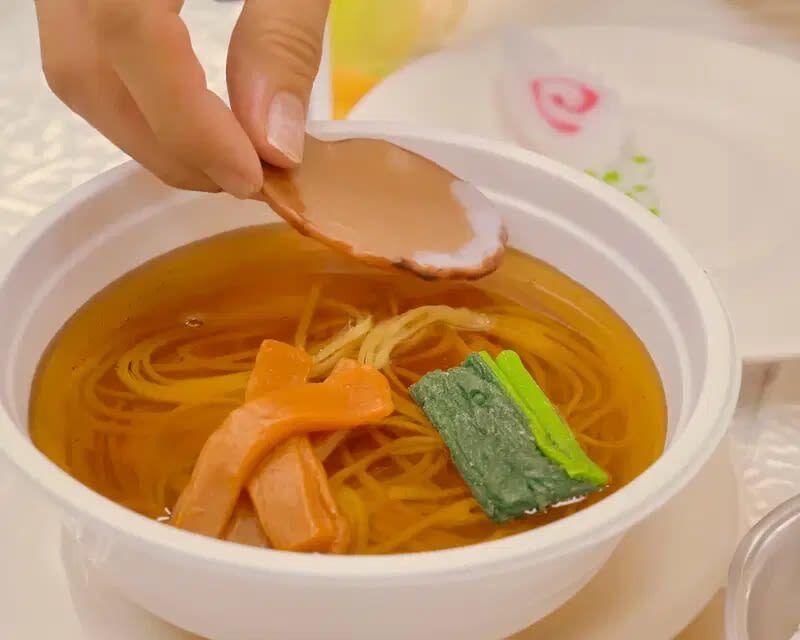
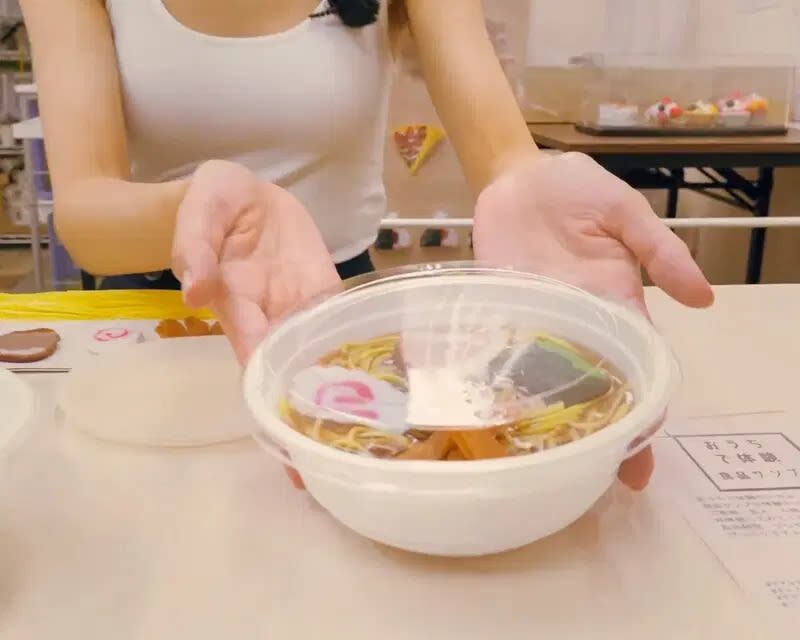
The ramen sample is the most direct nod to Japan’s restaurant displays. You arrange and finish the components to create a miniature bowl that looks ready to serve. It is a good choice if you want a piece that feels unmistakably connected to Japanese dining.
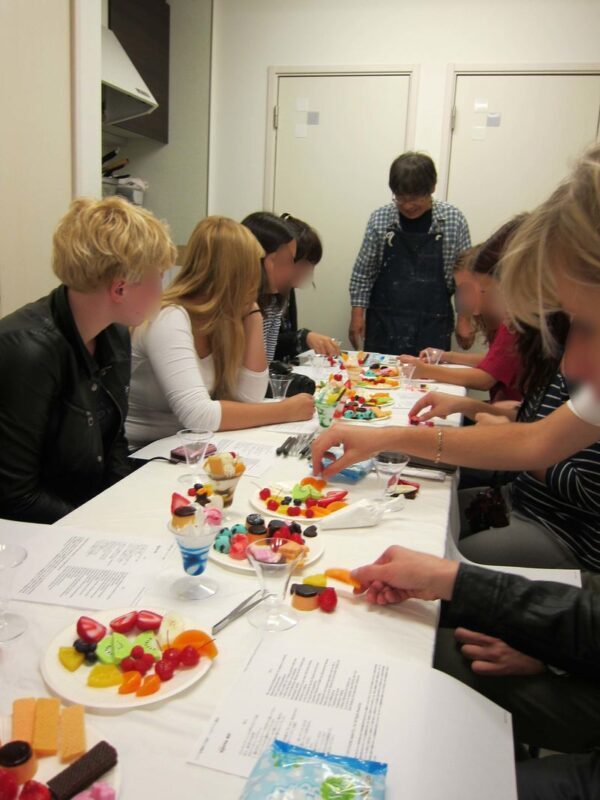
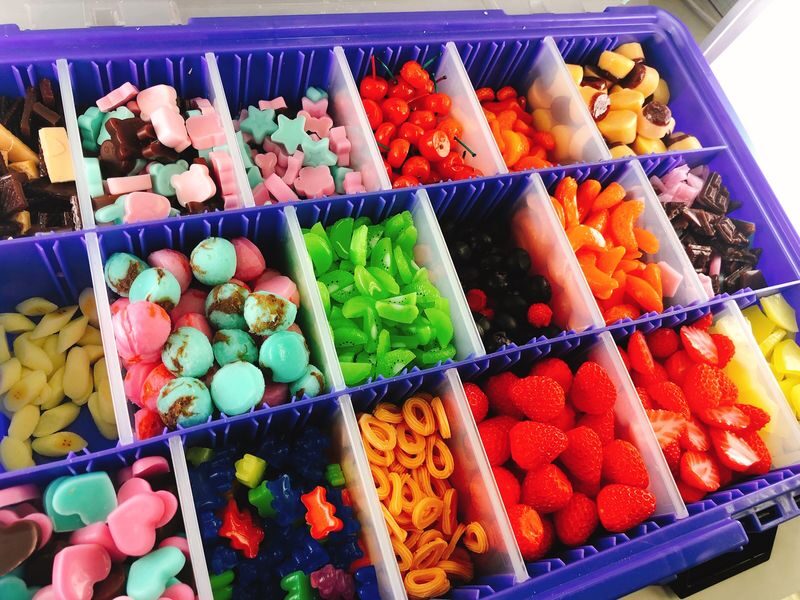
The real-size parfait offers more room for playful decoration. You can choose five pieces for the topping, and there are extra toppings available for an additional 300 yen or more. Check the extra cost before adding them if you are keeping a close eye on your budget.
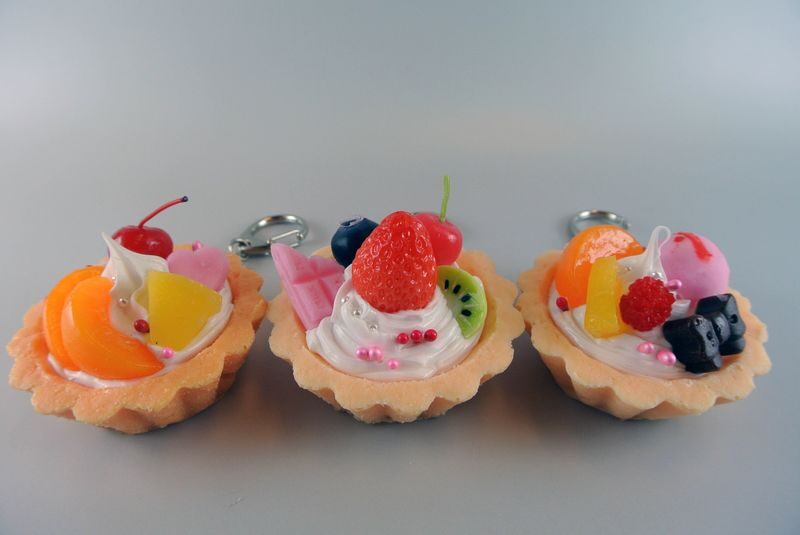
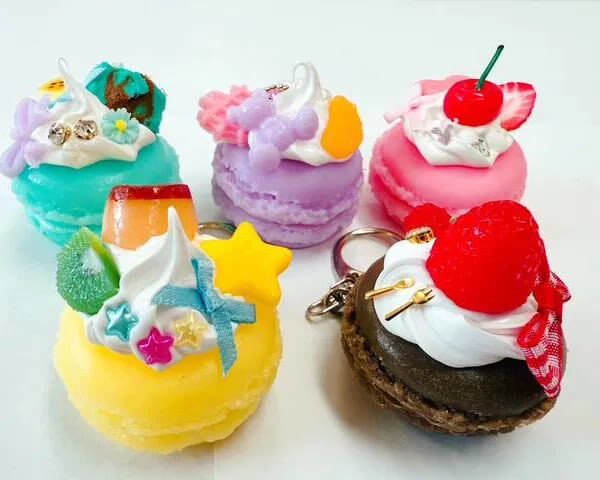
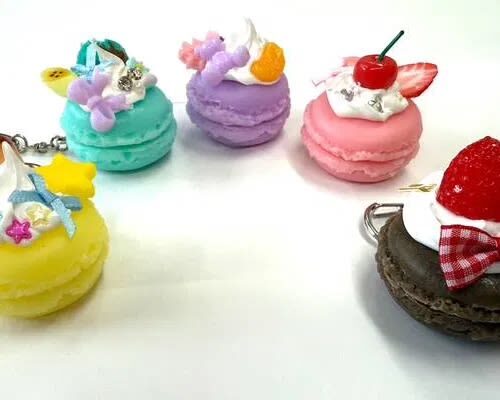
The tart charm is the smallest option, made as a colorful accessory you can hang on a bag. It is a practical pick if you prefer a compact souvenir over a display piece. Seasonal details may be available, but they can vary, so do not count on a particular color or theme.
Package choice affects what you make, so check that you have selected the right option when booking. The starting price is listed at $24.39, though the price may differ by package. Materials, tools, an instructor, and a small keyholder gift are included; extra kits to take home and optional toppings cost more.
You can also read our reviews of more food & drink experiences in Tokyo



What happens during the workshop
The session begins with an introduction to food samples and the work behind them. The instructors may explain how the craft has changed and what materials are used. The detail can vary with the language mix and the session, but the welcome tends to be personal rather than formal.
Next, you choose or work with the project attached to your booking. The process is guided and visual, with much of the preparation already done. You arrange the components and decorate the finished sample rather than making every material from raw ingredients. That makes the class approachable for children and adults, but it also explains why some sessions move quickly.
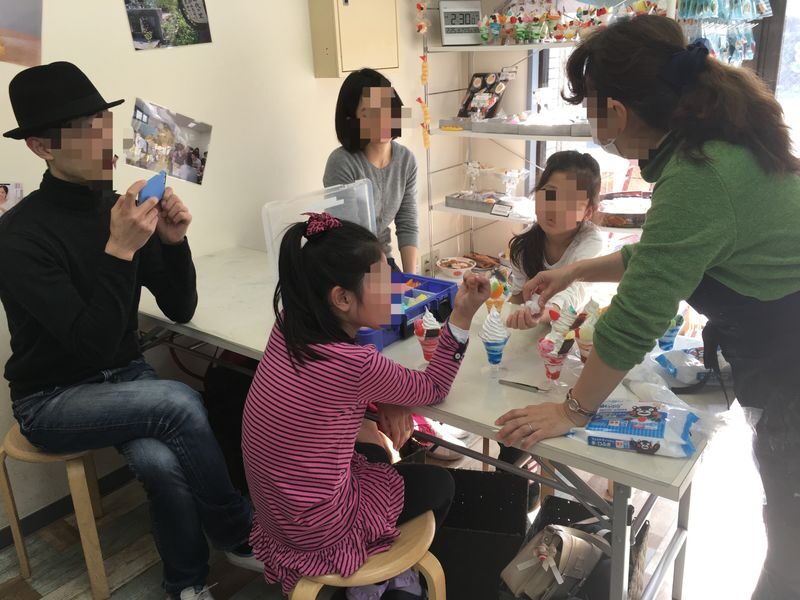
The instructor stays close to help with the steps and correct small mistakes. English ability varies. Some instructors speak English comfortably, while others use a mix of simple English, Japanese, gestures, and visual guidance. The class is designed to be easy to follow even if you do not speak Japanese, but it is sensible to arrive ready for a little improvisation.
At the end, your piece is packed in a paper box, which helps protect it on the way back. You also receive the small food-sample keyholder gift. If you want to make more projects later, production kits may be available to buy separately.
A small class with a family-business feel
The shop is intimate, with space for roughly three or four groups at a time. That size helps the instructor give individual attention, and it suits families or couples who want a calm activity rather than a large group event. It also means the setting is modest. You are visiting a working craft shop, not a polished museum studio.
The people running the workshop are a big part of its appeal. The owner and family members are described as warm, patient, and keen to share their work. Ryou has taught some sessions, and customers have praised his English and helpful manner. Staffing can vary, so do not assume he will be your instructor on a particular date.
The personal touch can extend beyond the craft table. The owner has drawn maps to the station and suggested nearby places to eat or visit. That kind of help is especially useful if you have time to explore the neighborhood after class.
How much time to set aside
The experience is advertised as one hour, which is a reasonable amount of time to reserve in your day. Still, the hands-on portion can be much shorter. Some people have finished in under 30 minutes, and one account describes a session lasting around 10 minutes. The timing likely depends on the selected project, the amount of explanation, and the group.
I would not build a whole morning around the class alone. Instead, pair it with a relaxed walk or meal nearby, or use it as a change of pace between larger Tokyo sights. If the history and conversation matter to you, ask questions and take your time. If you want a longer lesson, know that the workshop’s prepared materials make it more of a guided finishing activity than a long technical course.
Getting to Yamato Sample Factory 3rd Craft
The meeting address is listed as 18, with the detailed location and map link sent after booking confirmation. The shop is about a five-minute walk from Kita-Ikebukuro Station on the Tobu Tojo Line, or about a 12-minute walk from Itabashi Station’s east exit on the JR Saikyo Line.
This is a quieter, residential part of Tokyo, not a central sightseeing hub. That is a plus if you enjoy seeing a less hectic neighborhood, but it does mean you should check your route before setting off. One person had trouble because a map app showed another place with the same address. Search for Yamato Sample Factory 3rd Craft, and use the map provided with your booking rather than relying on the street number alone.
The shop is described as stroller- and wheelchair-accessible. Wear clothes you do not mind getting dirty, or bring an apron. The voucher is valid only for the date and time booked, and confirmation is expected within 48 hours. If no confirmation arrives, contact customer support.
You can also read our reviews of more tours and experiences in Tokyo




Is the price worth it?
At a starting price of $24.39, this is a reasonable buy if you value a distinctive souvenir and a short, personal activity. You are paying for instruction, materials, the finished sample, and a small extra keyholder, as well as a chance to hear about a Japanese craft from a long-running family business.
The value depends on your expectations. For a full hour of step-by-step manufacturing, the session may feel brief, especially if your project is completed quickly. For a light, memorable workshop with a take-home item, the price makes more sense. Remember that extra kits and some parfait toppings cost extra, so the advertised starting price may not cover every option you might want.
Who will enjoy this workshop most?
This is a strong fit for families with children aged seven and up, couples, and anyone who wants an activity beyond temples, shopping, and meals. Children aged seven or older pay the same rate as adults. Because the process is visual and guided, you do not need to be an experienced crafter or fluent in Japanese.
It also suits people who like small businesses and everyday cultural details. The workshop connects a familiar sight outside Japanese restaurants with the people who make it. If you are mainly interested in technical production methods, however, you may want a more in-depth class. And if your schedule is tight, account for the trip to the neighborhood as well as the possibility that the making itself will be brief.
Should you book it?
Book this if you want a cheerful, hands-on Tokyo souvenir, appreciate friendly instruction, and are happy with a short craft session rather than a factory tour. The ramen makes a classic keepsake, the parfait gives you more decorative choice, and the tart charm is the practical little option.
Skip it if you need a full hour of detailed technical teaching or want to stay near Tokyo’s central sights. For everyone else, the combination of a personal workshop, an unusual craft, and a family business makes this a worthwhile change of pace. Confirm your chosen package, check the map carefully, and leave a little room in your day to explore the neighborhood.
Tokyo Food Sample Making Workshop (1 Hour)
“The shop owner is very patient and communicative, and enjoys chatting with customers. Before I left, they even drew me a map to the station, which…”
FAQ
How long does the workshop last?
It is advertised as a one-hour activity, but the hands-on portion can be shorter. Some sessions have taken 10 to 30 minutes, so allow time for travel and a relaxed visit rather than expecting a full hour of crafting.
What can I make?
You can choose a ramen food sample, a real-size parfait food sample, or a tart charm food sample. Check your package selection when booking.
Is English spoken during the class?
The workshop is partly in English and may include a lot of Japanese. Visual instructions help you follow the steps, and English ability varies by instructor.
What is included in the price?
The price includes an instructor, materials, tools, and a small food-sample keyholder gift. Additional food-sample kits and some parfait toppings cost extra.
How do I get to the workshop?
It is about a five-minute walk from Kita-Ikebukuro Station on the Tobu Tojo Line, or a 12-minute walk from the east exit of Itabashi Station on the JR Saikyo Line. The detailed location and map link are provided after booking confirmation.
Is there an age requirement, and what should I wear?
Participants must be at least seven years old, and children aged seven or older pay the same rate as adults. Wear clothes you do not mind getting dirty, or bring an apron.