
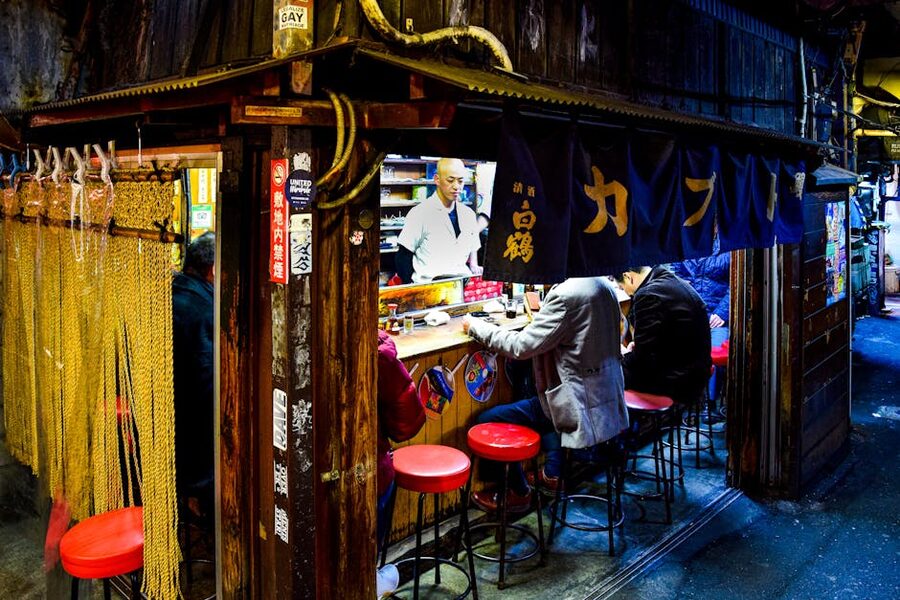
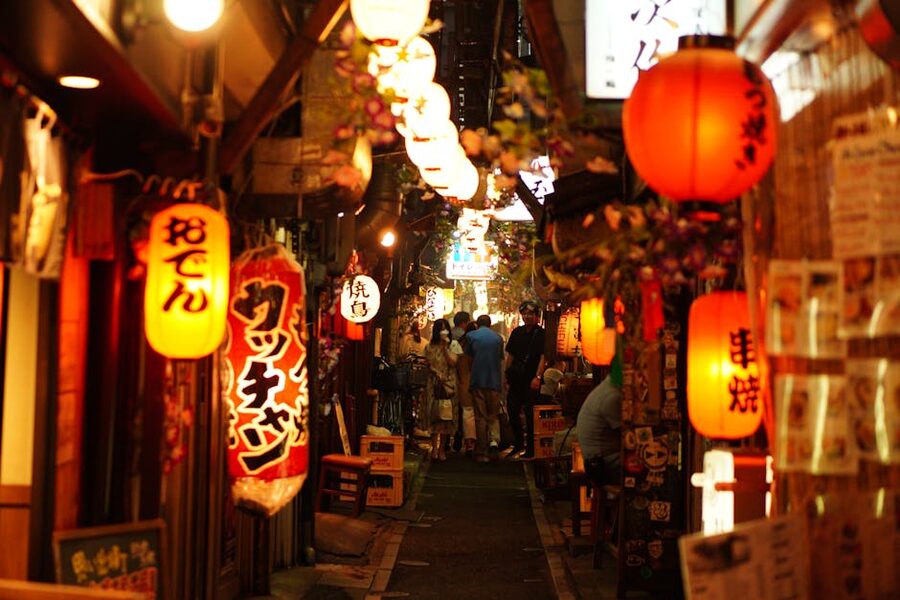
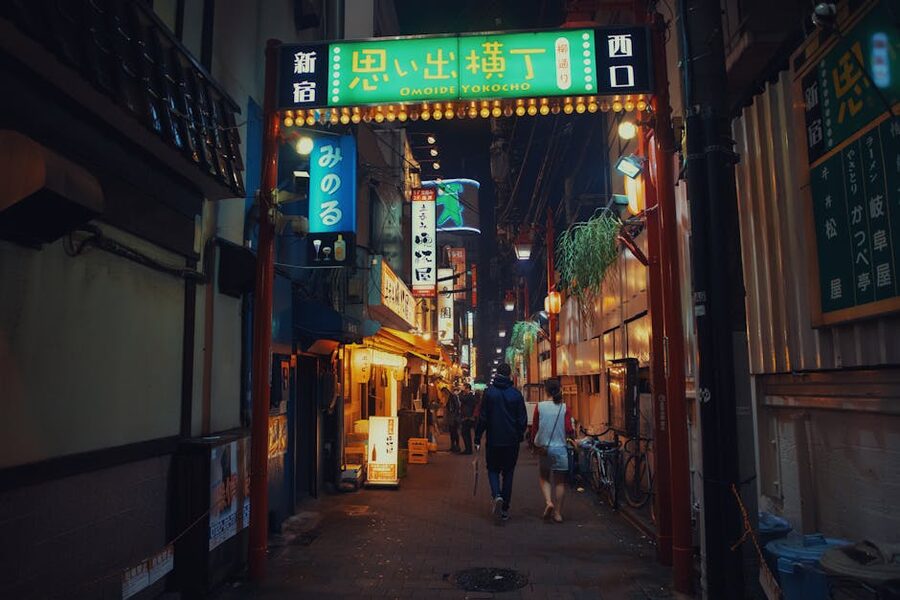
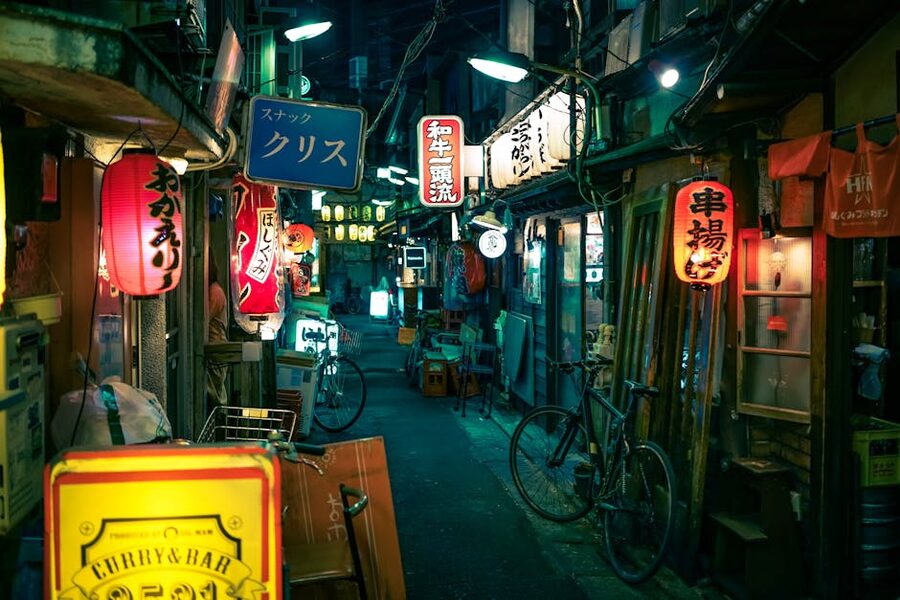
Omoide Yokocho at dusk — yakitori smoke drifting through the alley, the rhythmic clatter of izakaya doors opening and closing, a salaryman leaning against the wall with his first highball of the night. This is what a Shinjuku food tour actually looks like, and also what it tastes and sounds and smells like. You will not find it on your own in three hours with a map.
That is the blunt version of why tours work here. Shinjuku has about 200,000 restaurants in its wider catchment, a station that processes 3.5 million people a day, and menus written in kanji with no English. A local guide skips the algorithm and walks you straight to four places with a seat waiting.
- In a Hurry? My Top 3 Shinjuku Food Tour Picks
- Why Do a Food Tour in Shinjuku Specifically?
- How Booking Actually Works
- Meeting Points — The Bit That Trips People Up
- What the 15 Dishes Actually Are
- Dietary Restrictions and What to Flag
- My Three Recommended Shinjuku Food Tours
- 1. Shinjuku Food Tour — 15 Dishes and 4 Eateries —
- 2. Shinjuku Food Tour — 15 Dishes, 3 Drinks, 4 Eateries —
- 3. Shinjuku Authentic Food Experience (13 Dishes) — around
- When to Go — Time of Day and Season
- Group Size and Whether to Go Private
- Omoide Yokocho — Memory Lane, in Practice
- Golden Gai — Not Usually on the Tour, but Worth Knowing About
- The Kabukicho Question
- Solo Travellers — What to Expect
- What to Wear and Bring
- Food Safety and the “Is Raw Fish OK” Question
- Shinjuku Food Tours vs Other Tokyo Food Experiences
- What the Tour Does Not Cover
- Budget Breakdown — What You Actually Spend
- Photography Ground Rules
- Cancellation, Refunds, and Bad Weather
- Language Barriers and Guide Quality
- One Night, Or Should You Book Two?
- What Happens After the Tour Ends
- Frequently Asked Questions
- Pairings That Work — Other Tokyo Tours to Book Around a Food Tour
- Final Booking Checklist
- More Tokyo Booking Guides Worth Reading
In a Hurry? My Top 3 Shinjuku Food Tour Picks
1. Shinjuku Food Tour — 15 Dishes and 4 Eateries — $85. The most-booked one. Three hours, small group, 15 tastings across four proper sit-down spots.
2. Shinjuku Food Tour — 15 Dishes, 3 Drinks, 4 Eateries — $72. Cheaper, same dish count, three drinks included. Better value if you want sake and beer built in.
3. Shinjuku Authentic Food Experience (13 Dishes) — around $86. The review-count giant with 6,600+ reviews on Viator. Solid fallback if the top GetYourGuide one is sold out.
Why Do a Food Tour in Shinjuku Specifically?
You can eat in Shinjuku without a guide. Plenty of people do. But the four or five spots you will find on your own are the ones trending on Google Maps with English-speaking staff and plastic menus at the door. Those places are fine. They are not the reason Shinjuku has the density of good food it does.
The small standing bars behind the main street, the second-floor yakitori joints above a pachinko parlour, the izakaya with no sign and six seats — those are the ones a local guide has relationships with. A good Shinjuku food tour gets you into three or four of them in one evening, which would take you a week of misses to find on your own.
The other thing worth saying up front: you will eat. A lot. The “15 dishes” count is real, and by dish two you will start rationing. Do not eat a big lunch the day of your tour.
How Booking Actually Works
Almost every Shinjuku food tour is booked through GetYourGuide or Viator. Both marketplaces hold the spot the moment you confirm, and both let you cancel for a full refund up to 24 hours before the start time. That last part matters more than people think. Tokyo weather shifts quickly in summer and autumn, and a 24-hour cancellation window means you can bail if a typhoon rolls in on day two of your trip.
You pay in full at booking. There is no deposit-plus-balance split on these tours. The price you see is what you pay. Guide tips are not expected in Japan and not built into the price — if you loved your guide, a small cash tip at the end is fine, but nobody is offended if you do not.
Book at least three days ahead for weekends. The top tour on this page, the one with 2,000-plus reviews, sells out most Friday and Saturday evenings two to three weeks in advance. I have tried to book for a Saturday eight days out and been told to wait three more days for a cancellation — it worked, eventually, but it is not a fun way to plan a Tokyo itinerary.
Meeting Points — The Bit That Trips People Up
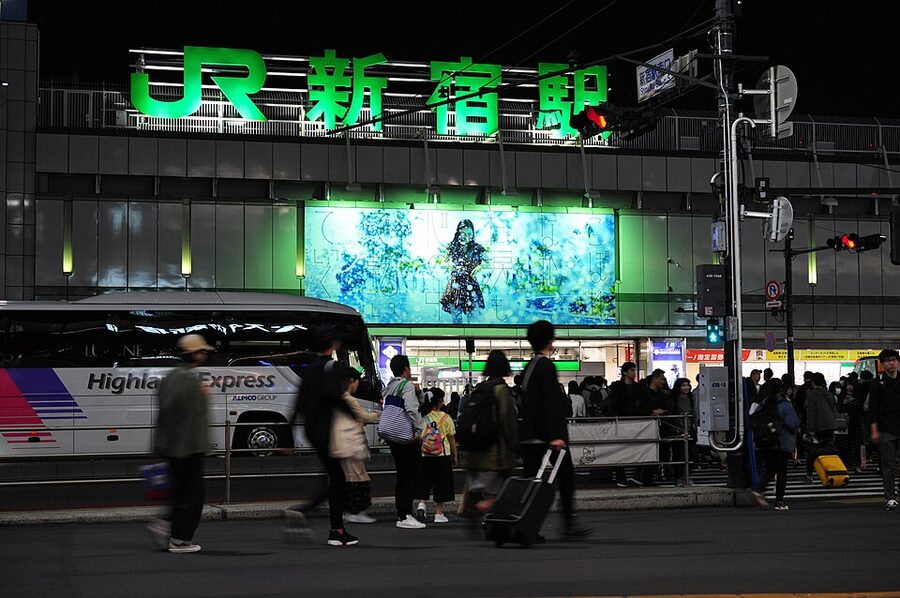
Every Shinjuku food tour starts at or near Shinjuku Station. Sounds simple. It is not. Shinjuku Station has more than 200 exits, and the wrong one can leave you a 15-minute walk from your guide through an underground tunnel network most Tokyoites cannot navigate either.
Read the booking confirmation carefully. The meeting point is usually described as “by exit X, next to Y statue” or “outside the Lumine building, east side”. Screenshot the address in Japanese from the booking email — if you get lost, showing the kanji to a station attendant works better than trying to pronounce it. I learned this the hard way on a different tour and walked a full loop of the station before a woman at a kiosk pointed at a map.
If you booked a tour that starts at a specific bar or restaurant rather than the station, the same applies but worse. Those meeting points are down side streets with no Roman alphabet signage. Allow 10 minutes of buffer. The tours run on time and the guide will not wait past the start window in a station this big.
What the 15 Dishes Actually Are
Tour operators are deliberately vague about the exact menu because the restaurants they partner with change seasonal items. What is consistent: you will eat proteins, carbs, and small plates across four types of food, not 15 tiny versions of the same thing. Expect something like this as your evening progresses.
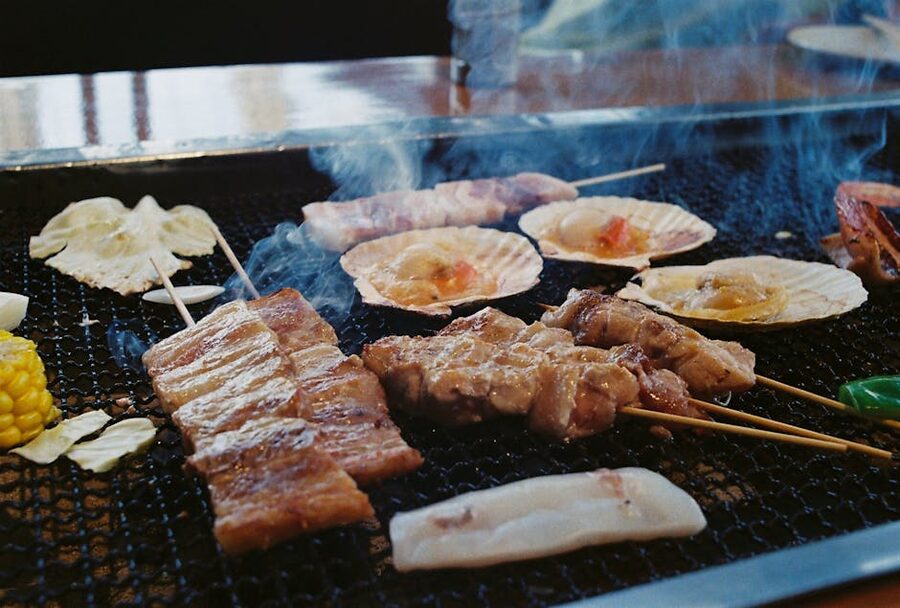
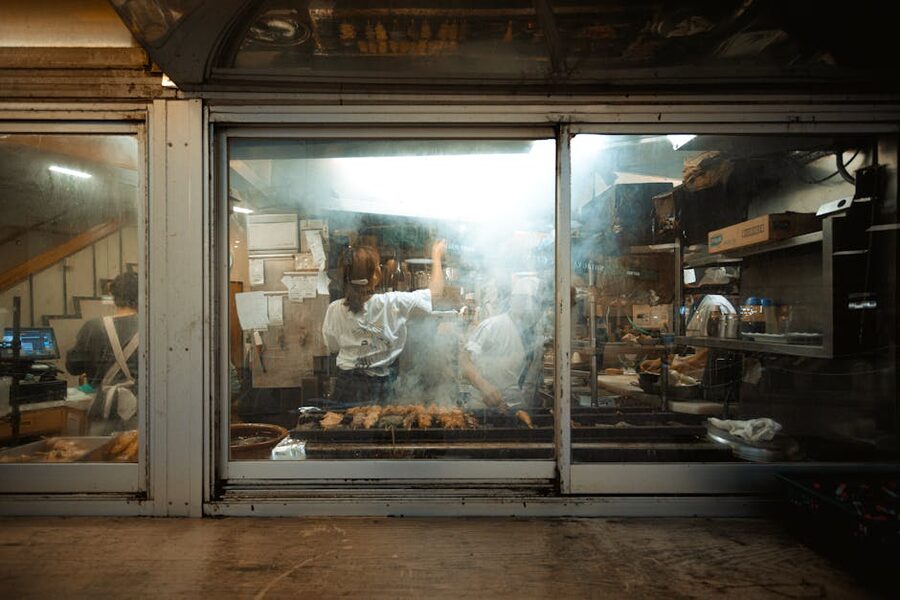
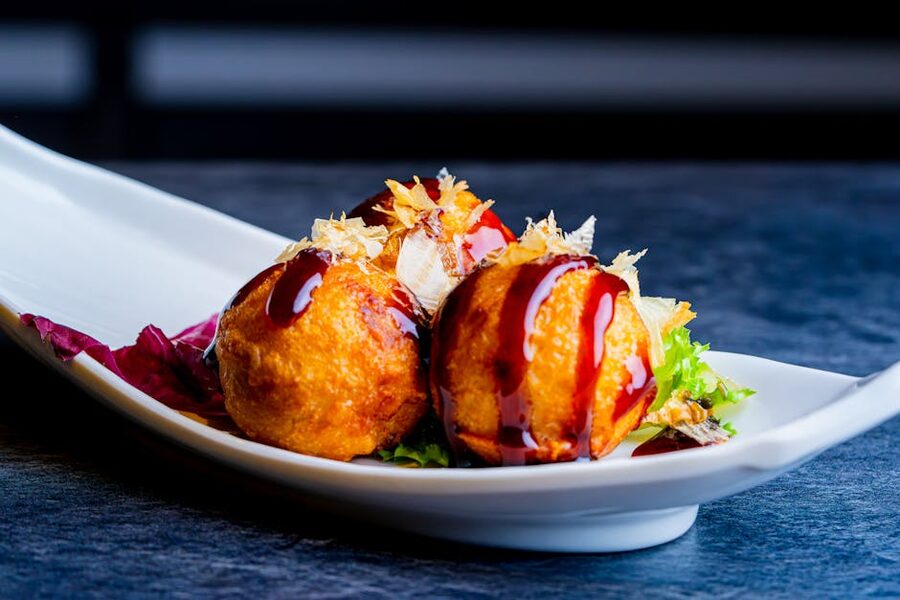
Stop one is usually yakitori or a standing bar with skewers. You will try three or four kinds — chicken thigh, chicken skin, meatball (tsukune), sometimes a vegetable skewer. If the guide is good, they will explain that the binchotan charcoal is the whole point. The smoky flavour is impossible to replicate at home, and nobody believes you until they have it.
Stop two tends to be an izakaya with a fuller menu. Here you get sashimi or grilled fish, often mackerel or saba, plus a small starch dish — rice balls, simmered vegetables, or tofu. Drinks usually land here too on tours that include them.
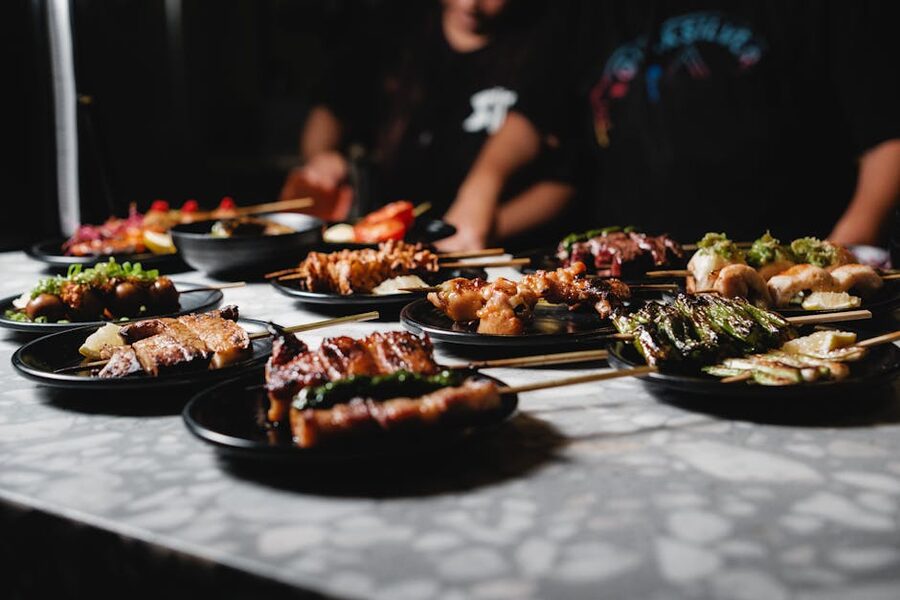
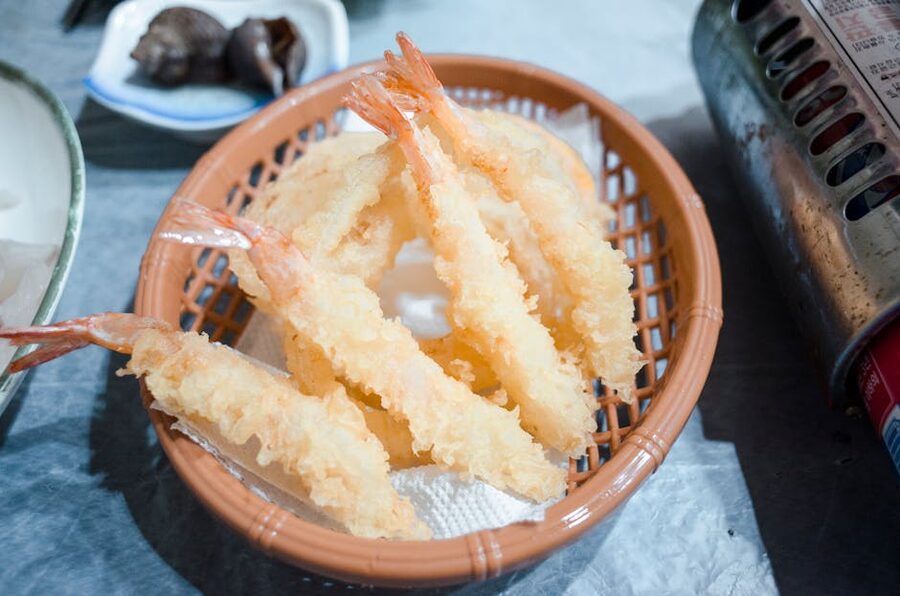
Stop three is where it gets interesting. This is often a speciality place — a tempura counter, a shabu-shabu spot, or a regional cuisine restaurant serving something like okonomiyaki or motsunabe. The guide picks this stop to show you something you would not order alone.
Stop four is usually dessert or a nightcap. Taiyaki (fish-shaped pancakes with red bean paste), matcha ice cream, or a final round of drinks at a hole-in-the-wall bar. Some tours wrap at stop three if you are stuffed by that point, which is fine.
Dietary Restrictions and What to Flag
Vegetarians can do Shinjuku food tours, but you need to tell the operator at booking. Not all guides can swap dishes on the fly. Most tours can accommodate no-pork and no-beef easily. Shellfish is harder because dashi (the fish stock that underlies most Japanese cooking) is in almost everything.
Gluten-free is near-impossible on these tours. Soy sauce contains wheat, most Japanese batters do, and the dipping sauces are all soy-based. If you have coeliac, pick a tour that specifies gluten-free options in the listing and confirm by email before booking.
Halal Shinjuku food tours do exist but are harder to find and cost more. The food itself has to be sourced from halal-certified suppliers and the restaurants need to be on a separate list. Plan two to three weeks ahead if this matters to you.
My Three Recommended Shinjuku Food Tours
These are the three I would steer a friend toward, in order. All three run most nights of the week. Two are GetYourGuide, one is Viator. Pick based on price, drinks, and group size — the food quality is comparable across all three.
1. Shinjuku Food Tour — 15 Dishes and 4 Eateries — $85
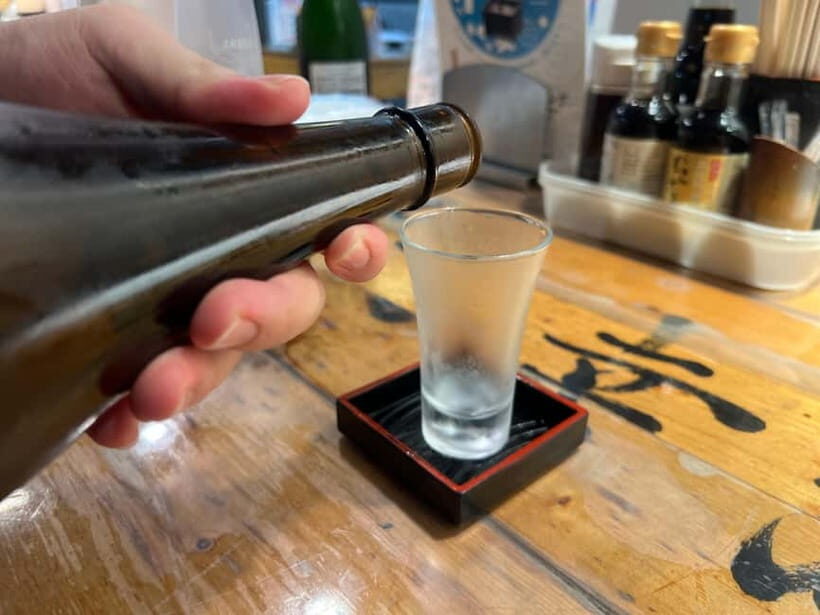
This is the tour I book when I want the safest bet. Small groups, three hours, 15 dishes as promised — and our full review digs into the four-eatery rotation and why the mackerel at stop two is the sleeper hit. Drinks are not included in the headline price, but most guides stop at a standing bar mid-tour where you can grab a beer for around ¥500.
2. Shinjuku Food Tour — 15 Dishes, 3 Drinks, 4 Eateries — $72
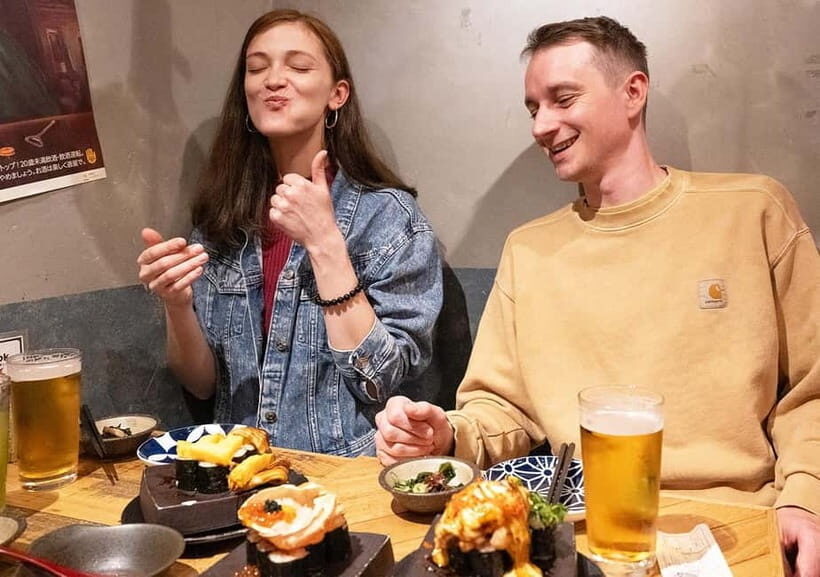
If you are going to drink anyway, this version works out better. The three drinks are typically one beer, one sake, and one cocktail or highball — poured at the stops where they make sense with the food. Our in-depth take on this tour covers why the value stacks up and where the small-group vibe lands compared to the pricier version. Reviewers mention guide variance — most are great, a few are less chatty. Message the operator if you want a guide who does the history angle.
3. Shinjuku Authentic Food Experience (13 Dishes) — around $86
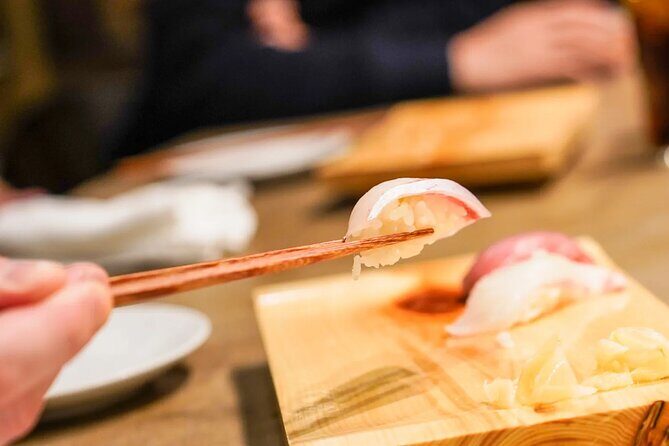
Two fewer dishes but with 6,600+ reviews on Viator, this one is the volume leader across the whole Shinjuku food tour category. The stops overlap with the GetYourGuide versions about 70% of the time, so if you have already done pick one or two, the novelty is limited. As a first-timer, it is a perfectly good starter — the review we published on this tour lines up with the consensus that the guides are the main variable. A small minority of reviewers note that without explanation of each dish, the tour can feel transactional — worth flagging a question or two mid-meal if you want the context.
When to Go — Time of Day and Season
All three of these tours run evening slots, typically 5:30pm or 6pm starts. Do not book the earliest slot on a Friday. You will be eating before most locals have left the office, and the atmosphere is half what it would be at 7.
The 6pm slot on a weekday is the sweet spot. The standing bars are filling up with salarymen, the yakitori grills are hot, and you finish around 9 — leaving time for a walk through Kabukicho or a drink in Golden Gai if you still have room.
Summer tours (July-August) are hot. Shinjuku’s back alleys trap heat, and the yakitori smoke adds to it. Winter is better for atmosphere — the ramen shops steam up, you can see breath, and the beer feels earned. Autumn has the best weather. Spring brings cherry blossoms but crowds the station exits, so add extra buffer for the meeting point.
Group Size and Whether to Go Private
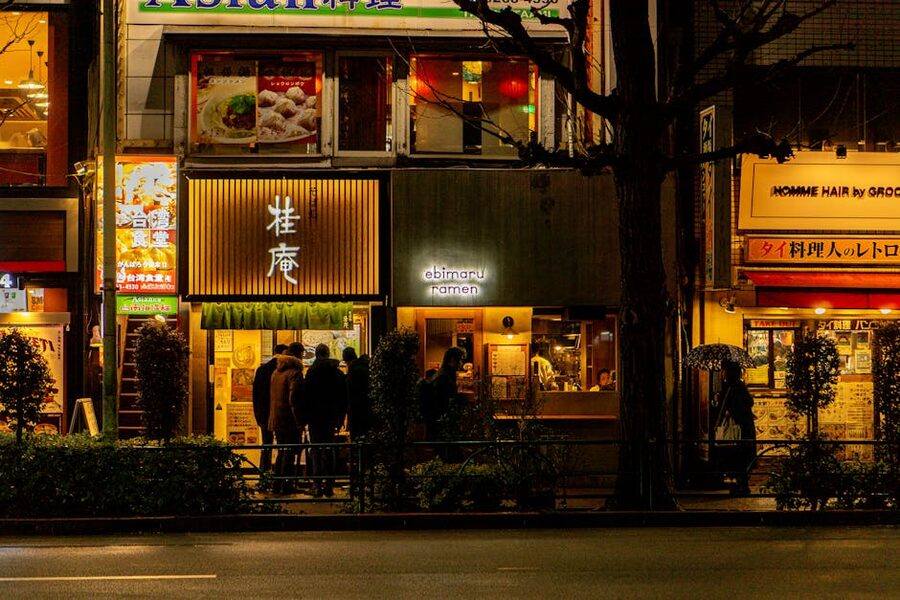
Small-group Shinjuku food tours cap at eight to twelve people. That is the standard. Two groups of six typically work better than one group of twelve — the restaurants on these circuits can seat six at a counter, and splitting up avoids the awkward “tour of ten at a bar built for four” moment.
Private Shinjuku food tours cost about three times the group rate — roughly $250 per person if you are solo, less per head in pairs. Worth it if you are two foodies who want to stop at specific places, ask dozens of questions, and do not want strangers at your table. Not worth it for most travellers. The group format is part of what makes these tours fun.
Families with kids: most operators will take families on the standard small-group tour if the kids eat adult food. If your children are picky, go private so the guide can tailor each stop. A tour is only fun for everyone if nobody is staring at a plate they will not touch.
Omoide Yokocho — Memory Lane, in Practice
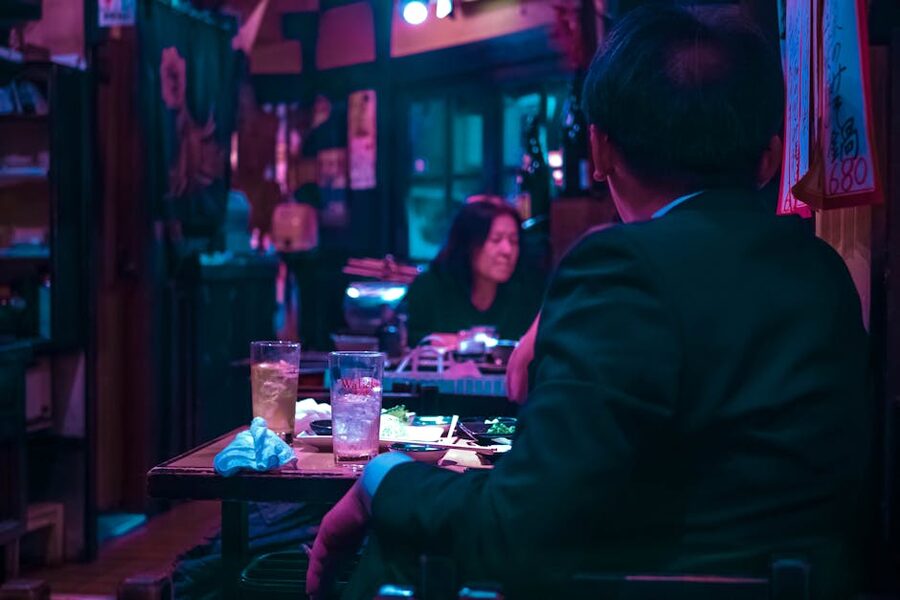
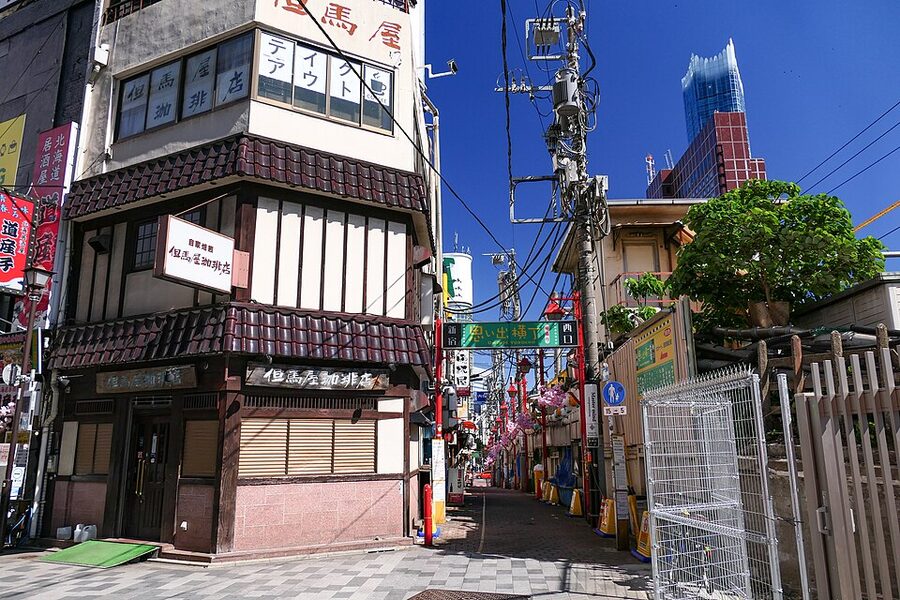
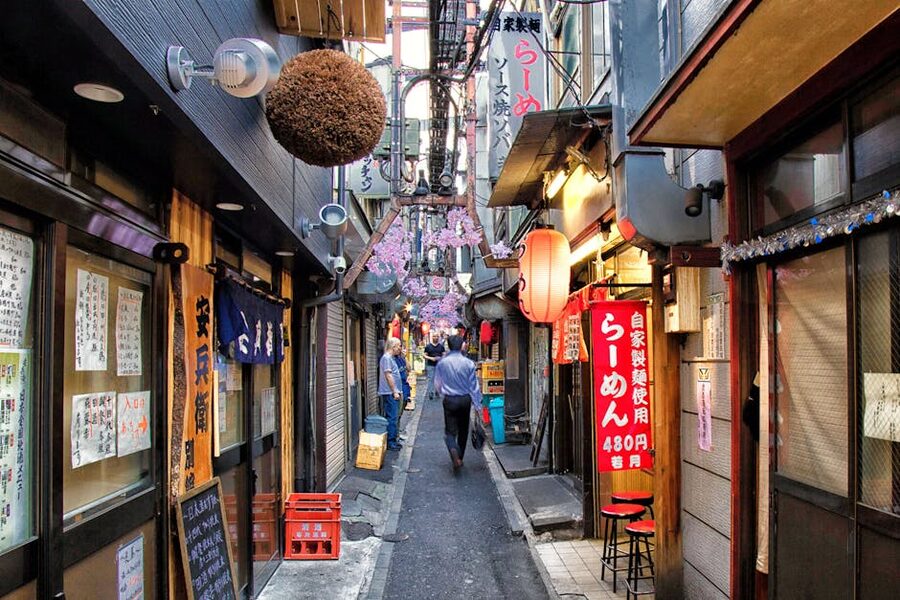
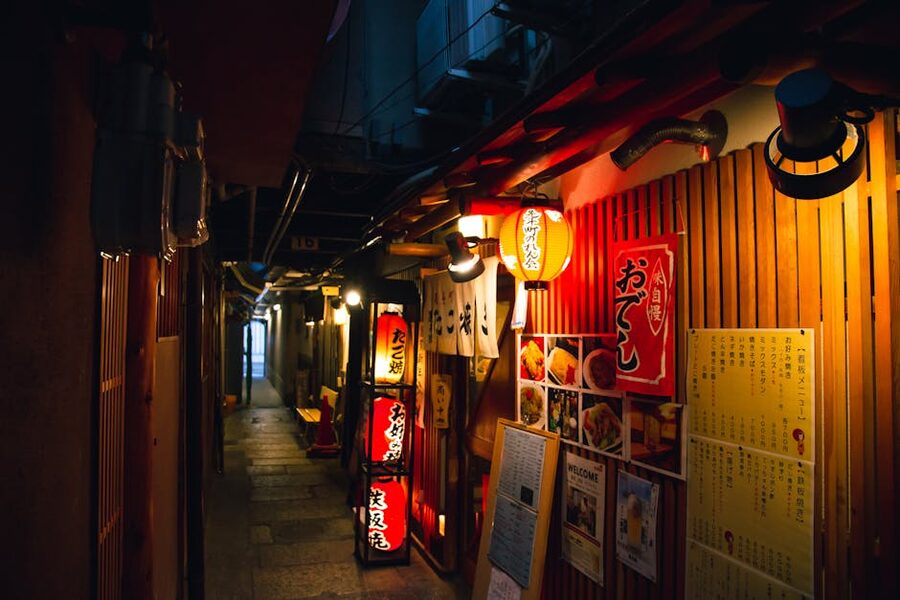
Omoide Yokocho (“Memory Lane”) is the alley most Shinjuku food tours pass through even if they do not stop. Narrow, lit by paper lanterns, grills out front, maybe 80 tiny eateries in total. Post-war Tokyo in miniature. It has also been called Piss Alley, historically, for reasons you do not need to ask about.
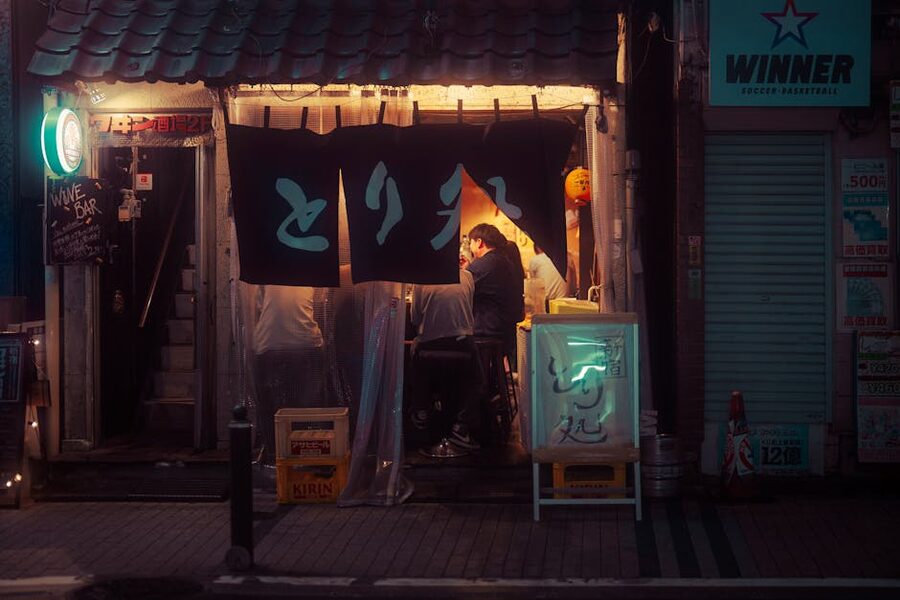
Most guides include a walk-through, and some stop at one of the standing bars for a skewer and a beer. If your tour does not include Omoide Yokocho, go back on your own after the tour ends. A single person can grab one seat almost any night after 9pm when the office-worker rush thins out.
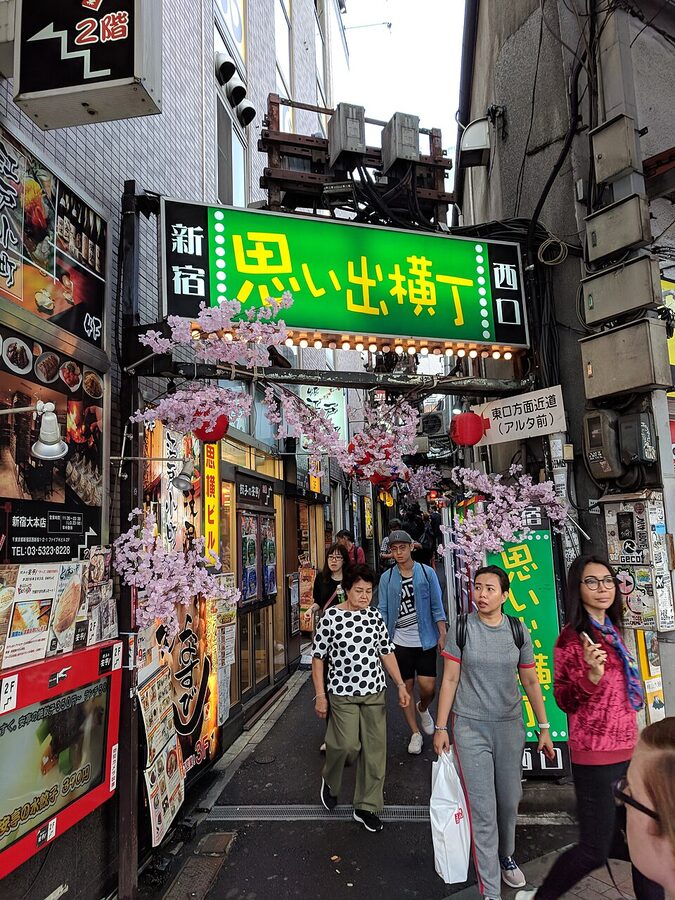
Cash is preferred in Omoide Yokocho. Many of the smallest stalls do not take cards at all. Bring ¥3,000 to ¥5,000 in cash if you plan to sit down for extras after the tour. The ATM at the 7-Eleven on the Shinjuku West entrance side is the most reliable one for foreign cards.
Golden Gai — Not Usually on the Tour, but Worth Knowing About
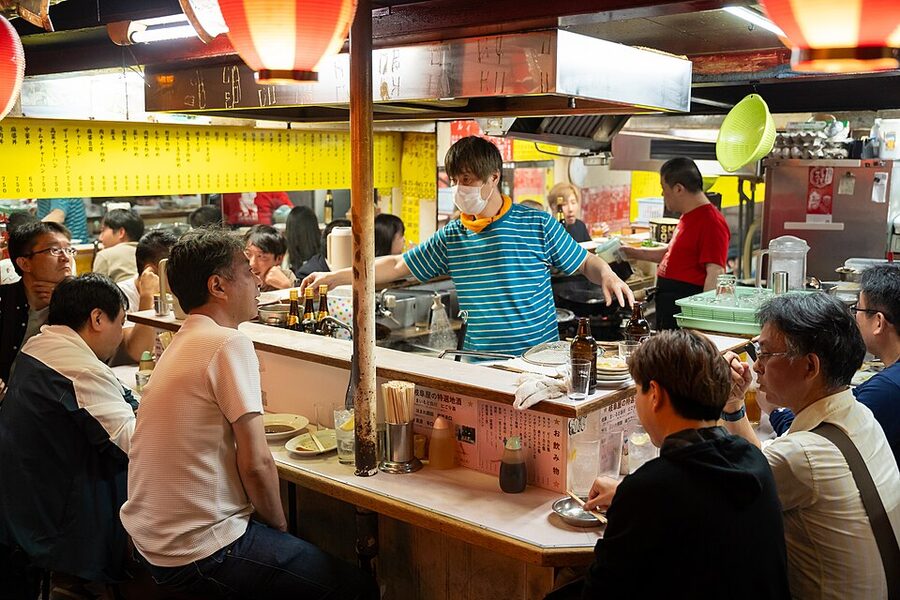
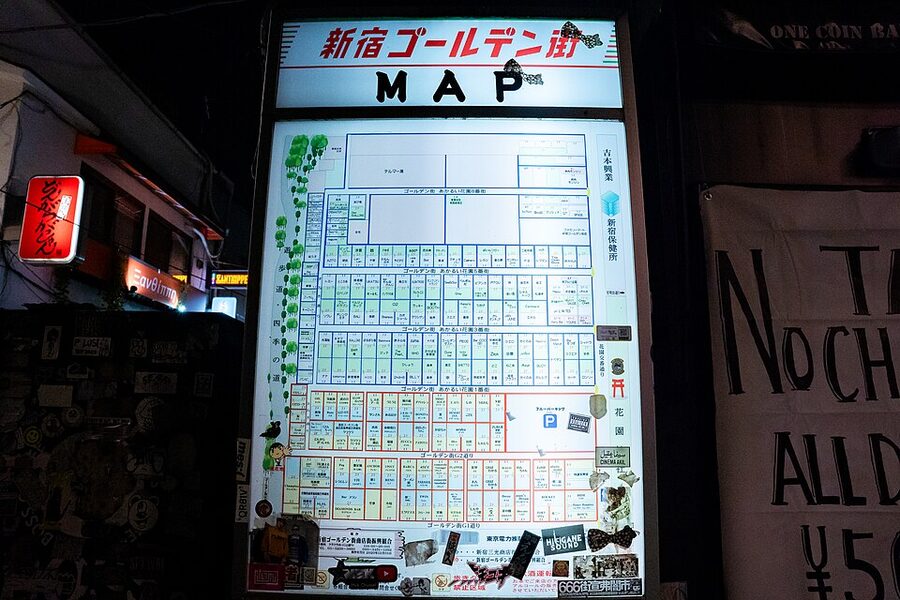
Golden Gai is three blocks east of Omoide Yokocho and on a different register entirely. Six narrow alleys, roughly 200 bars packed in, most seating five to eight people. It is more a drinking district than a food district, which is why most food tours steer clear.
If your tour ends near Kabukicho around 9pm and you still have legs, walking to Golden Gai takes about six minutes. Some bars charge a cover (¥500-¥1,500) for non-regulars, and a few are locals-only and will politely turn you away. Look for bars with English signage in the window — those are the ones actively welcoming visitors.
Do not try to combine a Golden Gai crawl with a food tour on the same night. You will be too full and too buzzed to appreciate either. Pick a second night for bars if you want to do both properly.
The Kabukicho Question
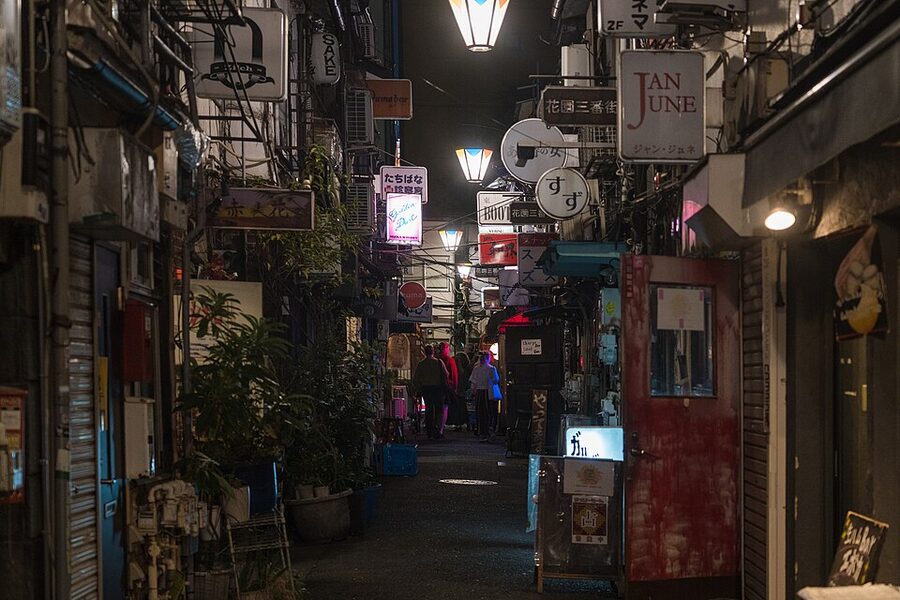
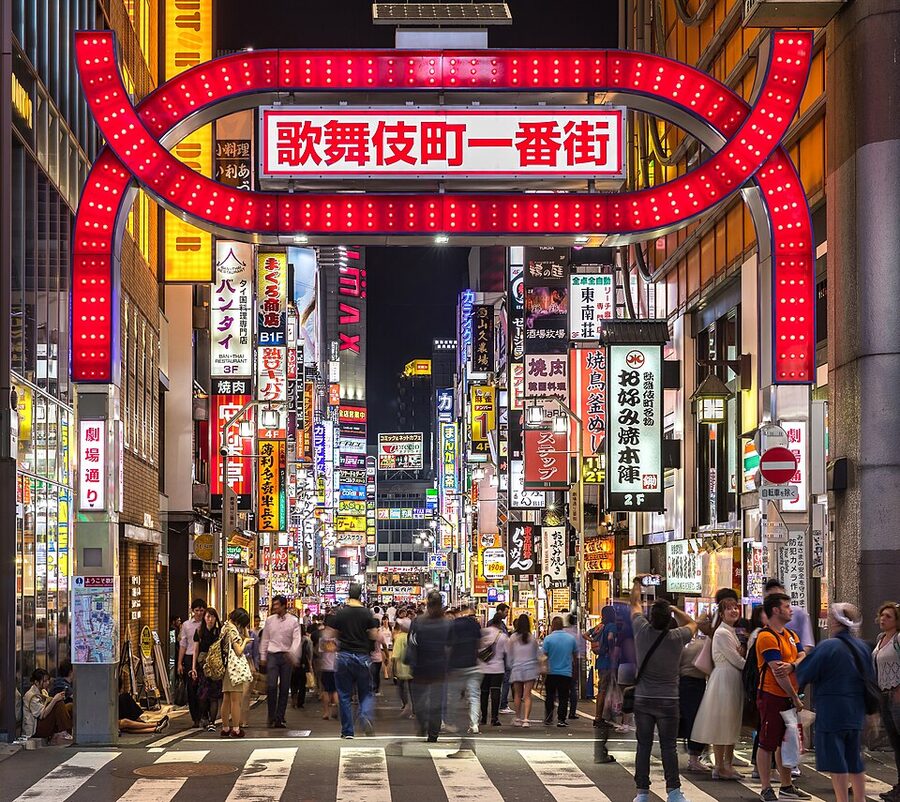
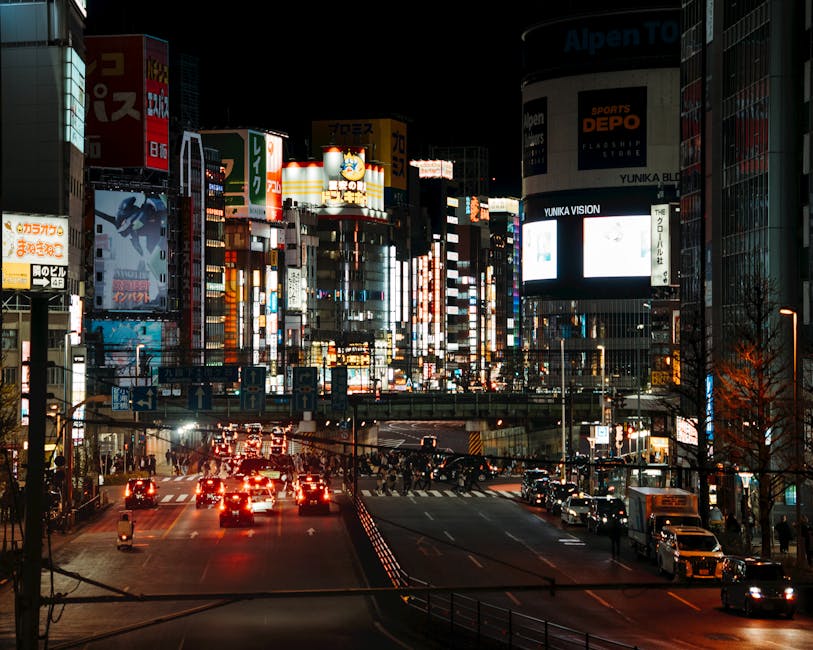
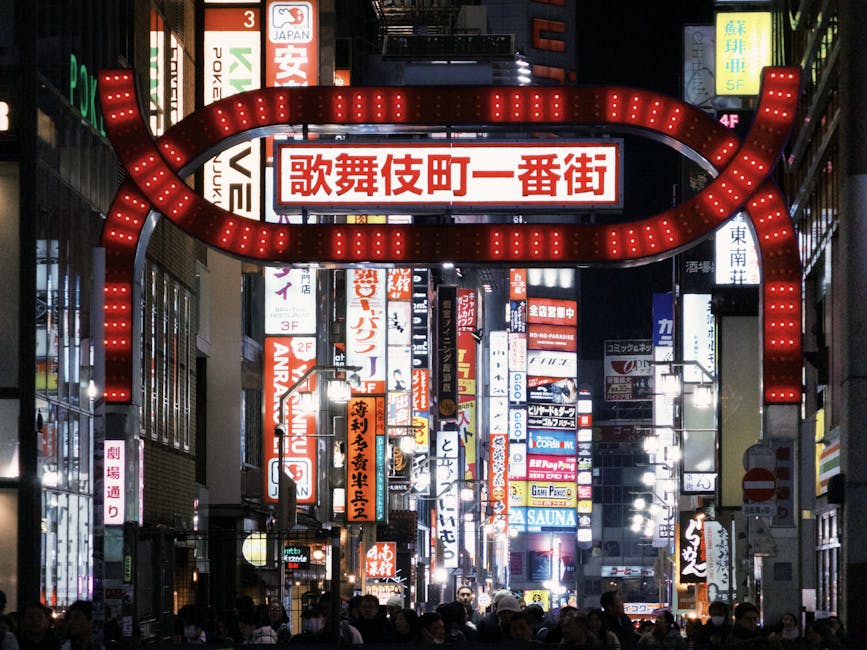
Kabukicho is the entertainment district immediately north of Shinjuku Station. The red-gate entrance is famous. Most Shinjuku food tours walk through it, because you cannot avoid it, but only a few stop there for a dish. That is on purpose — Kabukicho is worked hard for visitor traffic, rents are higher, and the food-to-price ratio skews unfavourably.
What Kabukicho does have: atmosphere. Neon, hawkers, drunk salarymen, theme cafes, the whole Bladerunner-for-a-night thing. If your guide walks you through without stopping, that is fine. You have seen it. If they do stop, it is usually at a place that punches above the neighbourhood average.
Solo Travellers — What to Expect
A Shinjuku food tour as a solo traveller is one of the best ways to spend an evening in Tokyo. The small-group format is built for it. You will usually have one or two other solos in the group, plus a couple of pairs. Conversation happens naturally over the first sake round.
I have done this tour solo twice. Both times I left with someone’s contact info — once a German guy who ended up joining me for a sumo match three nights later, once an Australian couple who recommended a ryokan in Hakone that turned into the best night of my trip. You do not get that at a restaurant alone.
The only downside: you will sometimes get stuck next to a group of six loud travellers doing Tokyo for the first time. Ask the guide nicely to seat you on the other end if that happens. Most are happy to shuffle.
What to Wear and Bring
Dress casual. Jeans, a decent top, flats or trainers. You will be walking 2-3km across the evening and some of the alleys are cobbled. Heels are a bad idea. Shinjuku is generally safer than any similarly-sized area in Europe, but Omoide Yokocho and Kabukicho can get crowded — a crossbody bag beats a backpack.
Bring a portable phone charger. You will want photos, and Japan’s street wi-fi is patchy. If you are doing a three-hour tour that ends after 9pm, you will burn through battery on the camera. A 10,000mAh power bank solves it.
Cash matters here too. Even if your tour includes dishes and drinks, you will want ¥2,000-3,000 for tips on the guide, emergency snacks, and the inevitable “one more drink at Golden Gai” moment. The 7-Eleven and Family Mart ATMs near the station accept foreign cards; most Japanese bank ATMs do not.
Food Safety and the “Is Raw Fish OK” Question
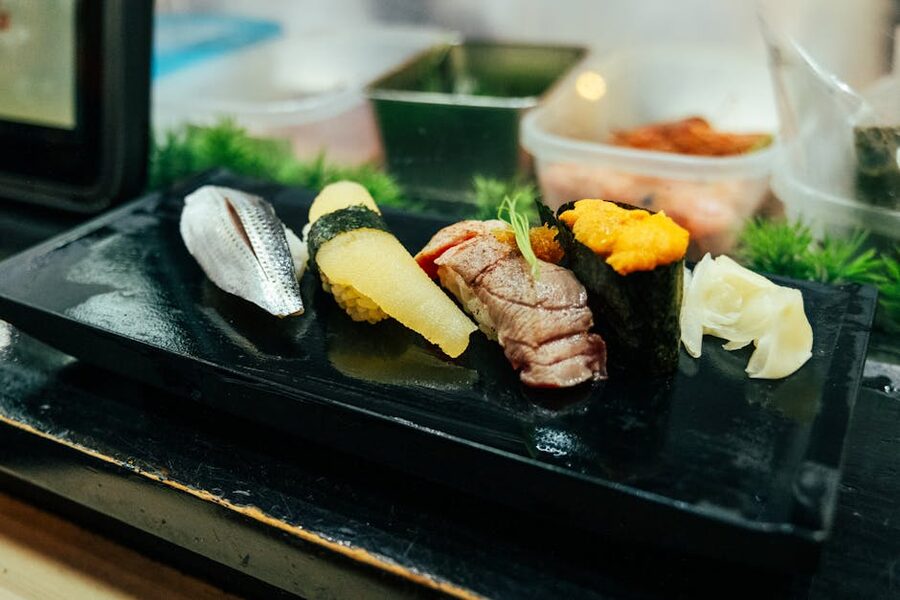
Yes, the raw fish is fine. Japanese sushi-grade fish is held to a higher standard than almost any raw seafood you will eat elsewhere in the world. The dashi, miso, and soy-based sauces are also pasteurised or cooked. Food safety concerns are significantly lower in Tokyo than in most major cities.
The one caveat: fugu (pufferfish) is licensed and regulated, but it is almost never on a food tour menu. If you want to try fugu, book a dedicated fugu restaurant separately. Do not combine it with a general food tour.
Allergies: if you have a severe nut or shellfish allergy, tell the operator at booking and re-confirm at the start of the tour. Japanese kitchens are mostly not set up for allergy-specific cross-contamination protocols. That does not mean tours are unsafe — just that you need to flag clearly and early.
Shinjuku Food Tours vs Other Tokyo Food Experiences
People often ask how Shinjuku stacks up against Tokyo’s other food tour neighbourhoods. A few fair comparisons:
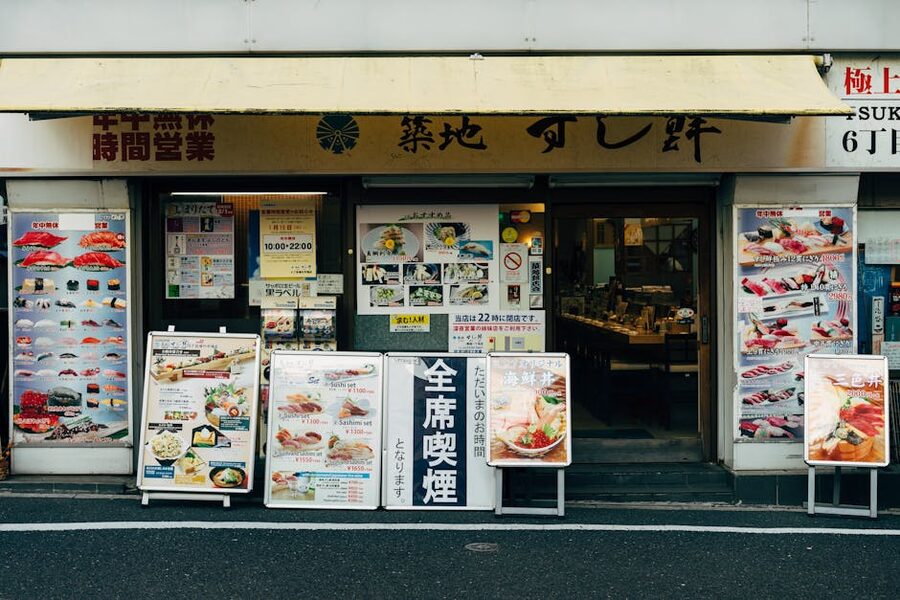
Shinjuku vs Tsukiji: Tsukiji is a morning market tour. Breakfast sushi, tuna auctions (the outer market now), walking and snacking. Shinjuku is night-evening — sit-down dinners across multiple spots. They are totally different experiences. If your trip has time, do both. If you can only pick one, choose Shinjuku for your first Tokyo night and Tsukiji for a later morning.
Shinjuku vs ramen-specific tours: A ramen tasting tour gets you three bowls at three shops, all ramen. A Shinjuku food tour gives you 15 dishes across multiple cuisines. If you love ramen and only ramen, pick ramen. If you want variety, Shinjuku wins.
Shinjuku vs Kyoto Gion: Gion is refined, with kaiseki and tea-ceremony elements. Shinjuku is loud, neon-lit, and unapologetically modern. Both are excellent. Do Gion when you want quiet elegance, Shinjuku when you want to understand why 35 million people live around Tokyo.
Shinjuku vs Osaka Shinsekai: Osaka food culture is fryer-heavy and loud. Shinjuku is more varied but less extreme. If you only have time for one food city, Osaka is technically cheaper per dish but Shinjuku is more accessible for first-timers.
What the Tour Does Not Cover
Three hours of Shinjuku food is a lot, but it is not everything. Things tours tend to skip:
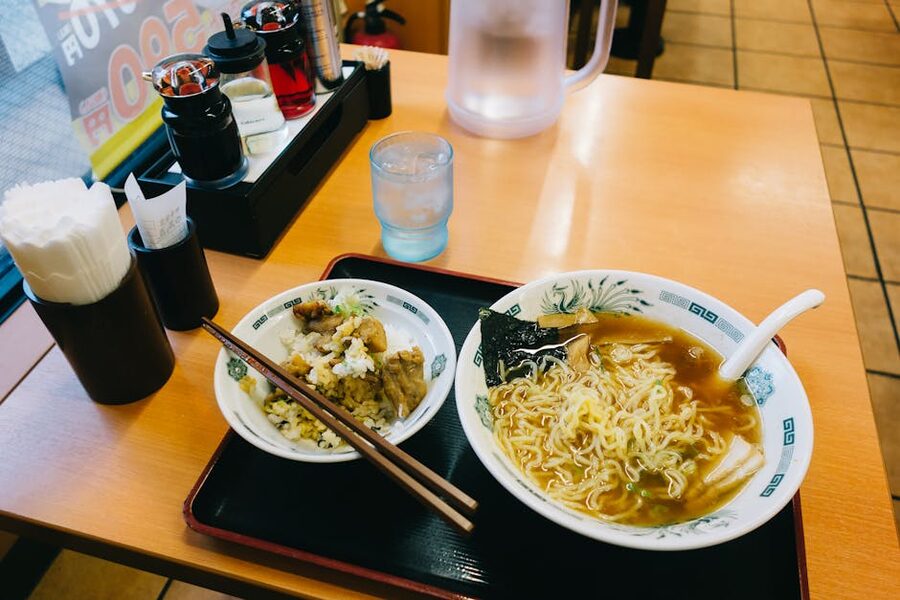
Ramen. The bowls are too filling to fit between yakitori and tempura. Save ramen for a different meal.
Wagyu beef. Most food tours avoid premium wagyu because one cut would blow the budget for the whole evening. If you want wagyu, book a dedicated wagyu dinner.
Conveyor-belt sushi. Kaiten-zushi exists in Shinjuku but is considered low-brow by the tour operators. You can easily do this on your own for ¥150-500 per plate at any of the station-adjacent chains.
Themed restaurants. The robot restaurant (now closed), maid cafes, character cafes — these are theatre, not food. Tours stay away from them.
Budget Breakdown — What You Actually Spend
Sticker price on these tours ranges from $72 to $95. Here is what the total evening actually costs including extras:
Tour with drinks included (pick two): $72 covers everything. No meaningful extras unless you want an additional drink mid-tour. Budget $80 total, no tip needed.
Tour without drinks (pick one): $85 for dishes. Expect to add $10-15 for one or two drinks across the night. Around $95-100 total.
Tour plus post-tour Golden Gai: Add $10-20 for one bar (cover charge plus a drink). Budget $105-120 for the full evening.
A standalone dinner at a comparable Shinjuku restaurant for two would cost $60-80 per person excluding drinks. The tour adds about $15-25 per person in “premium” over a self-arranged equivalent — and gets you access to spots you simply could not have found.
Photography Ground Rules
Most Shinjuku food tour operators ask you to keep flash off inside the restaurants. Many of these spots are tiny, and a flash ruins the dinner for the table next to you. Phone cameras handle the lighting fine — your iPhone or Pixel is enough.
Omoide Yokocho is photogenic but photo-etiquette is real. The chefs at the counters work fast and hate posed shots of their food or their faces. Photograph the alley, the lanterns, the street — not the people in the stalls. If you want a chef’s portrait, ask through the guide.
Golden Gai bars often forbid photos entirely. There are usually signs at the door. Respect them. If in doubt, ask the bartender before your first sip.
Cancellation, Refunds, and Bad Weather
GetYourGuide and Viator both offer full refunds up to 24 hours before the tour. That is standard. The tour operators themselves will sometimes cancel for weather (heavy rain, typhoon warnings, extreme heat days) and you get an automatic full refund.
Shinjuku food tours run in light rain. The alleys have awnings, the restaurants are covered, and the walks between stops are short. Bring a compact umbrella. Moderate rain is not a reason to cancel — heavy rain is.
If you catch a cold the day of, call GetYourGuide or Viator support directly. Both have been known to waive cancellation fees for medical reasons within 24 hours if you are polite about it. There are no guarantees, but it is worth trying.
Language Barriers and Guide Quality
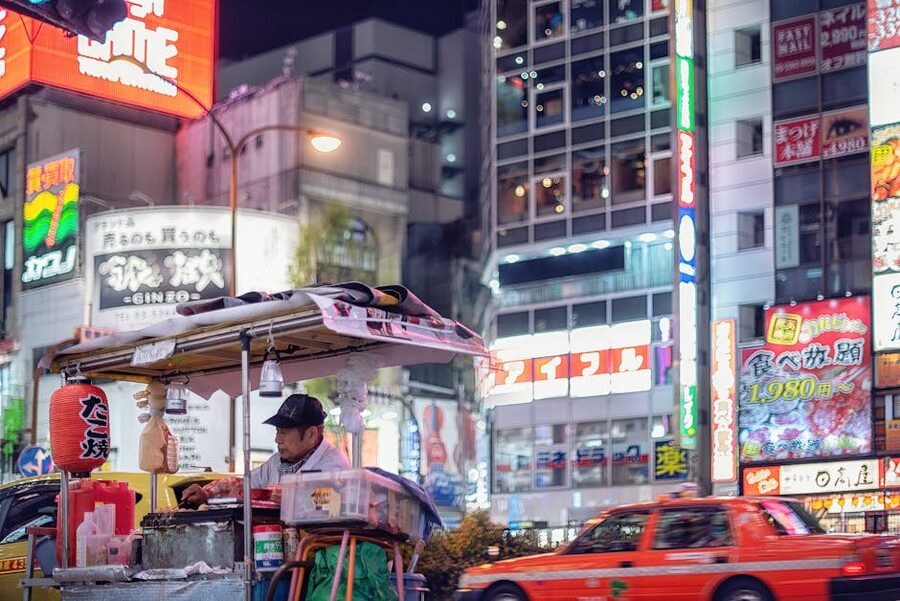
Every Shinjuku food tour I have listed runs in English. Most guides are native-level speakers, often Japanese locals who studied abroad, or international guides who have lived in Tokyo 5-10+ years. Their English is fine. The waitstaff at the four stops is where you might hit a wall.
The guide handles all ordering, payment, and special requests. You do not need to interact in Japanese. Knowing “sumimasen” (excuse me) and “arigatou gozaimasu” (thank you) is polite but not required.
Some operators offer tours in Spanish, French, or Chinese. These are harder to book last-minute. If you want a non-English tour, book 3-4 weeks ahead.
One Night, Or Should You Book Two?
One Shinjuku food tour is enough for most travellers. The 15-dish format covers the main bases — yakitori, izakaya classics, sashimi, tempura, dessert. A second night of the same circuit would feel repetitive.
If you love food and have 5+ nights in Tokyo, pair your Shinjuku food tour with something complementary rather than duplicative. A morning Tsukiji market tour is the most obvious one. A sushi-making class on day three. A chopstick-making workshop if you want something quieter to break up the eating.
Two food tours in the same week is fine, just not two of the same neighbourhood. Shinjuku one night, a ramen tour another, and maybe a daytime Asakusa food walk — that is a legitimate three-tour itinerary without burnout.
What Happens After the Tour Ends
Most Shinjuku food tours wrap around 9pm. You will be full, mildly buzzed, and standing in the middle of the busiest nightlife district in Asia. Options:
Go to Golden Gai. Six minutes on foot. Pick a bar with English signage. Have one drink. Do not try to bar-hop — it is expensive and you will regret it tomorrow.
Walk to Shinjuku’s observation decks. The Tokyo Metropolitan Government Building has a free observation deck that stays open late some nights. 202-meter view of Tokyo, no tickets needed.
Grab a final ramen. The shops around the south exit serve until 3am. A small shoyu bowl is the perfect sleep aid after four hours of yakitori and sake.
Take the train home. Last trains run until around midnight on most Tokyo lines. Do not miss the last one — Tokyo taxis at 1am cost a small fortune.
Frequently Asked Questions
Is Shinjuku safe at night? Yes. Kabukicho is the only area with any “attention required” element and even that is minor compared to similar districts in other capital cities. Scammers occasionally target visibly drunk visitors in Kabukicho after midnight — do not hand a stranger your credit card for any reason.
Can I book same-day? Sometimes. Weekdays are more forgiving than weekends. Check availability 24-48 hours out for Monday-Thursday tours. Friday, Saturday, and Sunday evenings book up two to three weeks ahead in peak months.
Are kids allowed? Yes, but most operators have a minimum age of 6-8. Under 6 gets bored, and some izakaya have adult-only policies after 9pm. Under 18s cannot drink — check which tour includes alcohol and pick accordingly.
How much walking is involved? 2 to 3 kilometers total, mostly flat, some steps at the restaurant entrances. Comfortable shoes required. If you have mobility issues, message the operator — the stops can usually be re-sequenced to minimize walking.
Will I eat enough? Yes. If anything, too much. 15 dishes at four spots leaves most people tapping out by dish 12.
Do I need to speak Japanese? No. The guide handles everything.
What about vegetarian options? Possible but limited. Tofu, vegetables, rice dishes, and tempura vegetables are usually substitutable. Tell the operator at booking.
Pairings That Work — Other Tokyo Tours to Book Around a Food Tour
Here is how I sequence a Tokyo trip if food is a main priority. Arrive Wednesday. Thursday: Tsukiji fish market food tour in the morning, free afternoon, Shinjuku food tour at 6pm. Friday: daytime Shinjuku go-kart for fun (yes, really — it runs right through the same streets you just ate in), evening free. Saturday: sushi-making class mid-morning, samurai show dinner in the evening. Sunday: Skytree observation deck, late lunch, depart.
That is a four-night, five-day itinerary that hits food, culture, views, and a bit of chaos without burning anyone out. The Shinjuku food tour is the anchor on night one — once you have done it, the rest of Tokyo eats easier because you actually know what you are ordering.
Final Booking Checklist
Before you click confirm, run through this list:
1. Meeting point — read it twice, screenshot the Japanese address.
- Dietary restrictions — add them to the booking, then email to confirm.
- Cash on hand — ¥3,000-5,000 minimum for the evening.
- Comfortable shoes — no heels, no new trainers you haven’t broken in.
- Phone fully charged plus a power bank.
- Day of — light lunch, no big meal within four hours of the tour start.
- Translation app — Google Translate with Japanese downloaded offline.
- Back-up plan for last trains home — pin the route in Google Maps.
Everything else you will figure out on the night. The tours are professionally run, the guides know their neighbourhood, and Shinjuku after dark is one of the more forgiving dining environments for non-Japanese speakers — which is exactly why food tours here work so well.
More Tokyo Booking Guides Worth Reading
If you liked this one and want to build a full Tokyo itinerary, these are the other booking guides that pair well with a Shinjuku food tour. A morning at Tsukiji balances the evening heaviness with fresh sushi and coffee. A sushi-making class teaches you what the tour guide does not have time to explain. If you have kids or want something less stationary, the Shinjuku go-kart tour runs on the same streets you just ate in — surreal and recommended. And if you want a completely different register, the samurai restaurant show delivers dinner theatre at a scale Shinjuku food tours cannot match. Book one or two of these and you have got your Tokyo evenings sorted.