
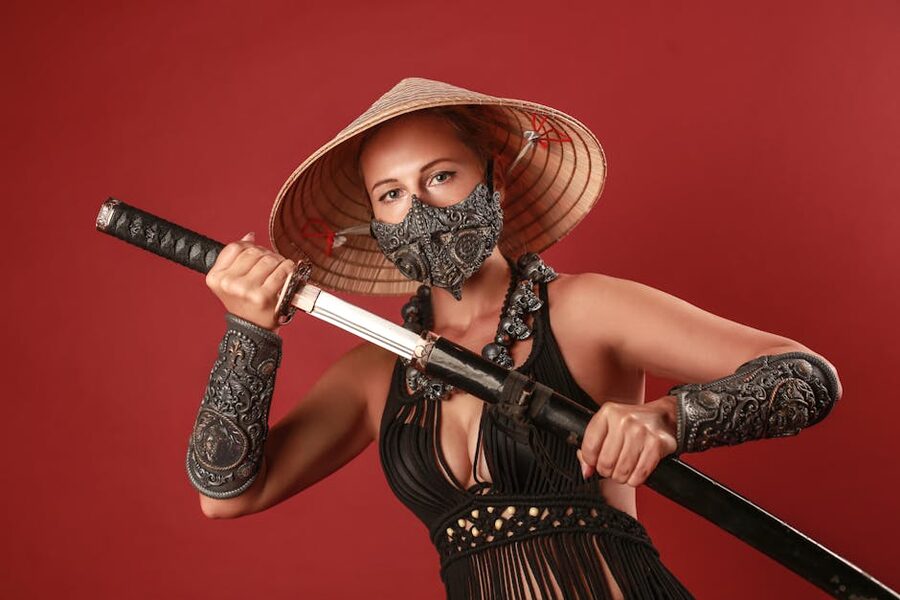
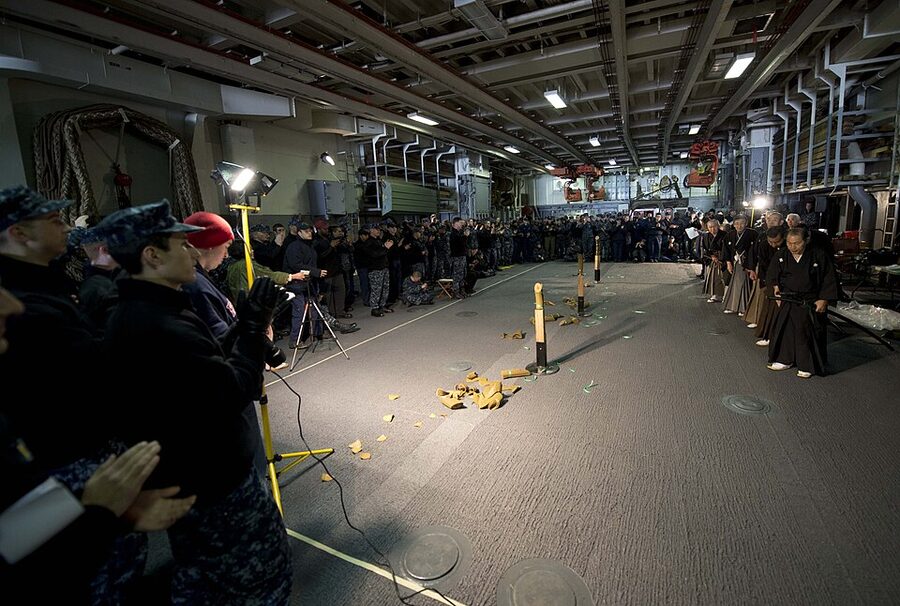
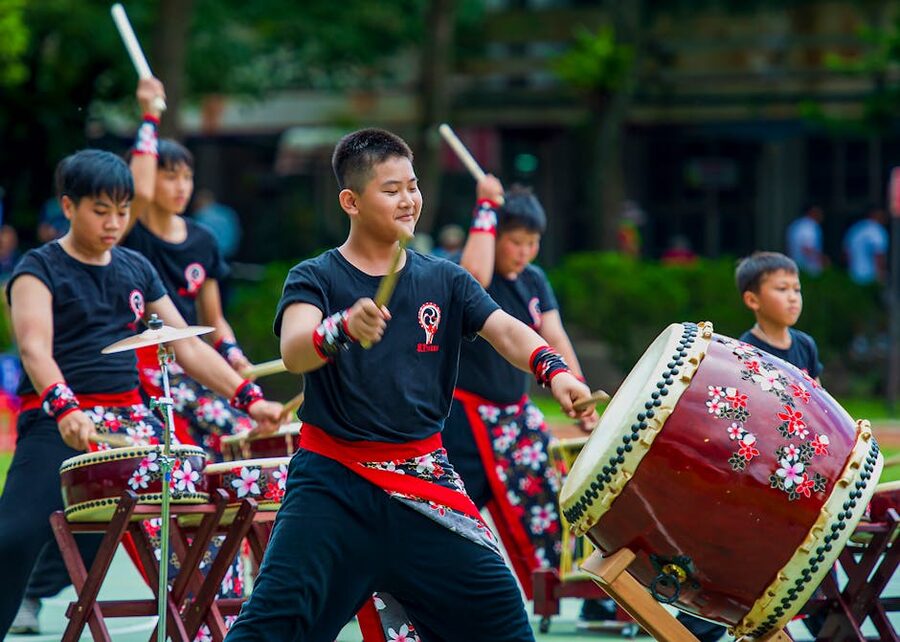
The house lights dim. A taiko drum comes in from somewhere off to the left of the stage. Everyone at the table puts down their chopsticks without being asked. A single samurai walks into the spotlight — katana already unsheathed, close enough that you feel the air move.
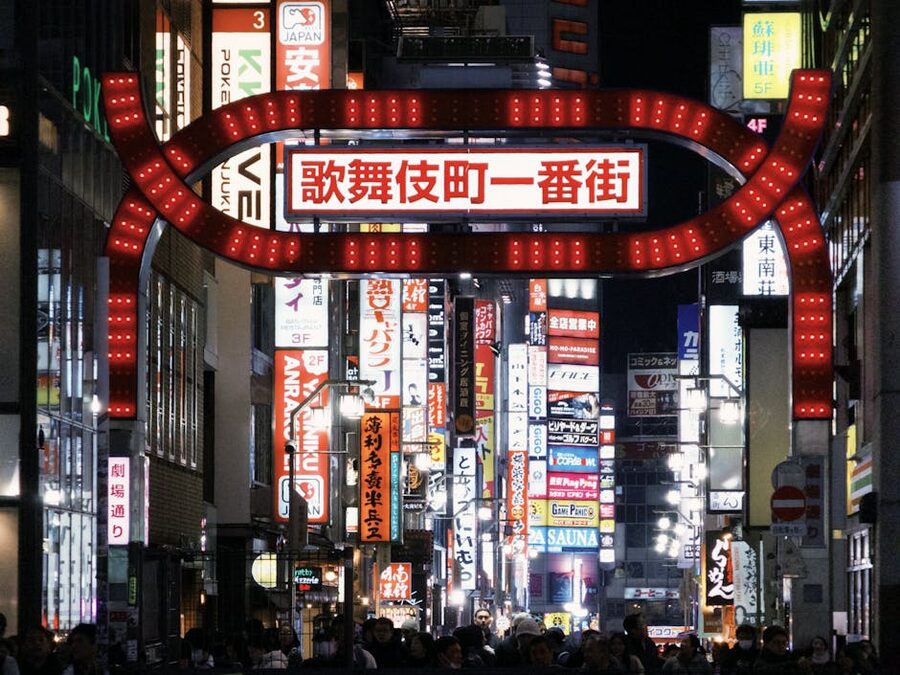
That’s the Samurai Restaurant Show in Shinjuku. Part meal, part theatre, part live swordplay — all packed into a small venue a few streets from Kabukicho’s neon grid. It’s loud, it’s theatrical, and it’s the easiest dinner-show booking in Tokyo if you know which ticket to grab.
- In a Hurry? Three Tickets Worth Booking Tonight
- What the Samurai Restaurant Show Actually Is
- Where It Is and How to Get There
- Booking: The Part That Trips People Up
- My Three Picks: Best Tickets to Book
- 1. Tokyo: Samurai Restaurant Show Ticket with 2 Drinks —
- 2. Tokyo: Samurai Show Ticket With 2 Drinks —
- 3. Shinjuku Ninja Live Show —
- What Happens Inside: A Rough Play-By-Play
- The Food Question (And Why It’s Usually Not the Point)
- Who This Show Works For (And Who Should Skip)
- A Short Detour: Where the Samurai Actually Come From
- Tickets, Prices, and How They Actually Compare
- Timing It Into a Tokyo Day
- The Little Things Nobody Mentions
- If You’re Picking One Samurai Experience in Tokyo
- Related Sibling Guides You’ll Probably Want Next
In a Hurry? Three Tickets Worth Booking Tonight
1. Samurai Restaurant Show + 2 Drinks — $55. The main event. Live swordplay, taiko, two drinks included, about 90 minutes in your seat.
2. Samurai Show Ticket with 2 Drinks — $60. Longer runtime, bigger sensory overload, leans into the neon-robot-samurai spectacle side.
3. Shinjuku Ninja Live Show — $43. Wordless ninja-themed performance with Kabuki elements. Cheapest way to try the genre and still come away with a story.
That’s the short answer. If you want the version with images, warnings about what not to expect, and the little details that actually help you pick, keep reading.
What the Samurai Restaurant Show Actually Is
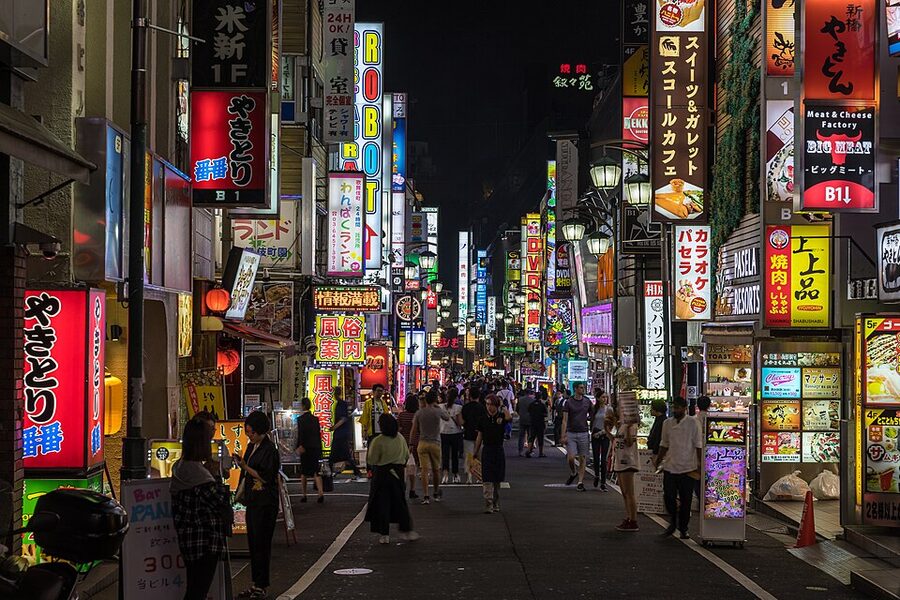
It’s a dinner-show hybrid in the mould of the old Robot Restaurant — which, if you’ve been reading Tokyo guides for a while, you’ll remember as the neon-soaked experiment that ran under Kabukicho until 2020. The Samurai Restaurant is the follow-up. Same district. Same team behind a lot of it. Different era.
You book a ticket, you show up, you get taken to a seat at a long communal table, and you watch a show while you drink. That’s the shape of it. The theme rotates across acts — taiko drumming, samurai-era choreography, a bit of cabaret, a bit of Kabuki nod — but it’s always loud, always lit, and always aimed squarely at first-time visitors to Tokyo who want one night of “Japan as you imagined it” packed into 90 minutes.
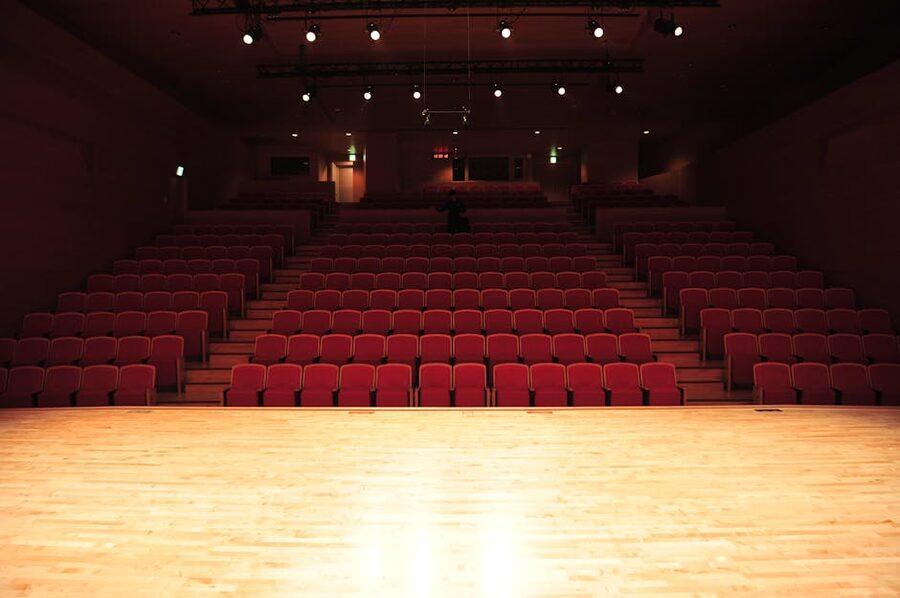
Here’s the thing nobody tells you on the booking page. It’s not a traditional cultural show. If you’re after a quiet, reverent tea ceremony or a properly staged Kenbu sword dance, this is not that evening. This is entertainment with a capital E. You come for the spectacle, not a history lesson.
And that’s fine. You just want to know what you’re buying.
Where It Is and How to Get There
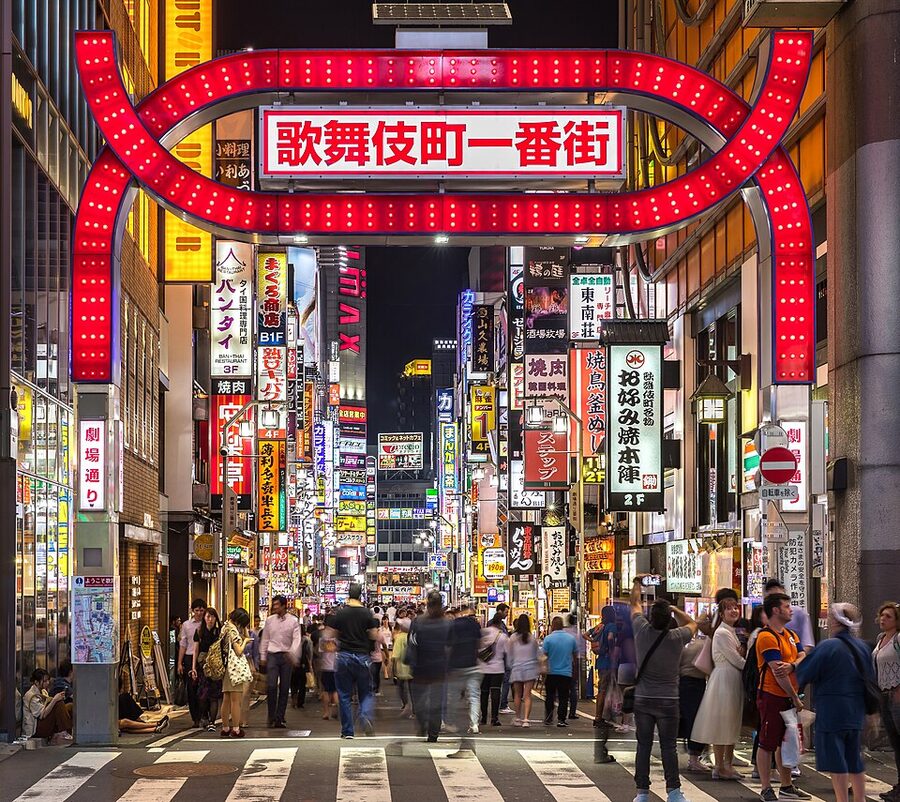
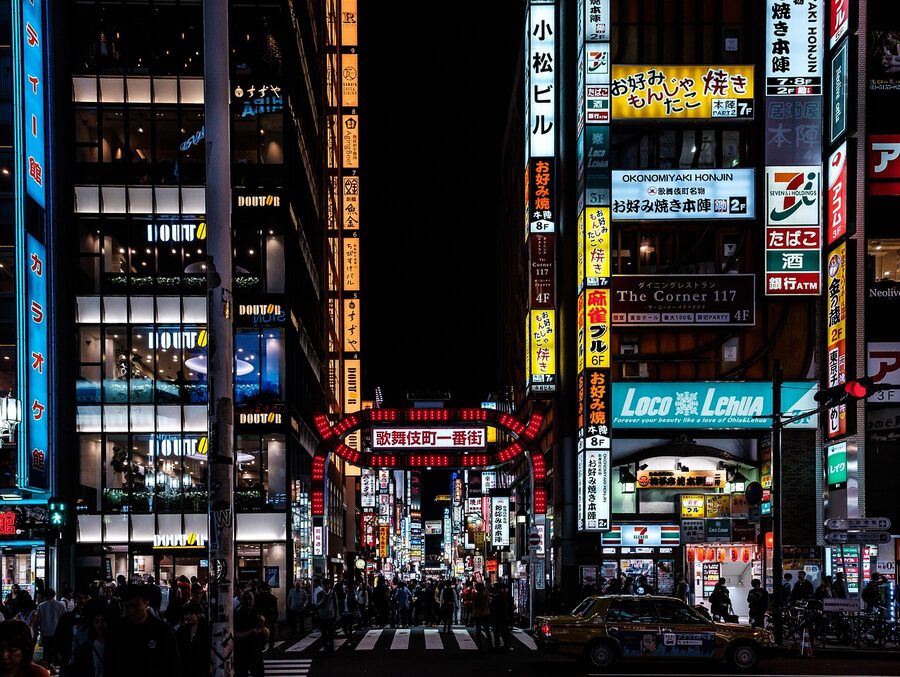
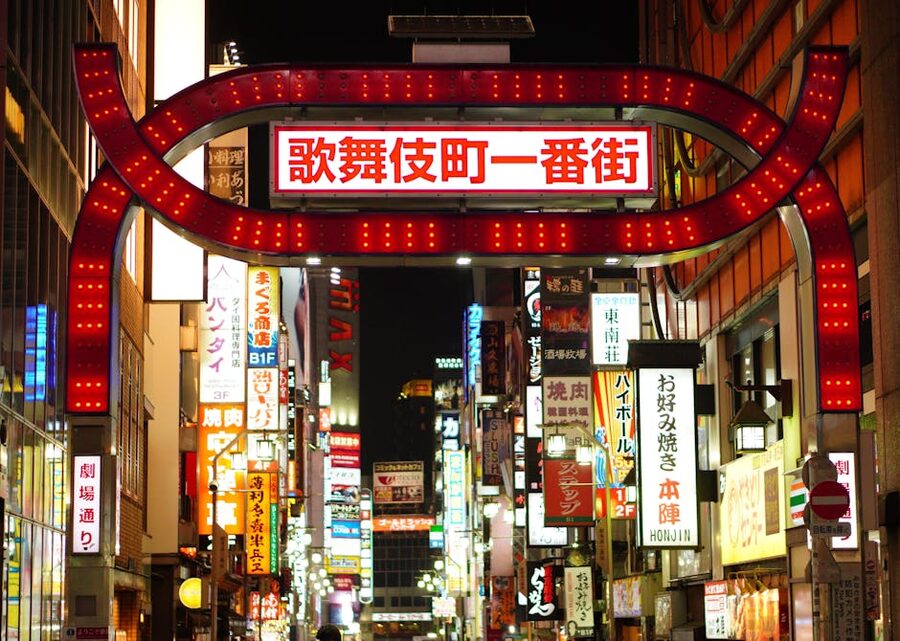
The venue sits on the edge of Kabukicho, the nightlife block just north of Shinjuku Station. From the station’s east exit, you’re about a 7-minute walk past the Godzilla Head (you’ll know it when you see it) and into the smaller streets.
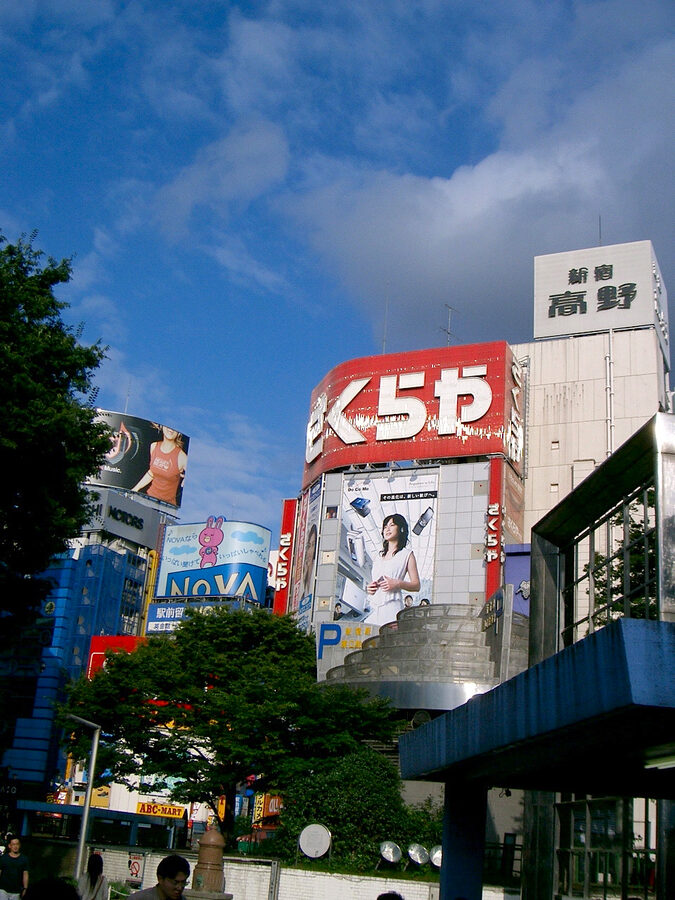
Signal on your phone is fine the whole way. I still recommend downloading the offline map the night before — Google Maps gets slightly twitchy with the narrow alley addresses around Kabukicho, and you don’t want to be the person wandering in six minutes late.
If you’re coming from further out — Asakusa, Ueno, or even a day spent on something like the Skytree admission ticket — plan at least 40 minutes on the Yamanote line. Rush hour from about 17:30 is brutal and you’ll want a buffer.
Booking: The Part That Trips People Up
You cannot walk up to the door. Well — you can, but tickets for the current night are almost always sold out by early afternoon. This is one of the top-booked experiences in Tokyo on GetYourGuide, and it fills up fast in cherry blossom season, Golden Week, and any Friday or Saturday in a month ending with “r”.
Book online, ideally 48 hours ahead. The ticket comes through as a QR code. You screenshot it, show it at the door, and that’s the whole check-in.
Two practical booking quirks worth knowing:
First, the ticket times are fixed. You pick a showtime at checkout (usually 16:00, 17:30, 19:00, and 20:30 slots, though they shift). No rescheduling on the night. If you’re a maybe, don’t book — this isn’t a theme park ticket.
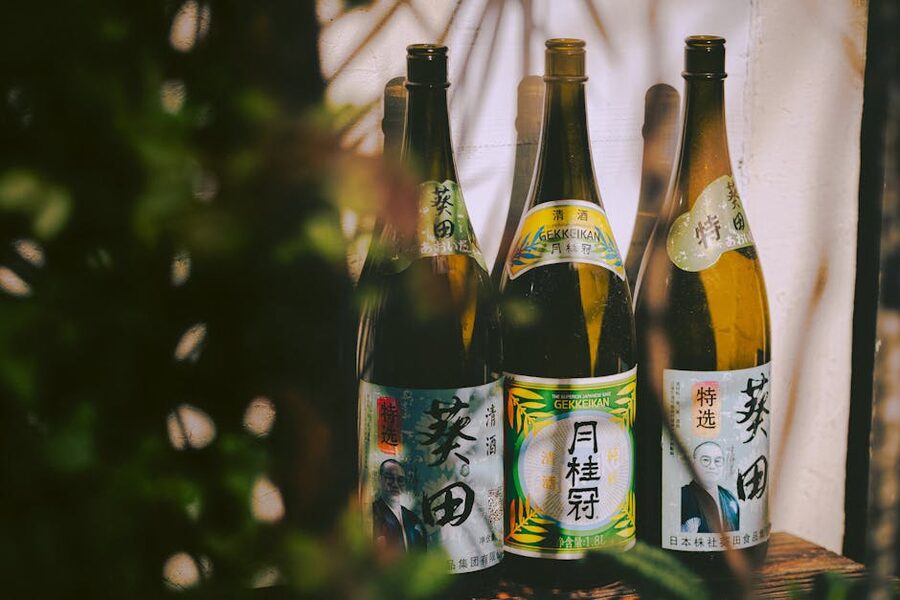
Second, the “2 drinks” that come with the ticket are real drinks. Not tokens, not tiny cups. You can redeem them for sake, beer, a cocktail, or a soft drink at the in-room bar. Worth knowing if you were going to hit a Shinjuku food tour later — you’ll already have a couple in you.
My Three Picks: Best Tickets to Book
These are the three I’d actually steer someone toward, based on our tour database and what readers keep coming back asking about. They’re ranked by how good a fit they are for a first-time visitor, not by price.
1. Tokyo: Samurai Restaurant Show Ticket with 2 Drinks — $55
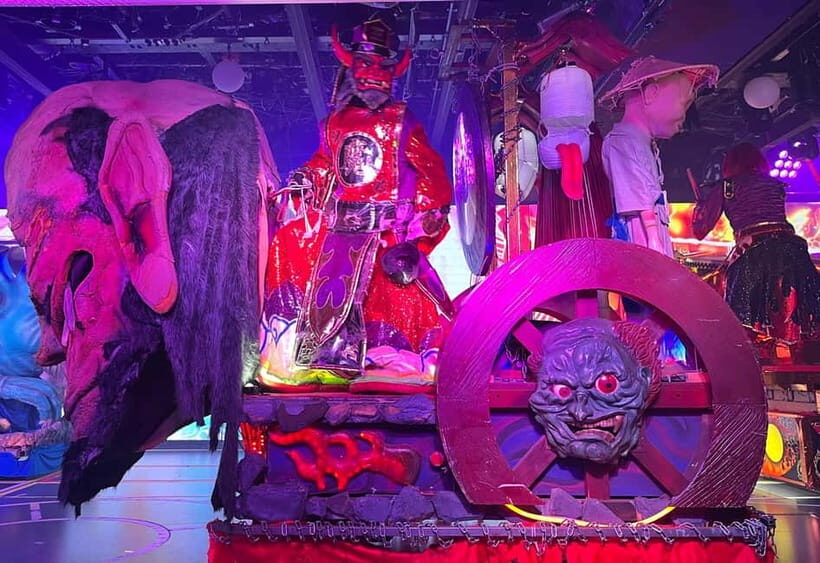
This is the ticket I’d book if you only had one night. Our full review of the Samurai Restaurant show walks through the schedule and which seat block to ask for. Price includes entry plus two drinks, and the show clocks in at around 90 minutes of actual performance.
2. Tokyo: Samurai Show Ticket With 2 Drinks — $60

The long-runtime sibling — more like 2.5 hours in the room and a denser show that rolls through samurai choreography, kabuki-style dance and a deliberately chaotic neon finale. Our take on this longer show is the one to read if you’re torn between Pick 1 and this.
3. Shinjuku Ninja Live Show — $43

The cheaper, quieter cousin of the two picks above. Our review notes the mixed reactions — some loved the fusion of Kabuki and ninja acrobatics, others found it a little ragged around the edges. For the price, it’s worth the gamble.
What Happens Inside: A Rough Play-By-Play
Let me set the scene a bit more, because the booking page doesn’t really tell you. You come in off the street. The lobby is small and a little confusing — there’s usually a staff member waving ticket holders toward the correct queue.
Once you’re seated, drinks come first. Order one of your two included ones before the lights go down; the bar queue turns into a proper line halfway through the show.
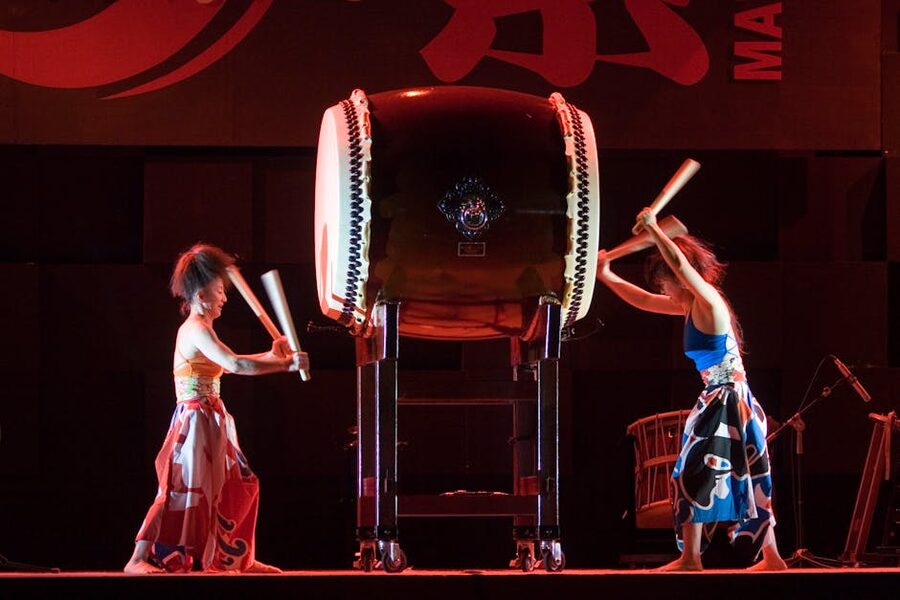
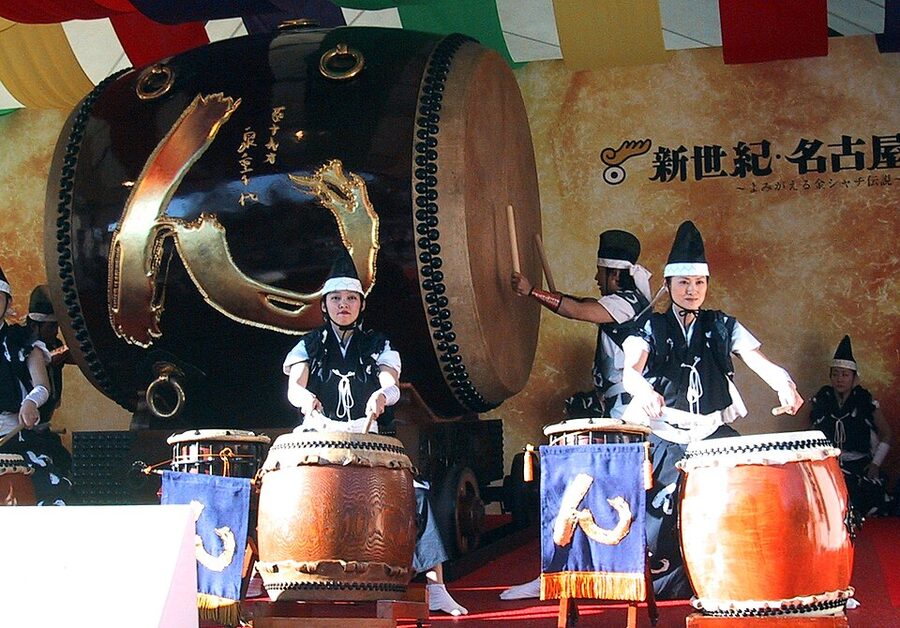
The show itself splits into roughly four acts. You don’t need to know which is which — that would ruin half the surprise — but the shape is: opening taiko, sword choreography, a dance-heavy middle, and a finale that turns the volume up to eleven.
Between acts the performers come out to the aisles. Yes, you get photos with them. No, they don’t rush you — but there’s a queue, and politeness moves it along faster than awkwardness.
If you’ve ever been to a Tokyo sumo show, you’ll recognise the vibe of “it’s a performance but also a meet and greet”. The Samurai Restaurant plays it a little more theatrical than the sumo shows do.
The Food Question (And Why It’s Usually Not the Point)
Quick warning: despite the word “restaurant” in the name, this is not a food destination.
You can buy a bento-style box add-on when you check in, or some of the ticket tiers come bundled with a simple Japanese meal set. None of it is why you’re here. The kitchen isn’t trying to compete with a proper izakaya — it’s trying to keep 80 people fed while a swordfight happens three metres away.
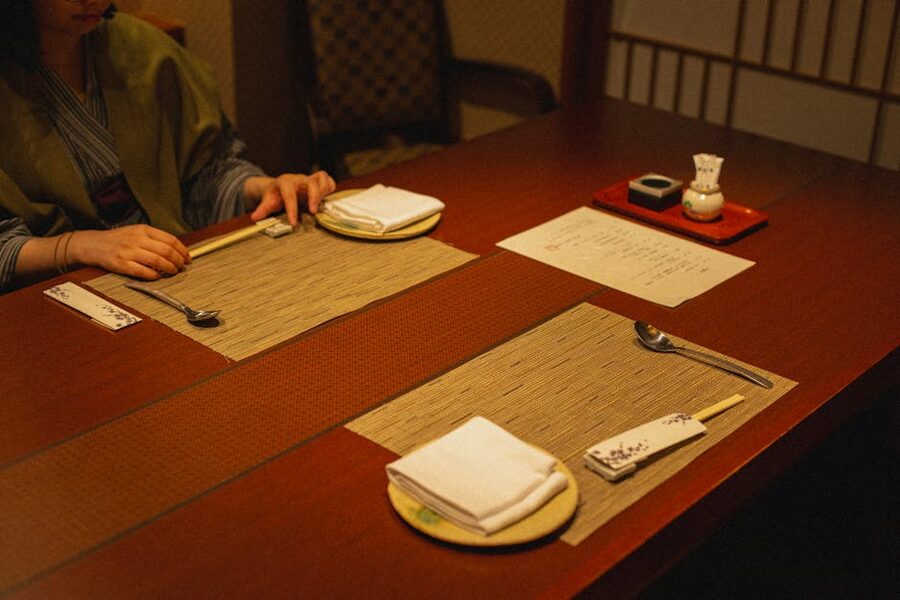
My strong advice: eat first. Find a good ramen spot near the station, or grab a quick donburi set at a Shinjuku basement chain, and roll into the venue on a full stomach. Use your two drinks for the vibe, not for liquid calories.
If you do want the meal bundled, look for the ticket tier that includes a bento. The drink-only ticket is the most popular option and it’s the one I’d book if I were going again.
Who This Show Works For (And Who Should Skip)
Let me be direct. This is not a show for everyone. It’s a show for people in a specific mood on a specific kind of evening in Tokyo.
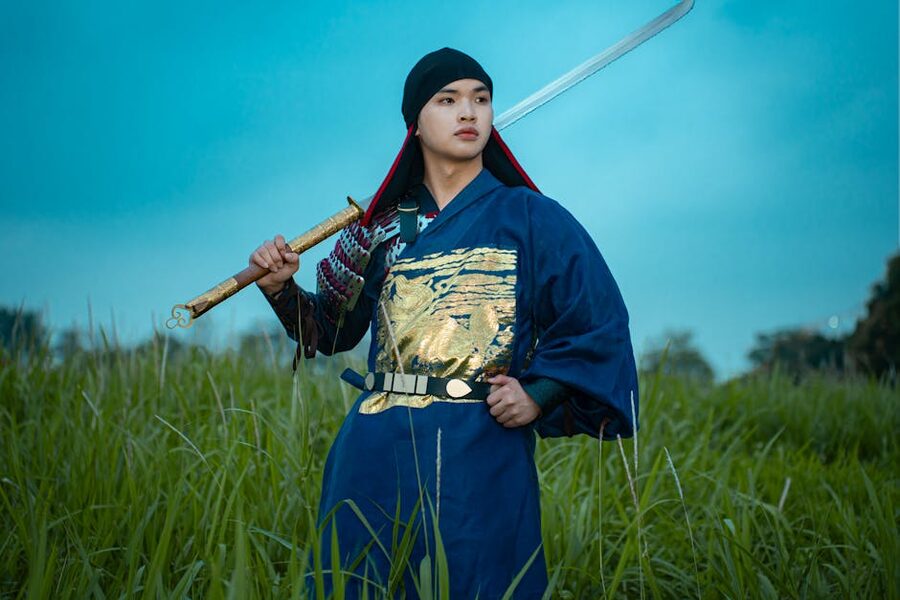
You’ll love this if: you like interactive shows, you’ve been travelling hard and want an evening where you don’t have to think, you’re with a group that wants to do “one big Tokyo thing”, or you’re a first-timer in Japan wanting a crash course in “what’s a samurai, loosely” while holding a drink.
You should skip it if: you want an actual cultural experience (go to a sword and archery class instead), you’re sensitive to loud sound, you hate audience participation, or you’re looking for refined food.
Kids? Mostly fine from about 8 upwards — but younger kids sometimes freak at the sound levels. The official age minimum varies by ticket, so check the booking page carefully if you’re bringing a 5-year-old.
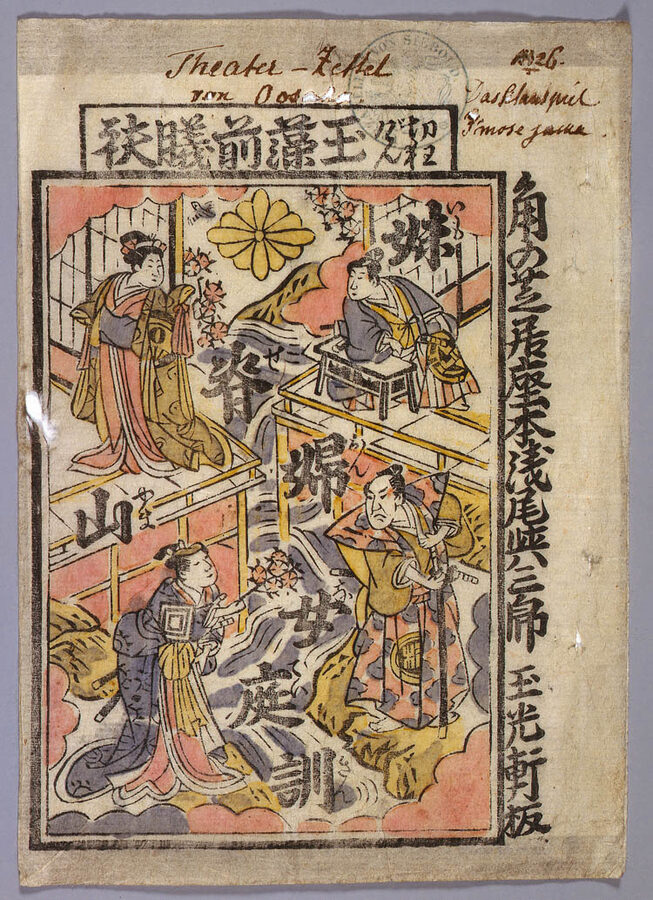
A Short Detour: Where the Samurai Actually Come From
This won’t help you book the ticket, but it’ll make the show land a bit harder. Worth 90 seconds of your time.
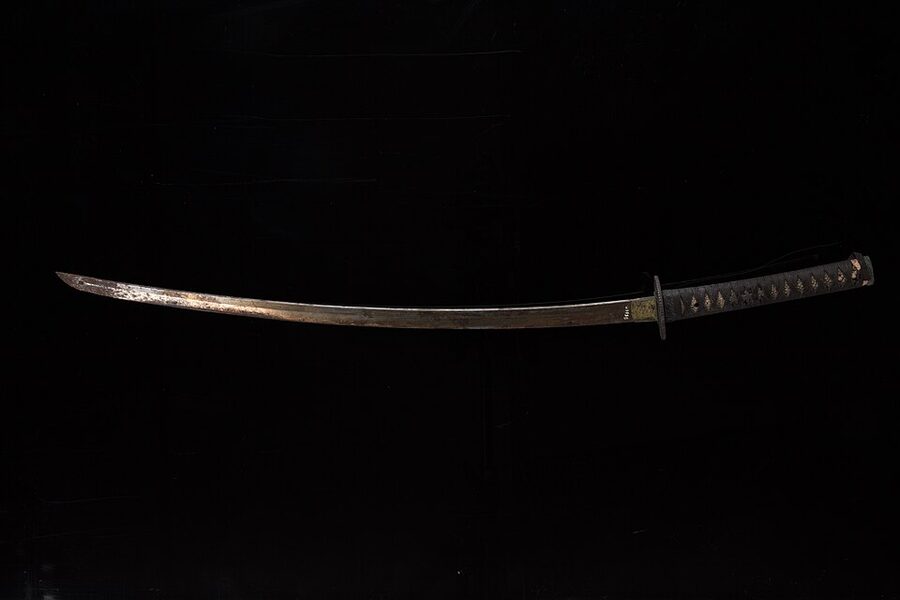
The samurai as we picture them — the topknot, the katana at the hip, the bushido code — solidified during Japan’s Edo period (roughly 1603 to 1868). For most of that span the country was peaceful and the samurai class had very little fighting to do. They became a bureaucracy more than a warrior caste, which is an awkward truth the movies tend to leave out.
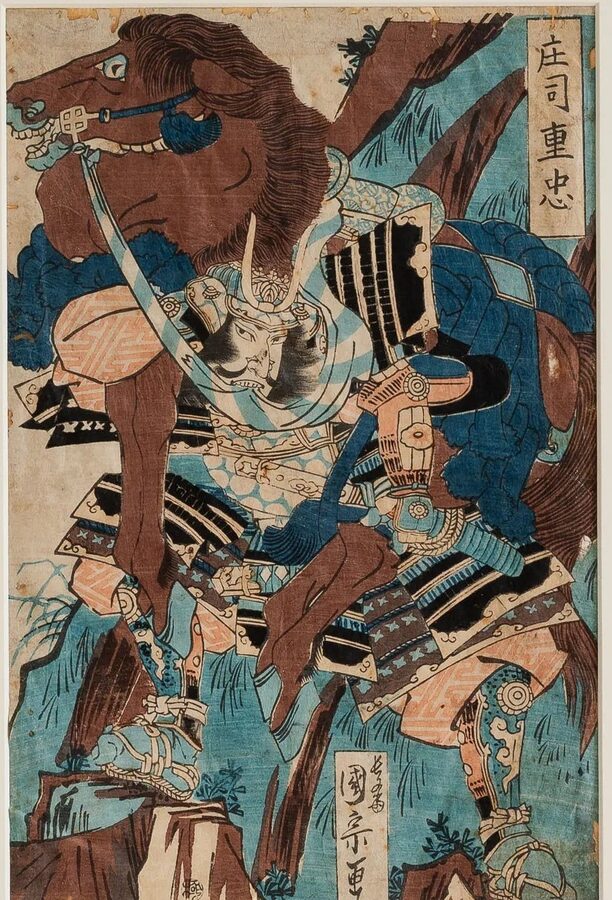
The stage-samurai tradition the Shinjuku show draws on isn’t pure history anyway. It’s Meiji-era nostalgia — a reimagining that happened after the samurai were officially dissolved in the 1870s. So if parts of the performance feel more like a Kurosawa film than a museum piece, that’s because Kurosawa was doing the same thing: inventing the look as much as documenting it.
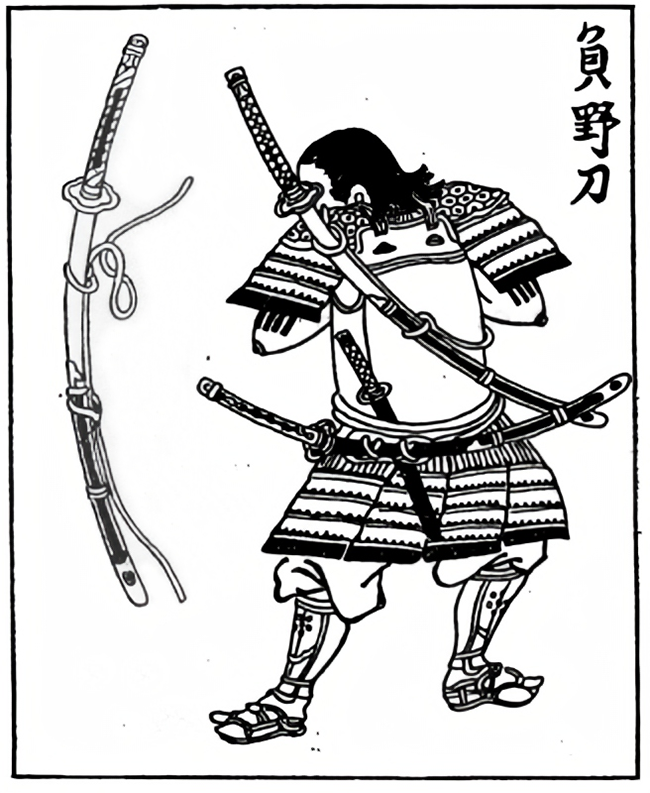
Why does that matter? Because it frees you up to enjoy the show for what it is — a spectacle inheriting a spectacle — without feeling like you’re failing some cultural authenticity test. Nobody in Tokyo expects you to read up on 17th-century daimyo before walking in.
If that history tangent interests you, the proper cultural equivalent is a daytime visit to a samurai museum or a hands-on class. A samurai sword and archery class is genuinely instructive. The restaurant show is the late-night shot of espresso that follows.
Tickets, Prices, and How They Actually Compare
Let me break down the ticket tiers you’ll see, because the GetYourGuide page makes them look more similar than they are.
The $55 Samurai Restaurant Show + 2 Drinks is the baseline. 90-ish minute runtime, two drinks, performance-only ticket. Most people book this and leave happy.
The $60 Samurai Show + 2 Drinks is the 2.5-hour version. More performance, more variety, more overstimulation. Not better or worse — just more. Pick this one if you want the evening to be the whole evening.
There’s also usually a premium/reserved seat upgrade floating around for an extra ~$10. Worth it in peak season when the back-row seats fill first and you’d rather not peer over heads. Skip it on a weekday.
And the $43 Ninja Live Show is the “I want the vibe but not the spend” option. Fewer extras, shorter runtime, but the show itself is genuinely different — more acrobatic, less neon.
Timing It Into a Tokyo Day
Here’s how I’d actually slot this into a Tokyo itinerary. The show works best as a capstone — the last thing before drinks or sleep.
Afternoon: Do something sit-down and visual. teamLab Planets is perfect if you’re in that part of town, or a shorter museum visit closer to Shinjuku.
Early evening: Eat. Properly. Shinjuku has some of the best cheap eats in Tokyo and you shouldn’t waste the calories on venue food. A Shinjuku food tour that wraps before 18:00 pairs beautifully with a 19:00 or 20:30 showtime.
Show time: Arrive 15 minutes early. That’s enough time to use the bathroom, order a drink, and get photos of the lobby without the crush of a latecomer rush.
After: The show dumps you out at a very specific time — about 9pm or 10pm depending on the ticket. Golden Gai is a five-minute walk for a proper bar crawl, or head back to your hotel if the sensory load was enough for one night.
The Little Things Nobody Mentions
A short list of practical stuff I wish I’d known the first time.
Seats are communal. You might share a table with strangers. It’s fine — everyone is there for the same reason and the lights kill most conversation once the show starts. If it matters, book earlier to get a smaller shared table.
Photography is mostly allowed. No flash, no tripods, but your phone is fine. Some segments they ask you to put it down. You’ll be told if so.
Pay by card. Your ticket is paid online, but the in-venue bar takes card and cash. Have some yen anyway for the photo-with-performer tip jar, if that’s a thing you want to do.
Jet lag can wreck you. A 20:30 showtime sounds late but it’s only 18:00 London or noon New York. If you’ve just flown in that morning, book the 17:30 slot instead — you do not want to fall asleep mid-taiko.
The venue gets warm. Full room, stage lights, taiko exertion. Wear layers and leave the heavy coat in the cloakroom.
Accessibility is limited. The venue has stairs and tight aisles. If mobility is an issue, email the booking platform before you commit — the team can advise on which showtime has more space.
If You’re Picking One Samurai Experience in Tokyo
A fair question, because there are more samurai-themed things in Tokyo than any one trip needs.
If you want to see swords in motion, book this. The Samurai Restaurant Show is the highest-energy, most-photographable version of the idea, and it’s the easiest to slot into an evening.
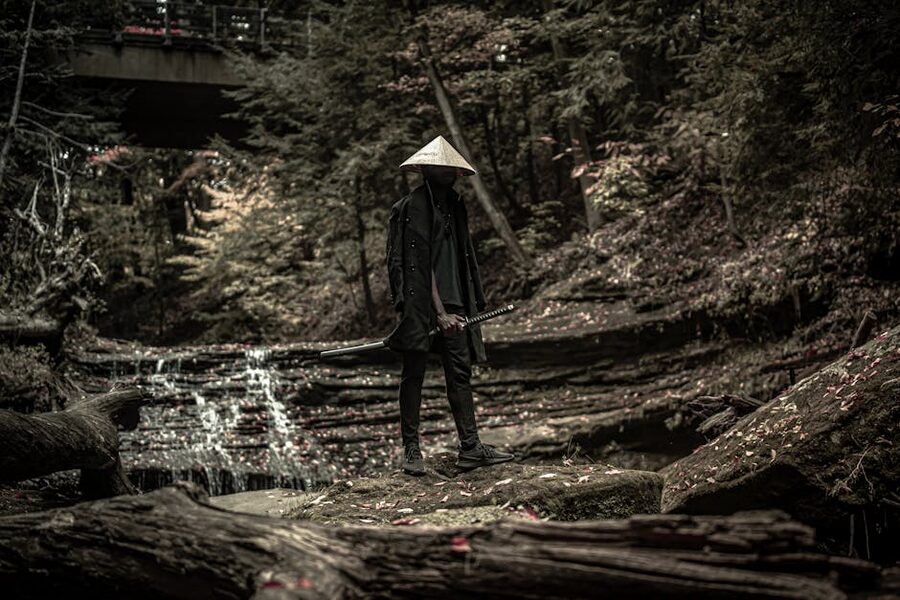
If you want to handle a katana yourself, skip this and book the sword and archery class. It’s a daytime, sober, hands-on thing and it’s a completely different kind of day.
If you want a more traditional, culturally-grounded performance, go to Kyoto and see the Kenbu sword dance. It’s the slow-cinema version of the same idea and it’s quietly stunning.
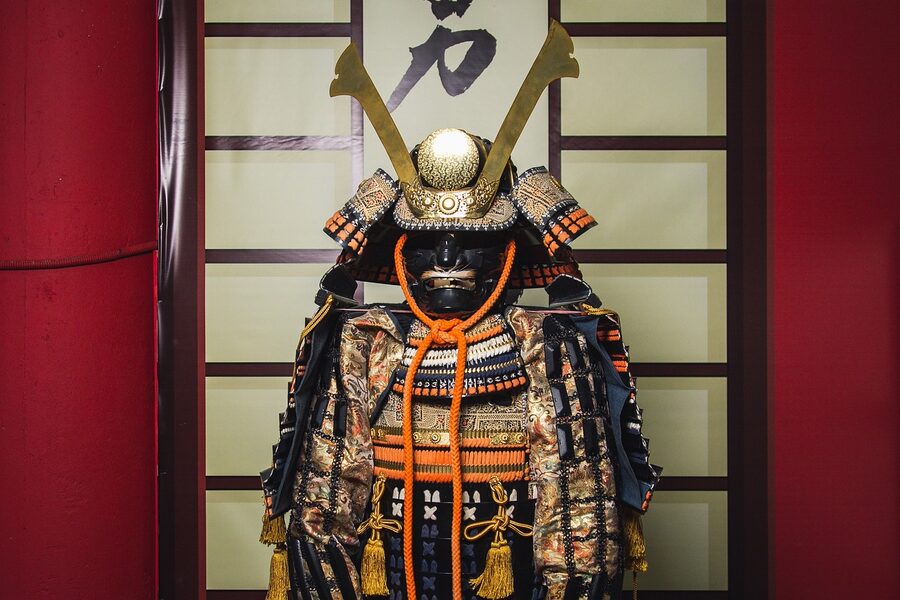
And if you’re not sold on any of the above but like the idea of a theatrical evening, the Kyoto geisha show is the other great “packaged Japanese evening” on the menu. Different city, different tradition, same “one big cultural night” energy.
Related Sibling Guides You’ll Probably Want Next
You’re rarely in Tokyo for one night, so here’s what I’d pair with the samurai show when planning the rest of your days. A sushi-making class gives you the quiet, hands-on counterpoint that balances out a big theatrical evening — I’d book it for the morning after. A chopstick-making workshop works the same way and is less time commitment if you’re tight on days.
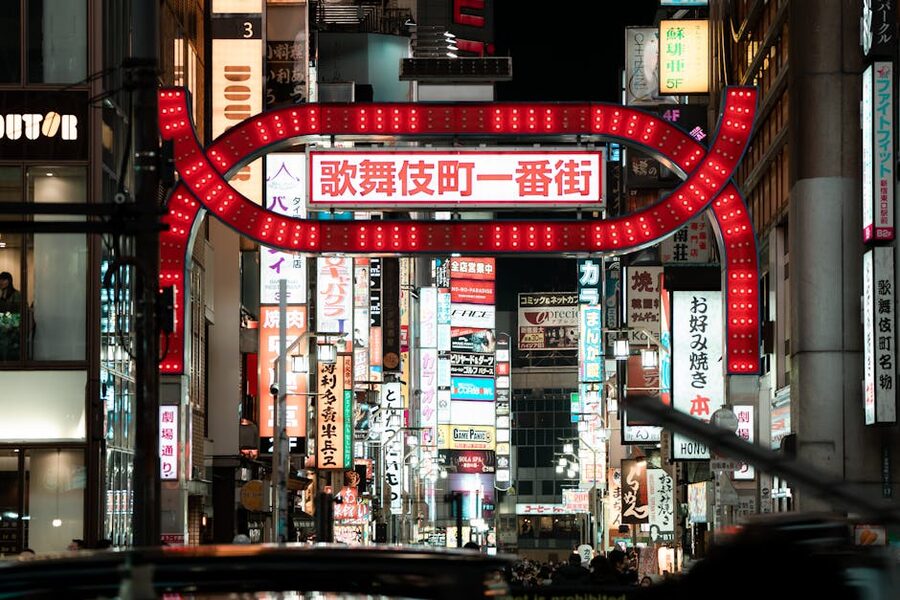
If you want more motion after the show, a Mario-style go-kart tour is the ridiculous next-day pairing — we’ve had readers who called the combination “the most Tokyo 24 hours of my life”. And for something quieter the morning after a loud show, a daytime trip up the Tokyo Skytree is a good reset button. Much calmer. No taiko.
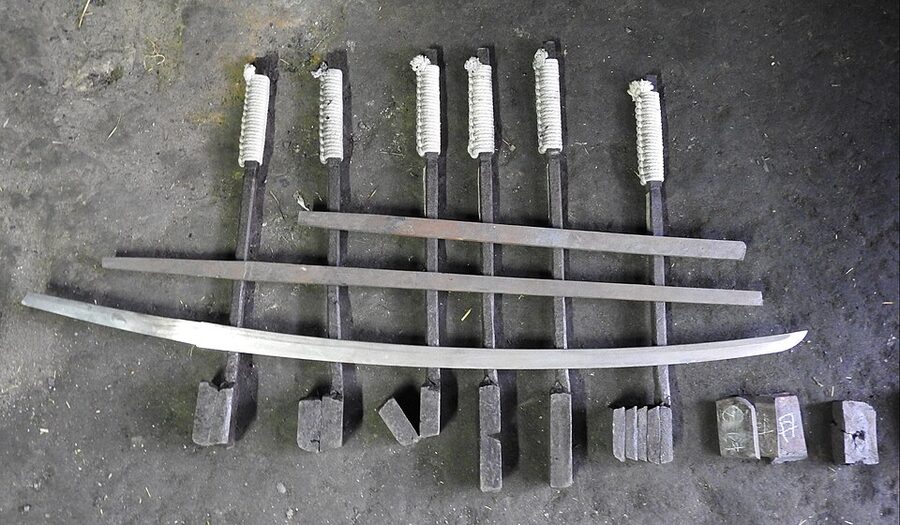
Last thought. Book the ticket, then forget about it. Don’t read too many competitor reviews — half of them over-promise “authentic Japan” and the other half sneer at the neon. It’s neither. It’s a loud, well-run theatrical evening in Shinjuku with a katana and two drinks in your hand, and it’s almost always worth the $55.
That first taiko hit, when the lights are still down and the samurai walks out of the spotlight — that’s what you came for. Everything else is just the frame around it.