
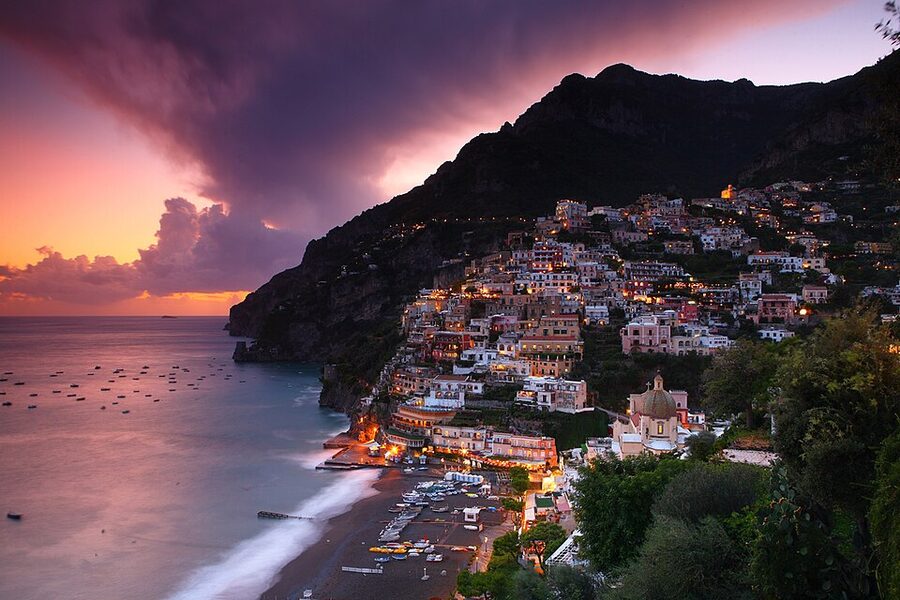
The first time I rounded the headland past Capo di Sorrento and saw Positano stacked up the cliff like spilled paint, I almost dropped my phone in the water. That sea-level approach is the only way to see the Amalfi Coast properly. The bus route along SS163 is famous for a reason, but you spend half the drive staring at the back of someone’s head and the other half wondering if the coach will make the next hairpin.
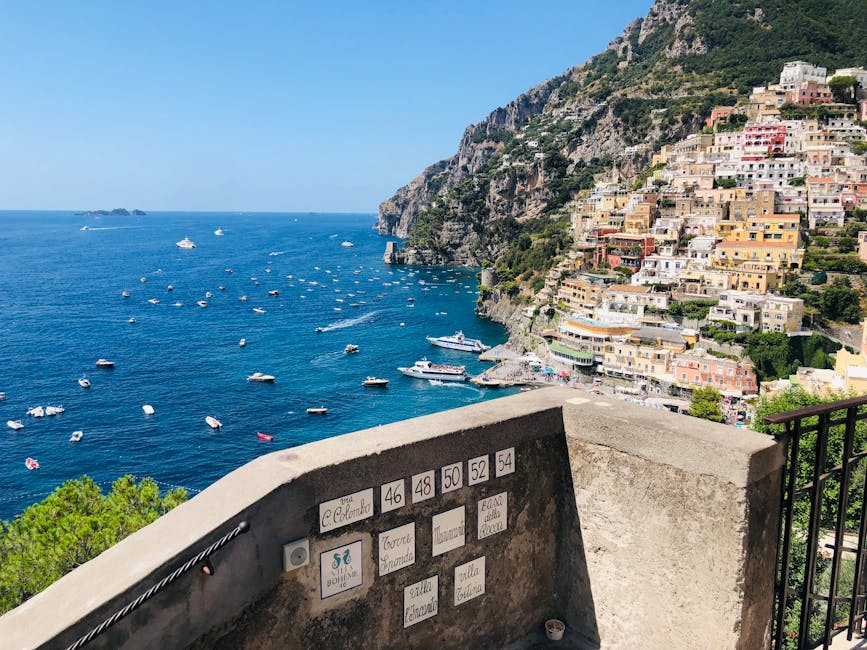
This guide is about the day trip that fixes that problem. You leave Naples in the morning, hit Positano, Amalfi and Ravello, and most of the leg between Positano and Amalfi is on a boat instead of a bus. It’s the cheat code for doing the coast in a day without losing half of it to traffic.
- In a Hurry? Top Picks
- Why a boat tour beats a bus tour on this coast
- What a typical Naples-to-Amalfi-Coast day looks like
- The three tours I’d actually book
- 1. From Naples: Boat Tour of Amalfi, Positano and Ravello: around
- 2. From Naples: Amalfi Coast Full-Day Trip: around
- 3. From Naples: Exclusive Tour of Amalfi Coast: around
- Where you actually meet in Naples
- What’s included, what isn’t, and where the small print bites
- The best months to do this trip
- Should you do Pompeii on the same day?
- What to bring and wear
- Combining this with other Naples experiences
- Doing it from Rome instead
- One more thing about Ravello
- Around the rest of Italy
- One coast, one day, done well
In a Hurry? Top Picks
Best for the boat-leg experience: From Naples: Boat Tour of Amalfi, Positano and Ravello. Around $95. The actual boat-leg version of this day, with an optional Ravello add-on.
Best for value: From Naples: Amalfi Coast Full-Day Trip. Around $73. Includes a Limoncello tasting in Sorrento and a short scenic boat segment.
Best for small-group comfort: From Naples: Exclusive Tour of Amalfi Coast. Around $84. The small-group, higher-rated option.
Why a boat tour beats a bus tour on this coast
The Amalfi Coast road is gorgeous and slow. Slow because of two-way traffic on a single-lane corniche carved out of a cliff. In peak season you can lose 90 minutes between Positano and Amalfi just sitting in traffic.
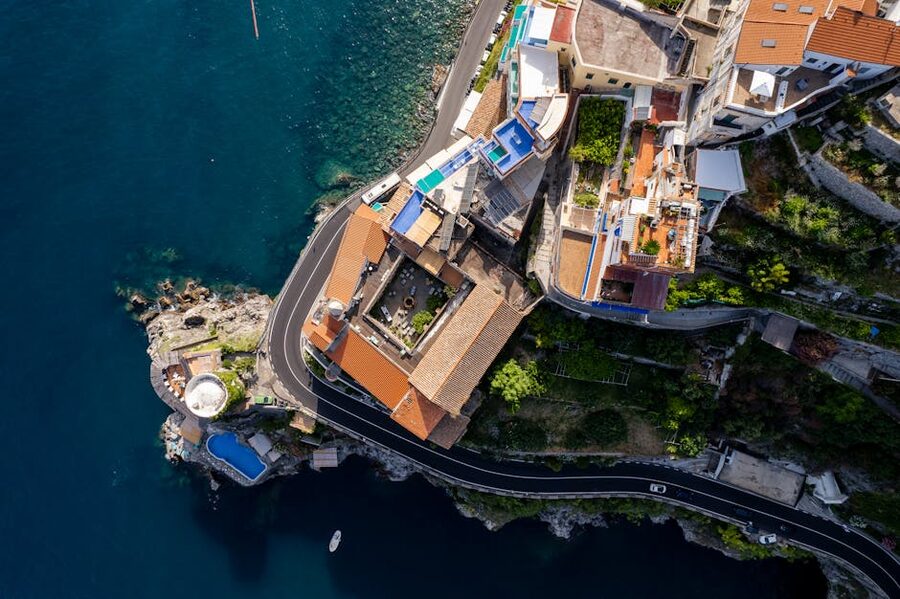
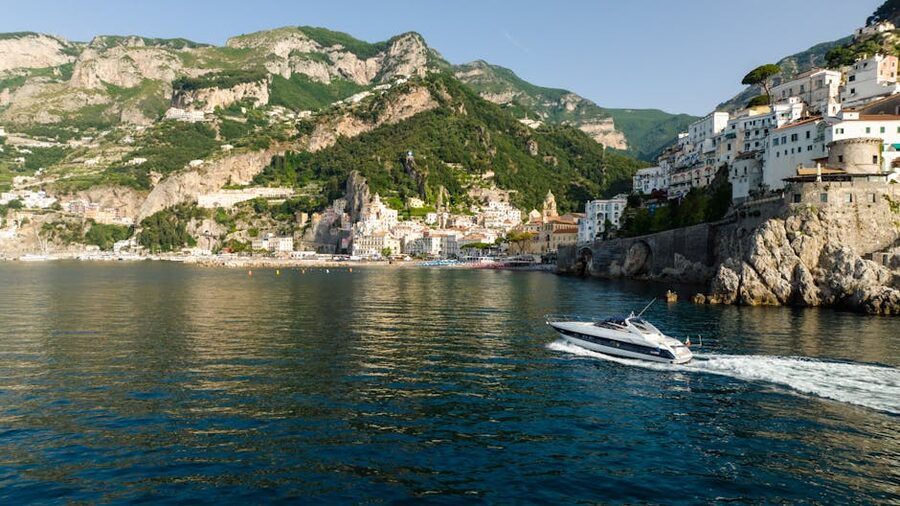
The boat-leg trips skip that. You drive from Naples down to Positano (or sometimes Sorrento) by coach, then transfer to a boat for the leg over to Amalfi. You see the same cliffs that get clogged with buses, but from the angle the architects had in mind. Houses look like they’re growing out of the rock. Hidden swimming spots open up between the headlands. You spot Praiano and Conca dei Marini from the water, which is the only way most travelers ever see them.
For Ravello you do still need a vehicle. Ravello sits 350 metres up on a ridge above Atrani, so the boat docks at Amalfi and you go up by minibus. The view from up there is what poets have been writing about for two hundred years, so don’t skip the climb.
What a typical Naples-to-Amalfi-Coast day looks like
Most of these tours run roughly 9–10 hours, door to door from your Naples meeting point. Here’s the rhythm of the day so you know what you’re signing up for.
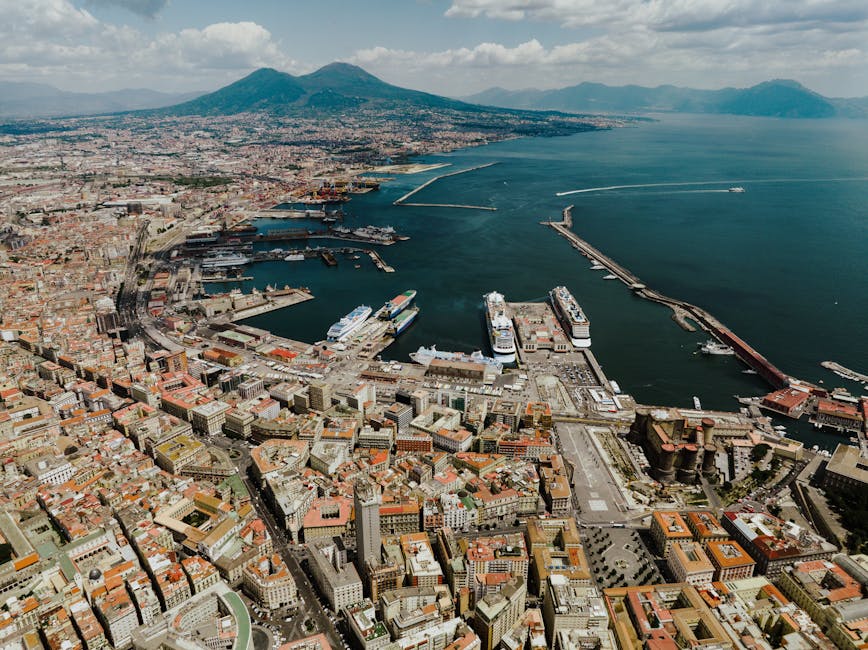
Morning, around 7:30–8:30am: meeting at Piazza Garibaldi or the Molo Beverello area. Most operators don’t include hotel pickup unless you pay extra, so build a 15-minute buffer. From there it’s about 90 minutes by coach down the autostrada to Sorrento or Positano.
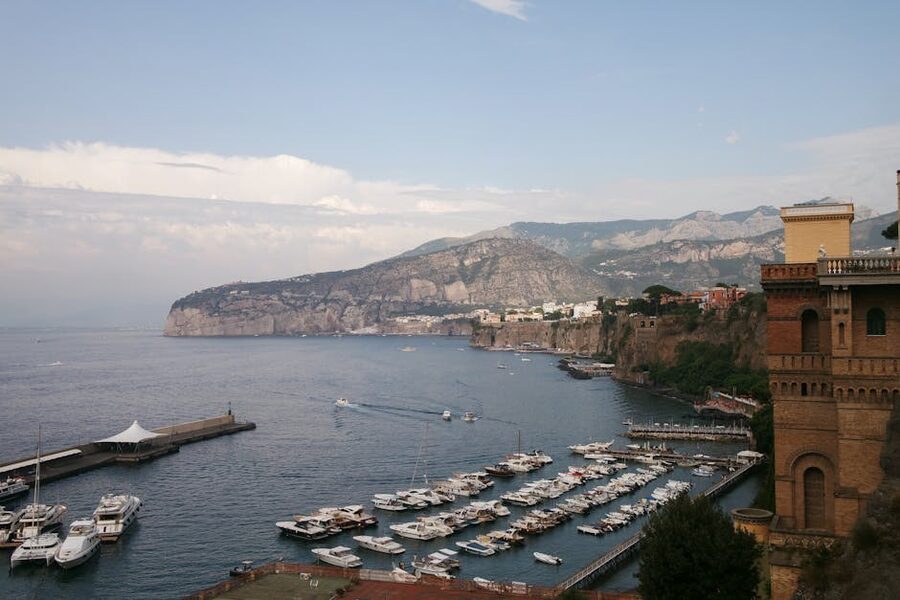
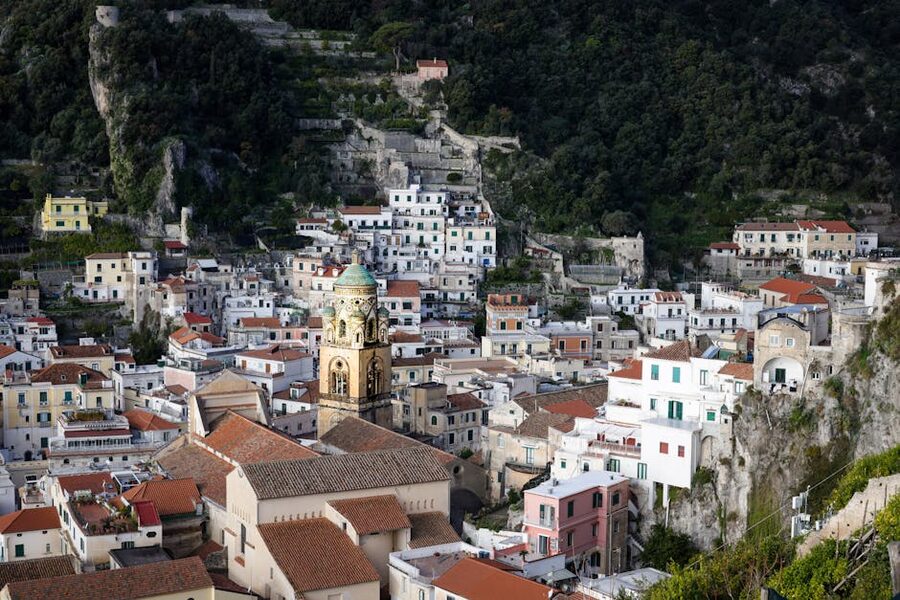
Mid-morning, around 10–11am: arrival in Positano. You usually get 90 minutes to two hours of free time. That’s enough for the descent to Spiaggia Grande, a coffee on the beach, a peek inside the Chiesa di Santa Maria Assunta with its Byzantine icon, and a slow climb back up the steps. It is not enough to swim and have lunch and shop, so pick two.
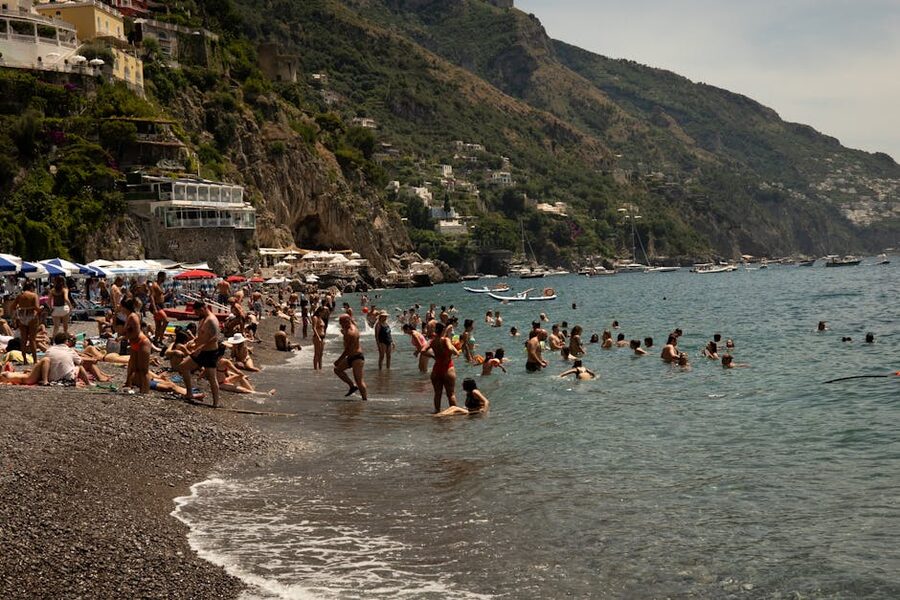
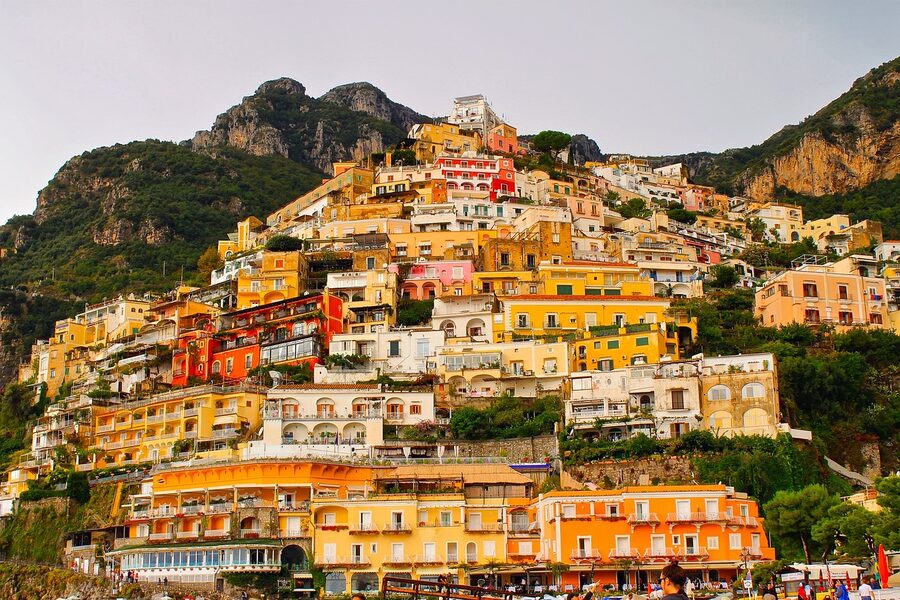
Late morning: boat ride from Positano to Amalfi. This is the part you booked the tour for. It takes 25–35 minutes depending on sea state and you pass directly under the cliffs at Praiano. The boat crews on the bigger group tours run the route enough that they’ll point out grottoes and the Torre di Capo di Conca on the way.
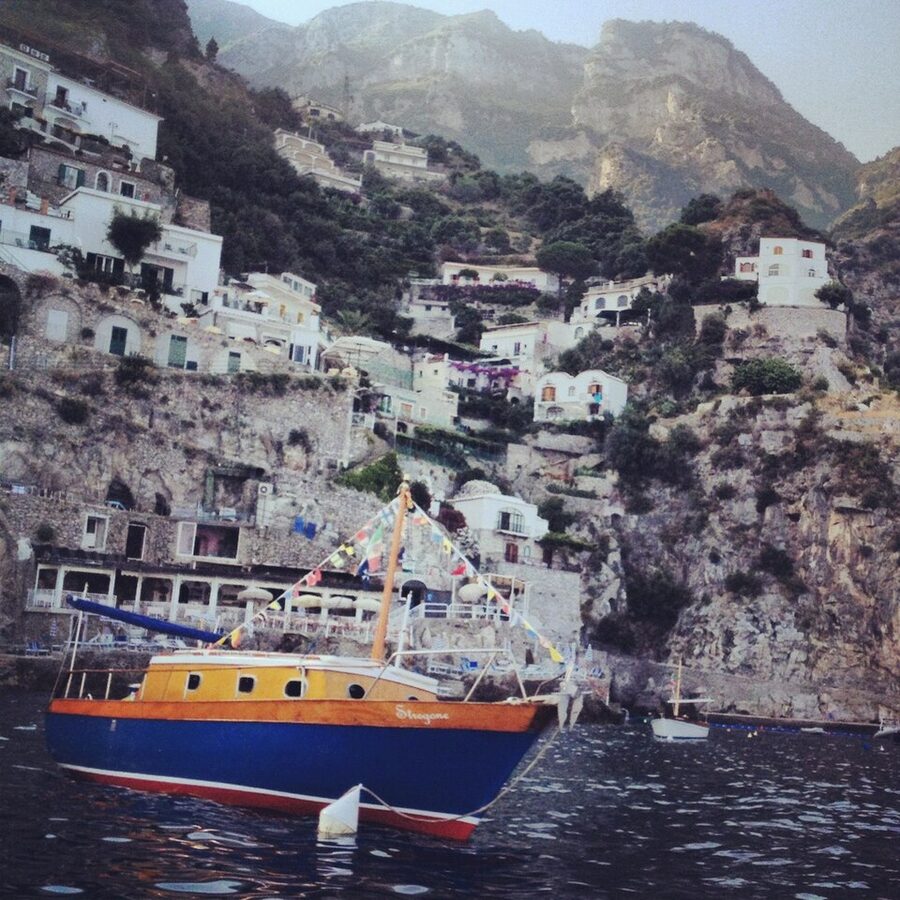
Note that this leg only runs April through October. In winter the sea is too choppy and tours switch to a coach-only itinerary. If you want the actual boat experience, book between roughly April 1 and October 31.
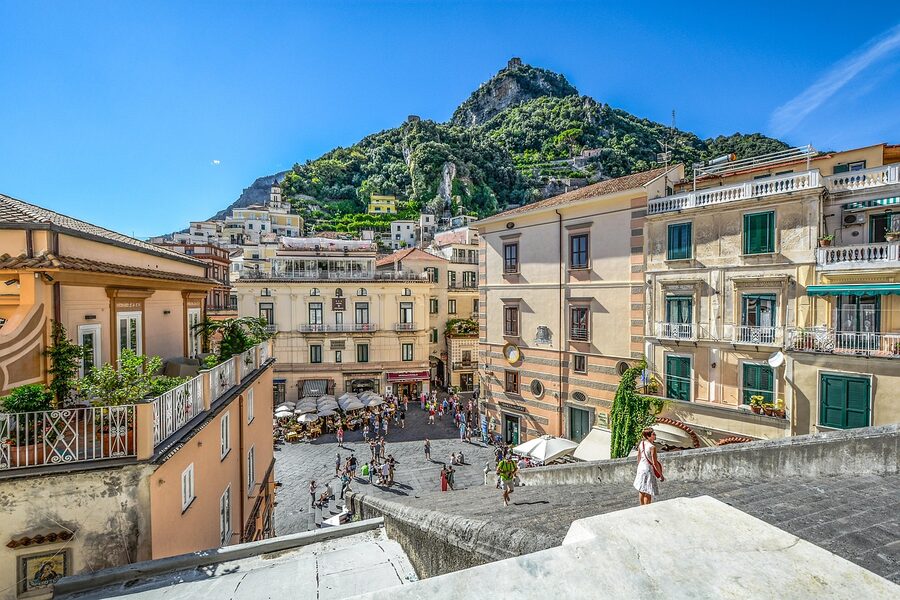
Lunch in Amalfi, around 1pm: most tours give you 60–90 minutes here, which is enough for a proper sit-down lunch on Piazza Duomo or a pizza on the marina. Lunch isn’t included in most of the cheaper tours. Budget €15–25 for a casual meal, more if you want to sit on a terrace with the view.
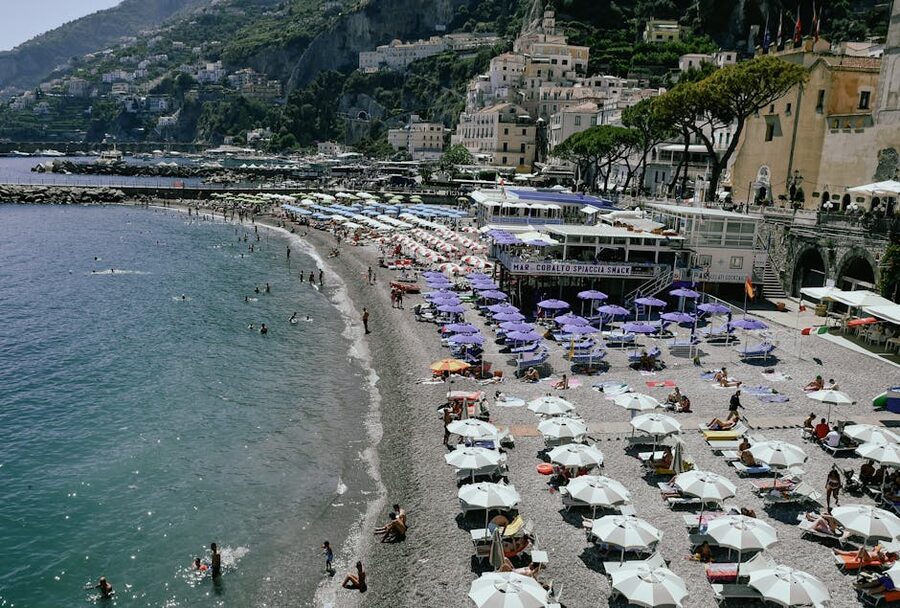
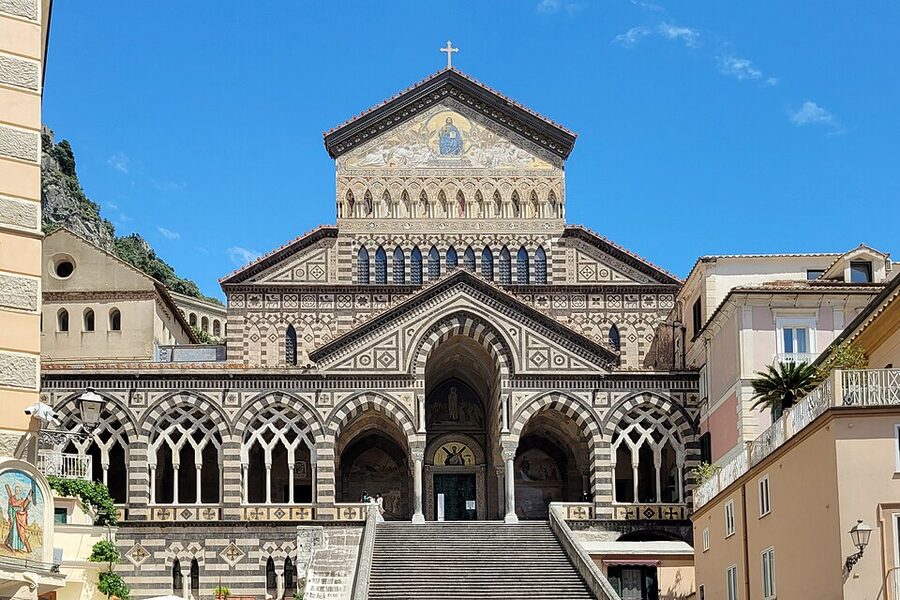
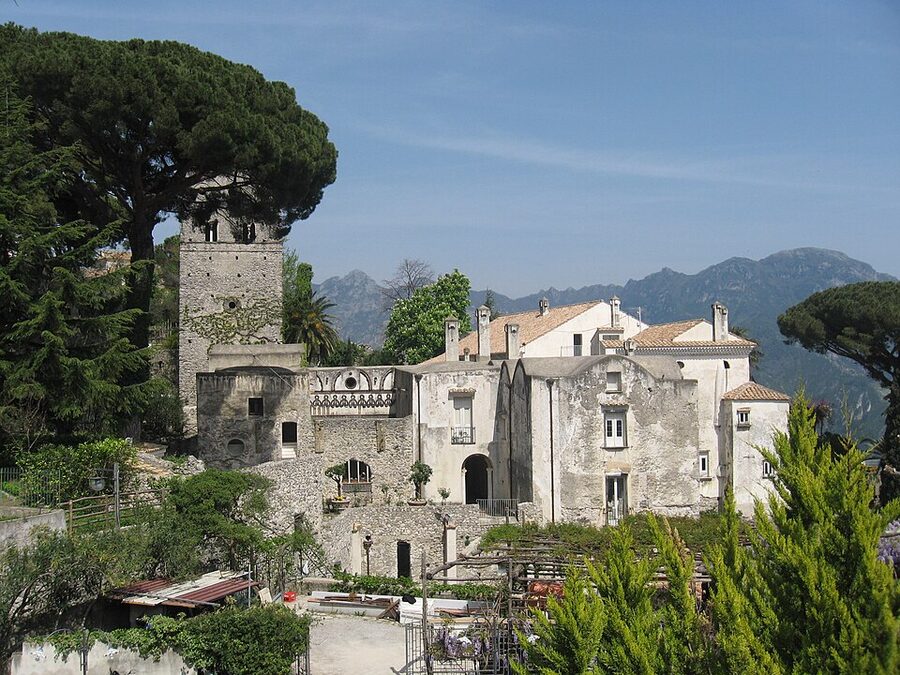
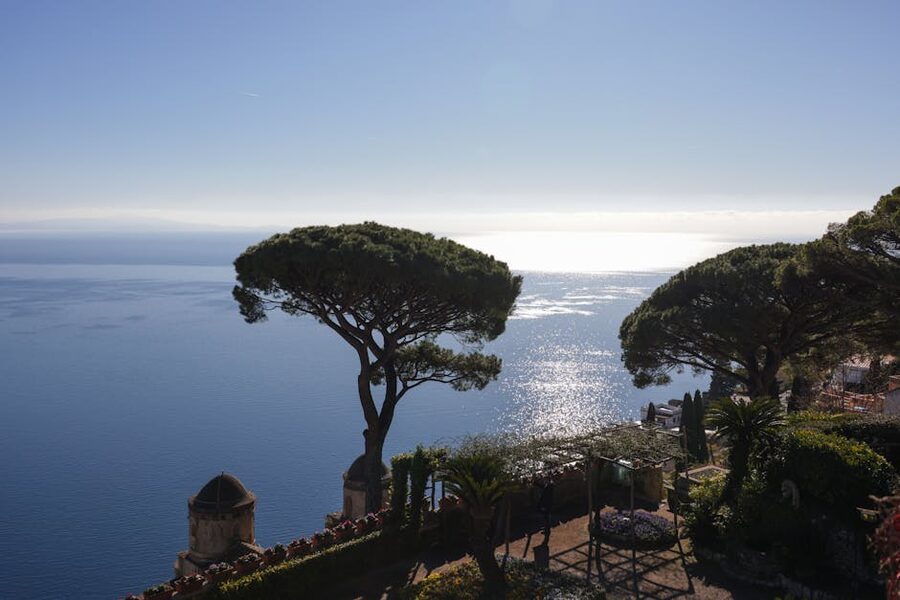
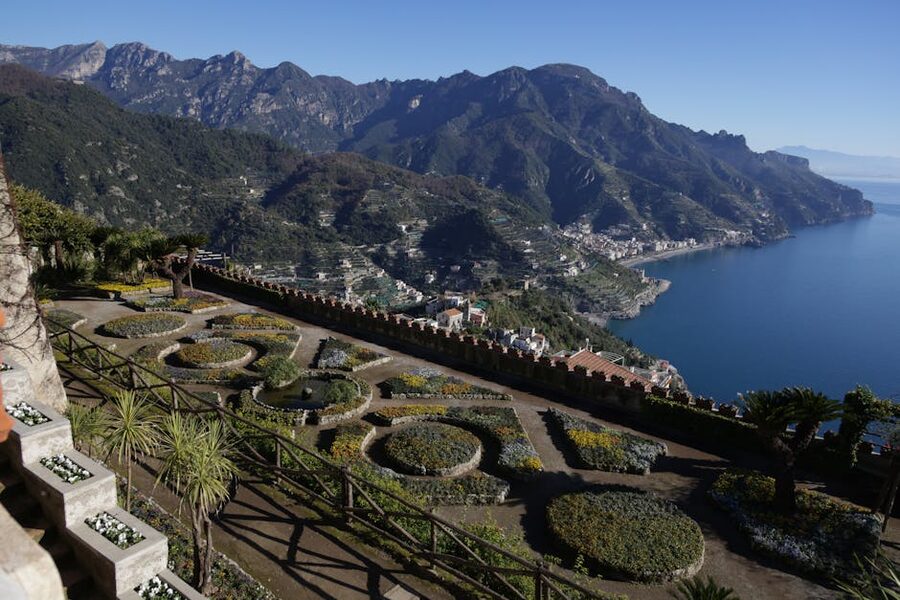
Mid-afternoon: minibus up to Ravello. This climb is short in distance and long in time. The road switchbacks for around 25 minutes. You’ll get 60–90 minutes in Ravello which is enough for Villa Rufolo’s gardens (the famous photo with the umbrella pines and the sea below) and a wander through the main square. Villa Cimbrone is gorgeous but a 15-minute walk from the centre, so unless you’ve got two hours up there, save it for a return trip.
Late afternoon: drive back to Naples. Roughly 90 minutes if traffic plays ball, two-plus hours if it doesn’t. You’re typically back in Naples between 6 and 7pm.
The three tours I’d actually book
Below are the three I keep coming back to from this lineup, ordered by what kind of day you want. They’re the consistently top-reviewed Naples-departure options on the major platforms, and I’ve cross-referenced our own database of tour reviews to confirm.
1. From Naples: Boat Tour of Amalfi, Positano and Ravello: around $95
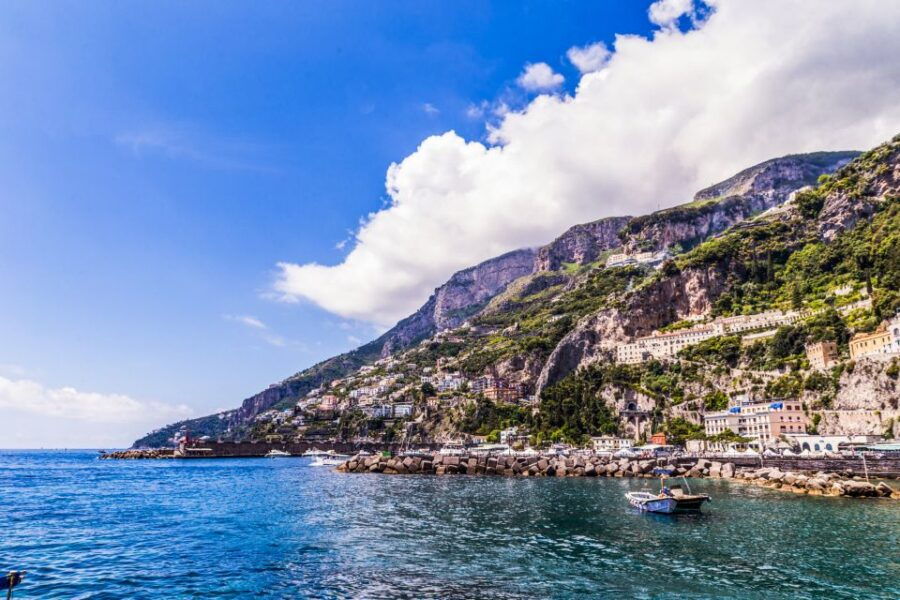
This is the one to book if you read the title of this article and went, “yes, the boat one, that’s the one I want.” It’s the version with the real boat-leg between Positano and Amalfi, and our full review of this Naples boat tour covers the meeting point logistics in detail. Ravello is offered as an extension, so check the option you select before you check out.
2. From Naples: Amalfi Coast Full-Day Trip: around $73
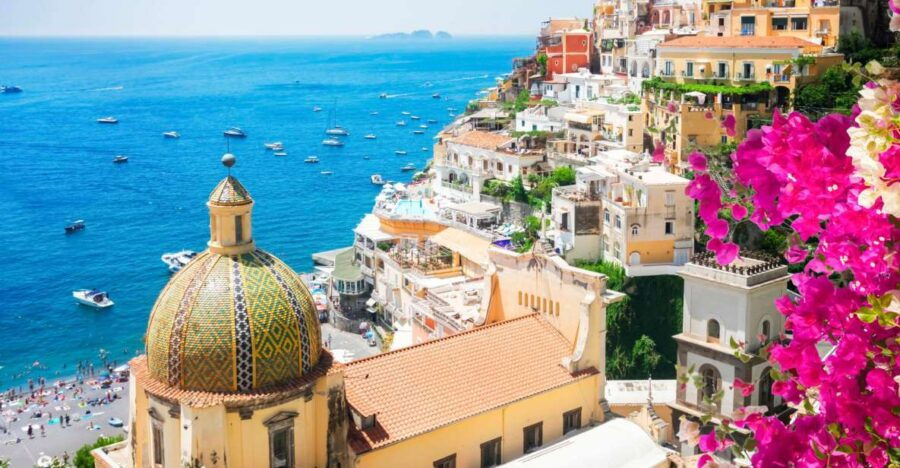
The cheapest option of the three and the most-booked Naples-to-Amalfi day on the market by a wide margin. You stop in Sorrento for the Limoncello tasting, then push on to Positano and Amalfi with a shorter scenic boat segment off Positano. Our full breakdown goes through what’s actually included for the price; the boat ride is an optional €15 add-on rather than baked into the cost on this one, which is a footnote worth knowing about.
3. From Naples: Exclusive Tour of Amalfi Coast: around $84
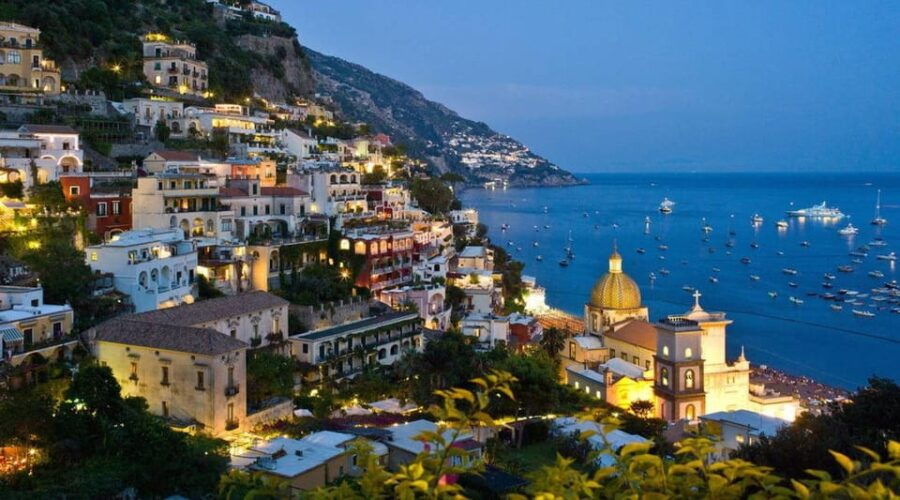
I’d pick this one if you’d rather travel with eight people than thirty. It runs 9.5 hours, hits the same villages, and the small-group format means less waiting around at meeting points and a faster pace through Positano and Amalfi. If you’ve done a coach day trip in peak season and hated how slow boarding was, the small-group format is what fixes that. Our review of this exclusive tour goes into the lunch logistics, which is the one thing it doesn’t include.
Where you actually meet in Naples
This trips up more people than the booking process. Almost every Naples-departure tour to the Amalfi Coast meets at one of three places, and they’re easy to confuse if you don’t know the city.
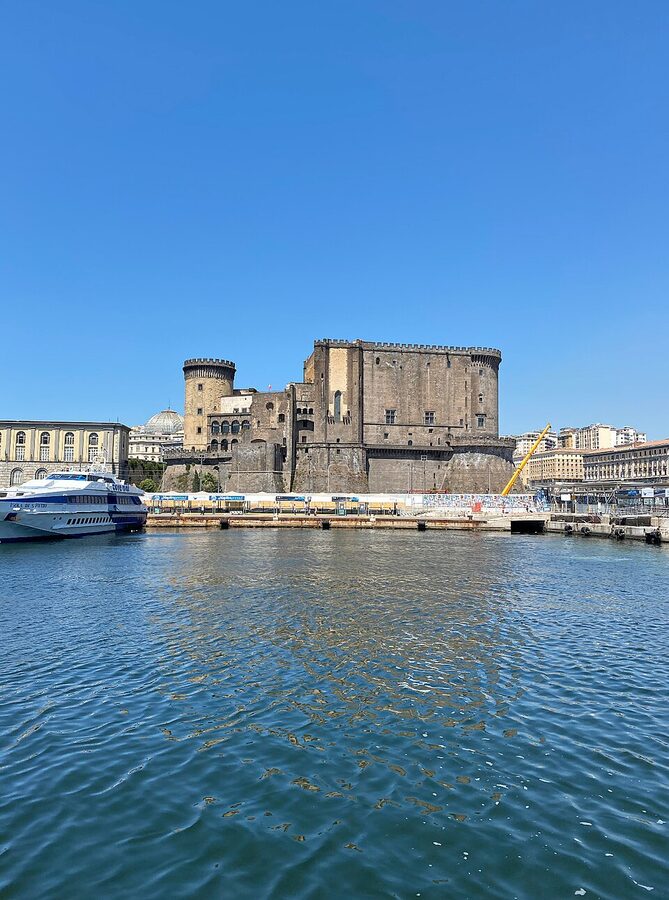
Piazza Garibaldi is the big square right in front of Napoli Centrale (the main train station). It’s where most of the larger group tours meet because there’s room to park coaches. If you’re staying anywhere near the station, walk; the surrounding traffic on a coach is brutal.
Molo Beverello / Piazza Municipio is the cruise port area. The smaller-group and exclusive tours often meet here because they pick up cruise passengers. If you’ve come in on a ship, this is your meeting area, but check whether it’s literally at the port or at the hotel five minutes inland.
Hotel pickup is offered on a few private and small-group tours but usually as a paid extra (€10–20). Worth it if you’re staying at one of the bigger hotels in Chiaia or near the port; not worth it if you’re already a 10-minute walk from Piazza Garibaldi.
What’s included, what isn’t, and where the small print bites
Read the inclusions properly before you book. The price difference between options is almost always about what’s bundled in. Here’s what you’ll typically see, and what to budget for separately.
Always included: roundtrip transport in an air-conditioned coach, an English-speaking guide, free time in Positano and Amalfi.
Sometimes included: the boat ride between Positano and Amalfi (it’s the headline on the boat-leg tours, optional add-on on others), a stop in Sorrento with Limoncello tasting, the visit to Ravello, lunch.
Almost never included: hotel pickup and drop-off, gratuities for the guide and driver (€5–10 per person is standard), entrance fees for Villa Rufolo or Villa Cimbrone if you visit them yourself (€10 for Rufolo).
One thing that catches people out: the boat segment is weather-dependent. If the sea is choppy the captain will pull the plug and you’ll do the Positano-to-Amalfi leg by coach instead. Operators won’t refund the difference, because the tour technically still runs. If the boat ride is the whole reason you booked, double-check the forecast for your day and consider rescheduling rather than getting stuck in a coach you didn’t want.
The best months to do this trip
The boat tours run April through October. Outside those months you’re in coach-only territory. Within the season, here’s what each part of the year actually feels like on the coast.
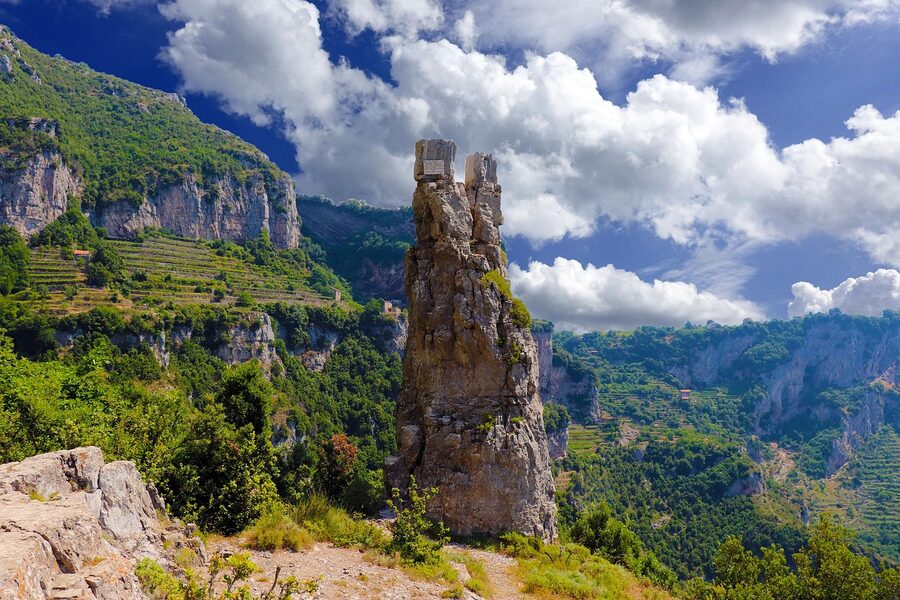
Late April to mid-June is the sweet spot. Sea is warming, towns are open, the path of the gods is hike-able, and crowds are manageable. Days are long enough that you finish the trip in daylight.
July and August is the heaviest tourist season. Heat is real (mid-30s C in town, more on a coach) and Positano is genuinely uncomfortable to walk around midday. Boats run reliably, but every village is full. Book a few days ahead.
September and early October is the second sweet spot. Sea is at its warmest, crowds thin out after the second week of September, and prices drift back down. If I had to pick one week, it’d be the third week of September.
November to March means coach-only itineraries. Some tours pause entirely in January and February. Positano half-shuts in winter; many restaurants close for two months. Save the Amalfi Coast for warmer dates and use a Naples winter to do Pompeii and Mount Vesuvius instead.
Should you do Pompeii on the same day?
You’ll see day trips that bundle Pompeii with the Amalfi Coast. Skip those. Pompeii is enormous and deserves three to four hours minimum. The bundled tours give you 90 minutes there, which is enough to walk past the Forum, see the casts of the bodies, and feel cheated.
Better plan: do Pompeii on its own day, with a proper guide, and the coast on its own day with the boat tour. If you only have two days in Naples, this combo is what I’d run with. If you only have one day total, pick one or the other depending on whether you want ancient ruins or sea cliffs. They’re not interchangeable.
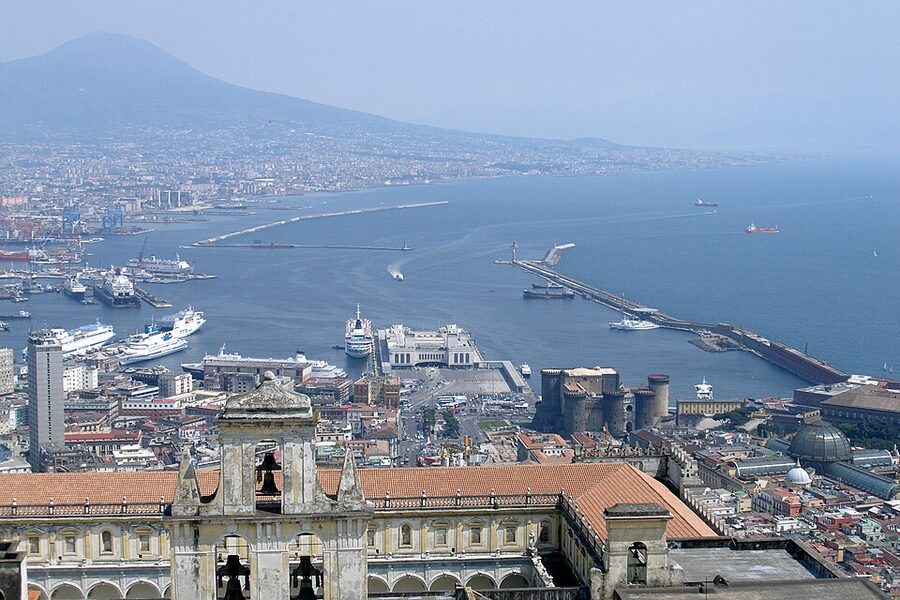
If you really do want to combine them, the version that actually works is Pompeii with Mount Vesuvius as a half-day, then a separate dedicated coast day. That trip exists because Pompeii and Vesuvius are 15 minutes apart and physically near Naples, while the Amalfi Coast is 90 minutes south down a very different road.
What to bring and wear
This is a long day with a lot of walking on uneven ground, plus a boat segment, plus a minibus climb. A few things genuinely matter.
Footwear is the big one. Positano has more stairs than streets and they get slippery when wet. Sandals with no grip are a bad idea. Trainers or hiking sandals are right.
Bring water. The coach has aircon, but you’ll be off it for hours. Refill at fountains in the towns. Italian tap water is fine.
Sun protection in summer is non-negotiable. The boat segment puts you in direct sun for half an hour, and Amalfi’s main piazza has almost no shade.
A light layer for the boat. Even in August the wind on the water can be cool. A linen shirt is enough.
Cash for small purchases. Many of the small cafes in Positano and Amalfi still prefer cash for under-€10 transactions. €50 in small bills is plenty for a day.
Combining this with other Naples experiences
If you’re spending more than a day in Naples (and you should), the boat tour to the Amalfi Coast pairs well with a few other things. A morning Naples pizza-making class is a nice low-effort follow-up the day after a coast day, since you’re recovering. Or do a Naples street food tour in the evening before, which sets up the next morning’s early start with a good carb base.
For a deeper Naples week, look at the Naples Underground tour and the San Gennaro catacombs as half-day complements. Both are city-centre and weather-proof, which is useful insurance if your boat day gets bumped due to sea conditions and you want a backup.
If you’re the type who wants every day to be a day trip, Capri by boat from Naples is the obvious pairing. It’s the same coast in spirit, but a totally different geography. Or pair the boat day with a separate Sorrento-Positano-Amalfi day from a Sorrento base, if you want two coast days back to back.
Doing it from Rome instead
You can do this trip from Rome too. The day is longer (about 13 hours door to door) and you spend more of it on a coach, but it works if you’re Rome-based. The two best Rome versions are the Pompeii, Amalfi and Sorrento day trip and the Pompeii and Positano variant, both of which add Pompeii into the day because you’re already going past it. There’s also a coastal cruise version that gives you the boat experience without leaving from Naples. From Naples the day is shorter and you get more time in the actual villages, so I’d recommend basing in Naples for two nights if the schedule allows.
One more thing about Ravello
Ravello is the bit people skip when they’re tired. Don’t. The whole reason Wagner, Greta Garbo and Gore Vidal kept turning up here is that the view from Villa Rufolo’s lower terrace is one of the great views in Europe. You can see twenty kilometres of coast, with Amalfi tucked in below your feet and Maiori curving away to the south. The town itself is quiet, the gardens are well-kept, and after the bus chaos of Positano it feels like an actual place where people live.
If you’re picking between tour options and one includes Ravello as standard while another makes it an optional add-on, pay the small extra for the version that includes it. The difference between a “good day on the coast” and a “great day on the coast” is usually that view.
Around the rest of Italy
If you’re working through a longer Italy trip, the Amalfi Coast is one of the southern highlights but there are a few others worth pairing. The Verona Arena in the north is a Roman amphitheatre that still hosts opera in summer, and Mount Etna in Sicily is the only active volcano you can ascend on a day trip, which complements the dormant Vesuvius nicely if you’ve done both. Both are reachable by short flight from Naples and would extend a southern Italy trip without much fuss.
And if you have a third day in Naples, the Pompeii day trip and the Mount Vesuvius climb are the obvious pairings.
One coast, one day, done well
The Amalfi Coast in a day from Naples is genuinely doable, with the boat-leg version of the tour. You leave the bus traffic to other people, see Positano from the angle that explains why it’s famous, eat lunch on Amalfi’s piazza, and end up at Villa Rufolo with a coffee and a view. The trick is picking the right tour for what you actually want. If the boat is the point, book the boat one. If the budget is the point, the cheaper full-day works fine. If you want a small group and a calmer rhythm, pay the extra for the exclusive version. All three are listed above.
And if you’re combining this with other days in the region, the Sorrento-Positano-Amalfi land day, the Capri boat day, and the Vesuvius climb all hold their weight. Just don’t try to do them all in one day.