
The first thing you notice is the temperature drop. You step off Via dei Tribunali, push through a narrow doorway near Piazza San Gaetano, and within twenty steps the air is ten degrees cooler. Then comes the smell. Wet stone, mineral, faintly metallic. Your footsteps stop echoing on cobblestones and start echoing off tuff walls cut by hand 2,400 years ago.
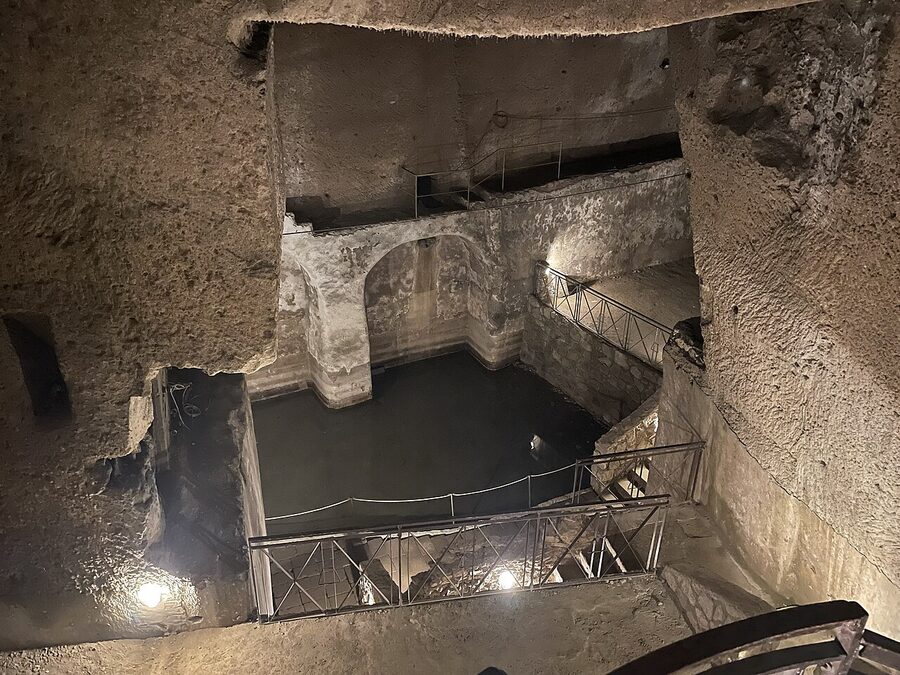
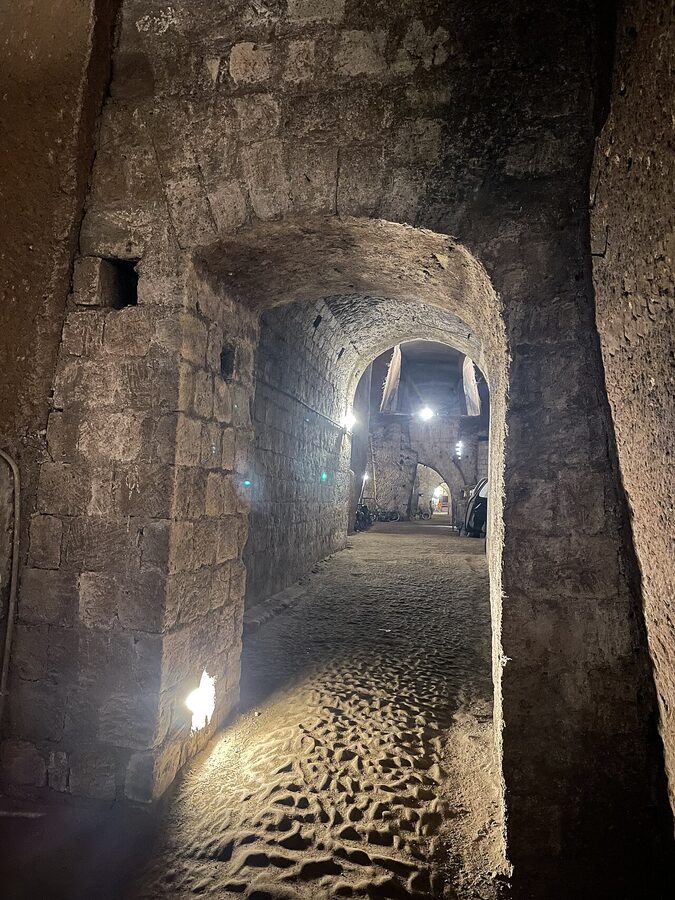
Visiting Naples Underground is the closest you’ll come to walking through 2,400 years of one city’s plumbing, paranoia, and survival. The catch: there isn’t a single “Naples Underground.” There are at least three operators running competing tours under almost the same name, and they go to genuinely different places. This guide explains what you’re actually buying, which one I’d book first, and what to wear so you don’t freeze.
Short on time? Here’s where I’d start:
Best overall: Naples Underground Entry Ticket and Guided Tour at $21. The flagship Napoli Sotterranea tour from Piazza San Gaetano. Greek-Roman aqueduct, Roman theatre under the streets, WWII shelter section.
Best for WWII history: Bourbon Tunnel Guided Tour at $12. A separate site, Galleria Borbonica, built as an 1850s royal escape tunnel and used as a bomb shelter. Old cars and statues mid-tunnel.
Smaller groups, Viator booking: Napoli Sotterranea Guided Tour at $18. Same Sotterranea site as the flagship, booked through Viator. Useful if you’re combining with other Viator tours.
- What Is Naples Underground, Exactly
- The Three Tours You Need to Know About
- Napoli Sotterranea, Piazza San Gaetano
- Galleria Borbonica (the Bourbon Tunnel)
- Napoli Sotterranea Quartieri Spagnoli
- The Three Tours I’d Actually Book
- 1. Naples Underground Entry Ticket and Guided Tour:
- 2. The Bourbon Tunnel Guided Tour with Entrance Ticket:
- 3. Napoli Sotterranea Guided Tour (Viator):
- How to Get to Each Site
- Tickets, Prices, and What’s Worth Adding
- What to Wear and Bring
- How Long to Spend Underground
- Combining With Other Naples Activities
- A Short History, If You Want the Context Before You Go
- What Goes Wrong, and How to Avoid It
- Common Questions
- Where to Go Next
What Is Naples Underground, Exactly
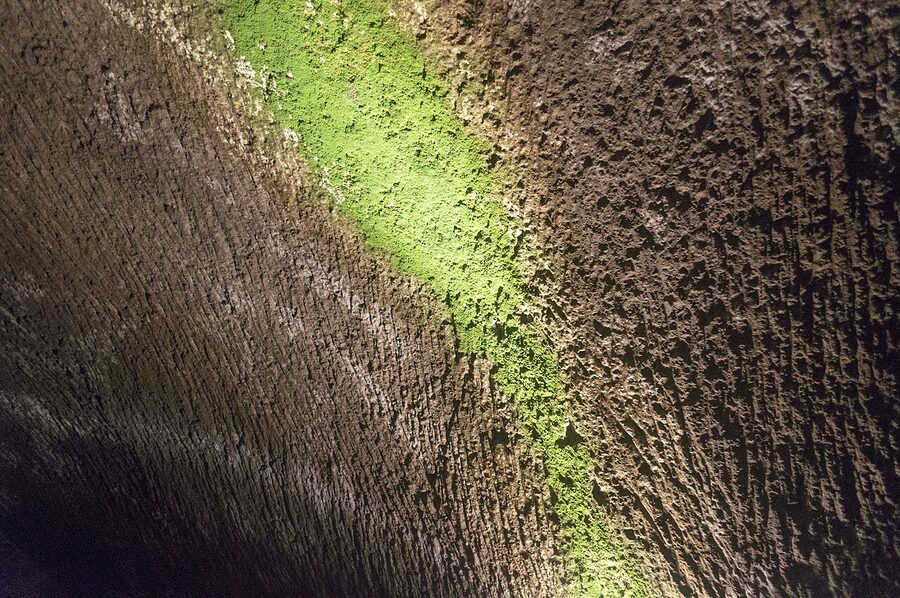
Naples has been continuously inhabited for about 2,500 years. Greeks, Romans, Byzantines, Normans, Spanish, Bourbons, then Italians. Every version of the city built on top of the last one. The result, as a guide on my first tour put it, is a “stone tiramisu”. Layers of buildings, with the oldest layer about 40 metres below the modern street.

The “underground” you can visit is a mix of three things, sometimes inside the same tour:
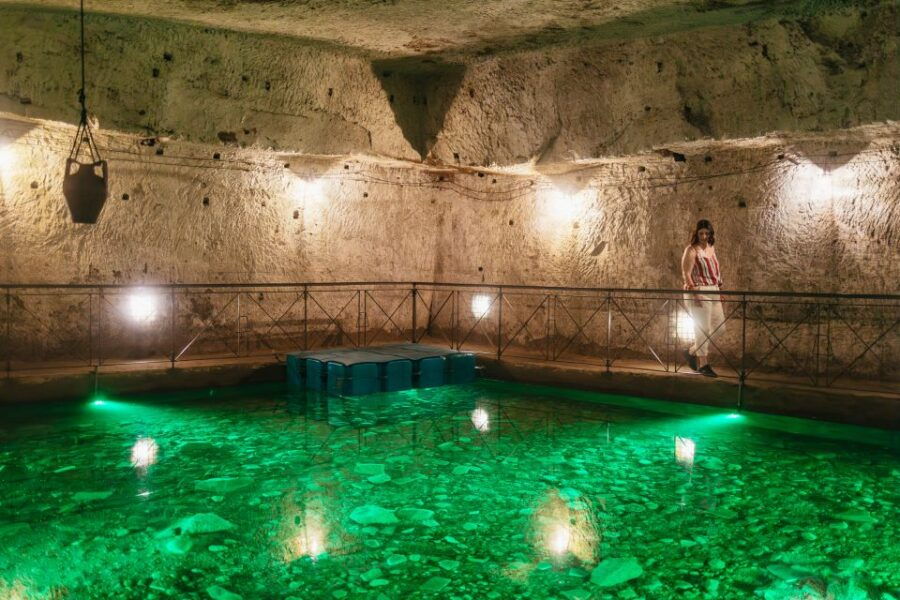
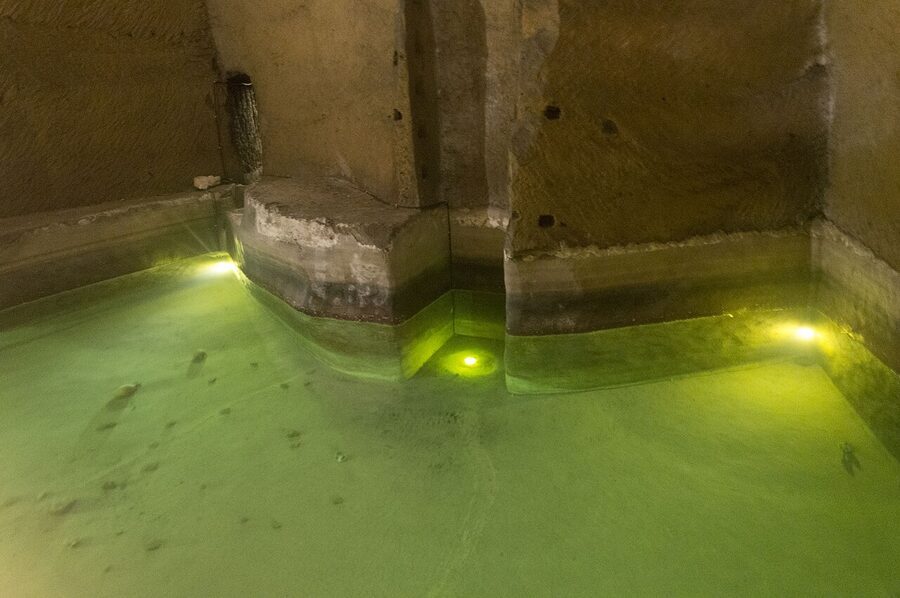
- Greek-Roman aqueducts and cisterns. The Greeks dug them starting around 400 BCE. The Romans expanded them. They were used as the city’s water supply for over 2,000 years and only abandoned after a cholera outbreak in 1884.
- The Roman theatre under San Paolo Maggiore. A first-century theatre, where Nero reportedly performed in 64 AD, still partially preserved under the basilica. You walk into it through someone’s old basement.
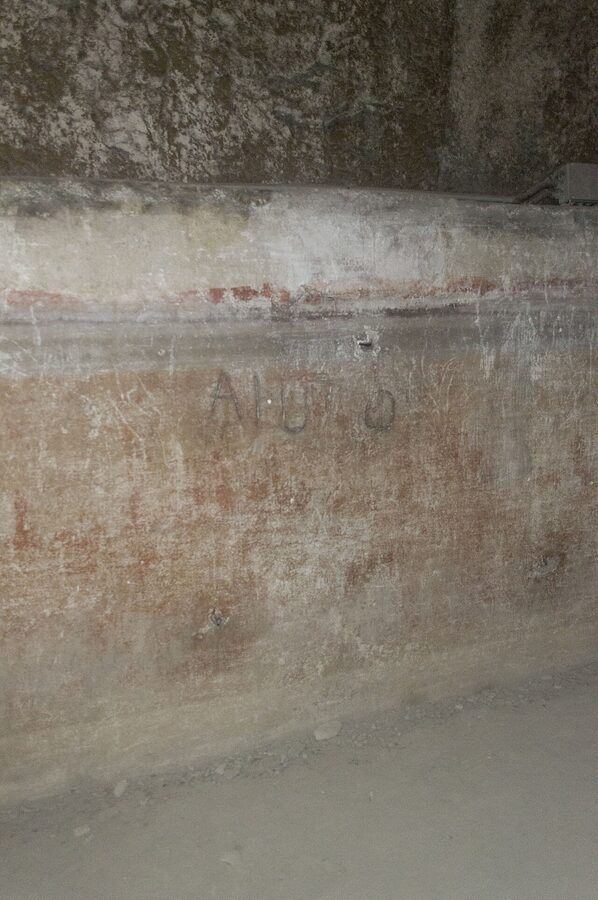
- WWII bomb shelters. When Allied bombs hit Naples in 1940-43, the city converted the old cisterns into shelters. People lived down there for weeks. You can still see the WWII graffiti on the walls.
The Three Tours You Need to Know About
This is where most travel guides go wrong. They lump everything together as “Naples Underground.” Here’s what actually exists, and what you’re walking into when you book each one.
Napoli Sotterranea, Piazza San Gaetano
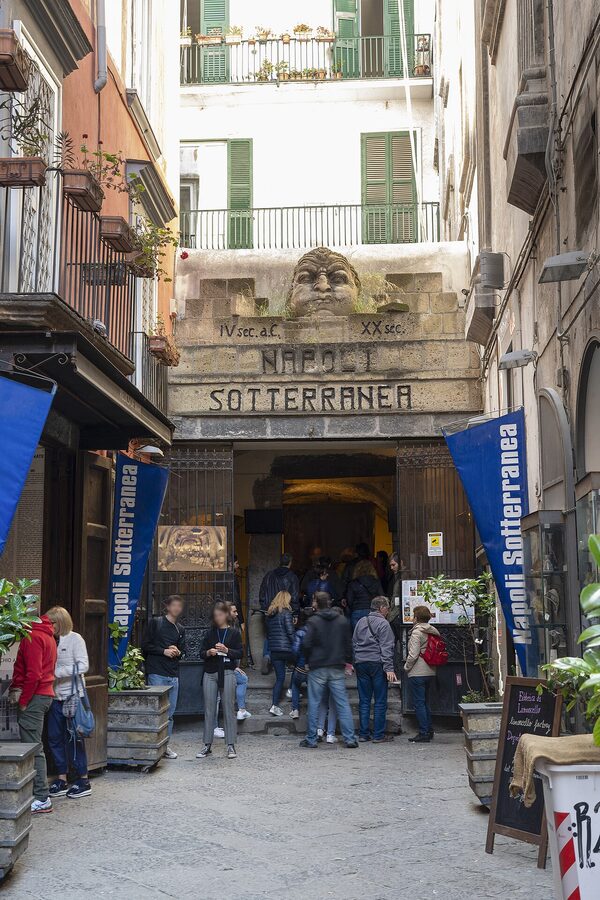
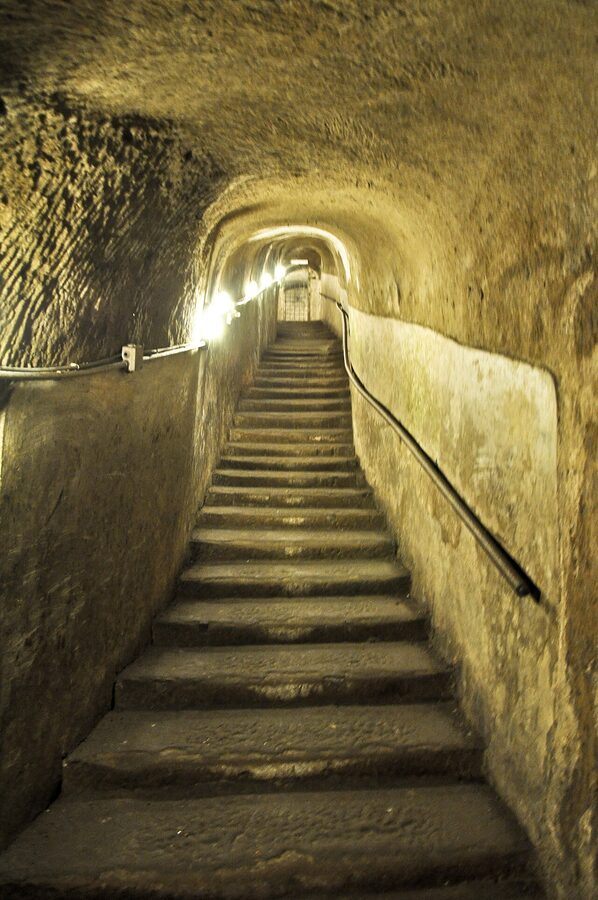
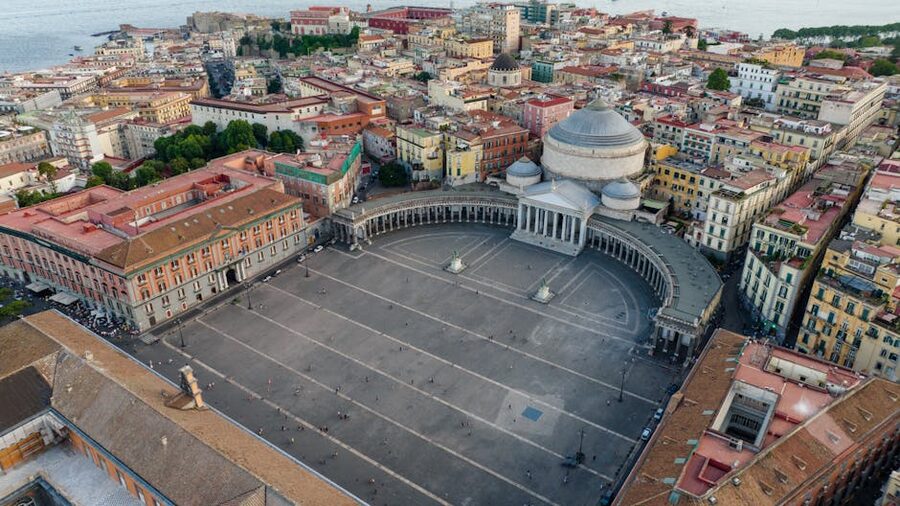
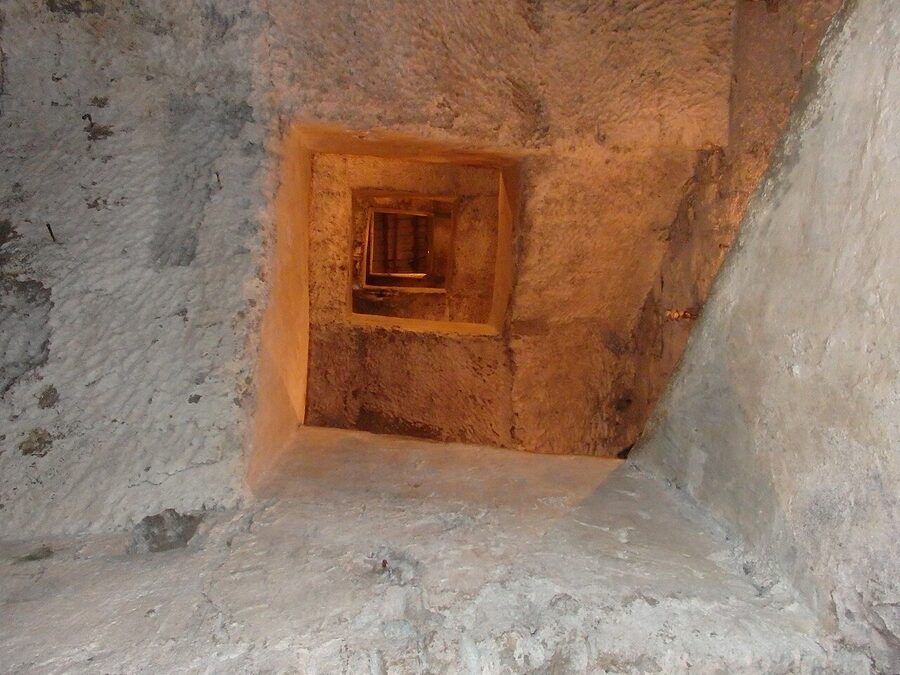
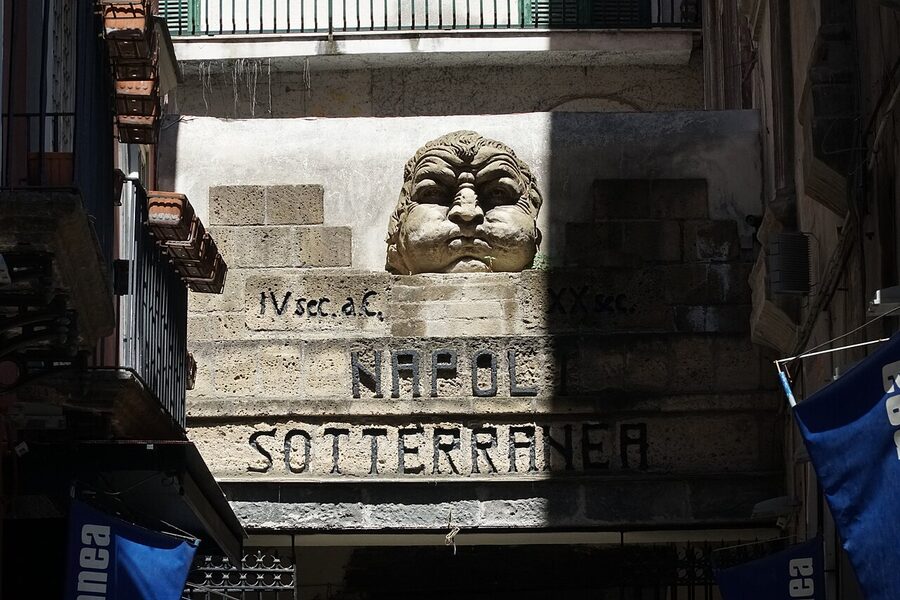
This is the one most people mean when they say “Naples Underground.” Entry is on Via dei Tribunali, right next to the Basilica di San Paolo Maggiore, in the heart of the old centro storico. The descent is the dramatic part. About 130 steps down a single narrow staircase, lit by candles at first, then small electric lights.
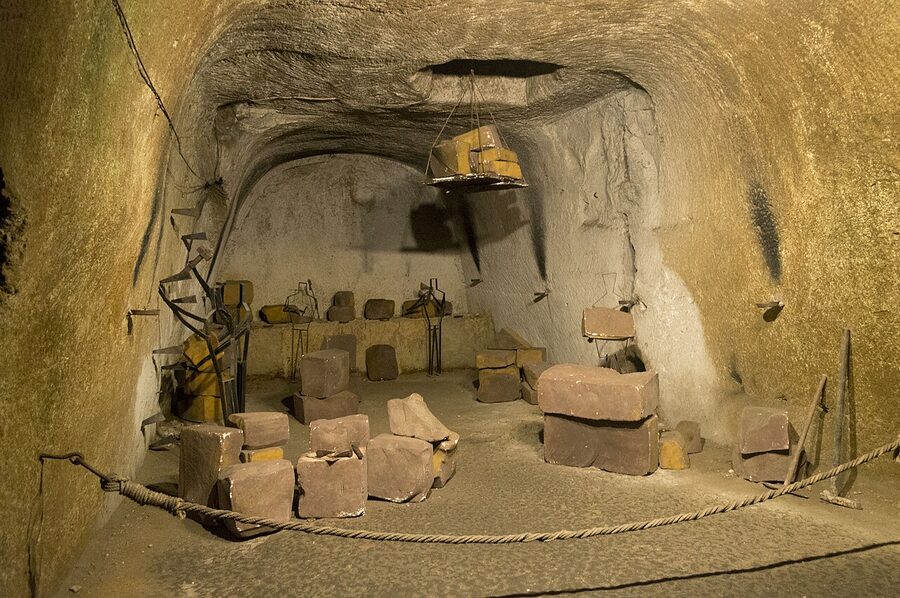
What you see down there: a Greek-Roman aqueduct, a couple of cisterns big enough to feel like cathedrals, the corner of the Roman theatre where the seating tiers were cut into the rock, and a WWII shelter section with original artefacts left behind. The full tour takes about 90 minutes underground.
Booking note: this site is run by an organisation called LAES, short for Libera Associazione Escursionisti Sottosuolo. The tickets you book online go to the same physical place, but the tour quality varies by guide. Most are excellent. A couple are flat. You won’t know until you’re down there, and once you’re down there, you’re committed for the next 90 minutes.
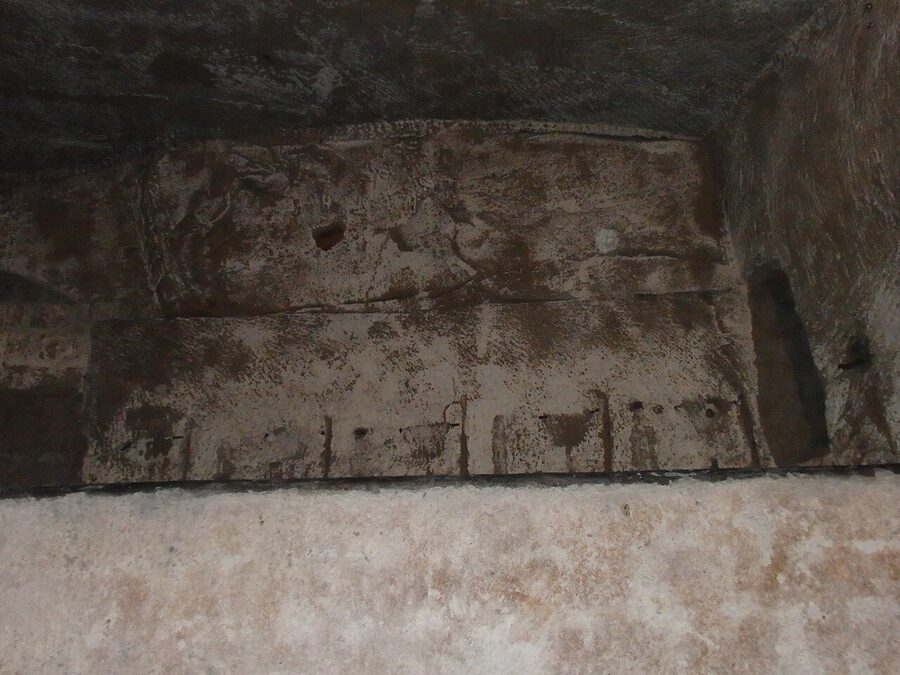
Galleria Borbonica (the Bourbon Tunnel)
This is a completely different site from the Sotterranea, though tour aggregators sometimes confuse the two. Galleria Borbonica was commissioned in 1853 by King Ferdinand II of Bourbon as a royal escape tunnel. The idea was that he could exit the Royal Palace, slip underground, and emerge near the military barracks at Chiaia if there was a revolt.
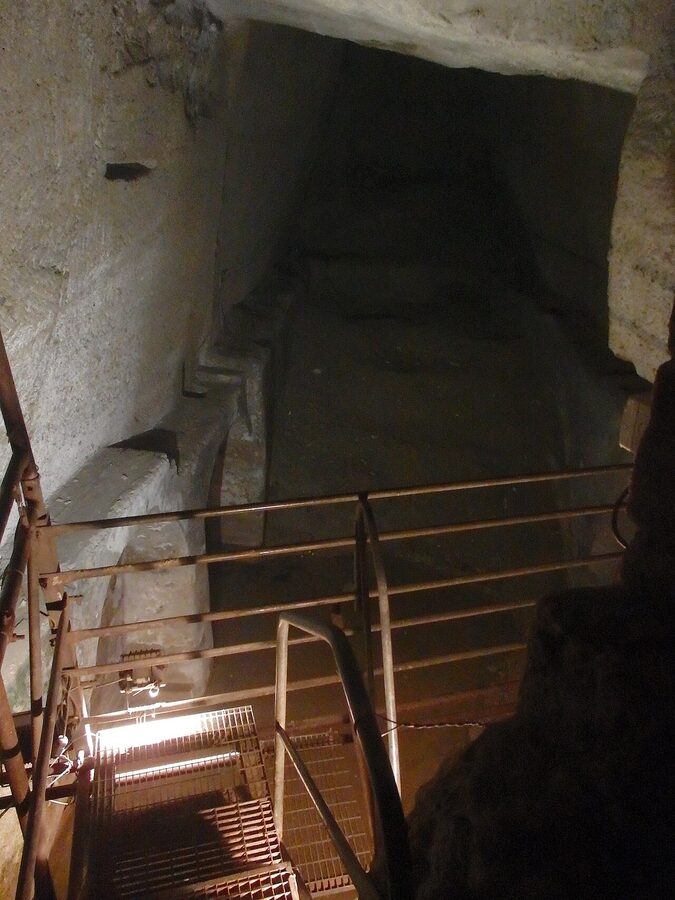
It was never finished as an escape route. By the time it might have been useful, the Bourbons had already lost Naples to Garibaldi (1860). The tunnel got reused. First as a municipal storage space, then in WWII as an air-raid shelter for thousands of Neapolitans, then for decades as a police impound for confiscated cars and motorcycles. You can still see the cars rusting in place down there.
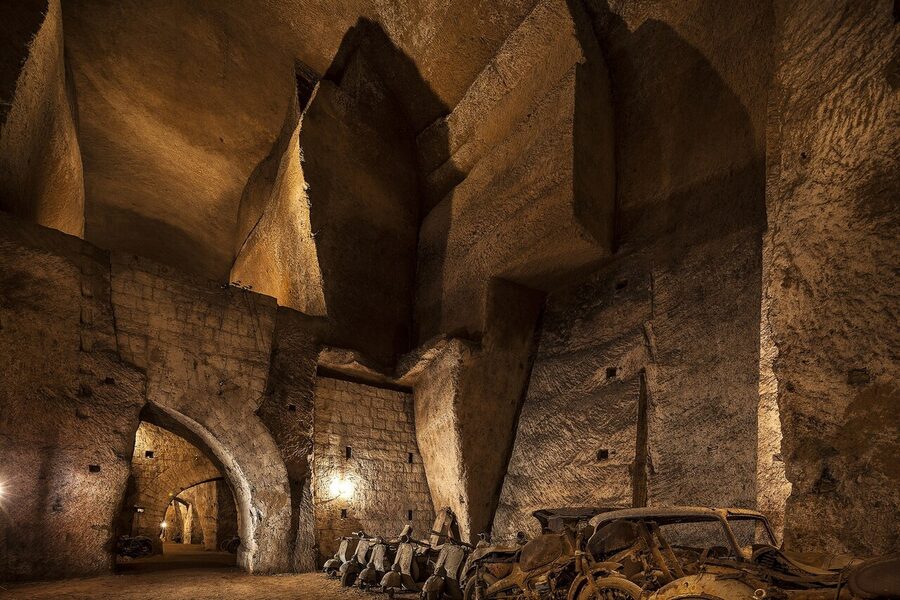
If your interest is WWII history more than ancient Rome, book Galleria Borbonica instead of (or as well as) the Sotterranea. The shelter section is bigger and more intact than what you’ll see at San Gaetano. Tickets start around $12 for the standard tour. They also run the famous “Concert in the Dark” series, where a small orchestra plays in pitch-black caverns. If you can time a visit for one of those, do it.
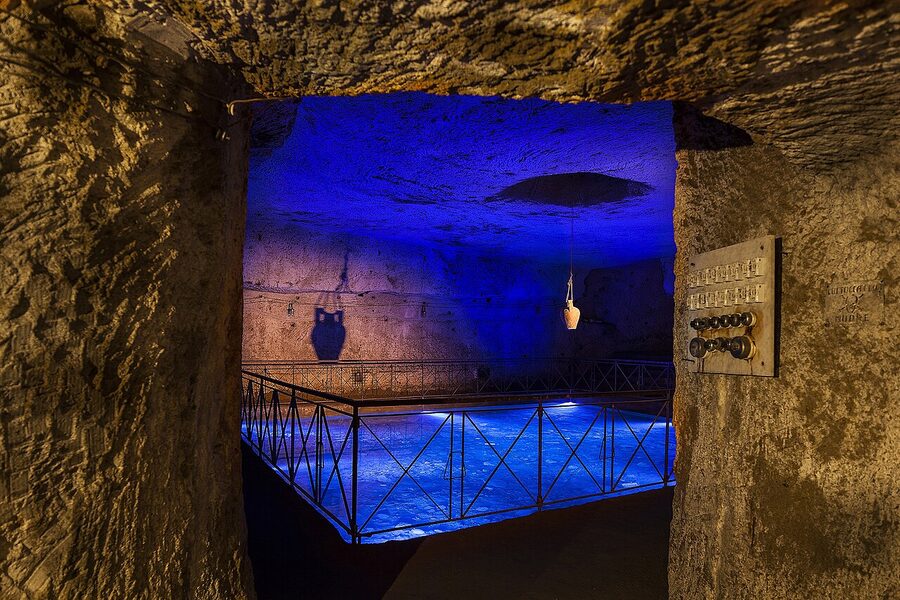
Napoli Sotterranea Quartieri Spagnoli
The third option, and the most confusing one. There’s a separate operator running tours under the name Napoli Sotterranea from a different entrance, in the Quartieri Spagnoli neighbourhood, starting from near the historic Gambrinus coffee bar. The site is older, the focus is on Greek aqueducts, and the WWII graffiti is reportedly better than at San Gaetano.
The catch: it’s run by a competing organisation, the naming is genuinely confusing, and a lot of online listings don’t make it obvious which one you’re booking. If your booking confirmation says “Quartieri Spagnoli” or “via Toledo / Gambrinus” as the meeting point, that’s this one. If it says Piazza San Gaetano or Via dei Tribunali, that’s the LAES tour above. They are not the same place.
The Three Tours I’d Actually Book
1. Naples Underground Entry Ticket and Guided Tour: $21
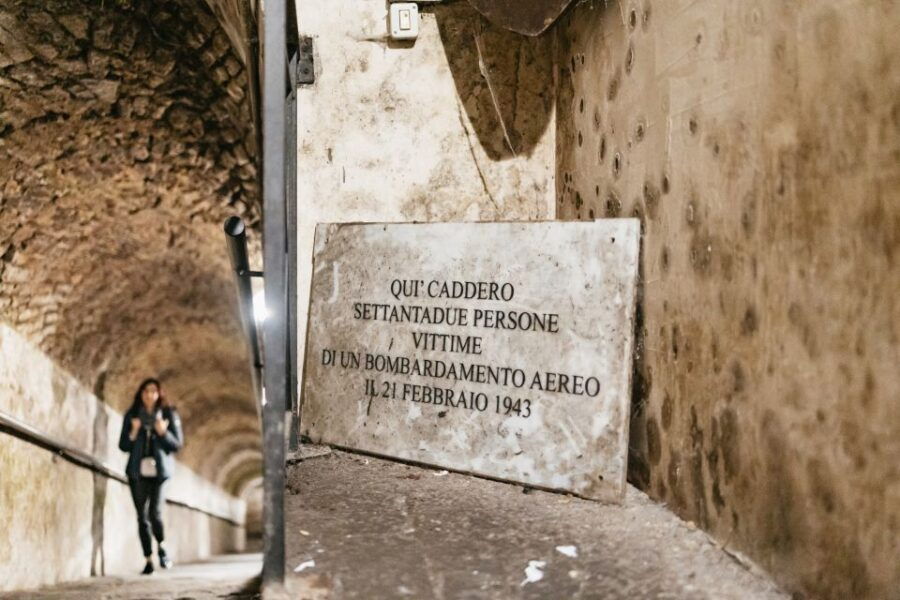
This is the one to book if you only have time for one underground tour in Naples. It’s the LAES tour at the Piazza San Gaetano entrance: Greek-Roman aqueduct, the Roman theatre fragment under San Paolo Maggiore, the wartime shelter section, all in 90 minutes. Tickets can be added with a pizza-tasting voucher, which is a slightly cheesy upsell but, this being Naples, the pizza is genuinely excellent. Our full review breaks down which guides to ask for and what the optional pizza add-on actually includes.
At $21 per person it’s also one of the cheapest things you can do in central Naples. Tour duration is 1.5 to 2 hours total, including the surface briefing. Bring a light jacket, because the temperature underground stays around 15-16°C year round.
2. The Bourbon Tunnel Guided Tour with Entrance Ticket: $12
This is the WWII history option, and at $12 it’s almost embarrassingly cheap for what you get. One hour, four centuries of Naples history compressed into a single tunnel. You walk past a fascist-era statue collection, dozens of period cars and Vespas left from the police impound years, and a fully preserved bomb shelter section with original beds and latrines still in place. Our review covers which of the four tunnel routes is worth upgrading to.
The standard route, the one you book by default, is also the one most accessible for anyone with limited mobility. Fewer stairs than the Sotterranea, mostly flat tunnel walking. If you can only do one underground site and you’re more interested in WWII than Roman aqueducts, do this one over the Sotterranea.
3. Napoli Sotterranea Guided Tour (Viator): $18

This is functionally the same Sotterranea experience as #1, sold through Viator instead of GetYourGuide. The price is a couple of dollars higher, the tour is slightly shorter at one hour rather than 90 minutes, and the headcount per group can be smaller depending on the day. Useful mainly if you’re already booking other Naples activities through Viator and want everything on one platform. Our review explains the small differences between the GYG and Viator versions.
If you don’t have a strong booking platform preference, default to tour #1 above. If you do, this is the Viator equivalent and the visitor reviews are basically as glowing.
How to Get to Each Site
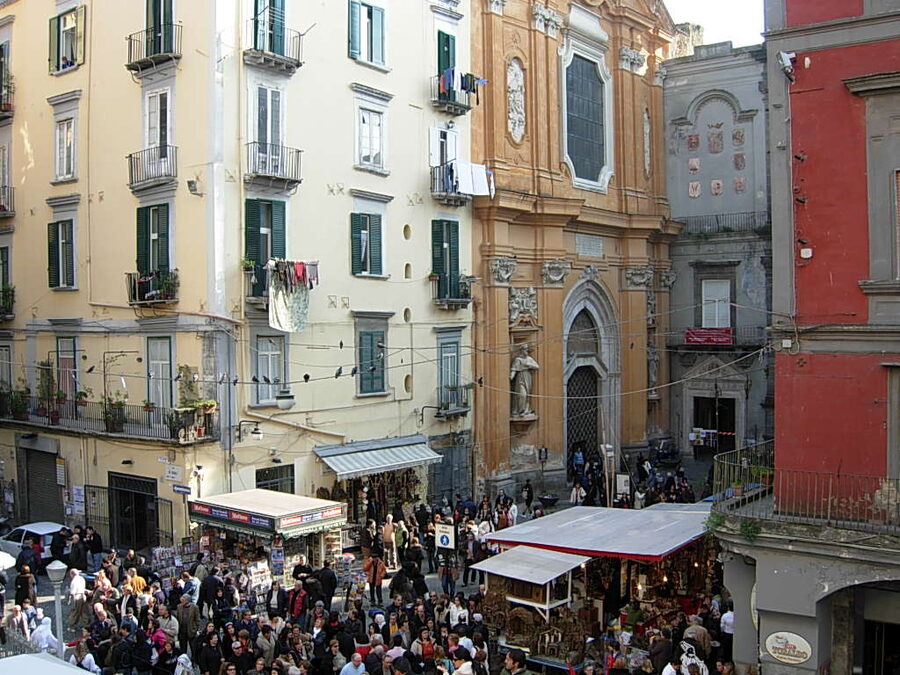
Napoli Sotterranea (Piazza San Gaetano): Take Metro Line 1 to Dante or Università and walk in about 10 minutes. From the central station Napoli Centrale, walk via Via Pietro Colletta (around 15 minutes through the old town) or take a taxi for €10-12. The actual entrance is on Piazza San Gaetano, next to the Basilica di San Paolo Maggiore. Look for the small ticket booth, not a grand doorway.
Galleria Borbonica: Two entrances depending on which tour route you’ve booked. The standard route enters from Vico del Grottone 4 (off Piazza del Plebiscito): Metro Line 1 to Toledo, then 7-8 minutes walking. The Via delle Memorie route enters from Via Domenico Morelli 61, closer to the Chiaia neighbourhood. Always double-check the meeting point on your booking confirmation. They’re a 10-minute walk apart.
Quartieri Spagnoli site: Meeting point is usually near Gran Caffè Gambrinus on Piazza Trieste e Trento. Metro Line 1 to Toledo or Municipio. If you booked this site by accident expecting the San Gaetano version, here’s where you find out.
Tickets, Prices, and What’s Worth Adding
Prices for the standard tours sit between $12 and $25 across all three sites. Compared to almost any other paid attraction in Italy, that’s an absurd amount of history per euro. The Sotterranea charges around $21, the Bourbon Tunnel $12 to $15 depending on route, and the Quartieri Spagnoli option around $15.
Worth adding:
- Pizza tasting at the Sotterranea. Adds about €8 to the standard ticket. The pizza place they partner with is genuinely good, and you do it after surfacing, which feels like the right reward for crawling around in a cold tunnel for 90 minutes.
- Adventure Tour at Galleria Borbonica. About €25, around 2.5 hours. Goes into sections of the tunnel that are normally closed and includes the wider aqueduct system. You wear a helmet and headlamp. If you are reasonably fit, do this instead of the standard tour.
- Combined Sotterranea + Roman Theatre ticket. Sometimes offered, sometimes not, depending on the season. The Roman Theatre is worth the extra €5 if it’s available. You access it through what looks like someone’s basement, and the contrast between modern apartment and 1st-century stage is the kind of thing only Naples can do.
Skip the audio-guide-only options where they exist. These are sites where the guide is most of the value. The cisterns are dramatic but they’re not self-explanatory. Without context they’re just dark rooms.
What to Wear and Bring
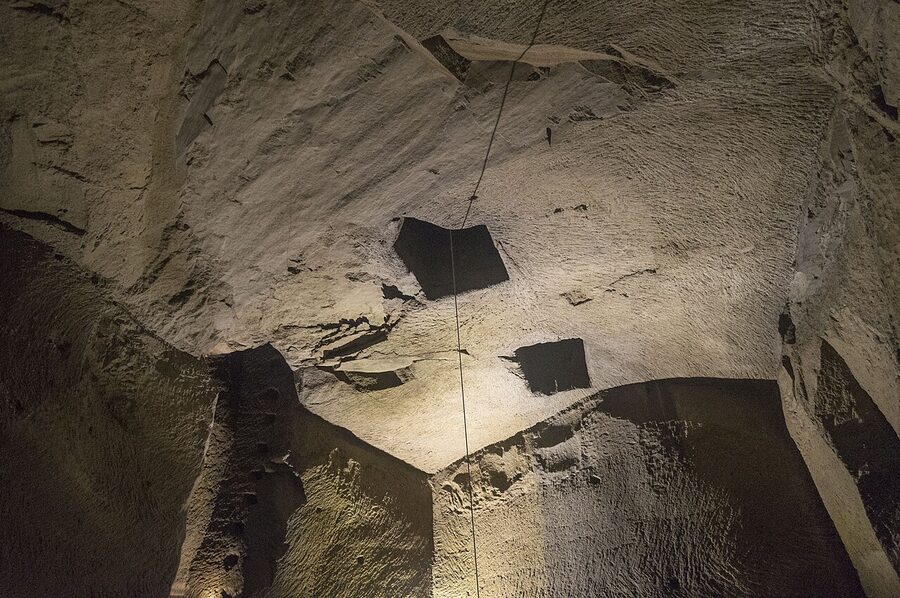
The temperature in the tunnels stays around 15-16°C year round. In Naples summer that’s a relief. In winter it can feel colder than the surface, especially near the cisterns where there’s still some humidity. Pack accordingly:
- Light jacket or hoodie. Even in July, you’ll want sleeves down there.
- Closed shoes with grip. Some sections are damp and the floor is uneven. Open sandals are a bad idea everywhere except the Bourbon Tunnel standard route.
- Phone with a flash. The lighting is dim by design. If you want photos of the chamber walls, you’ll need to use your phone’s flash. Tripods aren’t allowed.
- Bottle of water. The Sotterranea is 90 minutes and the air is dry. There’s no shop down there.
- Nothing fragile. Some passages are narrow enough that a daypack will scrape both walls.
What you don’t need: helmets and headlamps for the standard routes (the operators provide them on the adventure tours). A heavy coat. A guidebook, since the guide is the guide.
How Long to Spend Underground
If you’re in Naples for two days, do one underground tour. Sotterranea is the best single pick. If you’re in Naples for three or four days, do both Sotterranea and Galleria Borbonica. They cover totally different ground and the contrast is the point. Romans first, Bourbons second; the tonal whiplash works.
Don’t try to do all three sites in one day. The novelty wears off, the temperature gets to you after about three hours of underground walking, and you stop being able to tell the cisterns apart. Two sites with a long lunch and a coffee in between is the right pace. Naples is also a city that rewards walking around above ground, so you don’t want to spend an entire day in tunnels.
Combining With Other Naples Activities
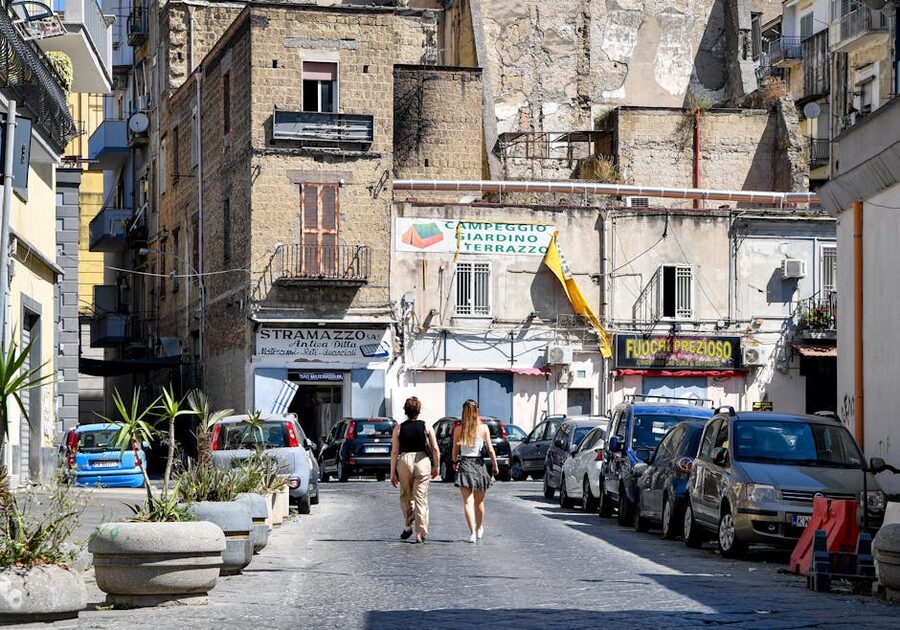
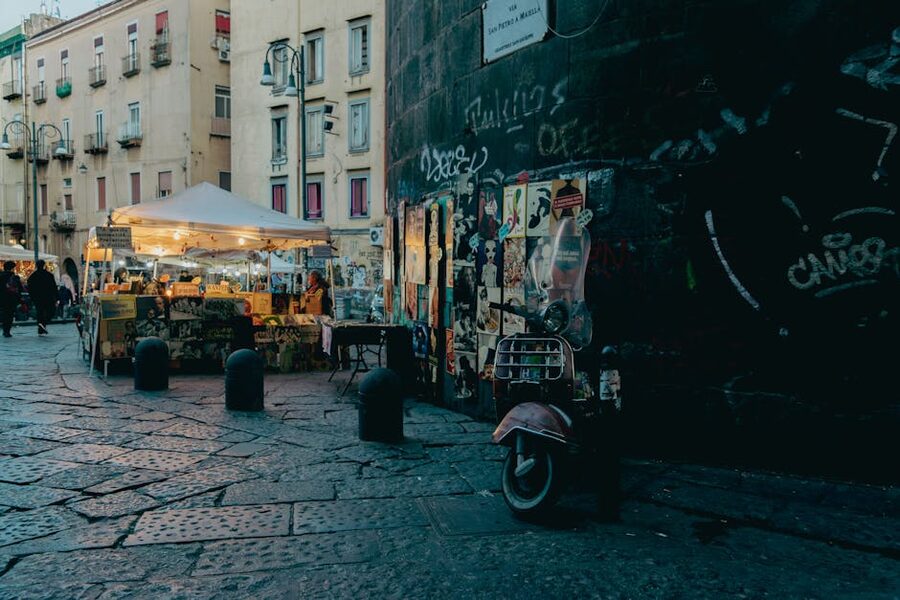
Underground tours pair well with the rest of central Naples. If you’re doing the Sotterranea at Piazza San Gaetano, you’re already in the historic core. Spaccanapoli is a five-minute walk south, and the Cappella Sansevero (with the Veiled Christ statue) is about three minutes east. Plan a half-day around it.
If you’re going to spend a full day on Naples’ subterranean history, the natural sibling is the Catacombs of San Gennaro in the Sanità neighbourhood. It’s a different kind of underground, an early Christian burial complex, but the same tonal register and the same “wait, this exists?” reaction. The flagship guided San Gennaro catacombs tour covers the painted lower level. Bus from National Archaeological Museum, about 15 minutes.
If you came to Naples mainly for the ancient Roman world, the obvious pairing is a day trip to Pompeii. Doing Pompeii one day and the Sotterranea the next gives you the city Vesuvius destroyed and the city Vesuvius didn’t. The buried streets above and below feel like two halves of the same idea. Add a half-day on Mount Vesuvius itself and you’ve got the geological reason all of this exists, in one trip.
A Short History, If You Want the Context Before You Go
Naples sits on a slab of volcanic tuff laid down by eruptions of the Phlegraean Fields, west of the city, around 39,000 years ago. The Greeks who founded the city in the 6th century BCE figured out almost immediately that the tuff was easy to dig and useful to dig into. They cut cisterns, channels, and storage rooms straight out of the rock under their houses.
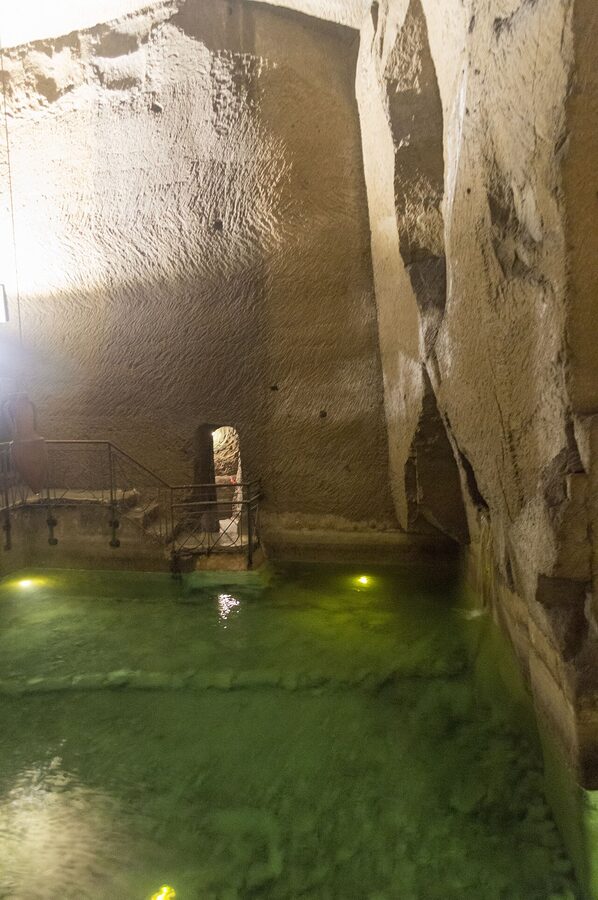
The Romans took over in the 4th century BCE and turned the patchwork of household cisterns into a connected aqueduct system, fed mostly by the Serino spring 96 km away. By the late Roman period the underground network was effectively the city’s plumbing. Wealthy homes had their own private wells dropping straight into the public cisterns. A setup that survived more or less unchanged for the next 1,500 years.
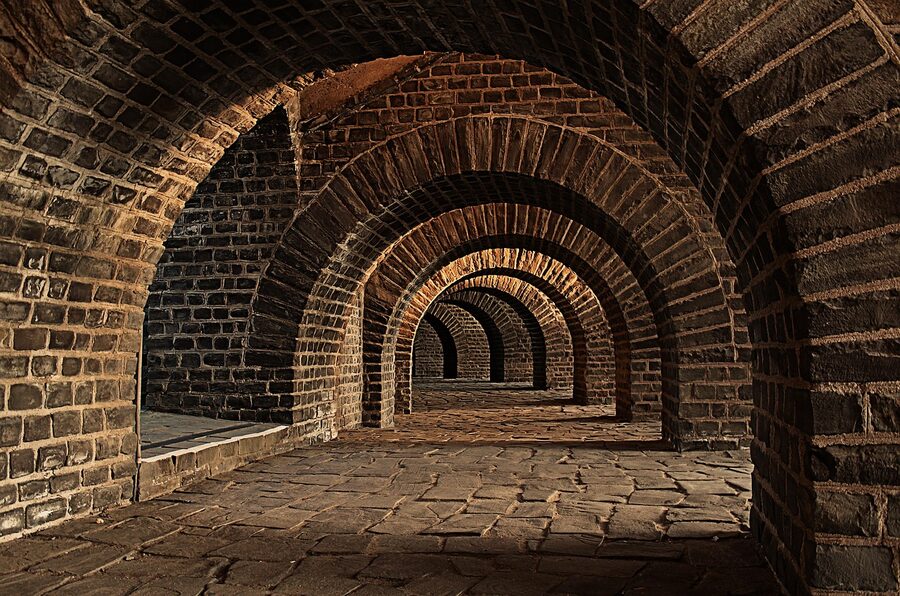
The system finally broke in 1884 when a cholera epidemic killed thousands. The cisterns, which had quietly become contaminated by century after century of waste seeping in, were blamed. The municipality built a new pipe-based water supply and sealed off most of the underground. For 50 years the tunnels sat abandoned. Then WWII happened and the cisterns suddenly mattered again, this time as the city’s largest civilian shelter.
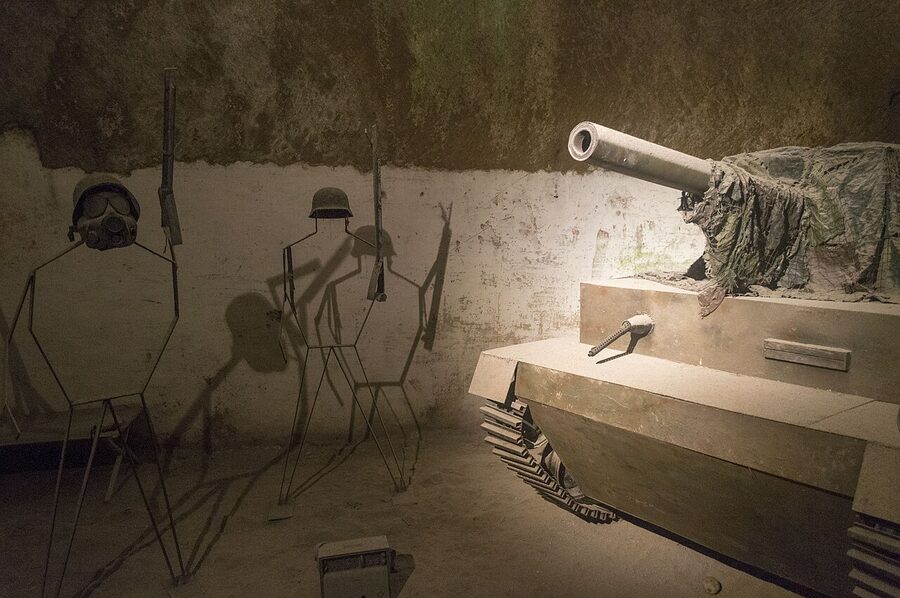
After the war, most of the network was forgotten again. The current generation of public tours started in the late 1960s when an amateur speleologist association pushed to map and reopen the cisterns. The Sotterranea organisation as you know it dates to the late 1980s. The Galleria Borbonica only opened to the public in 2010. So for all the talk about 2,400-year-old aqueducts, the visitor experience is basically newer than the iPhone.
What Goes Wrong, and How to Avoid It
A few things to know if you want the visit to actually work:
Booking the wrong site. The biggest one. Three different operators run tours under names that all include “Napoli Sotterranea” or “Naples Underground.” If your meeting point isn’t Piazza San Gaetano (Via dei Tribunali) and you wanted the LAES tour, you’ve booked the wrong thing. Cancellation policies on these tours are usually generous, but only if you cancel before the day-of cutoff. Read the meeting address before you click pay.
Showing up at the wrong time. Tours run on fixed slot times, usually starting on the hour or half-hour. They will not wait. Naples traffic is chaotic, the historic centre is closed to most cars, and Google Maps walking estimates underestimate by about 20% because of the foot traffic. Add a 15-minute buffer.
Not bringing cash. The pizza-tasting add-on at the Sotterranea is sometimes cash-only. Many of the small bakeries and bars near the entrance also are. €20 in pocket cash will save a small headache.
Claustrophobia surprise. The narrow cunicolo passage on the Sotterranea (the part where you walk single-file in candle-lit darkness for about 60 metres) is tighter than people expect. If you have any history of panic in enclosed spaces, ask the guide about the bypass route. There usually is one. Better to ask before you’re 30 metres in.
Not enough battery. If you want photos and your phone is at 30% when you go down, you’ll be at 5% when you come up. The lighting is dim, your phone will keep maxing the flash, and there’s no signal to scroll between shots so you’ll just keep taking more.
Common Questions
Can kids do the tour? Yes, generally from age 6 or 7 upwards on the standard Sotterranea. The narrow cunicolo section is darker than most kids expect and there’s no age minimum, but a few primary-age kids find it scary. Galleria Borbonica is easier for kids: wider tunnels, more “stuff” to look at like the cars and motorcycles.
Is it accessible? The Sotterranea isn’t. There’s no way around the 130-step staircase down. Galleria Borbonica’s standard route is partially accessible (limited stairs, mostly flat tunnel walking) but it’s not fully step-free. Ask the operator before booking if step-free access is essential.
Can I tour on my own? No. All three sites only allow guided visits. This is a good thing. Without a guide most of what you’re looking at is just an empty room.
What language are the tours in? Italian and English are standard at all three sites. Some run Spanish, French, and German on rotation. Book the language at booking, not on the day.
How early should I book? In peak season (May to October), book the Sotterranea at least 3 to 4 days ahead. Galleria Borbonica is usually bookable same-day except for weekend afternoons.
Is photography allowed? Yes everywhere, no flash restrictions on the Sotterranea or Borbonica, no tripods. Many of the photos you’ll see online of these sites are professional shoots done after-hours; your phone shots will be darker and noisier and that’s normal.
Where to Go Next
Once you’ve done the underground, the natural follow-up is more layers of Naples. If the cool, dark, ancient mood of the cisterns appealed to you, the San Gennaro catacombs guided tour is the next step up: same vibe, early Christian frescoes, completely different historical period. The other two sites that round out a Naples ancient-history week are Pompeii and Vesuvius. Three or four days of all four sites is the tightest archaeology-and-WWII run you can do in southern Italy.
Of all the sub-€25 things you can do in Italy, the Naples Underground has the highest ratio of “I had no idea this existed” to “this is what I’ll tell people about when I get home.” That’s worth the cold air and the 130 steps.