
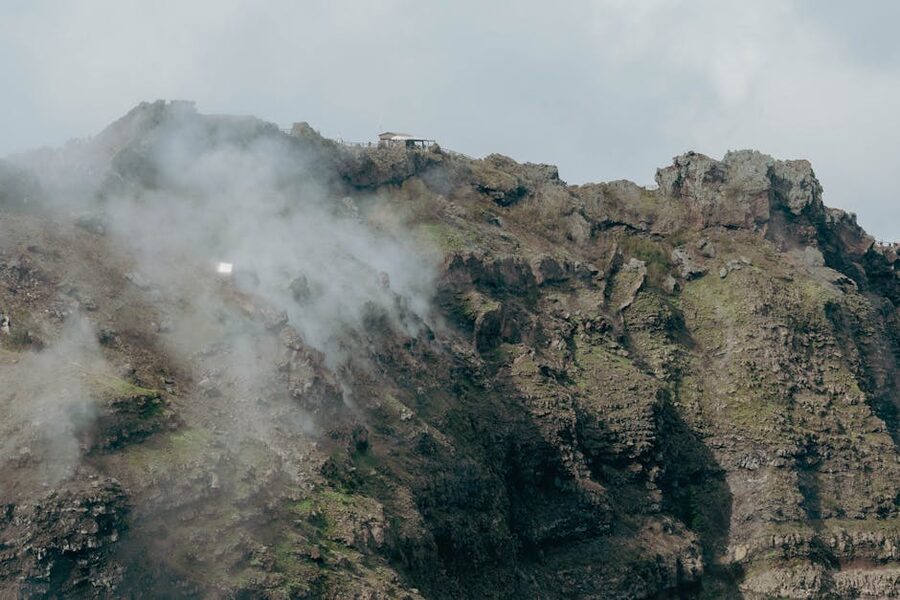
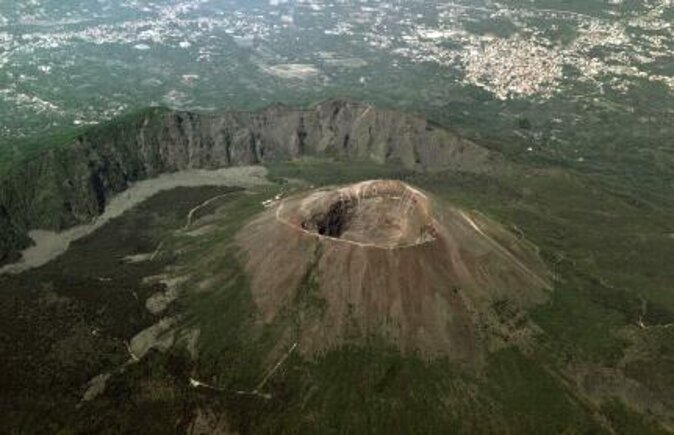
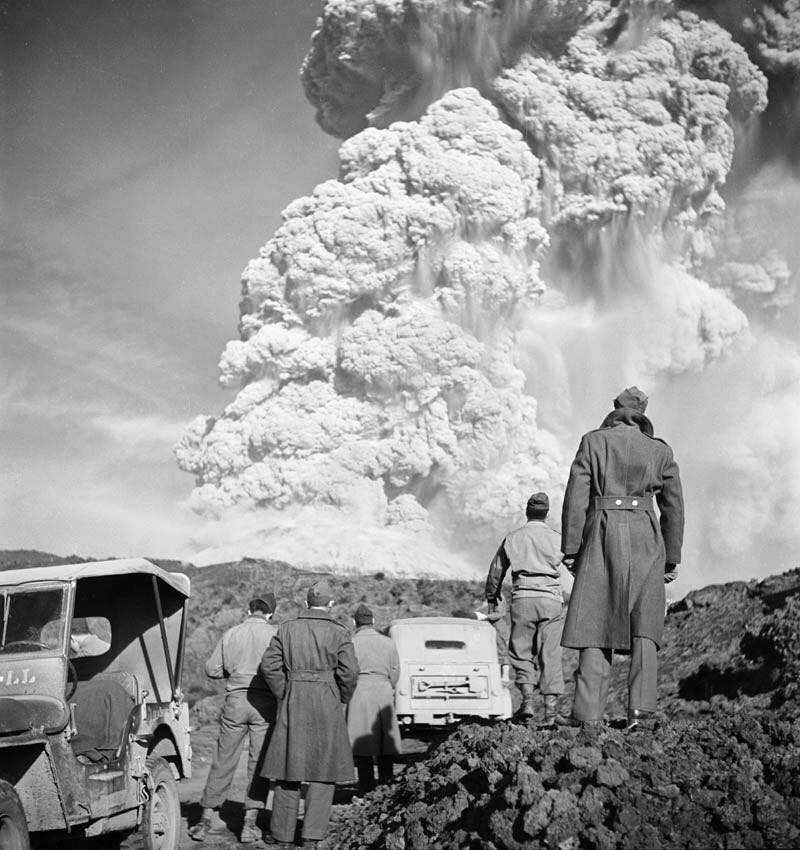
You are halfway up the cone, and the sea wind is suddenly gone, replaced by the smell of warm sulfur and the sound of your own boots crunching on volcanic gravel. Below, Naples spreads along the bay like a model town. Ahead, a rope handrail bends around the rim of a hole in the earth that, in 1944, was throwing lava three hundred metres into the air.
Visiting Mount Vesuvius from Naples used to be a one-bus, one-walk afternoon. It is now a tightly controlled, time-slotted, pre-booked operation, and the logistics catch a lot of people off guard. This guide is the version I wish I had read before I tried it solo.
In a Hurry? My Top Picks
- Best overall, do Pompeii too: From Naples: Pompeii Ruins and Mount Vesuvius Day Tour ($120). Round-trip from central Naples, both sites in 7-7.5 hours, a guide for Pompeii and the bus up the volcano. The default if it is your first time.
- Best if you only want the volcano: Naples: Mount Vesuvius Skip-the-Line Ticket and Audio Guide ($18). Skip-the-line crater entry plus a digital audio guide. Pair with the Vesuvio Express bus and you have a half-day from Naples for under €60 total.
- Best all-inclusive, lunch sorted: Mt Vesuvius and Pompeii Day Trip From Naples All Inclusive ($149). Seven hours, both sites, lunch and ticket fees built in. Less to think about, more to pay for.
- In a Hurry? My Top Picks
- The Short Version: Three Ways to Reach the Crater
- Crater Tickets Sell Out. Book Before You Leave Home.
- Getting from Naples to the Volcano
- The Hike to the Crater Rim
- What I’d Actually Book
- 1. From Naples: Pompeii Ruins and Mount Vesuvius Day Tour: 0
- 2. Mt Vesuvius and Pompeii Day Trip From Naples All Inclusive: 9
- 3. Naples: Mount Vesuvius Skip-the-Line Ticket and Audio Guide:
- When to Go: Weather Beats Season
- Combining Vesuvius with Pompeii or Herculaneum
- Pompeii or Vesuvius: Which Does the Volcano Justice?
- Practical Things People Wish They Knew
- A Short Note on Whether It Is Safe
- What Else to Pair with the Day
The Short Version: Three Ways to Reach the Crater
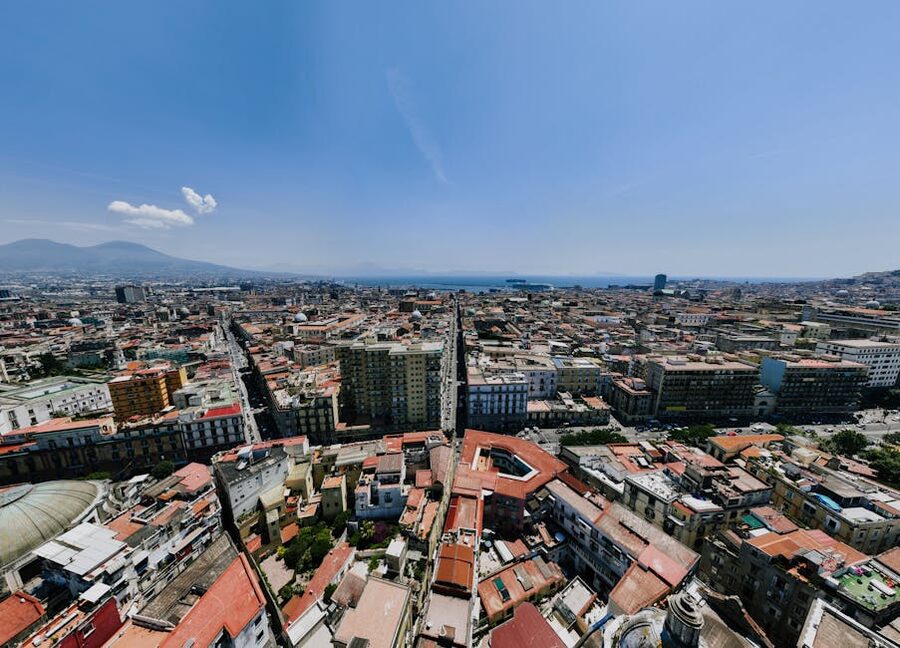
There are basically three ways to get from a Naples hotel to the rim of Mount Vesuvius. Each one has different costs, different headaches, and different odds of finishing the day in a good mood.
The independent route is the cheapest. Take the Circumvesuviana train to Ercolano Scavi, then board the Vesuvio Express shuttle bus, which runs from the square outside the Herculaneum train station up the mountain road to the trailhead at 1,000 metres. Bus is around €14 round-trip, train is around €5 return, crater entry is €24. From there you walk the last 1.6 kilometres uphill on volcanic gravel to the crater. Total cost roughly €45, total time roughly five hours. Total stress depends entirely on whether you booked your crater ticket before you left the hotel.

The guided tour route is the path of least resistance. A bus picks you up in central Naples, takes you to Pompeii, then drives you up the volcano in the same vehicle, and brings you back. The crater entry, the parking, the audio support, and the bus connections are all handled. You pay around €120 for the day, you skip the logistics, and you ride home with someone else doing the driving. Most first-timers I know wish they had done this from the start. There is also a popular variant that swaps the standard lunch for a pizza or wine-tasting stop, which is worth considering if you want a bit more local food in the day.
The private driver route is the upgrade. A car or minibus, often a small group of four to eight, with a driver who knows where to park and when to cut around the slow tour buses. Around €260 from Naples or Sorrento. Worth it if you are a family, if you are short on time, or if you plain don’t enjoy group buses.
Crater Tickets Sell Out. Book Before You Leave Home.
This is the single thing people get wrong. Vesuvius National Park has moved to fully timed entry. You are not just buying a ticket, you are buying a 30 minute slot, and the slots sell out for entire days during May, June, July, August, and the long Italian summer weekends. Walk-up tickets exist on paper but are often gone by 9am in peak season, and the office at the top of the mountain has poor signal, which means you cannot reliably buy on arrival.
Standard crater entry is €24 per adult. Children under 1.20 metres are free, which is a real saving for families. The ticket is timed, but once you are inside the rim trail you can take as long as you like; the timing only governs when you start. Plan on 90 minutes round trip from the trailhead car park to the crater and back, including the loop around the rim itself.
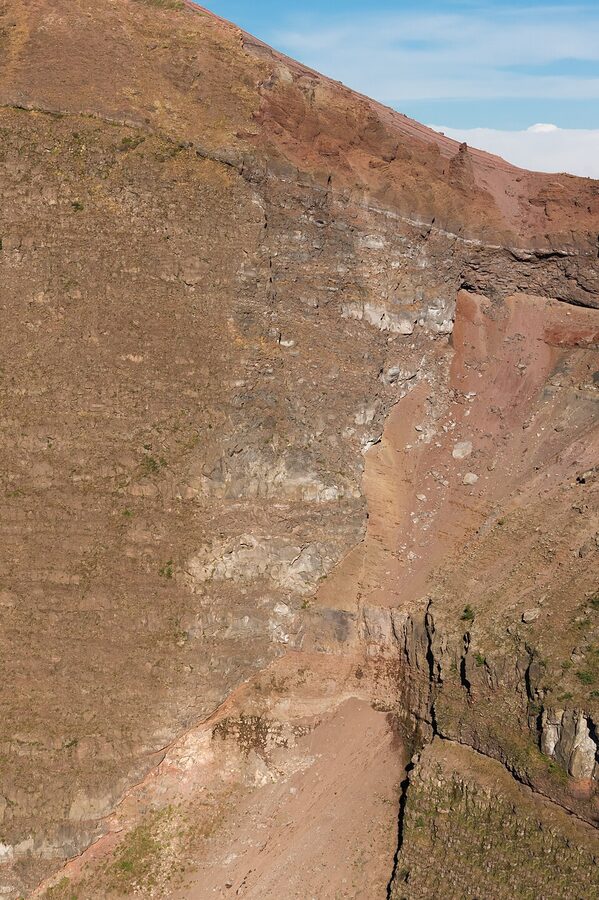
If you are booking a guided tour, the crater ticket is included in the price and the operator handles the time slot. If you are going independent, the cleanest standalone option is the skip-the-line crater ticket with the audio guide, which lets you choose your slot at booking and bundles a digital guide for the rim trail. Buy it online before you leave for Italy, not at the train station. Print a backup or screenshot it, because phone service on the mountain is patchy.
Getting from Naples to the Volcano
Independent travellers go via Herculaneum, not via Pompeii. This catches people off guard, because the volcano sits between the two ruins, and on the map Pompeii looks closer. In practice, the road and the bus run from Ercolano Scavi station, which is closer to the trailhead and has the dedicated Vesuvio Express service.
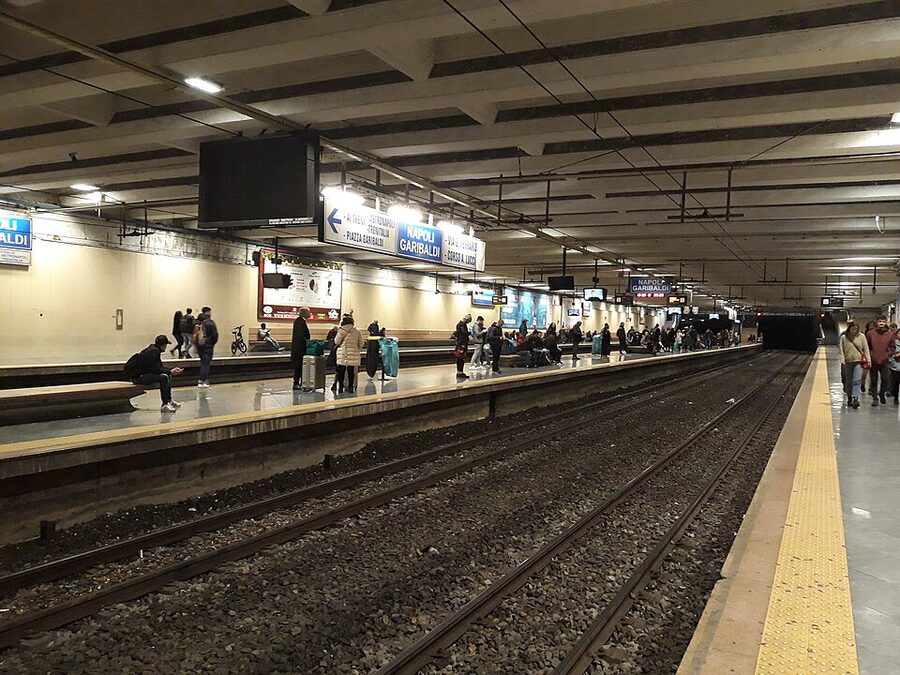
From Naples Centrale (Piazza Garibaldi), take the Circumvesuviana on Line 1 toward Sorrento. Trains run two to three times an hour. Get off at Ercolano Scavi, around 15 minutes from Naples. A return ticket is roughly €5 and you buy it at the station, not on the train. Note that the Circumvesuviana is dated and often crowded; pickpocketing has been a real problem on the Sorrento line for years, so keep your bag in front of you and your phone out of your pocket.
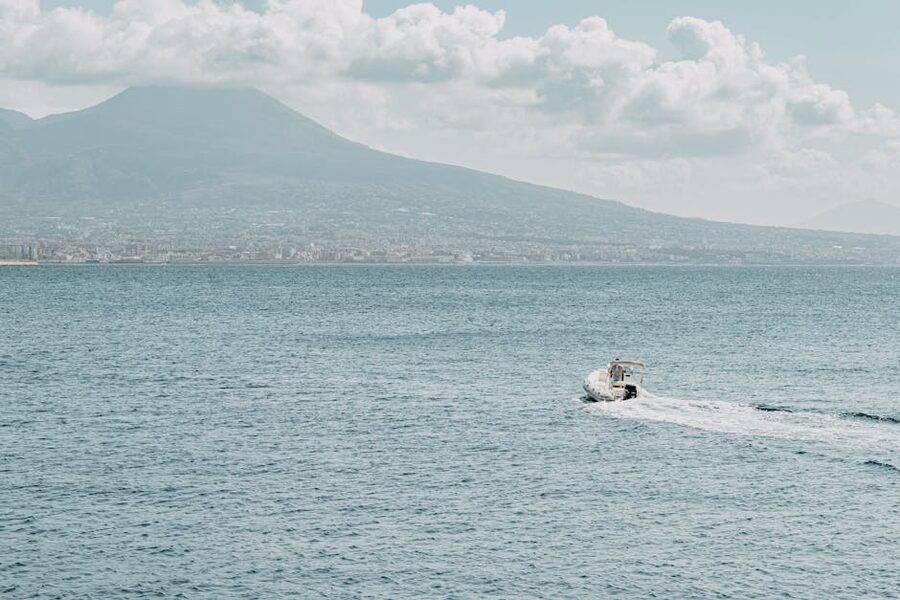
At the Piazzale Stazione outside Ercolano Scavi, the Vesuvio Express shuttle bus loads up. It runs every roughly 40 minutes, and here is the catch most people miss: it operates only between about 9:00am and 1:30pm. If you arrive after 13:30 you are not getting up the mountain that day, end of story. Round trip is €14. The drive up is twenty minutes of switchbacks; if you get carsick, take the front seat or the seat over the front axle.
The bus drops you at the entrance gate at 1,000 metres elevation. From there you walk. There is a 15 minute path through the lava field, then the steeper trail to the crater rim. If you are driving yourself, parking is paid and reserved through Park Suvio, and the lower car park sits about a kilometre below the gate, which means you walk the road first, then the trail. Almost no one drives independently; the bus is faster and cheaper than parking.
The Hike to the Crater Rim
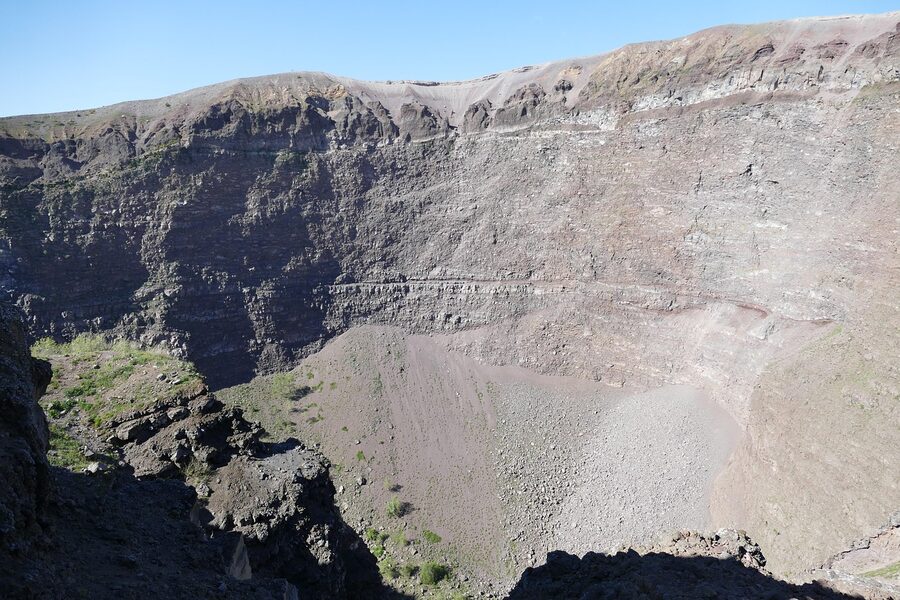
From the entrance gate to the crater rim is around 1.6 kilometres on volcanic gravel and broken stone, with about 200 metres of elevation gain. The official sign says 30 minutes; in reality, allow 45 to 50 if you are not used to loose surfaces. The path is wide enough for two people, has a wooden handrail in the steepest sections, and gets dustier and steeper as you climb.
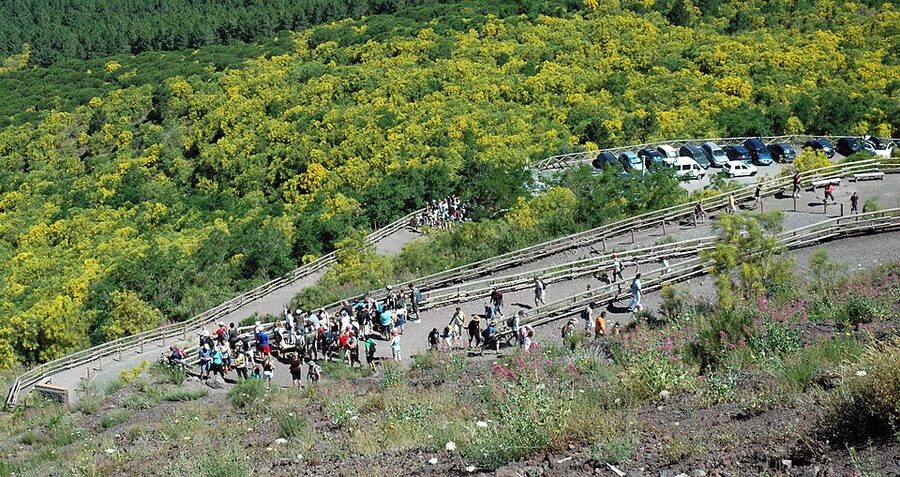
Don’t underestimate this walk. It is short, but it is steep, and the loose gravel slips back under your feet on the way up. Older travellers I have spoken to said the descent was actually harder than the climb because the surface acts like marbles under your soles. There are no benches on the trail, no shade, and no water tap. Bring a 750ml bottle minimum, and double that in summer.
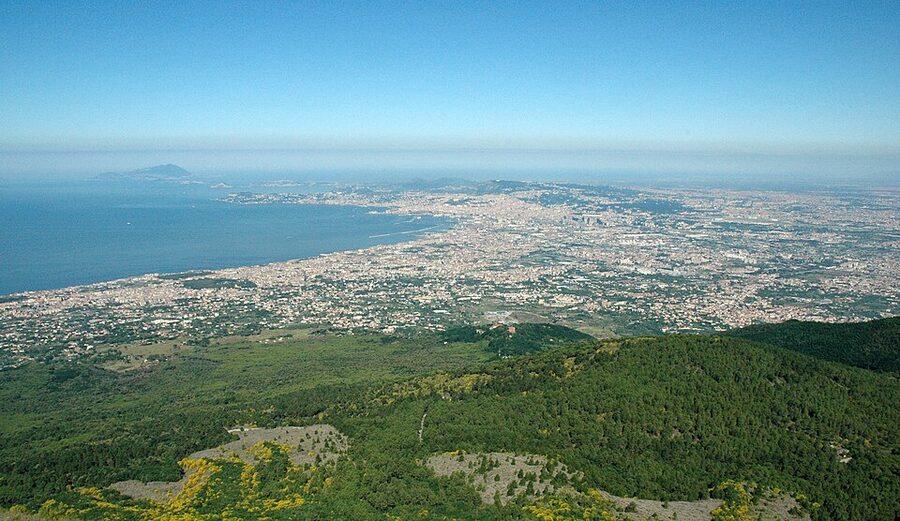
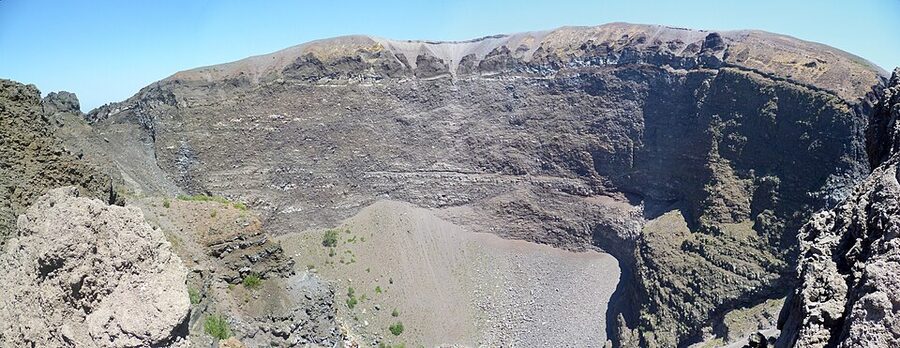
At the rim, a roped path runs about 200 metres around one side of the crater. You cannot walk the full circle; the far side is closed. There is a small wooden stand near the top selling drinks, sometimes with a guide giving short talks for tips. Allow 30 minutes at the top, more if the weather is clear. The view of the Bay of Naples from up here is the reason most people come, and on most of the combined Pompeii and Vesuvius day tours the rim time is locked at 30 to 45 minutes, which is enough but tight if you want to do the full loop slowly.
What I’d Actually Book
I keep getting asked which tour to pick, so here are the three I would point a friend toward, in the order I would point them. All three solve the timed-ticket problem, all three include the crater entry, and all three start from Naples.
1. From Naples: Pompeii Ruins and Mount Vesuvius Day Tour: $120
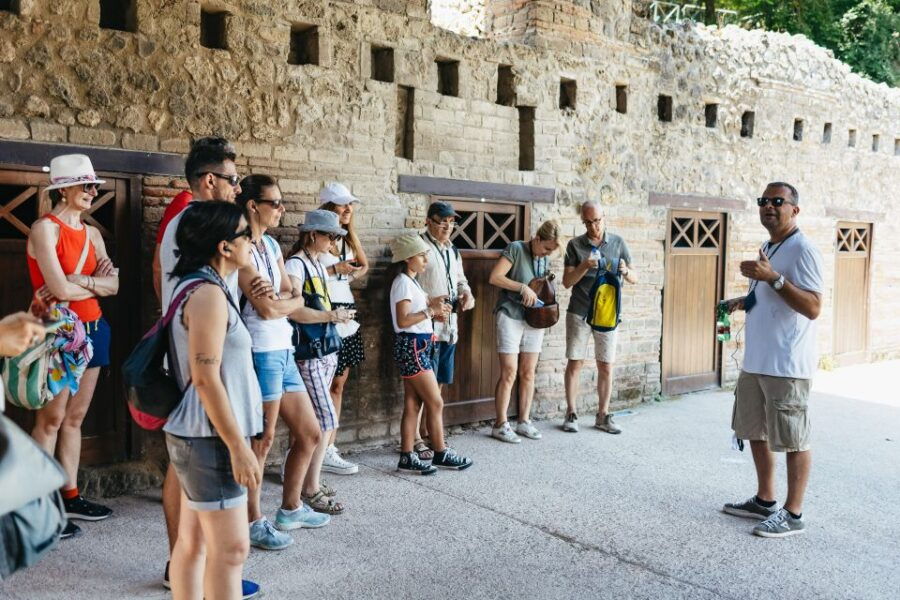
This is the one I’d point at first. Eleven thousand-plus traveller reviews back the consensus that the Pompeii guide and the Vesuvius logistics are the two parts that benefit most from being handled for you. Our review of this tour covers what’s included on the bus, the Pompeii pace, and the points where the day occasionally runs long. At a hundred and twenty dollars for transport, two timed entries, and a guide for Pompeii, it is the cleanest first-time choice.
2. Mt Vesuvius and Pompeii Day Trip From Naples All Inclusive: $149
The all-inclusive version of the same itinerary, with a sit-down lunch at a restaurant near Pompeii built into the price. Our review notes the food is solid trattoria fare rather than a memorable meal in itself, but the time it saves on hunting for somewhere to eat near Pompeii (which is famously bad for restaurants) is its real selling point. The price gap to option one is roughly €25 once you factor in what you would otherwise spend on lunch and entry fees.
3. Naples: Mount Vesuvius Skip-the-Line Ticket and Audio Guide: $18

Use this one if you only want the volcano and you are happy doing the bus and train yourself. Our take on the audio-guide ticket is that the digital narration covers the geology cleanly and the timing flexibility is the real win. Pair it with a Vesuvio Express round-trip, the Circumvesuviana train, and a packed lunch, and your total day from Naples lands under €60. That is roughly half what the guided combos charge, in exchange for a couple of hours of logistics.
When to Go: Weather Beats Season
Vesuvius is not a year-round attraction in any meaningful sense. The crater closes when the wind is too strong or the visibility too poor, and the closures are decided on the morning. There is no advance notice and no refund through the park itself; tour operators usually move you to a different day or refund the volcano portion if it happens.
April to June is the sweet spot. Temperatures at 1,200 metres are pleasant, the crater is open most days, and the summer crowd has not arrived yet. July and August are workable but hot and packed; expect a queue for the bus, the bus, and the trailhead. October is good if you accept a higher chance of weather closures. November to March is technically possible but the schedule shrinks; the volcano sometimes operates on a Saturday-Sunday-only basis in midwinter.
Time of day matters more than month. Morning is better than afternoon, full stop. The bus stops running by mid-afternoon, the queues are shortest before 11am, and the Bay of Naples view is clearer in the early light. If you are doing the combined Pompeii-and-Vesuvius day, your tour will almost always do Pompeii first and the volcano after lunch; if you are independent, flip that order. Vesuvius in the morning, Pompeii in the afternoon, train back to Naples by sunset.

Combining Vesuvius with Pompeii or Herculaneum
About four out of five visitors do Vesuvius as half of a longer day. The other half is almost always Pompeii, which sits 11 kilometres south of the volcano along the same Circumvesuviana line. A few people swap Pompeii for Herculaneum, which is smaller, better preserved, and right next to Ercolano Scavi station, the same stop you use for the Vesuvius bus.
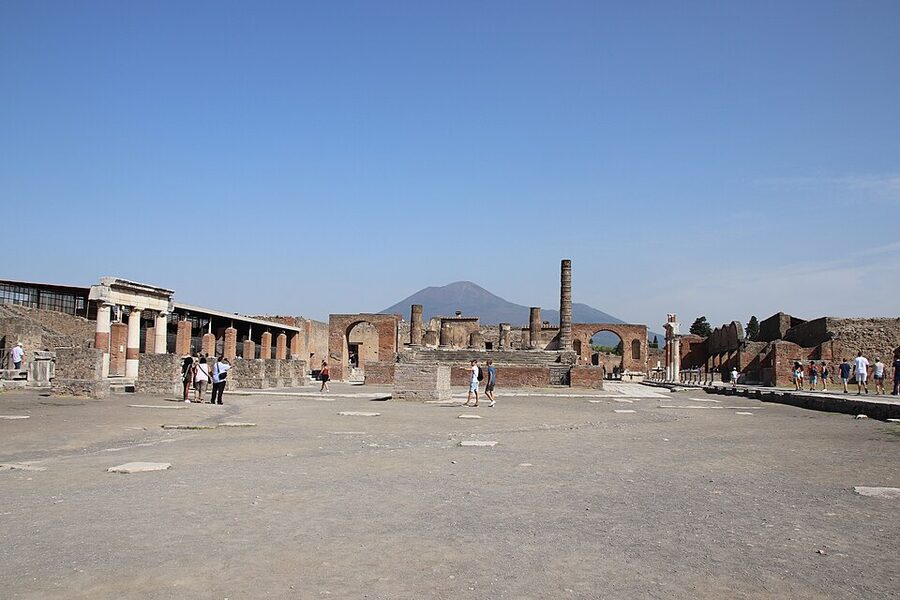
If this is your first time and you have one full day, go with the Pompeii combo. The two sites tell two halves of the same story: the volcano you stood on in the morning is what buried the city you walk through in the afternoon. The combined-day tours sequence this perfectly.
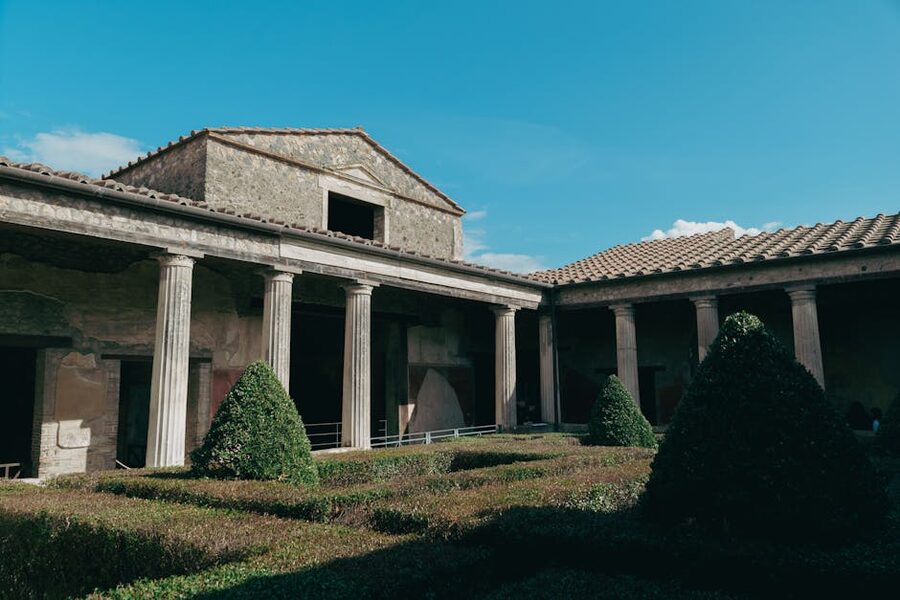
If this is your second time in Campania, or you have already seen Pompeii, swap in Herculaneum instead. It takes around two hours to walk through, has fewer crowds, and the preservation is in some ways better than Pompeii because the pyroclastic surge that hit it preserved wood, fabric, and even loaves of bread. There is no organised Herculaneum + Vesuvius day-tour combo on the major platforms because the logistics are simpler; you can do it independently with one Circumvesuviana train and the Vesuvio Express.
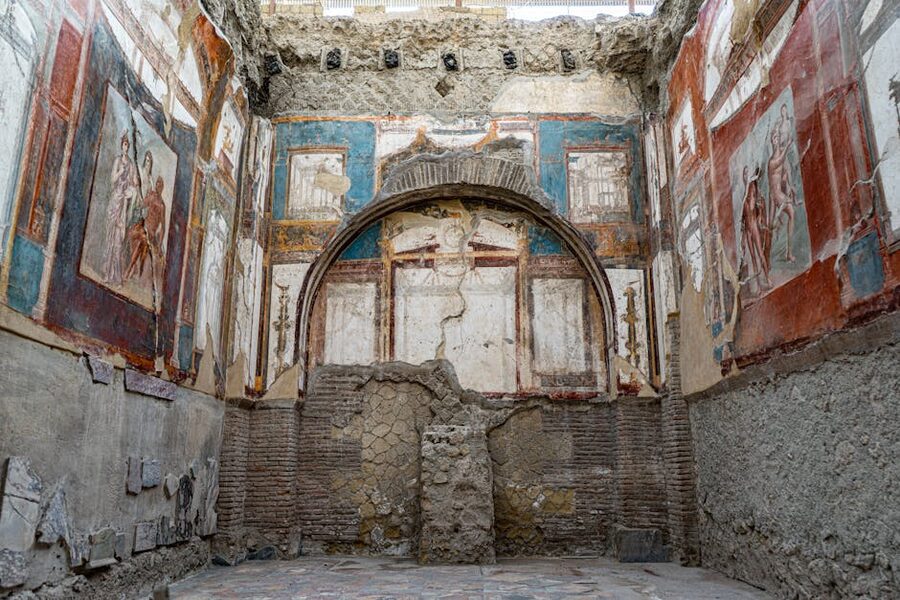
Two cluster sites I would also flag for a longer Naples trip are Naples Underground, which takes you 40 metres below the modern city into Greek-cut tufa quarries and Roman aqueducts, and the Catacombs of San Gennaro, the largest in southern Italy. Neither is a day on its own, but both sit nicely in the half-day slots that Vesuvius leaves open.
Pompeii or Vesuvius: Which Does the Volcano Justice?
If you only have time for one and have to choose, this is the honest answer. Pompeii is the better visit if you want the story of the eruption. Vesuvius is the better visit if you want the geology of the eruption. They are different experiences, and the right answer depends on which side of the volcano-archaeology pairing pulls you harder.
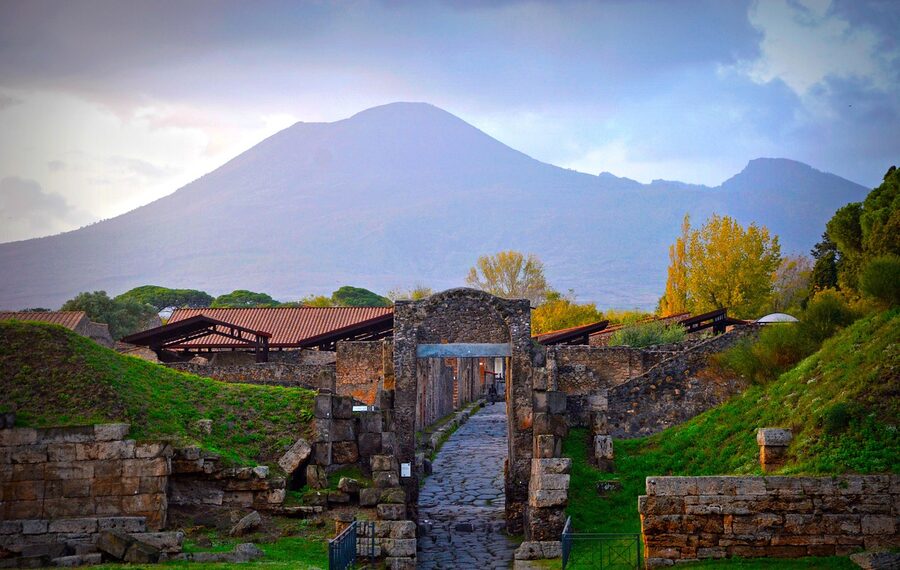
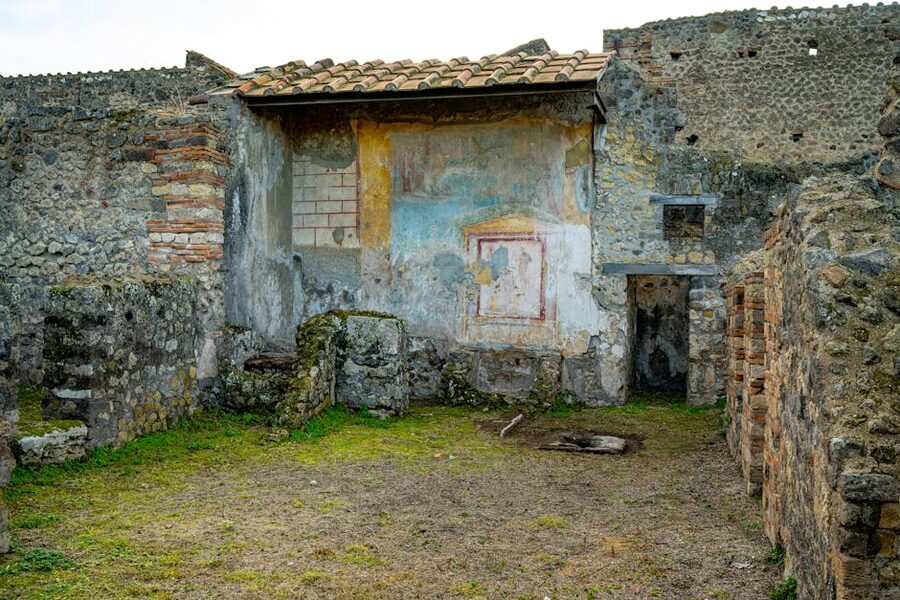
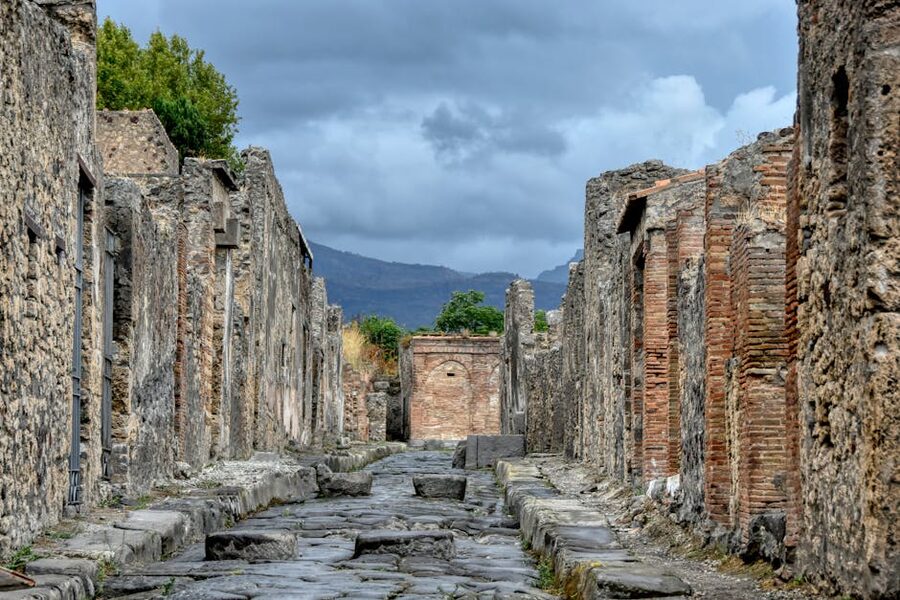
Where I always come down: do both. The whole point of standing on the volcano is to look down at the city it buried, and the whole point of walking the city is to look up at the volcano that buried it. Splitting them feels half-finished. The combined day tour is roughly the same money as doing them separately on two days, and you get the round trip transport included once instead of twice.
Practical Things People Wish They Knew
A few small things that tour operators don’t always flag.
The summit can be cold. Even in July, the rim is 10 to 12 degrees cooler than Naples, and the wind is constant. A long-sleeved shirt or light fleece is genuinely useful at the top. I went in May in a T-shirt and was openly shivering by the time I left the rim.
There is no toilet on the trail. The last toilets are at the lower entrance gate. Use them on the way up. The trail is exposed and there is nowhere to duck behind once you start walking.
Cash for the small bus stand. The drinks stand at the rim, the snack van at the lower entrance, and sometimes the bus driver only take cash. Bring small notes; €20 in coins and €5 notes is fine for a half-day.
If you wear glasses, bring a cloth. The volcanic dust kicked up by other walkers settles on lenses fast. Sunglasses get cleaned half a dozen times on the loop.
Solo travellers can join group tours. The combined Pompeii-Vesuvius day tours are mostly couples and families, but they sell single seats; you ride on a coach with maybe twenty other people. If you don’t want to drive yourself or fight the train, the all-inclusive Pompeii and Vesuvius day trip is the most efficient way to see the volcano without coordinating anything; lunch is built in and you do not have to worry about cash on the mountain.
Phone signal is patchy. Italian carriers cover the lower trail; reception drops at the rim. Download offline maps and tickets before you board the bus.
A Short Note on Whether It Is Safe
This question gets asked a lot. The short answer is yes, with caveats. Vesuvius is one of the most monitored volcanoes on the planet. Italian authorities run a continuous network of GPS, seismic, and gas-emission sensors on the cone, and the warning system would give an evacuation window of weeks, not minutes, before any eruption. The Vesuvius National Park staff close the crater rim at the slightest sign of unusual activity; the closures are conservative.
The everyday risks are mundane: tripping on loose volcanic gravel, getting too hot in summer, getting too cold at the rim, and dehydration. Wear closed shoes with grip, bring more water than you think, and respect the rope handrail. The crater wall is loose and there are signs every few metres asking you not to stand on it. Stand on it anyway and you risk a very bad day.
What Else to Pair with the Day
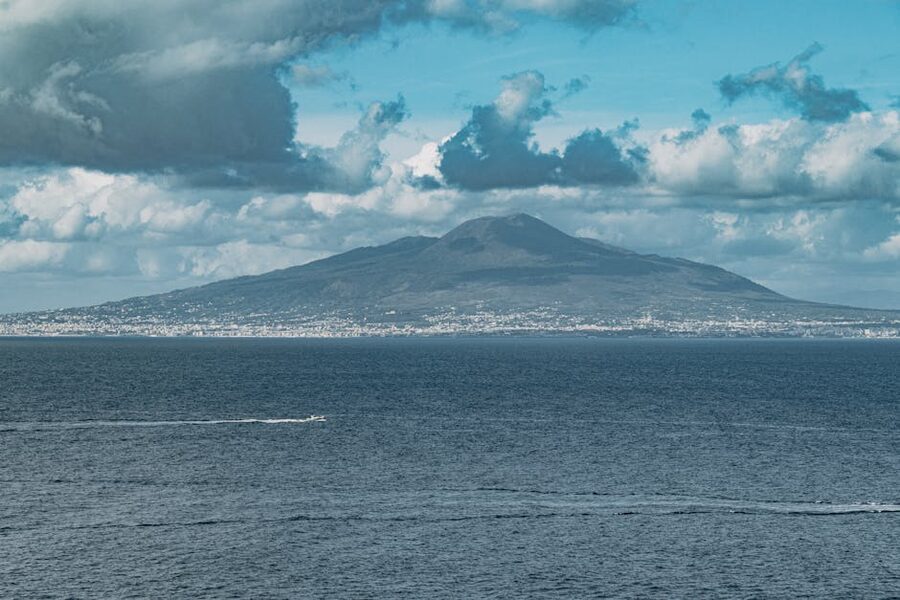
Most people doing Vesuvius are spending three to four nights in Naples. The morning before or after the volcano day is a natural slot for the city’s underground sites; Naples Underground is the textbook half-day pick because it covers the Greek-Roman water system that runs under the historic centre, and the tour endings put you back near the cathedral and the food streets of the Centro Storico. If you have an extra full day, the Pompeii guided tour on its own with an archaeologist is worth the time even if you also did the combo, because the pace is different. And if catacombs are your thing rather than aqueducts, the Catacombs of San Gennaro sit just north of the city and pair well with a meal in the Sanità neighbourhood afterward.