
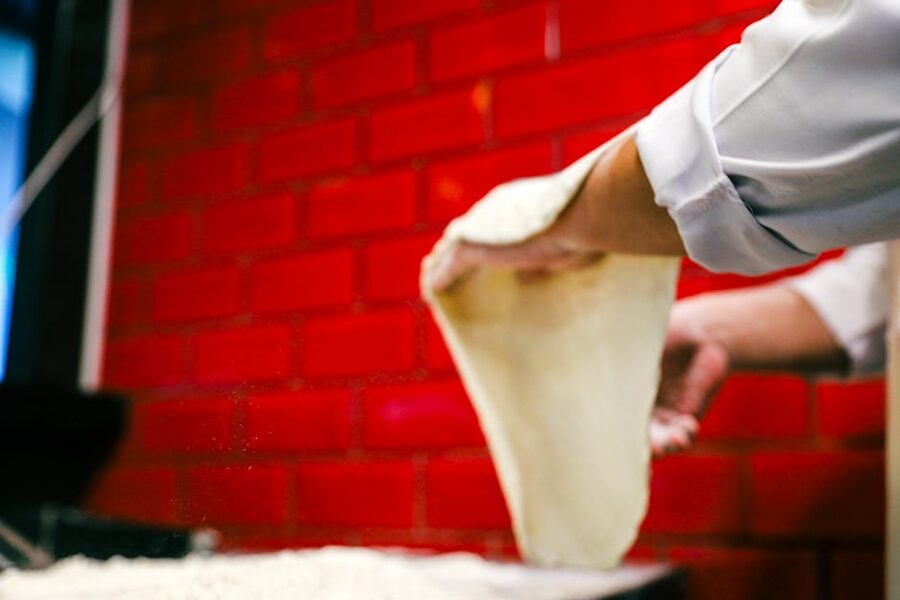
Flour on the counter, a pinch of salt, brewer’s yeast crumbled between two fingers, and a pizzaiolo who has done this 20,000 times watching to see if you’ll get it right. That’s the moment a Naples pizza-making class actually starts. Everything before is logistics; everything after is eating.
You can read about Neapolitan dough fermentation for hours and still get the texture wrong on your first try. The 2-hour class skips the theory and puts you behind a wood-fired oven with a pizzaiolo who fixes your mistakes in real time. That’s why I think it beats every other cooking class in the city.
- In a Hurry? My Top 3 Naples Pizza-Making Picks
- Why book a pizza-making class in Naples specifically?
- How booking actually works
- What 2 hours actually looks like
- The three classes I’d actually book
- 1. Naples Pizza-Making Workshop with Drink and Appetizer:
- 2. Authentic Pizza Class with Secret Dough, Appetizer and Drink:
- 3. Naples Neapolitan Pizza Making Class with Sea View:
- What to wear and bring
- A short pizza history (for the curious)
- The dough: why Neapolitan is different
- Should you book lunch or dinner?
- Beyond the Margherita: variations you might learn
- What can go wrong (and what’s not your fault)
- Beyond the class: where to eat pizza in Naples
- How to pair this with the rest of your Naples trip
- The local etiquette nobody tells you
- If you’ve already booked, here’s the night-before checklist
- One more thought before you book
In a Hurry? My Top 3 Naples Pizza-Making Picks
- Naples Pizza-Making Workshop with Drink and Appetizer. $39. The most-booked class in the city. Margherita, wine, bruschetta starter, recipe emailed after.
- Authentic Pizza Class with Secret Dough. $59. Smaller groups, kid-friendly instructors, drink and appetizer included.
- Naples Neapolitan Pizza Making Class. $71. Sea views over Castel Nuovo, 2-hour format, English-speaking instructor.
Why book a pizza-making class in Naples specifically?
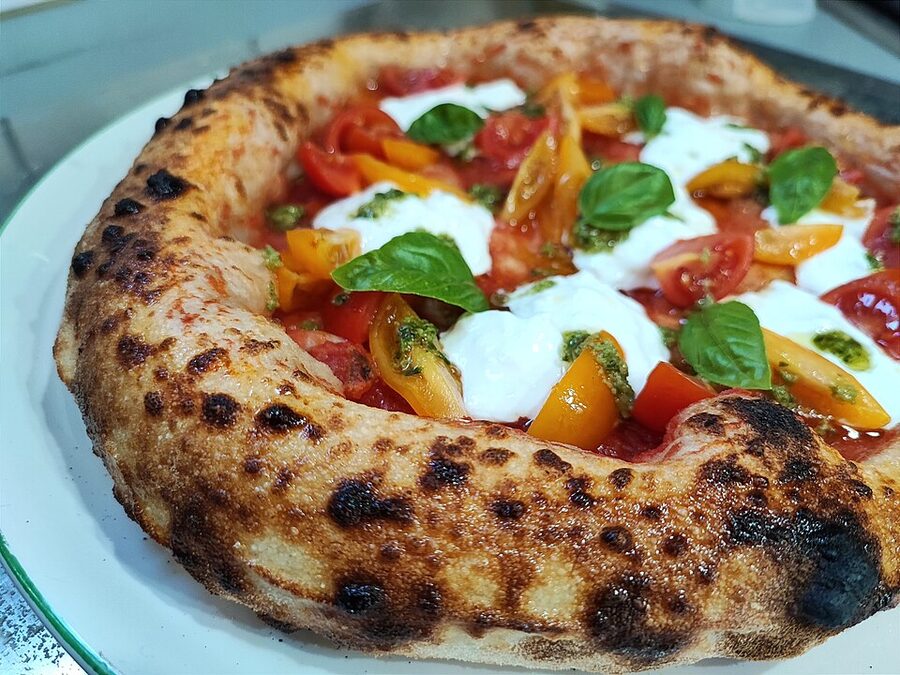
Because Naples invented this. The dough rules, the oven temperature, the diameter of the disc, all of it was codified here over four centuries before becoming a UNESCO-protected craft in 2017. Take a class anywhere else and you’re learning a copy. Take one in Naples and you’re learning from people who treat their pizzaiolo certifications the way other cities treat doctorates.
The other reason is practical. Naples is rainy in winter and humid in summer, and a 2-hour indoor class is the best way to spend a bad-weather afternoon. I booked mine on a day when sightseeing was a wash and ended up enjoying it more than half the actual landmarks I’d planned to visit.
How booking actually works
Three things to know before you book.
First, classes sell out a week ahead in summer and 2-3 days ahead the rest of the year. Don’t show up in Naples expecting same-day availability between June and September. Second, almost every class is around 2 hours. If a listing says “3-hour pizza experience,” it’s usually a tour with a pizza demo at the end, not a hands-on class. Third, prices range from $39 to $90 per person, and the difference is mostly group size and whether the venue has a view.
I book through GetYourGuide for cooking classes because their cancellation policy is generous (free until 24 hours before) and they always send the meeting point as both an address and a Google Maps pin. Viator has a slightly bigger Naples catalog but their meeting points come as text only sometimes, which gets annoying when you’re navigating the historic center.
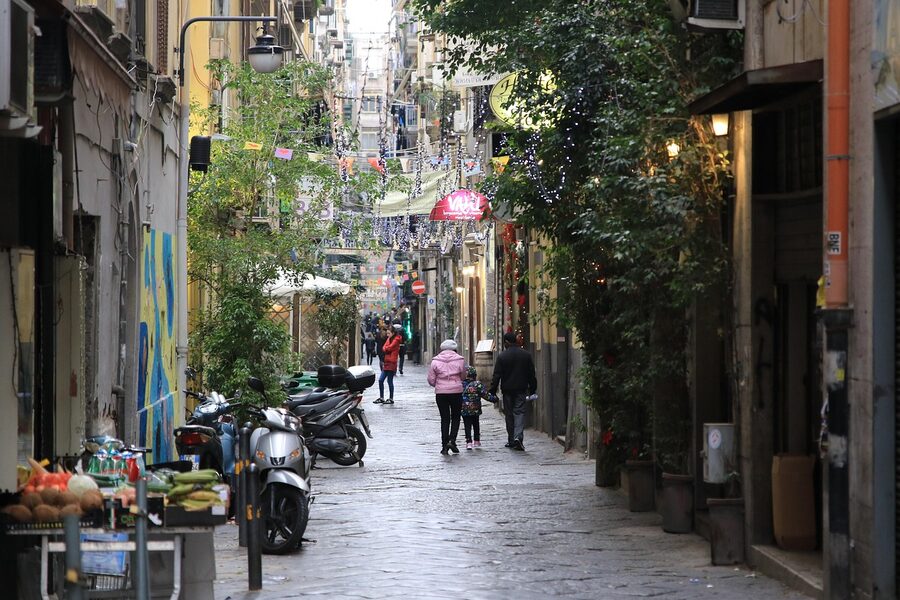
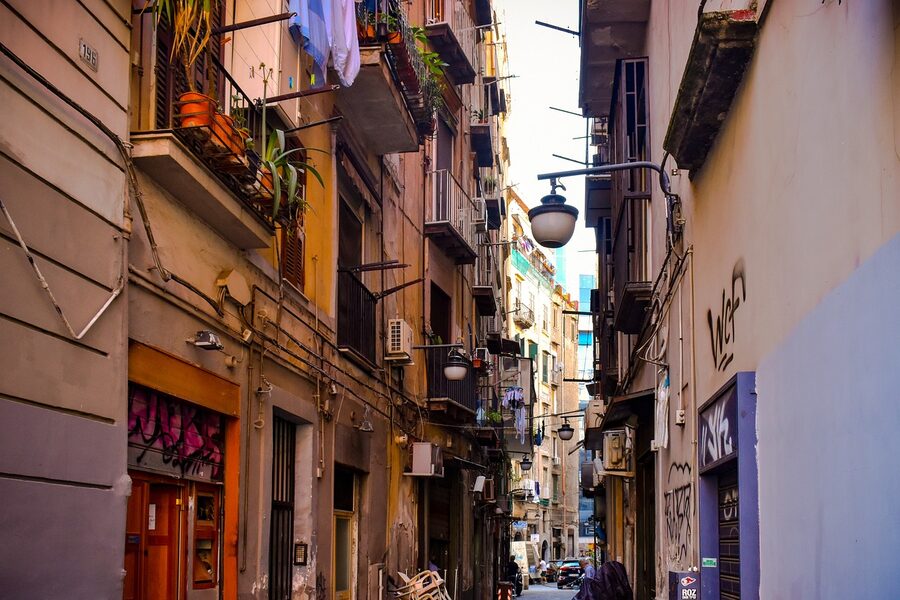
Pay attention to the meeting point on your voucher. The historic center of Naples is a maze of identically-named alleys, and “the restaurant on Via Toledo” is not enough. You need a street number. Most providers use Piazza Bellini, San Carlo, or somewhere off Via dei Tribunali, and I’ve taken classes near all three and they’re all walkable from Toledo metro stop.
What 2 hours actually looks like
Here’s the rough timeline I’ve seen across three different Naples pizza classes. Assume a 7pm start since that’s the most common slot.
You arrive 10 minutes early. The pizzaiolo has already laid out flour, water, salt, oil, and a small block of fresh brewer’s yeast. There’s no recipe card on the table. You’re going to learn this by feel.
For the first 25 minutes, the pizzaiolo demonstrates the dough mix and explains why Neapolitan dough is wetter than what you’ve made at home. The hydration sits around 60 to 65 percent, which is what makes the cornicione (the puffy edge) actually puff. You then make your own dough alongside the pizzaiolo. This is when most people get something wrong. I added water too fast on my first try and ended up with paste. They’ll fix it without making you feel bad about it.
Then comes the trick. Pizza dough needs 4 to 6 hours to ferment before it’s usable. You don’t have that. Every pizza class in Naples runs the same workaround: the dough you mixed gets bagged for you to take home (or thrown away, in my case) and the pizzaiolo brings out pre-fermented dough balls that have been resting since that morning. This isn’t cheating. It’s the only way to do this in 2 hours, and every legitimate class uses pre-rested dough for the actual baking step.
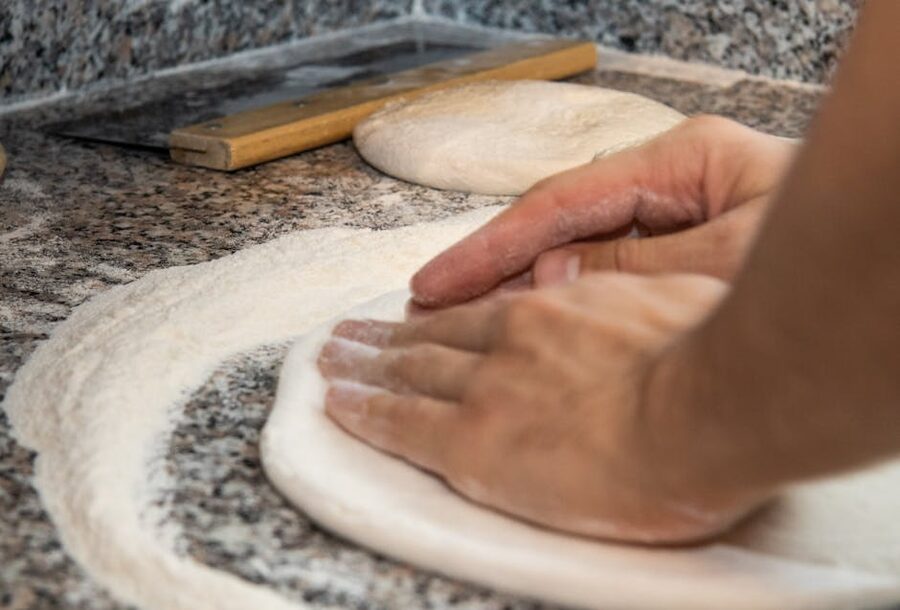
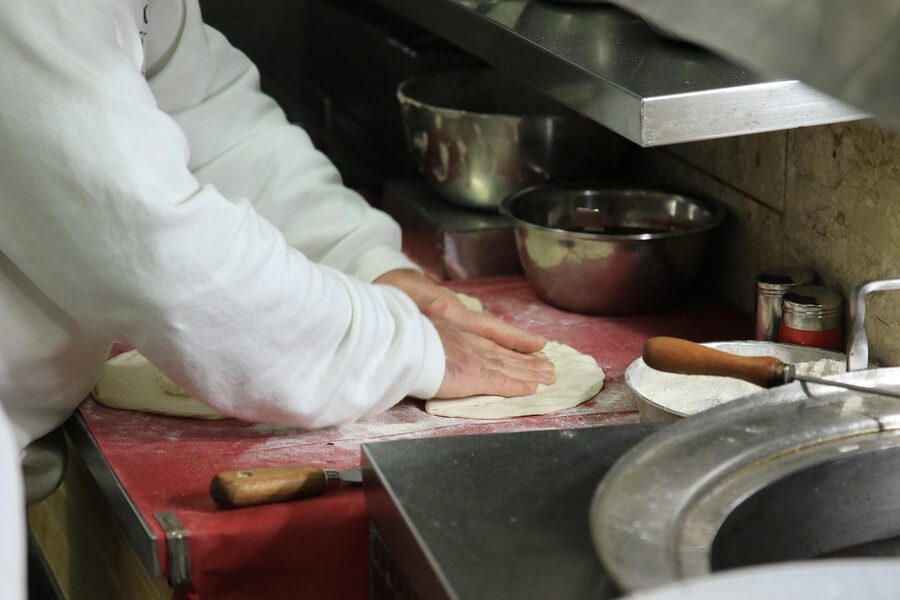
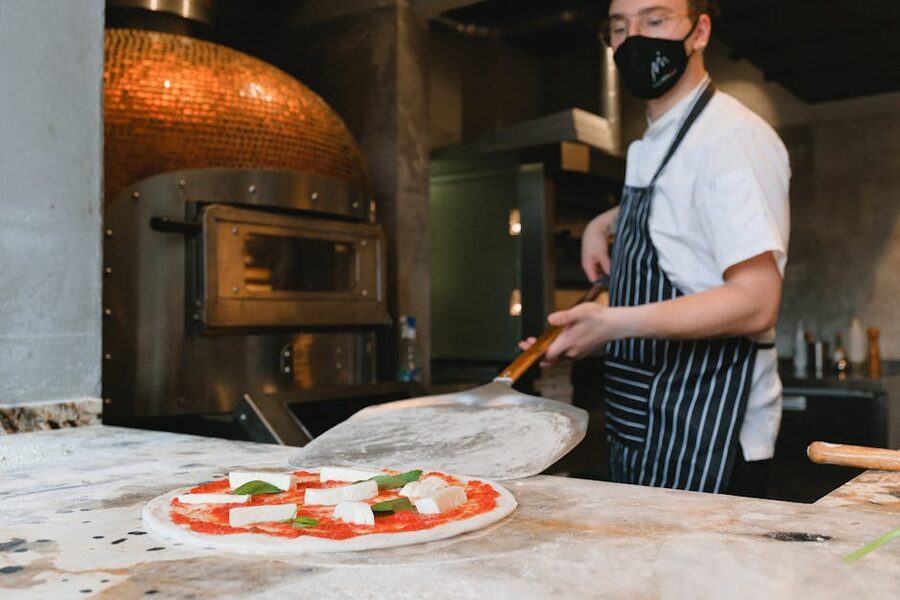
The next 30 minutes are the fun ones. You stretch the dough by hand. No rolling pins. The pizzaiolo will show you the technique: press from the center outward with your fingertips, leaving a 2-cm rim of untouched dough, then lift and rotate while gently pulling. If you push too hard you tear it. I tore mine. The dough was patched, the pizzaiolo laughed, and the patched pizza came out fine.
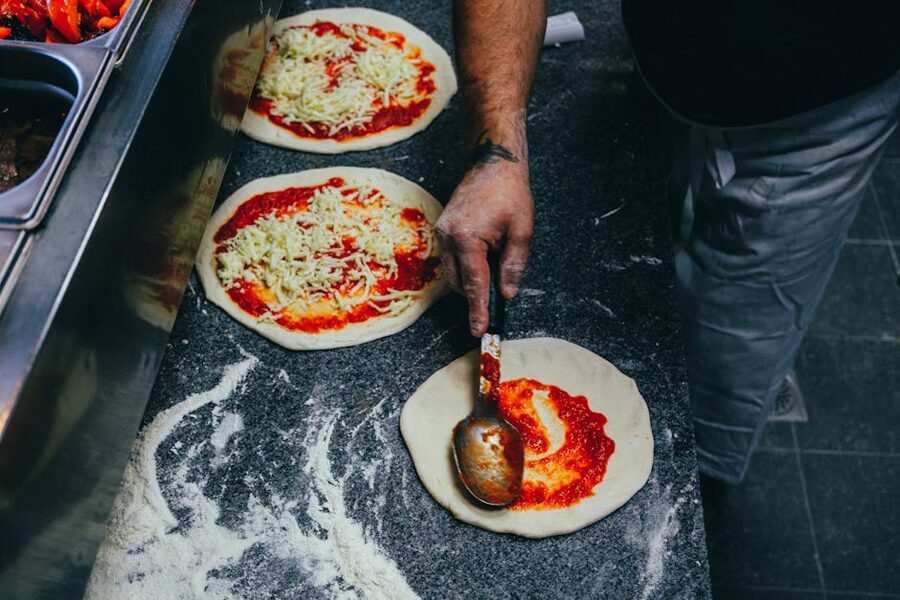
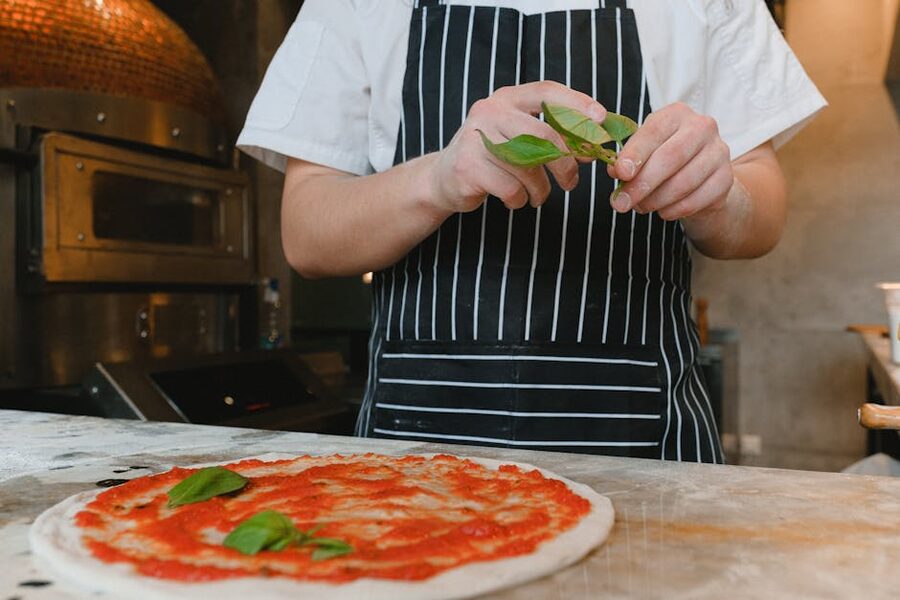
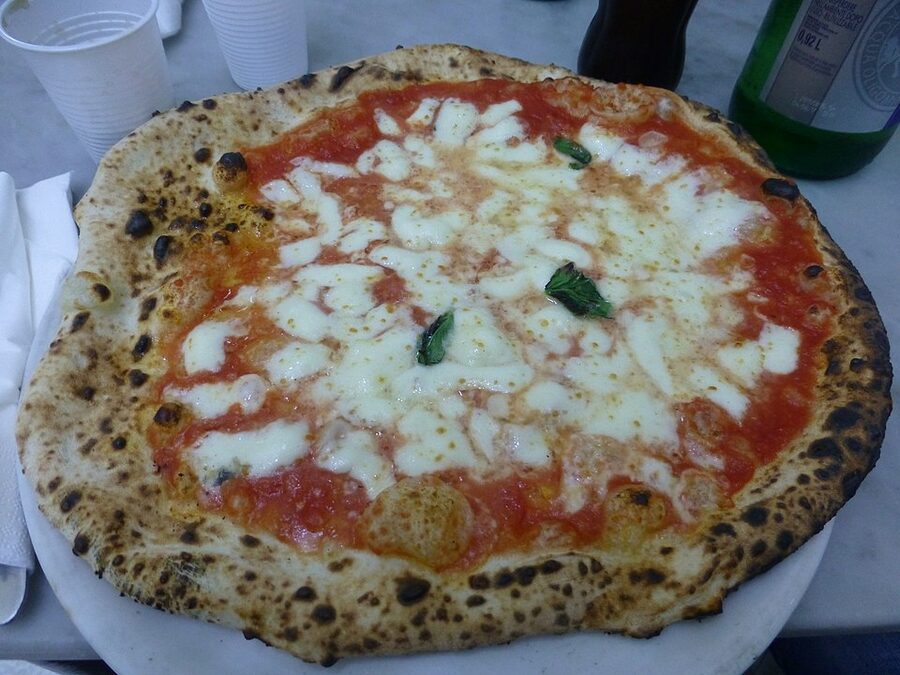
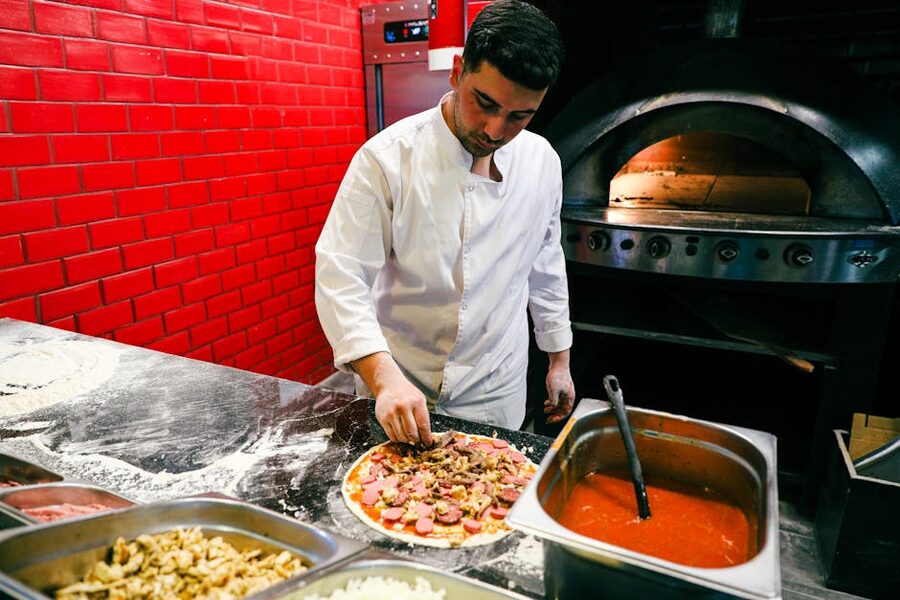
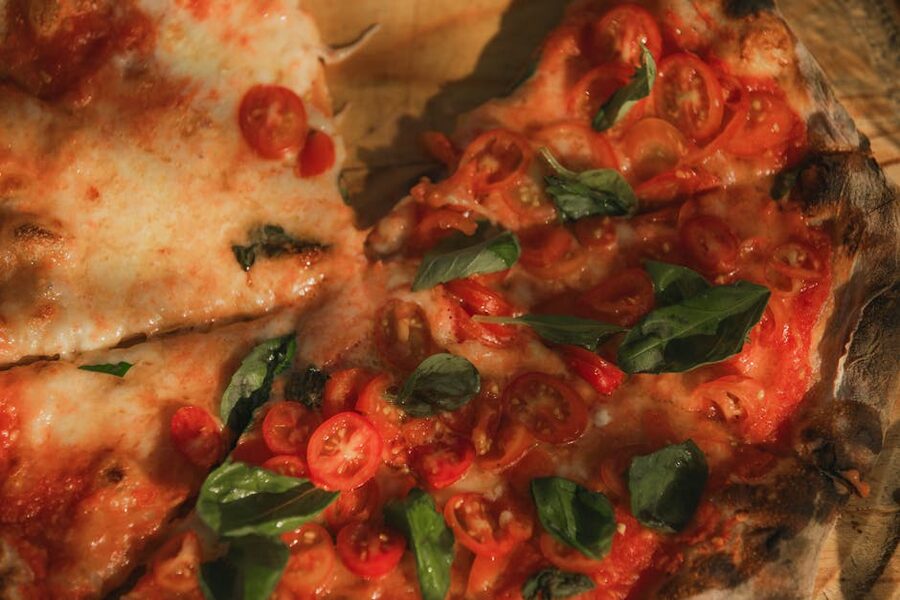
Topping is fast. Crushed San Marzano tomato sauce in a quick spiral, torn fior di latte mozzarella in chunks (not slices), three or four basil leaves, a drizzle of oil. Salt the tomatoes, never the cheese. The pizzaiolo will check your toppings and almost always remove some. New cooks always overload pizzas.
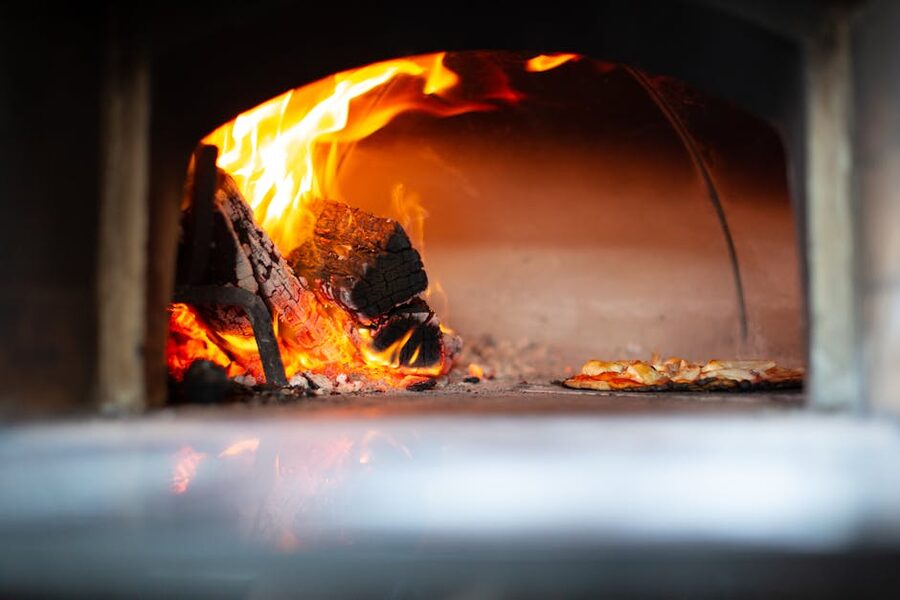
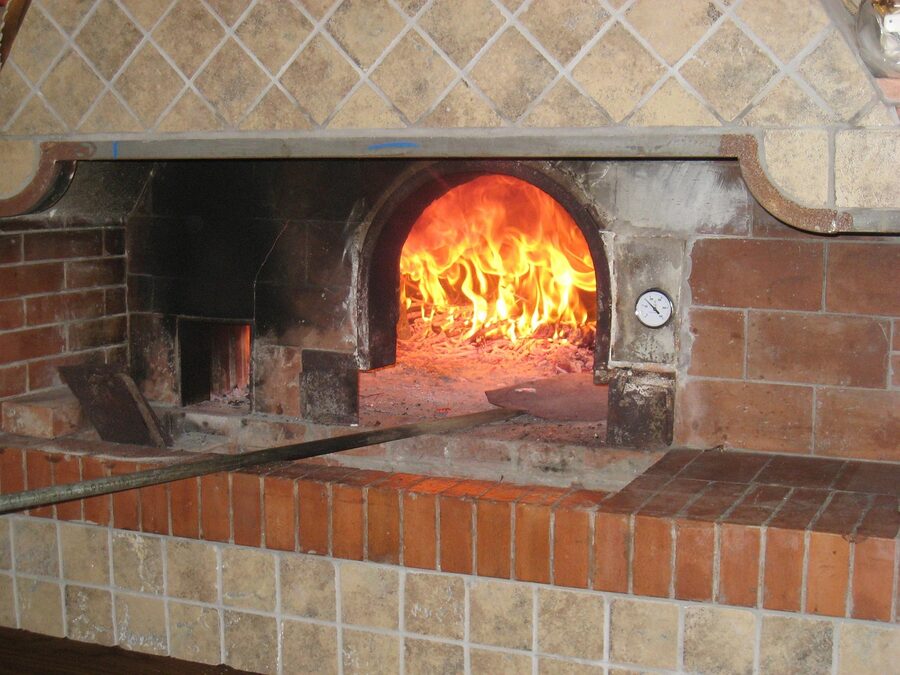
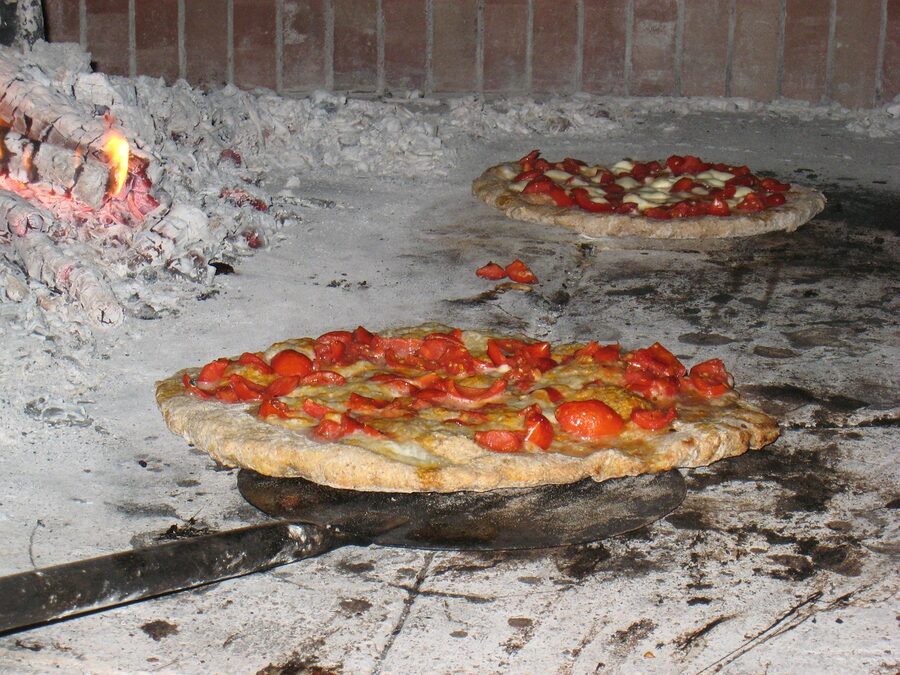
Then you walk the pizza on the wooden peel to the wood-fired oven yourself. The oven sits around 450°C (842°F) and the pizza cooks in 60 to 90 seconds. You’ll watch yours blister, char in spots, puff up at the edge, and come out before you’ve finished blinking. The pizzaiolo handles the peel for the actual launch and retrieval. Most classes won’t let beginners near 450-degree stone.
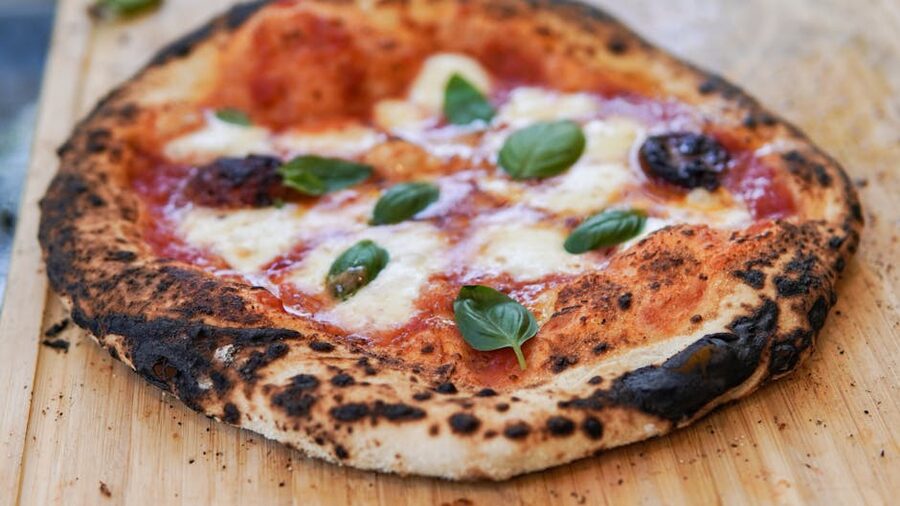
The last 30 to 40 minutes are eating. A glass of wine (usually local Aglianico or Falanghina, white in summer, red in winter), an appetizer course of bruschetta or fried zucchini flowers, then your own pizza, then a small dessert (mango sorbet was my favorite. It’s lighter than tiramisu after a heavy pizza). You eat at proper tables in the actual restaurant, not at a stand-up counter, and there’s no rushing.
The three classes I’d actually book
I dug through every pizza class on the booking platforms with at least 100 reviews and shortlisted these three. They’re all 2 hours, all hands-on, all in the historic center or just off it. Where they differ is price, group size, and atmosphere.
1. Naples Pizza-Making Workshop with Drink and Appetizer: $39

This is the one I always send people to first. Our full review covers the meeting point details and what’s actually included, but the short version is: it’s the highest-volume Naples class for a reason. Andrea and the rotating pizzaiolo team run it like clockwork, the appetizer is real food not just bread, and at $39 it’s the cheapest legit option in the city.
2. Authentic Pizza Class with Secret Dough, Appetizer and Drink: $59
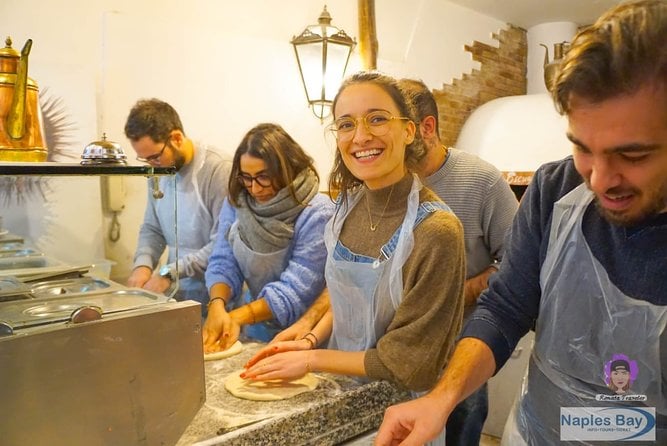
This one runs through Viator and books out fewer slots per day, which keeps the groups closer to 6 than 10. The “secret dough” framing is marketing. The recipe is the standard Neapolitan formula, but our review calls out how well it works for parents traveling with kids. Costs more than option 1 but you get more attention per pizza.
3. Naples Neapolitan Pizza Making Class with Sea View: $71
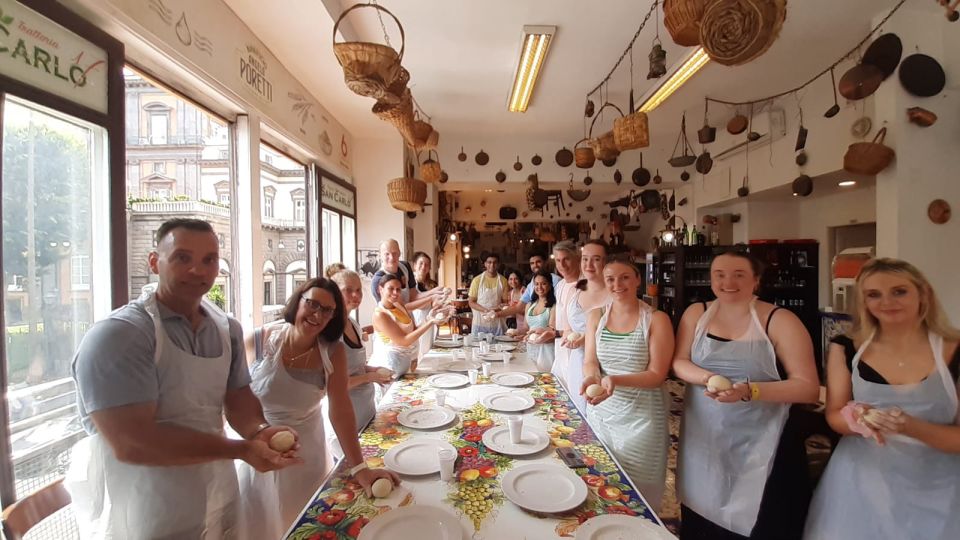
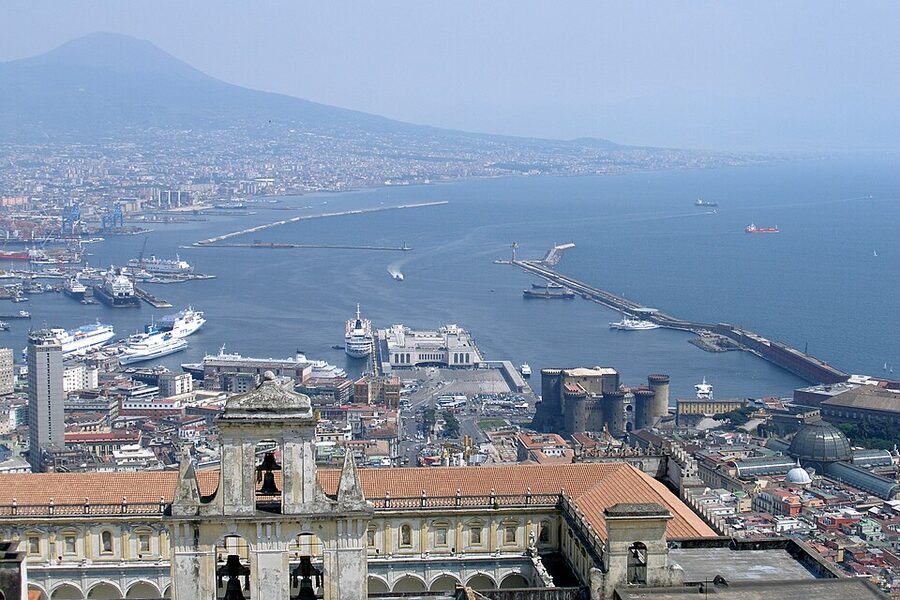
The reason to pay $71 instead of $39 is the room. This class runs out of a restaurant overlooking the harbour and Castel Nuovo, and the pizzaiolo here is one of the named instructors rather than rotating staff. Our full review notes the venue is harder to find than the others. The class window faces the water but the entrance is around the back. Worth it if you’re after a quieter, more polished version of the same 2 hours.
What to wear and bring
Don’t overthink it. Aprons are provided. The kitchen runs hot because of the wood oven, so wear short sleeves or layers you can roll up. Closed shoes are smart because flour ends up on the floor. Skip rings and watches. Flour gets stuck in everything. I always bring a bit of cash for a tip (5 to 10 euros is standard if you enjoyed it; tipping isn’t expected in Italy but pizza class instructors will quietly appreciate it).
Bring your phone for photos but expect the pizzaiolo to take photos of you anyway. Most classes will email you the shots after, along with the recipe written out properly so you can recreate it at home. The recipes assume you have a baking stone or steel and a pizza peel, which most people don’t, so plan a small kitchen upgrade if you actually want to make these at home.
A short pizza history (for the curious)
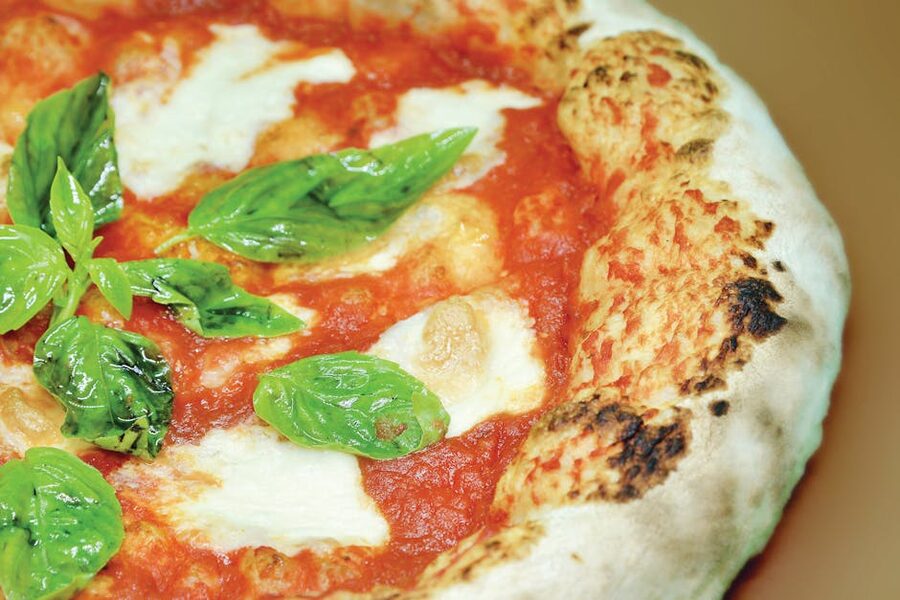
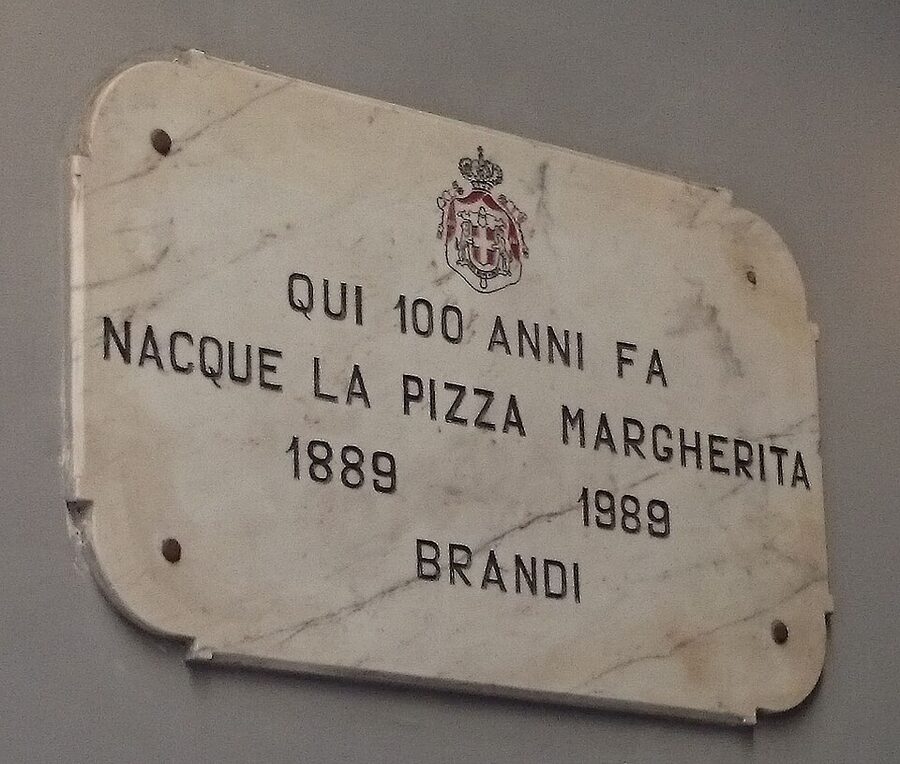
Pizza as we know it traces to Naples and almost certainly to a single moment. In 1889, the queen consort of Italy, Margherita of Savoy, came to Naples and asked to try this peasant flatbread the locals were eating. The pizzaiolo Raffaele Esposito made her three pizzas at his shop, Pizzeria Brandi. The one with tomato, mozzarella, and basil (the colors of the Italian flag, red, white, and green) became the queen’s favorite. He named it after her.
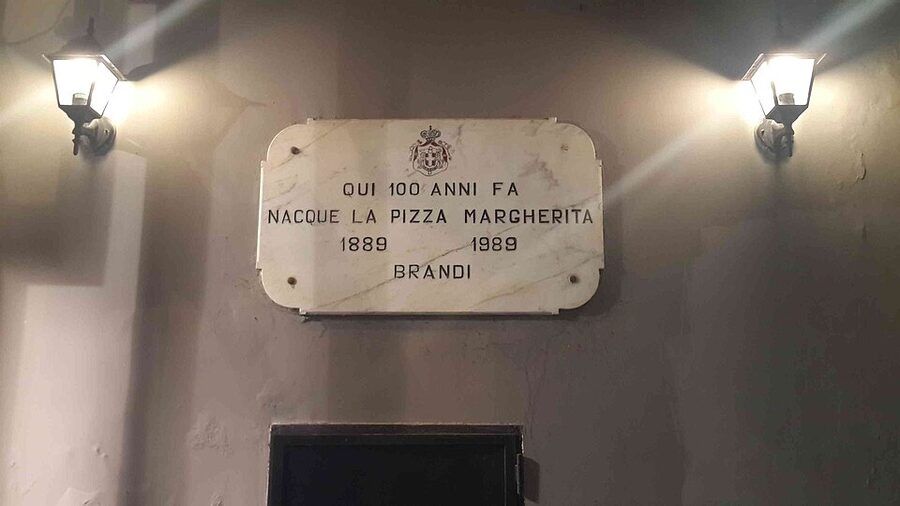
The story is partly true. Esposito existed. Brandi existed in 1889 (and still does). The flag-colored pizza definitely caught on after 1889 and the name stuck. Whether Margherita actually preferred it, or whether the whole thing was Esposito’s marketing tweak, food historians still argue about. The pizza came first either way. Locals had been making tomato-and-mozzarella flatbreads since the early 1800s. The royal visit just gave it a name worth selling.
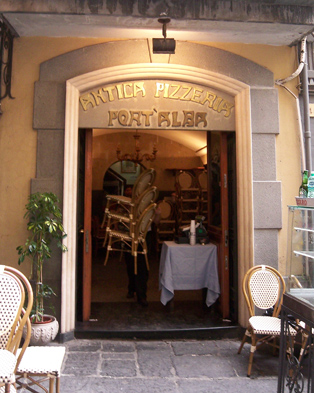
The other pizzeria worth knowing about is Port’Alba, founded in 1738, which claims the title of the world’s first commercial pizzeria. Before Port’Alba, Neapolitans bought pizza from street vendors who carried it in metal stoves on their heads. The shop on Via Port’Alba was the first to sit you down and bring it to a table.
In 2017, UNESCO added “the art of the Neapolitan pizzaiuolo” to its list of intangible cultural heritage. The decision protects the technique itself: the hand-stretching of leavened dough, the wood oven, the rhythm and theater of the pizzaiolo at work. When you take a class in Naples, you’re learning a UNESCO-recognized craft. That’s not marketing. It’s literally the certification.
The dough: why Neapolitan is different
Three things separate proper Neapolitan pizza dough from the dough you’ve made at home. They’re worth knowing before the class so you can ask better questions.
One: hydration. Neapolitan dough sits at 60 to 65 percent water by weight of flour. American home recipes are usually 55 to 60. The extra water is what makes the cornicione puff into those big airy bubbles in the oven.
Two: flour. The certified pizzerias use Type “00” Italian flour, which is finer than American all-purpose and has less protein than American bread flour. The lower protein content is counterintuitive. You’d think a bread-like puff needs strong flour, but it’s actually about texture. “00” gives a softer, more tender crumb.
Three: time. The certified slow-fermentation method calls for 8 to 24 hours of bulk fermentation followed by a second rise after balling. Most home cooks try to make pizza in 2 hours and end up with bread that fights back. The class will teach you the timeline, even if you can’t replicate it during the 2 hours you have.
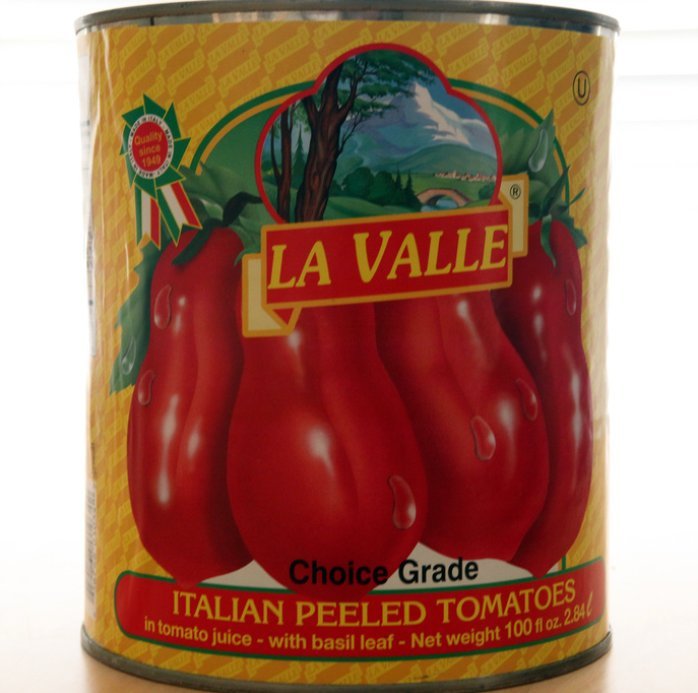
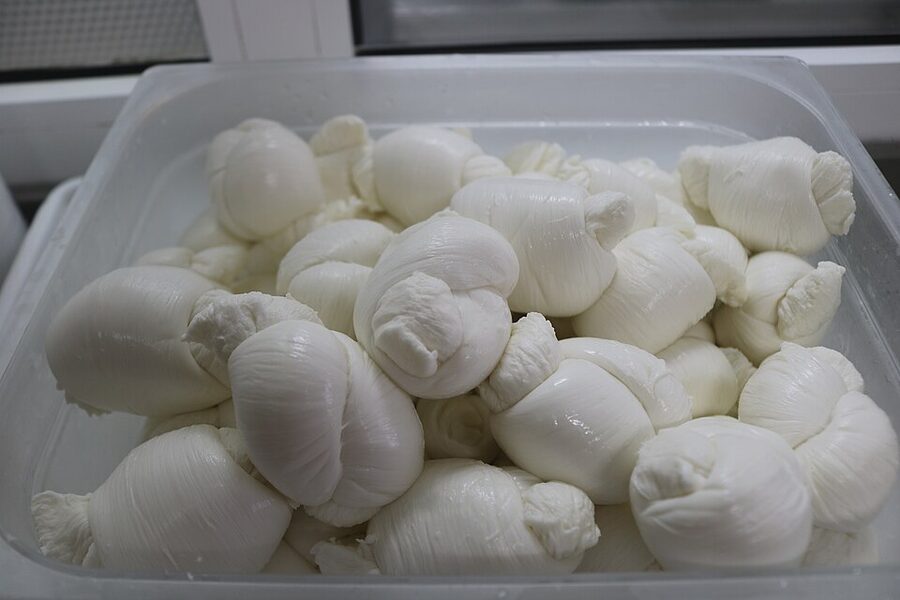
Two more details that matter. The mozzarella has to be fior di latte (cow’s milk, drier than buffalo) for the traditional Margherita STG, even though most tourists assume it’s buffalo. And the pizza diameter sits between 28 and 35 cm. Anything bigger isn’t a pizza Napoletana, it’s just a pizza.
Should you book lunch or dinner?
Lunch slots run around 12pm to 2pm, dinner slots around 6pm to 8pm. I prefer lunch for two reasons. The kitchen is cooler at midday because the oven hasn’t been firing all morning, and you walk out at 2pm with the rest of the day still ahead of you. Dinner classes are more atmospheric (candles, more wine, the restaurant filling up around you) but you can’t do anything else in Naples afterward except sleep.
If you’re traveling with kids, lunch is the obvious pick. If you’re celebrating an anniversary or a hen do, dinner. If you only have one full day in Naples and want to do other things, lunch.
Beyond the Margherita: variations you might learn
Most classes default to Margherita because it’s the simplest. Some will offer to teach a second pizza type if there’s time, or as an add-on. Worth asking about:
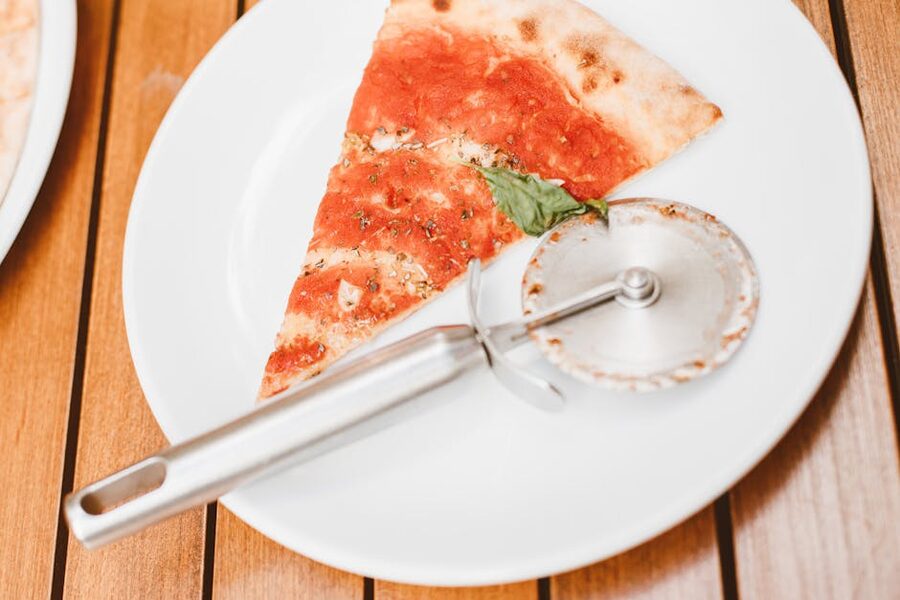
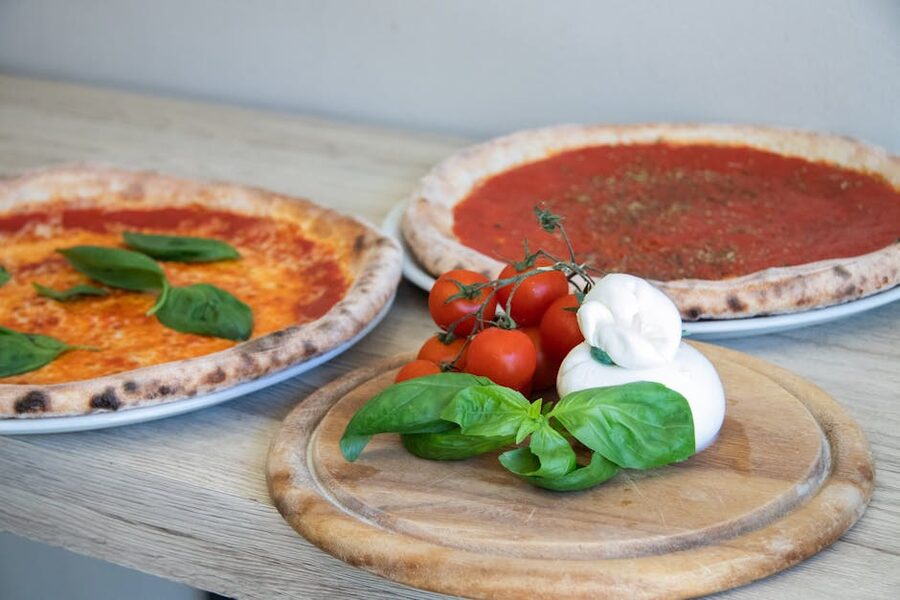
Marinara. Even simpler than Margherita. Tomato, garlic, oregano, oil, no cheese. The original Neapolitan pizza, predates the Margherita by decades. If you’re vegan, this is your pizza.
Pizza fritta. Fried pizza, a Naples specialty rarely found outside the city. The dough is folded over a filling of ricotta and salami, then deep-fried. A few classes teach this as an add-on.
Pizza a portafoglio. “Wallet pizza,” a folded street pizza eaten on the go. Not really a class topic but worth ordering at a stand if you see it.
What can go wrong (and what’s not your fault)
Things that will probably go wrong on your first try, in order of likelihood:
Your dough hydration will be off. Either too sticky or too dry. The pizzaiolo will fix it.
You’ll tear the dough when stretching. Probably while pulling the rim. They’ll patch it.
You’ll over-sauce or over-cheese. They’ll scrape some off without saying anything.
Your pizza will come out asymmetrical. That’s fine and arguably more authentic than a perfect circle.
What’s not your fault: oven temperature drops between batches if there are big groups. If your pizza takes longer than 90 seconds, the oven needed to recover from the previous run. Doesn’t affect taste, just the char pattern.
Beyond the class: where to eat pizza in Naples
You’ll want to eat more pizza after the class. Three places I’d send anyone.
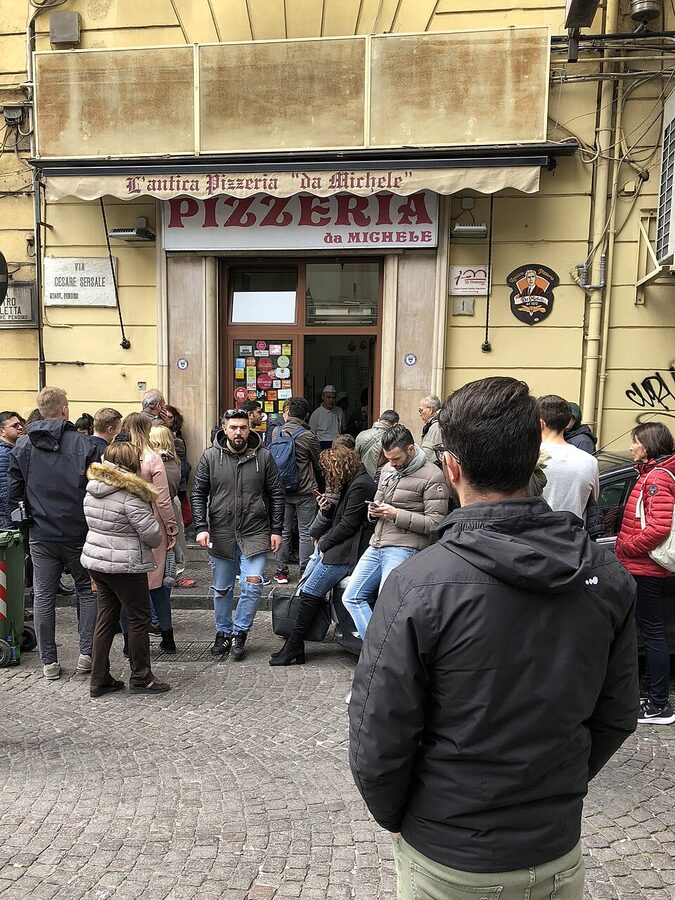
Da Michele on Via Cesare Sersale is the famous one. Eat Pray Love put it on the map and the queue is now 90 minutes most days. They serve two pizzas (Margherita and Marinara) and that’s it. Worth one visit if the queue isn’t insane.
Sorbillo on Via dei Tribunali is the other obvious pilgrimage. Multiple branches now, but the original on Tribunali is the one. Better menu variety than Da Michele, similar queues, slightly higher prices.
For a quieter option, walk a couple of streets away from the historic center to 50 Kalò in Mergellina or Pepe in Grani if you have a car (it’s an hour outside Naples in Caiazzo and arguably the best pizzeria in Italy). I’d skip Pepe in Grani if you only have a long weekend and stick with the city options.
How to pair this with the rest of your Naples trip
A pizza class slots neatly into a 2 or 3 day Naples itinerary. Take the class on day 1 to learn the food, then spend the next day or two seeing landmarks and eating proper pizza. If you’re using Naples as a base, the class also pairs well with day trips because it’s a short evening commitment.
I’d combine it with a Naples street food walk (different food, no overlap with the class) on the same day or the next, then a day trip on day 2 or 3. The Sorrento, Positano and Amalfi day trip is the classic pairing because Naples is the only sensible launch point for a coast trip without your own car. A Capri boat tour from the harbour also works as a half-day alternative.
For history-heavy travelers, swap out a coast day for Pompeii or Vesuvius. Both are reachable on the Circumvesuviana train in under an hour. The pizza class then becomes the food anchor in a trip that’s otherwise mostly archaeology.
The local etiquette nobody tells you
A few things I learned the embarrassing way.
You eat Neapolitan pizza with a knife and fork, at least the first few bites. The center is too wet to lift cleanly. Once you’ve eaten the soggy middle, fold the rest into quarters and eat by hand. Locals do this. Tourists who pick up the whole thing immediately get pizza on their shirts.
Don’t ask for ranch dressing, pineapple, or extra cheese. The pizzaiolo will say no. They will not be polite about it.
Wine pairings: red with Margherita (Aglianico), white with seafood pizzas (Falanghina or Greco di Tufo), beer with anything if it’s hot. A glass of something is included in basically every pizza class.
If the pizzaiolo offers you espresso at the end, take it. It’s the polite signal that the class is wrapping up. Refusing is fine but slightly awkward.
If you’ve already booked, here’s the night-before checklist
Re-read your voucher. Check the meeting point against Google Maps and screenshot it (Naples cell signal is patchy in stone-walled alleys). Confirm the start time. Some classes shift by 30 minutes seasonally. Bring euros for the tip if you want to. Don’t eat a big lunch before a 7pm class; you’ll be eating a Margherita and an appetizer in 2 hours and that’s a lot of pizza on a full stomach.
Finally, set realistic expectations. A 2-hour class won’t make you a pizzaiolo. It will make you better at home pizza, give you a memorable evening, and send you home with a recipe and photos. That’s the deal. If you want professional certification, the AVPN runs longer courses for actual pizzaioli, but you don’t need that to enjoy this.
One more thought before you book
The Naples I want you to remember isn’t the postcard version. It’s the steamy 7pm walk back to your hotel after the class, hands smelling like wood smoke, a half-finished sfogliatella in your bag, and the certainty that you’re going to fail to recreate the pizza at home but try anyway. That’s the souvenir. The recipe in the email is just the receipt.