
The most useful thing about Kyoto’s hop-on hop-off bus isn’t the bus itself — it’s that it solves Kyoto’s single biggest transportation problem. The city’s top attractions are scattered across opposite ends of town, public buses are packed beyond capacity during peak season, and the subway only covers a narrow corridor.
A hop-on hop-off loop that connects Kinkakuji, Kiyomizudera, and Kyoto Station in one circuit genuinely makes logistical sense here in a way it doesn’t in most cities.
But here’s the honest truth: this bus has a 3.9-star rating from over 2,000 reviews, and there are real reasons for that. I’ll break down exactly when the hop-on hop-off is worth your money and when you’re better off with alternatives.
This guide covers the route, the pricing, honest pros and cons, and whether you should book the bus or use one of the better alternatives for getting around Kyoto.
Short on time? Here’s the verdict:
The bus: Kyoto Hop-On Hop-Off Bus — $27 for 1 day. Covers Kinkakuji, Kiyomizudera, Nijo Castle, and Kyoto Station. Best for first-time visitors with limited time who want an overview without figuring out public transit.
Better for most people: A Kyoto bike tour covers more ground, costs about the same, and you actually see the city at street level instead of from behind glass.
- How the Kyoto Hop-On Hop-Off Bus Works
- The Route in Detail
- Official Booking vs. Third-Party Tickets
- The Best Way to Book the Kyoto Hop-On Hop-Off Bus
- Kyoto Hop-On Hop-Off Sightseeing Bus —
- When to Ride the Hop-On Hop-Off Bus
- How to Get to the Bus Departure Point
- Tips for Getting the Most Out of the Bus
- What You’ll See Along the Route
- Alternatives to the Hop-On Hop-Off Bus
- Who Should (and Shouldn’t) Take This Bus
- Getting Deeper into Kyoto
How the Kyoto Hop-On Hop-Off Bus Works
The service is operated by Sky Hop Bus (run by Keihan Bus) and departs from Kyoto Station’s north side, right in front of the Isetan department store. It’s a red double-decker bus — hard to miss.
There are two route options:
- Drive Around Tour (90 minutes): A narrated loop with no stops. You stay on the bus the entire time. Think of it as a city overview from an open-top deck.
- Hop-On Hop-Off Tour (full day): The bus makes stops at Kinkakuji Temple, Kiyomizudera Temple, and several points in between. You can get off, explore, and catch a later bus. The full circuit takes about 4 hours if you hop off at both major stops.
The hop-on hop-off version is the one most visitors want, and it’s what the $27 ticket gets you.
Audio guides come with earphones in multiple languages — English on channel 2, Chinese on channel 1, Korean on channel 4. The commentary covers not just the sights you pass but also Kyoto’s history, festivals, and cultural traditions. It’s genuinely informative, not just a list of facts.
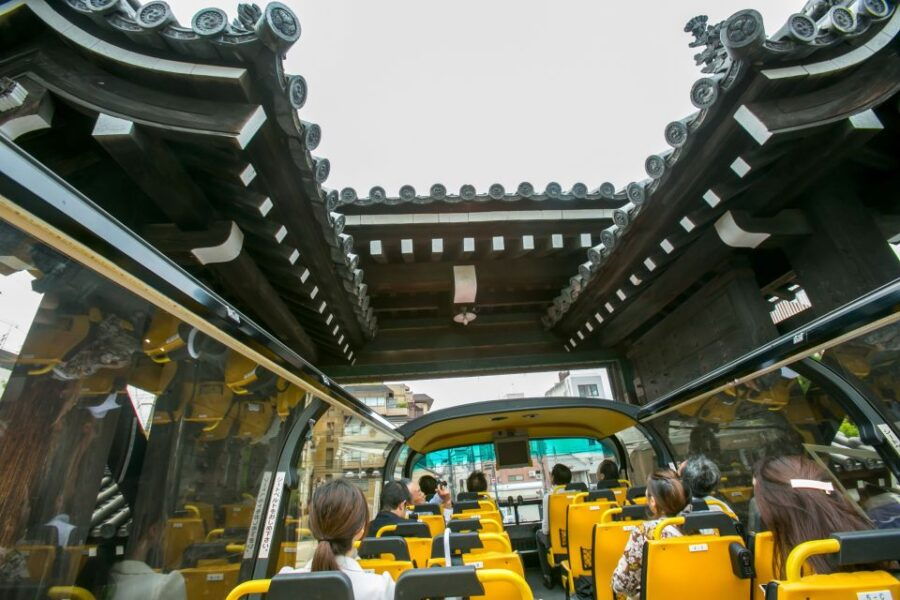
Seats are pre-assigned and printed on your ticket. All passenger seats are on the top deck, so you’re guaranteed a view. But this also means you don’t get to choose your side — and on certain parts of the route, one side has a much better view than the other.
The Route in Detail
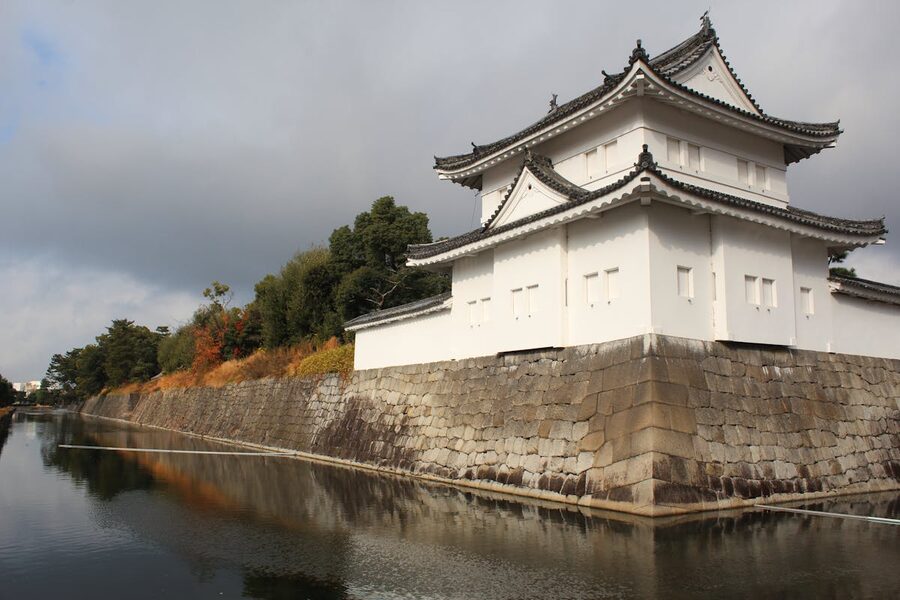
From Kyoto Station, the bus heads north through the city center. The first section passes Nishi Honganji Temple, Nijo Castle, and Kitano Tenmangu Shrine. Honestly, this part of the route is the least scenic — it’s mostly modern city streets with the occasional temple wall glimpsed between buildings. Don’t be disappointed; it gets much better.
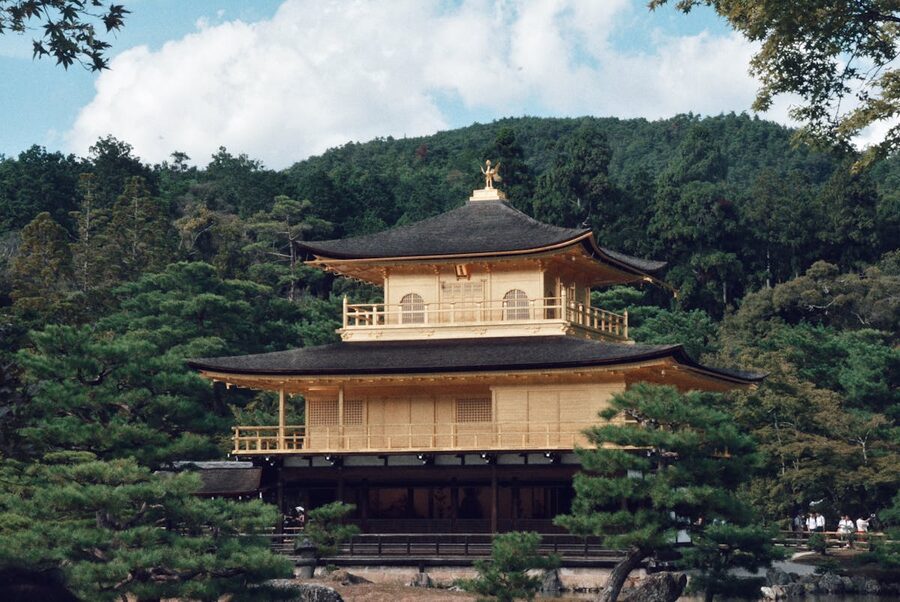
The first stop is Kinkakuji Temple (the Golden Pavilion). You get 40 minutes here, and a guide walks your group to the temple entrance. Entry to Kinkakuji is included in your bus ticket price. Forty minutes is tight but doable — the temple grounds follow a one-way path that takes about 25-30 minutes at a comfortable pace.
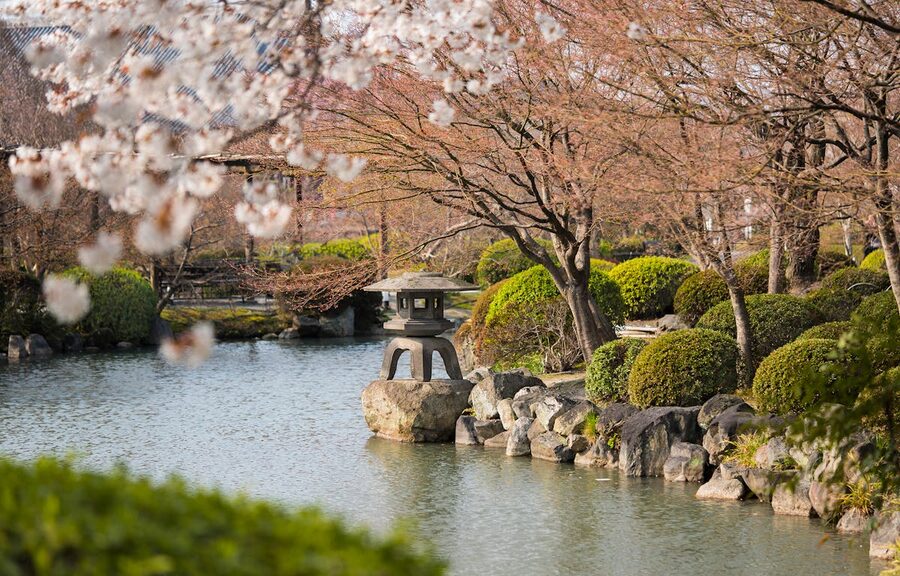
After Kinkakuji, the bus crosses the Kamogawa River and heads into eastern Kyoto. This is where the scenery transforms — leafy hillside roads, traditional architecture, and during cherry blossom season, tunnels of pink petals that passengers literally reach out to touch (the guides ask you not to, but good luck enforcing that on a bus full of excited travellers).
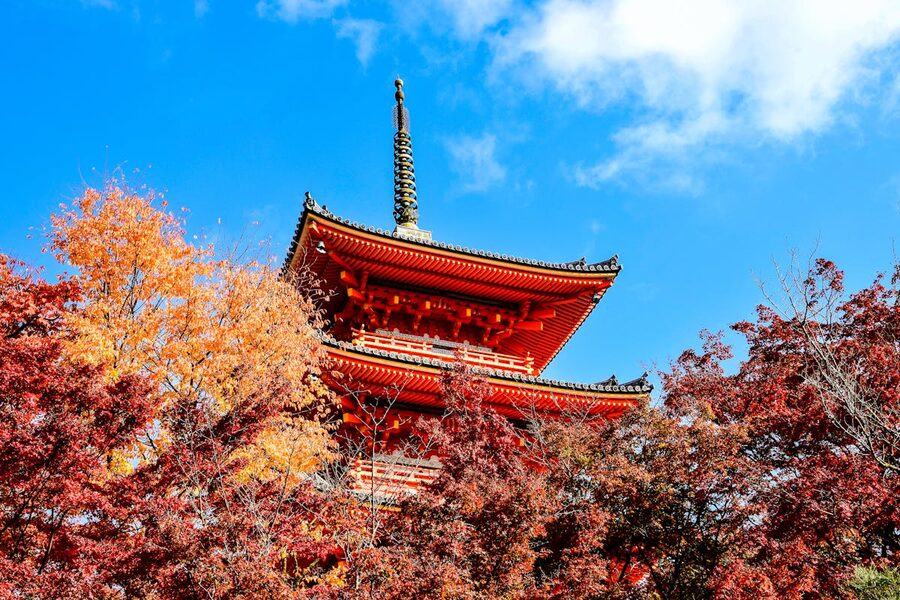
The second stop is Kiyomizudera Temple, which also gets about 40 minutes. This one feels rushed — the walk from the bus stop up the hill to the temple takes 10-15 minutes each way, leaving you about 15 minutes at the actual temple. If Kiyomizudera is a priority, consider staying off the bus here and finding your own way back to Kyoto Station (city bus 100 or 206 will get you there).
Official Booking vs. Third-Party Tickets
You can buy tickets three ways:
At the bus stop: Show up at the Sky Hop Bus departure point outside Kyoto Station and buy a ticket on the spot. This works on quiet days, but during peak season (March-April, October-November), the bus can fill up and you’ll be waiting for the next departure.
Official website: skyhopbus.com/kyoto — book your date and time slot in advance. The site is functional but basic.
GetYourGuide or Klook: Same price, easier booking, instant confirmation on your phone. If you’re already using these platforms for other Japan activities, it keeps everything in one place.
The price is the same everywhere: about $27 for 1 day or $36 for 2 days. There’s no discount for booking early, so it’s really a question of whether you want guaranteed seats on a specific departure or are happy to wing it.
The Best Way to Book the Kyoto Hop-On Hop-Off Bus
Kyoto Hop-On Hop-Off Sightseeing Bus — $27
Let me be straight with you: this bus has a 3.9-star rating from over 2,000 reviews, and there are legitimate complaints. The most common issues are the tight 40-minute stops (especially at Kiyomizudera where the walk alone eats half your time), occasional schedule delays, and the fact that the northern section of the route isn’t particularly scenic.
That said, $27 for a full-day pass that includes Kinkakuji entry, multilingual audio guides, and guaranteed seating on an open-top bus isn’t bad at all. At that price, it’s comparable to what you’d pay for the same journey on city buses — except you get the commentary and the top-deck views.
The bus works best for first-time visitors spending 1-2 days in Kyoto who want an efficient overview. If you’ve been to Kyoto before or have 3+ days, you’ll get more out of the public transit system or a bike tour, which lets you explore at your own pace and duck into side streets the bus can’t reach.
One thing the mixed reviews don’t mention enough: the audio guide is actually good. It goes beyond “on your left is a temple” and covers Kyoto’s geisha culture, festival traditions, and local dialect. If you’re interested in context, not just sightseeing, the narration alone is worth something.
When to Ride the Hop-On Hop-Off Bus
Best time of year: Mid-March through April (cherry blossoms) and late October through November (autumn colors). The eastern leg of the route is genuinely spectacular during both seasons, and the open-top deck gives you unobstructed views of the canopy overhead.
Worst time: July and August. Kyoto’s summer is brutal — 35+ degrees with suffocating humidity. Sitting on an open-top deck in direct sun for 90 minutes sounds like a good idea until you’re actually doing it. The drive-around tour is particularly miserable in summer because you can’t get off.
Best time of day: The first departure in the morning. You’ll hit Kinkakuji before the tour groups arrive (it gets genuinely mobbed by 11 AM) and reach Kiyomizudera by early afternoon. The afternoon departures run into heavier traffic and more crowded temples.
Rainy days are tricky. The bus runs rain or shine, but the open-top deck is only covered by a partial canopy. They’ll hand out ponchos, but you’re still going to get wet. On a rainy day, skip the bus entirely and use the subway and city buses — or book a walking tour of Gion where you’ll be on covered streets.
How to Get to the Bus Departure Point
The Sky Hop Bus departs from the north side of Kyoto Station, directly in front of the Isetan department store entrance. If you’re coming from inside the station, head for the central exit (north) and you’ll see the red double-decker within 30 seconds.
If you’re coming from a hotel outside the station area, Kyoto Station is accessible by:
- Subway: Both the Karasuma Line and the Kintetsu Line stop at Kyoto Station
- JR trains: If you’re staying in Osaka, the JR Special Rapid takes 30 minutes from Osaka Station
- City bus: Multiple routes terminate at Kyoto Station
Getting to the departure point is never the problem. Getting back to the station after exploring on your own — that’s where unlike the Tokyo version which runs more frequently — you might end up waiting 45+ minutes for the next bus if you miss your scheduled pickup.
Tips for Getting the Most Out of the Bus
Sit on the left side of the bus if you can. The left side gets better views of temples and gardens along the eastern route. The right side faces mostly streets and shop fronts. Seats are pre-assigned, so you might not have a choice, but it’s worth asking at the ticket counter.
Bring a hat and sunscreen in spring/autumn. The top deck has no shade. Even in moderate temperatures, direct sun exposure for 90+ minutes will burn you. A foldable hat is essential.
Don’t try to see both Kinkakuji and Kiyomizudera properly on the bus schedule. You can, but 40 minutes at each feels rushed. A better strategy: stay on the bus for the full loop first (essentially doing the drive-around tour), then get off at your priority temple on the second circuit and take your time. The 2-day pass for $36 makes this more feasible.
Download the Kyoto City Bus app as backup. If you hop off at Kiyomizudera and decide to stay longer, you’ll need to find your own way back. The number 100 and 206 city buses run from the Kiyomizudera area back to Kyoto Station for ¥230.
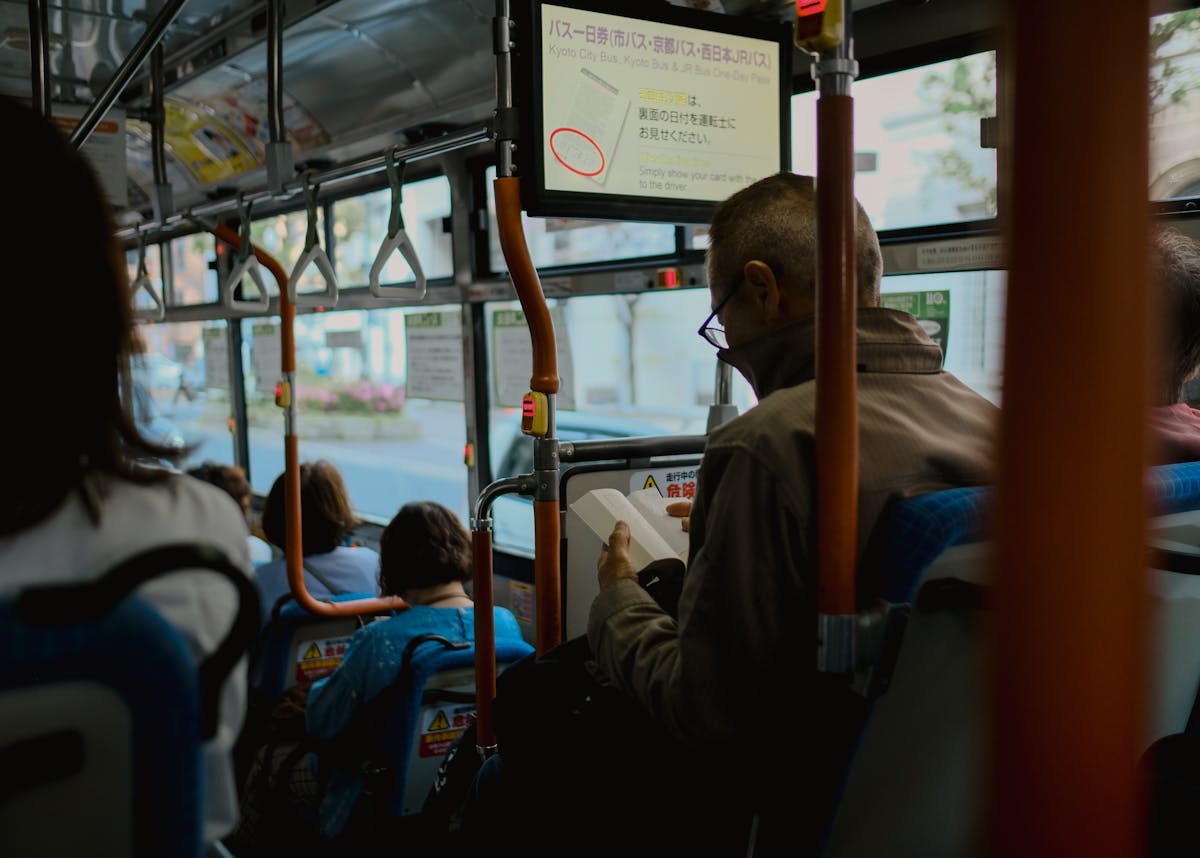
Consider the 1-Day Kyoto Bus Pass instead. For ¥700 (~$4.50), you get unlimited rides on all Kyoto city buses for one day. It covers every major temple and shrine, with buses running every 10-15 minutes. The hop-on hop-off bus costs 6x more. The tradeoff is that you need to figure out the routes yourself and you don’t get the commentary — but Google Maps makes Kyoto’s bus system extremely navigable.
What You’ll See Along the Route
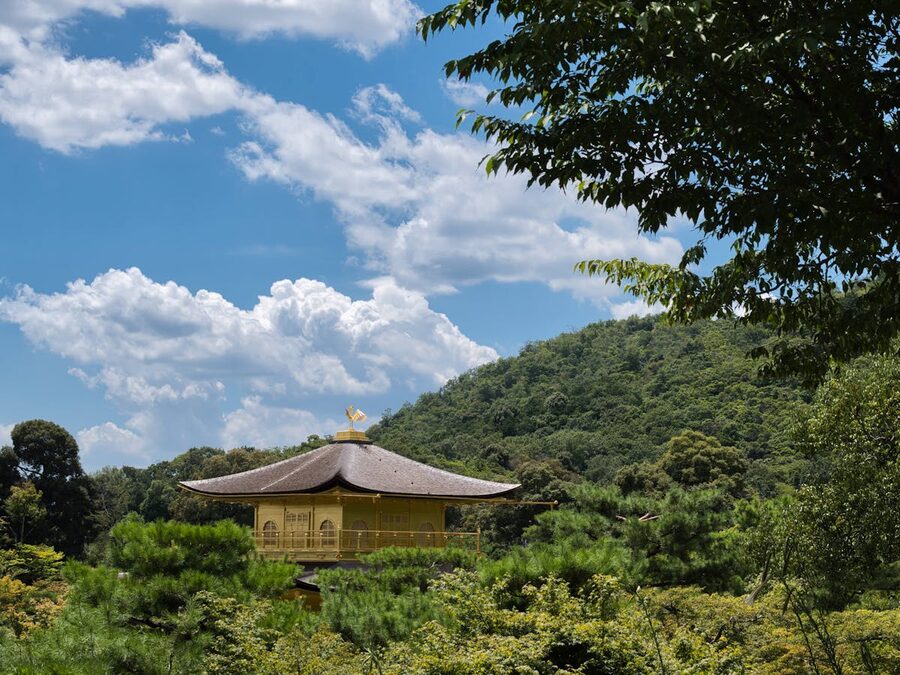
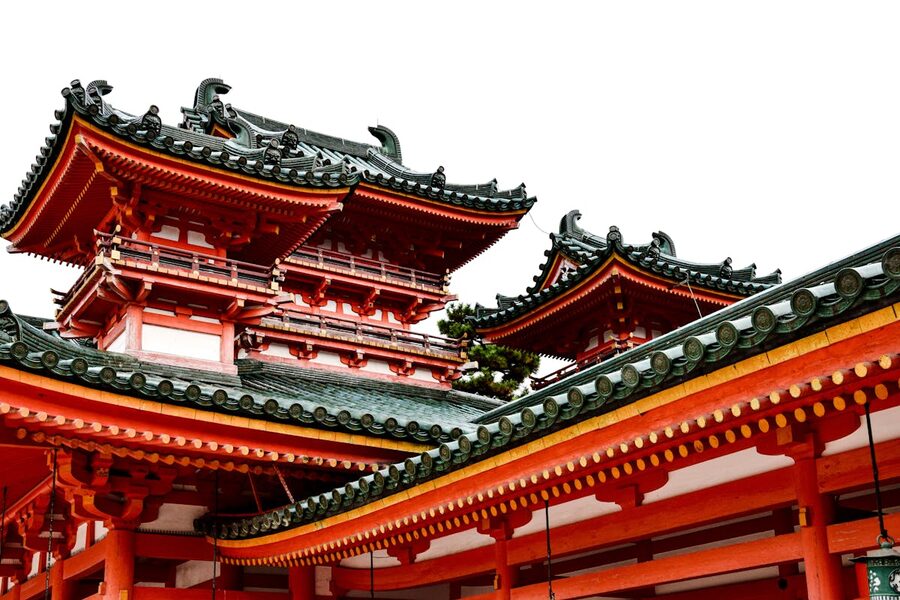
Kinkakuji (Golden Pavilion) is the standout. A three-story Zen temple covered in gold leaf, sitting at the edge of a mirror-perfect pond. There’s a reason it’s on every Kyoto itinerary, and seeing it in person hits different from photos. The bus stop is a short walk from the entrance, and your ticket includes admission.
Kiyomizudera is Kyoto’s most famous temple, perched on a hillside with a wooden terrace that juts out over the valley below. The view from the terrace during autumn colors is legitimately one of the best things you’ll see anywhere in Japan. Just know that the walk from the bus stop is uphill, through a shopping street that’s charming but slow-going when crowded.
Along the way, you’ll pass Nijo Castle (a UNESCO World Heritage Site with famous “nightingale floors” that squeak when you walk on them), Kitano Tenmangu Shrine (the shrine for academic success — it’s surrounded by plum blossoms in February), and the Kamogawa River, which is the geographic dividing line between Kyoto’s modern west and traditional east.
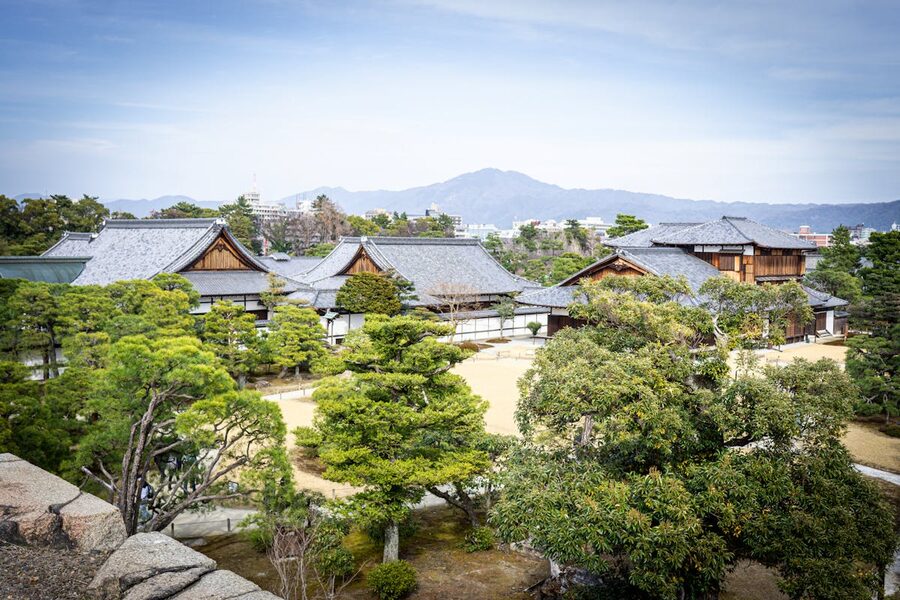
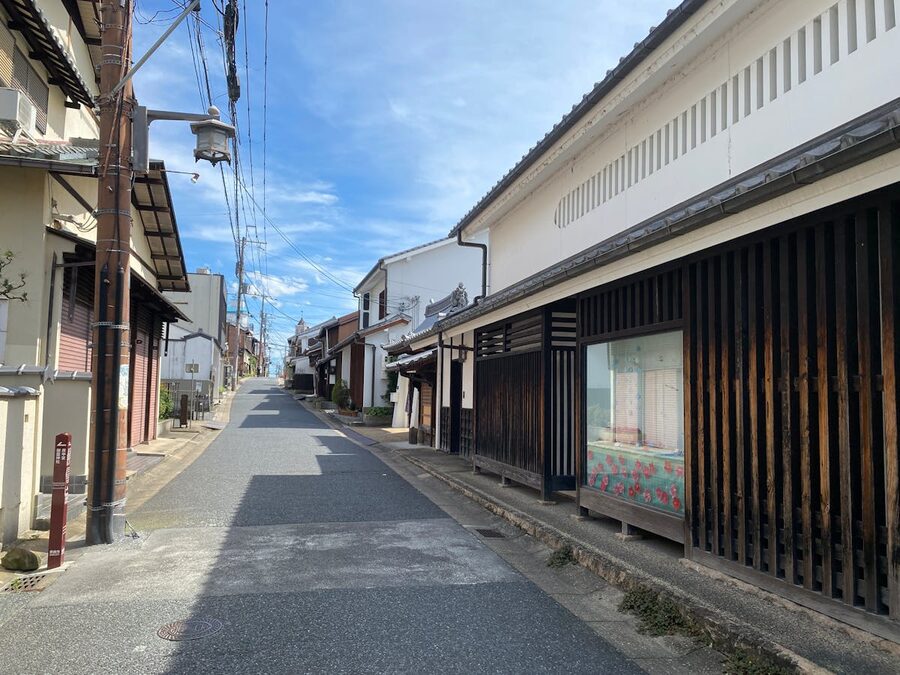
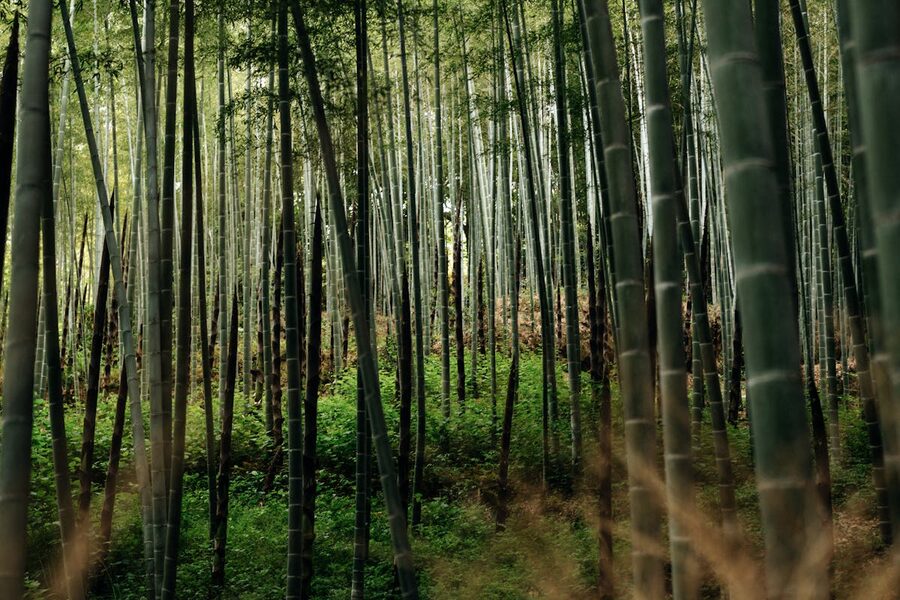
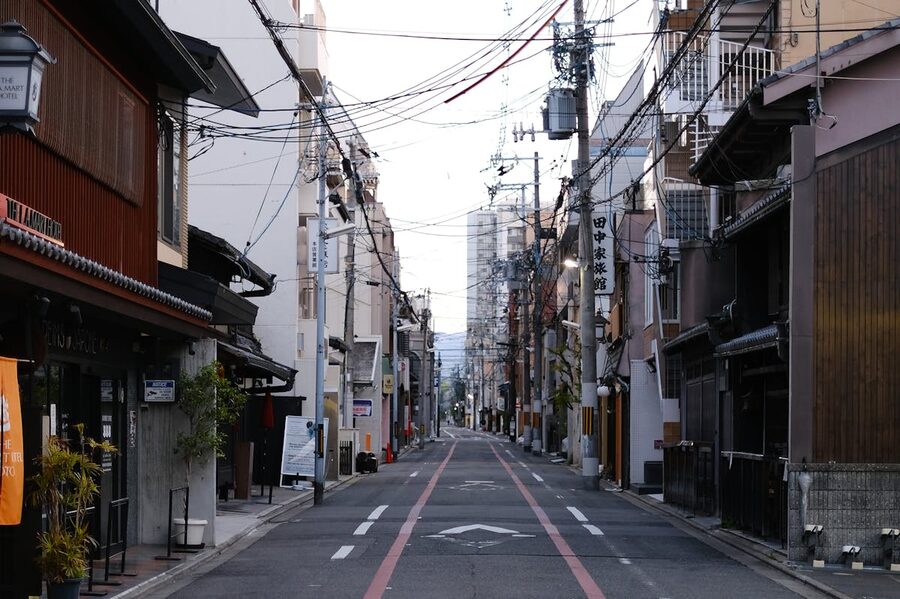
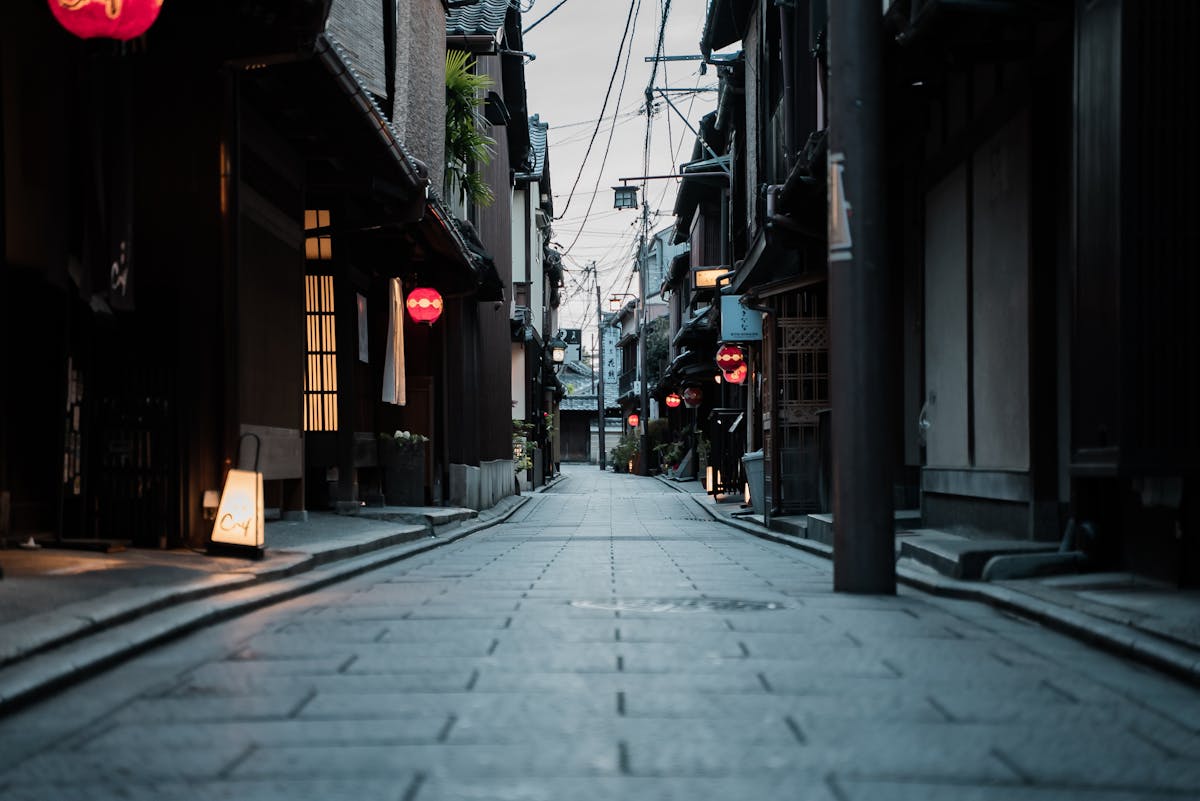
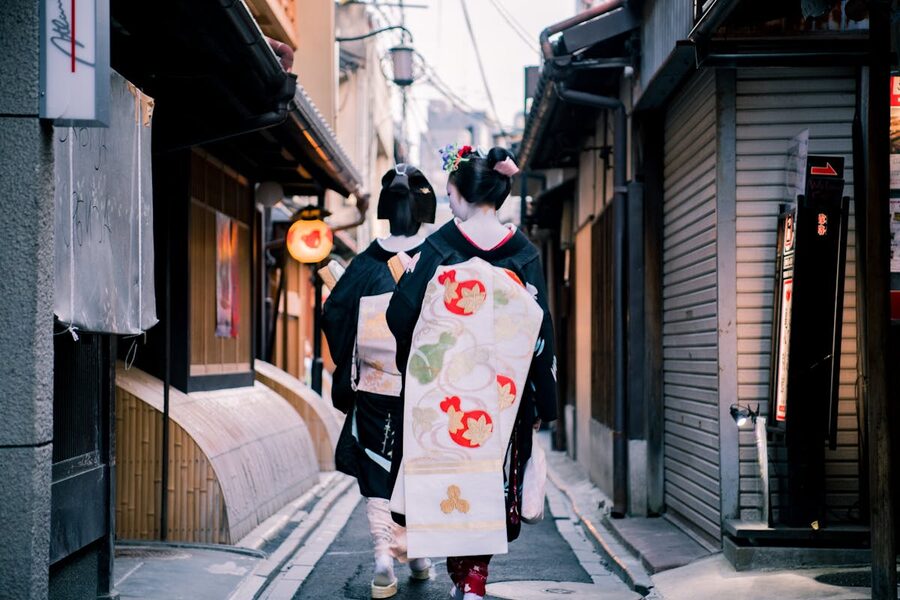
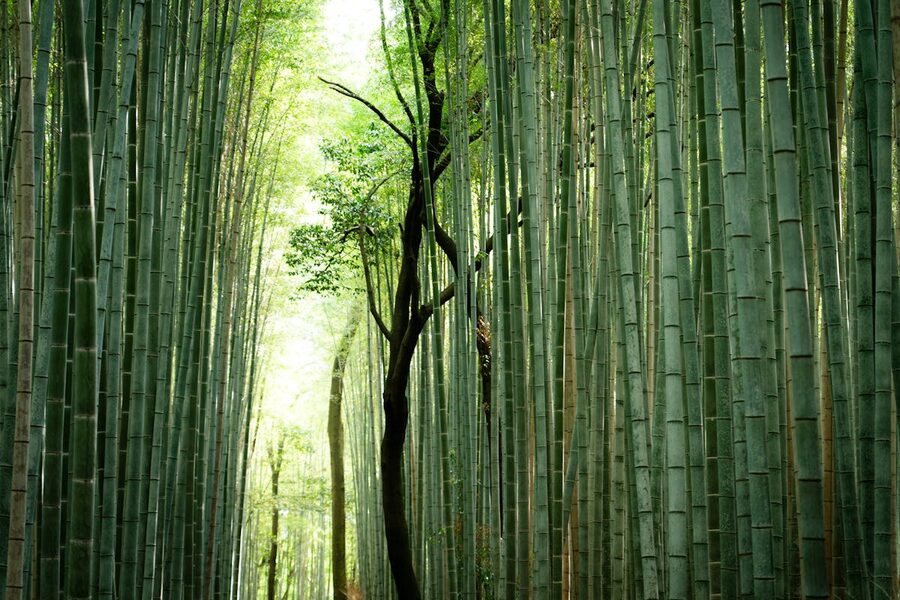
The eastern section of the route passes through the Higashiyama district, which preserves Kyoto’s traditional streetscape better than anywhere else in the city. Wooden machiya townhouses, narrow lanes, and the occasional glimpse of someone in full kimono — this is the Kyoto people imagine. The Gion district is nearby, and the Arashiyama bamboo grove is worth a separate trip on the JR Sagano Line.
Alternatives to the Hop-On Hop-Off Bus
I want to be fair to this bus, but I also want to be honest: for many visitors, there are better ways to see Kyoto.
Bike tours are the best alternative for most people. Kyoto is flat, compact, and has good cycling infrastructure. A guided bike tour covers more ground than the bus, gets into neighborhoods the bus can’t reach, and costs about the same. You’ll see temples, backstreets, local markets, and the Kamogawa riverside — all at a pace that lets you actually take in the details. If you’re physically able to cycle for 3-4 hours, this is my recommendation over the bus.
Kyoto City Bus Pass (¥700/day): The budget option. Unlimited rides on all city buses. Covers every major attraction. Buses run frequently and Google Maps has accurate real-time tracking for Kyoto routes. The downside: crowded buses during peak season, no commentary, and you need to figure out routes yourself.
A guided full-day bus tour with an English-speaking guide costs more ($52-129) but includes commentary, skip-the-line entry, and a guide who handles all the logistics. Worth the upgrade if it’s your first time.
Private taxi tours: Expensive (¥15,000-25,000 for a half day) but incredibly efficient. A driver who knows Kyoto will get you to 4-5 temples in a morning, handle all the navigation, and wait while you explore. Worth it for groups of 3-4 where you can split the cost.
JR trains + walking: If you have a JR Pass, the JR Sagano Line to Arashiyama and JR Nara Line to Fushimi Inari are both covered. Combine those with walking through Higashiyama, and you’ve hit three of Kyoto’s best areas without spending anything on buses. The hop-on bus doesn’t go to Arashiyama or Fushimi Inari, so you’d need additional transport anyway.
Who Should (and Shouldn’t) Take This Bus
Take it if:
- It’s your first time in Kyoto and you have only 1 day
- You want an overview without planning routes
- You’re traveling with elderly family members or young children who’d struggle with Kyoto’s bus system
- You’re visiting during cherry blossom or autumn colors season and want the open-top views
- You find public transit stressful in countries where you don’t speak the language
Skip it if:
- You have 2+ days in Kyoto — use public transit and explore at your own pace
- You want to visit Arashiyama, Fushimi Inari, or anything south of the station — the bus doesn’t go there
- You’re visiting in July or August — the open top deck in Kyoto’s summer is genuinely miserable
- You’re comfortable with Google Maps and public buses — the city bus pass is 6x cheaper
- You’d rather explore on two wheels — a bike tour is a better experience for the same price
Getting Deeper into Kyoto
The hop-on bus gives you the overview, but the best Kyoto experiences happen off the main route. A bike tour covers the hidden temples and backstreet neighborhoods that no bus can reach, and is honestly my top recommendation for anyone with a spare morning. For cultural depth, a tea ceremony and a sake tasting in Fushimi give you two completely different sides of Kyoto’s traditions.
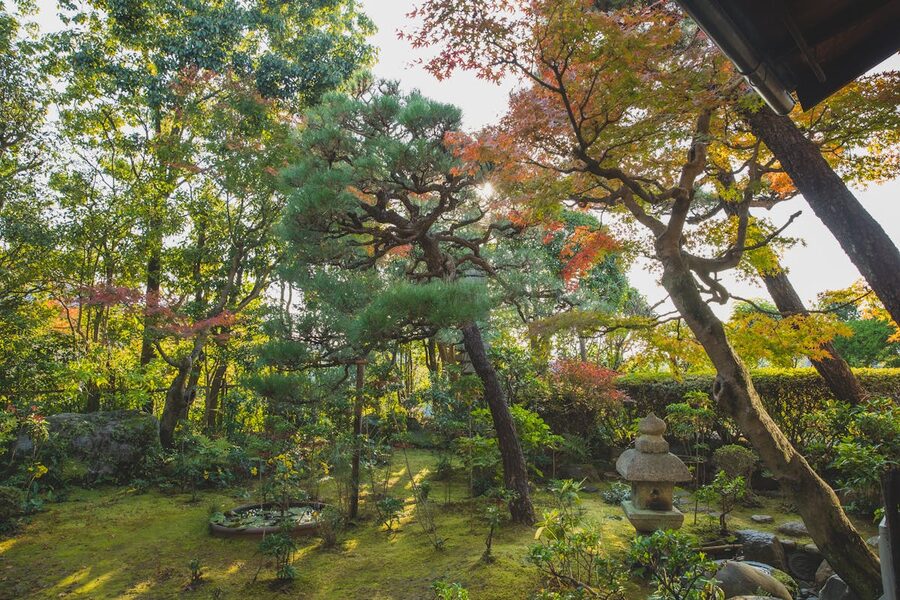
The Fushimi Inari hike takes you beyond the crowded lower gates to quiet mountain trails, and the Gion geisha district comes alive after dark with an evening walking tour. Arashiyama is a 15-minute train ride west and deserves its own half-day, especially if you add the monkey park.
Kyoto has enough to fill a week, and the hop-on bus only scratches the surface. If temples and shrines are your thing, our Fushimi Inari hiking guide covers the full trail up the mountain (most travellers only do the first 200 gates), and the Arashiyama bamboo grove tours pair well with a morning at the monkey park.
For cultural deep dives, the tea ceremony experiences in the Gion district are some of the best in Japan, and walking tours of the geisha district give you the context to actually understand what you’re seeing. If you’re doing a Kansai trip, Nara is 45 minutes away and pairs naturally with a Kyoto visit — most people do it as a half-day trip.
And for a completely different perspective on the city, Kyoto bike tours remain my top recommendation for anyone with a spare morning.
This article contains affiliate links to GetYourGuide. If you book through these links, we earn a small commission at no extra cost to you. This helps us keep creating free travel guides.