
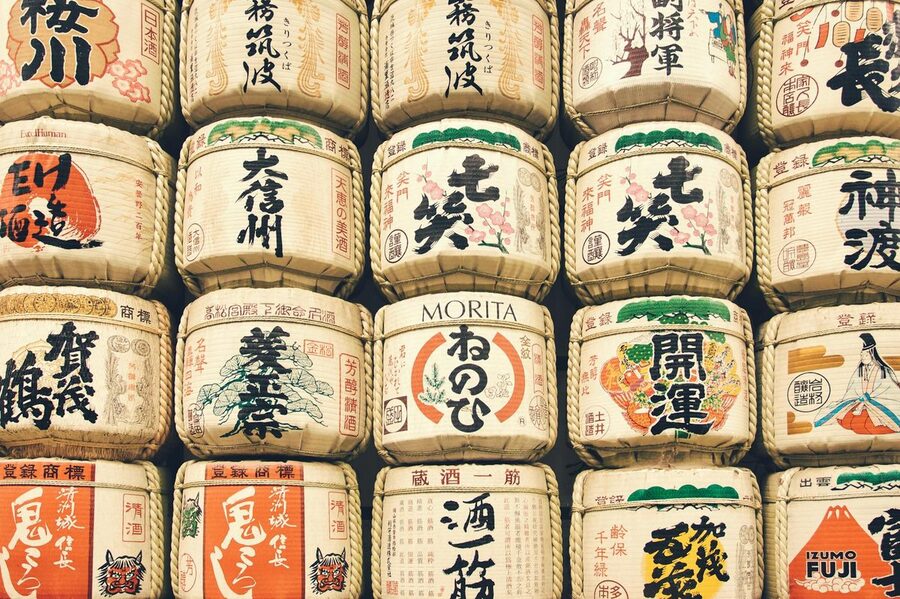
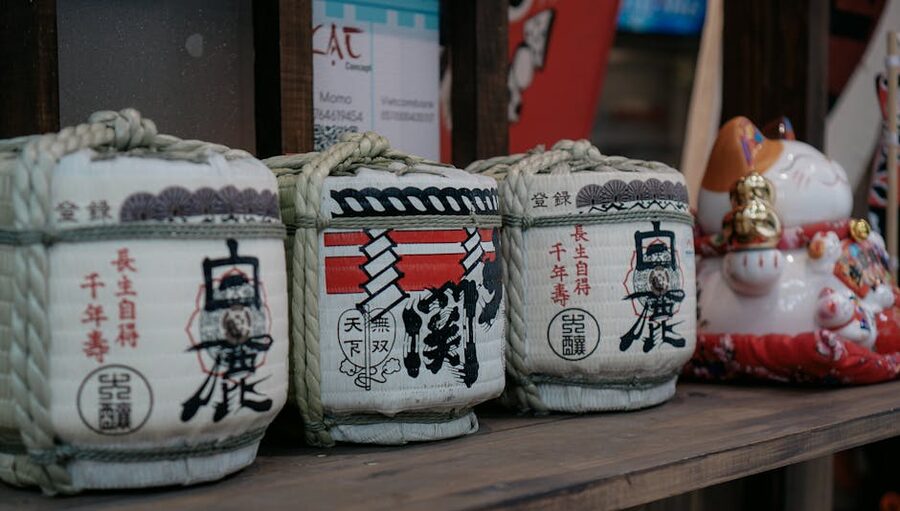
The cedar ball hanging above the doorway was brown and dry — which, if you know anything about sake breweries, means the current batch has finished fermenting. A fresh green one means they’ve just started. I didn’t know that before visiting Fushimi. By the end of the afternoon, I knew a lot of things I didn’t know before.
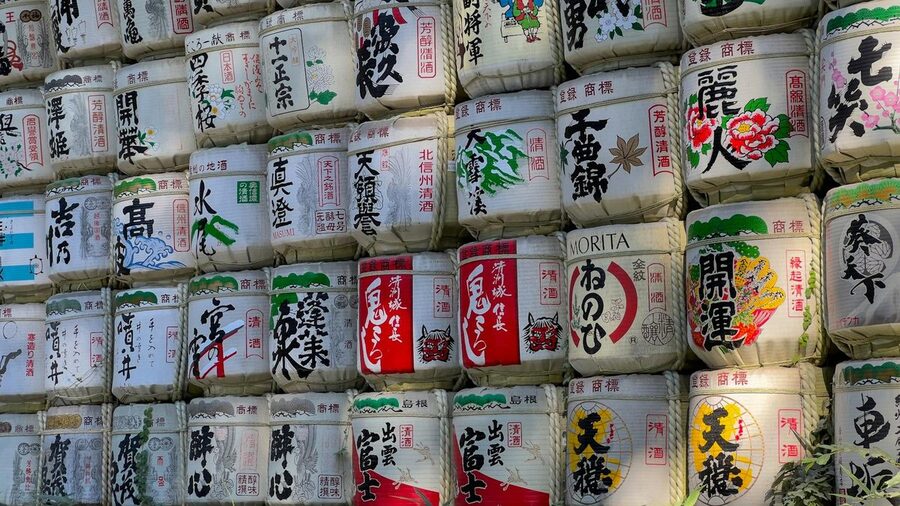
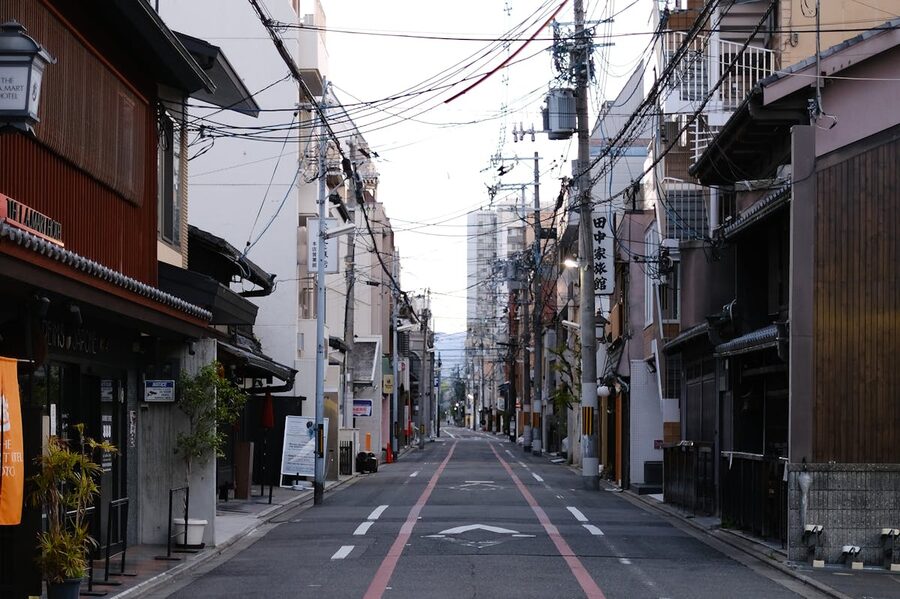
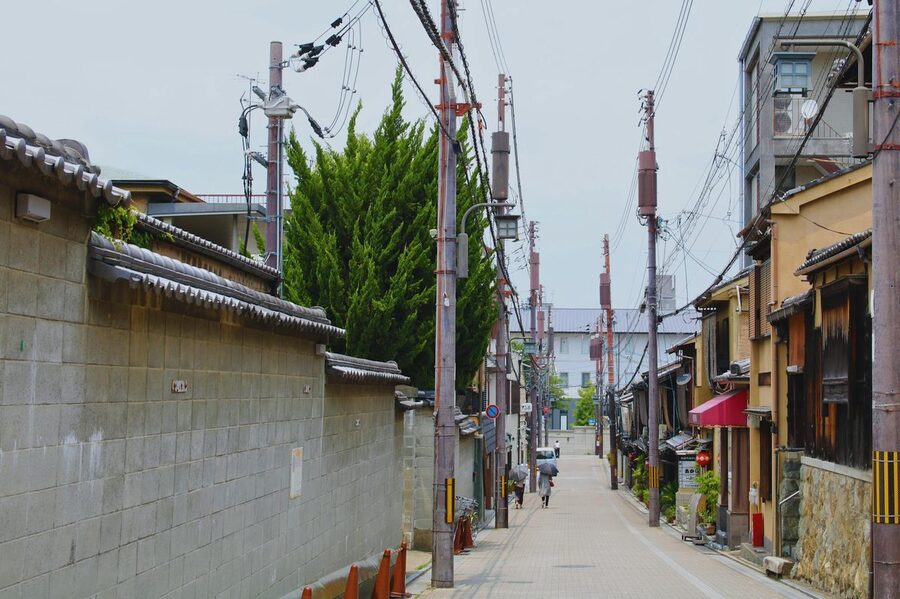
Kyoto’s Fushimi district has been brewing sake for over 400 years. It’s one of Japan’s three great sake regions, and the water here — drawn from underground springs fed by the surrounding mountains — is softer than most Japanese water, which produces a smoother, more delicate style of sake. You can taste the difference, even as a beginner.
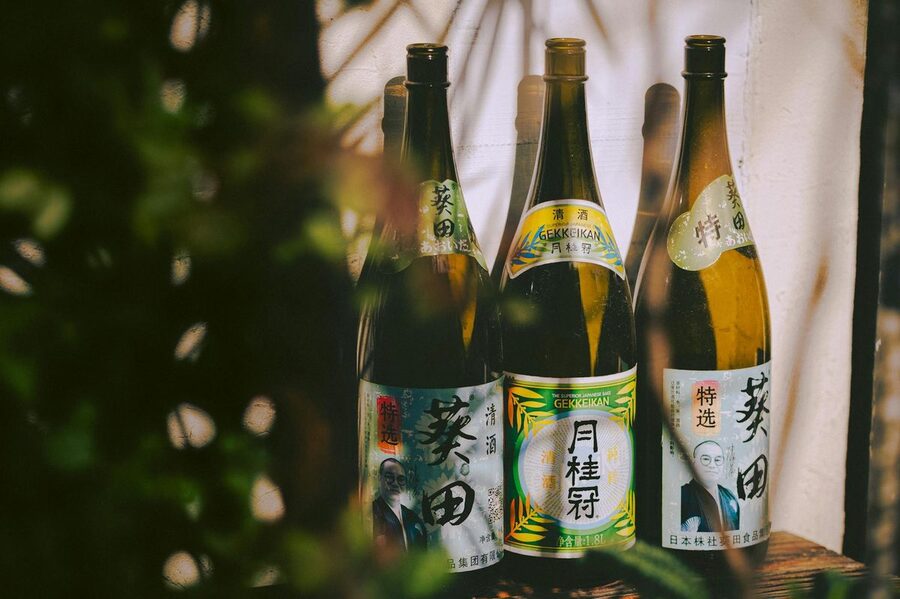
The problem is that most visitors to Kyoto never make it to Fushimi. They’re busy with temples, the bamboo grove, geisha spotting in Gion. But a sake brewery tour is one of the most genuinely educational things you can do in Kyoto — and one of the most fun, if we’re being honest. You learn to taste sake properly, you understand what all those confusing labels mean, and you drink a lot of very good sake along the way.
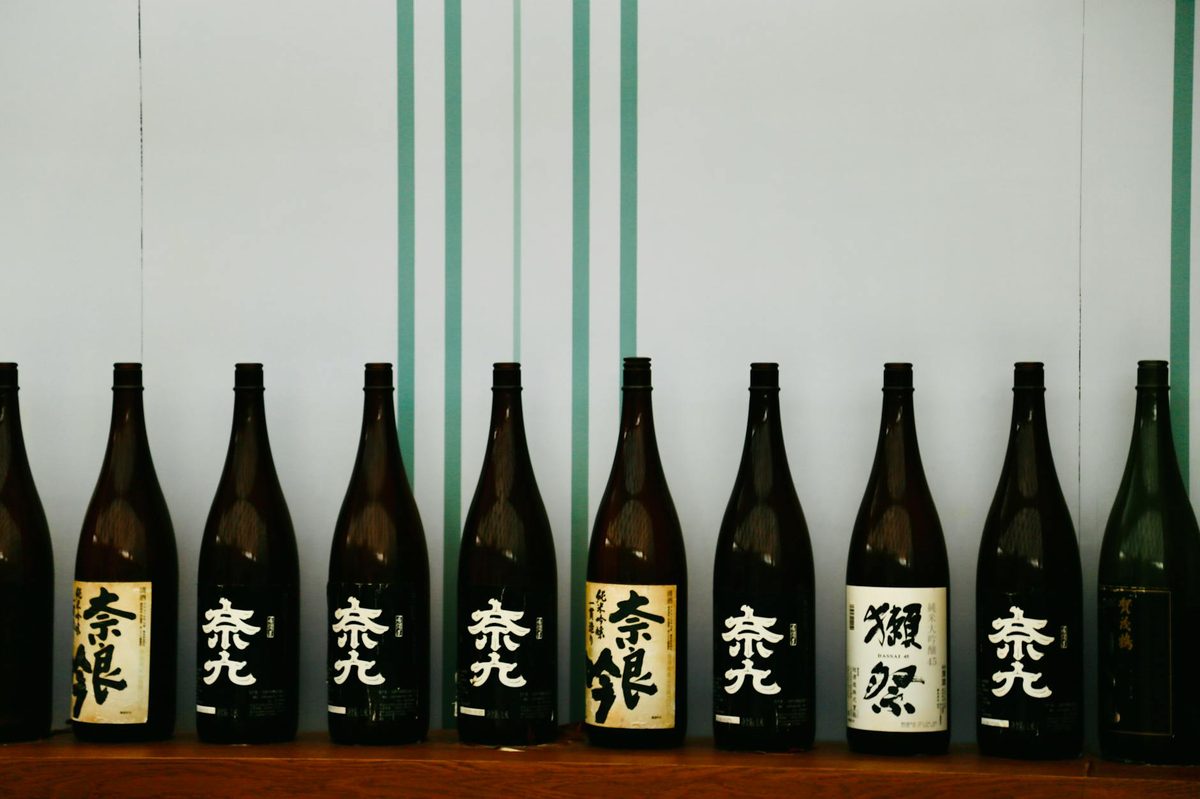
Short on time? Here are my top 3 picks:
Best overall: 3 Hours Kyoto Insider Sake Experience — $85. The original and most popular, with the deepest brewery access.
Best budget: 1.5 Hours Kyoto Insider Sake Experience — $68. Same guide, shorter format, still seven tastings.
Best for food lovers: Sake Brewery Tour with Food Pairing — $87. Adds food pairing to the brewery visits.
- How Sake Tasting in Kyoto Works
- Self-Guided vs Guided Tour
- The Best Kyoto Sake Tours to Book
- 1. 3 Hours Kyoto Insider Sake Experience —
- 2. Sake Brewery Tour with Food Pairing —
- 3. 1.5 Hours Kyoto Insider Sake Experience —
- When to Visit
- How to Get to Fushimi
- Tips for Your Sake Experience
- What You’ll Actually Learn
- Planning Around Your Sake Tour
How Sake Tasting in Kyoto Works
n
You’ve got two options for sake in Kyoto: go on your own, or take a guided tour.
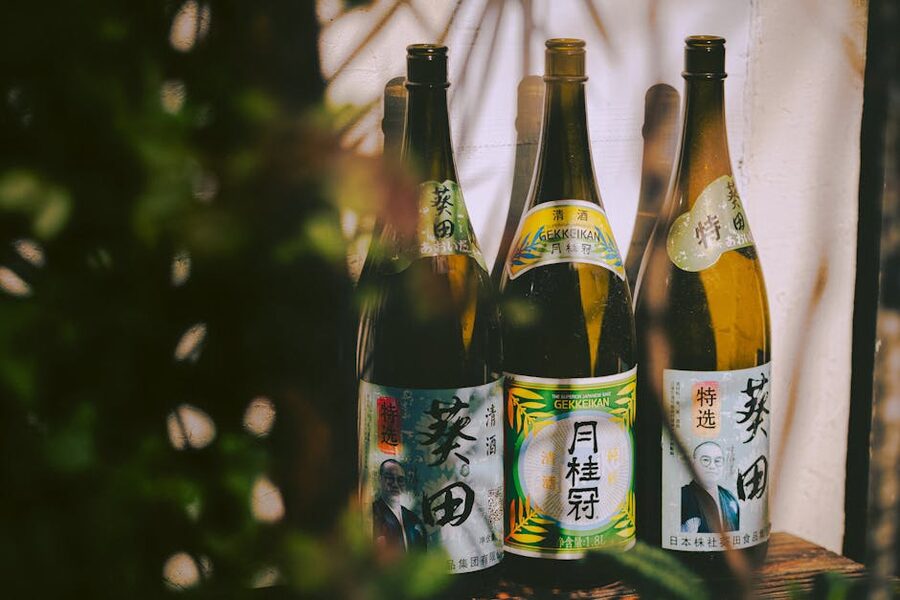
Going alone means visiting the big brewery museums — Gekkeikan Okura Sake Museum is the most famous, with a small tasting at the end for about 600 yen ($4). Kizakura Kappa Country is free to walk around and has a restaurant. Both are in Fushimi, about 30 minutes south of central Kyoto by train. The downside: you’ll see the exhibits, read some signs in mostly-Japanese, taste a couple of samples, and leave. You won’t really understand what you tasted or why.
A guided tour changes the game entirely. A local sake expert takes you to 2-3 breweries, explains the brewing process in depth, walks you through 7-12 different sake tastings with proper tasting technique, and answers every question you have about junmai vs daiginjo, polishing ratios, serving temperatures, and food pairing. The best tours also include food — because sake without food is like wine without cheese. Technically fine, but you’re missing half the experience.
Most guided tours run $68-$100 per person, last 1.5-3 hours, and include all tastings. You don’t need to book months ahead — a few days is usually enough, though weekend slots in cherry blossom season (late March/April) fill fast.
Self-Guided vs Guided Tour
n
I’ll be direct: take the guided tour. Here’s why.
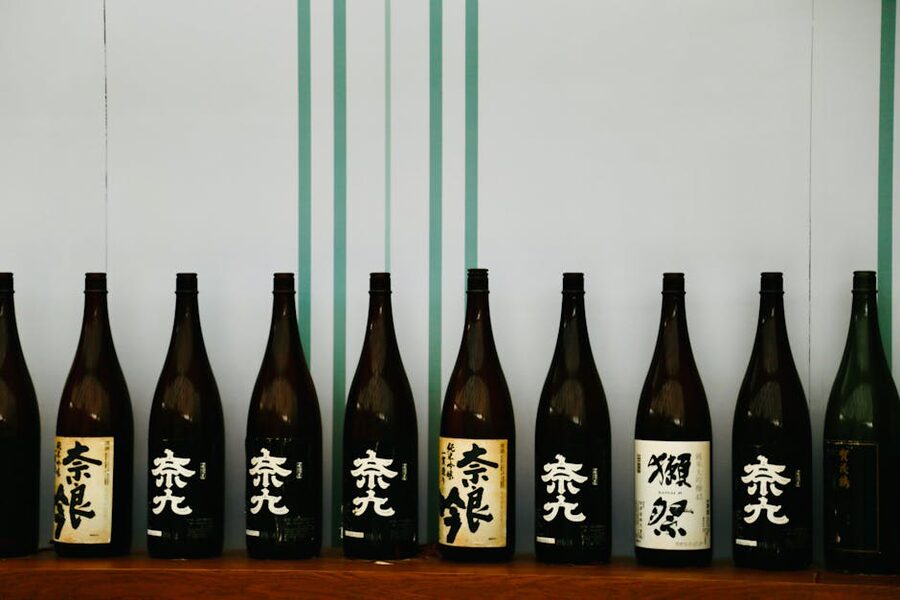
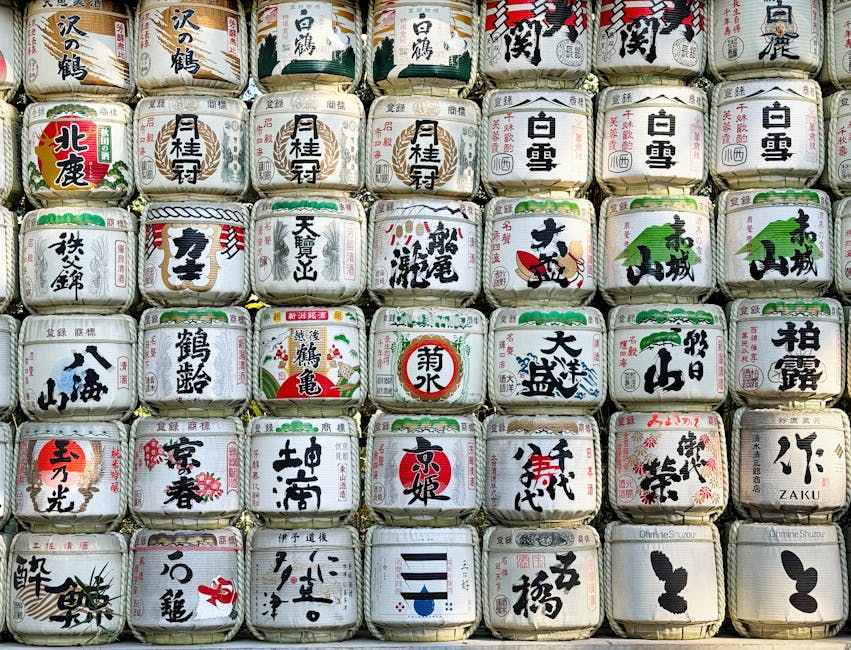
Sake is confusing. The labels are in Japanese. The categories (junmai, honjozo, ginjo, daiginjo) are based on rice polishing ratios that don’t mean anything to most people without explanation. The difference between a $10 bottle and a $60 bottle isn’t obvious unless someone teaches you what to taste for.
A good sake guide does in three hours what would take you months of reading to figure out on your own. They’ll explain why cold sake isn’t always better than warm sake (a common misconception), why the same rice can produce wildly different flavors depending on the yeast and water, and how to pair sake with specific Japanese dishes.
The self-guided option only makes sense if you already know a lot about sake and just want to visit the Gekkeikan museum for the history, or if you’re very short on time and happen to be passing through Fushimi anyway.
The Best Kyoto Sake Tours to Book
These three tours are all run by the same company — Kyoto Insider Sake Experience — which has been operating in Fushimi for years. They dominate the reviews for good reason: the guides actually know their stuff. I’ve listed them from most to least popular.
1. 3 Hours Kyoto Insider Sake Experience — $85

This is the flagship tour and the one I’d recommend to most people. Three hours in Fushimi with a sake expert who takes you through multiple breweries, explains the brewing process from rice to bottle, and pours around 10-12 different sakes to taste. The guide adjusts the experience based on your group’s knowledge level — total beginners and serious enthusiasts both come away satisfied.
At $85 for three hours of guided tasting, it’s good value — you’d spend more than that buying 12 individual tastings at bars in Kyoto. Over 900 people have reviewed this tour with a perfect 5.0 rating, which puts it among the highest-rated experiences in all of Kyoto. If you’re also doing a tea ceremony during your Kyoto visit, this makes a great counterpoint — tea in the morning, sake in the afternoon.
2. Sake Brewery Tour with Food Pairing — $87
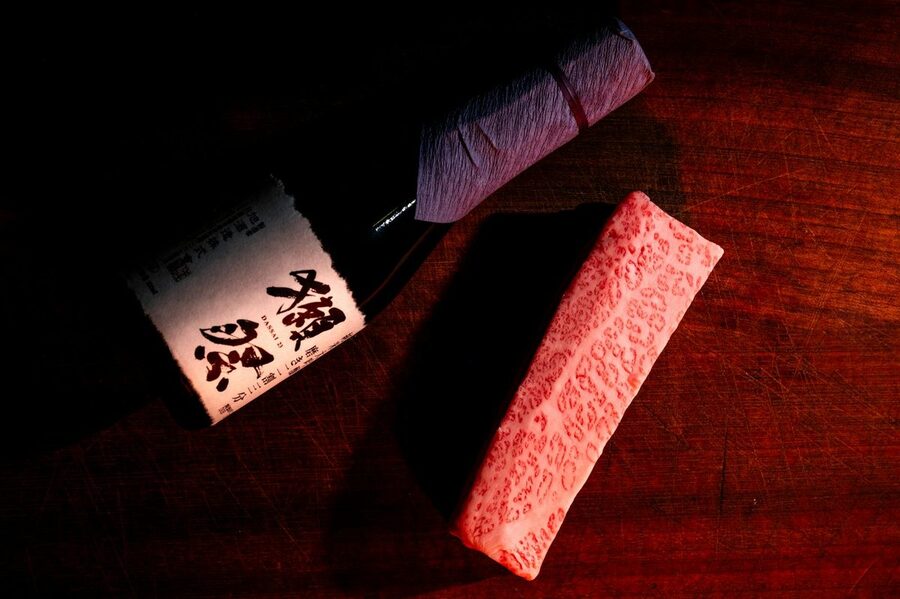
Same team, same Fushimi location, but this version adds structured food pairings to the tasting. You’re not just trying sake on its own — you’re learning which types of sake match different Japanese foods. Dry junmai with grilled fish. Fruity daiginjo with lighter dishes. The kind of knowledge that makes every Japanese meal afterward more interesting.
At $87 it’s only $2 more than the standard 3-hour tour, which makes it a no-brainer if you care about food. Over 700 reviews on GYG, perfect 5-star rating. The tour also runs 3 hours. The only reason to choose the standard tour over this one is if you prefer more time at the breweries and less time eating — but honestly, the food pairing is the better experience for most people.
3. 1.5 Hours Kyoto Insider Sake Experience — $68
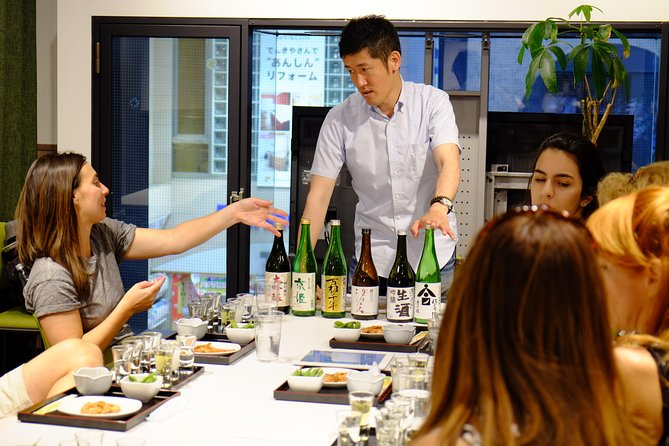
The condensed version for people who want the education but don’t have three hours to spare. You still get seven sake tastings, a brewery visit, and a knowledgeable guide — just at a faster pace. The guide covers the key differences between sake categories and tasting technique, skipping some of the deeper history and production detail that the 3-hour version includes.
At $68 it’s the most affordable guided option and still leaves you with a working knowledge of sake. Nearly 300 reviews, 5.0 rating. This works well as an afternoon activity before heading to Gion for the evening, or as a morning stop before cycling to Arashiyama.
When to Visit
n
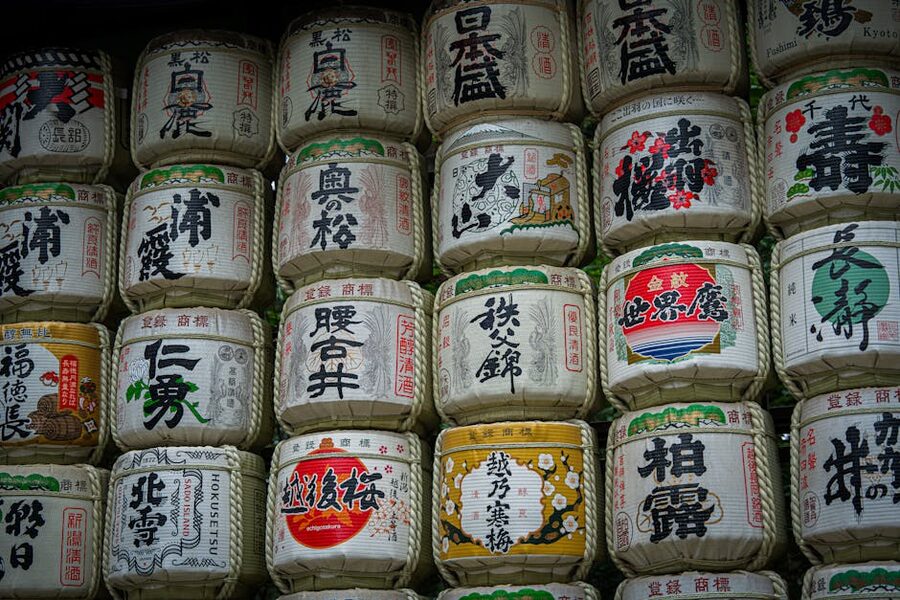
Sake brewery tours in Fushimi run year-round, but there are a few timing considerations:
Best months: October through March. This is when most breweries are actively brewing (the traditional brewing season runs from about October to April). You might catch some of the production in action, and seasonal limited-edition sakes are available for tasting.
Avoid: Golden Week (late April/early May) and Obon (mid-August) when many businesses close or run limited hours. Summer is fine otherwise, though walking between breweries in Kyoto’s July/August heat is no joke — afternoon tours can be rough.
Cherry blossom season (late March to mid-April) is beautiful in Fushimi — there’s a famous canal lined with cherry trees near the breweries — but tours book up faster during this period. Reserve at least a week ahead.
Tours typically run in the afternoon (1pm-4pm is the most common slot). This works well because you can spend the morning visiting temples and shrines, then shift to sake tasting when you need a break from sightseeing. Don’t plan anything requiring sharp decision-making for the evening — you’ll have tasted enough sake to feel it.
How to Get to Fushimi
n
Fushimi is about 30 minutes south of central Kyoto. Your tour booking confirmation will include the exact meeting point, but here are the main options:
Keihan Line: Take the Keihan Main Line to Fushimi-Momoyama Station or Chushojima Station. This is the easiest option from central Kyoto (Sanjo or Gion-Shijo stations). About 15 minutes, around 270 yen.
n
Kintetsu Line: Momoyama-Goryo-mae Station on the Kintetsu Kyoto Line. Convenient if you’re coming from Kyoto Station directly. About 10 minutes, 260 yen.
JR Nara Line: JR Momoyama Station. Covered by JR Pass if you have one. About 12 minutes from Kyoto Station.
Most tours meet near one of these stations, so check your booking for which one. The brewery district is walkable from all three — everything is within about a 10-minute walk of each other.
If you’re combining this with a visit to Fushimi Inari Shrine, note that the shrine is about 2km north of the brewery district. It’s a 25-minute walk or one train stop. Do the shrine first (it’s better in the morning when it’s less crowded) and the sake tour in the afternoon.
Tips for Your Sake Experience
n
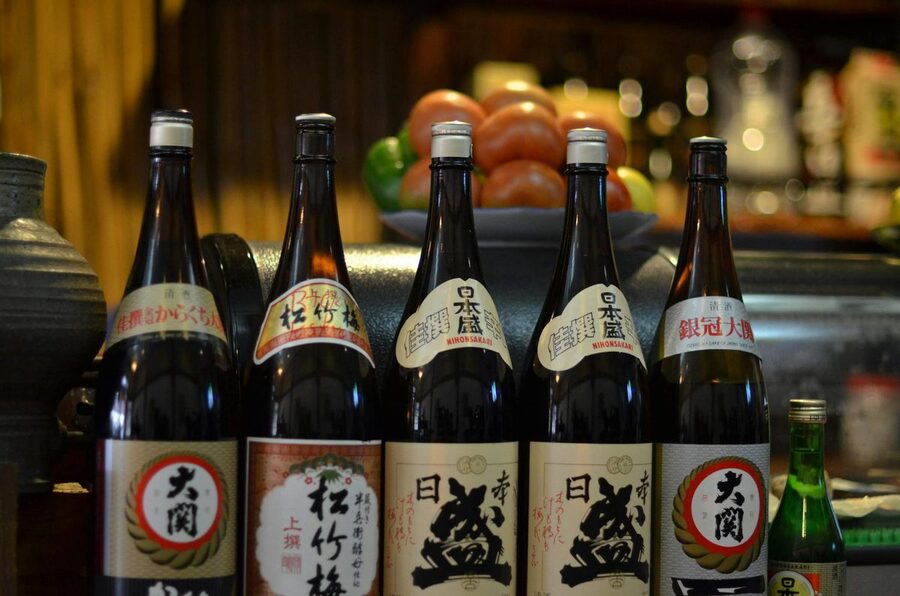
Eat before you go. Not a huge meal, but something solid. You’ll be tasting 7-12 sakes over 1.5-3 hours, and most of them are 15-16% alcohol. An empty stomach turns an educational experience into a wobbly one.
Bring cash. If you want to buy bottles at the breweries (and you will — the prices at the source are significantly cheaper than Tokyo or export), some smaller shops only take cash. Budget about 2,000-5,000 yen ($14-$35) for a nice bottle or two.
Don’t worry about being a beginner. These tours are designed for people who don’t know much about sake. The guides are used to explaining everything from scratch. If you already know your junmai from your daiginjo, tell them at the start and they’ll adjust the depth.
You can spit. Like wine tasting, spitting is perfectly acceptable. Most people don’t, but if you want to stay sharp for 12 tastings, nobody will judge you.
Wear comfortable shoes. You’ll be walking about 2-3 kilometers total between breweries, some of it on cobblestoned streets.
Ask about seasonal specials. Japanese breweries often produce limited-run sakes tied to the season or to specific local events. These aren’t on the standard tasting list but guides can sometimes arrange extras if you ask.
What You’ll Actually Learn
n
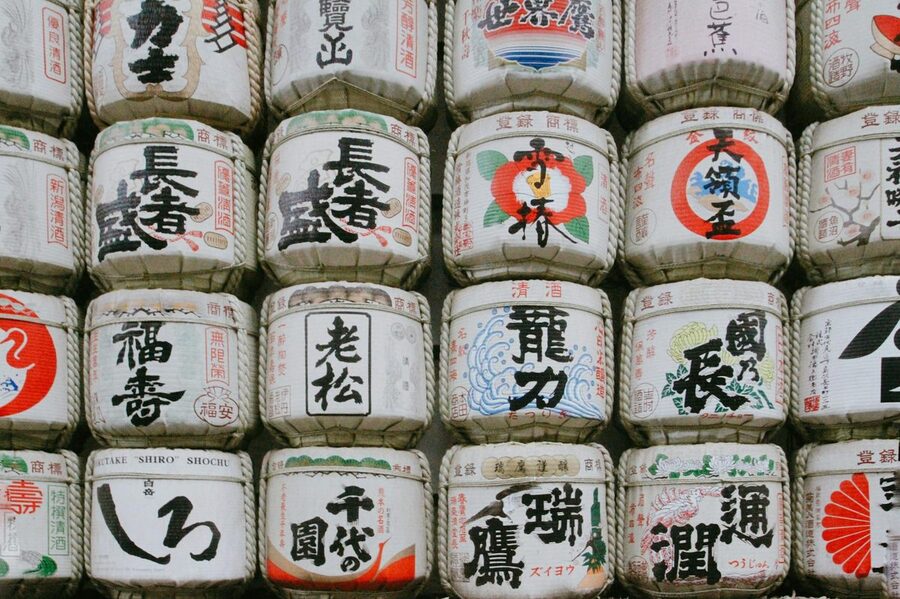
The main categories are easier to understand once someone pours them for you side by side:
Junmai — pure rice sake, no added alcohol. Tends to be fuller-bodied, richer. Good with heavier foods like grilled meat.
Honjozo — a small amount of distilled alcohol added (not to cut corners — it actually brings out certain aromas). Lighter than junmai, good slightly warm.
n
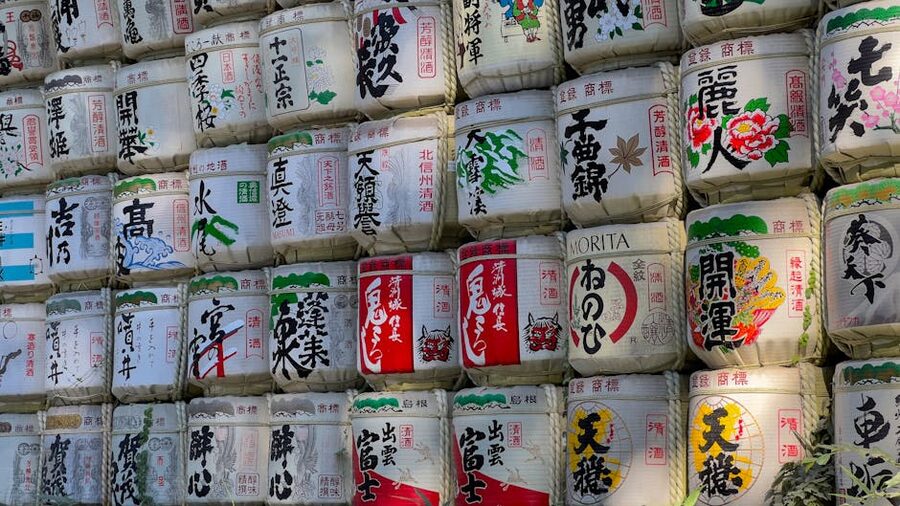
Ginjo and Daiginjo — the rice is polished more (at least 40% removed for ginjo, 50%+ for daiginjo). More delicate, often fruity or floral. The premium stuff. Usually served chilled.
Nigori — cloudy, unfiltered sake. Creamy, slightly sweet. The one that surprises people who think they don’t like sake.
The polishing ratio is the number you see on the label (like “50%” or “35%”). Lower means more rice was removed, meaning more refined flavor, and generally a higher price. But more polished doesn’t automatically mean better — some of the best sakes are robust junmai styles with minimal polishing.
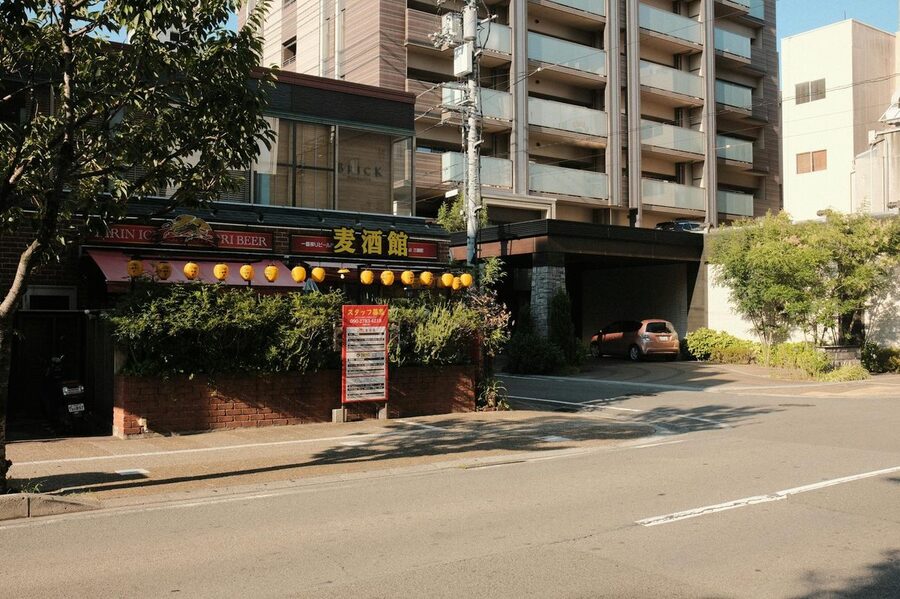
Temperature matters more than most people realize. Some sakes are best ice cold, others at room temperature, others gently warmed. The general rule: delicate daiginjo chilled, robust junmai at any temperature, honjozo slightly warm. But rules are made to be broken, and your guide will show you how the same sake tastes completely different at three different temperatures. That’s the kind of thing that sticks with you long after the tour.
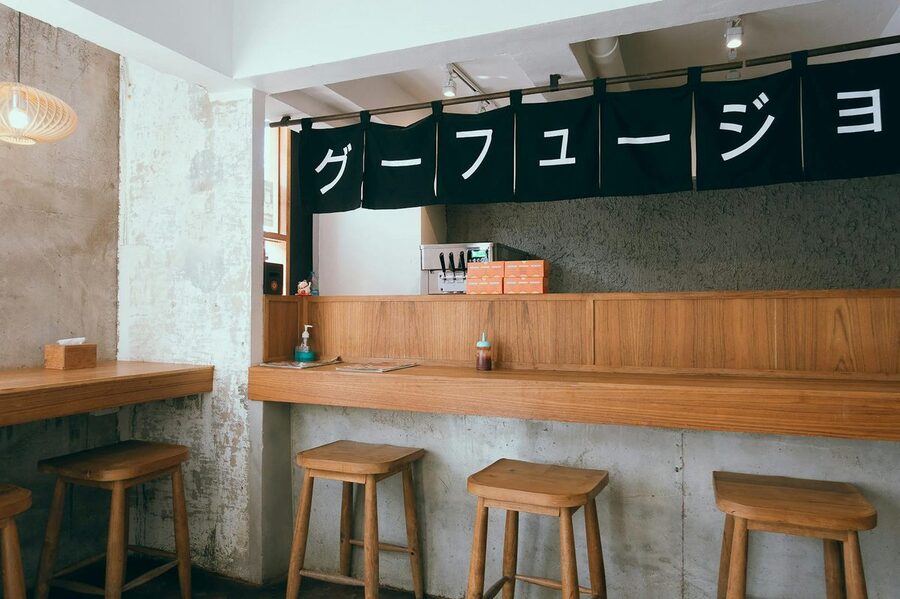
If you’re also interested in the drinking culture beyond sake, our Tokyo bar hopping guide covers the other side of Japanese nightlife. And if you want to combine your Fushimi sake tour with a walk up the famous shrine next door, the Fushimi Inari hiking tour guide has everything you need.
Planning Around Your Sake Tour
n
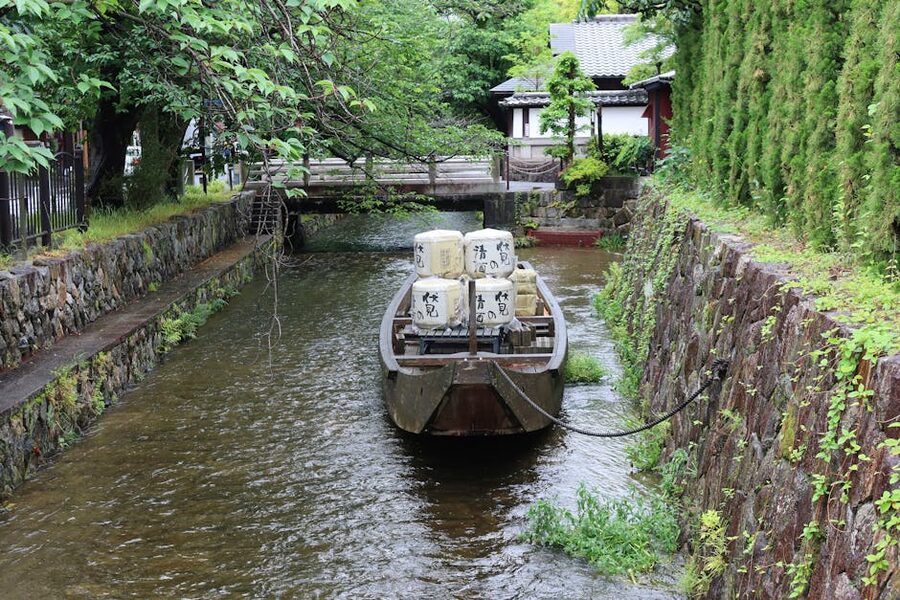
A sake tour slots naturally into the afternoon, so build your day around it. Hit Fushimi Inari first thing in the morning while the crowds are thin, then walk over to the sake district after the hike. On other days, the tea ceremony experiences give you the refined side of Kyoto’s drink culture, while a Gion walking tour at dusk is the perfect evening follow-up.
If you want to cover more ground, a bike tour through northern Kyoto hits the hidden temples that buses skip, and the Arashiyama bamboo grove deserves its own half-day. If you have extra time in the region, Nara is a quick train ride south and pairs well with a second day in the Kansai area.
This article contains affiliate links. If you book through our links, we earn a small commission at no extra cost to you. This helps us keep writing these guides.