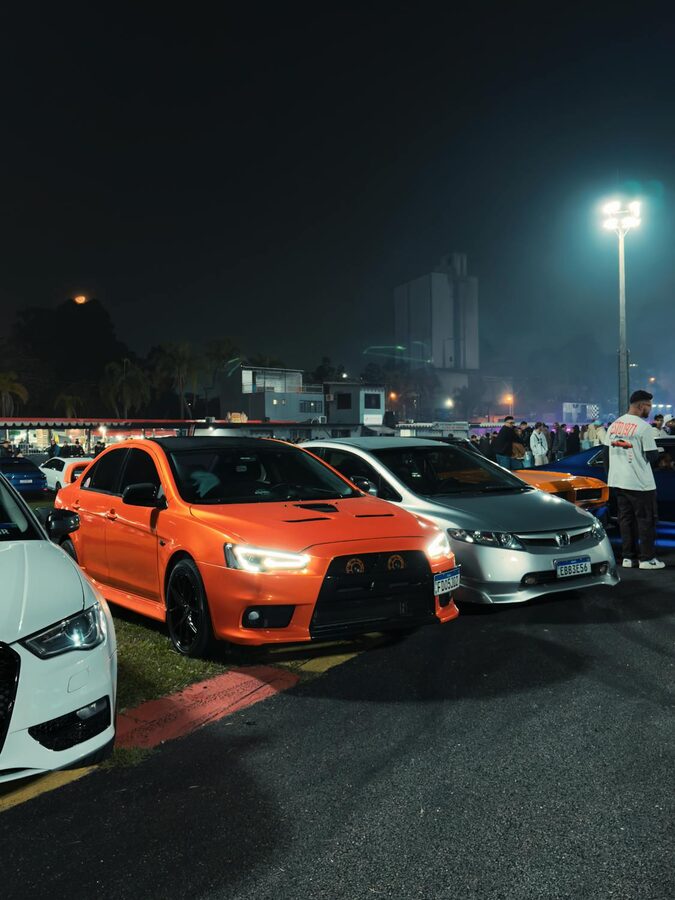
I learned about Daikoku PA the wrong way. A friend showed me a blurry phone video from 3am — a parking area off the Bayshore Route in Yokohama, packed with R34 Skylines, RX-7s, and Supras, engines idling, exhaust popping. It looked like a scene from a movie. Turns out, it basically was.
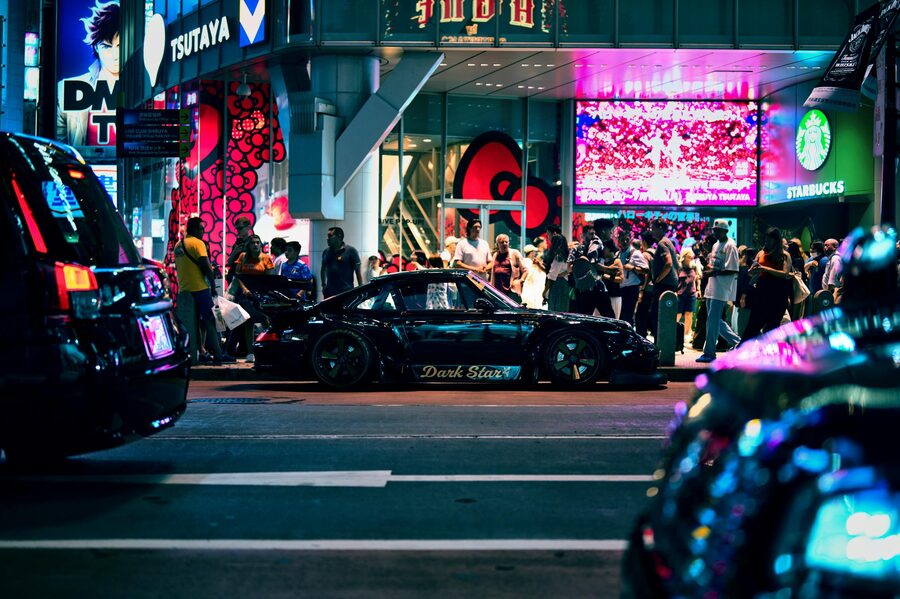
Tokyo’s JDM car culture isn’t something you stumble into. The car meets happen late at night, at locations you won’t find on Google Maps, and the locals aren’t exactly putting up signs in English. That’s the whole point — it’s underground, it’s authentic, and for years it was basically inaccessible to travelers.
That changed. A handful of operators now run guided JDM experiences where you actually ride in legendary cars — GT-Rs, Silvias, Evos — through Tokyo’s streets at night, ending up at real car meets like Daikoku PA. Some of these tours have thousands of reviews and near-perfect ratings. This guide covers how to book them, what to expect, and which one is worth your money.
Short on time? Here are my top picks:
Best overall: Fast & Furious Car Experience — $150. The original Tokyo Drift experience. 3-4 hours riding through the city in JDM legends with stops at car meets and scenic spots.
Best budget option: Daikoku JDM Car Meet — $98. Focused specifically on the Daikoku PA car meet. Shorter, cheaper, and you still get the car ride.
Most exclusive: GT-R35 800hp Club — $205. Secret underground meets, 800hp GT-R rides, and locations that change every week.
- What Actually Happens on a Tokyo Drift Experience
- About Daikoku PA
- Which Experience to Book
- 1. Fast & Furious Car Experience — 0
- 2. GT-R35 800hp Club Membership — 5
- 3. Daikoku JDM Car Meet —
- Booking Tips and What to Know Before You Go
- JDM Car Culture in Japan — A Quick History
- When to Go
- How This Compares to Go-Kart Tours
- Other Night Activities in Tokyo
What Actually Happens on a Tokyo Drift Experience
Let me set expectations, because the name “Fast & Furious experience” can sound a bit gimmicky. It’s not. These aren’t theme park rides or staged photo ops.
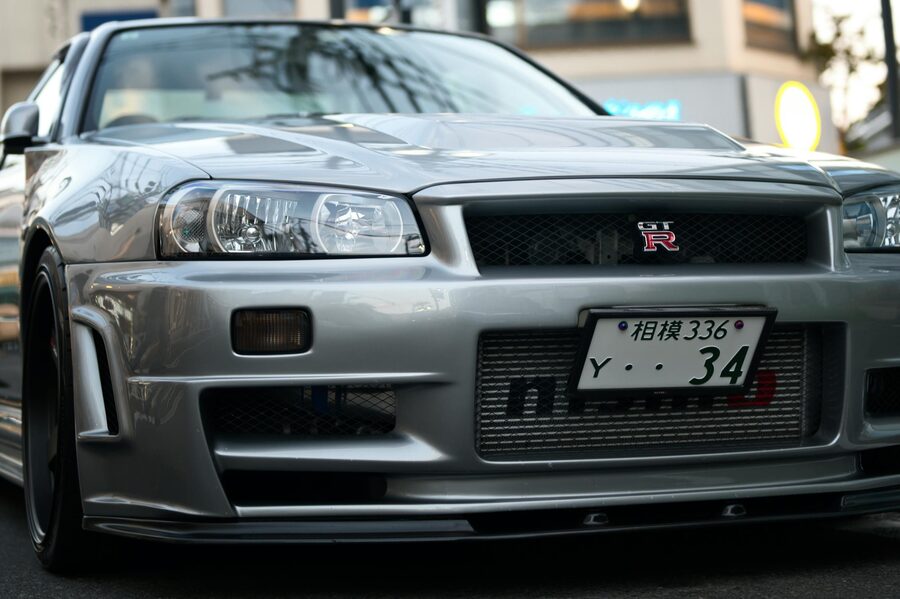
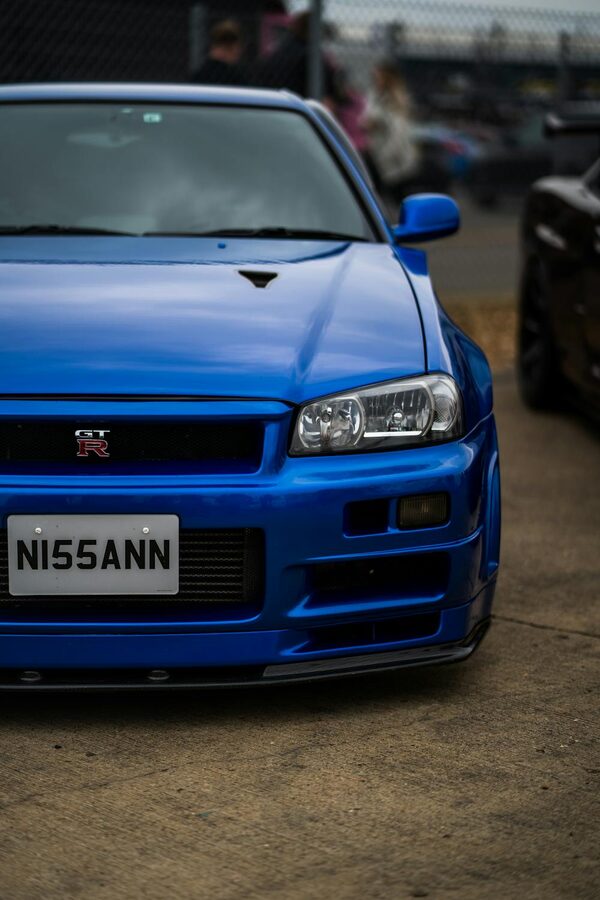
You get picked up from central Tokyo — usually Shinjuku or Shibuya — in a genuine JDM sports car. We’re talking R34 Skylines, RX-7s, Nissan GT-Rs, Silvias, Supras. Cars that sell for six figures back home just sitting in a parking lot in Yokohama, still being driven hard.
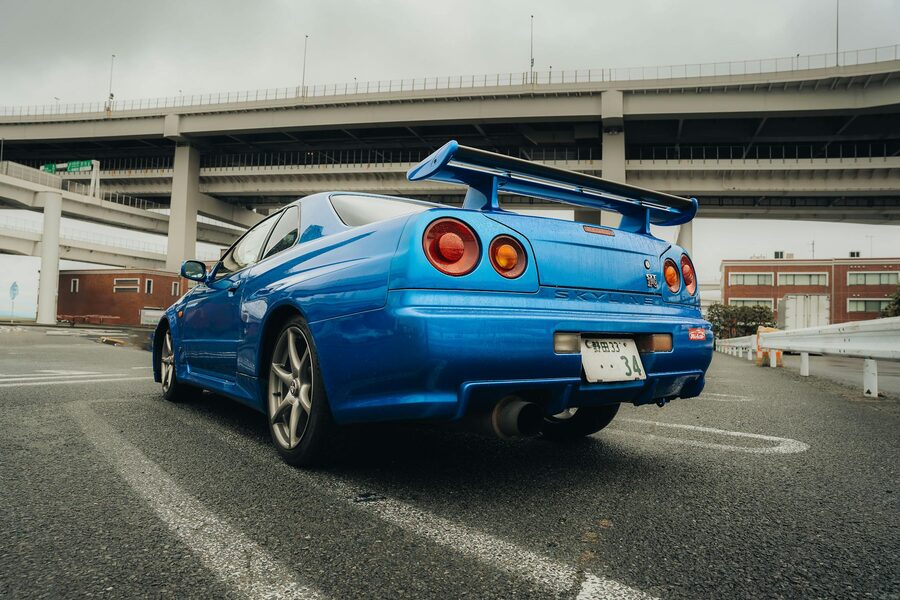
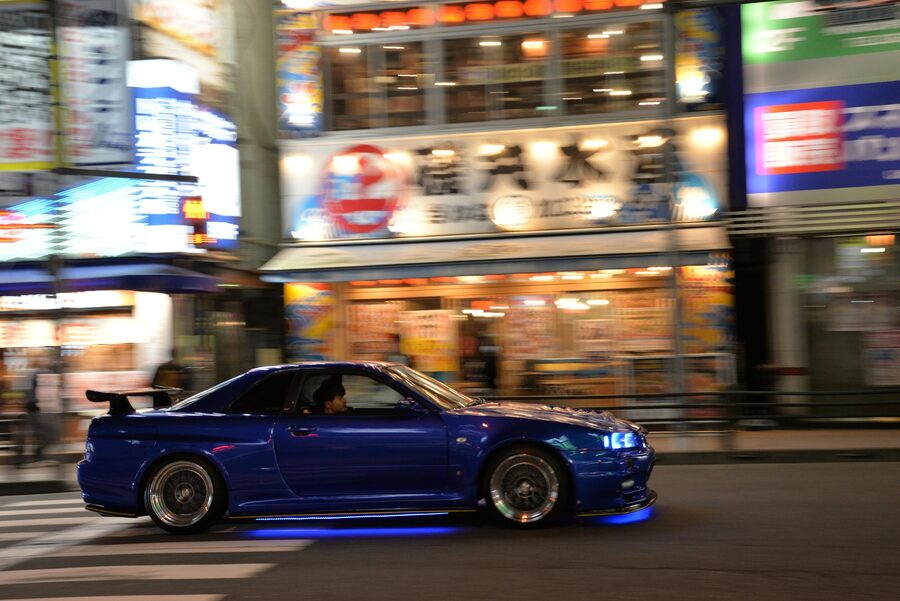
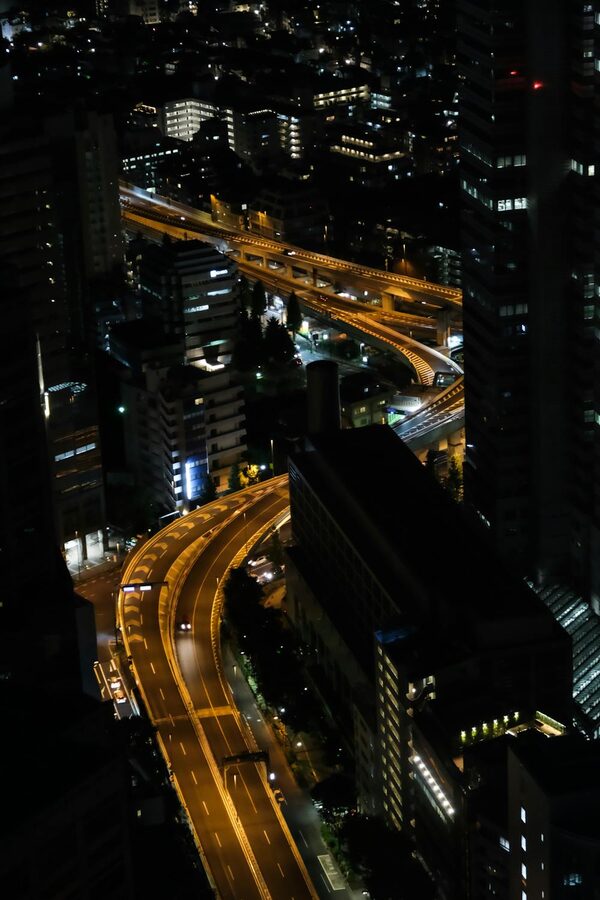
The driver — usually the owner of the car — takes you through Tokyo’s expressways and backstreets. The Bayshore Route along Tokyo Bay is a favourite. Rainbow Bridge at night. The Wangan. Names that mean nothing unless you’ve played Gran Turismo or watched Initial D, and then suddenly mean everything.
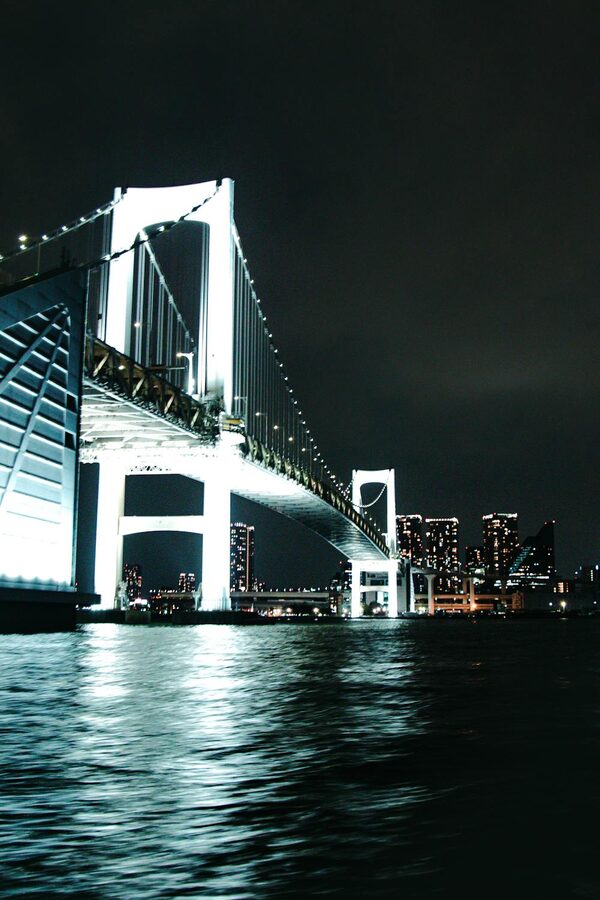
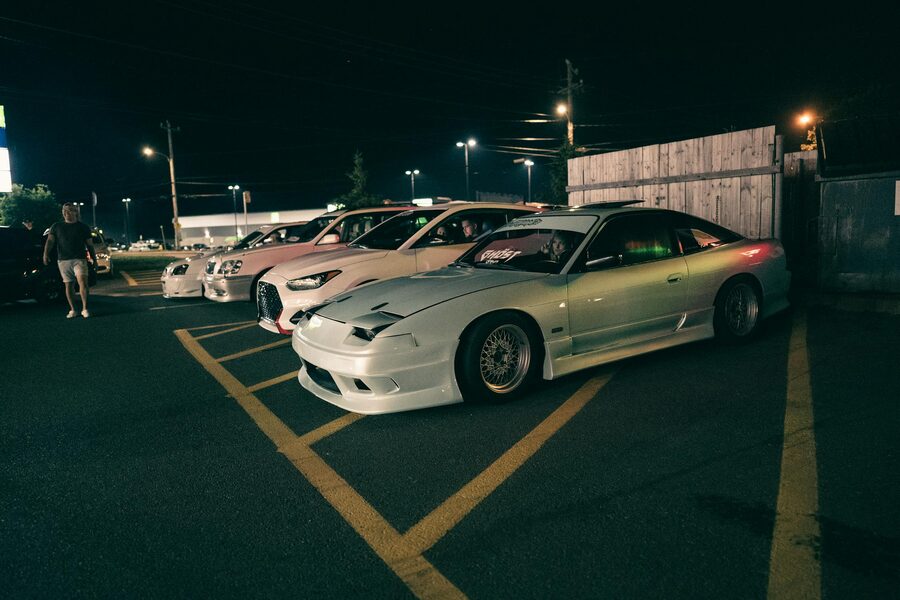
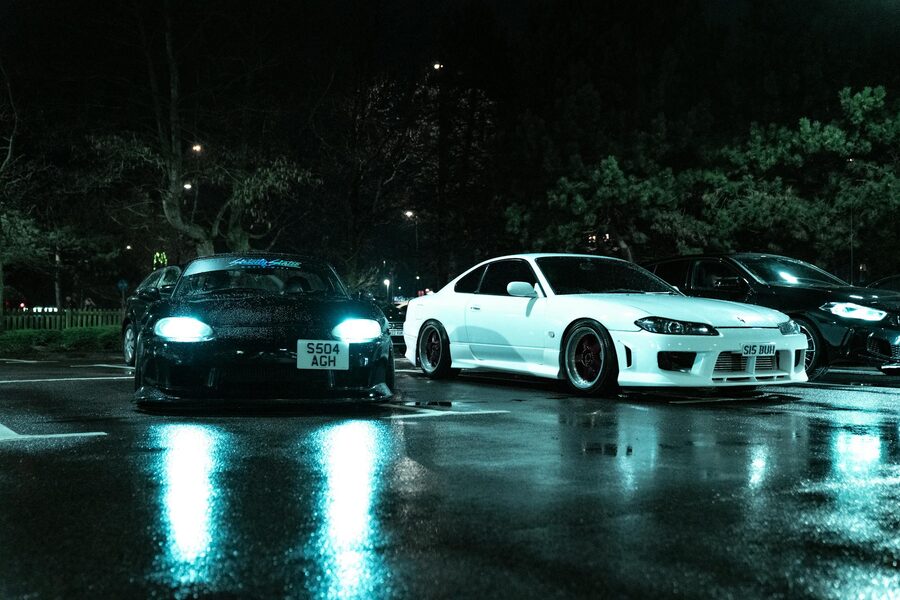
Most tours make 2-4 stops: a scenic overlook, a convenience store run (this is Japan, so yes, the konbini stop is part of the experience), and at least one car meet. The car meets are the highlight. You’ll see dozens, sometimes hundreds, of modified cars. Owners comparing builds, engines on display, the smell of high-octane fuel and brake dust. It’s a community, not a spectacle.
About Daikoku PA
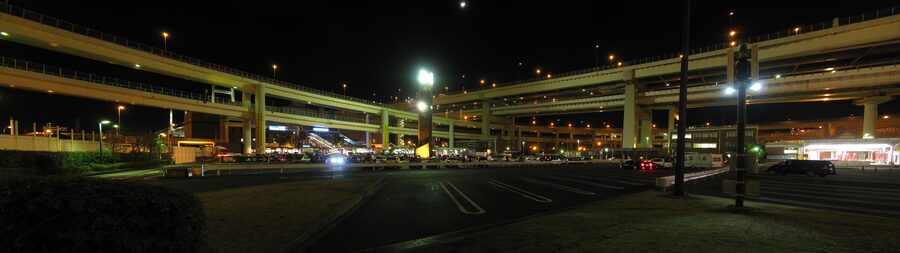
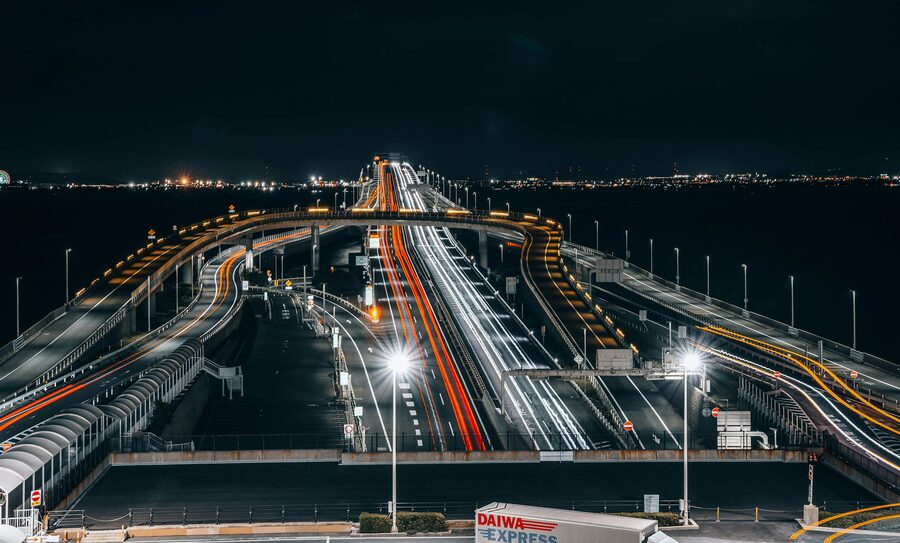
Daikoku Parking Area sits at the junction of the Bayshore Route and Daikoku Junction in Yokohama. It’s technically a highway rest stop. In practice, it’s the most famous car meet location in the world.
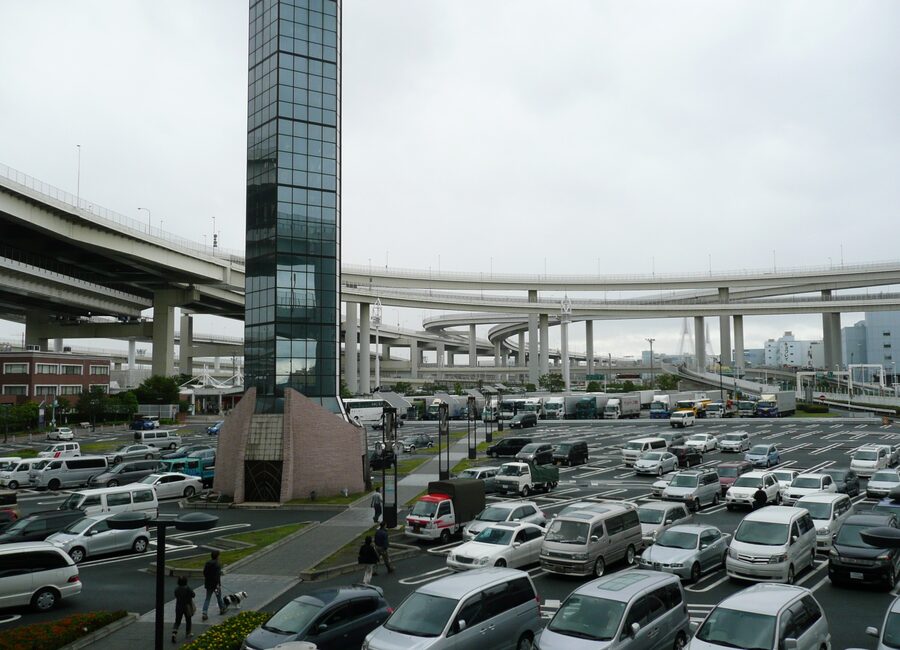
The meets aren’t scheduled. There’s no website, no Facebook event. People just show up, especially on Friday and Saturday nights. The regulars know the unwritten rules: park neatly, don’t rev excessively, pick up your trash. Police patrol regularly and will shut things down if it gets out of hand — which is why the community self-polices.
For travelers, the challenge is getting there. Daikoku PA is on a highway. You can’t walk in. You can’t take a train. You need to be in a car that’s already on the expressway. That’s where the guided tours come in — they handle the logistics and, more importantly, they have the social credibility to park alongside the regulars without anyone giving you side-eye.
Which Experience to Book
There are three main operators running JDM experiences in Tokyo right now. They overlap in concept but differ in price, car selection, and how deep into the underground scene they go.
1. Fast & Furious Car Experience — $150
This is the one that started it all and it’s still the best all-rounder. Three to four hours riding through Tokyo in a genuine JDM legend — R34s, GT-Rs, Supras, the lot. The route covers the Bayshore expressway, Rainbow Bridge, and at least one major car meet. The driver doubles as your guide and most of them are genuinely passionate about their cars, not just running a tour.
At $150 per person, it’s not cheap, but consider what you’re getting: a private ride in a car that would cost you $80,000+ to buy, fuel, tolls, and access to meets that you’d never find on your own. The reviews consistently praise a guide named Joji — multiple visitors describe the experience as the highlight of their entire Japan trip. Our full review covers the pickup logistics and what cars are typically available.
One thing to know: passenger seat only. You’re not driving. If that’s a dealbreaker, none of the legal options in Tokyo will satisfy you — driving JDM cars on public roads requires a Japanese license or IDP, and the insurance situation is complicated.
2. GT-R35 800hp Club Membership — $205
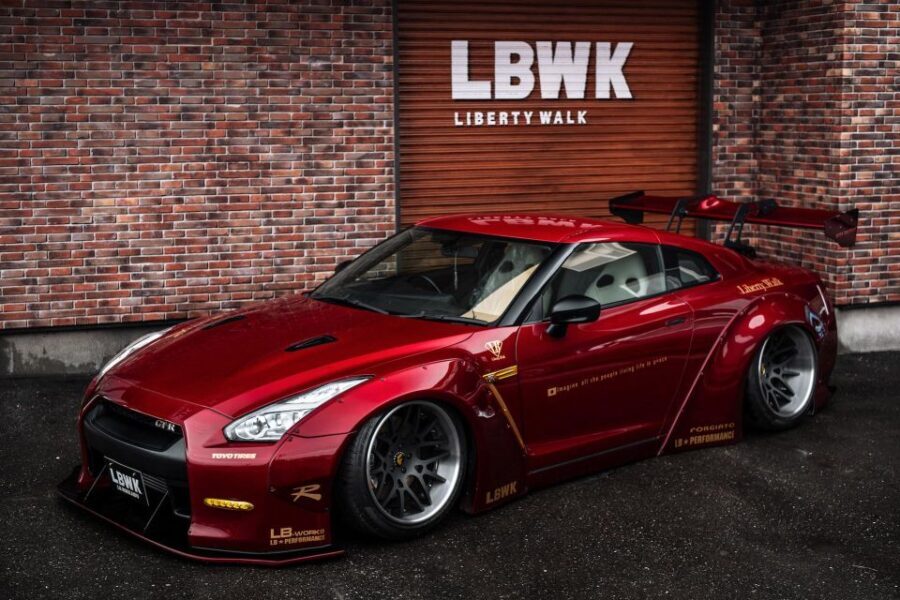
This is the premium option and it’s aimed squarely at serious car people. The main draw is the secret underground meets — locations that rotate weekly and aren’t posted publicly. You ride in an 800hp R35 GT-R (stock these make 565hp, so yes, significant work has been done) through Tokyo’s expressways before ending up at a private gathering.
At $205 per person, it’s the most expensive option, and honestly it’s only worth it if you’re already deep into car culture. If you just want the general “ride through Tokyo in a cool car” experience, tour #1 above covers that at a lower price. But if seeing a warehouse full of R34 V-Specs and 2JZ-swapped Supras sounds like your idea of heaven, our review breaks down what the club access actually includes.
3. Daikoku JDM Car Meet — $98
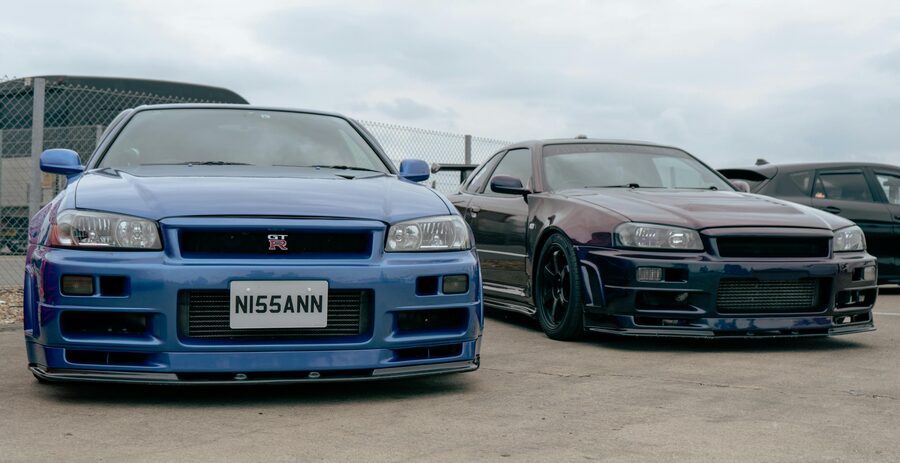
The most affordable way to experience Tokyo’s car scene. At $98 per person for a 4-hour tour, it’s roughly half the price of the flagship option. The trade-off is a simpler format: you get picked up, driven to Daikoku PA in a JDM car (typically an R34, RX-7, or similar), spend time at the car meet, and get driven back.
Less scenic driving, fewer stops, but more time at the actual meet. If your main goal is Daikoku PA and you don’t need the full Tokyo cruise, this is the smarter booking. The operator also runs tours with different car selections — some nights you might be in a Skyline, other nights an Evo or WRX. You don’t always get to choose, which is either exciting or annoying depending on your temperament.
Booking Tips and What to Know Before You Go
Book at least a week ahead. These tours have limited capacity — usually 2-4 passengers per car per night. Weekend slots fill up fast, especially in spring and autumn when the weather is good and travelers are everywhere.
Friday and Saturday nights are best for car meets. Daikoku PA is busiest on Friday and Saturday from about 10pm to 2am. Some tours also run on weekdays but the meet attendance will be thinner. If you specifically want the full Daikoku experience, aim for a weekend.
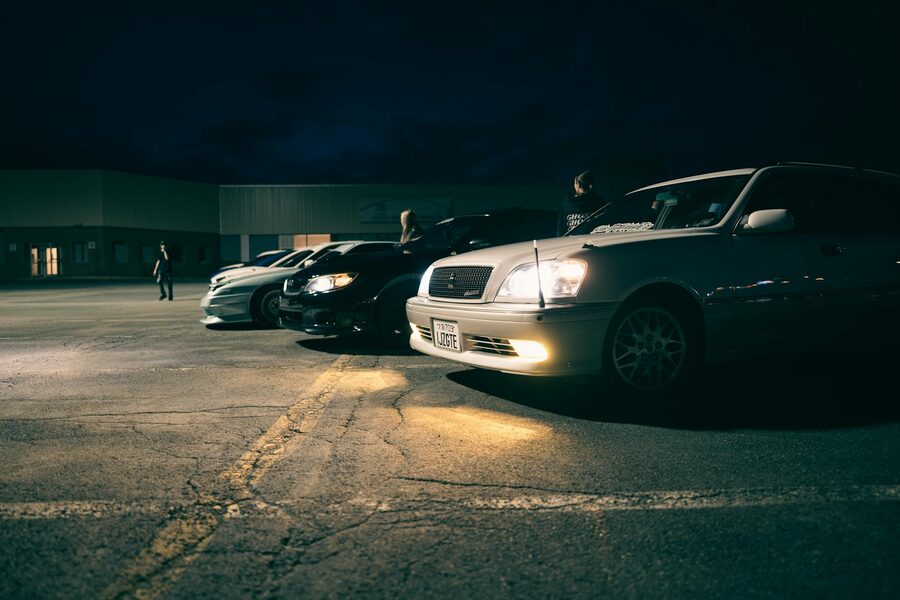
Dress warmly in winter. You’ll be standing outside in a parking area for 30-60 minutes. Tokyo winters aren’t brutal (lows around 2-5°C) but when you’re not moving, it feels colder. Layers, closed-toe shoes, warm jacket.
Camera gear is welcome. The car owners at Daikoku are generally happy to have their cars photographed. Ask first — a nod or “shashin ii desu ka?” goes a long way. Flash photography can be iffy at some meets, so bring a lens that handles low light.
Motion sickness is real. The drivers are skilled but the expressway on-ramps involve quick acceleration, and some of the mountain roads have tight switchbacks. If you’re prone to car sickness, take medication beforehand. Multiple reviews mention this.
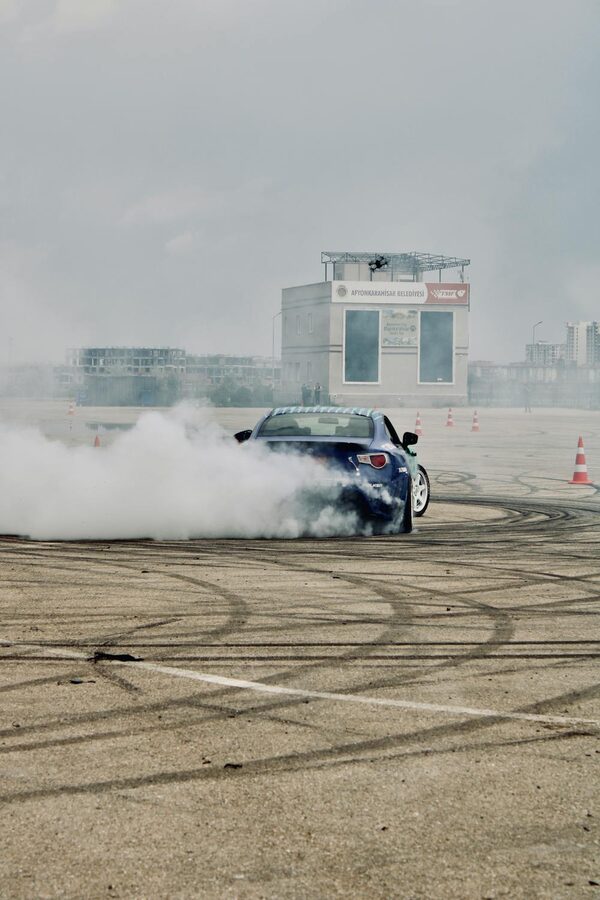
Don’t expect to drive. All tours are passenger-only. You’ll be in the passenger seat (left side — Japan drives on the left). Some visitors are disappointed by this but it’s non-negotiable. The insurance, licensing, and legal liability of letting travelers drive 600hp cars on public highways is exactly as complicated as it sounds.
Pick-up locations vary. Most tours pick up from Shinjuku or Shibuya, but confirm when you book. Some operators will pick up from your hotel if it’s in central Tokyo. Getting to the meeting point early gives you time to see the car lineup — the drivers usually arrive 15-20 minutes before departure.
JDM Car Culture in Japan — A Quick History
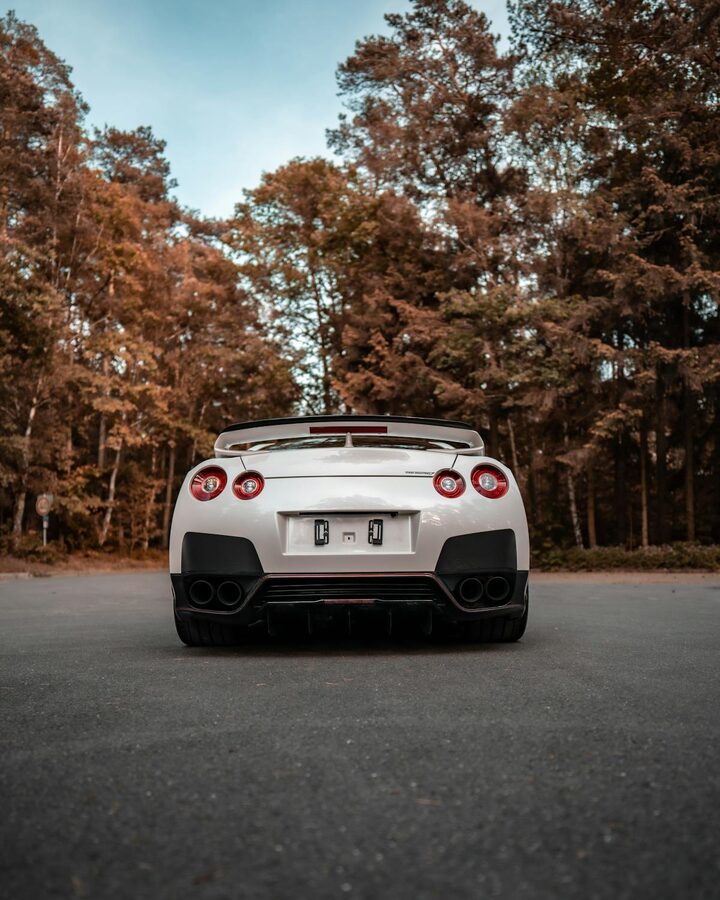
Japan’s modified car scene goes back to the 1970s with the bosozoku — motorcycle gangs that eventually moved to cars, fitting massive exhaust pipes, extended body kits, and wings that defied both taste and aerodynamics. By the 1990s, the scene had evolved into something more sophisticated. The Wangan — Tokyo’s Bayshore Route — became a proving ground for high-speed highway runs in tuned GT-Rs and Supras.
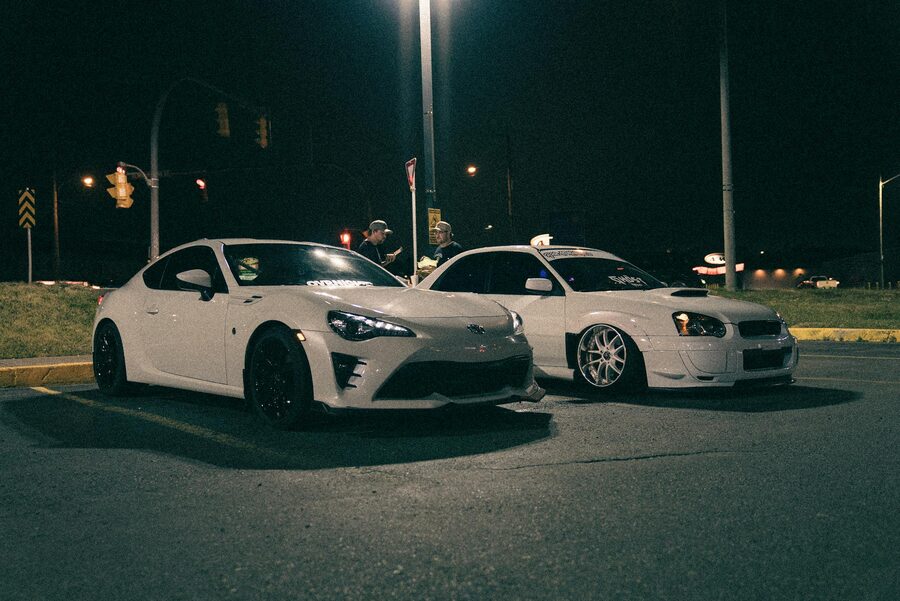
The 1990s also produced the cars that define JDM culture today. The Nissan Skyline GT-R (R32, R33, R34), the Toyota Supra (A80), the Mazda RX-7 (FD), the Mitsubishi Lancer Evolution, the Subaru Impreza WRX STI. These were affordable sports cars that responded incredibly well to modification. A stock R34 made 276hp. With bolt-on turbo upgrades, they’d push 500hp. With a full build, 1000hp wasn’t unusual.
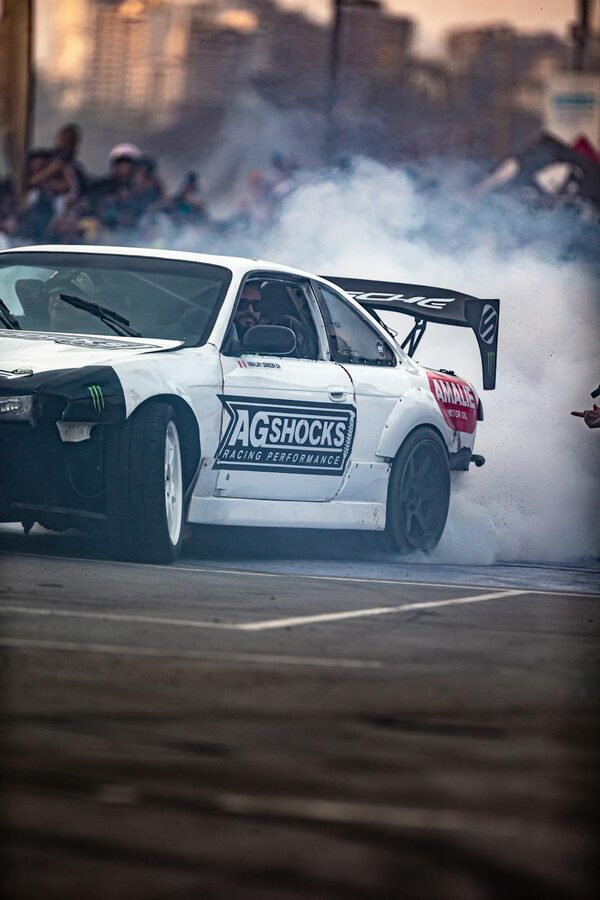

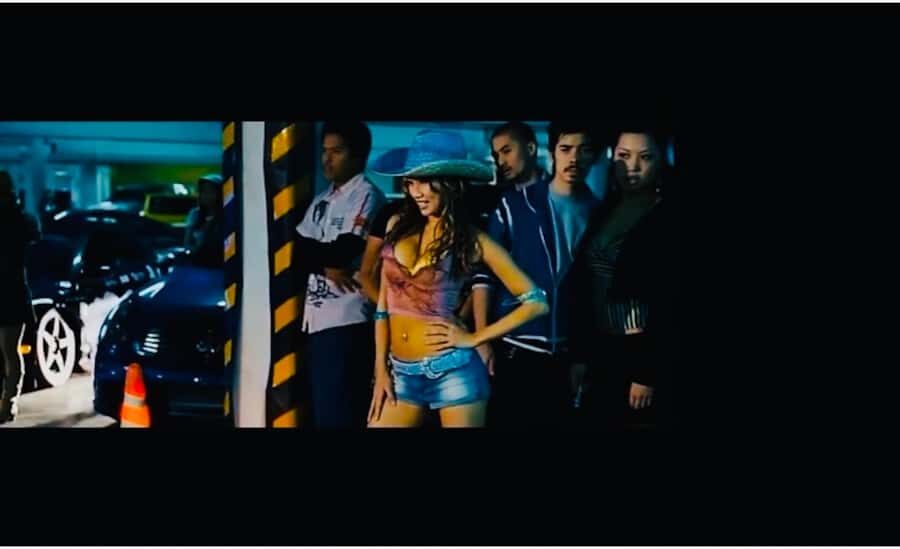
Movies helped, of course. The first Fast & Furious film came out in 2001 and introduced JDM to a global audience. Tokyo Drift (2006) put Daikoku PA, the Shibuya streets, and Japanese drift culture on screen. The cars were already famous in Japan. The movies made them famous everywhere else.
Today, the 25-year import rule has made these cars legal to bring into the US, and prices have gone through the roof. An R34 GT-R V-Spec that sold for $30,000 in 2010 now goes for $300,000+. Which makes seeing dozens of them at a parking area in Yokohama at 1am feel genuinely surreal. These aren’t museum pieces. People drive them to work.
When to Go
The car meets happen year-round but some seasons are better than others.
Best months: October through March. Cooler temperatures mean better engine performance (the owners care about this) and cleaner exhaust notes. The dry winter air also means sharper city views from elevated expressways.
Avoid: July and August. It’s hot, humid, and the rainy season (tsuyu) can dump water on plans without warning. Meet attendance drops during summer, and standing in a hot parking lot at midnight is less fun than it sounds.
Golden Week (late April to early May) and New Year are unpredictable. Some meets get huge as people have time off. Others are dead because the regulars leave Tokyo. The operators adjust their schedules accordingly so check availability when you book.
How This Compares to Go-Kart Tours
If you’ve been researching fun motorized activities in Tokyo, you’ve probably also seen the Tokyo street go-kart tours. They’re different experiences entirely. Go-karts are you driving through city streets in a small kart at low speed, wearing costumes, waving at pedestrians. It’s silly and fun.
The JDM car tours are the opposite. You’re a passenger in a high-performance vehicle at real speed on real expressways. No costumes. No waving. Just the engine note, the city lights, and the G-forces when the driver gets on the throttle out of a tunnel.
Both are worth doing if you have time. But if you only have one night for a “Tokyo at night” experience and you care about cars at all, the JDM tours are the better choice. If you’re traveling with kids or people who get nervous in fast cars, the go-karts are the safer bet.
Other Night Activities in Tokyo
If the car scene isn’t your thing but you’re looking for ways to experience Tokyo after dark, we’ve got guides for bar hopping tours in Shinjuku and Shibuya — which take you through the tiny alleys and standing bars that travelers walk right past. The Shinjuku food tours run evening sessions too, and pair well with a car tour later the same night since you’ll already be in the area.
For daytime Tokyo, our full-day sightseeing bus tour guide covers the best way to hit the major landmarks if it’s your first visit. And if you’re after unique experiences, the sumo experience and samurai training are two of the most popular bookings in the city.