
The Azores sit on a piece of mid-Atlantic seafloor that drops to three thousand metres within sight of Ponta Delgada’s harbour wall. Twenty-four cetacean species have been logged in this water, more than anywhere else in the Atlantic on a single coastline. The sperm whales live here year-round. Most other islands in the world dream about that.
I have done the trip out of Ponta Delgada twice and it is the kind of morning that ruins other whale-watching destinations for you. The water is right, the operators behave, and there is nowhere to hide a boat that breaks the rules. This is the practical guide for booking it without picking the wrong outfit.
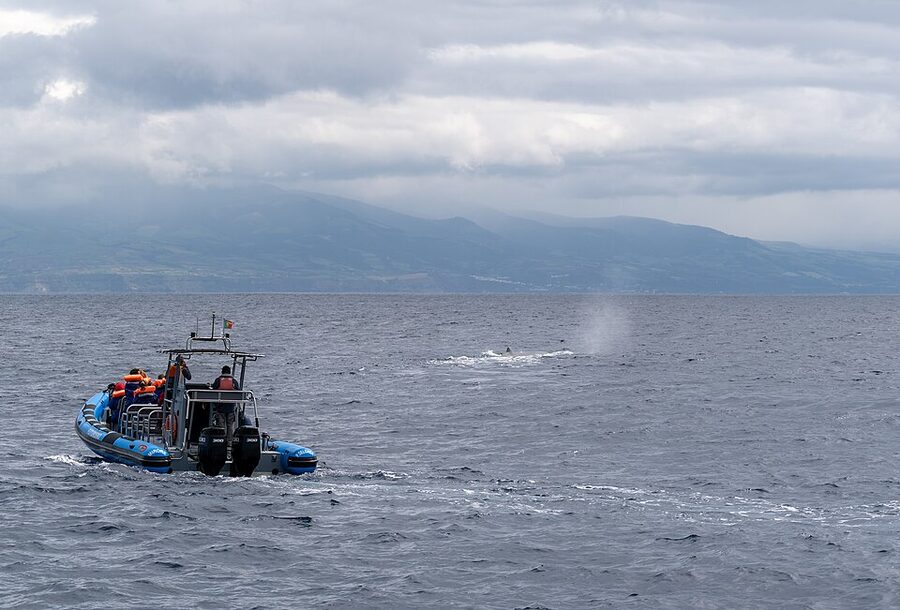
Ponta Delgada flagship, around $82. Three hours, marine biologist on the deck, the most-booked Azores trip on the market. Book the Ponta Delgada flagship.
Whale watching plus islet circuit with biologist, around $73. Same deep-water route, slightly cheaper, finishes inside the Vila Franca crater islet. Book the biologist islet trip.
Half-day cetacean trip, around $79. Two-and-a-bit hours, smaller RIB, faster boat for choppy days. Book the half-day trip.
- Why the Azores out-rank every other Atlantic option
- What you can actually see out there
- How the boats work and why it matters
- The vigia system explained
- The three trips worth booking
- 1. From Ponta Delgada: Whale and Dolphin Watching Trip:
- 2. Azores: Whale Watching and Islet Boat Tour with Marine Biologist:
- 3. Half-Day Whale and Dolphin Watching Tour in Ponta Delgada:
- Booking lead time and what month to come
- The islet detour worth doing
- The marina, the kiosks, and getting on the right boat
- Sperm whale day vs dolphin day
- What to pack and what to skip
- Pairing the boat with the rest of Sao Miguel
- How the Azores compare with Madeira and the Canaries
- Practical bits people get wrong
- One last thing about the wait between sightings
- Other Portugal trips worth lining up
Why the Azores out-rank every other Atlantic option
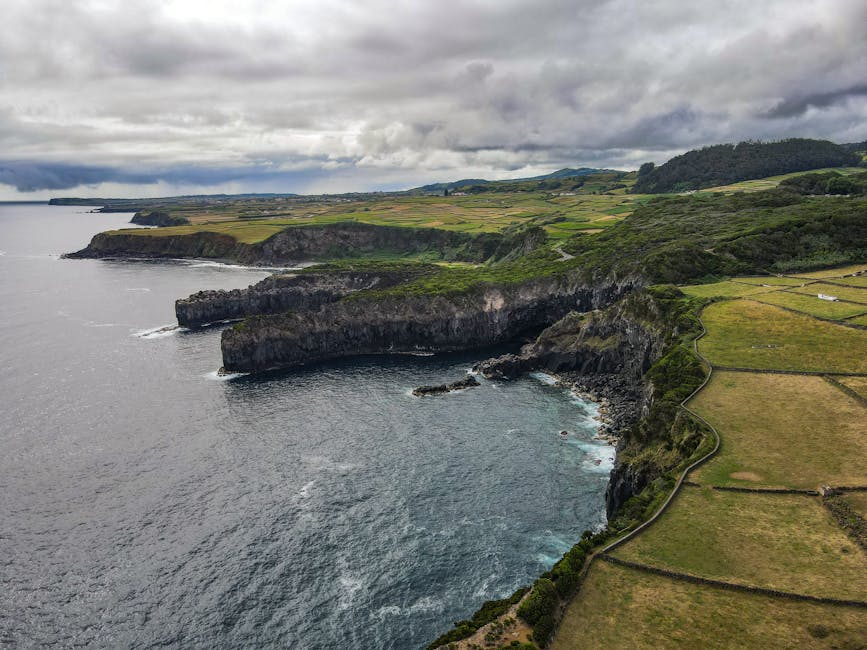
The geology does the work. The archipelago is mid-Atlantic, sitting on the triple junction of the Eurasian, North American and African plates, and that means the seafloor drops away fast. Inside an easy boat ride of the Ponta Delgada flagship’s departure point, the chart is already past two thousand metres. By the time you are forty minutes out, you are floating over canyons that bottom out beyond three thousand. Sperm whales need that depth to chase squid. They get it here within sight of land.
Twenty-four species is the headline number. The resident cast of sperm whales and bottlenose dolphins is around all year. Add the seasonal blue whales (March through May), fin whales running through April and June, and a rotating supporting line-up of common, striped, spotted, and Risso’s dolphins, and the species count keeps climbing on a busy week. You will not see all twenty-four. On a three-hour trip you can reasonably expect three to five.
The other big difference is the season window. Madeira does cetaceans well year-round but its sperm whale strike rate dips in winter. Tenerife reliably puts you on pilot whales every single trip. The Azores combine both: resident species you can count on plus seasonal megafauna that turn up nowhere else within reasonable flight distance of Europe.
What you can actually see out there
I will keep this practical rather than encyclopaedic. The species worth knowing about before you book are the ones you will probably encounter.
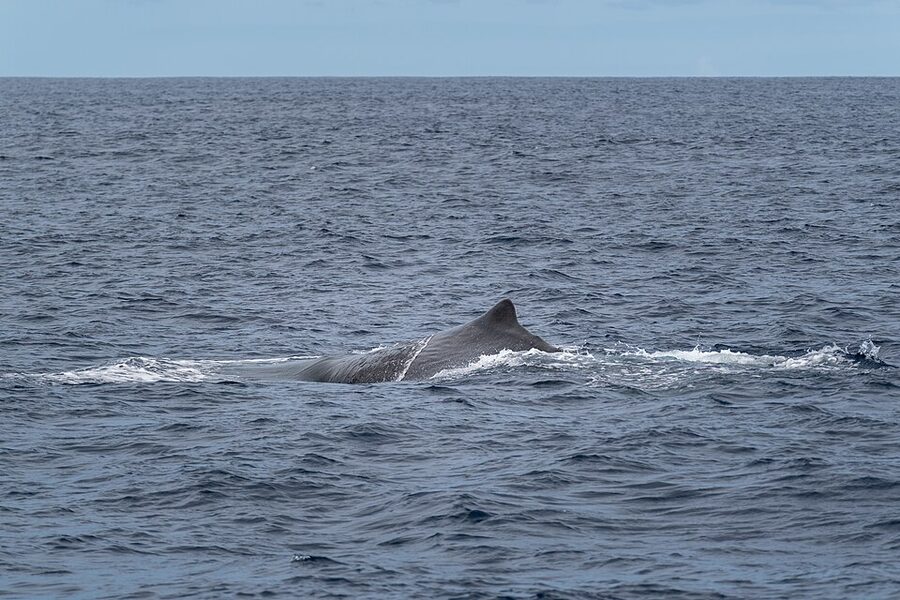
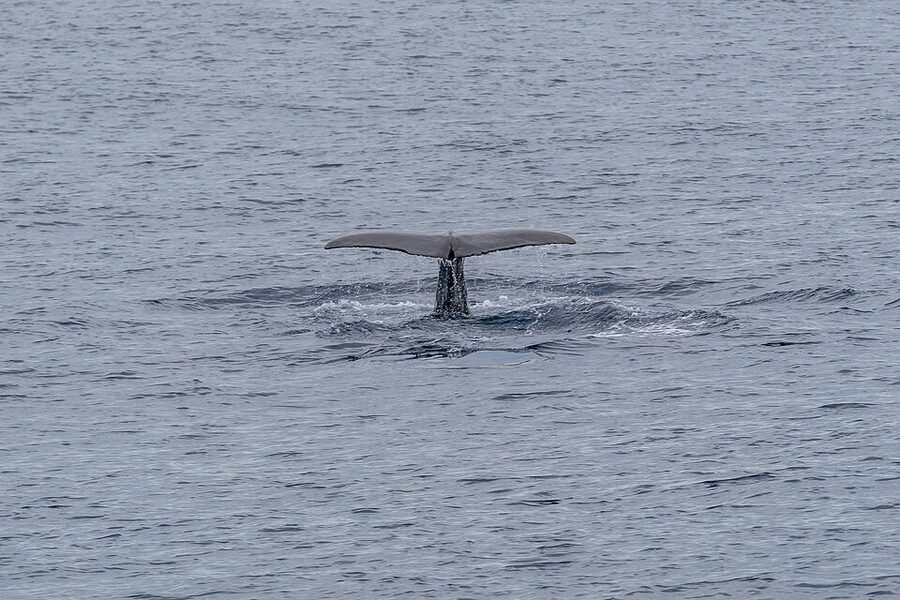
Sperm whales are the headline. They are around year-round and they are why most operators carry hydrophones. The animals make echolocation clicks at the surface and on the way down, and the audio is often the first sign you have one nearby. The species lives offshore in matrilineal groups. The big bulls only show up in summer to find females, and the rest of the year you see females and juveniles. The fluke arc on a deep dive is the photograph everyone wants. You will get one chance per surfacing window, ten minutes apart.
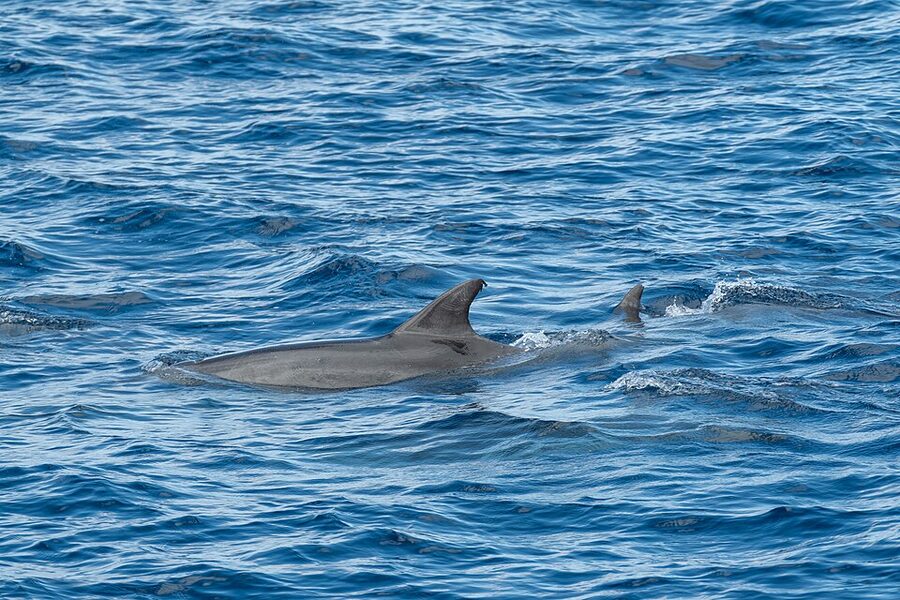
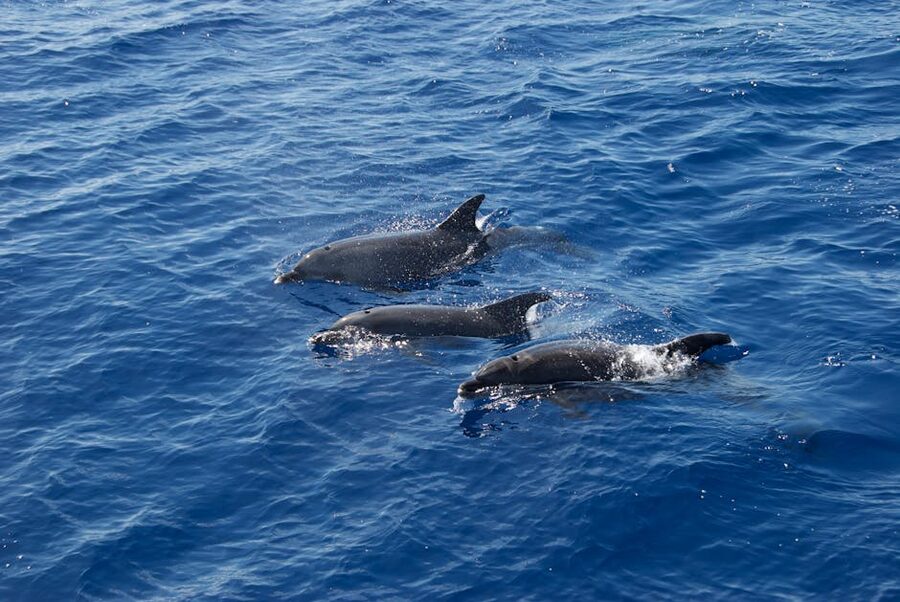
Bottlenose dolphins are the second resident. They live here year-round in pods of fifteen to thirty animals, often with calves. They bow-ride on the way out to a sighting and they are easy to photograph because they hang around longer than most other species. Common dolphins (smaller, with the cream-and-grey hourglass flank pattern) arrive in spring and are usually in larger groups, sometimes a hundred or more.
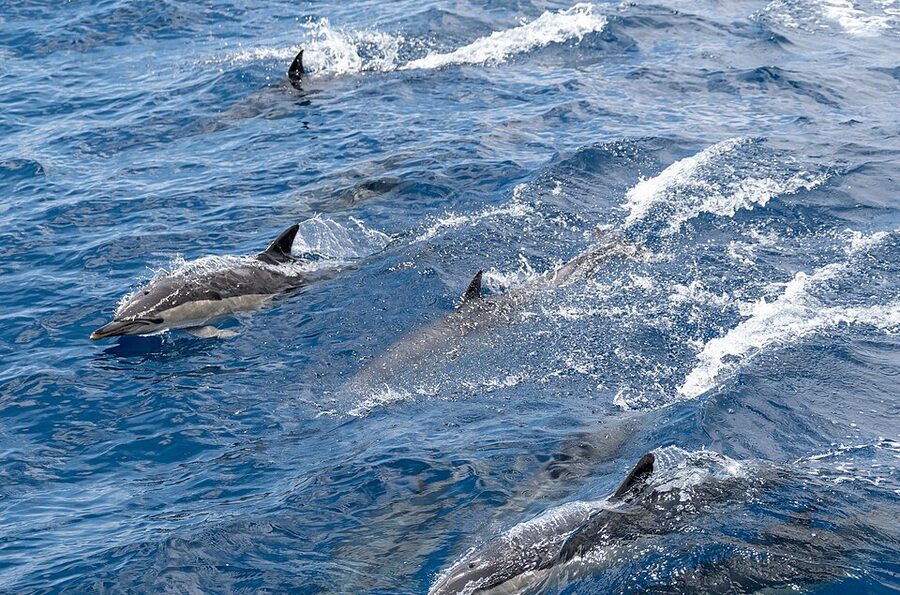
The seasonal cast is what bumps the Azores ahead of the rest. Blue whales transit through in March, April and into early May on their way north from breeding grounds off the equator. Fin whales (the second-largest animal alive) follow them, peaking April through June. Sei whales also pass through in the same window. If your dates are flexible, late April is the spring sweet spot. The biologist-led São Miguel cruise usually has the best baleen-whale strike rate in that window because the spotters work directly with the regional cetacean monitoring programme.
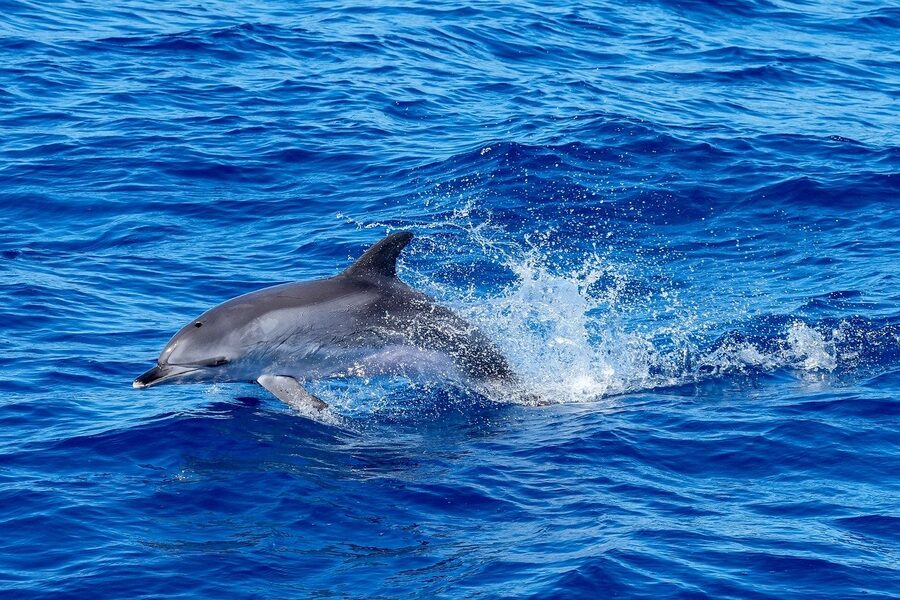
Risso’s dolphins are the strange ones. Almost all-grey, with criss-cross scars from their own teeth and from squid-tentacle marks. They eat squid in deep water like sperm whales do, so you sometimes find them in the same general area. Striped dolphins, Atlantic spotted dolphins, and very occasionally orcas, false killer whales, and pilot whales round out the list.
How the boats work and why it matters
Sao Miguel runs on a code of conduct that is enforced rather than aspirational. Licensed operators only. Every boat carries a maritime authority transponder. There are hard rules about distance (50 metres minimum, more for sperm whales), how many boats can sit on a single pod (three maximum, the fourth has to wait), and which approach angles are allowed. Engine noise is throttled hard once an animal is in sight.
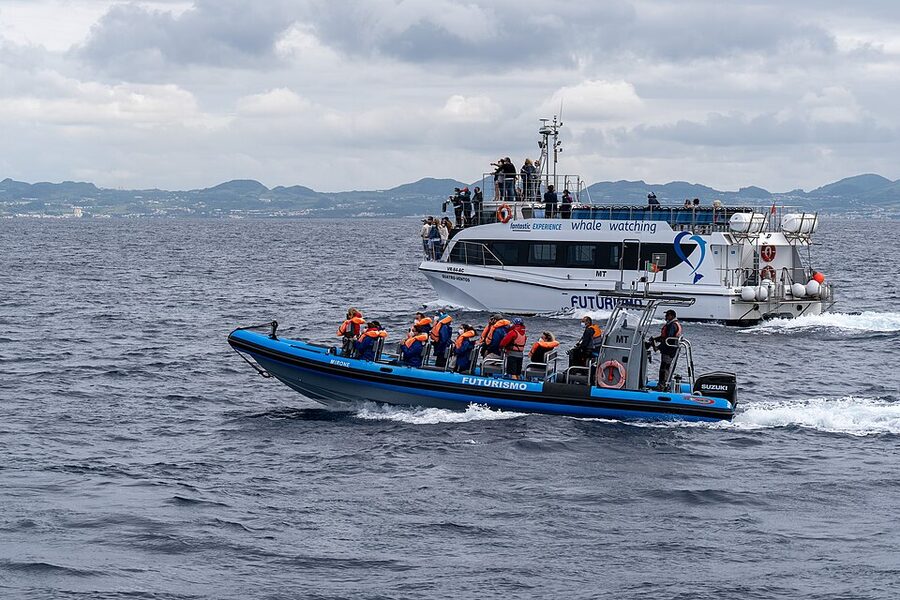
This sounds dry on paper. In practice it is the difference between a five-star morning and the kind of trip you regret. I have been on chase boats elsewhere where dolphins scatter in twenty seconds. Here a pod of bottlenose will hang around for fifteen minutes because nobody is harassing them. The sperm whales loaf. You get the time you came for.
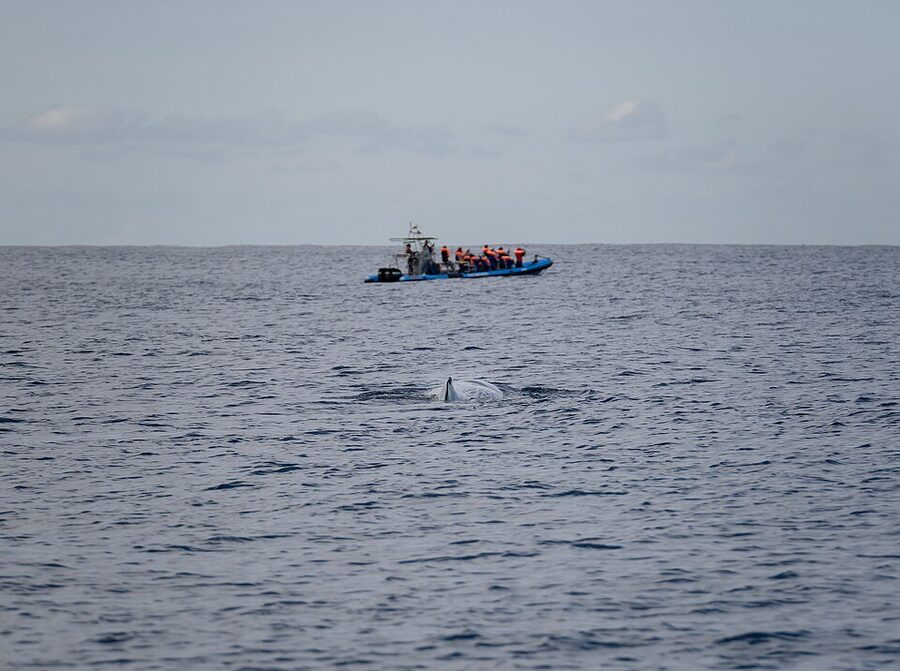
Two boat formats run out of Ponta Delgada. RIBs (rigid-hull inflatables) take ten to twelve passengers, get out fast, ride wet, and put you eye-level with the water. They are the better choice for sperm whale and baleen-whale days because they reach the deep canyon edge in twenty minutes flat. Catamarans take twenty-five to forty passengers, ride dry, have a head and a covered cabin, and are the better choice if you are bringing kids, anyone who gets cold easily, or a parent who wants to sit down. Both have their place. The flagship trip uses a catamaran. The biologist trips and most of the half-day options use RIBs.
The vigia system explained
The thing that makes the Azores hit-rate above ninety per cent is not the boats. It is the vigias. These are land-based whale spotters working from clifftop towers, exactly where the old whaling lookouts used to sit a century ago. They scan the water with high-power optics and radio sightings down to the licensed boats. Each operator has a vigia or shares one. When a vigia calls a sighting, the boats already at sea steer to the bearing.
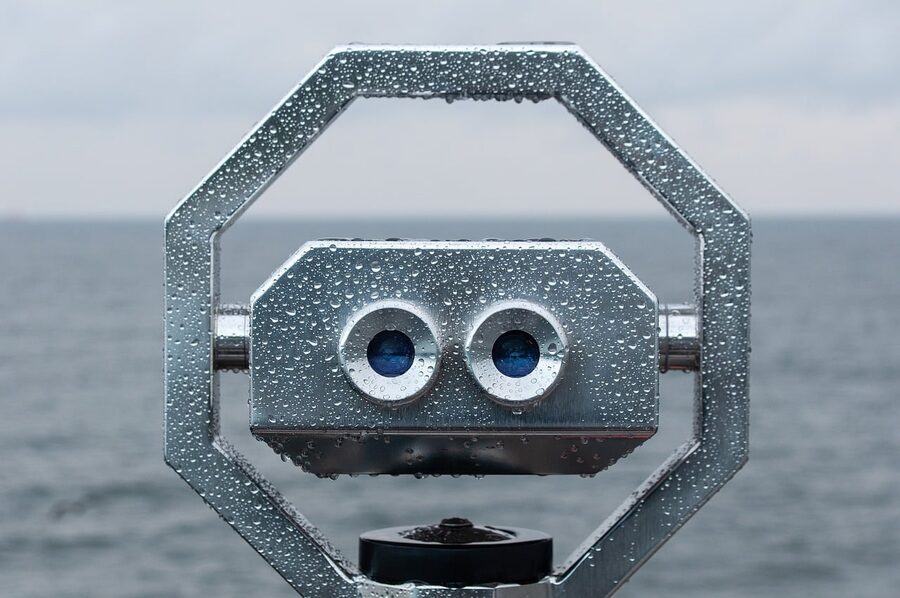
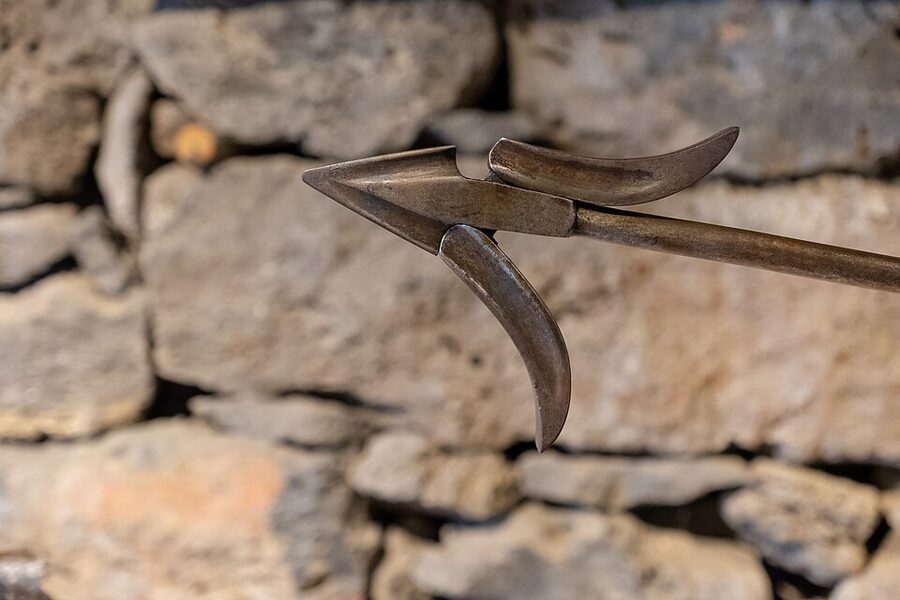
This is why a half-day from Ponta Delgada often beats a half-day from anywhere else in Portugal. The vigias inherited their craft directly from the whalers who hunted these animals from open boats up to 1984. The skill set transferred when the industry shut down and the spotters kept doing the same work for tourism instead. You are getting decades of operational know-how layered onto the boat trip.
The three trips worth booking
I narrowed the Ponta Delgada market down to three. They cover the price points and the boat formats, and any of them gets you on licensed water with a good vigia network behind you.
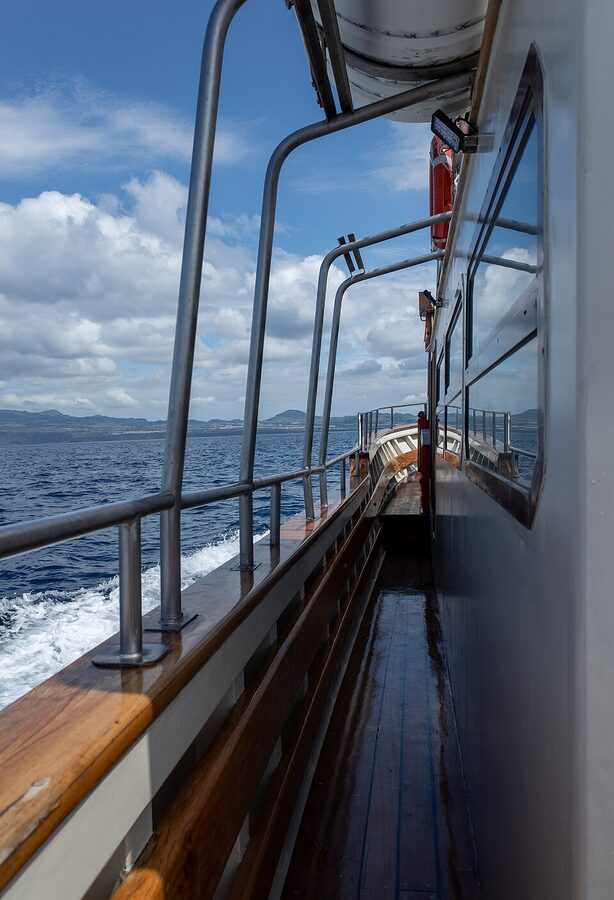
1. From Ponta Delgada: Whale and Dolphin Watching Trip: $82
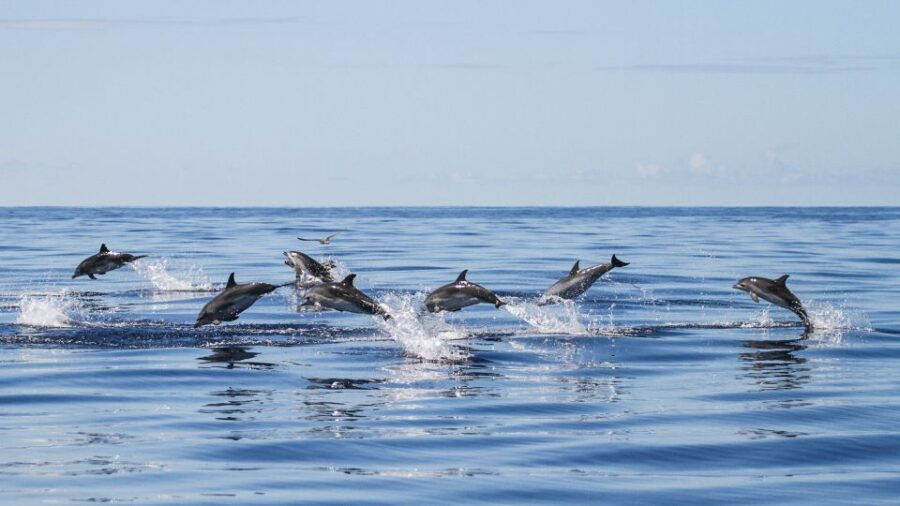
This is the one I would book first if you only do one Azores trip. Three hours, marine biologist on the deck, hydrophones in the water, and a vigia network that gets you on cetaceans about ninety-five per cent of the time. Our full Ponta Delgada flagship review covers the catamaran-versus-RIB choice and the rebooking guarantee for no-show days. It is the most-booked Azores cetacean trip on the market for a reason.
2. Azores: Whale Watching and Islet Boat Tour with Marine Biologist: $73
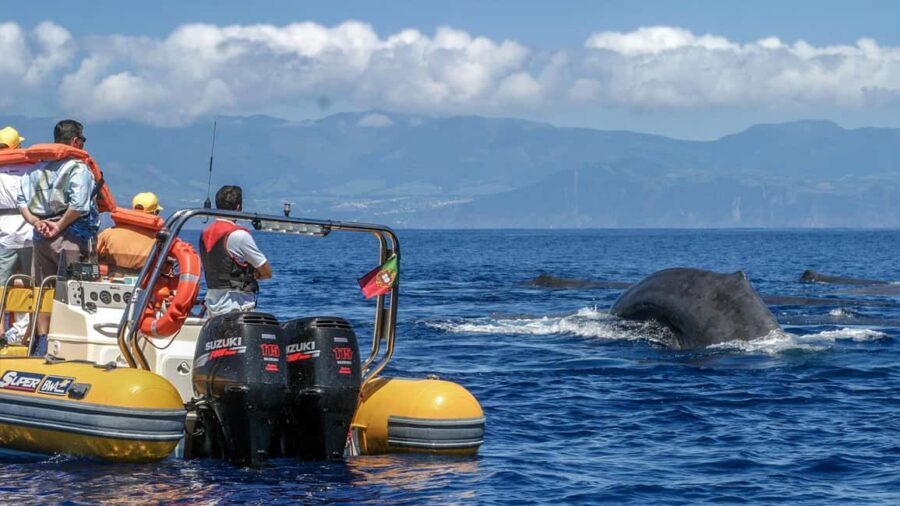
This is the better-value option, and the day is genuinely longer than the price tag suggests. Three hours of cetacean searching at the canyon edge, then the boat steers east along the coast and runs around the Vila Franca crater islet on the way home. Our biologist-and-islet trip review breaks down the running commentary and how the islet stop works on rough days. A solid pick if you want context, not just sightings.
3. Half-Day Whale and Dolphin Watching Tour in Ponta Delgada: $79
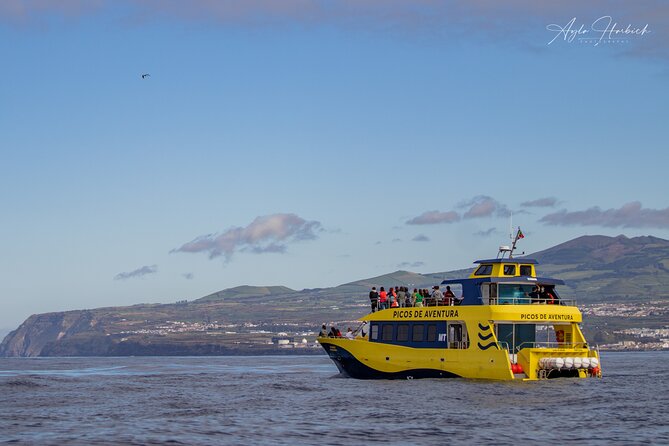
For shorter days, the half-day RIB is the practical choice. Two-and-a-bit hours, faster boat, smaller passenger cap, and you are back at the marina before lunch. Our half-day Ponta Delgada review goes into the weather-call policy and the meeting point at the marina kiosk. It is also the one most cruise passengers end up on because the timing fits a port-day window.
Booking lead time and what month to come
Year-round is the simple answer. The resident sperm whales and bottlenose dolphins do not migrate. They are around in February as much as August. What changes is the supporting cast, the sea state, and how easy it is to find a spot on the boat you want.
March to May is the spring window for blue and fin whales transiting north. April is the single best month if you are picking dates around megafauna. June to September is the high tourist season, the seas are at their calmest, and the trips run almost every day. October and November are shoulder months with rougher water and less crowded boats. December to February still has resident species but the cancellation rate climbs.
For booking lead time, in shoulder season two days ahead is fine. In high summer, the flagship trip and the standard islet-circuit boat sell out four or five days in advance. The biologist trips have smaller caps and book up faster than the catamarans. If your dates are flexible, the morning departure is consistently better than the afternoon one. The light is cleaner and the wind generally builds through the day.
The islet detour worth doing
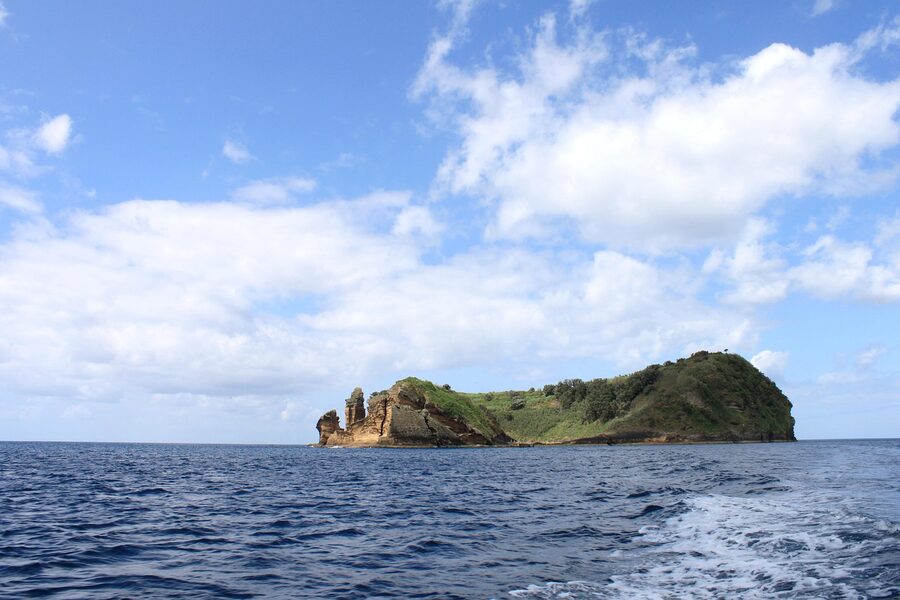
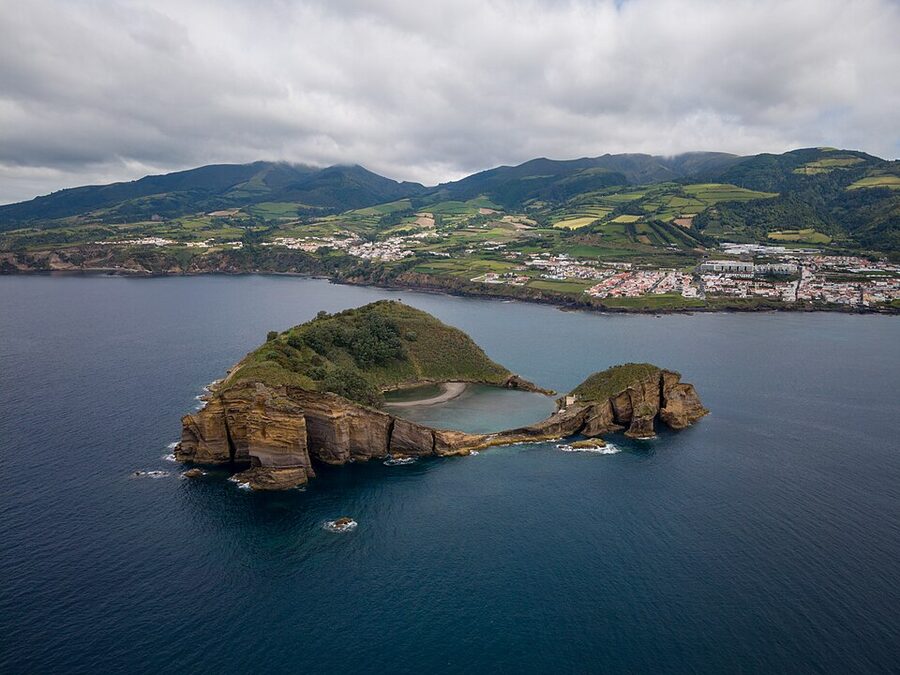
Several operators run a combination cetacean-plus-islet trip that I rate above the cetacean-only version if your time budget allows. The Ilhéu de Vila Franca is a perfectly circular volcanic crater rim eleven kilometres east of Ponta Delgada that breaks the surface as a doughnut-shaped islet. Water has worn an opening in one side. The interior is a calm, deep, salt lagoon used as a swimming hole in summer.
Most combo trips do the cetacean leg first, head east along the coast, run around the islet, and return. A few do an interior swim stop in the lagoon, weather depending. The water inside the crater is a couple of degrees warmer than the open ocean because of the protected basin. Even if the swim is off the table, the boat ride past the islet is one of the best coastal trips on Sao Miguel.
The marina, the kiosks, and getting on the right boat
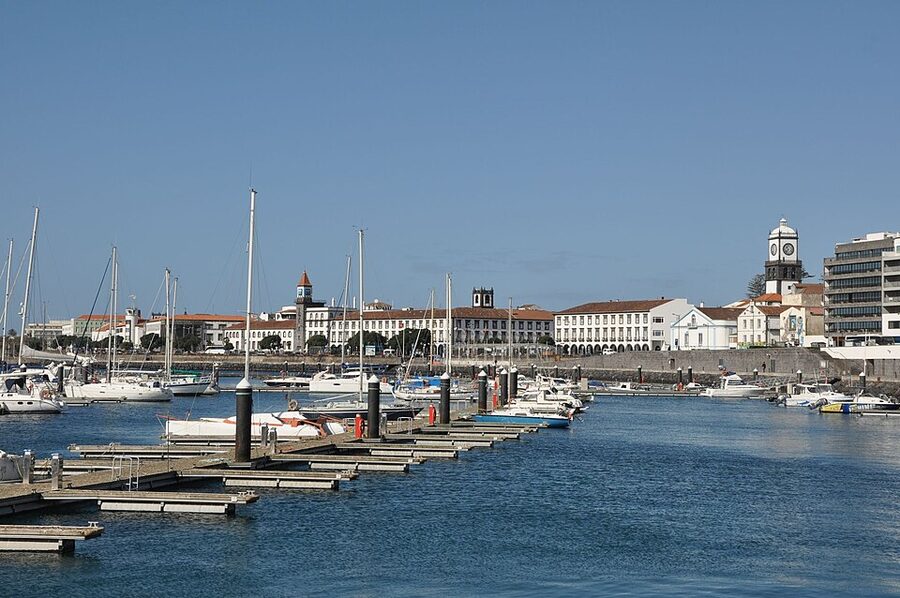
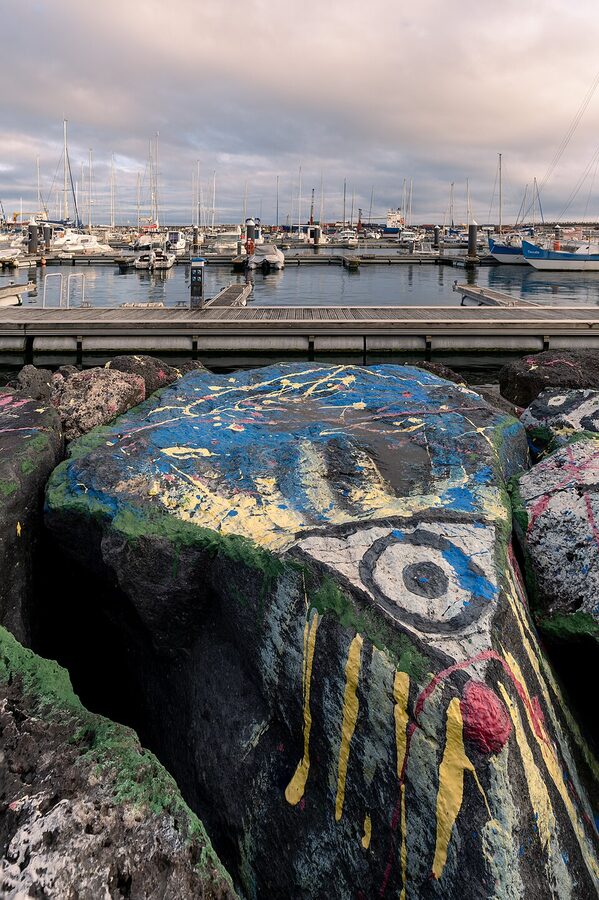
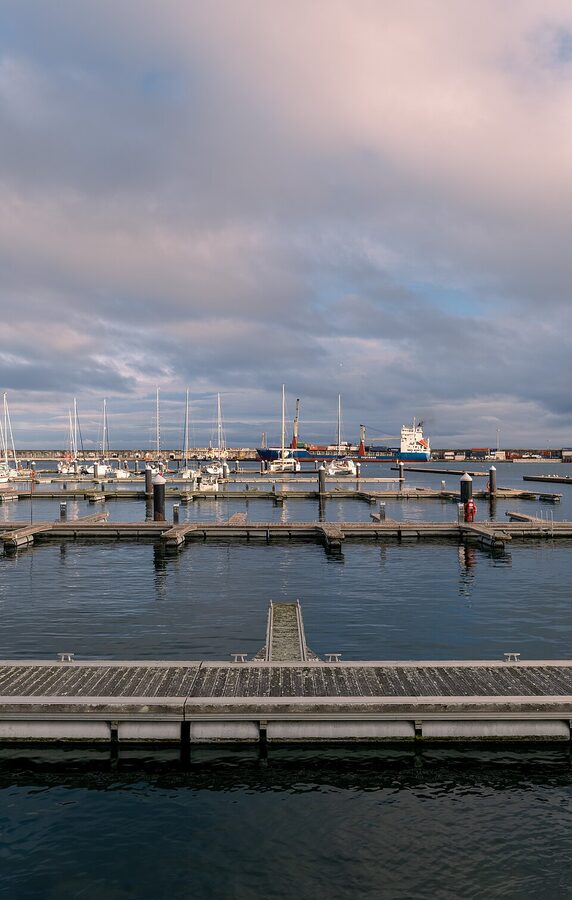
The Ponta Delgada marina is the spine of the whale-watching scene. Every licensed operator has a kiosk along the western pier, and the booking offices are clustered together in a way that makes them easy to find. Walk-up bookings are doable in shoulder season. In high summer, walk-ups are gambling.
Show up forty-five minutes before departure. The check-in window for most operators is thirty minutes, but the safety briefing and life-jacket fitting take time and queueing through that with three minutes to spare is stressful. Bring a printed or screenshot voucher and photo ID. Portuguese maritime authorities tightened the manifest rules a few years ago and the kiosks now check ID against the booking name.
Cancellation policy varies. The flagship trip and most catamaran operators give you a free reschedule or full refund if they cancel for weather. If you cancel, twenty-four hours is the typical refund window. If the boat goes out and finds nothing, the standard policy is a free repeat trip, which is rare in cetacean tourism and worth knowing about. Ask before you book.
Sperm whale day vs dolphin day
Most operators sell a generic cetacean trip rather than a species-targeted one. In practice the day you go usually skews one way or the other based on the vigia’s morning report. If the vigia has logged sperm whale clicks via hydrophone the night before or sperm whale blows at dawn, you go deep. If the dolphins are in close, you stay shallower.
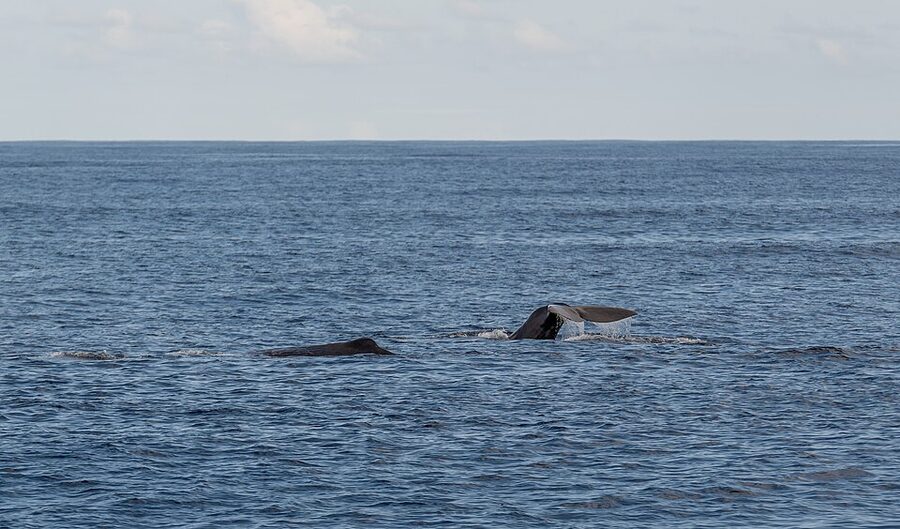
Sperm whale days are slower. You sit on the deep canyon edge, the engine off, watching the water for the next surfacing. The reward is a fluke arc and sometimes a tail-slap before the dive. Dolphin days are louder and busier. Bottlenose pods bow-ride for ten minutes, then peel off and you steam for a different bearing. The shorter half-day option is fine for either kind of morning.
If you have time for two trips, do them on different days and pick a morning and an afternoon. Sea conditions change through the day and you double your chances of catching the side of the cast that did not show up on trip one.
What to pack and what to skip
Layers, polarised sunglasses, sunscreen, motion sickness tablet taken forty-five minutes before departure. The water off the south coast is calmer than the north but the Atlantic still feels colder than the air on the marina pier. The breeze on a moving RIB is reliably ten degrees below the air temperature.
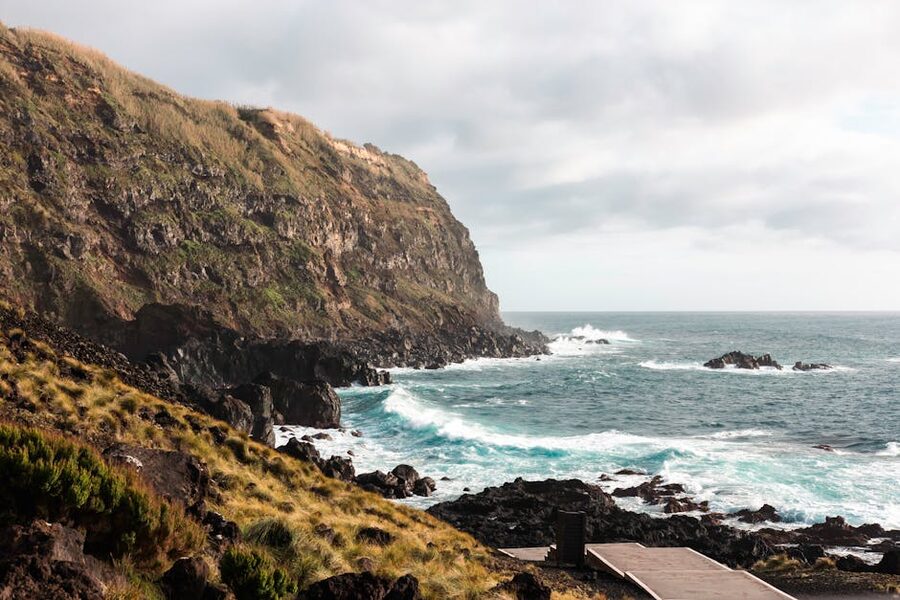
The non-obvious bring: binoculars. Even cheap eight-power binoculars completely change the experience. You can pick out fluke patterns, dorsal scars, and individual animal markings instead of seeing a generic dark shape at fifty metres. Most operators do not provide them. The phone-camera pictures will all be small. Use your eyes.
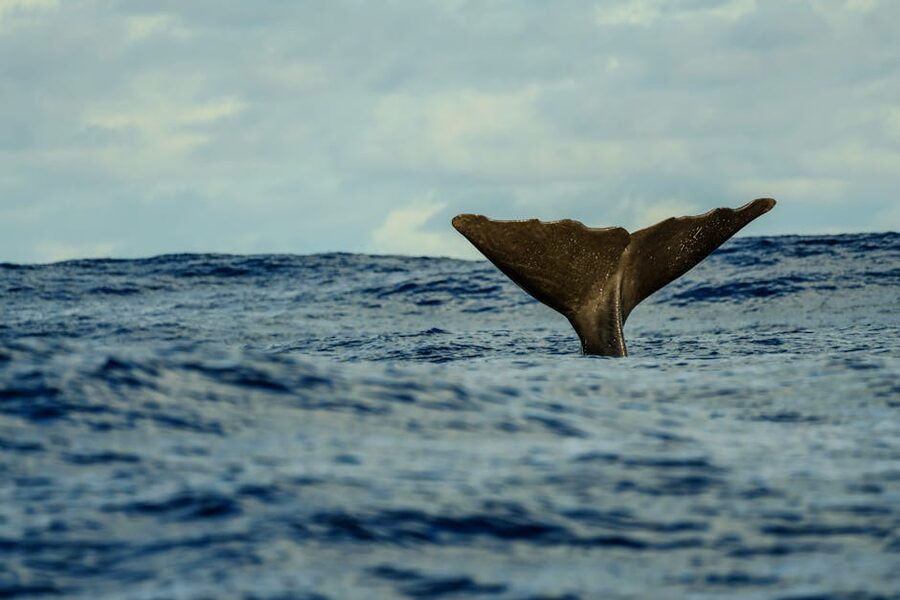
Skip: heavy bags, anything you would mind getting splashed, hard-soled shoes (RIB decks are non-slip but wet), and any expectation of taking professional photographs from a moving boat at fifty metres with a phone lens. The trip is something you experience, not something you bring back as content.
Pairing the boat with the rest of Sao Miguel
Half a day at sea works best as the centrepiece of an active week, not a standalone visit. The morning trip wraps up around midday, leaving the afternoon for an inland leg. Sao Miguel’s interior has crater lakes, hot springs, and laurel forest, and you can do a half-day inland tour without driving yourself.
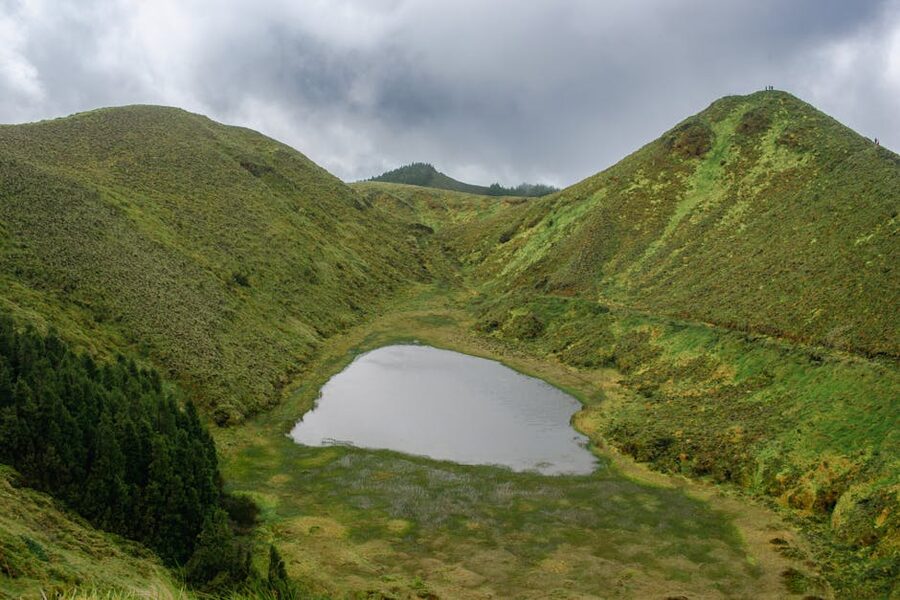
The classic two-day Sao Miguel combo is one day at sea and one day inland. The boat trip first, the volcano-and-crater drive second. Doing it in reverse is fine but the bus tour day on tired sea legs is harder. If you have three days, add a morning swim at Furnas or Caloura. The geothermal pools are the kind of weird the Azores are good at.
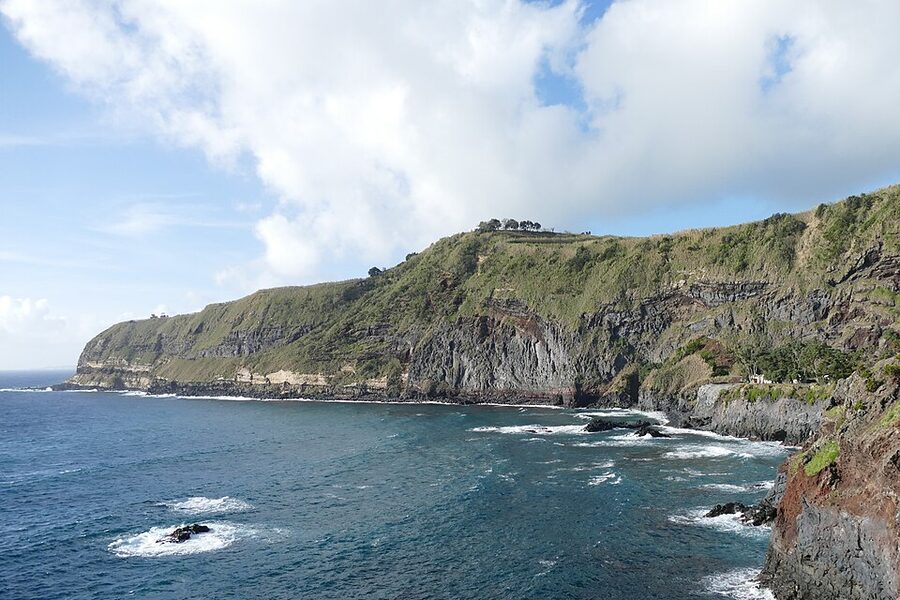
How the Azores compare with Madeira and the Canaries
If you have already done a cetacean trip in Madeira or the Canaries, the Azores are the next step up in species count and a step sideways in operator culture. Madeira whale watching shares the deep-water-near-shore geography and most of the resident species. The Azores have a longer cetacean list and stronger sperm whale and baleen-whale numbers. Madeira has tighter pilot whale guarantees and easier flight connections from northern Europe.
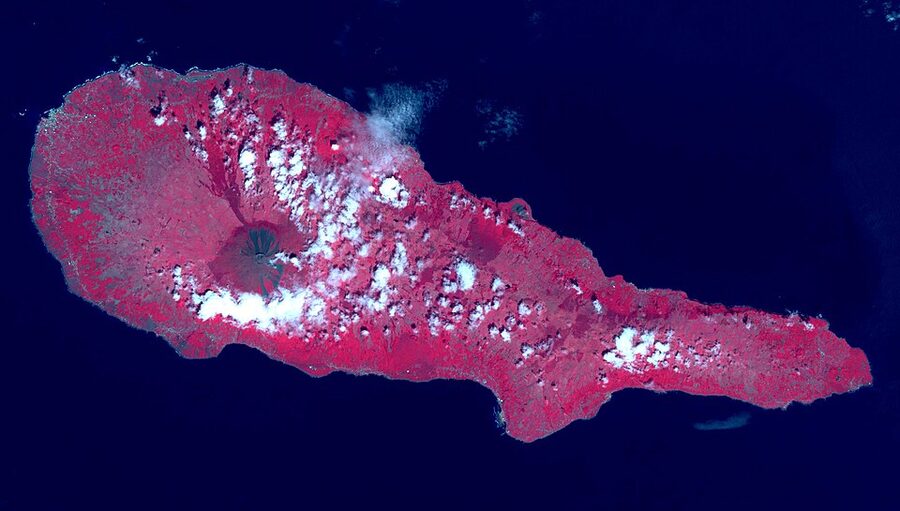
The Canaries pack the highest pilot whale density on the planet in the Tenerife-La Gomera strait. Tenerife whale watching and the Costa Adeje fleet work that strait every day with strike rates close to a hundred per cent on pilot whales. The Fuerteventura Morro Jable boats have a different cast (more bottlenose, fewer pilot whales), and the Gran Canaria catamaran scene sits between the two. The Canary operator pool is bigger and busier than the Azores, with the trade-offs that brings.
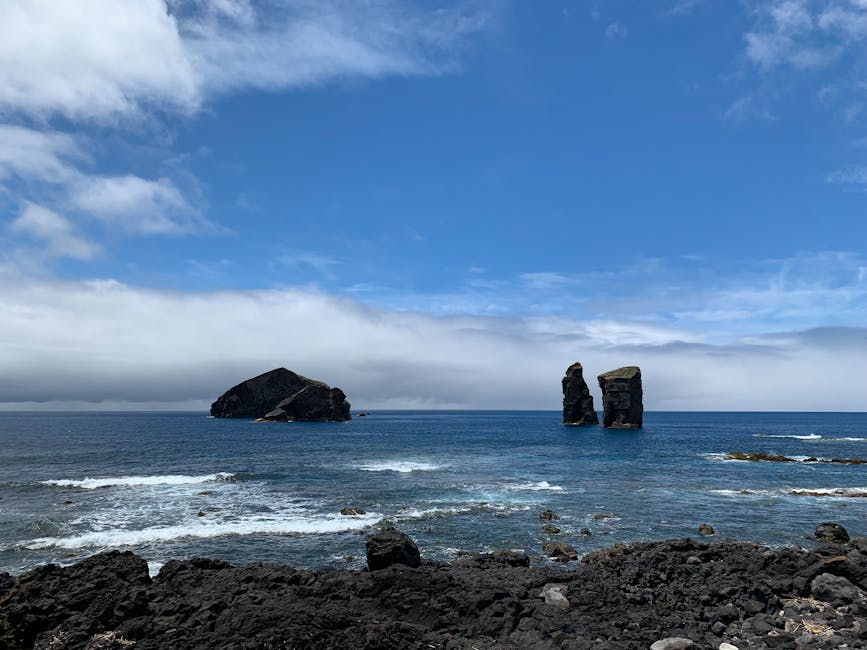
The short version: if you have time and budget for one Atlantic whale-watching trip, do it in the Azores. The species count is the highest on this side of the ocean. The operator code is the strictest. The sperm whales are the most reliable. If you want guaranteed numbers and an easier flight in, the Canaries deliver. If you want sperm whales plus a Portuguese island holiday around it, Madeira is the easier pick. The three are siblings. Picking between them is mostly about flights and dates.
Practical bits people get wrong
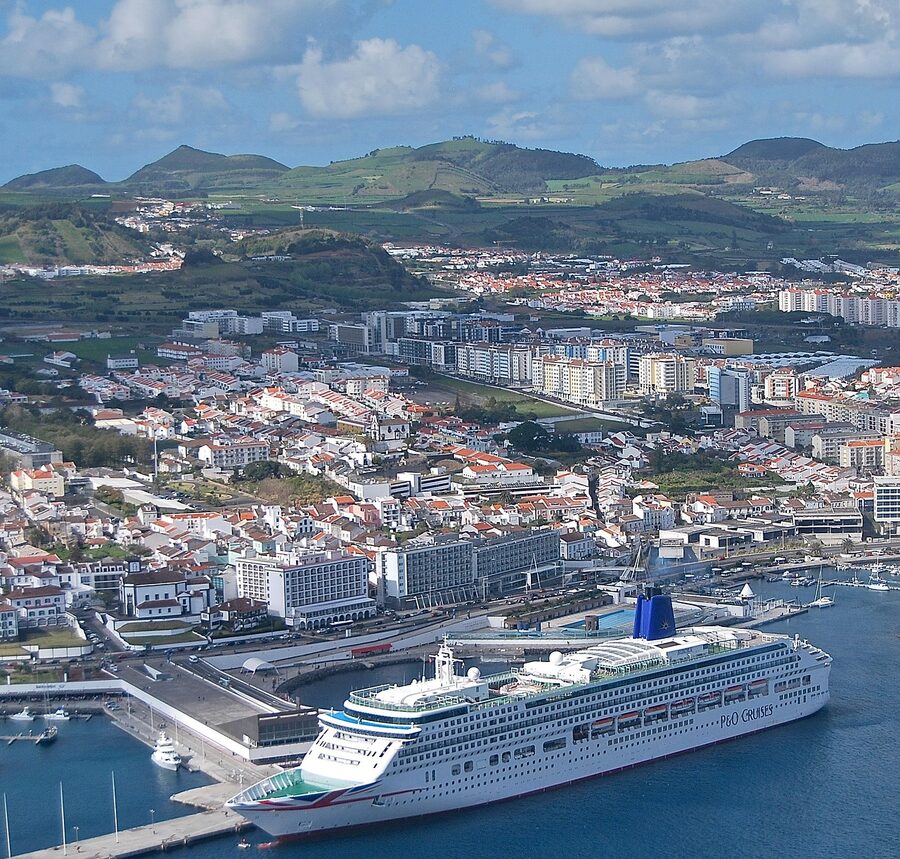
The marina is not the cruise terminal. They share the same harbour but different piers, and getting confused on a port-of-call day is the standard cruise-passenger mistake. Allow ten extra minutes if you are coming off a ship.
Children under three are usually not permitted on RIB trips because of the impact load on small spines, and the catamaran trips often allow younger ages. Check before you book if you are travelling with kids. Strollers will not fit on a RIB and the catamaran has limited space for them.
Refunds for no-shows are unusual. The standard cancellation window is twenty-four hours for a full refund. Bad-weather days are decided by the operator on the morning of departure and you will hear by phone or email by 7am for a 9am departure. The free-repeat policy on no-sighting days is not advertised aggressively but most operators honour it.

Cell signal on the RIBs is unreliable past two kilometres offshore. If you need to be reachable, the catamaran trip stays closer to land and keeps a signal longer. If your travel insurance requires a marine activity rider, the boats count. Read your policy.
One last thing about the wait between sightings
The bit nobody talks about is the silence between encounters. After the third sperm whale sounding the boat sits there with its engines off, the deck quiet, the Atlantic doing nothing in particular. You start hearing the hull creak. Someone passes water around. The vigia radios in another bearing. You steam off again.
Those gaps are the trip. People go expecting non-stop action and what they remember is the long flat stretches where nothing happens and a bottlenose pod arrives out of nothing and bow-rides for fifteen minutes and leaves. The Azores hand you that experience more reliably than anywhere else on the Atlantic side.
Other Portugal trips worth lining up
If Sao Miguel is one stop on a longer Portuguese itinerary, the obvious pairings stitch the marine angle into the rest of the country. The southern coast covers a different kind of boat day with the Benagil Caves speedboat from Portimão, the Atlantic island sister story is a week or two of a Madeira inland and coast circuit, and on the cultural side a Lisbon stay with a Sintra and Pena Palace day rounds out the inland balance to your week at sea.