
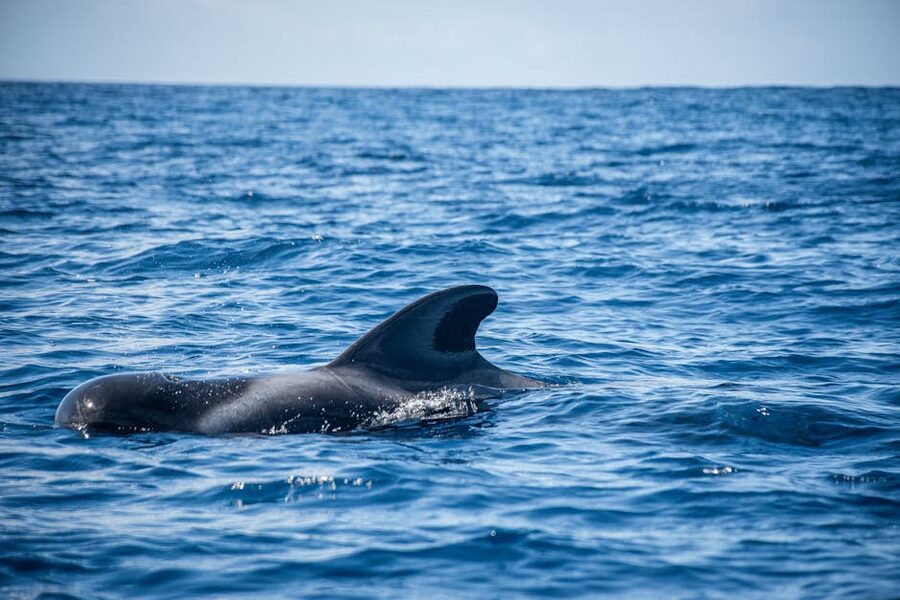
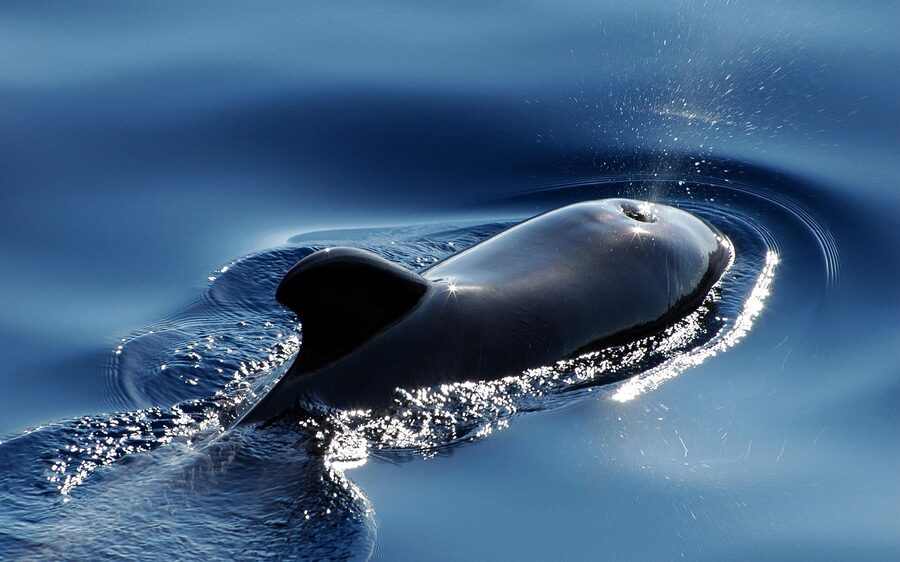
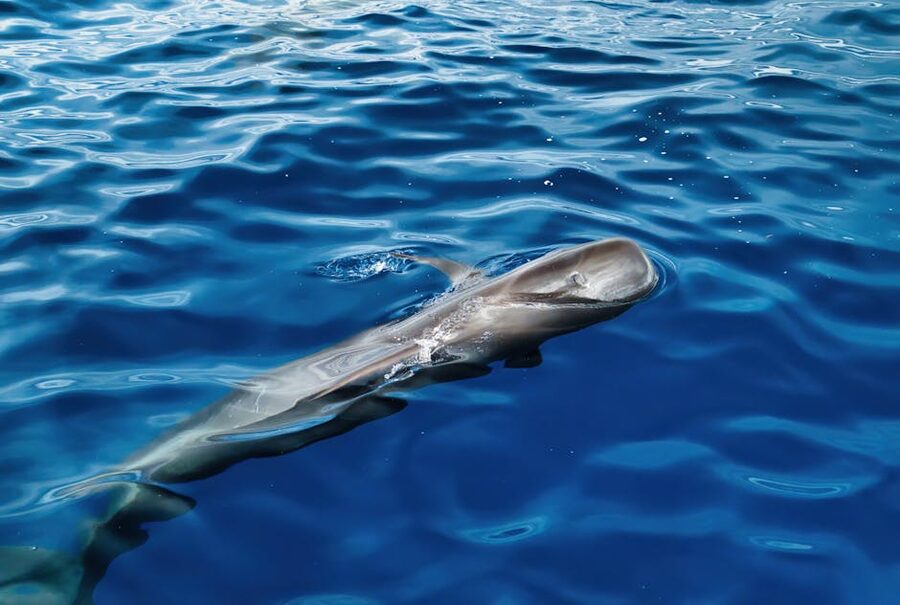
The captain cuts the engine half a kilometre off the Los Cristianos breakwater. The Atlantic goes very quiet. Then a sigh, somewhere off the port bow, a soft whuff of breath, and a slick of oily water spreads across the surface. A pilot whale’s blunt black head crests, holds for two seconds, and slides back under without splash. You weren’t expecting it to be that calm.
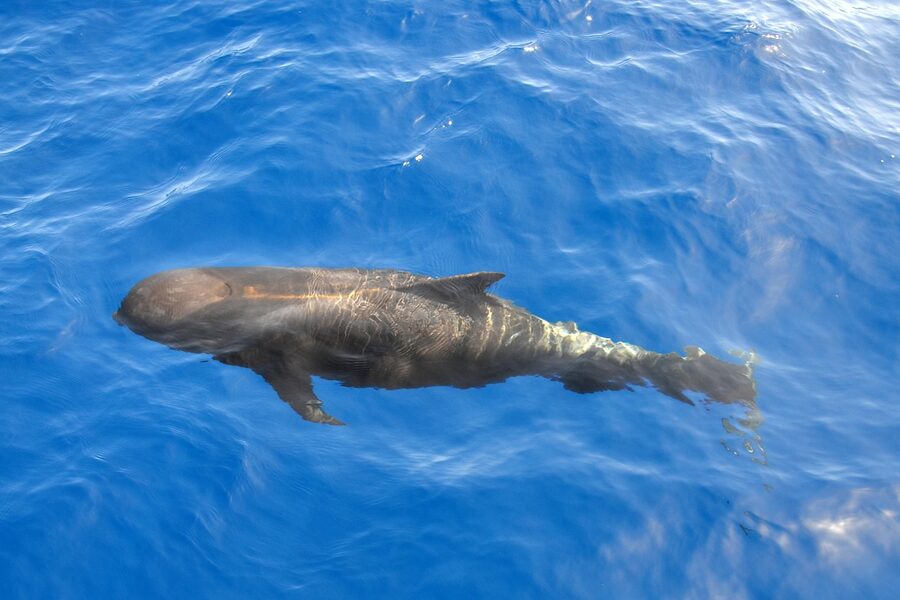
That moment is the entire reason you book a Tenerife whale watching tour from Los Cristianos. The strait between this coast and La Gomera holds about 250 resident short-finned pilot whales year-round. They don’t migrate. They live here. And on a good morning, you’ll meet several pods inside two hours of leaving the port.
Short on time? Three picks that cover the way most people actually book a whale tour out of the south.
- Travelin Lady eco-yacht, around $13: the most-booked whale tour on the south coast by a long way. Two hours, small group, pilot whales near guaranteed. Check availability.
- Bahriyeli no-chase eco cruise, around $29: the gold-standard ethical option. Engines off near the pods, biologist commentary, swim stop included. Check availability.
- Respectful pirate-style cruise, around $18: two-masted schooner, two-hour trip with drinks, three-hour version with a swim stop. The kid-friendly pick that’s still on the eco list. Check availability.
- The thing nobody tells you: there’s a difference between operators
- What you’ll actually see (and what’s almost guaranteed)
- Three Tenerife whale watching tours worth booking
- 1. Los Cristianos Eco-Yacht Whale Watching with Swim (around )
- 2. Bahriyeli No-Chase Whale and Dolphin Cruise (around )
- 3. Respectful Pirate-Style Whale Watching Cruise with Swim (around )
- Los Cristianos vs Puerto Colón: which port should you actually leave from
- The strait of La Gomera: why the whales live exactly here
- Boat types: which kind of vessel suits you
- What to actually pack and wear
- When to go: time of day, time of year
- Sea state cancellations: the part that catches people out
- Booking: kiosks vs online vs hotel concierge
- What an ethical sighting looks like in practice
- Combining the whale day with the rest of Tenerife
- What I wish I’d known on my first trip
- Other water in Spain to keep on the list
The thing nobody tells you: there’s a difference between operators
This is the part most travellers find out the wrong way. Tenerife has two kinds of whale watching boat. There are eco-certified operators, marked by a Blue Boat (Barco Azul) flag granted by the Canarian government. They follow a strict code, never approach a pod head-on, never come within 60 metres, never stay near a single group for more than half an hour, no more than two boats at the pod at a time, and engines kept at low revs.
And there are the rest. The ones that chase. You can spot them the same morning, three or four boats ringing a single pod of pilot whales at full throttle, jockeying for the bow shot. The whales dive and surface short. The captains push them. The clients on board don’t always know what they’re looking at, and that’s part of the problem.
Book the Blue Boat operators. Not “the cheapest one on the kiosk.” The eco-certified flag is on the GetYourGuide listings as well, look for “respectful,” “no-chase,” or “Barco Azul” in the title. The price difference compared to a chasing operator is sometimes only five or ten euros, and the experience is genuinely different. Our review of the Bahriyeli no-chase cruise goes into how the captain handles approach distance and what the briefing actually covers.
What you’ll actually see (and what’s almost guaranteed)
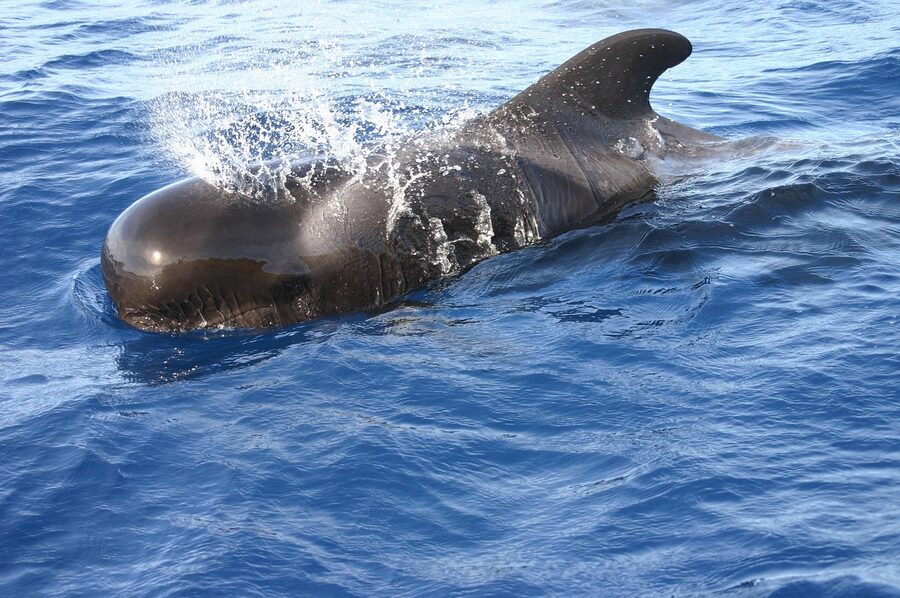
Sighting rates here are the best in Europe by some distance. Pilot whales are functionally guaranteed, the operators advertise 98 to 99 per cent and the bigger ones offer a free repeat trip if you don’t see anything (which almost never happens). What that means in practice is that on any reasonable weather day you’ll meet at least one pod of pilot whales in the first 30 minutes after leaving the port.
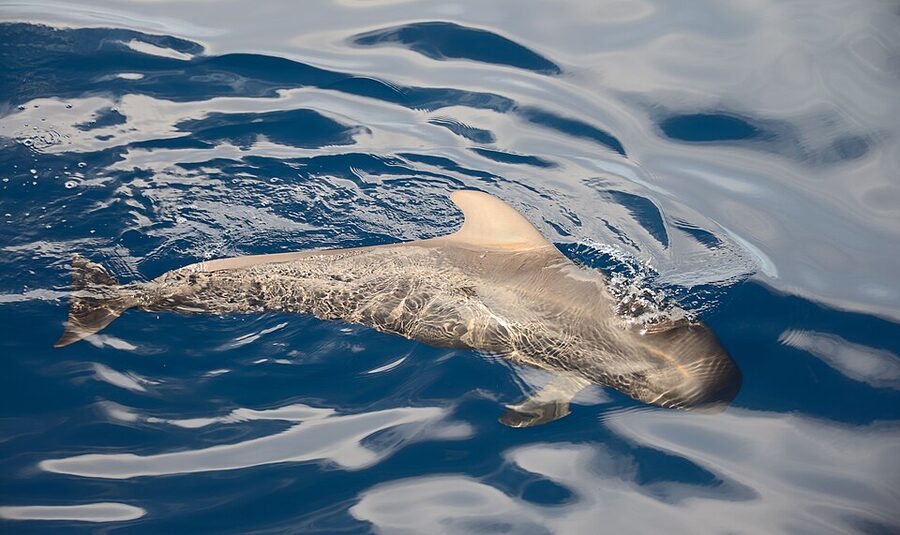
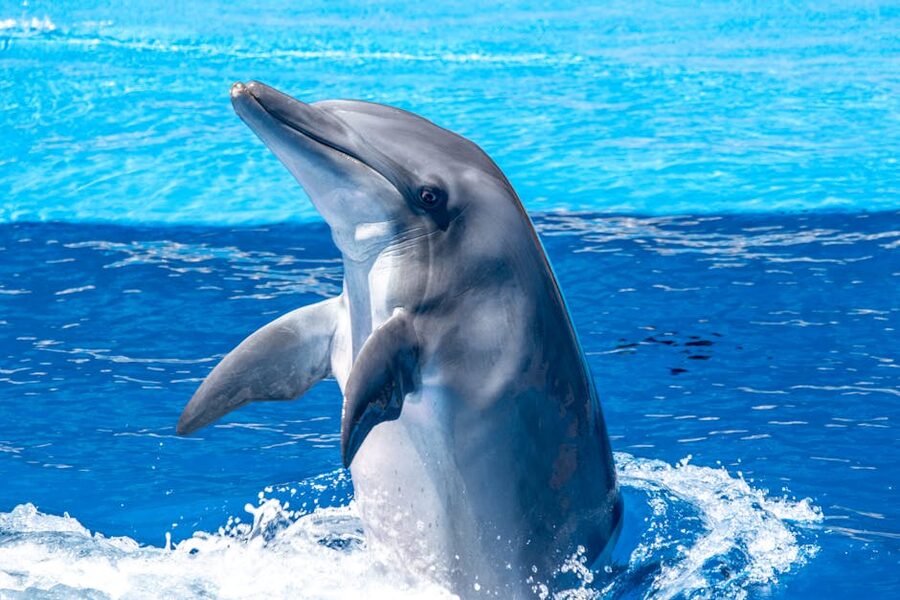
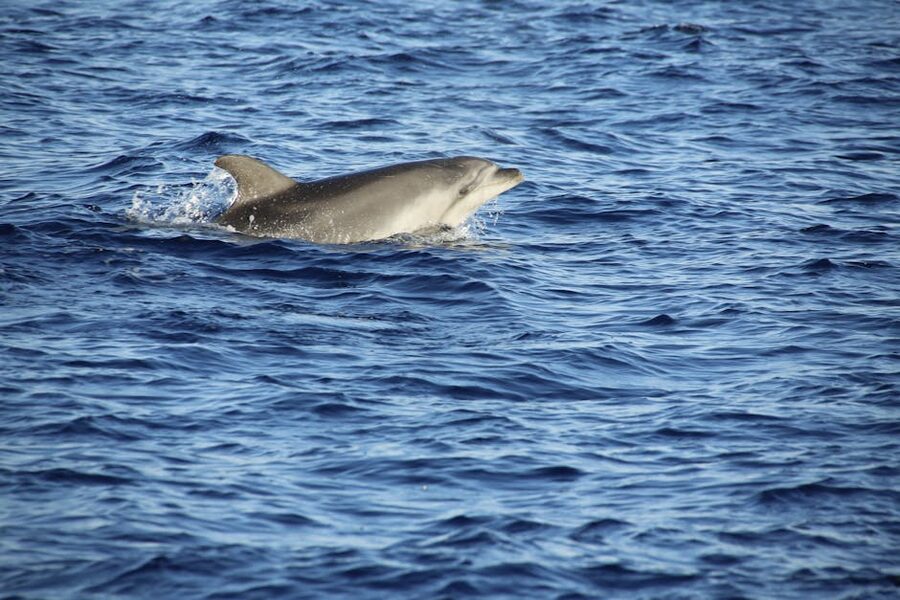
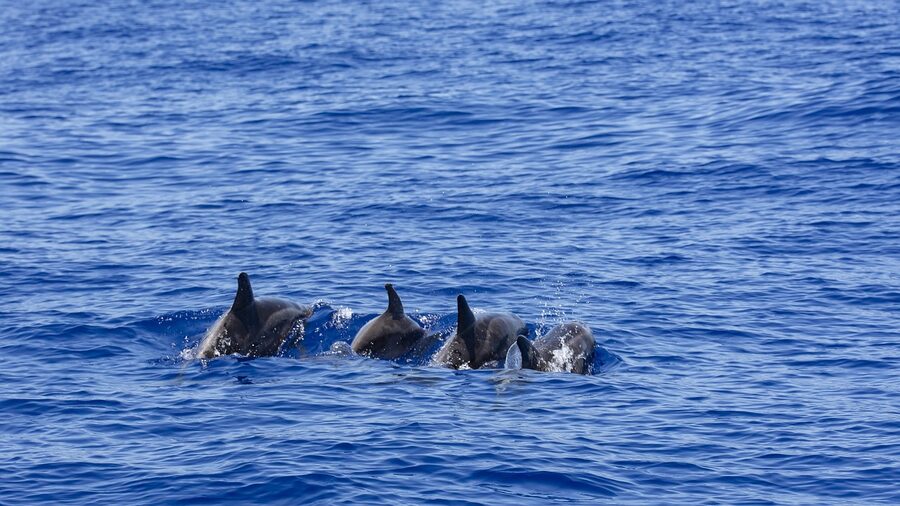
Bottlenose dolphins are the second guaranteed-ish species. About 80 per cent of trips meet a pod, and bottlenose are the ones that bow-ride, that follow the boat, that put on the show. Juveniles in particular will surf the bow wave for several minutes if the captain holds a steady line. That’s the moment you came for.
The wildcards. Atlantic spotted dolphins, common dolphins, striped dolphins, all show up seasonally. Sperm whales pass through in late spring and autumn on long migrations south. Loggerhead and green sea turtles are common, and you’ll sometimes meet one resting on the surface so still you’d swim right past. Killer whales (orca) are rare, maybe a dozen sightings a year across the whole island, but they do happen. Pilot whales and bottlenose are the daily lock. Everything else is a bonus.
Three Tenerife whale watching tours worth booking
Hundreds of operators run trips out of the south. These are the three I’d actually book based on what each does well. They cover the three styles most people pick from, the everyday eco-yacht, the gold-standard ethical cruise, and the kid-friendly pirate boat that still respects the rules.
1. Los Cristianos Eco-Yacht Whale Watching with Swim (around $13)
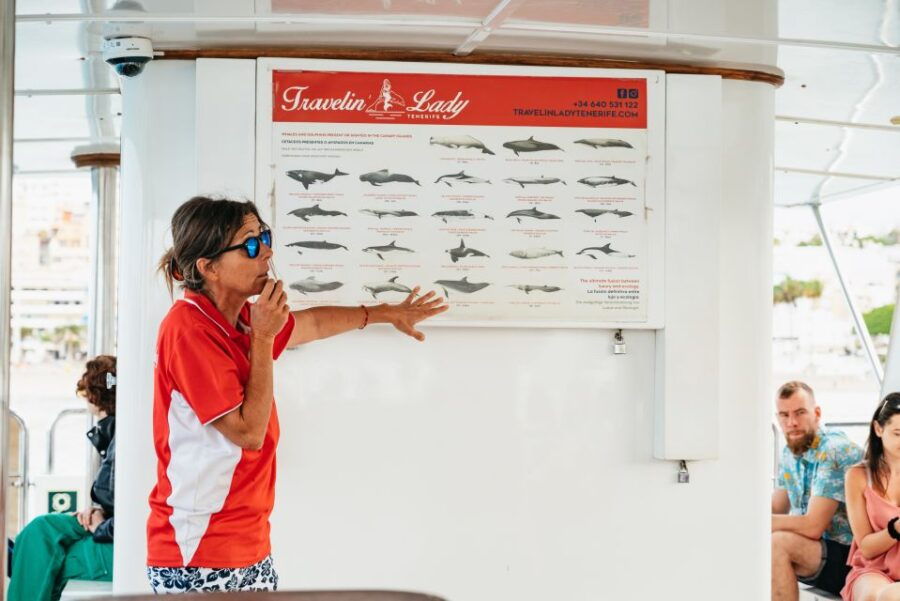
This is the default if you only have one whale-shaped slot in the trip and want the easy version. Our full review of the Travelin Lady cruise covers what the swim stop in Palm-Mar bay actually looks like and why the small group size matters more than the price. The yacht is eco-certified, the captain holds proper distance, and the boat is small enough that nobody ends up at the back staring at someone else’s head.
2. Bahriyeli No-Chase Whale and Dolphin Cruise (around $29)
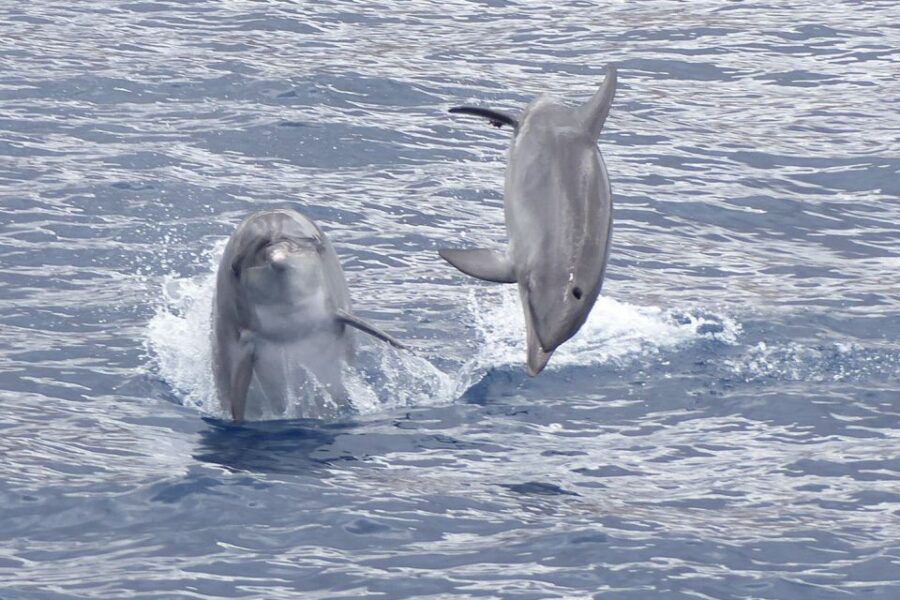
If you do one whale tour, do this one. The boat carries onboard hydrophones (underwater microphones), so you hear the pod clicking and whistling once the engine is off, and there’s a marine biologist on most departures. Our full review walks through what the briefing covers and how the captain handles approach. The price is twice the Travelin Lady but the experience is in a different category.
3. Respectful Pirate-Style Whale Watching Cruise with Swim (around $18)
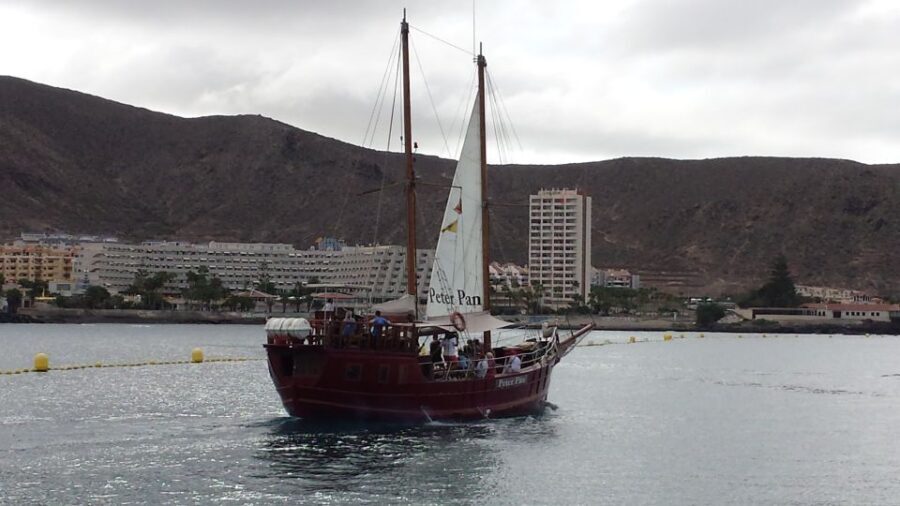
The compromise pick if you’ve got kids who’d rather sail on a “real” pirate ship than a small white yacht. Our full review notes that the costumes and the on-deck entertainment are kept short, so the wildlife part of the trip isn’t compromised. Bilingual commentary in English and Spanish, drinks included on the two-hour, lunch included on the three.
Los Cristianos vs Puerto Colón: which port should you actually leave from
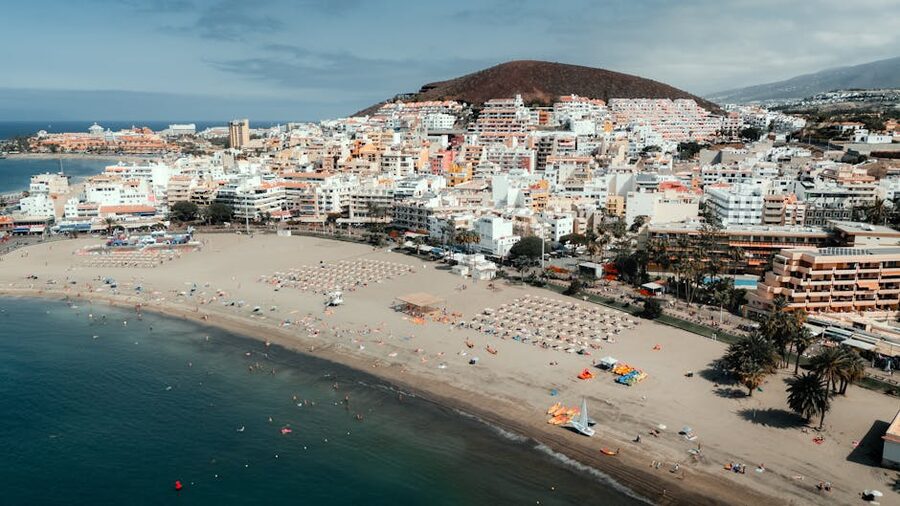
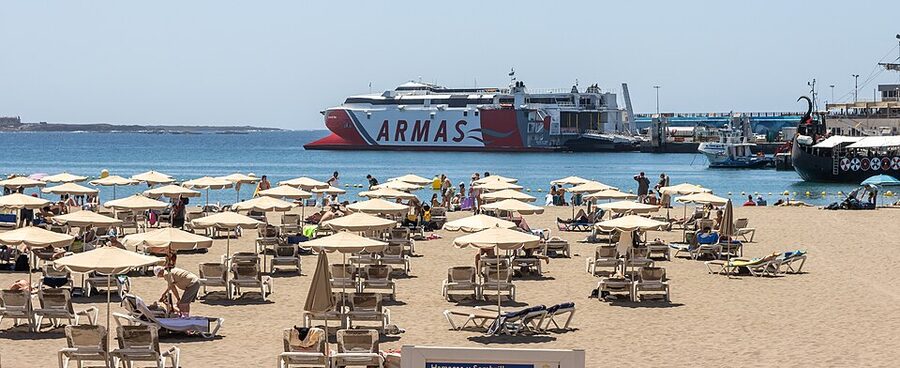
The two main departure ports on the south coast are about six kilometres apart. Los Cristianos is the older fishing port, working harbour, busier, with the most operators. Puerto Colón sits in Costa Adeje and feels more resort-marina, white yachts, paid parking, more luxury catamarans. Both reach the same pilot whale grounds. Both work. The difference is mostly about where you’re staying.
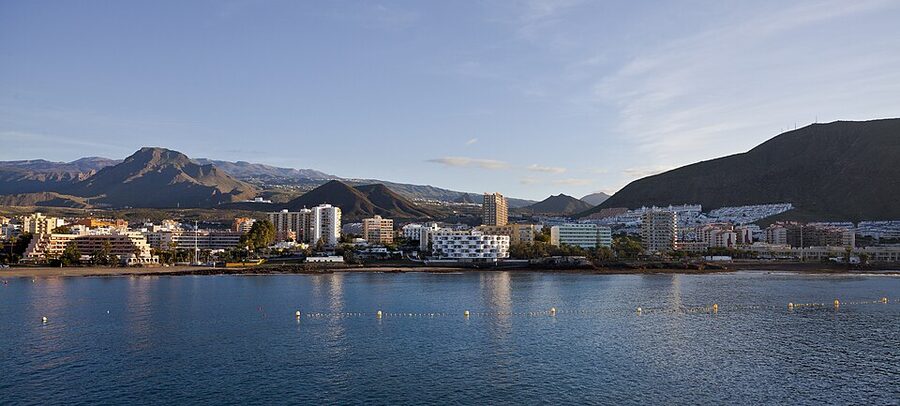
If you’re staying in Los Cristianos, Playa de las Americas, or Costa del Silencio, the Los Cristianos port is a 5 to 15 minute walk from most resorts. If you’re staying in Costa Adeje proper, Bahia del Duque, or further north towards Playa Paraiso, Puerto Colón is closer. We’ve covered the Costa Adeje dolphin and whale cruise options out of Puerto Colón in a separate guide if that’s where you’re based. The grounds overlap, the experience is broadly similar.
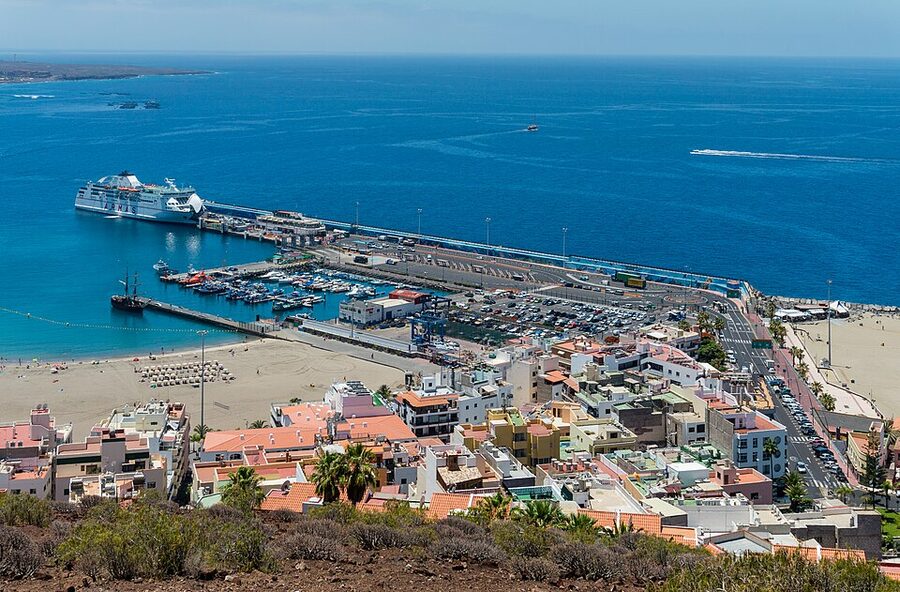
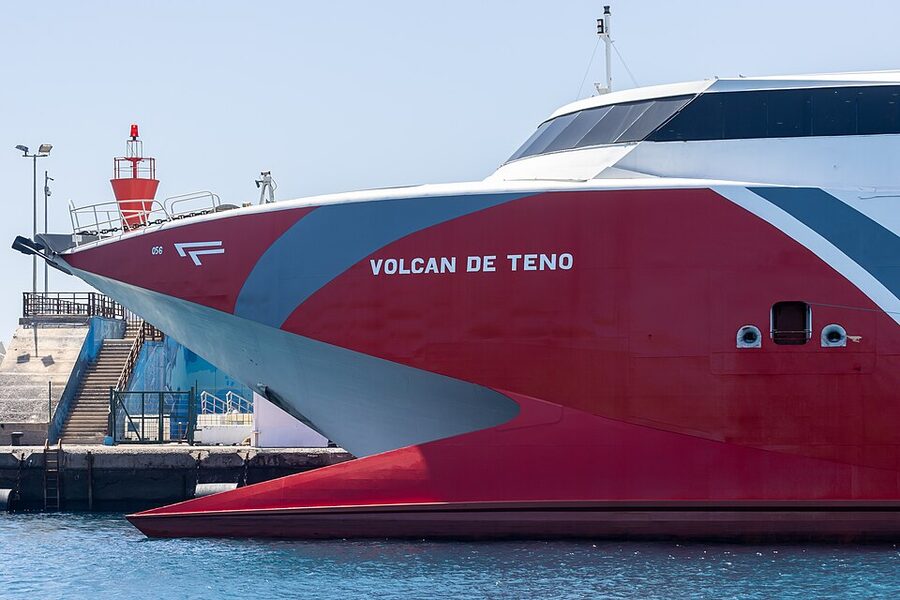
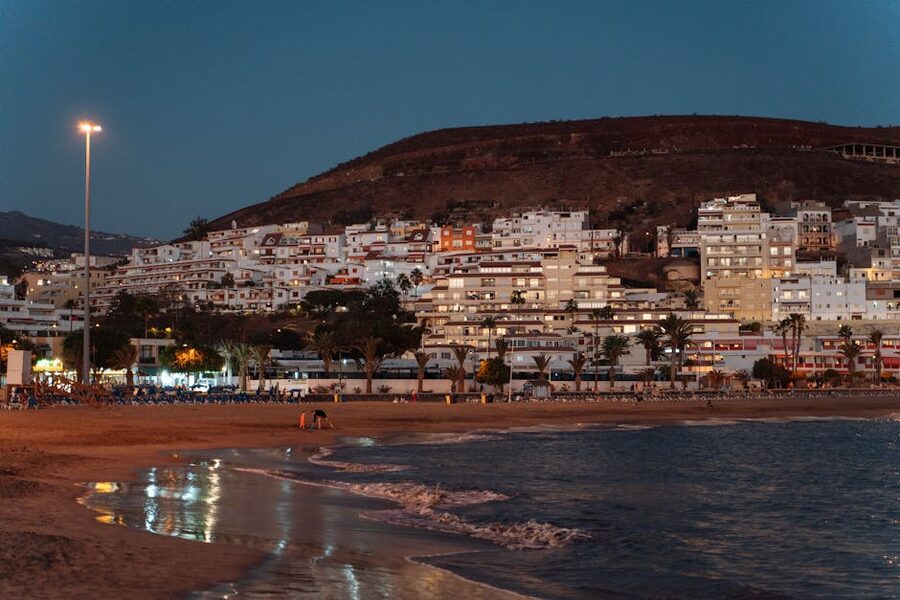
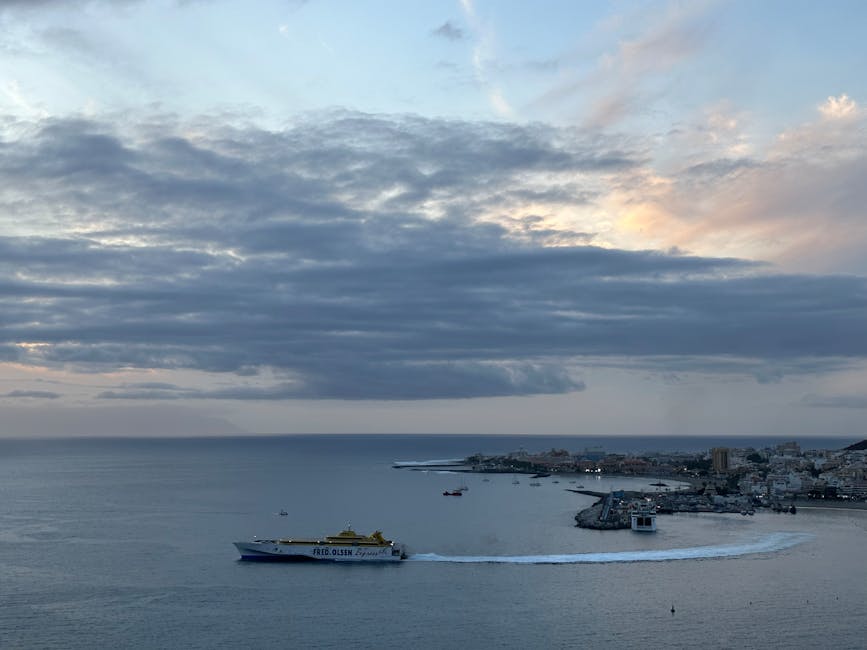
One thing worth knowing about Los Cristianos. The port is also the ferry hub for La Gomera, El Hierro and La Palma. The big white Fred Olsen and Naviera Armas ferries leave from the inside wall. Whale boats berth along the outside fingers. The signage is in Spanish, English and German, and the eco-certified operators all have visible Blue Boat flags on their masts. If your boat doesn’t have one, it isn’t certified, no matter what the kiosk salesman says.
The strait of La Gomera: why the whales live exactly here
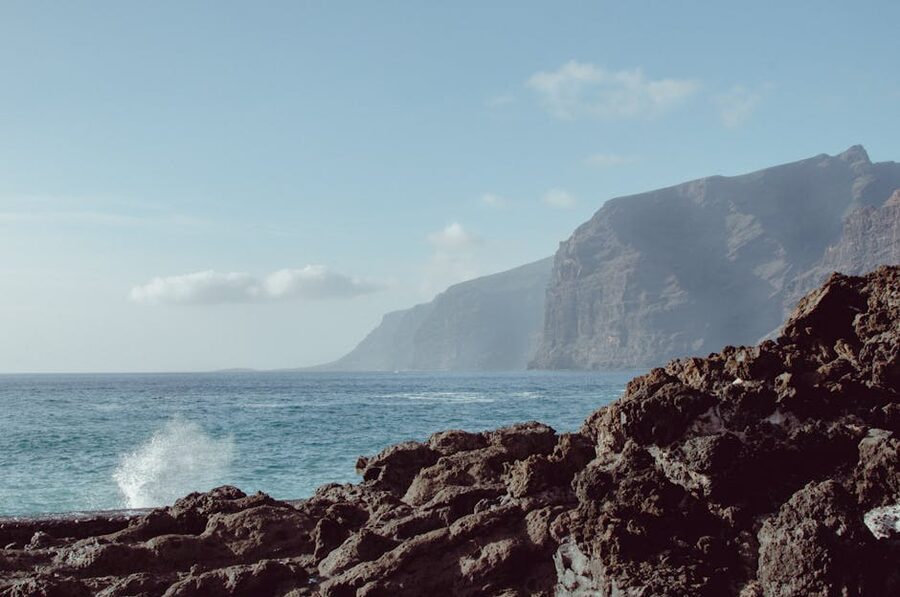
The reason Tenerife has resident pilot whales (instead of seasonal migrants like most other oceanic spots) is the underwater geography of the channel between this island and La Gomera. About 18 kilometres separate the two coasts. The seabed drops fast, you’re in 1,000 metres of water within ten kilometres of Los Cristianos, and within 2,000 metres before you reach La Gomera. Squid, the pilot whales’ main food, live in those deep layers and rise to about 500 metres at night. The whales dive for them.
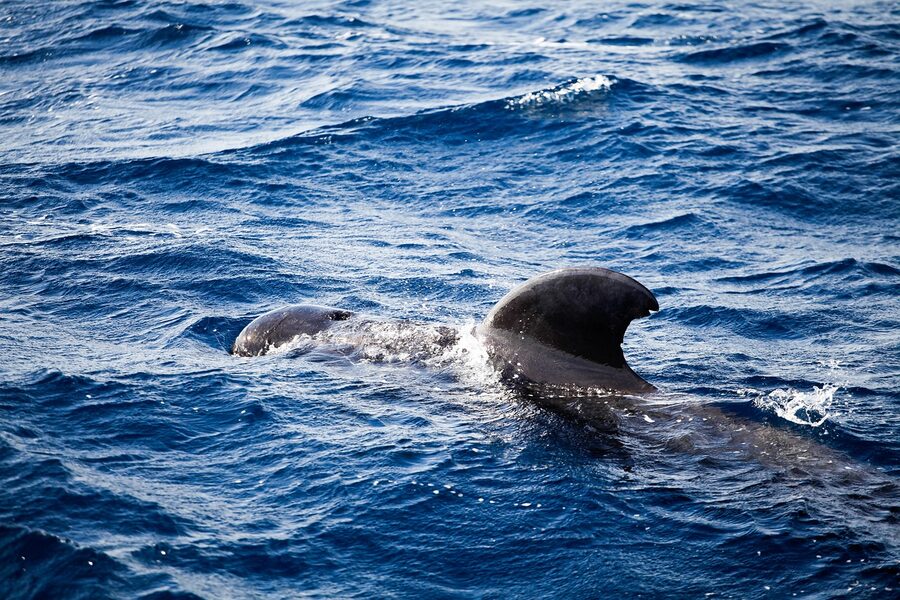
The pilot whale dive is the part biologists find most extraordinary. They go deep, regularly to 600 metres, occasionally past 1,000, and they hold their breath for 15 to 20 minutes. They surface for two or three minutes, blow several times, then go back down. That’s why your sightings are mostly at the surface for short windows. The whales are working. They’re feeding, not playing.
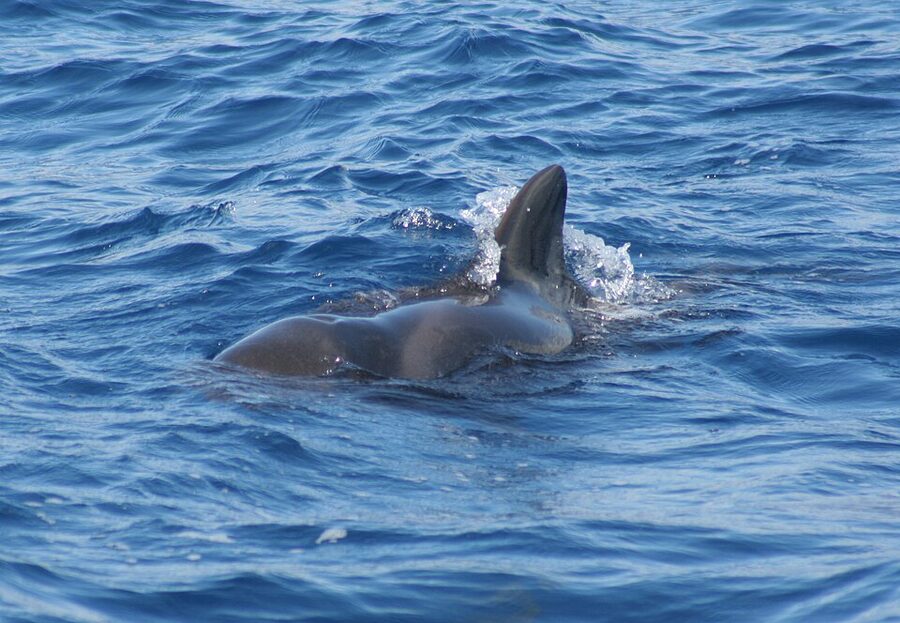
The bottlenose dolphins use the same waters but feed differently. They herd fish near the surface and chase mackerel into bait balls. That’s why bottlenose pods often look more chaotic when you find them, fast surface action, splashing, gulls overhead. Pilot whales are the calm option. Dolphins are the loud one.
Boat types: which kind of vessel suits you
The fleet falls into five rough categories, and the price tracks the boat size and the inclusions, not the wildlife.
Small eco-yachts like the Travelin Lady carry 8 to 12 people, sit low on the water, and feel intimate. Best for shy whale-watchers who want to actually see the animal at eye level. The downside is that they’re more affected by swell, so on a windy day they cancel before the bigger boats do.
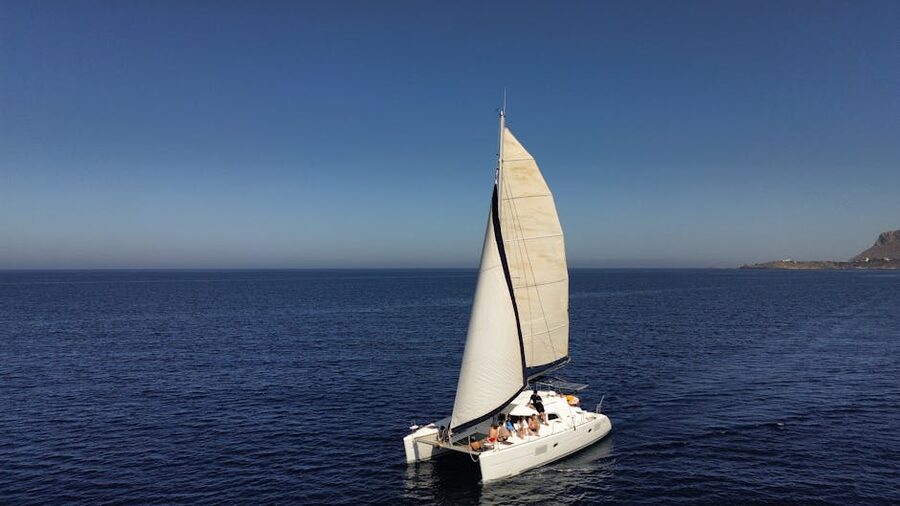
Sailing catamarans carry 30 to 50, run on engines for the wildlife portion and put up sails on the way back. Stable, family-friendly, often include drinks, sandwiches, and a swim stop. Puerto Colón is the catamaran heartland but plenty depart from Los Cristianos too. Some have submarine-vision viewing windows below the waterline, more of a novelty than a real wildlife window.
Two-masted gulets (Turkish-style schooners) are the classic Bahriyeli format, a wooden mid-size boat with deck space, partial shade, and a relaxed onboard feel. The no-chase eco-cruise out of Los Cristianos uses one. So does the pirate-style operator. They handle swell well and you can move around the deck during sightings.
Pirate-style ships are the wooden two-masters with rigging, costumes for the kids, and themed entertainment between sightings. Quality varies. The respectful eco-certified ones (the one in our Tour 3 above) keep the costume part short and the wildlife part proper. The cheap ones at the kiosks are the chasing operators dressed up. Read the booking listing carefully.
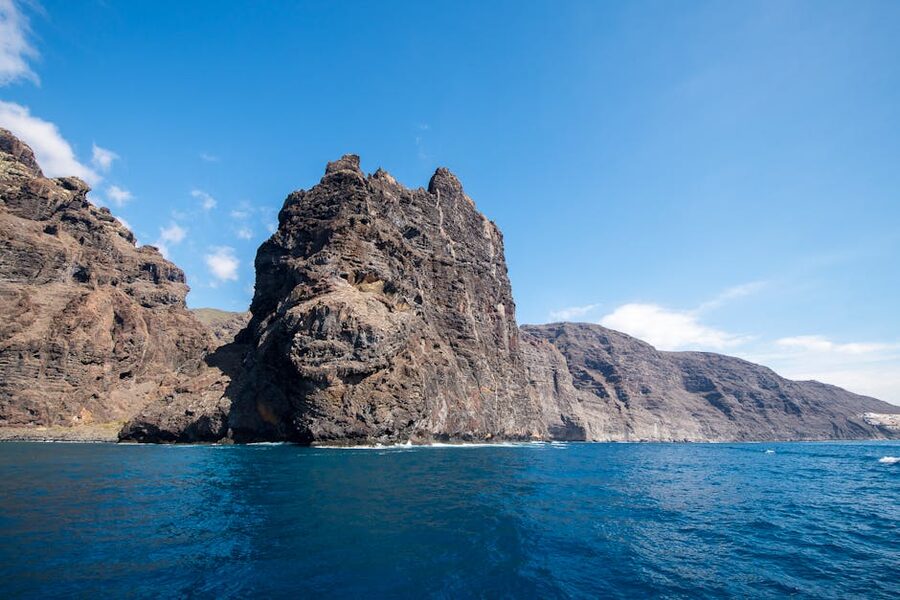
Sailboats out of Los Gigantes are the further-north option. Smaller fleet, longer trip, the route runs along the dramatic Teno cliffs and out to the Masca bay. Pricier but visually more spectacular. Our review of the Los Gigantes sailboat trip explains why this is worth a full half-day if you’re staying in the north or have already done a south-coast tour.
What to actually pack and wear
The Atlantic on the south coast of Tenerife is cooler than people expect. The trade winds blow from the northeast and bring cool air across to the south side, even in summer. Air on the water is usually 4 to 6 degrees cooler than on land, and the sun is much stronger because the water reflects it.
What I bring on a morning trip in spring or autumn. A long-sleeve shirt or a lightweight fleece. Sunglasses, polarised if you have them, you’ll see the whales a moment earlier under the surface. A wide-brim hat or a buff. Reef-safe sunscreen, the eco-operators ask you not to use the chemical kind because of the impact on coral and plankton. A small water bottle, most boats have water but you save your hands free.
If your trip includes a swim stop, bring a quick-dry towel and a swimsuit you can put on under your clothes. Most boats have a small heads (toilet) but no proper changing room. The water is colder than the swimming pools at your hotel, around 19 to 22 degrees in winter and 23 to 25 in summer. It’s swimmable. It just isn’t bath-warm.
What I don’t bring. A big DSLR (the salt spray is brutal). White trainers (the deck is wet and dusty). Anything I’d be sad to drop overboard. The deck is rolling and you’re moving around. I lost a pair of sunglasses on my first trip. Fishing them out wasn’t an option.
When to go: time of day, time of year
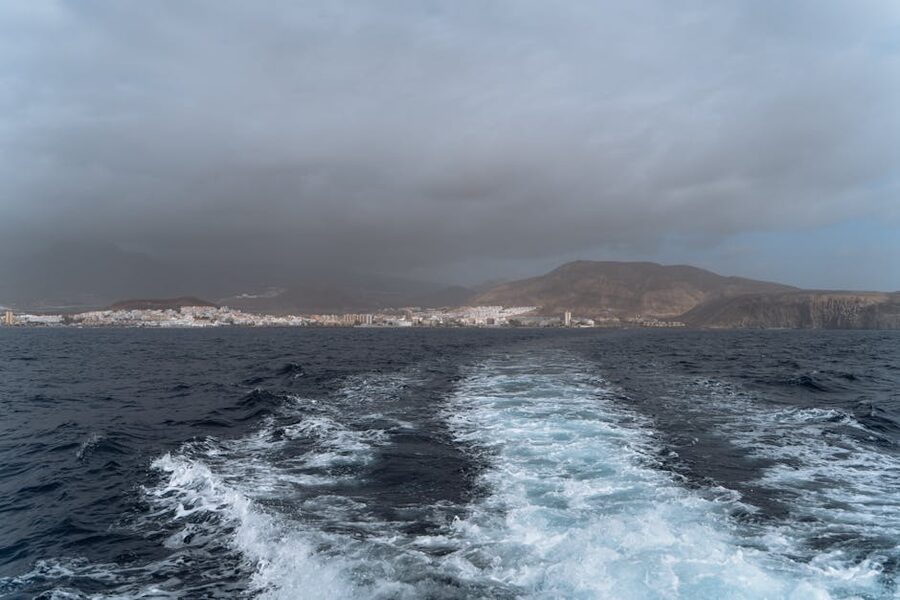
The morning sailings (9am or 10am) are the best for sightings and for sea state. The trade winds pick up by early afternoon and the water gets choppier. The light is also better in the morning for spotting fins, low sun on smooth water shows up dorsal fins from a kilometre away.
Time of year matters less than people assume. Pilot whales and bottlenose are resident, year-round, every month. The seasonal extras (sperm whales, Atlantic spotted dolphins, the rare orca) come and go. Spring (March-May) is statistically the best for variety. Summer (June-September) the warmest water for the swim stop. Winter (December-February) the calmest mornings before the trades pick up. There is no bad month. There are bad days, which you can’t predict more than 48 hours out.
If you’ve only got one shot at a tour and the forecast looks marginal, ask the operator about cancellations. Most eco-certified ones have a sea-state cut-off and will cancel rather than push out into a 3-metre swell. The cancellation is automatic refund or rebook, no fees. The chasing operators tend to sail anyway, which is why their reviews include phrases like “seasick all four hours” more often.
Sea state cancellations: the part that catches people out
This deserves its own section because most travellers don’t think about it. The Atlantic between Tenerife and La Gomera is a real ocean, not a sheltered bay. When the wind picks up, the sea picks up, and the smaller boats stop running. Wind speeds above 25 knots and swells above 1.5 metres are usually the cut-off for the eco-yachts. The catamarans handle more, the gulets handle most. The pirate boats stop on the same threshold as the yachts.
Cancellations happen most often in February, March, and November, the windier shoulder months. They happen rarely in summer (June through September), when the trades are steadier. They’re announced the night before or the morning of, by SMS or email if you booked online, by phone or in person if you booked at the kiosk. Don’t book the whale tour for your last morning on the island, that’s when the cancellation has nowhere to slot back in.
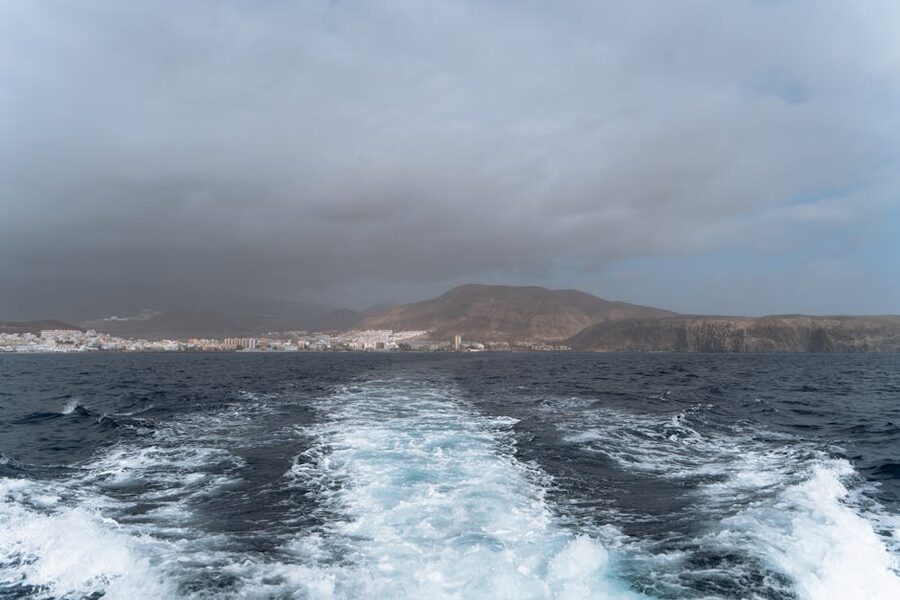
The other thing nobody mentions. Even on a good day, the swell off the breakwater is bigger than the swell inside the port. You’ll feel the boat lurch the moment you clear the harbour mouth. Five minutes later you’ve adjusted. If you know you get seasick, take a Stugeron tablet (cinnarizine) about 30 minutes before boarding. They sell them at any farmacia in town for around three euros. The chewable kind works fastest. A second one halfway through is fine if you need it.
Booking: kiosks vs online vs hotel concierge
You’ve got three booking options and they’re not equal. The kiosks along the marina sell at full price, sometimes with a “discount” that matches the online price. The walk-up sales people will tell you they’ve got the only seats left for tomorrow. They don’t. Online booking through GetYourGuide, Viator, or the operator’s own site is usually the same price or cheaper, with free cancellation up to 24 hours.
Hotel concierges sometimes have package deals or hotel-only discounts, especially the bigger resort hotels in Costa Adeje. Worth asking. They almost never have anything below the GYG price for the eco-certified options, but they’re occasionally slightly cheaper for the catamaran cruises. If you’ve got a free morning and want to gamble on the kiosk, do it after 10am, when leftover seats from the morning sailings sometimes get marked down.
The repeat advice. Book the eco-certified operator. Don’t book the cheapest one if it doesn’t carry the Barco Azul flag. Save the kiosks for the boat tours that aren’t whale-related (the catamaran cruise without whales, the deep-sea fishing trip, the parasailing). For whales, book online, book early, book the Blue Boat one.
What an ethical sighting looks like in practice
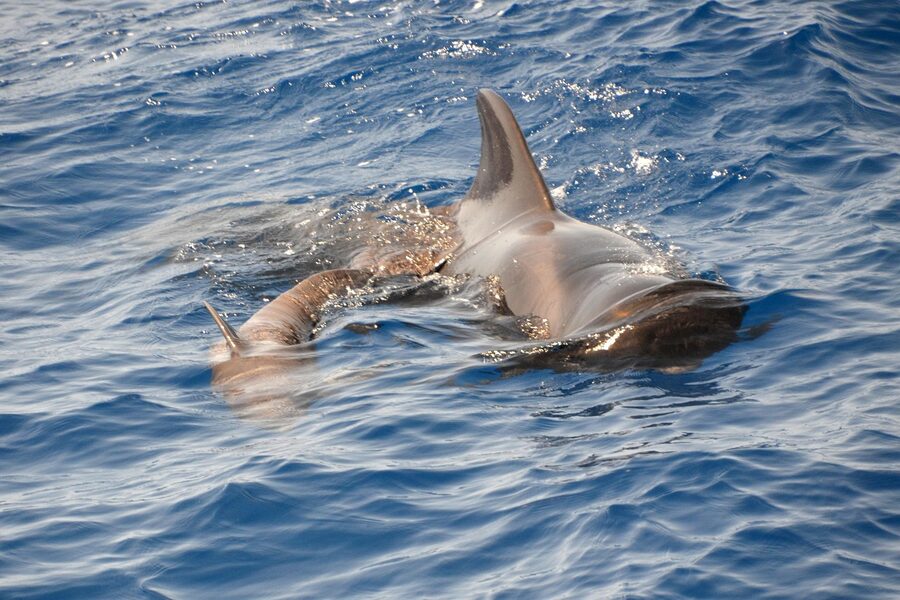
The best sightings I’ve had on Tenerife were the quietest ones. The captain spotted the pod from a kilometre away, slowed the boat to idle, drifted at 30 metres distance, killed the engine, and the pilot whales came towards us. Two adults, one juvenile, one calf. They surfaced three times in the same arc, one after the other, slow and synchronised. Nobody on the boat was talking. We watched for about twelve minutes. Then they dived and we waited another five before the captain restarted the engine and moved on.
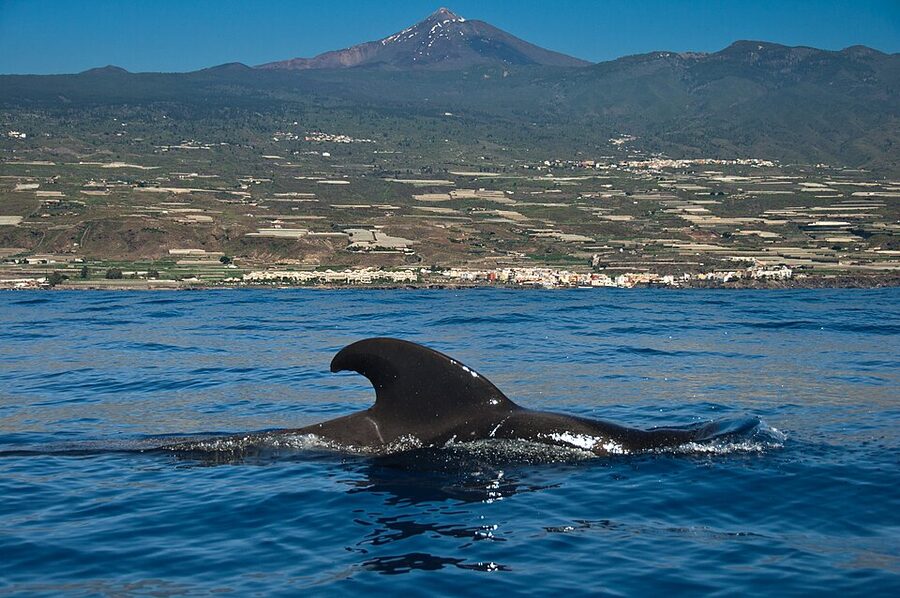
That’s the difference between a Blue Boat tour and a chasing one. Twelve minutes with a calm pod beats two minutes with a stressed one chased by four boats. You feel the difference even if you don’t know the rules. The chasing version leaves you with a story about how you saw whales. The eco version leaves you with the smell of the blow and the sound of the breath, and that’s what you remember.
Combining the whale day with the rest of Tenerife
Most travellers do whale watching as a half-day in the morning, then have the afternoon free. The natural pairing if you’re staying in the south is a Siam Park afternoon (the world’s most-rated water park) or a quieter half-day at one of the south-coast beaches. Siam Park’s afternoon entry tickets are sometimes priced lower than full day, and the queues thin out after 2pm. If you’re island-hopping the Balearics later, the parallel Mediterranean trip is the western Ibiza coast cruise from Cala d’Hort, calmer water, smaller marine sightings, but the same swim-stop ritual.
If you’ve got two free days and want a wildlife pairing, the kayak and snorkel with turtles trip out of Palm-Mar covers a different kind of marine encounter, the resident green sea turtles in the shallows, which are nothing like the deep-water pilot whales. Both half-day trips, both eco-led. Different vibe entirely. The kayak day is the close-up version. The whale day is the deep-water one.
Inland on Tenerife, the obvious second-day pairing is Mount Teide, the volcano. Different experience entirely, but the contrast (Atlantic Ocean depth in the morning, lunar volcanic moonscape in the afternoon) is part of why people come to this island. Loro Parque in Puerto de la Cruz is the family-day pairing if your kids weren’t sold on the boat trip and want to see whales they can stand next to, and if you’re flying back via Barcelona the Barcelona aquarium in the old port covers a similar captive-marine angle on a layover day. The trade-off is in the captive-vs-wild question, which is why we always recommend the eco-boat first.
What I wish I’d known on my first trip
That the kiosk staff lie about the eco status. They’ll wave a flag at you, tell you their boat is the “good” one, and the captain will chase. The Barco Azul list is published online by the Canarian government’s environment department. Look the operator up before you pay, not after.
That the cabin below deck is hotter than the open deck even on a cool day, and most people stay above. That the seats at the bow are the most popular but the seats at the stern are actually the smoothest in chop. That the photographer onboard most operators sells you USB-stick photos at the end and they’re cheap (around 15 to 20 euros) but the quality varies, ask to see a sample before you commit. That the boats with hydrophones (underwater microphones) are the ones where the sound of the pod is part of the trip, not just the sight.
That you’re allowed (and encouraged) to ask the captain questions about the pod. Most are happy to talk during the slow approach. They know the families. They know which calf was born last spring. They know which female leads which group. That’s the layer most travellers miss, and it’s the part that makes the trip stick.
Other water in Spain to keep on the list
If the Tenerife strait is your favourite Atlantic encounter, the natural follow-on is more marine days across the Spanish circuit. Over on Fuerteventura, the Morro Jable dolphin and whale cruises sail similar Atlantic waters but with less crowded boats and a chance at common dolphins the Tenerife trips don’t see as often. A Mallorca catamaran cruise shows the Mediterranean side of the same boat-day, calmer water, smaller marine sightings, but the same after-swim sandwich and drinks ritual. And if a windy week kills the whale plans entirely, Valencia’s Oceanogràfic aquarium is the dry-day backup that still keeps the marine theme intact.