
The throttle opens just past Tower Bridge and the boat snaps forward like something kicked it. Salt spray hits the side of your face. The commentary stops mid-sentence. The captain has the Bond soundtrack queued up and the city is now flashing past on both banks at thirty knots, the speed limit gone, the river yours for the next ten minutes. This is the moment everyone books a Thames RIB for.
I have done both the 50-minute heart-of-city loop and the 70-minute Thames Barrier extension. They are very different trips. Here is how to pick the right one and book it without overpaying.
Thames Barrier 70-minute, around $103. Embankment Pier to the silver shells of the flood defence at Woolwich and back, the longest mainstream RIB run on the river. Book the Thames Barrier 70-minute speedboat.
Heart of the city 45-minute, around $66. Tower Bridge Quay to Greenwich-end and back, suspension seats, the classic short blast. Book the heart of city speedboat.
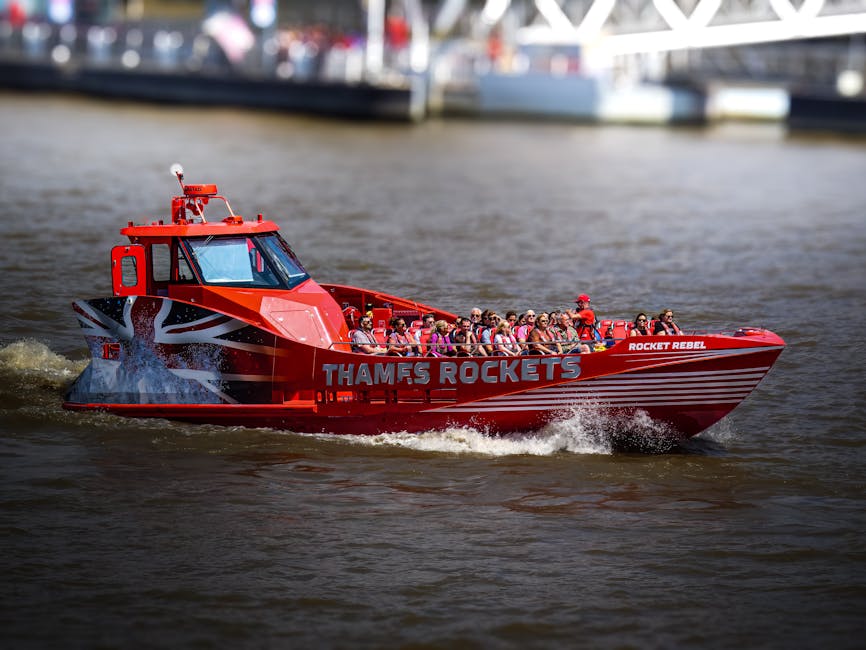
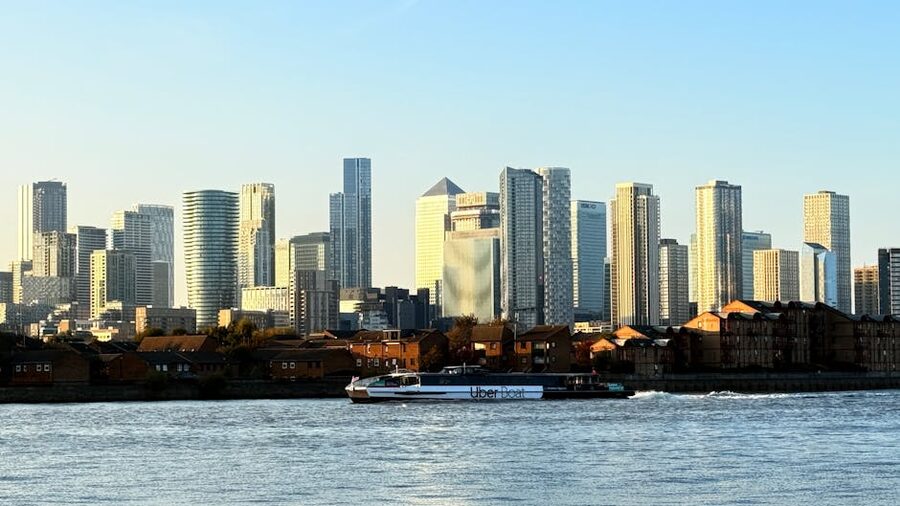
High-speed zone RIB cruise, around $90. Small-group Thames Rockets trip with the wave-jumping figure-of-eight section past Canary Wharf and the O2. Book the high-speed zone RIB.
- What a RIB actually is, and why it matters
- The two formats: short loop or Thames Barrier
- The three RIB trips actually worth booking
- 1. Thames Barrier 70-Minute Speedboat: 3
- 2. Heart of the City Speedboat:
- 3. Thames High-Speed Zone RIB:
- Which pier to leave from
- The slow section: what the guide actually covers
- The fast section: what 30 knots actually feels like
- The Thames Barrier extension
- What you wear and what to bring
- Booking and timing
- Age limits and accessibility
- How a RIB compares to other London river trips
- Getting there and what to do nearby
- Beyond London: other speed-boat trips worth knowing about
- Other London guides worth a read
What a RIB actually is, and why it matters
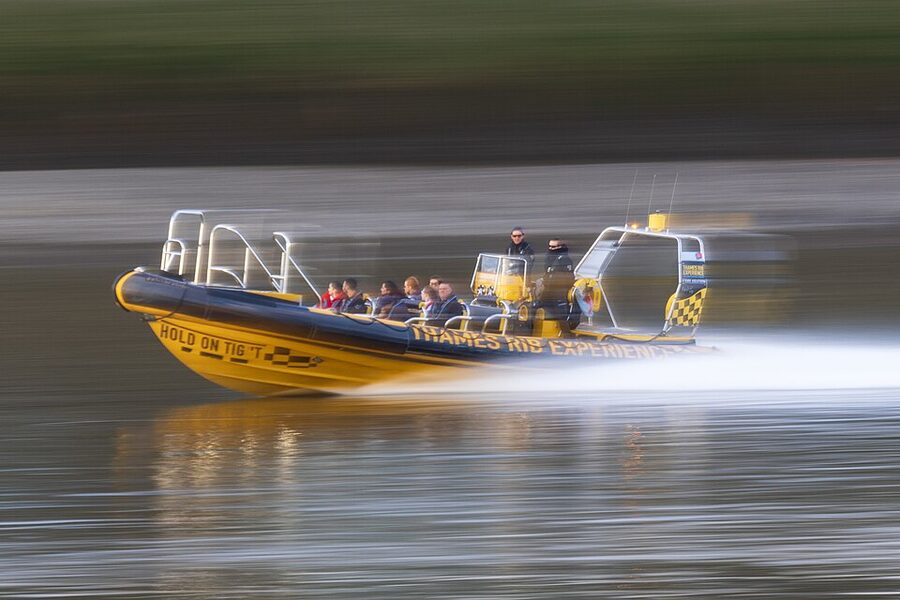
RIB stands for rigid inflatable boat. The hull is solid fibreglass, the sides are inflated tubes, and the whole thing is built to take a beating in a chop. They sit narrow and low on the water. Twin engines, no roof, twelve to twenty-six passengers depending on the boat. You sit in rows, you wear a lifejacket, and you grip a strap.
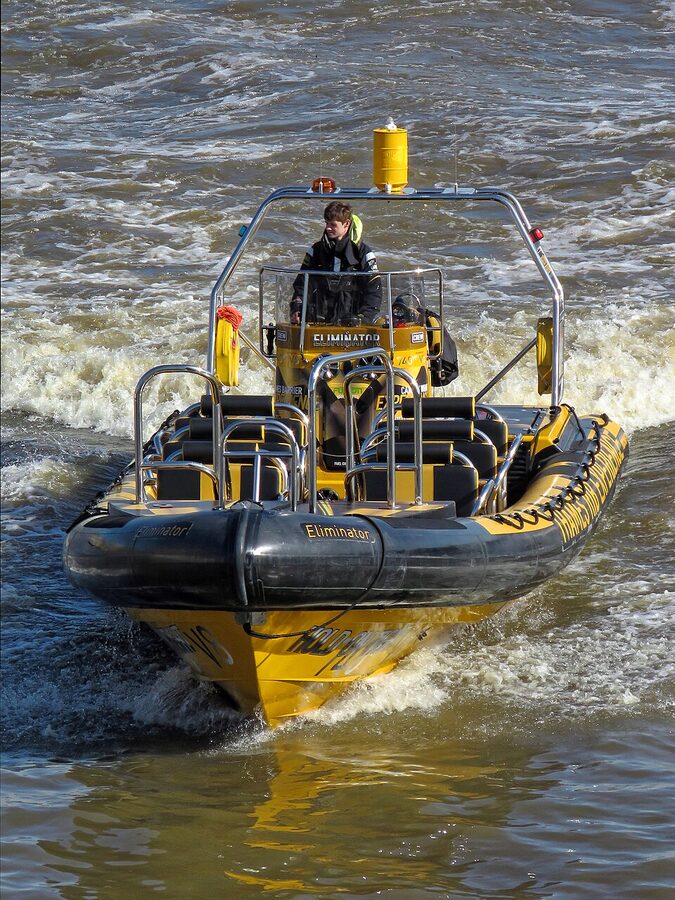
The shape matters because of what the trip is. Central London has a hard speed limit. From the London Eye down to Tower Bridge every river vessel is capped at the same crawl, and you’ll spend the first fifteen or twenty minutes of any RIB trip going at not-much-more than a normal river bus. That is the commentary phase. Once the boat clears Tower Bridge and enters the wider Pool of London, the captain opens the throttle. That is the bit you booked for.
This is also where a RIB stops resembling the slow Westminster boats. If you want a steady pootle past every landmark with someone pointing at it from a covered upper deck, a classic Thames sightseeing cruise is a better fit. RIBs are a different product entirely. Loud, fast, wet on a windy day, and over in under an hour and a half.
The two formats: short loop or Thames Barrier
Almost every RIB on the river falls into one of two buckets. Picking between them is the main booking decision.
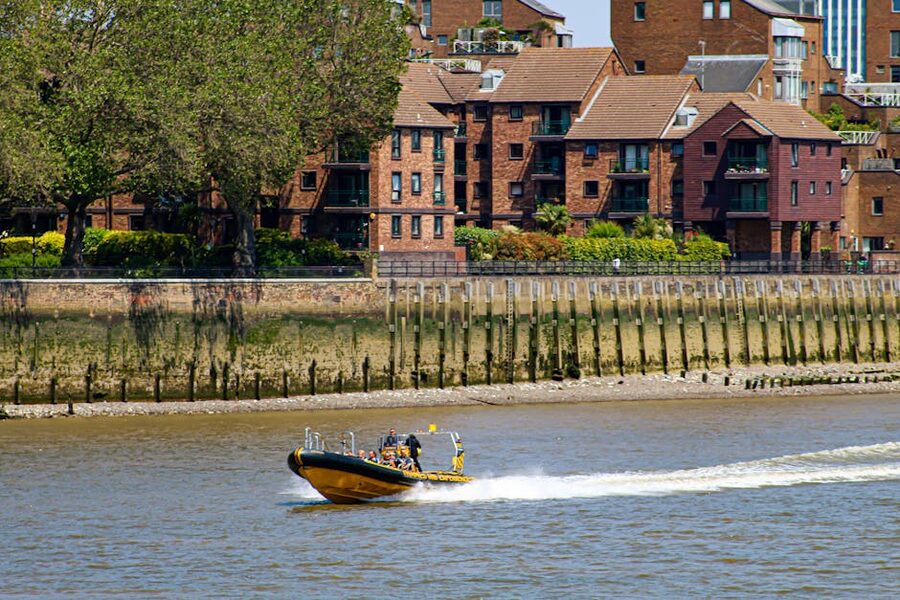
The 50 to 60-minute loop covers Westminster, the South Bank, Tower Bridge, then a fast section out towards Canary Wharf and back. You do not reach the Barrier on this format. Total fast time is about eight to twelve minutes split across one or two bursts, depending on the operator and the river traffic. Price sits around the sixty to seventy dollar mark. This is the right pick if you’ve only got a morning to spare or you want to stack it with another South Bank attraction afterwards.
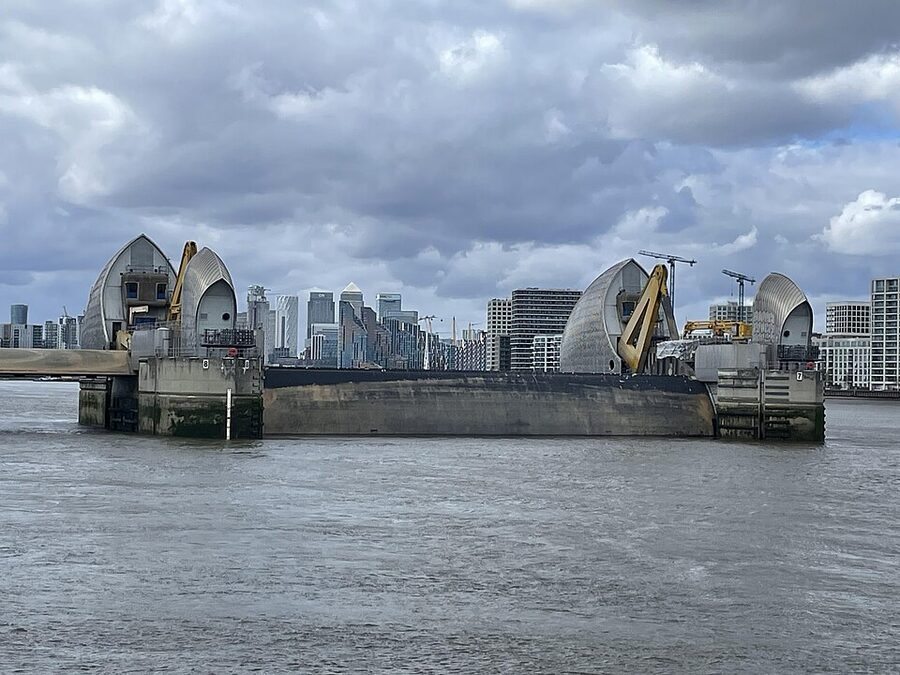
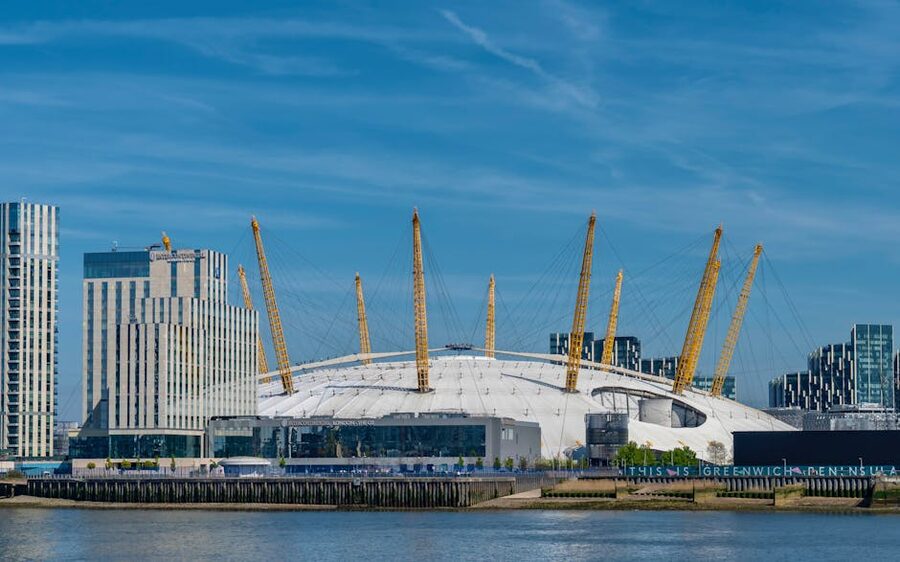
The 70 to 90-minute Thames Barrier run is the same opening but the boat keeps going east past Canary Wharf, past the O2, and noses up to the silver shells of the Barrier itself at Woolwich. You get more high-speed time, more of the working river to look at, and the Barrier as a destination. Price sits around the hundred dollar mark. If you’ve already done the slow Westminster cruise, this is the trip that gives you something completely new.
If it is your first RIB, do the Barrier. The extra twenty minutes is where the trip earns its price. The 50-minute version is fine but feels short, and you spend an annoying chunk of it inside the speed-limit zone. The Barrier extension is mostly fast-water time. There is a guide for the slower section too, and an extra reason to be on the boat at the eastern end.
The three RIB trips actually worth booking
Half a dozen operators run RIBs out of Westminster, Embankment and Tower piers. The boats look broadly similar, but the routes and the in-boat experience vary. These are the three I would book.
1. Thames Barrier 70-Minute Speedboat: $103
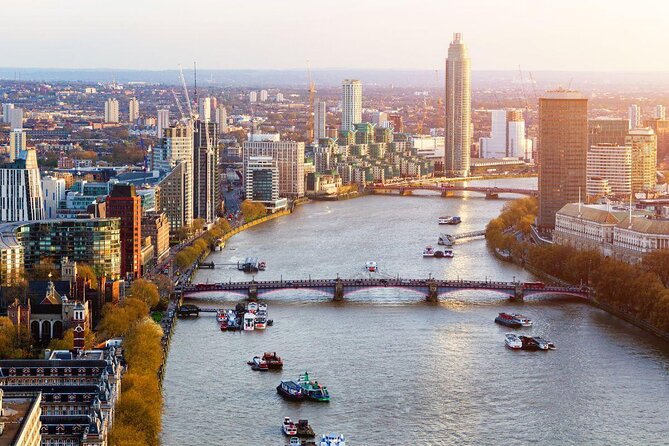
This is the most-reviewed RIB trip on the river and the one I’d send a first-timer to. Our full review of the 70-minute Barrier run covers the playlist, the slow-section guide, and what a typical sequence of bursts looks like. Photo ops at the Barrier are the best on the river.
2. Heart of the City Speedboat: $66
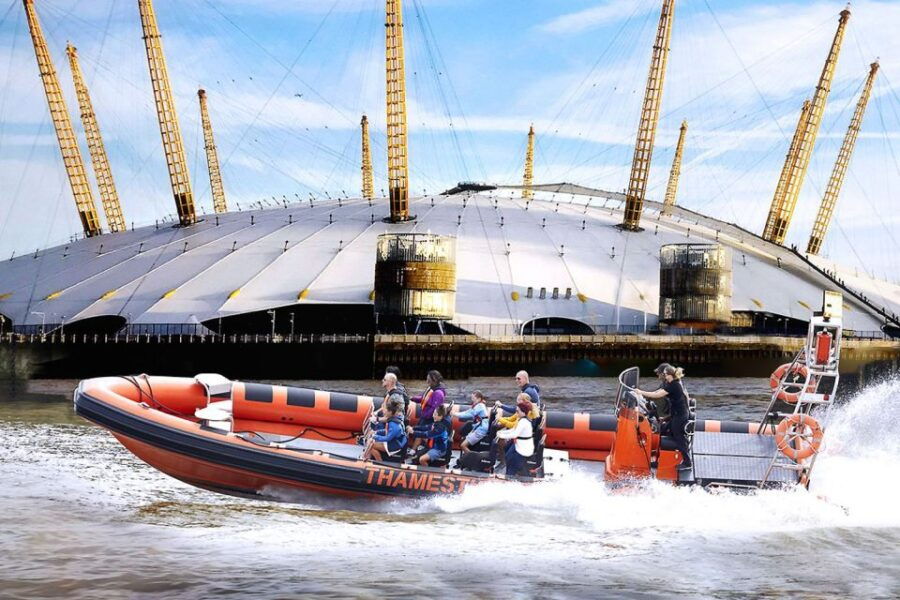
If you only have forty-five minutes to spare or you want a slightly cheaper sample of what the format is like, this is the one. Our full Thames Tigers review goes into the suspension seat thing in detail. The route covers Tower Bridge, St Paul’s, the Tate Modern, then a high-speed loop towards Greenwich and back.
3. Thames High-Speed Zone RIB: $90
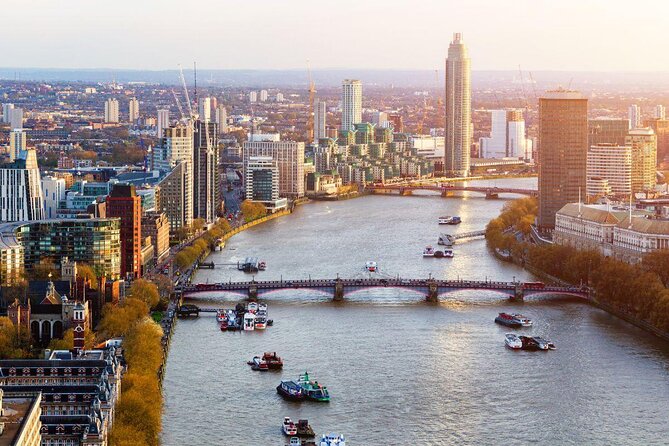
Thames Rockets pioneered the format on the river and their guide quality is the best of the three. Our full Thames Rockets review talks about the figure-of-eight section, which sounds gimmicky and absolutely is not, and what the small-group size actually feels like compared to a packed boat.
Which pier to leave from
There are three departure points and the choice mostly depends on what you’re doing before or after.
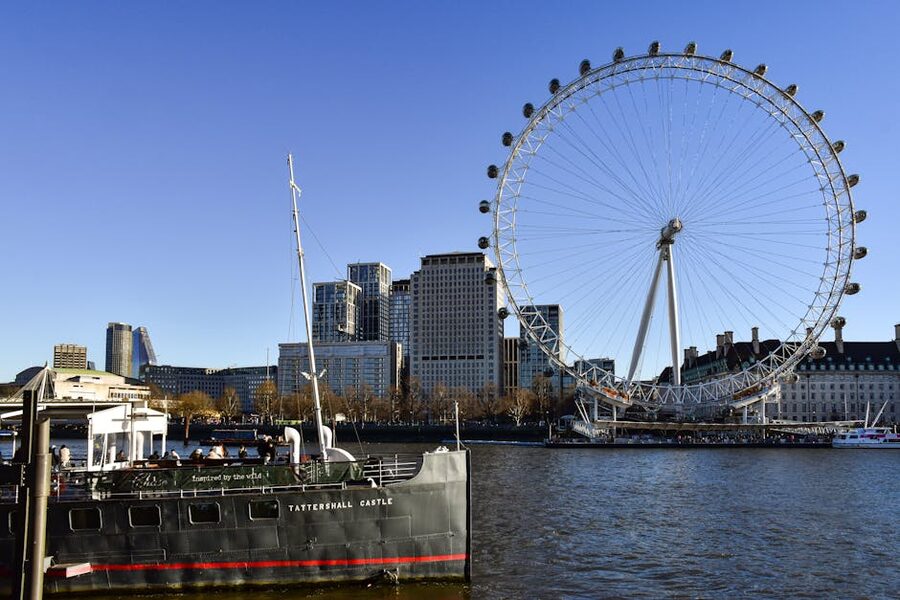
London Eye Pier (Waterloo / Westminster). Used by Thames Rockets. Closest to the Eye, the Aquarium and Westminster Bridge. Tube is Waterloo or Westminster, both about five minutes’ walk. Left luggage is at County Hall right next to the pier, which matters because there is no storage on the boats themselves.
Embankment Pier. Used by Thames RIB Experience. Just down the steps from Embankment tube on the District and Circle lines, two minutes walk from Charing Cross. This is the easiest pier to reach if you’re staying in central London or coming in by mainline train.
Tower Bridge Quay (Tower Pier). Used by Thames Tigers and some Thames RIB Experience trips. Sits right next to the Tower of London, three minutes from Tower Hill tube. If you are stacking your day with a Tower of London visit or a tower-bridge-glass-floor walk, this is the one.
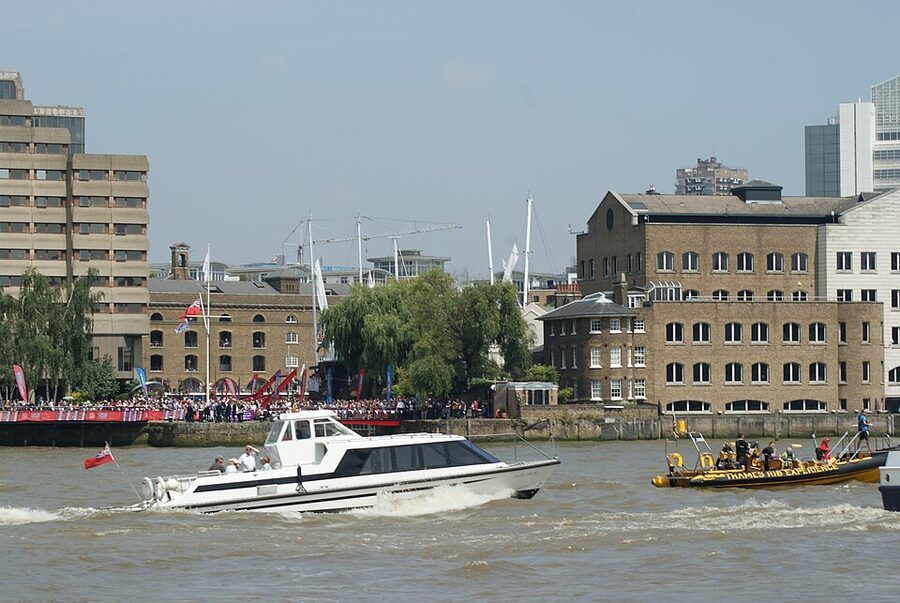
One thing to know: the boats start and finish at the same pier on a return trip. You don’t get dropped at Greenwich or the Barrier and have to find your own way back. If you specifically want a one-way river journey, the slow Westminster-to-Greenwich cruise is the format you actually want, not the RIB.
The slow section: what the guide actually covers
The fifteen-minute speed-restricted zone at the start of the trip is not dead time. The good operators put a comedian or actor on the mic and use it as a proper guided segment. Expect a fast-paced run through about a dozen landmarks and a healthy stack of unusual facts.
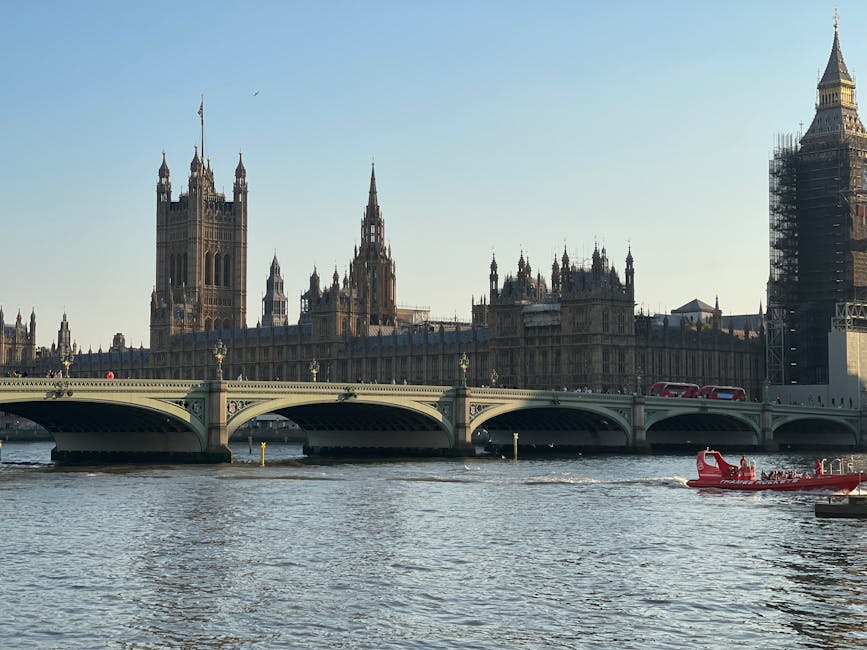
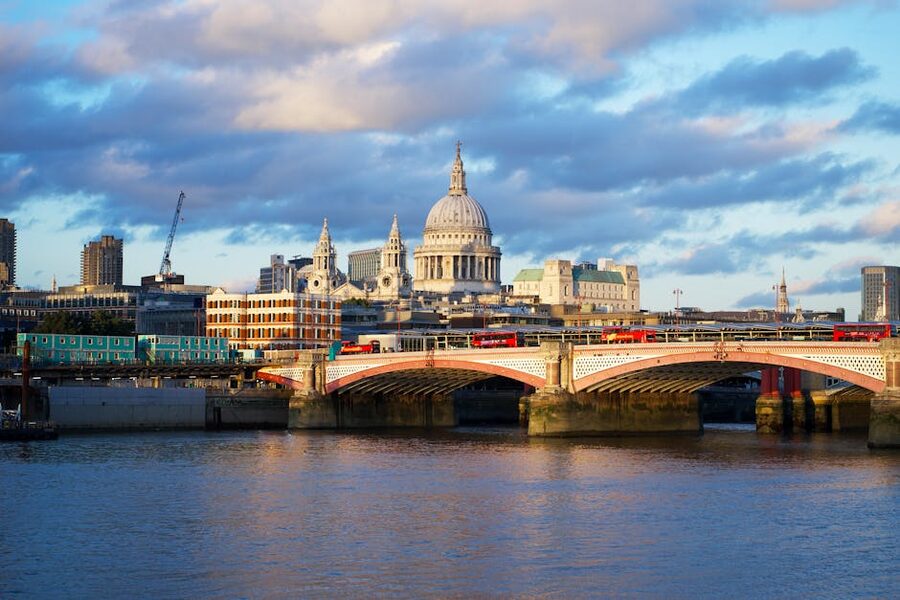
The standard run-through includes Big Ben, the Palace of Westminster, the South Bank, the National Theatre, Cleopatra’s Needle and the time capsule sealed under it, the Globe Theatre, the OXO Tower, the wobbly Millennium Bridge, St Paul’s, the Tate Modern, HMS Belfast and Tower Bridge. Some operators add Waterloo Bridge as the Ladies’ Bridge, the one built almost entirely by women during the Second World War.
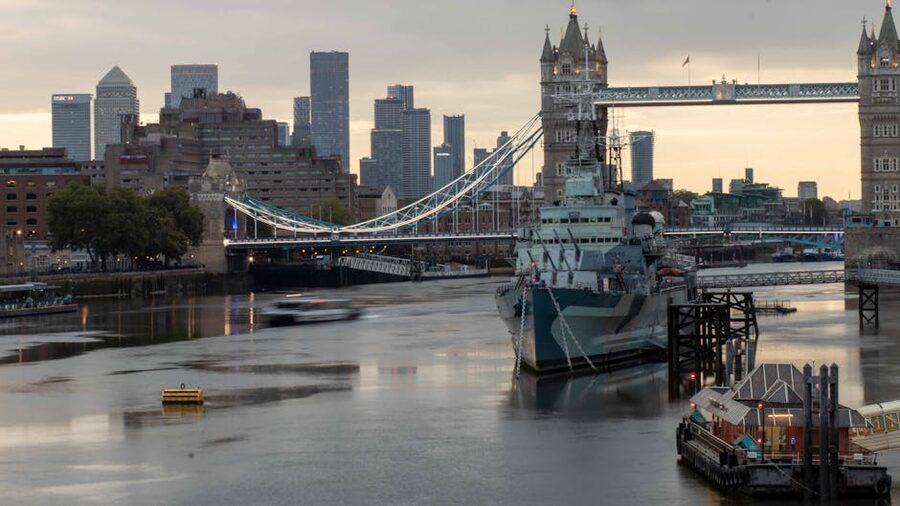
The captain takes the boat under Tower Bridge twice on most trips: once heading east at the start, and once heading west on the return. If you have a phone glove or a strap, this is the section to use it. Phones go overboard from RIBs every season and the operators do not stop to look.
The fast section: what 30 knots actually feels like
This is what people pay for and what shapes the rest of the booking decision. East of Tower Bridge the river is wider, the speed limit lifts, and the captain opens the throttle. The boat goes from a sedate cruise to about thirty knots, which is roughly thirty-five miles per hour. The phrasing “thirty-five mph” sounds quaint until you are doing it ten feet above the water with no roof.
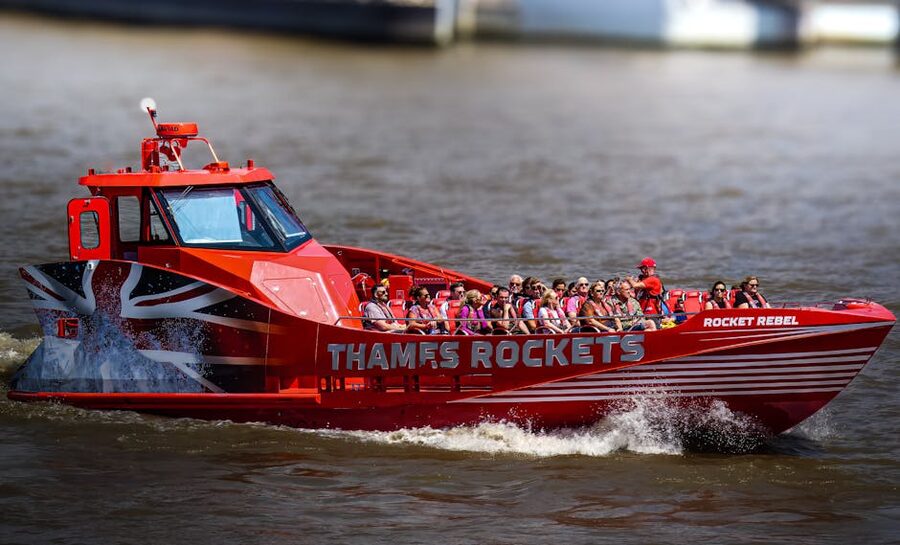
You do not stay at top speed the whole time. The fast section is broken into bursts. The captain might do a long run east to Canary Wharf, swing round in a tight high-speed turn, then do a slower stretch while you take photos, then another burst on the way back. The Thames Rockets trips include a figure-of-eight pattern with wave-jumping, where the boat throws itself across its own wake on purpose. Sounds gimmicky. Is not. Everyone yells.
How wet do you actually get? On a calm day, barely. There’s a constant fine mist of spray in the fast section but a normal jacket handles it. On a windy day you’ll get proper sideways spray, and a wet patch on your trousers is normal. Operators provide ponchos and even goggles if it’s actively raining. Trips run in almost any weather. Only thick fog stops them.
The Thames Barrier extension
This is the bit that separates a 70-minute trip from a 50-minute one. East of Canary Wharf the river opens up, the bank gets industrial, and after about fifteen minutes the silver shells of the Barrier come into view ahead.
The Barrier is London’s flood defence, finished in 1982. Ten gates between nine concrete piers, the hoods you see above water are the housing for the rotating gate mechanism. They’ve raised it against tidal surges over two hundred times since opening. It’s the equivalent of the Maeslantkering near Rotterdam, just smaller and older. Up close from the water it looks much bigger than it does in photos.
The captain cuts the engine right at the Barrier and lets the boat drift up to within a few hundred metres. There’s usually a couple of minutes of silence to look at it, ask questions and take photos, before the boat turns back west. The return run is mostly fast water and another speed burst before you hit the central London speed-limit zone.
What you wear and what to bring
Operators provide a foul-weather jacket and an automatic-inflate lifejacket. You wear them over what you arrived in. There is no separate locker for clothes. You won’t be able to swap into anything else once you’re on the pier.
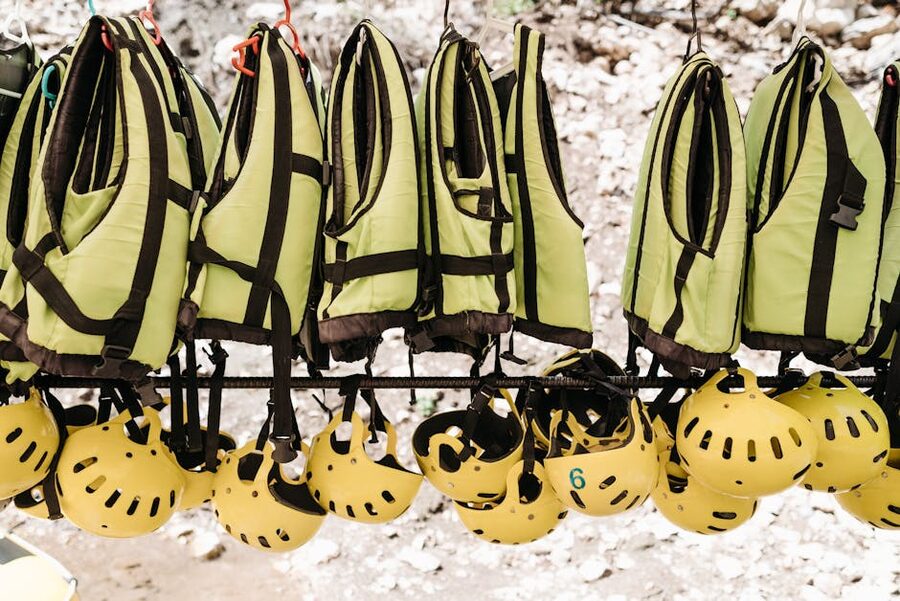
Wear: trousers you don’t mind getting splashed, a base layer that grips, trainers or flat shoes, a hairband if your hair is long. Don’t wear: heels, dresses without leggings, dry-clean-only coats, a wide-brim hat. The boat has seatbelts but the wind takes anything loose.
Bring: a waterproof phone case or a wrist strap, sunglasses (for the wind, not the sun), tissues for the spray on glasses. Don’t bring: a wheeled suitcase, an umbrella, a pushchair, a paper bag. There is no storage on the pier and nowhere on the boat to put loose items. Most operators tell you to use the County Hall left luggage if you’re carrying anything more than a small backpack.
Your phone is allowed and encouraged. The captain explicitly invites video. But the operator does not stop if you drop it, and seawater spray will end most non-waterproofed phones permanently. A cheap waterproof pouch with a neck strap is the right move.
Booking and timing
RIBs sell out faster than the slow boats and there are far fewer departures per day. Most operators run between four and eight slots in summer, fewer in winter. The first morning slot and the last evening slot are the ones to chase.
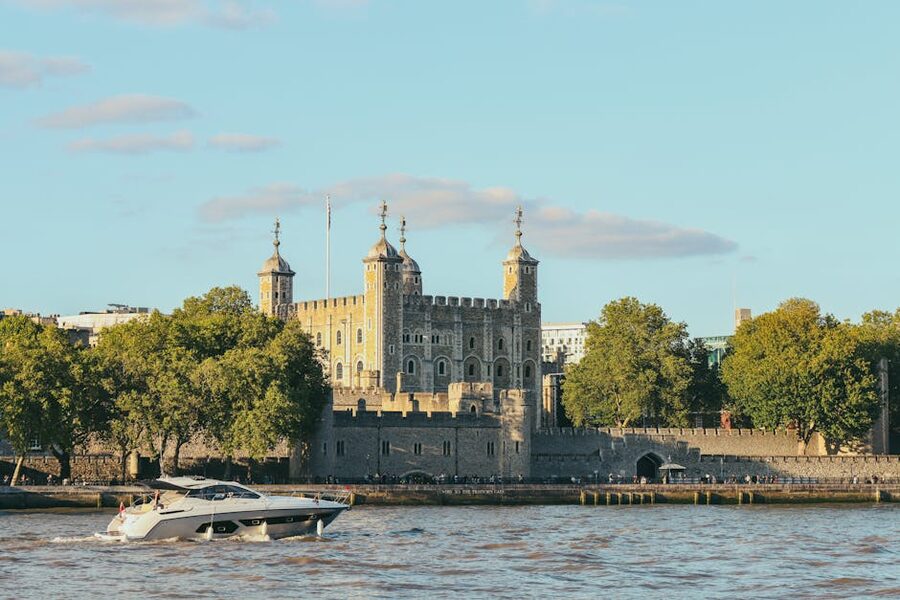
Best time of day: first morning slot if you want photos and quiet water, last evening slot if you want golden light on Tower Bridge and the Shard. The lunchtime slots have the most river traffic and the choppiest ride.
Best season: May to September. RIBs run year-round but a January trip in driving rain is a different sport. April and October are decent if you’re already in town.
Lead time: book at least a week ahead in summer and the day-of will sell out. Off-season you can usually book the same day. Most platforms allow free cancellation up to twenty-four hours before the slot.
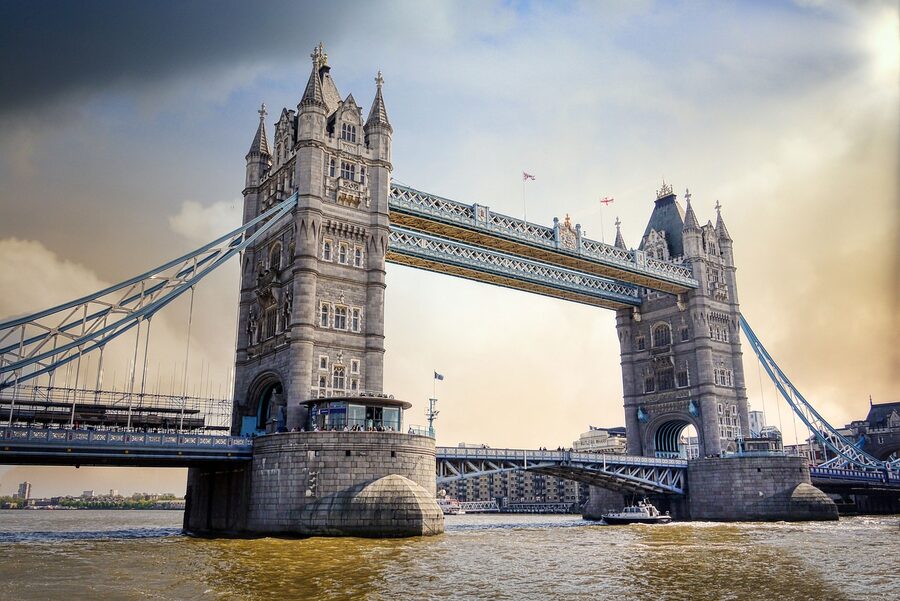
Arrival: get to the pier fifteen minutes early. Check-in is in a separate building, not on the pier itself. London Eye Pier checks in at County Hall, Embankment at the kiosk by the gangway, Tower Pier at the kiosk near the lifejacket rack. Lifejackets are on a first-come basis, although crews keep groups together. Front of the boat is bumpiest, back of the boat is wettest, middle is the comfortable seat.
Age limits and accessibility
Most Thames RIB operators have no minimum age on the standard 50-minute trips. Children as young as four or five are sometimes on board, accompanied by a parent. The 70-minute Thames Barrier extensions on some operators are recommended for ten and up because of the longer fast sections.
Pregnant women, anyone with a back condition or recent surgery, and anyone with serious heart issues should not book. The boat hits hard in choppy water. Suspension seats on the Thames Tigers boats help, but only by so much. If you’ve got a sore back, do the slow Westminster sightseeing run instead.
Wheelchair access is limited. Some operators can take folding chairs at certain piers, but the gangway is steep at low tide and the seats are bench rows. Call ahead if mobility is an issue.
How a RIB compares to other London river trips
The RIB and the slow Westminster cruise are different products with different reasons to book. So is the after-dark and the hop-on-hop-off bus alternatives.
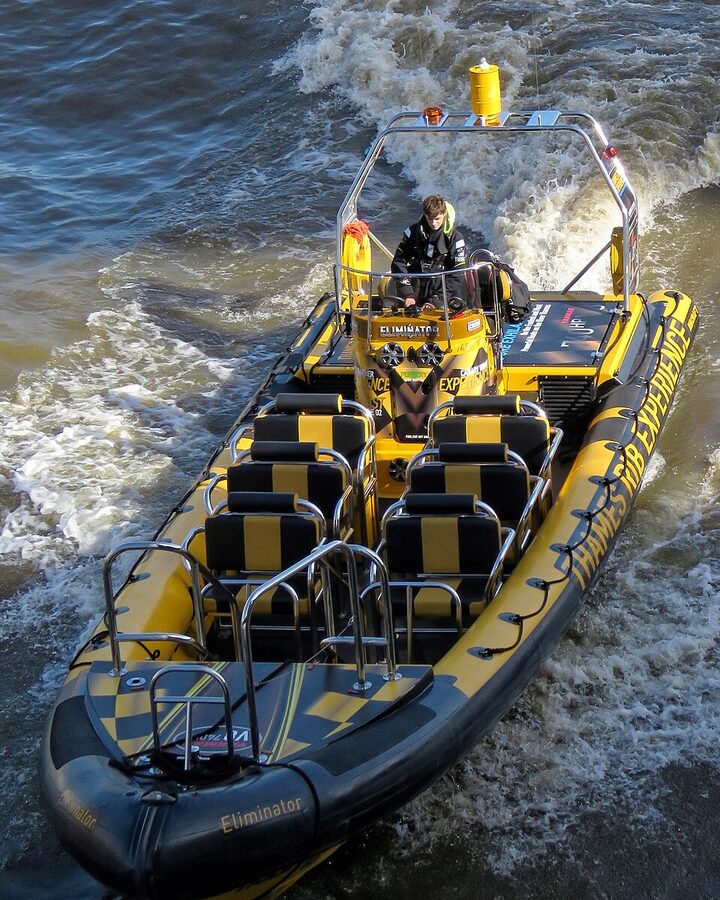
If you only have time for one boat trip and you want history and photos, do the slow Westminster to Greenwich sightseeing cruise and skip the RIB. If you only want the adrenaline and you’ve already done a slow river trip on a previous visit, do the RIB and skip the slow boats. The mistake is doing both on the same day. The RIB then makes the slow boat feel boring, and the slow boat makes the RIB feel pointless.
Pair a RIB with land attractions instead. The Shard observation deck is the obvious one because the views from the top match the angles you got from the water. The Tower Bridge glass floor is fun to do an hour after a RIB because you’ll have just been ten feet underneath it. The London Eye works as a slow opposite to the speed of the boat. None of those add more boat time, which is the right move.
Getting there and what to do nearby
All three RIB piers are well-connected on the tube. Embankment is the easiest if you’re coming from north or west London. Tower Bridge Quay if you’re coming from the east. London Eye Pier from Waterloo or anywhere south of the river.
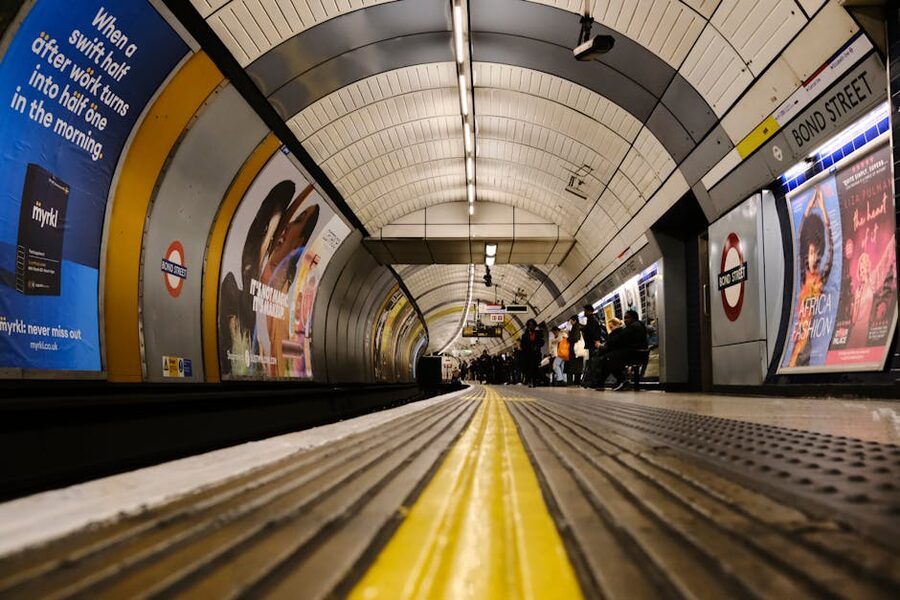
Around London Eye Pier: the Eye itself, the Aquarium, the Imperial War Museum a fifteen-minute walk south, Madame Tussauds a tube hop away. Around Embankment: Westminster Abbey a ten-minute walk, Trafalgar Square and the National Gallery five minutes north. Around Tower Bridge Quay: the Tower of London next door, Tower Bridge itself, Borough Market a fifteen-minute walk west.
If you’re stacking attractions and the RIB is your day’s adrenaline pick, pair it with something completely different in the evening. The London Dungeon is a different kind of intensity entirely. The Jack the Ripper walking tour in Whitechapel is a slow-pace contrast that works well after the buzz wears off. The historic pub walking tour is a calmer way to end the day, ideally with a pint somewhere your jacket can dry.
Beyond London: other speed-boat trips worth knowing about
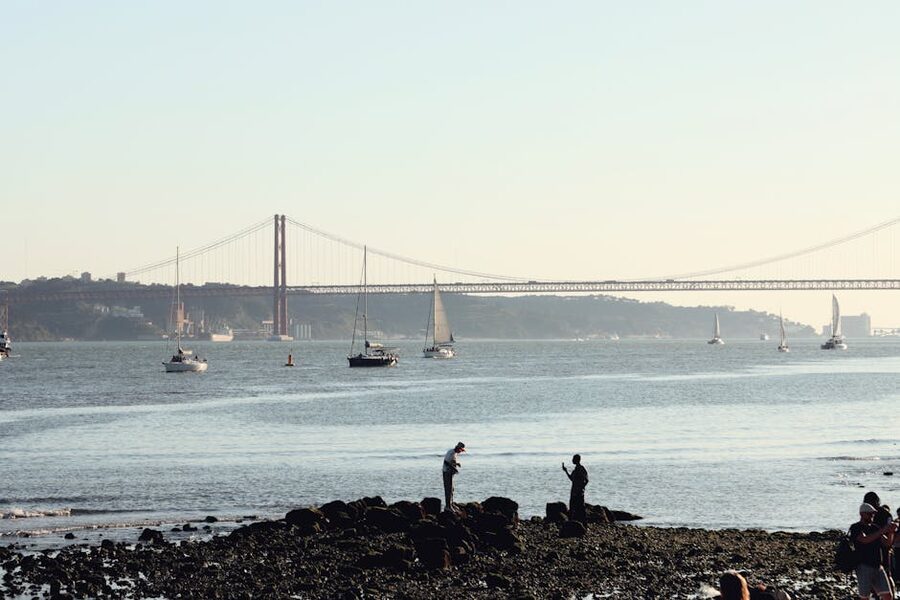
If you’re a Thames RIB convert and your trip continues across Europe, a couple of formats elsewhere give you the same adrenaline but with different scenery. The Lisbon sunset cruise on the Tagus is a slower-paced river boat but the harbour-end speed sections are worth doing for the bridge views. The Seville Guadalquivir cruise goes inland past the bullring and the Torre del Oro at a relaxed pace, which works well as a contrast. The Porto six-bridges cruise threads under the wine-cellar bridges of the Douro, again slower but with very different geography.
Closer to home, the London night bus tour is the late-evening pairing that works best after a daytime RIB. Same city, different angle, dry seat. The classic London Big Bus hop-on-hop-off is the daytime equivalent if you want a guided overview without the wet hair.
Other London guides worth a read
If you’re in town for a few days and stacking attractions, the Tower of London guide covers the easy morning before a Tower Bridge Quay RIB. The Shard tickets guide explains how to time the visibility window, useful if you want city views from above to bookend your views from the water. The slow Thames cruise guide is the obvious sibling read, especially if you’re trying to decide between the two formats.