
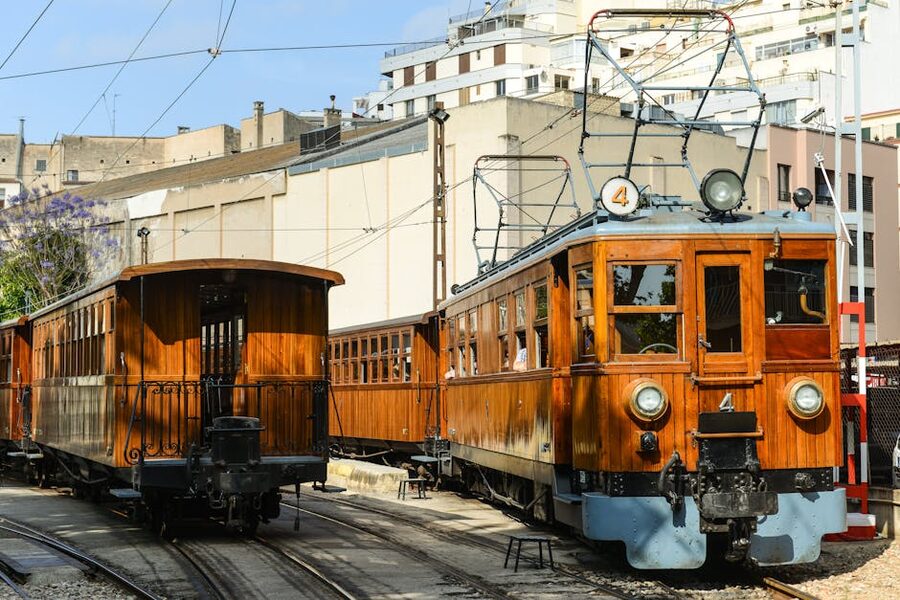
One day on Mallorca can carry you across three centuries of transport. You start in Palma on the 1912 Tren de Sóller, a wooden electric train still running its original cars over the Tramuntana mountains. You step off in Sóller, climb straight onto a 1913 wooden tram that rattles five kilometres down to Port de Sóller on the same tracks it has used for over a century. Then you board a 21st-century speedboat through the cliffs to Sa Calobra. Three eras, one ticket.
I did the standard from-the-south version on a Tuesday in late April for around 117 euros, and it was the most enjoyable long day I had on the island. This guide walks through how to actually book it, which version suits which kind of stay, and where to think twice.
Short on time? Three picks for the boat, tram and train day
- Island Tour with Boat, Tram and Train from the South (around $117). The flagship version from Palma. One coach pickup, all four legs, back by early evening. Book the south route.
- Scenic Full-Day Tour from the North (around $115). Same components, run from Alcudia and the north coast resorts. Better if you’re staying near Pollensa or Can Picafort. Book the north route.
- Tramuntana Tour with Sóller Train and Lunch (around $230). Smaller group, lunch in Sóller, and the train ride without the Sa Calobra boat. The thinking person’s pick. Book the Tramuntana version.
- Short on time? Three picks for the boat, tram and train day
- What the day actually looks like
- The 1912 train
- What the train ticket actually covers
- Sóller for forty minutes
- The 1913 tram
- Port de Sóller and the boat
- Smaller and faster: the speedboat option
- Sa Calobra and Torrent de Pareis
- The hairpin road back
- The three tours I’d actually book
- 1. Mallorca Island Tour with Boat, Tram and Train from the South: from 7
- 2. Mallorca Scenic Full-Day Tour from the North: from 5
- 3. Mallorca Tramuntana Tour with Sóller Train and Lunch: from 0
- Variations and add-ons worth knowing
- Cap de Formentor as a different day
- Where pickup actually happens
- What’s actually included in the price
- The best season for it
- The bits people don’t tell you
- How it compares to other day trips
- If you’re staying in Palma anyway
- Booking tips that actually matter
- More Spain guides worth a look
What the day actually looks like
The classic full version, which most operators just call the Island Tour, has four legs: a coach from Palma or your hotel up to the Sóller train terminus, the wooden train over the mountains, the open-air tram from Sóller down to Port de Sóller, and a boat along the Tramuntana coast to Sa Calobra. From Sa Calobra a coach loops back to Palma through the mountains. You leave around 8:30am and you’re home by 6 or 7pm.
The most popular bookable version is the Island Tour with Boat, Tram and Train from the south, which starts in Palma and is by far the most reviewed of the day-tour options. If you’re staying north (Alcudia, Pollensa, Can Picafort) you want the Scenic Full-Day Tour from the north, which mirrors the same components but with a different pickup loop. Both end the day in Palma centre.
The 1912 train
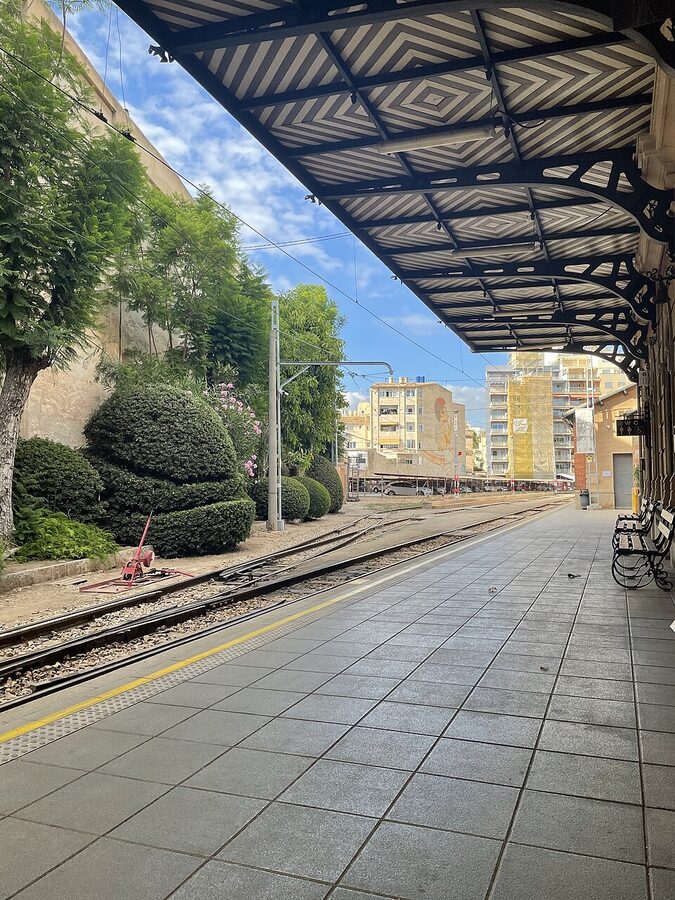
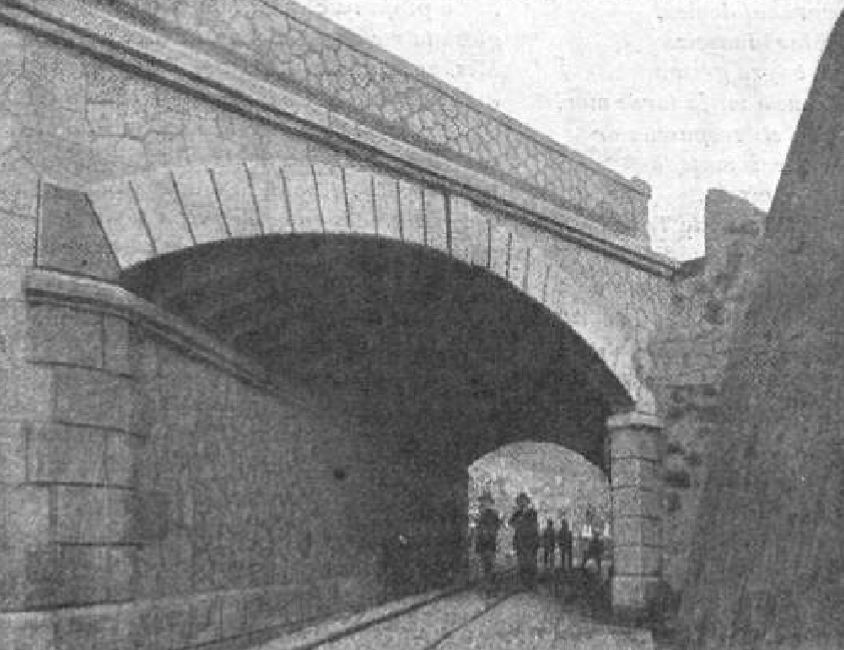
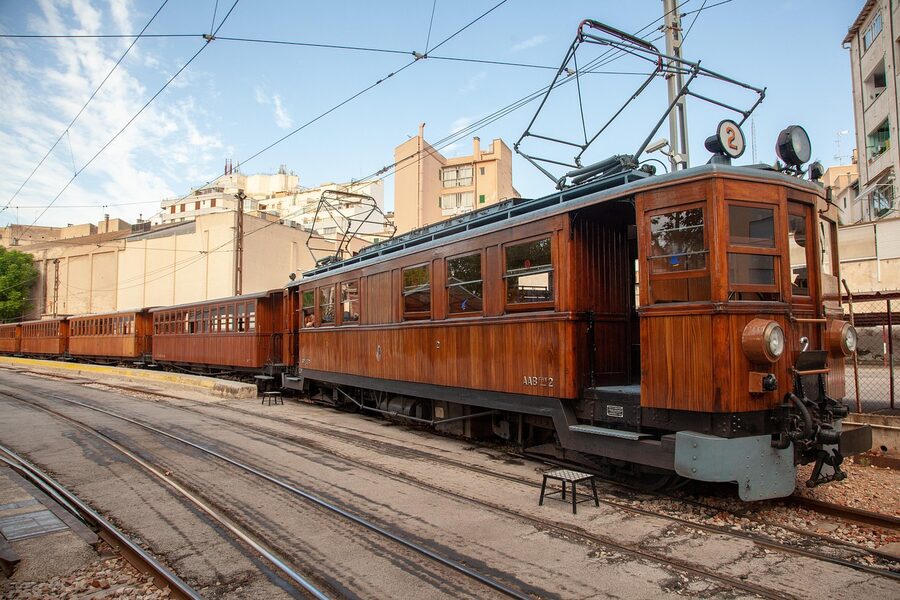
The Ferrocarril de Sóller opened in April 1912 with one job: get oranges and lemons from the Sóller valley to Palma’s port. The Tramuntana ridge made road haulage brutal, so the islanders dug thirteen tunnels and threw up bridges across the gorges. The longest tunnel runs nearly three kilometres. The train was electric from 1929, which is unusual for a narrow-gauge mountain line, and it still uses the same overhead wires today.
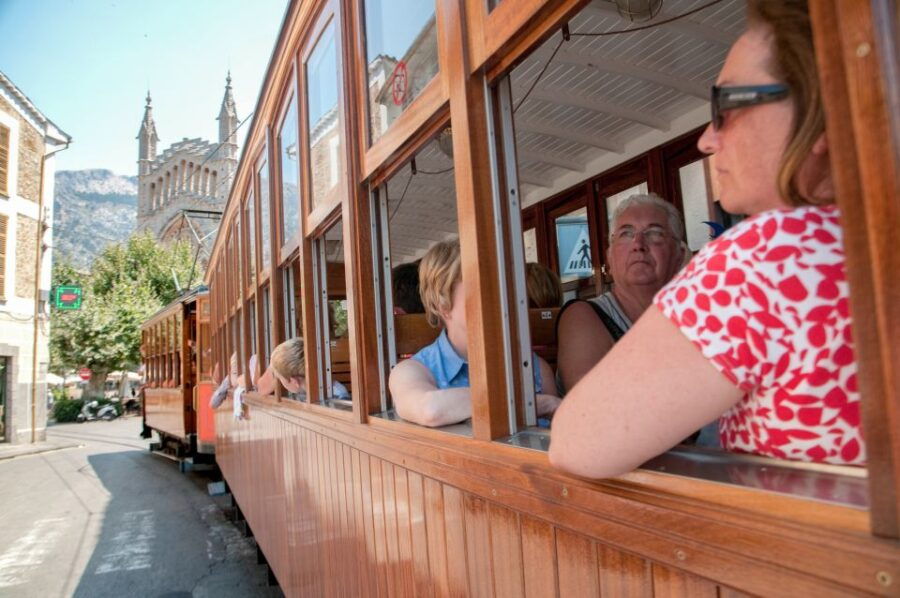
What surprised me was how slow it is. The train tops out around 30 km/h on flat track and crawls through the tunnels. The journey is 27 kilometres and takes an hour. That hour is the point. You sit in a carriage that smells faintly of warm wood and old varnish, the windows down, the speakers off, and you climb past olive groves and stone-walled terraces that haven’t really changed since the line was built. Two stops break it up: Bunyola, a small village on the Palma side of the ridge, and Mirador des Pujol d’en Banya, where the train pauses for ten minutes so you can photograph the Sóller valley dropping below.
What the train ticket actually covers
The Sóller train alone, bought at the station window, runs around 25 euros one way and 32 euros return as of spring 2026. The whole-day boat-tram-train tour wraps the train into a single 117-euro price along with the coach legs, the tram, and the Sa Calobra boat. You’re not really saving money on the train portion; you’re paying for the logistics. Doing it independently means three different operators, two timed connections, and a long taxi or bus back to Palma after Sa Calobra. The point of the package is that someone else handles those connections.
Sóller for forty minutes
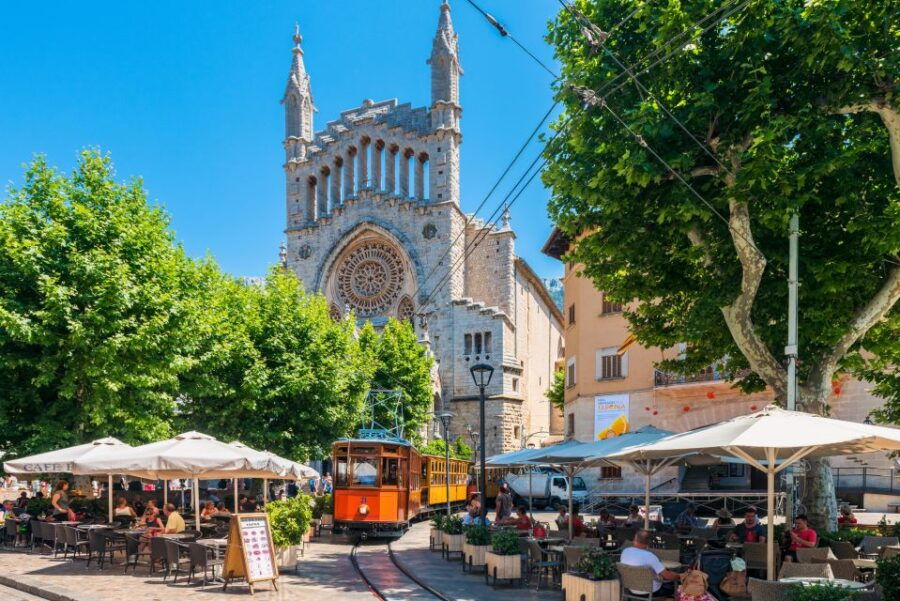
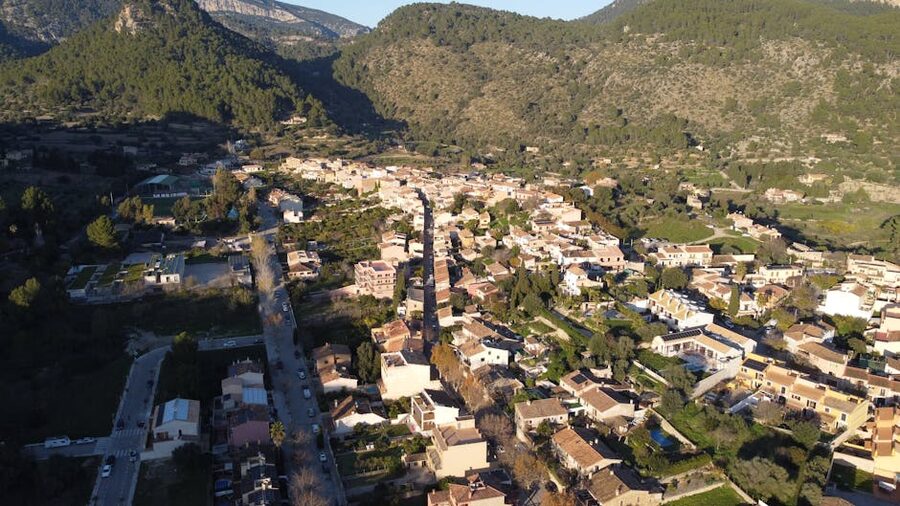
You get about forty-five minutes in Sóller before the tram leaves for Port de Sóller. It is not enough. Sóller is one of the prettier mountain towns on the island, with a baroque church on Plaça Constitució, narrow stone streets, and orange juice that actually tastes of oranges because the trees grow within walking distance of the bar.

The 1913 tram
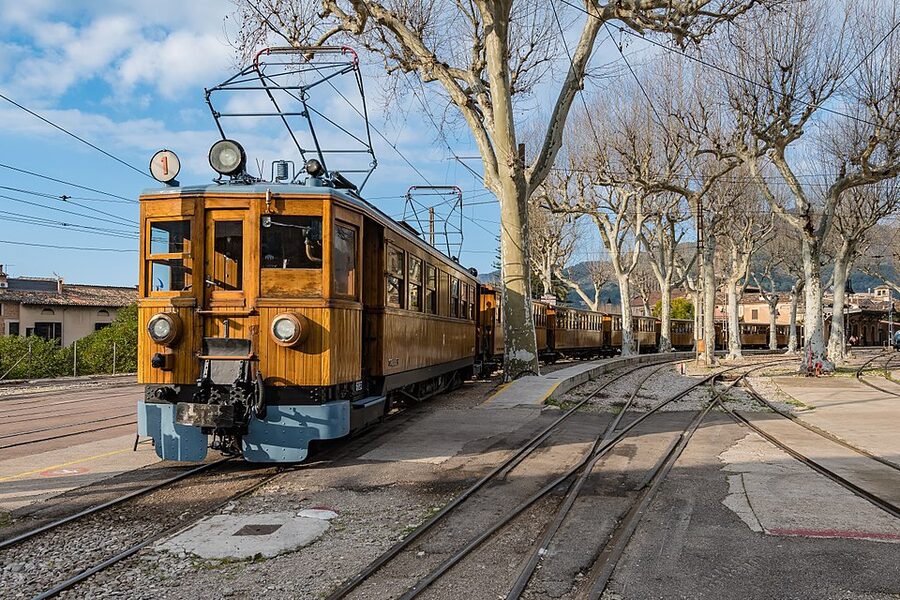
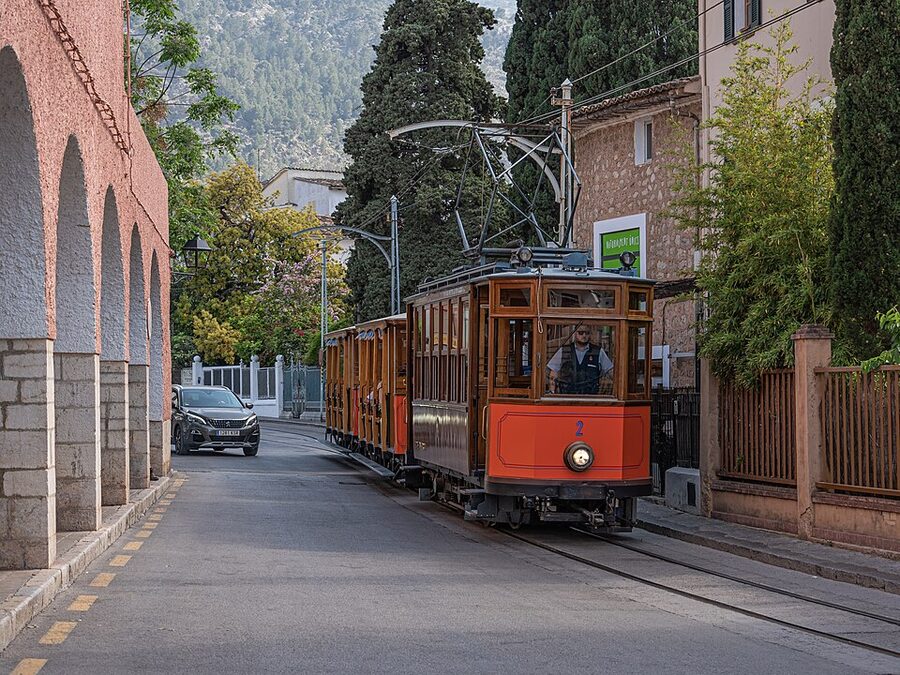
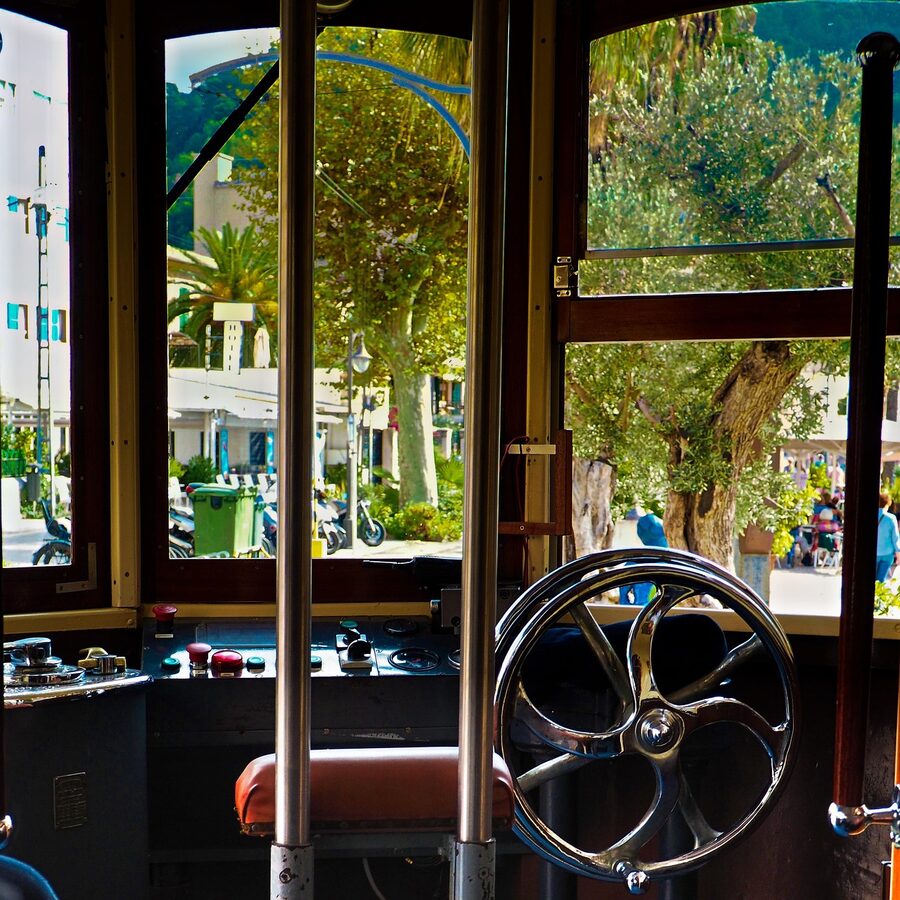
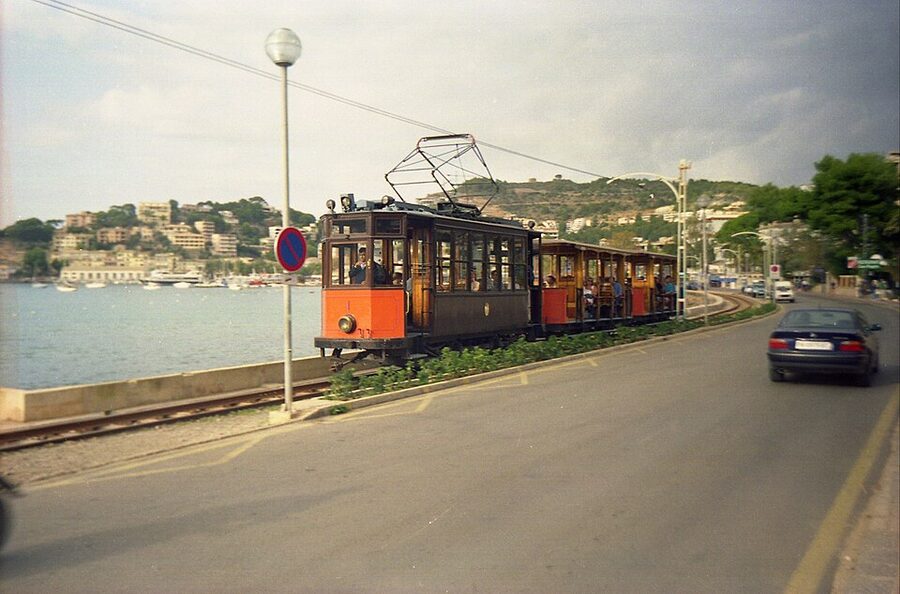
The tram from Sóller to Port de Sóller opened in 1913, one year after the train. It was built so the train could connect to the harbour, and the route has been the same since. Five kilometres, twenty minutes, open-sided wooden cars, the same gauge as the train. There are now five cars in service, including the original number 1 from 1913, although in practice you ride whichever has space.
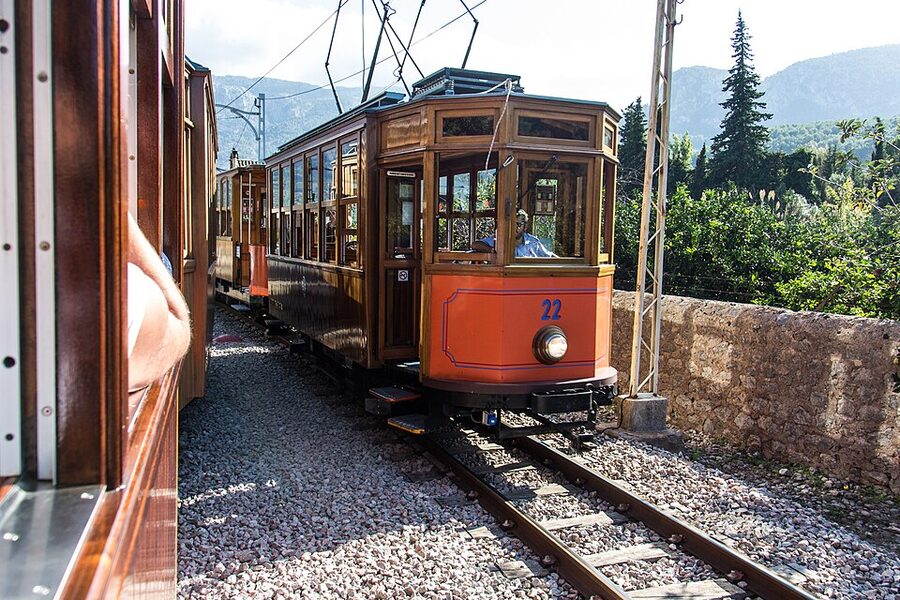
It runs through orange groves at first, then along the road, then drops down to the seafront promenade in Port de Sóller. The tram is the photogenic part of the day. If you have any choice, try to sit on the right going down. You see the sea earlier and you avoid the sun in the eyes on the return.
Port de Sóller and the boat
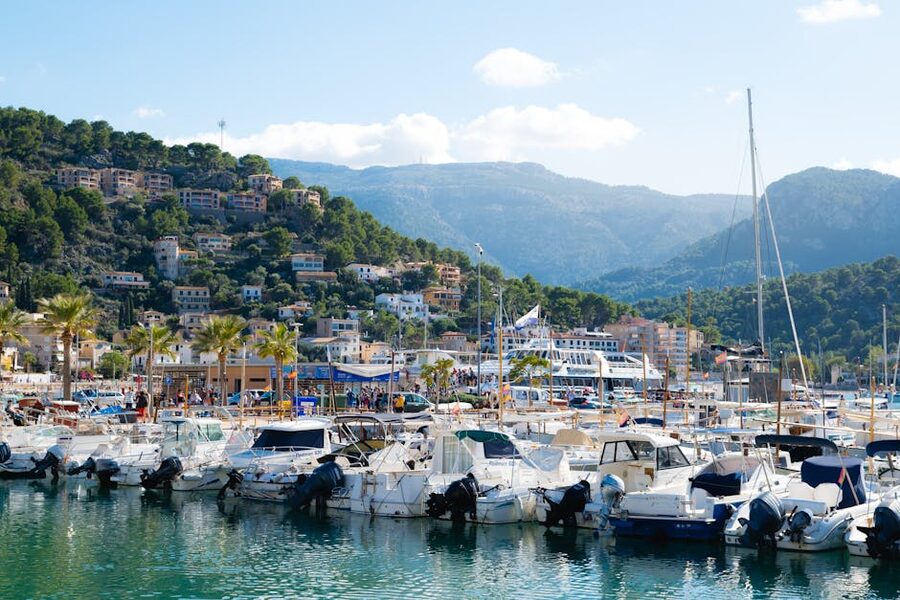
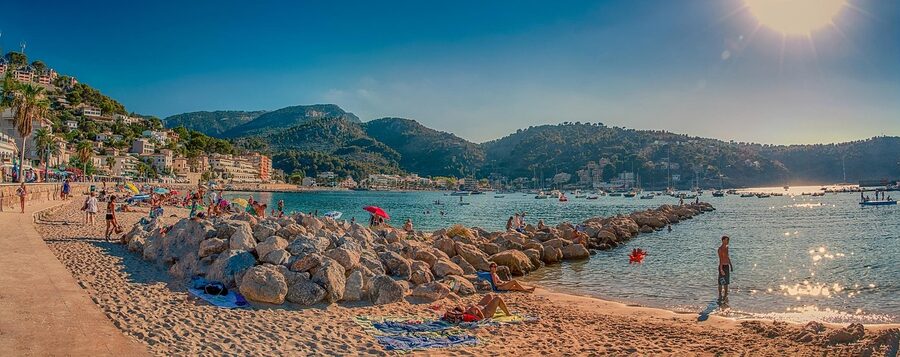
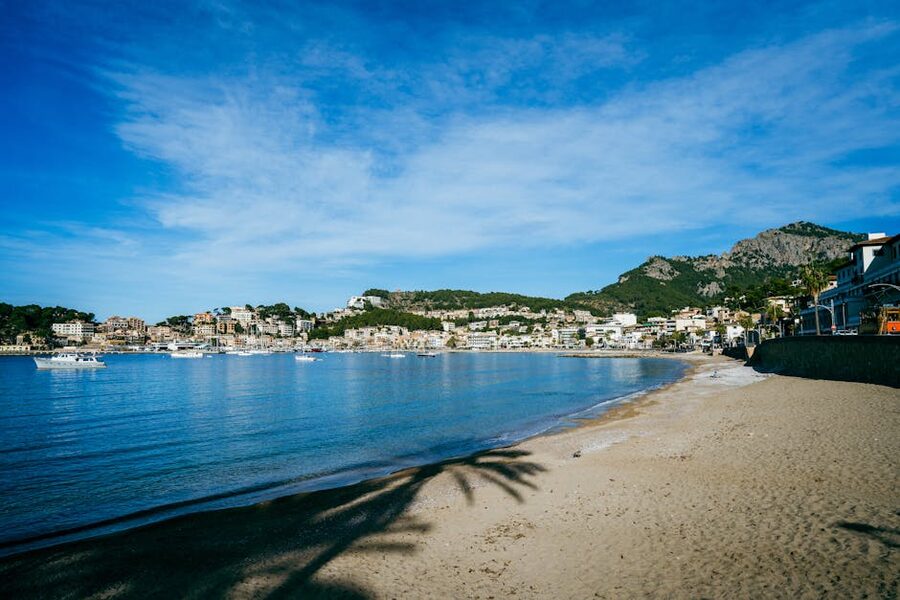
The harbour is small and properly working. Fishing boats, a few yachts, the ferry pier at the far end. You arrive on the tram and walk across the promenade to the boat. The boat itself is usually one of the Cormoran or Barcos Azules vessels, mid-sized passenger ferries with open upper decks and an enclosed lower deck if the wind is up. They run multiple departures a day in summer and one or two in shoulder season.
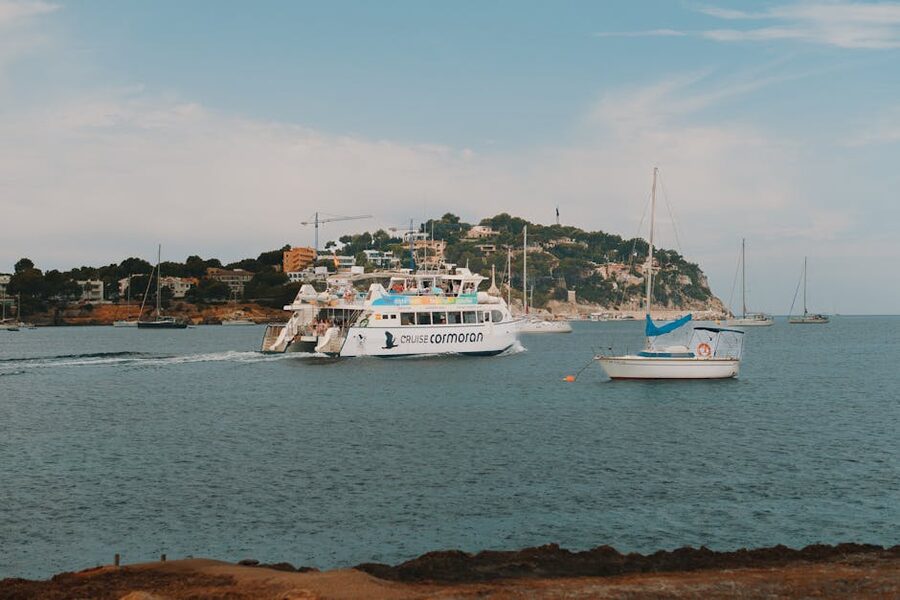
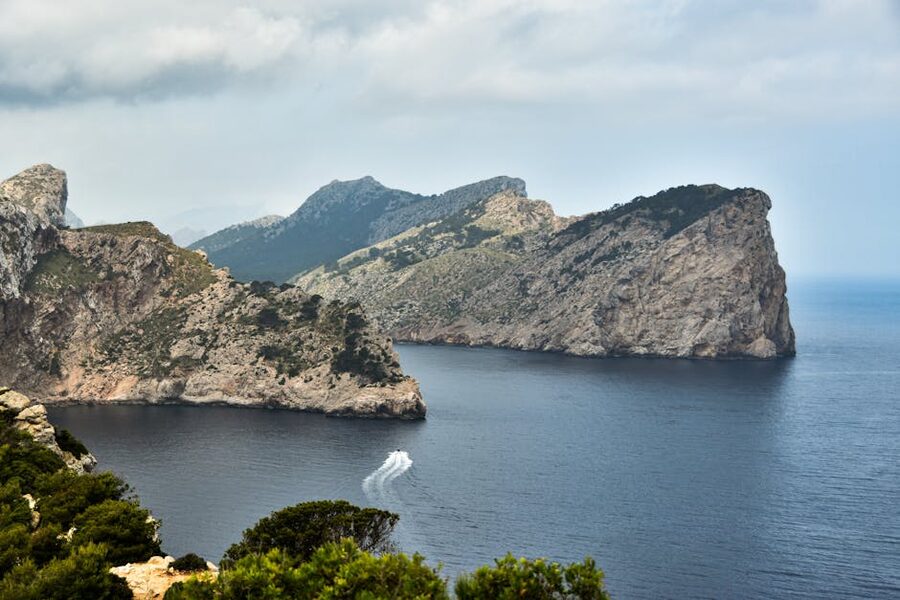
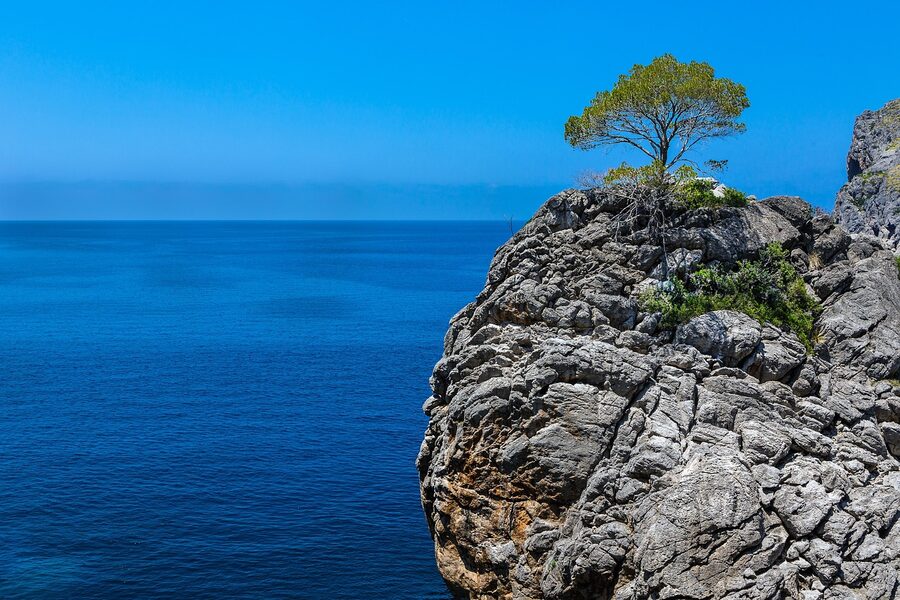
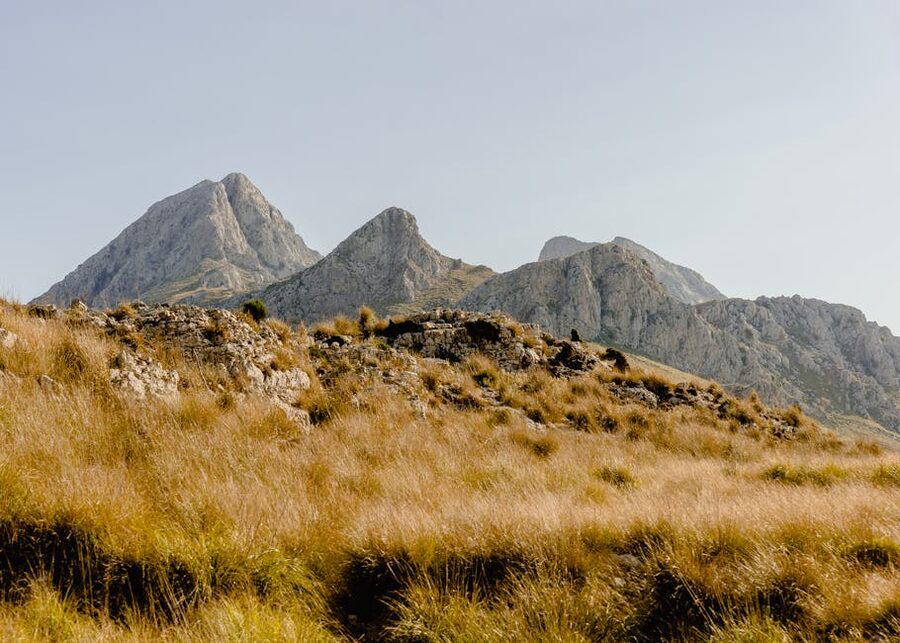
The boat ride to Sa Calobra is forty-five minutes. You hug the coast the whole way, which means you spend the entire trip looking up at the Tramuntana cliffs. They are taller than you expect. The Puig Major behind them is the highest peak on the island at 1,445 metres. From the water it looks even higher because there’s no foreground, just a wall of stone going straight up out of the sea.
Smaller and faster: the speedboat option
If the standard ferry feels too cattle-class, there is a smaller alternative. The Sóller to Sa Calobra speedboat with a swim stop at Cala Tuent uses a 12-passenger RIB rather than a ferry, runs the same coastline at twice the speed, and stops to let you swim in Cala Tuent. It costs about $58 for two hours. You don’t get the train or the tram, but you do get the cliffs without the queue. I’d consider it as an add-on the day after, not as a replacement for the full tour.
Sa Calobra and Torrent de Pareis
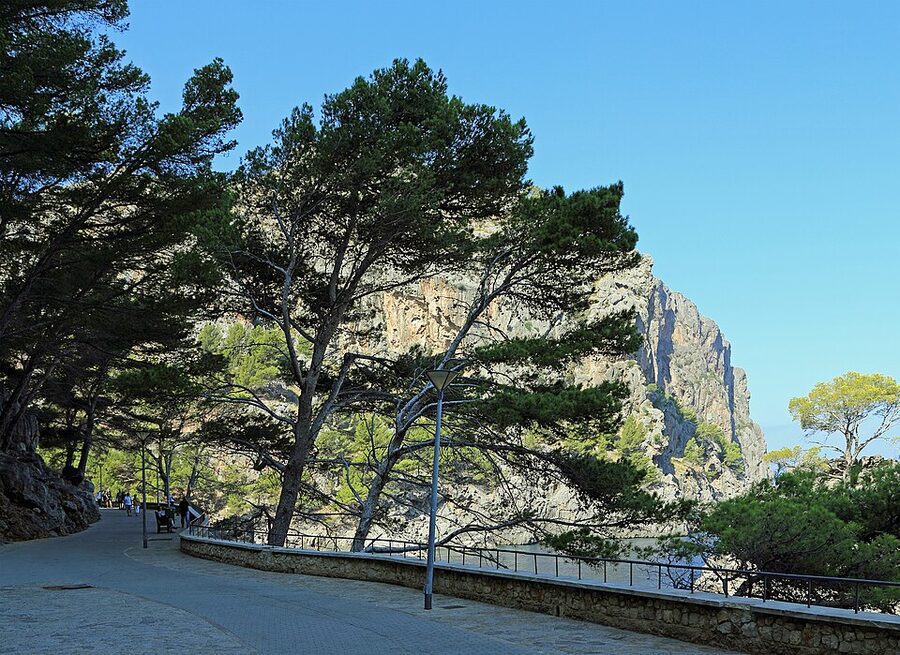
You get about two and a half hours at Sa Calobra. That’s enough for the main thing, which is the Torrent de Pareis. From the boat dock, you walk through two short tunnels cut into the cliff. They were carved in the 1950s for exactly this purpose: to give visitors a way through the headland without having to scramble. The tunnels are dim, the rock is cool to the touch, and you come out at a small pebble beach where two gorges meet.
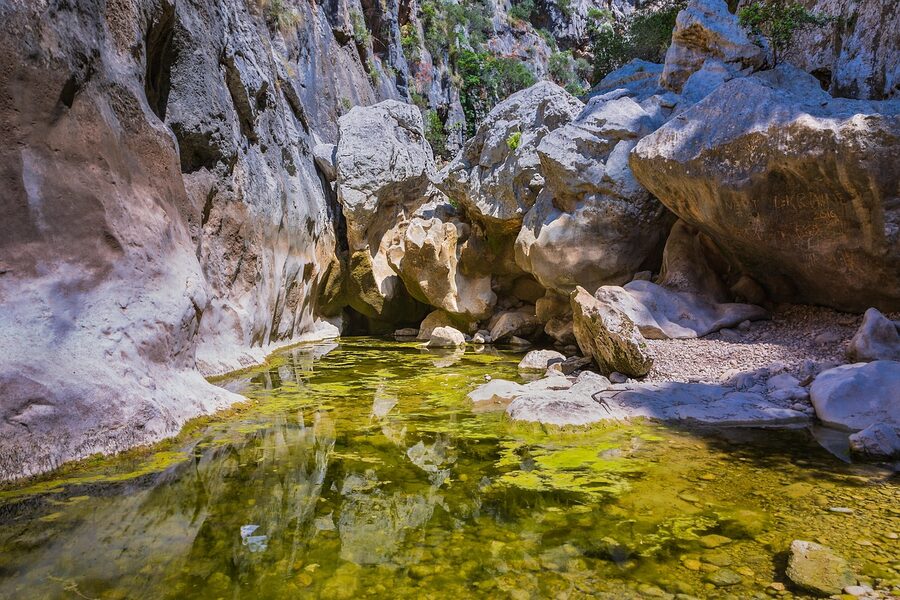
The Torrent de Pareis is one of the deepest gorges in Europe. The walls rise 200 metres above you, and at points are only thirty metres apart, which makes the sky a thin blue strip. In summer the water is gone and you can walk a few hundred metres up the dry riverbed. In spring or after rain there are pools.
The hairpin road back
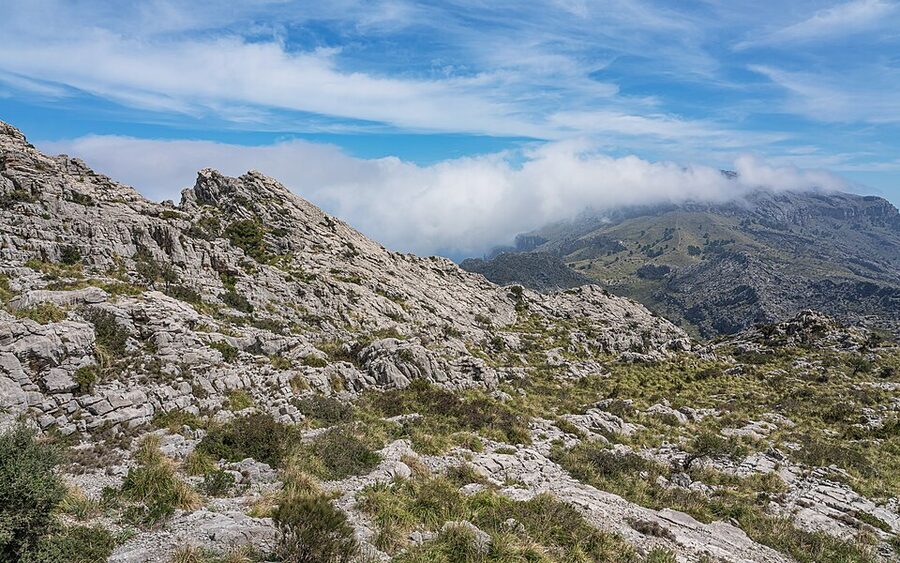
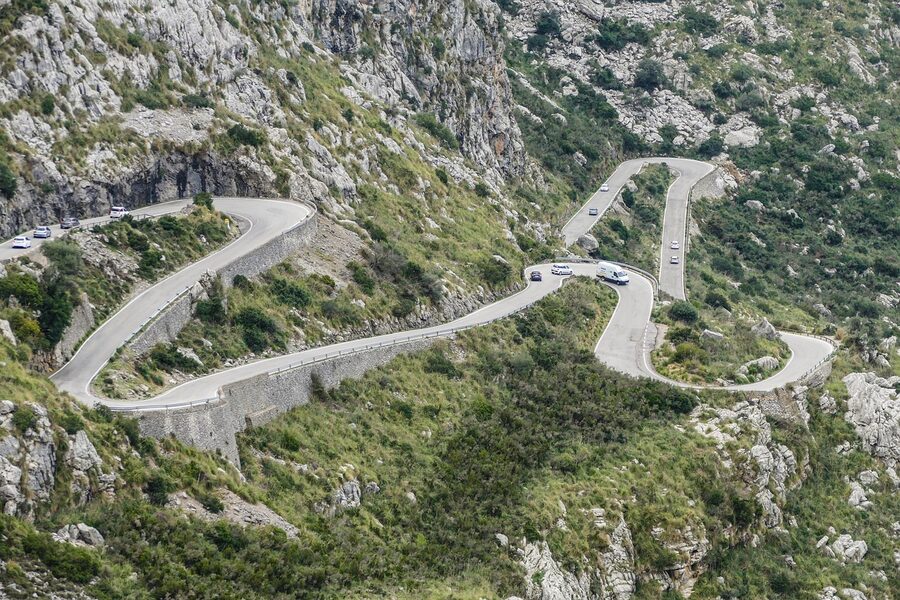
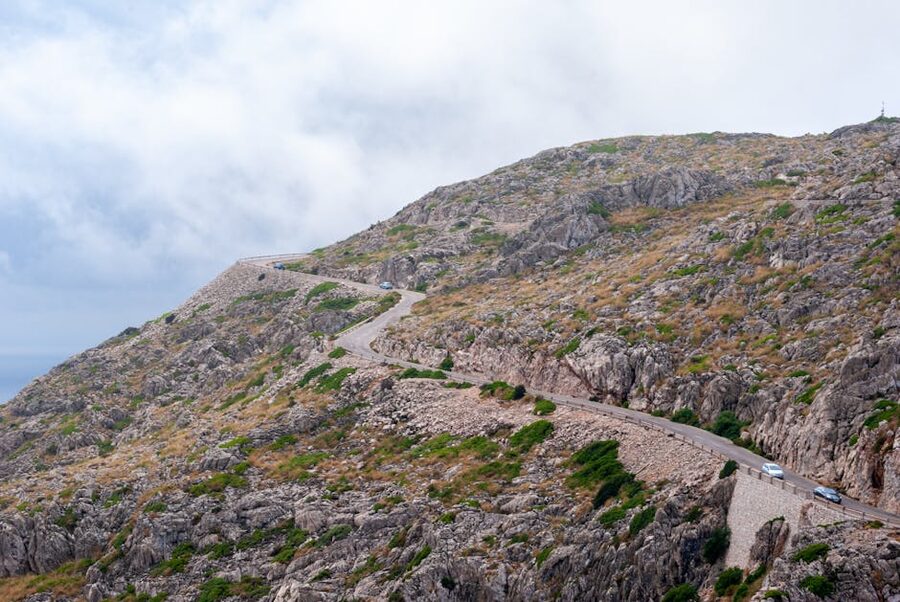
From Sa Calobra a coach takes you back to Palma over the Coll de sa Batalla and the famous hairpin known as Nus de sa Corbata, the bow-tie knot, where the road loops over itself in a 360-degree spiral to gain altitude on a near-vertical face. It’s worth staying awake for, even after a long day.
The three tours I’d actually book
I narrowed the field to three. The flagship southern version, the northern equivalent, and a smaller premium tour that swaps the boat for a Tramuntana mountain loop and a proper lunch. The first two are the standard package; the third is for people who don’t want to spend two hours on a boat.
1. Mallorca Island Tour with Boat, Tram and Train from the South: from $117
This is the workhorse, the one most travellers stay on Palma side and book first. The pickup loop covers most southern resorts, the route is the full four-leg classic, and the multilingual commentary is genuinely useful on the train portion. Our full review covers exactly which hotel zones get pickups and how the lunch break in Sóller plays out. If you only do one boat-tram-train day, this is it.
2. Mallorca Scenic Full-Day Tour from the North: from $115
If your hotel sits anywhere along the north or east coast, this is the one to book instead. The pickup loop runs through Alcudia, Pollensa, Can Picafort and Cala Bona, then crosses the island via the Inca road to Sóller. Same train, same tram, same Sa Calobra boat, but you save a 90-minute transfer at each end. Our review goes deeper on the differences between the morning routes and what to do with the late drop-off in Palma.
3. Mallorca Tramuntana Tour with Sóller Train and Lunch: from $230
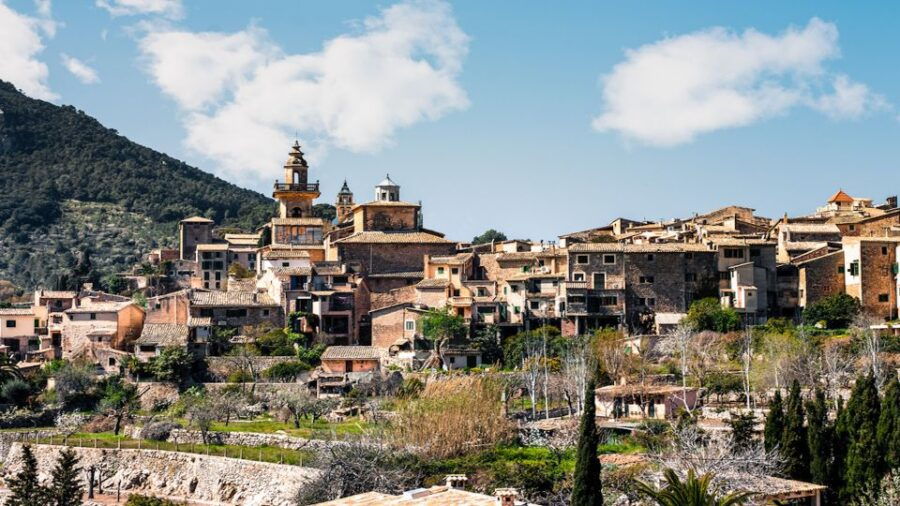
This one trades the boat segment for a guided Tramuntana loop and a long tapas lunch on the Port de Sóller waterfront. The group is smaller, often under 16 people, and the guide stays with you the whole day rather than handing you off between operators. My review goes into how the pacing compares to the standard package and why the higher price actually buys you something. Pick this one if Sa Calobra crowds put you off.
Variations and add-ons worth knowing
A handful of variants run alongside the main packages. The Valldemossa and Sóller tour swaps the boat for a Tramuntana mountain village stop, which is a good shout if Chopin and George Sand’s old monastery interests you more than another boat. The Alcudia route via Marratxí, Valldemossa and Sóller threads four villages and the tram into a single day from the north coast. Both run a touch cheaper than the headline tours and skip the Sa Calobra crowds.
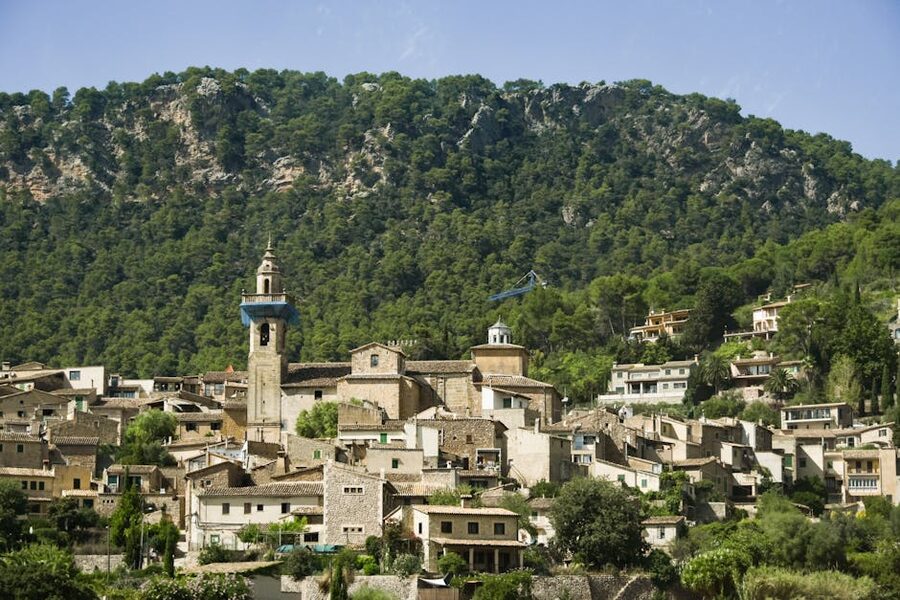
For an alternative that doesn’t include the train at all, look at the dedicated Sóller boat trip to Sa Calobra and Torrent de Pareis. You drive yourself or take public transport up to Sóller, then board the boat there and skip the early start. Cheaper, lighter, and still gives you the gorge.
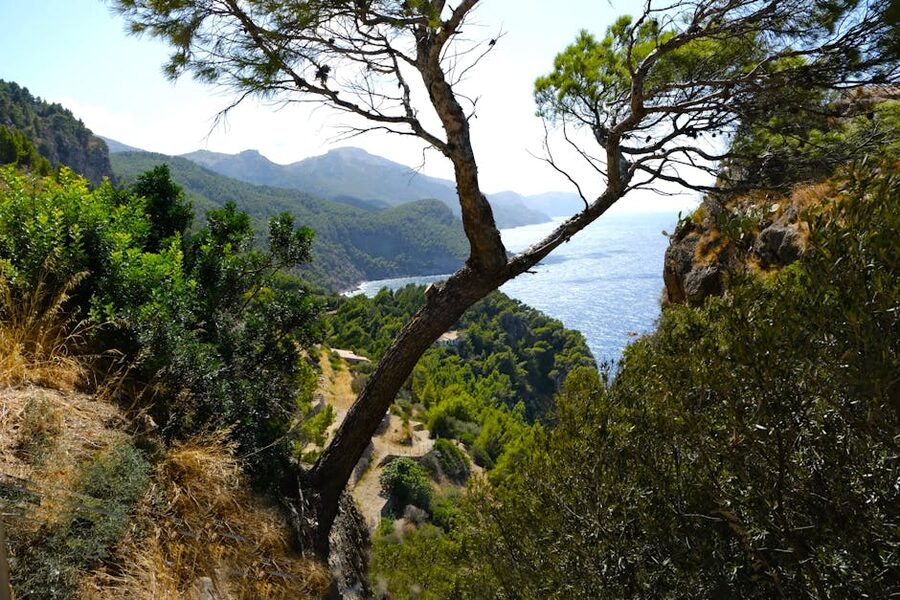
Cap de Formentor as a different day
People often ask if Cap de Formentor in the far north can be tacked onto the same day. Don’t. Formentor is a different headland, 90 minutes from Sóller, and it doesn’t fit into the boat-tram-train day without losing the train or the gorge. Run it as a separate excursion the next morning, or fold it into a north-coast itinerary that includes Pollensa.
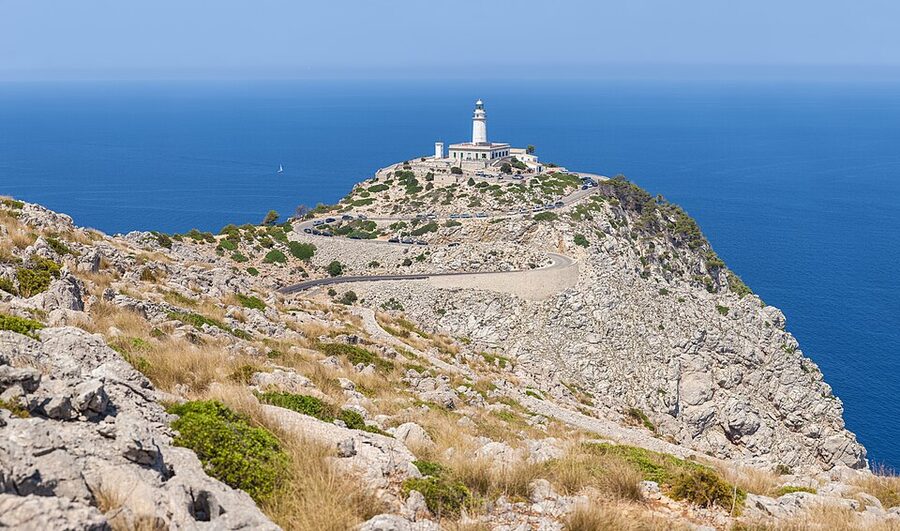
Where pickup actually happens
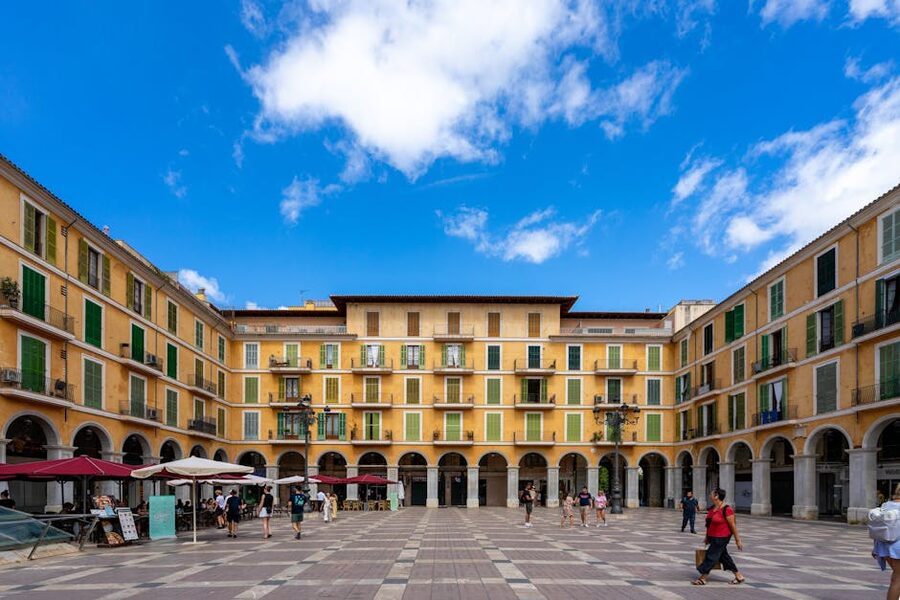
If you’re in Palma, the standard southern tours pick up at one of three points: the cruise terminal, Plaça d’Espanya, or the larger central hotels. Pickup time is usually between 8:00 and 8:45am, and the operator emails you a specific window the night before. Don’t trust the listed time on the booking page until you’ve checked the email confirmation.
If you’re in Alcudia, Can Picafort or Pollensa, the northern version starts collecting from 7:30am at hotels along the Bahía de Alcudia and works its way west. Stay near a main road for an easier pickup. Cala San Vicenç pickups exist but add half an hour to the loop. Ask the operator before booking if you’re worried about a late finish.
What’s actually included in the price
The 117-euro southern tour and the 115-euro northern equivalent both cover all four legs of transport (coach, train, tram, boat) and a multilingual guide on the coach. Lunch is not included. Drinks are not included. The Torrent de Pareis tunnel walk is included, in the sense that you walk through it for free, but no actual hike or guide is provided beyond the beach. Pickup from listed hotel zones is included; pickups from villas or non-listed addresses are not.
For lunch in Sóller, the cleanest option is a quick bocadillo from one of the bakeries on Plaça Constitució for around 6 euros. If you have a bit more time, Es Faro at Port de Sóller does fish at the harbour for around 22 euros a main. Both work for the standard tour timing. The Tramuntana premium tour above includes a sit-down tapas lunch in its 230-euro price, which is partly why it costs that much.
The best season for it
I’d do this day in late April, May, late September, or October. Three reasons. First, the train is open-window and pleasant in mild weather, miserable when it’s 35 degrees. Second, the boat ride to Sa Calobra is significantly choppier from late June through August because of the daily mistral, and the upper deck closes in heavy swell. Third, the gorge has water in spring after winter rain, and gets dry and dusty by midsummer.
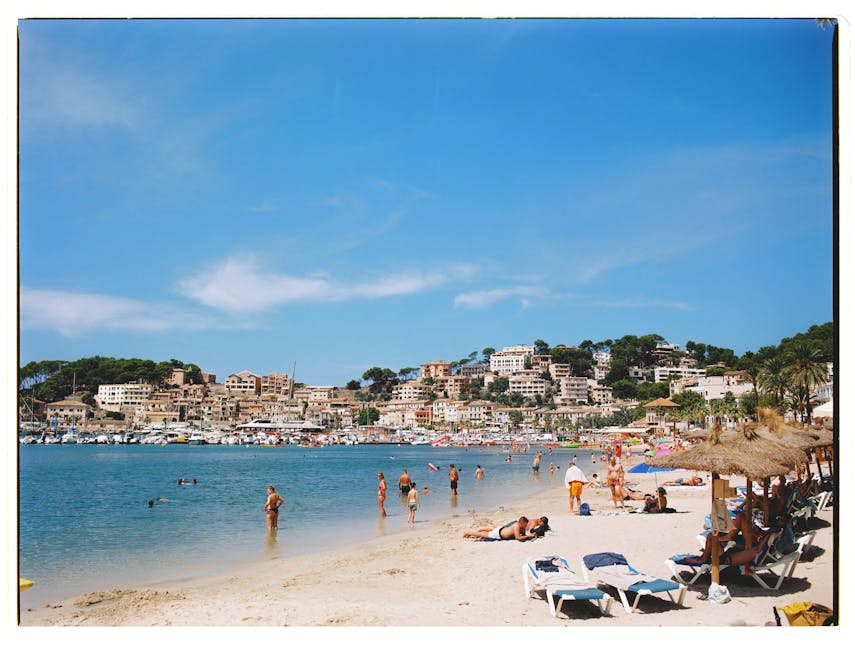
Avoid Sundays in any season. The Sóller train still runs but at reduced frequency, and the tram timetable thins, which can make the connection windows tight on independent itineraries. The package tours cope; you don’t notice the gap.
The bits people don’t tell you
It’s a long day. You’re on a coach for two stretches of an hour or more, on a train for an hour, on a tram for twenty minutes, and on a boat for forty-five. You are not stopping for long anywhere except Sóller and Sa Calobra. If you have small kids, expect tired ones by 4pm.
The train is the bit people remember. The tram is the photogenic bit. The boat is the dramatic bit. Sa Calobra itself is, frankly, a small concrete dock with two cafés and a beach behind a tunnel. The drama is the cliffs, not the village. Don’t expect a charming Mediterranean fishing port; expect a geological gallery you arrive in by boat. That mismatch trips up people who haven’t read in advance.
How it compares to other day trips
If you’re picking between Mallorca’s signature day trips and you only have time for one, the boat-tram-train wins on sheer variety. You don’t get this combination of historic transport and Mediterranean coast on the same ticket anywhere else in Spain. The closest spiritual siblings are the multi-city day trips on the mainland: Madrid to Toledo and Segovia, the Madrid three-cities run, or the Madrid, Ávila and Segovia day. They all share the same logic: one ticket, multiple transport modes, a long but full day.
For a single-component alternative, the Palma catamaran cruise is half the day and a fraction of the logistics, but you trade the mountains for an open-water swim. It’s not a substitute, it’s a different kind of day.
If you’re staying in Palma anyway
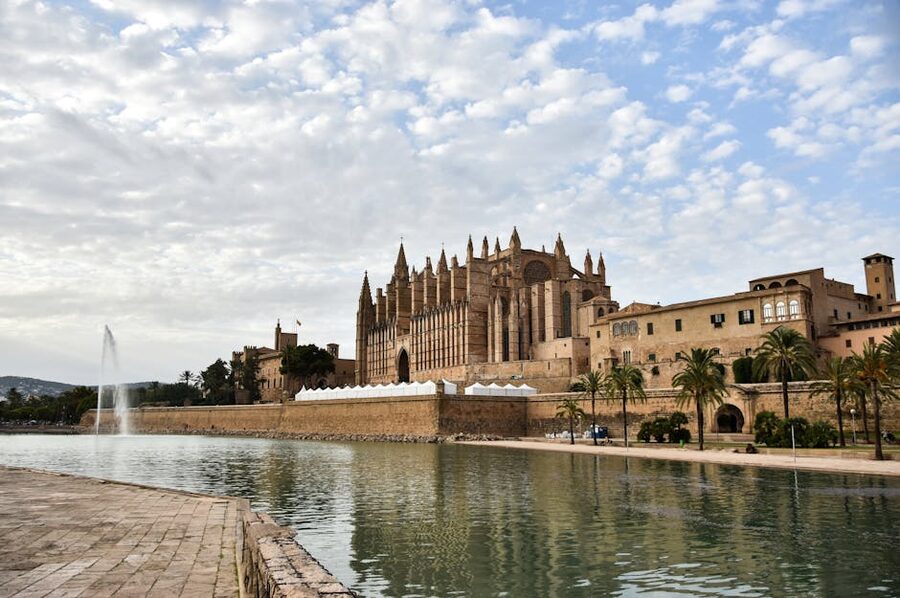
Most people who book the boat-tram-train tour are based in central Palma. If that’s you, treat the Island Tour as one of two big days, and use the others for things you can’t fit into a single Sóller-and-back trip. The Palma Cathedral is the obvious morning before you leave, especially if you can hit it on 2 February or 11 November when the light show happens. The Palma hop-on hop-off is mostly skippable if you’re walking the old town anyway, but it covers Bellver Castle and Es Baluard cheaply if you want them.
Booking tips that actually matter
Three things will save you grief. First, book the south or north version that matches your hotel zone. Picking the wrong one means an extra hour each way on the coach. Second, pick a Tuesday, Wednesday or Thursday in shoulder season if you can. The same tour runs every day, but Saturdays in summer are crowded enough that you wait at the Sa Calobra dock. Third, take a hat and water. Neither is included; both are needed by 11am.
Cancellation policies vary. The flagship southern tour is usually free to cancel up to 24 hours before. The smaller premium tours need 48 hours. Book through GetYourGuide or Viator rather than direct, because their cancellation windows are generally more generous than the operators’ own.
More Spain guides worth a look
If this kind of multi-mode day appeals, two on the mainland are worth pairing with the Palma trip. The Caminito del Rey day from Málaga is the closest spiritual cousin: dramatic gorge, narrow walkway, vertigo guaranteed, and runs as a clean day-trip package. And on the Catalan side, the Barcelona to Costa Brava and Girona day uses a similar coach-plus-coast format if you’re heading there next.