
You know the moment. You’re an hour out into the Bay of Palma, the lunch buffet is stretched along the rear bench, and the engines have just cut. The catamaran swings gently on its anchor, somebody crashes off the port-side step, and the water underneath you turns that absurd Mediterranean blue that doesn’t quite look real in photos. That’s the experience you’re paying for. The boat is mostly the delivery system.
This is how I’d pick a Palma catamaran cruise so you actually get that swim stop, not a three-hour bay loop with someone else’s playlist on too loud.
- In a Hurry
- The Three Boats You’re Actually Choosing Between
- Where the Boats Leave From (And Why It Matters)
- What’s Included (And What Isn’t)
- Best Catamaran Tours in Palma
- 1. Palma de Mallorca: 5-Hour Catamaran Cruise with Lunch and Swim:
- 2. Palma de Mallorca: Half-Day Catamaran Tour with Buffet Meal: 0
- 3. Palma de Mallorca: Sunset Boat Tour with DJ and Dance Floor:
- Where the Boats Actually Go
- What to Bring
- Seasickness, Wind, and the Weather Question
- Family vs Party: Which One Is It?
- Booking Strategy
- Beyond the Flagship: Specialty Routes
- Compared to a Barcelona Catamaran
- One More Thing About the Sunset DJ Boat
- Other Bay Departure Points
- What a Day Actually Looks Like
- If You Have Two Days Around the Cruise
- Common Bookings That Don’t Work
- Wider Spain Reading
In a Hurry
- The flagship pick: Palma 5-Hour Catamaran Cruise with Lunch and Swim. Around $69. Five hours, full lunch on board, two swim stops, the most-booked Palma boat full stop.
- Quieter, smaller, longer lunch: Half-Day Catamaran Tour with Buffet Meal. Around $100. Four to five hours, calmer crowd, sit-down buffet, fewer passengers per square metre.
- Sunset DJ run if you actually want a party: Palma Sunset Boat Tour with DJ and Dance Floor. Around $59. Three hours, live DJ, dance floor on the back deck, sunset over the Tramuntana on the way back in.
The Three Boats You’re Actually Choosing Between
Palma has a lot of catamaran tours on the listings. In practice they collapse into three formats, and once you know which one you want, the booking gets easy.
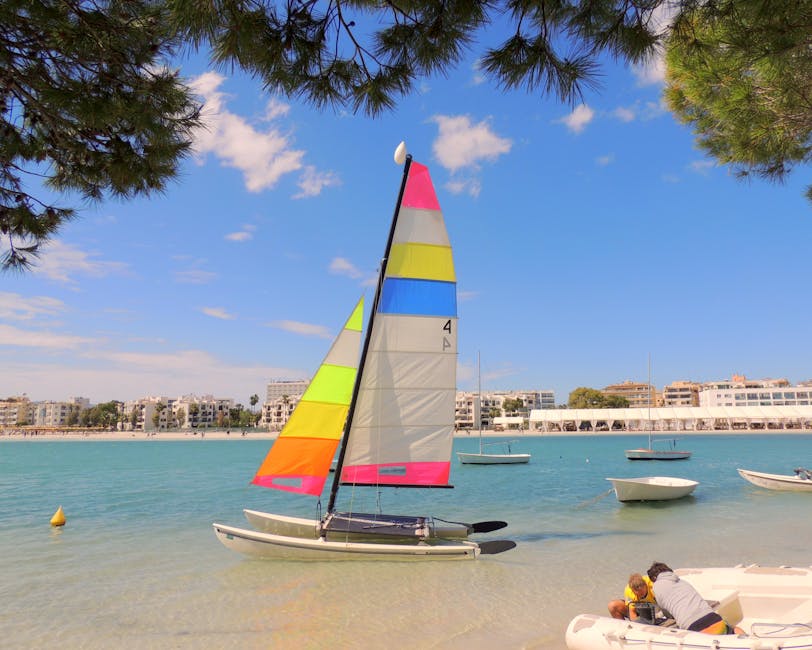
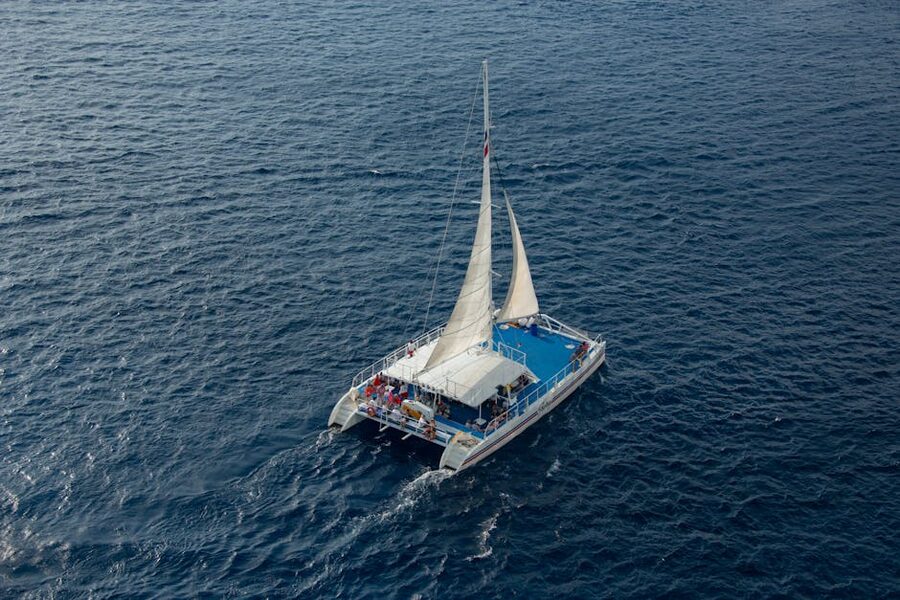
The 5-hour lunch-and-swim catamaran is the workhorse. It leaves around 10am, sails for about an hour, drops anchor at one of half a dozen calm coves on the south or west side of the bay, you eat, you swim, you snorkel a bit, you sail back. It’s the most-booked Palma boat by a wide margin and that’s not because the operators have great marketing. It’s because the format works. You get the morning sun, you get a proper swim stop, you’re back ashore in time to shower and have dinner in the old town.
The half-day buffet catamaran is the same idea, smaller numbers, more food. Four to five hours, fewer people on a similar-sized boat, a longer sit-down lunch. You pay roughly fifty per cent more for a less-packed deck and a buffet that’s closer to a restaurant meal than a tray of grilled chicken. It’s the version I’d send couples on, or anyone who’s done the flagship before and wants the calmer one this time.
The sunset DJ catamaran is a different trip pretending to be the same one. Three hours, late afternoon departure, a DJ running an actual set on the rear deck, dance floor, drinks. You sail out, you watch the sun drop behind the Tramuntana mountain range, you come back in. There’s no real lunch, there’s no proper swim stop, and the median passenger age is about twenty-five. If you book it expecting the lunch-and-swim format, you’ll hate it. If you book it knowing what it is, it’s one of the best evenings out you’ll have in Mallorca.
Beyond those three, there are two route variants worth knowing. The Cueva Verde and Cala Vella catamaran swaps the bog-standard west-bay loop for two specific coves on the western shore: Cueva Verde, a sea cave you can swim into, and Cala Vella, a sandy crescent with much better snorkelling than the open-bay anchorages. It’s the version I’d send anyone who’s snorkelled before and wants something to actually look at underwater. The full breakdown is in our review of the Cueva Verde and Cala Vella catamaran.
The Malgrat Islands catamaran goes further west still, out past Magaluf to two protected rocky islets that sit about four hundred metres off Santa Ponsa. You don’t land on them (they’re a nature reserve) but the water around them is the clearest within easy day-trip range of Palma. It’s the most distinctive of the off-flagship routes and worth a look if you’re staying out near Calvià rather than central Palma.
Where the Boats Leave From (And Why It Matters)
Three departure points cover almost every Palma catamaran tour you’ll see online. They’re all on the Bay of Palma but they’re up to fifteen kilometres apart, which matters more than you’d think when your Uber is fifty euros either way.
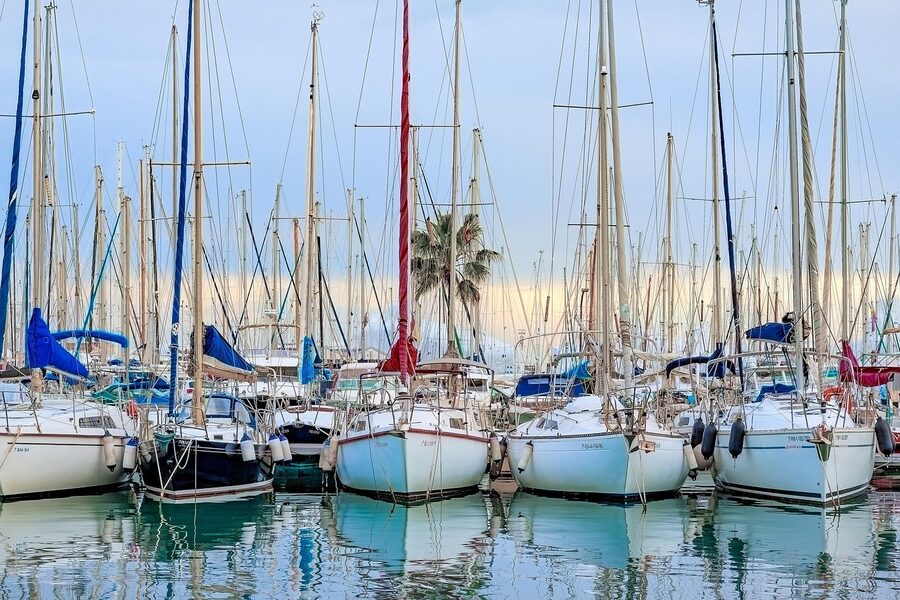
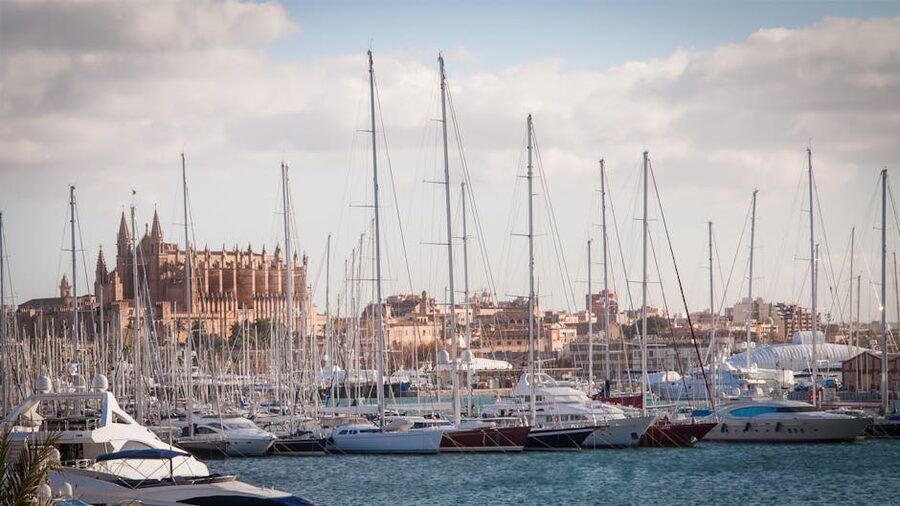
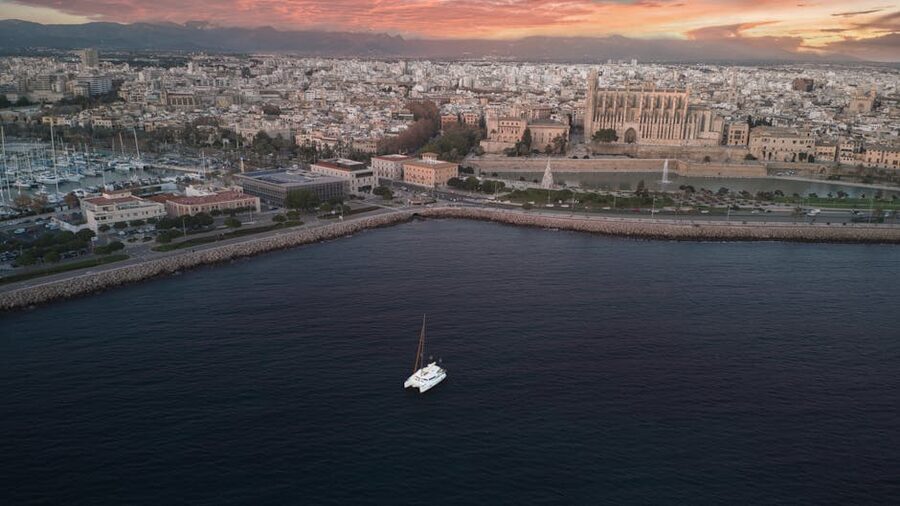
Palma central (La Lonja / Moll Vell): the closest of the three to the old town and the cathedral. If you’re staying anywhere central, this is the one to book from. Walk-up time from Plaça Major is about fifteen minutes. The 5-hour flagship and most of the sunset tours leave from here.
El Arenal: about twelve kilometres east of central Palma, a long sandy beach with a strip of resorts behind it. Several of the catamaran operators run their boats from the small Arenal port instead of central Palma. It’s cheaper for them (lower berth fees) and it’s closer for guests in the Arenal hotels, but if you’re staying in Palma it adds a thirty-minute taxi or a one-hour bus on either end.
Magaluf / Santa Ponsa: on the west side of the bay, fifteen to twenty kilometres from central Palma. This is where the Malgrat Islands catamaran sails from, and where some of the Cueva Verde routes start. Same logic as Arenal: if you’re staying out here it’s perfect, if you’re in town it’s a transfer you’ll resent at 8.30am.
Always check the meeting-point line on the booking voucher before you go. The headline says “Palma de Mallorca” because that’s the search term; the actual quay can be in any of those three places. The flagship 5-hour run is the one that’s most reliably from central Palma, and that’s part of why it’s the easiest first booking.
What’s Included (And What Isn’t)

The marketing copy on these listings is uniform enough that it stops meaning anything. Here’s what actually shows up on the boat for each format.
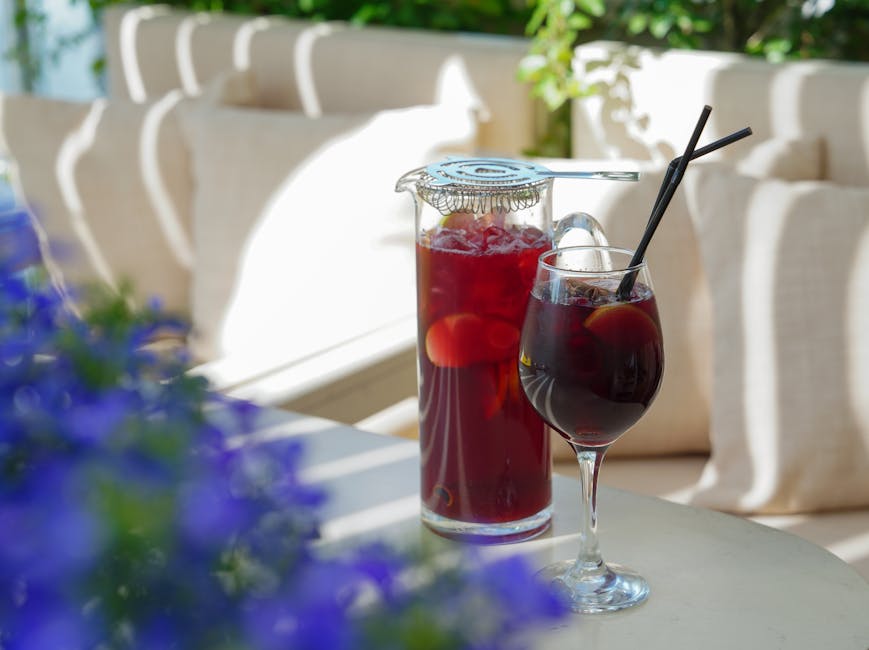
On the 5-hour flagship, lunch is a buffet served at the back of the rear deck. Grilled chicken, pasta salad, a tomato salad, bread, sometimes paella. Drinks are sangria, water, soft drinks, beer. The drinks bar is open the whole sail; you don’t pay per drink. Snorkel masks are usually loaned out at the swim stop (sometimes for a few euros, sometimes free, depends on operator). A guide does a short talk about the bay on the way out. There’s music but it’s background, not a club playlist.
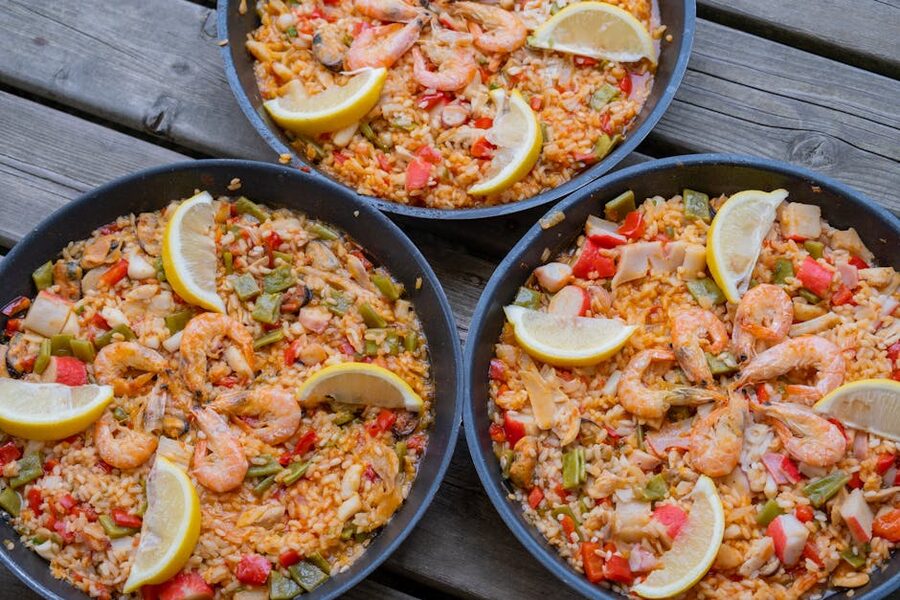
One thing worth knowing: the flagship doesn’t usually do dietary swaps without notice. If you’re vegetarian, vegan, or gluten-free, message the operator at booking. They’ll prep a separate plate. Show up the morning of with no prior notice and you’ll be eating bread and salad.

On the half-day buffet catamaran, the food is the differentiator. Bigger spread, sit-down service rather than queue-up-and-grab, and a glass of cava on arrival. Drinks throughout. Smaller passenger count is the real luxury, not the canapés. If you’ve ever been on a packed party catamaran you’ll feel the difference within the first ten minutes.
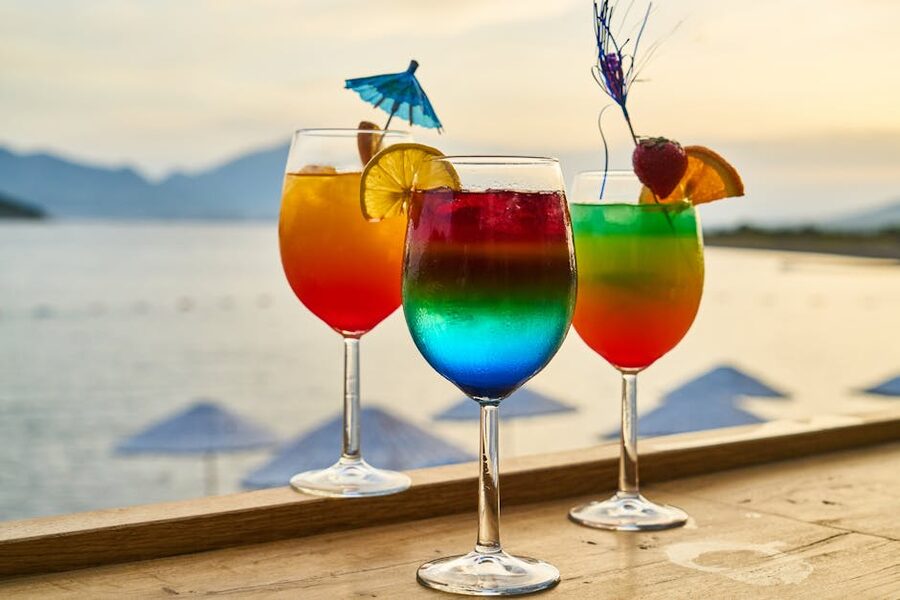
On the sunset DJ run, food is sometimes a snack platter, sometimes nothing. Drinks are the point. Cocktails by the glass at the bar (they cost extra on most operators), a couple of soft drinks included, water always free. The DJ runs an open-air set the whole way. If you’ve been on a Barcelona sunset catamaran, the format will feel familiar. The Barcelona catamaran sunset guide walks through the cross-city differences if you’ve done one and are deciding whether the other’s worth booking too.
What’s never included on any of them: hotel transfers, the harbour-tax fee on a few of the Arenal-departure boats (about three euros, paid in cash on the dock), and waterproof phone pouches. Bring your own pouch if you want photos in the water.
Best Catamaran Tours in Palma
Three picks across the three formats. The flagship if you’ve never done one of these before, the half-day if you want it quieter, the sunset DJ if you actually want a party and not a swim.
1. Palma de Mallorca: 5-Hour Catamaran Cruise with Lunch and Swim: $69
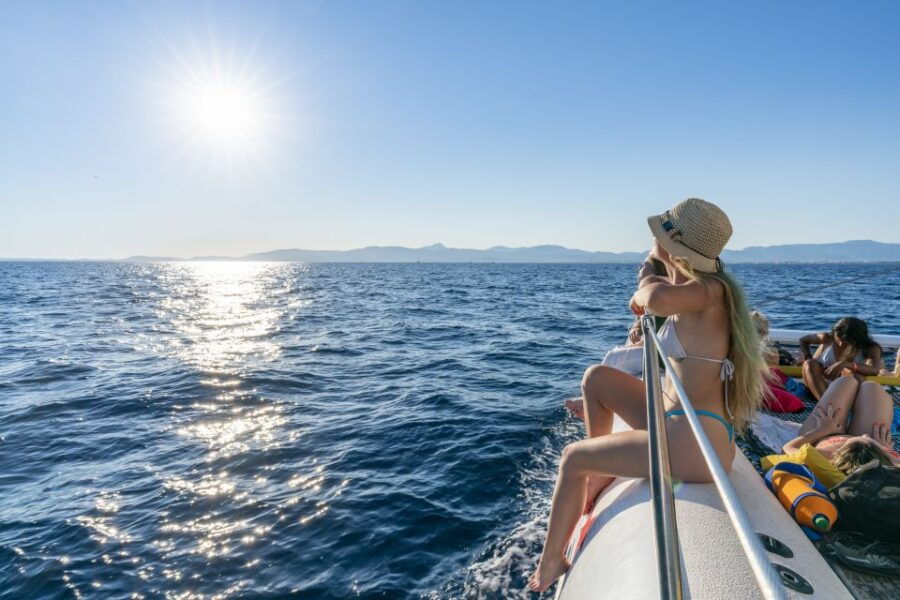
If you’re booking one Palma catamaran, this is it. Five hours is the sweet spot, long enough to feel like a proper day, short enough that you’re not exhausted by the time you’re back ashore. Energetic crew, food that’s better than it has any right to be at this price, and a swim stop that’s the actual reason anyone takes any of these trips. Our full review of the 5-hour catamaran walks through which deck has the better swim-step access and how the lunch service actually flows when the boat is at capacity.
2. Palma de Mallorca: Half-Day Catamaran Tour with Buffet Meal: $100
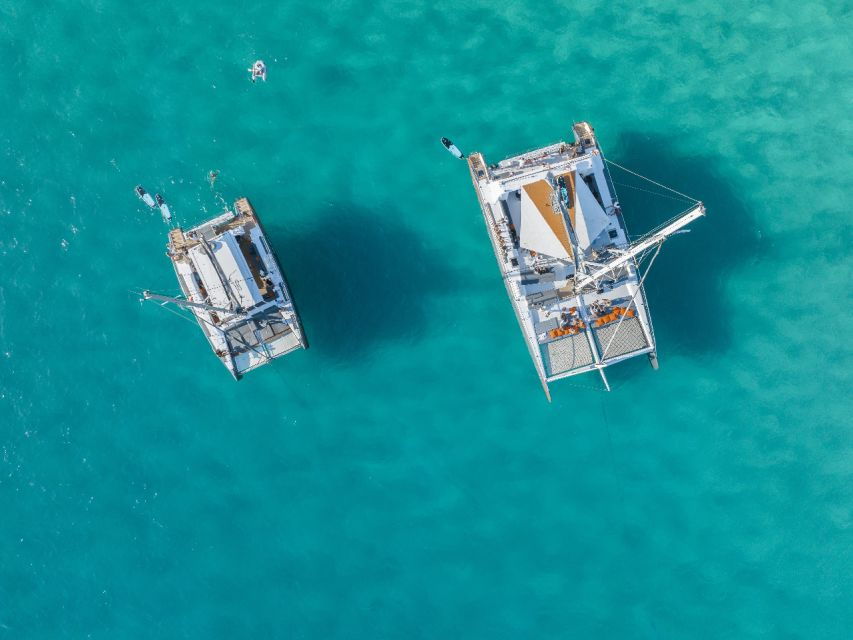
The closest a Palma catamaran gets to feeling chartered without actually paying for a private charter. Four to five hours, fewer passengers, a real sit-down buffet rather than queue-and-grab, and the same Cala Vella swim stop the bigger boats use. Worth the extra forty euros if you’ve sailed before and remember the sardine-tin feel of the busy ones. Our review of the half-day buffet catamaran covers the loading times and what the cava-on-arrival actually looks like in practice.
3. Palma de Mallorca: Sunset Boat Tour with DJ and Dance Floor: $59

Different trip, same hulls. The DJ runs a real set, the back deck turns into a dance floor about thirty minutes in, the sunset over the Tramuntana is the obvious peak. No proper swim stop, food is snacks at best. If you’ve been chasing late nights in the old town and want to take one of them out on the water, this is the format. Our review of the sunset DJ catamaran calls out which sailings tend to skew younger and which ones have a more mixed crowd.
Where the Boats Actually Go
Bay of Palma is bigger than it looks on the map. The flagship doesn’t sail across to the Tramuntana side; it loops along the west and south arms of the bay and anchors somewhere in between. There are about four standard anchorages and the operator picks based on wind and how busy each one is.
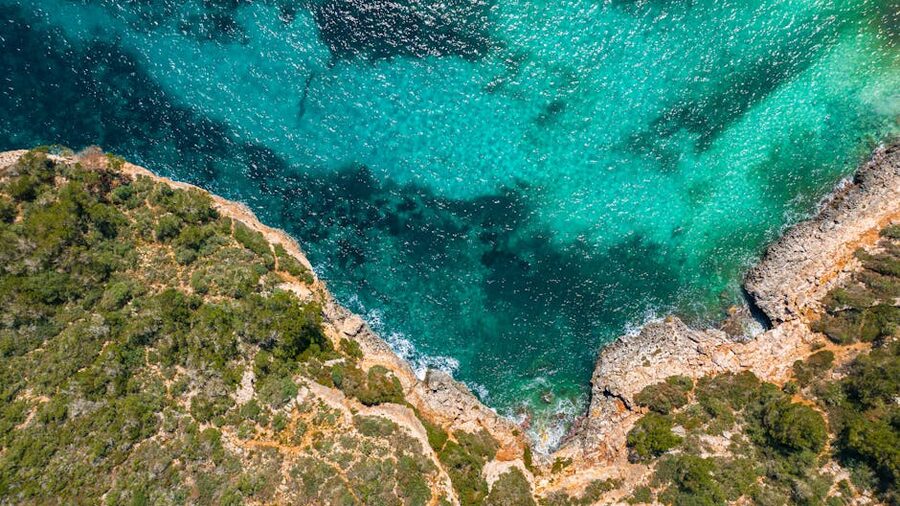
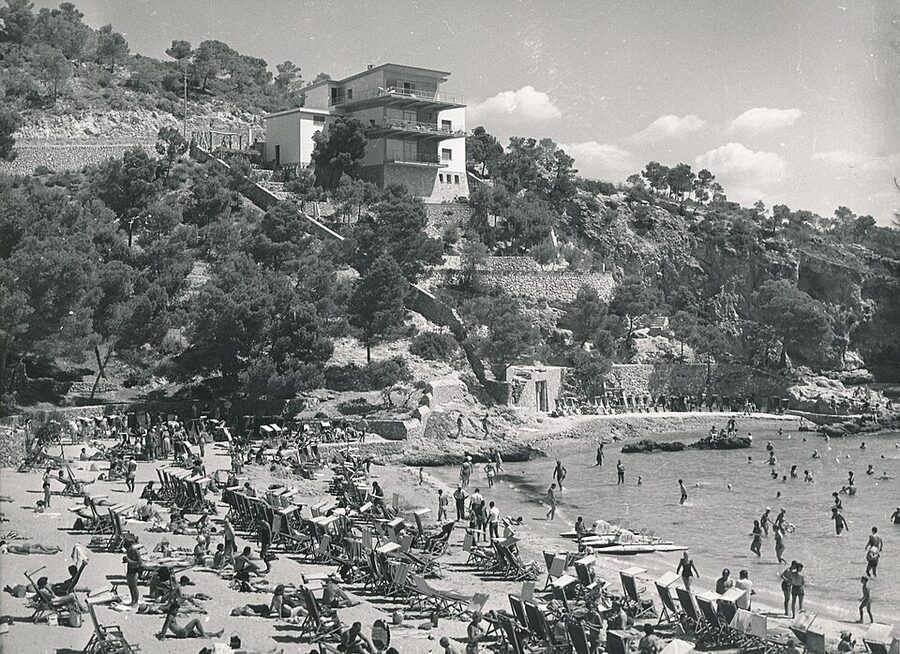
Cala Vella is the one most flagship boats default to. Sandy bottom, calm even on a windy bay day, room for several catamarans to anchor at once without anyone being on top of anyone. The snorkelling here is fine, not transformative. Fish, rocks, the odd seagrass patch. The swim itself is the reason you’re there.
Portals Vells is the other regular. Three small coves in a row on the west arm of the bay, the middle one with a sea cave that you can wade into. Better snorkelling than Cala Vella because the rock-meets-sand transition draws more fish. Some operators sell a “Cueva Verde” trip specifically because of these caves.
Illetes shows up on a few flagship sails when the wind is from the east. It’s the closest to Palma of the three, basically a fifteen-minute sail from the marina. The water is clearer than the central bay but there’s no proper sand bottom; you’re swimming in three-to-four metres over rock. Fine if you’ve got fins, less ideal if you wanted a beach feel.
None of this changes between operators in any meaningful way. The boats are similar, the coves are the coves, and the lunch buffet gets reheated to about the same temperature on all of them. What changes is the crowd density and the crew vibe, and you only learn that from review patterns. Which the snorkelling-focused catamaran review does cover if you want a deeper read on the routes that emphasise the underwater part.
What to Bring
Less than you’d think.
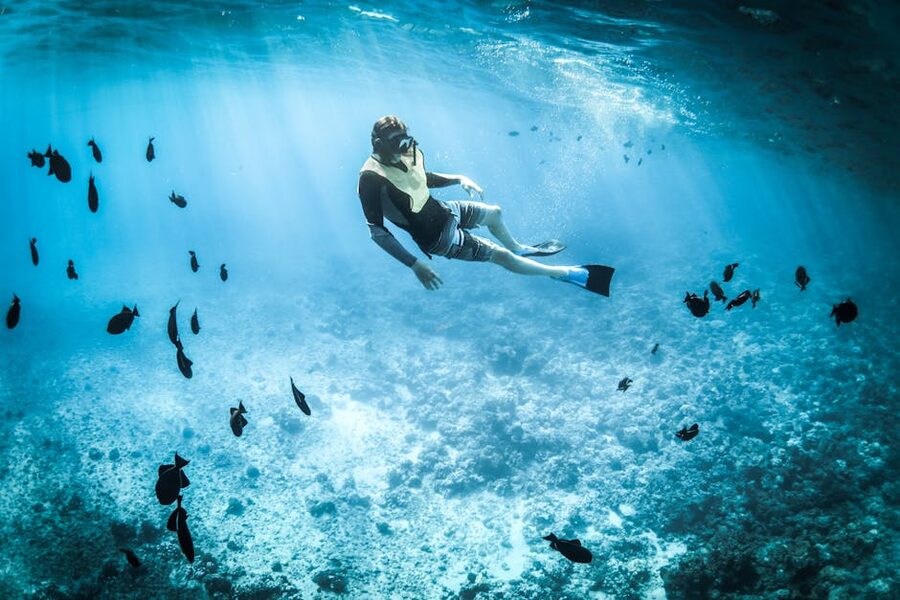
The boat provides towels (small, brittle, sun-bleached), shade (canopy on the rear deck, sun is unblocked everywhere else), and basic snorkel gear at the swim stop. You don’t need to bring snorkels.
What you do need: reef-safe sunscreen (the deck has no shade once the canopy fills up), a hat with a strap so it doesn’t blow off, a swimsuit you’re already wearing, a dry bag or waterproof pouch for your phone, and a credit card if you want anything at the bar that’s not the included sangria.
What you don’t need: a bathrobe, full beach kit, a cooler. The boat covers food and drink and you’re back ashore in time for dinner. I once watched someone roll up to the 5-hour flagship with a full picnic basket. The crew were polite. He felt very silly.
One thing nobody warns you about: bring a long-sleeve top for the return sail. The wind picks up in the late afternoon, the boat’s wet, and the deck cools fast once the sun gets low. Even in August you’ll want something on.
Seasickness, Wind, and the Weather Question
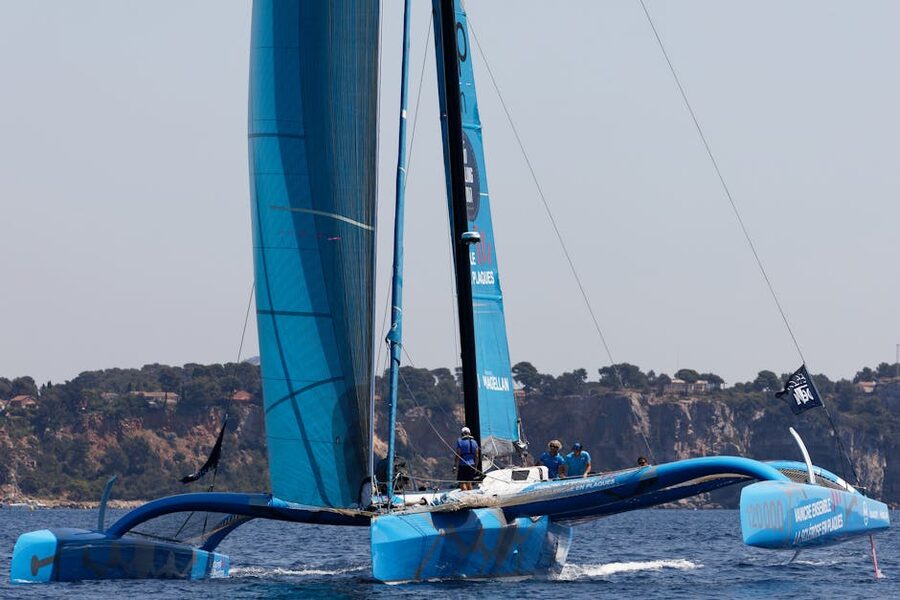
Bay of Palma is one of the calmer stretches of the Mediterranean for a reason: it’s a horseshoe, the Tramuntana mountain range to the north blocks most of the prevailing wind, and the swell rarely builds inside the bay even when it’s choppy outside. On a typical summer day the sail out is glassy.
That said, wind happens. The local embat is a thermal sea breeze that builds through the morning and peaks around 3pm in summer. It’s the reason the flagship times the swim stop for noon-to-one and the return sail for two-to-three: you’re swimming when it’s still calm and sailing back when there’s enough breeze for the boat to actually use its sails. If you’re prone to motion sickness, the morning leg is fine, the afternoon leg can be wobbly.
If you’re seriously seasick-prone: take a tablet an hour before boarding (Cinnarizine, sold over the counter at Spanish pharmacies as Stugeron, is what most crews recommend), sit on the rear deck not the front nets, and keep your eyes on the horizon when the boat starts moving. The swim stop completely resets it. By the time you’re back on board you’ll be fine.
If the forecast is genuinely bad, say a tramuntana wind warning (which happens maybe ten days a summer), operators will cancel the day before and refund. They almost never sail when it’s actually rough. If they do sail and you’re miserable, that’s on you for booking the day after a forecast you didn’t read.
Family vs Party: Which One Is It?
Worth being explicit about because the listings blur the line on purpose.
The 5-hour flagship is family-friendly. There’s a bar but it’s not the focus. Music is on but it’s not loud. The crowd skews mid-thirties to mid-fifties on most sailings, with a sprinkling of families and couples in their twenties. Kids are welcome, a lot of operators have a kids’ price (usually half of adult), and the swim stop is the highlight for everyone under twelve. I’ve never been on a flagship sail where someone was actively annoyed by drunk passengers.
The half-day buffet boat is the same demographic, smaller scale. Quieter still. It’s where I’d put a couple in their sixties or anyone who doesn’t want to deal with families.
The sunset DJ catamaran is the party boat. Late teens to mid-thirties, drinks-led, music loud enough that you’re shouting by 7pm. Don’t bring kids. Don’t bring grandparents. Don’t bring anyone who’s just spent a hard day at the cathedral and wants quiet on the water.
The Malgrat Islands and Cueva Verde routes sit between the two. Less crowded than the flagship, more activity-oriented, often with snorkel emphasis. Closer to the family end than the party end.
Booking Strategy
The Palma catamaran market runs roughly April through October, with a real peak in July and August. Sailings sell out for the next-day departure in the peak months but rarely sell out a week ahead, which is your window.
Book about a week in advance for July and August. Five days is fine for shoulder season. Same-day works in May or September if you’re willing to take whatever sailing isn’t full.
Most operators offer free cancellation up to 24 hours before. Use it. If the forecast turns the morning of the trip you can re-book the next day’s sailing without paying twice. I’ve done this once and the operator was matter-of-fact about it. Wind is wind.
If you’re picking a specific sailing time on the flagship, the 10am departure is the one to go for. Boats that start later sometimes shorten the swim stop because they’re racing the embat. The 10am gets the calm water for swimming and the breeze for the sail back, which is the whole point of the day.
Check the meeting point one more time the night before. Some bookings change quay assignments week to week. The voucher will have a “meeting point map” link; open it in Google Maps and screenshot, because the central Palma marina has WiFi blackspots right where you need to find your boat at 9.55am.
Beyond the Flagship: Specialty Routes
Once you’ve done the standard 5-hour and decided you actually like Palma catamaran days, two side routes are worth a second trip.
The Cueva Verde and Cala Vella catamaran with BBQ trades the all-inclusive buffet for a real on-board grill at the swim stop. Smaller boat than the flagship, the cave swim is the actual highlight (you can swim into the green-lit interior), and the BBQ at anchor is a different rhythm to a buffet served on the move. The Cueva Verde and Cala Vella review goes deep on what the cave actually feels like once you’re inside.
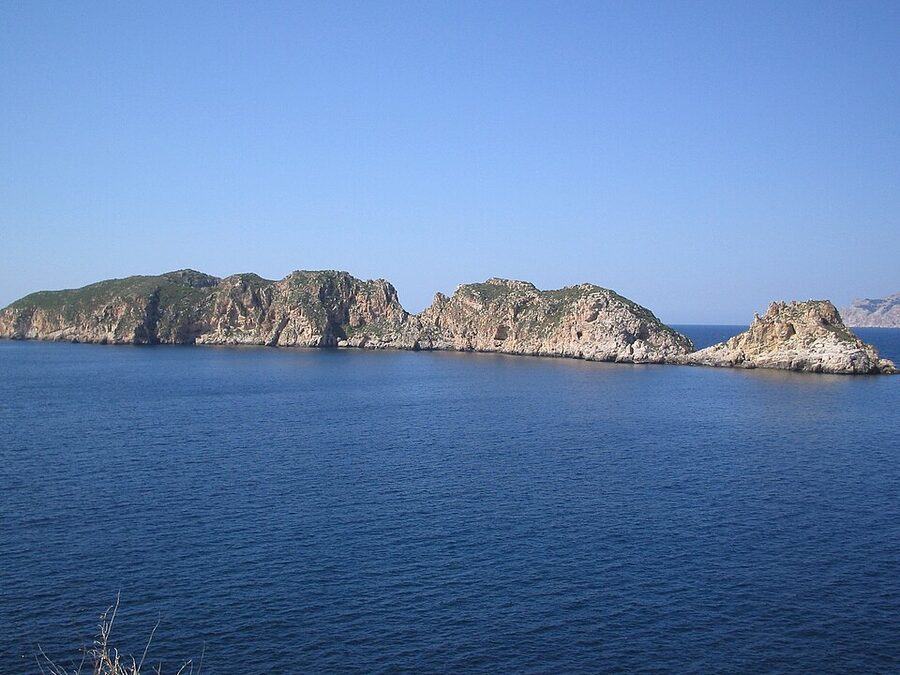
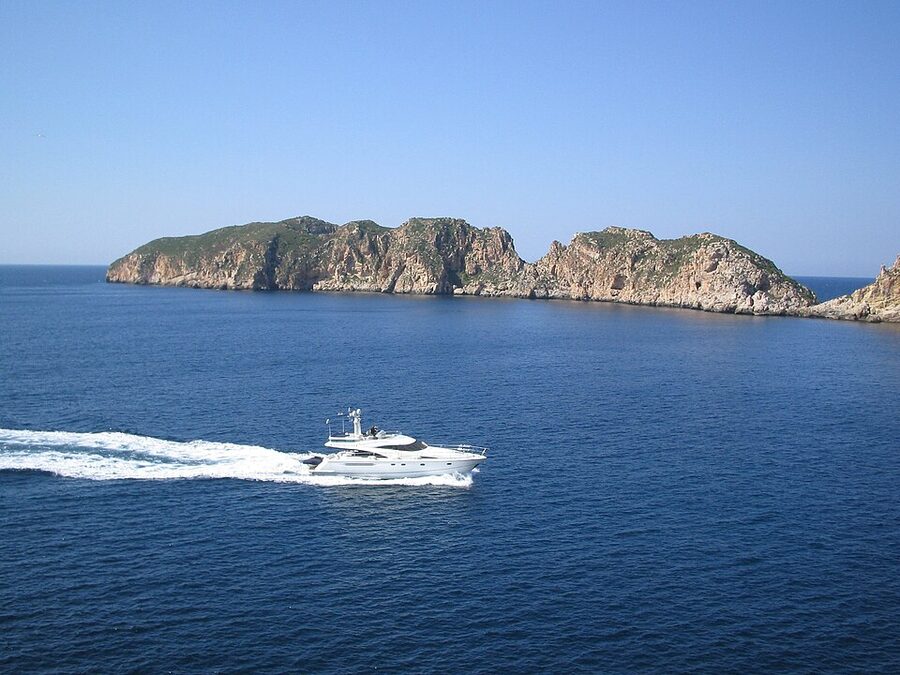
The Mallorca coastline and Malgrat Islands catamaran is the route I’d recommend most to repeat visitors. It’s further west than the flagship, the water is genuinely clearer (the marine reserve status keeps boat traffic and anchor damage down), and the Malgrats themselves are dramatic in a way that the flagship anchorages are not. The cliffs drop straight to fifteen metres of water, the colour shift between shallow and deep is right there, and on a good day you can see fish below the boat without putting a mask on. Our Malgrat Islands catamaran review covers the from-Magaluf logistics.
For pure snorkelling, the swim-and-snorkel catamaran is the one to look at. Less food, more water time, the swim stops are noticeably longer than on the flagship.
Compared to a Barcelona Catamaran
If you’ve done a Barcelona catamaran sunset and are wondering whether the Palma version is the same, it isn’t.
Barcelona’s catamaran scene is mostly about the sunset sail along the city skyline. Short loops, big city views, no real swim stop because the harbour water isn’t anywhere you’d want to swim. Palma’s is about getting out of the marina and into actual swimming water for an hour. Different trip, different photo set, both worth doing if you have both cities on the same itinerary.
If you’re combining the two, do Barcelona first (it’s the city sail, the photo album shot) and Palma second (it’s the actual day on the water). The reverse order makes Barcelona feel like the sample-size version. After Palma you’ll want to get back in the water and Barcelona doesn’t deliver that.
One More Thing About the Sunset DJ Boat
If you do book the sunset DJ catamaran, the move is to do it on a night when you’re free for late-evening dinner afterwards. The boat lands around 10pm, you’re salted, you’re slightly buzzed, and the old town a five-minute walk from the marina is at peak liveliness. The good move is a tapas bar in La Lonja or a late table somewhere on Carrer de Sant Jaume.
The bad move is booking it on a night you’ve got an early flight the next morning. I’ve watched too many people make that exact mistake. Sangria, bass, sunset, 5am alarm. Don’t.

Other Bay Departure Points
Two more variants worth knowing about, neither of which is what most people end up booking but both of which solve a specific problem.
Boats from El Arenal: if you’re staying in the Arenal hotel strip, several operators run catamarans straight out of the local port. The format is identical to the central Palma flagship (five hours, lunch, swim stop), but the meeting point is twelve kilometres east of the cathedral. Don’t book this one if you’re staying in central Palma; the transfer eats the savings. Book it if you’re at one of the Arenal beach resorts and a short walk to the boat is the whole appeal.
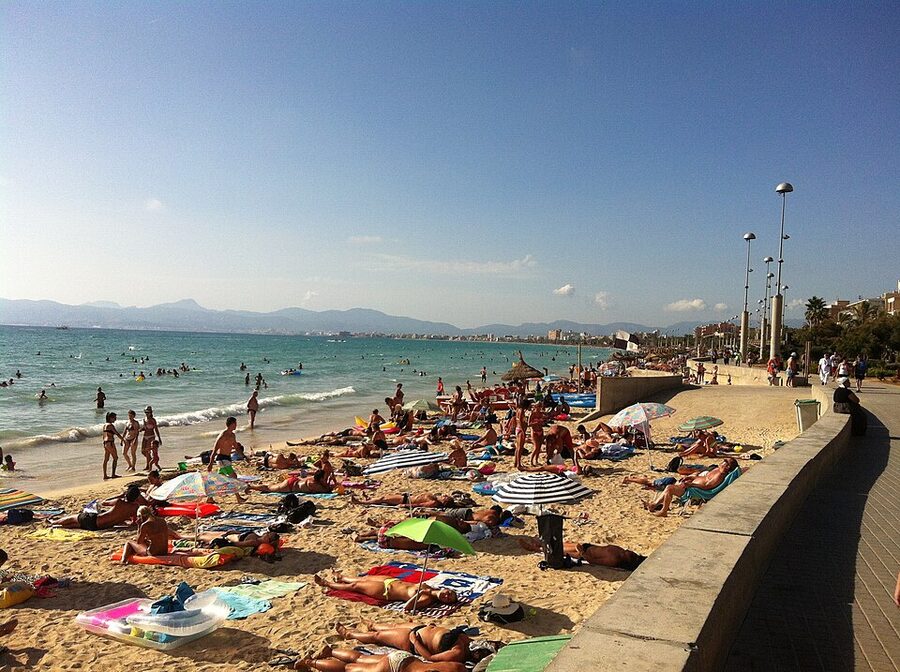
Boats from Magaluf or Santa Ponsa: the Calvià side of the bay. Some Cueva Verde routes and most of the Malgrat Islands catamarans depart from here. Same logic as Arenal in reverse: great if you’re staying in the Magaluf or Santa Ponsa resorts, painful from anywhere central.
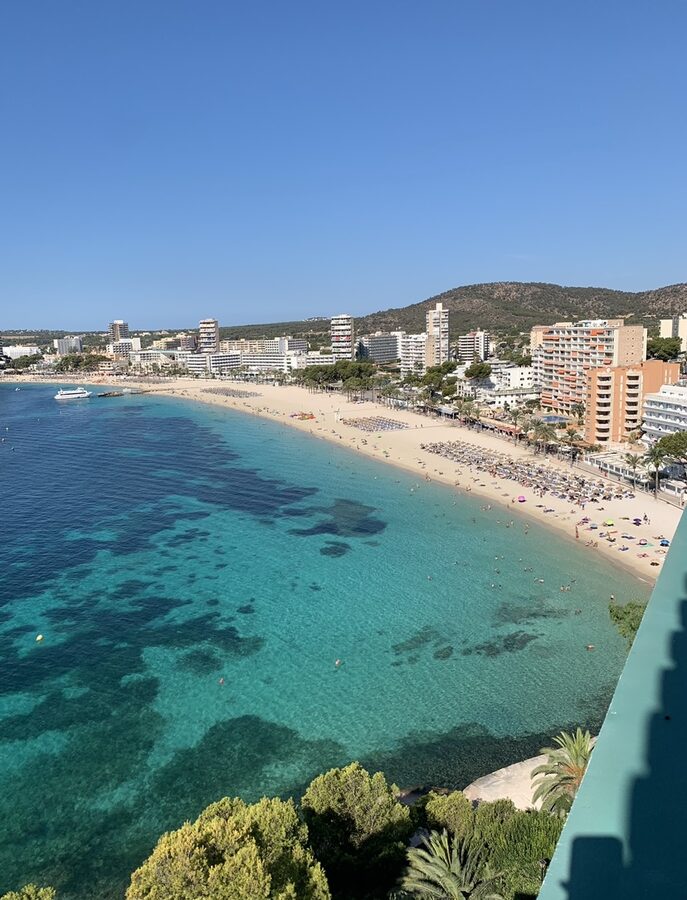
One general rule for all three departure points: the marinas have basically no parking. If you’re driving in, plan to park at one of the perimeter lots and walk fifteen minutes. The central Palma car parks fill by 9.30am on a flagship-departure morning, and the Arenal port is even worse.
What a Day Actually Looks Like
Forget the marketing for a second. Here’s the actual rhythm of the 5-hour flagship, since that’s what most people end up on.
You arrive at the meeting point fifteen minutes early, queue at a small kiosk with your voucher, get a wristband. Boarding starts at about 9.50am for the 10am sail. There’s a brief safety talk in Spanish and English while the crew finishes loading drinks. The boat pushes off the quay at 10am or so.
The first thirty minutes are the spectacle: the cathedral from the water, Castell de Bellver on the hill above the city, the sweep of the bay opening up as you clear the breakwater. Phones are out. Crew puts a tray of complimentary sangria around. You find your spot.
The middle hour is the sail proper. The boat motor-sails (engines on, sails up partly for show) west along the bay. You can lie on the front nets, sit at the back deck, hang off the side rails, or wedge yourself into the shade. People shuffle. Music’s on but quiet. Bartender is at the back; drinks are open.
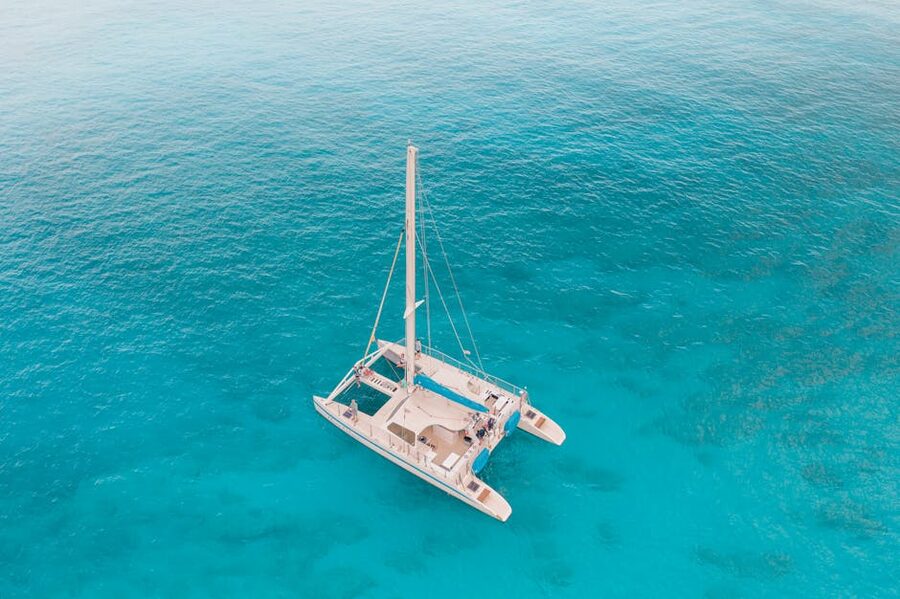
Around noon the boat anchors. This is the actual thing you came for. The engines cut, the boat rocks gently, somebody jumps off the back step, and within ten minutes everyone’s in the water. Snorkel masks come out, the kids’ noodle floats appear, the more confident swimmers head for the rocks. This goes on for forty-five minutes to an hour.
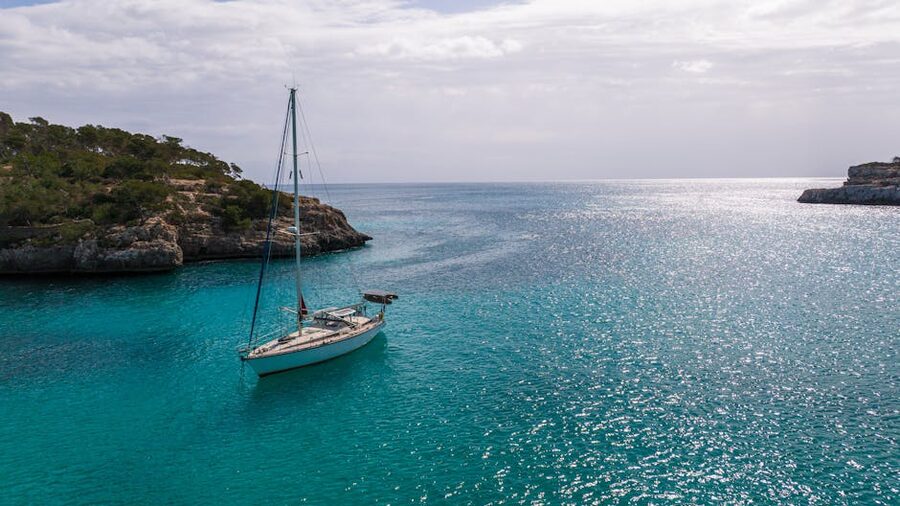
Lunch goes out while you swim. By the time you climb back on board there’s a queue forming at the buffet. You eat. You drink another sangria. You lie on the front nets in the sun for a bit. Around 1.30pm the engines fire up and the boat starts the sail home.
The afternoon sail back is faster (the embat is up, the sails actually catch) and noticeably cooler. Most people end up under the canopy or wrapped in the towel they meant to leave for swimming. You’re back in the marina by 2.45pm or so, off the boat by 3pm, salted, sunburned, and slightly drunk.
That’s the trip. If that sounds like a good day, the flagship will deliver. If you read that and thought “where’s the snorkelling,” book the swim-and-snorkel boat or the Malgrats route. If you read that and thought “why is there a swim stop, just play music,” book the sunset DJ.
If You Have Two Days Around the Cruise
A catamaran day is best treated as the centrepiece of two or three days in Palma rather than a one-and-done. The format is intense (sun, salt, sangria, sea) and you’ll want a slow-paced day after.
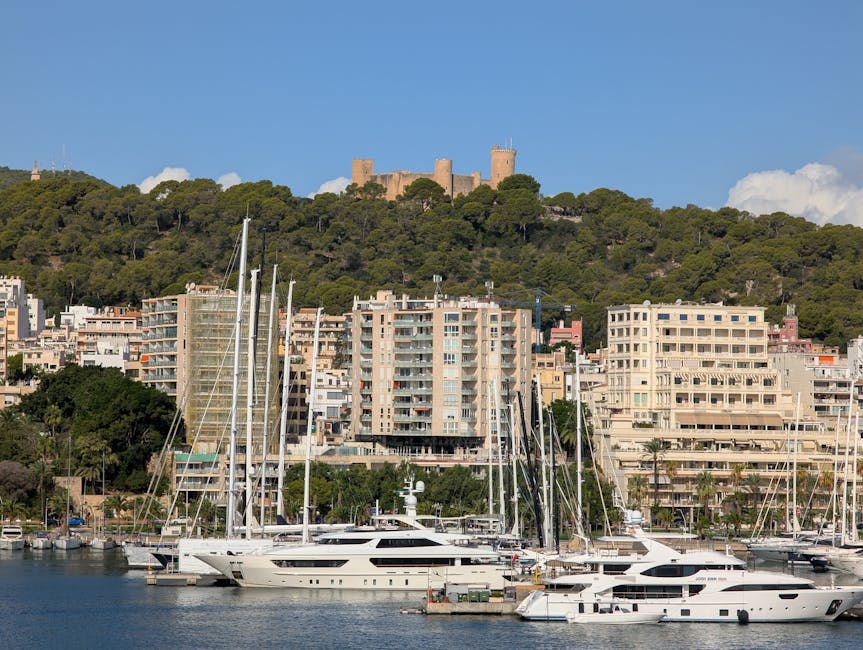
The day before the catamaran is good for the cathedral and a slow lunch in La Lonja. You’ll want energy for the boat day and the cathedral isn’t physically demanding. The day after is good for either the Palma hop-on hop-off bus if you’re rinsing the city sights, or the Mallorca island tour by boat, tram and train if you want to see the Tramuntana side of the island. The island tour is a long one (full day, multiple transfers) and works better when you’re rested.
If you’re combining Palma with the rest of Spain, the catamaran day pairs naturally with city days in Barcelona and a few days in Andalusia. The Seville Guadalquivir cruise is a good shorthand cousin to the Palma boat day if you’re doing Andalusia first; it’s an hour on the water rather than five, but the format of “see the city from a different angle” is the same. Madrid is land-locked but the Toledo day trip from Madrid works the same way structurally: half a day’s transfer, half a day in a different setting, back for dinner.
Common Bookings That Don’t Work
Two patterns I see again and again that you should avoid.
The same-day flagship plus sunset DJ. People do this thinking they’ll get the full Palma boat experience in one day. What actually happens is you finish the flagship at 3pm, salty and tired, get back to the hotel, shower, change, and discover you’re too exhausted for the sunset boat at 5pm. Pace it across two days.
Booking from Arenal when you’re staying central. The thirty-minute taxi each way kills the day. The flagship from central Palma is a fifteen-minute walk for most central hotels.
Skipping the swim because you’re not a strong swimmer. The worst mistake people make. You don’t need to be a strong swimmer; the boat has noodles and life jackets, the cove water is calm, and most people are doing breaststroke for fifteen minutes and then climbing back on. Don’t book a swim catamaran if you don’t plan to swim. Conversely, if you can swim at all, do.
Wider Spain Reading
Once you’ve cracked the Palma catamaran day, the rest of Spain is easier to plan around it. Barcelona’s catamaran sunset is the obvious sister booking on the mainland (same hulls, very different format) and the Seville river cruise is the slower, southern equivalent. From there, Madrid for flamenco and a couple of nights in Granada at the Alhambra round out the trip without overlapping anything you’ll do in Palma.