
The first time I tried to do Ávila and Segovia from Madrid, I tried to wing it on a regional train and a cobbled-together bus connection. By 2pm I was eating a cold sandwich on a bench outside the Ávila bus station, watching the bus to Segovia leave without me. I spent the rest of the afternoon failing to find a taxi driver who would take the run between the two cities for less than €110. So before you book anything, here is the most useful thing I can tell you. The day works, but only if someone else is doing the driving. The day-trip tours from Madrid are cheaper than the train and bus combo by the time you add monument tickets, and they save you roughly three hours of logistics.
In a Hurry? Three Picks for Today
- Full-Day Ávila and Segovia from Madrid (with monument tickets), around $81. The most-booked option, big bus, all entry tickets bundled.
- Madrid: Ávila and Segovia Day Trip with Tickets to Monuments, around $74. Same idea on GetYourGuide, easy app-based ticket pickup.
- Ávila with Walls and Segovia with Alcázar from Madrid, around $60. The budget pick that still includes both city walls and the Alcázar.
- In a Hurry? Three Picks for Today
- Why this is the day trip I keep recommending
- How the day actually runs
- Tour vs DIY: the honest math
- What to look for when you compare tours
- The three tours I’d actually book
- 1. Full-Day Tour Ávila and Segovia from Madrid (Tickets Included): around
- 2. Madrid: Ávila and Segovia Day Trip with Monument Tickets: around
- 3. Ávila with Walls and Segovia with Alcázar from Madrid: around
- What you actually see in Ávila
- What to actually eat in Ávila
- What you actually see in Segovia
- What to actually eat in Segovia
- The optional third city: Toledo
- Practical bits people get wrong
- When to go
- A few honest gripes
- Other day trips from Madrid worth looking at
- The booking question
Why this is the day trip I keep recommending
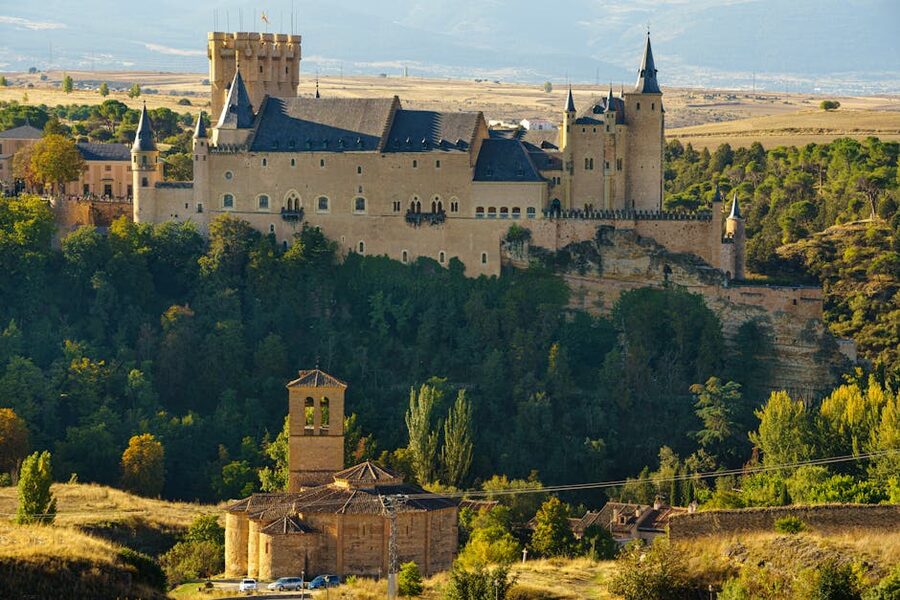
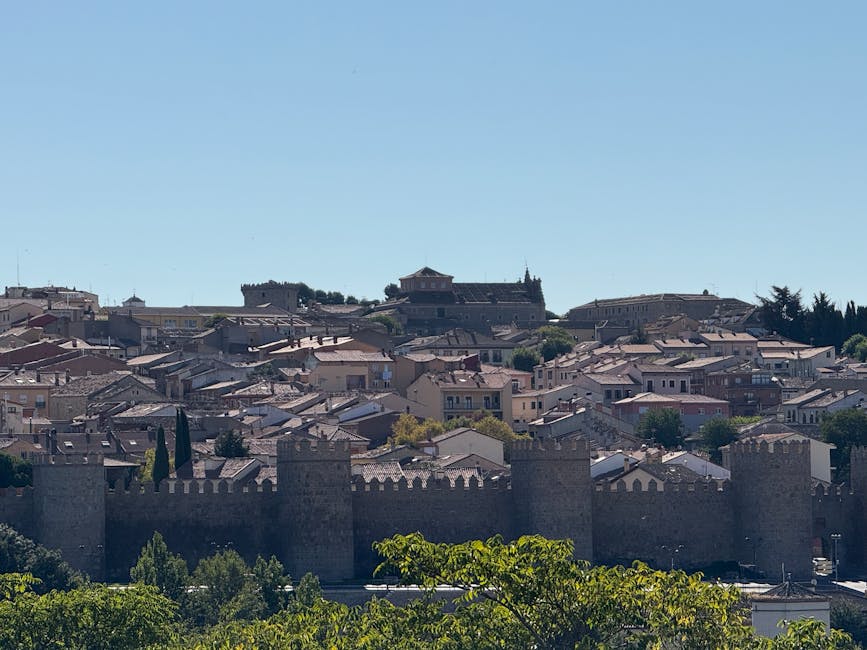
People come to Madrid expecting Madrid. The Prado, Retiro, late dinners, flamenco. But two of the best things you can see in central Spain are an hour and a bit out of the city, and most travellers never make it. Ávila is a complete medieval city ringed by 11th-century walls that genuinely look like a film set. Segovia has a Roman aqueduct that has been carrying water across the city for almost 2,000 years, plus the castle that supposedly inspired Disney’s Snow White silhouette.
You can do them separately, but they are about an hour apart and the tour buses know the route by heart. Pairing them works because the days share a story. Castile, walls, religious history, big plates of suckling pig and white beans. You feel the shift from Madrid the second you cross the Sierra de Guadarrama and start dropping into the high meseta.
How the day actually runs
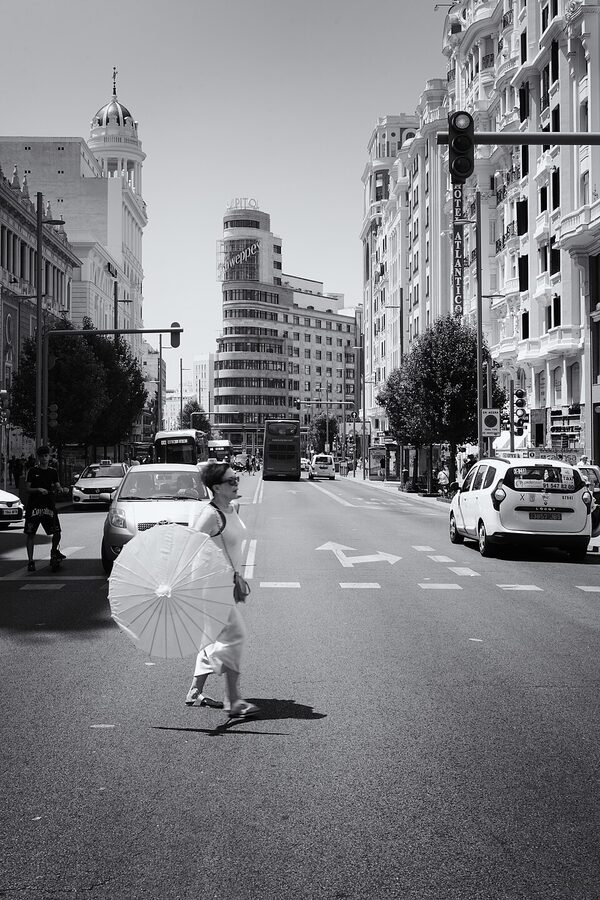
Most tours pick up around 8 to 8:30am from somewhere on Gran Vía or Plaza de España. You arrive 15-20 minutes early, board a coach (modern, air-conditioned, USB ports if you’re lucky), and roll out of the city as rush hour starts. The drive to Ávila takes about 1 hour 30 minutes if traffic behaves.
Here’s the rough shape of the day:
- Coffee and toilet stop at a viewpoint over Ávila’s walls. This is also where you get your first proper photos.
- 1.5 to 2 hours in Ávila. A guided walk inside the walls, then free time.
- Drive to Segovia (around 1 hour through pine forest and farmland).
- 2.5 to 3 hours in Segovia. Walking tour past the aqueduct, cathedral, and Alcázar, then free time for lunch and the castle interior.
- Back in Madrid between 6 and 7pm.
The pacing surprised me. I had expected to feel rushed in both cities and only really felt it in Ávila, which is the first stop and the smaller of the two. If you are someone who likes to sit in cathedrals and read every plaque, you’ll want to skip a few. If you cover ground and eat slowly, the Segovia free time stretches just enough.
Tour vs DIY: the honest math
If you go DIY, here’s the day:
- Renfe Avant or Avlo train Madrid Chamartín to Ávila: roughly €15-€25 each way, 1h 20m.
- Ávila to Segovia: not direct. You either bus it (LaSepulvedana, around €10-€12, 1h 15m, infrequent) or backtrack through Madrid.
- Renfe Avant Segovia-Guiomar to Madrid: €14-€20, 27 minutes.
- Avila walls ticket: €5. Avila cathedral: €6. Alcázar of Segovia: €8 plus €2.50 for the tower. Segovia cathedral: €4.
That’s around €60-€85 in transport plus another €25 in entrance tickets, and you spend the day with a phone in one hand checking timetables. The guided tours land in the same range and bundle the tickets. If you are travelling solo or as a couple and your Spanish stops at “una cerveza por favor,” the tour is just the lower-friction choice.
The case for DIY: you can stay overnight in Ávila or Segovia (both are gorgeous after dark, when the day-trippers have gone home), and you can spend more than 90 minutes in either city. If your Spain trip is two full weeks, an overnight in Segovia is genuinely a great call.
What to look for when you compare tours
The listings on Viator and GetYourGuide blur into one another. Here’s what actually changes the experience:
Group size. The most-booked tours run on big coaches, 50-55 people. Small-group tours cap around 16-20. Bigger isn’t worse here. The walking parts split into smaller language groups, and the bus is more comfortable. Where it does matter: photo timing at the Alcázar lookout. Big groups stop briefly, small groups linger.
Tickets included or not. This is the line that catches people. Some tours include both city walls and the Alcázar. Some include only one. Some sell entry as an optional add-on. Read the inclusions list, not the headline. The flagship Ávila and Segovia full-day tour with all monument tickets is the safest pick if you don’t want to think about it.
Lunch. Most tours offer an optional Castilian lunch in Ávila for €15-€20. If you’ve never had cocido or judiones de El Barco, take it. If you’re particular about food, skip it and find a place yourself in Segovia (more on that below).
Language. Most tours run dual English/Spanish. Some offer French, Italian, German on specific dates. Filter your search by language before you compare prices.
The three tours I’d actually book
I pulled these from our review database, sorted by how much we hear back from readers who actually went. They are all the same shape: 9-hour day, Madrid pickup, both cities, monument tickets bundled. The differences are in price, group size, and how the lunch works.
1. Full-Day Tour Ávila and Segovia from Madrid (Tickets Included): around $81
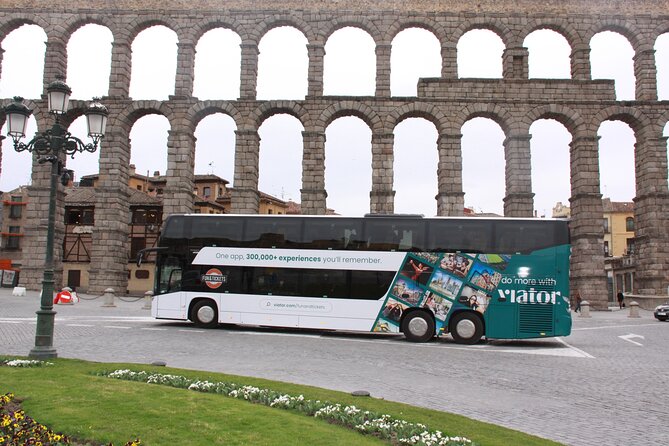
This is the most-booked Ávila-Segovia day trip on the market, and it earns it. Our full review covers the meeting point logistics in detail and the lunch options at La Rubia in Ávila. Pick this one if you don’t want to compare any further.
2. Madrid: Ávila and Segovia Day Trip with Monument Tickets: around $74
Same itinerary as the flagship, $5-$10 cheaper most days, and the mobile ticket pickup through the GetYourGuide app is the smoothest in the business. The full review goes into the bus quality and the optional Castilian lunch in Ávila. Book this if you already have GYG on your phone.
3. Ávila with Walls and Segovia with Alcázar from Madrid: around $60
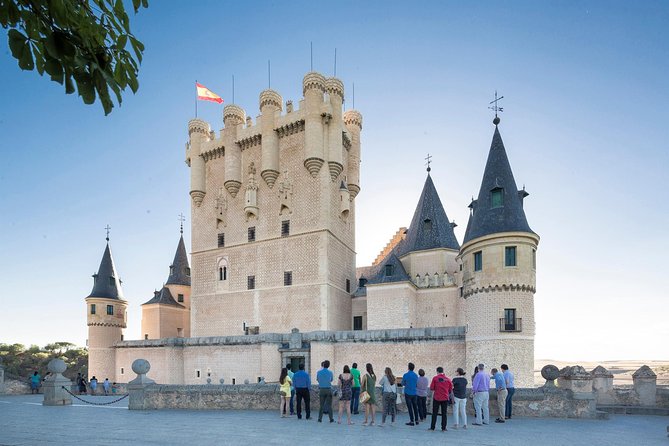
If $20 is the difference between booking a tour and not, take this one. Our review notes the slightly tighter pacing and that lunch is on you. The two big-ticket entries (walls plus Alcázar) are still bundled, which is what most people are actually paying for.
What you actually see in Ávila
Ávila is small. The walled old town is about 900m long and 400m wide. You arrive, the guide leads a 30-40 minute walk past the main sights, and then you have an hour to yourself. Here’s what’s worth your time.
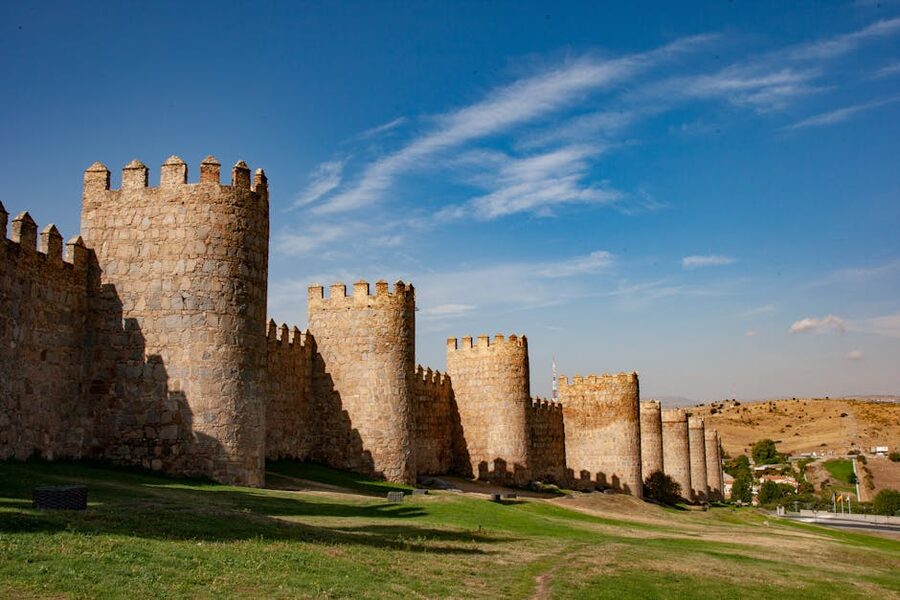
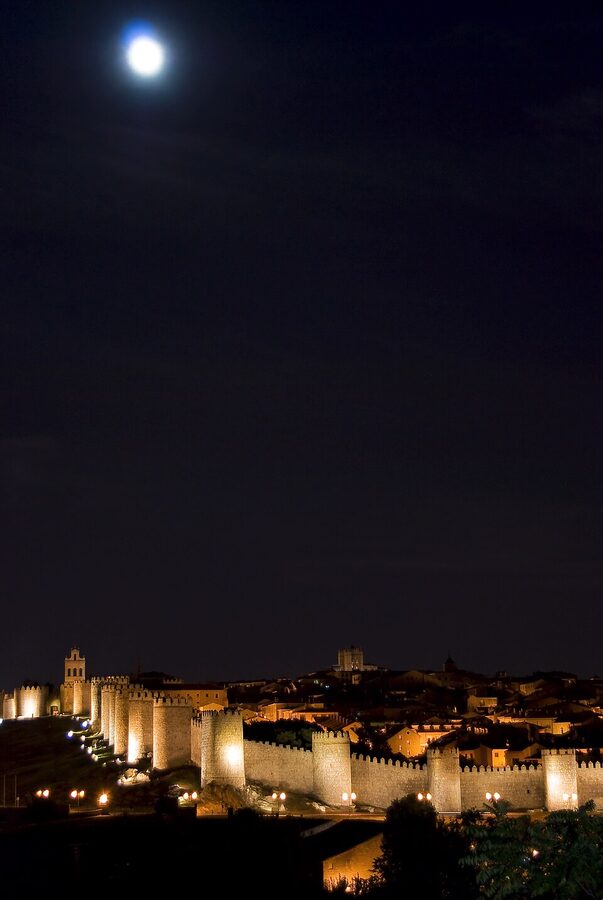
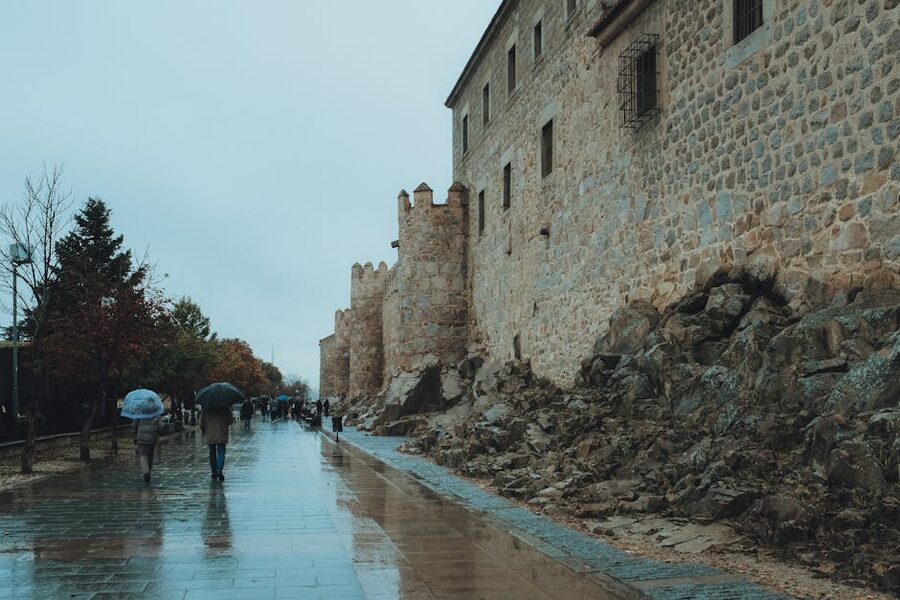
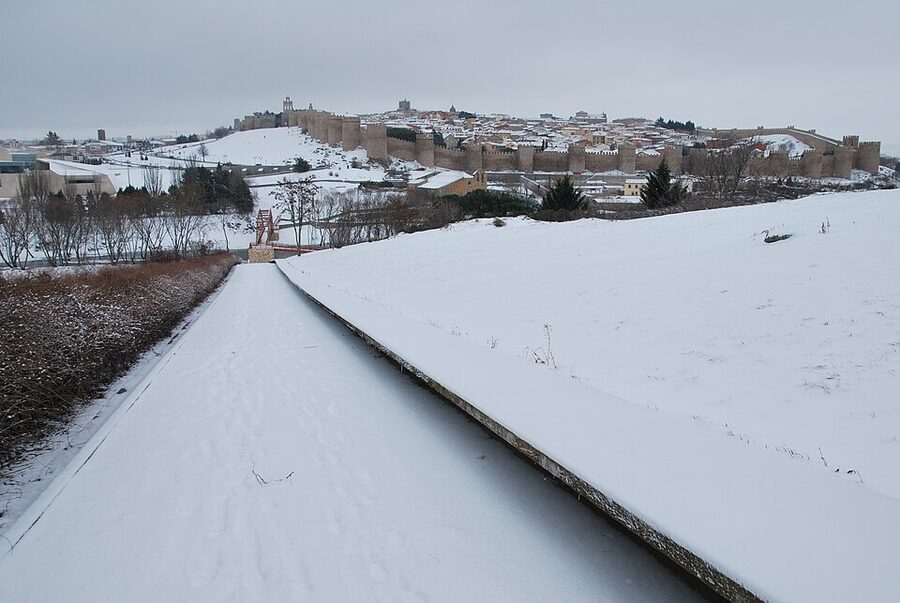
The walls. The 11th-century walls are the headline and they deserve it. You can walk along the top of about 1.7km of the perimeter for €5. The single-file path is a bit narrow in places, the views over the meseta are excellent, and the wind is constant. Allow 30-40 minutes if you’re walking the whole accessible section.
Ávila Cathedral. Built directly into the wall on the east side. The interior is darker and more austere than what you’d expect. The cloister and the small museum are good for ten minutes if you have time. €6 entry.
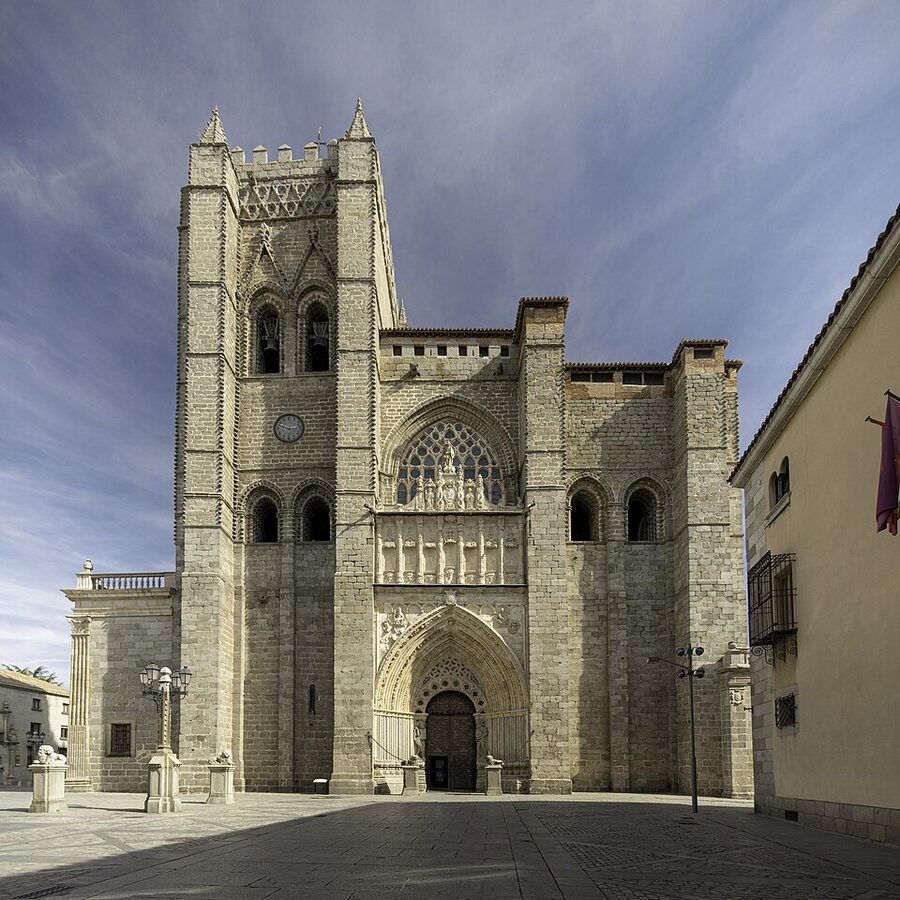
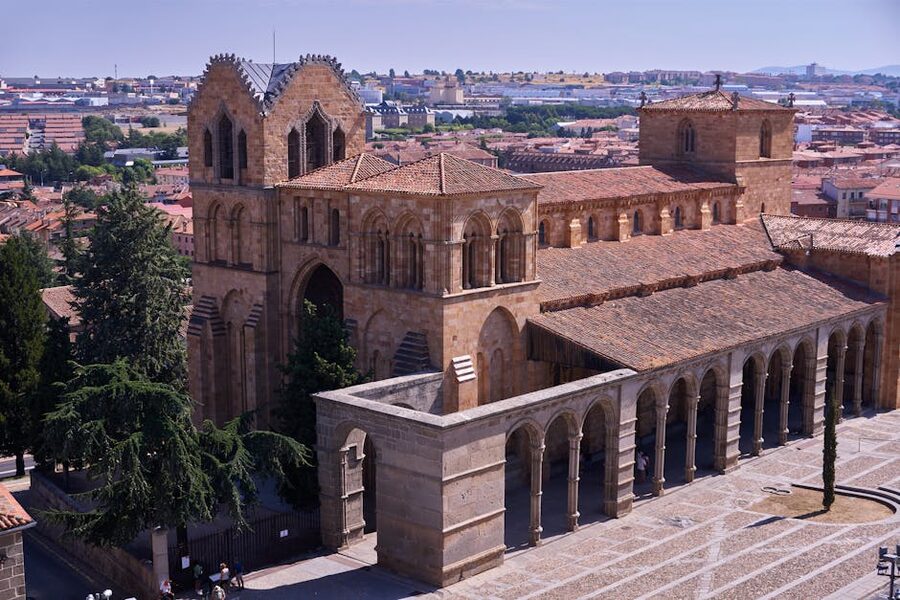
Basílica de San Vicente. Romanesque, started in the 11th century, with carved capitals worth a slow look. Your guide will probably mention the saints’ martyrdom story; ask if they have time, it’s good. €4.
Saint Teresa connections. Ávila is the birthplace of Santa Teresa, the 16th-century mystic and reformer. The Convento de Santa Teresa is built on her family home. If religious history isn’t your thing, skip it. If it is, you’ll wish you had longer.
Skip if you’re tight on time: the small art and history museums, and the Convento de la Encarnación (it’s outside the walls and you won’t make it back in time). Wall-walking is sometimes an add-on rather than a default; the alt-route Madrid: Segovia and Ávila day trip with optional entry tickets is the one to check carefully before you book.
What to actually eat in Ávila
Ávila is famous for two things on a plate: chuletón de Ávila (a huge T-bone steak from local Avileña-Negra cattle) and judías de El Barco (white beans cooked with chorizo and morcilla, slow and rich). Both are heavy. Both are worth ordering.
The optional Castilian lunch most tours include happens at La Rubia or a similar spot near Plaza Santa Teresa. For €15-€20 you get a starter, a main, dessert, and wine. It’s not gourmet, but it’s hearty and saves you the lunch-hunt. If you skip the included lunch, El Almacén and Las Cancelas are reliable. Yemas de Santa Teresa, the egg-yolk sweets sold in tins all over town, are an acquired taste. Try one before you buy a tin to take home.
What you actually see in Segovia
Segovia is bigger than Ávila and has more layers. Roman, medieval Christian, medieval Jewish quarter, royal court history. Three hours feels short. Here’s how I’d spend the time.
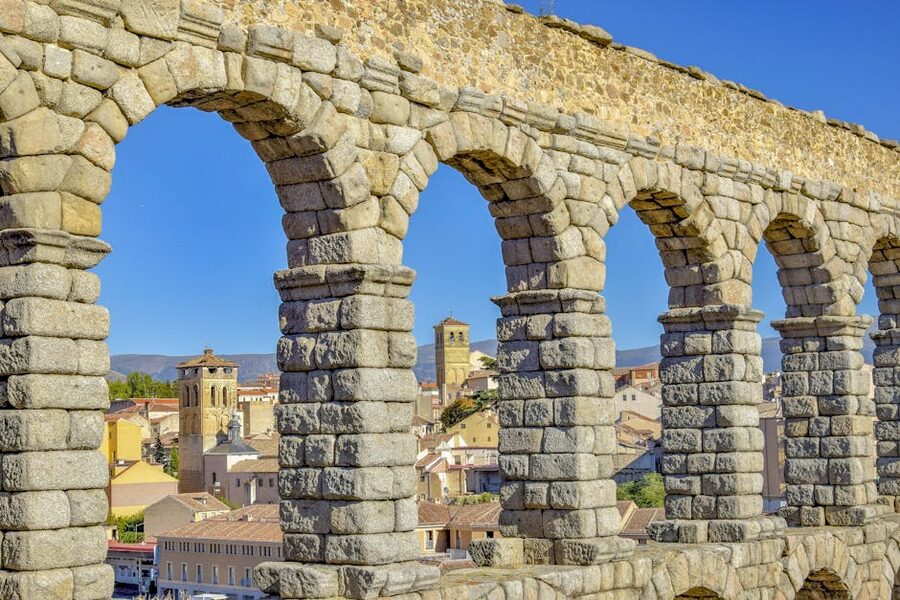
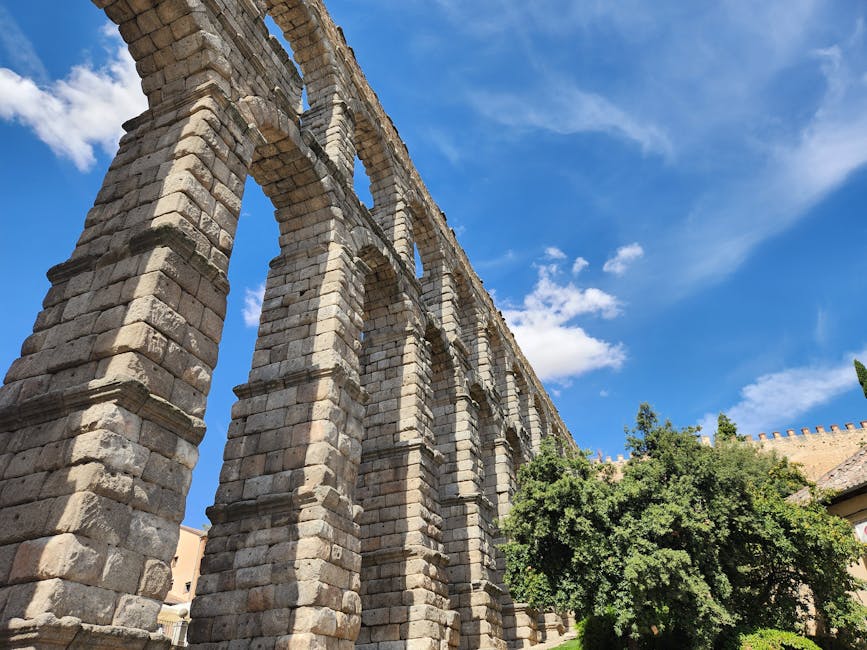
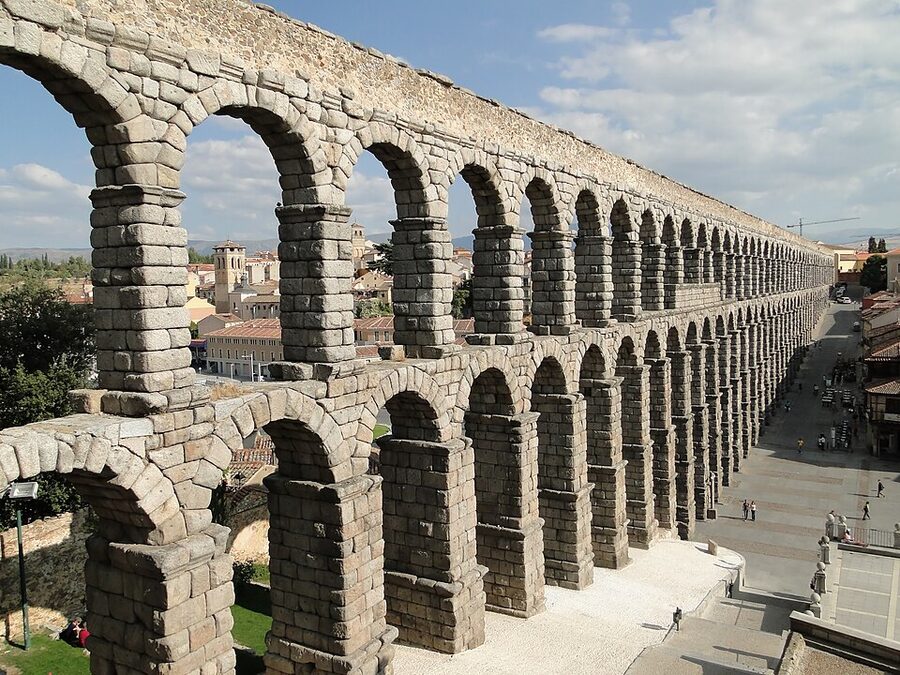
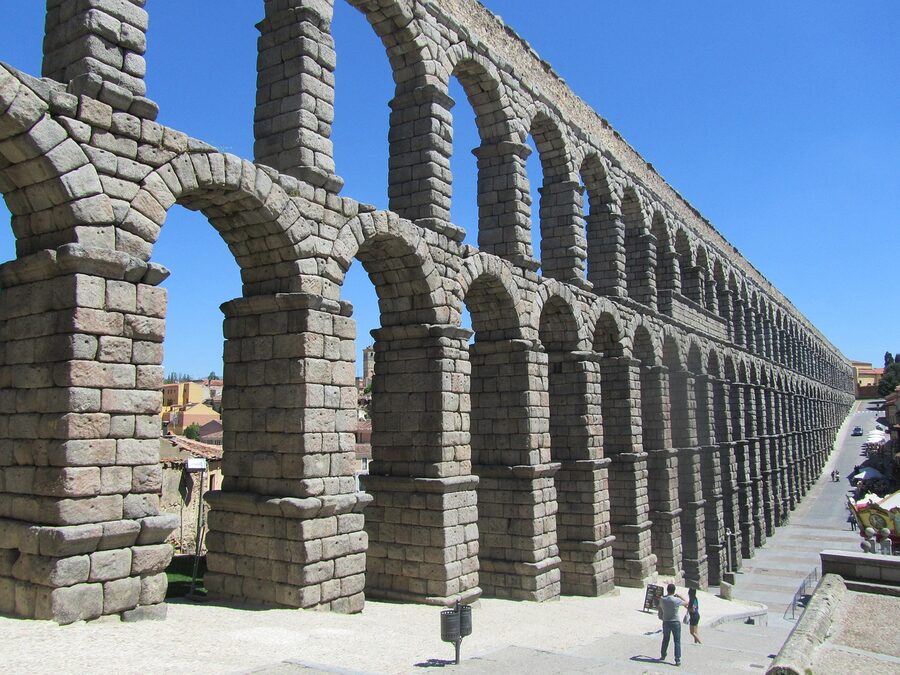
Aqueduct of Segovia. Walking under it for the first time is one of those travel moments that lives up to the hype. 167 arches, 818 metres long at its full extent, no mortar. Romans built it under Domitian or Trajan, somewhere between 50 and 100 AD. Your tour will pause at the eastern end where the arches reach their tallest, then walk you up Calle del Salón for the high view. Five minutes of this is enough; ten is better.
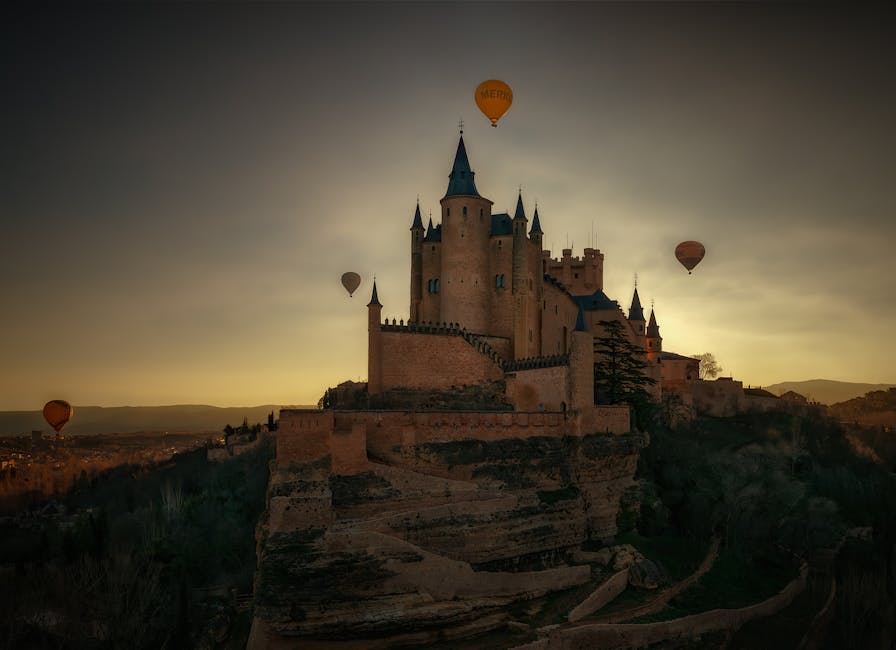
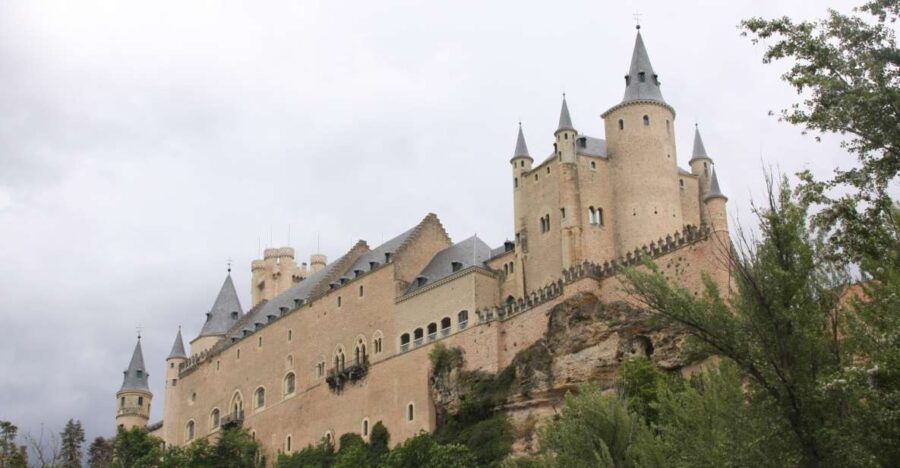
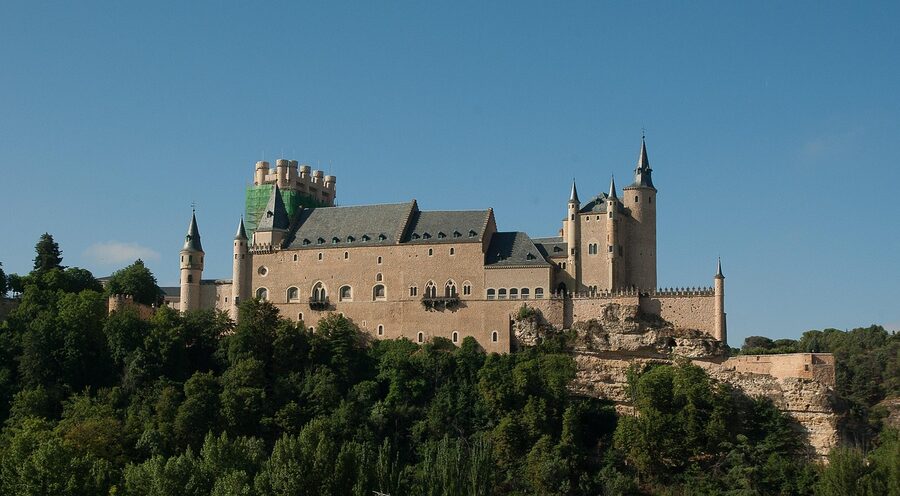
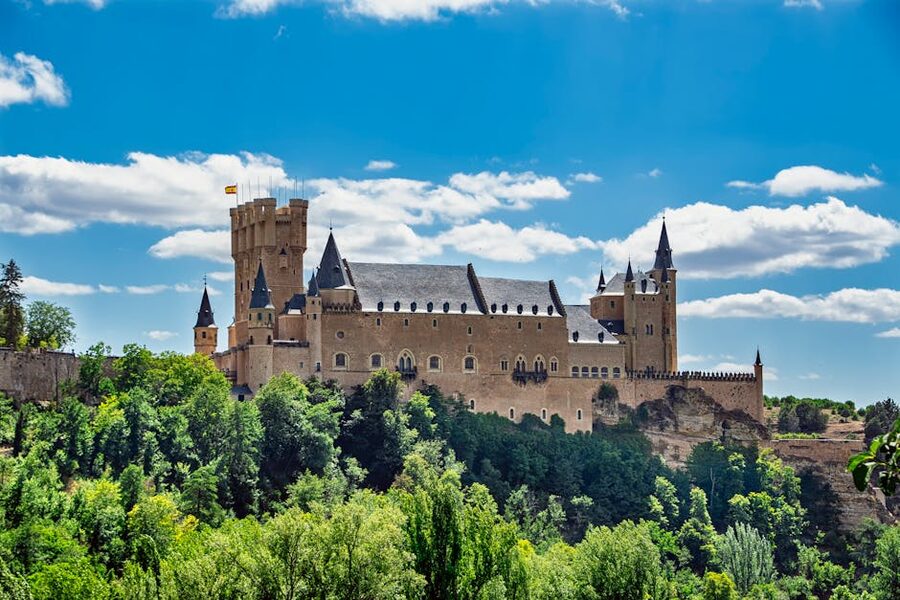
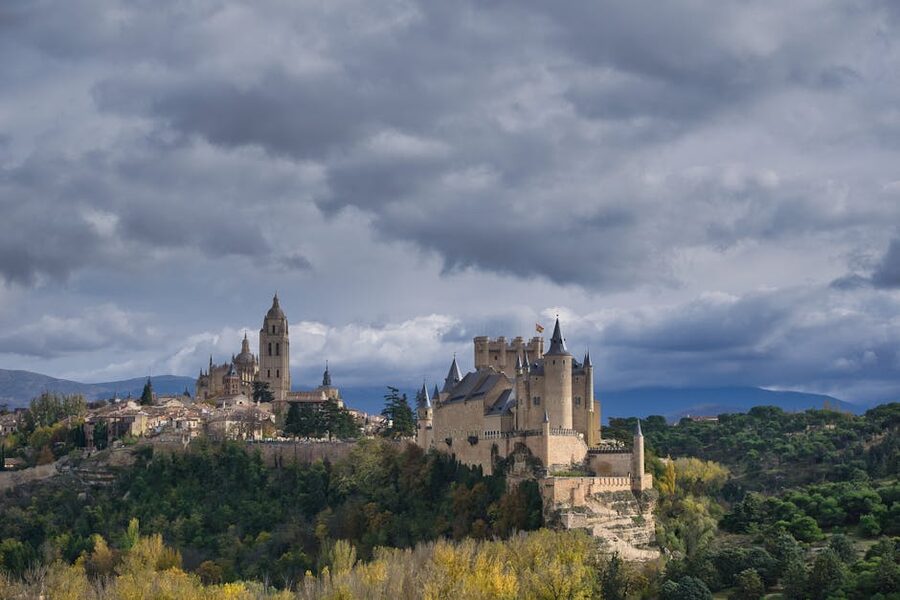
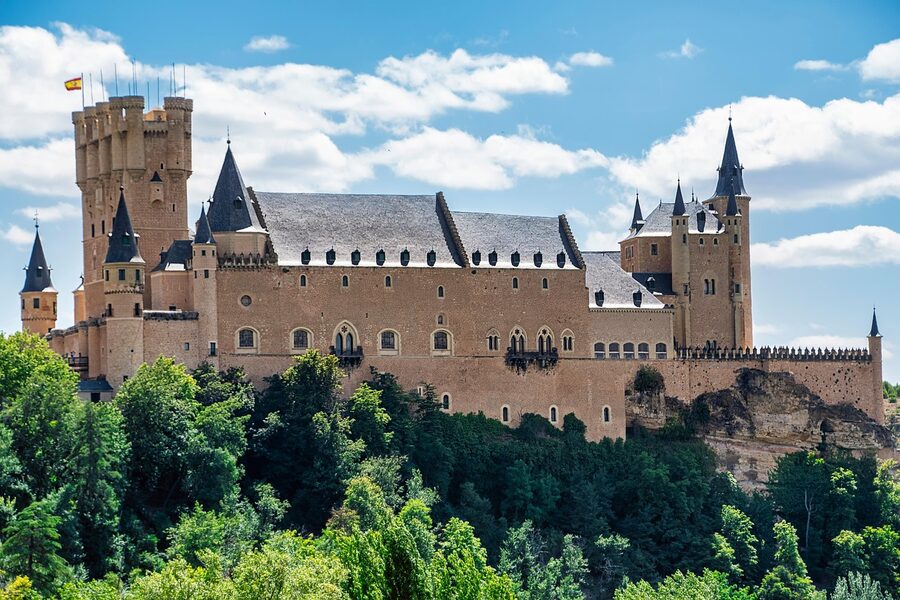
Alcázar of Segovia. The fairytale castle. Yes, it really did inform Walt Disney’s Snow White silhouette (and there’s a slightly murkier claim about Cinderella’s castle). The interior runs through twelve rooms, including the Throne Room and the Hall of the Pine Cones. The tower climb (the Torre de Juan II) is 152 steps and the views over the Eresma valley are the best in the city. €8 base entry, €2.50 extra for the tower. If you have to skip one Spanish castle, don’t skip this one.
Segovia Cathedral. One of the last Gothic cathedrals built in Spain, finished in 1768 (the Gothic style was very, very out of fashion by then). It dominates Plaza Mayor. Worth a walk-around. The interior takes 20-30 minutes if you go in.
The Jewish Quarter. Tucked behind the cathedral, off Calle Judería Vieja. Most tours don’t include this. If your guide has time, ask. The medieval Jewish Quarter and the old synagogue (now Convento del Corpus Christi) are the quietest, most atmospheric corners of Segovia.
What to actually eat in Segovia
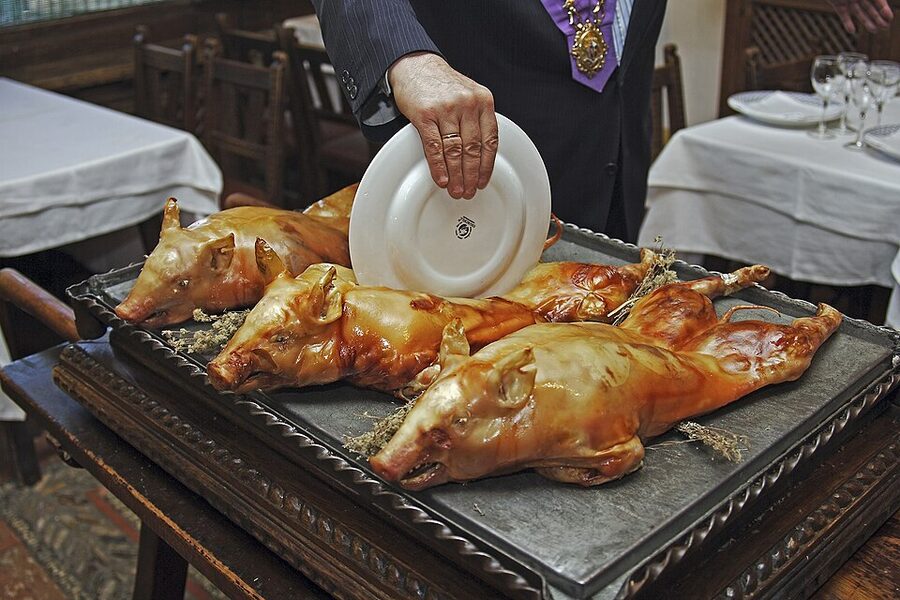
Segovia is the home of cochinillo asado, a 21-day-old suckling pig roasted slowly until the skin is so crisp the waiter cuts it with the edge of a plate. This is the city’s defining dish and Mesón de Cándido (next to the aqueduct) is the most famous place to eat it. Famous means tourist. Famous also means good. A full cochinillo set lunch is €30-€40.
If you don’t want to spend €35 on lunch, José María (more relaxed than Cándido, also serves cochinillo) and Mesón Mayor on Plaza Mayor are both good. For something cheap and quick, the tapas bars on Calle Infanta Isabel will sort you out for €15.
Ponche segoviano, the local marzipan-and-yolk dessert, comes in little wrapped squares and travels well. Buy some at Confitería Limón y Menta on Calle Isabel la Católica.
The optional third city: Toledo
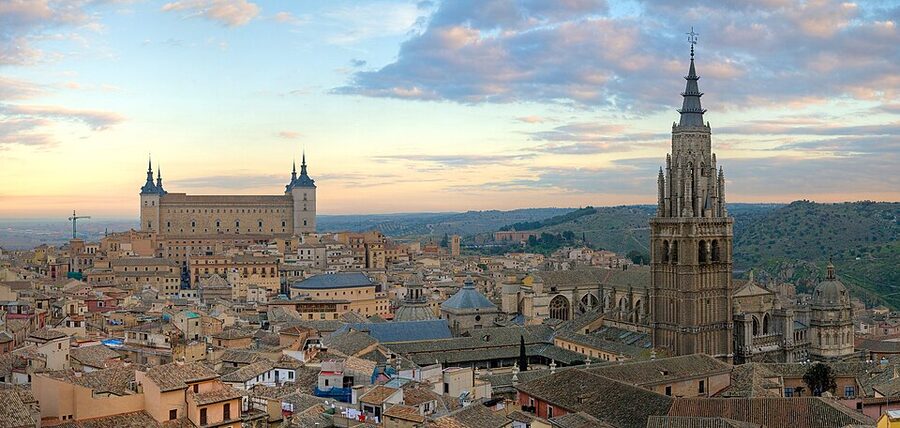
If you’ve already got a Spain trip mapped out and you’re seeing Toledo as a separate day, do not let a tour talk you into a Three-Cities-in-One-Day add-on. You’ll cut Ávila and Segovia down to under 90 minutes each and Toledo to two hours. Nothing is satisfying. If you only have one free day from Madrid and you want to glimpse three cities, our guide to the Three Cities tour covers exactly when it’s worth it. For most people on a normal schedule, two cities is the right answer.
Practical bits people get wrong
Don’t underestimate the cobblestones. Both cities have steep cobbled streets. Sneakers or proper walking shoes only. Heels and stiff soles will ruin you by 4pm.
Bring layers, even in summer. Ávila sits at 1,131 metres. Segovia sits at 1,008 metres. Madrid is at 660 metres. You’ll feel the temperature drop on the bus. From October to April, a proper jacket. From May to September, a long-sleeve top works.
Cash is still useful. Most cafés take card now, but small souvenir shops, the public toilet attendants in Ávila, and the tip jar at lunch all want coins or small bills.
Bring water. The buses don’t stock it. The tap water in both cities is fine to drink. Refill before you board.
Tipping the guide. Optional. €5 per person if they were good. Don’t be the only person on the bus who doesn’t.
When to go
Late spring and early autumn are best. April-June and September-October give you long daylight, manageable heat, and walls that aren’t slick with rain. July and August are hot in Madrid (35°C+) and warm but bearable on the meseta (28-32°C); the cathedrals and the Alcázar interior are blissfully cool. November-March is cold and damp, often with a real wind in Ávila, but the photos are the best of the year if the sun shows up. Avoid Spanish public holidays, especially Semana Santa: the towns get rammed and the tour buses double in number.
A few honest gripes
The day is long. Nine hours, much of it sitting on a bus. If you don’t sleep on transport, you’ll feel it. The drive from Madrid to Ávila is a flat motorway with little to look at; bring a podcast.
The viewpoint stop on the way into Ávila is famous and crowded. Five tour buses sometimes pull up at once. Get out fast and walk away from the parking lot for your photos.
Lunch in Ávila is the rushed part of the day. You have about 70-90 minutes including walk and eating. If you book the included lunch you’re on a clock; if you go off-script, you’ll need to know where you’re going.
And the cliché Disney-castle line about the Alcázar gets repeated by every guide. It’s true, more or less, but you’ll hear it about ten times.
Other day trips from Madrid worth looking at
If you have more than one free day, Madrid is a great base. The Toledo day trip is the closest equivalent in cultural weight to Ávila and Segovia, and it’s the one to pair with this one. The classic Toledo and Segovia combo works if you’ve already done Ávila on its own. For a totally different flavour, our Madrid panoramic city tour is a good half-day if you’ve got an arrival or departure morning to fill. And if Spain’s south is on your itinerary, the Royal Alcázar of Seville guide covers a very different kind of palace day.
The booking question
If you’ve read this far and you’re still on the fence, here’s how I’d think about it. Two travellers, one free day, no Spanish, no rental car: book one of the three tours above and don’t think about it again. Two travellers, two free days, decent Spanish: do Segovia as an overnight on the Avant, and skip Ávila or do it as a half-day add-on. Family with kids: take the tour, the bus is the easy mode. Solo and budget-tight: the third pick at $60 still bundles the two big-ticket monuments.
The thing I wish someone had told me before my first attempt: this is not a complicated day. The hard part is the first 5 minutes, picking which version. The rest takes care of itself.