
My friend Carmen swears the moment she got Naples was watching a guy fold a pizza into quarters with one hand, hand it to a kid for €1.50, and not break the conversation he was having about football. She’d been wandering Spaccanapoli for two hours trying to figure out how this city worked. That single move did it.
Naples street food does that. It’s noisy, it’s cheap, it’s everywhere, and a guided walk through the markets and alleys is the fastest way in.
In a Hurry? Top 3 Naples Street Food Tours
- Street Food Walking Tour with Local Guide: $50, the most-booked, eight tastings, 2.5 hours, finishes with limoncello.
- Street Food Tour With Local Guide: $48, slightly more sightseeing built in, factory stop for limoncello, gelato finale.
- Street Food Tour With Local Expert: $51, Viator’s small-group take, history-heavy, runs in the historic centre.
- In a Hurry? Top 3 Naples Street Food Tours
- What a Naples Street Food Tour Actually Is
- How Booking Works
- What You’ll Eat
- Pizza fritta
- Pizza a portafoglio (folded pizza)
- Cuoppo
- Frittatina di pasta
- Sfogliatella
- Mozzarella di bufala
- Babà
- Crocchè di patate
- Limoncello
- The Three Tours Worth Booking
- 1. Naples: Street Food Walking Tour with Local Guide:
- 2. Naples: Street Food Tour With Local Guide:
- 3. Naples Street Food Tour With Local Expert:
- Where the Tours Actually Go
- Pignasecca
- Spaccanapoli and the Decumani
- Quartieri Spagnoli
- Practical Stuff Before You Go
- Other Things to Try Beyond the Standard Menu
- What This Costs Day-Of
- Coffee, Gelato and the Espresso Rules
- If You’re Coming From Outside Naples
- What to Watch Out For
- Why I Keep Coming Back to Naples for Food
- Pairing This With the Rest of Your Naples Trip
What a Naples Street Food Tour Actually Is
You walk. You eat. You walk a bit more. A local guide takes a small group (usually 8 to 12 people) through the historic centre, the Pignasecca market, or the Spanish Quarters, and stops at six to eight food spots along the way. Each stop is a different bite. By the end you’ve had pizza fritta, a cuoppo, mozzarella di bufala, a sfogliatella, and probably a limoncello shot.
The food is the headline but the geography is the point. Naples doesn’t make sense from a tour bus. It makes sense at street level, dodging mopeds, watching laundry hang above your head, ordering from a guy who’s been frying things in the same shop since the seventies. A guided street food walk gets you into all of that without the panic of doing it alone on day one.
How Booking Works
Almost every Naples food tour you’ll find online runs through GetYourGuide or Viator. Local operators list on both platforms because that’s where international travellers actually book. Prices sit between $45 and $60 per person for a 2 to 3 hour walking tour with tastings included.
You pick a date, pay upfront, and get a meeting point that’s usually a piazza or church near the historic centre. Piazza Trieste e Trento and Piazza San Domenico Maggiore come up a lot. Show up 15 minutes early, find your guide (they’ll have a sign or a coloured umbrella), and that’s it.
Free cancellation up to 24 hours is standard on both platforms. Pay attention to that on Viator listings because a few don’t offer it. GetYourGuide is more consistent.
What You’ll Eat
The menu varies between tours but the core list is consistent. Here’s what most operators include in some form.
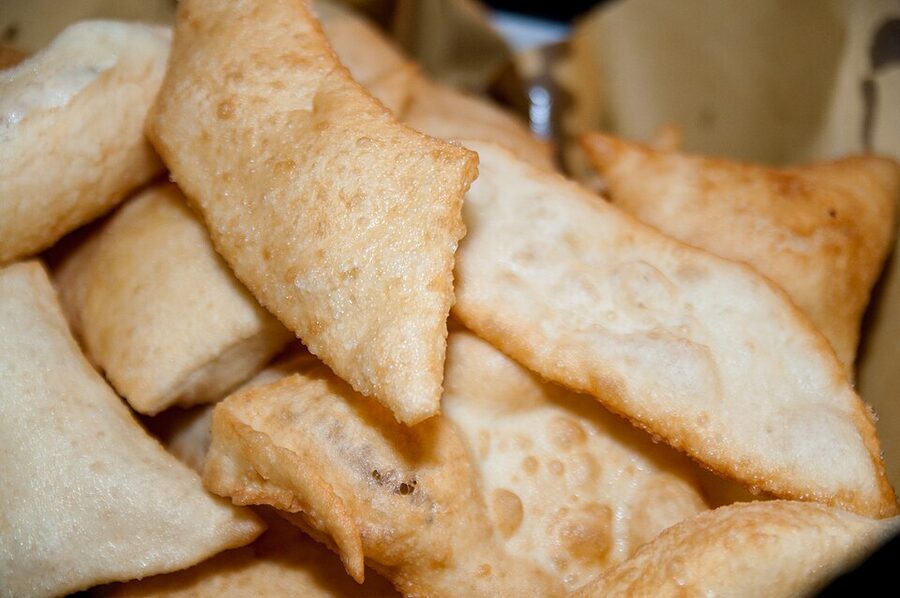
Pizza fritta
Deep-fried pizza. It looks like a calzone, eats like a meal. The dough is folded around ricotta, tomato, sometimes cured pork, and dropped into oil. Sophia Loren made it famous in L’Oro di Napoli. Every guide will mention this. The best ones come from family-run shops where the same recipe has been used for sixty years.
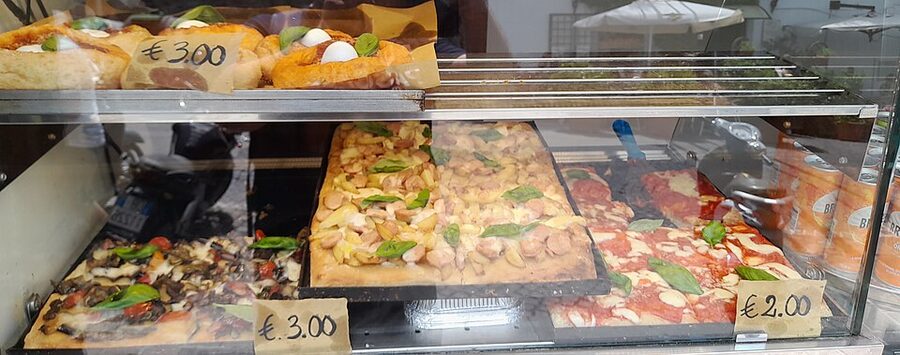
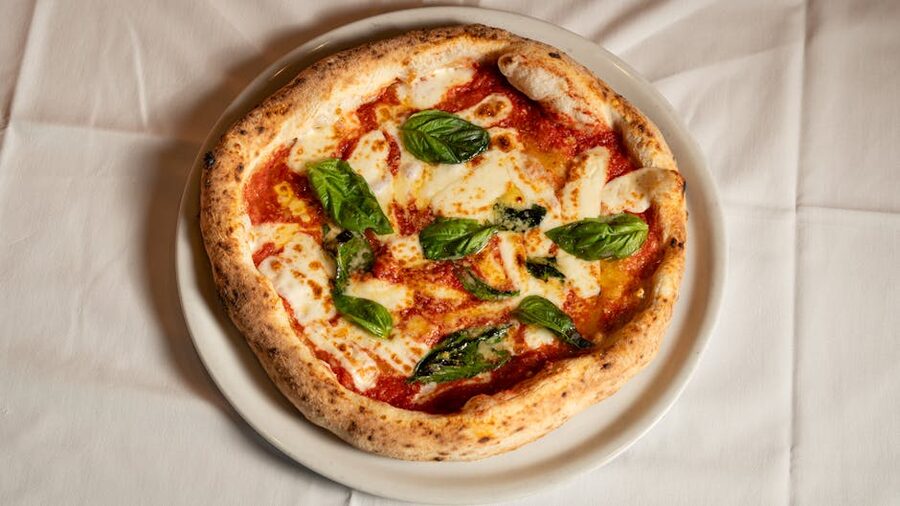
Pizza a portafoglio (folded pizza)
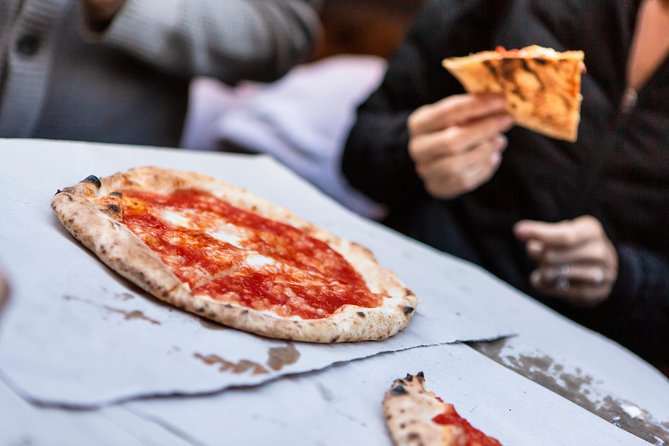
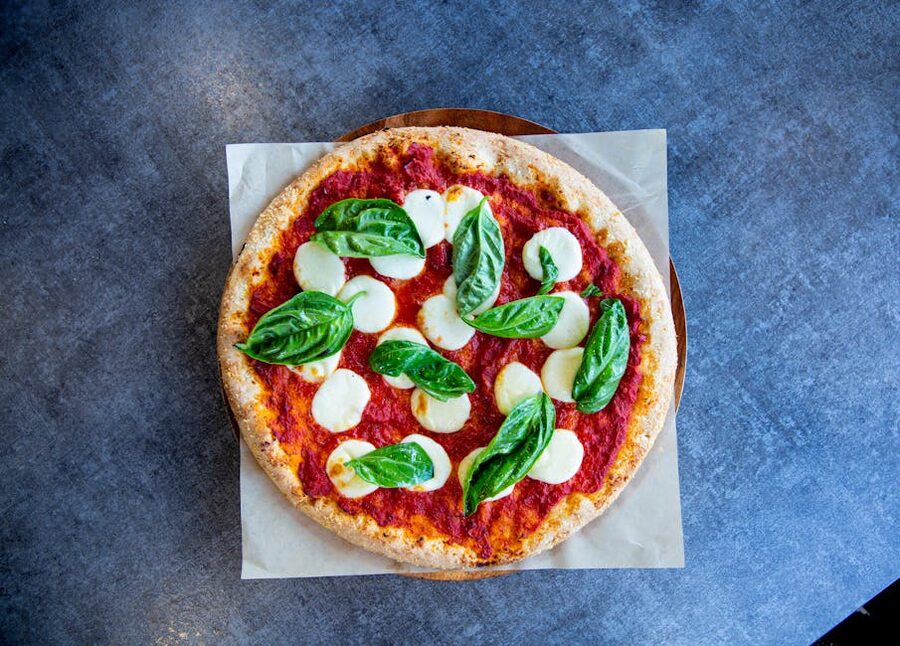
The “wallet pizza.” A regular Margherita folded in quarters and handed over in a square of greaseproof paper for €2 to €3. Designed to be eaten while walking. The most Neapolitan thing you can do with a slice. Da Michele and Sorbillo both do versions but the cheapest ones from neighbourhood pizzerias are honestly just as good.
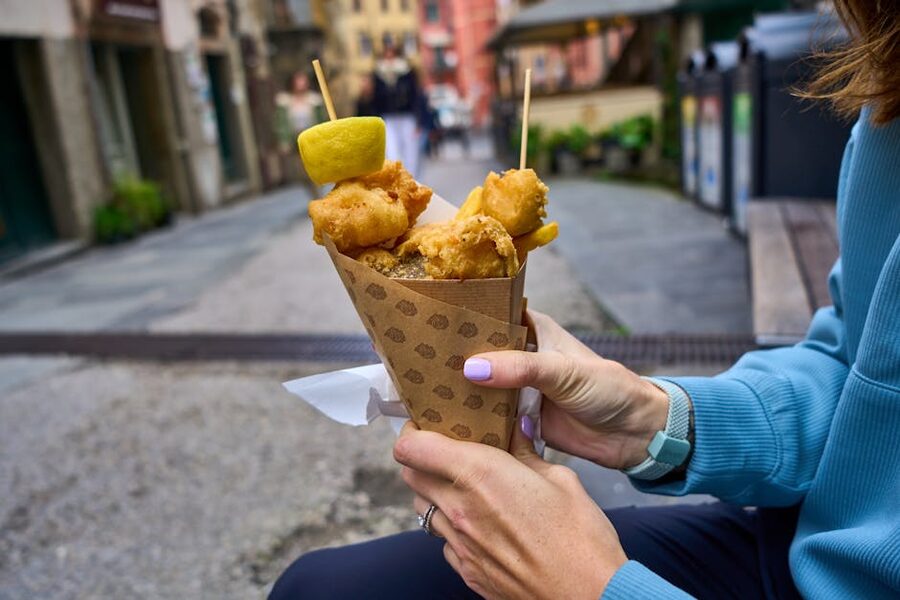
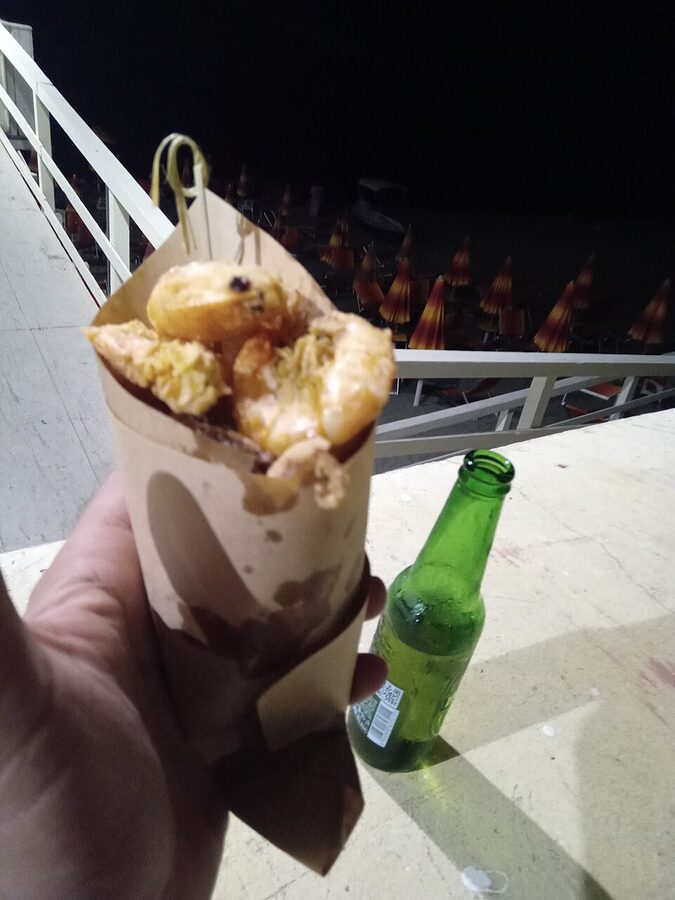
Cuoppo
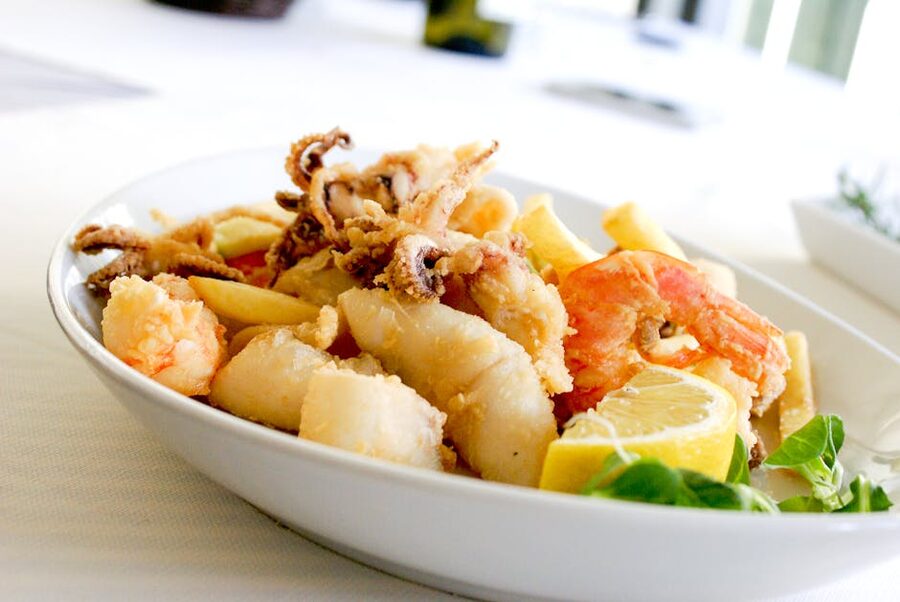
A paper cone of fried things. Calamari, anchovies, baby octopus, mozzarella balls in the seafood version. Aubergine, courgette flowers, croquettes in the vegetable version. Around €5 to €8 depending on size. You eat it walking. Don’t try to share, it gets cold fast.
Frittatina di pasta
A puck of cooked pasta (usually bucatini), béchamel, peas, ham, and provola, breaded and deep-fried. Sounds wrong, eats incredible. Around €1.50 to €2.50 each. Most pizzerias in the centre keep them in a glass case near the till. The hot ones are unreal, the warm ones are still good.
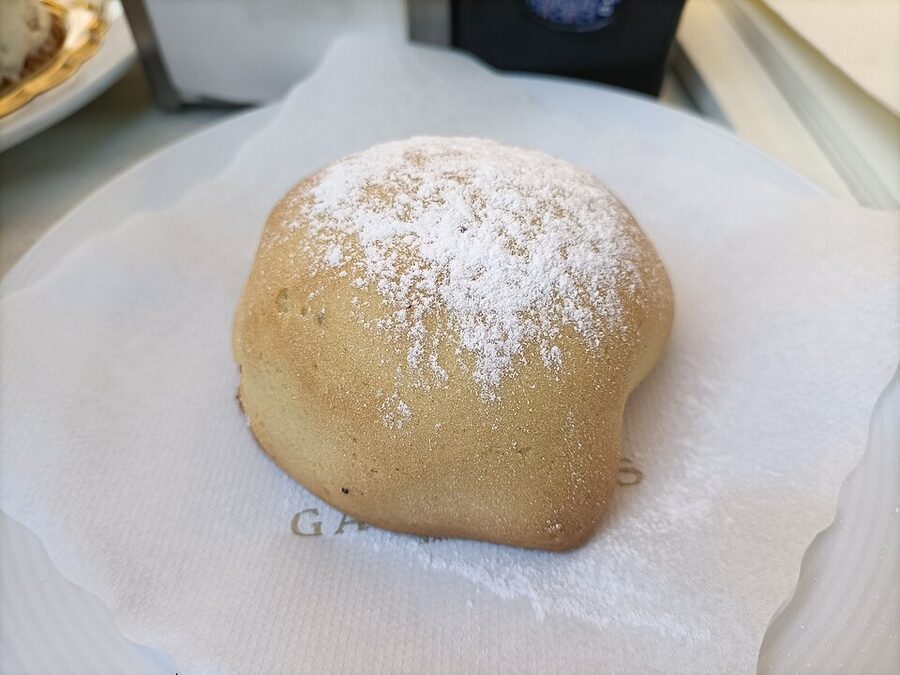
Sfogliatella
The pastry. Two versions: frolla (smooth, shortcrust shell, easier on the teeth) and riccia (the famous flaky shell that looks like a clamshell). Filled with sweetened ricotta, semolina, and candied fruit. Pintauro on Via Toledo and Scaturchio in the historic centre are the legacy spots. Everyone in Naples has an opinion about which is better.
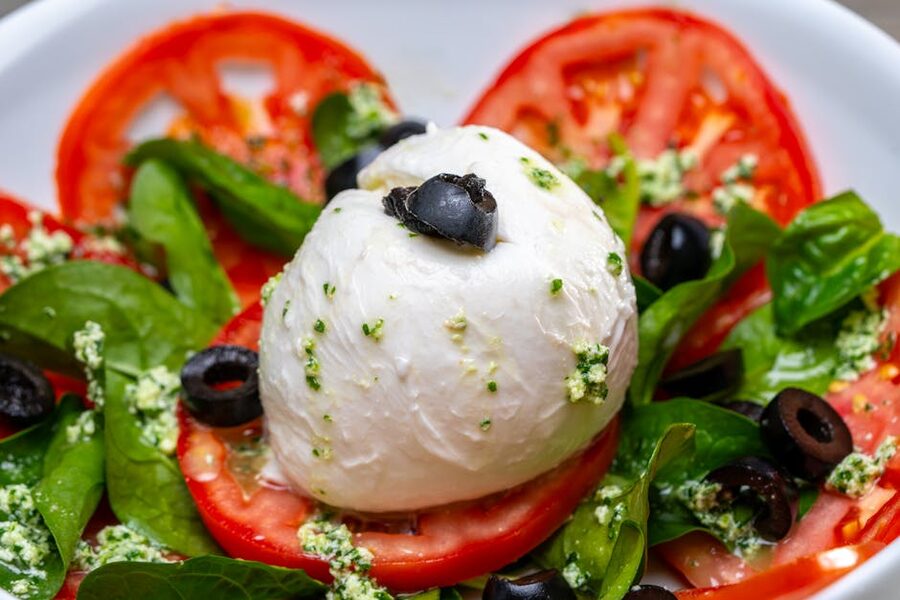
Mozzarella di bufala
Different from the fior di latte you get on most pizzas. This is from water buffalo milk, made in Campania, and a fresh ball costs around €4 to €6 from a market stall. It should be eaten the day it’s made. Tours usually buy a whole one and tear pieces off for the group. If you’ve only had supermarket mozzarella you won’t believe it’s the same thing.
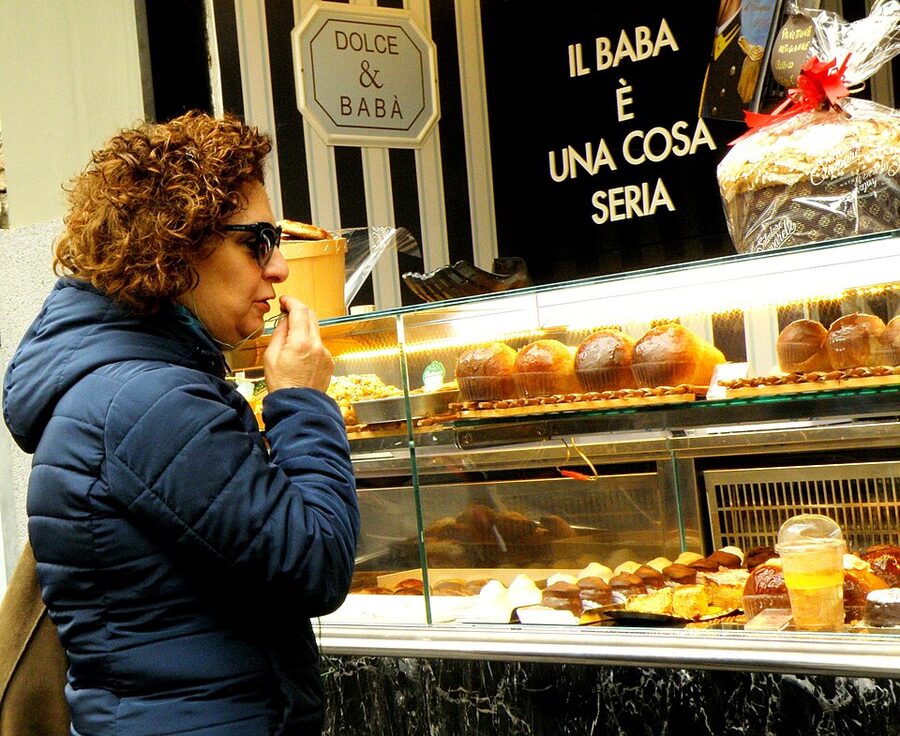
Babà
A small mushroom-shaped sponge soaked in rum (sometimes limoncello). About €2 each. Not for everyone if you don’t like booze-soaked sponge but it’s a Neapolitan signature, written into the local idioms. “Si nu babà” means “you’re a babà” in dialect, which is a compliment.
Crocchè di patate
Potato croquettes. Filled with mozzarella, sometimes ham. Cheap (€1) and filling. Found in the same fryer-front displays as the frittatine. Eat one as a quick lunch chaser if you missed pizza fritta day. Worth knowing they usually share fryer space with frittatine, so coeliacs should ask before assuming the frying oil is gluten-free.
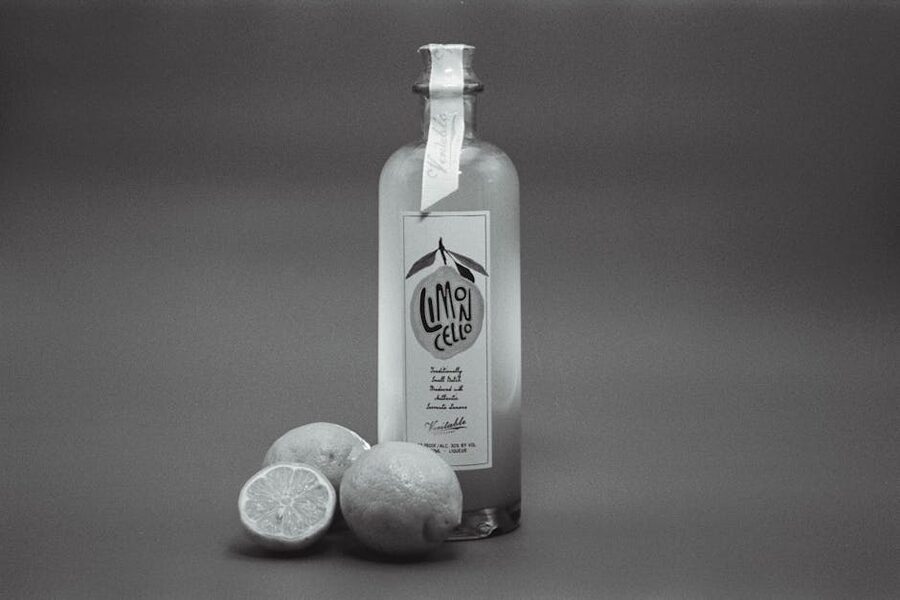
Limoncello
The closer. Most tours end with a small glass at a producer’s shop or a bar, served ice-cold. Naples uses Sorrento and Amalfi lemons, the IGP variety with a thick fragrant peel. €3 to €5 for a glass. They’ll usually try to sell you a bottle to take home and the small ones are actually fine for €8 to €12.
The Three Tours Worth Booking
1. Naples: Street Food Walking Tour with Local Guide: $50
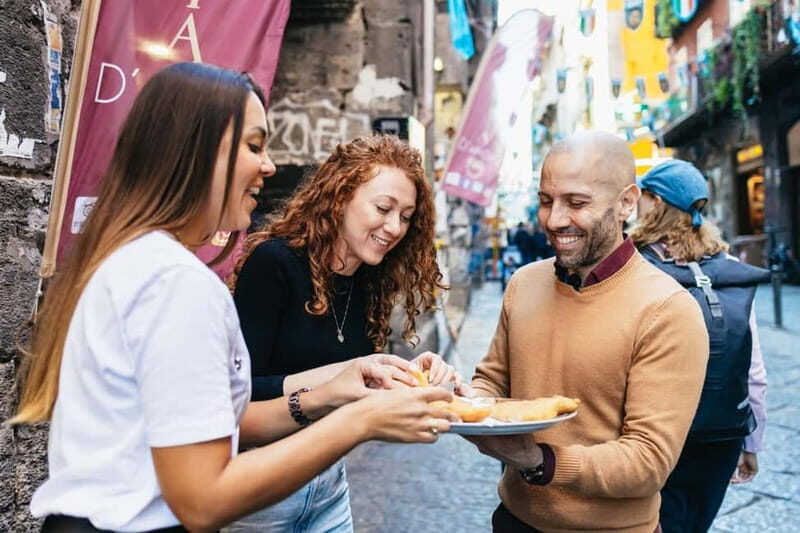
This is the one I’d book first. Almost five thousand reviews, 4.9 average, the price is right at $50 and the route hits everything you actually want to try. Our full review of the Street Food Walking Tour goes through the eight tastings and the limoncello finale. Guide quality is the deciding factor and Carmen, who shows up in the recent reviews, sounds like a category of her own.
2. Naples: Street Food Tour With Local Guide: $48

The cheaper sister listing. Same operator family, slightly different route, leans a bit more on landmarks between bites. Daniella keeps coming up as the standout guide in our review of this tour, and the limoncello factory stop is the best version of that built-in upsell I’ve seen on a food walk.
3. Naples Street Food Tour With Local Expert: $51
Pick this one if you prefer Viator, want a smaller group, or care about historical context as much as the food itself. The pacing is slightly slower than the GetYourGuide tours and the guide (Mario, in most recent reviews) leans into Naples’ backstory. The tour write-up covers what’s different about this version.
Where the Tours Actually Go
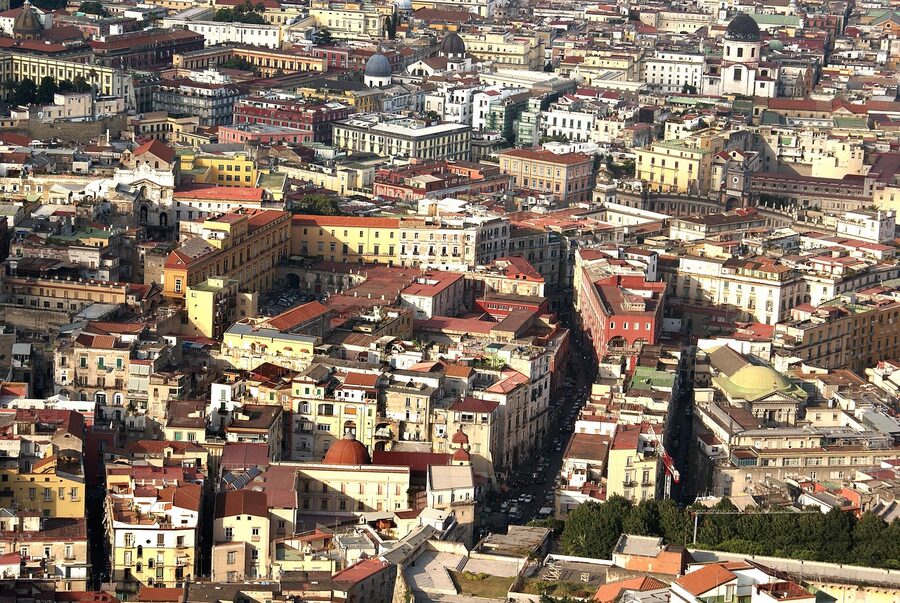
Three neighbourhoods cover almost every itinerary. Knowing which one you’re walking through helps you decide whether the tour matches what you want to see.
Pignasecca
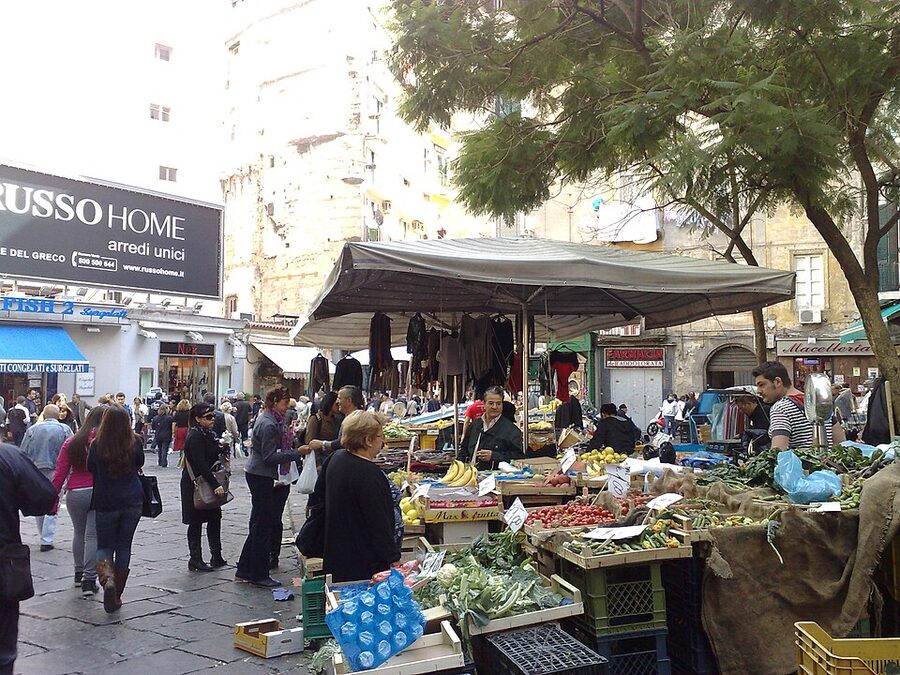
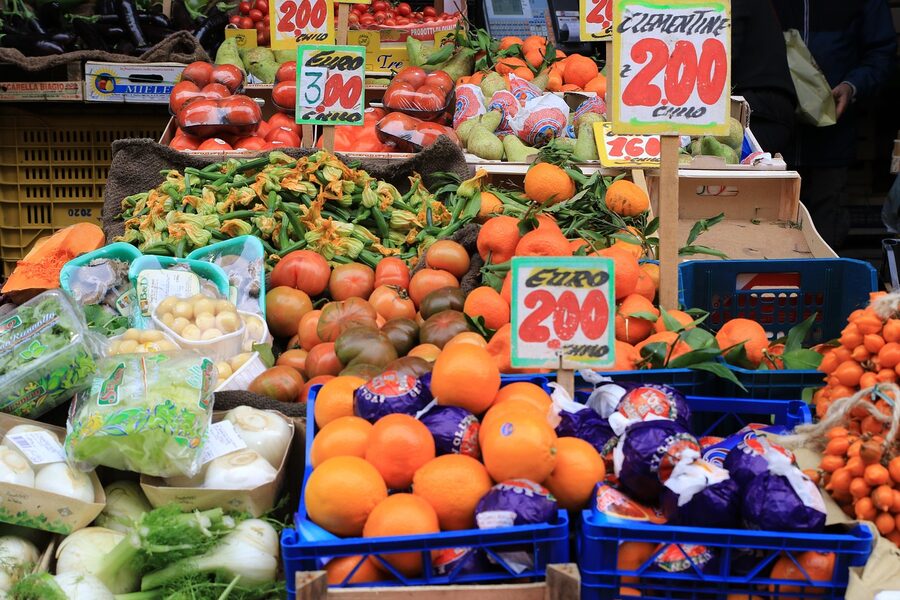
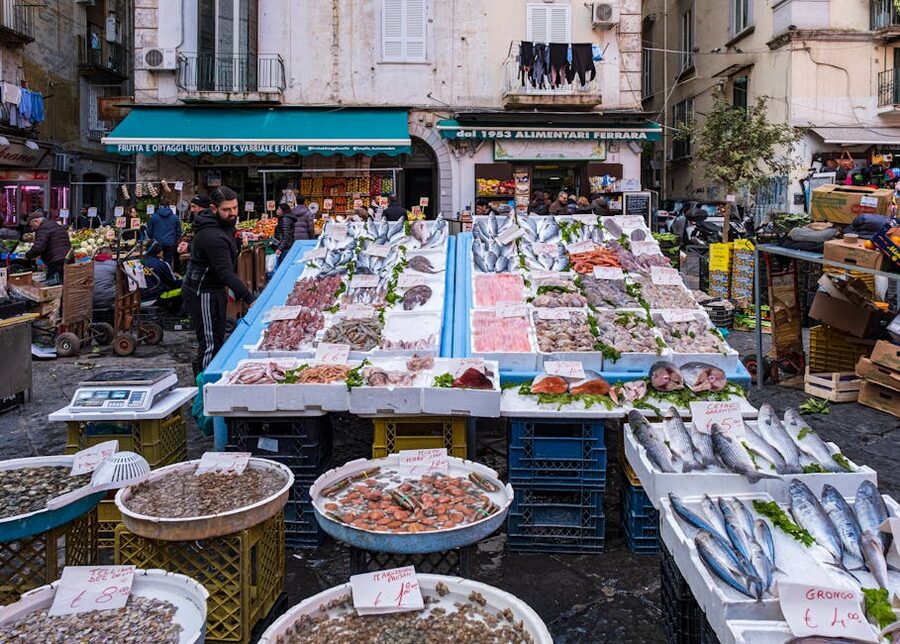
The oldest open-air market in Naples. Fish stalls, fruit pyramids, lottery shops, butcher counters, and old men shouting prices in dialect. Most tours route through here for the market section. If you want to come back on your own, mornings (8am to 12pm) are when it’s running properly.
Spaccanapoli and the Decumani
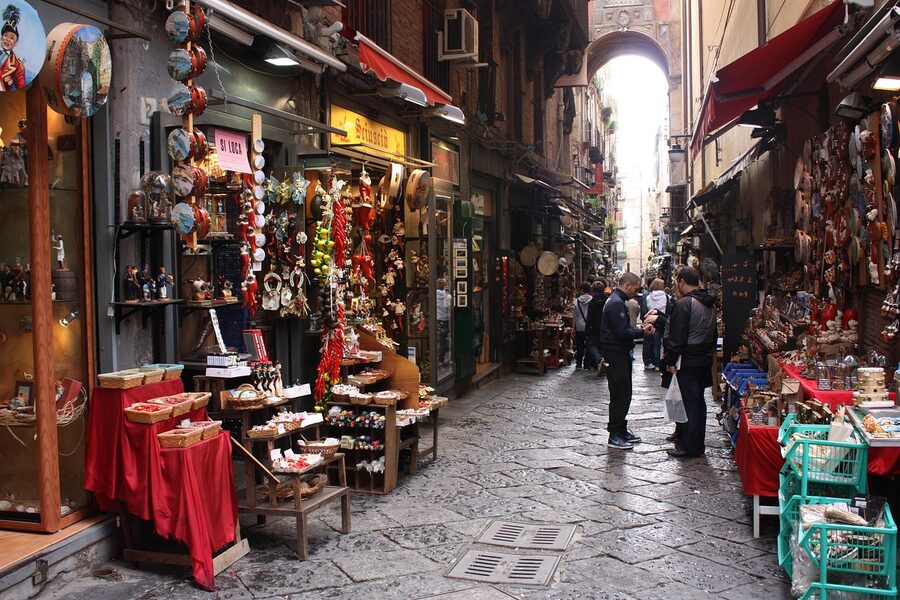
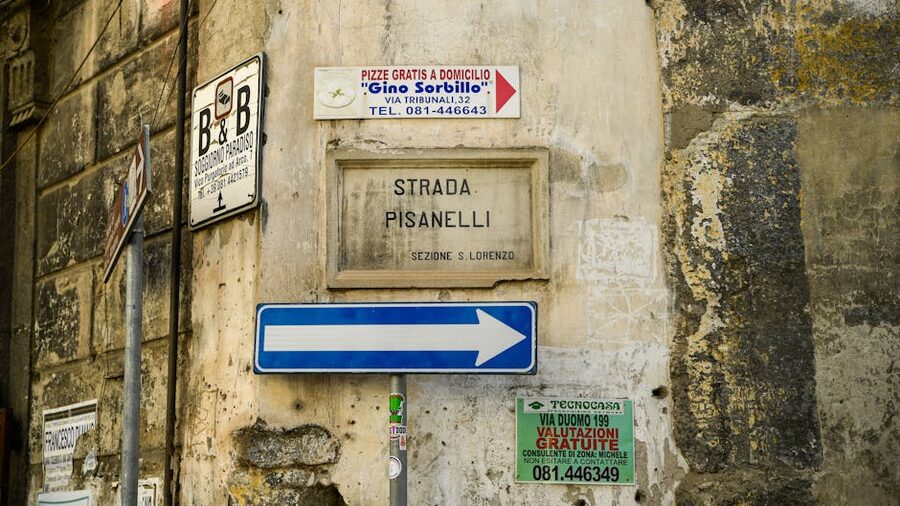
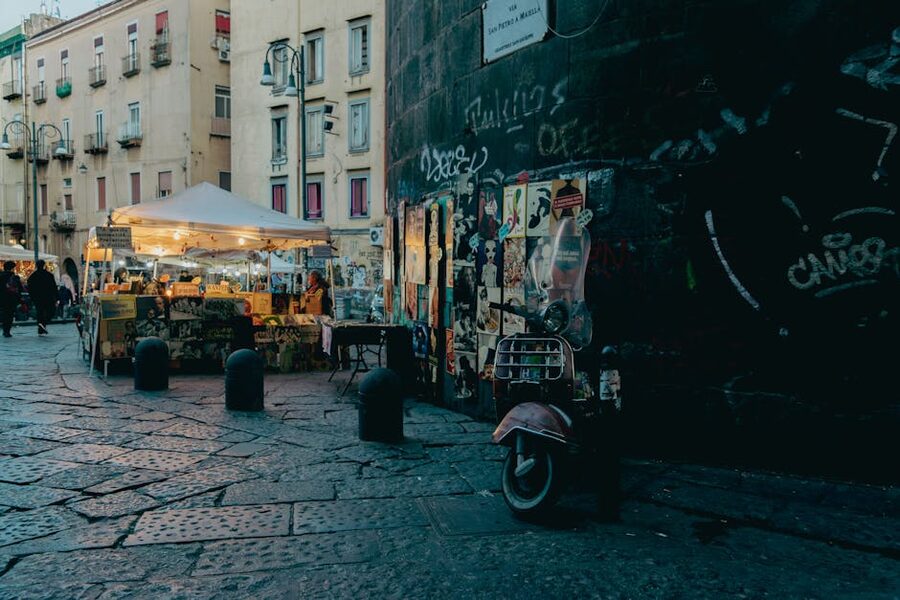
The dead-straight road that splits the historic centre. Tours running along the Decumani hit the legacy pizzerias (Sorbillo, Da Michele’s overflow), the pastry classics (Scaturchio), and the small fryers tucked into side alleys. Lots of churches, lots of street art, a constant stream of mopeds cutting too close.
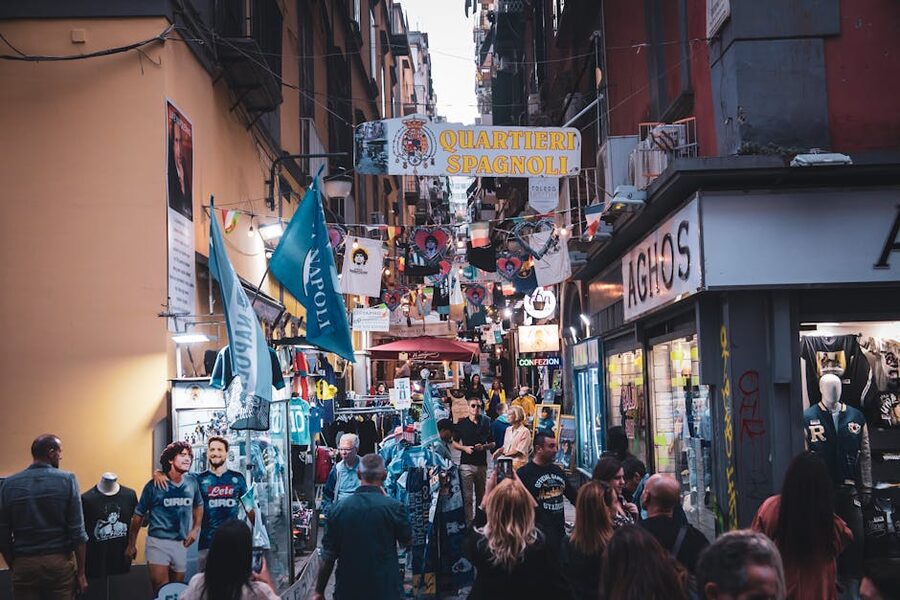
Quartieri Spagnoli
The grid of narrow streets above Via Toledo. Built for Spanish soldiers in the 16th century, still narrow, still loud, still where most locals live. The Maradona murals, laundry-strung alleys, and €1 espresso bars all happen here. A few tours focus exclusively on this area and they tend to be smaller and rougher around the edges in a good way. If you want a feel for the geography before booking, the same lanes show up on a Naples pizza-making class in the late afternoon.
Practical Stuff Before You Go
Wear flat shoes. Naples streets are cobblestones, often wet, and you’ll be on them for two hours plus. Skip the sandals.
Come hungry but not starving. Eight tastings sounds like a lot but the portions are small and you’ll be fine. Skip breakfast or have it light. If you go in already full you’ll waste half the tour.
Cash is useful. Most stops on tours are pre-paid by your operator but if you want to grab extras (a second cuoppo, an espresso between stops) you’ll need €5-10 in coins and small notes. Tour-heavy areas accept cards but the actual food spots often don’t.
Book mornings or early evenings. Avoid 1pm to 4pm in summer, the heat in the lanes between buildings is brutal and a lot of shops shut for siesta. The best slot is 5pm to 7:30pm when the city wakes back up and the markets are doing their second shift.
Tell them about allergies upfront. Gluten and dairy come up in almost everything. Most operators will adapt if you message ahead but don’t surprise the guide on the day, you’ll spend half the tour watching people eat things you can’t have.
Tip the guide. Not mandatory, but €5 per person is the local convention if you’ve enjoyed it. Cash, end of the tour, no ceremony.
Other Things to Try Beyond the Standard Menu
If you do a tour and want to come back for round two, here’s what doesn’t always make the standard list.
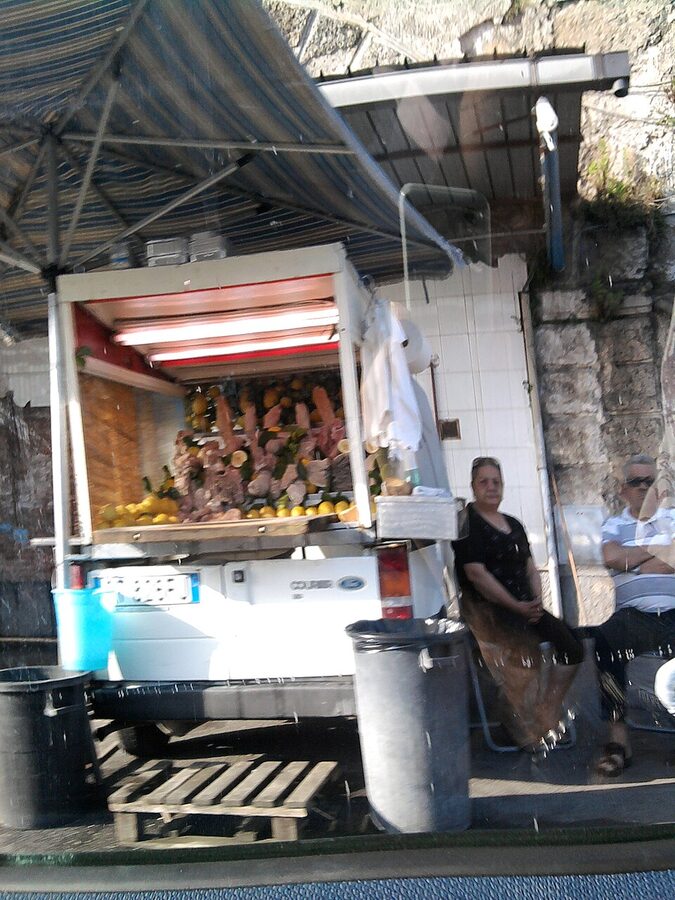
Pere e o’ musso: cold cuts of pig snout, foot, and ear, sliced thin and seasoned with salt and lemon. Usually sold from the iconic three-wheeled “ape” trucks. €3 a portion. Not for everyone, perfect if you’re into it.
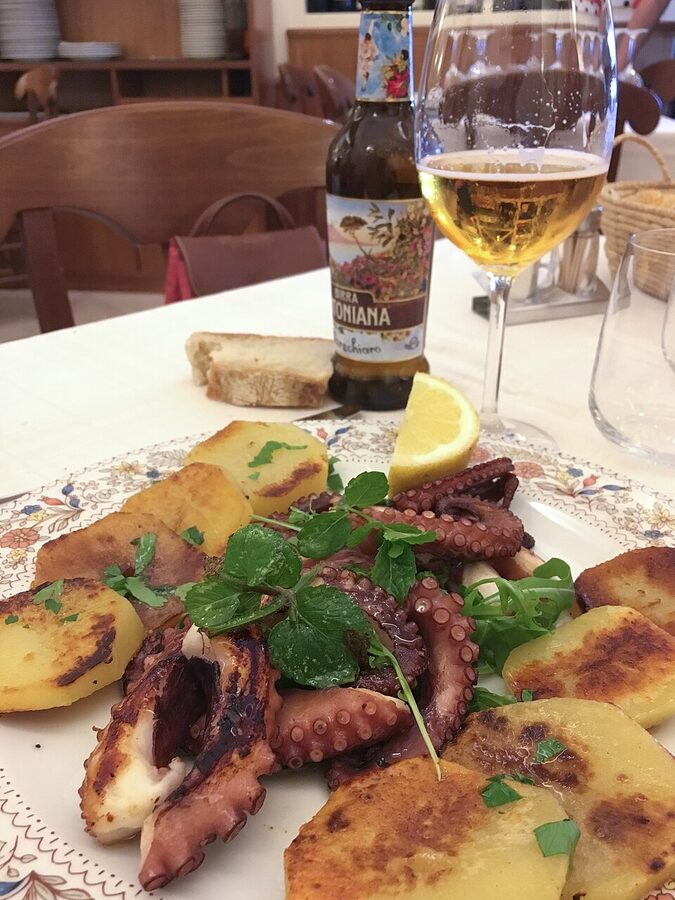
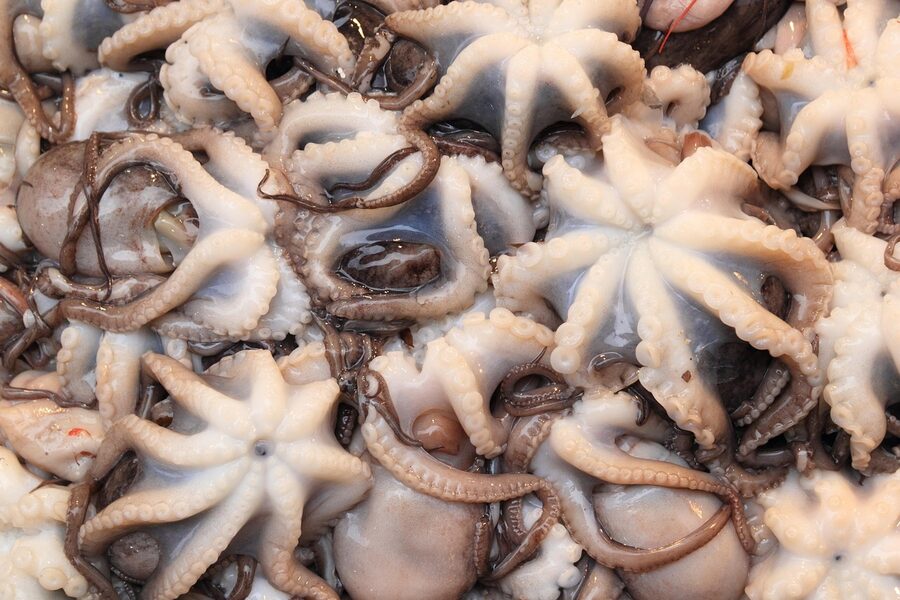
Purpo arrustuto: roasted octopus, often with potatoes. Found in trattorie near the port and at the Sunday lunch tables of half the city. Heavier than a tasting bite, better as a sit-down meal. The octopus also turns up grilled at boat-tour pit stops, which is one reason a Capri boat trip from Naples is a surprisingly good food day.
Cuzzetiello: a hollowed-out bread roll filled with meatballs and ragù. Naples’ answer to a hot sandwich. Around €5. Heavy. Nap-inducing in the best way.
Spiga di mais bollite: boiled corn on the cob, sold from carts in summer near the Lungomare. €2. The most basic snack on the list and somehow one of the most addictive.
What This Costs Day-Of
If you’re trying to budget for a Naples food day with or without a tour:
- Guided street food tour: $45 to $60 per person, food included
- Self-guided eating, six stops: €15 to €20 total
- Sit-down pizza dinner: €8 to €15 per pizza, drinks separate
- Bottle of mid-range Campania wine: €15 to €25 in a restaurant
- Espresso at a stand-up bar: €1 to €1.20
The guided tour adds about €30 to €40 over the cost of the food itself, which is the price of having a local explain what you’re eating and which family-run shops are worth it. For a first day in Naples I’d pay it. Day three, I’d go solo.
Coffee, Gelato and the Espresso Rules
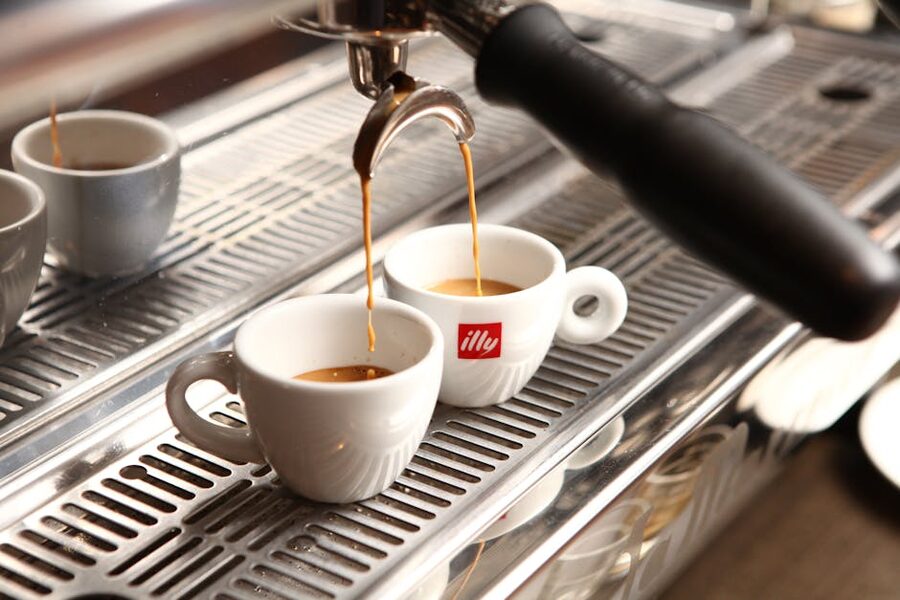
Naples takes its espresso seriously. Some quick rules: order at the bar (sit-down adds €1-2 per drink), drink it standing, drink it fast, don’t ask for milk after 11am unless you want to be quietly judged. A normal espresso is €1 to €1.20. A cappuccino at a stand-up bar is €1.50.
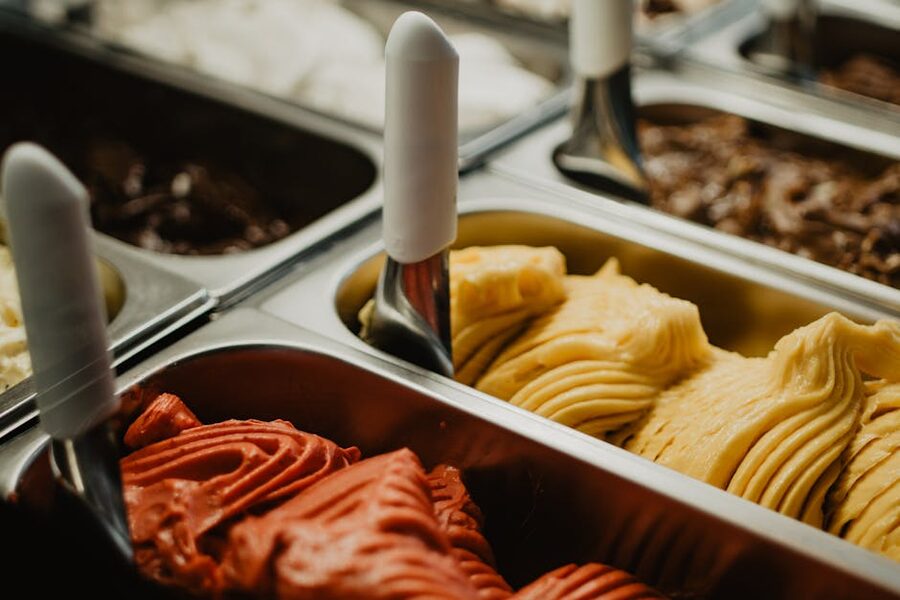
Gelato in Naples is good but Sicily and Florence still beat it on average. Stick to artisanal places (the ones with covered metal tubs, not piles of fluffy display gelato) and you’ll be fine. Around €3 for a small cone, €4 for medium, €5+ for large. Crema, pistachio, fior di latte and limone are the safe bets.
If You’re Coming From Outside Naples
Most people doing a Naples food tour are basing themselves in the centre, but a fair few come down for the day from Sorrento, Pompeii, or even Rome.
From Sorrento: the Circumvesuviana train takes about 70 minutes and runs every 30 minutes. €4 each way. Get off at Napoli Garibaldi (Naples Centrale). The walk to the historic centre is 15 minutes or you can grab the metro for €1.20.
From Rome: 70 minutes on the Frecciarossa, €30 to €60 each way depending on how early you book. It’s a perfectly doable day trip if you start before 9am.
From the Amalfi Coast: harder. Either bus to Sorrento and train, or a SITA bus to Salerno and train, both options eat 2 hours each way. If you’re staying in Amalfi, do Naples as a day trip on a moving day rather than a side excursion. The reverse is easier: a Sorrento, Positano and Amalfi day trip from Naples is one of the most-booked outings from the city.
What to Watch Out For
Naples is fine. It’s not the chaos that 20-year-old guidebooks make out, but a few things to keep in mind:
Mopeds in pedestrian streets. They will drive at you. Step to one side and let them through. They’re not aggressive, just impatient.
Pickpockets in the metro and at Garibaldi station. Standard travel rules. Money belt, zipped pockets, eyes on your bag in crowds.
Closed days. A lot of family-run pizzerias and trattorie are shut on Mondays and most close for two weeks in August. Tour operators usually run year-round but check the date if you’re booking for a specific week.
The “free” tour scams. Around the meeting points you’ll occasionally get offered “free” tours that turn into hard sells for sit-down lunches. Stick to your booked tour and your booked guide.
Why I Keep Coming Back to Naples for Food
Florence has the prettier squares, Rome has the grander history, the Amalfi has the views. Naples just has the best food I’ve eaten in Italy, full stop. It’s also the cheapest of the four. A two-hour walk through Pignasecca on my second visit cost me €18 in food and a €5 espresso, and I was still talking about it months later.
If it’s your first time and you’re nervous about navigating Naples on your own, book one of the three tours above and let someone do the heavy lifting on day one. Then go back on day two and rerun the bits you liked, slower, with whatever time you’ve got. That’s the version of this trip that actually sticks.
Pairing This With the Rest of Your Naples Trip
If food is your reason for being here, the natural pairing is a hands-on Naples pizza-making class the next morning, where you actually shape your own dough in a wood-fired oven. Day-trip-wise, the easy combo from Naples is a half-day at Pompeii followed by a Mt Vesuvius hike in the afternoon, both of which run on budget out of Naples Centrale and pair well with food the night you get back. For something completely different, Naples Underground takes you into the cisterns below the historic centre and is an easy 90 minutes between meals, while the Catacombs of San Gennaro add a different angle on the same neighbourhood.