
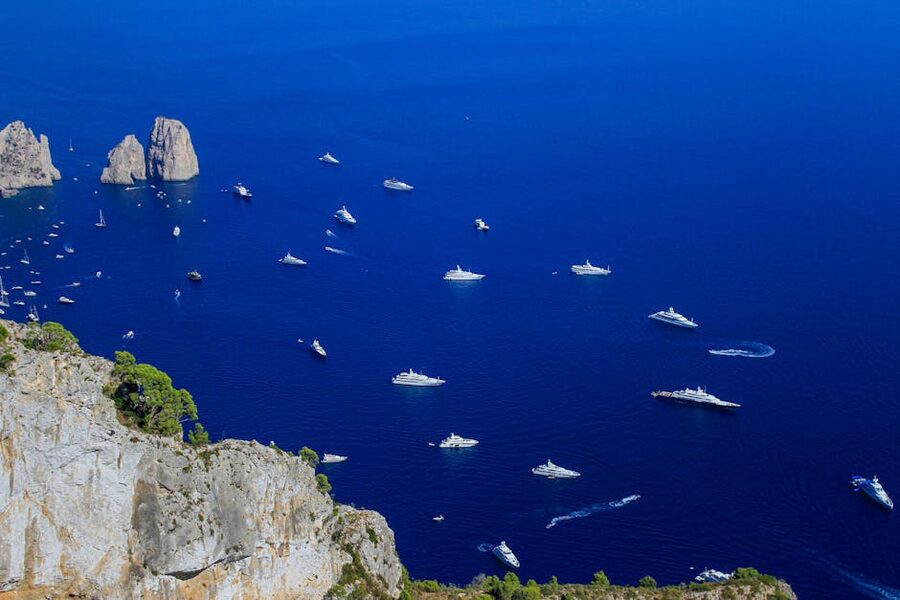
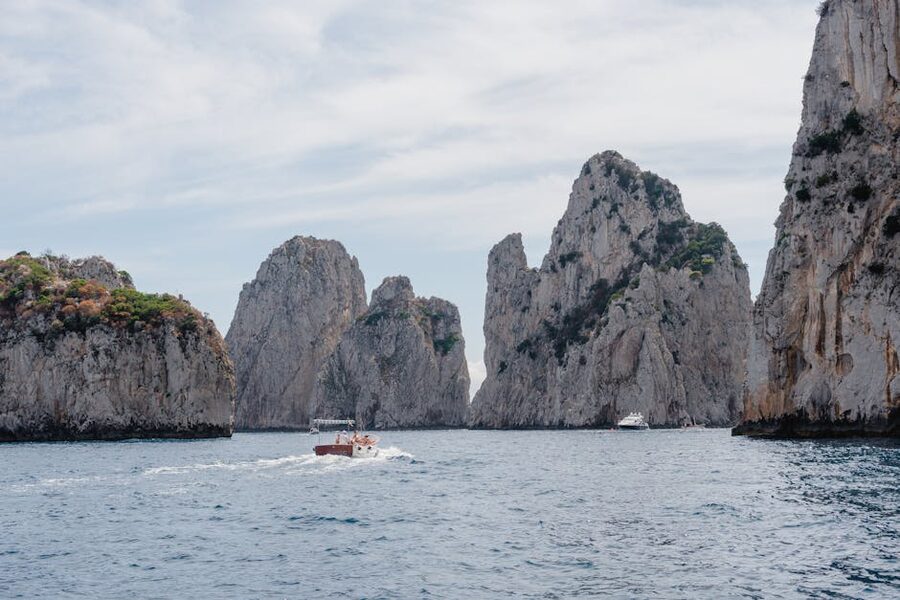
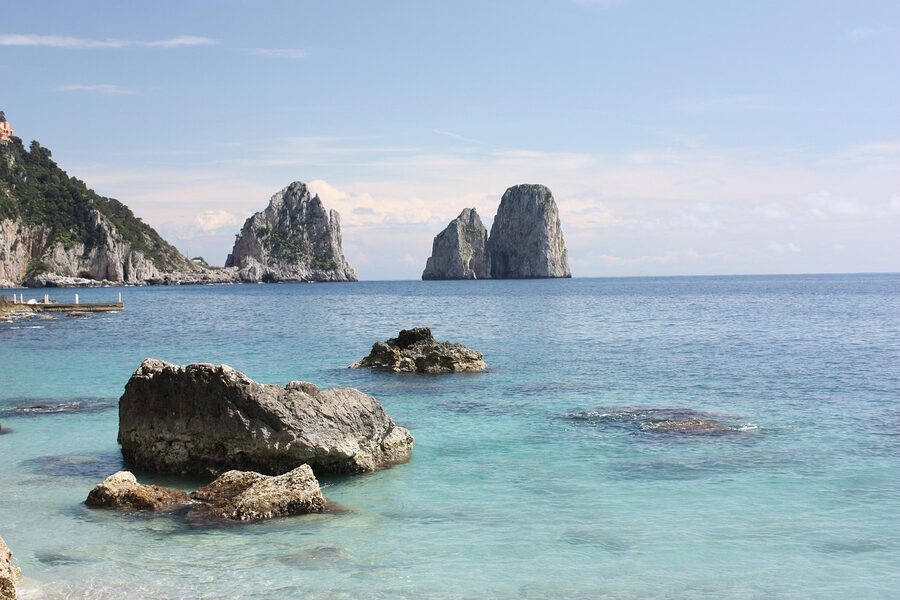
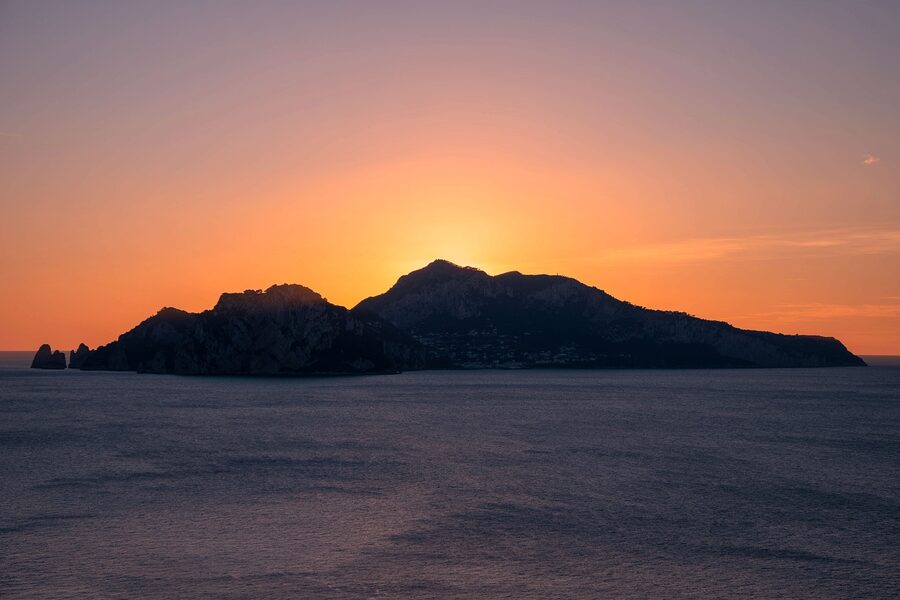
You round the last cliff, the engine drops to an idle, and there they are: three white limestone stacks rising straight out of the water with yachts circled around them like satellites. You’ve been on a boat for forty minutes and that’s the moment everyone on board reaches for their phone at once. The Faraglioni. That’s what you came for, and it pays off the second you see them.
Naples to Capri by boat is one of the easier day trips in southern Italy to actually book, and one of the easiest to get wrong. Pick the wrong departure and you’ll spend half the day in queues. Below is how I’d do it, who I’d book with, and what to skip.
- In a Hurry? Top Capri Boat Picks from Naples
- How the Naples-to-Capri Trip Actually Works
- Independent ferry vs. organised tour
- Naples vs. Sorrento as Your Departure Point
- What about a Capri day trip from Pompeii or the Amalfi Coast?
- The Three Boat Tours I’d Actually Book
- 1. Capri: Island Boat Trip With Grottos:
- 2. From Naples: Gulf of Naples & Capri Sightseeing Boat Tour:
- 3. Sorrento: Exclusive Capri Boat Tour and Optional Blue Grotto: 3
- The Blue Grotto: Worth It or Skip?
- Booking the Blue Grotto separately
- The Faraglioni: The Three Rocks That Run This Island
- What Time of Day Actually Matters
- What You’ll See on Land
- Capri History in 60 Seconds
- Practical Things Worth Knowing
- Best season for the boat trip
- Pairing the Boat Trip with Other Naples Days
- Where to Take the Boat Day Next
In a Hurry? Top Capri Boat Picks from Naples
Most people pick from these three:
- Capri island boat trip with grottos ($28): the cheapest way onto the water once you’re already in Capri. Short, sharp, and the most-booked option for a reason. Check availability
- Gulf of Naples and Capri full-day boat tour ($93): leaves straight from Naples, runs about nine hours, takes in the White and Green grottos and the Faraglioni. The all-in option if you don’t want to deal with ferries. Check availability
- Sorrento exclusive Capri boat tour ($143): small boat, smaller group, optional Blue Grotto add-on. The choice if you’ve got a base in Sorrento and want a less-touristed crossing. Check availability
How the Naples-to-Capri Trip Actually Works
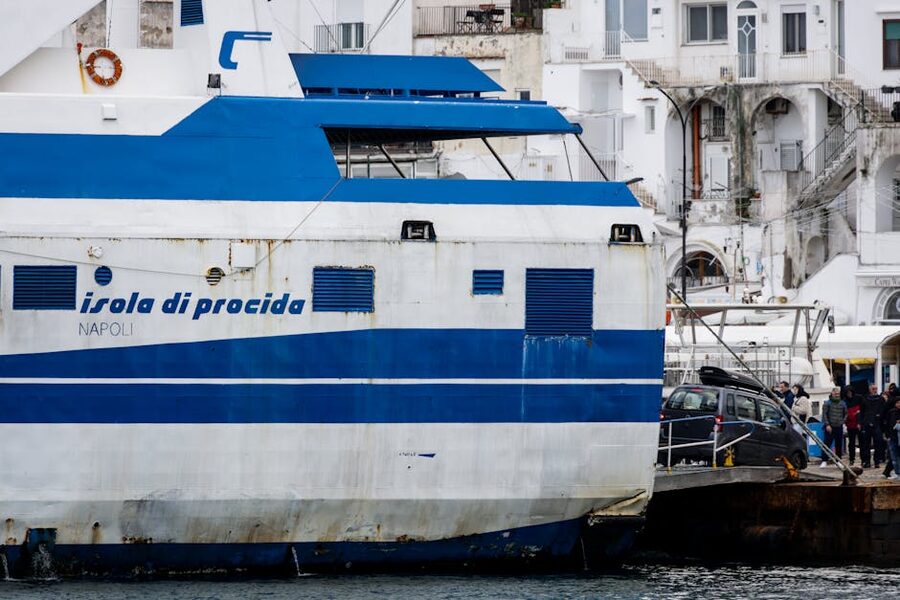
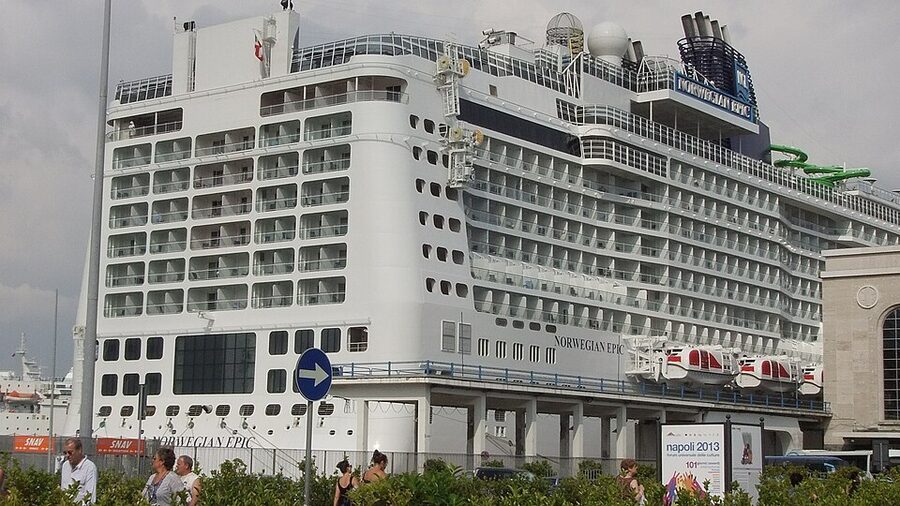
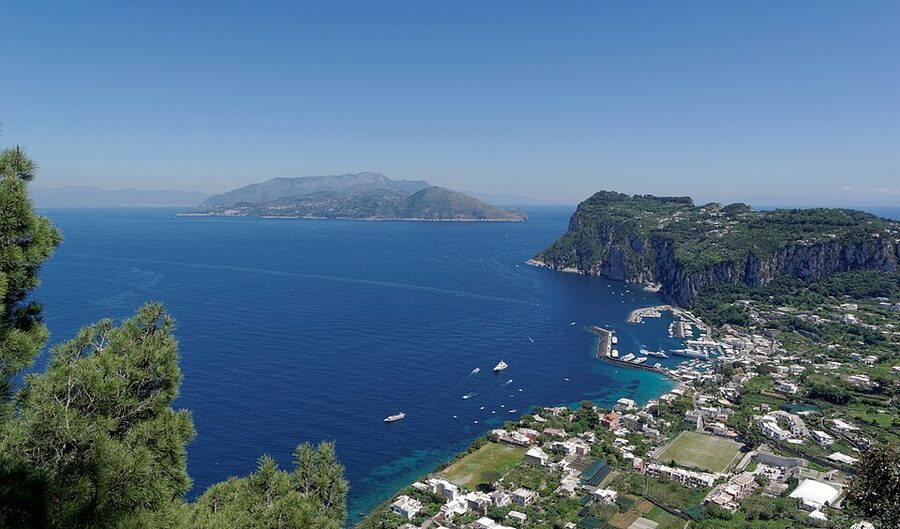
The Naples to Capri crossing is short. Hydrofoils run roughly 50 minutes from Molo Beverello to Marina Grande on Capri. Ferries run closer to 80 minutes but cost a few euros less. In peak season there are sailings every 45 minutes or so from about 7am until early evening.
You have two real choices. Book a tour that bundles the boat ride and a guided loop around the island, or book ferry tickets yourself and improvise once you land. Tours cost more but you don’t think. Independent costs less but you’ll spend an hour in queues and another twenty minutes lost on the wrong bus.
If you’re staying in Naples and want a single ticket that covers everything, the full-day boat tours from the port are the easy answer. They sail you over, hit the grottos and the Faraglioni from the water, and drop you back at Beverello before dinner. No transfers, no missed connections.
Independent ferry vs. organised tour
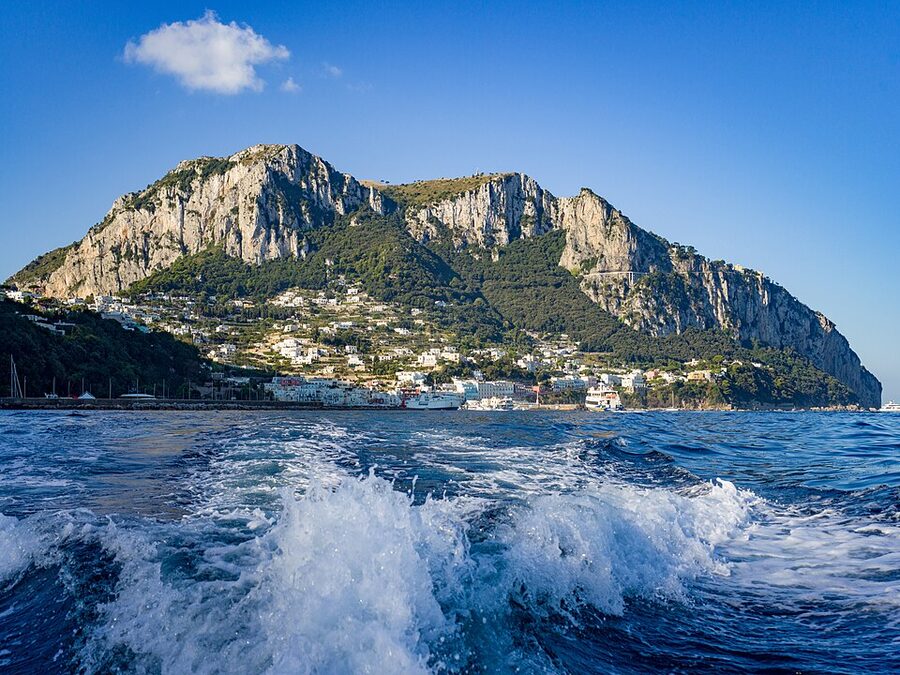
The independent ferry route works like this. Walk to Molo Beverello (10 minutes from Piazza Municipio), buy a ticket from one of the four operators (NLG, SNAV, Caremar, Alilauro), board, sail. On Capri you’ll arrive at Marina Grande, take the funicular up to Capri town, eat lunch, maybe a bus to Anacapri, then back to the marina for the return boat. Done by 6pm if you start at 8.
The catch is the queues. The funicular up from Marina Grande can have a 30 minute wait at peak times. Buses to Anacapri fill up. The Blue Grotto, if you bother with it, is its own queue inside a queue (more on that below). On a packed July day you could spend 90 minutes of your time in lines.
Organised boat tours around Capri cut most of that out. You stay on the water, see the coast from where it actually looks dramatic, and the parts you’d queue for either get covered (grottos from the boat) or skipped without much loss. For a one-day visitor, that’s usually the better trade.
Naples vs. Sorrento as Your Departure Point
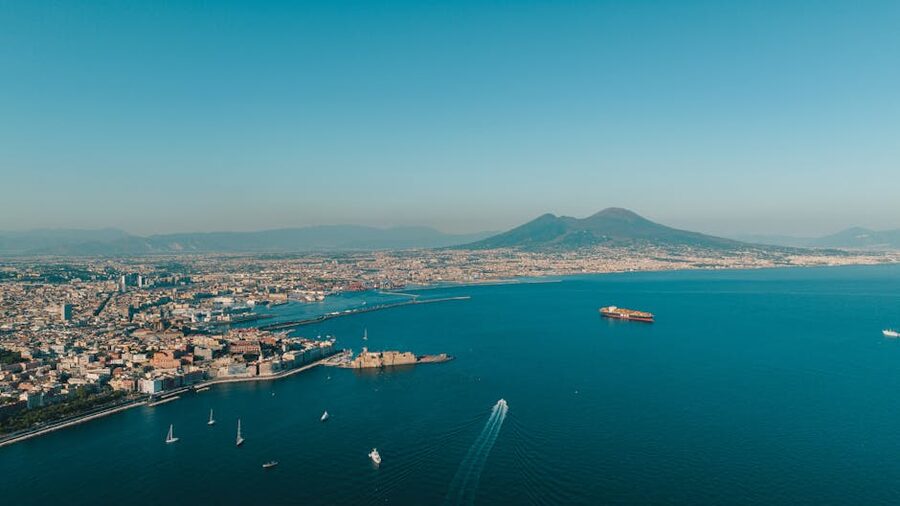
If you’ve got two days in Sorrento and one in Naples, leave from Sorrento. The crossing is shorter (25 minutes by hydrofoil, vs. 50 from Naples), the boats are smaller, and the small-group operators run from there. If you’ve got the opposite, leave from Naples. There are more sailings, more capacity, and the long crossing past Vesuvius is genuinely good if it’s your first time in the Bay of Naples.
One real difference. Sorrento boat tours often include the Blue Grotto entry as an upgrade for around €18 extra. From Naples you’ll usually just sail past the entrance unless you’re on a longer day-tour with a bus loop.
What about a Capri day trip from Pompeii or the Amalfi Coast?
You can do this, but it’s logistically painful. The closest port to Pompeii is Castellammare di Stabia, with limited Capri sailings. From the Amalfi Coast (Positano, Amalfi town) there are summer-only direct boats, otherwise you connect through Sorrento. If you’re already in the area and want a serious day on the water, our Sorrento, Positano and Amalfi day trip guide covers the alternative coastline route.
The Three Boat Tours I’d Actually Book
I’ve sorted these by what gets booked most. Cheapest first, then the all-in Naples option, then the small-group Sorrento upgrade. All three are GetYourGuide listings, all three include the actual on-water highlights.
1. Capri: Island Boat Trip With Grottos: $28

Pick this one if you’re already crossing to Capri independently and just want a cheap boat circuit. It’s the most-booked Capri boat tour on the market, runs roughly 1 to 2 hours, and gives you free cancellation up to 24 hours out. Our full review covers what’s actually included on the route, when to pick the morning vs. afternoon slot, and where the boat positions you for the photo of the Faraglioni arch (the bow on the way back, not the way out).
2. From Naples: Gulf of Naples & Capri Sightseeing Boat Tour: $93
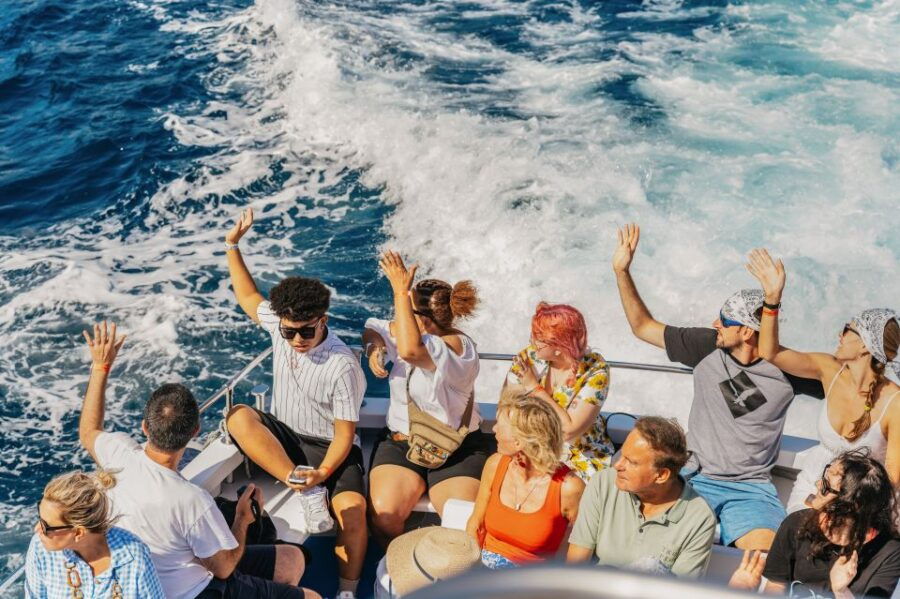
If you’re staying in Naples and don’t want to think, this is the easiest single ticket. Nine hours covers the gulf, the cliffs, the sea caves, and time on the island. You’ll see the Faraglioni, the Natural Arch and the colour grottos from the water. Our review of this Gulf of Naples and Capri boat tour notes that the schedule on busy summer days runs tight at the island portion, so don’t expect a long lunch in Capri town.
3. Sorrento: Exclusive Capri Boat Tour and Optional Blue Grotto: $143

This is the upgrade pick. Smaller boat, capped numbers, and the option to swap the Blue Grotto in if conditions allow. The reputation across thousands of bookings is consistently high for any Capri tour, and our full review of the Sorrento exclusive Capri tour covers why the morning slot beats the afternoon (calmer water, better grotto entry odds, the captain still has stamina to swing past the cliffs on the way back).
The Blue Grotto: Worth It or Skip?
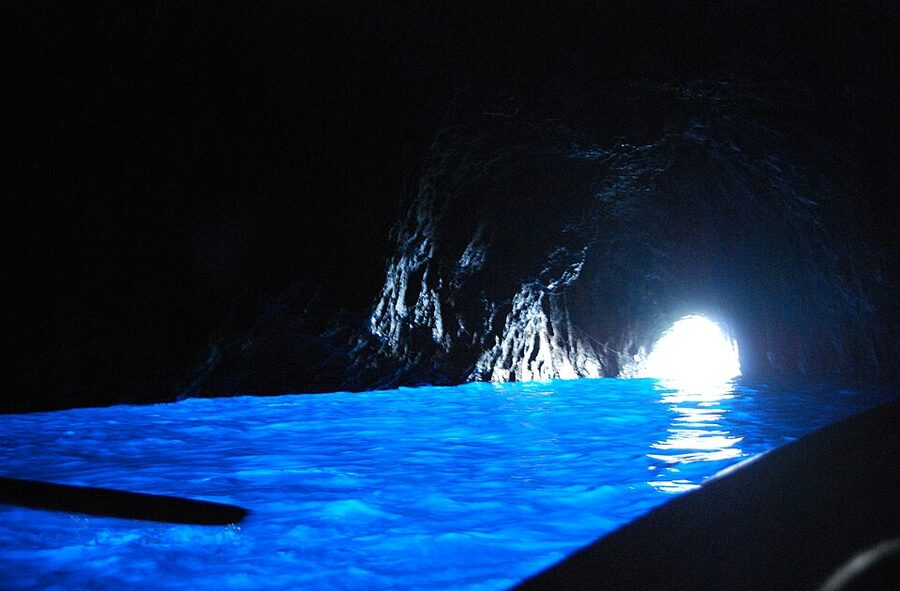
Here’s where I’ll save you some time. The Blue Grotto is a 10-minute stop wrapped in 90 minutes of waiting and €18 in fees, and it closes whenever the swell gets above about a metre. On a calm morning in shoulder season, it’s stunning. On a packed afternoon in August, it’s a queue of bobbing rowboats outside a cave entrance the size of a kitchen door.
Here’s the breakdown. You arrive on a bigger boat, transfer to a small rowboat, lie down flat to clear the cave entrance, get rowed inside for about 10 minutes, then get rowed back out. It costs €18 to enter (plus a tip the rowers will firmly suggest). It’s only open in calm weather, which means you need to budget for it not happening.
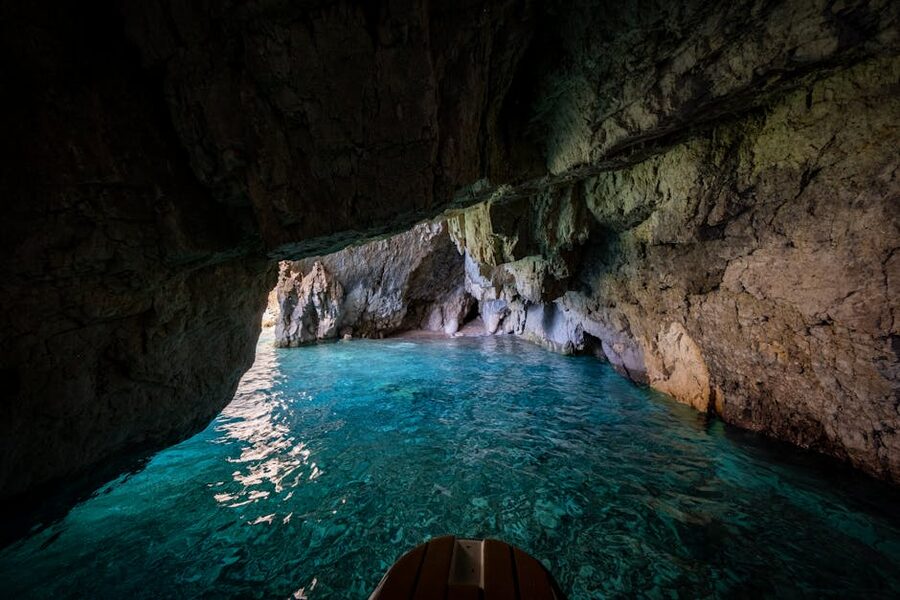
If you’re on a tight schedule and the weather is borderline, skip it. The White Grotto and the Green Grotto are right next to each other on the south coast and your boat can usually motor straight in without the rowboat transfer. They’re not the same neon-blue colour, but they’re 80 percent of the experience for none of the queue.
Booking the Blue Grotto separately
You can do this independently from Marina Grande. Take a small motorboat shuttle (€16 round trip), pay €18 entry plus tip at the cave. Total cost about €40, total time about 90 minutes if there’s no queue, up to three hours if there is. Most full-day Naples boat tours don’t include the Blue Grotto entry by default. The Sorrento small-group tours do include it as an option for €18 extra at booking.
The Faraglioni: The Three Rocks That Run This Island
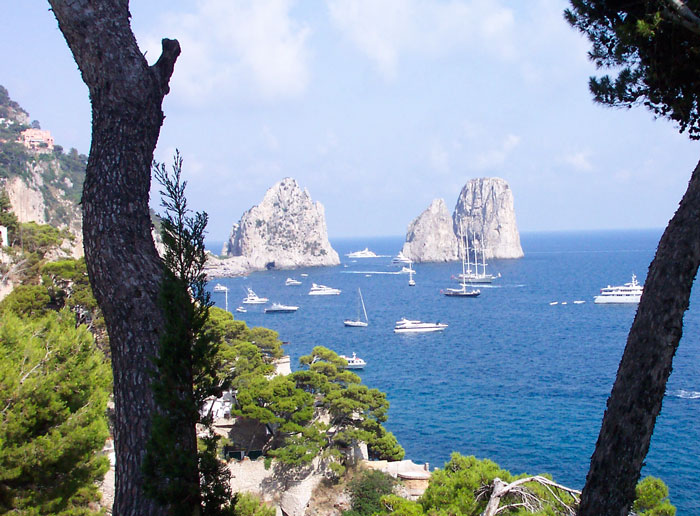
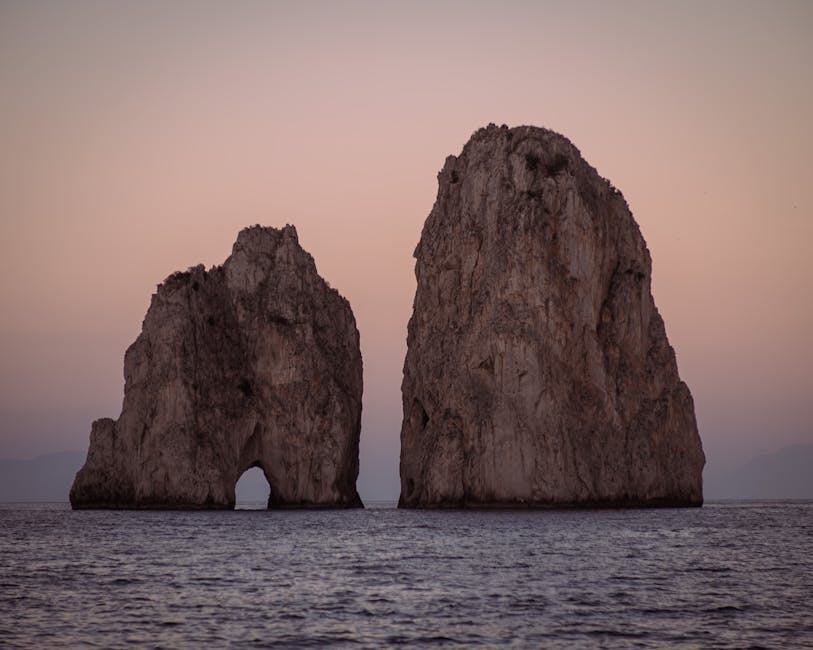
The Faraglioni are the bit you’ll remember. Three limestone stacks, each named, rising up to 109 metres out of the water about 100 metres off Capri’s south coast. Most boat tours from any direction include a slow loop through the gap between the first two, which is where the famous arch shot comes from. The middle stack, Faraglione di Mezzo, has a natural sea tunnel cut clean through it. Boats up to about 6 metres wide can motor straight through.
If you’re on a small-group boat or a private hire, the captain will usually cut the engine in the gap so you can take a photo without the wake. On the big day-tour boats they pass at slow speed but don’t usually stop. Worth checking before you book if the photo matters to you.
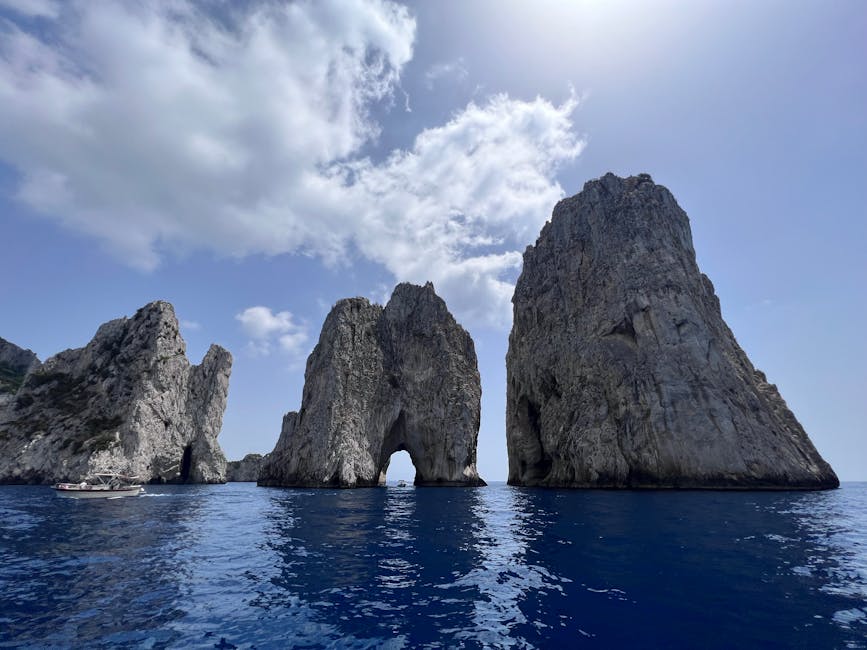
Local lore says if you kiss your partner while sailing through the arch, you’ll be together forever. Local tour captains know this is excellent for tip volume.
What Time of Day Actually Matters
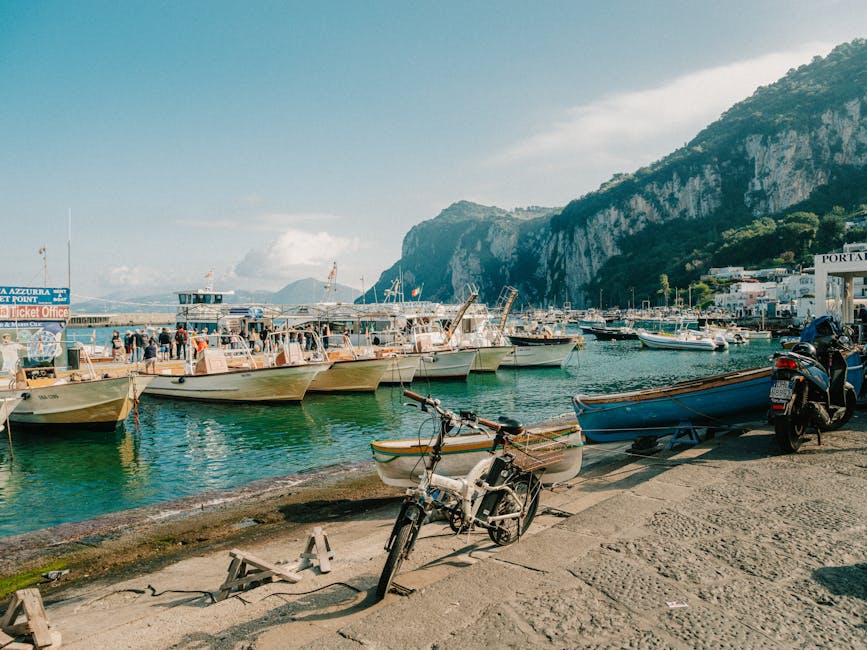
Morning crossings beat afternoon ones. Calmer water, better light for photos, fewer people in the grottos, and the queues for the funicular up to Capri town haven’t built yet. The first ferry out of Naples is usually around 7am. Aim for the 8am or 9am if you’re independent.
If you’re booked on an organised full-day Naples-to-Capri boat tour, you don’t have to think about this; the operator picks the slot. But the better-rated ones almost always start at the port by 8.30am for a reason.
One specific timing thing to flag. The Blue Grotto only operates while the sea state allows the rowboats to clear the entrance. On windy days it shuts. Mornings tend to be calmer than afternoons in the Bay of Naples, which is another reason to go early.
What You’ll See on Land
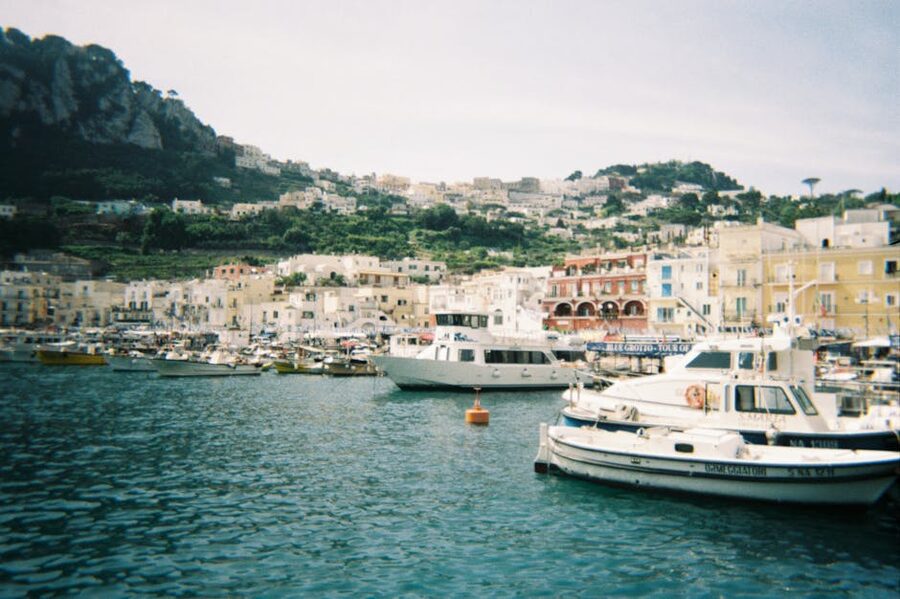
Most boat tours give you 2 to 4 hours on the island itself. That’s enough for one of three things, not all three. Pick before you go.
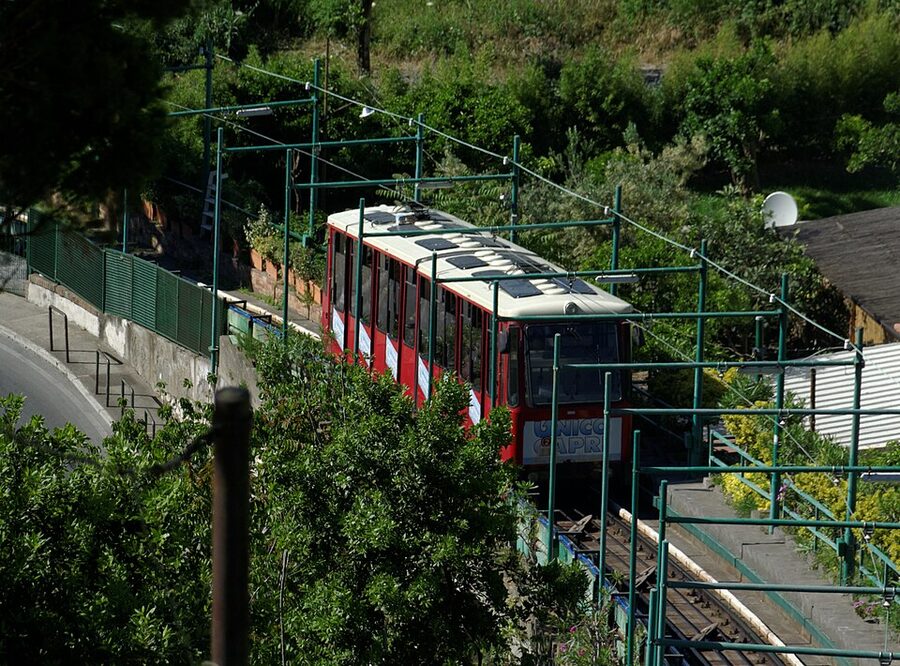
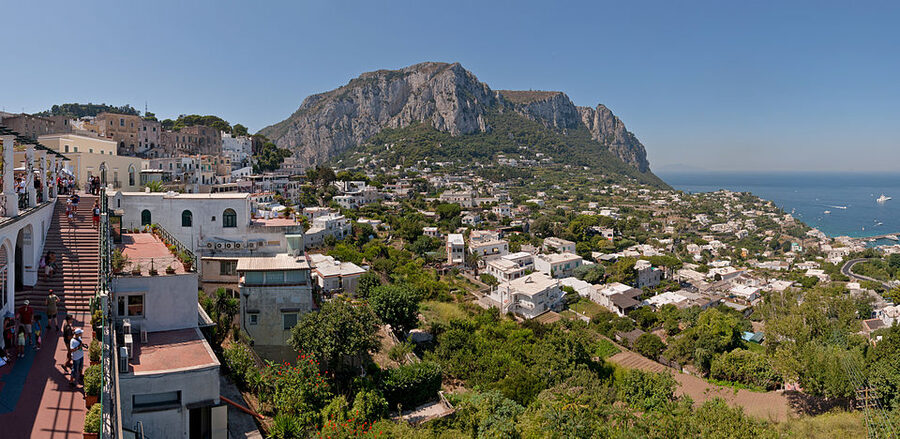
Capri town: the Piazzetta, the designer streets, the gardens of Augustus, lunch at a non-tourist-trap trattoria off Via Le Botteghe. Allow 90 minutes minimum. The funicular from Marina Grande is the move; it’s €2.20 each way and runs every 15 minutes.
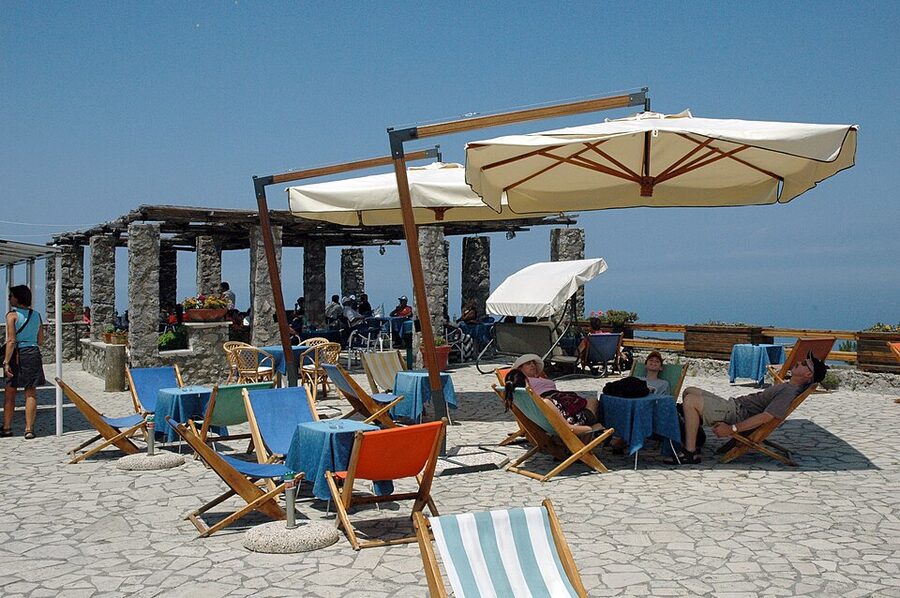
Anacapri and Monte Solaro: the quieter half of the island. Bus from Marina Grande to Anacapri (€2.40, 20 minutes), then chairlift to the top of Monte Solaro (€14 round trip, 12 minutes each way). The view from the top is the best on the island, and most day-trippers don’t make it up here. If you only have time for one option, this is mine.
Beach time: the public beaches at Marina Grande and Marina Piccola are tiny, pebbly, and rammed in summer. The beach clubs (Il Faro, Da Luigi at the foot of the Faraglioni) charge €30 to €60 for a sunbed. If you came for a beach day, the Amalfi Coast is the better call.
Capri History in 60 Seconds
The Romans got there first. Emperor Augustus took Capri in 29 BCE and his stepson Tiberius retired here in 27 CE, ran the empire from the cliff villa Villa Jovis for ten years, and reportedly threw people he didn’t like off the cliffs. The Tiberian salto, they still call it.
For most of the next 1,800 years the island was a quiet fishing community that occasionally got raided by Saracen pirates. The 19th century brought the Grand Tour, which brought writers, painters, and the first wave of foreign visitors who decided Capri was paradise. By the 1950s it was where Hollywood went to be photographed. Audrey Hepburn, Grace Kelly, Sophia Loren. The Capri pants get their name from here, popularised by Sonja de Lennart in 1948.
The Blue Grotto’s modern rediscovery is dated to 1826, when two German artists, August Kopisch and Ernst Fries, swam in with a fisherman who knew the entrance. Locals had been using it for centuries (Roman emperor pottery has been recovered from the floor) but it had a reputation as cursed. Kopisch wrote it up, German tourists started coming, and the rest is the queue you’ll be standing in.
Practical Things Worth Knowing
Cash and card: most ferry terminals take card. The Blue Grotto rowers want cash for the tip and they’ll make it awkward if you don’t have it. Carry €20 in small notes for the day.
Sea sickness: the Bay of Naples can be choppy in the afternoon when the wind picks up. If you’re prone, pre-medicate before you board, sit at the back, watch the horizon. The hydrofoils are smoother than the larger ferries in light chop but worse in heavy.
What to wear on the boat: swimsuit under your clothes if it’s a tour with a swim stop (most do, in summer). A thin layer for the wind. Shoes with a rubber sole; the decks get slippery. Sunglasses you don’t mind losing overboard.
Lunch: if you’re on a Naples-to-Capri full-day tour, lunch is rarely included. You’ll get drinks on board but you eat on the island. Skip the strip at Marina Grande and walk up to Capri town for anything sit-down. Or grab a panino at Salumeria da Aldo near Via Le Botteghe and eat it on the belvedere.
Last ferry back: usually around 7pm in summer, 5pm in winter. Don’t miss it. There’s no late option and Capri hotel rates make Naples look like a hostel.
Best season for the boat trip
May, June and September are the goldilocks months. Calm seas, the Blue Grotto open most days, water warm enough to swim, and not the August crush. July and August work but you need to book at least a week ahead. April and October are a coin flip on weather; if it’s calm, it’s perfect, but bad-weather days mean cancelled grottos and rough crossings. November to March most of the boat tours run a reduced schedule and the Blue Grotto is closed about half the days.
Pairing the Boat Trip with Other Naples Days
If you’re stitching together three or four days in the Naples area, the Capri boat day pairs naturally with a quieter half-day in the city. Either side of it is exhausting. Mt. Vesuvius and Pompeii in particular are draining, and back-to-back with a boat day will fry you.
Most people I know have done one of two stacks. Either Capri boat day, then Pompeii and a Vesuvius crater hike on a single combined trip the next day, with a city day in between to recover. Or Capri boat day on day one (when you have energy), then a slower mix of a pizza-making class and a Naples street food tour on the city days. The food days don’t compete with the boat day for energy, which is the point.
For something off the standard list, the Naples underground tour is a couple of hours under the city among Greek tunnels and World War II shelters. The San Gennaro catacombs are the quieter, frescoed alternative if you’d rather skip the Pompeii queues entirely.
Where to Take the Boat Day Next
If the Capri boat day got you wanting more time on the water, the Sorrento, Positano and Amalfi day trip is the obvious next move. Same boat-and-coast format, different coastline, and it works as a follow-up if you’ve already done Capri the day before.