
Most people who buy a Roma Pass don’t realise it doesn’t get you into the Vatican. The two most-Googled things in Rome aren’t even on the same pass. So before you click buy, here’s the thing nobody tells you up front: the Roma Pass is a city pass for state-run sites, not the Vatican City state across the river. Once you accept that, it becomes one of the better-value tourist cards in Europe, and the maths works out in surprising ways.
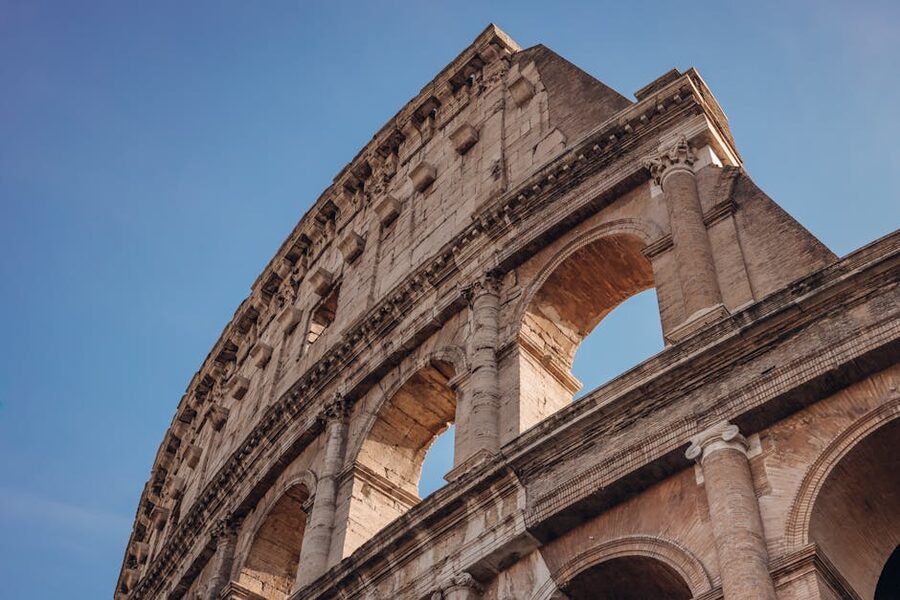
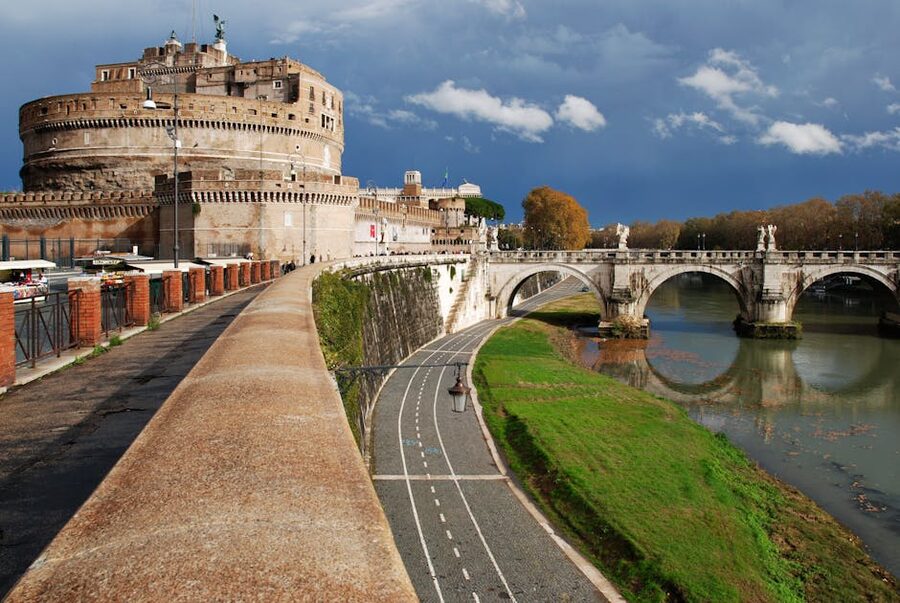
This is a guide to actually getting and using a Roma Pass. What it covers, what it doesn’t, where to buy it, how to activate it, and the order to use it in so the discount maths works in your favour. I’ll also flag the cases where it’s a waste of money, because that’s a lot of one-day visitors and most central-Rome stayers.
Short on time? Here’s the actual decision:
The Roma Pass itself (3 days): Roma Pass: Official City Card with Transportation. €59 via GetYourGuide. Two free fast-track entries, free metro/bus/tram, valid 72 hours from first use.
If you also want the Vatican: Best of Rome Pass: Vatican, Colosseum, Roman Forum and Palatine. €121 via Viator. A bundle, not the official card, but it covers the gap.
If you only have one day: skip the pass and book individual Colosseum + Forum tickets and Vatican tickets directly. The Roma Pass needs at least 2 attractions to break even.
- What the Roma Pass actually is
- The list of attractions: what’s on, what’s off
- Where to actually buy the Roma Pass
- Reserving the Colosseum and Borghese Gallery
- Doing the maths: when the pass actually saves money
- The transport-only angle people forget
- The order to use the pass in
- The Omnia Card alternative if you’re doing the Vatican too
- Top three Roma Pass options to actually book
- 1. Roma Pass: Official City Card with Transportation: €59
- 2. Best of Rome Pass with Vatican, Colosseum, Roman Forum and Palatine: €121
- 3. Combo Saver: Rome in 1 Day Skip-The-Line Vatican and Colosseum: €393
- How activation works on day one
- The Ostia Antica day trip move
- Free first Sunday of the month: the trap nobody mentions
- What to do if your pass stops working
- The Roma Pass app and digital passes
- Cases where the Roma Pass is genuinely a waste
- What it actually feels like to use one
- Beyond the pass: where to go after
- Other Rome guides to plan with
What the Roma Pass actually is
The Roma Pass is the city’s official tourist card, run by Roma Capitale (the city government). It bundles two things together: free or fast-track entry to a list of state-run museums and archaeological sites, and unlimited free travel on the city’s public transport network for the duration of the pass. That second bit is the part most guides bury and it’s actually the unsung hero.
There are two versions. The 48-hour pass costs €36 and gets you one free fast-track entry plus reduced rates after that. The 72-hour pass costs €58 and gets you two free fast-track entries plus reduced rates. The pass activates the first time you use it, not when you buy it. So if you turn up Wednesday morning and buy your 48-hour pass at the airport, then don’t actually scan it until Thursday at the Colosseum, your 48 hours starts Thursday.
The pass comes as a small credit-card-sized chip card with an RFID antenna, plus a paper kit that includes a fold-out map and a leaflet listing the participating venues. You sign the card, you tap it on the yellow reader at metro turnstiles or on board buses and trams, and you show it at participating museum entrances where staff scan it through the line marked for pass holders.
The list of attractions: what’s on, what’s off
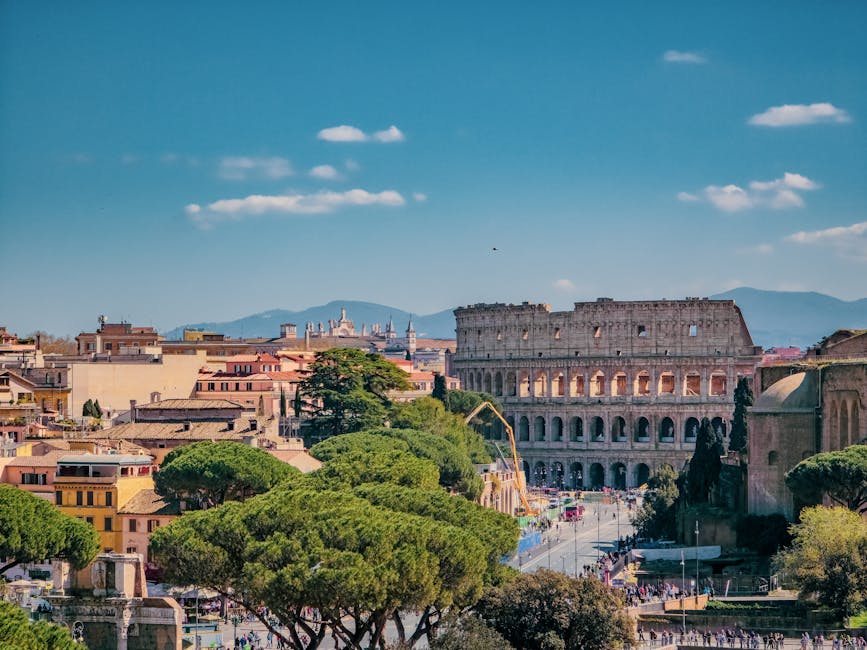
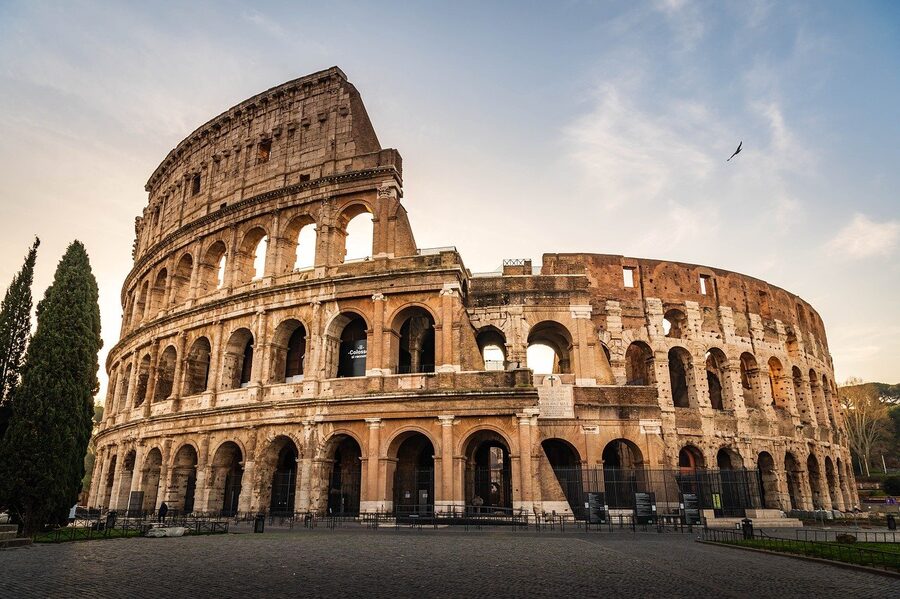
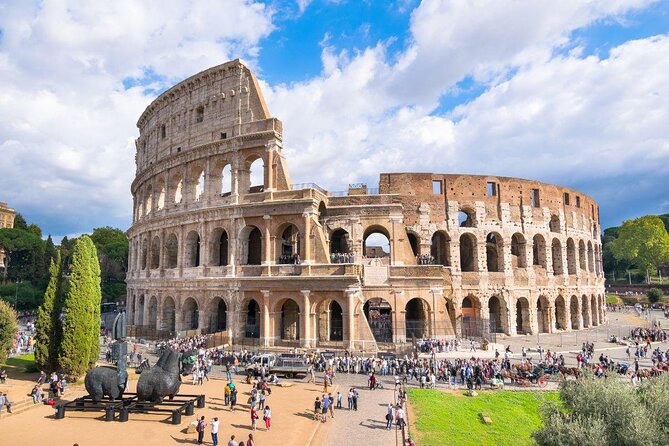
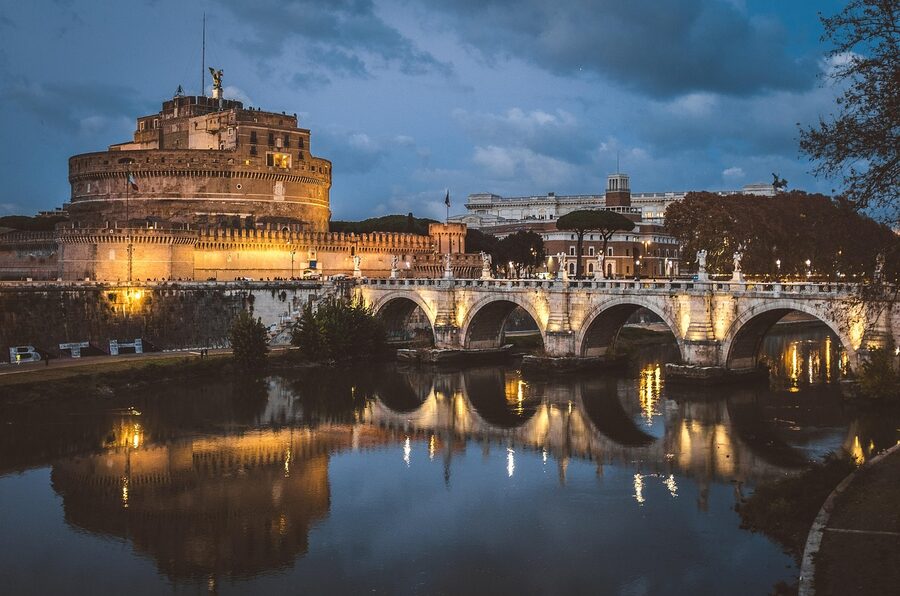
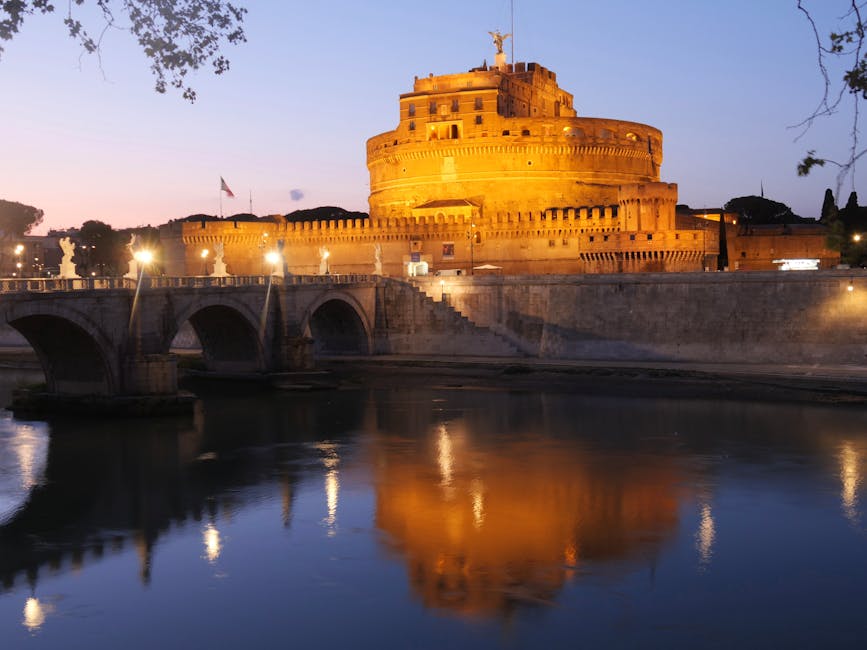
The participating list runs to about 22 sites depending on which year you’re reading. The headliners that almost everyone uses are the Colosseum (with Roman Forum and Palatine Hill as a single combined ticket), Castel Sant’Angelo, the Borghese Gallery, the Capitoline Museums, and the Baths of Caracalla.
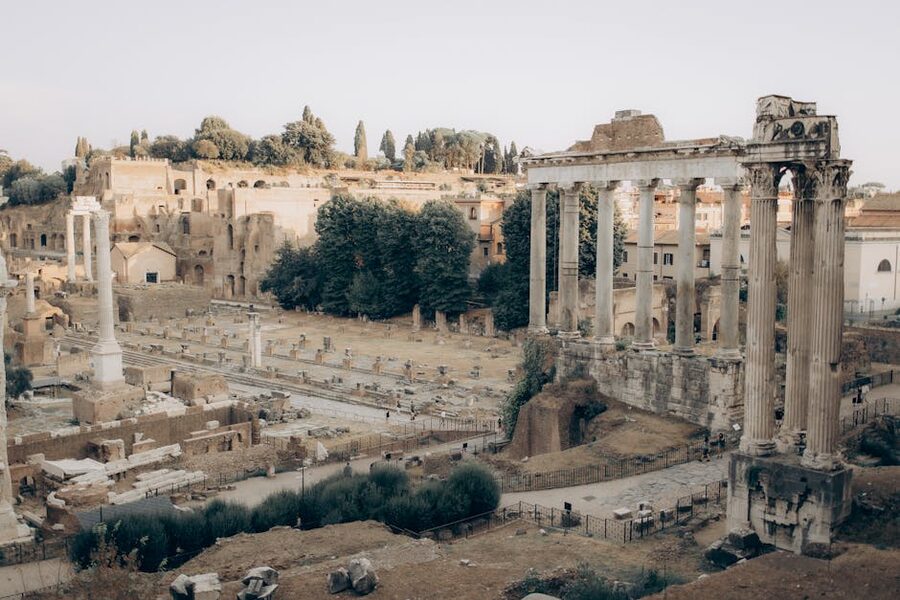
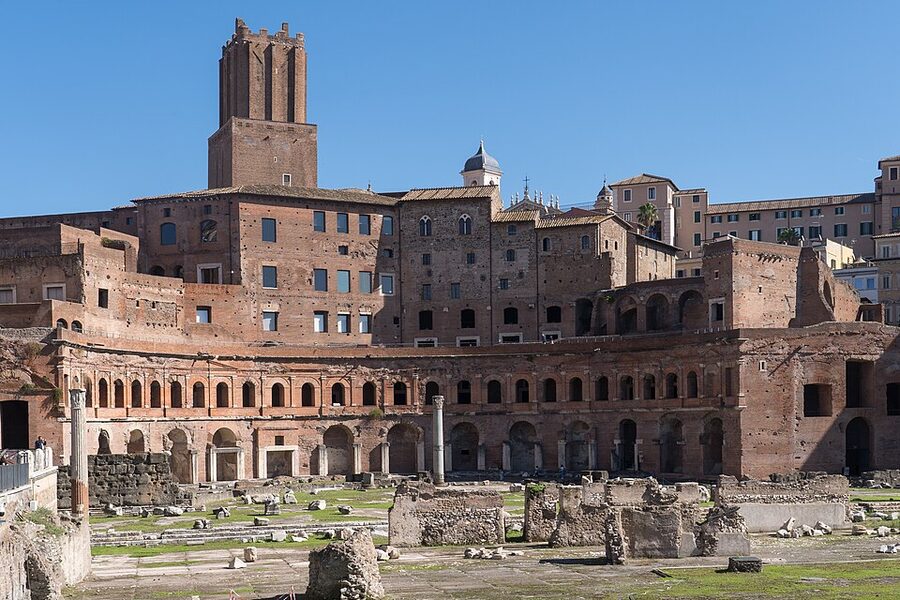
Beyond the headliners, the list goes deep: the Ara Pacis museum, Trajan’s Markets and the Imperial Forums Museum, Ostia Antica out by the coast, the four-site Roman National Museum (Palazzo Massimo, Palazzo Altemps, Crypt Balbi, Baths of Diocletian), the Circus Maximus Experience, the Galleria Spada, and a handful of smaller civic museums and modern art galleries that the average tourist has never heard of.
What’s not on it is the part most people miss. The Vatican Museums, the Sistine Chapel, and St Peter’s Basilica are all in Vatican City and the Roma Pass has zero coverage there. If you want a single card that covers both the Vatican and the Roman state sites, you’re looking at the Omnia Card, which is a different (and more expensive) product. Our Vatican Museums booking guide walks through how to book the Vatican separately, which is what I’d recommend most people do.
The Pantheon also isn’t on the Roma Pass. The Pantheon switched to a paid-entry system in 2023 and runs its own ticketing through the culture ministry; if you want to know how that works, our Pantheon ticket guide covers it. Same goes for the privately-run Catacombs out on the Appian Way and the various Capuchin crypts. Those have their own tickets and are covered in the Rome catacombs guide.
Where to actually buy the Roma Pass
You have four real options and they’re not equally good.
Online via GetYourGuide. This is what I’d do for a first-time visitor with a planned itinerary. The official Roma Pass on GetYourGuide is the same product as the city’s own site, often at the same €58 for 72 hours, and the booking flow is in proper English with same-day confirmation and easy cancellation. You collect at one of three city pickup points or, in some cases, get sent a digital voucher.
Online via the official site (romapass.it). Slightly cheaper sometimes, in Italian and English, with the option to use the Roma Pass app on your phone instead of collecting a physical card. The website is functional but a bit dated. Worth the small saving if you’re not in a hurry.
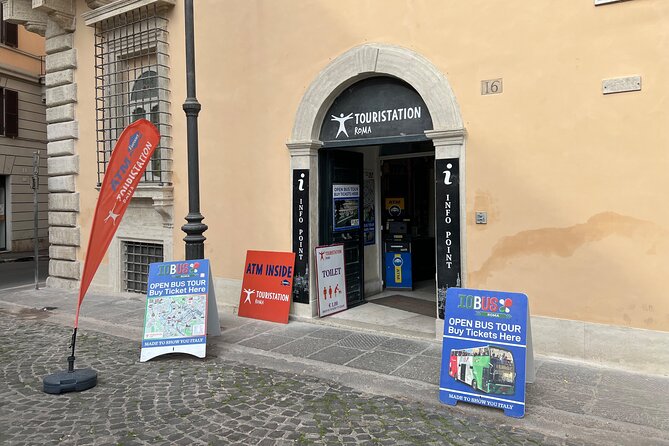
At a Tourist Information Point (PIT) in Rome. The most central pickup points are at Via Marco Minghetti (near Via del Corso, halfway between the Pantheon and the Trevi Fountain), at the Visitor Center on Via dei Fori Imperiali (between the Vittoriano and the Colosseum), and at Castel Sant’Angelo on Piazza Pia. All open 09:30 to 19:00. There are also smaller PITs at Termini Station and at Fiumicino airport’s international arrivals.
At a participating museum. Possible but generally a bad idea. You’re standing in a queue to buy a queue-skip pass, which defeats the purpose. The exception is if you’ve already arrived at a quiet museum and decide on the spot you’ll do enough sightseeing to justify the maths.
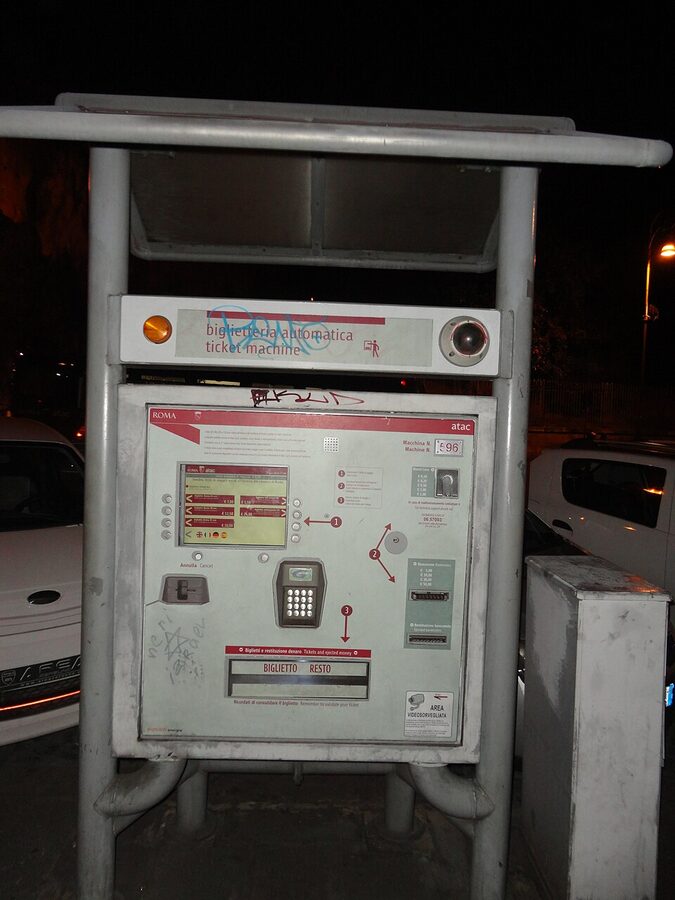
One thing I want to flag specifically: the Roma Pass does not include the airport transfer from Fiumicino or Ciampino. Those are separate tickets on either the Leonardo Express train or the SIT/Cotral airport buses. People assume the Roma Pass starts working from the moment they land. It doesn’t. You’re paying €14 for the Leonardo Express either way.
Reserving the Colosseum and Borghese Gallery
This is the part that catches everyone out and it’s the single biggest mistake I see Roma Pass holders make. Two of the most popular sites on the pass, the Colosseum and the Borghese Gallery, require a mandatory advance reservation. Showing up with your Roma Pass is not enough. You also need a timed slot.
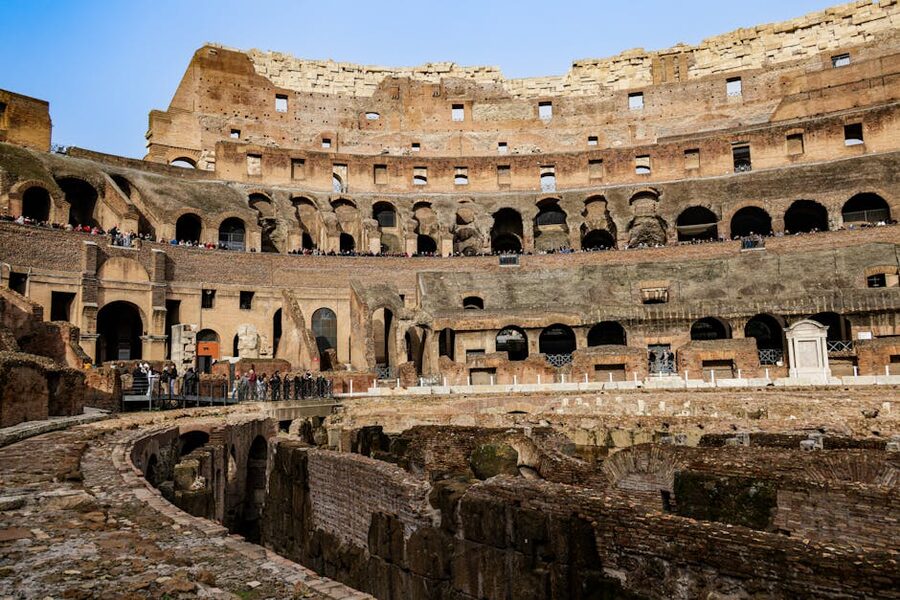
For the Colosseum, the reservation is made through the official Parco Archeologico del Colosseo website (parcocolosseo.it). On the booking page, scroll past the standard tickets to the section labelled “Reservation of admission for Roma Pass holders.” There’s a €2 booking fee per person over 18, which the pass doesn’t cover. You can book up to a month ahead and you absolutely should. Slots for the next 7-10 days are routinely sold out by mid-morning, especially in spring and autumn.
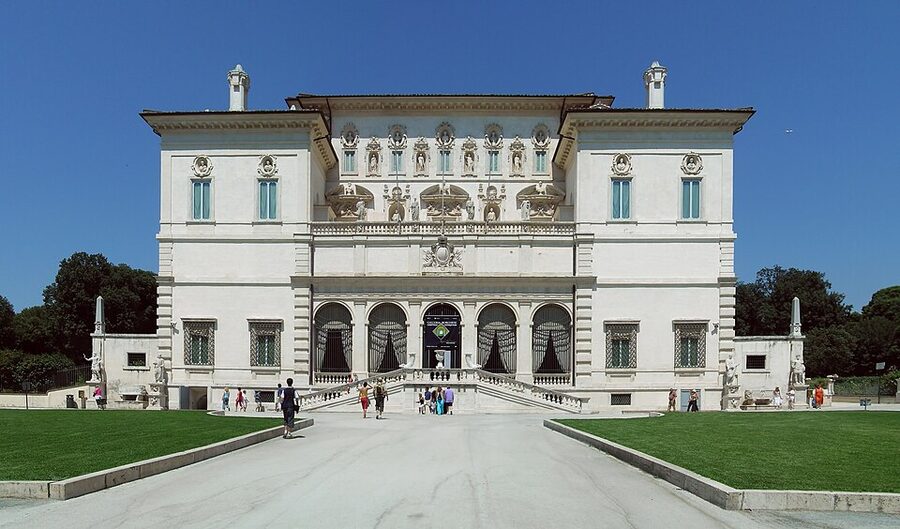
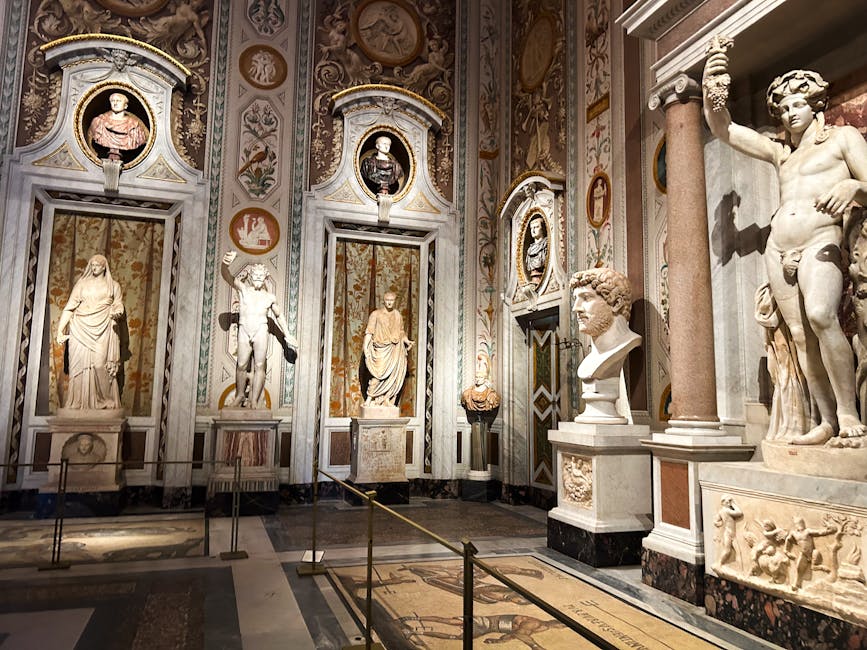
For the Borghese Gallery, the reservation runs through galleriaborghese.beniculturali.it. Slots are 2 hours long and the gallery is small, so they sell out fast. I’d book at least 10 days ahead. The good news: the €2 booking fee is included for Roma Pass holders. The bad news: if you forget to reserve and just show up, you’re not getting in. The Borghese Gallery booking guide walks through the timed-slot system in detail.
Doing the maths: when the pass actually saves money
Most online “is it worth it” articles wave their hands at this. Let’s actually do it for a 72-hour pass at €58. Here are the headline standard ticket prices, rounded up where there’s a booking fee.
- Colosseum + Forum + Palatine combined ticket: €18 + €2 booking fee = €20
- Castel Sant’Angelo: €15
- Borghese Gallery: €15 (€2 booking fee waived for Roma Pass)
- Capitoline Museums: €13
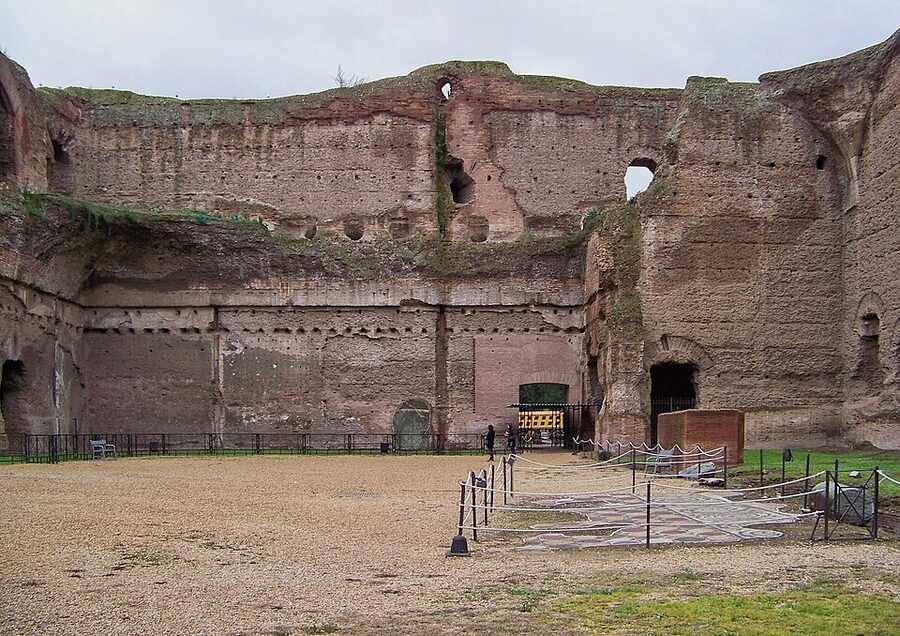
- Baths of Caracalla: €10
- Trajan’s Markets and Imperial Forums Museum: €15
- Ara Pacis: €14
- 72-hour metro/bus pass alone: €18
The 72-hour Roma Pass gives you two of those sites free, the rest at a reduced rate (usually about 30 percent off), and unlimited transport. So a 3-day trip that hits the Colosseum (free, save €20), Castel Sant’Angelo (free, save €15), Capitoline Museums at reduced rate (save €4), and uses transport across all 3 days (save €18) gives you €57 of savings on a €58 pass. You break even. Add the Borghese Gallery (€10 reduced rate, save €5), and you’re €4 ahead.
That’s the realistic best case for a typical 3-day Rome trip, and it’s not life-changing money. Where the pass does start to save you significant cash is if you push beyond the headliners. Trajan’s Markets, Ara Pacis, and the Roman National Museum sites add another €40 of standard tickets, and at the reduced Roma Pass rate you save €12-15 of that. If you visit 5-6 sites on the 72-hour pass and use transport every day, you’ll come out €30-40 ahead.
If you’re only doing 2 sites and walking everywhere from a central hotel, skip the pass and buy individual tickets. The €18 metro pass is its own thing, the Colosseum is €20, the Borghese is €17. You’re at €55 without a pass and you’ve kept your flexibility. The break-even point is genuinely thin and the pass only wins when you commit to using it.
The transport-only angle people forget
The Roma Pass functions as an unlimited 48-hour or 72-hour ATAC public transport ticket and that comparison alone gets you most of the way there. A standalone 72-hour ATAC pass is €18. A 48-hour standalone pass is €12.50. So you’re paying €40 (over the 72-hour transport price) or €23.50 (over the 48-hour transport price) for the museum benefits.
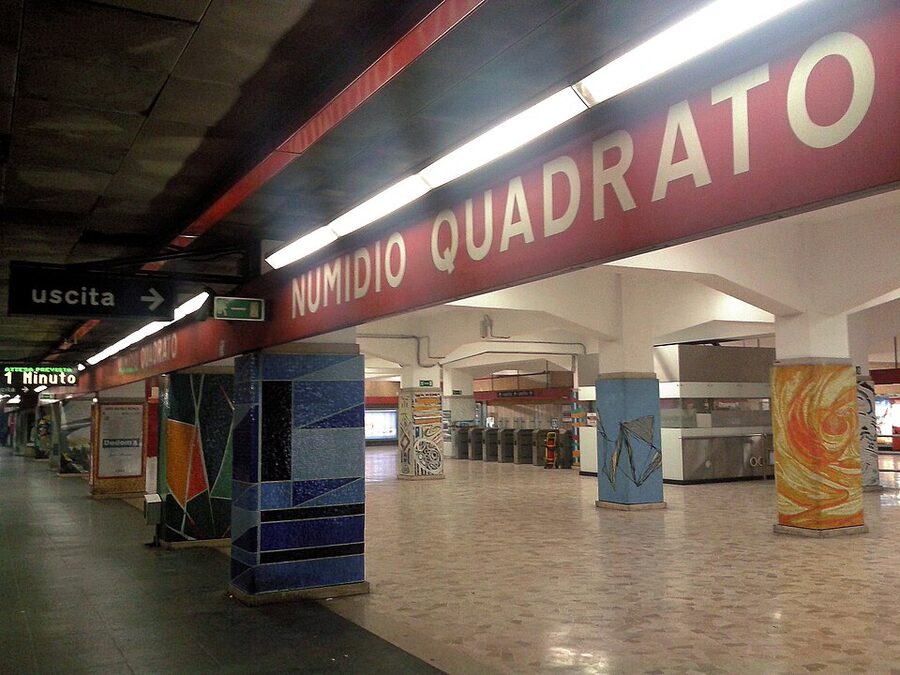
If you’re staying out by Termini or even further out near Aurelio or Pigneto, you’ll use the metro and buses constantly. If you’re staying in the historic centre near Piazza Navona or Campo de’ Fiori, you’ll mostly walk and the transport part of the pass quietly delivers less value than the headline suggests. Same goes for trips that include Ostia Antica or Tivoli day trips on the urban rail lines, where the pass also covers the Roma-Lido and the FL urban metropolitan railway routes.
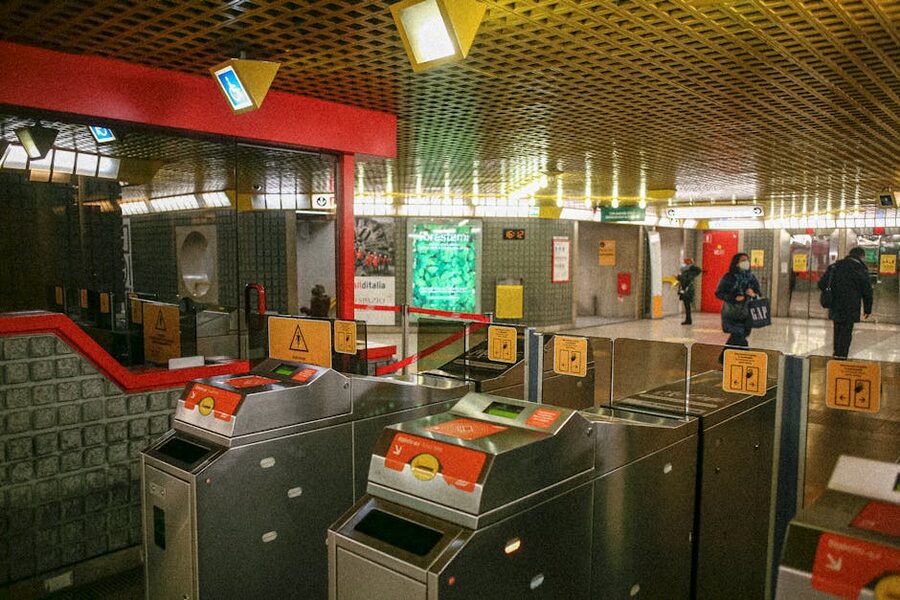
Practical metro tip that nobody tells you in the kit: don’t try to insert the Roma Pass into the slot like a paper ticket. The chip is contactless. You hold it against the yellow square. I watched myself jam it into a turnstile slot at the Colosseo metro station on day one, get politely scolded by a guard, and only realise the contactless thing on day three. Save yourself the scenes.

The order to use the pass in
The pass costs you the same regardless of which sites you pick for your free entries, so the strategy is simple: use the free entries on your most expensive picks. With the 72-hour pass and two free entries, that’s the Colosseum/Forum/Palatine combined ticket (€20 saved) and the Borghese Gallery (€17 saved). Doing those first burns down the value of the pass quickly and means everything else after is gravy.
This logic is on the kit but also worth stating: don’t waste your free entries on the cheap sites like the Capitoline Museums (€13) or Baths of Caracalla (€10) early on. Save those for the reduced-rate days. The 30 percent Roma Pass discount on a €13 ticket only saves you €4, so paying full price for a €18 site (saving you €5 instead) makes no sense as a free pick.
One more order tip: the 48-hour pass starts ticking the second you scan it for the first time. So if you’re activating it Friday afternoon at the Borghese Gallery for a 3pm slot, your 48 hours expires Sunday at 3pm. That’s a real consideration if your last activity is a Sunday morning museum, because you’ve effectively only got Friday afternoon, all of Saturday, and Sunday morning. Plan accordingly.
The Omnia Card alternative if you’re doing the Vatican too
The Vatican question keeps coming up because it’s the obvious thing missing from the Roma Pass. The official answer is the Omnia Card, which is a separate product issued by the Vatican itself in partnership with Roma Capitale. There are two versions of the Omnia: a Vatican-only card and a Vatican-plus-Rome combo.
The 72-hour Vatican-and-Rome combo Omnia Card is €129 and includes Vatican Museums, Sistine Chapel, St Peter’s Basilica audio tour, the hop-on hop-off bus, plus a 72-hour Roma Pass and its two free Rome entries. So you’re paying €71 over the regular Roma Pass for the Vatican, the bus, and the audio tour. Whether that’s worth it depends on the Vatican Museums entry price (€20-30 depending on day and time slot, plus a €5 booking fee) and whether you’d use the hop-on hop-off bus regardless. The Rome hop-on hop-off bus guide covers the bus piece in more detail.
For most people the simpler play is to just book the Roma Pass directly and book the Vatican Museums separately at face value. You save €30-40 and you don’t get locked into a 72-hour clock that includes the Vatican. Booking the Vatican Museums on their own is also faster than going through the Omnia portal.
The Viator Best of Rome Pass: Vatican, Colosseum, Roman Forum and Palatine bundle is a third option, and it’s not a Roma Pass at all (despite the name) but a packaged set of timed tickets. It’s better suited to people who want a single transaction and don’t mind paying a small premium.
Top three Roma Pass options to actually book
If you’ve decided the pass makes sense for your trip, here are the three best products to book through, in order of who they suit.
1. Roma Pass: Official City Card with Transportation: €59
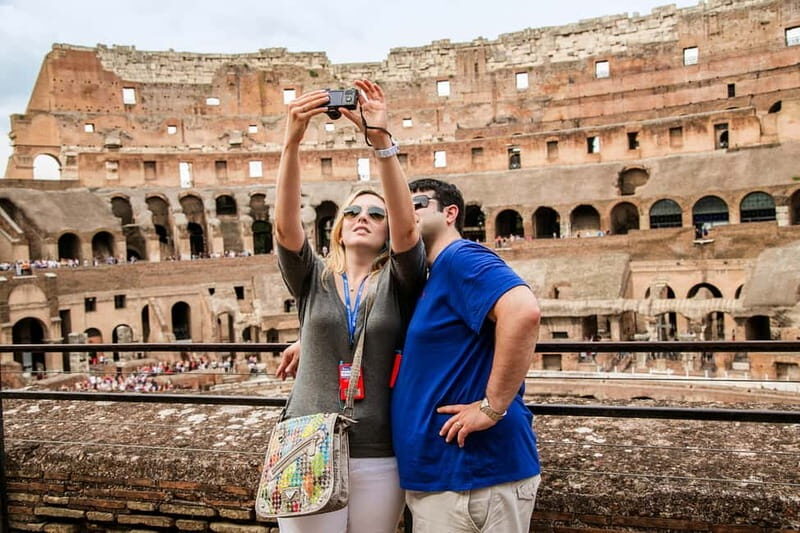
This is the official 72-hour Roma Pass via GetYourGuide. Our full review of the official Roma Pass goes into the collection logistics and what the kit actually contains. It’s the most-booked Rome city card on the major platforms by a wide margin. Get this one if you’ve decided the pass works for your itinerary.
2. Best of Rome Pass with Vatican, Colosseum, Roman Forum and Palatine: €121
This is a Viator-packaged 3-day bundle that pairs Vatican Museums, Sistine Chapel, and St Peter’s Basilica access with the Colosseum, Forum and Palatine combined ticket. Our full review covers the redemption flow and the small print on what’s actually skip-the-line. Pick this if you’re not staying long enough to make the official Roma Pass pay for itself but you do want the two anchor sets in one transaction.
3. Combo Saver: Rome in 1 Day Skip-The-Line Vatican and Colosseum: €393
This isn’t a city pass at all. It’s a private guided one-day combo that takes you through the Vatican Museums, Sistine Chapel, and Colosseum on one ticket with a real guide. Our review walks through the pace and meeting points. Pick this if you have one day in Rome, which is the case the Roma Pass simply doesn’t suit.
How activation works on day one
The first time you tap the pass, either at a museum or on the metro, is when the clock starts. Two important details follow from that.
First, if you’ve ordered online and collected at a PIT, the pass is dormant until first scan. So you can collect it Tuesday afternoon and not activate it until Wednesday morning at the Colosseum. The 48 or 72 hours runs from that first Wednesday morning scan, not from when you walked out of the PIT with the card.
Second, the metro is a sneaky way to accidentally activate the pass. If you tap into the metro at Termini on the way to your hotel, congratulations, you’ve just started the clock. If you weren’t planning to use the pass for sightseeing until tomorrow, you’ve now lost a day. Plan the activation around your highest-value entry, not around your metro convenience.
The pass card is one-trip-only across multiple metro stations on a single journey, the same way a normal metro ticket works (100 minutes from first tap, free transfers between buses, one metro entry). If you tap into the metro and pop out at the next stop, that counts as one journey. So technically you can chain a metro-bus-tram trip on a single tap, but for the Roma Pass it doesn’t matter because the transport is unlimited anyway.
The Ostia Antica day trip move
One of the most underrated Roma Pass plays is the Ostia Antica day trip. Ostia Antica is the ancient Roman port city, abandoned in the early Middle Ages and now sitting in eerily good condition about 30 km southwest of central Rome. Standard ticket €18, reduced with the Roma Pass to about €12, and the Roma-Lido train that gets you there is also covered by the pass.
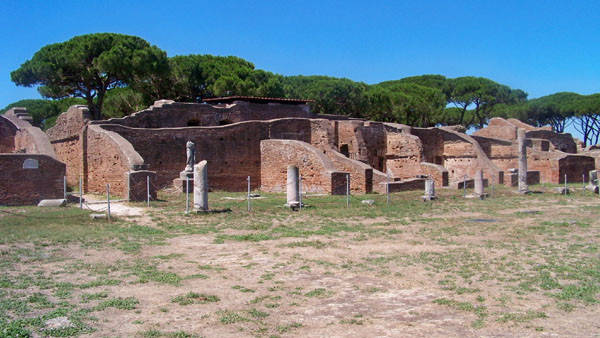
You take the Roma-Lido from Piramide station, which is 30 minutes on a slow train. The site itself is an easy 3-4 hour visit and significantly less crowded than the Forum. Bring water and a hat, there’s no shade once you’re inside the ruins. This is a classic third-day Roma Pass play after you’ve done the central headliners.
If you’d prefer a guided tour with context rather than wandering around alone, you can pair this with one of our Rome food tour picks for the same evening you get back, or pair the Ostia day with a Rome pasta class the day after. Day three is when most travellers are looking for a slower pace, and the Ostia/cooking-class combo works.
Free first Sunday of the month: the trap nobody mentions
State-run museums in Italy, including most Roma Pass venues, are free on the first Sunday of every month. Sounds great. It isn’t, if you’re a planning-ahead Roma Pass holder.
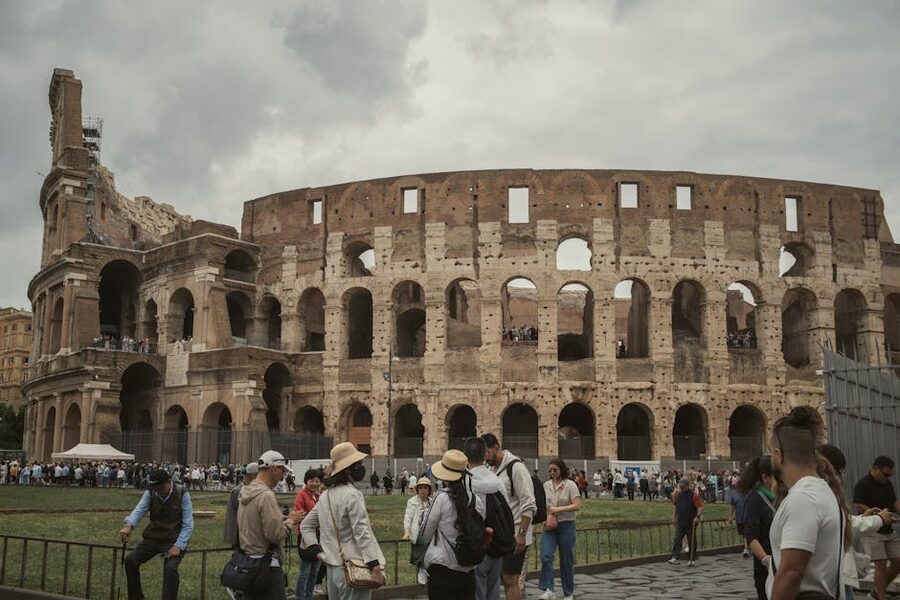
The first-Sunday queues at the Colosseum, Forum, and Borghese routinely run 90 minutes. Your Roma Pass fast-track lane is still meant to work on those days, but in practice the staff are overwhelmed and the system gets fuzzy. Worse, the timed-slot reservations for the Colosseum and Borghese are still mandatory and the slots fill faster on free Sundays. So you may have spent €58 on a pass that would have got you in for free at the cost of an extra hour in line, and you also need to have pre-booked the slot.
The simpler move: if your trip overlaps with a first Sunday, plan around it. Use Sunday for an outdoor day (Borghese Gardens, Trastevere, the Appian Way) and save your Roma Pass scans for Monday onwards.
What to do if your pass stops working
The card has a chip and chips fail occasionally. If a turnstile or a museum scanner refuses your pass:
- Move to the next reader. Some readers are flaky and the next one along usually works.
- Show the card to a member of staff. They can look it up by serial number and let you through manually.
- If it’s clearly broken, take it back to a PIT, the same ones you can buy from. They can issue a replacement.
I had this happen once at the Capitoline Museums. The desk staff scanned the card, got an error, and just waved me in after looking at the kit envelope. The card worked fine for the rest of the trip on metros and at other museums. Most chip failures are partial and the worst case is you show the card to staff and they let you through manually.
The Roma Pass app and digital passes
Since 2024 the Roma Pass has had a working app option. You buy through the official site, you get a PNR by email, you enter that in the Roma Pass app and the pass lives on your phone instead of a physical card. Touch the phone to the yellow reader the same way you would the card.
This works fine in practice but I have one warning: if your phone dies, your Roma Pass also dies. There’s no fallback to the physical card unless you bring a power bank. For a 3-day Rome trip in summer, when you’re walking 25 km a day with the Maps app burning the battery, that’s a real risk. I’d still pick up the physical card for the 72-hour pass and only use the app for short 48-hour trips where the phone-only mode means one less thing in the pocket.
Cases where the Roma Pass is genuinely a waste
Let me be direct about this because most “is the Roma Pass worth it” articles avoid the truth.
One-day trips. You can’t physically scan enough sites to justify the pass and the math never works. Buy individual tickets.
Heavy guided-tour itineraries. If your Rome plan is mostly guided tours from operators like Carpe Diem, Take Walks, or Through Eternity, the pass adds no value. Their tour tickets are separate. You’re effectively paying €58 for the public transport portion only.
Vatican-focused trips. If your top three priorities in Rome are the Vatican Museums, Sistine Chapel, and St Peter’s, the Roma Pass covers exactly zero of them. Use the Omnia Card or just book direct, and use our St Peter’s Basilica guide for the dome climb logistics that aren’t on any city pass anyway.
Children under 18. Most state-run Italian museums are already free for under-18s. The Roma Pass adds essentially nothing for kids. Buy adult passes only and use the kids’ free entries directly.
Stays purely in the historic centre. If you’re staying near Piazza Navona, Campo de’ Fiori, or the Pantheon and walking everywhere, the transport piece of the pass quietly stops earning. You’re now optimising on the museum entries alone.
If any of those describe your trip, just buy individual tickets. Tickets to Rome’s major attractions are mostly available online with same-day timed slots, and the only one with truly punishing queues is the Colosseum, where the booking fee is the same whether you have a pass or not.
What it actually feels like to use one
The honest version of using the Roma Pass over three days: on day one you stand in the priority lane at the Colosseum, you spend 5 minutes shorter at the entrance than the standard ticket holders, you tap your pass and walk through. On day two you tap the metro three times, walk into Castel Sant’Angelo, get an audio guide, walk out. On day three you take the Roma-Lido out to Ostia Antica, scan in for €5 instead of €18, and feel mildly smug about it.
What it doesn’t feel like: a magic ticket to skip every queue. The Colosseum still requires the timed reservation. The Borghese still requires the timed reservation. The bigger museums move you along faster but you still queue for security. The Roma Pass gives you a meaningful but not magical advantage. The €58 is buying you a streamlined system, not a teleporter.
Beyond the pass: where to go after
Three days with a Roma Pass usually leaves people wanting more, which is the trick of Rome. After you’ve done the central headliners and burned the pass, the next move depends on what you liked. If you got into the layered ancient stuff, the Colosseum Underground tour shows you the hypogeum that’s not on the standard ticket, and it’s the one Colosseum experience that’s genuinely different. If you want a slower, more sensory day, a pasta-making class is the move I’d make on a fourth or fifth day in the city. And if you’re heading toward Naples or Pompeii, the Rome food tour scene sets you up nicely for what southern Italian eating is about.
For getting around between the headliners, the Rome hop-on hop-off bus is worth a look as a separate add-on for tired feet days. It’s not on the Roma Pass but it pairs well with it, especially with the 72-hour version where you’ve already bought into the multi-day rhythm.
Other Rome guides to plan with
The Roma Pass works best when you’ve already mapped what you want to see. If you haven’t yet, start with our Colosseum, Forum and Palatine guide for the most important single stop, then check our Vatican Museums and Sistine Chapel guide which covers the major thing the Roma Pass doesn’t, plus the Pantheon ticket guide for the third biggest non-Roma-Pass site you’ll want a plan for.