
A friend of mine spent five days in Rome and ate exactly two memorable meals. The other thirteen were near the Colosseum, on streets where every menu has photos and every waiter speaks four languages badly. She wishes she had booked a food tour on day one. That’s the bit I want to fix for you.
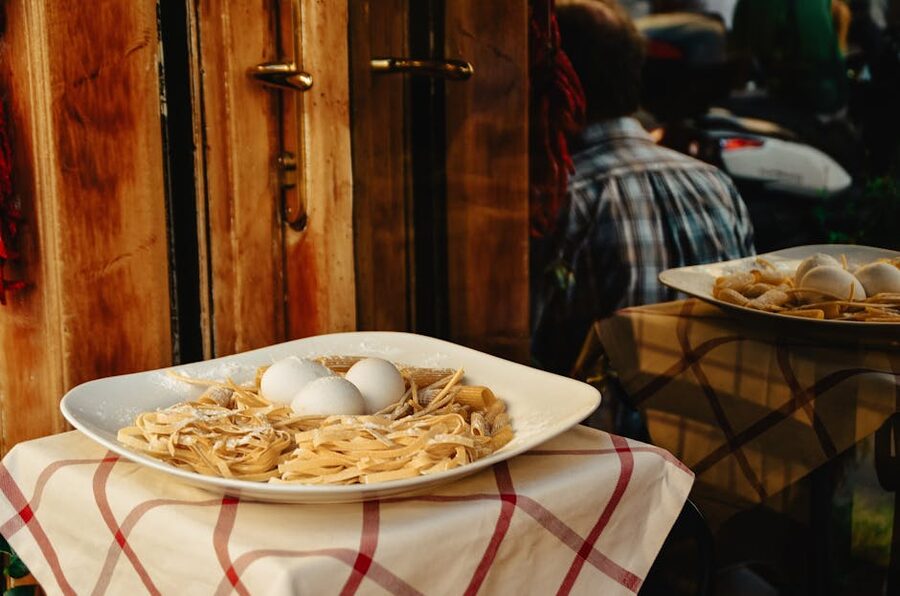
The right Rome food tour drops you into a small back-street butchery, a pizzeria where the pizza is sold by weight, and a wine bar three Romans deep at 7pm. You walk away knowing where to come back. That’s the entire point.
In a Hurry? Top Rome Food Tour Picks
- Twilight Trastevere with Eating Europe ($125): the four-hour gold standard, ten-plus tastings, run by the company most Roman food critics quietly book themselves.
- Street Food Tour with Local Guide ($53): two and a half hours, five tastings, Jewish Quarter or Trastevere. Lunch or dinner. Best mid-range pick.
- Trastevere & Campo de’ Fiori Walking Tour ($51): max group of 14, both neighbourhoods in one walk, the choice if you only have one evening.
- In a Hurry? Top Rome Food Tour Picks
- Why a Food Tour in Rome Is Different From Anywhere Else
- The Three Tour Formats: Pick Yours First
- What You’ll Actually Eat
- The Best Rome Food Tours, Ranked
- 1. Twilight Trastevere Food Tour with Eating Europe: 5
- 2. Rome Street Food Tour with a Local Guide:
- 3. Trastevere & Campo de’ Fiori Walking Tour:
- Trastevere vs Jewish Ghetto: Which Neighbourhood to Pick
- How Booking Actually Works
- Lunch Tour or Dinner Tour
- What It Costs and What’s Included
- Group Size and What That Changes
- Dietary Restrictions: What Actually Works
- What to Wear and Bring
- Combining a Food Tour With the Rest of Your Trip
- Getting Around for the Tour
- A Quick Word on the Tourist Trap Patterns
- Mistakes Most People Make
- Compare With Other Rome Experiences
- Worth Mentioning
- One Last Thing: When to Tip and How Much
- More Rome Guides
Why a Food Tour in Rome Is Different From Anywhere Else
Rome is one of the few cities in Europe where a food tour pays for itself almost on the spot. The reason is simple. Rome has tourist food, and Rome has Roman food, and the gap between them is wider than any other capital I can think of. A €18 plate of soggy carbonara two streets from the Pantheon will not teach you anything about how Romans eat. A €53 food tour through the Jewish Ghetto with a local guide will.
The good tours are doing four things at once. They walk you to small family-run shops you would walk past. They feed you the dishes that are actually Roman, not the international Italian greatest hits. They explain the food in front of you, so you know what to order tomorrow. And they thread in a bit of history, because every alley in Rome has a story attached.
If you only have time for one organised experience in Rome, and you’ve already pencilled in the Colosseum and Roman Forum, a food tour is what I’d put next. Most travellers will never book one. Most travellers also come home with a phone full of Colosseum photos and a vague memory of okay pizza. Don’t be most travellers.
The Three Tour Formats: Pick Yours First
Before you book, decide which format you want. There are three. Most travellers pick the wrong one because they don’t know there are options.
Walking street food tours. Two to three hours, five to seven small tastings, six to twelve people, you walk between five or six shops. Cheapest format. Most fun if you want to keep moving and see the neighbourhood while you eat. The Trastevere and Jewish Ghetto street food walks fall here.
Twilight or evening dinner tours. Three to four hours, full meal portions split across multiple stops, sometimes with a sit-down dinner course included. More expensive (around $100-130) but you don’t need to plan dinner separately. The Eating Europe Twilight Trastevere is the textbook example.
Cooking classes with tasting elements. A different beast. You make pasta or tiramisu yourself, then eat it with wine. Closer to four hours, often half the day. Better for rainy days or for travellers who want to take a skill home. Covered separately in our Rome pasta-class guide.
What You’ll Actually Eat
Here’s where most blogs vague out and just say “delicious local food”. Specifics matter. These are the dishes that should appear on a proper Rome food tour. If a tour skips most of them, it isn’t really a Rome food tour. It’s just a walking dinner.
Supplì. Deep-fried rice balls with a mozzarella heart, tomato-and-meat ragù around it. Roman cousin of the Sicilian arancino. The good ones come out of a fryer behind the counter and you eat them standing on the pavement.
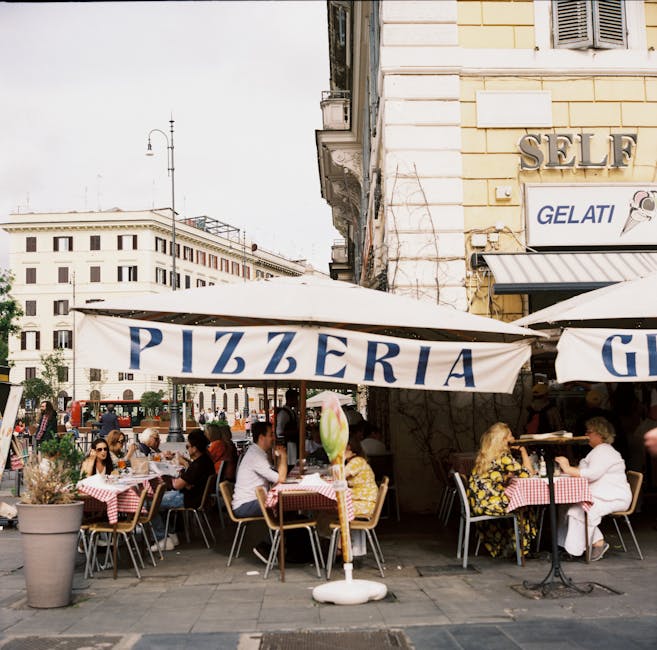
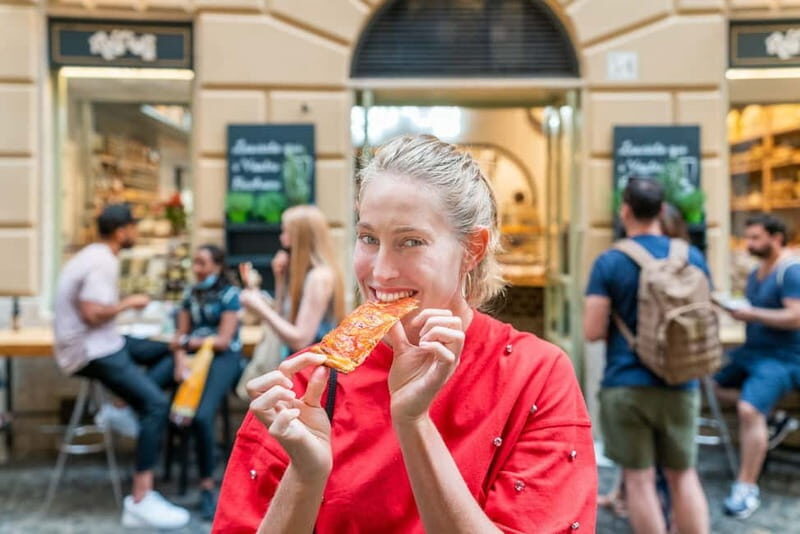
Pizza al taglio. Rectangular pizza sold by weight, cut with scissors, weighed, folded, handed over in paper. Different beast from Naples pizza. Tomato-only “pizza rossa”, potato pizza, mortadella pizza. You’ll try at least two cuts on most tours.
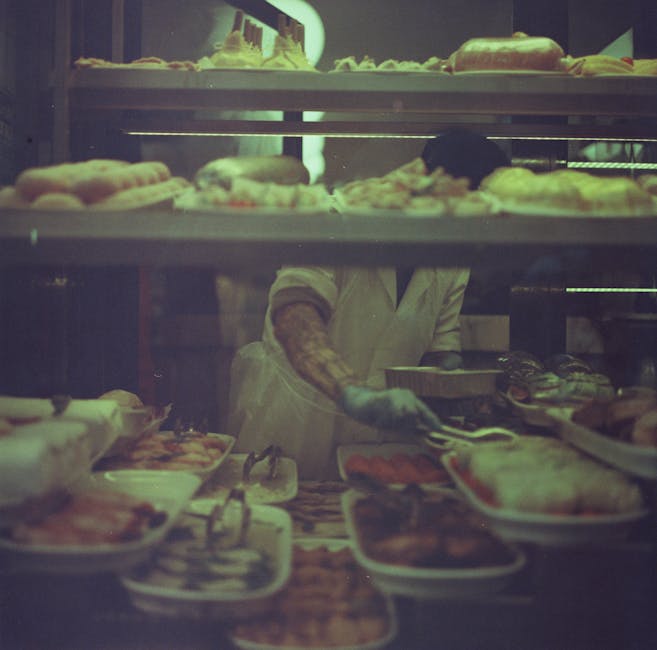
Cured meats and cheeses. Almost every tour stops at a salumeria, often a fourth-generation family shop. Prosciutto, guanciale, lardo, pecorino romano. The point is to taste pecorino fresh and properly aged side by side, so you can tell the difference for the rest of the trip.
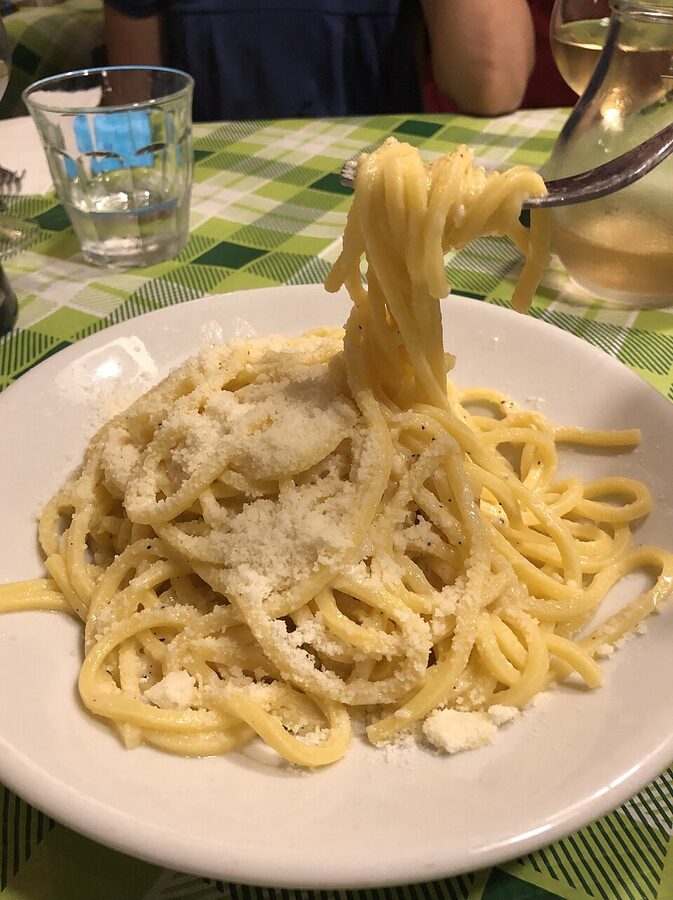
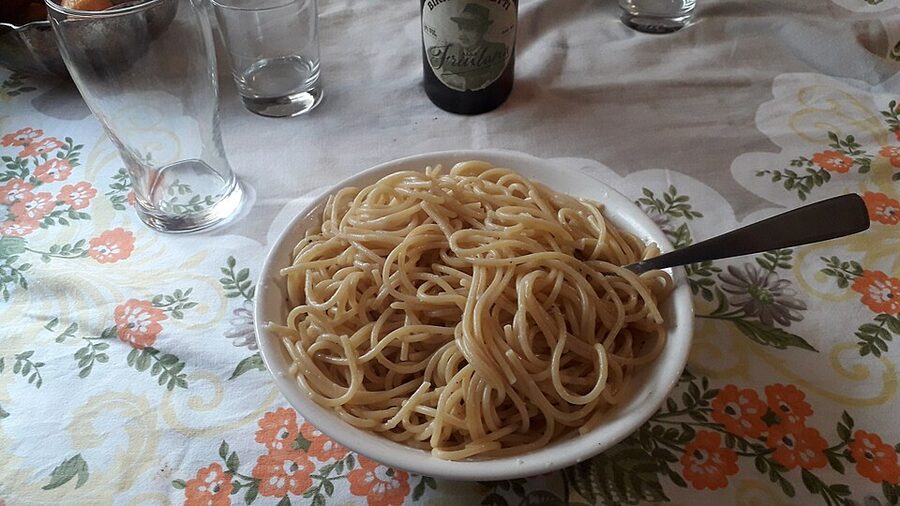
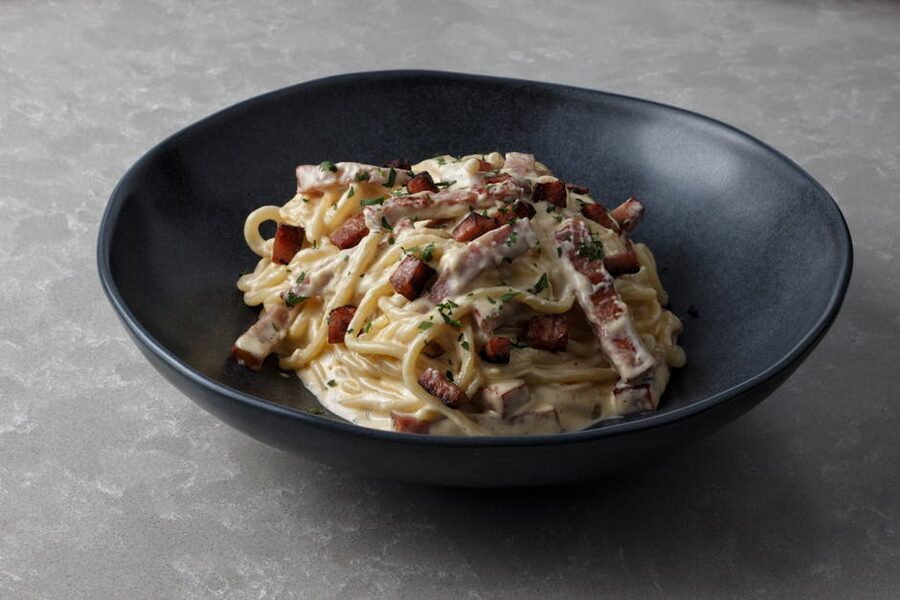
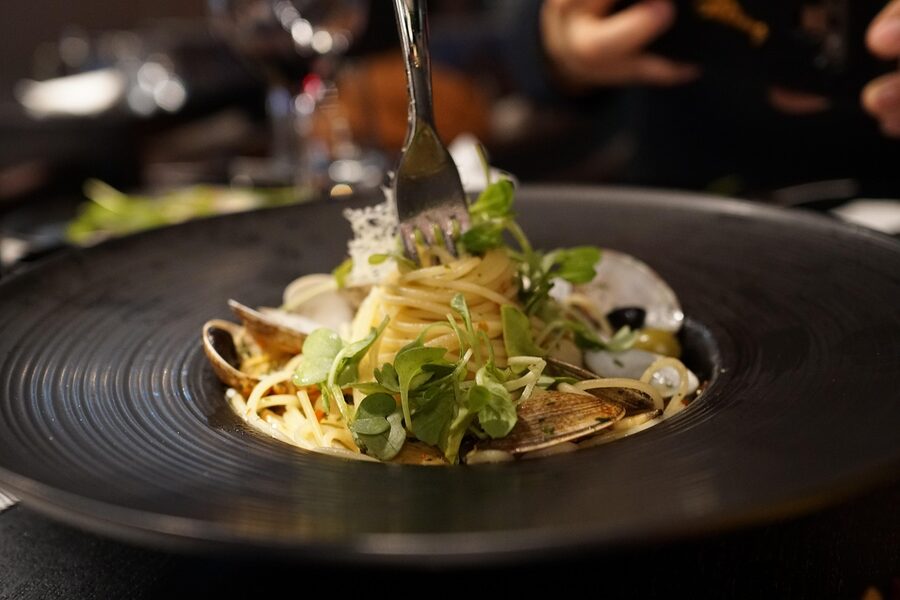
One of the four classic Roman pastas. Cacio e pepe, carbonara, amatriciana, gricia. Most tours pick one. The dinner-format tours often include a full plate. The walking tours might give you a taster portion. Both work.
Carciofi alla giudia. Jewish-style fried artichokes. The signature dish of the Jewish Quarter, and the reason a Jewish Ghetto tour is genuinely worth the slight detour from Trastevere. They’re flattened, twice-fried, salted heavily, eaten by hand. Crisp like crisps. Most travellers have never had one.
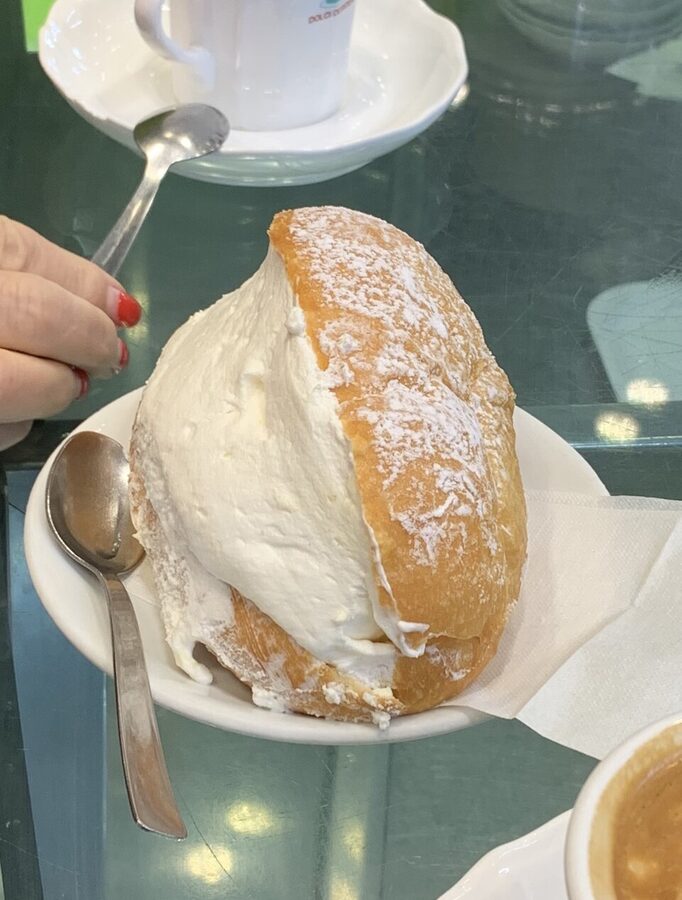
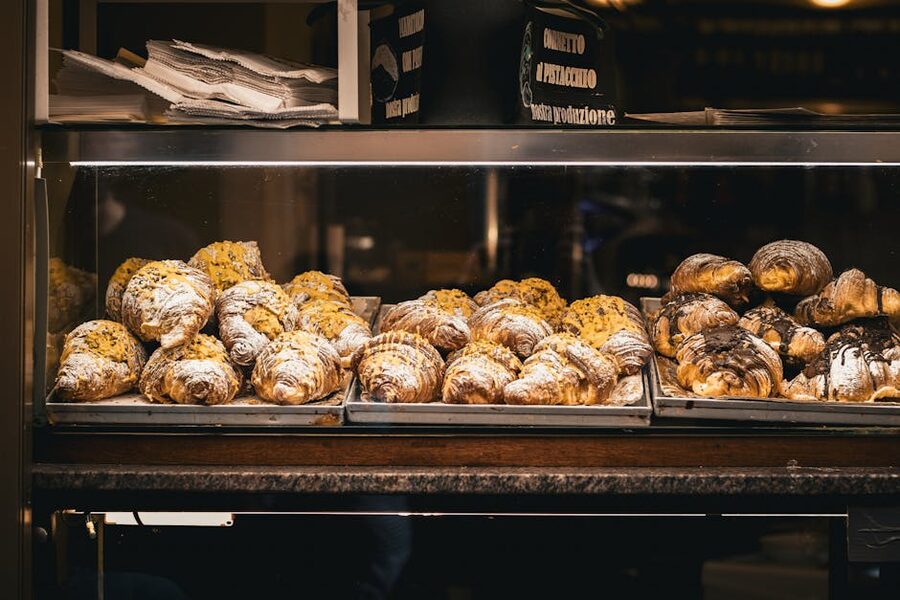
Maritozzo. A cream-filled brioche the size of a fist. The proper Roman version is split lengthways and absolutely overstuffed with whipped cream. Often the dessert stop. Not subtle. That’s the point.
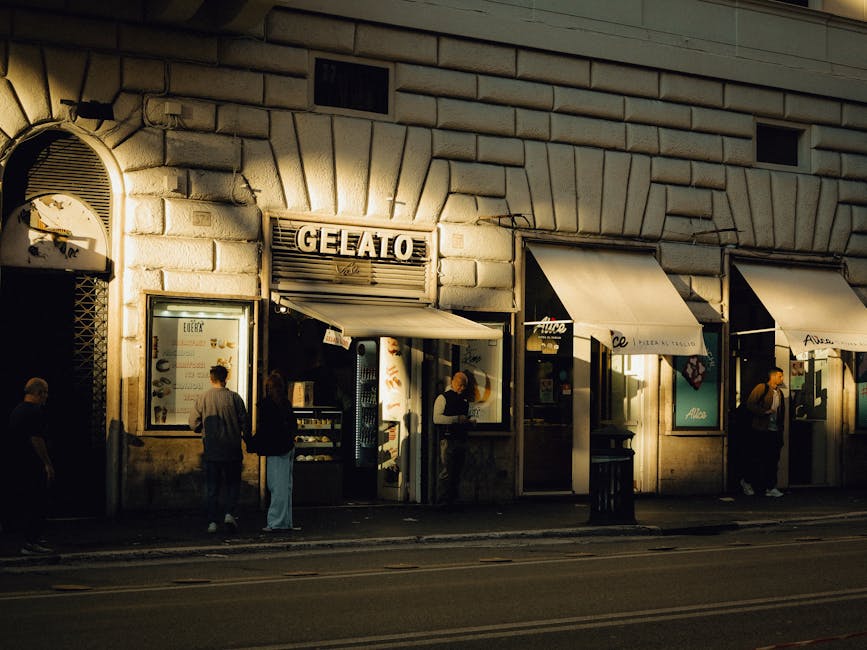
Gelato. Almost every tour ends here. The good ones take you to a place using fresh fruit and natural pistachio, not the neon-coloured stuff piled into mountains in the windows. Pistachio gelato should be muddy green-brown, not toothpaste green. Quick test that will save you all over Italy.
Wine and a digestivo. Most evening tours include house wine at one or two stops, and finish with limoncello or grappa. If you don’t drink, every tour I’ve checked offers an alternative. Just flag it when booking.
The Best Rome Food Tours, Ranked
Three tours dominate the bookings, and there’s a good reason. They’ve been running long enough to have proper relationships with the shops they visit, which is the whole game. The ranking below goes by sheer track record (number of bookings) and the consistency of feedback. Pick whichever fits your schedule and budget.
1. Twilight Trastevere Food Tour with Eating Europe: $125
This is the four-hour, full-dinner tour that the food press tends to quietly use as the benchmark. Eating Europe runs it small, the guides are full-time and trained, and the stops are real Trastevere institutions rather than hand-picked photo spots. Our full review walks through the ten-plus tastings, the sit-down course at Da Enzo, and why this is the one to splurge on if your trip only includes one food experience.
2. Rome Street Food Tour with a Local Guide: $53
The mid-priced workhorse. You pick Jewish Quarter or Trastevere when booking, and the lunch slot exists if your evenings are taken by other plans. Five tastings is enough to feel full without being too full to walk afterwards, which is the right call on day one in Rome. Our review covers what each neighbourhood version actually includes, and which to pick if it’s your first time in Rome.
3. Trastevere & Campo de’ Fiori Walking Tour: $51
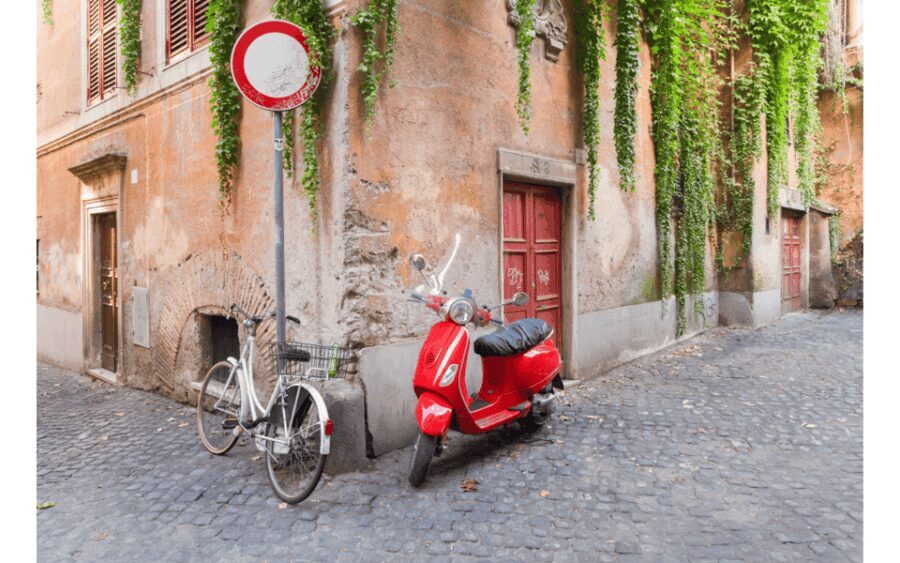
If the dilemma is “do I want Campo de’ Fiori or Trastevere”, this is the one that solves it by doing both in a single 2.5-hour walk. The fourteen-person cap is the detail that makes this work. Smaller groups mean the guide can adapt the pacing to whoever’s hungriest. Our walkthrough goes through the seven stops in detail and what to expect at each.
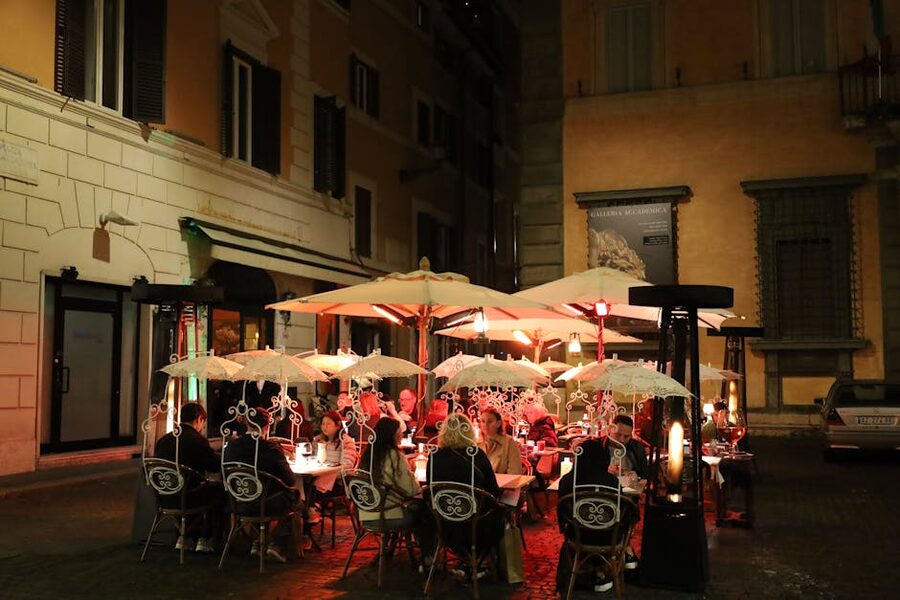
Worth saying out loud: I’ve also tested the Roman Food Tour in Trastevere and the Prati Food and Wine tour, both of which are good without being the absolute best. The Prati one is the choice if you’re staying near the Vatican and don’t fancy a cab across the river. The general rule is that if you can spare $125 and four hours, pick the Eating Europe one. Anything tighter, the GetYourGuide $50-ish options are excellent value.
Trastevere vs Jewish Ghetto: Which Neighbourhood to Pick
This question comes up more than any other when readers email about Rome food tours. They’re both worth doing, but if you can only do one, pick based on what else you’re up to.
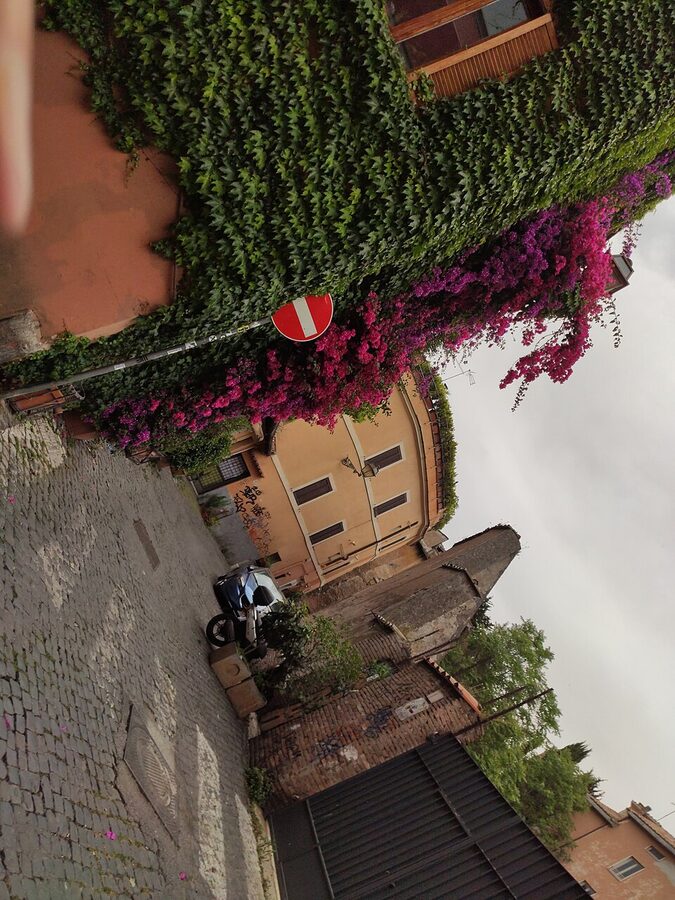
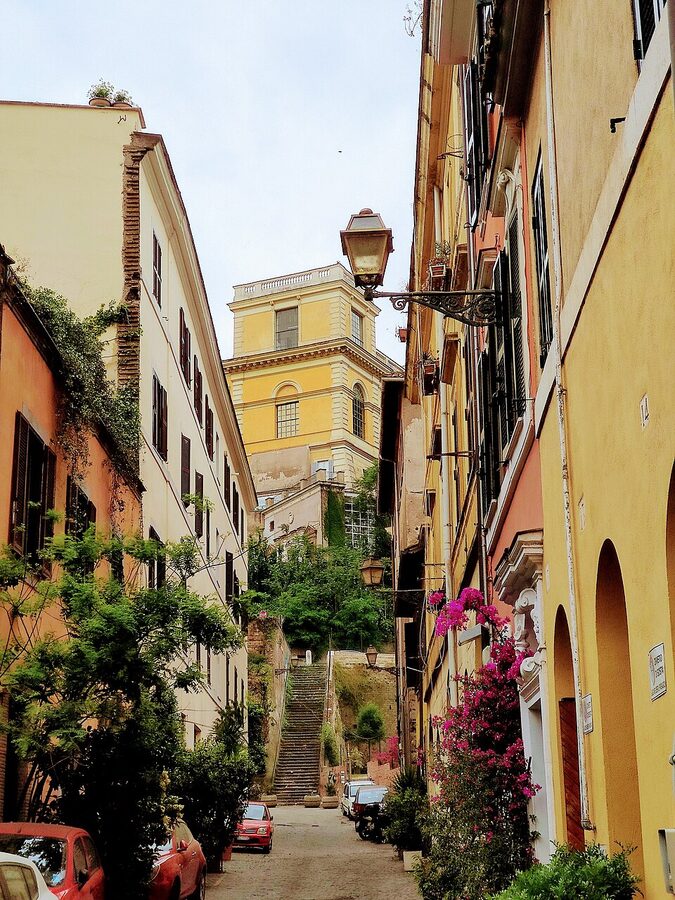
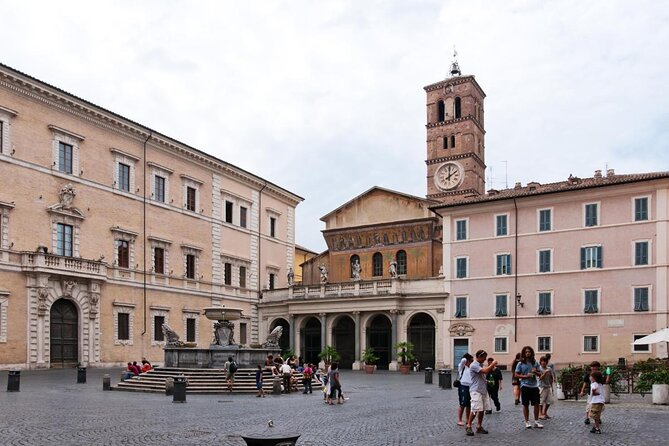
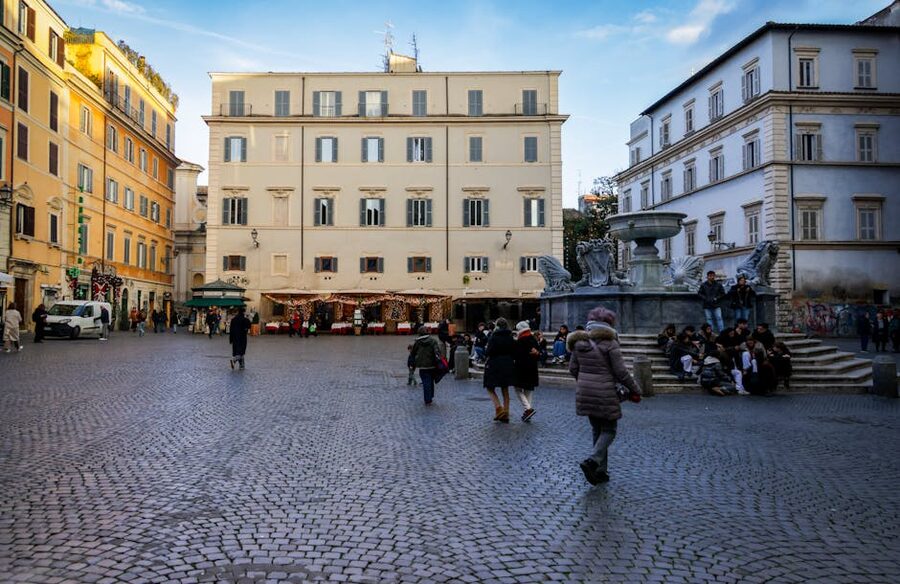
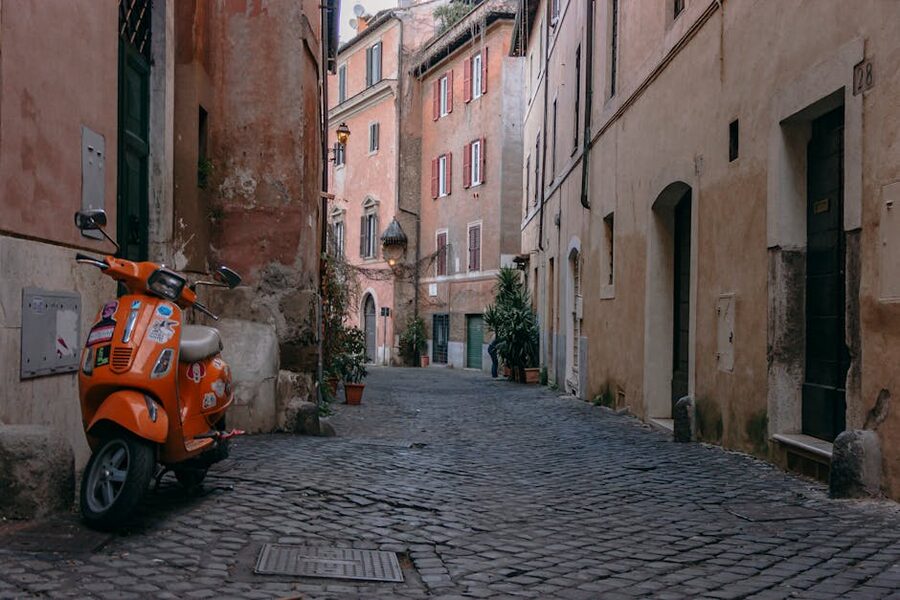
Trastevere is the more atmospheric pick. Cobblestone alleys, ivy on the walls, family-run restaurants, the church bells of Santa Maria. It’s also the most touristy of the two, especially after 7pm on a Friday. The food is excellent, the energy is busy. Pick this if you have one evening, want a “Rome at night” feeling, and aren’t planning to come back here on your own.
Jewish Ghetto (the Roman Ghetto) is smaller, quieter, and has the dish that Trastevere doesn’t: the Jewish-style fried artichokes I mentioned above. It’s two minutes from the Pantheon and three from the Colosseum side, so it slots into a sightseeing day better than Trastevere does. Pick this if you’re a serious eater and want the dish you can’t get anywhere else in the world.
The “do both in one walk” answer is the Trastevere & Campo de’ Fiori tour above, which threads through both sides of the river. Slightly less depth at each stop, but covers more ground.
How Booking Actually Works
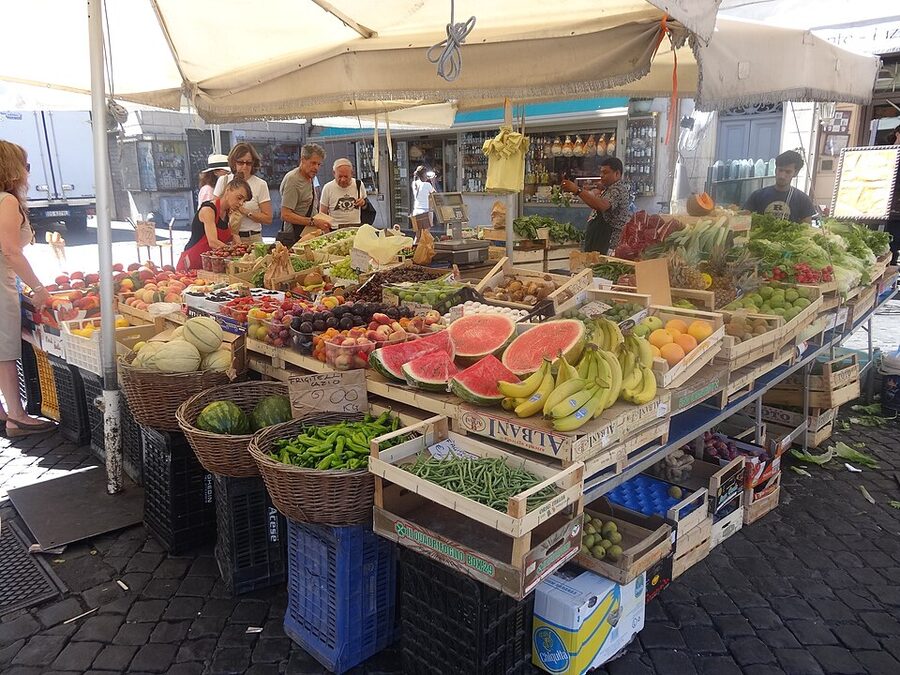
All three of the tours above book through GetYourGuide or Viator, and both platforms work the same way. Pick a date, pick a time slot, pay online, you get a confirmation email and a meeting-point map. There’s no need to call, ring, or send a deposit.
Confirmation timing. Instant email confirmation. The QR code or booking reference comes within an hour or two. Show that on your phone at the meeting point, the guide ticks you off the list, you walk.
Cancellation policies. The default on most listings is free cancellation up to 24 hours before the tour starts. Read the listing fine print, because the longer dinner tours sometimes pull that to 48 or 72 hours. If you book through GetYourGuide and the rules change, you’ll see it on the booking page.
How far ahead to book. The Eating Europe Twilight Trastevere is the only one that genuinely sells out a week ahead in peak months (April to June, September, October). For the GetYourGuide $50 options, two or three days’ notice is usually fine outside of August. In August, Romans are at the beach and the city is half empty. Counterintuitive, but August is the easiest month to walk up and book day-of.
Arriving on time. Be at the meeting point ten minutes early. The meeting points are usually a fountain, a statue, or a specific street corner, and Trastevere’s alleys can scramble even Google Maps. If you’re new to Rome, walk the route the day before. The guides will not wait more than five minutes for stragglers, because the first stop has booked your group in for a specific window.
Lunch Tour or Dinner Tour
For most travellers, dinner is the better pick. Rome at night, atmospheric stops, the energy of locals coming out to eat after work, plus you don’t have to find dinner separately afterwards. Done.
The case for the lunch tour: it’s a touch cooler in summer, the bakeries and salumerias are at their freshest, you have the rest of the day to walk the food off, and you don’t have to babysit your appetite for two more meals. Lunch tours also tend to be slightly less booked, so easier to grab last-minute. If you’re in Rome in July or August, the lunch slot is the one to grab.
What to skip: do not book a food tour the same day you’re flying in. Jet lag plus six tastings plus wine equals you sleeping through the gelato stop. Book it for day two or three when your stomach has recovered from the airline’s idea of a meal.
What It Costs and What’s Included
Pricing falls into two clear bands. Walking street-food tours of 2.5 hours sit at $50-60, include 5-7 tastings and one or two drinks. The Eating Europe full-dinner tour sits at $125 and is closer to a multi-course meal split across four to six stops. Cooking classes are a separate price point covered in our pasta class guide.
Almost every tour includes:
- All food tastings (you do not pay anything inside the shops)
- One or two drinks per stop, usually wine, water, soft drinks if you ask
- An English-speaking guide for the full duration
- Restaurant pre-bookings so you don’t queue
What’s not included: tipping. €5-10 in cash for the guide if they were good is normal. The tours don’t push it, but locals do tip, and the guides are often working freelance. Bring a small note.
Group Size and What That Changes
Group size is the single biggest variable in tour quality, and most travellers don’t think to ask. Six people means everyone hears the guide’s stories about the salumeria’s grandfather. Twenty people means a queue at every counter and a guide running between two halves of the group.
The tours we recommend cap groups at 12-14. Eating Europe usually keeps it to 12. The GetYourGuide listings flag the maximum on the booking page. If a tour says “small group” without a number, that’s a flag. Read the reviews and check what people actually got.
For families with kids, look for the explicit family-friendly listings. The standard street food tours are fine for kids over about eight, and most operators happily swap wine for soft drinks. If you’ve got younger kids or want a more bespoke pace, a private tour costs roughly double the per-person rate but you set the timing.
Dietary Restrictions: What Actually Works
The tours handle dietary needs better than you’d expect, but you have to flag it at booking, not on the morning of. There’s a notes box on the GetYourGuide and Viator booking pages. Use it.
Vegetarian. Easy on most tours. Cured meats get swapped for cheese plates, the fried artichokes are vegetarian to start with, the pizza al taglio has vegetarian cuts. You will not feel short-changed.
Vegan. Harder. Pecorino, butter, eggs, and cured meats are core to Roman cooking. The Eating Europe team will do a vegan version with 48 hours’ notice. Some of the cheaper tours can’t realistically swap out four out of five tastings. If you’re vegan, message the operator before booking.
Gluten-free. Italy is the easiest country in Europe for coeliac and gluten-free diners; the country has a national health programme for it. Most pizzerias and pasta restaurants stock gluten-free flour. On a food tour, flag it 48 hours ahead and the guide will adjust the stops or substitute.
No alcohol. Standard. Every tour offers a soft drink, water, or juice swap. No one will look at you funny for asking.
What to Wear and Bring
Comfortable shoes, obviously, because cobblestones eat heels. Beyond that, the only real advice is to dress slightly down in summer (the Trastevere alleys hold the heat) and slightly up if you’re booking the Eating Europe one (Da Enzo is not formal, but it’s not flip-flops either).
Bring water. The guides usually carry some but the public fountains in Rome are drinkable; a refillable bottle is enough. Cash for tips, a phone with the meeting-point pinned, and an empty stomach.
Don’t bring a backpack to dinner unless you have to. The tours that include a sit-down course at a restaurant don’t have luggage racks, and the tables are tight. A small shoulder bag is plenty.
Combining a Food Tour With the Rest of Your Trip
The trick to Rome is sequencing. Big sights in the morning when the tour buses are queuing, food tours in the early evening when the city loosens up. A typical three-day plan we’d actually book:
Day 1. Land, drop bags, walk to the Pantheon and the Trevi Fountain. Early dinner near your hotel. Sleep early.
Day 2. Colosseum and Forum in the morning, ideally with the underground access ticket if you can get one. Late lunch. Free afternoon. Twilight food tour in Trastevere or the Jewish Ghetto.
Day 3. Vatican Museums and the Sistine Chapel in the morning, St Peter’s Basilica after. Lunch in the Borgo. Afternoon at Castel Sant’Angelo or the Borghese Gallery. Pasta-making class in the late afternoon if you have appetite left.
If you’ve got more days, the catacombs on the Appia Antica are worth half a day, and a Pompeii day-trip eats one whole day but is unforgettable.
Getting Around for the Tour
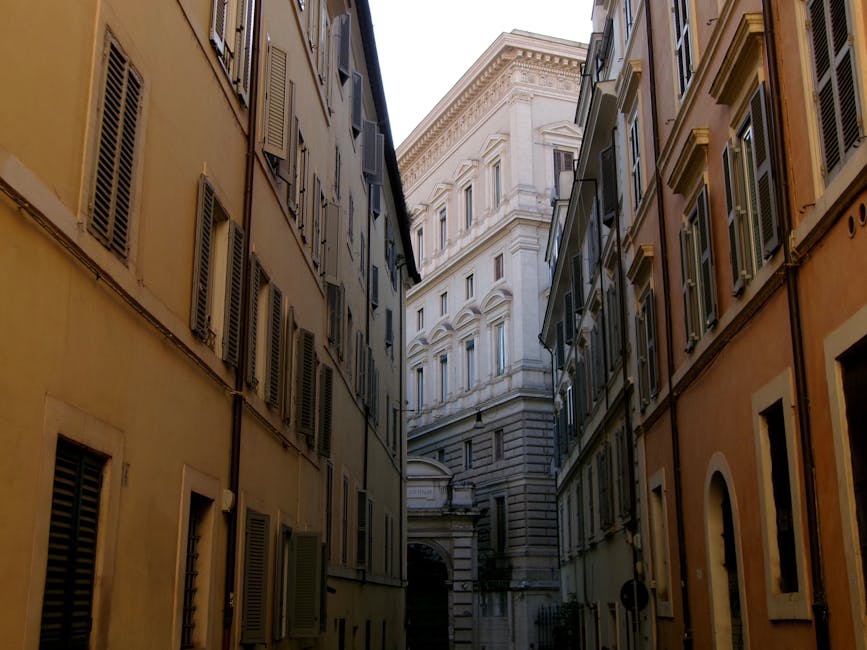
Rome’s centro is walkable. From most centrally-located hotels (anything between Termini, the Pantheon, and the Vatican) you’ll walk to your meeting point in 20-30 minutes. Cobblestones eat phone batteries because Google Maps relentlessly recalculates, so charge before you go.
If you’re staying further out, take the Metro to the closest stop and walk the rest. Trastevere has no metro station. The closest is Circo Massimo or Piramide on Line B, both 15-20 minutes’ walk from the heart of Trastevere. A taxi from the Vatican to Trastevere is €10-12.
If you’re planning to use Rome’s public transport at all, the Roma Pass covers buses, trams and the metro for 48 or 72 hours and rolls in two attraction entries. Worth it for a three-day stay if you’re cramming sights. The hop-on hop-off bus is a cleaner option for a one-day overview if you don’t want to walk eight hours.
A Quick Word on the Tourist Trap Patterns
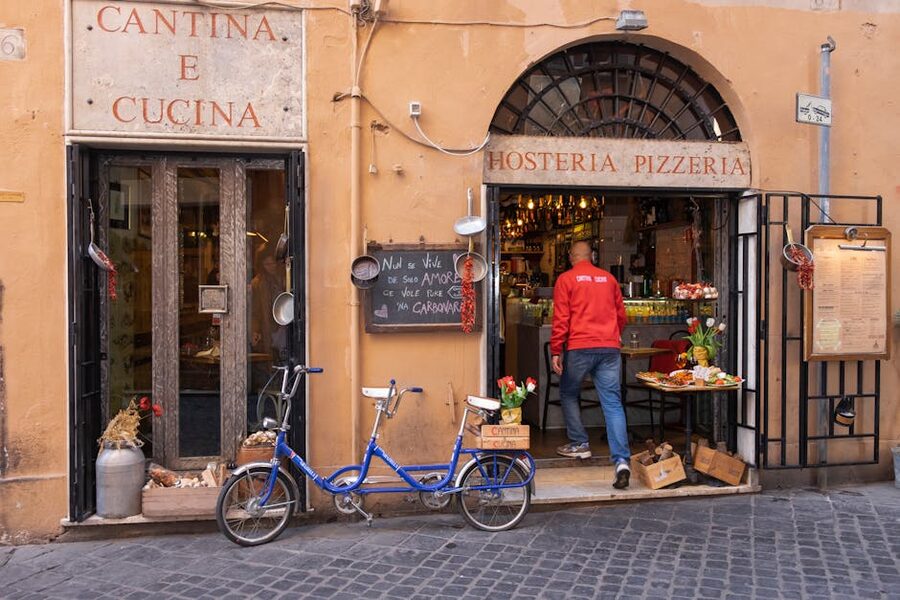
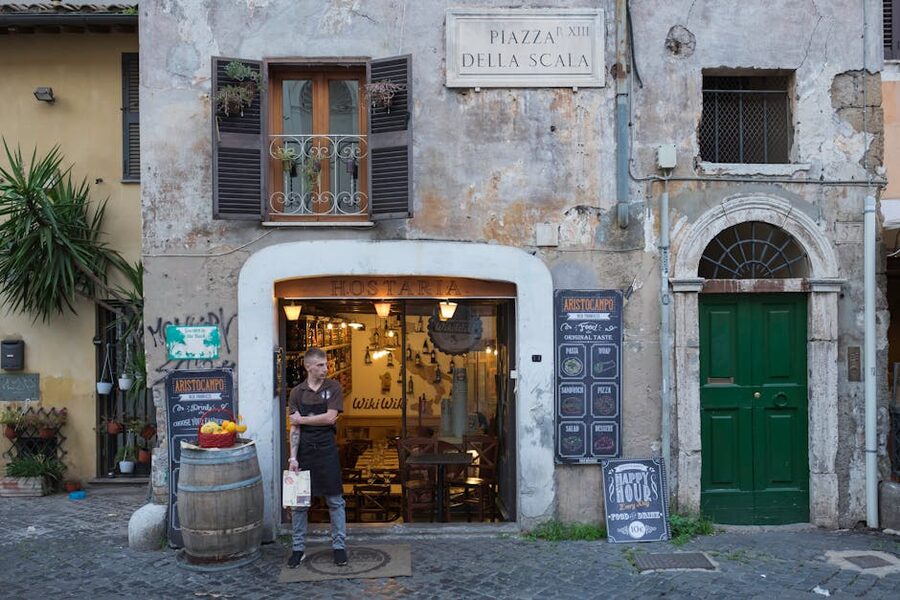
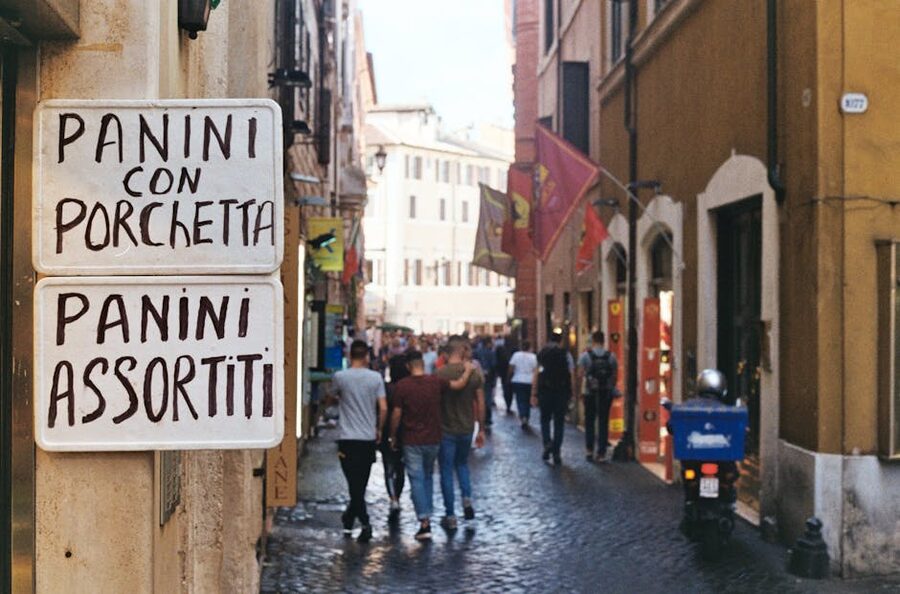
Once you’ve done a food tour, the rest of your trip gets dramatically better at filtering for good restaurants. The patterns are simple. Photo menus equal tourist trap. Hosts who hover at the door equal tourist trap. Menu in five languages equal tourist trap. Handwritten chalkboard with three pasta options equal probably good. Locals queueing equal definitely good. Family-run for 50 years equal usually good but slightly more expensive.
The tour guide will hand you a list of three or four extra recommendations at the end. Take a screenshot. Those are gold. They are the places the guide would send their own visiting cousin.
Mistakes Most People Make
The biggest one: booking a food tour and then booking a big lunch the same day. Two big meals in Rome on the same day is one too many; come hungry. The second biggest: trying to sneak in a sightseeing visit right before the tour. You will be late. The Vatican Museums alone take three hours minimum and discharge tired pilgrims into the wrong neighbourhood for any food tour. Build in a 90-minute gap.
The third: assuming the tour is a “tasting” rather than a meal. The Eating Europe one is genuinely a full dinner. The walking tours are dinner-replacements unless you’re feeding two grown men. Plan accordingly.
And the fourth, which I see all the time: not asking the guide questions. The guide is your $50-an-hour Rome consultant for the duration of the walk. Ask them where to go for breakfast, where the laundromat is, which gelato to pick when. Most don’t, and they leave the value on the table.
Compare With Other Rome Experiences
If you’re trying to budget your one organised activity in Rome, food tours sit at the high end of the value-for-money curve. The Colosseum underground access tour is the must-do for history buffs and runs about the same money. A guided Vatican Museums and Sistine Chapel tour is the must-do if it’s your first time in Rome. A pasta-making class trades the breadth of a food tour for a skill you can replicate at home.
If you can fit two organised experiences, my pick is one Vatican-or-Colosseum guided tour plus one food tour. They cover different muscles of the trip and don’t compete with each other.
Worth Mentioning
Eating in Rome rewards curiosity. The food tour is the on-ramp; the rest of the trip is where you cash in what the guide taught you. After the tour, walk into a smaller wine bar, point at the chalkboard, ask the owner what they’d cook tonight. Half the time they’ll surprise you with something off-menu.
The Trastevere food tours and the Jewish Ghetto walks both lead naturally into the rest of the city’s edible side. The Colosseum and Forum area has fewer truly great restaurants than people expect because of the tourist density, but the streets behind the Pantheon and around the Borghese Gallery hide some of the best small trattorias in the city. The pasta-making class is the natural complement to the food tour: one teaches you to spot the good places, the other teaches you to recreate them at home.
One Last Thing: When to Tip and How Much
Italians don’t tip the way Americans do. A €1-2 coin on the table for an espresso, rounding up at restaurants by a euro or two, ten percent for genuinely outstanding service. On food tours, the convention is €5-10 in cash to the guide at the end. They’ll say it’s not necessary, and it isn’t, but if they were good and you had a great time, it’s the right thing.
If the tour itself ends at a wine bar where you’re encouraged to stay and drink more, the bartender there is on the regular tipping scale (round up by a couple of euros). Don’t double-tip the guide and the bar.
More Rome Guides
Once the food tour gets you fluent in Roman cooking, the rest of the trip follows. Pair this with our pasta-making class guide if you want to take a recipe home, the Roma Pass walkthrough if you’re cramming in sights, and the hop-on hop-off bus guide if you want a low-effort overview on day one.