
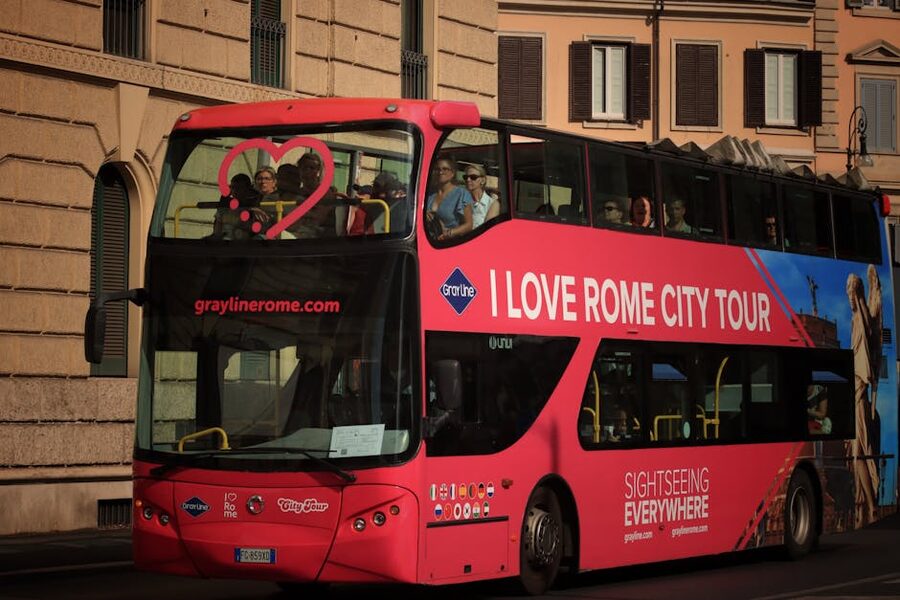
Rome looks compact on a map. The historic centre fits inside a small loop and most guidebooks tell you it’s “walkable.” Then you actually try to walk from the Vatican to the Colosseum on a 32-degree afternoon and realise the city is far bigger, hotter, and more uphill than the map suggested. A hop-on hop-off bus is the simplest fix: an open-top double-decker that loops past every postcard sight, and you climb on and off whenever you feel like it.
This is the booking guide I wish I’d had on my second Rome trip. I’ll cover what the routes actually cover, which company runs the best buses right now, where to catch them, and which ticket type fits which kind of visit.
In a Hurry: Top 3 Picks
- City Sightseeing 3-Circuit Pass for $19: The widest route coverage, three loops including night. Book on GetYourGuide
- City Sightseeing Audioguide Bus for $15: Cheapest of the well-reviewed options, full audio commentary. Book on GetYourGuide
- Big Bus Open-Top for $22: Smaller fleet but newer buses and a slightly slicker app. Book on GetYourGuide
- In a Hurry: Top 3 Picks
- What you actually get from a Rome HOHO ticket
- Which company should you book?
- Booking step by step
- Where to catch the bus
- Picking the right circuit
- Top-rated Rome HOHO tours we’d actually book
- 1. Rome 3-Circuit Panoramic Hop-On Hop-Off Bus:
- 2. Rome City Sightseeing Hop-On Hop-Off with Audioguide:
- 3. Rome Big Bus Open-Top Sightseeing Tour:
- What you’ll see from the top deck
- What it doesn’t cover
- How to combine the bus with the rest of your itinerary
- Practical money and time questions
- The honest downsides
- Tickets that bundle entries
- What to bring on the bus
- Common questions I hear from first-time visitors
- If you’re staying multiple days
- Other Rome guides worth bookmarking
What you actually get from a Rome HOHO ticket
Strip away the marketing and a Rome hop-on hop-off ticket is three things: a seat on an open-top bus, an audio commentary in your language, and the right to use that bus as many times as you want for 24, 48, or 72 hours. The bus runs a fixed loop that hits every famous sight. You step off where you like, do whatever you came to do, and pick up the next bus from the same stop later.
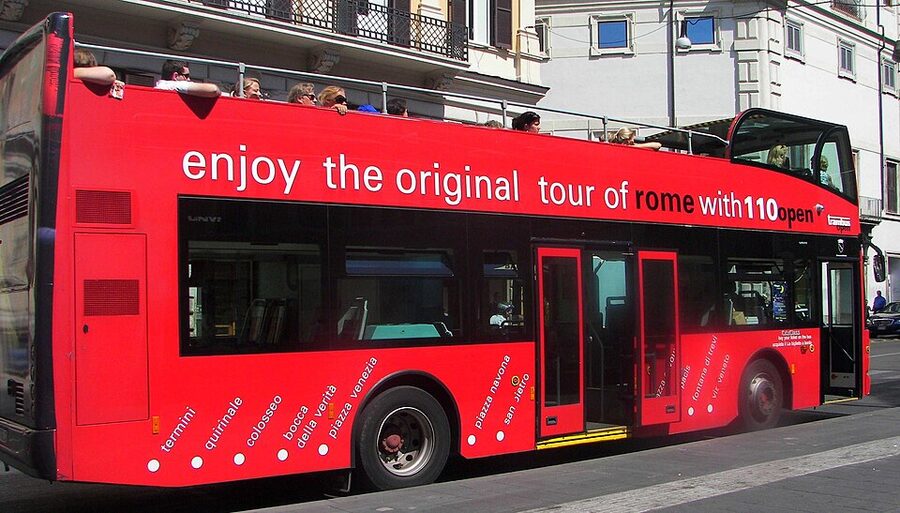
Buses come every 10 to 20 minutes during peak hours, every 25 to 30 minutes off-peak. Last departure is usually around 7pm in summer, 5pm in winter. You don’t need to book a specific time slot. Show up at any stop, scan your QR ticket, take a seat. That flexibility is worth more than the views, honestly. You can walk to the Trevi Fountain at midday, decide you’ve had enough sun, and ride the bus to the Vatican without negotiating taxis or the metro.
Three circuits is the upper limit on most multi-day tickets. They overlap heavily. There isn’t a “secret” loop that reaches places the cheaper ticket misses. The main difference is night service and add-ons (Vatican entry, Colosseum entry, river cruise) bundled with the ticket. If a combo deal is cheaper than buying entries separately, take it. If not, the basic 24-hour ticket is fine.
Which company should you book?
Three companies run the routes worth taking: City Sightseeing Roma (the red and yellow buses), Big Bus Rome (the navy blue ones), and a handful of smaller operators that mostly resell City Sightseeing tickets under different brands. I’d ignore the smaller resellers; you don’t save anything and the customer service is one extra phone tree away.
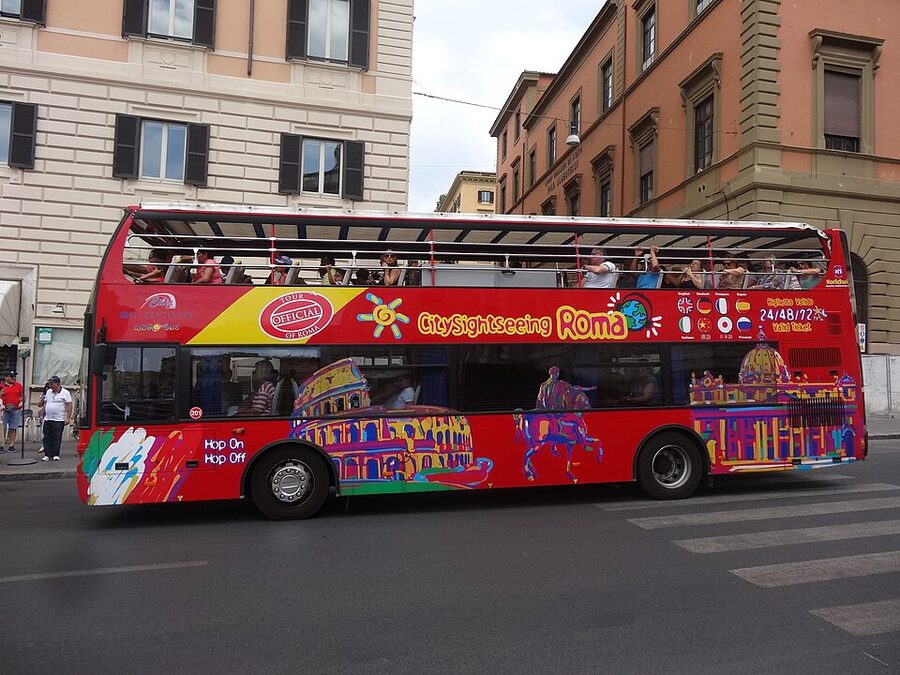
City Sightseeing has the biggest fleet and the most stops. That’s the simple reason it’s our default recommendation. You’ll wait less, especially in shoulder season when bus frequency drops. The audio is decent if not memorable. The full 3-circuit panoramic ticket review goes into the actual loop coverage and where the best photo seats are.
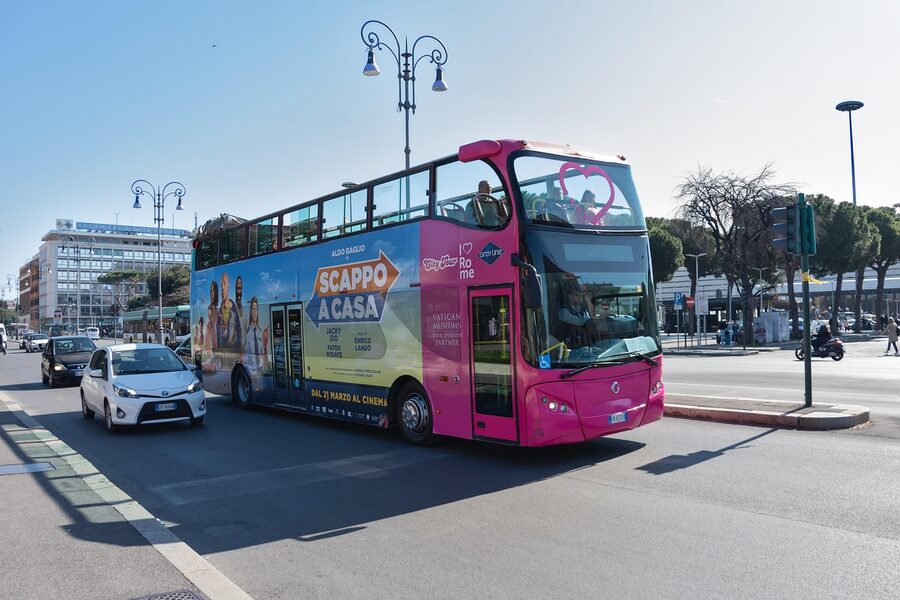
Big Bus has fewer buses but they tend to be newer, with cleaner upholstery and a slightly better app. The audio commentary is more polished. If your dates are firm and you don’t mind a slightly longer wait between buses, the Big Bus open-top tour is a strong second choice. Skip them only if you’ll be in Rome on shoulder-season weekdays where their schedule thins out.
Booking step by step
The simplest path is to book through GetYourGuide or the operator’s own site. I prefer GetYourGuide because the cancellation rules are clearer (free cancellation up to 24 hours before for most tickets) and the QR ticket lands in the same app as your other Rome bookings.
Step one: pick the duration. 24 hours is enough if you’re already planning to walk a lot. 48 hours pays for itself the moment you decide to revisit something on day two. 72 hours mostly makes sense if you’re staying outside the centre and using the bus as a commute, or if you’ve bundled add-ons.
Step two: pick the start date but not the time. Your ticket activates the first time you scan it on a bus, and runs for the full 24/48/72 hours from that scan. So if you scan at 2:30pm on Tuesday, a 24-hour ticket covers you until 2:30pm Wednesday.
Step three: download the operator’s app or save the PDF. Both work. The app shows live bus locations, which is genuinely useful when you’re at a stop wondering whether to wait or walk. There’s a fuller comparison of ticket types in the City Sightseeing audioguide review, including what the audio actually covers between stops.
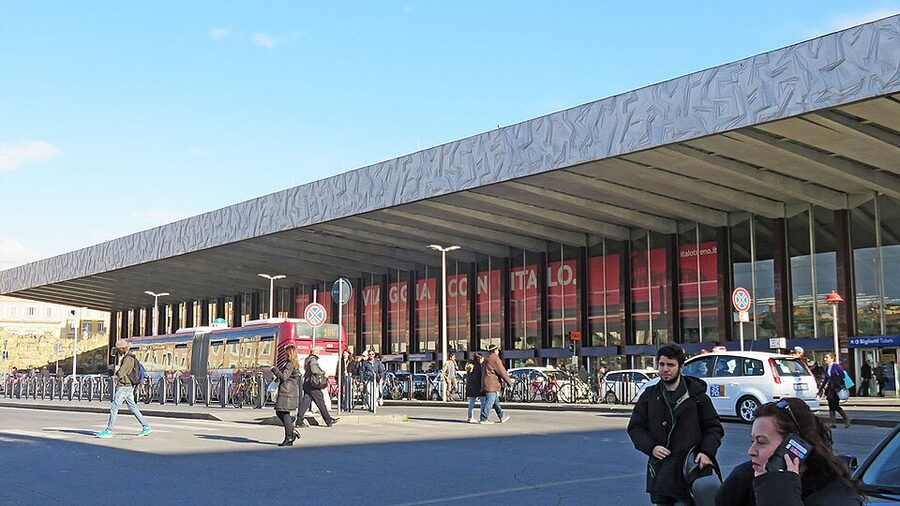
Where to catch the bus
Both operators have around a dozen stops. The four you’ll actually use are Termini station, Piazza Venezia, near the Colosseum, and the Vatican (Castel Sant’Angelo or Via della Conciliazione, depending on the operator).
Termini is the practical choice if you’ve just arrived from the airport on the Leonardo Express. Walk out of the main concourse, turn left along Via Marsala, and you’ll see the buses lined up within 100 metres. There’s usually staff selling same-day tickets if you didn’t book online.
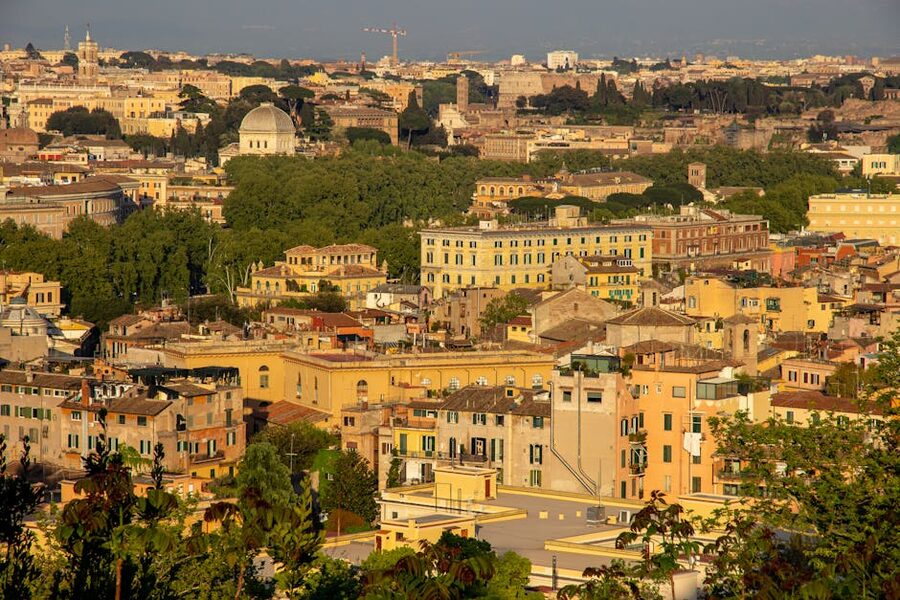
Piazza Venezia is the most central stop and the easiest place to switch directions if you’re using a multi-route ticket. Buses arrive on Via dei Fori Imperiali (the wide road heading to the Colosseum) and load on the Piazza Venezia side. Crossing here is mildly chaotic, so use the pedestrian crossings on Via del Plebiscito.
The Colosseum stop sounds obvious but isn’t. The actual stop is on Via Labicana, on the north-east side of the amphitheatre, not the south side where most foot traffic flows. If you’ve come up the metro from Colosseo station, walk past the Colosseum on your left, cross at the lights, and the stop is signposted. If you’re planning to combine the bus with skip-the-line entry, the dedicated Colosseum, Forum and Palatine guide covers which combo tickets are worth it.
Picking the right circuit
City Sightseeing runs three loops with the multi-circuit ticket: the standard panoramic loop (the famous one), a Vatican extension, and a night tour. The standard loop is the only one most people need. Eight stops, full audio commentary, runs every 10 to 15 minutes from 9am.
The Vatican extension is genuinely useful only if you’re staying near Termini and don’t want to use the metro. Otherwise the metro from Termini to Ottaviano is faster and cheaper than the bus, even with the bus included in your ticket. Ride the standard loop and use the metro for the Vatican.
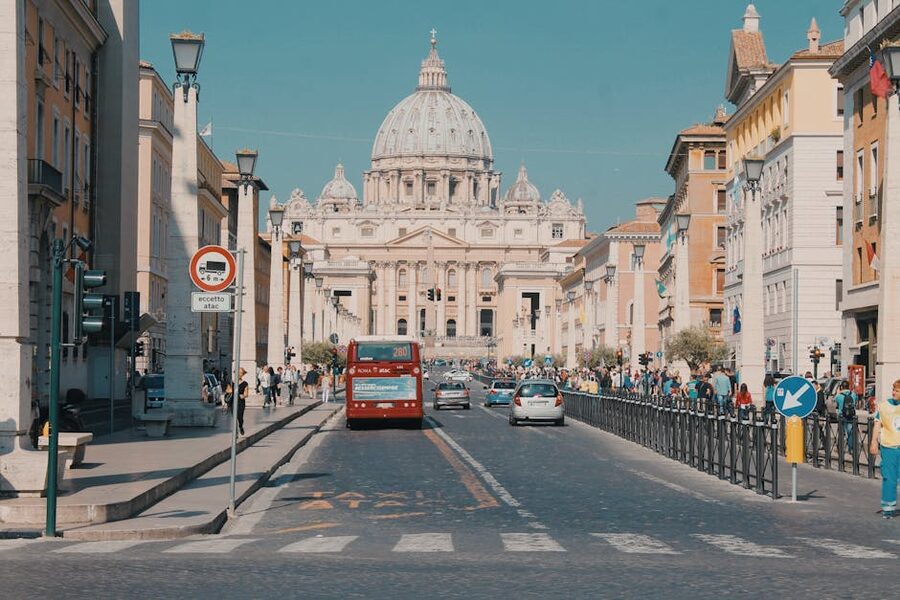
The night tour is the loop that surprises people. It’s a smaller route, runs about 90 minutes, and lights up everywhere from the Colosseum to St. Peter’s after dark. If you’re in Rome for at least three nights, do this one. The Big Bus night version covers slightly different streets and you can compare the two before booking.
Top-rated Rome HOHO tours we’d actually book
These three are the ones we recommend after pulling our review database and matching it to current pricing and frequency. All three have free cancellation when booked through GetYourGuide.
1. Rome 3-Circuit Panoramic Hop-On Hop-Off Bus: $19
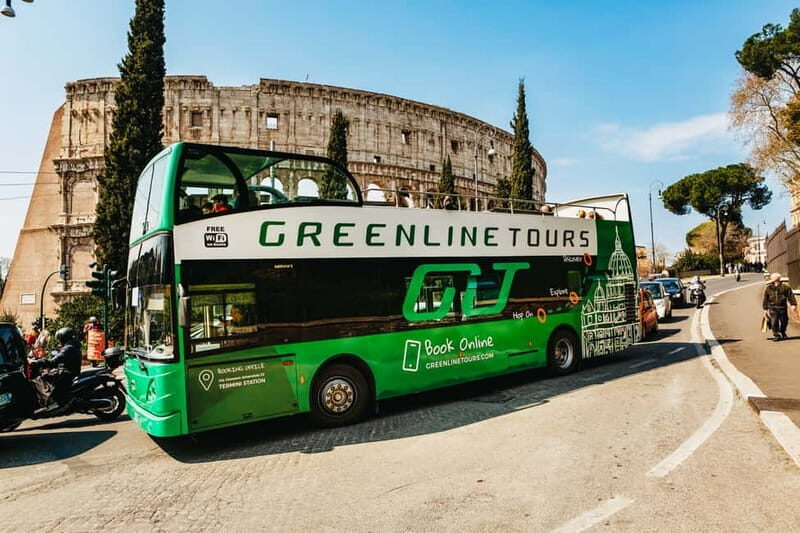
This is the volume leader and our default pick. The three circuits genuinely cover different neighbourhoods, and the audio guide swaps between languages cleanly. Our full review of this 3-circuit ticket goes into which seats give the best photos and where the dead zones are between stops. It runs every 10 to 15 minutes in summer.
2. Rome City Sightseeing Hop-On Hop-Off with Audioguide: $15

For a 24-hour visit this is the better deal. You get the same buses and the same stops as the 3-circuit ticket, just without the night tour and the Vatican extension. The audioguide bus review walks through what the commentary actually says and where it lags. Activate it after lunch and you’ll comfortably squeeze in a full afternoon loop plus a morning loop the next day.
3. Rome Big Bus Open-Top Sightseeing Tour: $22

Big Bus is what you book if City Sightseeing is sold out or if you want a slightly more polished experience. The buses are noticeably newer, the audio is better written, and the app is the best of the three. Frequency in shoulder season is the catch; expect 25-minute waits in November. Our Big Bus review covers the route differences in detail.
What you’ll see from the top deck
Sit upstairs and on the right going clockwise. That’s the rule. From there you’ll see most of the major sights in this order on the standard loop: Termini, Santa Maria Maggiore, the Colosseum, Circus Maximus, Bocca della Verità, Piazza Venezia, the Pantheon (briefly, from a side street), Castel Sant’Angelo, the Vatican, then back via Via Veneto and the edge of Villa Borghese.
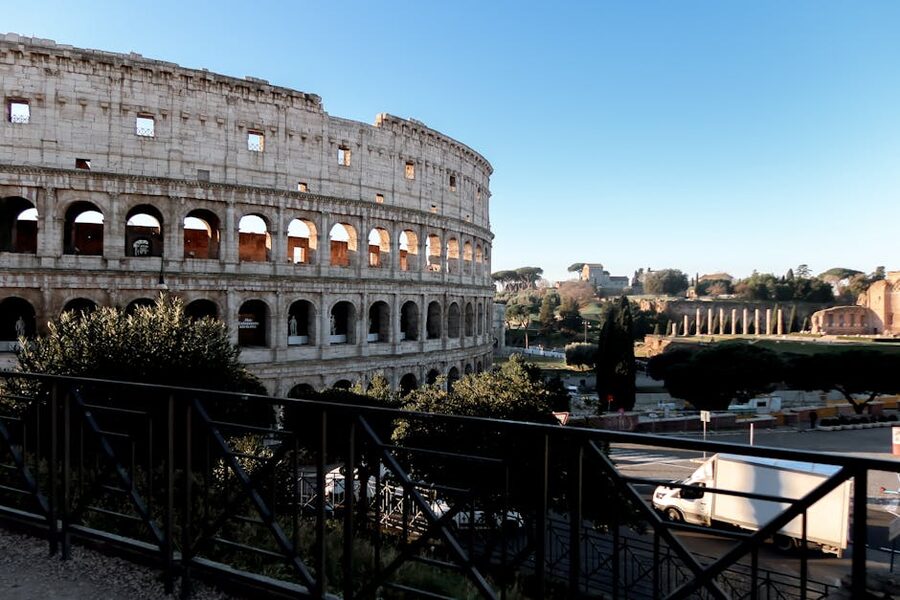
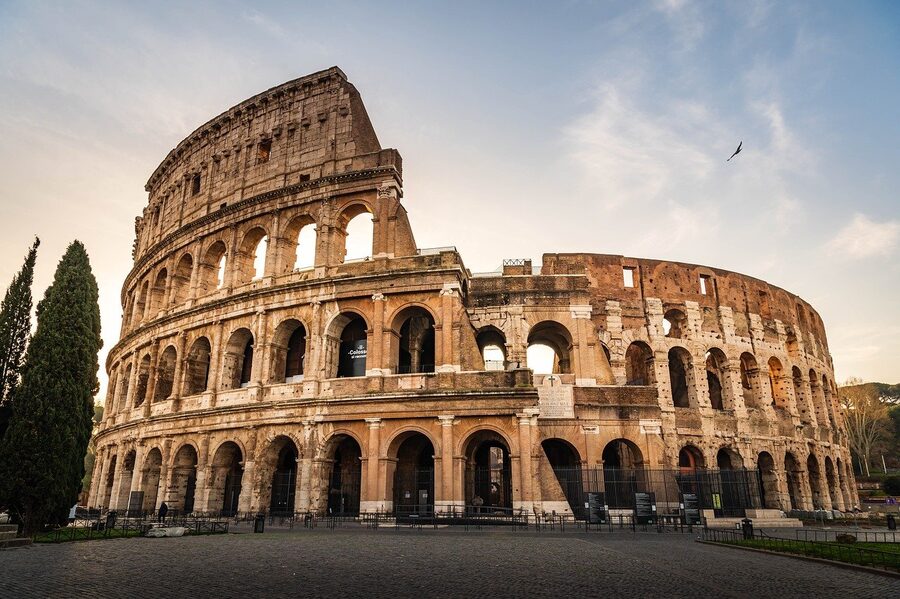
The Colosseum stretch is the showstopper. Buses slow to a crawl as they round it, and you’ll get a good five seconds of clean shot from the top deck. Don’t bother fighting for it; if you’re staying on the bus, the audio commentary times the photo moment for you.
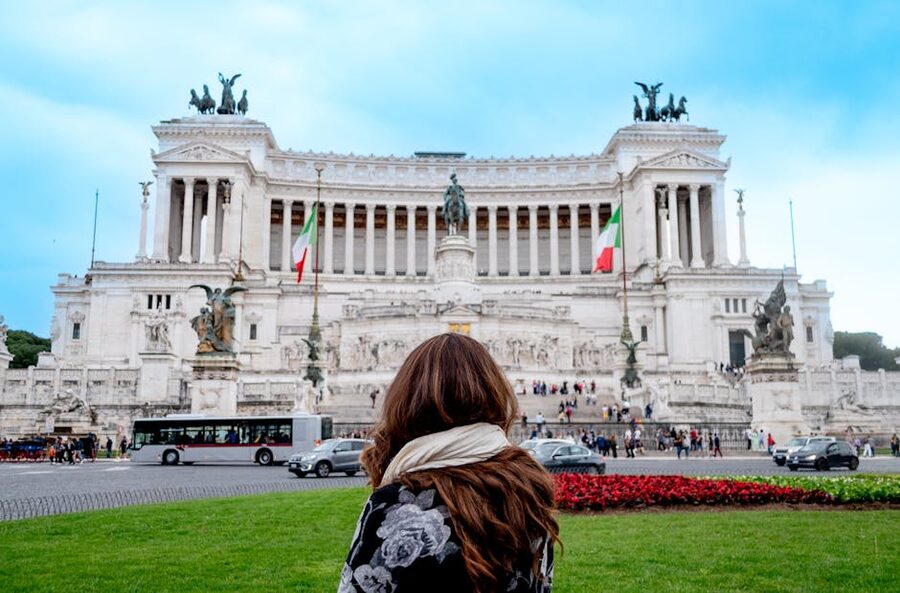
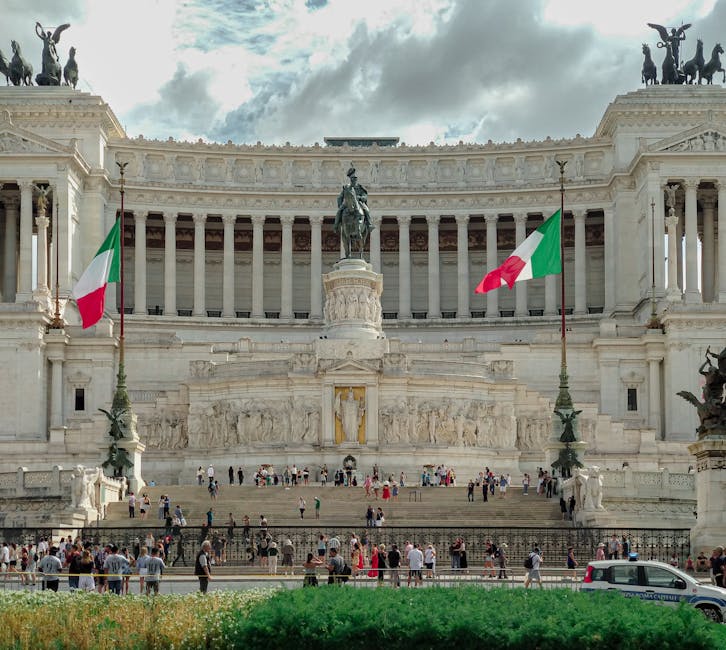
The Pantheon is the bus tour’s weakest spot. The actual building is in a pedestrian zone the buses can’t enter, so they pass it 200 metres away on a wider road. Get off and walk if you want to see it properly, then catch the next bus from Largo di Torre Argentina. The Pantheon booking guide covers the timed-entry tickets you now need to go inside.
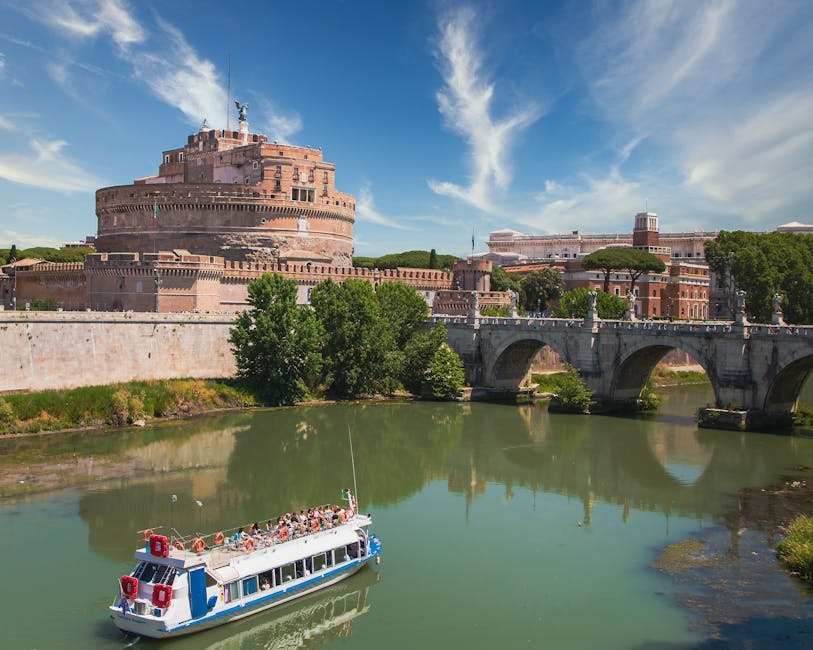
Castel Sant’Angelo deserves its own stop. From the bus the building looks small, but it’s worth a closer look (and the rooftop has the best free view of St. Peter’s in the city). If you’ve got time, see the Castel Sant’Angelo booking guide for the entry-ticket comparison.
What it doesn’t cover
This is the bit most reviews skip. A HOHO ticket isn’t a do-everything pass. It gets you past landmarks, not into them. Specifically:
- The Vatican Museums: The bus drops you outside, but you still need a separate timed-entry ticket to get inside. Book it in advance, full stop.
- The Colosseum: Same story. The HOHO doesn’t include entry. The cheapest combo is a basic ticket plus the bus; the most popular is the underground tour.
- The Roma Pass: Different product entirely. If you want public transport plus discounted museum entries, look at the Roma Pass guide. It overlaps with the HOHO on transport but offers museum discounts the bus doesn’t.
- Trastevere and the Jewish Quarter: Both are pedestrian neighbourhoods the bus can’t enter. You’ll see the river edge of Trastevere but you can’t hop off and explore. If food and atmosphere are why you’re in Rome, the Rome food tour guide covers the walking options.
- The Borghese Gallery: The bus passes the edge of Villa Borghese on Via Veneto, but the gallery itself requires a timed-entry ticket and a 15-minute walk. The Borghese Gallery booking guide has the full breakdown.
How to combine the bus with the rest of your itinerary
The bus is best used as a backbone, not a substitute. A typical good day looks like this: start with a booked, timed-entry attraction in the morning (the Vatican or Colosseum), eat lunch nearby, jump on the HOHO when it’s at its hottest and your feet hurt, do a full loop with the audio for orientation, then hop off near your evening dinner spot.
Day one tip: don’t try to “do” Rome on the bus. Use the loop as a city tour, take notes, then plan day two around the things you want to revisit on foot.
Day two tip: combine the bus with a focused on-foot exploration. If you’ve booked a Rome pasta-making class for the late morning, the bus will get you to the venue and out again without negotiating taxis. Same for an evening Trastevere food tour; ride the night loop afterwards if you’ve got time, since both routes pass St. Peter’s after dark.
Practical money and time questions
Is it worth the money? On a 24-hour ticket at $15 you’re paying roughly the same as three single metro rides plus a taxi. So yes, if you’d otherwise take any of those, the bus pays for itself. The 48-hour ticket starts to lose value if you’re already buying a Roma Pass for transport.
Is it faster than walking? Sometimes. The full loop is about 90 minutes when traffic is moving, longer in peak hours. Walking from the Vatican to the Colosseum takes about 50 minutes; the bus does it in 35 to 40 with normal traffic. Walking is faster across short hops in the historic centre because the bus has to take the wide roads around pedestrian zones.

Should you buy on the day or in advance? Same price, but advance booking on GetYourGuide gives you free cancellation up to 24 hours before. On-the-day buys at the bus mean cash or card at the stop, no discount, no cancellation. Always book ahead unless you’ve genuinely just arrived and walked off the train.
Is the audio guide worth it? Yes, if you’ve never been to Rome. The audio gives you something to focus on between sights and it cues the photo moments. It’s less useful on visit two or three; by then you’ll know the city better than the script. The audioguide review has a section on which language tracks are best translated.
The honest downsides
It rains in Rome more than you think. October through April you’ll get caught at least once, and the top deck has no cover. Both operators do issue thin plastic ponchos, but a small umbrella in your bag is smarter. Buses still run in the rain.
The audio quality varies. Both companies use single earpieces, and the volume on the older buses is uneven. Bring your own earbuds if you can; the buses now have a 3.5mm jack at every seat on the newer fleet, and Bluetooth on the very newest ones.
Frequency drops on Sundays. Both operators trim their schedules, with buses arriving every 25 to 30 minutes instead of every 10 to 15. If your only Rome day is a Sunday, this is the difference between fitting four sights in or two. Plan accordingly.
Stops aren’t always where the maps say. Especially on the Vatican loop, signage is patchy and several “official” stops are 100+ metres from a recognisable landmark. Use the operator’s app to check live bus locations rather than the static map.
Tickets that bundle entries
City Sightseeing and Big Bus both sell combo tickets that bundle the bus with skip-the-line entry to the Colosseum, the Vatican, or both. Most of the time these combos save 5 to 10 percent compared to buying separately, and they’re worth taking only if you’d buy both products anyway.
The Vatican combo is the more useful of the two. Vatican-only tickets are a hassle (long online queues, strict time slots), and the bundled HOHO version cuts out one decision. The Colosseum combo saves less because Colosseum entry is already cheap and easy to book on its own. The St Peter’s Basilica guide covers what’s free vs. paid at the Vatican; you don’t actually need a ticket for the basilica itself, only the museums and Sistine Chapel.
What to bring on the bus
Sunscreen on the top deck. The wind hides how much sun you’re getting, and a 90-minute loop in July leaves real sunburn on your forearms. SPF 30 minimum, applied before you board.
Water in a bottle. Buses don’t sell anything. The 90-minute loops are dehydrating in summer.
A light jacket for the night loop. Even in summer the wind on the top deck after dark gets chilly.
Phone charger or backup battery. The audio drains your phone if you’re using the operator’s app, and the live tracker eats battery faster.
Common questions I hear from first-time visitors
Can I get on without a printed ticket? Yes. A QR code on your phone is fine. Both operators scan it.
What if I miss the last bus? Walk to the nearest metro station or grab a taxi. Last bus is usually 7pm in summer, earlier in winter. The night tour runs separately and is its own ticket.
Is there wheelchair access? Big Bus has a few accessible buses with ramps. City Sightseeing’s older fleet doesn’t. Email the operator before booking if accessibility matters; their websites are vague on this.
Can I bring a stroller? Yes, fold it and store it under the seat. The stairs to the top deck are narrow; one parent stays downstairs with the stroller while the other heads up.
Are there toilets on board? No. Use Termini, the Vatican, or any bar (buy a coffee, use the toilet). Bars in tourist zones won’t fight you on it.
If you’re staying multiple days
For a four or five-day Rome trip the HOHO is a single line item in a bigger plan. Day one: arrival, basic orientation on the bus. Day two: the Vatican or the Colosseum. Day three: the other one. Day four: walking neighbourhoods (Trastevere, Monti). Day five: a day trip outside Rome, or the smaller museums you skipped.
If you’re squeezing Rome into one day, ride the full loop once, hop off at three or four spots, and accept that you’ll do a deeper visit next time. There’s no good way to “see Rome” in 24 hours; you can only collect a sketch of it.
Other Rome guides worth bookmarking
If the bus has done its job and you’re ready to plan the rest, start with the big-ticket entries. The Vatican Museums and Sistine Chapel guide covers the timed-entry routine that catches first-timers out, and the Colosseum, Forum and Palatine combo guide walks through which version of the joint ticket is actually worth it. If you’re balancing a transport-and-museum approach, the Roma Pass guide is the next thing to read; it overlaps with HOHO transport but stretches further at the museums. And once your feet recover, a sit-down pasta-making class is the best way to spend a slow afternoon between the headline sights.