
Flour on your forearms. A glass of Frascati at your elbow. The chef’s calm “no, like this” as your dough finally stops fighting back. That’s a Rome pasta-making class on a good afternoon, and the good ones are surprisingly easy to book once you know what to look for.
I’ve sat through the standard 3-hour slot more times than I’d like to admit. Some classes feel like a real Roman kitchen. Others feel like a tourist conveyor belt. The trick is reading the listing before you click book.
In a Hurry? Top 3 Rome Pasta Classes
- Pasta & Tiramisu by the Vatican ($41): the easiest yes; small group, good wine, near the Vatican gates. Check availability on GetYourGuide
- Pasta + Wine + Limoncello + Cake ($48): longest finish, most generous menu, Fabrizio and Noemi run a warm room. Check availability on GetYourGuide
- 3-in-1 Fettuccine, Ravioli & Tiramisu ($81): the workhorse class on Piazza Navona; you’ll leave knowing two pasta shapes plus dessert. Check availability on GetYourGuide
- In a Hurry? Top 3 Rome Pasta Classes
- What a Rome Pasta-Making Class Actually Looks Like
- Picking the Right Class for You
- Group classes (8 to 16 people)
- Small group classes (4 to 8 people)
- Private classes
- Class plus market tour
- Where in Rome to Do It
- Near the Vatican / Prati
- Trastevere
- Piazza Navona / Centro Storico
- Frascati and outside the city
- What You’ll Actually Cook
- The dough
- The shapes
- The sauce
- The dessert
- The Three Best Rome Pasta Classes to Book
- 1. Pasta & Tiramisu Class With Fine Wine by the Vatican:
- 2. Pasta Making Class With Wine, Limoncello, and Cake:
- 3. 3-in-1 Fettuccine, Ravioli and Tiramisu Cooking Class:
- Booking Logistics: When, Where, How
- How far ahead to book
- Time of day
- Reserve now and pay later
- What’s included
- What you should bring
- Class vs Restaurant: Why Bother Cooking?
- Quick Practical Notes
- Dietary needs
- Kids
- Allergies
- Group sizes for friends
- Adding the Class to a Bigger Rome Day
- If your class is at lunch
- If your class is at dinner
- If you’re using the Roma Pass
- Combining with a hop-on bus
- Common Mistakes Booking a Class
- Day Trip Pasta Class Alternatives
- Rounding Out the Trip
What a Rome Pasta-Making Class Actually Looks Like
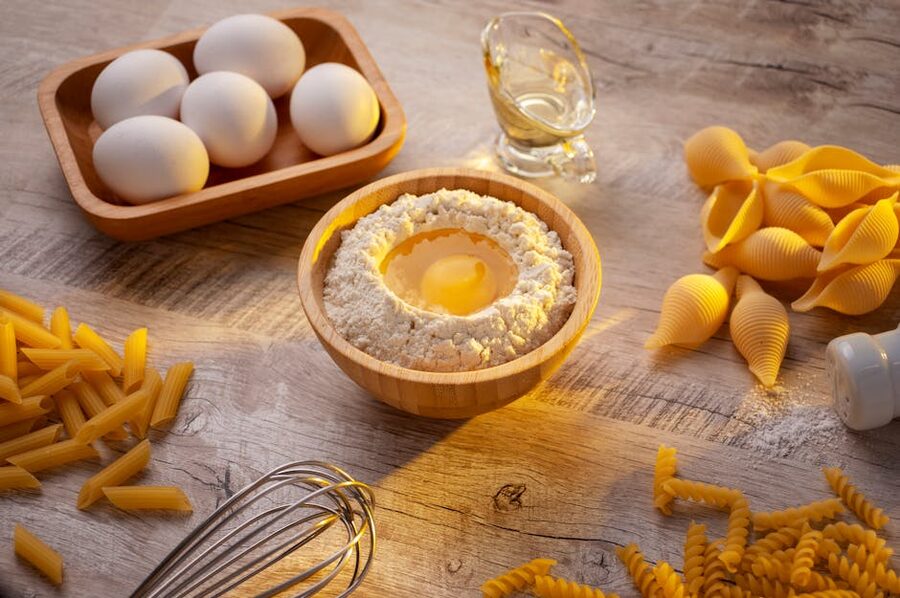
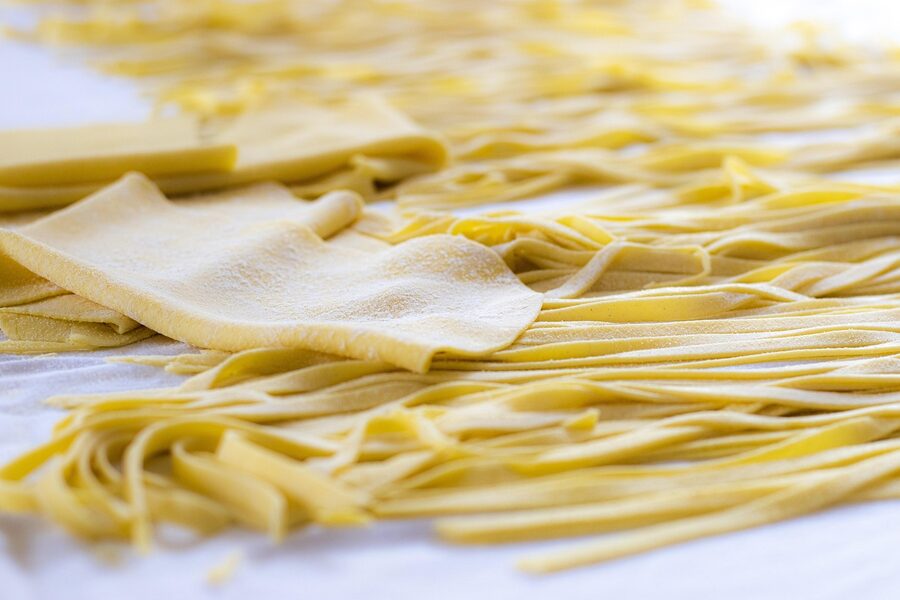
Most classes follow the same arc. You arrive, get an apron, meet the chef, and start with the dough. Eggs and 00 flour on a wooden board. A well in the middle, eggs cracked into it. You mix from the inside out with a fork, then your hands. If your dough is too wet you’ll add flour. Too dry and the chef will hand you a damp cloth.
Then you knead. Ten minutes minimum. This part hurts the heel of your hand if you’re doing it right. The dough has to rest under cling film for about half an hour, which is when most chefs pour the first wine. Some skip the rest entirely and use pre-made dough. That’s a tell. If the listing says “make dough from scratch” and shows photos of cling-wrapped balls, it’s the real thing. If it doesn’t mention dough resting, you’re probably stretching pre-made.
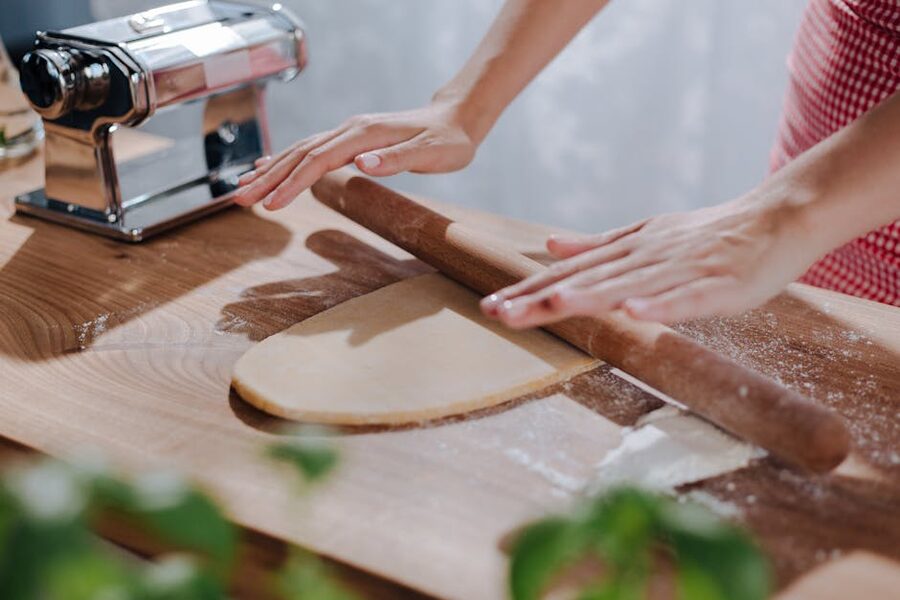
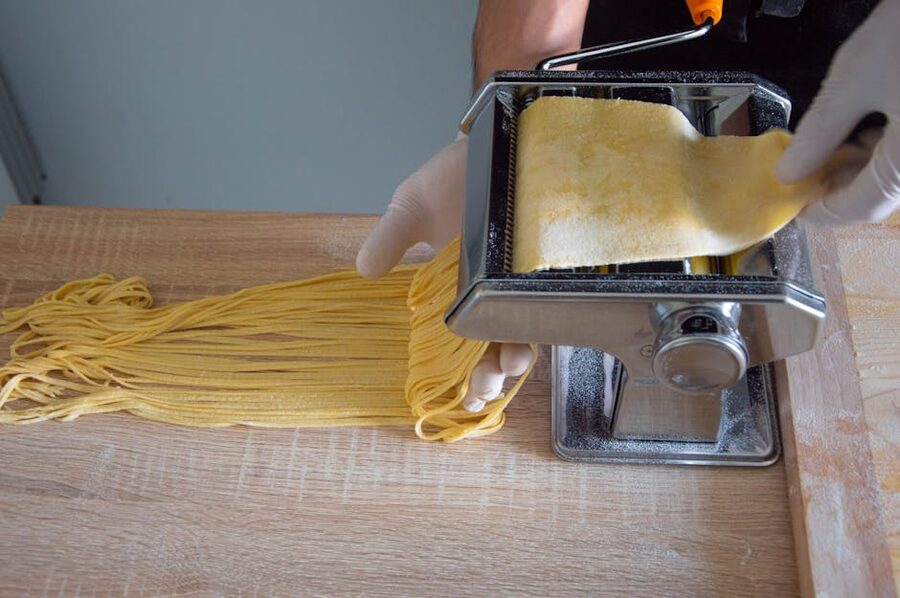
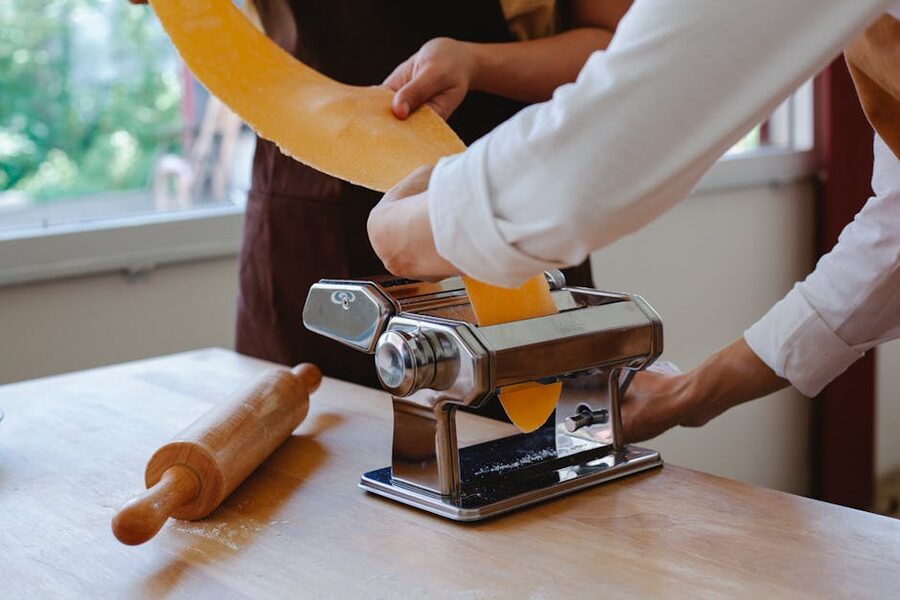
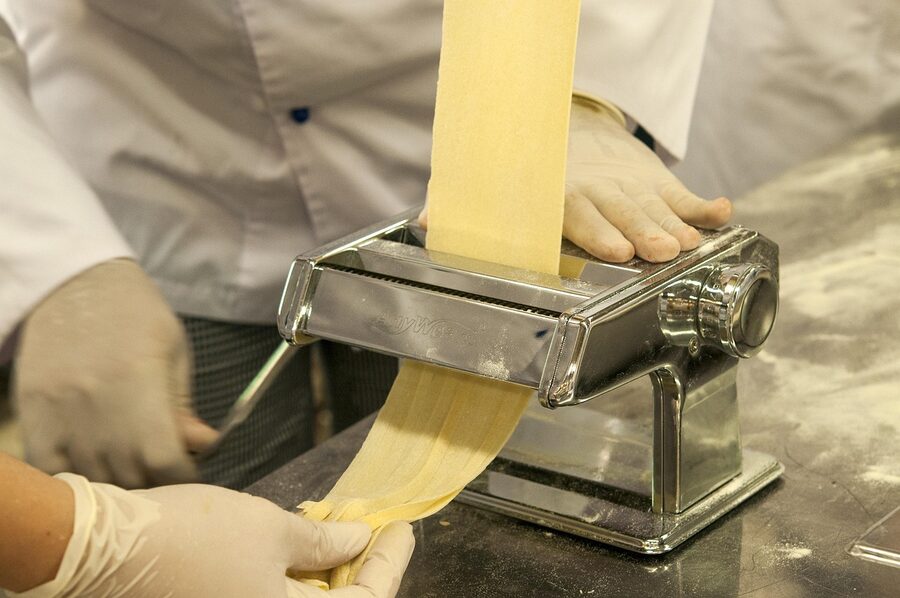
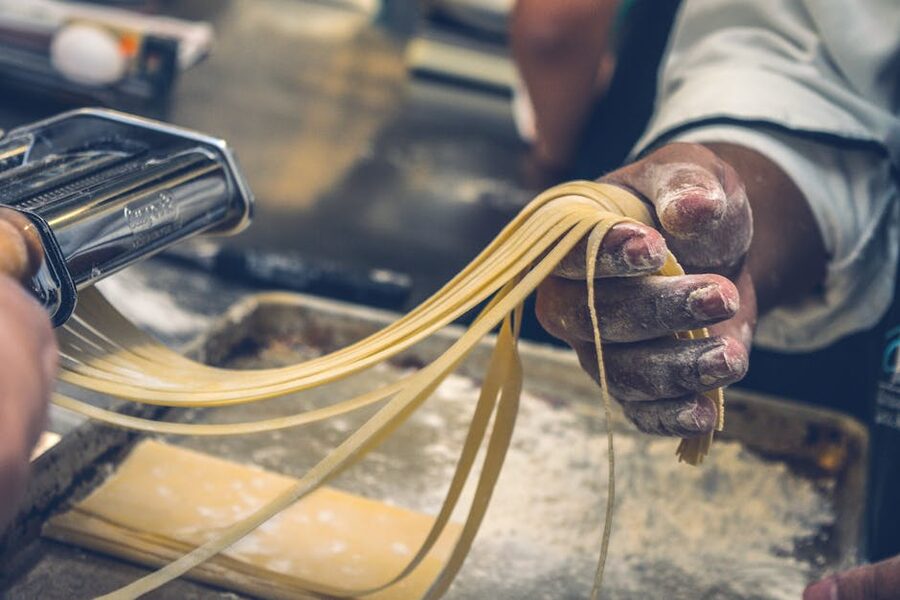
After the rest, you flatten with a rolling pin (a matterello, which is just a long thin one) or feed it through a cranked machine. The machine is faster and most classes use one for groups of more than four. Then you cut. Fettuccine, tagliatelle, pappardelle. All the same dough, different widths.
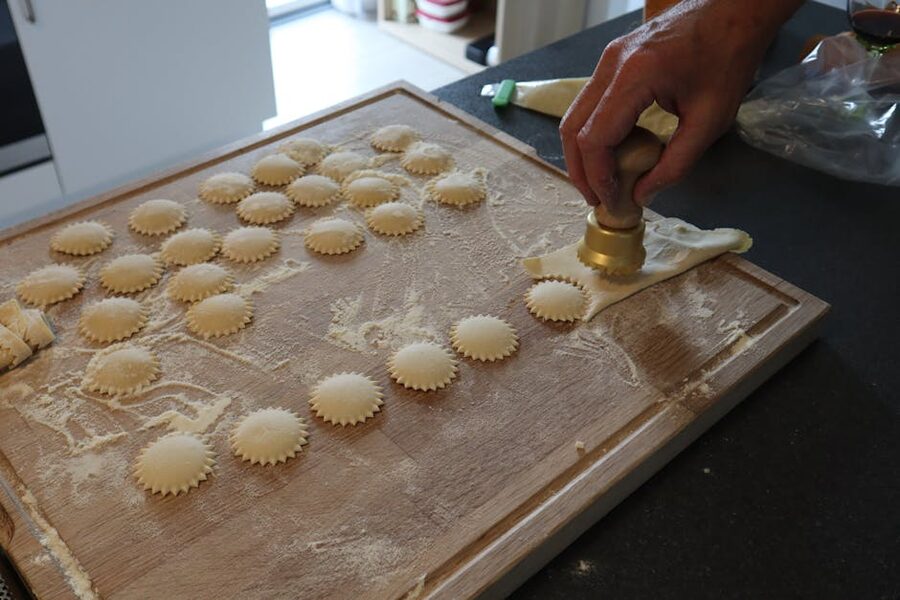
If the class includes ravioli, you’ll get filling: ricotta and spinach is the standard, sometimes a meat one in winter. Cutting ravioli with a fluted wheel is the satisfying bit. If the class is “3-in-1” or includes fettuccine, ravioli and tiramisu, expect a longer session. Three hours, sometimes more.
Picking the Right Class for You
The Rome listings break down into four rough types. The differences matter more than the price.
Group classes (8 to 16 people)
The standard. You’ll be at a long table with strangers, two or three chefs working the room. Pace is steady. You’ll make pasta and a sauce, then sit and eat together. These run €40 to €60 and represent maybe 80% of what you’ll see on GetYourGuide and Viator. Good for solo travellers and couples who like the social bit. Loud, chaotic, fun. The one drawback is you don’t get much one-on-one time with the chef, so if you’re a beginner you might end up watching more than doing.
Small group classes (4 to 8 people)
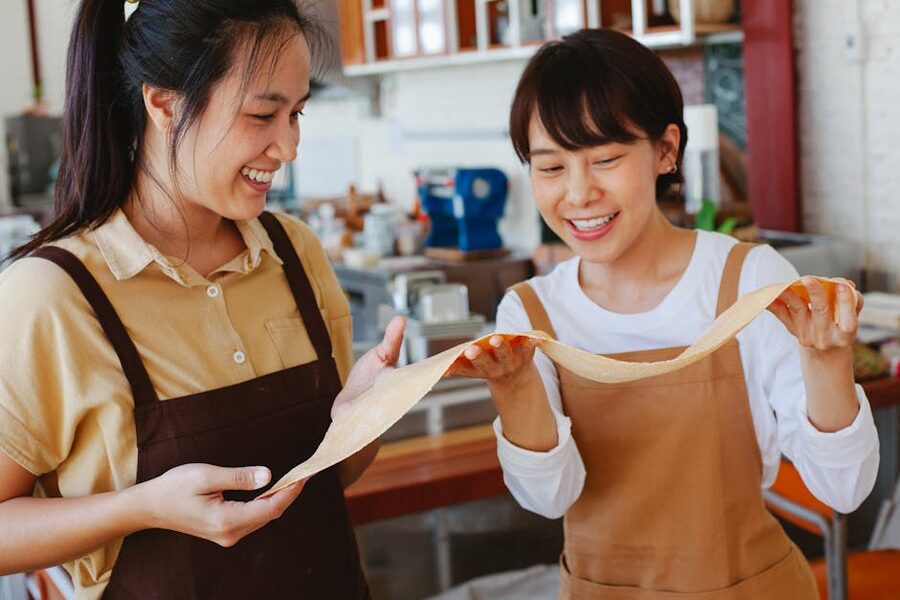
The sweet spot. You get individual feedback from the chef and you’re not stuck waiting for one slow person to roll out their dough. Prices climb to €60 to €90. The Pasta & Tiramisu class near the Vatican tends to be small enough that the chef remembers your name. If a listing says “max 12” assume it averages 9 to 10 in summer.
Private classes
One chef, your group only. Best if you’re celebrating something, travelling with kids, or you want to ask 50 questions. Prices start around €120 per person and go up depending on group size. Worth it for a couple’s anniversary, harder to justify for a quick class on a busy itinerary. Most private slots happen in the chef’s home kitchen rather than a commercial space, which is half the appeal.
Class plus market tour
Two-part option. You meet at Campo de’ Fiori or Mercato Trionfale, walk through the stalls picking ingredients with the chef, then head to the kitchen. Adds 1.5 hours and about €30 to the price. Good if it’s your first day in Rome and you want some context before the cooking starts. Skip it if you’ve already done a Rome food tour earlier in the trip; you’ll cover the same ground twice.
Where in Rome to Do It
Neighbourhood matters more than you’d think. The classes themselves are similar, but the walk before and after shapes the day. Here’s how the main areas compare.
Near the Vatican / Prati
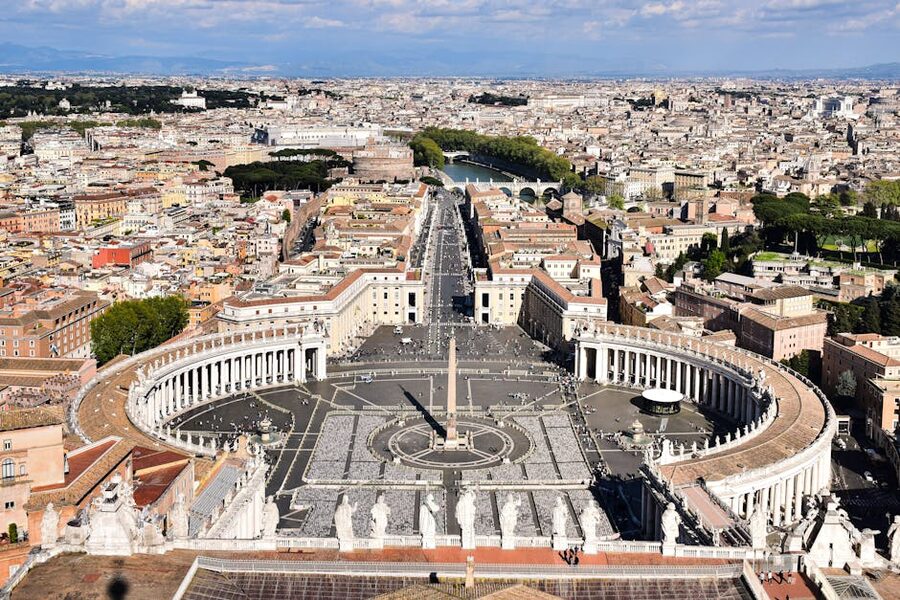
Most flexible if you’re combining the class with Vatican Museums or St Peter’s Basilica. The streets are wider, the area is calm, and afternoon classes work neatly after a morning at the museum. The flagship Pasta & Tiramisu class by the Vatican sits in this stretch, in a kitchen that locals actually use the rest of the week. Walking time: 8 to 12 minutes from Ottaviano metro.
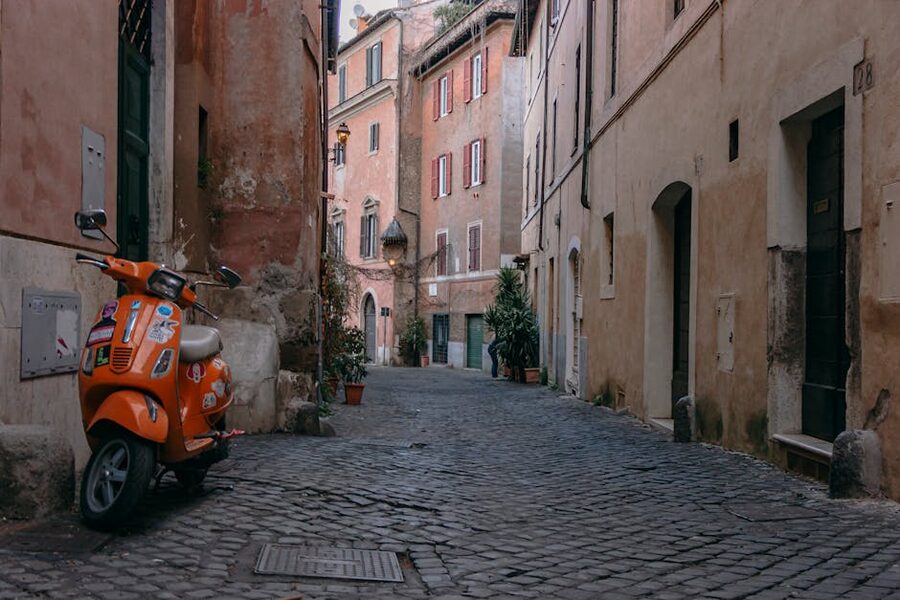
Trastevere
The cobblestone neighbourhood across the river. Most evening classes happen here. You finish at 9pm, eat what you made, then walk straight into the Trastevere bar scene. Pre-dinner classes are also common. If you’re already planning a Trastevere food tour on a different night, the class adds depth without overlap. Walking time: 10 minutes from Trastevere station, longer from the centre but the walk over Ponte Sisto is part of the fun.
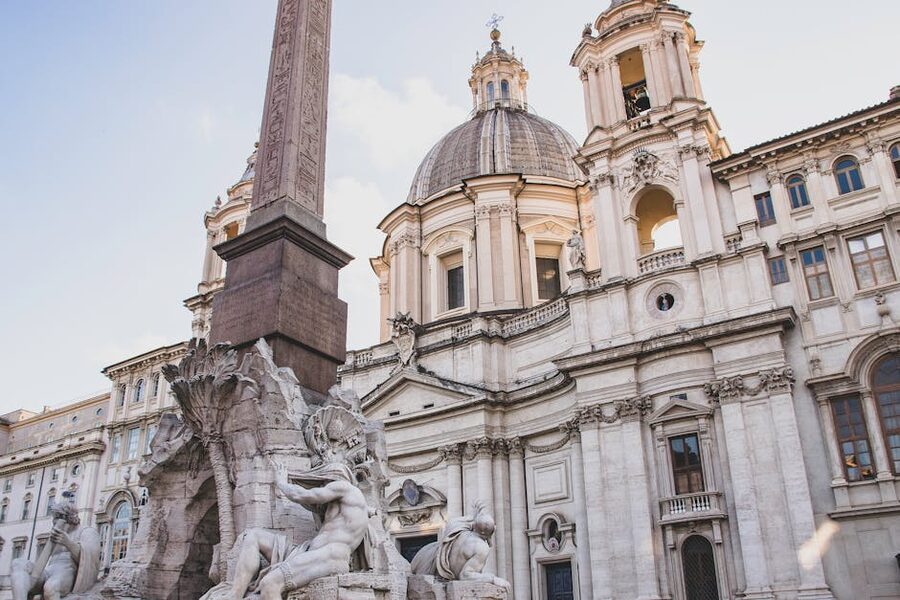
Piazza Navona / Centro Storico
Central and convenient. The 3-in-1 fettuccine, ravioli and tiramisu class runs out of a kitchen with a window onto Piazza Navona itself. You’re a 5-minute walk from the Pantheon and 10 from Castel Sant’Angelo. Best option if you’re staying central and don’t want to taxi anywhere.
Frascati and outside the city
If you’ve got a full free day and want a longer experience, classes in the Castelli Romani villages south of Rome turn into a half-day with countryside, wine cellar, and class. Adds train time both ways. Lovely for a slow Sunday, overkill for a 4-day trip.
What You’ll Actually Cook
Almost every Rome class teaches the same core sequence. The variations are around the edges.
The dough
00 flour and eggs is the standard “egg pasta” base. Some chefs use semolina (a coarser yellow flour) for a more rustic dough, especially in classes that lean into traditional Roman recipes. You’ll learn the proportions: roughly 100g flour to one egg per person. Memorise that and you can make pasta at home for the rest of your life.
The shapes
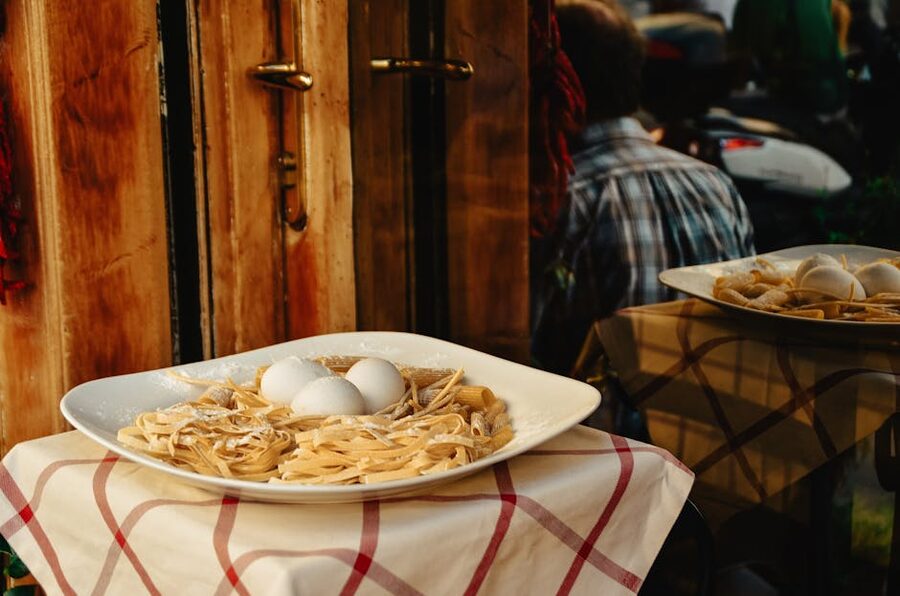
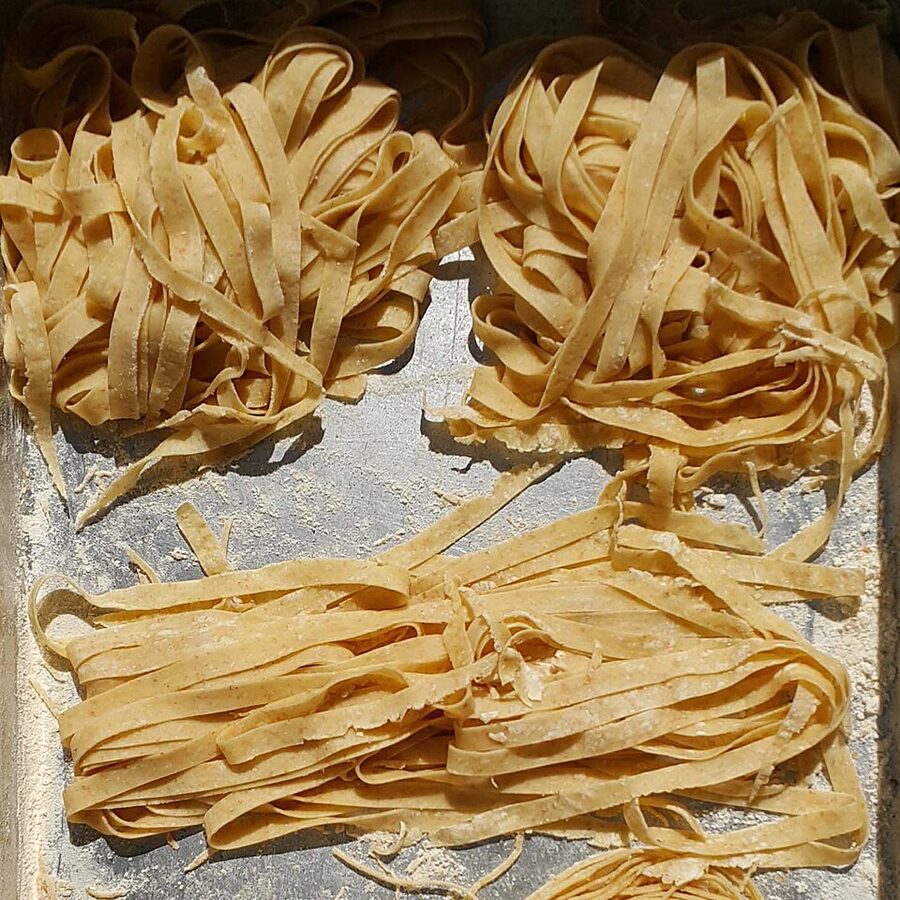
Fettuccine is the easiest, just long flat ribbons cut by hand. Tagliatelle is the same but slightly thinner, more typical of Bologna. Pappardelle is wider, used for heavier sauces. Ravioli takes another 30 minutes for the filling and assembly. Gnocchi uses potato instead of flour and shows up in some classes as a bonus.
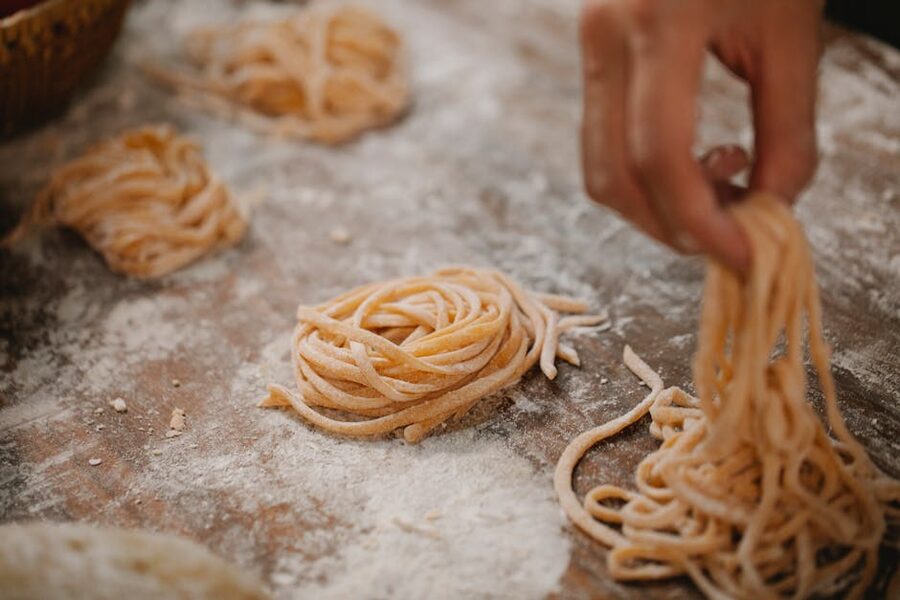
The sauce
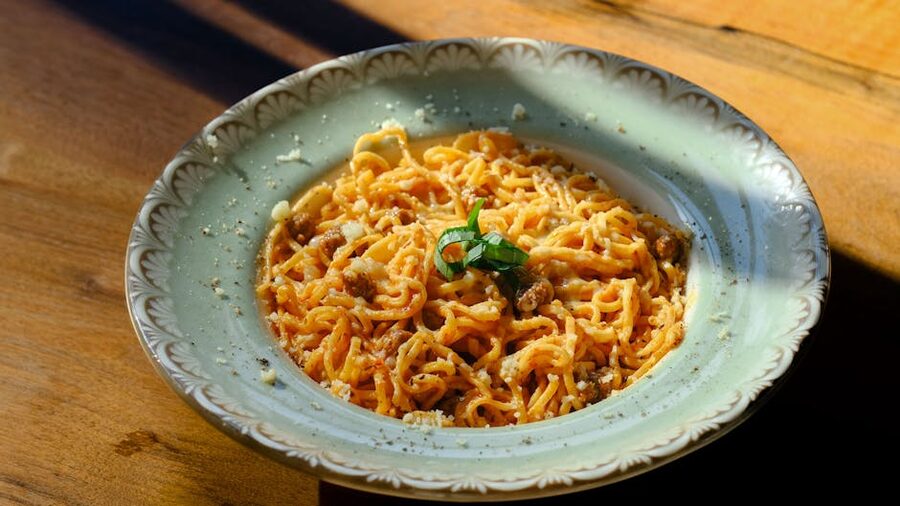
Most classes teach one or two of the four Roman classics: cacio e pepe (pecorino and black pepper), carbonara (egg, guanciale, pecorino), amatriciana (tomato and guanciale), and gricia (no tomato, no egg, just guanciale and pecorino). If a class advertises a “Tuscan ragù” or “Bolognese,” that’s not a Roman dish. Fine if you don’t mind, worth knowing.
The dessert
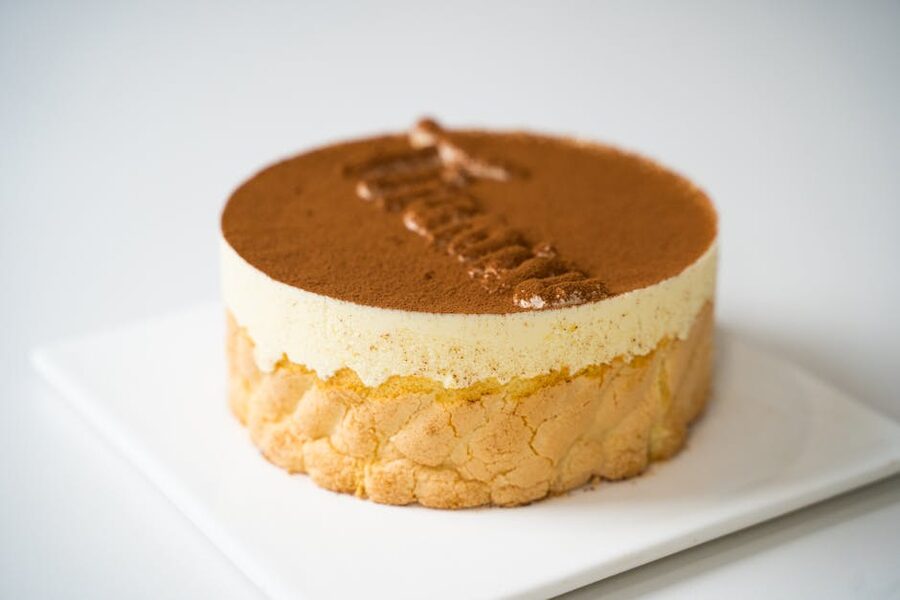
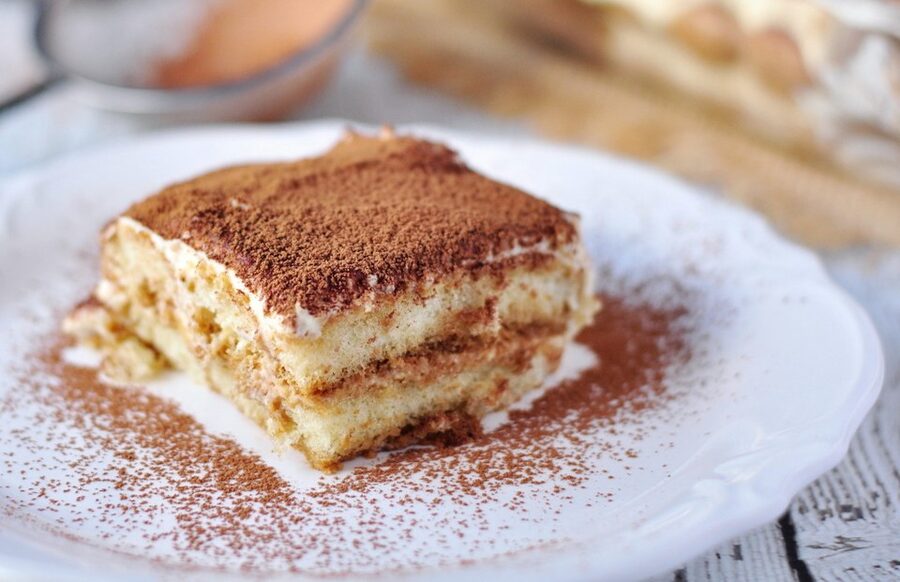
Tiramisu shows up in maybe two-thirds of classes. It’s a separate 20-minute job done while the dough rests. Mascarpone, eggs, sugar, espresso, cocoa, ladyfingers. The chef will demonstrate the egg-and-sugar whisk first because that’s the one most people get wrong. If you’re allergic to coffee or don’t drink, just say at booking; some classes swap to a panna cotta.
The Three Best Rome Pasta Classes to Book
Out of the dozens running on any given week, three keep coming up. I’ve watched them through several seasons and the listings stay consistent. The Vatican class is the easy first pick, the Pastamania class wins on warmth and generosity, and the 3-in-1 covers the most ground in a single afternoon.
1. Pasta & Tiramisu Class With Fine Wine by the Vatican: $41
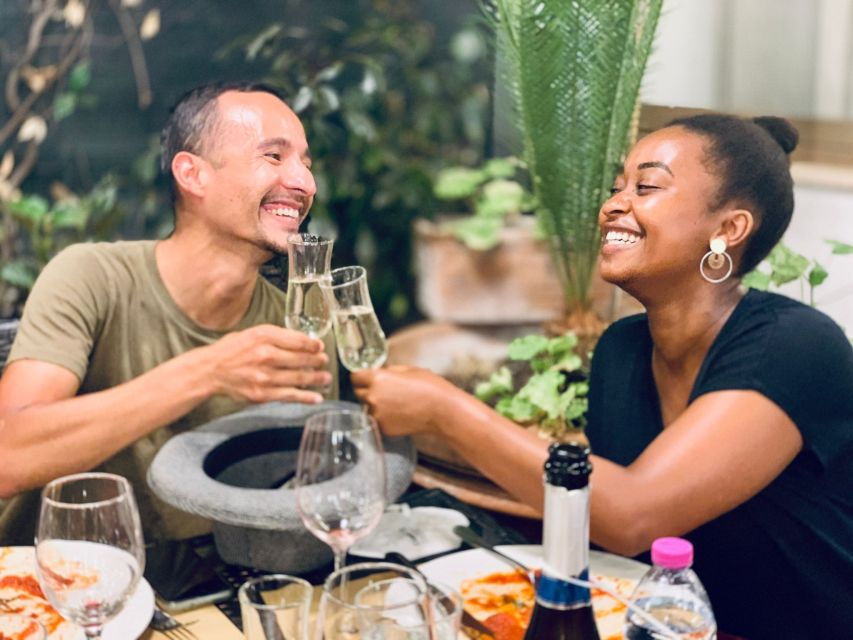
This is the class I’d pick if a friend asked for one tip. Small group, intimate kitchen near the Vatican, and the wine selection is the part that surprises people. Our full review of this Vatican pasta class goes deeper into what’s included. The walk to the venue from St Peter’s is short enough to combine with a morning at the museum.
2. Pasta Making Class With Wine, Limoncello, and Cake: $48
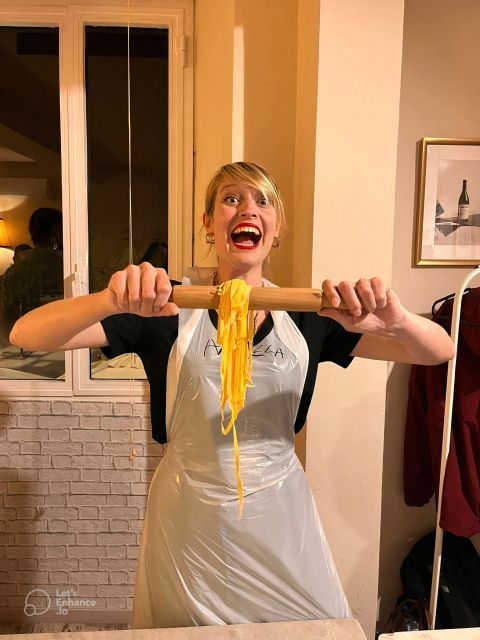
The most generous menu of the three. You get pasta, wine, limoncello, and cake, and the chefs sit with you. Charlie’s takeaway in our deep-dive review mentioned the chef even threw in a gelato recommendation for after, which is the kind of small detail that separates a good class from a forgettable one. Run as a 3-hour slot, but expect closer to 3.5.
3. 3-in-1 Fettuccine, Ravioli and Tiramisu Cooking Class: $81
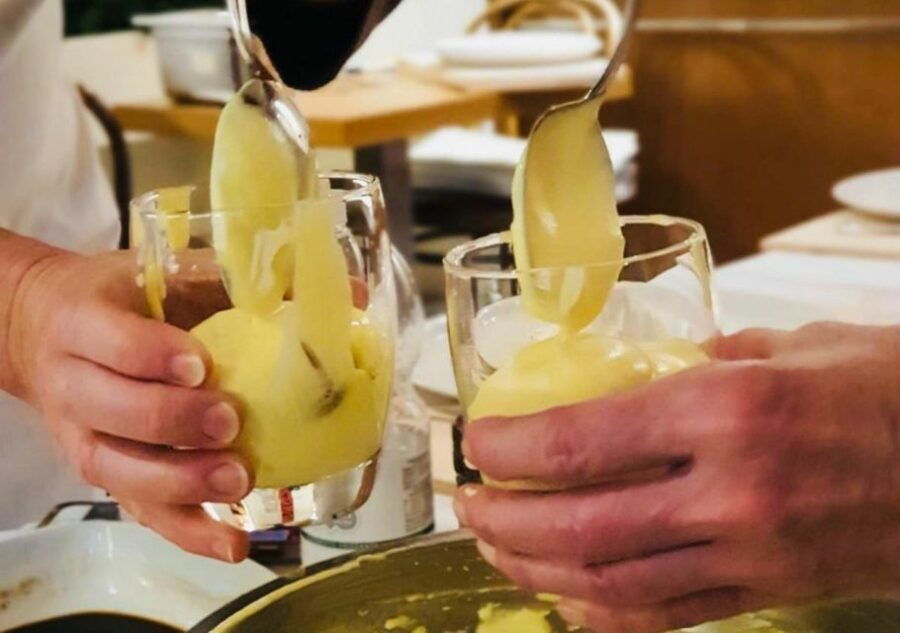
The biggest skills haul. Two pasta shapes plus dessert in three hours, in a kitchen on Piazza Navona. Bilingual chef, wheelchair accessible, and you can reserve now and pay later. The price reflects the extra recipe, but I think it’s worth it if you only have time for one class on the trip. Read our full breakdown of the 3-in-1 class for what gets covered each hour.
Booking Logistics: When, Where, How
How far ahead to book
Most Rome pasta classes book up 5 to 10 days in advance in summer. April, May, September, October are the busiest. The Vatican class fills first because of its location. Booking 2 weeks out gets you any slot you want; same-day booking only works in November or January, and even then for the larger group classes.
Time of day
Classes run lunch (around 11am or 11.30am, finishing at 2pm or 2.30pm) or dinner (5pm or 6pm, finishing at 8pm or 9pm). Lunch classes are smaller and the energy is calmer. Dinner classes get more wine in the room and are louder. If you’re jet-lagged from the US, lunch classes are easier on day 1.
Reserve now and pay later
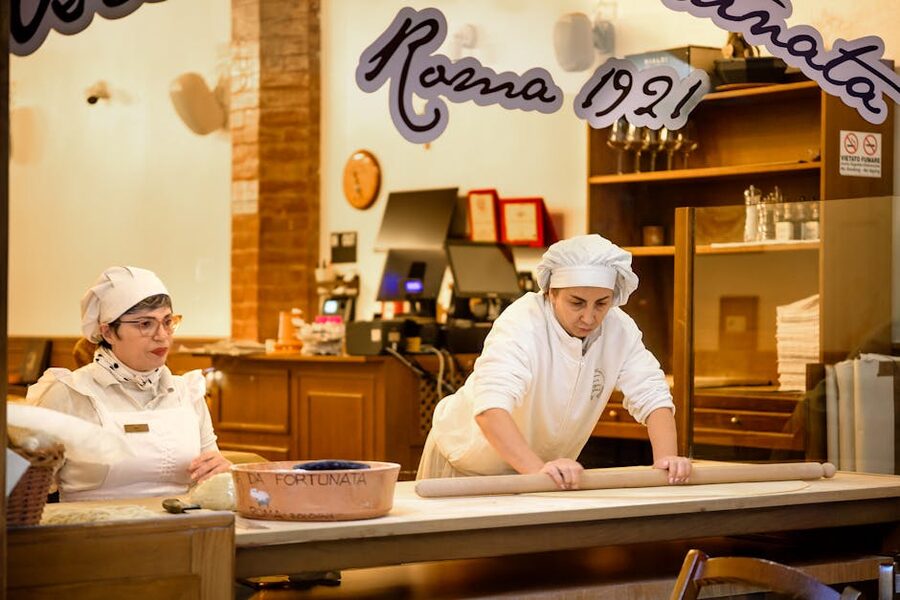
GetYourGuide and Viator both let you reserve the most popular Rome pasta classes without paying upfront. Useful if your itinerary is loose. Cancellation is free up to 24 hours before for the bulk of listings. Read the small print on each one because the private classes sometimes need 72 hours.
What’s included
For most group classes the price covers: apron, ingredients, the pasta and sauce you make, the dessert if there is one, wine (usually 1 to 2 glasses), water, and a recipe printout to take home. Limoncello at the end is class-specific. Photos at the end are taken by the chef and emailed within a few days. Tipping isn’t expected; if a chef went out of their way, €5 to €10 per person is generous.
What you should bring
Closed shoes (no sandals, the kitchen floors are tile and slippery once flour gets on them). A short-sleeved or rolled-up top. An empty stomach. Your phone for photos but not for filming the whole class; chefs hate it. Cash for tips if you want to.
Class vs Restaurant: Why Bother Cooking?
The straight argument for a class is that you eat the same pasta a restaurant would charge you €18 for, plus you take the recipe home. The marketing argument is “it’s authentic.” It’s authentic in the sense that you’re standing in a Roman kitchen with Roman flour. It’s not authentic in the sense that your grandmother lived this way. Most Romans buy pasta at the supermarket like everyone else.
What a class actually gives you is muscle memory. Two hours of kneading and rolling teaches your hands what proper dough should feel like, and that’s hard to learn from YouTube. If you’ve done a Trastevere food tour earlier in the week and want to round out the food side of the trip, the class is the right complement.
Quick Practical Notes
Dietary needs
Vegetarian is easy; just say at booking. Vegan is harder for egg pasta, but several classes offer a semolina-based dough without eggs. Gluten-free is rare and usually a special-request booking with 48 hours’ notice. Lactose-free dessert is straightforward; ask for panna cotta with fruit instead of tiramisu.
Kids
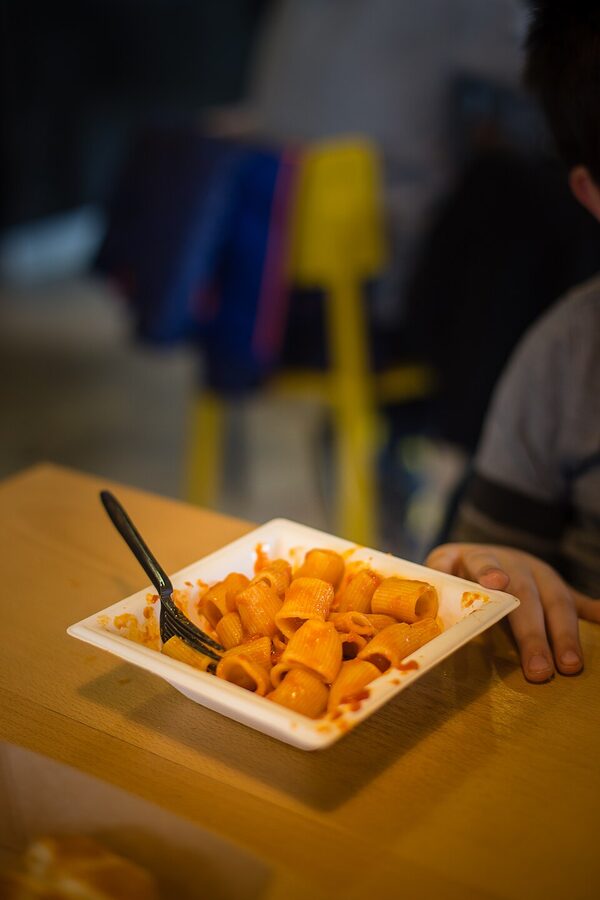
Most classes accept kids 6 and up at half-price, sometimes free for under-3s. The 3-in-1 listing in particular flags kid-friendly. The lunch slot is calmer for families. Some private classes will set up a small dough station for under-6s while parents do the main class.
Allergies
The big one is wheat (no good substitute) and egg. Tell the booking platform at the time of reservation, not the chef on the day; the chef won’t always check.
Group sizes for friends
If you’re 4 to 6 friends, ask if you can book a “private group rate” rather than 6 individual spots in a public class. Several Rome chefs run this off-platform; once you’ve booked one slot you can email the operator. Saves about 15% if there’s flexibility.
Adding the Class to a Bigger Rome Day
The class slot fits naturally into a day if you plan around it. Lunch class means morning sights. Dinner class means an early afternoon nap (or aperitivo).
If your class is at lunch
Best paired with morning sights. Colosseum and Roman Forum in the early morning hits the open at 8.30am, you’re done by 11am, and you’ve got 30 minutes to walk to a central class. The Colosseum Underground tour is also early; finish, eat at the class, sleep through the heat. Or pre-class, do the Pantheon for an hour. Free, central, you can be in and out in 45 minutes.
If your class is at dinner
Save the morning for the heavy stuff (Vatican or Borghese), do something lighter in the afternoon, and arrive at class hungry. The Borghese Gallery is a good 9am or 11am ticket; you’re out by 12.30 and have a few hours before class. Avoid eating a heavy lunch beforehand because you’ll cook and then eat what you cooked. Light lunch, big class.
If you’re using the Roma Pass
Cooking classes aren’t covered by the Roma Pass, but the public transport included on the pass is useful for getting to and from class venues that aren’t near a metro. The pass also covers your sights for the morning of class day, which is the cheap way to fill the front half of the day before you cook.
Combining with a hop-on bus
If you’re using the hop-on hop-off bus for the rest of your sightseeing, most Rome pasta-class venues are near a stop or 5 minutes from one. The Vatican stop and the Piazza Venezia stop are the most class-friendly. Plan to be at the bus stop 90 minutes before class start; Rome traffic in summer makes that buffer essential.
Common Mistakes Booking a Class
I see the same things go wrong on listings. Worth flagging.
Booking the cheapest class. The €25 specials usually run 2 hours and use pre-made dough. You’ll roll out a sheet someone else made and call it a class. Aim for €40 minimum.
Booking too late in the day. A 7pm dinner class means you’ll eat at 10pm. Fine for some, brutal if you’ve been walking since 8am. Pick the 5pm slot if jet-lag is involved.
Assuming the location is central. Some classes that show up under “Rome” are actually in Frascati or even further. Read the meeting point address before you click pay.
Booking on the same day you arrive. Flights delay, you’re tired, the class becomes stress instead of fun. Book it for day 2 or day 3.
Picking a class with too many add-ons. Pasta + pizza + tiramisu + wine pairing in 2.5 hours sounds great until you realise you’ll do 30 minutes of each and master none. The 3-in-1 is the longest combo I’d recommend.
Day Trip Pasta Class Alternatives
If you want something more involved, classes outside Rome run as half-day or full-day options. The Frascati option in the Castelli Romani is the most popular; you take a 30-minute train ride south, do a 4-hour class plus winery visit, and come back in the evening. Tuscan day trips with cooking are also bookable from Rome but they’re long days, often 12 hours door to door.
If you’ve got a free day after the class and want to head out of the city, the Catacombs are a quick half-day option that pairs nicely with a Frascati class for a full Sunday. A Pompeii day trip is the bigger option but tough to combine with a class on the same trip; pick one.
Rounding Out the Trip
If the class is the food highlight of your Rome trip, the next day is a good moment to explore other angles of the city. A Trastevere or Prati food tour picks up where the class leaves off; you’ve cooked, now eat your way through what restaurants are doing with the same techniques. Or pivot to the historical track and tackle the Colosseum Underground. If you’ve still got energy, Castel Sant’Angelo is 10 minutes from the Vatican class venues and makes a quiet finish to a busy week.
You’ll come home with at least one new dish in your repertoire, a printed recipe card, and (if the class was good) the chef’s number for “let me know how the carbonara turns out at home.” Send the photo. They’ll reply.