
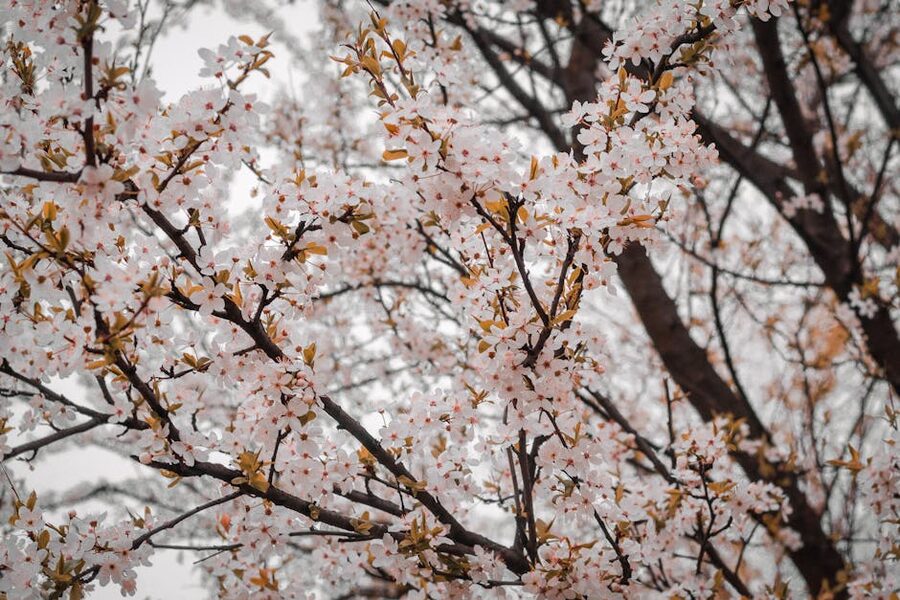
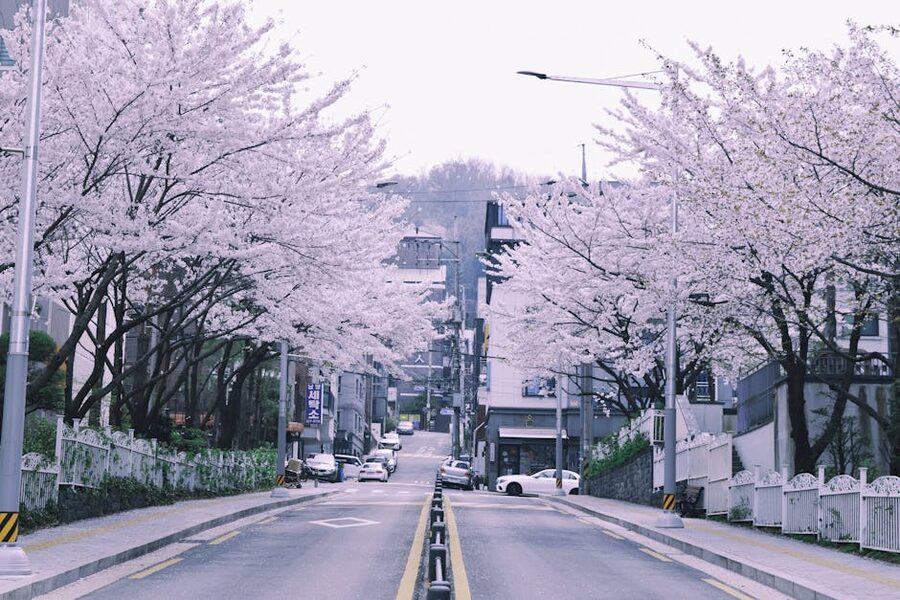
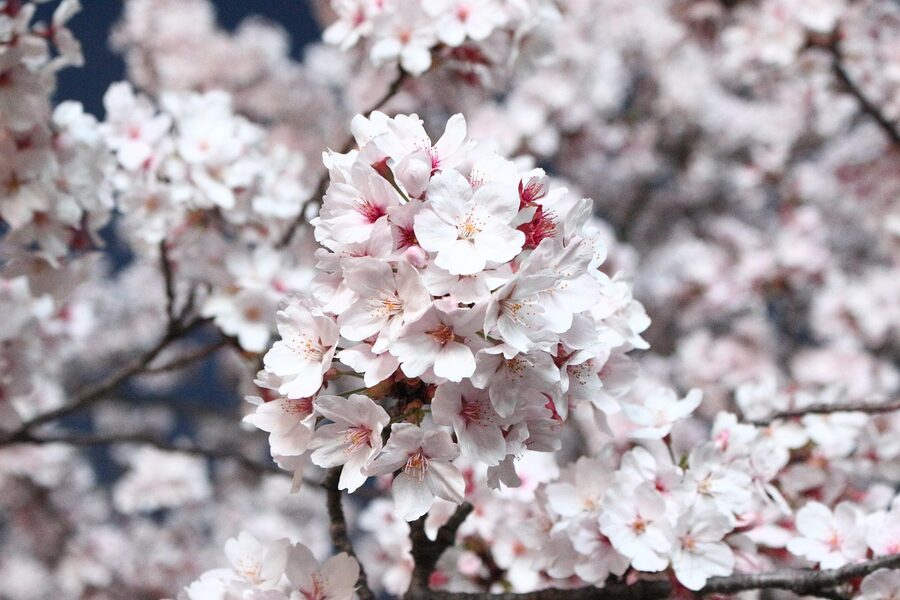
You smell it before you see it — a faint, honeyed note on the breeze when the bus doors open in Jinhae, softer than perfume, more like cold cream and cut apples. Then the road tilts uphill and the whole windscreen turns pink. Jinhae does this one week a year, and most of the year it’s a quiet little naval town south of Busan you’d never think to visit.
The Jinhae Gunhangje Festival (진해군항제) runs for about ten days in late March and early April. I’ve been three times now. Here’s how I’d actually book it, which tour I’d pick, and the bits nobody tells you until you’re already there with blistered feet.
In a Hurry? My Top Jinhae Cherry Blossom Picks
- Seoul: Jinhae or Random Spring Flowers Tour — $69. The single best-reviewed Jinhae tour from Seoul. You lose less than one full day and still get both iconic spots.
- From Busan: Jinhae Cherry Blossom Festival Guided Day Trip — $66. The smart pick if you’re already in Busan. Ten hours door to door, guide handles every entrance.
- Jinhae Cherry Blossom Festival Gyeonghwa Stn Day Tour from Busan — $59. Cheapest Busan option on Viator. Shuttle-bus style, heavy on the two big photo spots.
- In a Hurry? My Top Jinhae Cherry Blossom Picks
- What Jinhae actually is (and why people fly in for it)
- When to book: reading the bloom forecast
- Seoul or Busan? Pick your base first
- The best three tours (and which one I’d actually pick)
- 1. Seoul: Jinhae Cherry Blossom or Random Spring Flowers Tour —
- 2. From Busan: Jinhae Cherry Blossom Festival Guided Day Trip —
- 3. Jinhae Cherry Blossom Festival Gyeonghwa Stn Day Tour from Busan —
- Gyeonghwa Station: the famous one
- Yeojwacheon Stream: the romantic one
- Jehwangsan Park: the one nobody tells you about
- The festival itself: stalls, parades, and the navy
- Food, because you’ll need it
- What to wear and what to carry
- DIY without a tour: the honest version
- Common mistakes (I’ve made all of them)
- If you can only stay one day
- Pair it with the rest of your Korea trip
- The short version
What Jinhae actually is (and why people fly in for it)
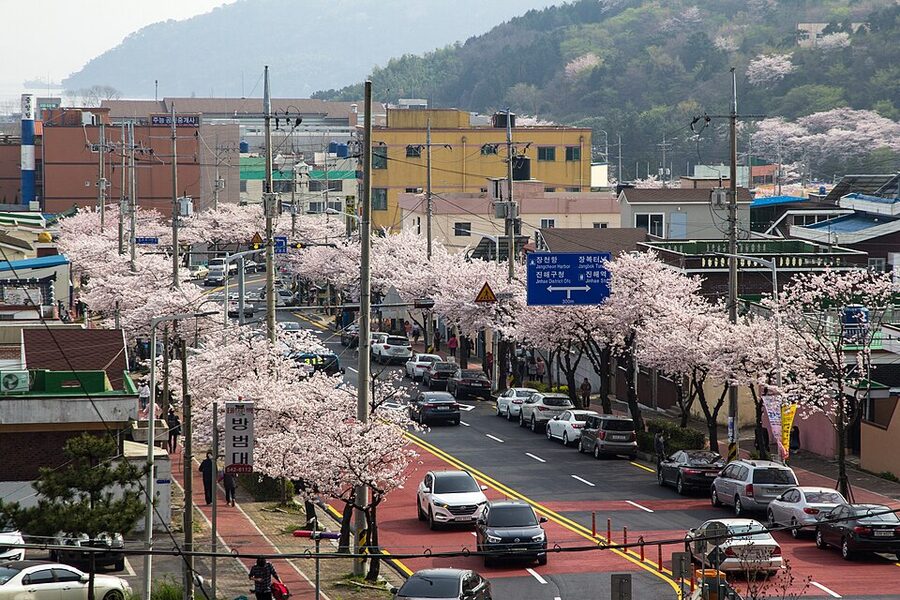
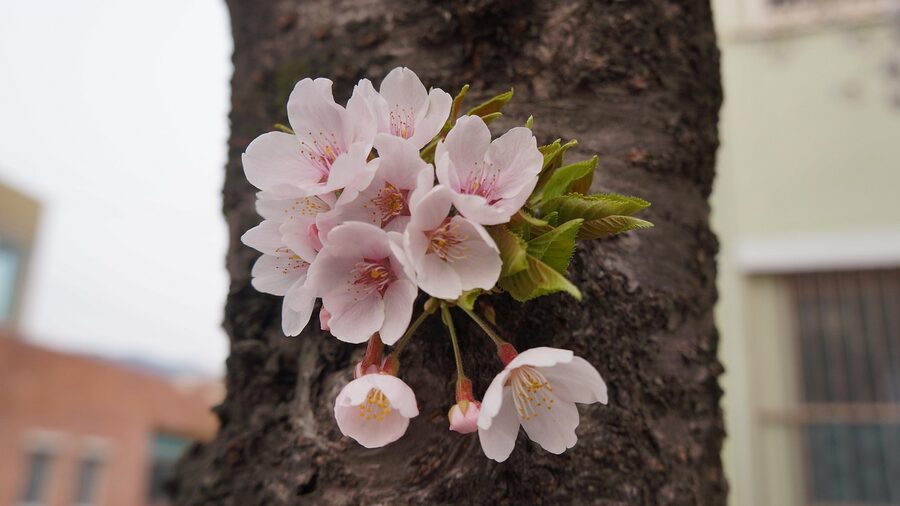
Jinhae is a neighbourhood of Changwon, in South Gyeongsang Province, about an hour west of Busan. It’s the main base of the Republic of Korea Navy. The cherry trees here aren’t random — they’re mostly Yoshino cherries, planted during the Japanese colonial period when the port was a naval stronghold.
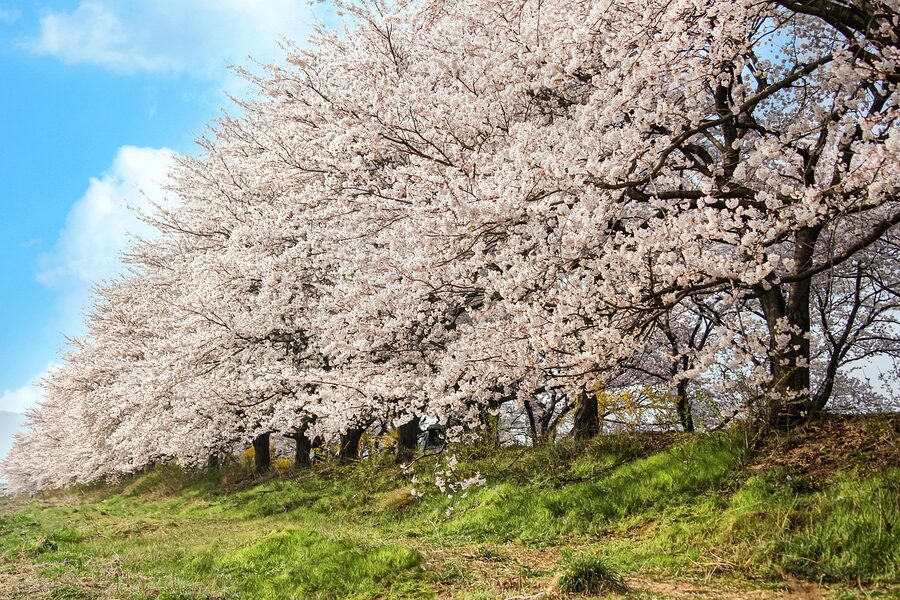
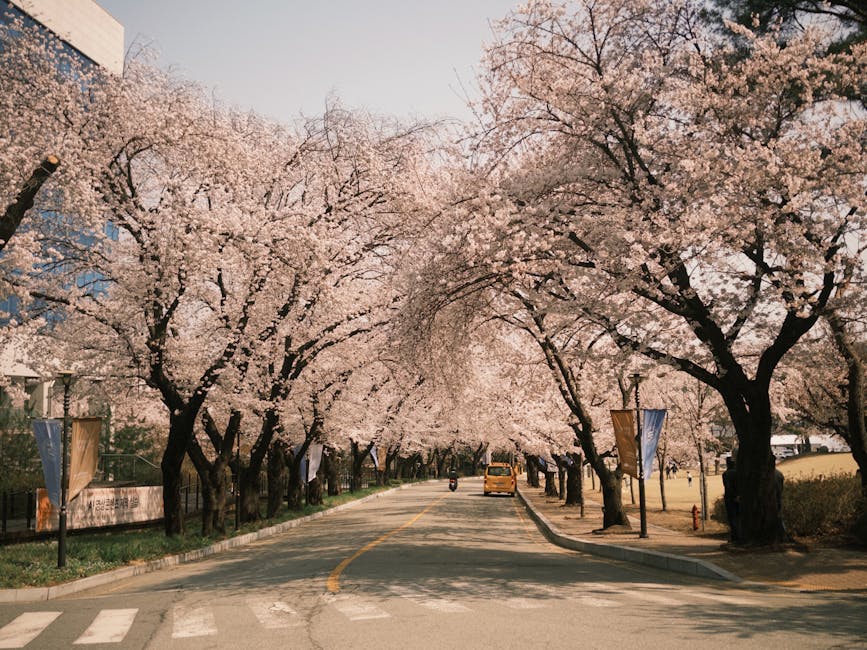
Korea kept the trees. Now there are somewhere around 350,000 of them across the town, and when the bloom hits they line every street, stream, and disused railway for kilometres. The official festival is actually called the Jinhae Gunhangje (군항제) — “Naval Port Festival” — and it honours Admiral Yi Sun-shin, the 16th-century naval commander who you’ve seen on the 100-won coin. The blossoms are technically the setting, not the star.
Nobody cares about that distinction when they’re there.
When to book: reading the bloom forecast
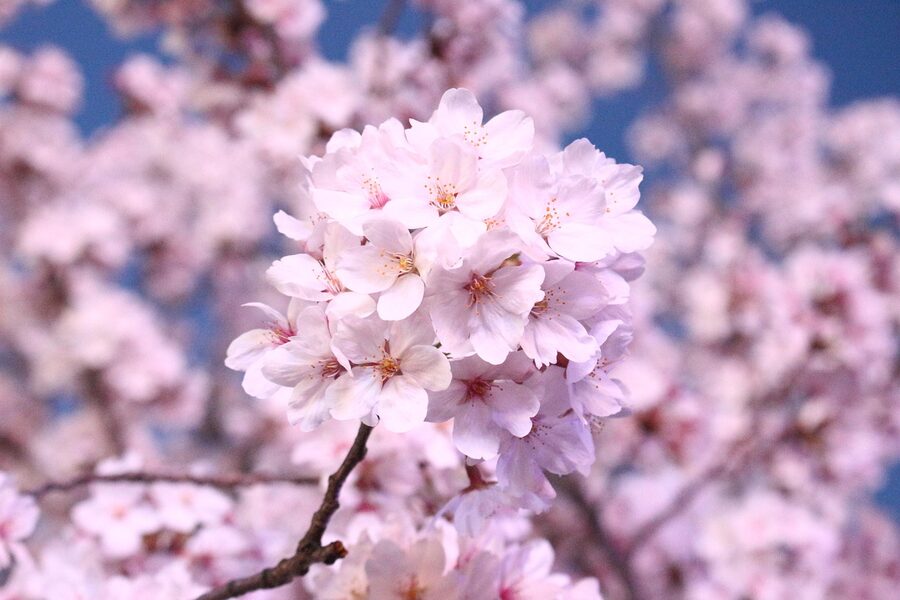
The festival dates are set months in advance — for 2026 it runs 27 March to 5 April. That’s the schedule. Peak bloom, which is what you actually want, is not the same thing. The festival brackets the most likely bloom window, but the flowers respond to temperature, not to calendars. I’ve been there on opening day and seen tight buds everywhere. I’ve been there three days before closing and walked through a snowstorm of falling petals.
Here’s what I do. I book the tour about four to six weeks out with free cancellation, then watch the Korea Meteorological Administration bloom forecast from mid-March. If the forecast shifts earlier, I move my dates forward. If it holds, I don’t touch anything. Peak is usually the middle two-thirds of the festival window, roughly the last few days of March into the first week of April.
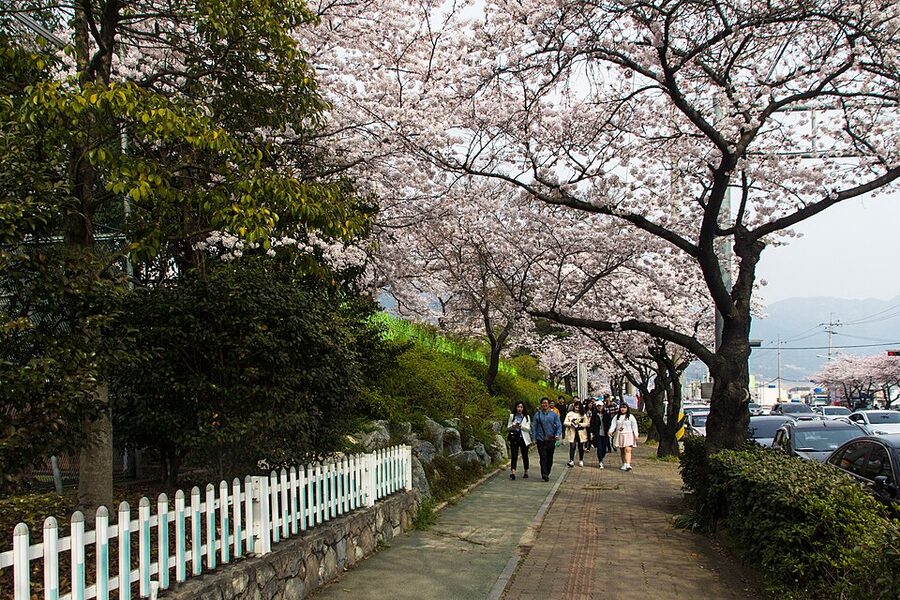
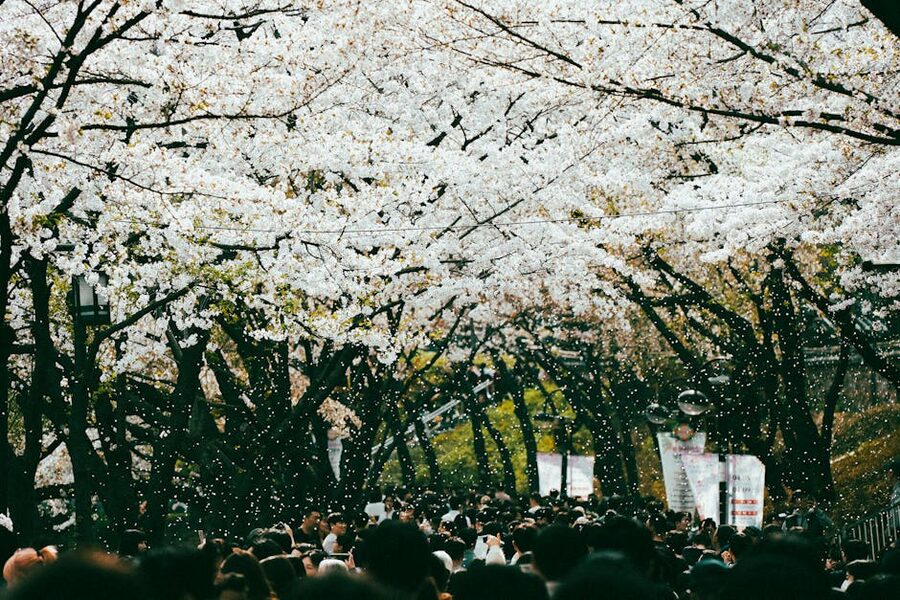
Two more timing notes. Weekends in Jinhae during peak are, genuinely, the most crowded spot I’ve ever stood in Korea — worse than Myeongdong on a Saturday night, worse than Busan’s fish market at 7am. Pick a weekday if at all possible. And avoid the final Sunday of the festival like the plague; every domestic visitor who couldn’t get there earlier shows up that day.
Seoul or Busan? Pick your base first
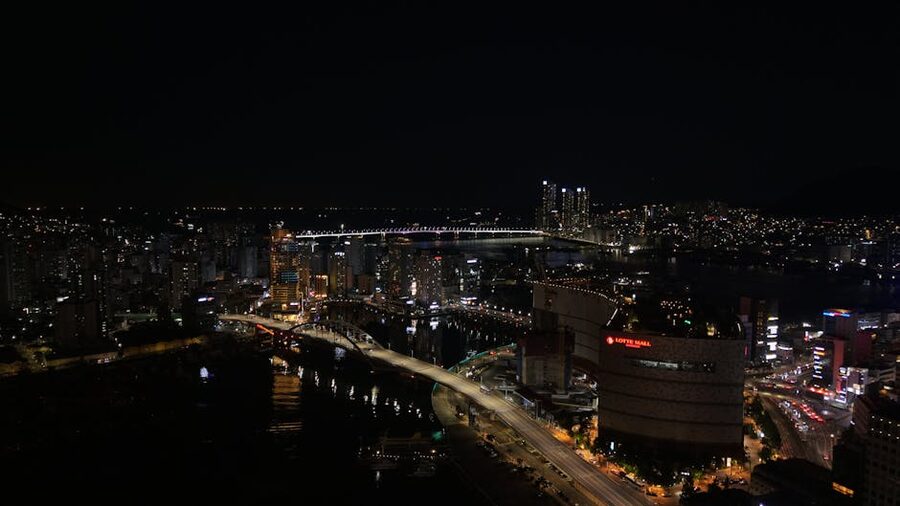
This is the single decision that determines which tour you book. Jinhae has almost no decent hotels and no rail station of its own that runs to Seoul. You’re going in and coming out the same day. The question is: from where?
From Busan. Jinhae is about an hour by road. A Busan-based day tour is low-effort — you leave at 8am or so, you’re on the ground in Jinhae by 9:30, and you’re back in Busan for dinner. This is what I’d recommend to almost everyone, and it pairs well if you’re building a Busan itinerary. If you haven’t locked in Busan plans yet, our Busan city tour guide and the Busan night tour write-up will give you the other two days.
From Seoul. Brutal, if we’re being honest. KTX + transfer + bus is four hours each way, and even the direct charter tours run 14 to 17 hours total. You will leave your hotel at 5am. You will get home at 11pm. The upside is you see the whole thing in a single day and sleep in a Seoul bed. If you can only spare one day of your Seoul week for blossoms, this is the way. If you can spare two, take the KTX down to Busan the night before and go from there.
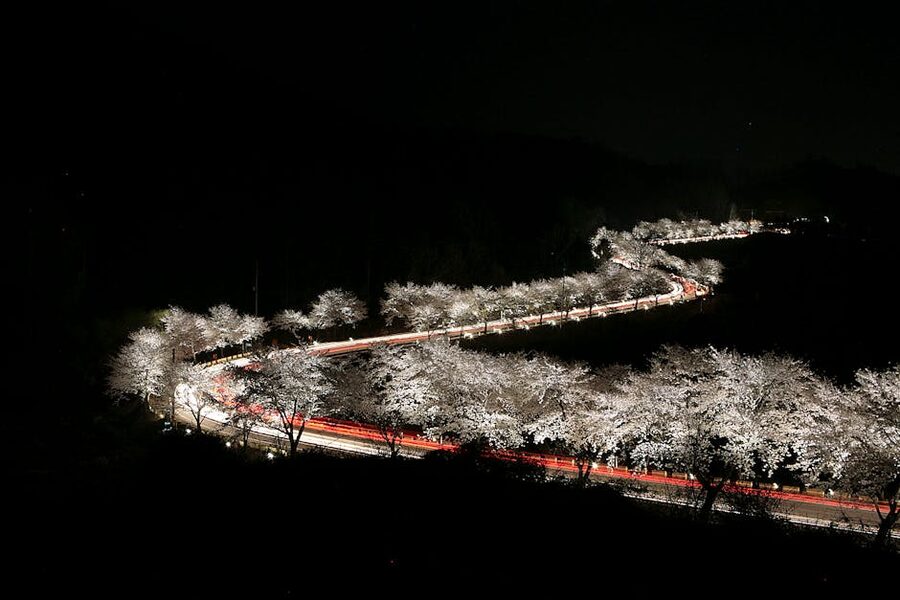
Self-driving? Don’t. Jinhae parking is chaos during festival week and the local police reroute traffic unpredictably. I’ve talked to two friends who tried — one gave up and parked 5km out, the other spent ninety minutes circling before abandoning the car near a church. The tour buses have festival-access lanes; your rental will not.
The best three tours (and which one I’d actually pick)
Three tours do the heavy lifting in this market. I’ve ranked them by what I think most readers will actually want, not by price.
1. Seoul: Jinhae Cherry Blossom or Random Spring Flowers Tour — $69
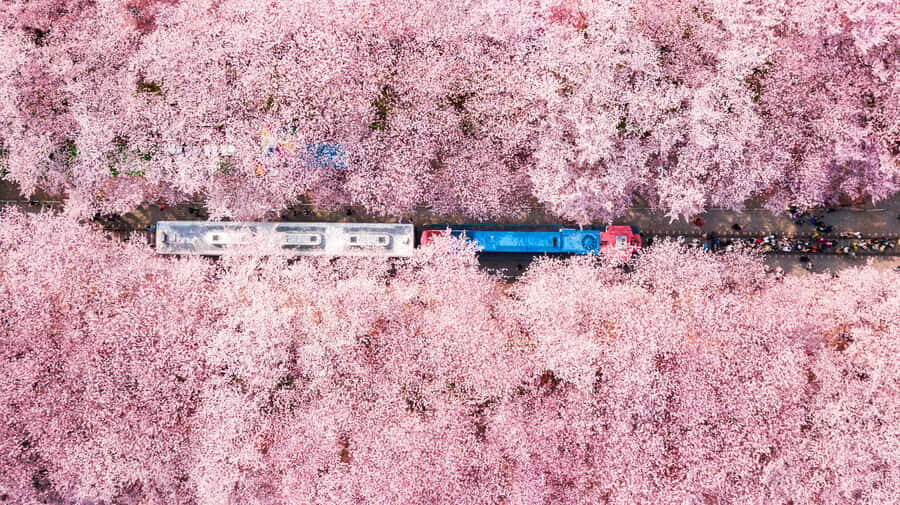
This is the one I’d book if I were planning from Seoul. The “or” in the name is smart — if the Jinhae forecast sours, the guide swaps to a Seoul-area spring flowers route instead of cancelling the day. Our full review breaks down the exact logic of that swap and the pickup points. It’s a long day — plan on 10 to 17 hours depending on traffic — but the guides are the strongest in this group.
2. From Busan: Jinhae Cherry Blossom Festival Guided Day Trip — $66
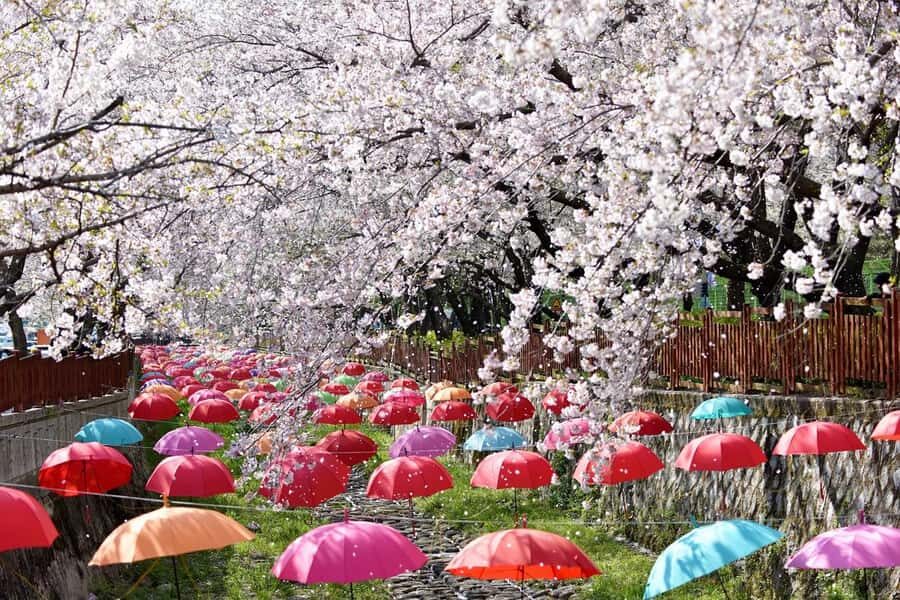
My default recommendation for anyone who can base themselves in Busan. Ten hours door to door, hits Gyeonghwa Station, Yeojwacheon Stream, and (weather permitting) Jehwangsan Park observatory. The detailed breakdown covers what you see at each stop and the group sizes. Guide-led, which matters in the Yeojwa bottleneck.
3. Jinhae Cherry Blossom Festival Gyeonghwa Stn Day Tour from Busan — $59
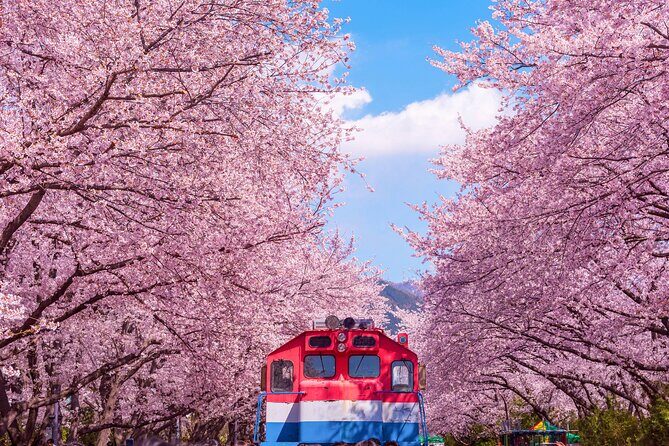
The cheapest Busan-side pick and the one I’d point a backpacker toward. It’s more shuttle than full guided tour, which I actually prefer for the photo spots — you get longer at each stop and nobody’s rushing the group. Our duration breakdown explains how the stops line up, and it’s worth checking the listed hotel pickup points before you book.
There’s a fourth option worth mentioning: private tours. You’ll see them for roughly $350-500 per person and they do exist on both GYG and Viator. I’ve never taken one because I honestly don’t think the photo spots get quieter for a private — the crowd is the crowd. Private makes sense only if you’re photographing a proposal or travelling with a parent who can’t handle a full-day group pace.
Gyeonghwa Station: the famous one
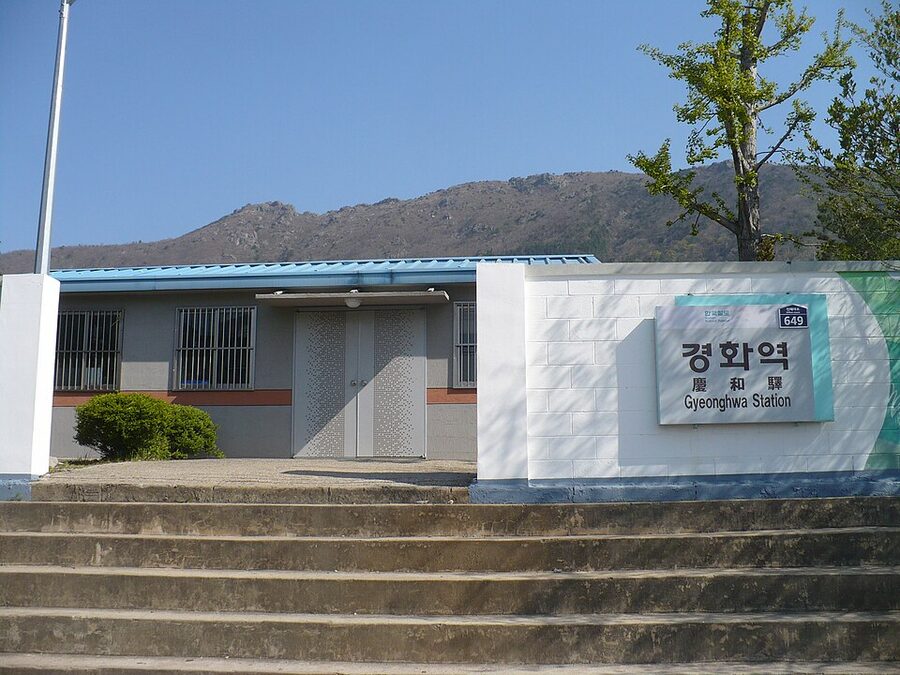
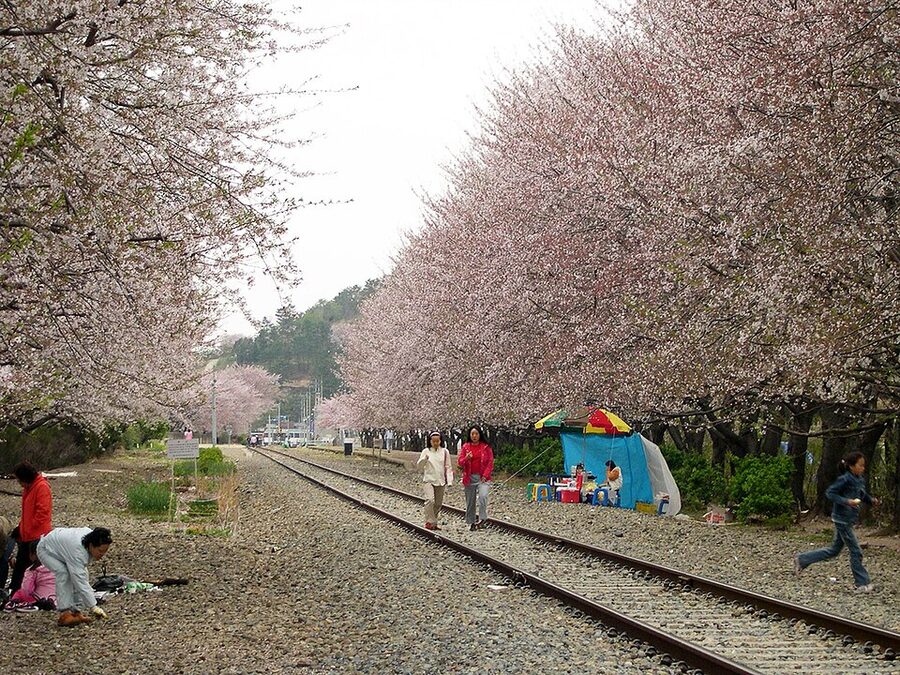
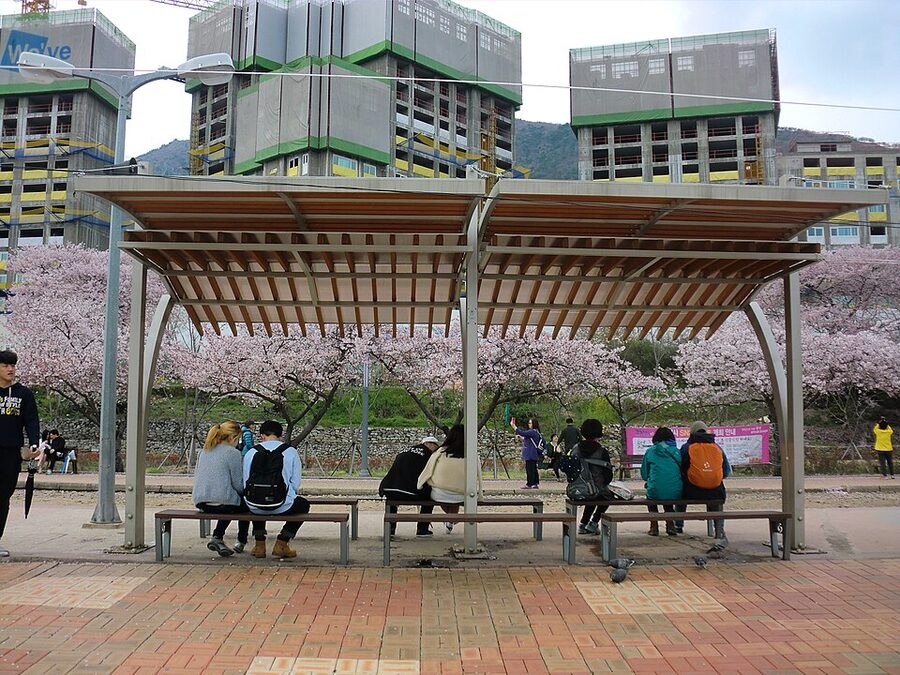
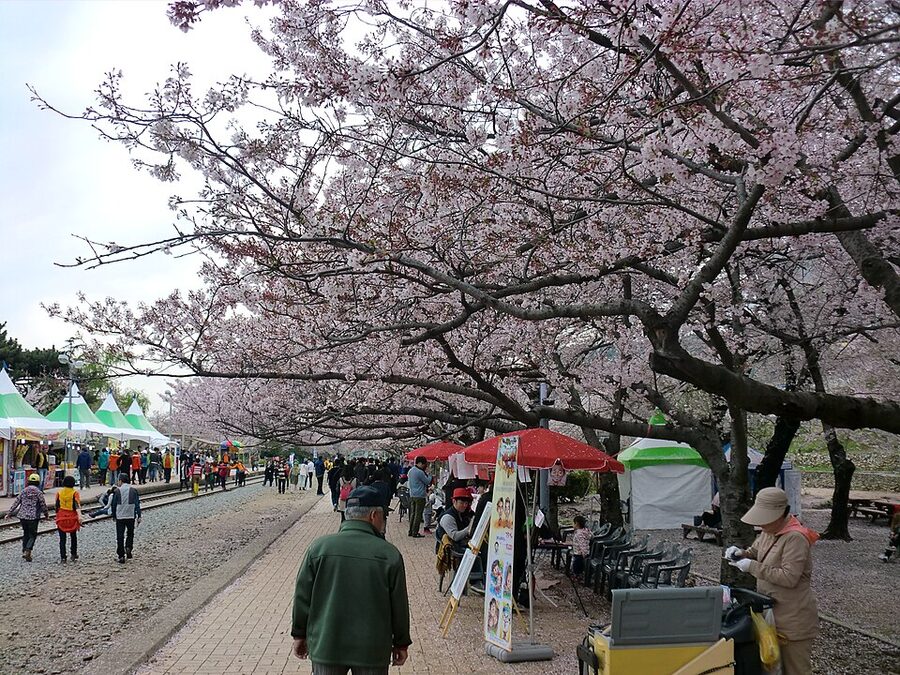
Gyeonghwa Station (경화역) is a closed train station on the old Jinhae Line. The tracks are preserved, flanked by cherry trees on both sides, and for one week a year they are the single most photographed railway in Korea. There’s a decommissioned Mugunghwa-class carriage parked at the platform as a prop, and the line that forms to take a photo with it is orderly but long.
Your tour will drop you here with about 60 to 90 minutes. That’s enough if you use it properly.
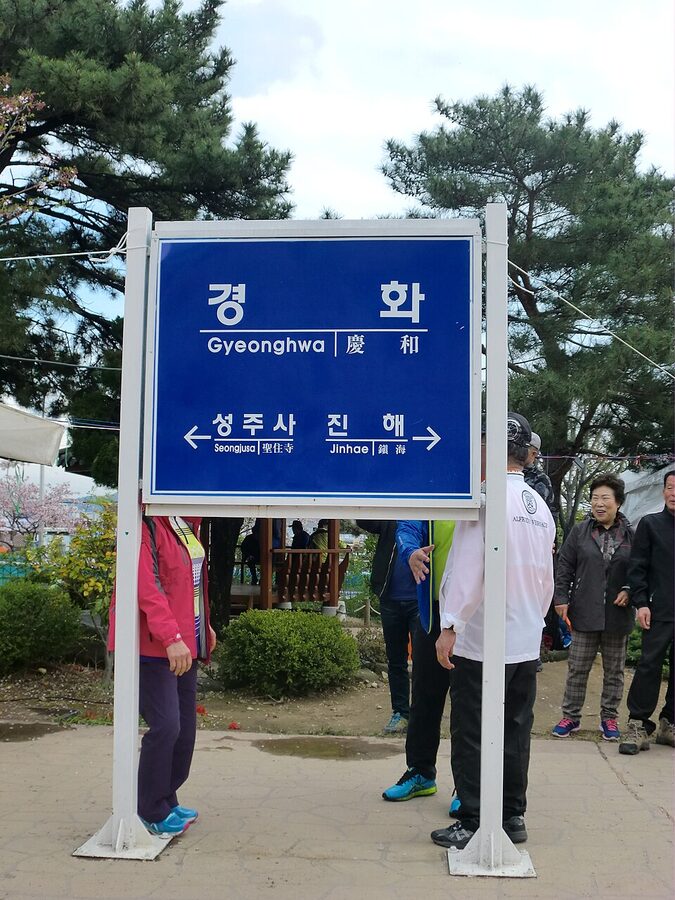
Walk to the far end of the tracks first. Most people stop at the train carriage for photos and never explore past it. The tracks continue for several hundred metres and the canopy gets denser further down, with far fewer people. I get my wide shots down there, then work my way back up. By the time you’re at the carriage, you’ve already got the good images and the queue feels optional.
Practical stuff. There are vending machines near the station building, zero toilets on the tracks themselves (walk to the station). Street-food stalls along the approach road sell hotteok (fried sweet pancakes), skewers, and the pink cherry-blossom soft-serve that’s basically mandatory. Expect to pay around 3,000-4,000 won for the ice cream. It’s cold out and you’ll be cold after, and that is fine.
Yeojwacheon Stream: the romantic one
Yeojwacheon Stream (여좌천) is a narrow concrete-lined creek, maybe two metres wide, that runs through central Jinhae. The cherry trees on both banks meet overhead and the surface of the water is dotted with fallen petals. There’s a small footbridge called the Romance Bridge (로망스다리) — the namesake of a 2002 Korean drama I have never watched — which is mobbed with couples posing for photos in matching outfits.
It’s more crowded than Gyeonghwa Station. It is also, objectively, the prettier spot. The scale is intimate: you’re walking under a canopy with water running below, not standing on open train tracks. If I had to pick one, it would be this one.
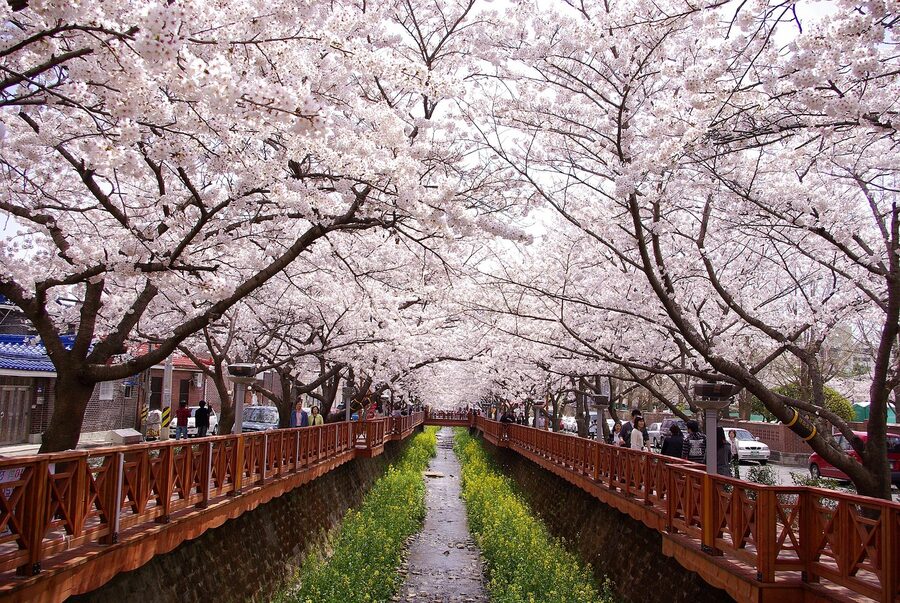
The tours usually give you 90 minutes to two hours here. Work both banks — the path is one-way on each side during the festival and the angles are genuinely different. The north-east side (walking away from the main road) has better afternoon light. The south-west side has most of the food stalls and a handful of cafés where you can actually sit for ten minutes.
If you’re queuing for a photo on the Romance Bridge, know this: the bridge itself is surrounded by better photo spots. Ten metres upstream, no queue, same trees, same water. I’ve never queued for the bridge.
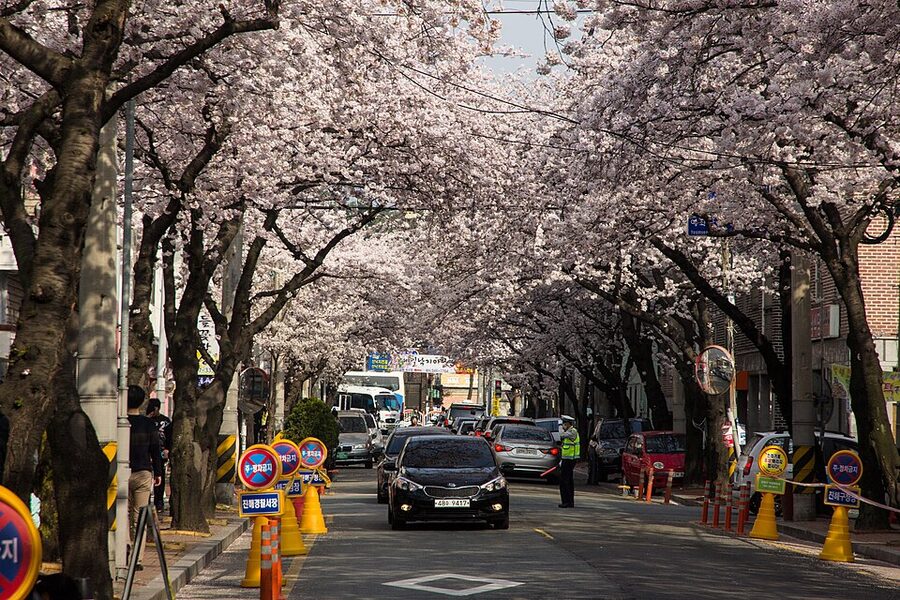
Jehwangsan Park: the one nobody tells you about
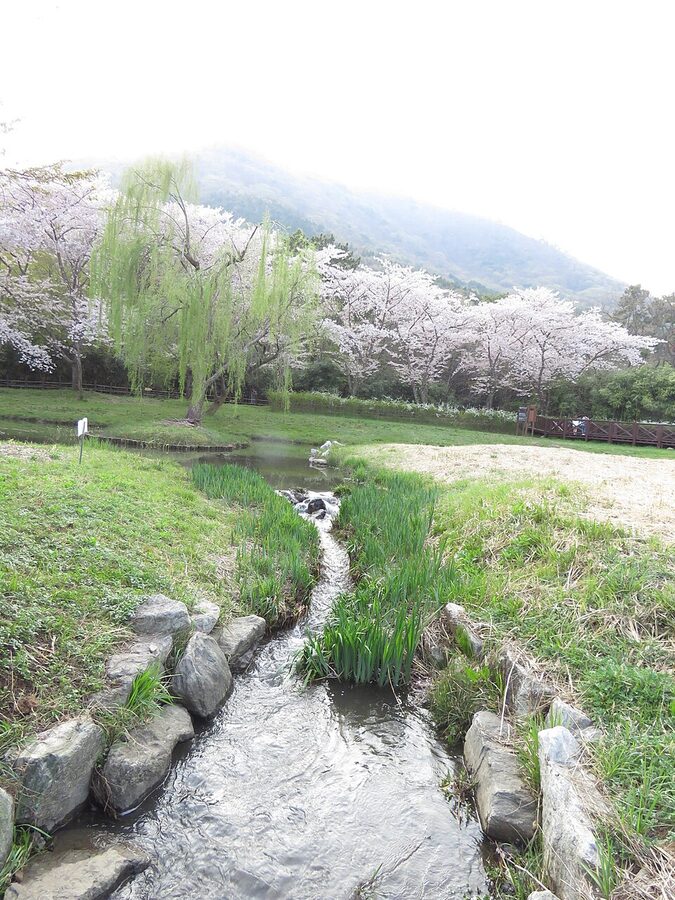
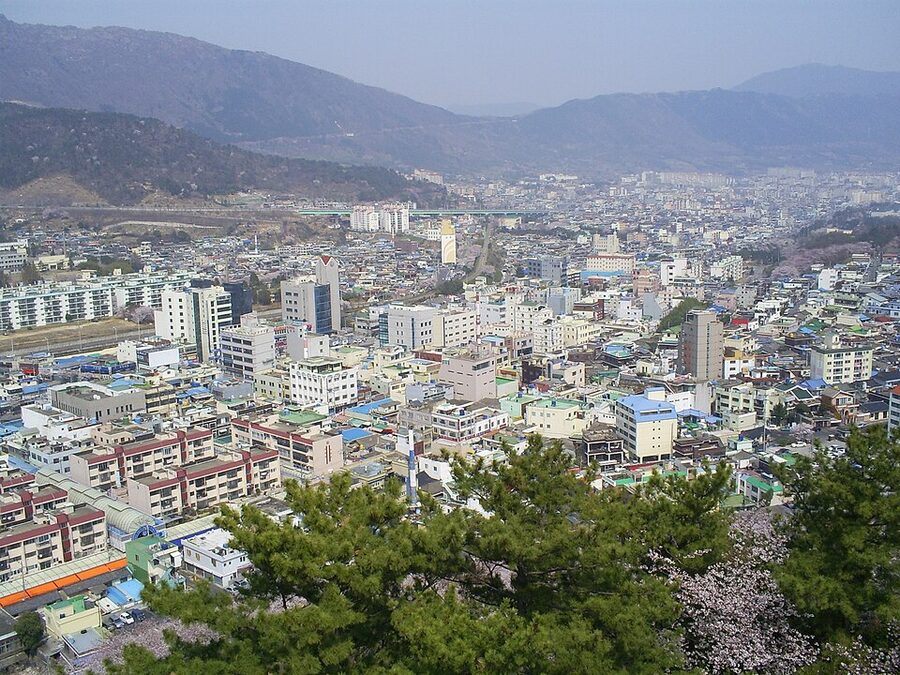
Half the tours include Jehwangsan Park (제황산공원) and half don’t. Check your itinerary before you book. It’s the hill in the middle of Jinhae with an observation tower at the top, and the reason to go is the view — you can see the whole town from up there, every street pink with blossom all the way to the coast.
There are two ways up. The monorail, which runs from the front of the park and costs 3,000 won return, and a staircase round the back. The stairs are 365 steps, one for each day of the year, and are honestly not bad if you take them slowly. There’s also a path called the Owl Road that spirals up the back of the hill — quieter, prettier, takes about 20 minutes. I always take the Owl Road up and the monorail down when my legs are done.
The tower itself is free to climb and doubles as a small museum about Admiral Yi Sun-shin. Skip the exhibits if you’re short on time and go straight to the top floor. On a clear afternoon you can see all the way to the naval base and the water beyond.
The festival itself: stalls, parades, and the navy
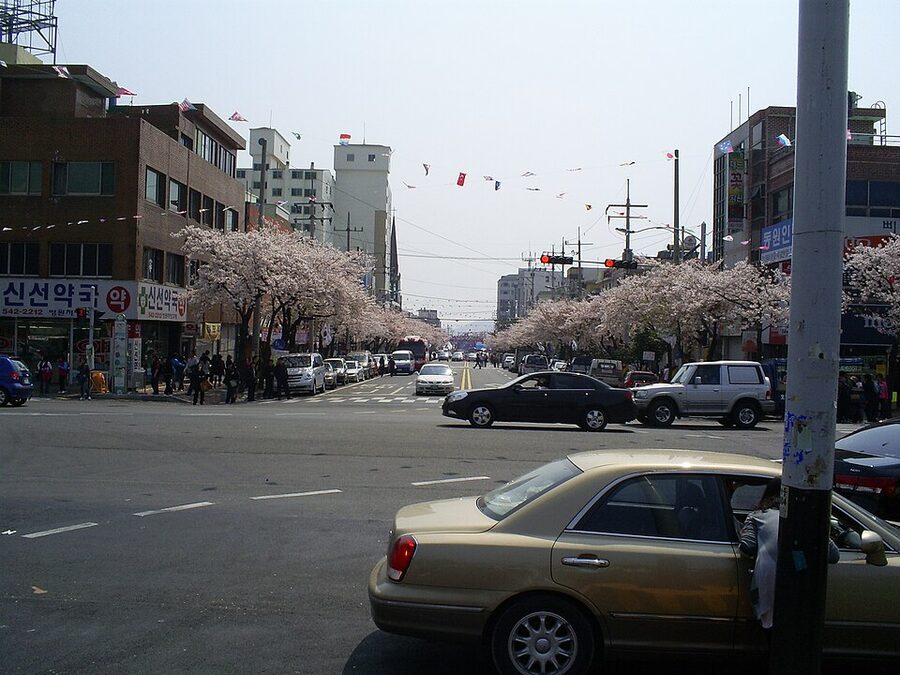
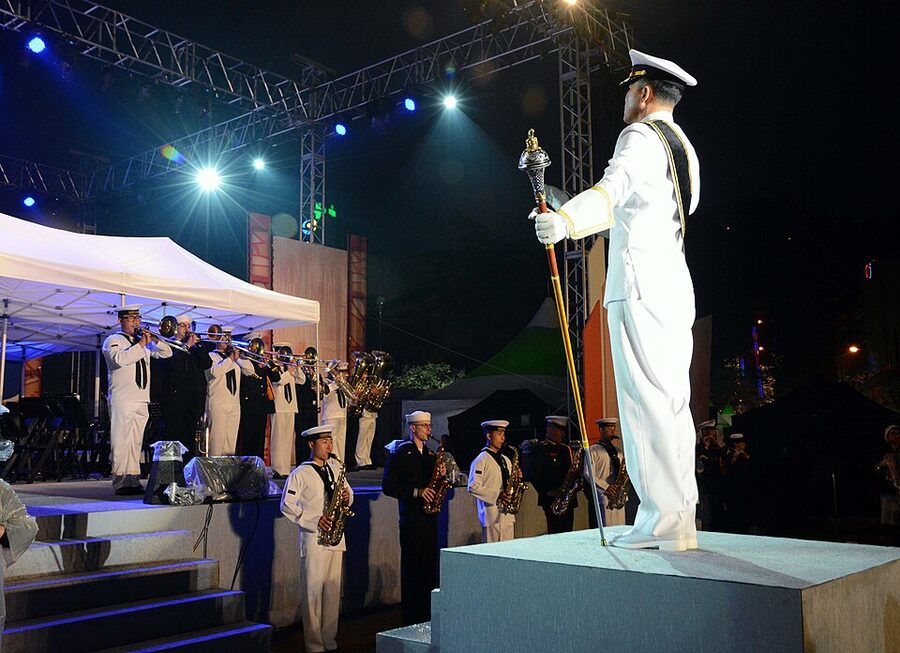
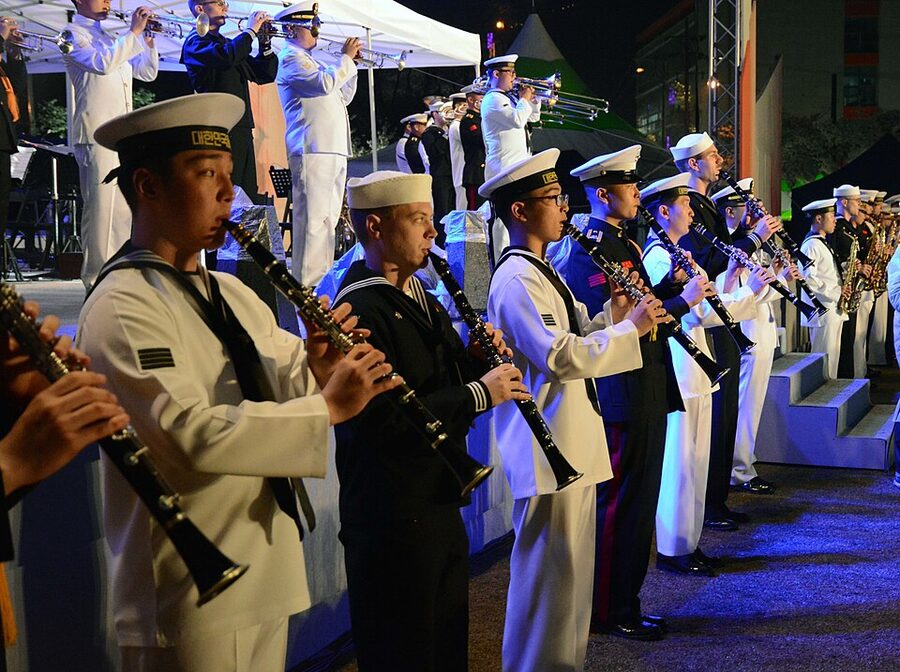
A lot of first-time visitors miss that this is actually a navy festival. The main event area, around Jungwon Rotary (중원로터리), has a stage where marching bands, military choirs, and traditional performers rotate through a schedule posted at the tourism booth. The ROK Navy runs ship tours from the port on a few dates — free, but you need to queue for a pass in the morning.
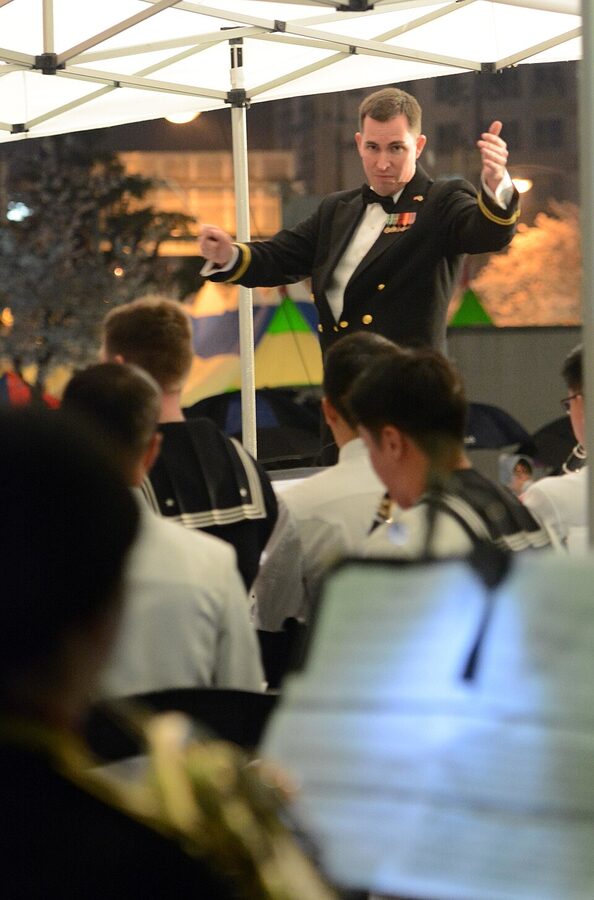
The other thing worth knowing: international military bands. The Jinhae International Military Band Festival happens within Gunhangje most years, and you’ll see ensembles from the Philippines, Japan, the US, and others. It’s a strange and lovely counterpoint to the pink — brass in uniforms marching past ice-cream stands.
Food, because you’ll need it
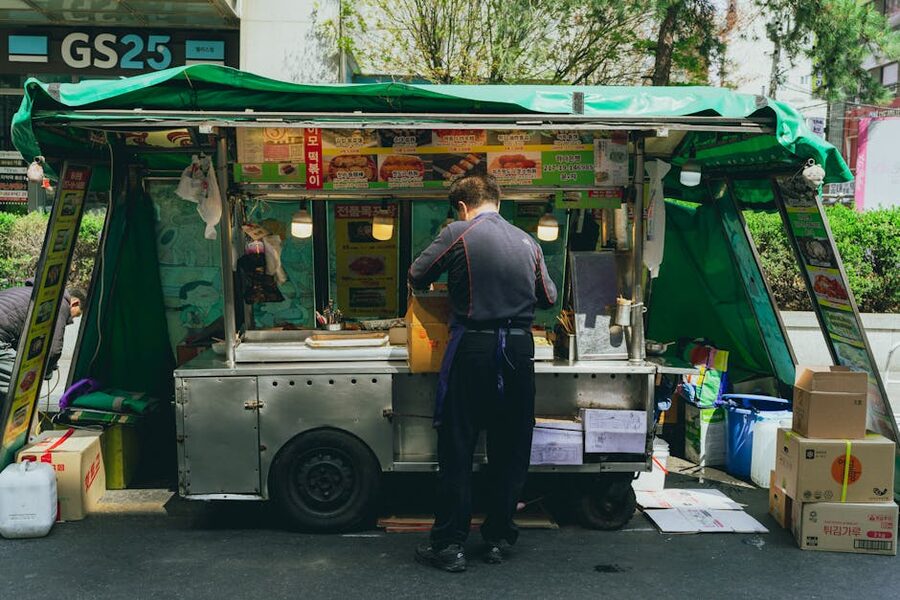
Tours will dump you somewhere around lunchtime with “one hour for food” and no guidance. Here’s what to get.
Hotteok (호떡). Fried sweet pancakes stuffed with brown sugar and cinnamon, sometimes with seeds and nuts. The ones sold from the festival stalls are 2,000 won and come in a paper sleeve because the sugar filling is molten. Let it cool for 30 seconds or you’ll lose the roof of your mouth. I lose the roof of my mouth every year.
Cherry blossom ice cream. Pink, floral, not as sweet as you’d expect. 3,000 to 4,000 won. Available at every major stop. Eat it with gloves on and just accept that you’ll be cold.
Pork BBQ tents. The bigger tents around Jungwon Rotary serve full meals — usually pork bulgogi or grilled samgyeopsal with banchan, for around 12,000-15,000 won. This is the best value on the ground. You sit on a plastic chair under a pink canopy and eat a full Korean barbeque next to fifty other people doing the same. Heaters are usually running; it’s warmer than you’d think.
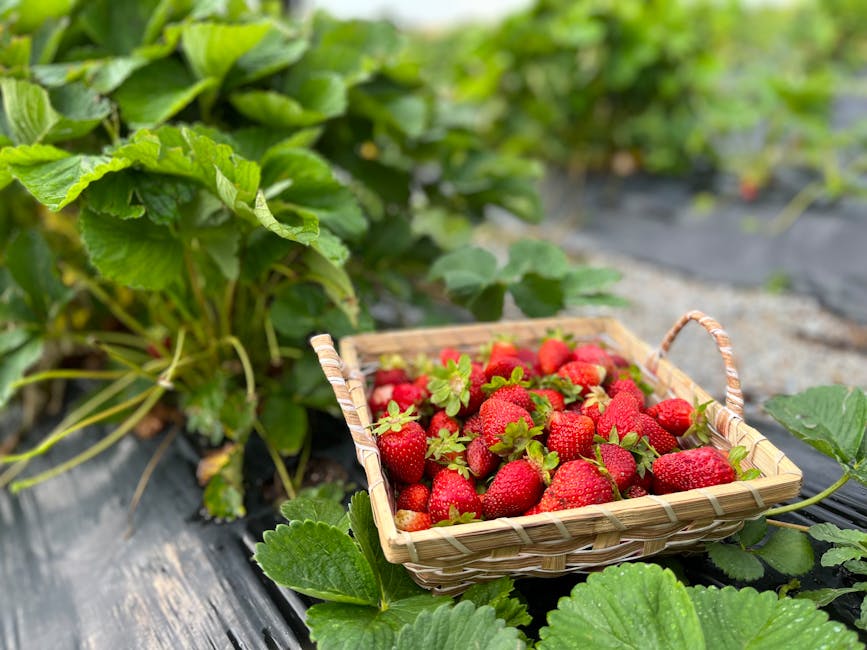
A side note. Some Jinhae tours — particularly the ones from Seoul — include a strawberry-farm stop on the way down. The Gyeongsang region grows most of Korea’s strawberries and you’ll usually get a small tray to pick. I was sceptical the first time, then ate my body weight in berries. If your tour offers this, say yes.
What to wear and what to carry
Jinhae in early April is somewhere between 8°C and 16°C depending on the hour. Mornings are properly cold. Afternoons in direct sun are lovely. Dress in layers and bring a jacket you can tie around your waist. I wear a fleece under a light shell and a beanie for the morning, and strip down to a t-shirt by 2pm.
Shoes. Walking shoes, not trainers, and definitely not the cute sneakers you were planning to wear for photos. Gyeonghwa Station to Yeojwa Stream is about 3km if you walk the pretty way. If you end up doing both plus Jehwangsan Park, you’re at 7km easily. My blisters from year one are why I’m telling you this.
What to bring: a portable charger (phone dies fast in the cold, and you will take 400 photos), cash for food stalls (card acceptance is patchy at the outdoor tents), small bills for the pork BBQ tents, tissues (public toilets near the stream are basic), hand sanitizer. A small microfibre cloth for your lens — petals get on everything.
What not to bring: an umbrella you care about (they get crushed in crowds), white clothes (the ice cream and the food stalls will end this decision), a professional tripod that sticks out (you will annoy everyone, including yourself).
DIY without a tour: the honest version
I’ve done Jinhae without a tour and I would not do it again. Here’s how, if you’re determined.
From Busan. Take the metro to Sasang Station, transfer to Busan Seobu Bus Terminal. From Seobu, intercity buses to Jinhae run every 10-20 minutes during peak and cost around 5,000 won. The ride is 45 to 75 minutes depending on traffic. You arrive at Jinhae Bus Terminal, which is a 15-20 minute walk from Jungwon Rotary. During festival week the local police often run shuttle buses from the terminal to the main spots; otherwise it’s a taxi (scarce) or that walk.
From Seoul. Don’t. If you must: KTX from Seoul to Changwon (2.5-3 hours, around 55,000 won), then local bus 150 or 151 to Jinhae (about 45 minutes). You’ll be in the town by 11am if you leave Seoul at 7am. Then you’ll need to leave Jinhae by 5pm to make it back for a reasonable bedtime. That’s six hours of blossoms and ten hours of transit.
Once you’re there. Download KakaoMap before you go, because Google Maps is terrible in Korea and worse in Jinhae specifically. Pick up a festival map from the tourism booth at Bukwon Intersection — it marks every stop and the official walking routes. Use the festival shuttle buses between Gyeonghwa Station and the Yeojwa Stream; walking the 3km between them is pleasant but kills an hour you don’t have.
The reason I wouldn’t DIY it again: I spent more money on transport than the tour would have cost, added four hours of logistics to an already long day, and still missed the Jehwangsan Park view because I ran out of time. A tour buys you someone who has done this every weekend for eight years and knows the back routes around traffic.
Common mistakes (I’ve made all of them)
Booking before the forecast is out. Don’t lock in non-refundable rates in December for an April bloom you can’t predict. Use free-cancellation options and pull the trigger in mid-March when the forecast narrows.
Going on the final weekend. Worst possible day. Crowd peaks, local traffic peaks, and the bloom is usually past peak. Go midweek if you can, or in the first half of the festival.
Only doing the two big spots. Jinhae has something like fifteen named blossom areas. Janboksan Sculpture Park, the Naval Academy grounds (open only on specific festival dates), and the little streets behind Jungwon Rotary are all beautiful and empty. Ten minutes of wandering beats twenty minutes in a photo queue.
Not eating enough. You’ll be cold, walking, and surrounded by food. Eat the pork. Eat the hotteok. Have the ice cream even though it’s 9°C. Your feet will thank you.
Trying to do Busan in the same day. If your tour is from Busan, you’re back by 6pm and tempted to push into Gwangalli or Haeundae for dinner. Don’t. You’re going to be wrecked. Book a hotel near Seomyeon with good delivery and collapse.
If you can only stay one day
A good guided day tour covers Gyeonghwa Station, Yeojwacheon Stream, and Jehwangsan Park in about 7 hours on the ground. Pace it like this:
Morning (9:30-11am). Gyeonghwa Station first. Crowds are lighter before noon and the low-angle morning light on the tracks is genuinely beautiful. Walk to the far end, shoot back toward the carriage, then work your way to the platform. Grab a hotteok on the way out.
Midday (11:30am-1pm). Jungwon Rotary area. Eat. Watch the stage for a few minutes. Pick up a paper festival map.
Early afternoon (1:30-3pm). Yeojwacheon Stream. Afternoon light here is better than morning because the east bank catches it. Work both sides, cross at the Romance Bridge, photograph the upstream sections.
Late afternoon (3:30-5pm). Jehwangsan Park. Owl Road up, monorail down. Get to the tower top for the view. This is your closing shot of the day.
5pm onwards. Back on the bus. Cherry blossom ice cream in hand, podcast in ears, sleep as long as the driver will let you.
Pair it with the rest of your Korea trip
Because Jinhae is one day, the real question is what you do with the rest of the week. My default Gyeongsang plan: two full days in Busan, one in Jinhae, one in Gyeongju, and one buffer day for a Geoje island trip or a slow Busan morning. If you haven’t locked any of those in, our Gyeongju private tour guide covers the UNESCO side, our Geoje and Oedo Botania day trip handles the coast, and a Busan pub crawl is the easiest way to meet other travellers on a Friday night.
If you’re flying into Seoul first and need a second day-trip to fill the blossom week, Seoraksan still has spring wildflowers in early April, or our Nami Island write-up covers the K-drama pilgrimage classic. And for the rainy-day fallback: the cultural shows guide covers NANTA and the other indoor options if the weather kills your outdoor plans.
One last thing. If this is your first time in Korea and you’re flying into Busan on the day you land, get a transit SIM ready at the airport — our Busan airport SIM and T-money card guide covers the exact kiosks so you don’t waste 45 minutes figuring it out. You’ll want data for the KakaoMap walk to your hotel.
The short version
Book a Busan-based tour if you can. Pick a weekday, not a weekend. Use free cancellation and watch the bloom forecast from mid-March. Start your day at Gyeonghwa Station, eat at the Jungwon tents, save Yeojwa for the afternoon light, and climb Jehwangsan if your tour includes it. Bring cash, layers, and walking shoes. Eat the hotteok while it’s still too hot.
And if the forecast doesn’t line up with your dates — honestly, go anyway. A 70-percent bloom in Jinhae is still better than a 100-percent bloom anywhere else in Korea. I’ve been four times in three years now. I’ll go again next April.