
You’re looking at Kyoto, weighing a 2,000-yen hop-on bus day pass against a 40,000-yen-plus private guide, and the question is suddenly sharper than the price gap: when does having one person by your side actually earn the premium over any of the cheaper ways to see the same temples? That’s what this guide is about — not the sales pitch, but the real calculus so you walk into the booking page knowing which column you belong in.
In a Hurry? Top 3 Private Kyoto Tours
- Private Kyoto With a Local — $102 — the flexible highlights-and-hidden-gems option, runs on your pace. Check availability on Viator
- Government-Licensed Full-Day — $156 — a nationally licensed guide with the deep cultural knowledge the license is built on. Check availability on Viator
- 10 Must-See Spots, Up to 7 People — $179 — a group-private format that makes families and friend-groups suddenly affordable. Check availability on Viator
- In a Hurry? Top 3 Private Kyoto Tours
- The structural reason private tours exist in Kyoto
- Our three top private Kyoto tour picks
- 1. Private Kyoto Tour With a Local, Highlights & Hidden Gems — 2
- 2. Kyoto Full-Day Private Tour With Government-Licensed Guide — 6
- 3. 10 Must-See Spots in Kyoto — Up to 7 People — 9
- Private guide vs hop-on bus vs UNESCO coach — the real comparison
- The group-private angle for families
- What a private guide in Kyoto actually does
- How to actually book one
- Pricing you should actually expect
- What a well-run day looks like
- What a private guide won’t save you from
- Four add-ons worth considering
- Timing — when to book and when to go
- How to brief your guide so you get what you actually want
- Pontocho after the tour
- Where this leaves you
The structural reason private tours exist in Kyoto
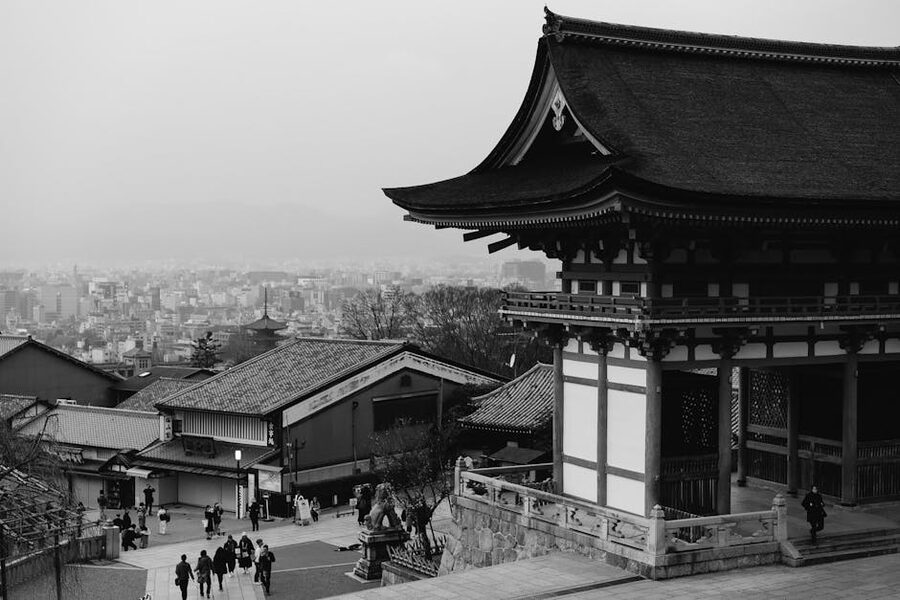
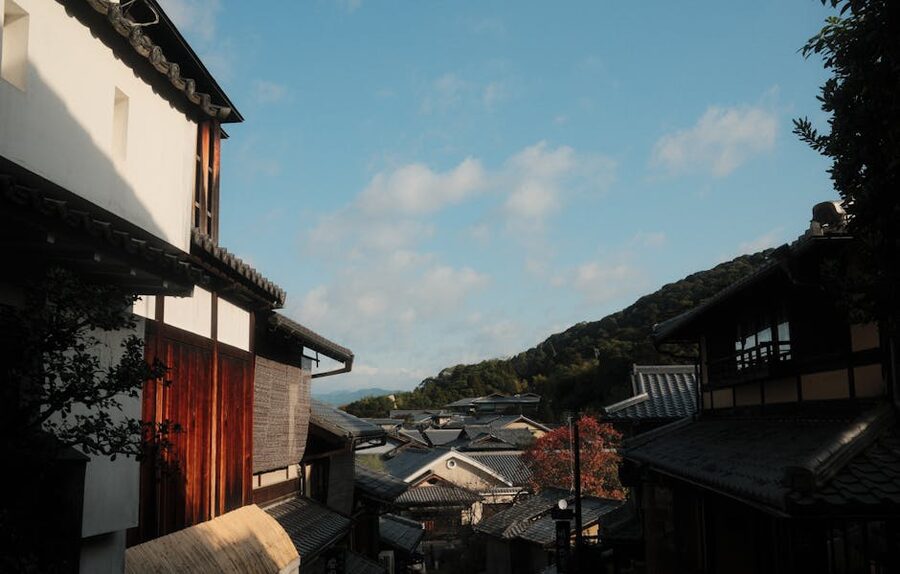
Kyoto is spread out. Fushimi Inari is in the far south. Arashiyama’s bamboo grove is way out west. Kinkaku-ji sits in the north. Kiyomizu and Gion are on the eastern hills. You can draw a rough square and it’s 30-plus kilometres across, and the public transit that links those corners is mostly slow local buses plus a few train lines that don’t quite go where you need them to.
That’s the hidden cost of doing Kyoto yourself. On a typical day a free agent burns 90 minutes to two hours on route-finding, bus-waiting, and walking from bus stop to entrance. A private guide absorbs all of that. They move you on trains where trains are faster, flag a taxi when a taxi saves 25 minutes, know which line-up to skip, and whether the side alley cuts 10 minutes off the way to Kiyomizu.
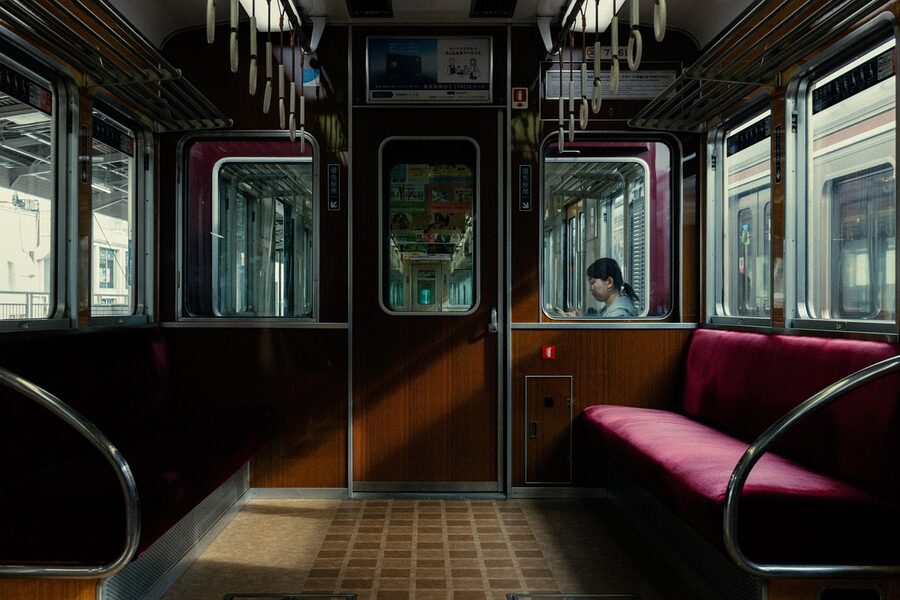
So the “when worth it” answer isn’t really about money. It’s about how much of your day you’re happy to spend on logistics. If you’ve got a short stay — two or three days — and a list of must-sees that are genuinely spread across the city, a guide can turn a frustrating day-and-a-half of transit into eight clean hours. If you’ve got a week and you’re fine with slow sightseeing, a bus pass does the job.
Our three top private Kyoto tour picks
These are the three I’d actually book, drawn from thousands of reviews in our database. They cover the three most common use cases: flexible solo/couple, licensed-guide depth, and group-private for families. Every one of them has four figures of reviews behind it.
1. Private Kyoto Tour With a Local, Highlights & Hidden Gems — $102
This is the one I’d book first if I were visiting Kyoto for the first time and didn’t want to commit to a fixed itinerary. Our full review of this tour goes deep on how the City Unscripted model works — they match you with a guide based on what you want to see, then the route is built on the day. Reviews mention guides playing de facto photographer, which sounds small until you realise how few photos-together you’ll otherwise come home with.
2. Kyoto Full-Day Private Tour With Government-Licensed Guide — $156
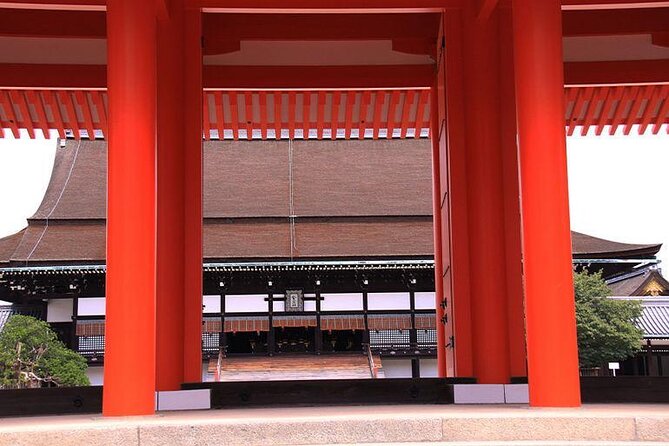
If you care about context — why a specific sliding door is painted on gold leaf, what Jodo Buddhism has to do with the temple you’re standing in — this is the tour you want. Our review digs into how Japan Guide Agency runs it; the national licence (the one held by every guide on this tour) is a qualification foreign guides generally can’t get, which is why it carries weight. One caveat reviewers mention: guide styles vary, so if you bond with one, try to book them again.
3. 10 Must-See Spots in Kyoto — Up to 7 People — $179
This is the family/friend-group sweet spot. Same private-guide setup as the others, but built to accommodate up to seven, and priced per booking rather than per person in practice (pricing varies by dates — check before you book). Our review covers the 10-spot route in detail; one reviewer noted 20,000 steps in a day, so this isn’t a sit-down tour. Bring cash and an IC card for in-tour transit.
Private guide vs hop-on bus vs UNESCO coach — the real comparison
There are three formats people usually weigh up in Kyoto. Each one answers a different question. Get the question right and the booking decision gets obvious.
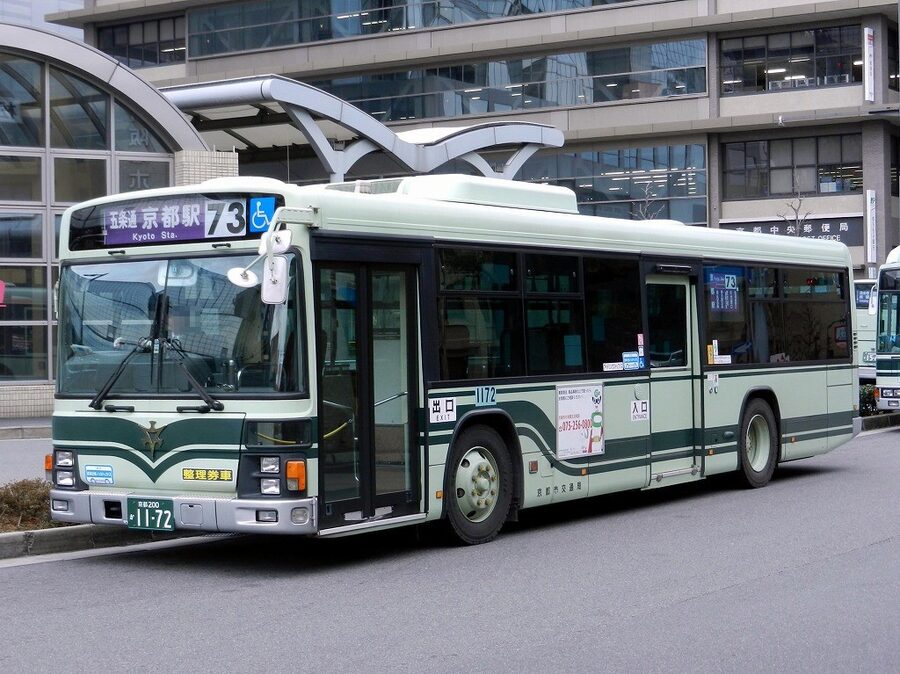
The hop-on hop-off bus is the cheapest option by far, usually around 2,000-3,500 yen for a day pass. It works if you have the time to use it properly — two full days at least, relaxed pace, you’re happy to sit through the dead legs between stops. You get no guide on the ground, but the onboard commentary covers the basics. Pick this if your budget is tight and your schedule isn’t.
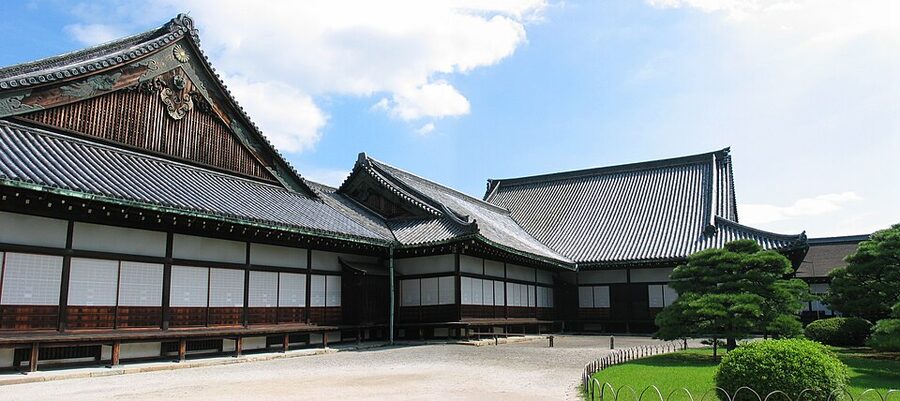
The UNESCO coach tour sits in the middle. You get a guide, a set route covering the big ticketed sites (Kinkaku-ji, Nijo Castle, usually Kiyomizu), and lunch included. The catch is you move at the coach’s pace — everyone gets the same 45 minutes at Kinkaku-ji whether they want 20 or 75. Pick this if you want structure and efficiency but are comfortable with a fixed itinerary.
A private tour costs 5-10x the bus pass and 2-3x the coach. In exchange, you get to rebuild the itinerary at breakfast. Raining? Swap outdoor bamboo-grove for indoor temple. Kids hitting a wall at 2pm? Cut early and drop them at the ryokan. This is worth the premium when your time is scarce, your priorities are specific, or the group you’re travelling with has mixed energy levels. It’s overkill if you’ve got a week in Kyoto and you genuinely want to wander.
The group-private angle for families
Here’s the one I’d highlight for anyone travelling with kids, parents, or a friend group of four or more. The group-private format — one private guide, one booking fee, up to 5-7 people on the same reservation — changes the cost structure completely.
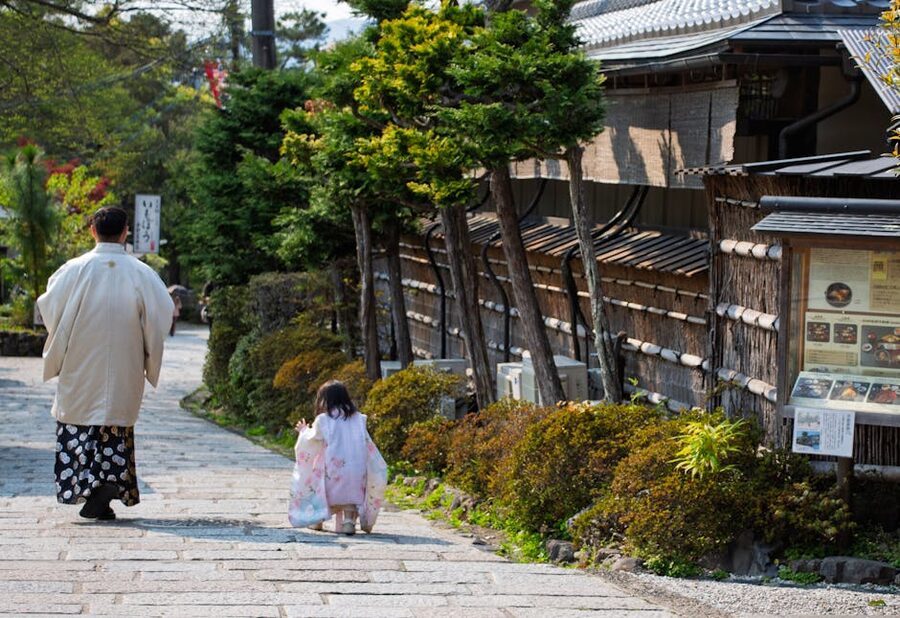
Split four ways, a $179 group-private runs about $45 a head. That’s lower than most coach tours and not much more than the hop-on bus once you factor in the entry fees a good guide can skip the queue for. But you still get the private-tour benefits: flexibility, pace-setting, the ability to bail on something that isn’t landing with the kids.
The trade-off is you’re sharing the guide’s attention, and the logistics of seven people around one speaker at a temple gate aren’t great. Six is probably the sweet spot before it starts feeling like a coach tour with extra steps.
What a private guide in Kyoto actually does
If you’ve never booked a private tour, it’s worth sketching what you’re paying for beyond “a person walking with you.” The actual jobs are more granular than that.
Navigation. Kyoto’s bus system is famously confusing: multiple city bus companies, some lines running through the same stop but going opposite directions, English announcements uneven. A guide absorbs every one of those decisions. You just follow.
Ticketing. Most major Kyoto temples sell tickets at the entrance, but the licensed guided-tour queue is often separate and faster. A guide gets you through in a fraction of the time on peak days. Some sites — Katsura Imperial Villa, Sento Imperial Palace — require advance permits, which a government-licensed guide can navigate on your behalf.
Language. Kyoto taxi drivers mostly don’t speak English. Temple staff at smaller sites don’t either. If you want to book a specific shojin ryori lunch, or ask a potter in Kiyomizu-zaka about their glazes, you need Japanese, or a guide.
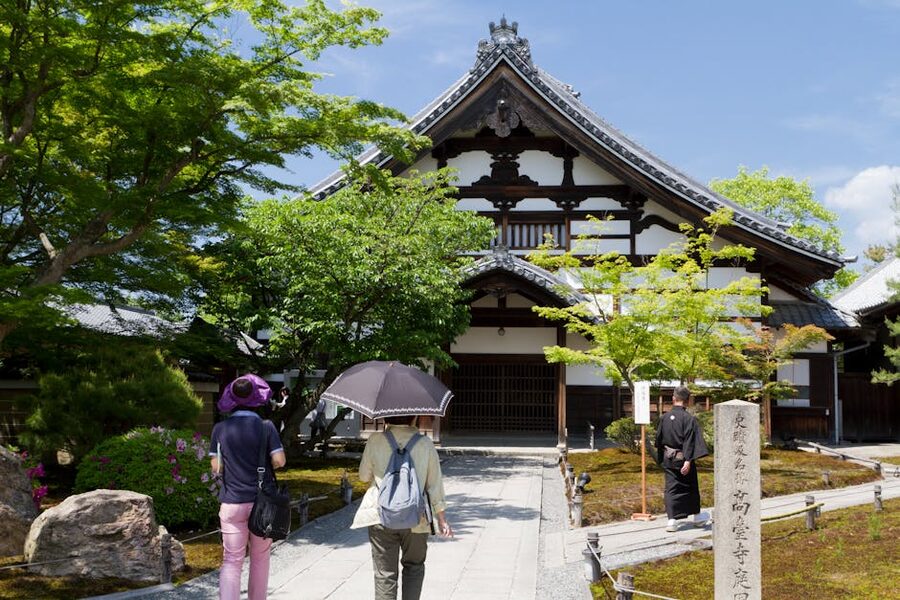
Cultural framing. You can read a Wikipedia page about Jodo Buddhism before you go. A guide tells you why the temple you’re standing in was built in 1224, what was happening politically, why the sliding doors are painted a specific way. That layer is what distinguishes a private tour from a self-guided walking tour you’d do with a podcast in your ear.
Food. A good Kyoto guide will steer you away from the 2,800-yen set lunch advertised in English outside tourist-zone restaurants and into the 1,200-yen teishoku the office workers around the corner eat. They’ll also know which tea-house is accepting walk-ins that afternoon if you want a proper matcha, and where in Nishiki Market to stop without getting caught in the photo-only foot traffic.
How to actually book one
Booking a private Kyoto tour has two parts: picking the format, then picking the guide. Most tourists stop at the first and wonder why the tour felt generic.
Pick the format first. Full-day (8 hours) is the standard. Half-day (4 hours) works if you’re short on time or trying one day of coach + one day of private. Early-morning options exist and are excellent — see our Kyoto early-morning tours guide for why the 6am-to-9am slot is the best three hours you’ll spend in the city.
Then pick the guide. This is where the quality gap opens up. On Viator and GetYourGuide, scan the reviews for named guides — if three reviews mention “Yuji” or “Amy,” that’s a working guide who’s consistent. Book them by name in the booking notes if the platform allows it. If you have specific interests (tea ceremony, kimono, food), mention it upfront so you get assigned someone whose background matches.

Payment. Viator and GetYourGuide both take card on booking. Booking direct through a company’s site usually saves 5-10% but you lose the marketplace’s cancellation protection. I’d pay the marketplace tax for first-time visitors. Once you know what you want, direct booking is fine.
Tipping. Japan is a no-tipping culture and guides will refuse if you offer cash. The way to thank a great guide is a 5-star review that names them.
Pricing you should actually expect
The sticker prices on the Viator listings can look alarming. Here’s what I’ve seen in practice across the current Kyoto market.
Half-day (4 hours). 35,000-45,000 yen per booking for a walking tour up to 6 people. About $240-310. Lower end is an unlicensed English-speaking local guide, higher end is a national-licensed one.
Full-day (8 hours, walking). 55,000-70,000 yen. About $380-490. The KyotoDailyTours walking day runs at 59,800 yen, which is bang-on the market rate right now.
Full-day (8 hours, with taxi). 65,000-85,000 yen plus metre fares. This is the format to pick if you’re a couple of travellers wanting to cover Kinkaku-ji, Ryoan-ji, Arashiyama in the same day without losing three hours to transit. Taxi-based tours save you 90-120 minutes of transit time on a wide route.
Evening/night (2-3 hours). 18,000-22,000 yen. Usually a Gion focus — see our Gion geisha walking tour guide for why this is the one private slot that earns its premium even on a short trip.
Two-day combos. Around 100,000-120,000 yen per booking, sometimes Kyoto one day + Nara the next. These work for travellers who want the full regional picture with no itinerary admin.
Add-on: Entry fees are usually not included. Budget 400-600 yen per temple (Kinkaku-ji 500 yen, Ryoan-ji 600 yen, Nijo Castle 1,300 yen, Kiyomizu 500 yen). For a full-day hitting five sites, add another 2,500-3,000 yen per person.
What a well-run day looks like
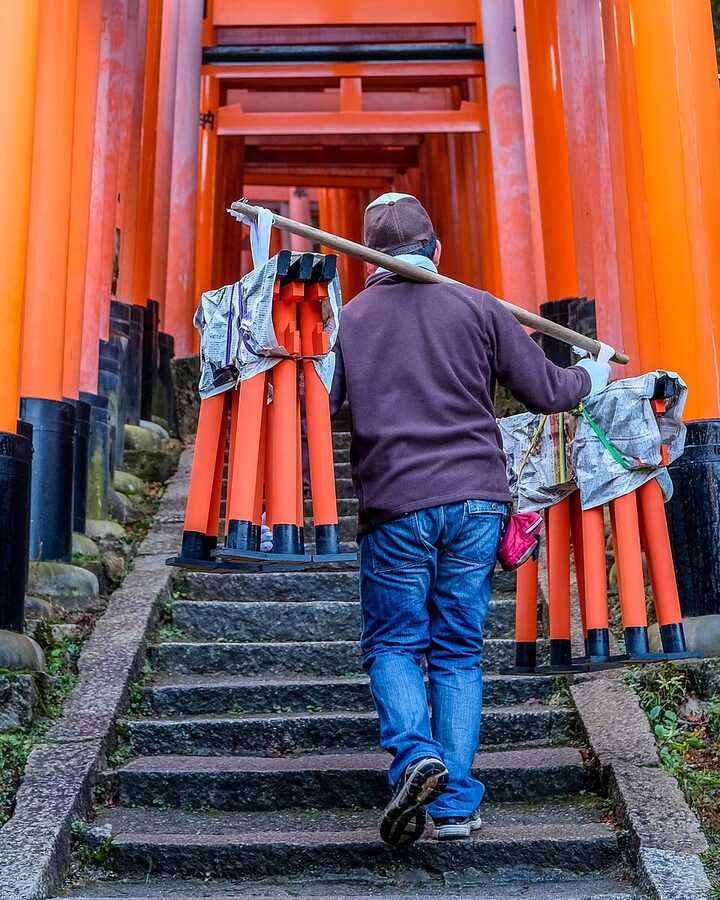
Here’s roughly how the best full-day private tours I’ve seen are structured. Not gospel — your guide will probably tweak it — but a useful reference.
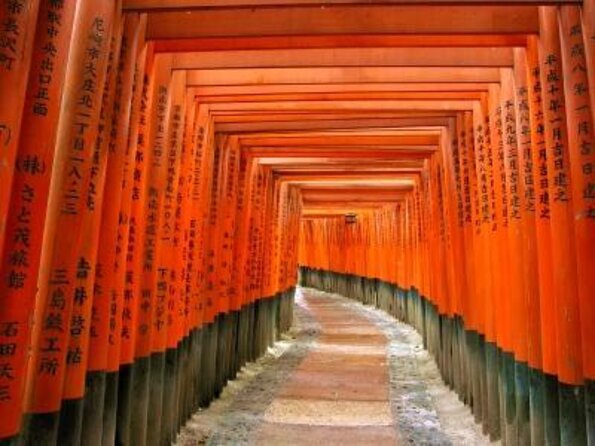
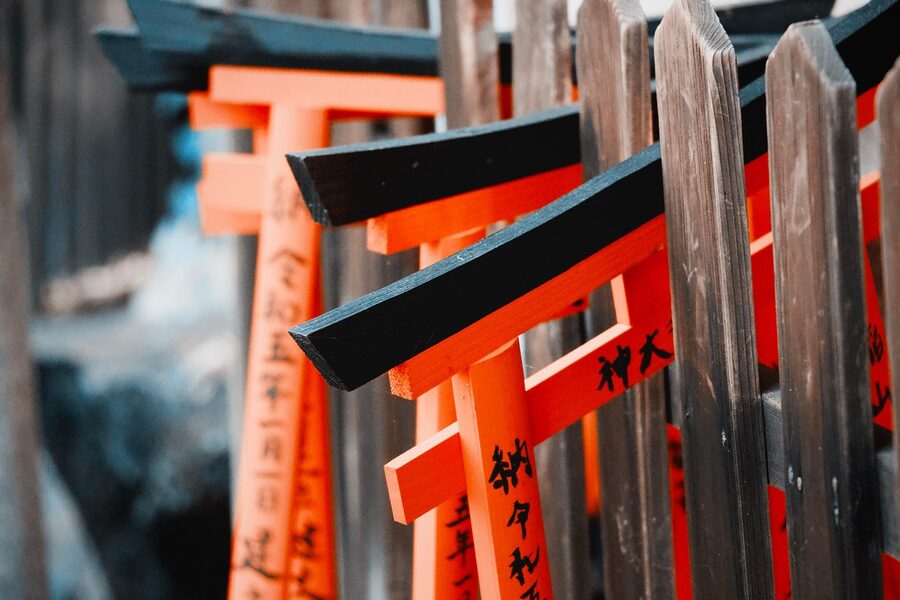
7:00-9:00 — Fushimi Inari. Start at dawn. You walk up through the torii tunnel, shoot the classic photos with nobody else in them, and get out before the first coach arrives at 9:30.
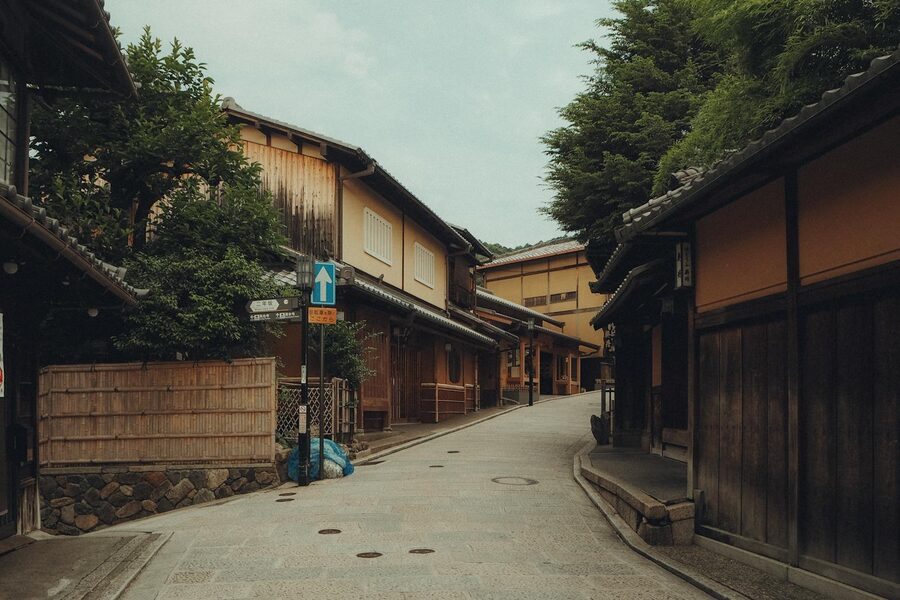
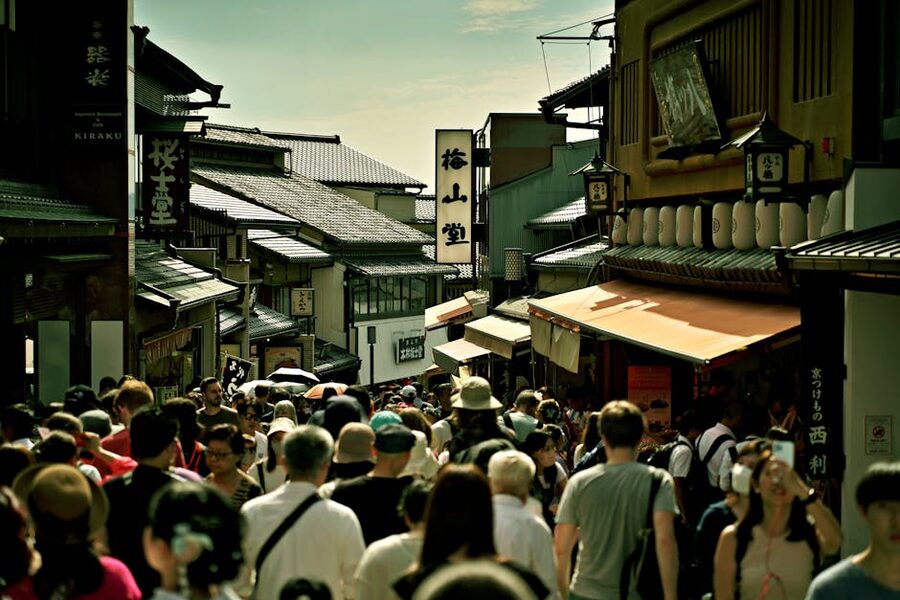
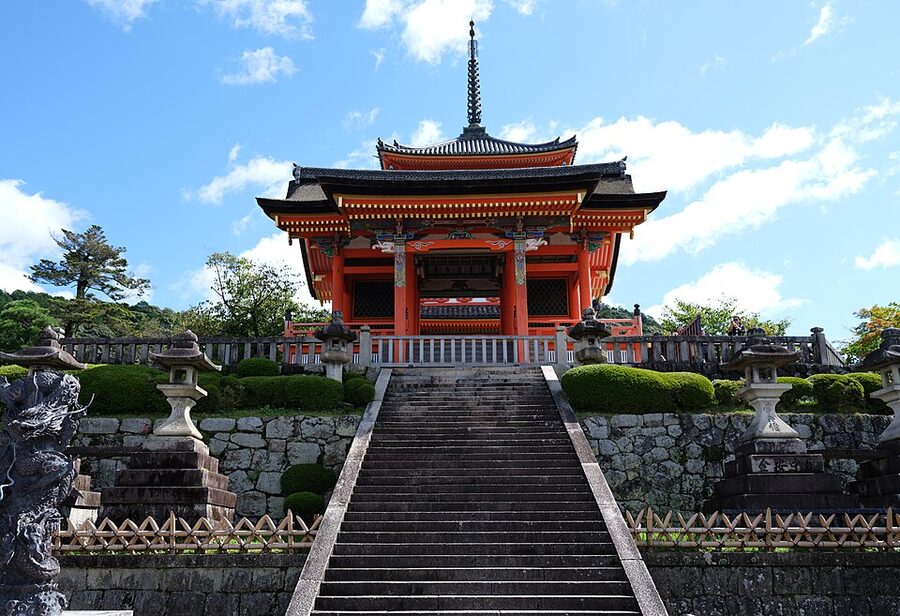
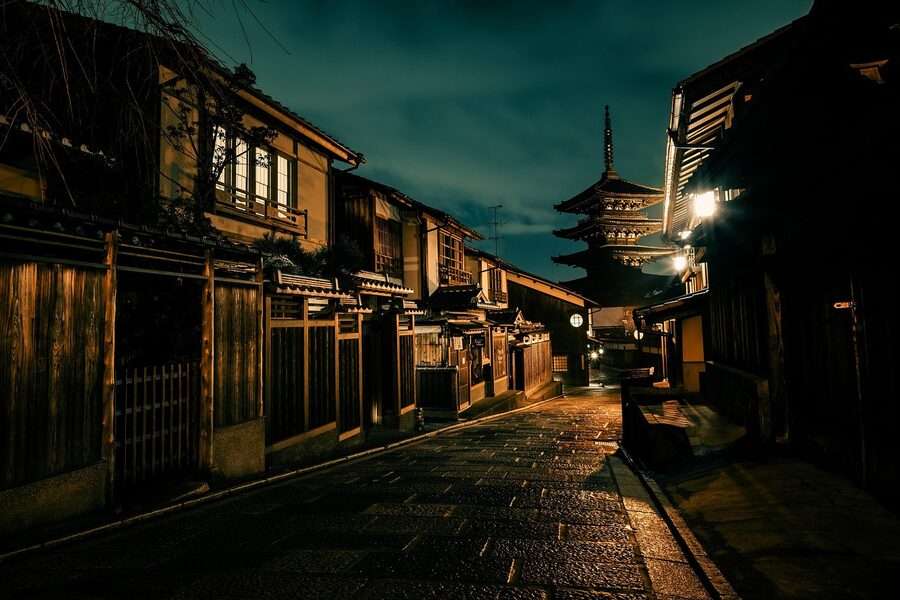
9:30-10:30 — Kiyomizu-dera and the approach. Head east. Walk the Ninenzaka and Sannenzaka slopes up to Kiyomizu. By the time the crowds build, you’re already inside.
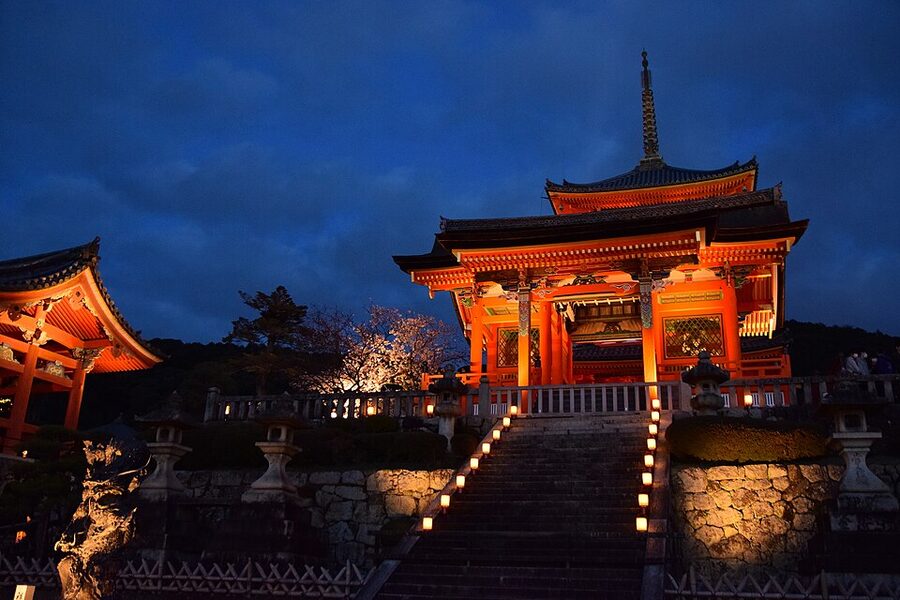
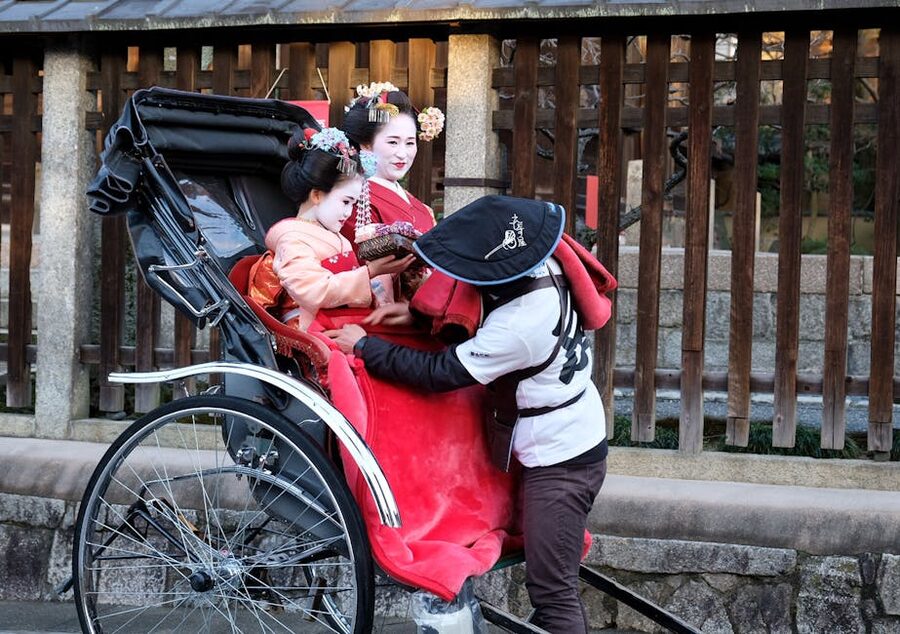
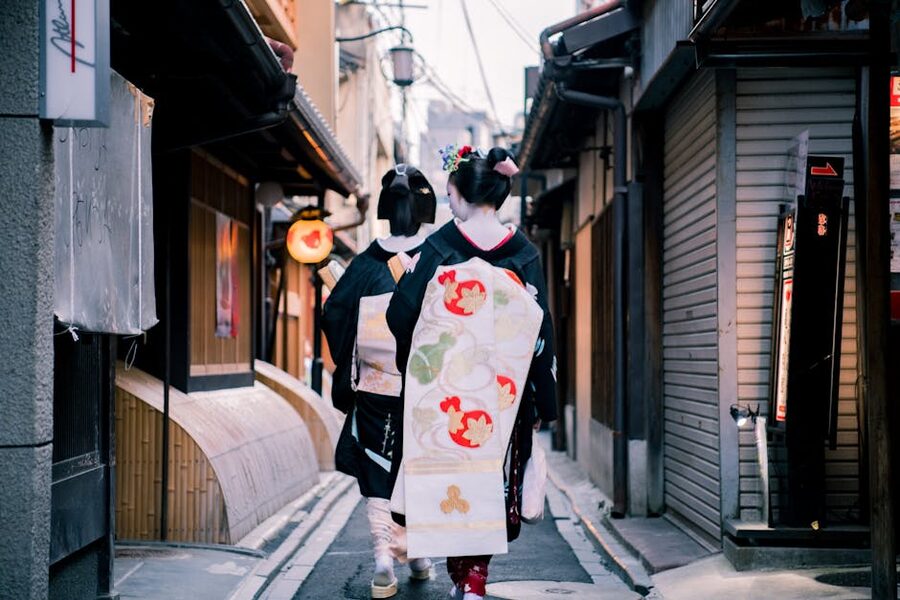
11:00-12:00 — Gion walk. Hanamikoji Dori, Shirakawa Canal, the narrow streets where you might spot a geiko or maiko heading between appointments (odds are low in the middle of the day, better in the late afternoon).
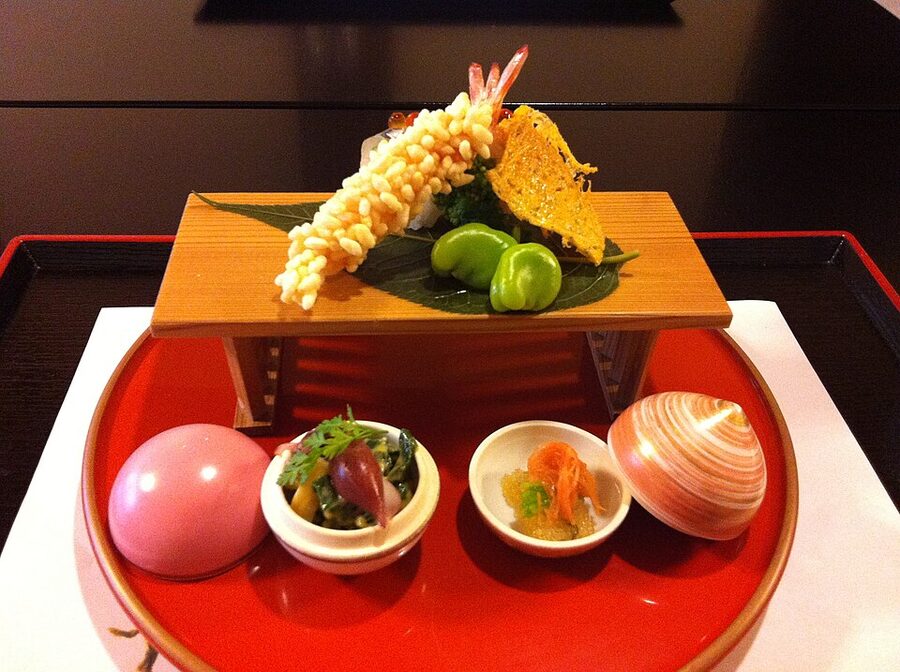
12:00-13:30 — Lunch break. This is where a guide earns their fee. They’ll route you to a lunch spot matching your budget and diet, not a tourist-trap set menu.
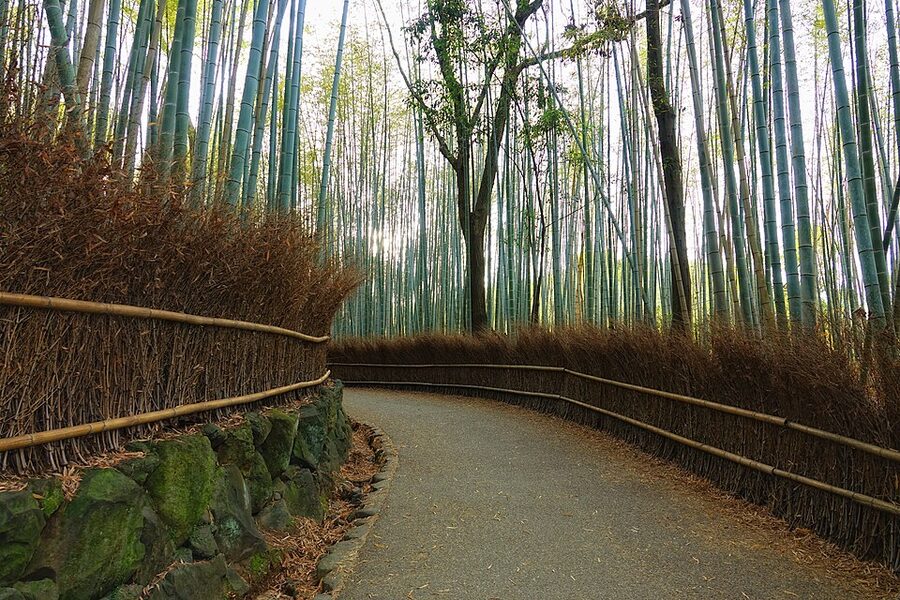
14:00-15:30 — West Kyoto pivot. Taxi or train to Arashiyama for the bamboo grove, Tenryu-ji, and the Togetsukyo bridge. This is where a taxi-based tour saves 45 minutes over buses.
15:30-17:00 — Kinkaku-ji. The Golden Pavilion closes at 5pm. Hit it just before the final crowd pushes through. Combine with Ryoan-ji next door for the zen garden if you have time.
17:00 onwards. Dropped back to your ryokan. Some guides will continue into evening for a food tour if you want — expect to pay another hour or two of their time.
What a private guide won’t save you from
Private tours aren’t magic. There are real limits worth knowing about.
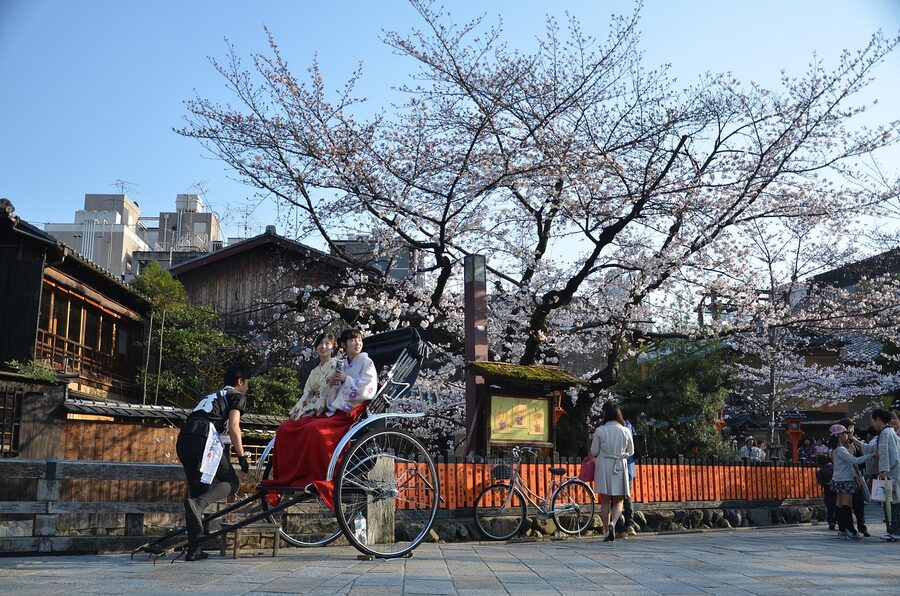
Crowds at peak times. In mid-November foliage week and early April cherry blossom week, the big temples are busy no matter what you pay. A guide can’t un-crowd Arashiyama at 11am on a sakura Saturday. They can shift you to a quieter angle or a smaller parallel site, but expect queues at the big three.
Walking distance. Even the best guides can’t reduce the kilometres your feet have to cover. A full-day Kyoto tour is typically 12,000-20,000 steps. If you have mobility limits, tell them at booking — some guides will route you onto taxi-heavy days, or shorten to half-day.
Weather. Kyoto summers are humid and hot (35C is routine in July and August). Winters are cold, with occasional snow. A guide will adjust the route — more indoor sites in July, more covered arcades in February — but you still need sunscreen, or a coat, or whatever the day calls for.
Photo ethics in Gion. The maiko and geiko walking Gion’s back streets aren’t actors. Since 2019, photos in private streets are fined up to 10,000 yen if you’re caught. A guide will remind you; they won’t prevent an over-eager tourist from getting between your party and a geiko on the street. Use common sense.
Four add-ons worth considering
Once you’ve got the day booked, these are the extras most repeat Kyoto visitors end up layering in.
Tea ceremony. A 45-minute authentic ceremony, typically 2,500-4,000 yen per person, added to your mid-afternoon. Our Kyoto tea ceremony guide covers the difference between the tourist-friendly versions and the more formal schools — ask your guide which one matches what you want.
Kimono rental. Most kimono rental shops are in the Higashiyama area, close to Kiyomizu and Gion. Not strictly an add-on — you’re usually doing it before the tour starts — but a good guide will route you through the best streets for photos if you’re in kimono.
Food tour evening. Some guides do day-guide + separate food tour evenings, others don’t. If yours does, it’s usually the best food night you’ll have in Japan — they know the 14-seat izakayas that don’t take walk-ins but will take their regular’s reservation.
Day-two Nara extension. Kyoto-base, Nara-for-a-day is a classic. A private guide for day one in Kyoto plus a private day in Nara usually runs cheaper than two separate bookings if you negotiate direct.
Timing — when to book and when to go
Book 4-6 weeks out for peak. Cherry blossom week (roughly March 25 to April 8, varies by year) and koyo autumn foliage week (usually the second and third weeks of November) are the two windows where the top-reviewed guides go first. If you’re coming then, book as soon as your dates are locked.
2 weeks is fine for shoulder season. Late April, May, September, early October — two weeks’ notice is usually enough to get your first-choice guide. Any less and you’re picking from whoever’s left.
Last minute works in low season. January and February, late June and July (hot, humid, fewer tourists), you can sometimes book same-week and get excellent guides. The tradeoff is weather.
Which day of the week. Monday is closed day for a few Kyoto museums but most temples are open every day. Weekdays are quieter than weekends. Tuesday through Thursday is ideal if you have the flex.
How to brief your guide so you get what you actually want
Here’s the thing most people miss. A private tour is only as good as the brief you give the guide. Vague in, vague out.
When you book, send a short note in the booking message. Include four things:
Your priorities. “We want to see Fushimi Inari, Kinkaku-ji, and Gion. We skip crowded temples if they’re crowded. We’re happy to walk 6 hours.” That’s a tight brief.
Your constraints. Mobility issues, dietary preferences (vegetarian, halal, gluten-free), energy levels in the group, time pressure. A guide can adapt if they know upfront — not so much if you announce at 11am.
Your interests. Tea ceremony, architecture, Buddhism, samurai history, food, textiles — the more specific you are, the better the route. “I want to see Kyoto” is weak. “I’m a ceramics hobbyist and I want to understand Kyo-ware” means your guide can put you in front of actual working studios.
Your non-negotiable. The one thing the tour can’t skip. Maybe it’s Kiyomizu because your grandmother insisted. Maybe it’s a specific kaiseki restaurant. State it. Everything else is flexible around it.
Good guides will reply within 24-48 hours with a rough proposed route and questions. That back-and-forth is how you get a good day — not a generic one.
Pontocho after the tour
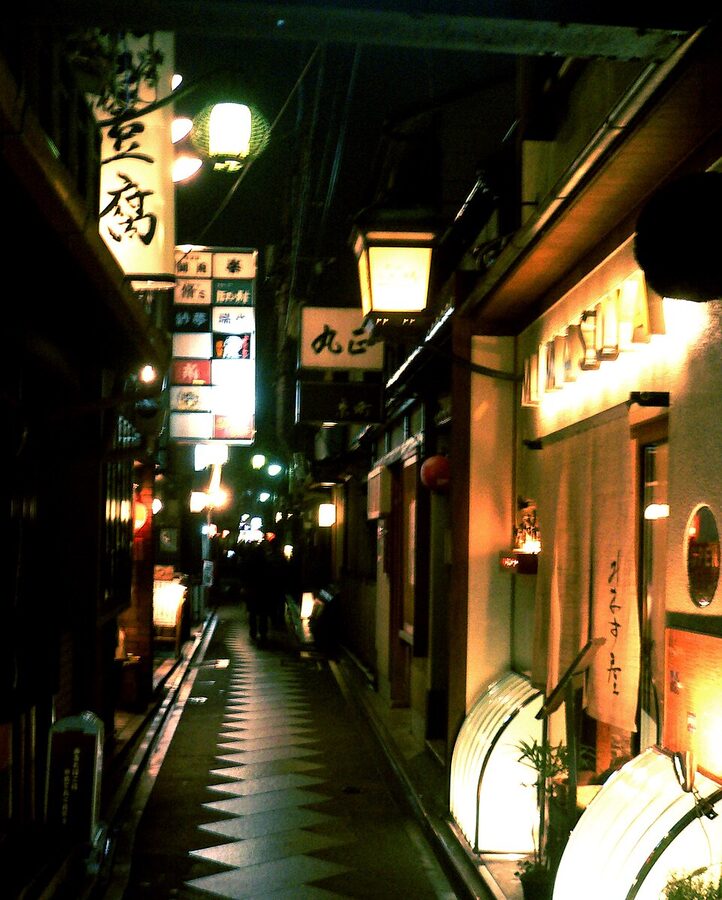
If there’s one ask I’d make of any Kyoto guide on booking day, it’s this: “When we finish, can you write down three dinner recommendations in our ryokan neighbourhood?” The best guides don’t just do the tour — they download their entire evening rolodex to you, because they know you won’t eat badly on their watch.
Pontocho is the classic post-tour district. Narrow alley, wooden facades, the Kamo River running parallel. Between the tourist-priced places on the main stretch and the tiny restaurants tucked in the side alleys, a guide’s recommendation is genuinely useful. Most Pontocho kaiseki-omakase runs 8,000-15,000 yen per person; a good yakitori night is closer to 3,500 yen.
Where this leaves you
If you’ve got two or three days in Kyoto, a short must-see list, and either a short travel history or a big group, book the private tour. The premium is real but the time-to-value equation is clear.
If you’ve got a week, a flexible schedule, and you prefer discovering things on your own, skip the private tour. A bus day pass and a half-day walking tour or two will cover 80% of what you want with more freedom. If you want the middle ground — structure without the price — the UNESCO coach tour is a serious contender.
For travellers heading on to Tokyo, the same calculus applies there. Check our companion piece on booking a private Tokyo tour — the city’s spread is different but the logic for when a private guide earns its premium is the same. If you’re tacking on a day at Arashiyama’s bamboo forest or an early-morning Fushimi Inari hike, those make clean half-day add-ons to a full private day — or stand-alone alternatives if private is out of budget.
Whatever way you book, build the brief first. The guide is only as good as the conversation you have before the day starts.