
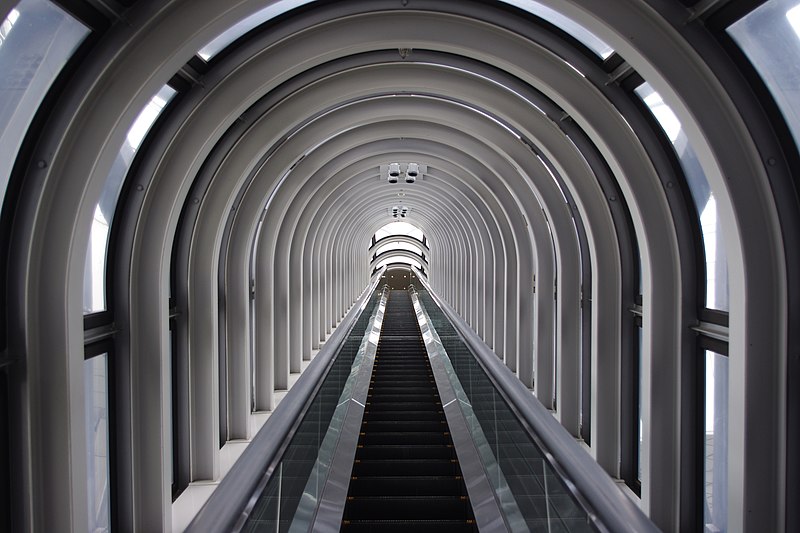
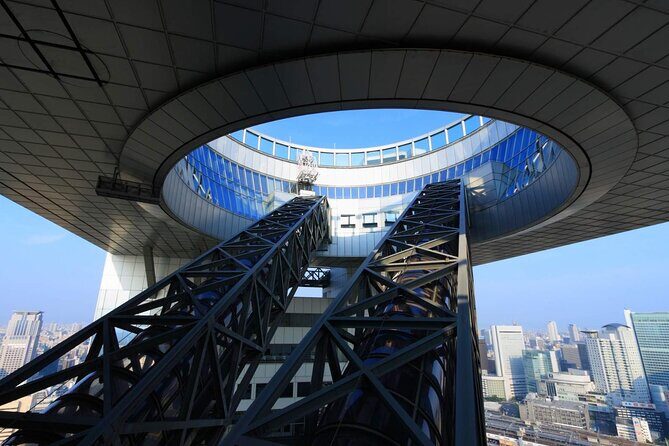
The escalator goes through a gap between two towers, 40 floors above the street, encased in glass. You can see straight down. Some people stop halfway up, realise what they’re standing on, and freeze.
I’m not kidding. I watched a woman in front of me literally clutch the handrail with both hands and whisper “oh no oh no oh no” for about 8 seconds before continuing. Then she got to the top, walked onto the rooftop observation deck, and said “oh wow” instead.
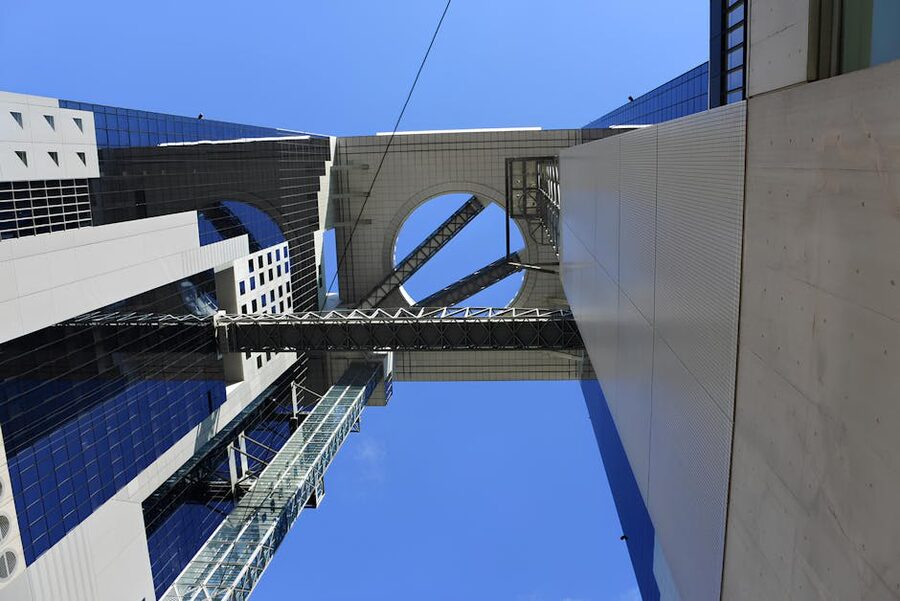
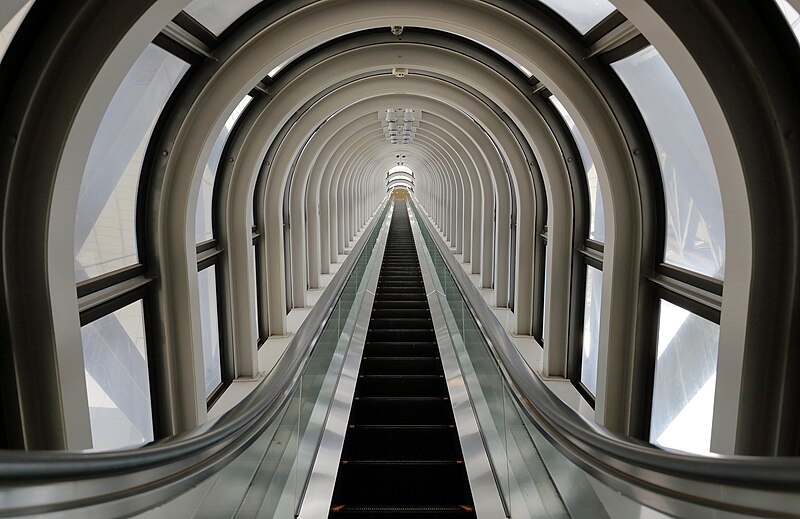
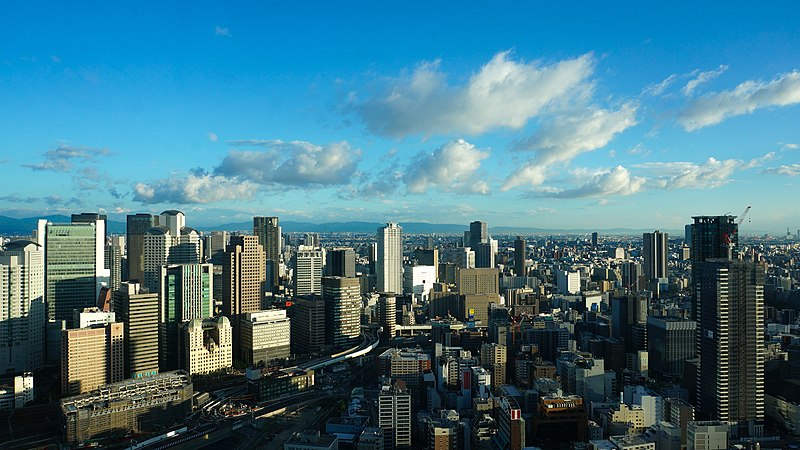
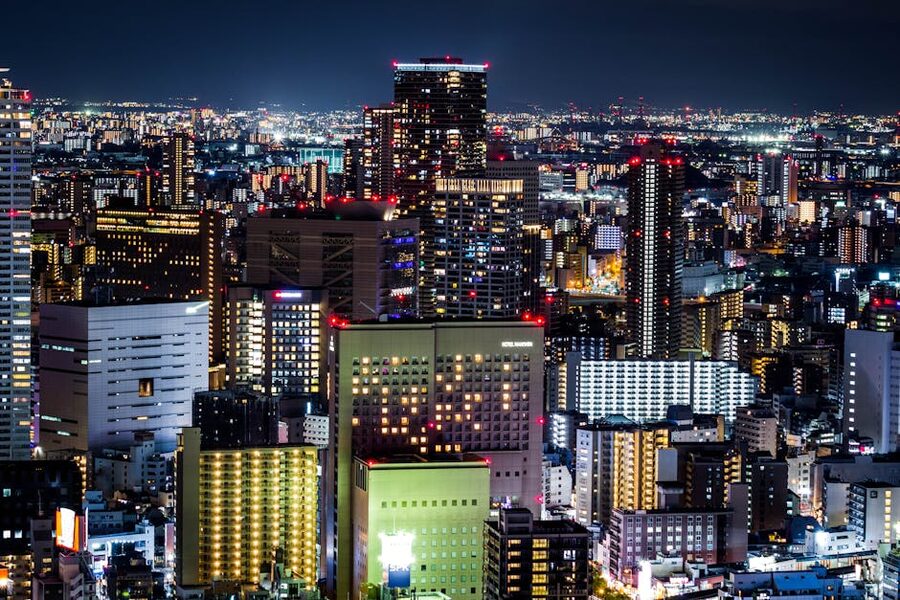
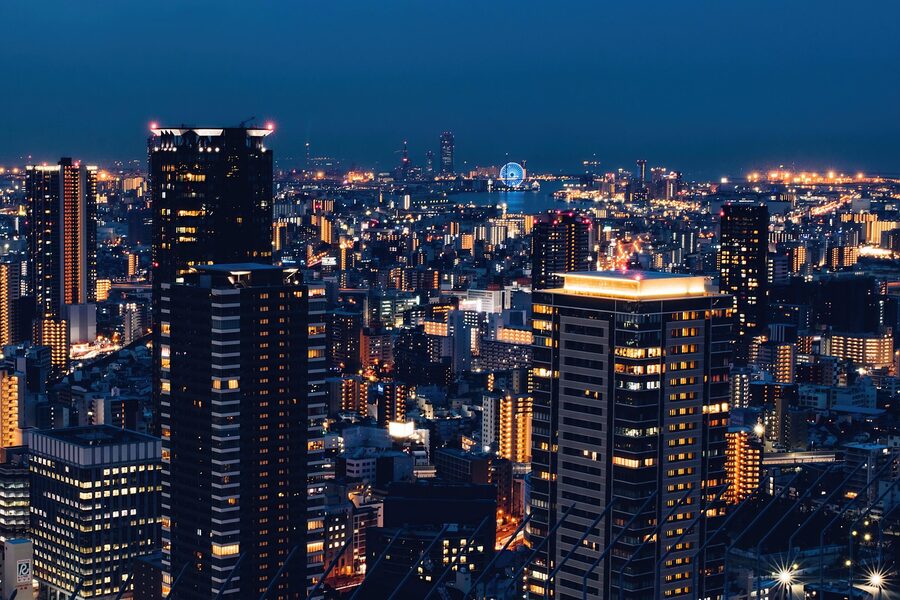
The Umeda Sky Building is Osaka’s most underrated attraction. It’s a 40-floor twin-tower complex connected at the top by a ring-shaped observation deck called the Kuchu Teien — the “Floating Garden Observatory.” From 173 metres up, you get a 360-degree panorama of Osaka, Kobe, and on a clear day, all the way to the mountains.
It’s also way less crowded than Tokyo Skytree. Tickets are $12. You can walk up at 9pm and get a ticket for the next slot.
Short on time? Here are my top picks:
Best value: Umeda Sky Building Official E-Ticket — $12, 1-day validity, 1,131 reviews. Official ticket, skip the counter, go straight to the elevators.
Alternative ticket: Umeda Sky Building Kuchu-Teien Observatory — $16, same access, different booking platform. Handy if GYG is sold out.
Full observatory experience: Discover Osaka’s Iconic Umeda Sky Observation — $14, direct access. Same as the official ticket with slightly different vouchering.
- What You’ll Actually See
- Level 39 — The Glass-Walled Observatory
- Level 40 — The Indoor-Outdoor Ring
- Rooftop — The Lumi Sky Walk
- The 3 Best Umeda Sky Building Tickets
- 1. Umeda Sky Building Official E-Ticket —
- 2. Umeda Sky Building KUCHU-TEIEN Observatory —
- 3. Discover Osaka’s Iconic Umeda Sky Observation —
- The Building That Shouldn’t Exist
- Day vs Sunset vs Night: The Visit Time That Matters
- Umeda Sky vs Tokyo Skytree: What’s the Difference
- Practical Tips
- Getting There
- A Good Osaka Day Ending at Umeda Sky
- More Osaka Experiences
What You’ll Actually See
The observation deck is split into three levels, and each one gives you something different. Skipping any of them is a mistake.
Level 39 — The Glass-Walled Observatory
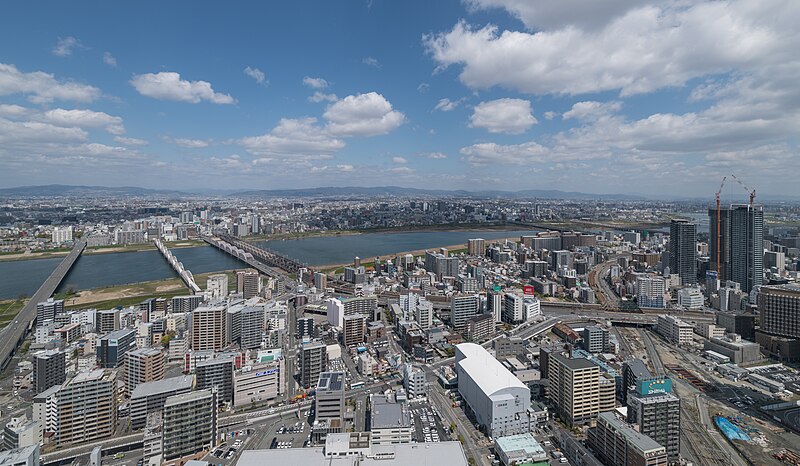
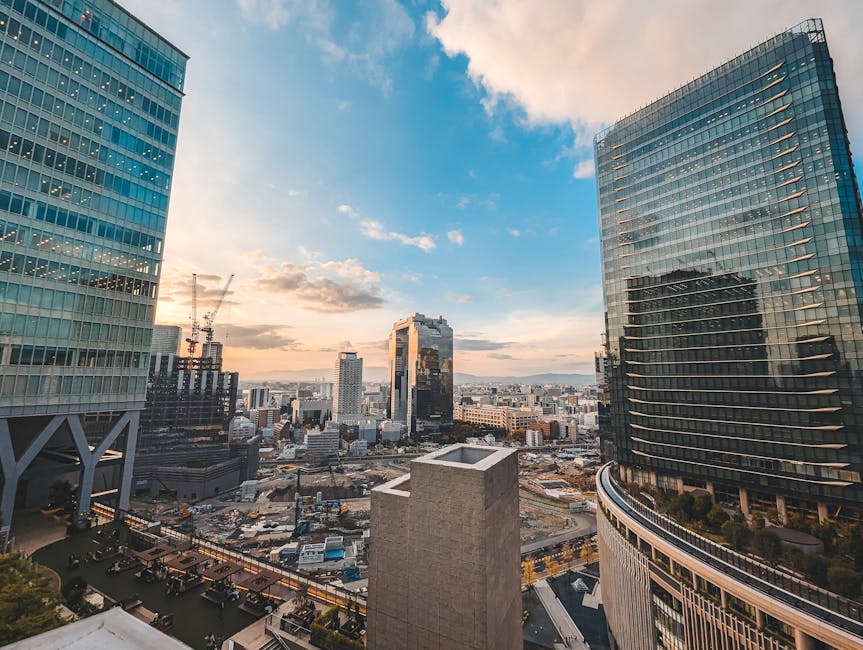
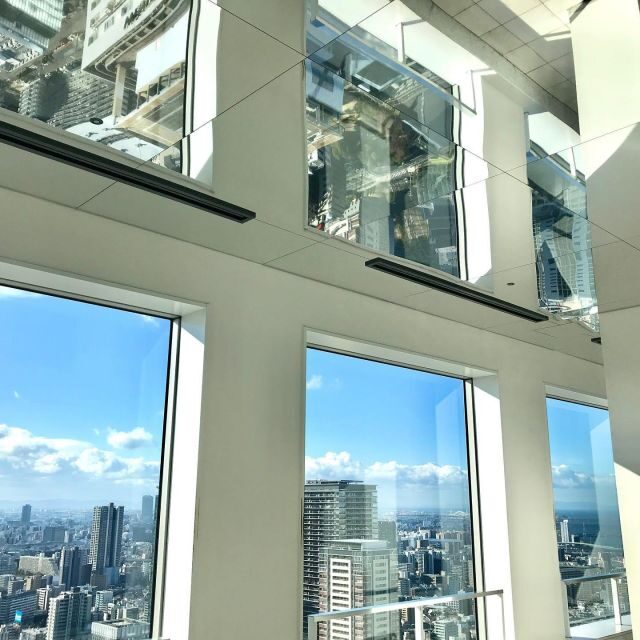
Your ticket takes you to the 39th floor first — the indoor observatory. Huge glass windows, bench seating, and panoramic views from all four sides. This is where you go first to get your bearings before climbing to the rooftop.
The views include: the Yodo River (foreground), the Osaka skyline (everywhere), the Osaka Bay to the west, and the mountains of Ikoma to the east. On a clear day you can see all the way to Kobe.
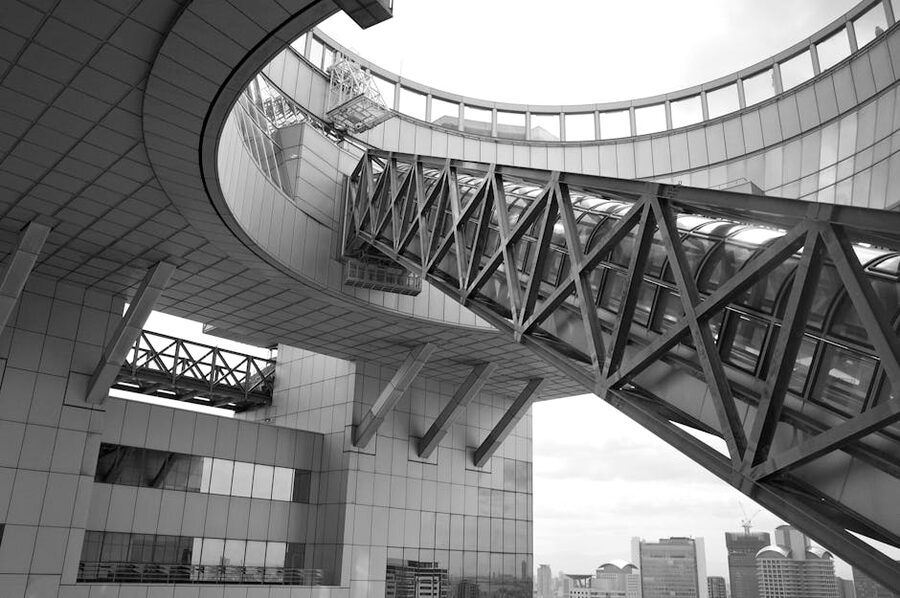
Level 40 — The Indoor-Outdoor Ring
Take the stairs or escalator up one more level and you’re inside the ring. This is where the donut-shape of the building makes sense. You can walk a full 360-degree loop around the central atrium, looking out through glass on one side and into the atrium on the other.
Rooftop — The Lumi Sky Walk
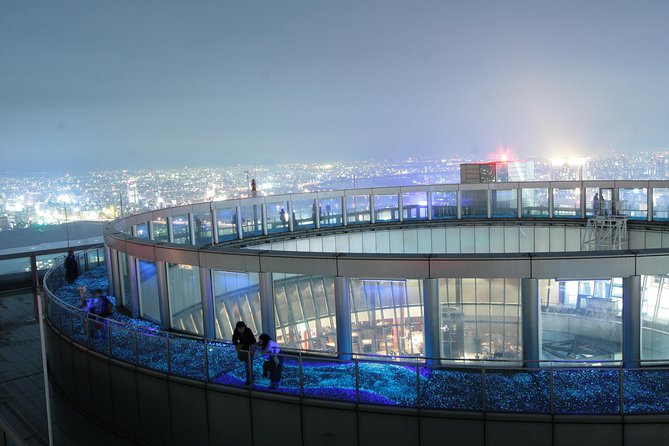
The top level is what makes this different from every other observation tower. It’s fully open-air. No glass. Just a low railing between you and a 173-metre drop.
The floor is embedded with fluorescent stones that glow at night under UV lighting. The effect is that you’re walking on a starfield. Cheesy when you read it, magical when you experience it.
The 3 Best Umeda Sky Building Tickets
1. Umeda Sky Building Official E-Ticket — $12
The official ticket at $12 with 1,131 reviews. Valid any time on your booked date — no fixed slot, just show up between 9:30am and the last admission at 22:00. Nathanael from a recent visit described the view as “otherworldly” and said the city below felt like a silent storm of energy. Our full review covers the booking process and what’s included.
2. Umeda Sky Building KUCHU-TEIEN Observatory — $16
Same observatory, different booking platform. $16 through Viator. Useful if the GYG tickets are sold out on your date, or if you already have a Viator account from other bookings. Same experience at the building itself. Our review compares the two platforms.
3. Discover Osaka’s Iconic Umeda Sky Observation — $14
The third ticket option at $14 via Viator. Same access, same views, different voucher. Handy if you’re booking Umeda Sky alongside other Osaka experiences like Osaka Castle or Universal Studios on the same platform. Our review covers the bundle options.
The Building That Shouldn’t Exist
The Umeda Sky Building wasn’t supposed to be built. That’s the backstory that makes the visit more interesting.
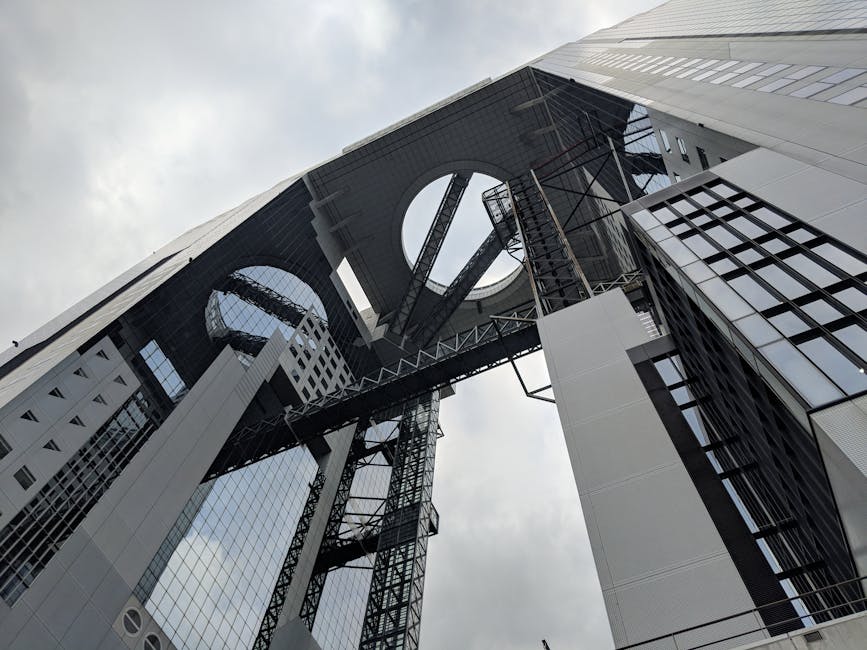
When the architect Hiroshi Hara designed the building in 1988, he wanted to create a vertical city — a structure where a community could live, work, and socialise in a single high-rise complex connected to the sky. The original plan called for four towers joined by a ring garden at the top.
The economic downturn of the early 1990s forced him to scale the vision back. Only two towers were built. But he kept the ring garden, and the completed building opened in 1993 as one of the first “bridge towers” in Japan — two skyscrapers joined at the top by a single architectural element spanning the gap.
The engineering was unprecedented. The ring-shaped observatory at the top was actually assembled at ground level, then lifted into position using massive cranes. You can still see the seams in the structure where the ring meets the towers.
Why this matters when you visit: When you ride the escalator through the gap between the towers, you’re crossing a bridge that was raised by crane from ground level — and when you stand on the rooftop ring, you’re standing on the same assembled structure. The whole thing is a 90s engineering marvel that nobody talks about. Your guide will mention it if you ask. Most visitors walk in, take photos, and walk out without realising.
Day vs Sunset vs Night: The Visit Time That Matters
The Umeda Sky Building is open 9:30am to 10:30pm. Last admission is 22:00. That gives you a 13-hour window. Not all of it is equal.
Daytime (10am-4pm): Best for clear mountain views. On a cloudless day, you can see all the way to Kobe and the Ikoma mountains. The city looks like a model from 170 metres up.
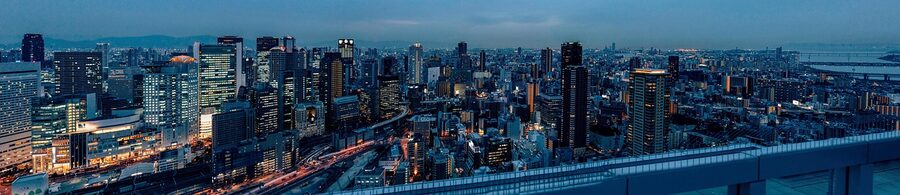
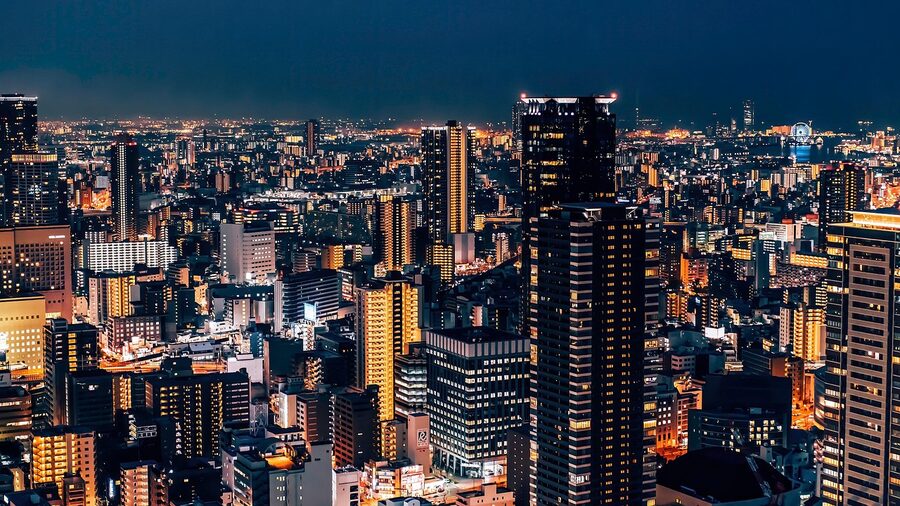
Sunset (60-90 minutes before dark): The money slot. The sky turns orange, then pink, then purple. The building lights switch on around the city as you watch. Most experienced visitors aim for this. Book ahead — this slot fills up.
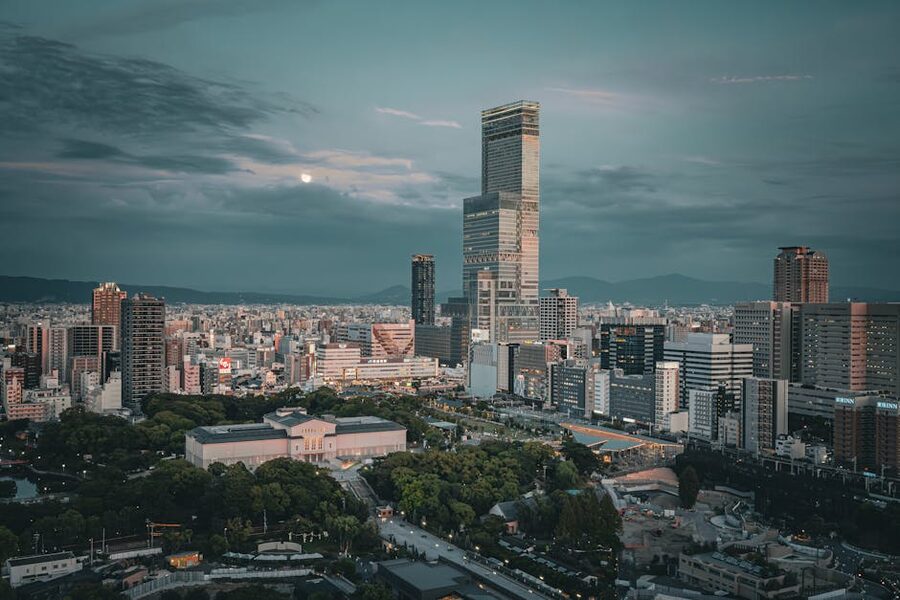
Full night (after dark): Magical in a different way. The city becomes a carpet of lights. The rooftop has UV lighting that makes the floor glow. There are benches for couples. This is when the building earns its reputation as a romantic spot.
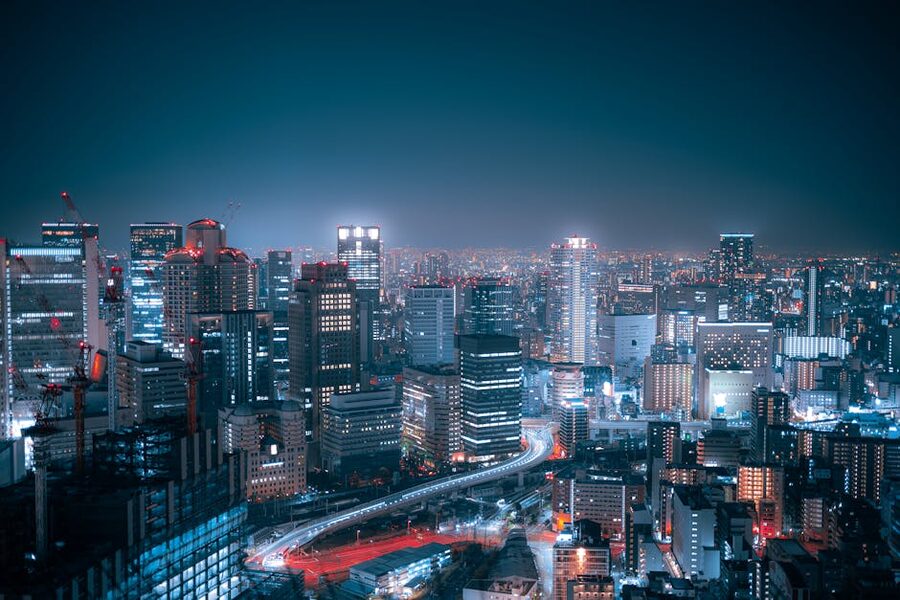
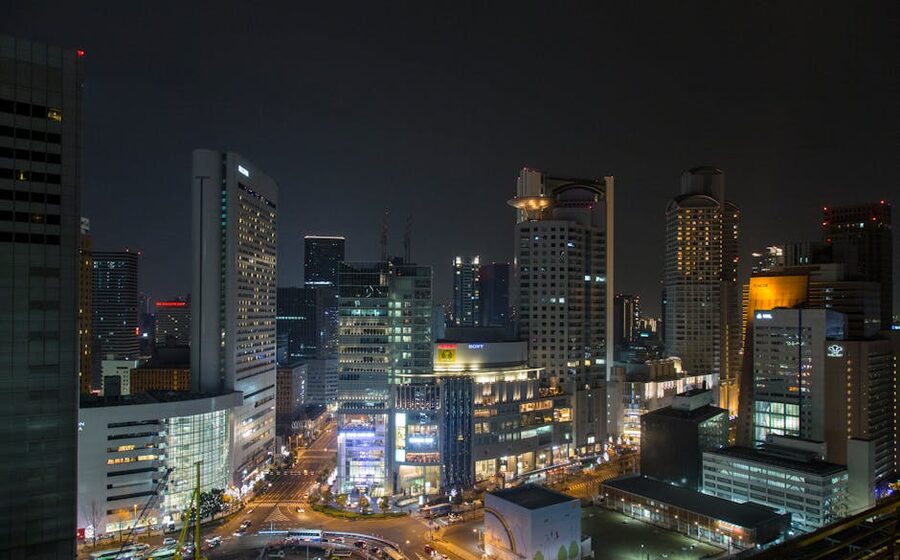
My recommendation: Arrive 60 minutes before sunset. Buy the ticket. Explore level 39 (indoor). Move up to level 40 when the sun starts to drop. Head to the rooftop 15 minutes before sunset. Stay until full dark. You’ll get all three experiences in one visit for the same ticket price.
Umeda Sky vs Tokyo Skytree: What’s the Difference
If you’re doing both Tokyo and Osaka, you’ll probably ask whether the Umeda Sky is worth visiting after you’ve already been up Skytree. Here’s the honest comparison.
Tokyo Skytree: Taller (634m), bigger crowds, more expensive ($30+), fully enclosed observation decks, central Tokyo location, longer queues, more commercial. The view is incredible but sanitised.
Umeda Sky: Shorter (173m), smaller crowds, cheaper ($12), open-air rooftop, distinctive donut design, shorter queues, more atmospheric. The view is smaller but the experience is better.
The single most differentiated feature is the open-air rooftop. At Skytree, you’re behind glass on every level. At Umeda Sky, the top level is open to the sky. You feel the wind, hear the traffic below, and take photos without glare. Architecture nerds and romantics will prefer Umeda. Completists will do both.
Practical Tips
Buy online: Saves 10-15 minutes of queue time at the ticket counter. The GYG e-ticket just requires you to show your QR code at the 39F counter on arrival. No printing needed.
When NOT to go: Rainy days (the rooftop closes in heavy rain). Foggy days (no view). Mondays and holidays (crowds from Universal Studios-related day-trippers).
How long to stay: Plan for 60-90 minutes total. 20 minutes for ticket/elevator, 30-45 minutes at the observation levels, 15 minutes for photos and buying souvenirs on the way down.
Accessibility: The escalator between the towers is the main sticking point — there’s also an elevator option if stairs/escalators aren’t feasible. Ask at the 39F counter.
Food: There’s a restaurant on level 39 (fancy, reservations) and a cafe. Most visitors eat before or after the visit. Nearby options: Grand Front Osaka, the basement food hall at Umeda Station, or the Osaka food tours if you want a guided option.
Underground passage: The building is accessed via a long underground tunnel from Umeda Station. The tunnel is lined with vending machines, interesting lighting, and a few shops. Don’t rush it — it’s part of the experience.
Getting There
From Osaka Station: 10-minute walk through the underground pedestrian network. Look for signs pointing to “Umeda Sky Building” or “Skybuilding.” The tunnel is covered and air-conditioned so rain doesn’t matter.
From Umeda Station (Metro): Exit at “Umeda” station on the Midosuji Line, head to the North Exit, turn left and follow the signs. About 7 minutes on foot.
From Shin-Osaka (Shinkansen): Take JR Osaka Loop Line one stop to Osaka Station, then the 10-minute walk.
From Namba/Dotonbori: Midosuji Line north to Umeda (10 minutes), then walk. You can easily combine Umeda Sky with a Dotonbori river cruise earlier in the day.
A Good Osaka Day Ending at Umeda Sky
Here’s the Osaka day that ends with Umeda Sky at sunset — the sequence that works best.
Morning: Osaka Castle — the historical counterpoint to Umeda Sky. One is 400 years old, the other is 30. Both are essential.
Late morning: Osaka food tour or Kuromon Market. Osaka’s street food game is unbeatable.
Afternoon: Osaka walking tour through Namba and Shinsekai. See the city at street level before you see it from the sky.
Early evening: Dotonbori river cruise at 5pm. The Glico Man comes on as the sun starts dropping.
Sunset: Umeda Sky Building. Arrive 60 minutes before sunset. Stay until full dark.
Night: Osaka backstreet night tour or bar hopping. The view was the setup. The food and drinks are the payoff.
More Osaka Experiences
Umeda Sky is one of the three essential Osaka stops (along with Osaka Castle and Dotonbori). From here, you can build an entire Osaka itinerary. The food tours cover takoyaki, okonomiyaki, and the backstreet kitchens. The backstreet night tour takes you into the hidden izakaya and bar scenes. For something completely different, the teamLab Botanical Garden turns nature into digital art after dark. If you’re doing a day trip, Nara’s deer park and temples are 45 minutes east. And if you want to see Osaka’s party district from both angles, pair the Umeda view with a Dotonbori bar hopping tour — top-down and street-level in one day.