
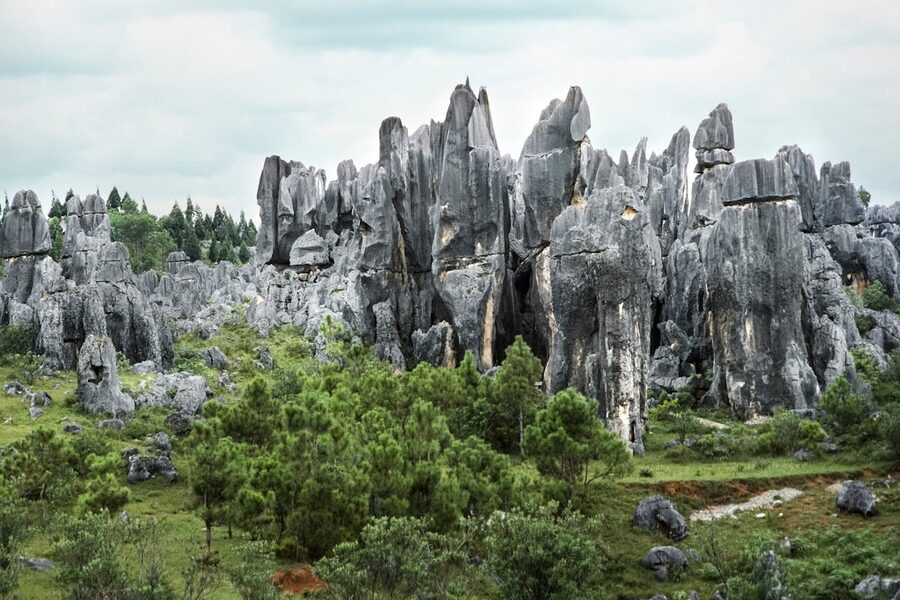
Kilim Karst Geoforest Park is a UNESCO Global Geopark, and the limestone cliffs rising out of its mangrove channels are roughly 550 million years old. That’s older than dinosaurs, older than most of the continents in their current shape, older than flowers. When you boat through those canyons, you’re sliding past rock that was already ancient when life first crawled onto land.
I tell you this upfront because most people book a Langkawi mangrove tour expecting “a nice boat ride,” and the tour operators rarely lead with the geology. The eagle feeding is fun, the bats are atmospheric, the seafood lunch is usually decent. But the reason this park earned Southeast Asia’s first UNESCO Geopark status in 2007 is those cliffs. Once you see them that way, the whole tour changes.
Here’s how to actually book one, which of the three tour formats I’d pick depending on your budget and stamina, and what nobody tells you about the bat cave before you duck inside.
- Why Kilim Is Different From Every Other Mangrove Tour in Asia
- The 3 Best Kilim Mangrove Tours — How to Pick
- 1. Langkawi 6-Hour Kilim Mangrove Boat Tour with Lunch and Pickup
- 2. Sharing Basis Half-Day Mangrove Safari Boat Tour in Langkawi
- 3. Langkawi Mangrove River Cruise Sharing (3 Hours)
- What Actually Happens on the Tour (Stop-by-Stop)
- The Jetty and the Departure
- Into the Mangroves and the Macaque Family
- Eagle Feeding (The Touristy Part)
- Gorilla Mountain and the Limestone Corridors
- The Bat Cave (Gua Kelawar)
- The Fish Farm and Seafood Stop
- The Andaman Sea Burst
- How Much Does It Actually Cost?
- What to Bring
- When to Go
- How Does This Compare to Other Langkawi Activities?
- The Booking Logistics
- A Few Honest Caveats
- Related Southeast Asia Booking Guides
- Final Take
Why Kilim Is Different From Every Other Mangrove Tour in Asia
I’ve done mangrove tours in Thailand, Vietnam, the Philippines, and a couple of spots in Borneo. Kilim is the outlier, and it’s because of the geology. Most mangrove ecosystems sit on flat, muddy coast — you cruise through tree tunnels and that’s the experience. At Kilim, the mangroves grow at the base of towering limestone karst cliffs that form a Jurassic Park-style river canyon. The scale of it is the thing.
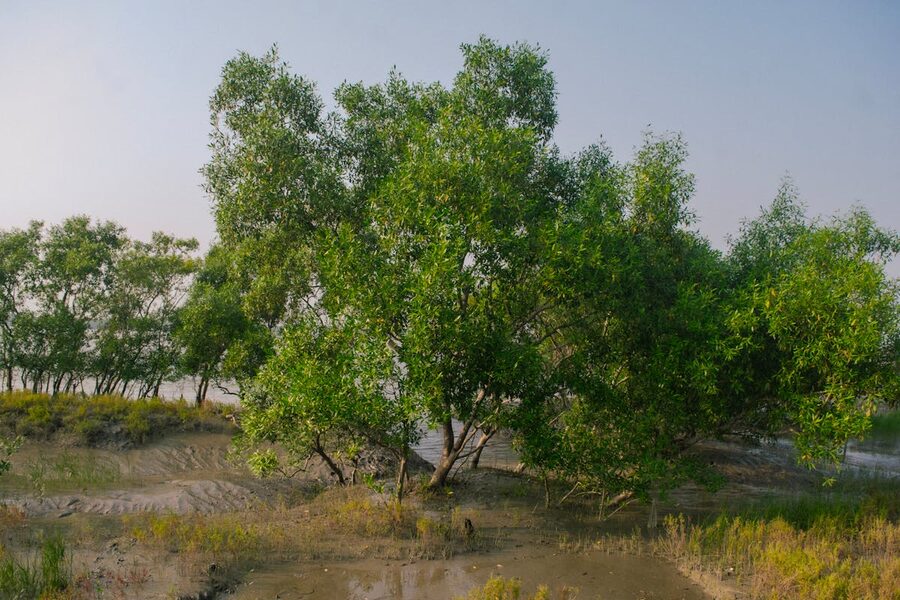
The park covers roughly 100 square kilometers along the northeast coast of Langkawi’s main island. Inside, you get three distinct ecosystems stacked on top of each other: the mangrove forest at water level, the limestone caves where bats and swiftlets nest, and the dryland rainforest clinging to the cliff tops. A good guide will point out which is which as you move through the channels.
The UNESCO designation matters for one practical reason: the park is protected. Boat traffic is regulated, fishing is limited inside the core zone, and the bat cave has a managed walkway so you can’t just wander in and flash-photograph the roosting colonies to death. It’s not perfect — I’ll come back to what’s a bit too touristy later — but it’s noticeably better-managed than a lot of other mangrove zones I’ve been in.
The 3 Best Kilim Mangrove Tours — How to Pick
There are dozens of Kilim boat tours on the booking sites, and the differences between them are subtle but important. I’ve filtered it down to three that actually deliver different experiences: a full-day with lunch, a half-day safari, and a budget 3-hour cruise. Pick based on how much time you have and how much you want to do.
1. Langkawi 6-Hour Kilim Mangrove Boat Tour with Lunch and Pickup
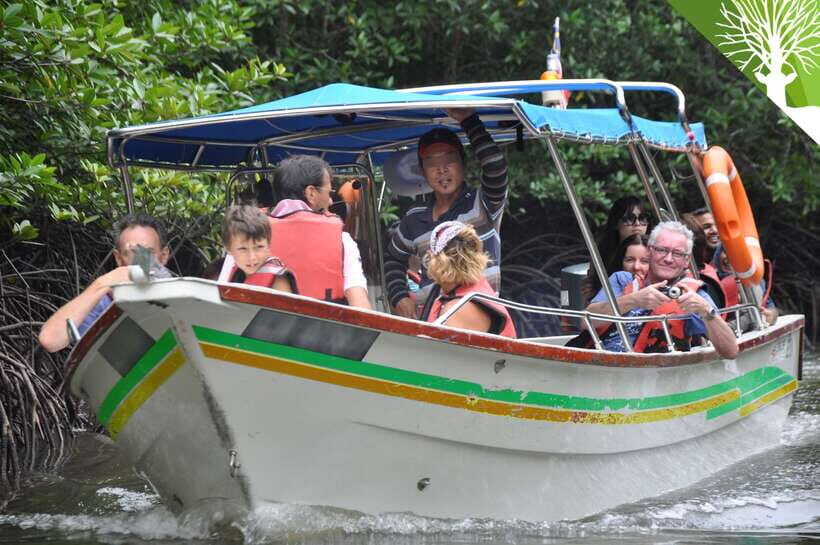
This is my top pick if you only do one Langkawi activity and want to actually see the park properly. You get hotel pickup from anywhere on the island, a shared boat with a knowledgeable guide, all the key stops (eagle watching, monkey rocks, bat cave, Gorilla Mountain, the fish farm), and a proper sit-down seafood lunch built into the schedule.
The 5-hour window means your boat driver doesn’t need to rush you through the good bits, which is the single biggest mistake cheaper tours make.
The guides on this one earn their reviews. I’ve read through dozens of recent write-ups and the same couple of names keep coming up — Sara gets mentioned repeatedly as the standout guide, and the English-language explanations are much better than the regional average. That matters more than you’d think in a UNESCO park where the geology story is the whole point.
Book it if: you want the full experience without any logistical headaches, and you care about understanding what you’re looking at.
2. Sharing Basis Half-Day Mangrove Safari Boat Tour in Langkawi
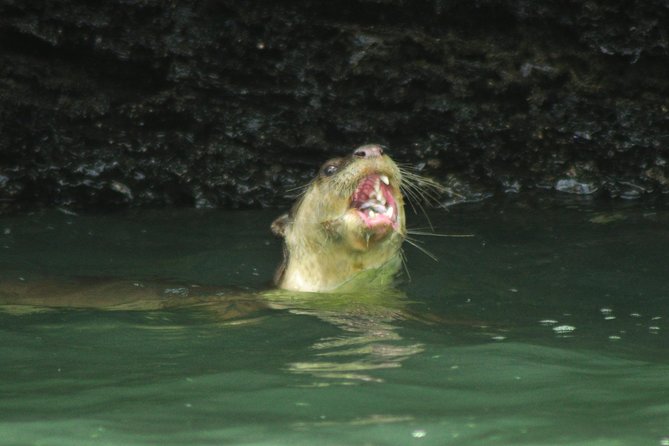
The flawless 5-star rating on this one is real — I checked the reviews line by line looking for the usual “great but…” critiques, and they barely exist. What you’re trading for that quality is scheduling flexibility: this is a half-day shared tour, so you’re locked into a set itinerary and a set pickup window. But within those limits, it runs beautifully.
The boat itself tends to be smaller and less crowded than the full-day equivalent, which means better photography angles and an easier time hearing the guide. You still hit the bat cave, the eagle feeding, and the fish farm stop, but the pacing is a bit more relaxed because the half-day format forces the operator to trim the padding. The downside: no proper sit-down lunch, just snacks at the fish farm if you want them.
Book it if: you’re ticking Kilim off as part of a packed Langkawi itinerary and want maximum value per hour. The $38 price undercuts most full-day equivalents once you factor out the lunch cost.
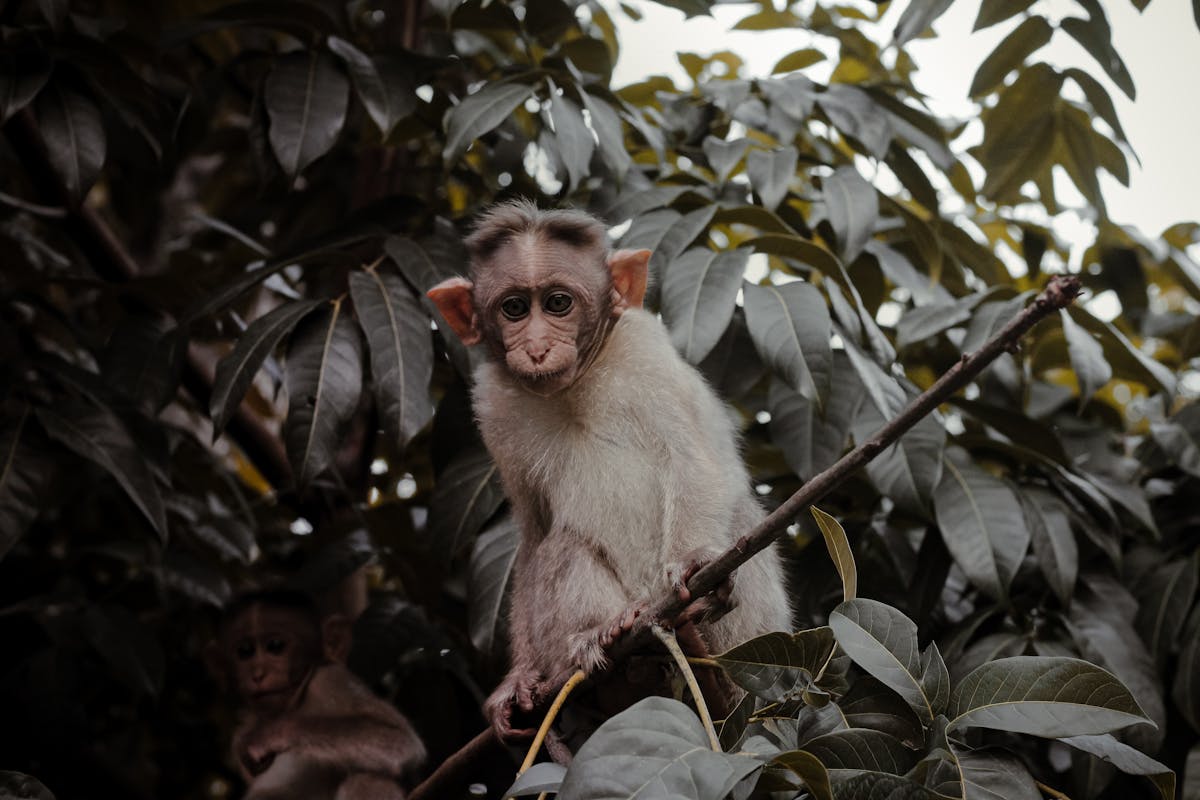
3. Langkawi Mangrove River Cruise Sharing (3 Hours)
Budget option, and honestly it’s a very respectable one at $18. The 3-hour window means you’ll move faster between stops, you might skip one or two of the minor ones, and you won’t get a proper meal — but the core Kilim experience (the canyons, the bat cave, the eagles, the karst scenery) is all here. This is the tour I’d book for travellers who’ve already done a bunch of boat tours in Southeast Asia and just want the Langkawi highlights without the all-day commitment.
Recent reviews specifically mention clean, newer boats with proper cushioned seats — not a given in this price bracket. The eagle feeding stop can get crowded because several budget operators cluster at the same spot, so don’t expect a pristine wildlife experience there. The mangrove channels themselves are still wonderfully quiet.
Book it if: you’re a budget traveler, you’ve got a tight Langkawi schedule, or you’re just not sure you want to commit a full day to this and want a taste first.
What Actually Happens on the Tour (Stop-by-Stop)
Most Kilim tours follow a near-identical itinerary, though some operators run it in reverse depending on tide and weather. Here’s what you’ll see, roughly in order, and what to pay attention to at each stop.
The Jetty and the Departure
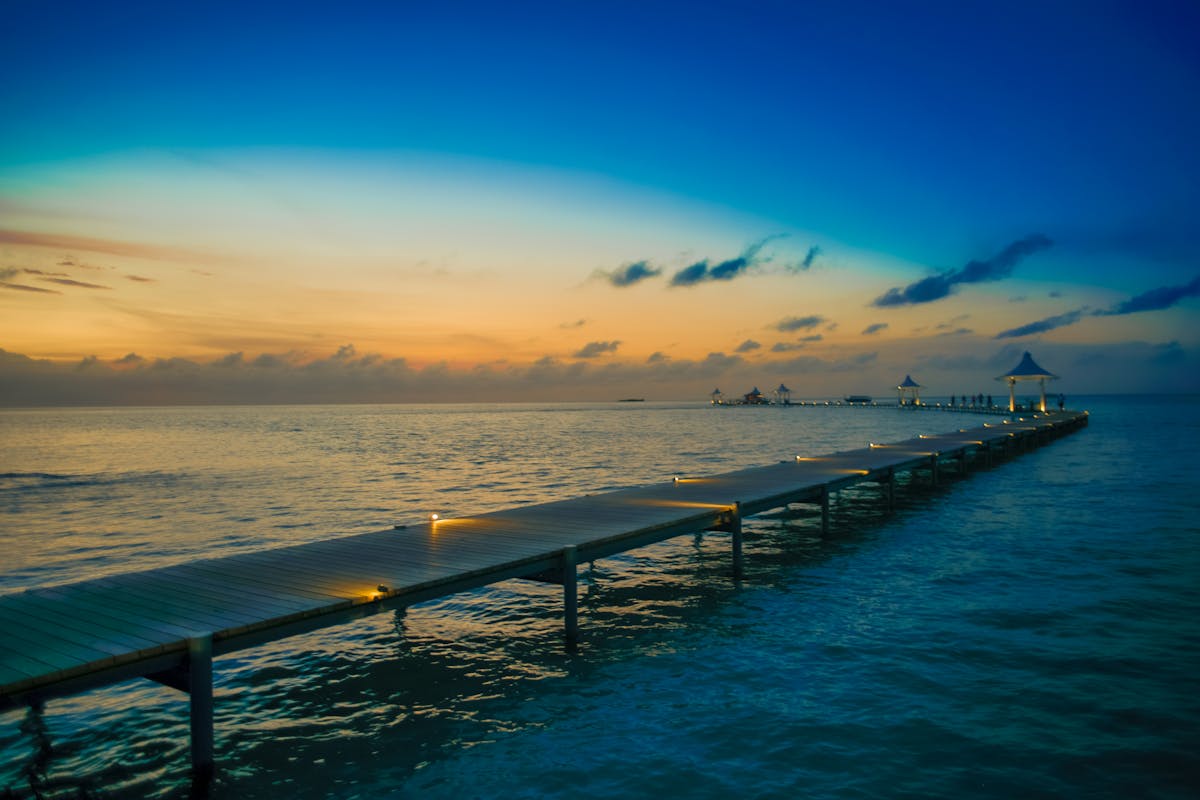
Tours depart from a cluster of jetties along the northeast coast of Langkawi Island. The main one is Tanjung Rhu, but different operators use different launch points depending on their boat allocation. If you’re on a pickup tour like my top pick above, this is handled for you — you get in a van and they deliver you to the right boat.
If you’ve booked a no-pickup option, budget at least 45 minutes from Pantai Cenang or Kuah to reach the jetty by Grab or taxi, more in heavy traffic.
The jetty itself tends to look chaotic. Multiple boats, multiple operators, and a lot of people standing around looking confused. Show your booking confirmation to any staff member and they’ll point you to the right boat. Once you’re on it, the confusion ends — the drivers are relaxed and the pace immediately drops.
Into the Mangroves and the Macaque Family
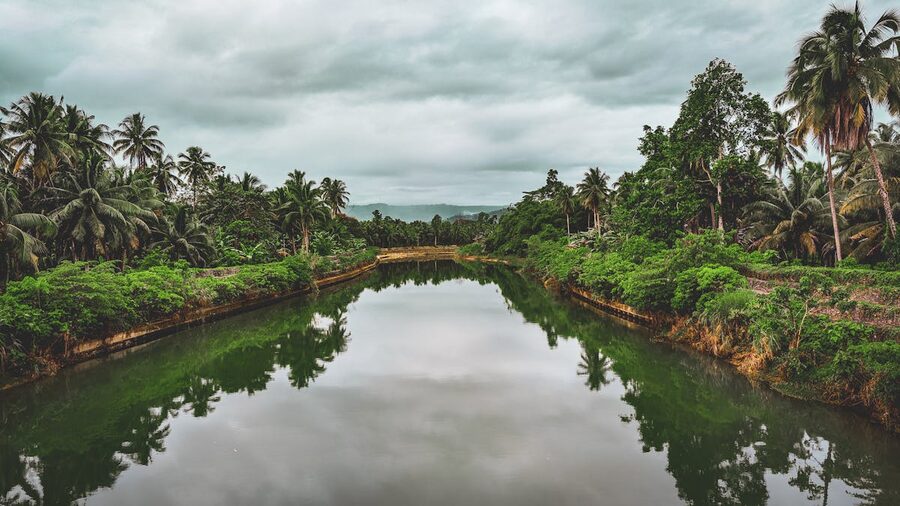
Within the first ten minutes, the boat turns off the main channel and into the mangrove tunnels. The transition is abrupt — one minute you’re in open water, the next you’re in a green corridor with branches arching overhead and the engine throttled down to a whisper. This is where most tours spot the resident macaque family. They live on a specific rocky outcrop and are so habituated to boats that they barely look up.
Feeding them is discouraged but not always enforced. If your guide starts tossing fruit at them, it’s not a sign of a good tour — it’s a sign they’re cutting corners. The best guides will keep the boat back at a respectful distance and let you watch the family do whatever they’re actually doing that morning, which might be grooming, arguing, or simply lounging. Keep your phone and snacks zipped inside a bag; macaques will leap into boats if given an opening.
Eagle Feeding (The Touristy Part)
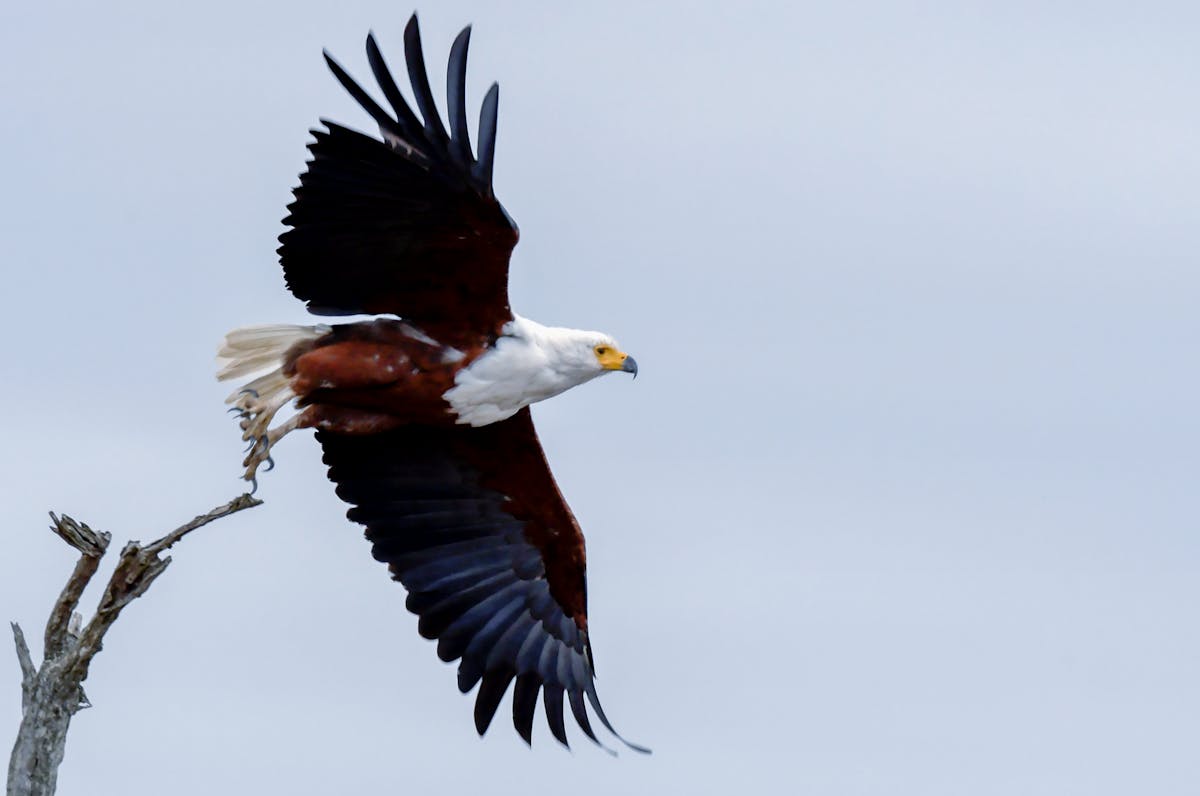
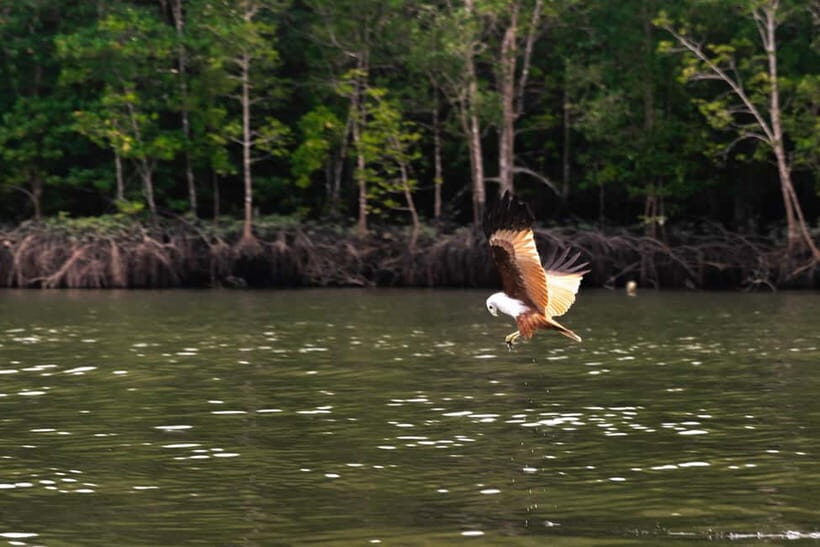
I’ll be blunt about this stop because no one else is: the eagle feeding is a show. The boats circle a specific section of water and the drivers throw chicken scraps in, which attracts brahminy kites and white-bellied sea eagles that have learned over years that this is where easy lunch comes from. It’s photogenic and the birds are genuinely wild, but the behavior is entirely conditioned.
Is it worth it? Yes, with caveats. The birds are beautiful, the dives are dramatic, and the whole operation takes maybe 15 minutes. But if you’re the kind of traveler who prefers genuinely wild wildlife sightings over baited spectacles, you’ll feel a bit complicit. The good news: some operators are moving away from the chicken scraps and instead bring you to a zone where eagles naturally hunt. Ask before booking if it matters to you.
For context, this is the exact same debate that plays out at tiger cave visits, elephant interactions, and similar stops across the region. If you want the fully natural version of Southeast Asian wildlife, you’re looking at multi-day trips into proper rainforest reserves, not half-day boat tours.
Gorilla Mountain and the Limestone Corridors
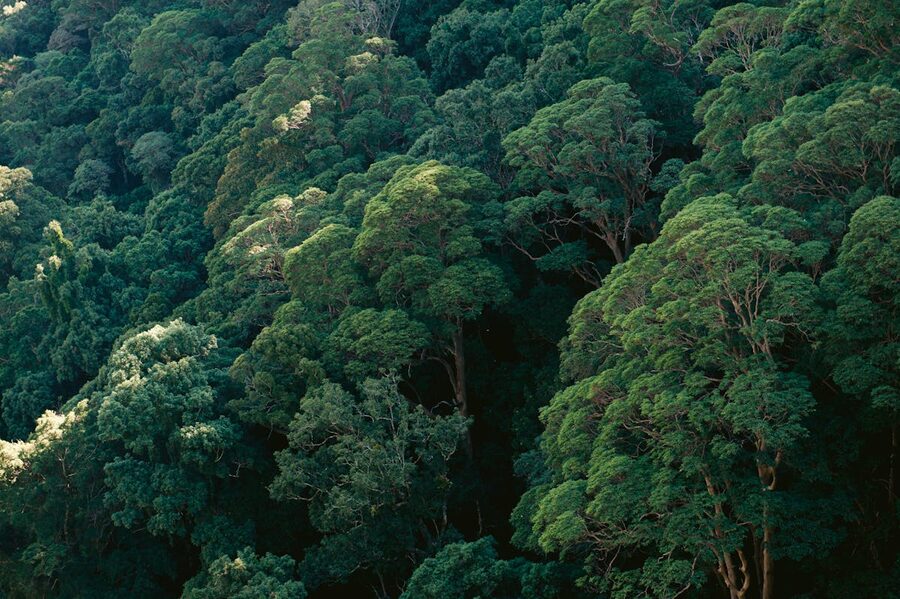
Somewhere around the midpoint of the tour, the boat will round a bend and you’ll see Gorilla Mountain. It’s a limestone formation that, from exactly the right angle, looks uncannily like a great ape sitting on its haunches watching the river. I’ve seen plenty of “animal rock” formations around the world that need a stretch of imagination — this one doesn’t. It’s weirdly convincing.
Just past Gorilla Mountain, the channels narrow and the cliffs close in overhead. This is the geological highlight of the tour and the reason I spent the first two paragraphs of this article on the 550-million-year number. The rock here formed in the Cambrian period, when the first hard-shelled life was evolving in shallow seas. Trilobites were the apex predators. There were no vertebrates.
There was nothing on land. The limestone you’re drifting past was laid down on a seafloor that no longer exists, then lifted, folded, and sculpted over half a billion years into the towers you’re seeing now.
Take your time in this stretch. Put the phone down for a minute. It’s the only part of the tour that can’t be replicated anywhere else in Southeast Asia.
The Bat Cave (Gua Kelawar)
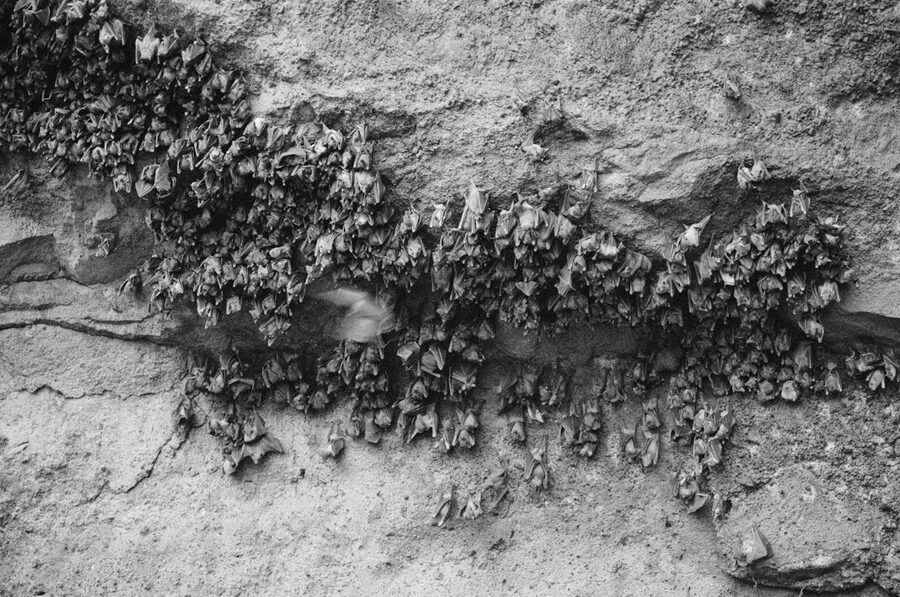
Gua Kelawar, the bat cave, is the other marquee stop. There’s a small separate entrance fee (about RM2 for adults, RM1 for kids under 12) and torch rental for another RM1. Pay for the torch. The cave is genuinely dark and the bats are clinging to the roof above the walkway — without a light you’ll see vague shapes and nothing else.
The walkway is purpose-built and runs about 20 meters through the main chamber. At low tide you can complete a small loop; at high tide you’ll go in, see the main gallery, and come back out the same way. The bats themselves are fruit bats (not vampires, not the scary kind) and they’re mostly sleeping during the day. Don’t flash-photograph them — beyond being obnoxious, it actually disturbs the colony and makes them waste energy.
The cave can get crowded if your tour coincides with another group. If that happens, hang back for five minutes, let the other group clear out, and then go in. You’ll have the whole chamber to yourself. This is one of those small tricks that separates a great tour experience from a rushed one.
The Fish Farm and Seafood Stop
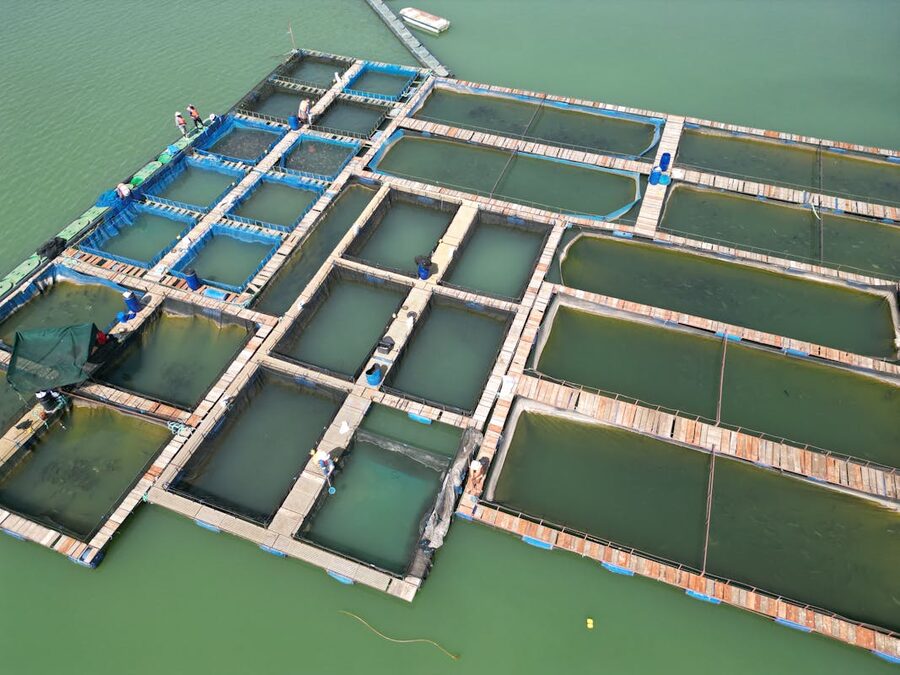
Most tours stop at a floating fish farm where the family running it will walk you through the different species they raise — various snapper, grouper, horseshoe crabs, and usually a stingray in a small touch pen. It’s part education, part lunch venue. If you’re on the full-day tour, this is where your included meal happens. If you’re on a shorter tour, you can buy drinks and snacks here and watch the water from the balcony.
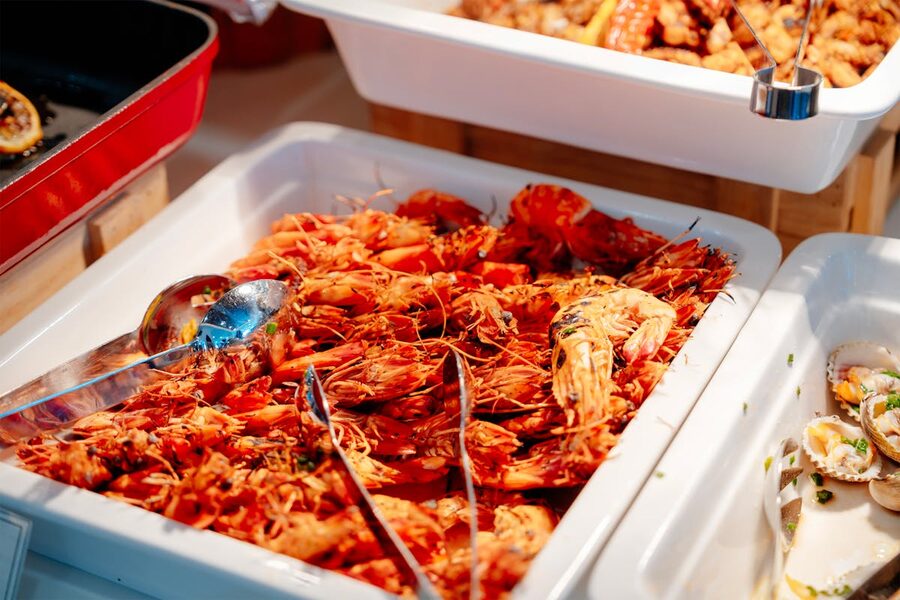
The food quality varies by operator. The 6-hour tour I recommended above consistently comes back with good reviews for the lunch — fresh fish, Malay curry, rice, vegetables, fruit. The short tours that stop here for drinks only are a coin flip. One small tip: if you have the option, order the squid. It’s usually fresher than the fish, which has often been sitting in the pens for a while.
The Andaman Sea Burst
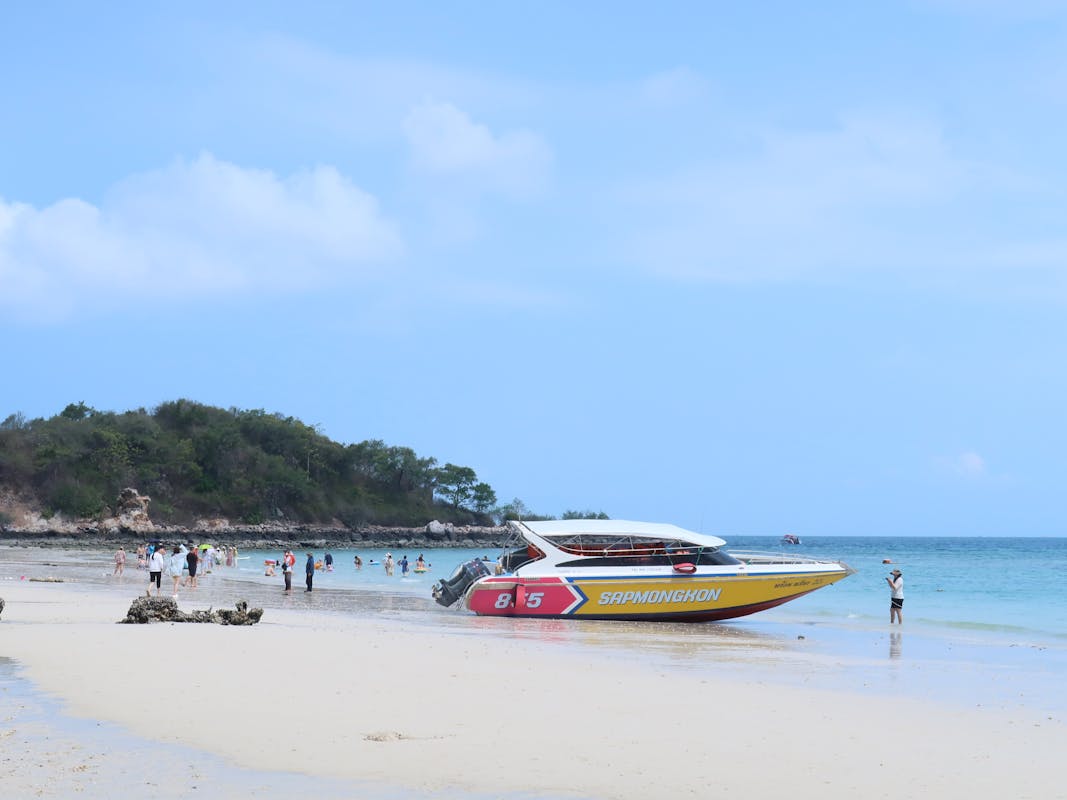
The final leg of most tours takes you out of the mangroves and into the open Andaman Sea for a short speedboat run. On a clear day, you can see the Thai islands of the Tarutao archipelago on the northern horizon. They’re close enough that my phone has switched to Thai cell networks before. It’s a fitting end to the tour — the quiet of the canyons giving way to the open ocean, with nothing between you and the Indian Ocean.
In bad weather, this section is rougher than you’d expect. If you’re prone to seasickness, mention it to your guide before boarding so they can adjust the route. Most operators will skip the open-sea burst entirely if the waves are too high, and instead loop back through quieter channels.
How Much Does It Actually Cost?
Pricing for Langkawi mangrove tours breaks into rough tiers:
- Budget (around $15–25 per person): 3-hour shared cruises, no pickup, no lunch. Good for quick visits.
- Mid-range (around $35–50 per person): Half-day to full-day shared tours with a guide, bat cave entry, and sometimes lunch. This is the sweet spot for most travellers.
- Premium/private (around $150–300 for a small group): Private boat, private driver, fully customizable itinerary. Worth it if you’re with a family or small group and want to set your own pace at the bat cave and monkey stops.
The three tours I’ve recommended above cover the budget and mid-range tiers. For the private option, you’ll usually need to book directly with Langkawi-based operators or through Klook’s private tour listings — they’re harder to pre-book but worth it for families with kids.
Add maybe RM5–10 per person for the bat cave entry and torch rental (most tours include this, but double-check). If you’re doing a short tour that doesn’t include lunch, budget another RM30–50 if you want to eat at the fish farm.
What to Bring
Pack like you’re going on a boat in a tropical rainforest, because that’s exactly what this is:
- Sunscreen and a hat — the boats have shade for part of the ride but not all of it, and the sun between the cliffs bounces hard.
- Insect repellent — the mangroves have mosquitoes, especially around dawn and dusk tours.
- A light rain jacket — tropical squalls arrive fast and leave fast. If you have a packable shell, bring it.
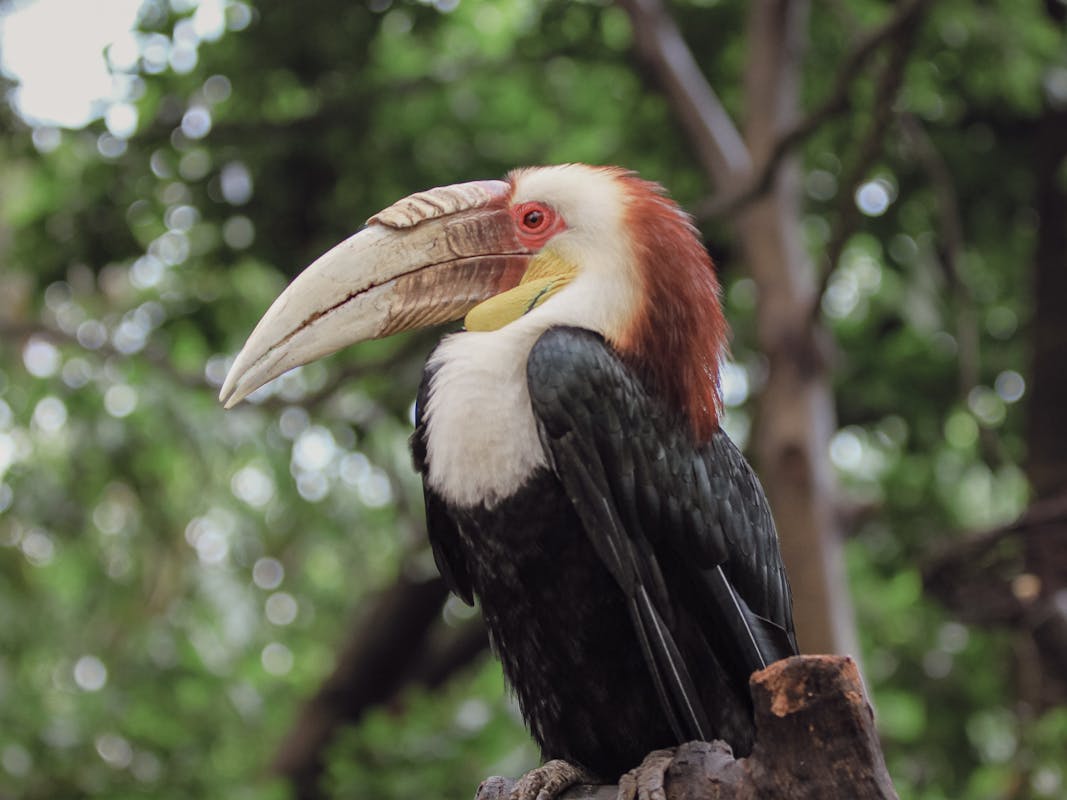
- Binoculars — optional but wonderful for the eagles, hornbills, and the occasional kingfisher.
- Cash in small denominations — for the bat cave entry, torch rental, and any drinks or snacks at the fish farm. RM50 in small notes is plenty.
- Camera with zoom — phone cameras work for the scenery but struggle with the wildlife. A mid-range zoom makes a huge difference for the eagle feeding stop.
- Closed shoes or sandals that stay on your feet — the bat cave walkway gets slippery.
Skip: full backpacks (they’re awkward on the boat), anything valuable you’d hate to drop in saltwater, and loose jewelry.
When to Go
Langkawi has a dry-wet split, not a proper four-season pattern. The dry season runs roughly November through April, with February through April being the most reliable. During the wet season (May to October, with September and October being the wettest), tours still run most days but you’re more likely to hit a squall mid-tour. The bat cave is also sometimes inaccessible if the water level is too high.
For the best light on the limestone cliffs, book a morning tour departing around 9am. The cliffs face into the sun at that hour and the colors are spectacular. Afternoon tours get more haze, especially in the dry season when Indonesian agricultural burning drifts across the region. Sunset tours sound great in theory but the bat cave is much less interesting in low light, so I wouldn’t prioritize one.
How Does This Compare to Other Langkawi Activities?
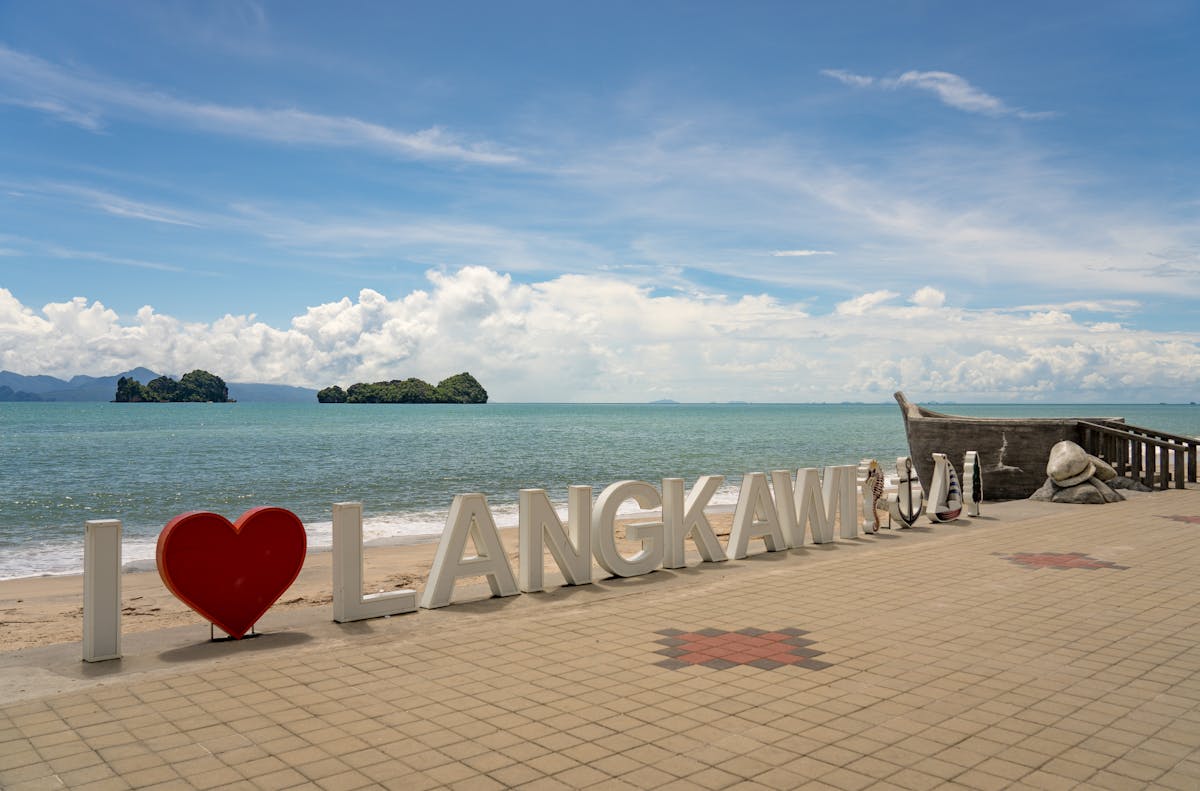
People usually ask how the Kilim tour compares to the other two big Langkawi experiences: island hopping and the SkyCab cable car at Gunung Mat Cincang. Honest assessment based on the traveler you are:
Kilim vs. Island Hopping: The classic island hopping tour hits three small islands, a freshwater lake, and an eagle feeding stop. It’s a sea day, with more beach time and swimming. Kilim is a river day, with more wildlife and more geology. If you only have time for one, I’d do Kilim — the UNESCO protection and the karst scenery make it more unusual. Island hopping is the one you can substitute with any number of other Southeast Asian trips.
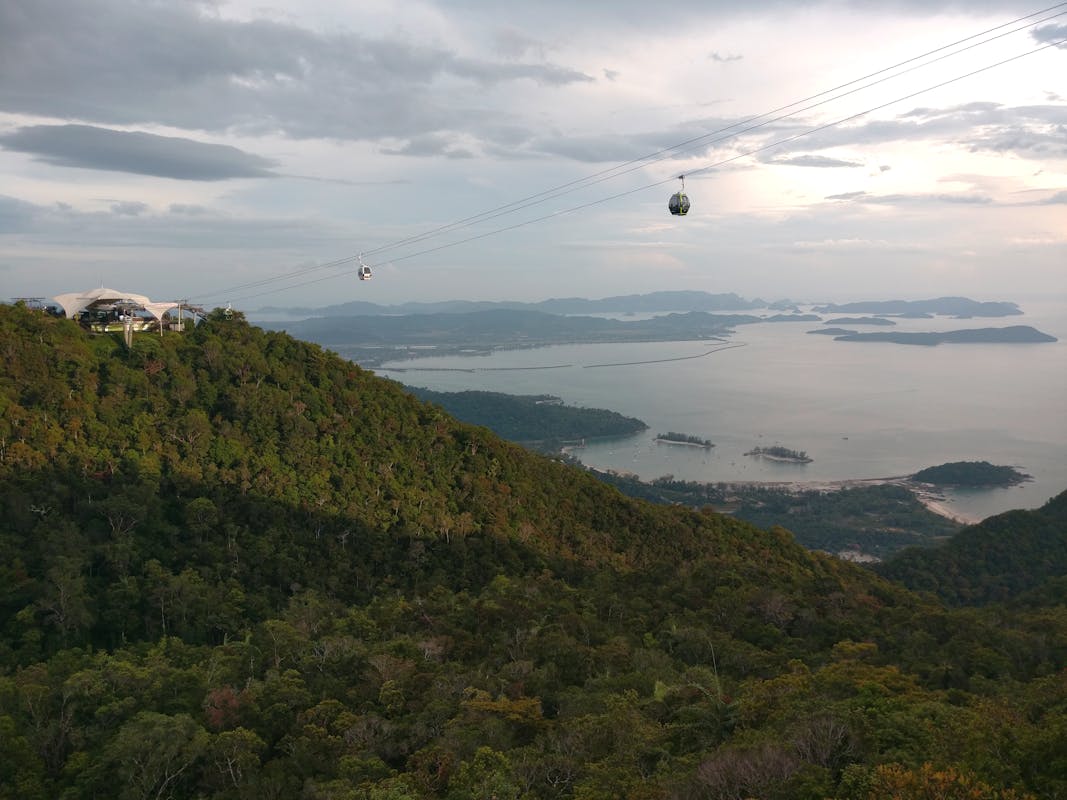
Kilim vs. the SkyCab: The cable car at Gunung Mat Cincang is incredible (one of the steepest cable cars in the world, stunning views from the top), but it’s a 2-hour activity, not a full day. It pairs well with Kilim — do the SkyCab in the morning and Kilim in the afternoon, or vice versa.
If you have three days on Langkawi, a solid plan is: day 1 Kilim mangrove tour, day 2 SkyCab and beach, day 3 island hopping. That’s the island fully covered and no activity repeats the same experience.
The Booking Logistics
All three tours I’ve recommended are bookable directly through GetYourGuide or Viator. Both platforms let you pay in your home currency, cancel up to 24 hours before with a full refund on most listings, and ask questions through their message system before you commit. I’d book 2–3 days in advance in high season (December–March) and maybe 1 day ahead in low season — there’s usually availability but the best operators sell out.
Avoid booking tours at the hotel desk when you arrive. The hotel commissions push prices up 30–50% above the online rates, and you don’t get the review feedback loop that protects you from the worst operators. The one exception: if you want a private tour and the online private listings are sold out, the hotel desk sometimes has relationships with small local operators who aren’t on the booking platforms.
Skip unlicensed touts at the jetty. They’ll approach you with “same tour cheaper” pitches — what you actually get is a boat with no guide, no insurance, and no set itinerary. Save yourself the argument.
A Few Honest Caveats
I’ve recommended Kilim warmly in this article because I think it deserves it, but it’s worth being clear about the downsides so you go in with realistic expectations:
- The eagle feeding is baited, not natural. If you’re a purist about wildlife ethics, this will bug you.
- The bat cave gets crowded around peak hours (10–11am). You may queue briefly for the narrow walkway.
- The fish farm stop feels touristy — fine if you’re hungry, mildly annoying if you’re not.
- Shared boats can be cramped if the operator oversells. The best tours cap at 10–12 passengers; budget options sometimes pack 20+ onto the same hull.
- The geology is under-explained on many tours. If a proper understanding of what the park actually is matters to you, brief yourself before you go (the Kilim Geoforest Park official site has decent materials).
None of these are dealbreakers. They’re just the things that a marketing brochure won’t mention.
Related Southeast Asia Booking Guides
Planning a broader trip? Here are a few related guides from this site that pair naturally with a Langkawi visit:
- How to Book a Batu Caves Tour From Kuala Lumpur — the other UNESCO-adjacent site most visitors combine with Langkawi
- How to Book a Malacca Day Trip from Kuala Lumpur — Malaysia’s other UNESCO World Heritage Site, on the opposite coast
- How to Book a Cameron Highlands Day Trip from Kuala Lumpur — the cool-weather counterpoint to Langkawi’s coast
- How to Book a Kuala Lumpur Street Food Tour — the food tour to pair with your Langkawi nights
- How to Book Petronas Twin Towers Tickets in Kuala Lumpur — for the KL stopover most Langkawi travellers add
- Kulen Mountain Waterfall Tour in Siem Reap — another UNESCO-adjacent natural site for the regional traveler
- How to Book a Kampong Phluk Floating Village Tour from Siem Reap — another Southeast Asian boat-through-mangroves experience for comparison
- How to Book an Angkor Wat Sunrise Tour from Siem Reap — if you’re continuing the UNESCO circuit
- Jeju Island Day Tours: UNESCO Waterfalls and Coastal Trips — East Asia’s closest equivalent geopark experience
- How to Book an Old Delhi Food and Heritage Walk — the food-tour pairing for a broader Asia trip
Final Take
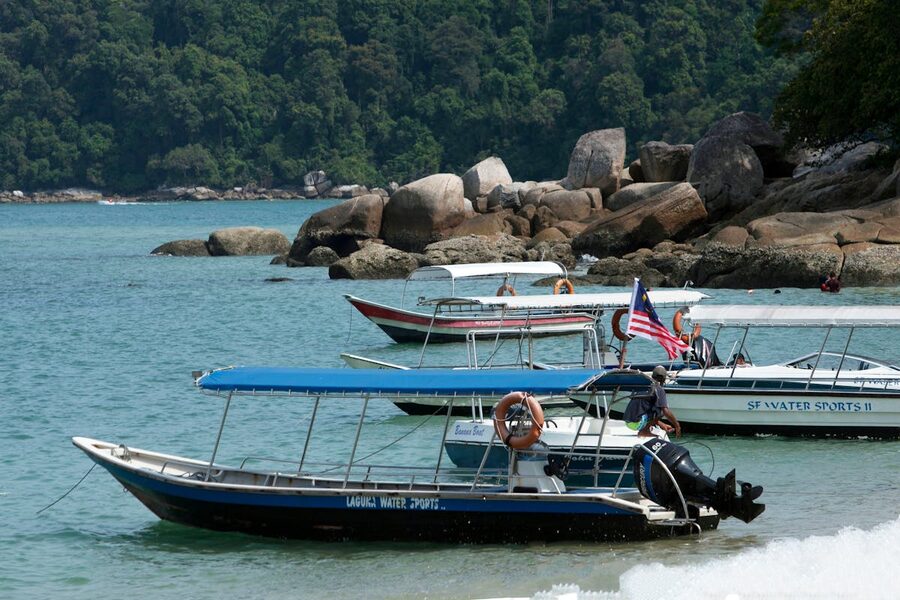
Kilim Karst Geoforest Park is the single best half-day activity on Langkawi, and it’s also one of the most geologically significant places you can visit on a casual boat tour anywhere in Southeast Asia. The combination of the 550-million-year-old limestone, the mangrove ecosystem, the bat cave, and the open sea on a single 5-hour loop is genuinely unique. Even with the baited eagle feeding and the touristy fish farm stop, the core experience holds up.
My one-line recommendation: book the 6-hour full tour with lunch and pickup if it’s in budget. Take the $38 half-day safari if you want flawless reviews and tighter scheduling. Take the $18 3-hour budget cruise if you’re squeezing it into a packed itinerary. All three cover the same park; the difference is pacing and comfort.
Whichever you pick, once you’re drifting through those limestone corridors, take a minute to actually look at the rock. It’s been waiting 550 million years for you to notice it.