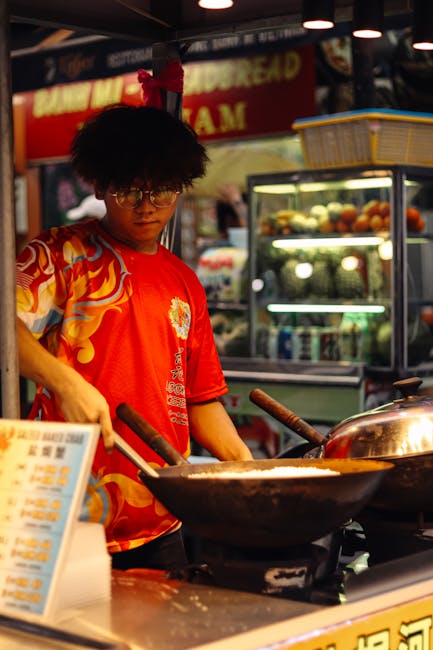
The sound hits you first. A steel wok slamming against a gas ring so hard the whole cart rattles, the hiss of lard on cast iron, and then the unmistakable smoky-sweet perfume of char kway teow — flat rice noodles seared at 400 degrees with cockles, Chinese sausage, and a dark soy that caramelises the second it touches the pan.
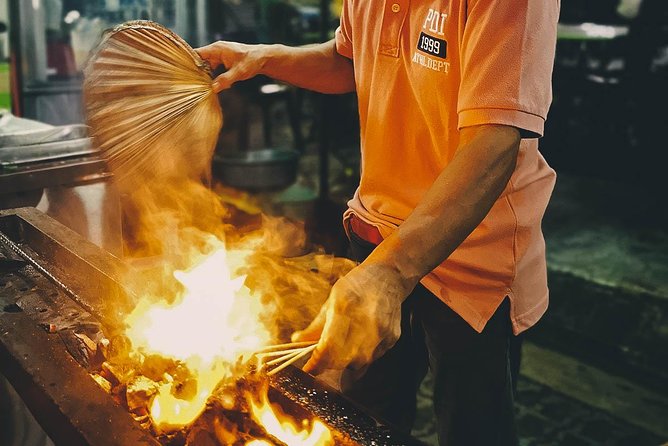
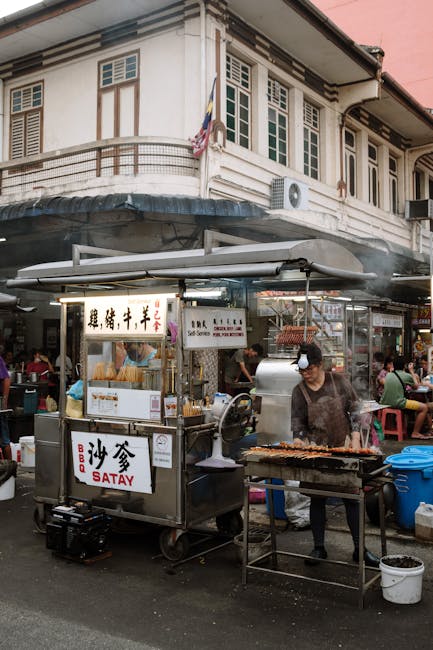
Two stalls down, satay smoke is curling up through strings of fairy lights as a man fans coconut charcoal with a flattened cardboard box. Across the alley, a woman in a headscarf is ladling curry over rice piled on a banana leaf, the turmeric already staining the fresh green with gold.
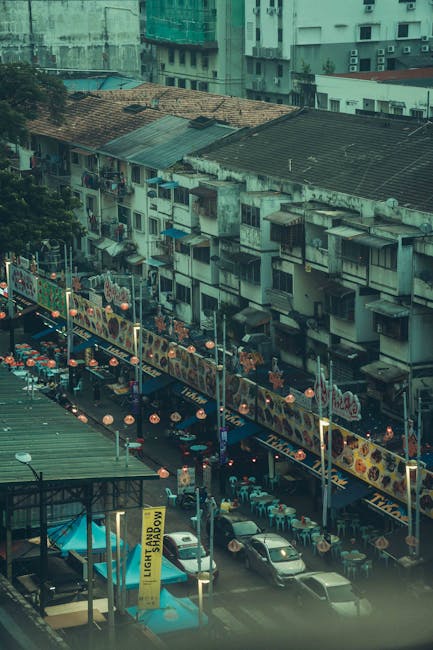
This is Jalan Alor at 8pm on a Tuesday, and it is the single best argument anyone has ever made for booking a food tour on your first night in Kuala Lumpur.
KL is one of those cities where the food is the whole point. You can see the Petronas Towers in ten minutes, Batu Caves in a morning, and Chinatown in an afternoon, but you could eat your way through this city for a month and still be finding new stalls on the last day.
The three big ethnic strands — Malay, Chinese, and Indian — each brought their own regional cooking to the peninsula, and then spent 200 years stealing from each other. The result is the most stubbornly delicious hawker scene in Southeast Asia, arguably a notch above even Singapore now that so many of Singapore’s old stalls have been priced out of the original shophouses.
The problem is that if you don’t know where you’re going, you will walk straight past the good stuff and end up in a tourist trap eating reheated pad thai on Jalan Bukit Bintang.
That’s where a proper guided food tour earns its money. I spent a lot of time cross-referencing Viator, GetYourGuide, and Klook listings against real verified reviewer comments, checking which operators actually run the tours themselves versus sub-contracting to a random driver, and figuring out which ones take you to stalls that locals actually eat at versus places that pay a commission to guides.
Three tours consistently came out on top — one big-volume crowd-pleaser, one quieter equivalent on a different platform, and one small-group private experience for people who want the deeper dive.
This guide walks you through all three, tells you what travellers love and what they warn you about, and then gives you the background on the food itself so you actually know what you’re eating when the plate lands in front of you.
- Quick Answer: The 3 Best Kuala Lumpur Street Food Tours
- Tour 1: Sambal Streets KL Food Tour With 15+ Tastings (Best Overall)
- Sambal Streets Kuala Lumpur Food Tour With 15+ Tastings
- Tour 2: KL Sambal Street Food Tour with 15+ Tastings on GetYourGuide
- Kuala Lumpur: Sambal Street Food Tour with 15+ Tastings
- Tour 3: The 10 Tastings of Kuala Lumpur With Locals (Best Private Experience)
- The 10 Tastings of Kuala Lumpur With Locals: Private Street Food Tour
- What You’ll Actually Eat on a KL Food Tour
- Char Kway Teow
- Satay
- Nasi Lemak
- Roti Canai
- Hainanese Chicken Rice
- Rendang
- Cendol and Ais Kacang
- Jalan Alor vs Petaling Street: Where the Tours Actually Go
- When to Book and What to Wear
- Is It Safe? Food Hygiene and What to Watch For
- Beyond the Food Tours: Other Things to Do in KL
- Comparing the Three Tours Side by Side
- Final Thoughts: Why a Food Tour Is Worth It in KL Specifically
Quick Answer: The 3 Best Kuala Lumpur Street Food Tours
After pulling review counts, ratings, price, and reviewer comments across every KL food tour listed on the major booking platforms, these three came out on top. They cover the main scenarios — a cheaper shared Viator tour, the same operator’s GetYourGuide listing for people who prefer that platform, and a smaller-group private alternative for couples or solo travellers who want a more personal experience:
- Best overall (Viator): Sambal Streets Kuala Lumpur Food Tour With 15+ Tastings — 2,438 reviews, 5.0 stars, $55, 15+ dishes
- Same tour on GetYourGuide: Kuala Lumpur Sambal Street Food Tour with 15+ Tastings — 1,657 reviews, 4.9 stars, $53, 4 hours
- Best private (Viator): The 10 Tastings of Kuala Lumpur With Locals Private Street Food — 249 reviews, 5.0 stars, $79.73, private guide
The top two are actually the same physical tour sold through different channels — same guide, same route, same tastings. The difference is which platform your loyalty points sit on and how much you trust each booking site’s cancellation policy. The third is a completely different experience — smaller group, deeper context, higher price per head. I’ll break each one down properly below.
Tour 1: Sambal Streets KL Food Tour With 15+ Tastings (Best Overall)
If I were landing at KLIA tomorrow and had exactly one evening to blow on a food experience, this is the tour I’d book.
The name is a little overblown — “Sambal Streets” makes it sound like you’re going to be sweating your way through a chilli endurance challenge, and you’re not — but the core of what it delivers is simple and unarguable: fifteen-plus separate tastings across a four-hour evening, covering Malay, Chinese, and Indian cooking, with a guide who genuinely knows the history and will stop and explain what you’re eating before you eat it.
Sambal Streets Kuala Lumpur Food Tour With 15+ Tastings
Small-group evening food tour covering the three main cuisines of Malaysia across Kuala Lumpur’s best hawker stalls and hidden neighbourhood eateries. Minimum fifteen individual tastings, all included in the price. English-speaking local guide, walking pace, drinks and dietary swaps available on request.
The sheer volume of food is the first thing everyone mentions. Fifteen tastings sounds like a number you can survive on a quiet Sunday. In practice it’s closer to a proper dinner plus two supplementary dinners, and several travellers warn about going in hungry or you’ll be walking out with leftovers.
The stalls themselves are the second thing — this is not a tour where you eat at touristy food courts. The guide takes you to neighbourhood spots where the queue is locals on their way home from work. Third, the balance across cuisines actually gets hit.
You will eat satay, rendang, nasi lemak, roti canai, char kway teow, Hainanese chicken rice, a coconut dessert, and a handful of things you won’t be able to name the next morning.
The guide explains the history of each as you go — why Malaysian Indian food evolved from Tamil migration in the 1800s, how Peranakan cooking emerged from 15th-century Chinese traders marrying into local Malay families, why nasi lemak is technically a breakfast dish despite everyone eating it for dinner. travellers in their forties and fifties consistently say they learned more about Malaysian culture in this four hours than in the rest of their trip.
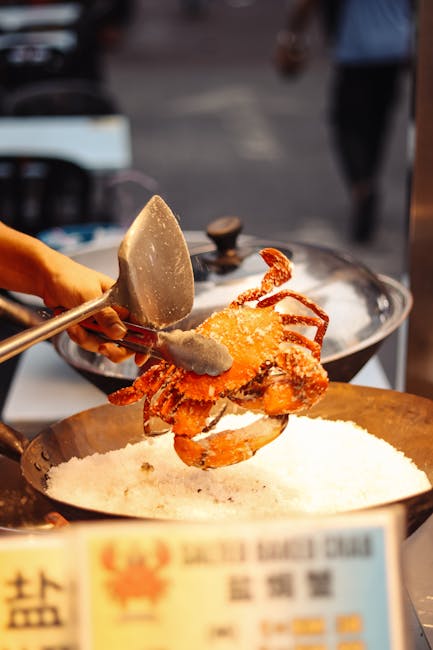
What to watch out for: The big one is the pace. This is a walking tour through crowded neighbourhoods in humid evening heat, and the guide moves. If you’ve got a bad knee or you’re travelling with someone who walks slowly, that four-hour slot with fifteen stalls is going to feel like a sprint. Wear proper shoes, not flip-flops.
The second warning — and it comes up in maybe one review in fifty, but it’s worth flagging — is that the tour does genuinely feature sambal, which is Malaysia’s chilli paste, and “not spicy” by local standards still registers as “quite spicy” on a European palate. Tell your guide at the start if you have a low tolerance and they’ll swap things out. Third, group size.
The operator caps it at around twelve people, but on peak weekends you might end up closer to that cap, and in a narrow shophouse doorway that’s a lot of people clustered around one plate.
Who it’s for: First-time visitors to Malaysia who want a proper introduction to the food scene before spending the rest of the trip ordering solo. Couples in their late twenties through sixties consistently rate this the highlight of their KL stopover. Not ideal for very small children (the walking distance is long and the spice levels are genuinely adult) or for anyone with serious mobility issues.
Tour 2: KL Sambal Street Food Tour with 15+ Tastings on GetYourGuide
This is the same tour as above, operated by the same company, with the same guide and the same route. The only thing that changes is the booking platform.
I’m including it separately because the two listings have built up slightly different review bases over time, and because a lot of travellers have a strong preference for one booking platform over another — usually because of cancellation policies, loyalty points, or because they’ve had a bad experience with one of the two and stuck with the other.
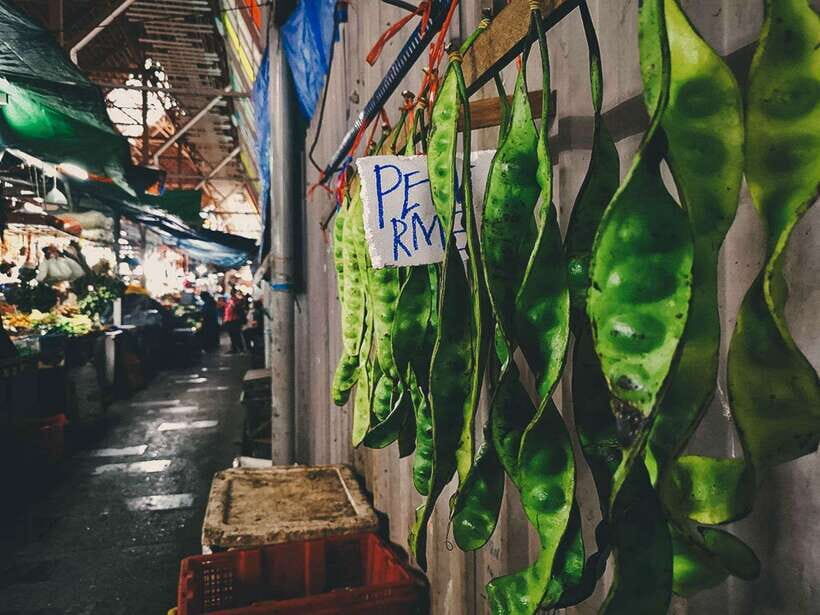
Kuala Lumpur: Sambal Street Food Tour with 15+ Tastings
Same operator and experience as the Viator listing above, sold on GetYourGuide instead. Evening small-group walking tour covering fifteen-plus tastings across Malay, Chinese, and Indian cuisines at hawker stalls and neighbourhood eateries across central Kuala Lumpur. English-speaking guide included, vegetarian swaps on request.
Because it’s the same tour, the praise is essentially identical — volume of food, quality of stalls, guide storytelling, cultural context. What’s slightly different is the review profile.
GetYourGuide’s reviewer base tends to skew European and Australian, so you see more comments about the spice level being “surprisingly manageable” and more references to specific dishes being unlike anything available in the reviewer’s home country. The rating is a hair lower at 4.9 versus 5.0 on Viator, but that difference is essentially statistical noise at these sample sizes.
What to watch out for: Same warnings — long walking, real heat, real spice, peak-weekend group sizes. Platform-specific: GetYourGuide’s cancellation window is typically 24 hours on their standard listings, whereas Viator’s is often 24 to 48 hours depending on the specific tour. Check the cancellation policy on the listing you actually book rather than assuming they’re the same.
Some travellers on GetYourGuide have mentioned slight confusion about the meeting point — the listing tells you to meet at a specific metro station exit, and because KL metro stations can have four or five exits, you want to screenshot the confirmation and get there ten minutes early.
Who it’s for: Anyone who already uses GetYourGuide for the rest of their bookings and wants everything in one app. Functionally identical to Tour 1 otherwise.
Tour 3: The 10 Tastings of Kuala Lumpur With Locals (Best Private Experience)
This is a different proposition. Where tours 1 and 2 are about volume and breadth — fifteen dishes, twelve people, four hours — tour 3 is about depth and intimacy. You get a smaller tasting count (ten dishes, still plenty of food), a private guide who’s yours for the entire duration, and an experience that’s a lot more like visiting KL with a knowledgeable local friend than being ushered through a food tour. It’s also about $25 more per person, which is the obvious tradeoff.

The 10 Tastings of Kuala Lumpur With Locals: Private Street Food Tour
Fully private evening food tour with a local guide who tailors the route to your group’s preferences. Ten tastings across Malay, Chinese, and Indian cooking, with more context per dish than a larger group can accommodate. Flexible pace — slow down at stalls you love, skip ones you don’t. Ideal for couples, small families, or solo travellers who want a deeper cultural experience.
The personal attention. With a group of twelve strangers, the guide has to split attention and keep the tour moving to get everyone through fifteen stalls in four hours.
On a private tour, you get every minute of the guide’s time and you set the pace. you will consistently hear mention that their guide (the operator runs a small team, and names that come up repeatedly are Razif, Chandra, and a woman called Faridah who several travellers said was the best food guide they’ve ever had anywhere) stopped to explain the history of dishes in genuine detail, took them to stalls that weren’t on the standard route when they mentioned a specific preference, and in several cases took them home to meet the stall owner’s family.
The other big plus: dietary accommodation. If you’re vegetarian, pescatarian, or have a nut allergy, the private format means the guide can route around your restrictions without holding up a bus full of strangers.
What to watch out for: Price is obviously the main thing. At $79.73 for one person, this costs 50% more than the group tour. Two people booking together makes the per-head cost comparable, four people makes it substantially cheaper per person than tour 1. The second thing to be aware of is that “private” means exactly what it says — you won’t have the group dynamic, which some people love.
If you’re travelling solo and wanted to meet other travellers over food, this isn’t the format for you. The review count is also lower (249 versus 2,438), which is both a caveat and a feature: smaller sample size means less data to check for consistency, but a 5.0 across 249 reviews is still a very strong signal that the operator is delivering.
Who it’s for: Couples on a honeymoon, families with kids who might not survive the group tour pace, solo travellers who want the deeper cultural experience, anyone with dietary restrictions, and small groups of three or four friends where the per-head maths actually tips in favour of private. If two of those describe you, book this tour.
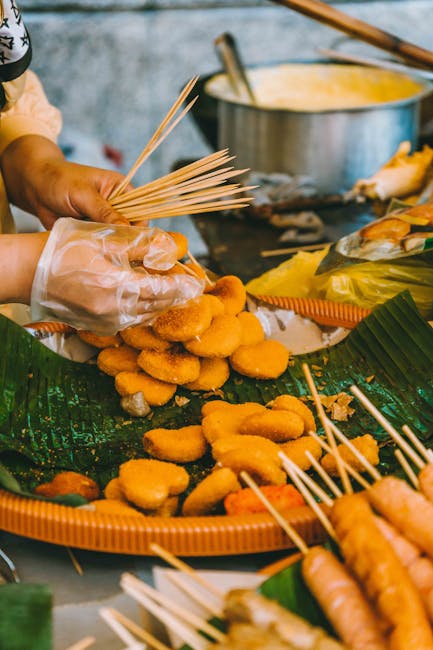
What You’ll Actually Eat on a KL Food Tour
The exact dishes shift from tour to tour and even from night to night based on which stalls are open, but there’s a core set of Malaysian street foods that any half-competent KL food tour will put in front of you. If you’ve never been to Malaysia, skim this section before you go — knowing what you’re looking at makes the experience about ten times richer.
Char Kway Teow
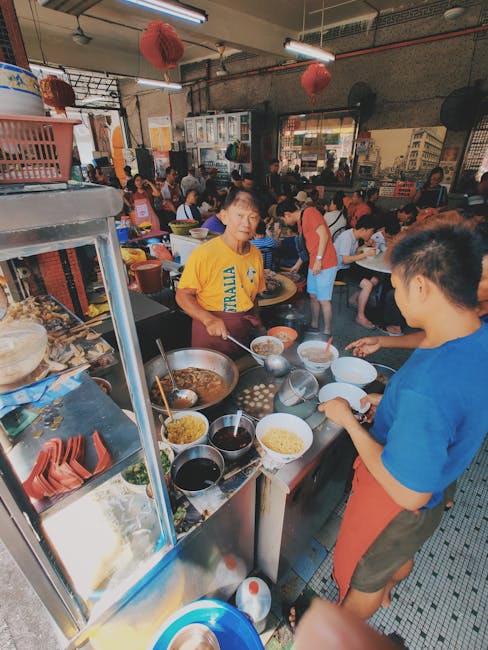
Flat rice noodles stir-fried at nuclear heat in a cast-iron wok with prawns, cockles, Chinese sausage, bean sprouts, chives, egg, and a splash of dark soy sauce. The defining character of char kway teow is the wok hei — literally “breath of the wok” — the smoky, slightly charred flavour that only comes from a properly seasoned pan cooking over a very high flame.
Good stalls fire one serving at a time. Tourist traps cook in bulk and keep it warm. Watch how the vendor handles the wok before you commit, and always go to the stall with the longest queue of locals.
Satay
Marinated meat (usually chicken or beef, sometimes lamb, rarely pork because the satay tradition is heavily Malay and therefore Muslim) threaded onto bamboo skewers and grilled over coconut husk charcoal. Comes with a thick peanut-based dipping sauce that is absolutely not the same thing as Thai satay sauce, plus cucumber, onion, and compressed rice cakes called ketupat.
The trick with satay is that it needs to be grilled over real charcoal to be any good — the smoke is half the flavour. A stall with a gas grill is a warning sign.
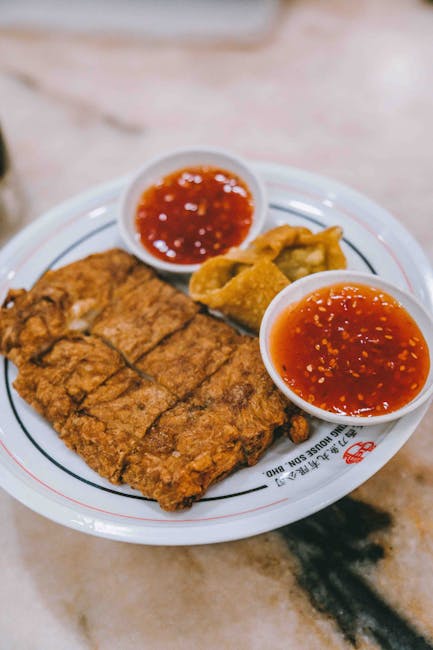
Nasi Lemak
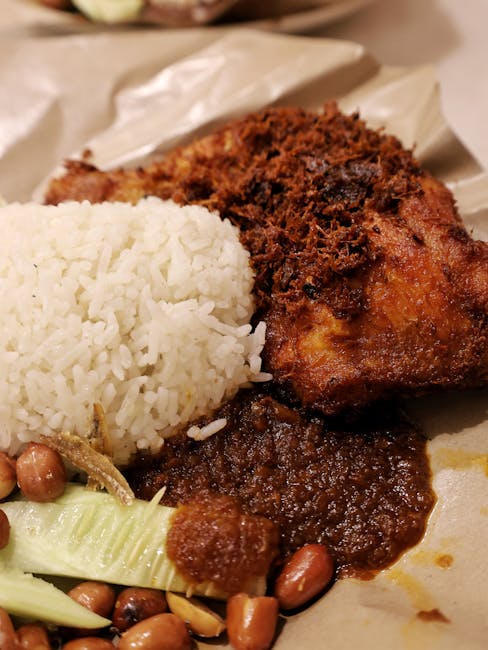
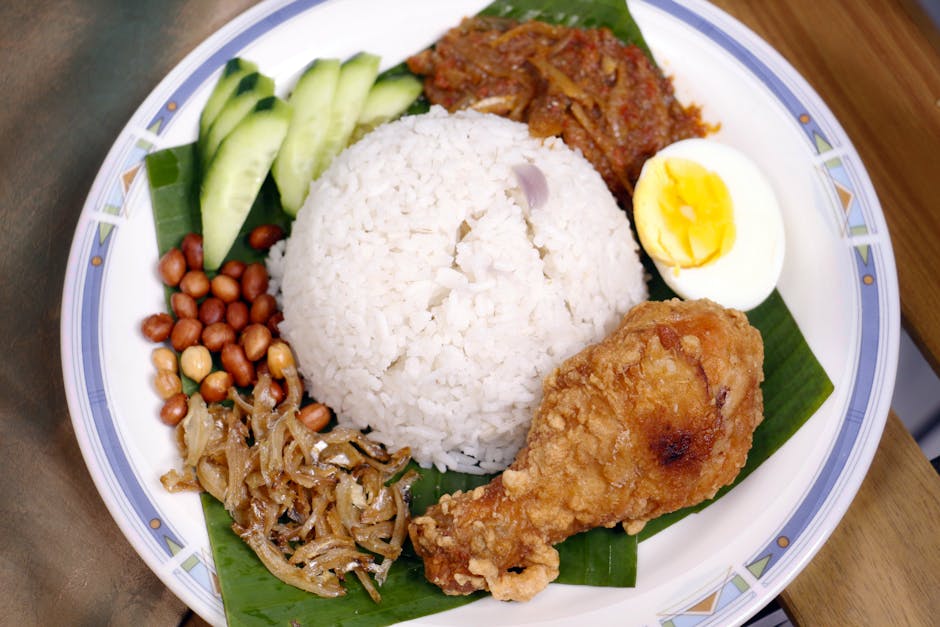
Technically the national dish. Coconut rice cooked with pandan leaves, served with a spoonful of sambal (chilli paste cooked down with shallots, belacan shrimp paste, and sugar until it’s a sticky dark-red jam), crispy fried anchovies, roasted peanuts, half a boiled egg, and a few slices of cucumber. That’s the base.
From there you add whatever protein you like — fried chicken, beef rendang, squid sambal, the list goes on. Malaysians eat it for breakfast most of the time. Food tours usually hit it at dinner because travellers don’t want fried chicken at 7am.
Roti Canai
Flaky Indian-Malay flatbread made by slapping dough into sheet-thin layers and pan-frying it until the edges are crisp and the inside is still soft. Served with a small bowl of dhal or curry for dipping. A good roti canai stand is a performance art piece — watch the guy flipping the dough above his head like a pizza chef before he folds it onto the griddle.
Comes from Tamil migrants who arrived during British colonial rule and is now so embedded in Malaysian food culture that it’s hard to imagine the country without it.
Hainanese Chicken Rice
Poached chicken (never roasted) served with rice cooked in the chicken’s own stock, a garlic-chilli sauce, a ginger-scallion sauce, and dark soy. It looks almost comically plain on the plate and then you taste it and understand why it’s one of the signature dishes of the whole Nanyang diaspora.
Originally from Hainan province, brought by Chinese immigrants in the early 20th century, and now claimed equally by Singapore and Malaysia, both of whom will argue furiously about who does it better.
Rendang
Slow-cooked dry curry, usually beef, simmered in coconut milk and a paste of galangal, lemongrass, garlic, shallots, ginger, turmeric leaves, and about a dozen other aromatics until the coconut milk reduces completely and the meat absorbs all of it. Takes four to six hours to cook properly. Originally Minangkabau from West Sumatra but equally a staple of Malay home cooking.
Voted the world’s most delicious food by CNN’s readers in 2011, which is the kind of poll that annoys food snobs but in this case is hard to argue with.
Cendol and Ais Kacang
The two big dessert options. Cendol is shaved ice topped with green rice-flour jelly noodles, coconut milk, and palm sugar syrup — cold, creamy, sweet, slightly smoky from the palm sugar. Ais kacang (literally “bean ice”) is a mountain of shaved ice piled over sweet red beans, sweet corn, grass jelly, and condensed milk, finished with a drizzle of rose syrup. Both are what you want after four hours of walking around in 30-degree humidity.
Jalan Alor vs Petaling Street: Where the Tours Actually Go
KL has two famous tourist-facing street food strips — Jalan Alor and Petaling Street — and it’s worth understanding the difference because which one your tour visits tells you something about the tour itself.
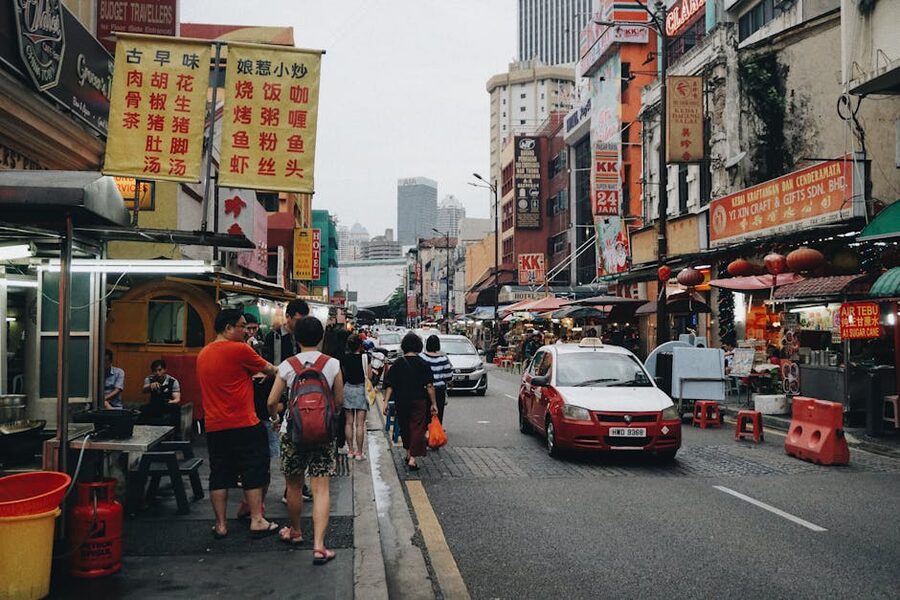
Jalan Alor is the big one most guidebooks point to. It’s a long street off Bukit Bintang lined with open-air seafood restaurants, satay grills, and BBQ stalls. The food ranges from genuinely good to wildly overpriced depending on which stall you pick, and the atmosphere at night — the lanterns, the smoke, the amplified music — is undeniably photogenic.
Most group food tours include a Jalan Alor stop because it’s central, walkable, and dense enough that you can hit three or four stalls inside a block. The honest assessment is that Jalan Alor is a bit of a tourist trap now, but a good guide can take you to the handful of stalls that are still serving locals at fair prices.
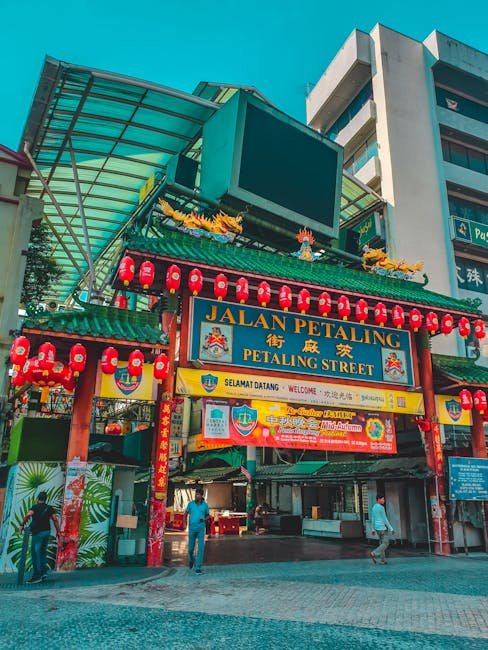
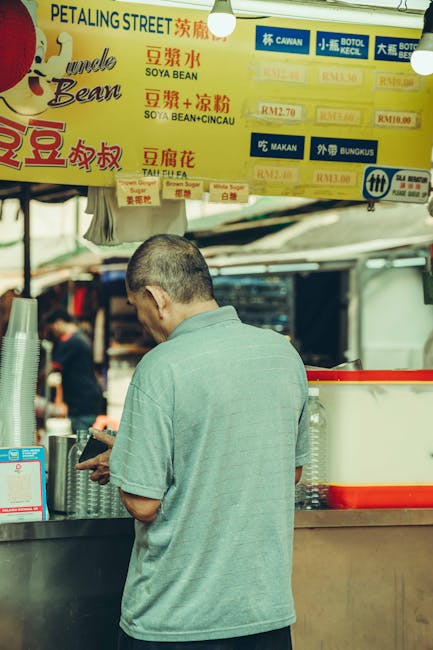
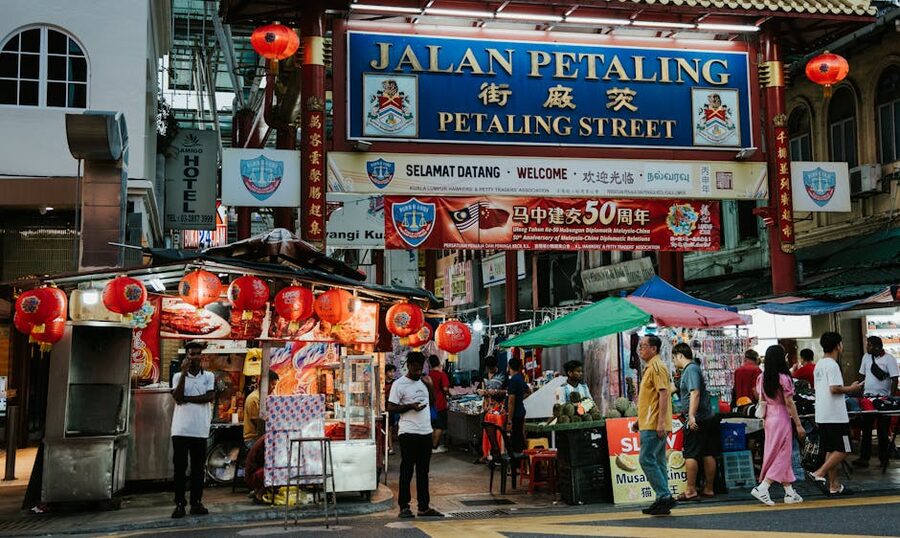
Petaling Street is in Chinatown, a kilometre or so south of Bukit Bintang, and it’s a different beast. By day it’s a covered wet market with fake handbag stalls and fruit vendors. By evening it becomes a food strip that skews much more Chinese — wonton mee, pork noodle soup, herbal chicken, claypot rice, grass jelly drinks. The vibe is scruffier, more genuinely local, and the prices are lower.
A tour that takes you to Petaling Street in addition to Jalan Alor is telling you the guide thinks you’re ready for the deeper cut.
The three tours reviewed above all work central KL neighbourhoods rather than just running you through Jalan Alor on repeat. The Sambal Streets tours (1 and 2) typically hit a mix of Bukit Bintang side streets, Kampung Baru (the Malay quarter, which is spectacular), and Chinatown. The private tour (3) adapts to your preferences but almost always includes Kampung Baru because that’s where the best Malay home-style cooking in the city lives.
When to Book and What to Wear
All three tours run as evening experiences, typically starting between 5pm and 6pm and finishing around 9pm or 10pm. That timing is intentional — it coincides with the dinner rush at the stalls, when the food is freshest and the queues are longest. Booking two or three days ahead is usually enough for weekdays.
For weekends, especially Friday and Saturday nights, book a week in advance during peak season (roughly December through February and the European summer holidays in July and August).
Dress code is the same for all three: comfortable walking shoes (seriously, not sandals — you’ll be stepping around puddles, wet kitchen runoff, and the occasional lost satay stick), breathable clothes because KL at 7pm is around 28 to 30 degrees Celsius with 80% humidity, and a light layer for air-conditioned stops if the tour includes any indoor eateries. Bring a bottle of water.
Bring cash for drinks you might want to add (most tours include one drink per stop but you’ll probably want more), and bring an appetite — these tours are serious about the volume of food they put in front of you.
Is It Safe? Food Hygiene and What to Watch For
The honest answer is yes, KL street food is generally safe, and all three of the tours above stick to stalls that have been operating for years with good reputations. Malaysia has decent food hygiene standards and the high stall turnover during the evening rush means food rarely sits around getting dodgy. That said, a few common-sense precautions help. Drink bottled water rather than tap.
Eat at stalls where you can see food being cooked fresh to order, not reheated from a warming tray. Give raw vegetables and salads a miss if you’ve only been in the country 24 hours — not because they’re dangerous, but because even clean water can have a microbiome your body hasn’t met yet. Fresh fruit that you peel yourself is fine.
And if a stall looks deserted while the one next to it has a queue, trust the crowd — Malaysians are brutal about voting with their feet.
If you’re worried about spice, say so upfront. Malaysian “medium” is closer to European “hot” and Malaysian “spicy” is genuinely eye-watering. Every guide on every tour above has dealt with thousands of nervous travellers and will route your plate away from the nuclear options without making a fuss about it.
Beyond the Food Tours: Other Things to Do in KL
If you’ve got more than one night in Kuala Lumpur, pair your food tour with a couple of daytime experiences to round out the city.
The classic shortlist is the Petronas Towers (book the skybridge slot online a day ahead), Batu Caves (a 272-step temple climb into limestone caverns, about 40 minutes outside the city — see our guide on how to book a Batu Caves tour from Kuala Lumpur for the three best-rated options), and a day trip south to Malacca (the old Portuguese-Dutch-British heritage city, about two hours each way — full breakdown in our Malacca day trip guide).
Other half-day options worth considering: the Islamic Arts Museum (the single best museum in KL and criminally under-visited), KL Bird Park (the world’s largest covered aviary, good for families with kids), the Thean Hou Temple (a big Chinese temple on a hill with panoramic views back to the Petronas Towers), and a river walk through the redeveloped Masjid Jamek area where the Klang and Gombak rivers meet — which is the literal founding site of Kuala Lumpur.
“Kuala Lumpur” translates as “muddy confluence,” and standing at that junction is worth the ten minutes.
For something more active, Kanching Falls is about an hour north and gives you a proper jungle waterfall experience without having to leave the greater KL area. Genting Highlands is the hill station casino complex an hour away if you want to escape the heat, though honestly the casino aesthetic is a lot, and it’s only worth it if you specifically like that kind of thing.
Comparing the Three Tours Side by Side
If you’ve read all three reviews and you’re still torn, here’s the distilled decision tree. Book Tour 1 (Viator Sambal Streets) if you want maximum food for reasonable money and you don’t care about the booking platform. Book Tour 2 (GetYourGuide Sambal Streets) if you already have a GetYourGuide account and prefer to keep everything in one app — it’s the exact same experience.
Book Tour 3 (Private 10 Tastings) if you’re a couple, a small family, or travelling with anyone who has dietary restrictions or mobility concerns, and you’re okay paying roughly 50% more per person for a substantially more personal experience.
On the honest-opinion front, for most travellers tour 1 is the right answer. It’s $55 for fifteen-plus dishes across four hours with a guide who knows what they’re doing, and the 2,438 reviews at a 5.0 average across years of operation is about as strong a signal as this kind of thing gets.
The private tour is genuinely better if you have the budget and the right reasons to upgrade, but for a first-timer in KL on a normal trip budget, the group format is a feature rather than a limitation — part of the fun is comparing notes with other travellers at the table when the third plate of satay lands.
Final Thoughts: Why a Food Tour Is Worth It in KL Specifically
I’m generally cautious about recommending food tours as a category. A lot of them are thinly disguised pub crawls aimed at backpackers, and in plenty of cities you can do better on your own with an hour of research. KL is different.
The food is so layered — three separate cultural traditions interleaving over two centuries, plus regional sub-cuisines within each — that walking into it cold means you miss most of what’s interesting about what you’re eating. You’ll eat well on your own, because it’s basically impossible to eat badly in Kuala Lumpur.
But you won’t know why char kway teow is a different dish in Penang than it is in KL, or why the best roti canai in the city is served at a 24-hour mamak joint run by the grandson of a Tamil migrant who arrived in 1952, or why Kampung Baru is the one place in central KL where the local government couldn’t force through redevelopment and the old wooden stilt houses still stand.
A good guide gives you that context while you eat, and four hours in you’ve picked up enough of the story to keep decoding the rest of your trip on your own. That’s the real value of the three tours above — not the fifteen plates of food, although those are great too, but the frame you carry into every meal after. Every one of them is worth the money.
Pick the one that matches your group size and booking platform preference and you won’t regret it. And eat before you go anyway — trust me on that one.