
Malacca was a Portuguese colony from 1511, then fell to the Dutch in 1641, and then passed to the British in 1824 — three European flags on the same sleepy river port, all inside a window of barely three hundred years.
That layered past is exactly why UNESCO inscribed it as a World Heritage City in 2008, and it’s also exactly why every guidebook and hotel concierge in Kuala Lumpur pushes Malacca as a day trip.
The city sits about 150 kilometres south of KL, roughly two hours each way on a good stretch of the PLUS Expressway, and it’s one of those rare places where you can walk from a 17th-century Dutch church to a crumbling Portuguese fort to a Chinese temple that predates the United States, all inside fifteen minutes.
I’ll be honest — the first time I looked at booking a Malacca tour, I almost gave up. There are maybe thirty operators running the exact same loop (Stadthuys, A Famosa, Jonker Street, Cheng Hoon Teng, a river cruise if you’re lucky), and the photos on every listing look identical.
What actually matters is the pickup location, the lunch situation, and whether you get enough free time on Jonker Street to eat your way through the hawker stalls without being rushed back to the bus. This guide walks you through the three best-rated day tours from KL to Malacca based on thousands of real verified reviews, plus everything I wish I’d known before clicking book.
- Why Malacca Is Worth the 4-Hour Round Trip
- Quick Answer: The 3 Best Malacca Day Tours From KL
- Tour 1: The GetYourGuide Malacca Day Trip (Best Overall Value)
- From Kuala Lumpur: Malacca Day Trip — Red Square & Jonker St
- Tour 2: The Viator Historical Malacca With Lunch Tour (Best for Food Lovers)
- Historical Malacca With Lunch Day Tour (SIC Join-In)
- Tour 3: The Private Malacca Day Tour (Best for Families and Special Occasions)
- Historical Malacca Day Tour From Kuala Lumpur (Private Tour)
- What You’ll Actually See in Malacca
- Dutch Square (Red Square)
- A Famosa and St. Paul’s Hill
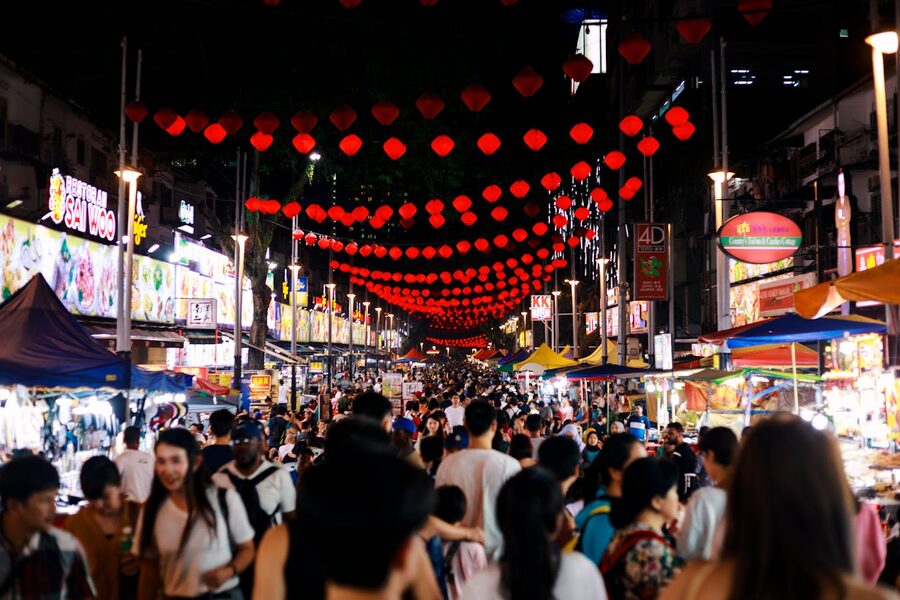
- Jonker Street (Jalan Hang Jebat)
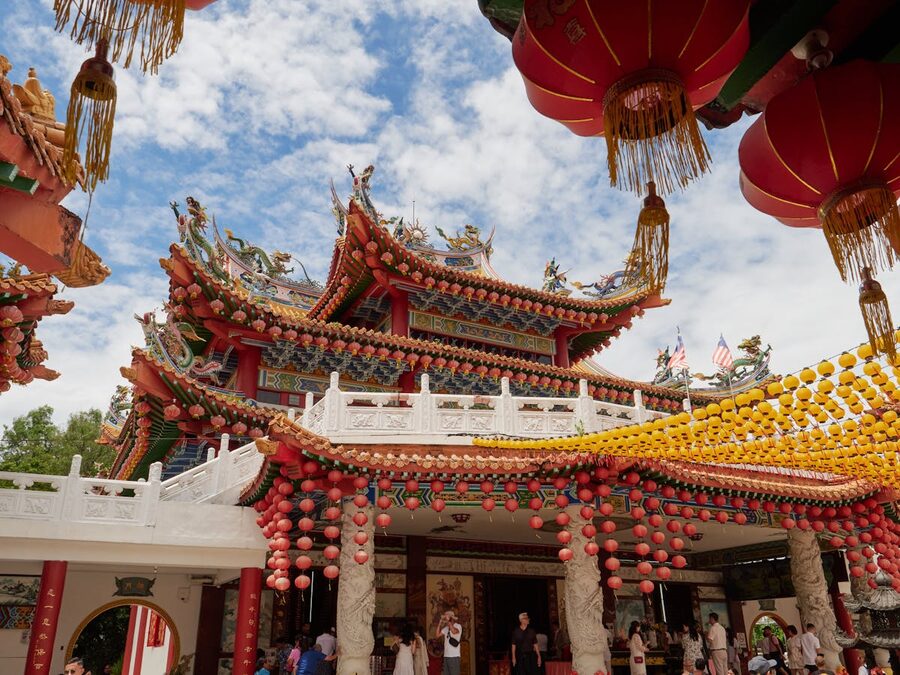
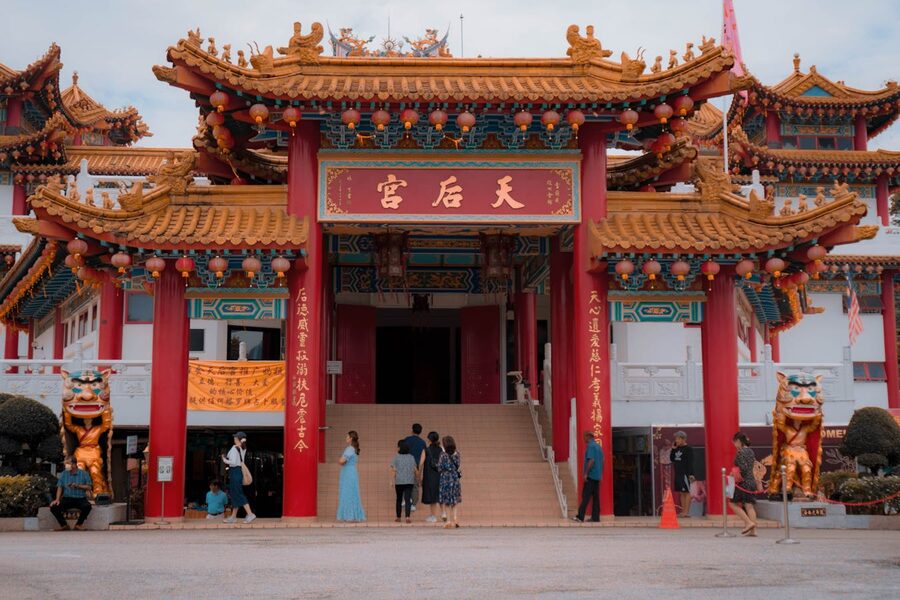
- Cheng Hoon Teng Temple
- Kampung Kling Mosque and Sri Poyyatha Vinayagar Temple
- Malacca Food You Should Actually Eat
- How to Book (Without Getting Scammed)
- Practical Logistics
- Pickup Times and Duration
- What to Wear
- Weather
- Money
- Should You Stay Overnight in Malacca Instead?
- Pair It With: Other Day Trips From KL
- What About Self-Driving or Taking the Bus?
- Common Questions
- Is Malacca worth visiting from Kuala Lumpur?
- How long is the drive from KL to Malacca?
- What’s the best day of the week to visit Malacca?
- Can I do Malacca as a half-day trip?
- Do I need to book in advance?
- Is lunch included?
- Can I do Malacca on my own using public transport?
- What language do the guides speak?
- More Malaysia and Asia Booking Guides
- The Bottom Line
Why Malacca Is Worth the 4-Hour Round Trip
If you’re spending less than five days in peninsular Malaysia, the Malacca question comes up fast. Is it really worth burning a whole day on the highway when KL itself has the Petronas Towers, Batu Caves, Chinatown, and a dozen other things you could be doing? For most people, the answer is yes — but only if you pick the right tour and you understand what you’re actually signing up for.
Malacca is not a big-ticket attraction in the sense of “one famous thing you came to see.” It’s a walking city, and the pleasure is cumulative.
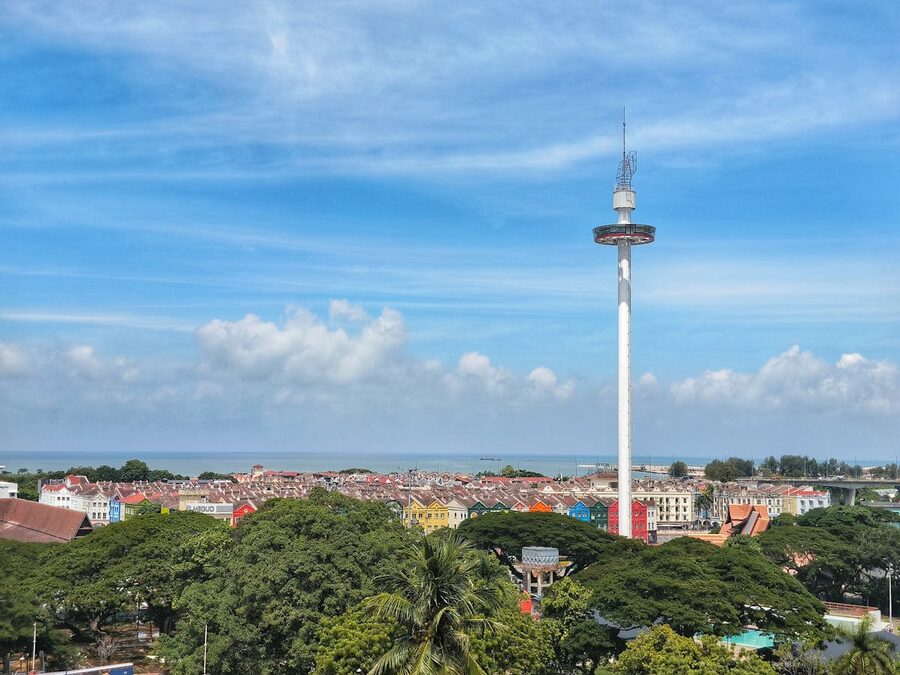
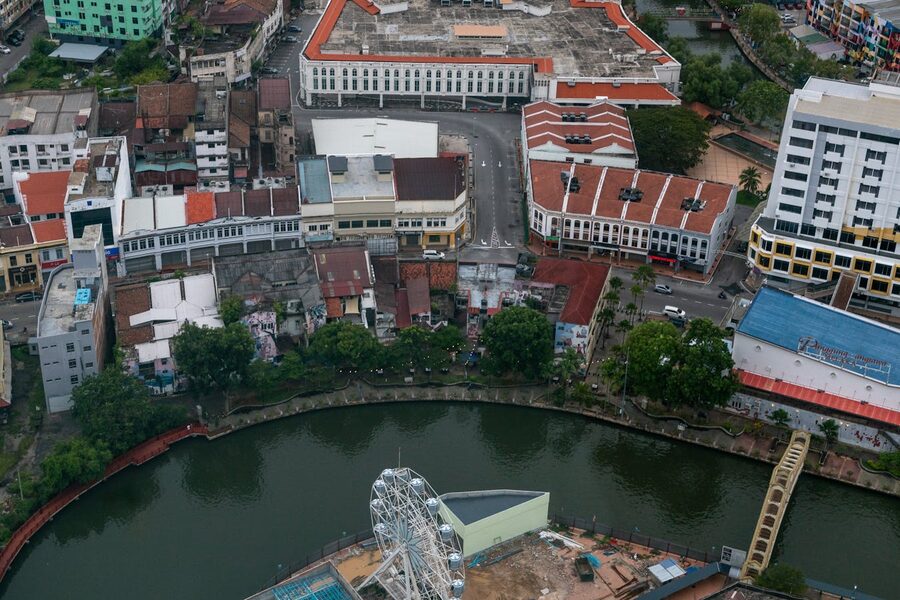
You drift from the red-painted Dutch Square past trishaws blasting K-pop, cross the little bridge over the Malacca River where the old godowns have been turned into cafés, and end up on Jonker Street inside a 300-year-old shophouse eating chicken rice balls that locals queue an hour for.
It’s more atmospheric than monumental, and that’s precisely why it photographs so well and why so many people walk away saying it was the highlight of their Malaysia trip.
The other reason it matters: Malacca is the cradle of the Peranakan (Baba-Nyonya) culture, the Chinese-Malay fusion community that emerged from 15th-century traders marrying locally. Their food, their shophouse architecture, their embroidered slippers, and their matriarchal kitchen traditions are genuinely unique in the world.
You can read about them, or you can spend an hour in the Baba & Nyonya Heritage Museum on Jalan Tun Tan Cheng Lock and see what 200 years of layered family wealth actually looks like.
Quick Answer: The 3 Best Malacca Day Tours From KL
I cross-referenced review counts, star ratings, pickup flexibility, lunch inclusion, and price across every Malacca operator running on Klook, GetYourGuide, and Viator. These three came out on top — and they cover the three types of traveller who end up doing this trip:
- Best overall value (GetYourGuide): From Kuala Lumpur Malacca Day Trip: Red Square & Jonker St — 3,276 reviews, 4.4★, $35, 10 hours, shared coach
- Best for food lovers (Viator): Historical Malacca With Lunch Day Tour (SIC Join-In) — 2,172 reviews, 5.0★, $32, lunch included
- Best private experience (Viator): Historical Malacca Day Tour Private — 515 reviews, 5.0★, $87.50, just your group
I’ll break each one down in detail below, including what you will consistently hear praise and what the complaints are. Skip to the tour cards if you’re in a hurry.
Tour 1: The GetYourGuide Malacca Day Trip (Best Overall Value)
This is the workhorse tour and the one I’d book if it were my first trip to Malaysia. GetYourGuide aggregates bookings for a licensed local operator that runs a daily coach from KL’s central hotels down to Malacca, with stops at every major heritage site you came to see. It’s not fancy, but 3,276 travellers have walked away happy enough to leave it a 4.4-star average, which on a mass-market day tour is genuinely hard to pull off.
From Kuala Lumpur: Malacca Day Trip — Red Square & Jonker St
Full-day shared coach tour from KL covering Dutch Square, Christ Church, the ruins of A Famosa fort, St. Paul’s Hill, and free time on Jonker Street. Hotel pickup from central KL locations included, English-speaking guide, air-conditioned vehicle.
Pickup is the big one. This tour collects from a long list of KL hotels rather than making you trek to a fixed meeting point at 7am, and that alone knocks an hour of hassle off your morning. Guides are consistently called out by name in the reviews — Kevin, Michael, and Razif all come up repeatedly — and the consensus is that they’re genuinely informative rather than reading from a script.
The coach is air-conditioned and modern, which matters a lot when you’re about to spend two hours crossing a tropical highway.
What to watch out for: Lunch is not included, and the drop-off point for the free food hour is a specific restaurant on Jonker Street that has a captive tourist menu. You’re not obligated to eat there — walk fifty metres in any direction and you’ll find better, cheaper places — but some travellers didn’t realise that and felt stuck. Also, ten hours is a long day once you factor in hotel pickup from 7:30am and drop-off around 6pm. Dress for walking and bring a hat.
Who it’s for: Solo travellers, couples, and first-time visitors who want the full Malacca highlights reel without paying private tour rates. If $35 for a 10-hour guided day with hotel pickup sounds reasonable to you, this is the one to book.
Tour 2: The Viator Historical Malacca With Lunch Tour (Best for Food Lovers)
This one has a quieter profile than the GetYourGuide listing — only 2,172 reviews versus 3,276 — but look at the rating. A perfect 5.0 stars on a sample that large is rare. Whatever this operator is doing, they’re doing it right, and the thing that separates this tour from tour 1 is simple: lunch is included, and it’s specifically a Nyonya meal at a recommended local restaurant rather than whatever the bus drops you in front of.
Historical Malacca With Lunch Day Tour (SIC Join-In)
Shared coach tour from KL with guided visits to Dutch Square, A Famosa, St. Paul’s Church ruins, and Jonker Street. Sit-down Nyonya lunch at a recommended local restaurant included in the price. Hotel pickup and drop-off from central KL.
The lunch, obviously. Nyonya cooking is the whole point of coming to Malacca for a lot of food-focused travellers, and trying to find a good restaurant on your own in the 90 minutes of free time on Jonker Street is genuinely stressful.
This tour solves that problem completely — you sit down, a spread arrives, and you eat the same food the guide is eating. you will consistently hear mention ayam pongteh (chicken braised in fermented soy bean paste), cincalok omelette, and chap chye (mixed vegetable stew) as the stand-out dishes.
The guide briefing on the bus ride down also gets good marks — several travellers said it was the first time anyone had actually explained what Peranakan culture was to them.
What to watch out for: “SIC” means Seat-In-Coach, which is a polite way of saying you’re sharing the bus with strangers. If the group is full that day (30+ people), the guide has to herd the whole crowd through narrow shophouse alleys, and you can lose momentum. It’s also worth checking whether you have any dietary restrictions before booking — the Nyonya set menu is fixed, and substitutions can be awkward to arrange on the day.
Who it’s for: Food-obsessed travellers, anyone curious about Peranakan culture, and people who don’t want to waste half their free time deciding where to eat. At $32 with lunch thrown in, this is arguably better value than tour 1.
Tour 3: The Private Malacca Day Tour (Best for Families and Special Occasions)
If you’re travelling as a family of four, a couple on honeymoon, or a small group of friends who just hate coach tours, the maths changes quickly. Split four ways, the private tour costs about $22 per person — cheaper than tour 1 on a per-head basis, and you get the whole van to yourself.
Historical Malacca Day Tour From Kuala Lumpur (Private Tour)
Fully private day tour from KL with your own vehicle, driver, and English-speaking guide. Completely customisable itinerary — you decide how long you spend at each stop. Includes all heritage sites plus lunch at a restaurant of your choice. Pickup from any KL hotel.
Flexibility. If your kids are tired of A Famosa after ten minutes, you leave. If your partner wants to spend an extra hour in the Baba & Nyonya Heritage Museum, you do. You can ask the driver to stop at a durian stall you spotted from the window, and he will.
The 515 travellers on this listing have left a perfect 5.0 rating, which tells you the operator is consistently delivering on the customisation promise and not just calling it “private” while running the same rigid itinerary.
What to watch out for: Price is the obvious one. At $87.50 for one person, you’re paying nearly three times the shared tour rate. The economics only work if you have at least three people in your group. Also, because it’s genuinely private, you don’t get the guide briefing dynamic of a full bus — some travellers said their guide was great but others felt it was just a driver who happened to know the sites, so the quality can vary.
Who it’s for: Families with kids, couples willing to splurge, and anyone with mobility concerns who doesn’t want to be rushed by a coach schedule. If you’re two solo travellers, tour 1 or 2 is better value.
What You’ll Actually See in Malacca
All three tours cover the same core itinerary, so here’s what you’re looking at, roughly in the order most guides walk it. If you’ve done zero homework on the city, skim this section on the bus ride down and you’ll know enough to follow along.
Dutch Square (Red Square)
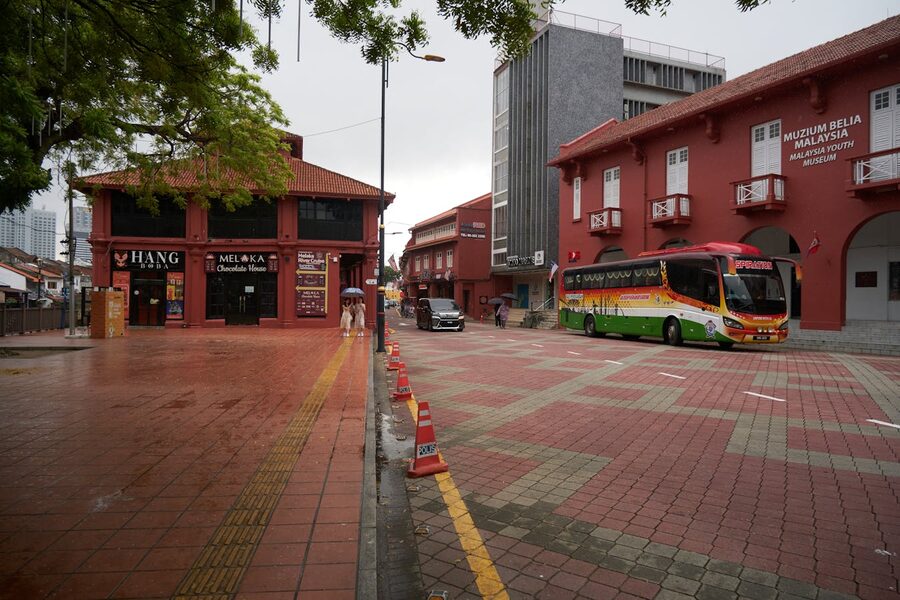
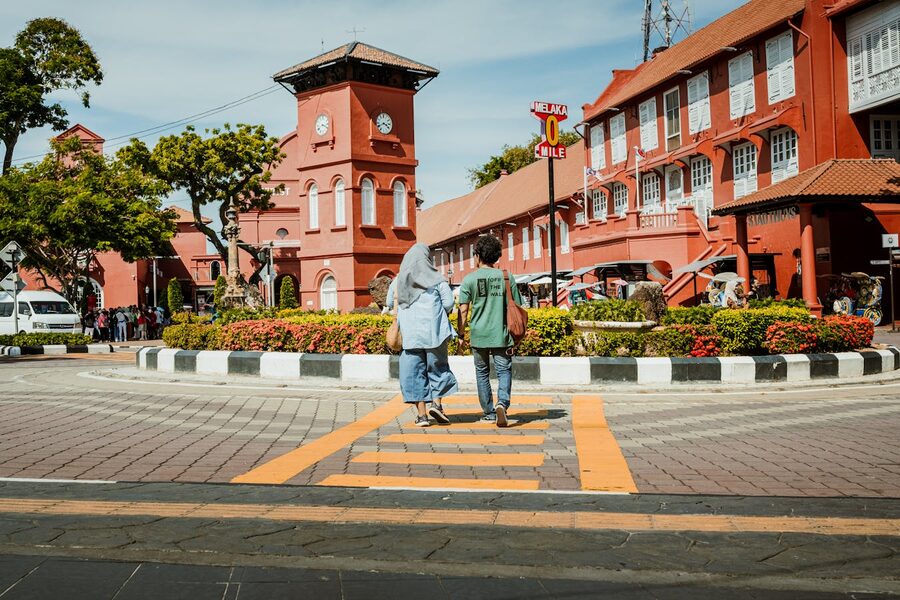
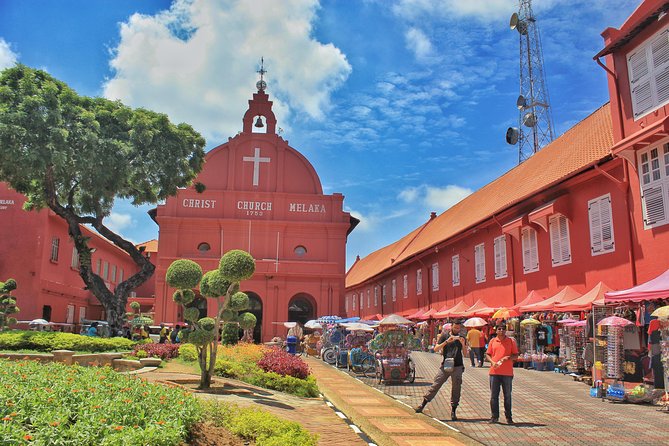
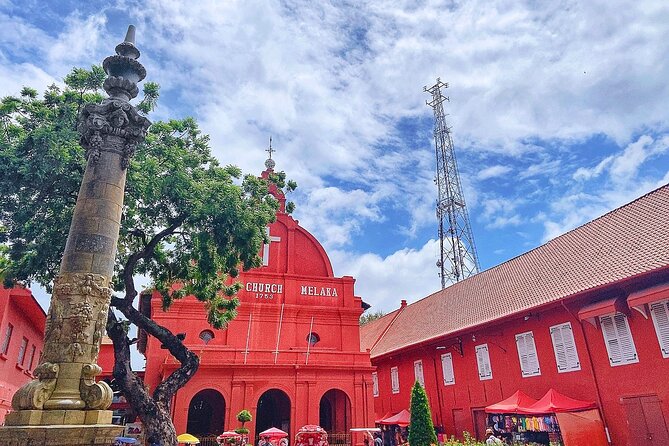
This is where every tour starts and where every Malacca Instagram post comes from. The square is dominated by the Stadthuys, a 1650 Dutch administrative building now housing a history museum, and Christ Church Melaka, a 1753 Anglican church with a distinctive wine-red facade. The whole ensemble is painted in the Dutch terracotta red that gives the square its nickname.
Tourists in brightly decorated trishaws blast K-pop and EDM through car speakers — it’s bizarre and loud and exactly what you should photograph. Budget 20 minutes here.
A Famosa and St. Paul’s Hill
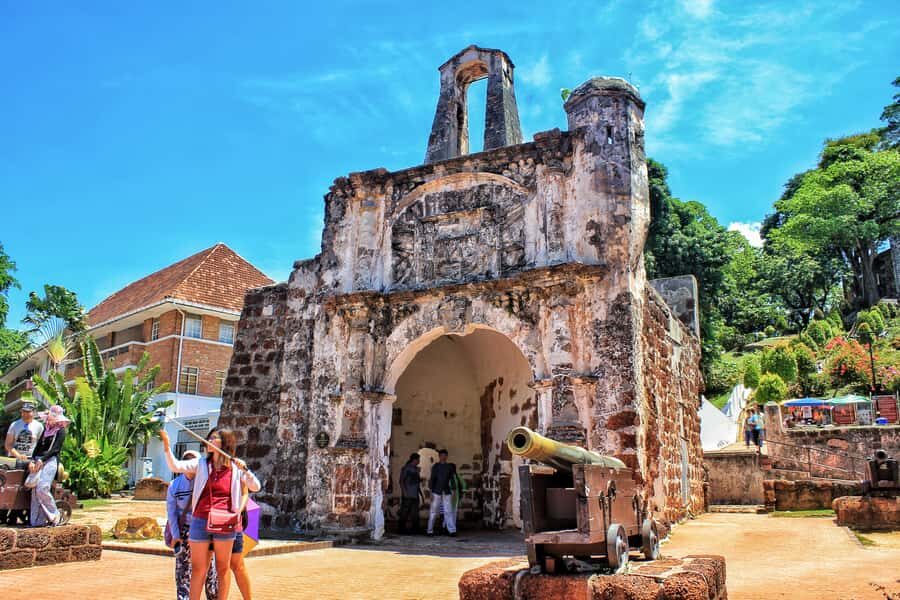
A Famosa is what’s left of the Portuguese fortress built in 1511 — specifically, the Porta de Santiago gate, which is one of the oldest surviving European architectural remains in Southeast Asia. It’s a short walk from Dutch Square. From there you climb the hill behind it to the ruins of St.
Paul’s Church, originally built in 1521, later converted by the Dutch, and now a hollow shell with Portuguese gravestones leaning against the walls. Saint Francis Xavier was temporarily buried here in 1553 before his body was moved to Goa. The view from the top across the Strait of Malacca is one of the best in the city.
Jonker Street (Jalan Hang Jebat)
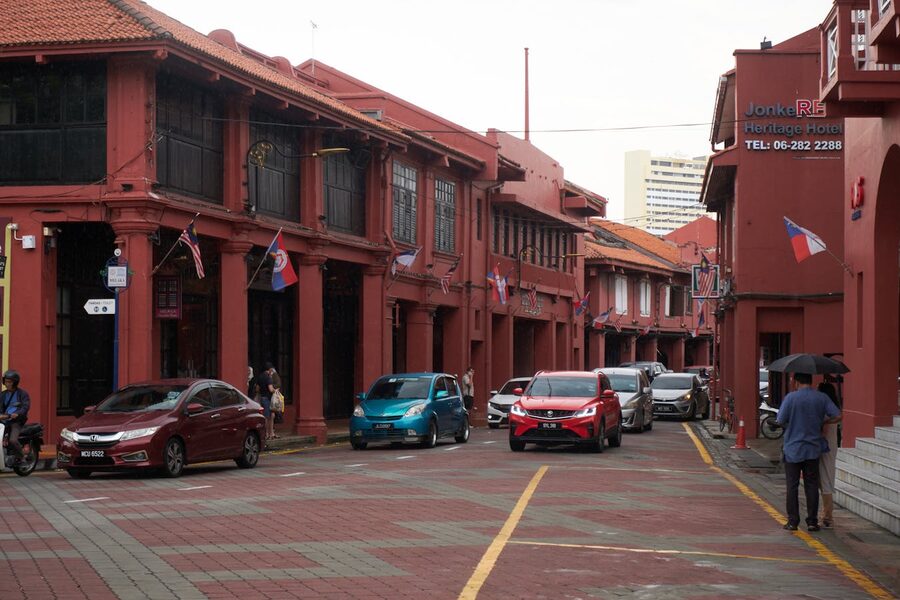
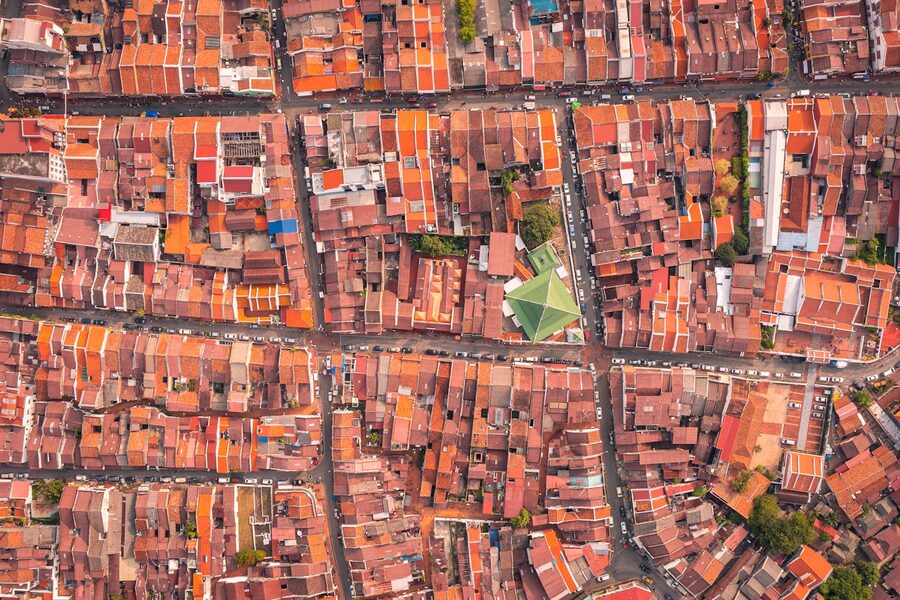
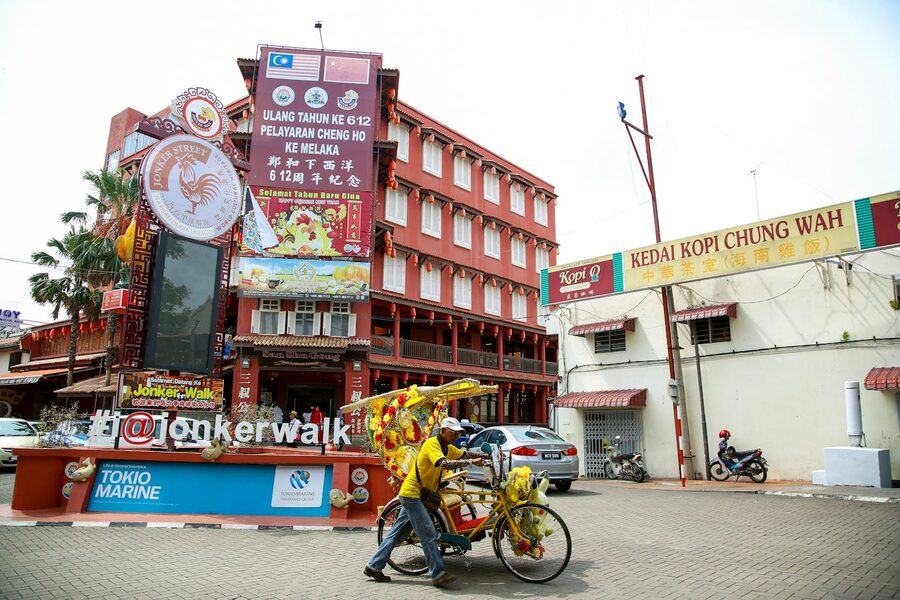
This is the main drag of old Chinatown, running through a stretch of 17th- and 18th-century shophouses that somehow survived both the Dutch and the British and every cycle of modernisation since. On weekends the whole street becomes a night market, but day tours visit during the daytime when the shops are open and the food stalls are at their best for lunch.
This is where your free time typically lands, and it’s where Malacca either wins you over or leaves you cold. Spend it eating.
Cheng Hoon Teng Temple
A few streets east of Jonker is the oldest functioning Chinese temple in Malaysia, built in 1645 using materials and craftsmen brought directly from China. It’s dedicated to Guan Yin, the goddess of mercy, and the roof ridges are studded with dragons and mythological figures made from broken porcelain shards.
Most tours drop you at the entrance and give you ten minutes, which is enough to see the main hall but not really enough to absorb it. Worth coming back if you end up loving Malacca and staying a second day.
Kampung Kling Mosque and Sri Poyyatha Vinayagar Temple
On the same street as Cheng Hoon Teng — literally the next two buildings down — you’ll find an 18th-century mosque with a pagoda-style minaret (unique to the Indonesian-influenced Malacca tradition) and one of the oldest Hindu temples in Malaysia, built in 1781. Three religions in a 200-metre stretch. This little slice of Jalan Tukang Emas is why Malacca earned its UNESCO listing.
Malacca Food You Should Actually Eat
If you’re on tour 2 (the Viator lunch tour), this section mostly decides itself — you’ll eat whatever the Nyonya set menu serves. If you’re on tours 1 or 3 and have to pick your own lunch, here’s what’s worth hunting down on or near Jonker Street.
- Chicken rice balls — Malacca is the only place in Malaysia that rolls the rice into ping-pong-sized balls instead of serving it flat. Hoe Kee Chicken Rice on Jonker Street is the famous one; the queue is real but usually moves within 30 minutes.
- Nyonya laksa — a creamier, coconut-based laksa with thick noodles, shrimp, and tofu puffs. Distinct from the Penang sour version.
- Cendol — shaved ice with pandan jelly noodles, coconut milk, and palm sugar. Jonker 88 has arguably the most famous version in the country.
- Satay celup — a Malacca original where you dunk raw skewers into a communal pot of bubbling peanut sauce to cook them yourself. Capitol Satay is the place, but it’s 15 minutes from Jonker by trishaw.
- Nyonya pineapple tarts — the Peranakan version has a melt-in-mouth pastry and concentrated pineapple jam. Sold in every other shophouse on Jonker Street.
How to Book (Without Getting Scammed)
Quick, practical rules:
- Book online, not through your hotel concierge. Hotel concierges take commissions of 15-25% and often route you to random operators. Klook, GetYourGuide, and Viator all run their operators through verified review systems, and prices are usually 20-30% cheaper than what the hotel will quote.
- Check the cancellation policy. All three tours above offer free cancellation up to 24 hours before the tour. Book as soon as your dates are firm — Malacca tours sell out on weekends and public holidays.
- Read the pickup location carefully. “Hotel pickup” sometimes means “the lobby of certain partner hotels only.” If you’re staying in a non-central area like Bangsar or TTDI, check whether you need to taxi to a central meeting point first. The GetYourGuide listing is clearest about this.
- Bring cash in small notes. Malacca is a cash town for street food, trishaws, and small vendors. You’ll want about RM 100-150 ($25-35) in 10 and 20 Ringgit notes. There are ATMs near Dutch Square if you need more.
- Don’t book a Monday tour if you care about museums. The Baba & Nyonya Heritage Museum, the Maritime Museum, and several others close on Mondays. Most guided tours still run, but you’ll be walking past locked doors.
Practical Logistics
Pickup Times and Duration
All three tours start between 7:30am and 8:30am and return to KL between 5:30pm and 6:30pm. That’s a ten- to eleven-hour day. If you’re jetlagged or have a flight the next morning, think twice.
What to Wear
Lightweight, breathable clothing. You’ll be walking probably 5-7 kilometres over the course of the day, mostly on uneven heritage paving. Good shoes matter more than you think. Shoulders should be covered if you plan to enter Cheng Hoon Teng or Kampung Kling — a scarf or light cover-up is fine.
Weather
Malacca is hot. Always. The temperature rarely drops below 28°C during the day and humidity hovers around 80%. Bring water, a hat, and sunscreen. Rain is possible year-round but especially from October to March during the northeast monsoon — afternoon thunderstorms are common. If it’s pouring, duck into a shophouse café and wait thirty minutes; the rain almost always passes.
Money
Malaysian Ringgit (RM). At the time of writing, $1 USD gets you about RM 4.70. Budget RM 50-80 for lunch if it’s not included, RM 20-30 for the optional river cruise, and RM 10-20 for trishaw photos if you’re into that.
Should You Stay Overnight in Malacca Instead?
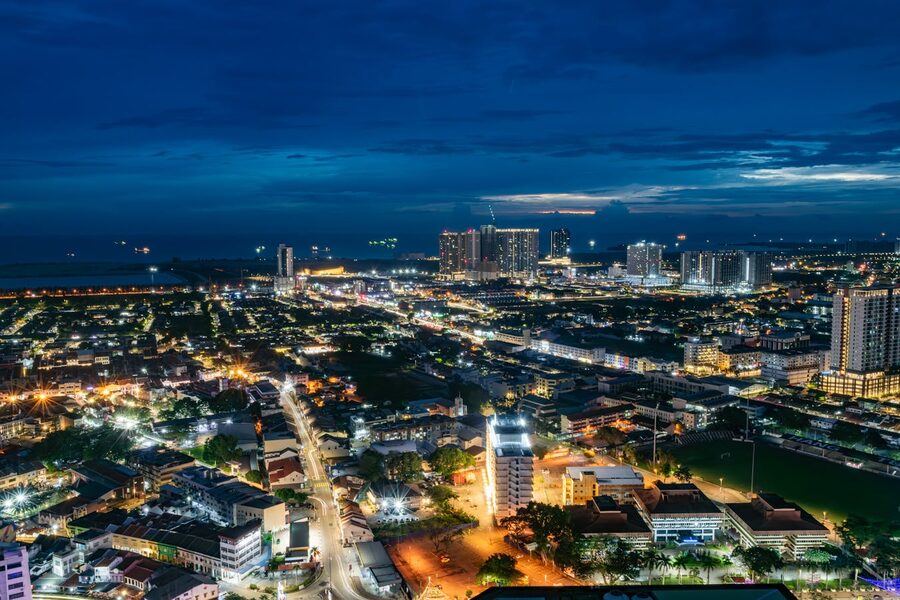
I get this question a lot. The short answer: if you have three full days in Malaysia, do the day trip. If you have five days or more, consider an overnight — Malacca is a genuinely different city after 6pm when the day tour buses leave and the river cafés light up. A night in one of the restored shophouse hotels (The Majestic, Courtyard@Heeren, Hotel Puri) is one of those slow travel experiences that sticks with you.
The trade-off is that you lose half a day in each direction to transit, and you’ll want at least a full day of KL time too for the capital’s own attractions. For most travellers on a two-week Southeast Asia itinerary, the day trip is the right call. For slow travellers with three or four weeks, the overnight is better.
Pair It With: Other Day Trips From KL
If Malacca is on your list, you’re probably asking what else to do from KL. The obvious pair is a Batu Caves tour, which takes half a day and covers a completely different slice of Malaysia — the Hindu temple culture that dominates KL’s suburbs. Most visitors do Batu Caves in the morning of an arrival or departure day and Malacca as a full-day trip on a separate day.
The two together give you a pretty complete picture of peninsular Malaysia’s cultural layers without leaving a 200-kilometre radius of KL.
Other day trips worth looking at: the Cameron Highlands tea plantations (long drive, 3 hours each way), Kuala Selangor fireflies (evening half-day), and Genting Highlands cable car (theme park vibes). But if you only have time for one, Malacca is the one that delivers the heritage and food story properly.
What About Self-Driving or Taking the Bus?
You can absolutely do Malacca independently. There’s a direct express bus from KL’s TBS terminal (RM 15, about 2 hours) and rental cars are cheap. The reasons I’d still lean towards a guided tour:
- KL traffic in the morning can eat an hour of your day if you’re driving yourself.
- Parking in the Malacca heritage zone is limited and confusing for first-time visitors.
- The guided context genuinely adds something — Malacca’s layered history is hard to piece together just walking around looking at plaques.
- At $32-35 per person including transport, the tours are barely more expensive than the bus plus a decent lunch, and you save the mental overhead.
If you’re on a very tight budget or you want to stay overnight, the bus is the better call. Otherwise, the tour wins on a time-and-hassle basis.
Common Questions
Is Malacca worth visiting from Kuala Lumpur?
Yes, if you have three or more full days in Malaysia. The 4-hour round-trip drive is a real time investment, but the city is one of the most historically layered places in Southeast Asia and the Peranakan food alone justifies the trip for many travellers.
How long is the drive from KL to Malacca?
About 2 hours each way on the PLUS Expressway (150 km). Morning traffic leaving KL can add 30-45 minutes, which is why most tours start at 7:30-8:00am.
What’s the best day of the week to visit Malacca?
Friday, Saturday, or Sunday if you want to experience the Jonker Street night market (although day tours typically return to KL before the market opens). Avoid Mondays if museums matter to you. Weekdays have fewer crowds at heritage sites but also fewer food stalls open.
Can I do Malacca as a half-day trip?
No. The round-trip drive alone is 4 hours, and you need at least 4-5 hours on the ground to see the highlights. Plan for a full day.
Do I need to book in advance?
Yes, especially for weekends and school holidays. The popular shared tours (tours 1 and 2 above) regularly sell out 2-3 days ahead. Private tours have more flexibility but still benefit from booking 24-48 hours in advance.
Is lunch included?
Depends on the tour. Tour 2 (Viator lunch tour) and tour 3 (private) include lunch. Tour 1 (GetYourGuide shared) does not — you eat on your own during free time on Jonker Street.
Can I do Malacca on my own using public transport?
Yes. Direct express buses run from KL’s TBS terminal to Malacca Sentral (RM 15, ~2 hours), and from there it’s a 10-minute Grab ride to the heritage zone. This is the cheapest option but costs you the guided context and the bundled transport.
What language do the guides speak?
English. All three tours above are English-language. Some operators offer Mandarin, Cantonese, or Japanese on request — check the individual listings.
More Malaysia and Asia Booking Guides
This is the second article in our Malaysia booking series. If you’re planning a wider trip, these related guides cover the most popular tours across the region:
- How to Book a Batu Caves Tour From Kuala Lumpur — the half-day companion trip to Malacca, covering the Hindu cave temples just outside KL.
- How to Book an Old and New Delhi City Tour — another multicultural heritage city with heavy colonial layering.
- How to Book a Jaipur City Tour — the Pink City is India’s own UNESCO-listed heritage day trip.
- How to Book an Angkor Wat Sunrise Tour from Siem Reap — if Southeast Asian temple heritage is your thing, this is the big one.
- How to Book Jeju Island Day Tours — another UNESCO-listed heritage destination worth planning a day around.
- How to Book a Korean Cooking Class in Seoul — if the Nyonya lunch convinced you that food tours are the best tours, the Seoul cooking class is a great next step.
- How to Book a Kampong Phluk Floating Village Tour from Siem Reap — Cambodia’s equivalent of a cultural deep-dive day tour.
- Phare Cambodian Circus Tickets — a great evening add-on if you’re combining Malacca with a Cambodia leg.
- How to Book a Khmer Cooking Class in Siem Reap — another food-first cultural experience that pairs well with heritage city trips.
- Killing Fields and S-21 Tour from Phnom Penh — for the more serious history side of Southeast Asian travel.
The Bottom Line
Book tour 2 (the Viator 5.0-star lunch tour) if you want the best food experience and don’t mind sharing a bus. Book tour 1 (the GetYourGuide value option) if you want maximum flexibility on lunch and the biggest base of reviews to trust. Book tour 3 (the private tour) if you’re travelling as a group of three or more, or you just don’t want to share a coach with strangers.
All three take you to the same core heritage sites. The difference is in the food, the pacing, and whether you want your morning to feel like a school excursion or a proper cultural excursion.
Whichever you pick, do the trip. Malacca is one of those cities that’s easy to underestimate from photos and impossible to forget once you’ve walked it.
The layered history — Portuguese stones, Dutch red paint, British churches, Chinese shophouses, Indian temples, Peranakan kitchens, all inside a half-hour walking radius — is the kind of thing Southeast Asia does better than anywhere else on earth, and Malacca is where it’s concentrated into its most visitable form.
Two hours down, two hours back, and somewhere in between you’ll understand why UNESCO put this little river port on the world heritage list.