
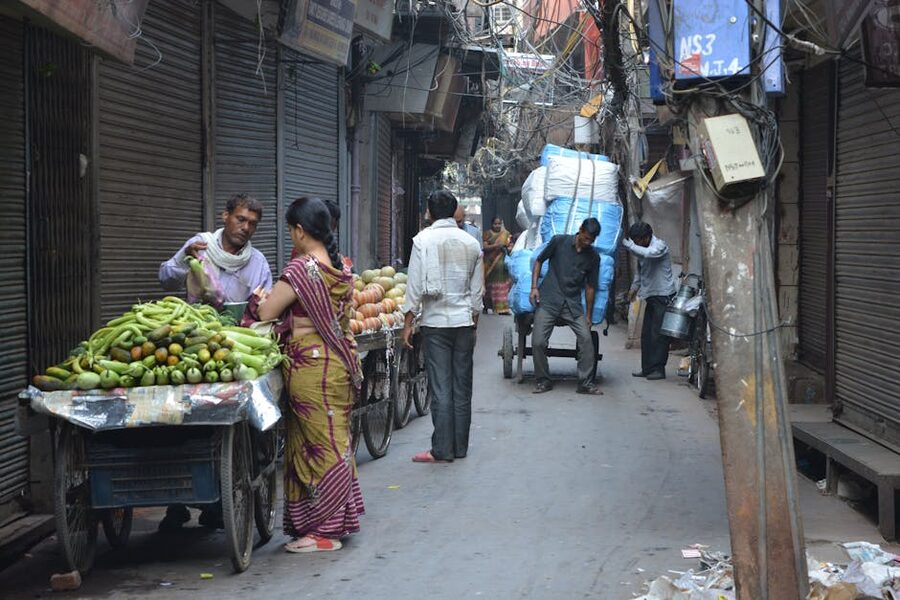
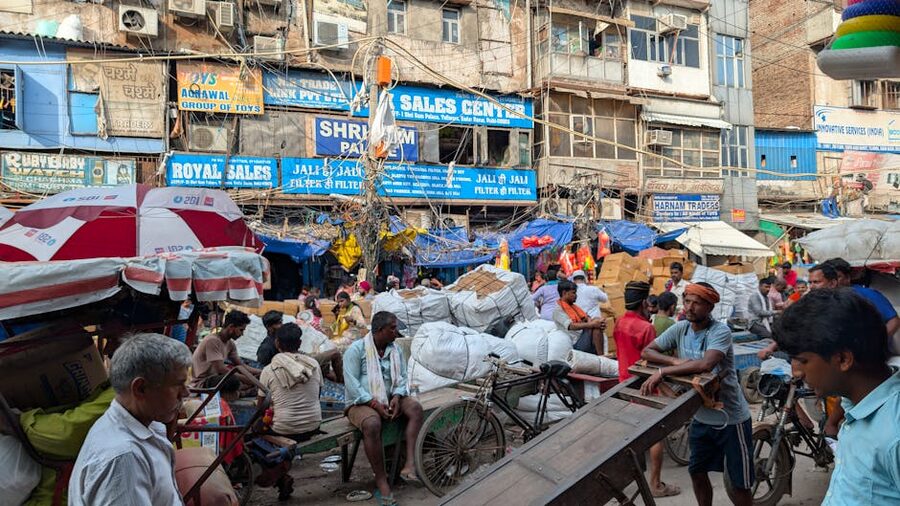
Old Delhi hits you like a wall of chili smoke and rickshaw bells — a narrow-lane labyrinth where Mughal emperors once rode elephants and where, four centuries later, a kid on a scooter will still clip your elbow at 15 km/h.
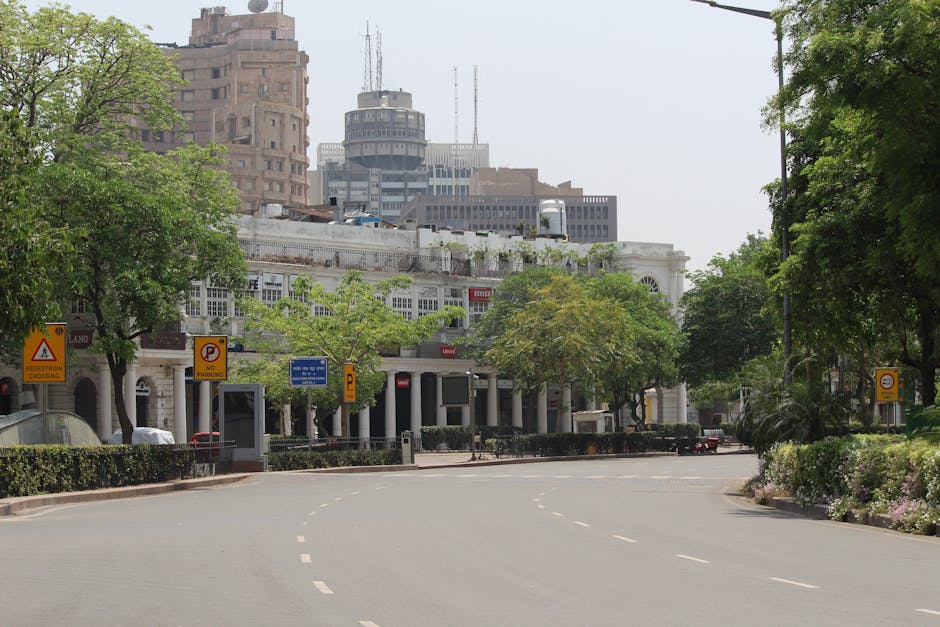
Cross a single boulevard and New Delhi unfolds like someone smoothed it with an iron: Edwin Lutyens’ wide ceremonial avenues, hedged roundabouts, the sandstone gravity of Rashtrapati Bhavan anchoring a grid that British planners drew up when the capital moved from Calcutta in 1911. Mughal chaos on one side. Colonial order on the other.
Ten minutes of driving between them, and a full day is honestly the only way to make sense of both.
n
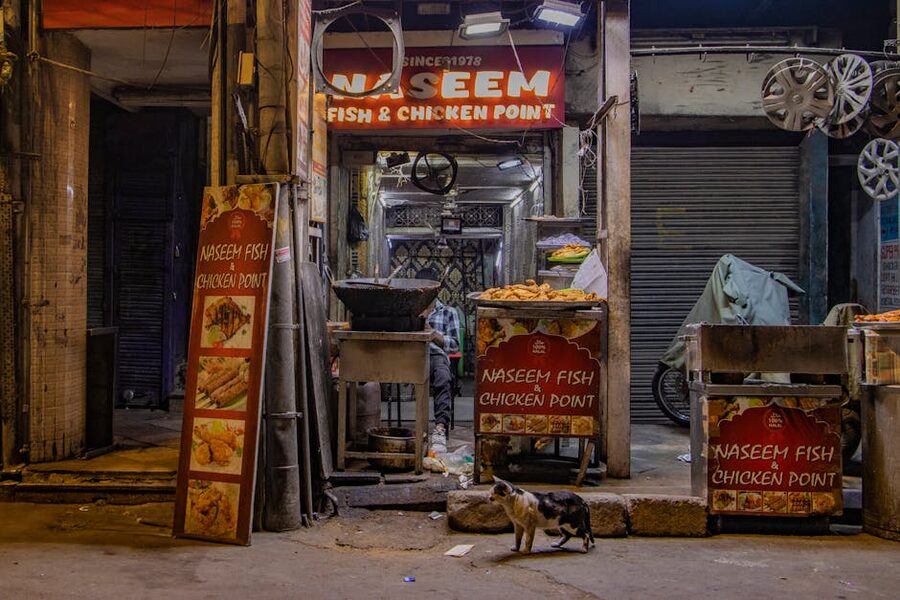
The thing nobody warns you about is how quickly the contrast becomes the point of the trip. You stop caring about ticking monuments off a list and start watching how Delhi layers itself — Lodi-era tombs next to 1950s government bungalows, a 13th-century minaret looming over a six-lane flyover, a Jain temple bird hospital three hundred meters from a Starbucks in Connaught Place.
A guided Old and New Delhi city tour is the easiest way to thread all of that together without burning half your day in traffic (and Delhi traffic, I promise, will humble a first-time visitor).
Below are the three best-rated private full or half-day city tours that actually cover both halves of the capital properly, plus a walkthrough of what you’ll see, what to eat, and a few honest notes on where each tour falls short.

- The 3 Best Old & New Delhi City Tours (Full or Half Day)
- 1. Private Full Day Old and New Delhi City Tour (Viator)
- 2. Old & New Delhi City Tour — Half or Full Day (Viator)
- 3. Delhi: Private Full-Day City Tour of Old and New Delhi (GetYourGuide)
- Which Tour Should You Actually Book?
- Old Delhi vs New Delhi: What You’re Actually Seeing
- Old Delhi — Shahjahanabad
- New Delhi — Lutyens’ City
- What to Eat on Your Delhi City Tour
- Practical Things Nobody Tells You
- When to Go
- What to Wear
- Bathrooms
- Money
- Tipping Your Guide and Driver
- How Much Time Do You Actually Need?
- Nearby Day Trips and Extensions
- Airport, Transfers, and First-Day Logistics
- The Monuments You Might Skip
- Booking Notes, Cancellations, and What to Confirm Before You Pay
The 3 Best Old & New Delhi City Tours (Full or Half Day)
I pulled these from the combined pool of Viator and GetYourGuide listings that specifically cover both Old and New Delhi in a single day, sorted by verified review count and average rating. All three are private tours with an English-speaking guide, an air-conditioned car, and flexible half or full-day options. Prices below are per person at the time of writing — actual cost depends on group size because they’re private.
1. Private Full Day Old and New Delhi City Tour (Viator)
This is the most-reviewed Delhi city tour on the internet, and the review count is not an accident — it’s the tour most international visitors end up on because it shows up first on every comparison site and because the itinerary is genuinely well-sequenced.
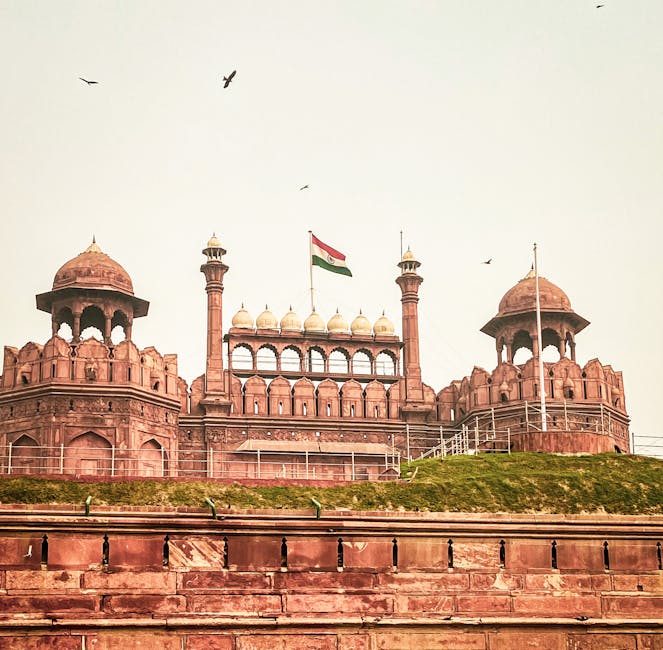
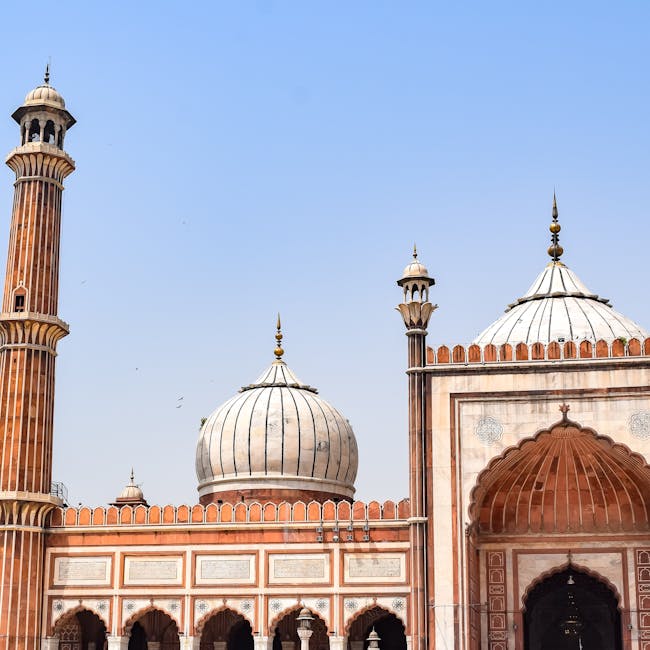
You start in Old Delhi at the Red Fort, walk the spice market in Chandni Chowk, take a cycle rickshaw through the lanes to Jama Masjid, then cross over to Rajghat (Gandhi’s cremation memorial) before heading into New Delhi for Humayun’s Tomb, India Gate, the Parliament District drive-past, and Qutub Minar.
You’ll be in an AC car the whole time you’re not walking, which matters more than you think when the temperature in April pushes past 38°C.
What’s good: Pickup and drop-off from any Delhi hotel is included, the entrance tickets for all the major sites are covered (Red Fort, Humayun’s Tomb, Qutub Minar — that’s roughly $18 of tickets you’d otherwise pay at the gate), and the guides on this operator are mostly government-licensed, which is a real distinction in India where unlicensed guides can legally only work inside a single monument.
The 5.0 rating across 4,811 people is the cleanest signal you’re going to get that the execution is consistent.
What’s not: The “full day” is really 8 hours, not 10 or 12, so if your plane lands early and you want to use the whole daylight window, ask in the booking notes for a 7 am start — the default pickup tends to be 8:30 or 9.
Lunch is not included and the guide will steer you toward a specific restaurant in Connaught Place which is fine but predictable; if you’d rather eat paranthas at Paranthe Wali Gali in Chandni Chowk, say so upfront. Also: this tour does not go inside Rashtrapati Bhavan (nobody’s tour does — it’s a presidential residence), so you only drive past it on Rajpath.
2. Old & New Delhi City Tour — Half or Full Day (Viator)
n
Almost identical price and rating to the first tour, but the selling point here is the flexibility — you pick half-day (4 hours, Old Delhi only or New Delhi only) or full-day (8 hours, both) when you book, and the operator configures the itinerary accordingly. That matters if you’ve only got a morning before a Jaipur train or an afternoon after your Agra day trip.
The half-day Old Delhi version leans into the Chandni Chowk rickshaw, the Jama Masjid climb, and the spice market. The half-day New Delhi version covers Humayun’s Tomb, India Gate, Qutub Minar, and Lotus Temple. Full-day does all of it.
What’s good: The split option is genuinely useful. If it’s your fifth day in India and you’ve already seen Mughal architecture to the point of saturation, the half-day New Delhi slice is a much better use of time. travellers repeatedly mention the driver waits patiently at each stop, which sounds trivial until you’ve been stranded in Delhi traffic trying to hail an Uber at Qutub Minar at 4 pm. Entry tickets are included on the full-day version.
What’s not: Half-day versions do not include monument entry tickets in some booking windows — check the fine print. The tour starts from a northern New Delhi meeting point on a few booking dates rather than hotel pickup, which is a pain if your hotel is in south Delhi or Gurgaon. Confirm pickup location before you pay.
3. Delhi: Private Full-Day City Tour of Old and New Delhi (GetYourGuide)
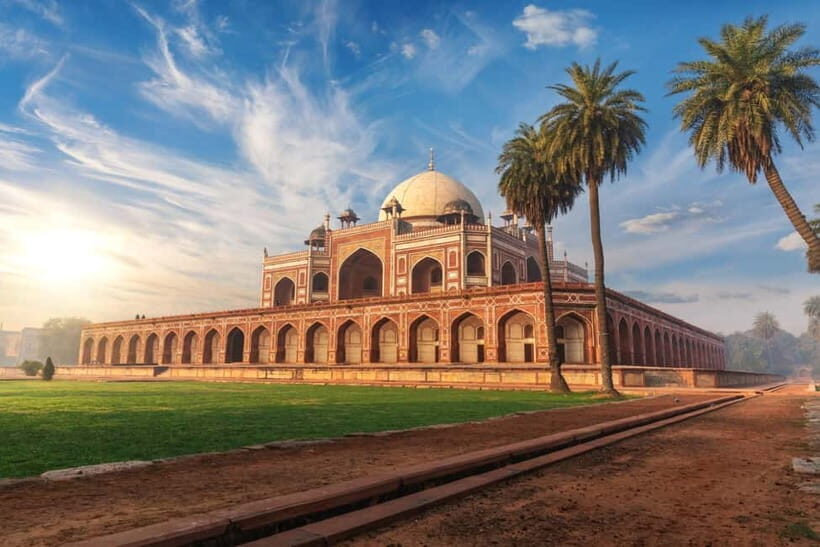
If you’re price-sensitive, this is the budget pick — $22 per person versus $38 for the Viator tours, and still a 4.9 rating across 1,722 verified reviews. It’s on GetYourGuide rather than Viator, which occasionally matters for European travellers who prefer GYG’s cancellation terms (free up to 24 hours before, no questions). The itinerary is almost the same: Red Fort, Jama Masjid, Raj Ghat, Humayun’s Tomb, India Gate, Qutub Minar, with a Chandni Chowk rickshaw thrown in.
What’s good: The price. It’s roughly 40% cheaper than Tour #1 for essentially the same route, and the 4.9 rating suggests it’s not cutting corners on the things that matter (guide quality, car condition, pickup punctuality). Free cancellation up to 24 hours before is rare in India where most operators want 48 or 72 hours. Hotel pickup is included.
What’s not: Monument entry tickets are not included at this price point — expect to pay roughly $18 per person in entry fees on top (Red Fort ~$7, Humayun’s Tomb ~$7, Qutub Minar ~$7 for foreigners). Factor that in and the all-in cost is $40, which basically matches the Viator tours once you adjust for included tickets. The lunch stop is at a mid-range restaurant that’s fine but touristy — the guide can skip it if you ask.
Which Tour Should You Actually Book?
Honestly, the three are close enough in quality that the decision comes down to three questions. One: do you want monument entry tickets bundled in? If yes, go with Tour #1 (the 4,811-review Viator full-day) — it’s the most included for $38 and the reviews are the most consistent. Two: do you only have four hours?
Then Tour #2 is the only one of the three offering a real half-day split, so it’s your pick by default. Three: are you trying to keep the day cheap and don’t mind paying entry fees at the gate? Tour #3 at $22 is the sharpest value and the GetYourGuide cancellation policy is friendlier.
The one scenario where I’d actually skip all three of these is if you’re already on a multi-day Golden Triangle trip and your operator is covering Delhi on day one or day five — in that case you don’t need a standalone city tour, you need the four-day Golden Triangle package that stitches Delhi, Agra, and Jaipur together. A city tour as a bolt-on is redundant there.
Old Delhi vs New Delhi: What You’re Actually Seeing
n
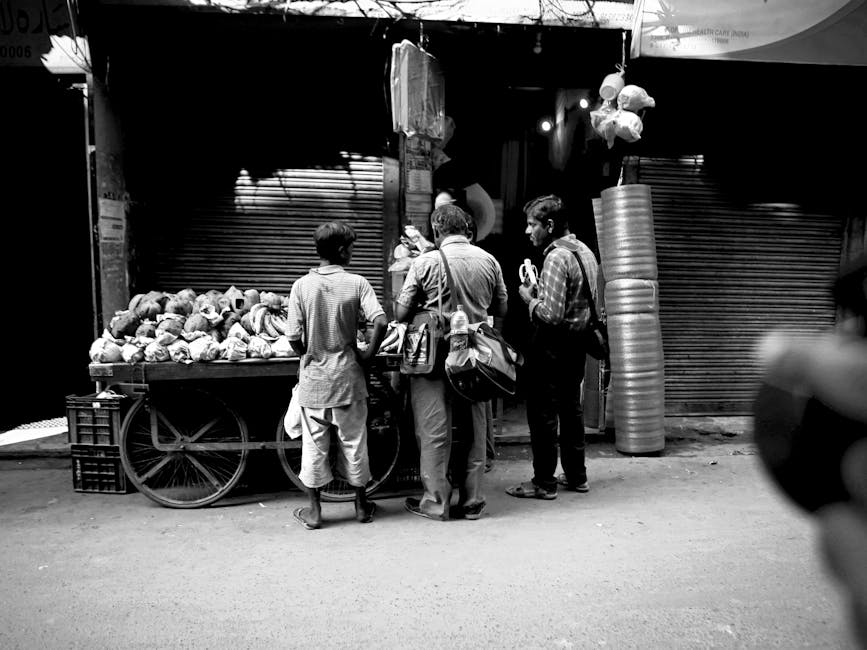
Most people arrive thinking “Delhi” is a single place. It isn’t — it’s at least two cities with different founding dates, different layouts, different languages of power, and (if you’re reading street signs) different dominant scripts. The contrast is the reason a combined tour is worth your money. Here’s what each half of the city is really about.
Old Delhi — Shahjahanabad
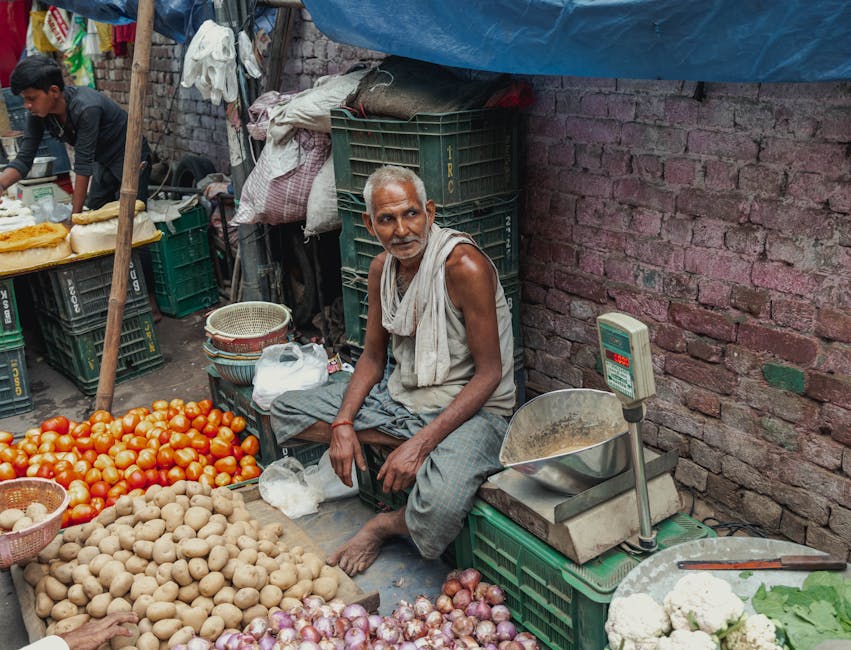
Old Delhi is technically Shahjahanabad, the seventh city of Delhi, founded by Mughal emperor Shah Jahan in 1639 after he got bored of Agra and decided to move the capital. He built the Red Fort as his residence and Jama Masjid as the empire’s main mosque, then walled in the whole district with sandstone ramparts and carved out a grid of narrow lanes that have, astonishingly, not changed much since.
The walls are mostly gone, but the lane layout is original. When you’re squeezed into a cycle rickshaw in Chandni Chowk passing silver wholesalers who have been in the same shop for six generations, you are riding on a 380-year-old street plan.
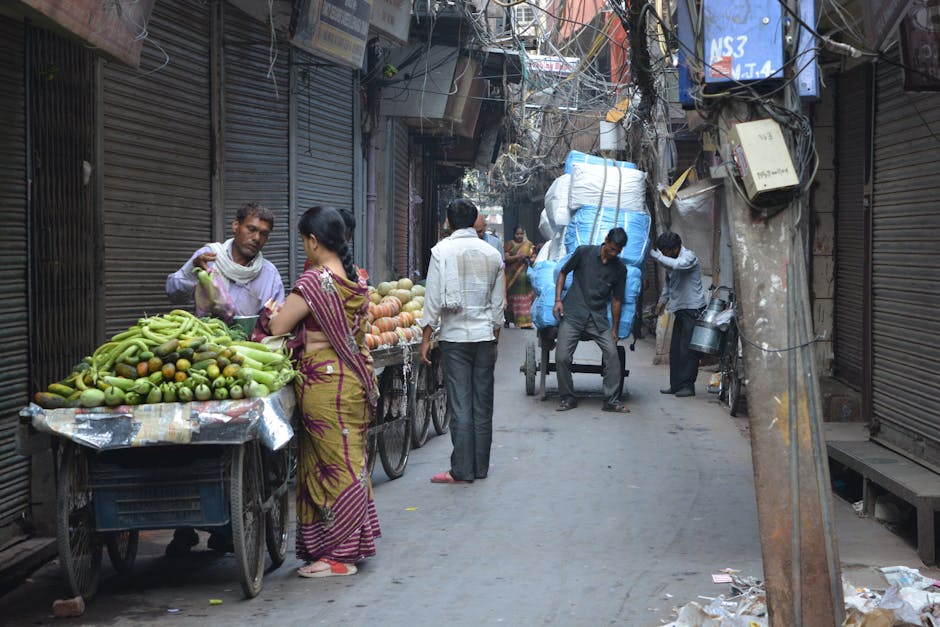
The key stops in Old Delhi:
- Red Fort (Lal Qila). UNESCO World Heritage, 254-meter red sandstone ramparts, and the Diwan-i-Aam (hall of public audience) where Shah Jahan heard petitions from a peacock throne inlaid with 230 kg of gold. The throne is long gone — Persian ruler Nadir Shah looted it in 1739 — but the Diwan-i-Khas (hall of private audience) still has the inlaid marble where it once sat. Budget 60 minutes minimum.
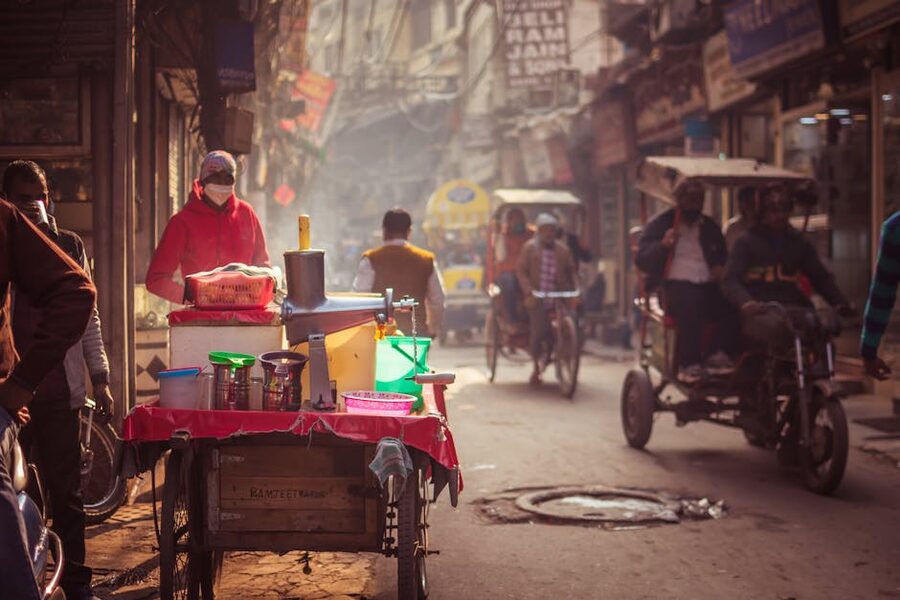
- Chandni Chowk. The commercial heart of Old Delhi. Chandni means “moonlit,” and the original 1650 design had a canal running down the middle reflecting the moon. The canal is long gone, replaced by traffic, but the spice market (Khari Baoli, Asia’s largest wholesale spice market), silver market (Dariba Kalan), and fabric market (Katra Neel) still operate on their original sites. A cycle rickshaw is the only sensible way through — cars can’t fit.
- Jama Masjid. Completed in 1656, India’s largest mosque, capacity 25,000 worshippers. Climb the southern minaret (extra fee, roughly $2) for the best rooftop view of Old Delhi — you’ll see how densely packed the lanes are and how little has changed. Dress code: knees and shoulders covered, shoes off at the entrance, head covering for women (they lend one at the gate if you forget).
- Paranthe Wali Gali. The “alley of paratha sellers” off Chandni Chowk — a 150-meter lane with six or seven paratha shops that have been frying stuffed flatbreads since the early 1900s. Mixed vegetable, paneer, khoya, and a dozen other fillings. If your guide doesn’t stop here and you want to go, just ask.

New Delhi — Lutyens’ City
New Delhi is roughly 270 years younger than Old Delhi. The British built it between 1911 and 1931 after King George V announced at the Delhi Durbar that the capital of British India was moving from Calcutta.
n
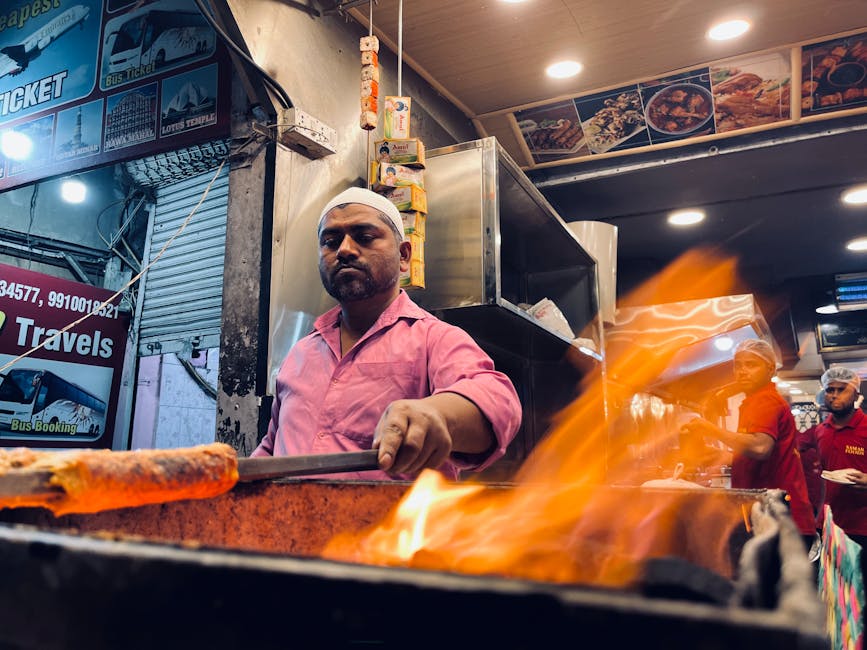
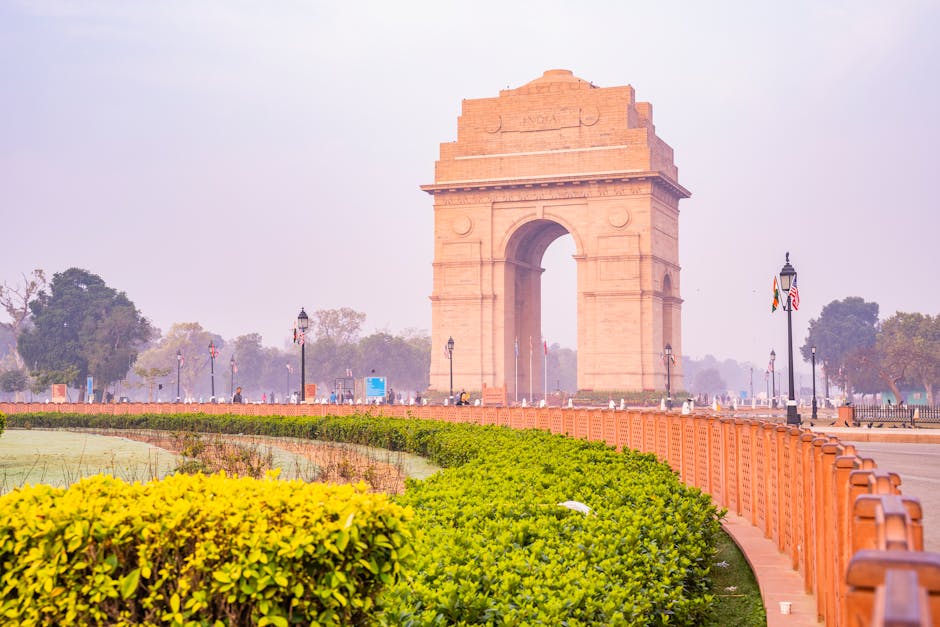
They hired Edwin Lutyens and Herbert Baker to design a ceremonial capital from scratch, and what they produced is the opposite of Shahjahanabad in every possible way — wide avenues (Rajpath is 2.3 km long and 40 m wide), vast roundabouts, hexagonal grids, sandstone-and-marble government buildings sized for an empire.
It’s Washington DC crossed with Canberra crossed with a Mughal-revival fever dream.
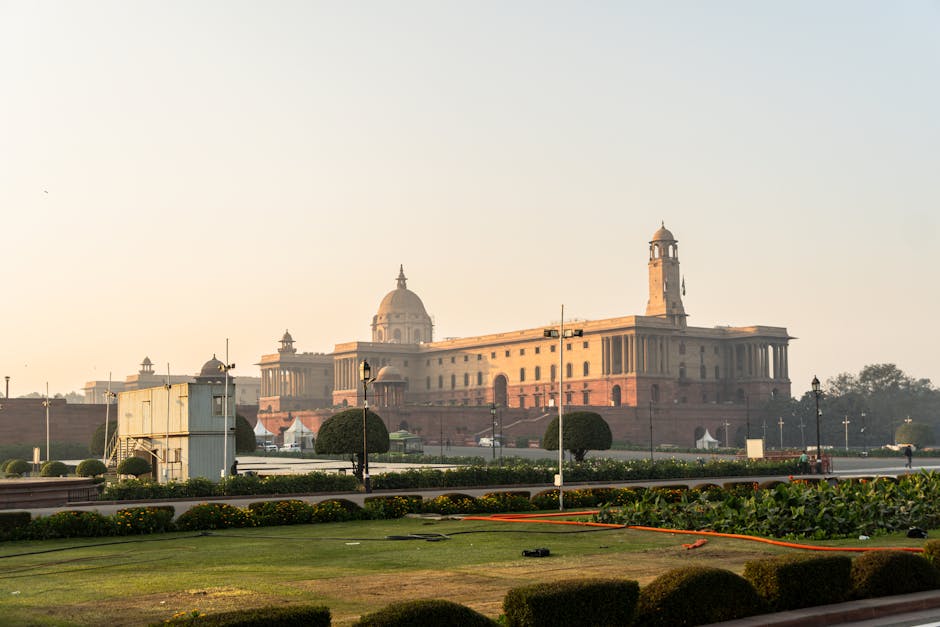
The key stops in New Delhi:
- India Gate. A 42-meter sandstone war memorial (modeled on the Arc de Triomphe in Paris) inscribed with the names of 13,300 Indian soldiers who died in World War I and the Third Anglo-Afghan War. Standing on Rajpath looking at it from the Rashtrapati Bhavan end is one of Delhi’s most photographed perspectives.
- Rashtrapati Bhavan. The 340-room official residence of the President of India, designed by Lutyens. You can’t go inside on a standard city tour (it’s the equivalent of asking to wander through the White House), but the drive past it on Rajpath is standard. If you want the interior, you book separately through the Rashtrapati Bhavan website a month in advance.
- Humayun’s Tomb. Built in 1570 by the widow of Mughal emperor Humayun, this is the prototype that Shah Jahan’s grandson later studied when designing the Taj Mahal — same charbagh (four-part) garden layout, same raised plinth, same central dome, same sandstone-and-marble palette. UNESCO World Heritage. Technically it’s in Nizamuddin, a district older than New Delhi, but every city tour groups it with the New Delhi stops because of logistics.
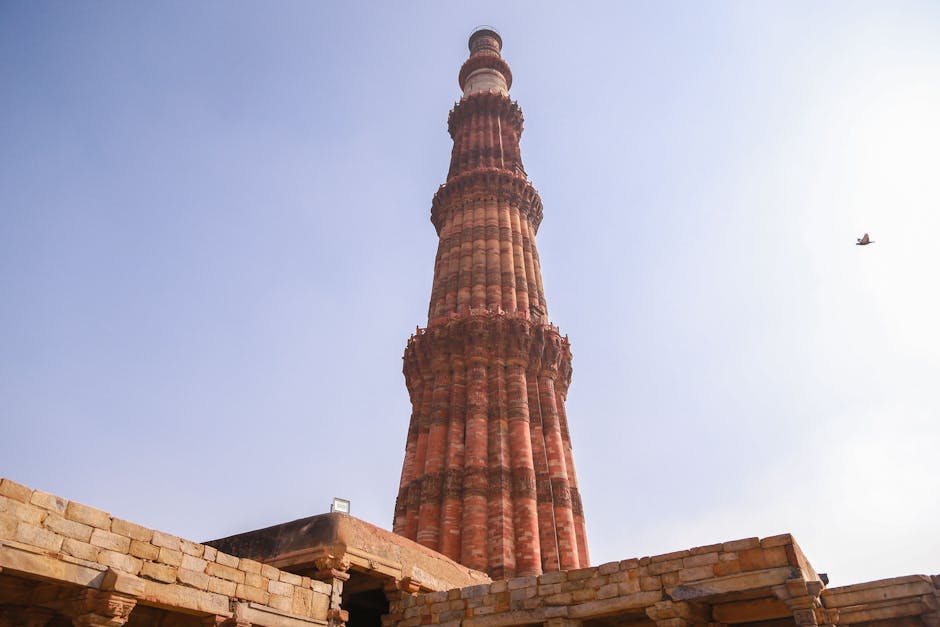
- Qutub Minar. A 73-meter red sandstone tower started in 1192 by Qutb-ud-din Aibak, the founder of the Delhi Sultanate. It’s the tallest brick minaret in the world and marks the site of the first Islamic city in Delhi (Mehrauli, which predates Shahjahanabad by 450 years). Also UNESCO.
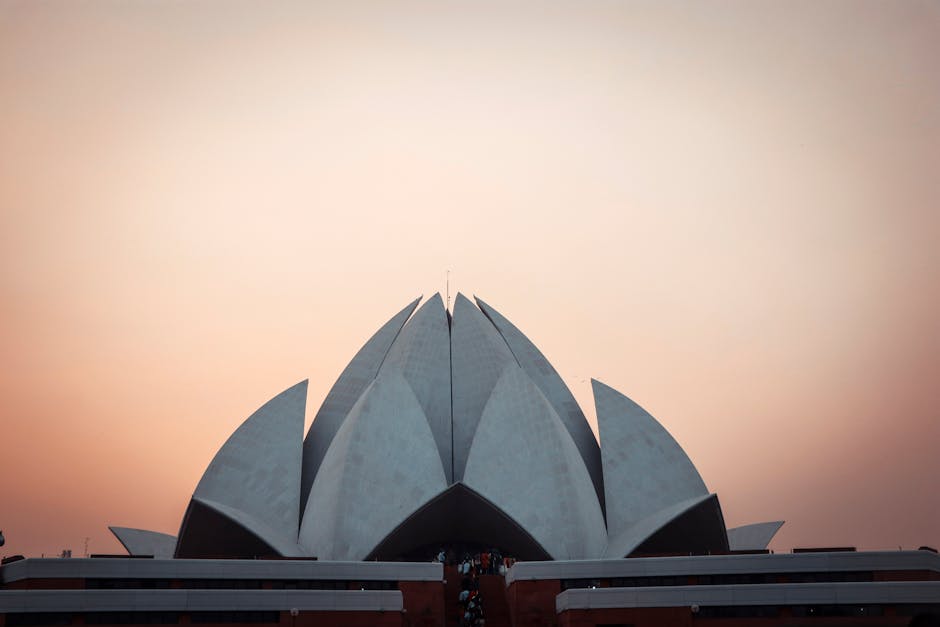
- Lotus Temple. A 1986 Baháʼí House of Worship shaped like a half-open lotus with 27 white marble “petals.” It’s an optional extra on most tours and opinions vary — some visitors find the silence inside genuinely meditative, others think it’s a bit Epcot. Worth 30 minutes if your tour includes it.
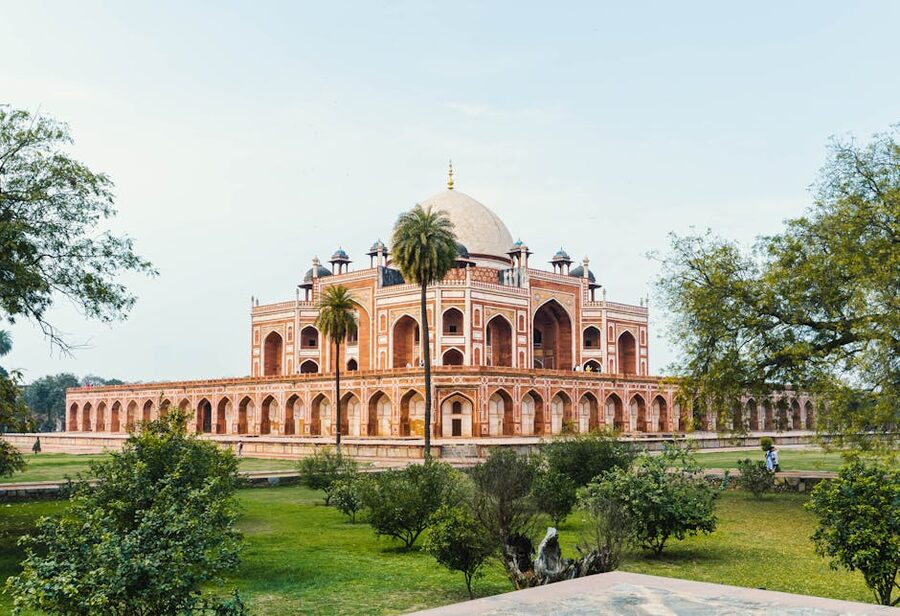
What to Eat on Your Delhi City Tour
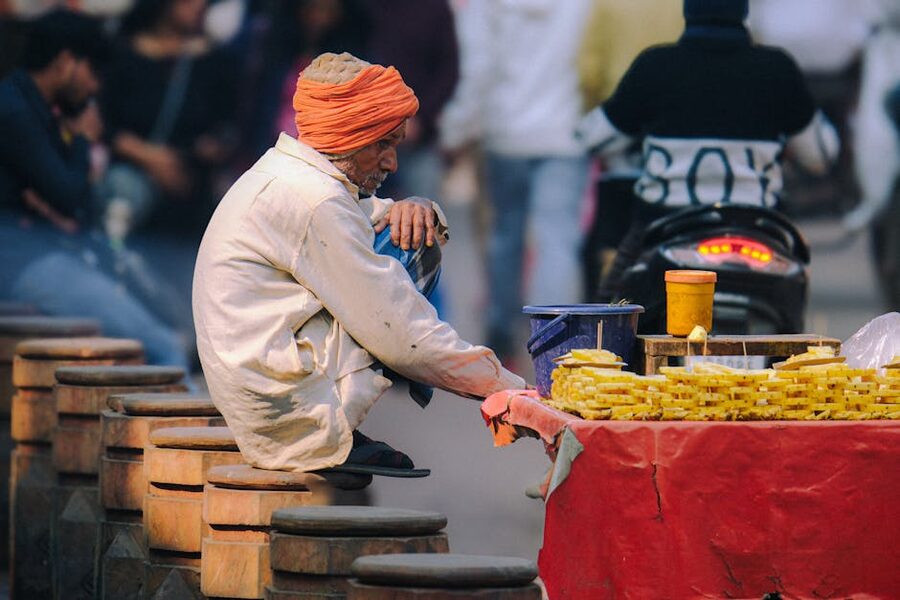
Food is honestly half the point of an Old Delhi visit, and no operator’s fixed lunch stop is going to be as good as what you can eat on foot from street stalls and family-run shops. Tell your guide you want to eat where locals eat, and you’ll get access to things that don’t end up on TripAdvisor.
A few specific recommendations within walking distance of the standard Old Delhi route:
n
- Karim’s (Jama Masjid lane 1). Open since 1913, descended from cooks who worked for the Mughal emperors. Order the mutton burra kebab and the mutton korma. It’s not cheap by Indian street food standards (about $8 per head) but the lineage is real.
- Paranthe Wali Gali (off Chandni Chowk). Mixed vegetable paratha at Pandit Babu Ram Devi Dayal — the shop has been there since 1872. Roughly $2 for a full plate with pickles, chutney, and a cup of sweet yogurt.
- Natraj Dahi Bhalle (Chandni Chowk). A 78-year-old stall serving dahi bhalla (lentil dumplings in yogurt) that has roughly a 50-person queue at lunch. $1.50 a plate. Worth the queue.
- Jalebi Wala (Dariba Kalan corner). Since 1884. Deep-fried jalebis in desi ghee — sweet, crunchy, utterly dripping. $2 for a small paper cone. Breakfast or late afternoon, not lunch.

If you’d rather do a dedicated food walk instead of folding eating into a city tour, the Old Delhi walking tour has a heavier food component and moves slower through the lanes, which is the right speed if you actually want to taste things rather than photograph them.
Practical Things Nobody Tells You
When to Go
October through March is the only sane window. November to February is ideal — clear skies, daytime temperatures of 20–25°C, cool evenings. March gets warm. April to June is brutal (40°C+ in the shade, Old Delhi lanes become unbearable). July to September is monsoon — it’s cooler but the lanes flood and the dust becomes mud. If you have any flexibility at all, aim for November, December, or February.
What to Wear
Comfortable walking shoes that slip off easily (you’ll remove them at Jama Masjid, Humayun’s Tomb mosque building, and Gurdwara Sis Ganj if your tour goes there). Trousers or knee-length skirt. Long sleeves or a scarf for mosque visits. A hat and sunglasses — even in December the midday sun is strong. Carry your own bottled water; the tour will stop at shops but it’s easier to have your own.
Bathrooms
n

This is the practical question nobody puts in a travel guide. Old Delhi public bathrooms are not great. Use the facilities at your hotel before you leave, use the ones at Humayun’s Tomb and Qutub Minar (both clean, maintained by ASI), and if you need one in Old Delhi, the Red Fort complex has acceptable facilities. Avoid anything else.
Money
Carry 2,000–3,000 rupees in small notes (100s and 200s) for entry fees, rickshaw tips, and street food. Card payments are accepted at most sit-down restaurants and all major monuments, but the street economy of Old Delhi is still cash-first. ATMs in Connaught Place or Khan Market are your best bet for withdrawing.
Tipping Your Guide and Driver
Standard practice on a private full-day tour is roughly 500–800 rupees ($6–10) for the guide and 300–500 rupees ($4–6) for the driver, given at the end of the day. It’s not in the booking price and they do rely on it. If your guide was excellent, tip more.
How Much Time Do You Actually Need?
Short answer: a full day (8 hours) if you want both halves of the city done properly. The half-day options exist and work if you’re time-constrained, but they force a compromise — you either get the Mughal stuff or the colonial and post-colonial stuff, not both.
The monuments themselves aren’t enormous (you can do Red Fort in 60 minutes, Humayun’s Tomb in 45, Qutub Minar in 45, Jama Masjid in 30), but the walking time between them inside each monument plus the Delhi traffic between stops eats up the rest. Six hours is the absolute floor for a half-decent combined tour; eight hours is comfortable; ten hours starts to feel padded.
If you’ve got two days to spend in Delhi, the better split is one day Old + New with a tour, and a second day doing either a day trip to the Taj Mahal from Delhi or a dedicated visit to quieter sites like Mehrauli Archaeological Park, Hauz Khas, Safdarjung’s Tomb, and the Nizamuddin dargah — the stuff that gets skipped on a standard city tour but is just as historically dense.
Nearby Day Trips and Extensions
n
Delhi is the launching point for most North India itineraries, so it’s worth knowing what’s within a day’s reach if your schedule has room. The three most popular extensions:
- Agra and the Taj Mahal. 210 km south, 3.5 hours by the Yamuna Expressway or 2 hours by Gatimaan Express train. Doable as a day trip, better as an overnight. The sunrise Taj Mahal private tour from Delhi is the version most people book because the early light on white marble is the whole reason to go.
- Jaipur. 270 km west, 5 hours by car or 4.5 by the Shatabdi train. The third corner of the Golden Triangle. A Delhi-to-Jaipur private tour exists but it’s a long day — most people do it as part of a multi-day package.
- Mathura and Vrindavan. 180 km south, the birthplace of Krishna, intensely religious, entirely different energy from Delhi. The Mathura Vrindavan day excursion is the cleanest way to see it without getting lost.
- Rishikesh. 240 km north, on the Ganges, yoga capital, big gorge, suspension bridges. Too far for a day trip — plan two or three nights. The Rishikesh evening Ganga aarti tour is a good starting point once you’re up there.
Airport, Transfers, and First-Day Logistics
n
Delhi’s Indira Gandhi International Airport (DEL) is about 16 km southwest of Connaught Place and 20 km from most New Delhi hotels. Uber and Ola work, but after a long-haul flight most people prefer a pre-booked chauffeur — the Indira Gandhi Airport chauffeur service does name-board meet-and-greet which is genuinely worth it at 2 am.
If you’ve got more luggage than sense, the Airport Express Metro runs from Terminal 3 to New Delhi station in 20 minutes for about 60 rupees — it’s the fastest option in the morning but useless with 40 kg of bags.
Most international flights land between midnight and 6 am, which means your first morning is usually a write-off. A sensible pattern: land, transfer, sleep until noon, then spend the afternoon adjusting at your hotel, and book your city tour for day two when you’re actually awake. Do not try to do a full-day Old and New Delhi tour on zero sleep — the Chandni Chowk lanes and the heat will break you.
The Monuments You Might Skip
n
A standard Old and New Delhi tour hits the top seven or eight sites, but Delhi has maybe thirty monuments worth visiting, and some of the ones that get cut are actually better than the headliners. If you’ve got a second day in the city, consider these:
- Safdarjung’s Tomb. 1754, the last grand Mughal garden tomb before the empire collapsed. Quiet, almost no travellers, ten minutes from Connaught Place.
- Lodi Gardens. A 90-acre public garden with five 15th and 16th century tombs scattered through it. Delhi’s version of Central Park. Free, open dawn to dusk, locals use it for morning jogs.
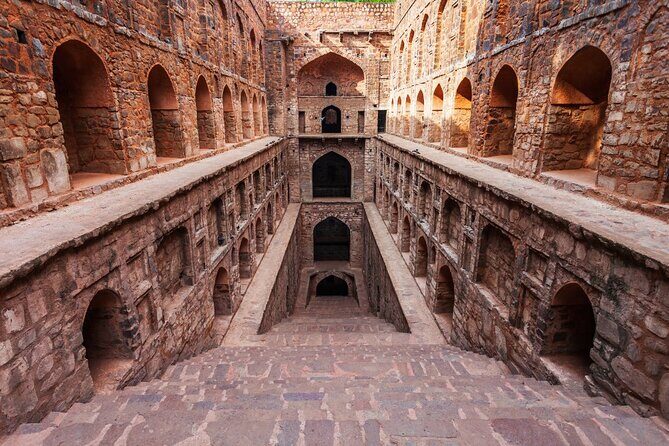
- Agrasen ki Baoli. A 14th-century step well in the middle of Connaught Place — 103 stone steps descending into what used to be a water reservoir. Free, small, eerie. Featured in the film PK.
- Nizamuddin Dargah. The 14th-century shrine of Sufi saint Nizamuddin Auliya. Qawwali (devotional music) every Thursday evening from roughly 7 pm — this is the single most atmospheric hour you can spend in Delhi and almost no tour goes there.
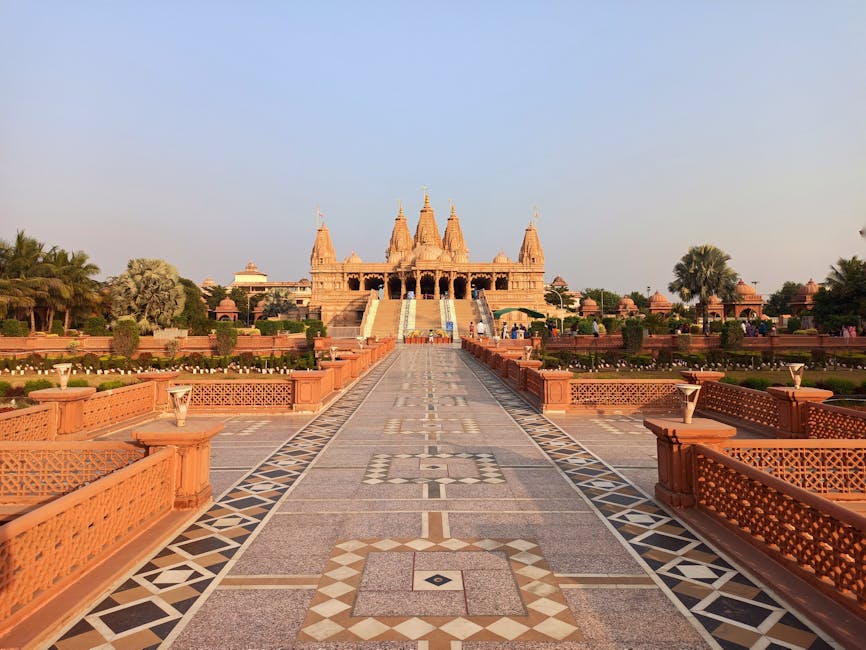
- Akshardham. Massive 2005 Hindu temple complex in east Delhi, ornate, touristy, photography banned inside — opinions divide sharply. Two hours minimum, closed Mondays.
Booking Notes, Cancellations, and What to Confirm Before You Pay
n
Three questions to always confirm with the operator before you book a Delhi city tour, regardless of which of the three above you choose:
- Is hotel pickup included and from where? Some operators only pick up from central New Delhi hotels (Paharganj, Connaught Place, Karol Bagh). If you’re staying in Aerocity, Gurgaon, or Noida, pickup might cost extra.
- Are monument entry tickets included? The foreign visitor entry fees at Red Fort, Humayun’s Tomb, and Qutub Minar add up to roughly $18–20 per person. If they’re not bundled, factor that into the price comparison.
- Is the guide government-licensed? Government-licensed guides (issued by the India Tourism office) are allowed to lead you through all sites; unlicensed guides can legally only operate inside a single monument. All three tours above use licensed guides, but confirm.
On cancellations — Viator and GetYourGuide both offer free cancellation up to 24 hours before the tour start on these specific products, which is as flexible as you’re going to find in India. Book when you’re confident about the date.
Delhi is a lot. It’s chaotic and ordered and ancient and modern and sweltering and beautiful, and no single day can reasonably show you everything — but a well-run Old and New Delhi city tour will give you enough context that the rest of your India trip starts to make sense.
The Mughals, the British, the post-1947 republic, the street vendors selling paranthas on a 380-year-old lane while a metro train rumbles overhead in the distance. The contrast is the point. Pick whichever of the three tours above fits your budget and schedule, and then just let the city do its thing.