
Here is the thing nobody tells you before you book a cooking class in Siem Reap: Khmer food is not a quieter cousin of Thai food. It is its own thing, with a different spice logic entirely. Where Thai leans hot and sweet, and Vietnamese leans fresh and bright, Khmer cuisine runs sour and herbal, with fermented fish paste called prahok doing a lot of the heavy lifting in the background.
The chilies you meet in a Bangkok street stall are mostly absent. The sugar you expect from pad Thai is not a thing. Instead you get lemongrass, galangal, turmeric root, kaffir lime, and a deep fishy funk that grows on you fast.
That is why a cooking class here is worth your time even if you have already done one in Chiang Mai or Hoi An. You will learn a different alphabet.
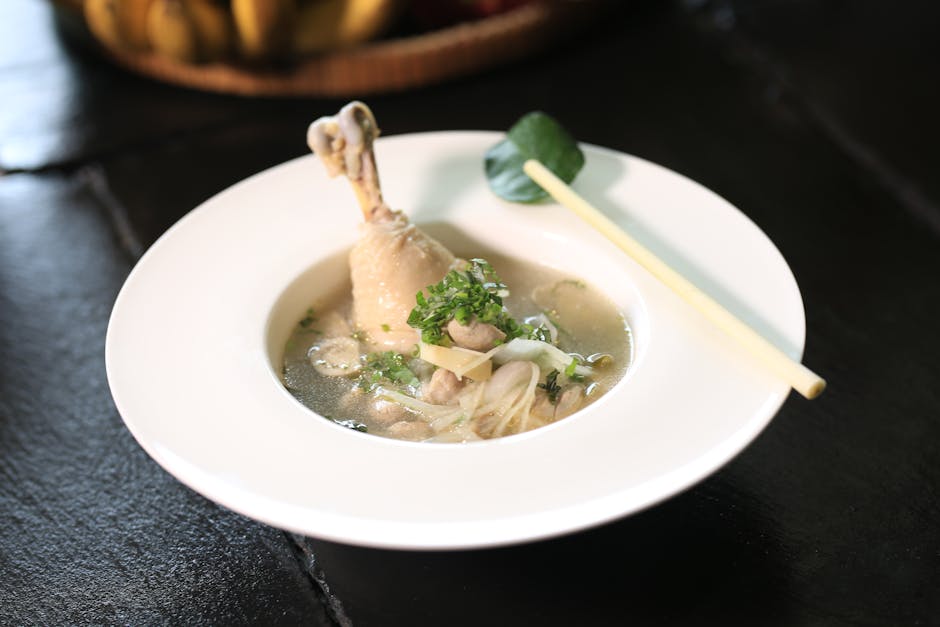
I spent an afternoon in a classroom kitchen behind a stilt house on the edge of Siem Reap, pounding kroeung in a granite mortar while the teacher corrected my grip every thirty seconds. It was the best three hours of the trip. This guide is everything I learned about how to pick the right class, what they cost, what gets taught, and which three in Siem Reap are actually worth booking.
Short on time? Here are my top 3 picks:
Best overall: Khmer Cooking Class at a Local’s Home — $27. Small group, genuine home kitchen, market walk included.
Best for serious cooks: Siem Reap: Khmer Cooking Class at a Local’s Home — $29. Three hours, four dishes, structured teaching.
Best budget: Award-Winning Cooking Class With Professional Teacher — $22. Paper Tiger — professional chef, restaurant-grade technique.
- What Khmer Food Actually Is (And How It’s Different)
- How Cooking Class Bookings Actually Work in Siem Reap
- Home Kitchen vs Professional Kitchen — Which Class Type To Pick
- Home Kitchen Classes
- Professional Kitchen Classes
- What Dishes You’ll Actually Cook
- The Best Khmer Cooking Classes to Book in Siem Reap
- 1. Khmer Cooking Class at a Local’s Home —
- 2. Siem Reap: Khmer Cooking Class at a Local’s Home —
- 3. Award-Winning Cooking Class with Professional Teacher —
- What to Wear and Bring
- How to Get There and When to Arrive
- Pairing a Cooking Class with the Rest of Your Siem Reap Trip
- How the Market Walk Works
- What a Siem Reap Cooking Class Actually Looks Like (Hour by Hour)
- A Few Tips That Will Save You Time
- A Note on Ingredients You Can Actually Find at Home
- Planning the Rest of Your Siem Reap Days
What Khmer Food Actually Is (And How It’s Different)
Before you pick a class, it helps to know what you are signing up to cook. Khmer cuisine has four flavor pillars that keep showing up: sour, salty, herbal, and slightly sweet. The chili heat is mostly missing. When a Khmer dish tastes complex, it is usually because of the layering, not because of the capsaicin burn.
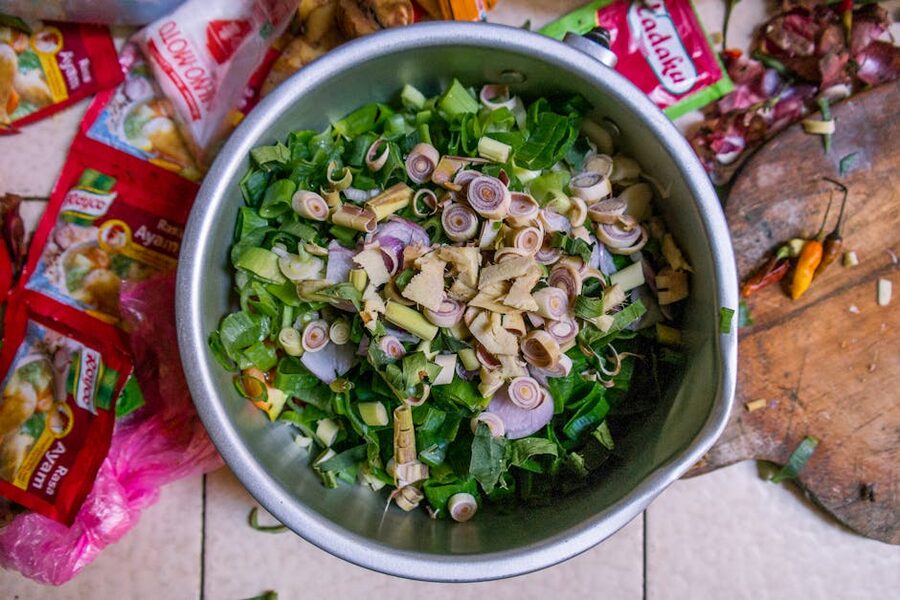
The backbone of almost everything is kroeung, a pounded curry paste made from lemongrass, galangal, turmeric root, kaffir lime leaf and peel, garlic, and shallot. Red kroeung adds dried chili and is used for beef. Yellow kroeung is the mild version for chicken and fish. Green kroeung has fresh chili and is used for amok, the national dish.
Then there is prahok, the fermented fish paste that freaks out first-time visitors and gets quietly added to half the dishes on every menu in the country. It smells like a fishing boat in August. It tastes, once cooked, like umami mixed with regret, and you will miss it when you go home.
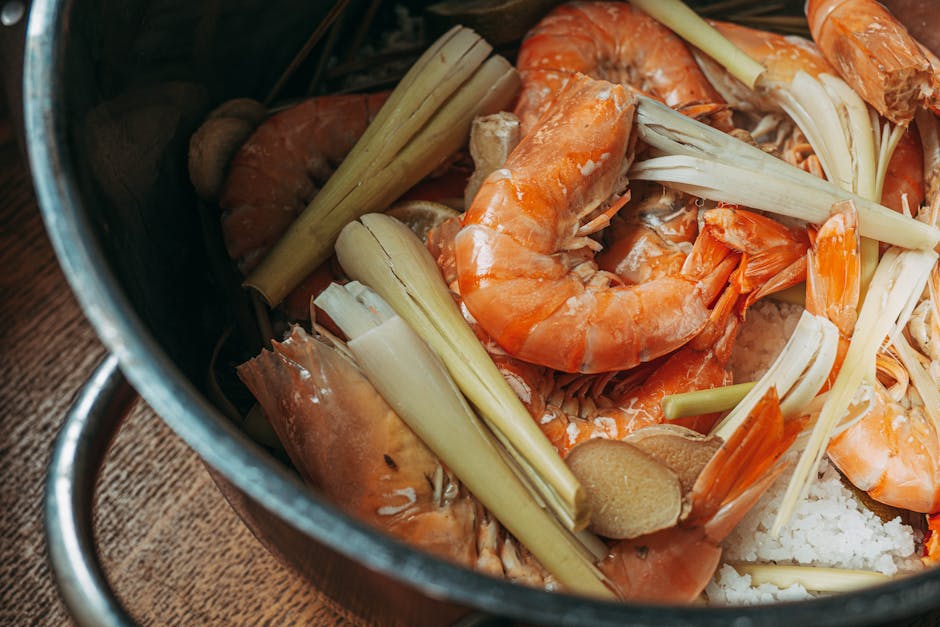
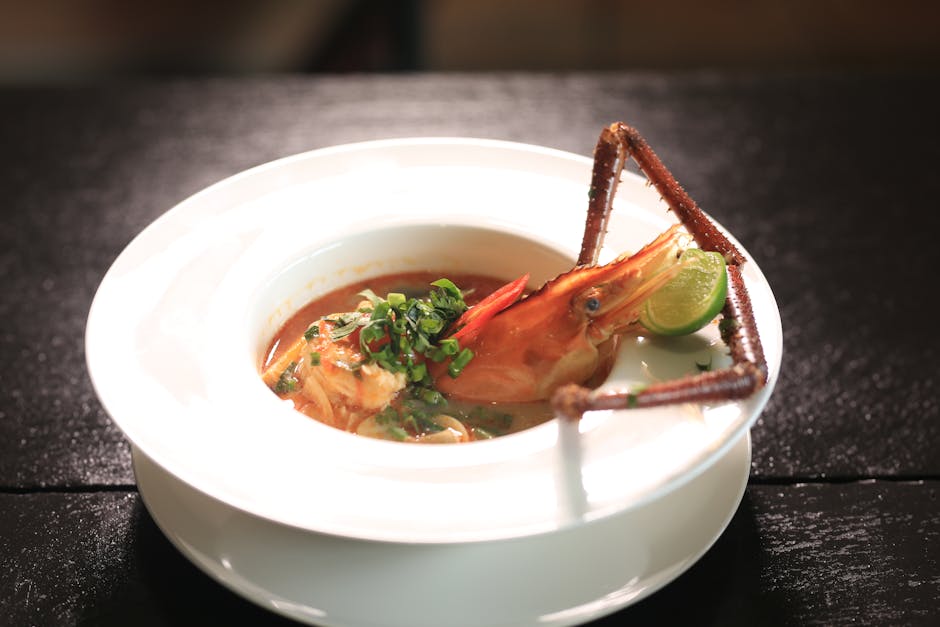
Rice is the center of every meal, and the Tonle Sap Lake — which is a fifteen-minute drive south of Siem Reap — provides most of the freshwater fish. That is why you see so many freshwater dishes here, and why landlocked Siem Reap classes rarely teach prawn or crab dishes. If you want coastal Khmer food, you go to Kep or Kampot. In Siem Reap, it is river fish, chicken, pork, and beef.
One more thing worth knowing: Khmer food is less spicy than Thai, but you can still ask for heat. The standard chili bowl on the table is crushed bird’s eye chili in lime juice and fish sauce, and you add it yourself. Cooking classes almost never make the food too spicy by default, which is good news if you are dragging a kid along.
How Cooking Class Bookings Actually Work in Siem Reap
There are maybe fifteen cooking schools active in Siem Reap at any time, and honestly they all teach broadly the same five or six dishes. The differences are in the venue, the class size, the teacher, and whether you actually get a hands-on experience or end up watching a demo.
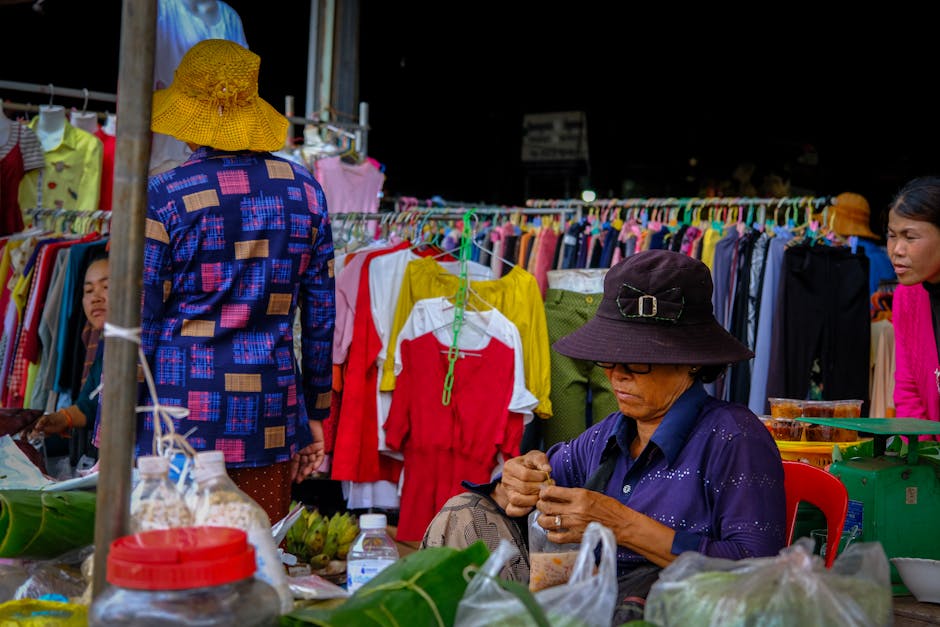
Most classes run either a morning slot (8am–11:30am) or an afternoon slot (2pm–5:30pm). The morning ones include a market walk because the markets are still busy. Afternoon classes sometimes skip the market and go straight to cooking. If the market walk matters to you — and it should, that is where you learn what half the weird ingredients are — book the morning.
Prices sit between $20 and $35 per person for a half-day class. Anything above $40 is either a full-day farm experience or a tourist tax. Below $18 is usually a hotel demonstration where you watch and nibble, not cook. Stick to the middle range and you will be fine.
Bookings are mostly done through Viator and GetYourGuide now. A few schools still take direct Facebook messages, but the marketplace listings have better refund terms and you can cancel up to 24 hours in advance for free on most. I always book through GetYourGuide or Viator for cooking classes because the schools are not in a hurry to answer emails, and you want confirmation in your inbox before you show up.
Class sizes vary a lot. The small home-kitchen classes cap at 8–10 people and feel genuinely like cooking with a family. The larger restaurant-attached classes can have 20 or more people on a busy day, and at that point the teacher is running a show, not teaching you anything. Always check the listing for maximum group size before booking.
Most classes include hotel pickup and drop-off by tuk tuk within central Siem Reap. If your hotel is more than 15 minutes out, confirm before booking — some schools charge extra or simply will not pick up that far. The bigger hotel names on the Siem Reap River strip are always on the pickup list.
Home Kitchen vs Professional Kitchen — Which Class Type To Pick
This is the single most important choice when you pick a cooking class here, and almost nobody talks about it because the listings do not separate them cleanly.
Home Kitchen Classes
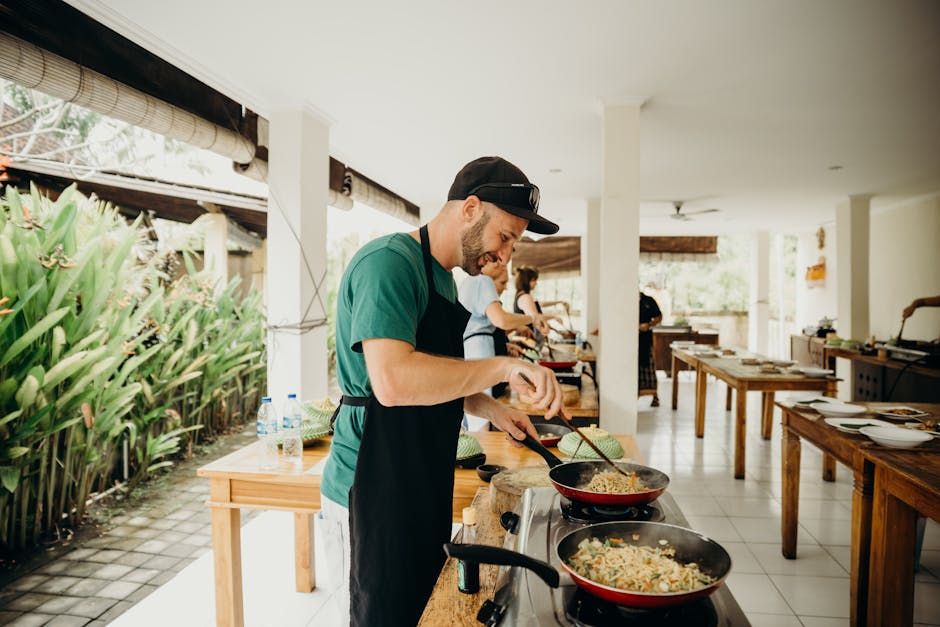
These happen at someone’s actual house, usually 20–30 minutes outside central Siem Reap. You cook in an open-air pavilion or a covered patio. There is no air conditioning. Chickens wander through sometimes. The teacher is frequently the mother or grandmother of whoever runs the booking, and she speaks some English but not a lot.
What you get from home kitchen classes: authenticity, better food, and the kind of photos that make it into the scrapbook. What you give up: precision. If you want to know exact measurements, this is not the format. Grandma cooks by feel, and she will laugh at you if you ask how many grams of galangal.
Professional Kitchen Classes
These happen at restaurants or dedicated cooking schools in central Siem Reap. You cook in a stainless-steel station with a proper wok burner, gas hookup, and individual prep trays. The teacher is a trained chef who has worked in hotels or restaurants. Everything is measured, printed on a recipe card, and photographed.
What you get from professional classes: technique, real recipes you can replicate at home, and air conditioning. What you give up: the human moment. It feels more like a class and less like visiting someone’s home.
I did a home-kitchen class and loved it. But if I went back for a second one, I would do a professional class, because the recipes I actually wrote down and use at home came from the one detailed recipe card I bought later — the home class gave me memories, not measurements.
What Dishes You’ll Actually Cook
Every Siem Reap cooking class teaches some variation of the same five or six dishes. The menu rarely varies by more than one item between schools, and that is because these are the dishes every Cambodian grandmother considers non-negotiable.
Fish Amok is the national dish and it will be in every single class. It is a coconut fish curry, steamed in banana leaf cups, mild and creamy and flavored with yellow or green kroeung. When it is done well, it is the best thing on any Khmer menu. When it is done badly, it tastes like a bland soup. The amok is where the cooking class earns its money.
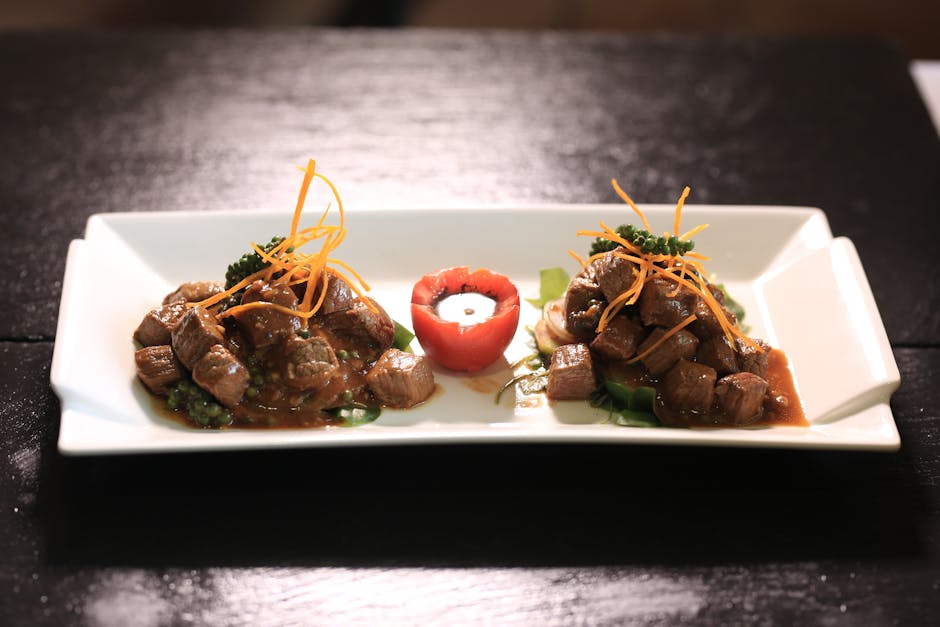
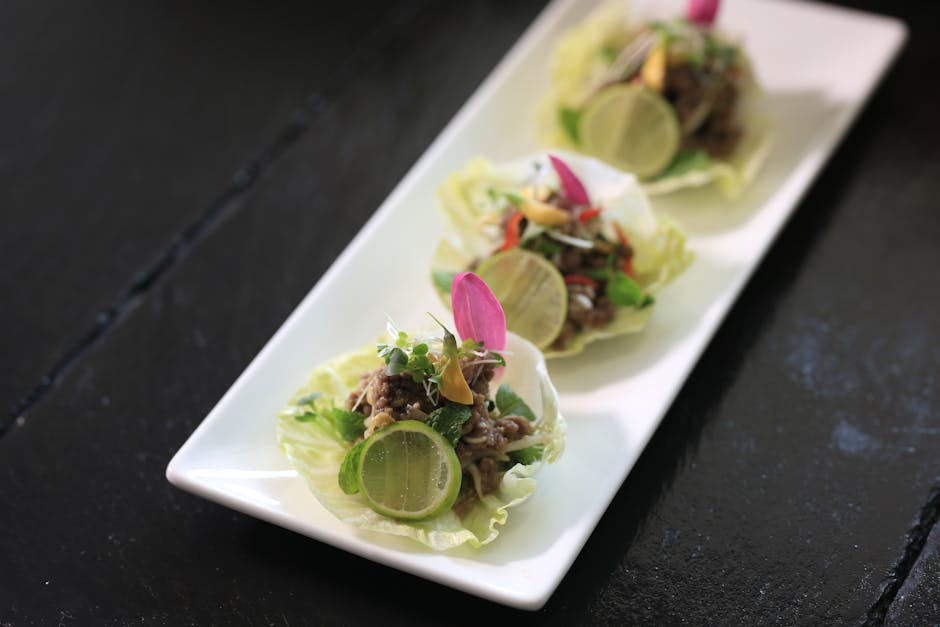
Lok Lak is stir-fried beef tossed with onion and black pepper, served over lettuce with a lime-pepper dipping sauce. It is the easiest Khmer dish to cook at home because the ingredients are available everywhere, and it reheats. This is the one I make most often now.
Chicken Samlor Machu Kreung is the sour herbal soup with yellow kroeung and lemongrass. It is almost always the soup course. The sourness comes from tamarind or young mango depending on the teacher. Worth paying attention during this one — the balance of sour to savory is the whole trick of Khmer cooking.
Green Mango Salad is the starter. Shredded green mango, dried shrimp, lime, fish sauce, peanuts, chili. It is crunchy and bright and gives you the flavor range before the heavier mains.
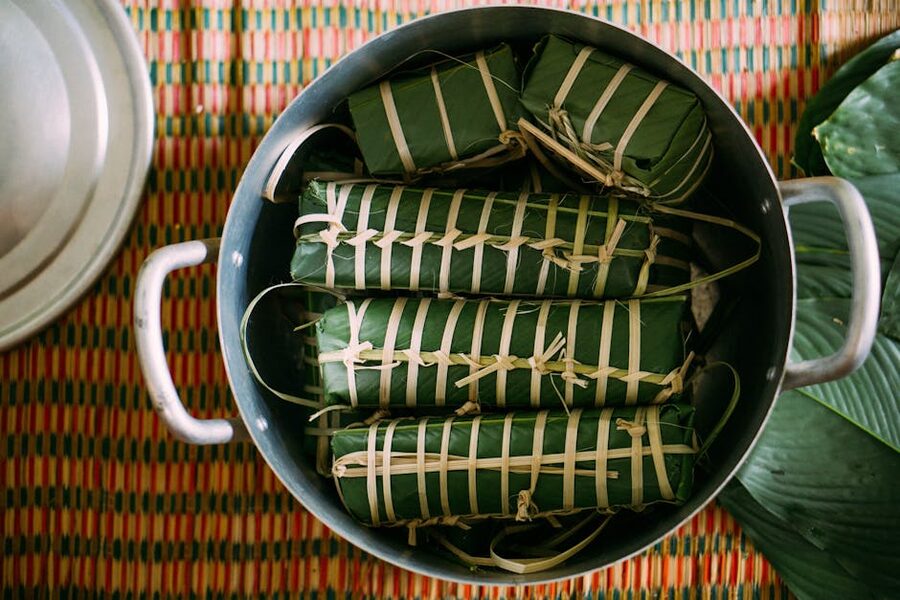
Sticky Rice in Banana Leaf is often the dessert, sometimes stuffed with coconut and banana, sometimes just plain sticky rice with palm sugar on top. Not complicated, and the banana leaf folding is fun to learn.
Some classes throw in Bai Sach Chrouk (grilled pork over rice — the Cambodian breakfast dish) or Num Banh Chok (the rice noodle soup with green curry sauce). These are less common and more dependent on the teacher’s background.
The Best Khmer Cooking Classes to Book in Siem Reap
After going through the listings and testing one myself, here are the three I think are actually worth your time. They are ranked for what I would pick if I were booking tomorrow, not for reviewcount alone.
1. Khmer Cooking Class at a Local’s Home — $27
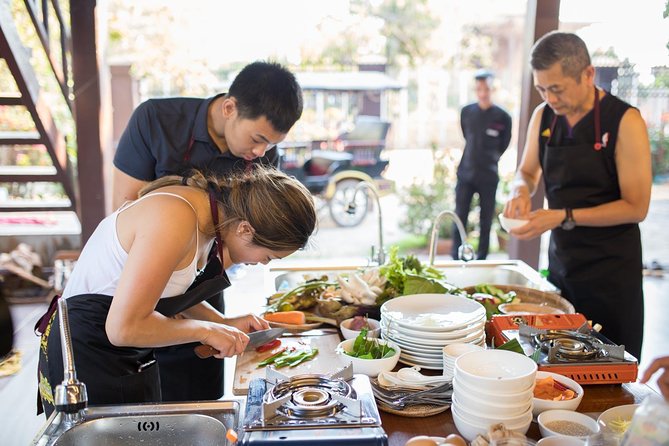
This is the one I would book if someone said I had one cooking class to do in Siem Reap. It is a small-group class at an actual home in Krong Siem Reap — not a restaurant classroom — which means you cook in the teacher’s outdoor kitchen and eat what you made at the family dining table. The class runs three to four hours, includes hotel pickup by tuk tuk, and covers four main dishes plus a dessert.
What makes it worth it at $27 is the combination of small class size and genuine home-kitchen setup. You are not cooking alongside twenty other travellers — it caps around eight, which means the teacher can actually stop, correct your knife grip, and explain why you are pounding the kroeung a certain way. The market walk is included, and they slow it down enough that you leave knowing what galangal looks like versus ginger, which is genuinely useful.
Don’t expect air conditioning, printed recipes, or a fancy kitchen. This is a teaching-through-doing class, not a culinary school. If you want the memory and the food and the family context, this is the best class in Siem Reap for the money. For a longer temple itinerary pairing, see our guide on how to book an Angkor Wat sunrise tour, which is the perfect morning activity before an afternoon cooking class.
2. Siem Reap: Khmer Cooking Class at a Local’s Home — $29
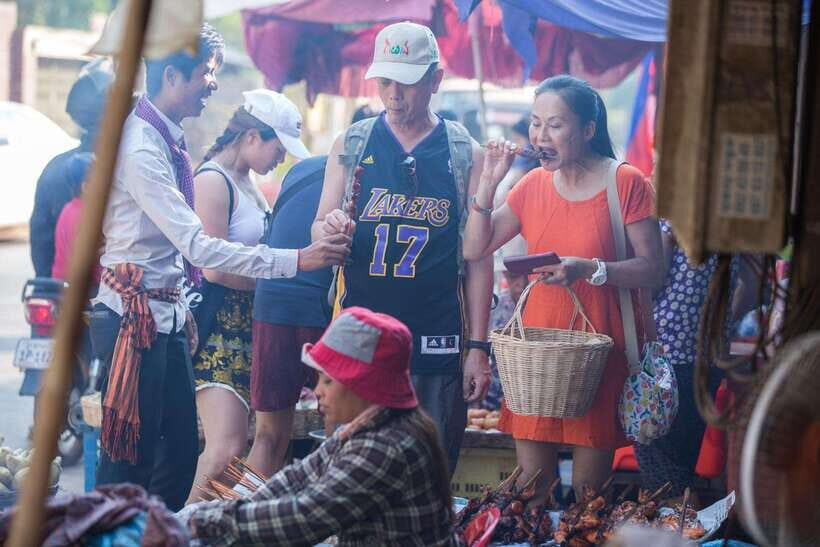
If the first option is the emotional pick, this one is the pragmatic pick. It is also a home-kitchen class, also three hours, but it has a slightly more structured feel because the teaching runs to a schedule and the dishes are timed. You cook four mains and a dessert, and the host is patient in a way that makes the class feel like a proper lesson rather than a walking tour with a pot.
The thing I like about this one is that it is bookable on GetYourGuide with free cancellation until 24 hours before, which matters if your temple plans get rearranged — and they will. The host sends the pickup details through GYG the night before, so you get a tuk tuk confirmation and do not have to coordinate with the cooking school directly. Small thing, but it is a relief when you are juggling ten things in Siem Reap.
At $29 it is two dollars more than the Viator option above, and honestly the main difference is the booking platform, not the experience. Pick whichever has better availability on your target date. Both classes are similar in quality, class size, and menu.
3. Award-Winning Cooking Class with Professional Teacher — $22
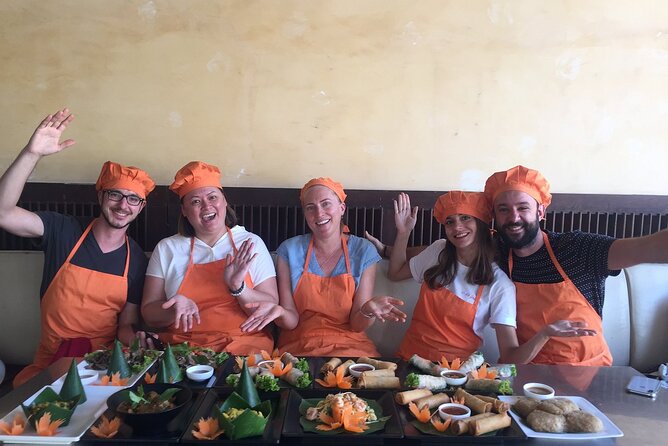
This is Paper Tiger, and it is the class I would book if I had already done a home-kitchen experience elsewhere and wanted to learn proper technique the second time around. The teacher is a trained professional chef, the kitchen is a dedicated cooking school classroom with individual workstations, and you walk out with a printed recipe card you can actually follow at home.
At $22 it is the cheapest of the three, which is surprising because the facility is the nicest — that usually costs more, not less. The class runs smaller groups, focuses on knife skills and technique, and you cover three to four mains depending on the day. The classroom is in central Siem Reap so you can walk there from most hotels on Pub Street and the river strip.
What you give up going this route is the family-kitchen atmosphere. There is no market walk at some sessions, and no outdoor cooking pavilion — it is a classroom. But if you are the kind of person who wants to replicate the food at home, not just eat it once, this is the better class. I wish I had done this one first.
For a fuller Siem Reap day plan, pair a morning temple run with this class — we cover the full temple logistics in our Angkor sunrise guide, or look at the alternative Kampong Phluk floating village tour as a half-day morning before cooking in the afternoon.
What to Wear and Bring
Cooking class dress code in Siem Reap is relaxed but you want to be practical. Wear closed-toe shoes, not sandals — you are walking a wet market floor with fish blood on it, and the cooking pavilions have splash zones around the wok burners. Light cotton clothing that you do not mind staining with turmeric. Turmeric stains everything, and yes, including the shirt you wore specifically because it was your nicest one.
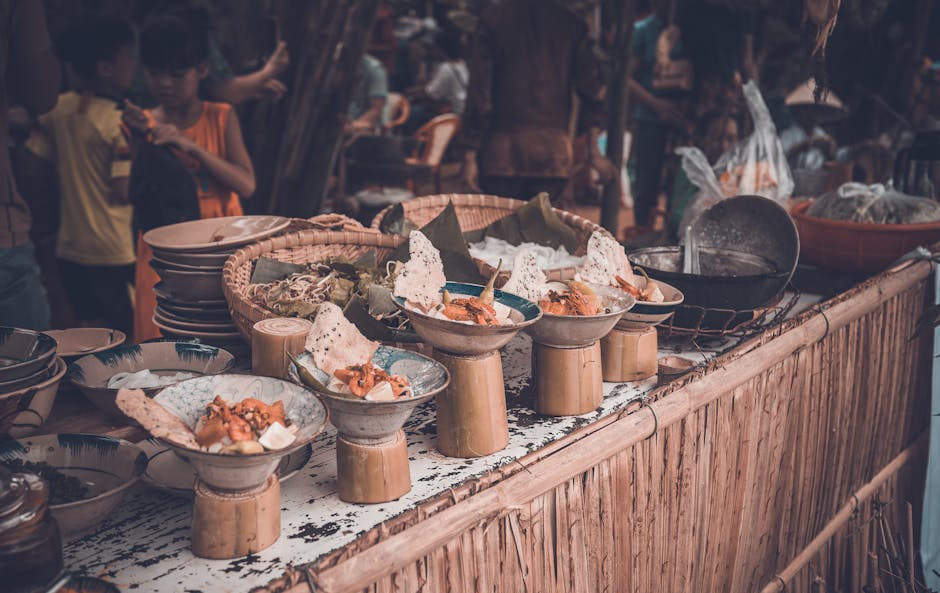
Bring a reusable water bottle. The open-air kitchens get hot, and most classes provide drinking water but not unlimited amounts. Bring a small notebook if you are the type who writes things down — the good teachers will explain technique and you will want to remember it later. Phone is enough if you prefer photos, but the battery drains fast in the heat.
Leave your bag at the hotel if possible. You do not need it. The market walk is short and you are moving through crowded stalls. Anything you carry will get in the way.
How to Get There and When to Arrive
Almost every Siem Reap cooking class includes free tuk tuk pickup from your hotel within the central Siem Reap zone, which basically means anywhere west of the airport and south of the ring road. The pickup window is usually a thirty-minute range — if your class is at 9am, expect the driver between 8:15 and 8:30.
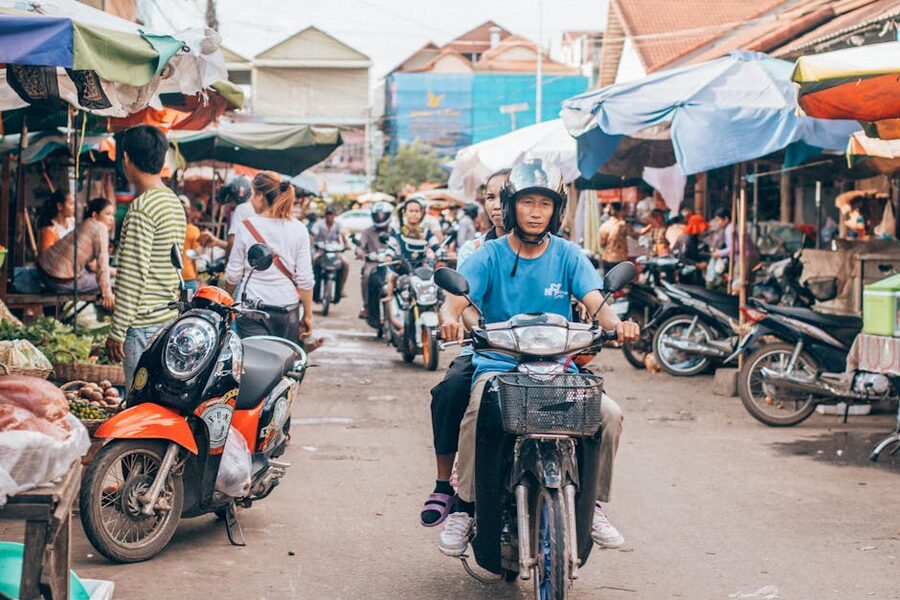
If the class is at a home-kitchen venue, the drive is usually 15–30 minutes from central Siem Reap. Some of the farm-style classes are further out, up to 45 minutes — check your booking confirmation for the address and google it before you commit, because that extra drive eats into the class time.
Do not eat a big breakfast before a morning class. You will cook and then you will eat everything you cooked, plus sides from the teacher, plus dessert. I made the mistake of eating a full hotel breakfast before my class and could not finish the amok I was most excited about. Skip breakfast or just have fruit and coffee.
For afternoon classes, same rule with lunch. Eat light. The food at the end of the class is the reward, and you want to be hungry when you taste it.
Pairing a Cooking Class with the Rest of Your Siem Reap Trip
The classic Siem Reap itinerary is three days, and a cooking class fits neatly into any of them. My recommendation is to put it on day two or day three, after you have already done Angkor Wat at sunrise and visited at least one other temple. By then your stomach is hungry for something that is not a hotel breakfast and your legs need a break from walking.

Morning classes work if you are not doing temples that day — the 8am start time conflicts with sunrise tours, which leave at 4:30am. Do not try to do both in one morning. You will be cooking on two hours of sleep and you will hate yourself. Save the class for an afternoon slot on a temple-sunrise day, or book a morning class on a rest day.
Afternoon classes are the easier fit. Temple morning, tuk tuk back to the hotel, quick shower, cooking class at 2pm, home by 5:30 with a full stomach and a clean t-shirt. Then Pub Street or a quiet drink at Miss Wong is exactly what you will want.
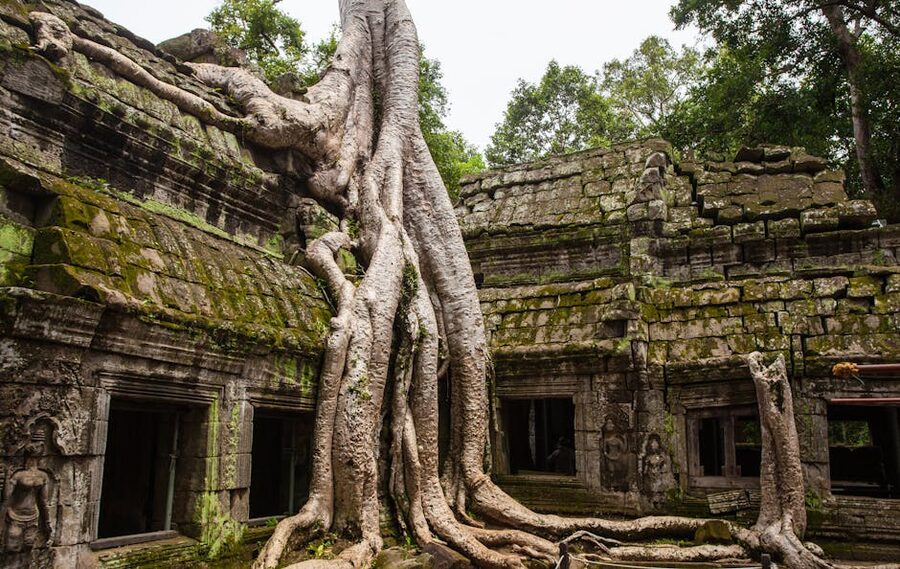
If you are staying four days, I would use the fourth day for a floating village trip in the morning and a cooking class in the afternoon. That combination gets you the rural Tonle Sap experience and the kitchen experience in one day, and both are calmer than temple-hopping.
How the Market Walk Works
If your class includes a market walk — and most morning classes do — it is the best part. The class meets at a central point, usually Pub Street or the Old Market, and the teacher takes the group through the market stalls buying ingredients for that day’s menu.
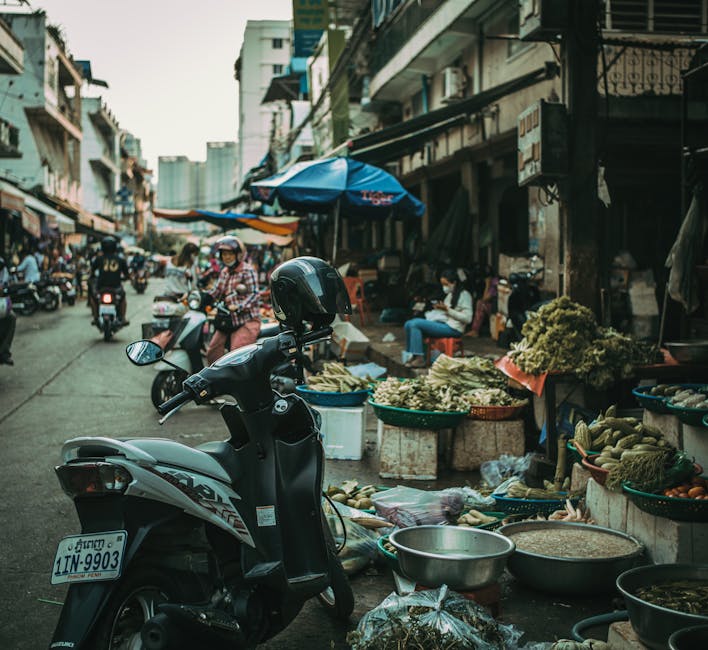
Psar Chas — the Old Market — is the most common stop because it is central, well-stocked, and dense enough that you can see the whole ingredient range in 20 minutes. The teacher will stop at the herb vendor, the fish stall, the meat counter, and the produce section, explaining what each thing is and how it is used. Ask questions. Point at things. The teachers love it when you actually engage.
You will not touch raw meat or fish during this part — that is on the teacher. But you will handle produce and herbs, and the vendors are used to cooking class groups coming through. Nobody will be annoyed.
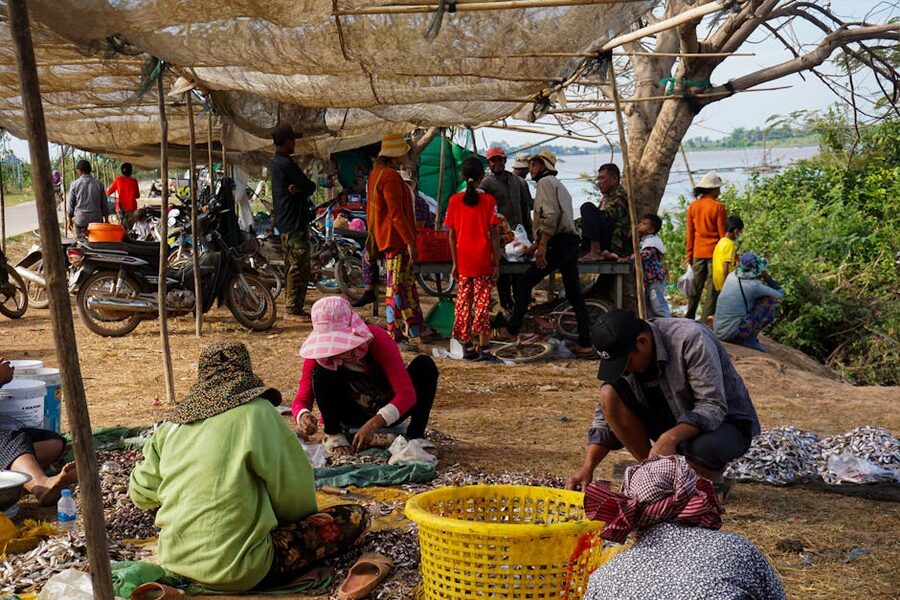
If the market walk is important to you, confirm it is included before you book. Some listings say “cooking class” but skip the market walk entirely because the ingredients are pre-bought at the venue. That is fine if you just want to cook, but the market walk is 40% of the education, and I think it is what separates a good class from a forgettable one.
What a Siem Reap Cooking Class Actually Looks Like (Hour by Hour)
A half-day class runs about 3 to 4 hours from pickup to drop-off. Here is the rough structure if it is a morning class with a market walk:
8:00am — tuk tuk pickup from your hotel. The driver will have your name on a list. Ten-minute ride to the meeting point, usually near the Old Market.
8:20am — meet the teacher and the rest of the group. Usually 6 to 10 people. Introductions, a quick rundown of what you are cooking, and then straight to the market.
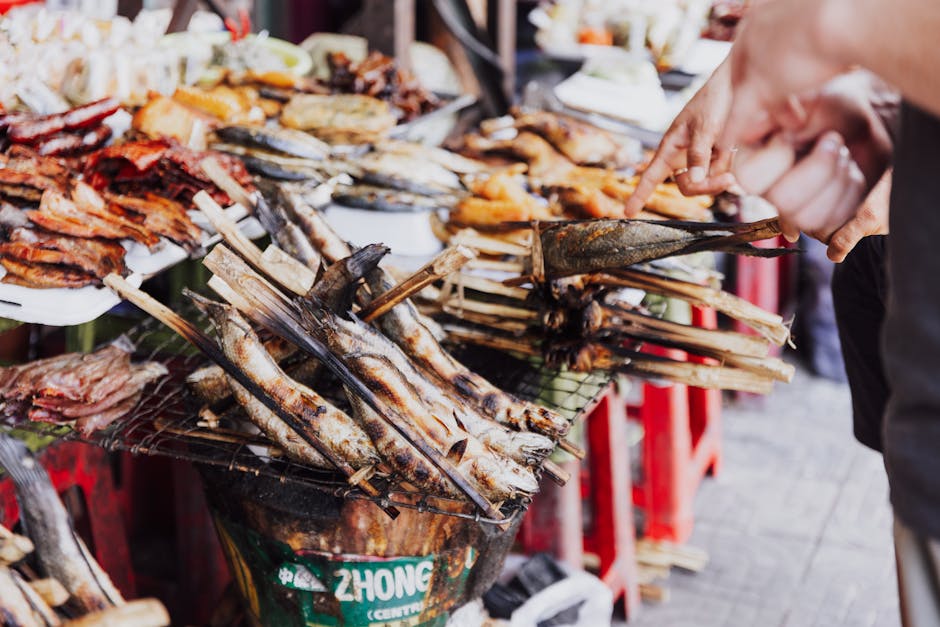
8:30am to 9:15am — market walk. The teacher points out herbs, spices, rice varieties, fish, and vegetables. You can buy souvenirs here if you want — small jars of prahok, palm sugar cakes, little kroeung pastes.
9:30am — arrive at the cooking venue. This is usually a short drive from the market, five to ten minutes. You get a quick tour, wash your hands, put on an apron, and move to your workstation.
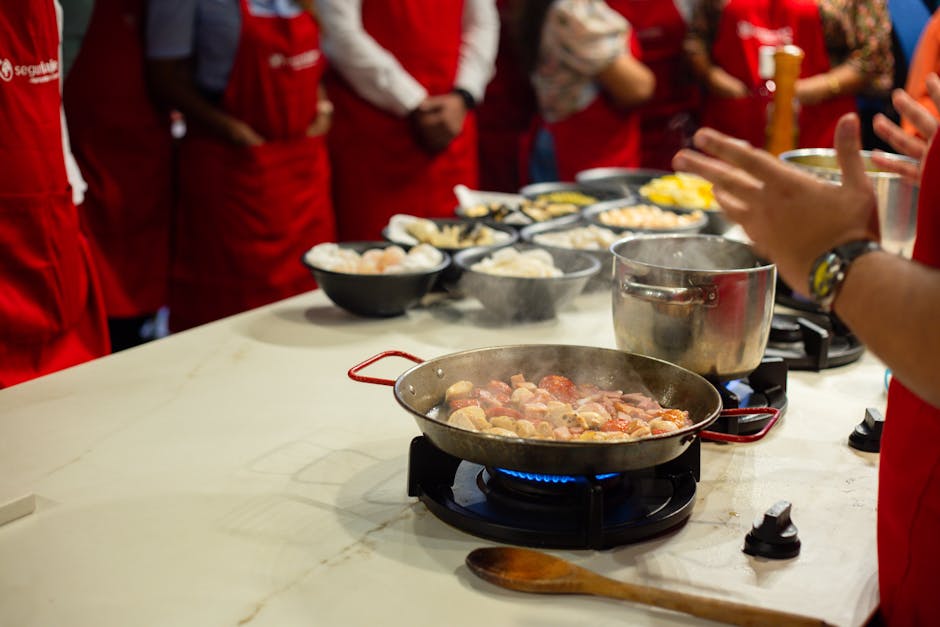
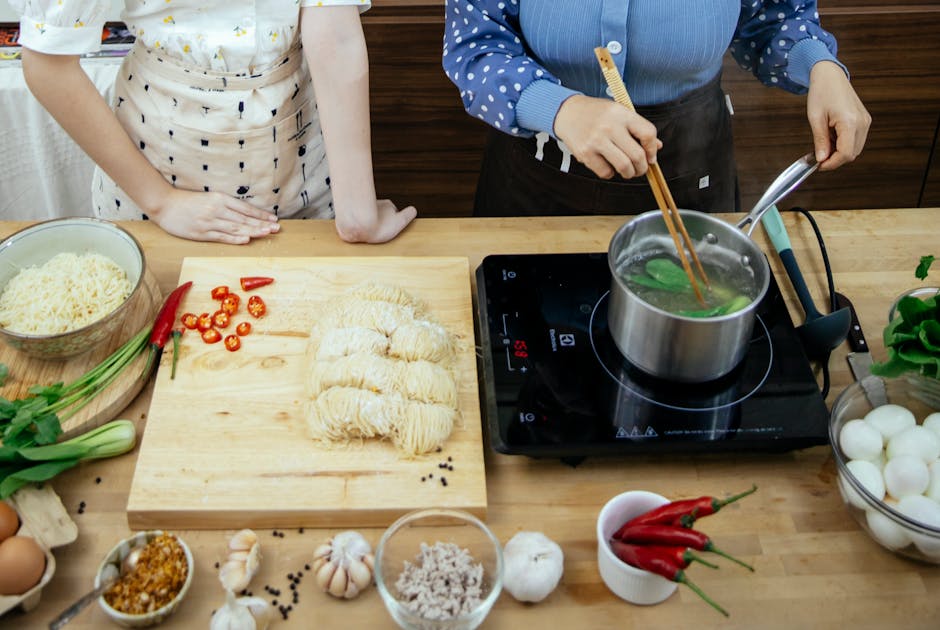
9:45am to 11:30am — cook. The teacher demonstrates each dish, then you replicate it at your own station. You will cook a soup, a main, a salad, and usually a dessert. The teacher circulates, corrects, tastes, and answers questions.
11:30am to 12:15pm — eat what you cooked. This is the best hour. You sit together at a long table and eat everything on plates that everyone contributed to. It is almost always too much food, and you take leftovers in banana-leaf packages if you want.
12:15pm — tuk tuk back to the hotel. Done by 12:45 at the latest. A nap is earned.
A Few Tips That Will Save You Time
- Book 2-3 days in advance during high season (November to February). The best-rated classes sell out early.
- Morning classes include the market walk, afternoon classes often do not. Pick accordingly.
- Take photos of the ingredients at the market, not just the finished dishes. That is what you will need when you try to shop for this food at home.
- Ask the teacher for a recipe card at the end — some classes give them out, some do not unless you ask. Print recipes are better than phone photos.
- Bring small cash in riel and US dollars — tips are optional but appreciated, and $5 per person is a normal tip if you had a good class.
- Do not cook the day you arrive in Siem Reap. Jet lag and a 40-degree kitchen do not mix. Wait until day two.
- Dietary restrictions are fine — vegetarian, vegan, gluten-free all workable. Tell the school when you book, not when you arrive.
A Note on Ingredients You Can Actually Find at Home
One of the reasons I recommend the professional-teacher class if you want to cook at home is that Khmer ingredients are harder to source than Thai ones in most countries. Lemongrass, galangal, and kaffir lime are available at decent Asian grocers in most big cities. Fresh turmeric root is trickier but not impossible.
Prahok is the hardest — outside of Cambodia and Vietnam, you basically substitute Thai shrimp paste (gapi) or Vietnamese fermented anchovy sauce, which gets you 70% of the flavor.
The good news is that the three most replicable Khmer dishes — lok lak, green mango salad, and chicken samlor machu kreung — can be made at home with ingredients from any decent Asian grocery. Fish amok is harder because of the banana-leaf steaming, but you can substitute parchment paper or small ceramic bowls and still get close.
Buy dried kroeung at the market before you leave. Most stalls sell it in small plastic packs for a dollar, and it keeps for weeks. It is the fastest shortcut to making Khmer food at home, and the difference between real kroeung and store-bought Thai curry paste is the whole point of this cuisine.
Planning the Rest of Your Siem Reap Days
A cooking class fits into almost any Siem Reap itinerary, but it pairs best with a morning temple run or a floating village trip. If you are still sorting out your sunrise plan, our guide on how to book an Angkor Wat sunrise tour covers which tour types actually give you the pre-dawn viewing spot you want, and which ones dump you behind 300 other travellers.
For a slower afternoon alternative, the Kampong Phluk floating village tour is a quieter half-day option that pairs beautifully with a cooking class afterwards — you get the rural Tonle Sap experience in the morning and the kitchen in the afternoon, and both feel calm compared to the temple circuit.
If you are expanding your Southeast Asia trip, our Thailand booking guides cover the cooking class scene in Chiang Mai and Bangkok — worth reading if you are comparing before you book a second class across the border.
The short version: pick a class that matches what you actually want to get out of it. Memories and family atmosphere, go home-kitchen. Technique and recipes you will actually use, go professional. Either way, at $22 to $29 for a half-day with food, transport, and a real cultural experience included, a Khmer cooking class is the best-value activity in Siem Reap that does not involve a temple.