
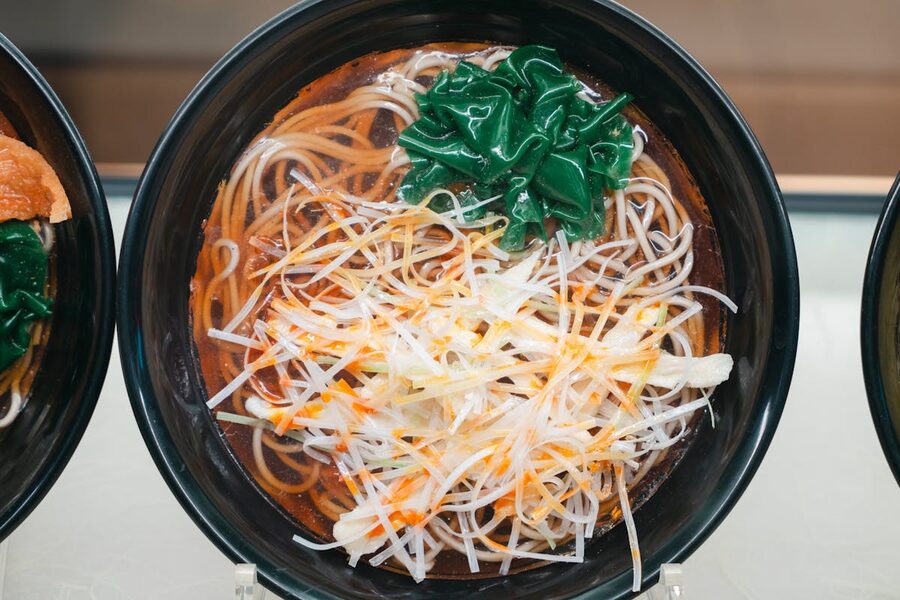
Instant ramen takes three minutes. Real ramen — the kind with a broth that has been simmering since before sunrise, noodles with actual chew to them, and chashu pork that falls apart if you look at it too hard — takes the better part of a day. And somewhere between those two extremes is a ramen cooking class in Japan, where you make the real thing from scratch in about two hours and walk away knowing you will never settle for the instant stuff again.
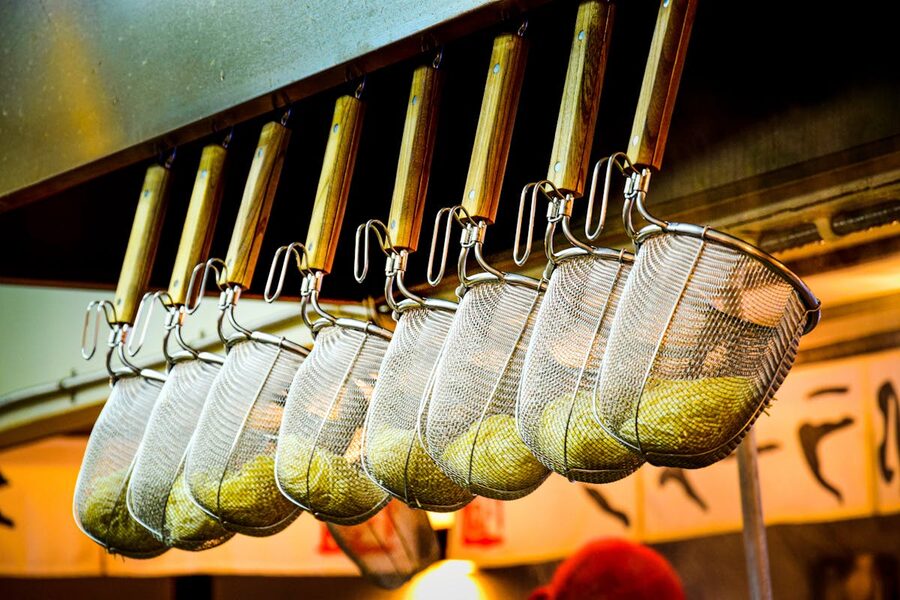
I have done cooking classes in a few countries, but the ramen ones in Japan are different. There is a precision to it — the way the instructor measures the alkaline water for the noodle dough, the exact temperature the broth needs to hit, the specific angle you hold the strainer when pulling noodles from the pot. It is not fussy. It is just… exact. And that exactness is what makes the difference between decent ramen and great ramen.
The best classes run in Kyoto and Tokyo, prices range from around $95 to $131, and most sessions last 2-3 hours. Some include a supermarket visit where you pick up ingredients. Others pair ramen with gyoza making. One option skips the cooking entirely and takes you on a guided food tour that ends at a proper ramen shop.
Short on time? Here are my top picks:
Best overall: Ramen Cooking Class at Ramen Factory in Kyoto — $131. Scratch-made everything in a real ramen factory. The gold standard.
Best with extras: Ramen and Gyoza Class with Supermarket Tour — $123. Ramen plus gyoza plus a guided trip through a local Tokyo supermarket.
Best food tour alternative: Eat and Drink Like a Local Tour — $95. Skip the cooking and eat your way through Tokyo back-alley ramen and izakaya scene instead.
- How Ramen Cooking Classes Work in Japan
- Cooking Class vs Food Tour — Which One to Pick
- The Best Ramen Cooking Classes and Tours to Book
- 1. Ramen Cooking Class at Ramen Factory in Kyoto — 1
- 2. Ramen and Gyoza Cooking Class with Tokyo Supermarket Tour — 3
- 3. Eat and Drink Like a Local — Restaurant, Tavern and Ramen Tour —
- When to Book a Ramen Cooking Class
- How to Get to Ramen Cooking Classes in Tokyo and Kyoto
- Tips That Will Actually Help
- What You Will Actually Learn to Make
- Ramen vs Other Japanese Cooking Classes
- More Japan Guides
How Ramen Cooking Classes Work in Japan
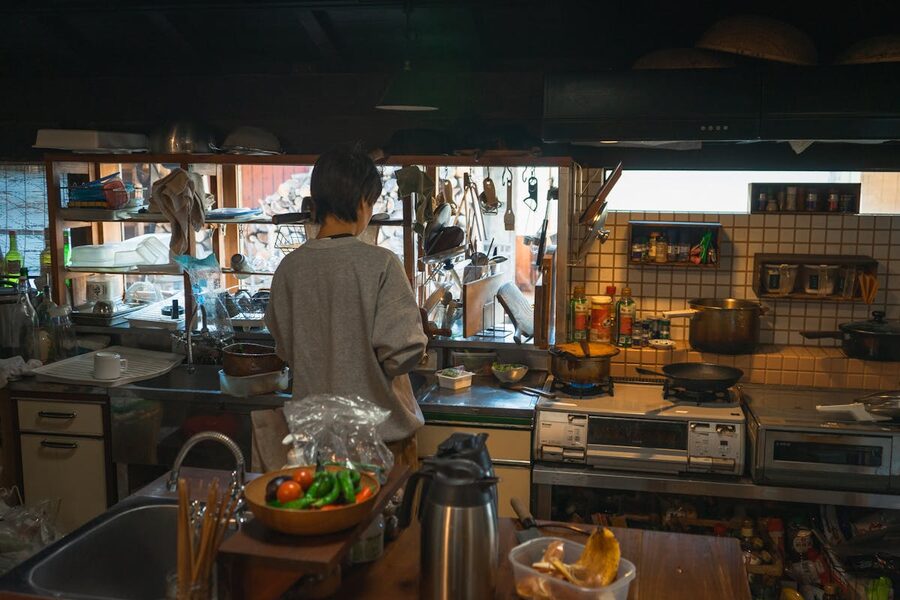
Most ramen cooking classes follow a similar format. You show up at a small kitchen space — usually attached to a restaurant or ramen shop — and the instructor walks you through every step from raw ingredients to finished bowl.
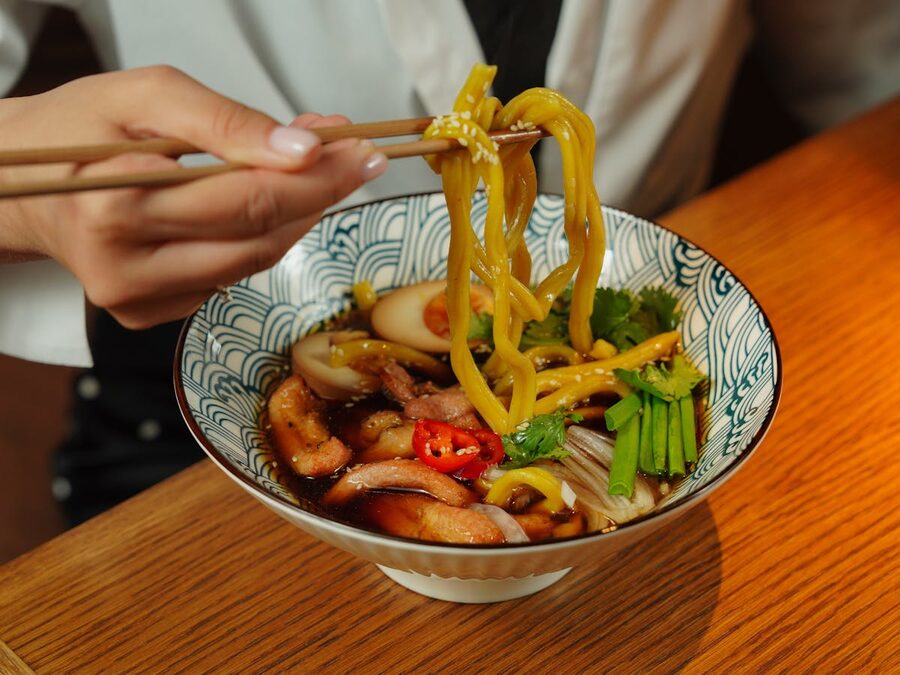
The typical sequence goes like this: you start by making the noodle dough from scratch using flour, water, and kansui (the alkaline mineral water that gives ramen noodles their distinctive yellow colour and springy texture). Then you knead it, roll it, and cut it. While the dough rests, you work on the broth and tare (the concentrated seasoning base). Finally, you prepare toppings — usually chashu pork, soft-boiled eggs, nori, and scallions — and assemble everything into a bowl.
The whole process takes 2-3 hours depending on the class. Some go faster if certain elements are pre-prepared. A few of the Kyoto classes have you make everything genuinely from scratch, which takes longer but gives you a much better understanding of what goes into a proper bowl.
Class sizes are small. Most cap at 6-10 people. The instructor demonstrates each step first, then you do it yourself at your own station. English-speaking instructors are standard at all the classes I recommend below.
If you have already done a sushi making class in Japan, the vibe is similar but the techniques are completely different. Sushi is about knife skills and rice seasoning. Ramen is about patience, timing, and broth.
Cooking Class vs Food Tour — Which One to Pick
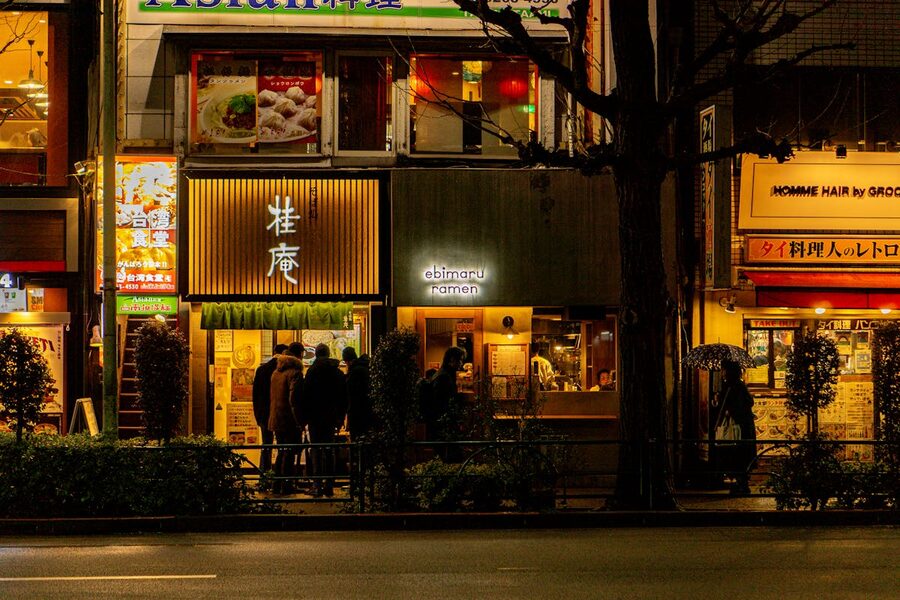
There are two ways to approach this: make ramen yourself, or have someone guide you to the best ramen in town. Both are good. They just scratch different itches.
Choose the cooking class if:
- You want to learn the actual technique and make ramen at home afterward
- You enjoy hands-on experiences over passive ones
- You have 2-3 hours to dedicate to a single activity
- You want a quieter, more focused experience with a small group
Choose the food tour if:
- You want to try multiple types of ramen (and other food) in one evening
- You are short on time and want maximum variety
- You want local context — the guide explains the neighborhood, the history, why this particular shop does things differently
- You prefer eating over cooking (no judgment)
The cooking classes run during the day (most start at 10am or 2pm). The food tours are usually evening affairs, starting around 5-6pm. So you could technically do both on the same day if you are ambitious and hungry.
One thing worth knowing: ramen cooking classes are different from the Shinjuku food tours or Tsukiji market tours in that they focus exclusively on one dish. You are not hopping between stalls. You are spending two hours perfecting a single bowl.
The Best Ramen Cooking Classes and Tours to Book
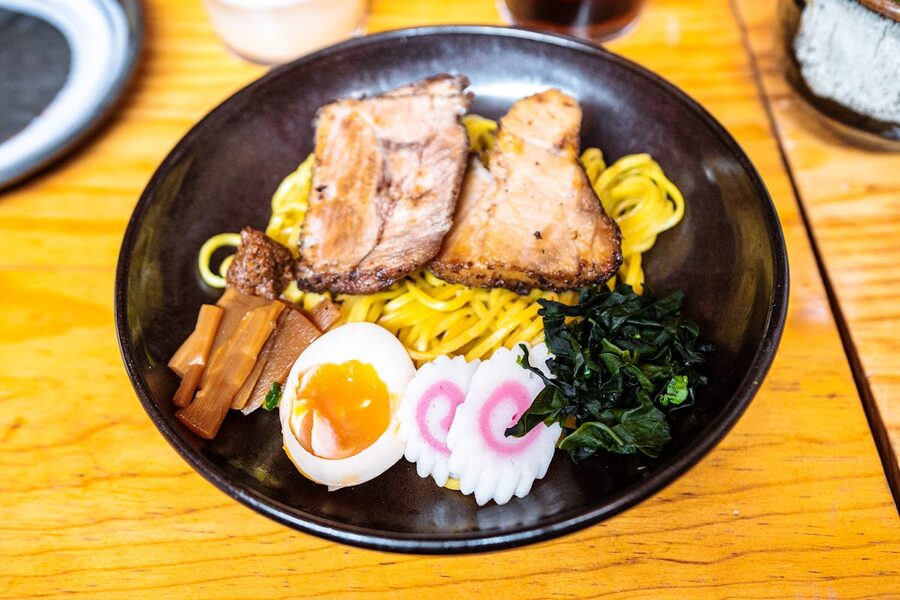
I have gone through the classes available in Tokyo and Kyoto and narrowed it down to the three best options. Each one offers something different — a pure from-scratch experience, a class-plus-market-tour combo, and a guided eating tour for people who would rather skip the cooking.
1. Ramen Cooking Class at Ramen Factory in Kyoto — $131

This is the one to book if you want the full experience. Nearly 2,000 people have taken this class and it holds a perfect 5.0 rating, which is almost unheard of for a cooking experience at this scale. The reason is simple: you make genuinely everything from scratch. Not “here is pre-made dough, now shape it” — you are mixing flour and kansui from the beginning.
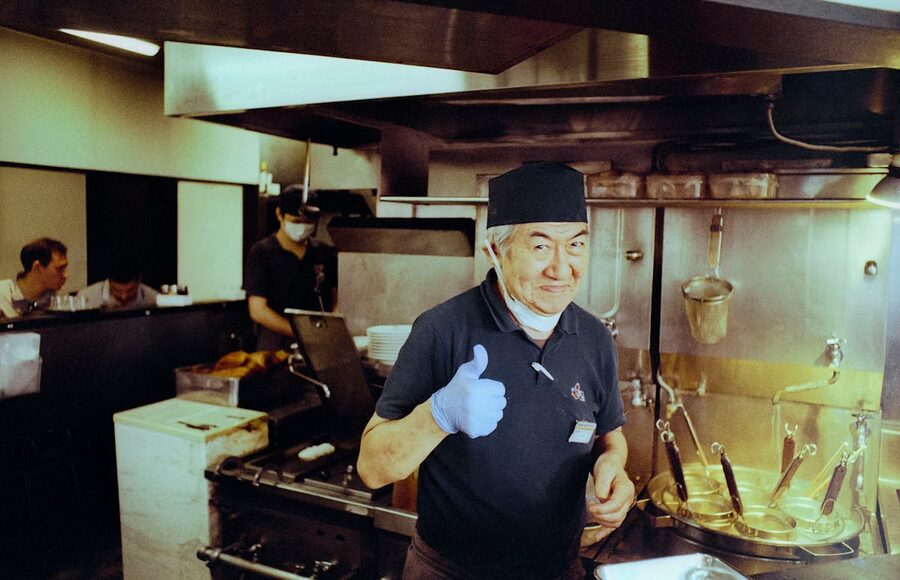
The class runs at a dedicated ramen factory in Kyoto, not someone’s apartment kitchen. That matters because you get proper equipment, enough space to work, and an instructor who does this full-time. At $131 it is the priciest option, but it is also the most hands-on. You walk out with real skills, a souvenir, and a full stomach. If you are doing other things in Kyoto — tea ceremonies, Fushimi Inari hikes, Arashiyama walks — this fits easily into a morning or afternoon.
2. Ramen and Gyoza Cooking Class with Tokyo Supermarket Tour — $123
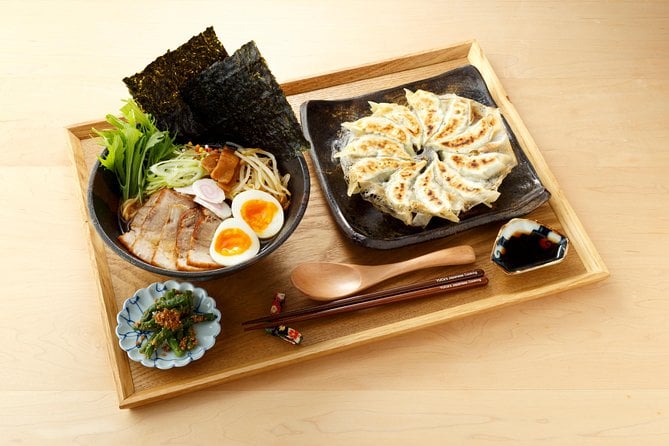
This class does double duty: ramen and gyoza. But the real draw is the supermarket tour that kicks things off. Your instructor takes you through a local Tokyo supermarket, explaining ingredients, helping you pick out what you will cook, and showing you things like dashi packets and tare sauces that you can bring home. It is the kind of practical knowledge that actually changes how you cook after you get back.
The ramen portion is home-style rather than restaurant-style — lighter broth, simpler toppings, the kind of ramen a Japanese family would make on a weeknight. At $123 for over 800 five-star reviews, the quality speaks for itself. The gyoza component adds a nice bonus. You learn the folding technique and pan-fry them at the end. The class runs in a residential area of Tokyo, which gives it an intimate, local feel you will not get at the bigger venues.
3. Eat and Drink Like a Local — Restaurant, Tavern and Ramen Tour — $95
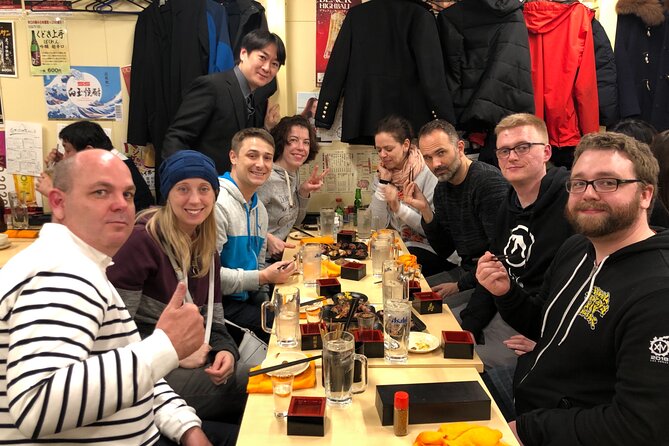
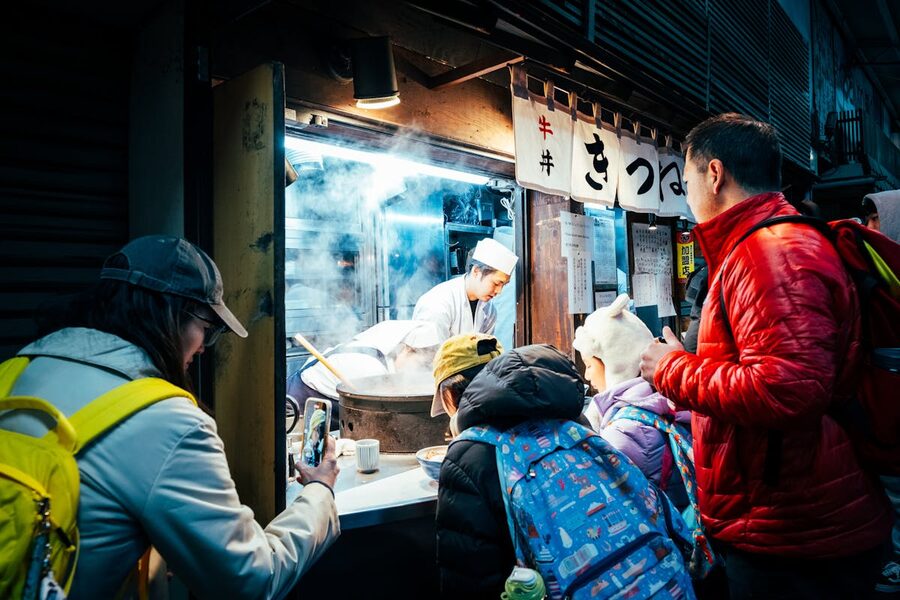
Not everyone wants to cook. If you would rather eat your way through Tokyo with someone who knows the back alleys, this is the one. The tour hits 4-5 spots — standing bars, tiny taverns, and a proper ramen shop as the grand finale. Your guide explains the food culture, orders for you, and takes you to places with no English menus and no tourist crowds.
At $95 it is the cheapest option and includes food at multiple stops. The vibe is completely different from a cooking class — it is social, casual, and you cover a lot of ground. Nearly a thousand people have given it a perfect 5.0 rating. It pairs well with other evening activities like the Tokyo bar hopping tours if you have multiple nights. Just maybe not on the same night — you will be full.
When to Book a Ramen Cooking Class
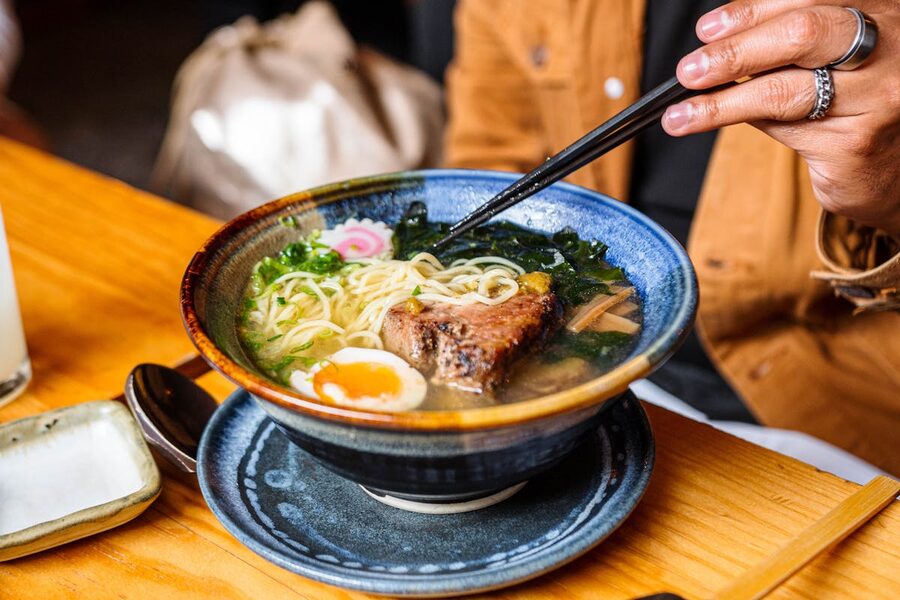
Ramen cooking classes run year-round, but availability varies by season. Cherry blossom season (late March through mid-April) and autumn foliage (November) are the busiest periods in both Kyoto and Tokyo. Classes fill up fast during these windows — book at least 2-3 weeks ahead.
Best time slots: Morning classes (10-11am start) are usually the least crowded. Afternoon sessions (1-3pm) fill up quicker because they fit neatly between sightseeing. If you are doing the food tour option, those only run in the evening (typically 5-6pm start).
Day of the week matters. Weekday classes have smaller groups. Saturday sessions are the most popular and sometimes sell out a week or more in advance. Sunday availability varies — some classes do not run on Sundays.
Season tip: Winter is actually the best time for a ramen class. Ramen is traditionally a cold-weather dish in Japan, and there is something deeply satisfying about making a steaming bowl of tonkotsu when it is 5 degrees outside. January and February are also the quietest tourist months, so you will get smaller class sizes and more one-on-one time with the instructor.
How to Get to Ramen Cooking Classes in Tokyo and Kyoto

Tokyo classes: Most are in central neighborhoods — Shinjuku, Asakusa, or residential areas near major train lines. The supermarket-and-cooking class meets near a local station that the instructor will share after booking. All are reachable by JR or Metro within 30 minutes from major hotels. A Suica or Pasmo card is the easiest way to pay for trains.
Kyoto classes: The Ramen Factory class is centrally located in Kyoto, accessible from Kyoto Station by bus or a short taxi ride. If you are combining it with other Kyoto activities — bike tours, Gion walks — most things are within 20 minutes of each other.
Getting between cities: If you are doing activities in both Tokyo and Kyoto, the Shinkansen (bullet train) takes about 2 hours 15 minutes. A JR Pass covers unlimited rides. You could easily do a cooking class in Kyoto in the morning and be back in Tokyo for dinner — though you probably will not be hungry.
Tips That Will Actually Help
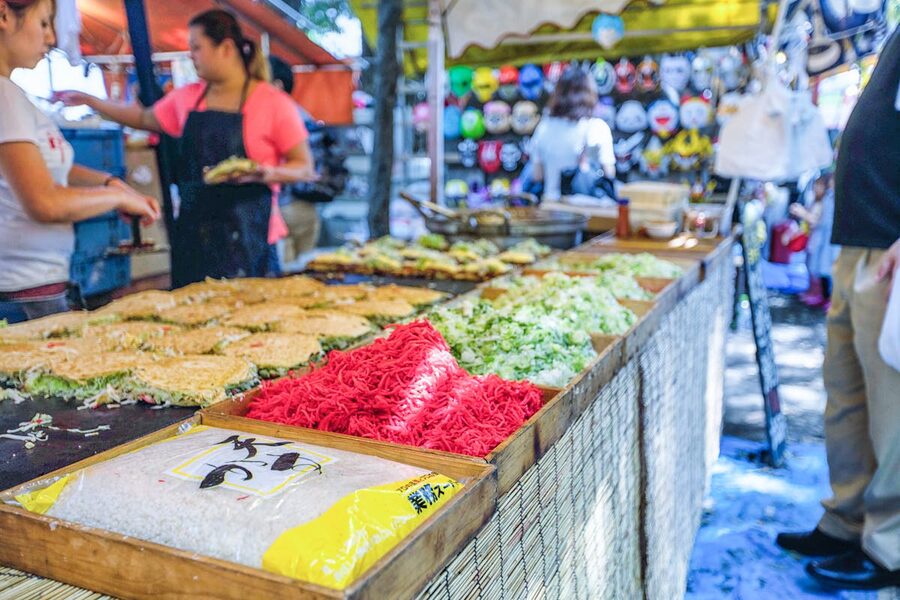
- Wear clothes you do not mind getting flour on. Noodle-making is messy. Some classes provide aprons but not all of them.
- Eat light beforehand. You will consume a full bowl of ramen (plus gyoza if your class includes it). Coming in starving is fine. Coming in full is not.
- Ask about dietary restrictions when booking. Most classes can accommodate vegetarian broth (shiitake-based instead of pork). Vegan and gluten-free options are harder — ask specifically before paying.
- Take notes or photos during the class. The instructors usually do not mind and you will want the ratios later when you try to recreate it at home. Some provide a printed recipe card to take with you.
- Bring a small container if you want to take chashu home. Some classes make extra and let you keep it. This does not apply if you are traveling onward by train — warm pork in a backpack for three hours is a mistake I have seen people make.
- Book the supermarket class if you cook at home regularly. The market knowledge is more useful long-term than the cooking technique alone. You will learn about Japanese pantry staples that genuinely change how you cook Asian food at home.
What You Will Actually Learn to Make
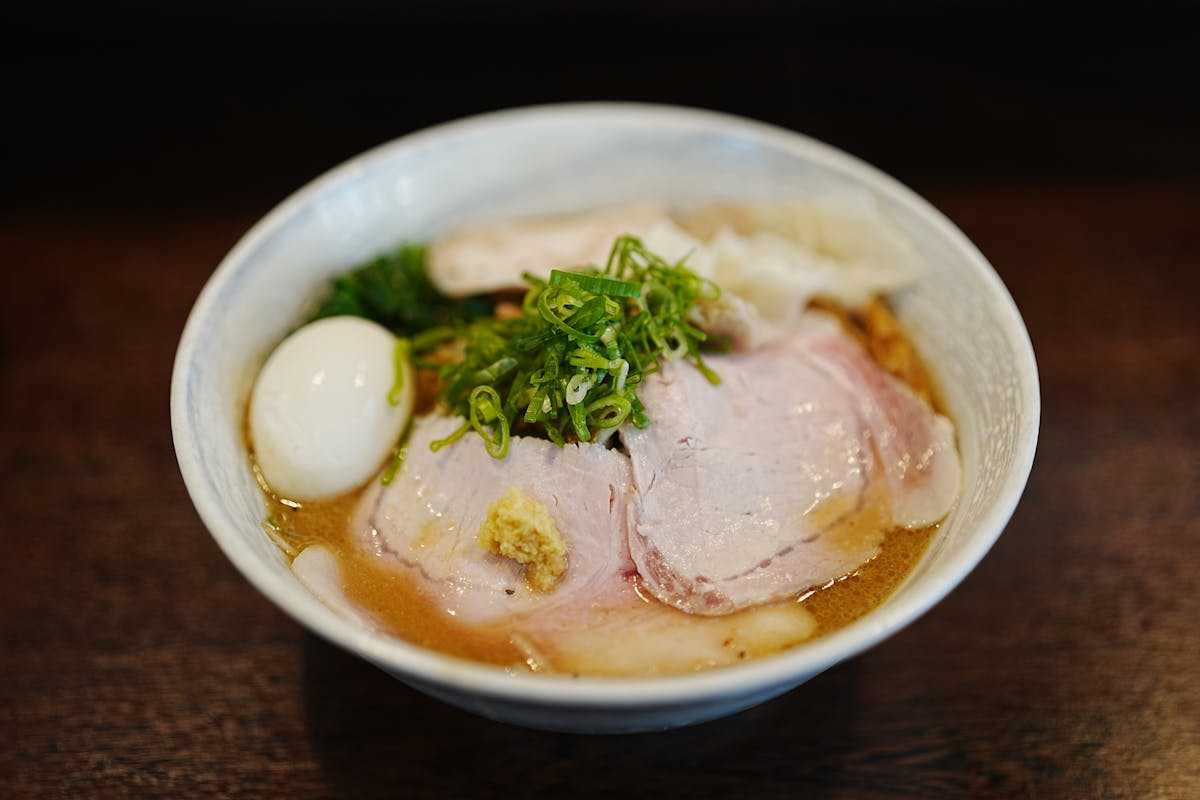
Most ramen cooking classes cover four core components. Knowing what you are getting into helps manage expectations.
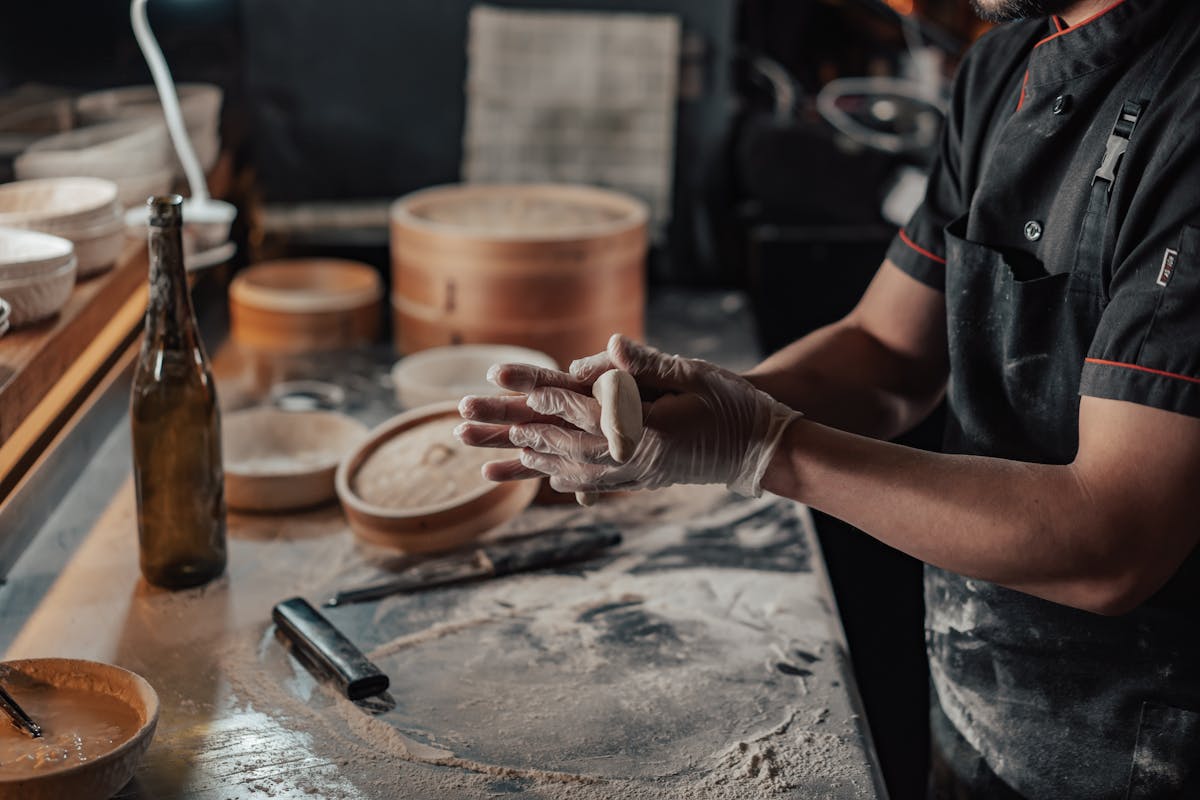
The noodles: You mix flour with kansui (alkaline water) and regular water, knead the dough until it is smooth and elastic, rest it, then roll and cut it. This is the most physical part. The dough is stiff compared to pasta dough and requires real elbow grease. Thin noodles take about 90 seconds to cook. Thick ones take longer. The instructor will usually let you choose your thickness.
The broth: This is where classes differ most from restaurant ramen. A real tonkotsu broth simmers for 8-12+ hours. In a 2-hour class, you are working with a condensed version — either a pre-started stock or a faster technique. It still tastes excellent, but know going in that you are learning the principles, not replicating the exact restaurant process. Kyoto classes tend toward lighter, chicken-based or dashi-based broths. Tokyo classes lean toward richer pork-based styles.
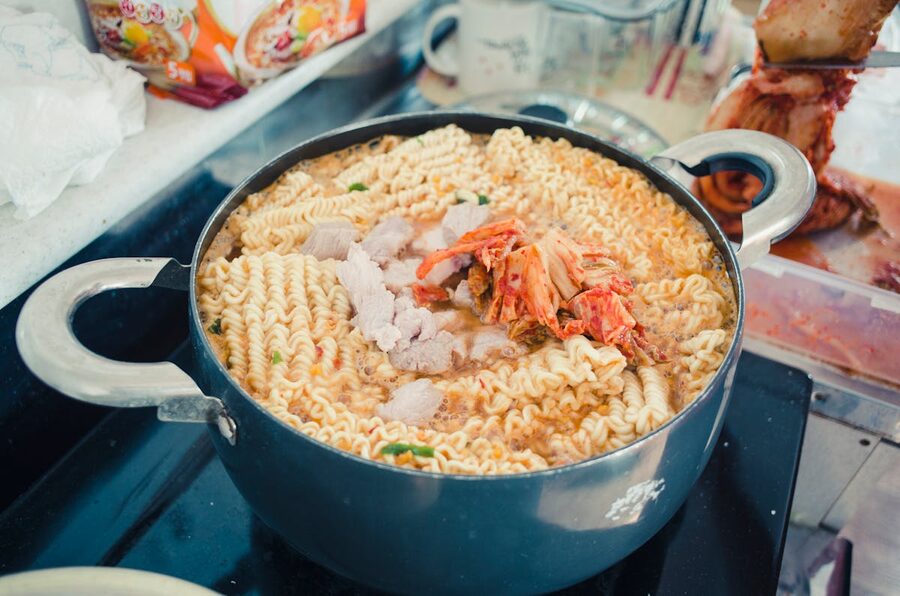
The tare: The flavour base that goes into the bottom of the bowl before you add broth. Shio (salt), shoyu (soy sauce), or miso — each creates a fundamentally different bowl. Most classes teach shoyu because it is the most forgiving. Some let you try all three side by side.
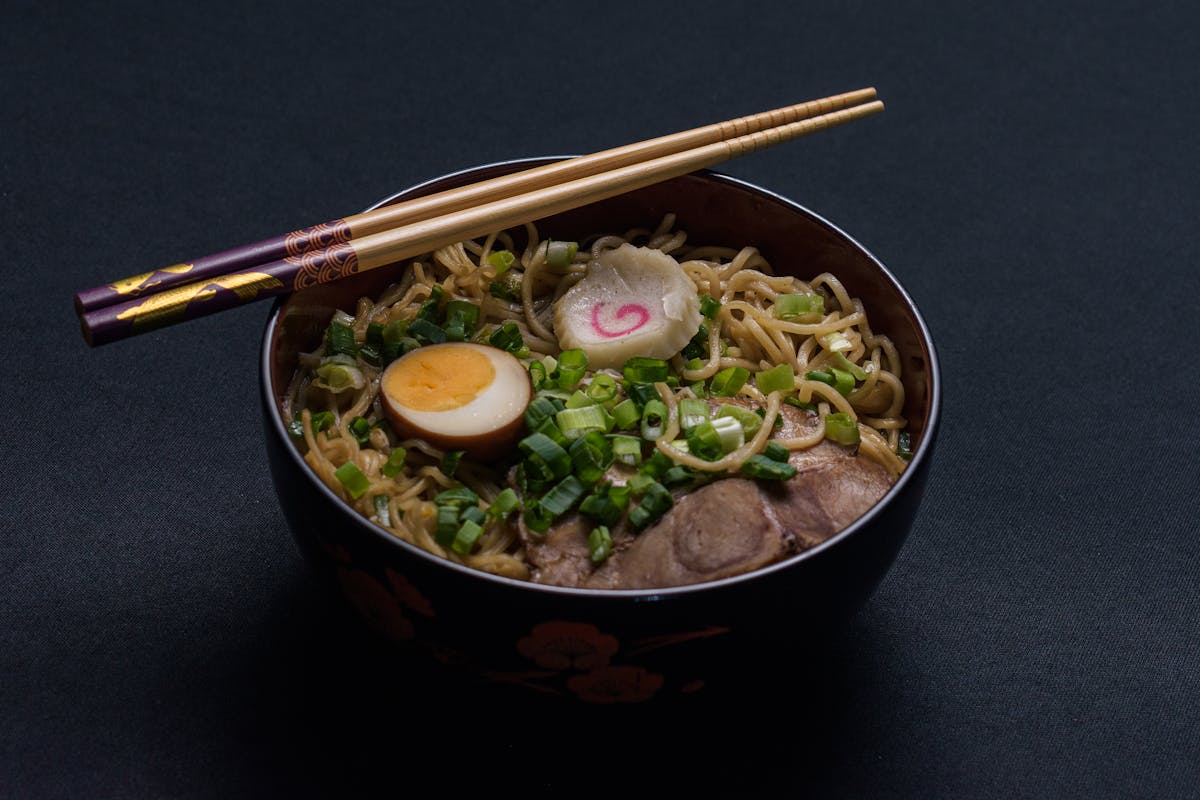
The toppings: Chashu pork (braised belly), ajitama (marinated soft-boiled egg), menma (bamboo shoots), nori, and scallions. The egg is deceptively tricky — you are aiming for a specific jammy yolk that holds its shape when sliced but oozes slightly. The instructor will usually demo the timing down to the second.
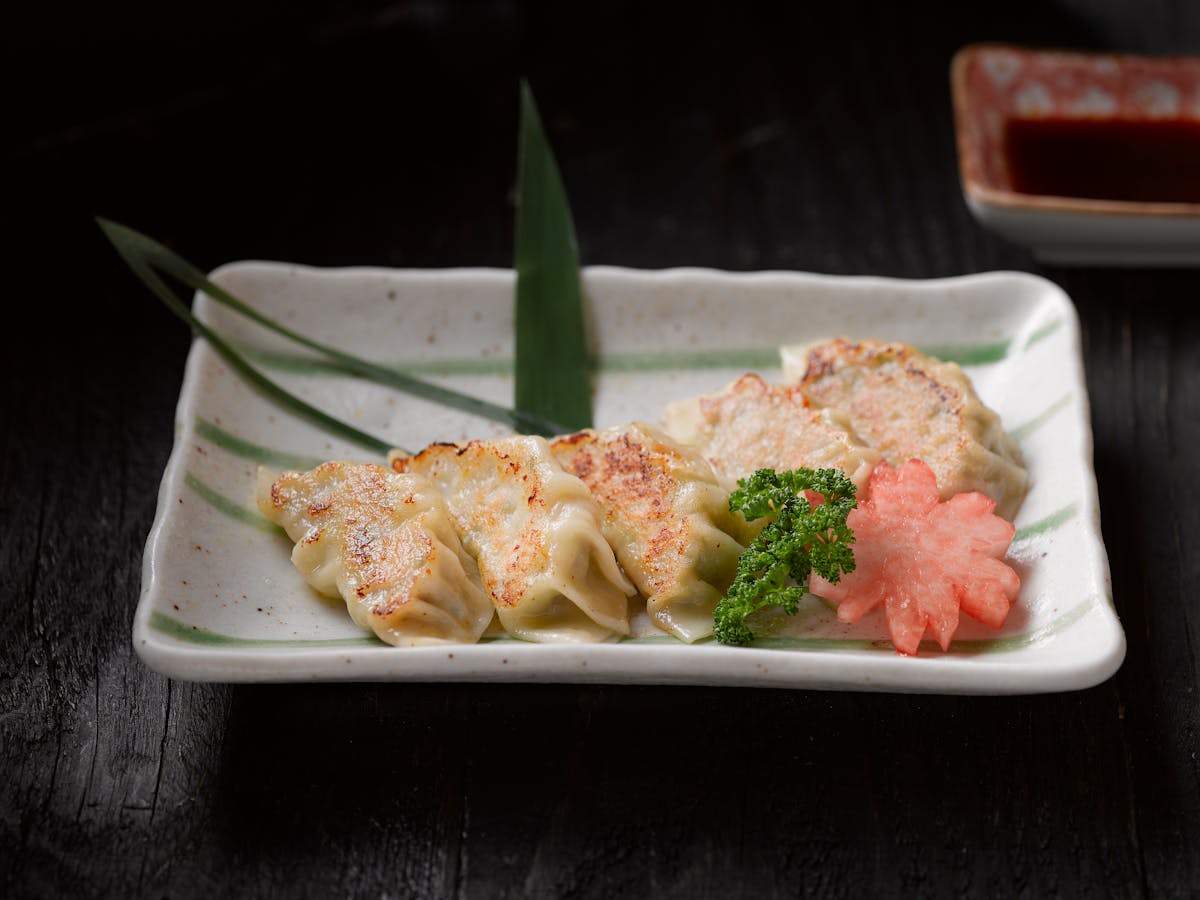
If your class includes gyoza, you will learn the wrapper dough (simpler than noodle dough), the filling (pork and cabbage usually), the folding technique (the crescent pleat), and pan-frying with the water-steam-sear method that gives them a crispy bottom and soft top.
Ramen vs Other Japanese Cooking Classes
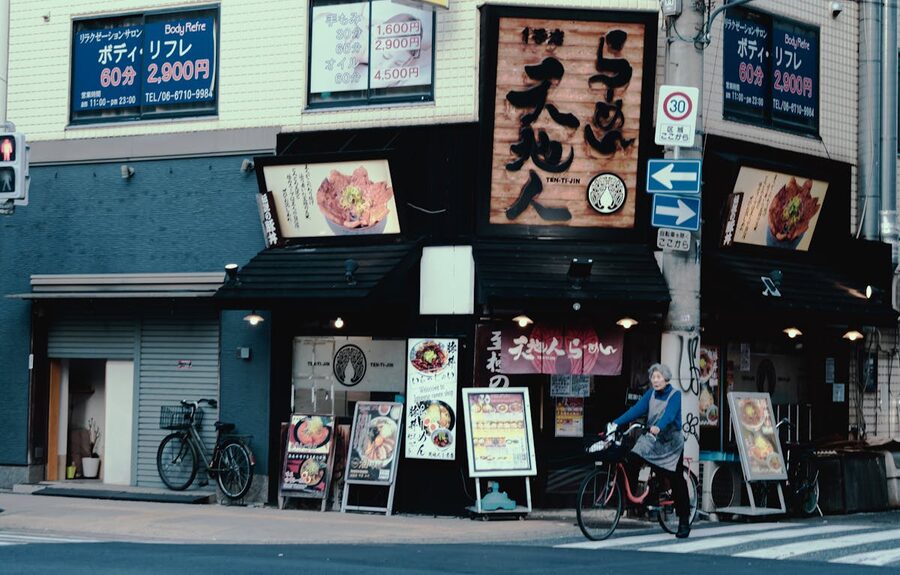
Japan has cooking classes for almost everything — sushi, tempura, wagashi (sweets), bento boxes. Here is how ramen fits into the picture:
Ramen vs sushi: Sushi classes are about precision knife work and rice technique. Ramen is more about patience and timing. Sushi is cleaner (no flour on your clothes). Ramen is more satisfying in cold weather. If you can only do one, sushi is probably the more iconic Japanese experience, but ramen is more useful for home cooking.
Ramen vs everything else: Ramen classes are more physical than most Japanese cooking experiences. If you want something less intense but equally creative, the chopstick making workshops are a nice complement — you craft the tools, then learn to cook with them. The dough kneading requires genuine effort. If you want something gentle and meditative, a tea ceremony or wagashi class might be better. If you want to leave knowing you can cook something impressive at home, ramen is the move.
Can you do multiple classes? Absolutely. Many people do a sushi class one day and ramen the next. They are different enough that it does not feel repetitive. The Osaka food scene also has its own cooking class options if you are heading there. And if you want to go beyond sushi and ramen, our Tokyo cooking class guide covers wagyu, bento, gyoza, and izakaya-style home cooking.
More Japan Guides
If you are spending time in Tokyo, the Shinjuku food tours cover similar ground to the ramen food tour but with a different route. For day trips, Kamakura is about an hour south and pairs well with a morning cooking class, while the Nikko day trip takes you to mountain shrines and waterfalls in a completely different direction.
If you are heading to Kyoto for the ramen factory class, consider adding the Nara day trip or a samurai experience to round out your time there — warrior arts in the morning, noodle craft in the afternoon makes for a genuinely memorable day.
This article contains affiliate links. If you book through these links, we earn a small commission at no extra cost to you. This helps us keep writing these guides. All recommendations are based on genuine research and our own experience.