
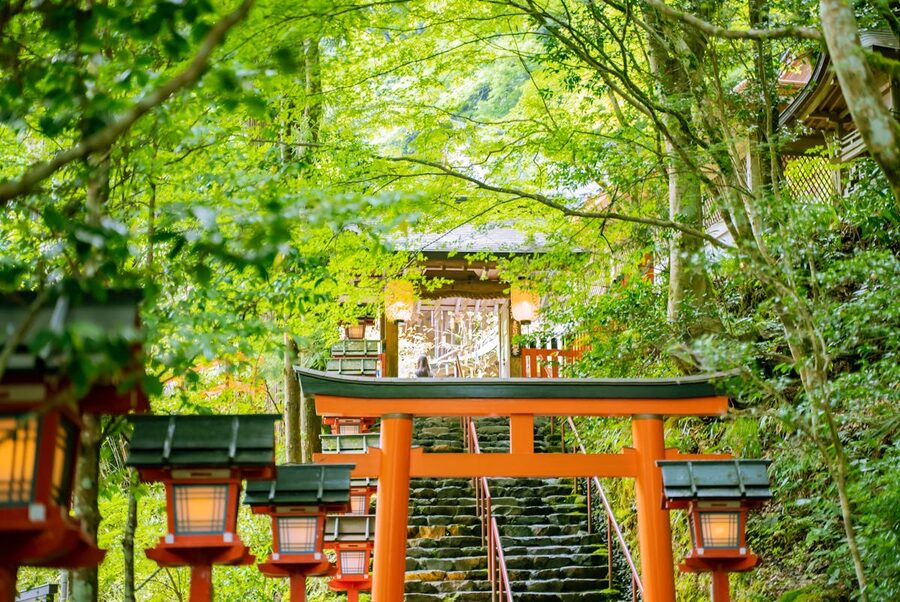
You round a corner on a narrow lane in northern Kyoto, and suddenly the traffic noise drops away. Bamboo lines both sides of the path. A wooden torii gate appears ahead, half-hidden by moss. Your e-bike hums quietly underneath you as the guide pulls over and says, “This temple gets maybe ten visitors a day.
Most travellers don’t know it exists.” That moment — pedaling through a city of 2,000 temples and finding one that feels like yours alone — is why bike tours in Kyoto are worth every yen.
Kyoto was built for cycling. The city is mostly flat, the distances between major sights are just long enough to make walking tedious but short enough that biking feels effortless, and there are residential neighborhoods between the famous temples that you’d never see from a bus or taxi. A good bike tour covers in one day what would take three days on foot.
I’ve done two bike tours here across separate trips, and both times I saw more of Kyoto in six hours than I had in the previous two days of walking. This guide breaks down the five best bike tours to book, what each one covers, and which one fits your trip.
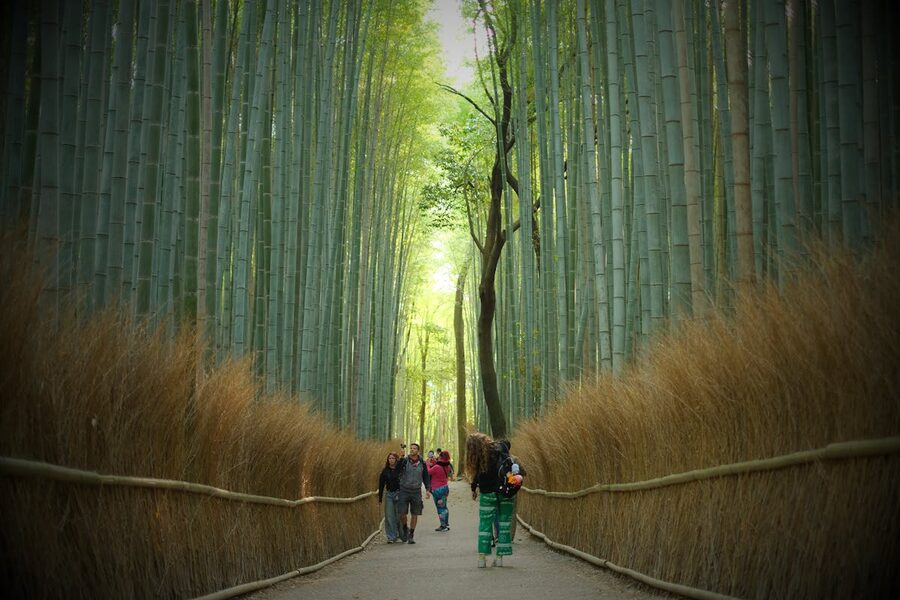
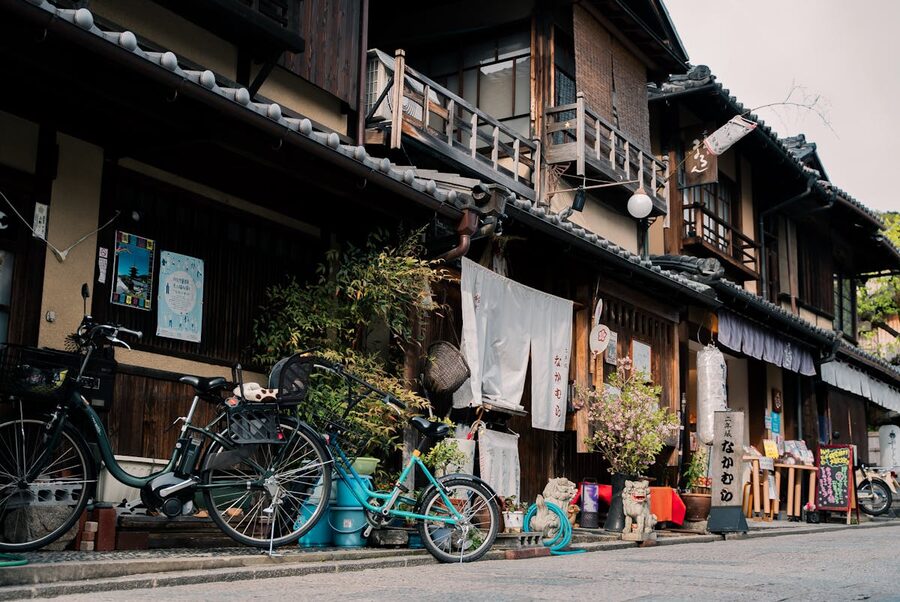
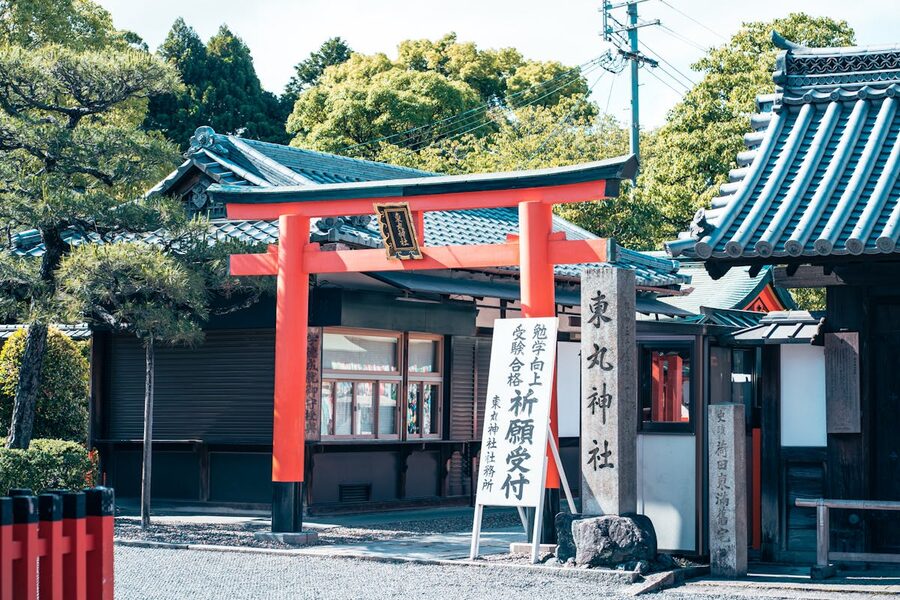
Short on time? Here are my top 3 picks:
Best overall: Hidden Kyoto E-Biking Tour — $116. E-bikes take you to off-the-beaten-path temples and neighborhoods that most visitors never reach.
Best budget: North Kyoto Bike Tour with Lunch — $106. Full day through the quieter northern districts with a proper sit-down lunch included.
Best early bird: Arashiyama Bamboo Bike Tour — $106. Hit the bamboo grove before the crowds arrive — starts early and it is worth every minute of lost sleep.
- How Kyoto Bike Tours Actually Work
- Why a Bike Tour Beats Walking or Buses in Kyoto
- The Best Kyoto Bike Tours to Book
- 1. Hidden Kyoto E-Biking Tour — 6
- 2. Bike Tour Exploring North Kyoto Plus Lunch — 6
- 3. Arashiyama Bamboo Bike Tour (Early Bird) — 6
- 4. 5 Top Highlights of Kyoto Bike Tour — 2
- 5. Small-Group Full-Day Cycle Tour Highlights of Kyoto — 9
- When to Book a Kyoto Bike Tour
- How to Get to the Meeting Points
- Tips That Will Actually Help on Your Bike Tour
- What You’ll Actually See on a Kyoto Bike Tour
- Your Next Move in Kyoto
How Kyoto Bike Tours Actually Work
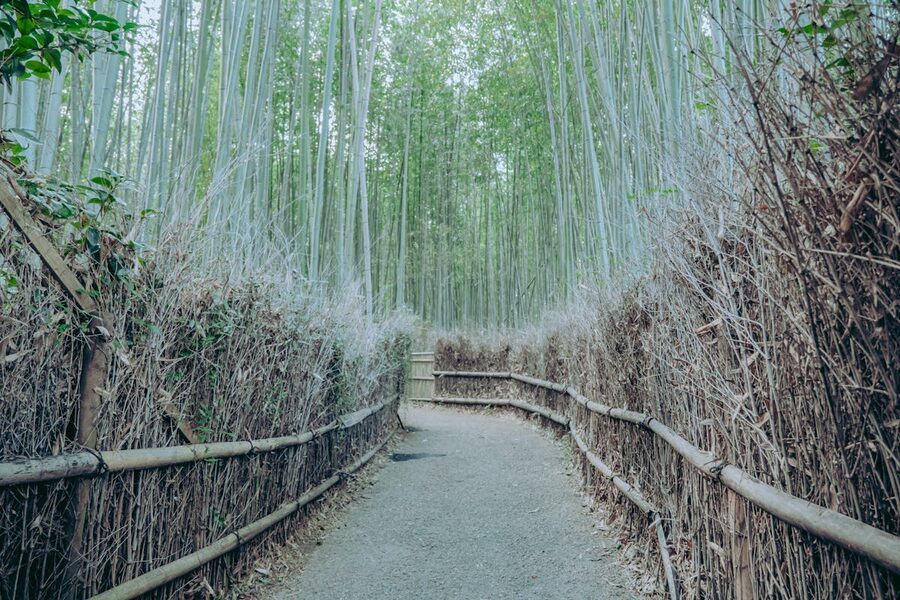
Kyoto’s bike tour scene is dominated by a handful of small companies run by long-term foreign residents. These aren’t corporate operations — they’re run by people who chose to live in Kyoto and want to share the parts of it that travellers normally miss. The quality across the top operators is consistently high, which is reflected in the near-perfect ratings across the board.
Most tours use e-bikes (electric-assist bicycles), which makes a massive difference. Kyoto is mostly flat, but the routes to northern temples involve gentle inclines that would be tiring on a regular bike after a few hours. E-bikes flatten those hills and mean you arrive at each stop fresh instead of sweaty and exhausted. If you haven’t ridden an e-bike before, the guides give a quick training session before you set off.
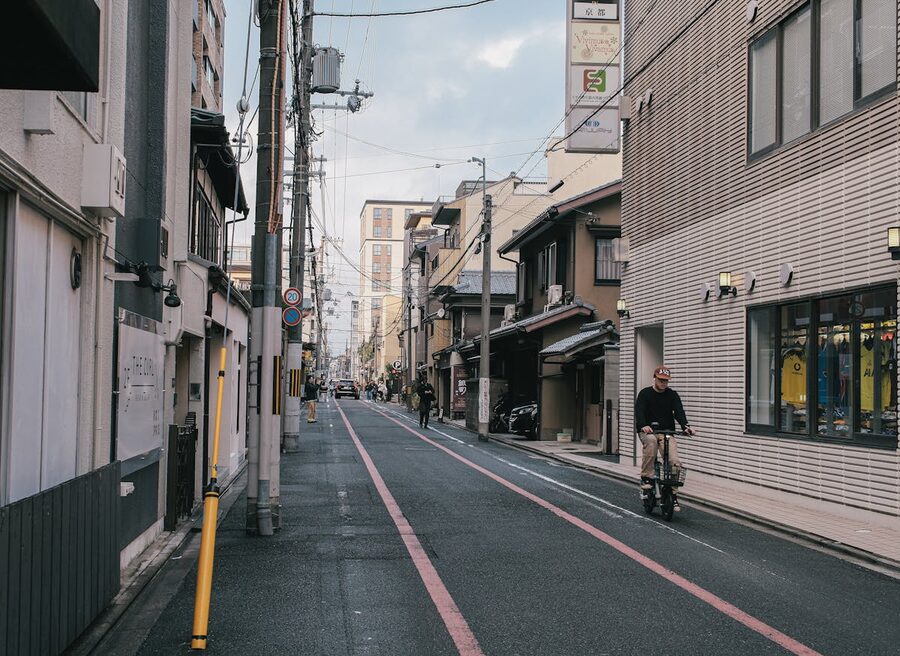
Group sizes are small — typically 8-12 people maximum. The guides know Kyoto’s backroads and cycling paths intimately, so you’re never riding on busy main roads. The routes use quiet residential streets, riverside paths, and temple district lanes that feel a world away from the tourist crowds at Kiyomizu-dera or Fushimi Inari.
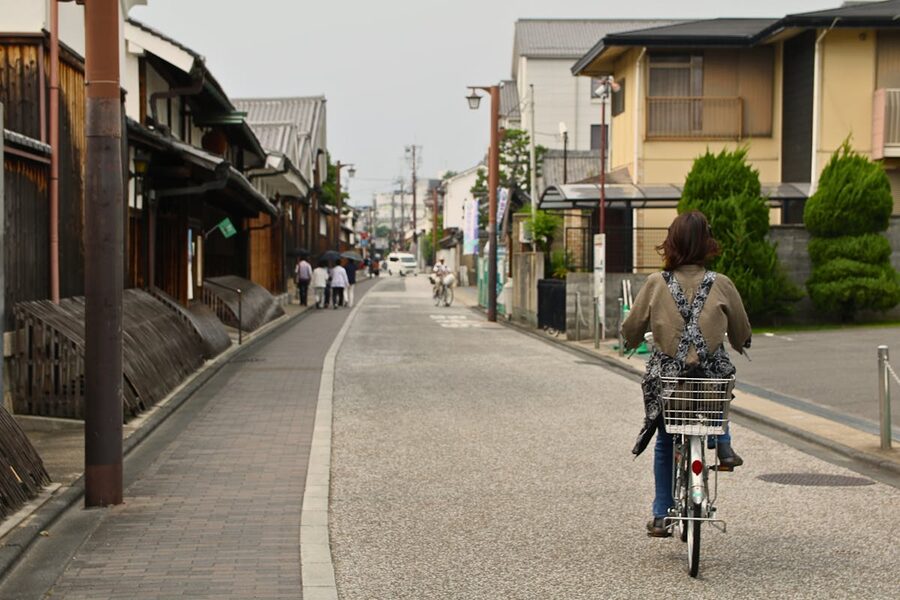
Tours typically run 4-7 hours depending on the route. That sounds long, but the time flies — you’re stopping every 20-30 minutes at temples, gardens, markets, and viewpoints. The actual cycling is the easy part. Booking is through Viator, and the process is straightforward: pick a date, show up at the meeting point, and ride.
Why a Bike Tour Beats Walking or Buses in Kyoto
Kyoto’s public transport is fine for getting between the major sights, but it has a fundamental problem: the best parts of the city are between the famous temples, not at them. The residential streets of northern Kyoto, the canal paths along the Kamo River, the tiny neighborhood shrines where locals leave fresh flowers every morning — you’ll never see any of this from a bus window.
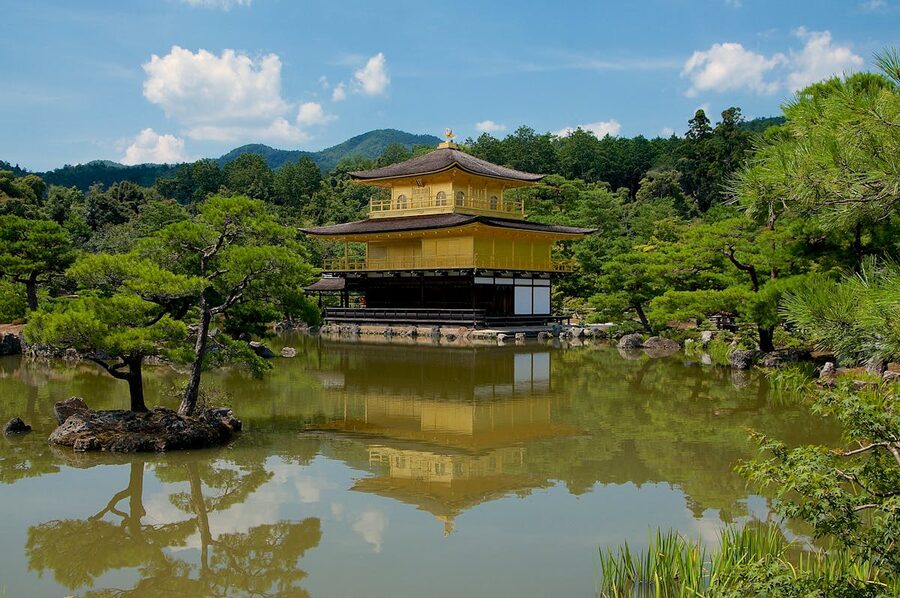
Walking covers some of this ground, but Kyoto’s major temple districts are spread across a 10-kilometer radius. Walking from Kinkaku-ji (Golden Pavilion) in the northwest to Fushimi Inari in the southeast takes about three hours of solid walking with nothing to see in between. On a bike, that’s a 40-minute ride through some of the city’s most atmospheric neighborhoods.
The other advantage of bike tours is timing. Bus tours are locked into schedules that dump you at major temples during peak hours. Bike tours — especially the early bird options — get you to places like the Arashiyama Bamboo Grove at 7am, before the tourist buses have even started their routes. The difference between visiting a temple with 500 other people versus 15 is enormous.
My honest take: if you only have one or two days in Kyoto, a bike tour is the single best investment of your time. You’ll see three to four times as much as you would walking, and you’ll see the real Kyoto between the postcard shots.
The Best Kyoto Bike Tours to Book
All five of these tours have perfect 5.0 ratings, which is rare. That tells you the quality floor across Kyoto’s bike tour operators is very high. The differences come down to route, duration, and what you prioritize — hidden temples, famous highlights, or a specific area like Arashiyama.
1. Hidden Kyoto E-Biking Tour — $116
This is the bike tour I recommend to everyone, and it’s the most popular for good reason. At $116 per person, it’s not cheap, but the e-bike, expert guide, and route planning justify the price. The tour focuses on hidden temples, quiet residential neighborhoods, and spots that don’t appear in guidebooks — the kind of places where you’re the only foreigner and the monk running the temple seems genuinely pleased to see visitors.
NORU, the company behind this tour, has built their reputation on showing people a Kyoto that exists beyond the Instagram highlights. With over 1,800 reviews and a perfect 5.0 rating, the consistency is remarkable. The e-bikes make the distance feel effortless, and the guides provide training before you set off if you haven’t ridden one before. This is the tour that makes people say Kyoto was the highlight of their Japan trip.
If you can only do one bike tour in Kyoto, this is it. The combination of hidden spots, knowledgeable guides, and e-bikes that let you cover serious ground without fatigue is hard to beat.
2. Bike Tour Exploring North Kyoto Plus Lunch — $106
North Kyoto is where the city gets quiet. The tourist crowds thin out dramatically once you cross north of Kinkaku-ji, and this tour takes full advantage. At $106 per person with lunch included, it’s the best value full-day option on this list. The included lunch at a local restaurant is a proper sit-down meal, not a convenience store stop.
Cycle Kyoto runs this tour, and their guides are some of the most knowledgeable in the city. With over 1,000 reviews and a perfect rating, they’ve dialed in a route that balances famous temples with hidden ones, rice paddies with residential streets, and cycling with enough walking breaks to explore each stop properly. The pace is relaxed — this isn’t a race to see as many temples as possible.
I’d pick this over the Hidden Kyoto tour if you specifically want to explore the northern districts, or if the included lunch appeals to you. Both tours are excellent; this one has a tighter geographic focus.
3. Arashiyama Bamboo Bike Tour (Early Bird) — $106
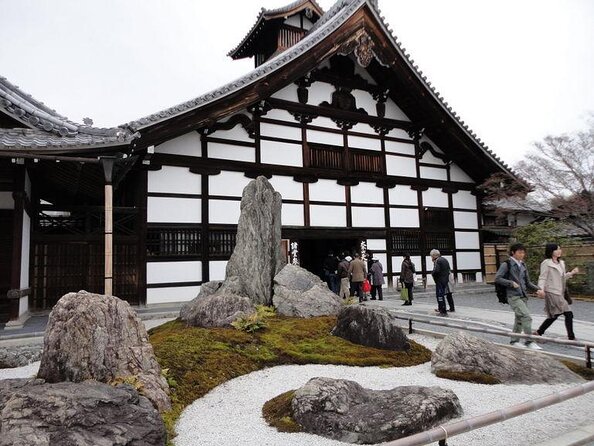
If the Arashiyama Bamboo Grove is high on your Kyoto list — and it should be — this early bird tour is the way to see it. The tour starts early specifically to beat the crowds, and the difference is dramatic. By 9am the bamboo grove is packed with tour groups and selfie sticks. At 7am it’s just you, your small group, and the sound of bamboo creaking in the wind.
At $106 per person, you’re paying the same as the North Kyoto tour but getting a focused Arashiyama experience. The route covers the bamboo grove, surrounding temples, the Togetsukyo Bridge area, and several smaller spots in the Arashiyama district. Kyoto Bike Tour runs this one, and their guides know the area inside out. If Fushimi Inari is also on your list, hike the mountain early and save the bike tour for the afternoon.
The early start means setting an alarm, but every single person I’ve talked to who did this tour says the early wake-up was worth it. If you’ve seen photos of the bamboo grove packed with travellers and wondered whether it’s worth visiting — this tour proves that it absolutely is, you just need to get there first.
4. 5 Top Highlights of Kyoto Bike Tour — $172
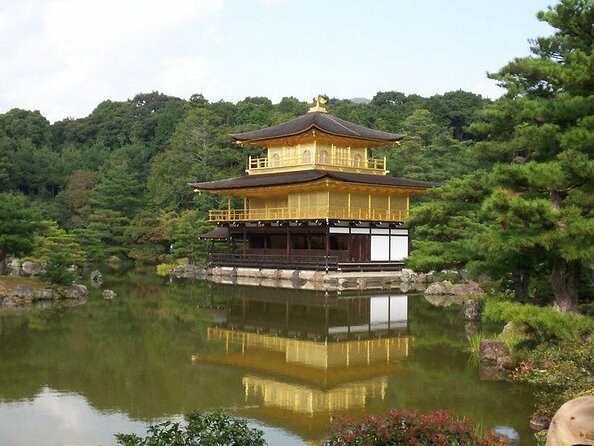
This is the tour for people who want to see the famous Kyoto — Kinkaku-ji, Arashiyama, the Imperial gardens — but don’t want the bus tour experience. At $172 per person, it’s the most expensive option on this list, but it’s also the most comprehensive. You’ll cover the five biggest highlights plus the hidden spots in between that make cycling the best way to connect them.
Kyoto Bike Tour runs this as a full-day experience, and the e-bikes mean you cover a staggering amount of ground without exhaustion. The guides go beyond just pointing at temples — they explain the historical rivalries between different Buddhist sects, why certain gardens are designed the way they are, and which emperors built what. It’s a cultural education on wheels.
I’d recommend this if you have just one day in Kyoto and want to hit the major sights with expert context. The price reflects the length and depth of the experience. If you have multiple days, the Hidden Kyoto or North Kyoto tours offer better value for a single-day investment.
5. Small-Group Full-Day Cycle Tour Highlights of Kyoto — $119
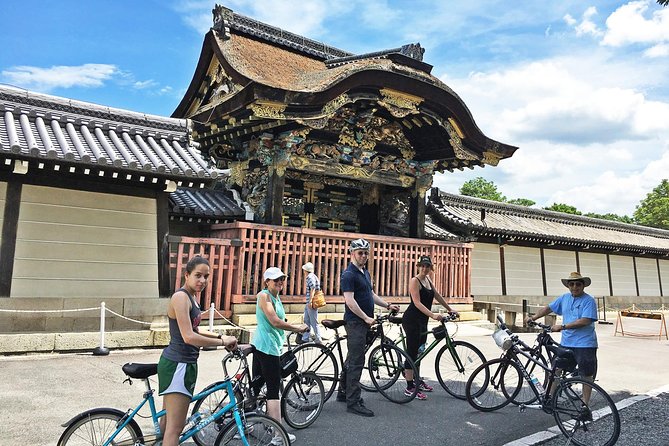
Cycle Kyoto’s full-day highlights tour is the sweet spot between the budget-friendly North Kyoto tour and the premium Kyoto Bike Tour options. At $119 per person, you get a full day of cycling through Kyoto’s major and minor highlights with a guide who’s been living in the city for years.
What sets this apart is the pace and approach. The guides cover large stretches of Kyoto — including the outskirts that other tours skip — while keeping a healthy tempo that feels like exercise without being punishing. The small group format (maximum 10 people) means the guide can adjust the route and commentary based on the group’s interests.
This is the tour I’d book if I wanted a full-day Kyoto experience at a reasonable price. It doesn’t have the specific focus of the Arashiyama or North Kyoto tours, but it gives you the broadest view of the city in a single day. Good for first-time Kyoto visitors who want to understand the layout before exploring specific areas on their own.
When to Book a Kyoto Bike Tour
Kyoto’s bike tours run year-round, but the experience varies dramatically by season:
Cherry blossom season (late March to mid-April): The absolute peak. Kyoto’s temples surrounded by cherry blossoms is one of Japan’s most iconic scenes, and seeing it from a bike — stopping wherever a tree catches your eye — is magical. Book at least 2-3 weeks in advance. Tours sell out fast.
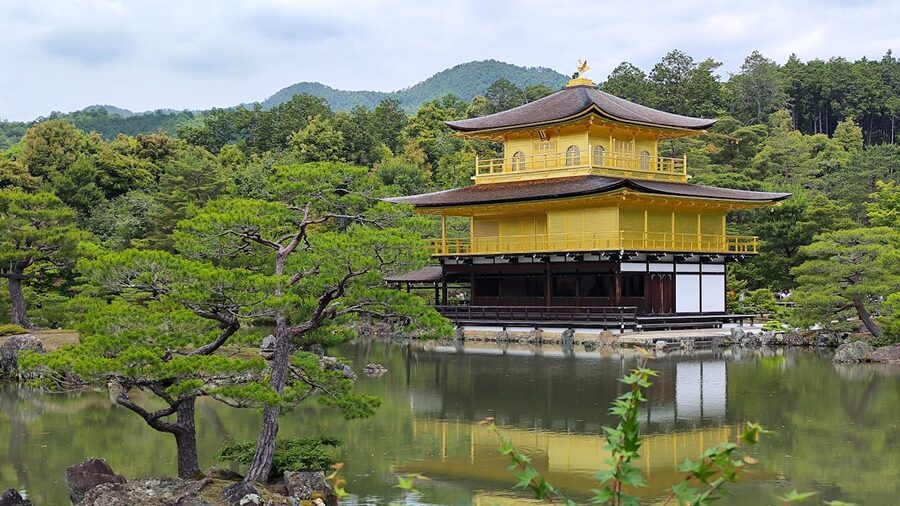
Autumn leaves (mid-November to early December): Nearly as popular as cherry blossom season. The northern temple districts especially — Kinkaku-ji, the Philosopher’s Path, Arashiyama — are stunning in autumn colors. Same advice: book well ahead.
Summer (June-September): Hot and humid, with temperatures regularly hitting 35 degrees Celsius. Not ideal for cycling, but the early bird tours (starting at 6-7am) beat the worst of the heat. Fewer travellers mean easier access to popular temples. Most tours provide water and schedule shade breaks.
Winter (December-February): Cold but rideable. Kyoto gets occasional snow, which transforms the temples into something otherworldly. Fewer crowds, lower prices, and guides who appreciate having a smaller, more engaged group. Dress in layers — you warm up quickly once you start pedaling.
Rainy season (mid-June to mid-July): Tours typically run in light rain but cancel in heavy rain with full refunds. The moss gardens and bamboo groves actually look better in the rain — everything gets greener and more atmospheric. Worth considering if you don’t mind getting a little wet.
How to Get to the Meeting Points
Most Kyoto bike tours start near Kyoto Station or in central Kyoto. Getting there is straightforward:
From Kyoto Station: Most meeting points are within a 5-10 minute walk of the station. NORU and Cycle Kyoto both have meeting points in the station area. The confirmation email includes exact addresses with photos of the shop or meeting spot.
From Osaka (day trip): Take the JR Special Rapid from Osaka Station to Kyoto Station — about 30 minutes, covered by the JR Pass. The earliest bike tours start at 8-9am, so you’d need to leave Osaka by 7:30am at the latest. Very doable as a day trip.
From Tokyo (shinkansen): The Tokaido Shinkansen takes about 2 hours 15 minutes from Tokyo Station to Kyoto Station. If you’re arriving the same day as your tour, book an afternoon departure or take an early morning train.
From hotels in central Kyoto: If you’re staying near Gion, Kawaramachi, or the downtown area, the meeting points are a short bus ride or 15-minute walk. Some tour companies offer pickup from central hotels — check when booking.
Tips That Will Actually Help on Your Bike Tour
Choose e-bikes if given the option. Some tours offer both standard and e-bikes. Always pick the e-bike. Kyoto’s terrain is gentle but after 4-5 hours of cycling, even mild inclines get tiring. E-bikes keep you fresh so you actually enjoy the temples instead of recovering from the ride to get there.
Wear layers, not bulky jackets. You’ll warm up once you start cycling, cool down when you stop at temples, and warm up again. Layers that you can add and remove easily work better than one heavy jacket. A small daypack to carry your extra layer and water is helpful.
Bring sunscreen and a hat in warmer months. You’re outdoors for 5-7 hours with limited shade between stops. Apply sunscreen before the tour starts — you won’t want to stop and reapply while the group is moving.
The early bird Arashiyama tour is worth the alarm. If you’re debating between the regular and early bird departure, go early. The bamboo grove before 8am versus after 10am is not the same experience. It’s worth the lost sleep.
Temple etiquette matters. Your guide will cover the basics, but know in advance: remove shoes when entering temple buildings, don’t point at Buddha statues, keep your voice low inside temple halls. Cycling-specific: always park bikes in designated areas, never lean them against temple walls or fences.
Lunch breaks are real meals. Tours with included lunch take you to local restaurants, not convenience stores. Come hungry. Tours without included lunch typically stop in areas with plenty of options — your guide will have recommendations. Carry some cash (2,000-3,000 yen) for smaller restaurants that don’t take cards. If your tour wraps up by mid-afternoon, the Fushimi sake breweries are a great way to spend the remaining hours.
What You’ll Actually See on a Kyoto Bike Tour
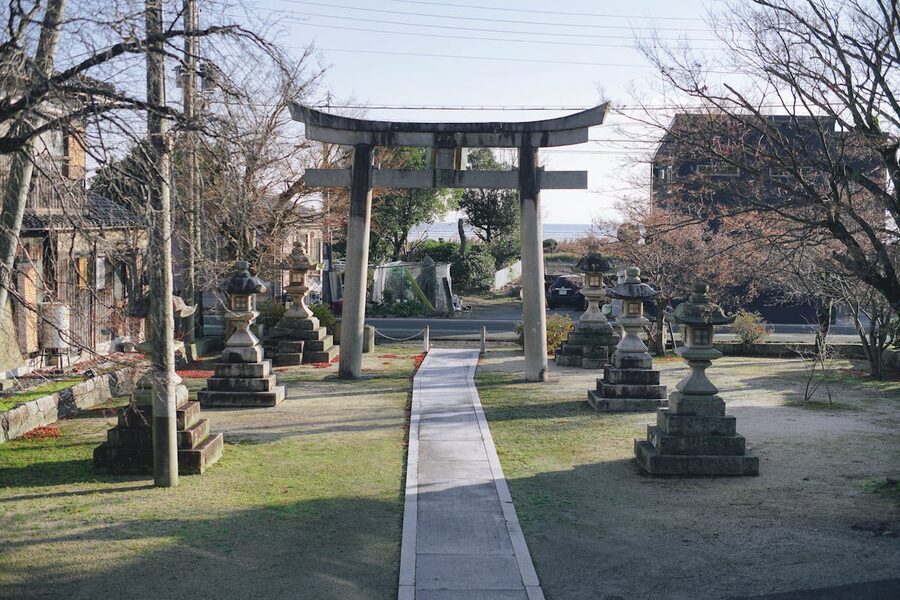
Every tour covers different ground, but these are the stops and areas that come up most often:
Arashiyama Bamboo Grove: The famous tunnel of towering bamboo stalks. On a bike tour, you typically arrive before the crowds — especially on early bird departures. The grove is genuinely impressive when you can hear the bamboo creaking in the wind instead of camera shutters. Nearby, the Togetsukyo Bridge and the surrounding temple district round out the Arashiyama area.
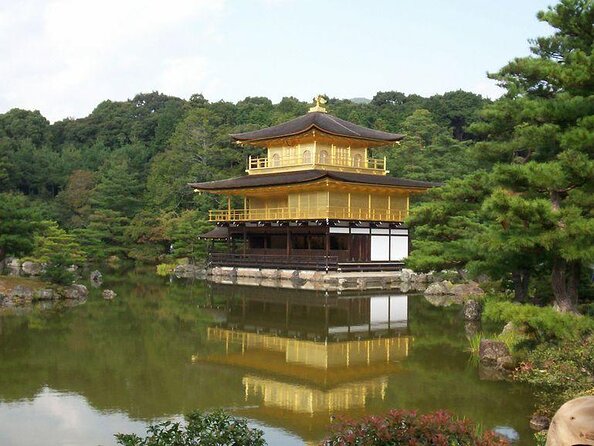
Kinkaku-ji (Golden Pavilion): One of Kyoto’s most photographed buildings, and it earns every photo. The gold-leaf covered pavilion reflected in the mirror pond is stunning regardless of how many times you’ve seen it in pictures. Bike tours approach from back roads, avoiding the bus-clogged main approach.
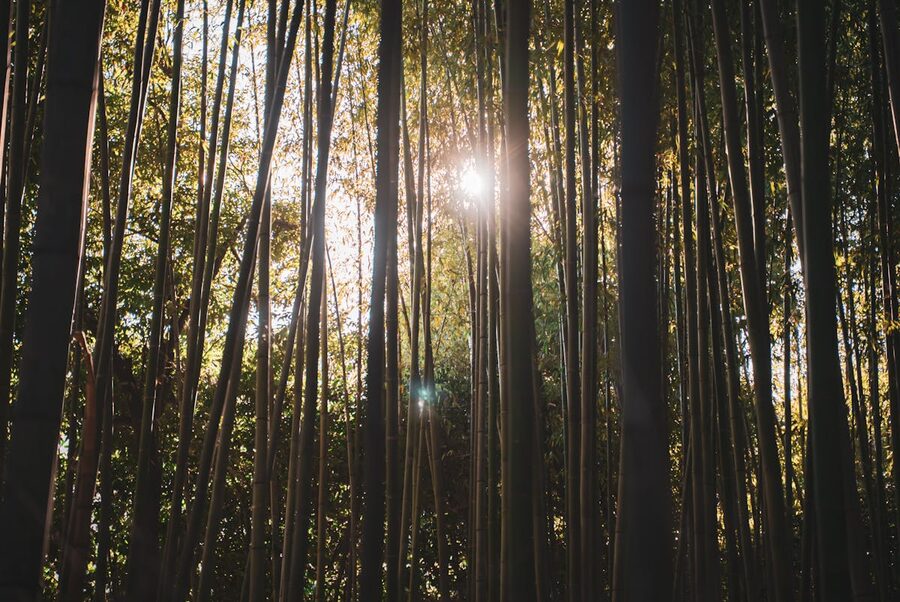
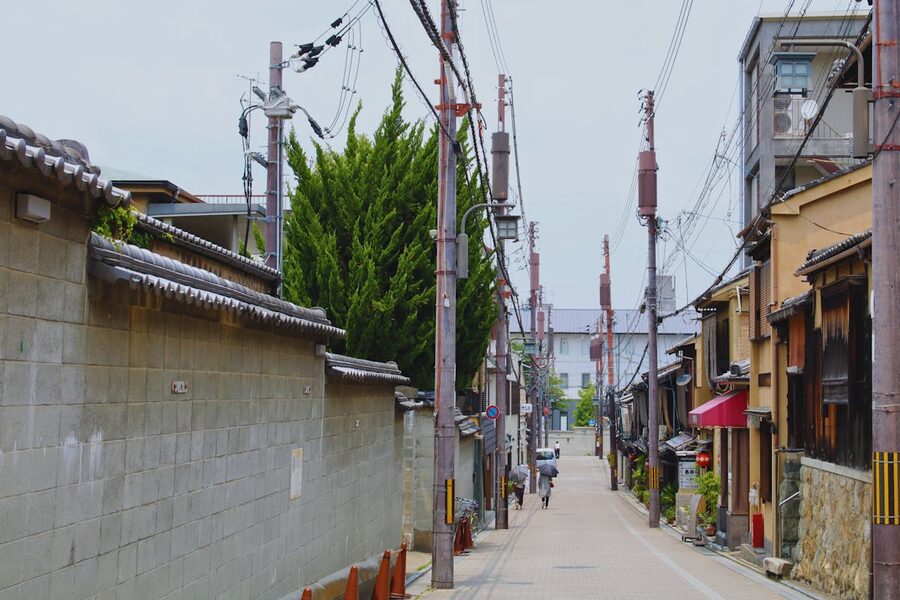
Northern temple district: This is where bike tours earn their money. The temples north of Kinkaku-ji — Ryoan-ji (the famous rock garden), Ninna-ji, and dozens of smaller ones — are spread across a hilly area that’s perfect for e-bikes. Each temple has its own character, and the residential streets connecting them feel like stepping back in time.
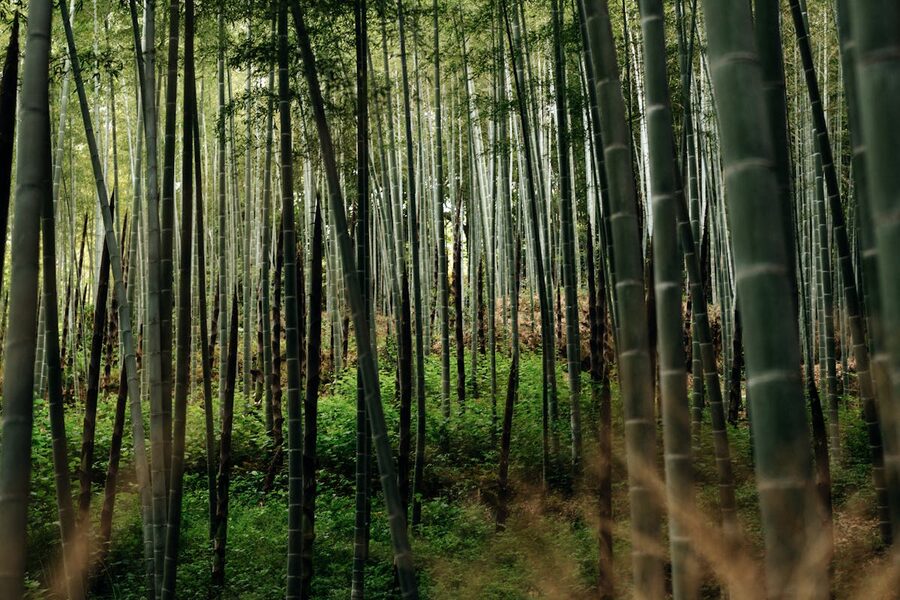
Kamo River path: Many tours use the Kamo River cycling path as a scenic corridor through the city. The riverside route is car-free, flat, and lined with trees. It connects the southern and northern parts of Kyoto and gives you views of the surrounding mountains that you’d never see from the city streets.
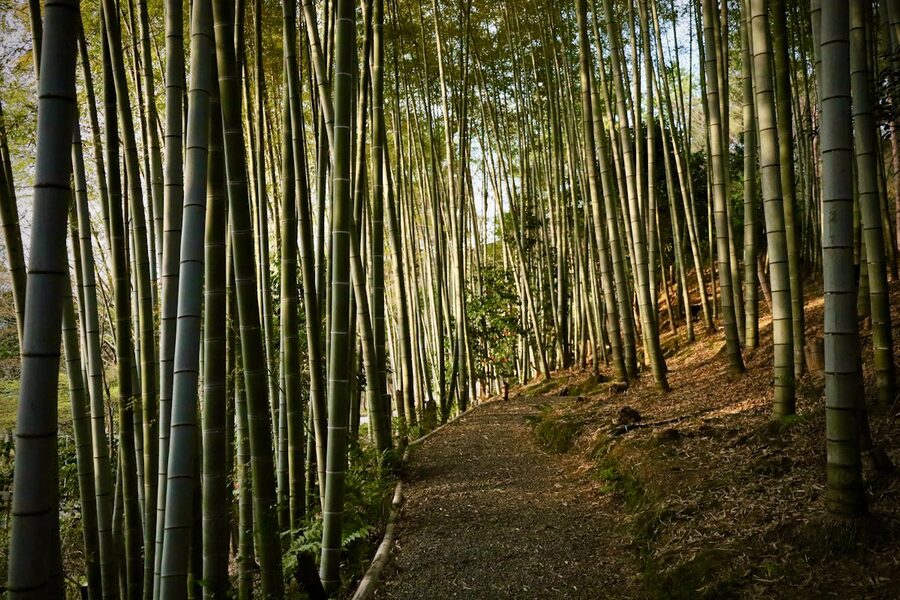
Local neighborhoods: The parts of Kyoto between the famous temples are honestly just as interesting. Traditional machiya townhouses with sliding wooden doors, tiny neighborhood shrines maintained by local families, and streets so narrow that even a bicycle feels like it barely fits. These are the moments that make bike tours special — the unplanned stops at places that don’t have names in English.
Your Next Move in Kyoto
A bike tour covers the big picture, so use your other days in Kyoto to go deeper into specific areas. The Gion geisha district deserves an evening walking tour on foot, when the lanterns come on and the teahouses are active. A proper tea ceremony takes you inside the culture rather than past it, and the ones in the Higashiyama district are among the best in Japan.
If your bike tour passed through Arashiyama too quickly, the dedicated Arashiyama walking tours add the monkey park and hidden temples that cycling routes skip. For a completely different afternoon, the sake tastings in Fushimi pair surprisingly well with a morning bike ride. And if you have a free day, Nara is an easy train ride south — the deer park and giant Buddha are worth the trip.
A bike tour gives you the overview — after that, you’ll want to go deeper into specific areas. The Gion Geisha District walking tour covers the traditional entertainment quarter on foot, which is the perfect complement to a bike tour’s broader coverage. If your bike tour included a tea ceremony, the full-length ceremony experiences go much deeper into the ritual and philosophy behind it.
For something completely different from temples and gardens, the sushi making classes available in Kyoto are a hands-on way to spend an afternoon. And if you’re heading to Osaka next — which most travellers do — the Osaka food tours and Osaka walking tours offer the same quality of guided exploration in a city with a completely different personality.
Day trip options include Hiroshima and Miyajima by shinkansen, or the Shirakawa-go World Heritage village if you’re heading toward the Japan Alps.
This article contains affiliate links. If you book a tour through one of these links, we earn a small commission at no extra cost to you. This helps us keep producing free travel guides.