
Kyoto has 17 UNESCO World Heritage Sites spread across a city with no subway lines that go where you actually want to go. I learned this the hard way on my first trip, spending half the day deciphering bus route maps at random stops while watching the sightseeing hours tick away. The public bus system works fine if you’ve got the patience and the Japanese reading skills.
But if you’re trying to see Fushimi Inari, Kinkaku-ji, Kiyomizu-dera, and Arashiyama in a single day, a dedicated bus tour is the difference between actually seeing Kyoto and spending your day in traffic wondering where to get off.
The good news: there are several solid bus tour options that hit all the major spots. The tricky part is picking the right one, because they range from $27 hop-on-hop-off tickets to $129 fully guided full-day tours — and the experience is completely different depending on which you choose.
Short on time? Here are my top picks:
Best overall: PERFECT KYOTO 1Day Bus Tour — $129. Full-day with English-speaking guide, covers all the big sites with skip-the-line entry at several spots.
Best budget: Kyoto/Osaka: Nara, Fushimi Inari, Arashiyama Tour — $52. Covers three cities in one day. Wild value if you want the greatest hits without spending a fortune.
Best for flexibility: Kyoto Hop-on Hop-off Bus — $27. Get on and off whenever you want, set your own pace entirely.
- How Kyoto Bus Tours Actually Work
- Guided Bus Tours vs Hop-on-Hop-off: Which One Should You Pick?
- The Best Kyoto Bus Tours to Book
- 1. PERFECT KYOTO 1Day Bus Tour — 9
- 2. Kyoto Full-Day UNESCO and Historical Sites Bus Tour — 2
- 3. Kyoto/Osaka: Nara, Fushimi Inari, Arashiyama Bus Tour —
- 4. Kyoto Hop-on Hop-off Sightseeing Bus —
- When to Go on a Kyoto Bus Tour
- How to Get to the Meeting Point
- Tips That Will Save You Time and Money
- What You’ll Actually See on a Kyoto Bus Tour
- Booking Your Kyoto Bus Tour — Step by Step
- What Else to Do in Kyoto
How Kyoto Bus Tours Actually Work
Kyoto’s layout makes it one of the best cities in Japan for bus tours. The main attractions are scattered across a roughly 12km east-west spread, from Fushimi Inari in the southeast to Arashiyama in the northwest. Trains don’t connect them well — you’d need three or four different lines plus walking. Buses thread through the whole city much more efficiently.
Most full-day bus tours operate roughly the same way. A large coach picks you up from a central meeting point (usually near Kyoto Station or a major hotel) between 8:00 and 8:30am. You’ll hit 4-6 major sites throughout the day with the guide handling all entry tickets, parking, and timing. Tours typically wrap up between 5:00 and 6:00pm back at the starting point.
The hop-on-hop-off option works differently. You buy a pass, then board the sightseeing bus at any of its stops throughout the day. The route loops every 60-90 minutes, and you just hop off wherever you want to explore, then catch the next bus when you’re ready. It’s less structured but gives you control over pacing.
A few things worth knowing before you book:
- Full-day guided tours include an English-speaking guide — this matters more than you’d think at places like Kinkaku-ji where the history is the whole point
- Most tours include temple entry fees in the price, but check the specifics — some don’t, and those Y400-600 entry fees add up across 5-6 temples
- Lunch is almost never included. You’ll get a 60-90 minute break at a spot with restaurants nearby
- Spring (late March-April) and autumn (mid November-early December) sell out fast because Kyoto is packed during cherry blossom and koyo seasons
Guided Bus Tours vs Hop-on-Hop-off: Which One Should You Pick?
This is really about what kind of traveler you are, and I don’t mean that in a fluffy way. There’s a genuine practical difference.
Pick a guided bus tour if:
- You’ve got one day in Kyoto and need to maximize it — the guides know exactly how to time each stop to avoid the worst crowds
- You want context and history at each site, not just “here’s a temple, take photos”
- You don’t want to deal with navigation, tickets, or figuring out where to eat lunch
- You’re traveling with older family members or anyone who’d struggle with Kyoto’s confusing public bus system
Pick the hop-on-hop-off if:
- You hate being on a schedule — you want to spend two hours at Kinkaku-ji and skip another stop entirely
- You’ve been to Kyoto before and know what you want to see
- Budget matters — at $27 it’s a fraction of the cost of a guided tour
- You’re comfortable navigating independently and don’t need historical commentary
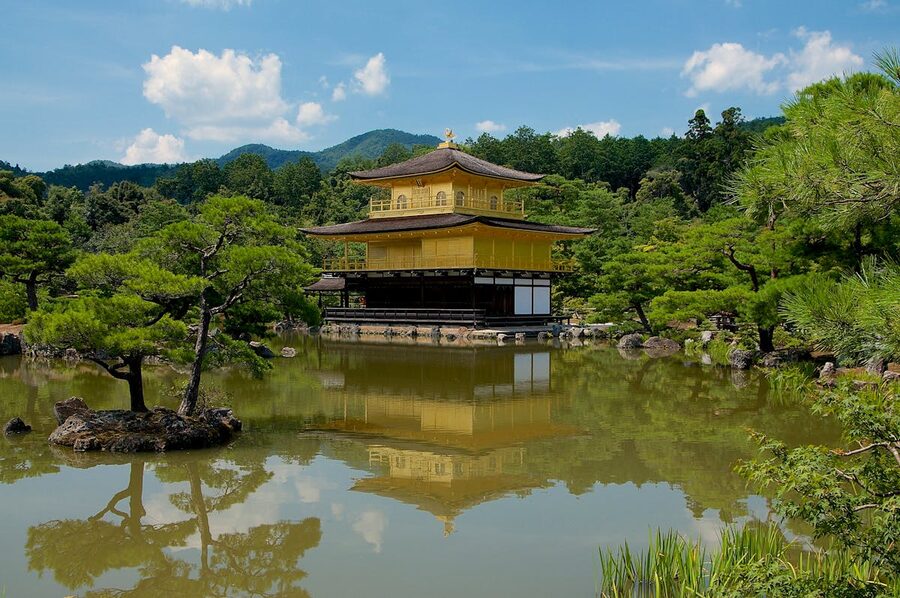
My honest take: if it’s your first time in Kyoto, the guided tour is worth the extra money. Kyoto’s temples can start to blur together after the third or fourth one if nobody’s explaining why each one matters. A good guide makes Kinkaku-ji feel different from Kiyomizu-dera, which feels different from Fushimi Inari. Without that context, it’s just “another beautiful old building.”
The Best Kyoto Bus Tours to Book
1. PERFECT KYOTO 1Day Bus Tour — $129
This is the one I’d book if I could only do one thing in Kyoto. It’s the most popular guided bus tour in the city, and the reviews back up why — the guides are consistently excellent, especially the ones travellers call out by name. At $129 it’s not cheap, but the itinerary is so efficient that you’d spend more than that trying to replicate it independently between entry fees, transport, and time wasted figuring out connections.
The route hits Fushimi Inari Shrine, Kiyomizu-dera, Kinkaku-ji (the Golden Pavilion), and several other stops depending on the season. You get enough time at each site to actually explore rather than just snap a photo from the parking lot. The guide handles all the logistics — you just show up at Kyoto Station in the morning and you’re done by late afternoon.
Bookable on Viator’s top-rated local partner in Kyoto, this is the most booked Kyoto bus tour on the market for a reason. If it’s sold out for your dates, book the UNESCO tour below — similar quality, slightly different route.
2. Kyoto Full-Day UNESCO and Historical Sites Bus Tour — $122
This is the closest competitor to the PERFECT tour above, and honestly it’s nearly as good. The price is $122 — seven dollars less — and the itinerary focuses specifically on Kyoto’s UNESCO World Heritage Sites. You get a full day (around 9 hours) with an English-speaking guide and a comfortable coach.
What stands out here is the guide quality. The reviews consistently praise specific guides — At-Chan and Den are names that come up repeatedly — who go beyond the basic facts. One reviewer mentioned the guide offered to take solo traveler photos without being asked, taught useful Japanese phrases throughout the day, and gave genuine restaurant recommendations for the evening. That’s the kind of personal touch you don’t get from a hop-on-hop-off bus.
If the PERFECT tour is sold out on your dates, this is the one to grab. Same quality, same general approach, slightly different route emphasis.
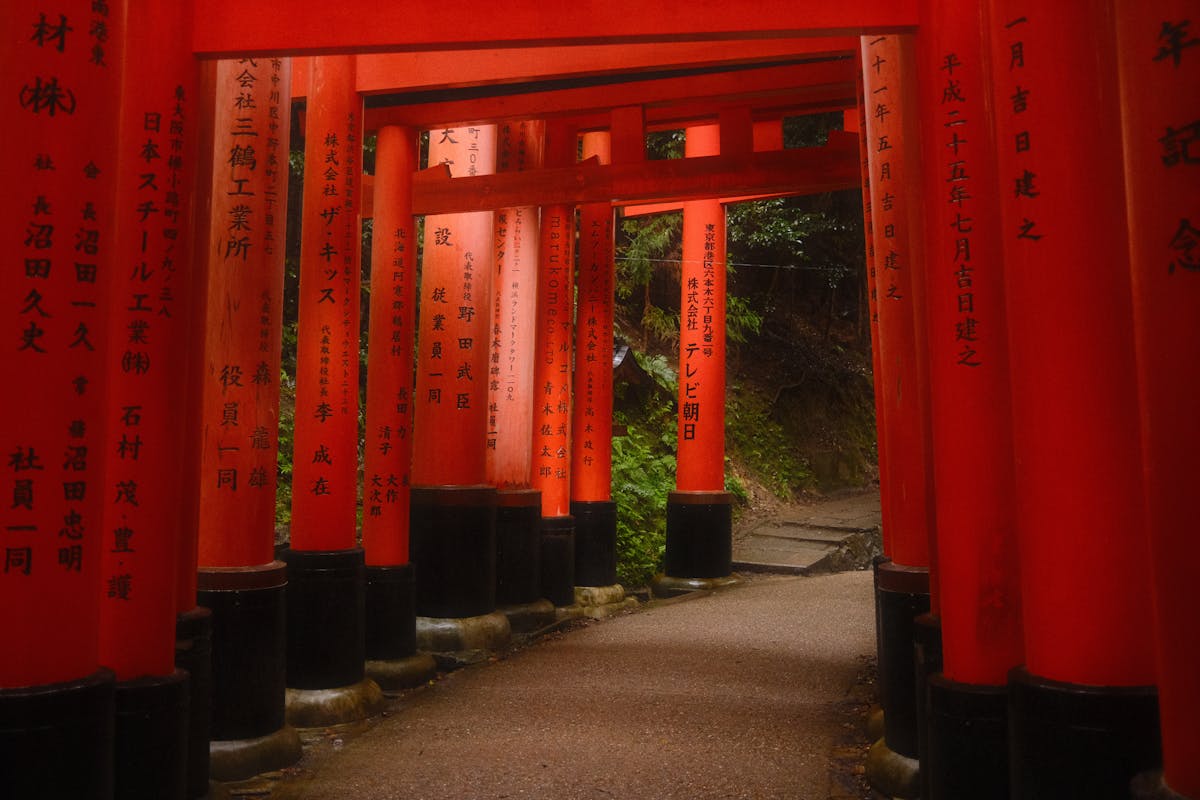
3. Kyoto/Osaka: Nara, Fushimi Inari, Arashiyama Bus Tour — $52
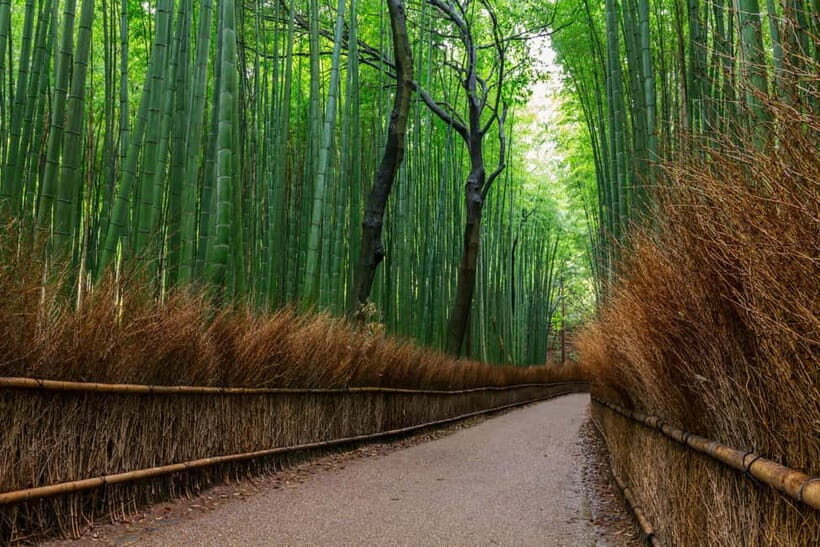
This is the budget pick, and at $52 it’s genuinely impressive what you get. The tour covers three areas — Nara (with the deer park and Todai-ji temple), Fushimi Inari, and Arashiyama (bamboo grove) — all in a single 9-10 hour day. It picks up from both Kyoto and Osaka, which is convenient if you’re based in either city.
The trade-off is obvious: you’re covering more ground in the same amount of time, so each stop gets less attention. Nara alone could eat an entire day if you let it, and here you’re getting maybe 90 minutes. But if you’re the type who’d rather see three great things briefly than one great thing deeply, this is your tour. The guides are consistently praised — John is a name that comes up often as particularly knowledgeable about Japanese history.
At this price point, there’s nothing else in Kyoto that gives you this much. It’s the tour I’d recommend to anyone on a tight budget who has just one day in the Kansai region.
4. Kyoto Hop-on Hop-off Sightseeing Bus — $27
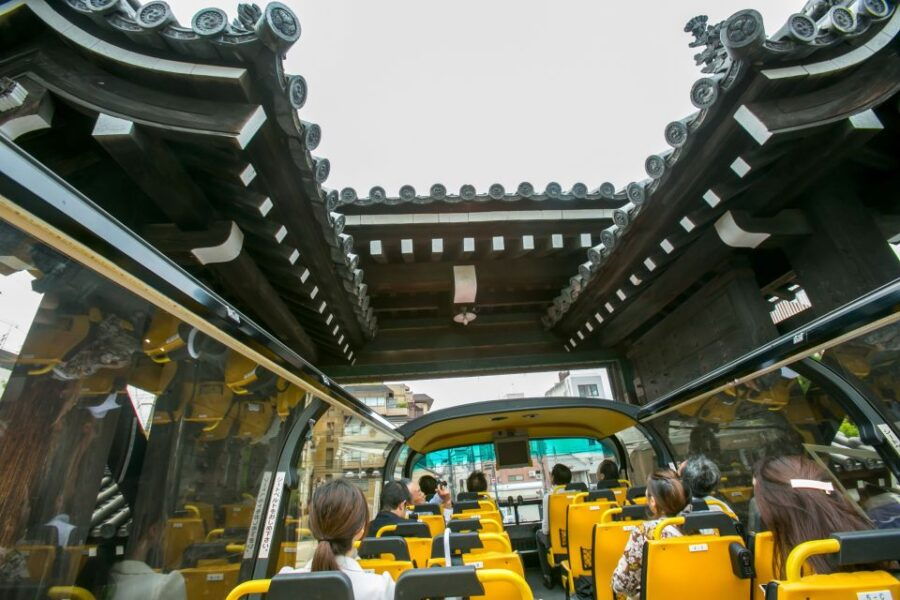
At $27, this is the cheapest way to get around Kyoto’s major attractions without dealing with the public bus system. You get a pass that’s valid for 1-2 days on the Sky Hop Bus, which runs a loop past the main tourist areas including Kinkaku-ji, Kiyomizu-dera, Nijo Castle, and Gion.
The bus has onboard audio commentary (multiple languages), so you’re not completely flying blind. But let’s be real — the experience is nothing like having a dedicated guide. The 3.9 rating reflects that. Some travellers love the freedom; others find the bus frequency frustrating (every 60-90 minutes means if you just miss one, you’re stuck waiting).
Frederick is one guide who travellers say makes the onboard commentary genuinely entertaining, but your mileage will vary depending on who’s working.
Best for repeat visitors or anyone who just wants cheap transport between the major sites without navigating Kyoto’s confusing public bus system.
When to Go on a Kyoto Bus Tour
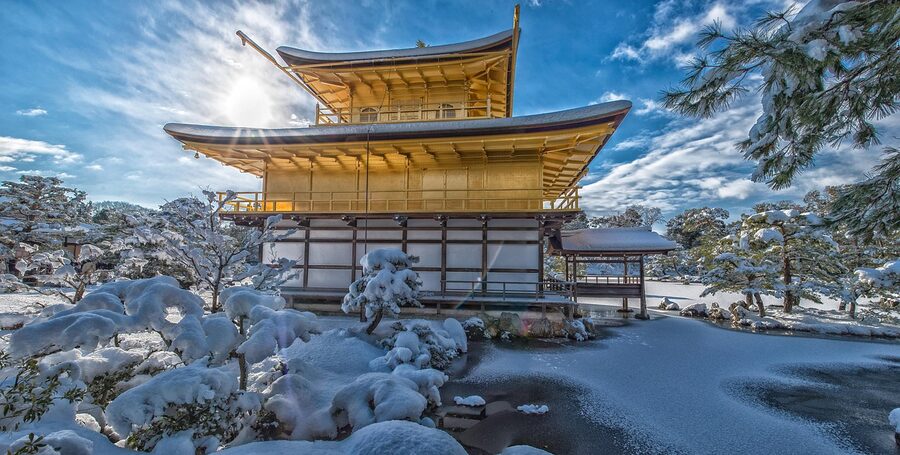
Timing matters in Kyoto more than almost any other Japanese city. The experience of visiting Kinkaku-ji in the quiet of winter snow is a completely different trip than fighting through cherry blossom crowds in April.
Best months: Late October through mid-November (autumn colours) and late March through mid-April (cherry blossoms) are stunning but absolutely rammed. Book tours at least 2-3 weeks in advance during these periods or you’ll find everything sold out.
Shoulder season sweet spot: May, September, and early October give you pleasant weather without the extreme crowds. Tours are easier to book on short notice and the temples are much more enjoyable when you’re not being herded through with hundreds of other travellers.
Winter advantage: January and February are cold (hovering around 2-7C) but the temples look incredible with frost or snow, and you’ll have many sites practically to yourself. Tour prices are the same year-round, so you’re getting the same itinerary with a tenth of the crowds.
Avoid: Golden Week (late April to early May) and Obon (mid-August) are when domestic Japanese travellers flood the city. Even with a bus tour handling logistics, the sheer volume of people at major sites makes the experience less enjoyable.
Time of day: Full-day tours starting at 8:00-8:30am are better than afternoon-only options. The morning light at Fushimi Inari and Kinkaku-ji is far more photogenic than harsh midday sun, and the crowds build throughout the day at every major site.
How to Get to the Meeting Point
Almost every Kyoto bus tour starts at or near Kyoto Station, which is the city’s main transit hub. If you’re staying in central Kyoto, getting there is straightforward.
From central Kyoto hotels: Most areas in central Kyoto are a 10-20 minute taxi ride to the station. Taxis in Kyoto are metered and reasonable — expect Y800-1,500 depending on distance. The subway (Karasuma Line) also runs directly to Kyoto Station from Shijo and other central stops.
From Osaka: Take the JR Special Rapid from Osaka Station — it’s 30 minutes and costs Y580. If you’re staying near Namba, the Hankyu Railway from Kawaramachi is another option. The Nara/Fushimi Inari/Arashiyama tour mentioned above also has Osaka pickups, saving you the trip.
From Tokyo: The Shinkansen bullet train from Tokyo Station takes about 2 hours 15 minutes and arrives directly at Kyoto Station. If you have a Japan Rail Pass (useful for a day trip to Hakone too), the Shinkansen is covered.
Important: Tour descriptions usually specify the exact meeting point — it’s often the Hachijo Exit (south side) of Kyoto Station or a specific hotel lobby nearby. Read the booking confirmation carefully and arrive 10-15 minutes early. Kyoto Station is massive and easy to get lost in.
Tips That Will Save You Time and Money
Book the day before, not the day of. Some tours technically accept same-day bookings, but availability disappears fast, especially during peak season. Booking 2-3 days ahead gives you the best slot options.
Wear comfortable shoes. Seriously. Every Kyoto bus tour involves a LOT of walking once you’re off the bus. Fushimi Inari’s stone steps, Kiyomizu-dera’s hillside approach, and Arashiyama’s gravel paths will destroy unsuitable footwear. Leave the fashion shoes at the hotel.
Bring cash. Temple entry fees at stops where tickets aren’t included are cash-only. Vending machines at the sites are cash-only. Some smaller restaurants during the lunch break are cash-only. Japan is slowly going cashless, but Kyoto’s temples haven’t caught up. Bring at least Y3,000-5,000 in small bills.
Skip the goshuin (temple seal) stampbook on a bus tour. Collecting temple stamps is a popular activity, but the queues can take 10-20 minutes per temple. On a timed bus tour, that eats into your actual exploration time. Save the stamp collecting for a day when you’re visiting temples independently.
Sit on the left side of the bus. Most Kyoto bus routes drive past scenic areas between stops. The left-side windows (in Japan, buses drive on the left side of the road) generally give better views of the mountain and temple scenery as you’re driving through eastern Kyoto.
Don’t eat a heavy breakfast. Tour buses in Japan are comfortable but not immune to winding mountain roads, especially around Arashiyama. A light breakfast and some motion sickness tablets go a long way if you’re sensitive.
Charge your phone fully. You’ll be taking hundreds of photos across 6-8 stops. A portable battery is worth packing — there aren’t always charging opportunities on the bus or at temple sites.
What You’ll Actually See on a Kyoto Bus Tour
The specific itinerary varies by tour, but most full-day Kyoto bus tours cover some combination of these major sites. Knowing what to expect at each one makes the day more rewarding.
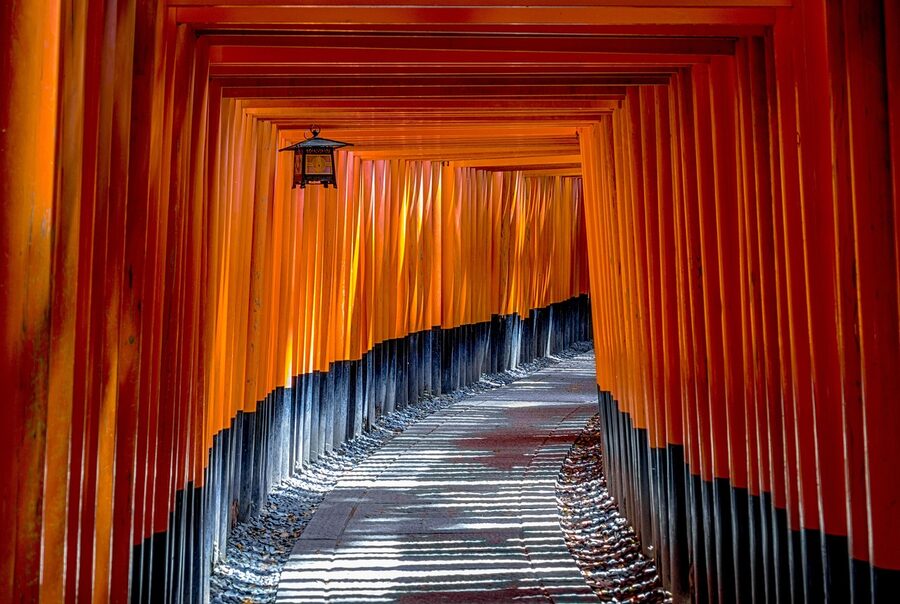
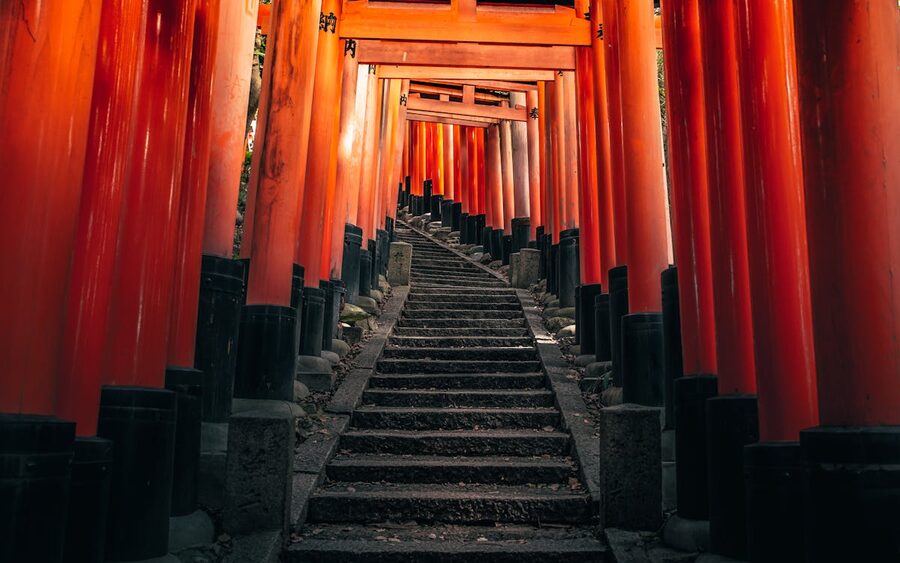
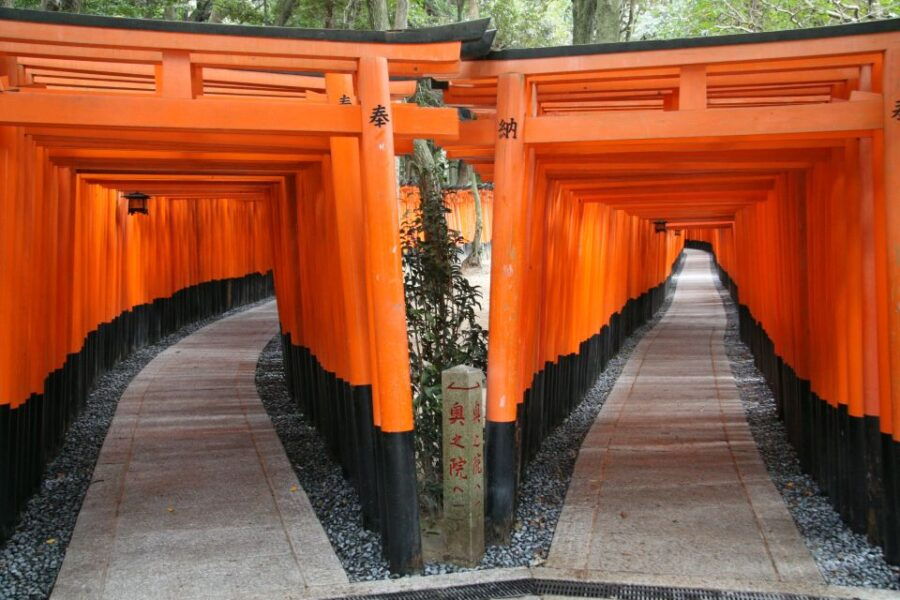
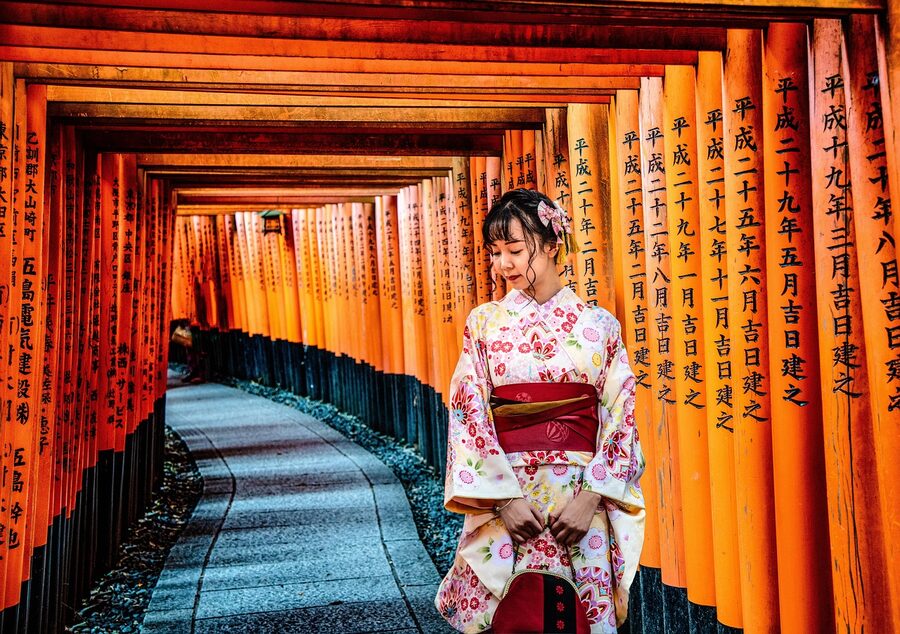
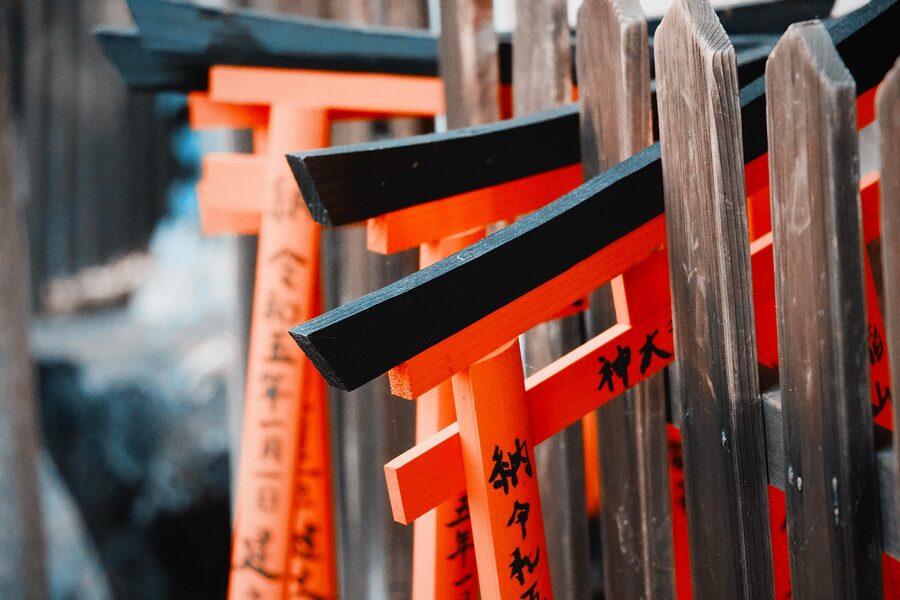
Fushimi Inari Taisha: The most visited site in Kyoto, and the one everybody recognizes from photos. The thousands of orange torii gates running up Mount Inari are as impressive in person as they look online. The full hike up and back takes about 2-3 hours, but bus tours usually allocate 30-60 minutes — enough to walk through the famous tunnel section and reach the first clearing with views over southern Kyoto. No entry fee.
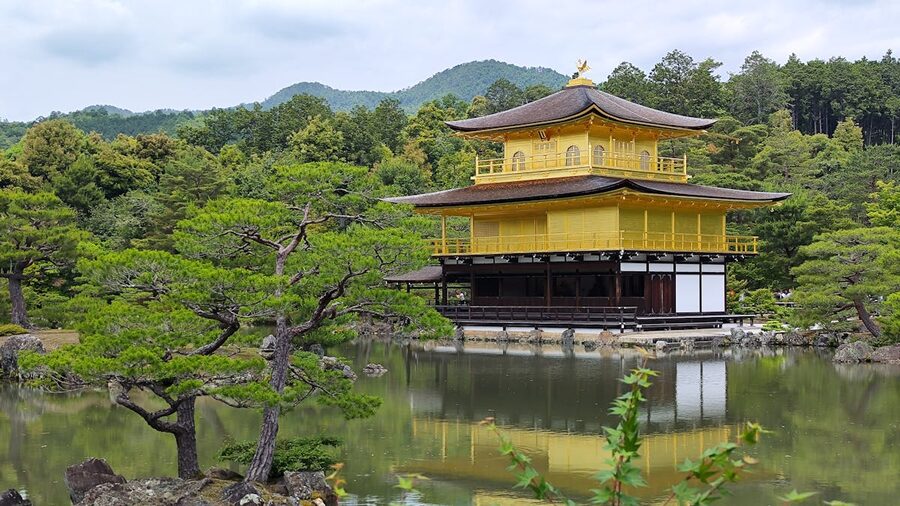
Kinkaku-ji (Golden Pavilion): A Zen temple whose top two floors are covered in actual gold leaf. It’s reflected in a pond that makes for one of Japan’s most iconic photos. The grounds take about 30-40 minutes to walk through. Entry is Y500 and comes in the form of a paper charm rather than a standard ticket — a nice souvenir to keep.
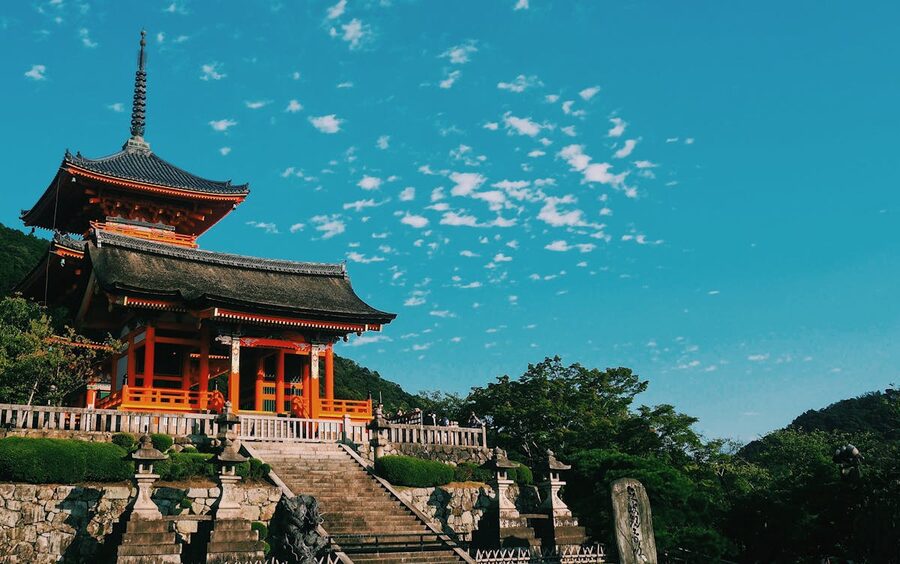
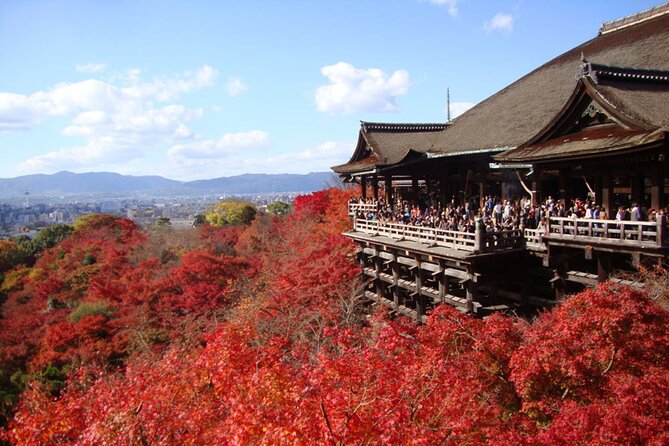
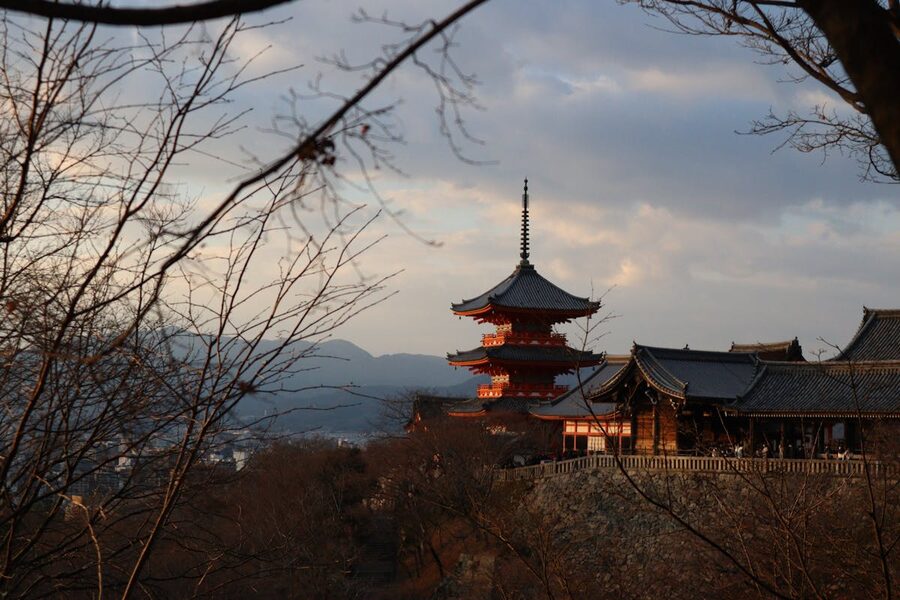
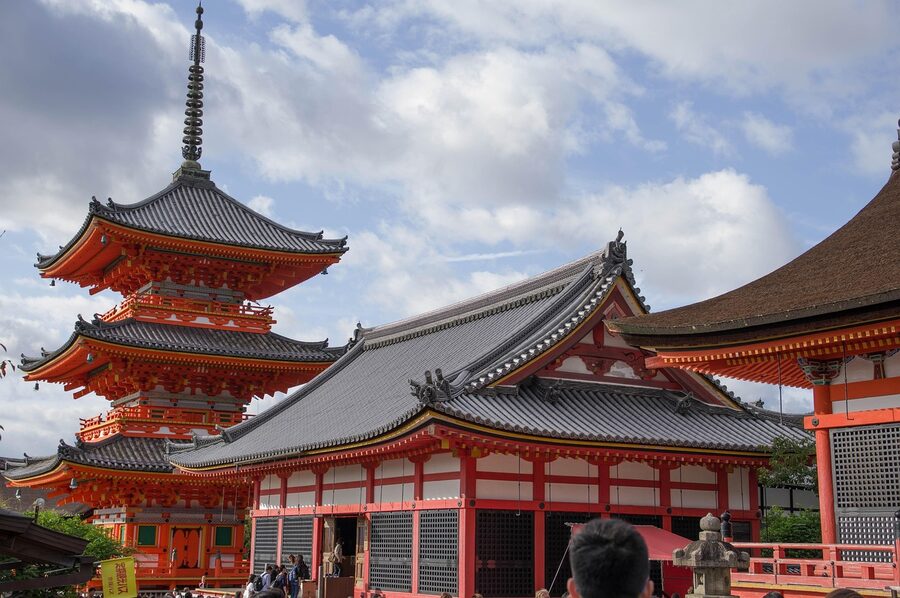
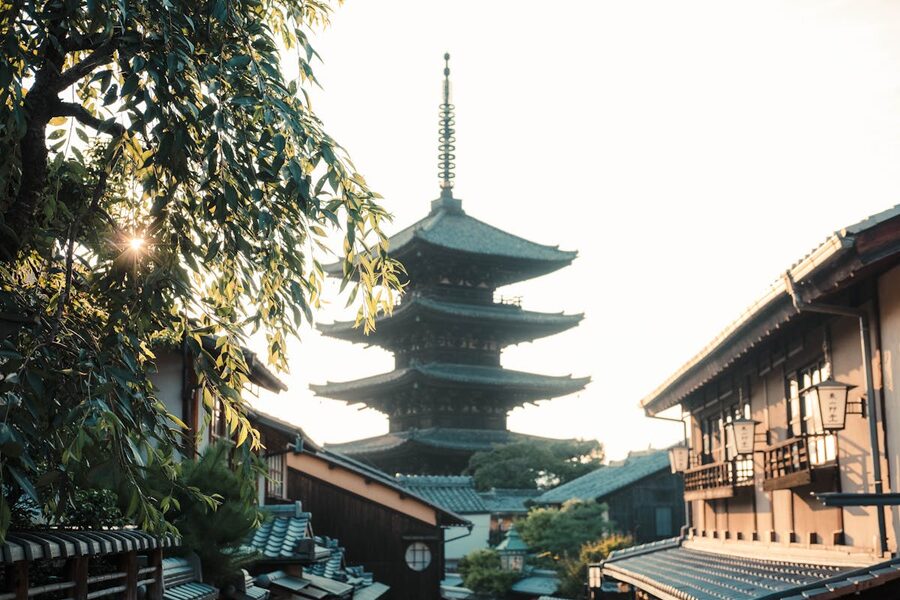
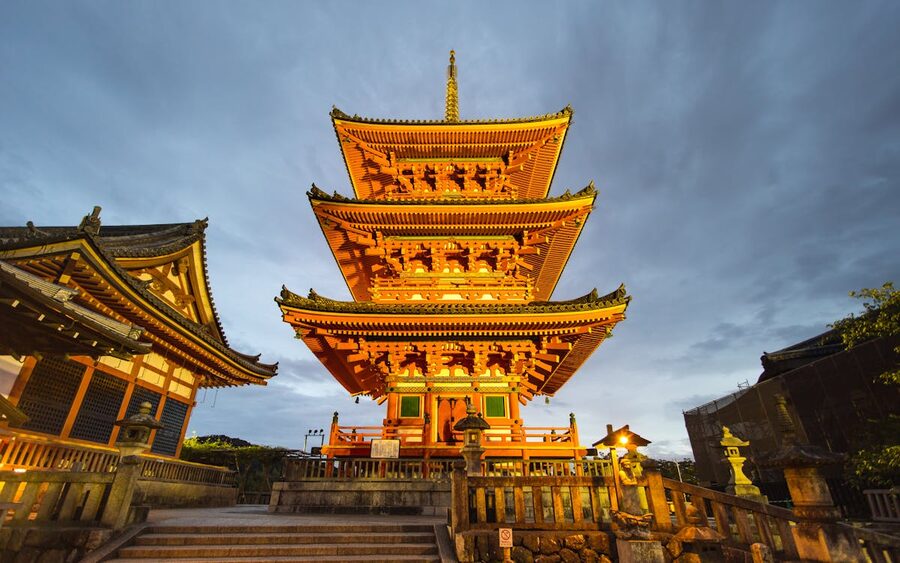
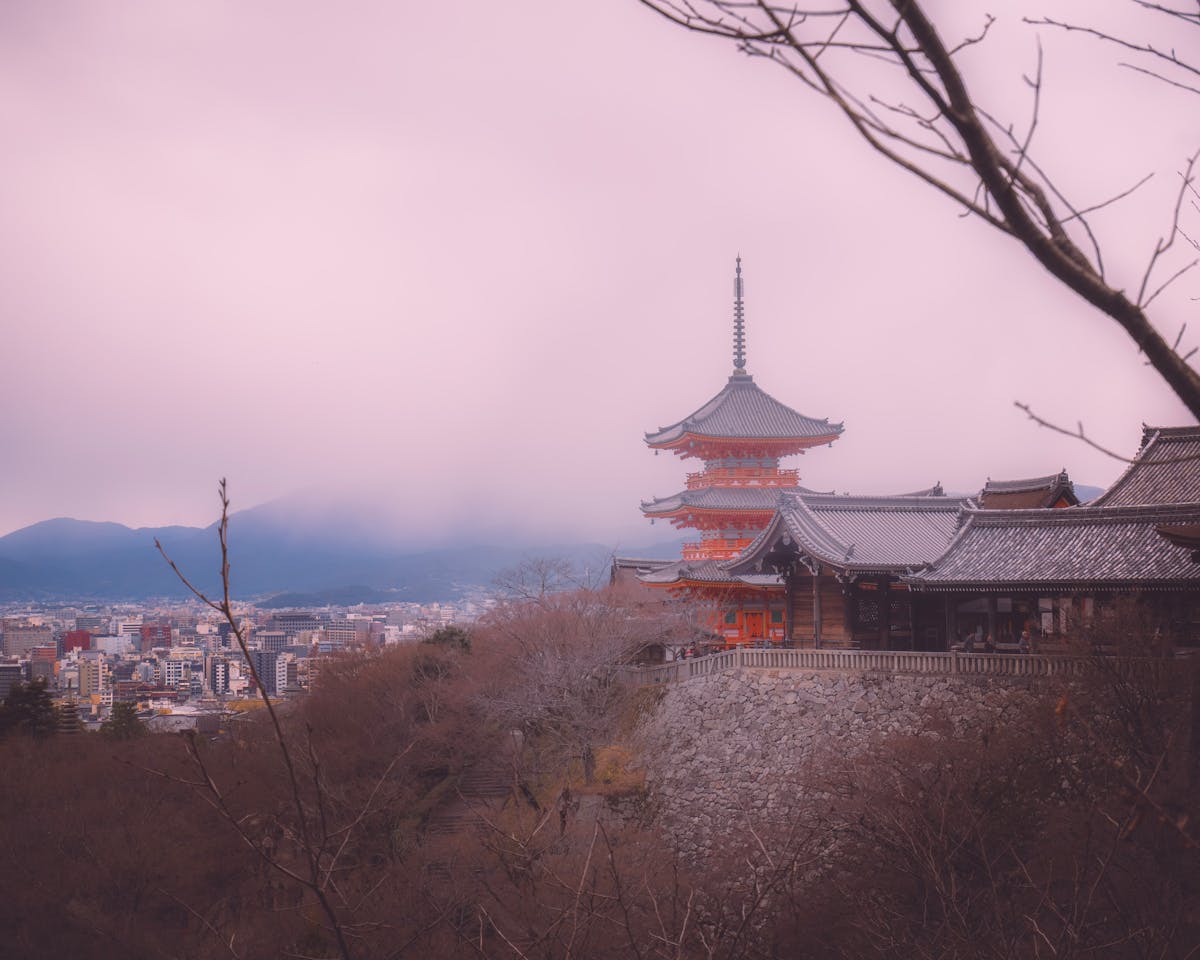
Kiyomizu-dera: A massive wooden temple built on a hillside with a famous wooden stage that juts out over the valley below. The approach walk up the hill through Higashiyama’s traditional streets (near the Gion geisha district) is half the experience — lined with shops selling ceramics, sweets, and matcha everything. Entry is Y400.
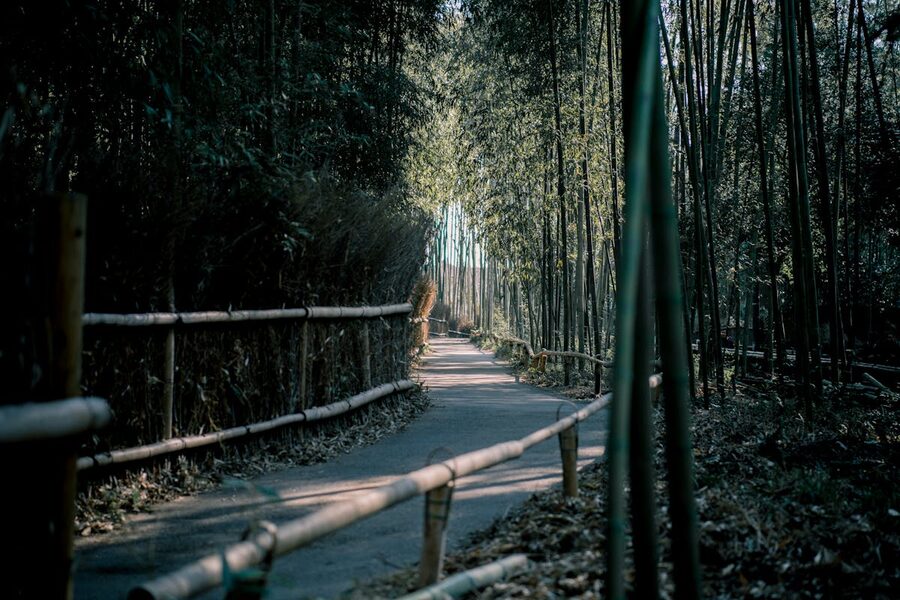
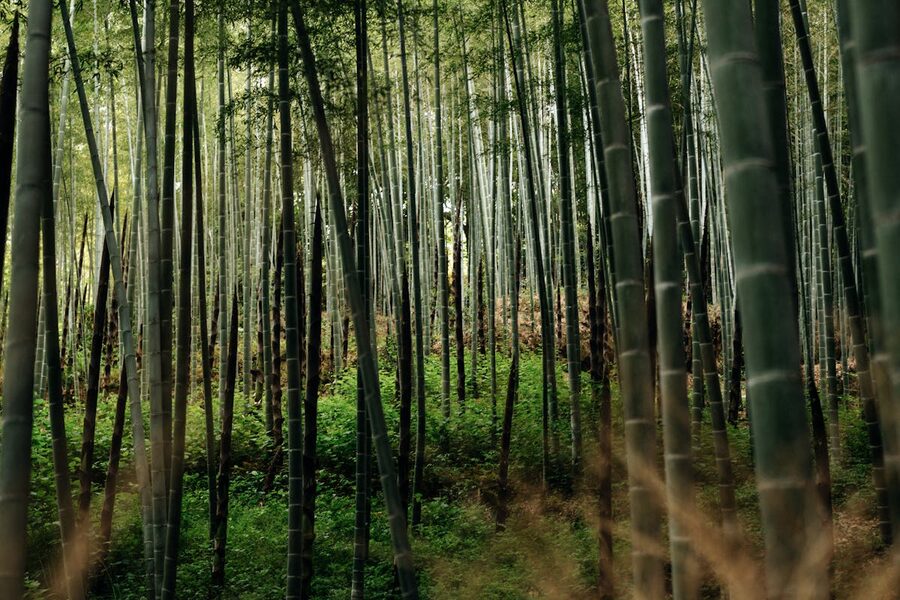
Arashiyama Bamboo Grove: A towering corridor of bamboo that photographs like a different planet. It’s short — maybe a 10-minute walk through — but it’s one of those places that stops you in your tracks. The adjacent Tenryu-ji temple garden is worth the Y500 entry if your tour includes time for it.
Nijo Castle: A 17th-century castle famous for its “nightingale floors” that chirp when you walk on them — an old security measure to detect intruders. The painted sliding doors inside are remarkable. Some tours include this; others skip it in favor of more temple time. Entry is Y800.
Nara (on combination tours): About 45 minutes south of Kyoto, Nara is famous for the 1,200+ free-roaming deer in Nara Park and Todai-ji temple, which houses a 15-meter bronze Buddha in the largest wooden building in the world. It’s a wildly different atmosphere from Kyoto’s temples — more playful, more chaotic (the deer are aggressive about food), and genuinely fun.
Booking Your Kyoto Bus Tour — Step by Step
The booking process is straightforward, but here’s exactly what to expect so there are no surprises:
1. Pick your tour based on the comparison above. If budget isn’t a concern and it’s your first time, go with the PERFECT tour. If you want Nara included, pick the combination tour. If you want flexibility, go hop-on-hop-off.
2. Check dates and availability. Click through to Viator or GetYourGuide (links above), select your travel dates, and check what’s available. Most tours run daily, but specific dates can sell out — especially weekends and any date near holidays.
3. Book and pay online. Both platforms accept credit cards and show prices in your local currency. You’ll get instant confirmation via email with your voucher, meeting point address, and guide contact details.
4. Show up on the day. Bring your phone with the booking confirmation (screenshot it in case you don’t have signal), wear comfortable shoes, carry cash for any extras, and arrive 10-15 minutes before the listed departure time.
Cancellation policies vary by tour and platform, but most offer free cancellation up to 24 hours before the tour starts. This is useful if the weather forecast turns ugly — Kyoto in the rain is still beautiful, but temple photography suffers and the outdoor walking becomes less pleasant. Check the specific policy before booking.
What Else to Do in Kyoto
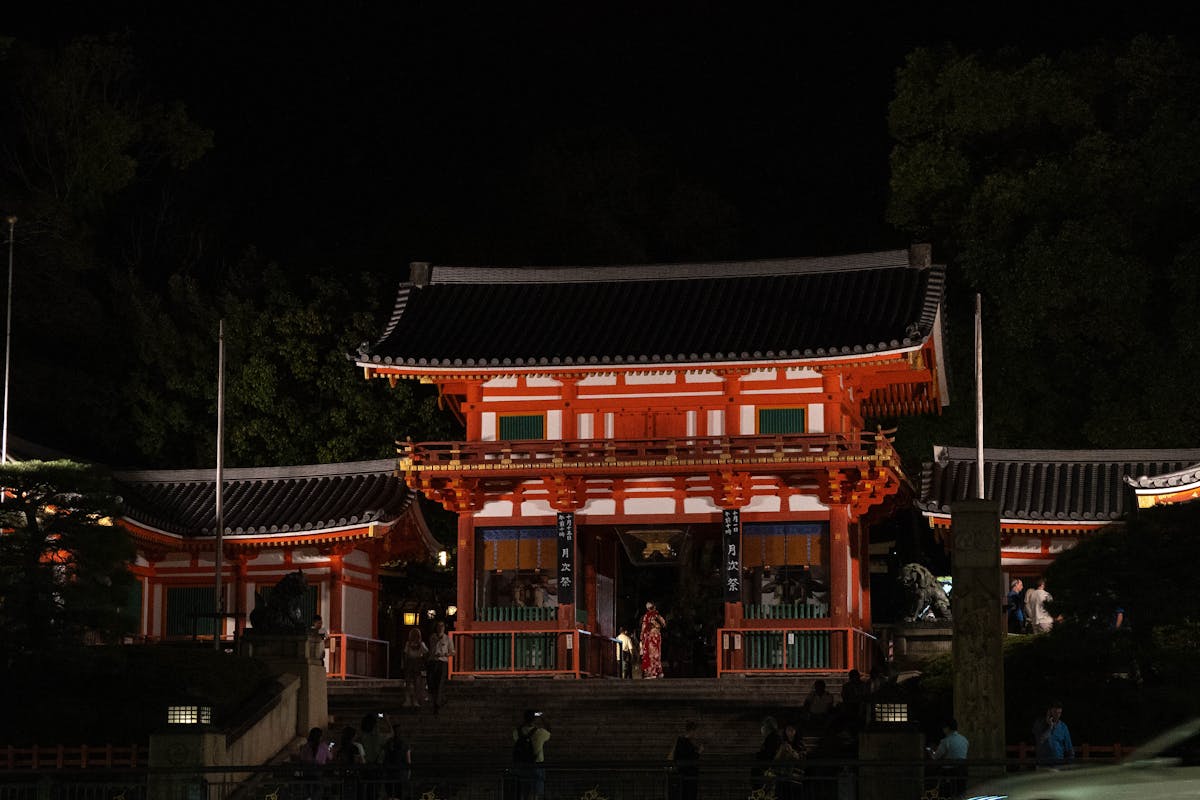
A bus tour gives you the overview, but Kyoto rewards going deeper. If your tour passes through the Gion area in the evening, a Gion geisha district walking tour is the perfect follow-up — the lantern-lit streets hit completely differently after dark.
For a slower-paced cultural experience, a traditional tea ceremony slots nicely into the afternoon gap between morning sightseeing and evening exploring. If the bus tour left you wanting more of Fushimi Inari than the 45-minute stop allowed, the Fushimi Inari hiking tour takes you up the full mountain on trails most visitors never find.
And if you prefer two wheels to four, a Kyoto bike tour covers the hidden temples and residential neighborhoods that no bus route can reach — arguably the best single-day activity in the city. For a day trip, Nara is just 45 minutes south and pairs naturally with a second day in the Kansai region.
This article contains affiliate links to tour booking platforms. If you book through these links, we may earn a small commission at no extra cost to you. This helps us keep producing detailed travel guides like this one.