Tokyo’s oldest temple, a bay cruise beneath the Rainbow Bridge, a ride on a driverless train, and a video-game complex all fit into one day. This seven-day route gives you a lively first taste of Japan, then trades Tokyo’s neon and crowds for Kyoto’s tea traditions, Nara’s deer, and Osaka’s food scene.
I like the blend of hands-on fun and traditional sights, especially the kimono tea ceremony and the Asakusa food walk. I also like that the trip handles major transport, including the Tokyo to Kyoto Shinkansen and airport transfers, so you can spend less time sorting logistics.
One thing to weigh: a week is a short time to cover four cities, and the hotel plan places you in Osaka from Day 4 while several activities are in Kyoto. Confirm the day-by-day routing and luggage arrangements before booking.
- What makes this Japan route appealing
- A seven-day sampler, not a slow tour
- Day 1: Arrive in Tokyo and settle in
- Day 2: Asakusa, a river ride, and Odaiba
- Day 3: A shrine, street fashion, and Tokyo from above
- Day 4: Shinkansen to Kyoto, then tea and Nishiki Market
- Day 5: Fushimi Inari and Nara’s sacred sites
- Day 6: Osaka Castle, city history, and a skyline view
- Day 7: Private transfer to Kansai Airport
- What the ,490 starting price covers
- Who should book this tour?
- FAQ
- Does the tour include international flights?
- Where does the tour start and end?
- How many people are in the group?
- What accommodation is included?
- Are meals included?
- Is the Osaka observation deck included?
- How long is the train ride from Tokyo to Kyoto?
- Is the tour suitable for children?
- The Best Of Tokyo!
- More 7-Day Experiences in Tokyo
- More Tours in Tokyo
- More Tour Reviews in Tokyo
- Not for you? Here's more nearby things to do in Tokyo we have reviewed
What makes this Japan route appealing
 1 / 6
 2 / 6
 3 / 6
 4 / 6
 5 / 6
 6 / 6
- Senso-ji and Asakusa snacks: Visit Tokyo’s 1,400-year-old temple, then try local bites such as tempura and ningyoyaki.
- A playful Tokyo Bay crossing: Combine a water bus, Odaiba’s waterfront, the Yurikamome railway, and Tokyo Joypolis.
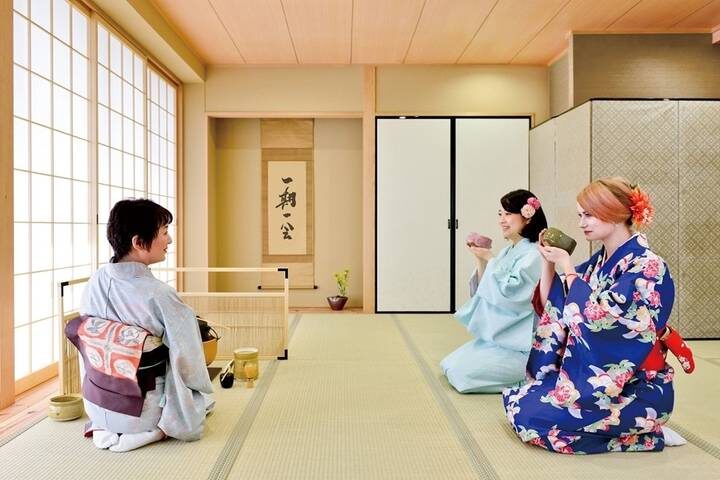
- Kyoto tea, kimono, and market food: Learn to prepare matcha before browsing Nishiki Market’s specialty stalls.
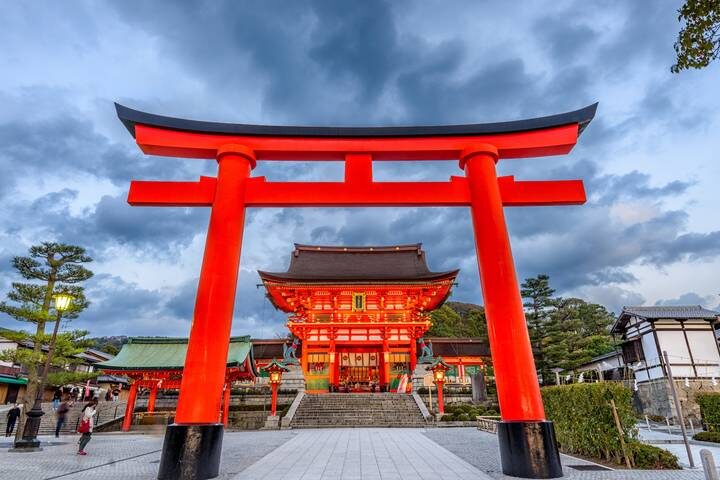
- Nara’s deer and landmark temples: See Fushimi Inari, Nara Park, Todaiji, and Kasuga Taisha in one day.
- A compact group with selected guiding: The group size is 2 to 10, with an English-speaking guide and some independent time.
- A price that needs careful comparison: The starting price is $3,490, with international flights and some optional activities excluded.

👉 See our pick of the 25 Best Guided Tours In Tokyo
A seven-day sampler, not a slow tour
This is a fast-paced introduction to Japan’s big-name sights. Tokyo gets three days, followed by Kyoto and Nara, then Osaka. That variety suits families who want a little of everything, but the pace means you should expect full days, plenty of walking, and less time to linger at any one place.
The group size, 2 to 10, is small enough to feel more manageable than a large coach tour. The trip is described as partially guided, so it is not a guide-led march from breakfast to bedtime. Selected excursions have guide support, while other parts of the schedule may leave you more independent.
The tour is rated low intensity, but that does not mean no effort. Temple grounds, city walks, train stations, and market lanes involve time on your feet. If you are bringing young children or older relatives, the light activity rating is useful, but the long sightseeing days still deserve consideration.
You can also read our reviews of more tours and experiences in Tokyo


Day 1: Arrive in Tokyo and settle in
A private car takes you from the airport to your Tokyo hotel, OMO5 Tokyo Gotanda by Hoshino Resorts or a similar four-star property. That first transfer is a practical comfort after a long flight, especially if you are arriving with children or luggage.
The evening is open for settling in. The hotel is described as centrally located, with transport and restaurants nearby, which gives you options without requiring a complicated first outing. Breakfast is listed as included, though international flights are not.
Day 2: Asakusa, a river ride, and Odaiba
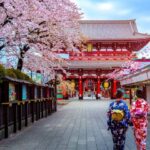
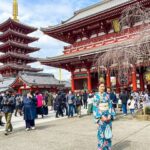
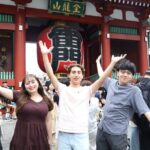
Senso-ji is a strong place to begin. The temple is one of Tokyo’s oldest, and its presence gives Asakusa a sense of history that can be hard to find amid the city’s newer districts. The surrounding area is also a good place to try traditional snacks. The listed food walk includes tempura and ningyoyaki, a small sponge cake often filled with sweet bean paste.
Carry some cash for food stalls and traditional snack shops, which may not accept cards. The tour details list breakfast as the included meal, so it is worth confirming exactly which food tastings are covered by the Asakusa walk and what you may want to buy separately.
Next comes a Tokyo Mizube Line water bus cruise toward Odaiba. In under an hour, you can catch views of Tokyo Skytree, Tsukiji Bridge, and Rainbow Bridge from the water. This is a welcome change of pace after the temple and street-food walk, and it gives children a sit-down break without ending the sightseeing.
At Odaiba Marine Park, the waterfront views lead naturally to a ride on the Yurikamome, an automated train that crosses Rainbow Bridge. The route is part of the fun, not merely a way to get from one stop to another. Tokyo Joypolis adds an indoor entertainment stop, with virtual-reality attractions and 21 rides spread across three floors. It is a useful rainy-day option, though families should check the age and height requirements for any rides they particularly want to try.
Day 3: A shrine, street fashion, and Tokyo from above
Meiji Jingu Shrine offers a quieter start. Its forested grounds sit close to busy Harajuku Station, making the contrast between city noise and shaded paths especially clear. The shrine is dedicated to the spirits of Emperor Meiji and Empress Shoken, and a walk here gives you a less commercial view of Tokyo.
Harajuku brings you back into the city’s fashion culture. It is known for youth styles and boutiques, but the area has shops for a broader range of visitors too. The schedule does not specify a set shopping budget or time at each stop, so treat this as a chance to look around rather than a promise of a long, unhurried browse.
The Roppongi Hills observation deck offers views from the 52nd floor and rooftop. On a clear day, you may spot Tokyo Tower, Tokyo Skytree, and Odaiba. This is a good way to get a sense of the city’s scale, though visibility depends on the weather.
Akihabara shifts the focus to anime, manga, electronics, and collectibles. The plan includes a ninja café experience, with instruction in tricks such as shuriken throwing and blowgun use, plus themed food. Gachapon Hall’s rows of capsule-toy machines make a small but memorable stop for kids and collectors. It can also be easy to spend more time and pocket money there than you intended.
Day 4: Shinkansen to Kyoto, then tea and Nishiki Market
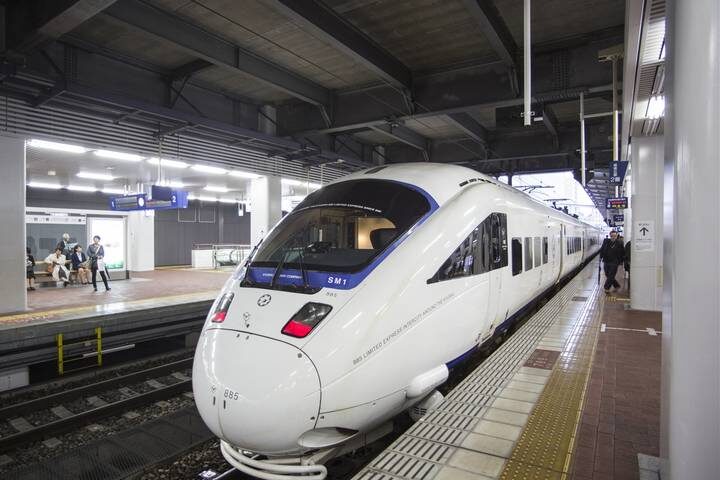
The Shinkansen journey from Tokyo to Kyoto takes about 2 hours and 21 minutes. It is one of the trip’s major transport highlights: fast, comfortable, and a chance to see the distance between Japan’s largest cities shrink in a single morning.
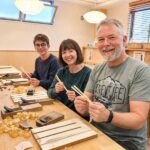
In Kyoto, a kimono and tea ceremony gives you a close look at the etiquette and steps behind preparing matcha. You do not just watch a demonstration; you are guided through making your own cup. That hands-on part can make the ceremony more meaningful for children and adults alike, though it is still a quiet, formal activity rather than a high-energy attraction.
Nishiki Market, known as Kyoto’s Kitchen, fills a five-block shopping street with more than 100 shops and restaurants. Look for local produce, seafood, sweets, pickles, dried seafood, and cooking tools. The narrow lanes can feel crowded, so keep the group together and allow time to browse without expecting a leisurely meal at every stall.
There is a logistics point to clear up here. The listed hotel for nights 4 through 6 is Hotel Keihan Tenmabashi Ekimae in Osaka, while this day’s activities are in Kyoto. Ask UME Travel how the Kyoto-to-hotel transfer works, when luggage moves, and whether you return to Osaka after the market.


Day 5: Fushimi Inari and Nara’s sacred sites
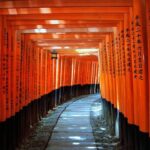
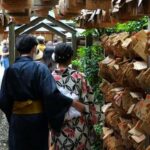
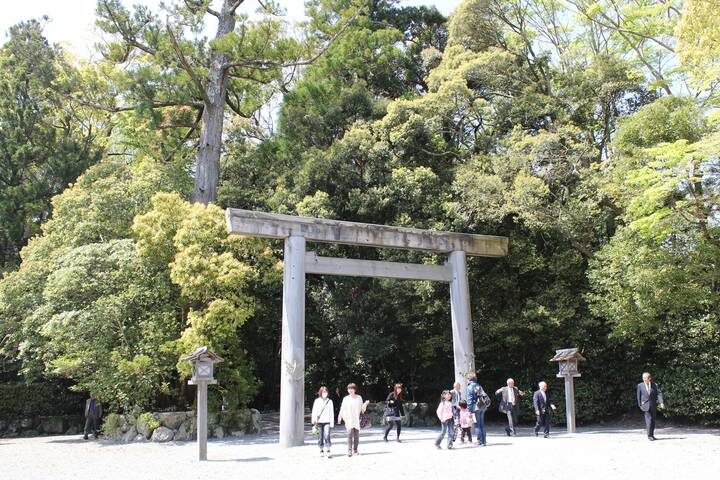
Fushimi Inari is known for its thousands of vermilion torii gates, which line trails into the wooded slopes of Mount Inari. You do not need to walk the entire network to appreciate the famous gates, but the visit can involve uneven paths and stairs. Comfortable shoes matter.
Nara Park brings a different sort of encounter. More than 1,000 deer roam freely, and local tradition regards them as messengers of the gods. Deer crackers are sold around the park, but the animals can become pushy if they think you have food. Keep snacks put away and do not tease them with crackers.
Todaiji Temple is one of Japan’s most important historic temples, founded in 752. Its Great Buddha Hall is the central draw, and the scale of the complex helps explain why Nara was once a major religious and political center. Kasuga Taisha, celebrated for its role in protecting the city, completes a day that links Buddhist and Shinto traditions.
The schedule includes the four main stops but does not spell out how much time is allocated to each or exactly how you travel between them. That is worth asking about, particularly if your family needs regular breaks. The hotel remains listed in Osaka, so also confirm the return transfer after the Nara excursion.
Day 6: Osaka Castle, city history, and a skyline view
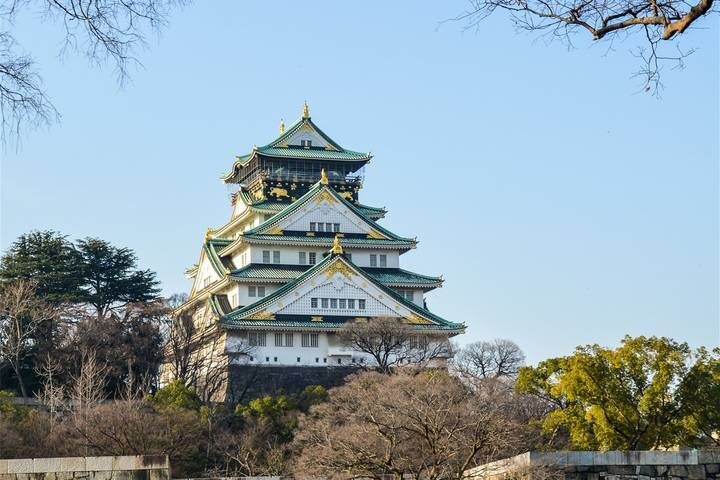
Osaka Castle introduces the city’s role in Japan’s political history. Construction began in 1583 under Toyotomi Hideyoshi, who intended the castle to be the center of a unified Japan. The present visit is paired with the Osaka Museum of History, a useful stop for putting the city’s past into context rather than treating the castle as a stand-alone photo stop.
This day is described as guided by a private English-speaking guide, with local metro or bus transport. That arrangement gives you help navigating the city while using its everyday transit. Kuromon Ichiba is named in the day title, though the detailed list of included activities does not clearly say whether a guided market visit is included. Confirm its place in the schedule.
The Umeda Sky Building observation deck and Zaou Fishing Restaurant are presented as optional activities in the detailed plan. The observation deck gives you broad views across Osaka; at Zaou, you can try to catch your own dinner from a fish-filled moat. If you catch a fish, you buy it, so this is part meal and part entertainment. Dinner is not included, and the stated meal estimate for Zaou is 8,000 to 12,000 yen per person.
Day 7: Private transfer to Kansai Airport
A private car takes you from Osaka to Kansai International Airport, a drive of roughly 75 minutes depending on traffic. It is a convenient end to the trip, especially with luggage, but leave a suitable buffer before your flight. The English-speaking driver guide can answer last-minute questions, according to the tour details.
The tour ends in Osaka, not Tokyo. Make sure your international flight departs from Kansai International Airport, or arrange and budget for any additional travel needed to reach another airport.
What the $3,490 starting price covers
The starting price is $3,490, based on the cheapest room option. It includes six nights of accommodation, listed breakfasts, an English-speaking local guide, private airport transfers, internal transport described in the plan, and admission fees for included activities. Hotels are based on two people sharing; a single supplement applies if you do not share a room.
That can represent good value if you would otherwise pay separately for hotels, intercity rail, local transport, guides, and several attractions. The itinerary also handles the major transitions between Tokyo, Kyoto, Nara, and Osaka, which can be a real help on a first family trip.
Still, compare the exact inclusions before treating the price as all-in. International flights are excluded. Some Osaka activities are optional, and the detailed meal plan lists breakfast rather than full-day meals. Asakusa food tastings are part of an included activity, but the exact scope of food provided should be confirmed. The booking terms list a $75 deposit, with the balance due 60 days before departure and interest-free installments available every two weeks.
The operator has a 4.8 out of 5 rating across 224 reviews, and the two available comments about this specific tour give it 5 out of 5. The strongest praise concerns a family-friendly mix of cultural outings and fun activities, plus help making a last-minute Japan trip easier to manage. Those are the tour’s real selling points: variety, practical coordination, and enough playful stops to keep a family itinerary from becoming a temple marathon.
Who should book this tour?
I would consider this trip if you want a guided framework for a first visit to Japan and your family enjoys switching between cultural sights and modern entertainment. The small group size, airport transfers, hotel breakfasts, and Shinkansen booking make the trip easier to manage than arranging each leg on your own.
It is less suited to anyone who wants long, unplanned days in one city or needs every meal and activity included in the price. Before paying, ask UME Travel to confirm the Kyoto and Osaka hotel logistics, the Nara transport plan, the included Asakusa food tastings, and which Osaka stops are optional. If those details fit your expectations, this is a lively, convenient week that gives you a broad first look at Japan.
7 Days Japan’s Cultural & Thrilling Family Adventures by UME Travel
“Made our last minute trip to Japan extremely seamless and enjoyable.”
FAQ
Does the tour include international flights?
No. International flights are not included.
Where does the tour start and end?
The tour starts in Tokyo and ends in Osaka, with a transfer to Kansai International Airport on the final day.
How many people are in the group?
The stated group size is 2 to 10 people.
What accommodation is included?
The plan lists OMO5 Tokyo Gotanda by Hoshino Resorts or a similar four-star hotel for nights 1 to 3, and Hotel Keihan Tenmabashi Ekimae or a similar hotel for nights 4 to 6. Rooms are based on two people sharing, with a single supplement for a person not sharing.
Are meals included?
Breakfast is listed as included. The tour offers vegetarian, vegan, and halal food options on request. Other meals are not generally listed as included, and Zaou Fishing Restaurant is estimated at 8,000 to 12,000 yen per person.
Is the Osaka observation deck included?
The Umeda Sky Building observation deck is listed as optional in the detailed Osaka plan. Confirm the current cost and inclusion status with UME Travel.
How long is the train ride from Tokyo to Kyoto?
The Shinkansen ride takes about 2 hours and 21 minutes.
Is the tour suitable for children?
The tour welcomes all ages and is described as low intensity. Its mix includes temples, markets, a tea ceremony, deer, and Tokyo Joypolis, though full sightseeing days and walking are still part of the experience.