Tokyo’s famous crossing, Kyoto’s temple gates and snow-country macaques all fit into one eight-day route. The contrast is the point: you move from city streets to a traditional post-town, a castle, hot springs and Fuji views, with a bullet train ride and long coach journeys linking the stops.
I like the range of places and the chance to stay one night in a ryokan, with a Japanese dinner, after visiting the Alps. I also like that several costly sights, including Tokyo Skytree’s Tembo Deck, Matsumoto Castle and the Great Buddha, are included. The main caution is the pace: you change hotels often, and guide commentary may be bilingual, with some past English-speaking tour members finding Spanish explanations more prominent.
- Jigokudani is a seasonal wildlife stop: macaques sometimes stay in the mountains, and the park may close if they do not come down.
- The Tokyo day is tightly planned: expect a seven-hour tour, a Skytree visit and a guided evening in Shinjuku.
- One night is in a ryokan: Ikaho brings traditional lodging, stone steps, hot-spring baths and an included Japanese dinner.
- Fuji access depends on conditions: the road to the Fifth Station can close in winter, and Owakudani may shut during volcanic activity.
- The tour can be a mixed-language group: its size ranges from 2 to 72, and guide arrangements can vary.
- The starting price is $2,820: flights are extra, while hotels, daily breakfast, some meals and major transport are included.
- One week from Tokyo to the Fuji region
- Tokyo: temples, towers and a guided evening
- Kyoto by bullet train
- Tsumago and Matsumoto: a change of pace
- Zenko-ji and the Jigokudani macaques
- Nikko’s shrines and a long ride back
- Kamakura, Enoshima and Odawara
- Owakudani and the Mount Fuji approach
- Hotels, meals and transport value
- Group size and guide language
- Who should book this tour?
- FAQ
- Are flights included in the tour price?
- Is airport transportation included?
- What meals are included?
- Is the tour guided in English?
- How large can the group be?
- Is the Mount Fuji Fifth Station visit guaranteed?
- The Best Of Tokyo!
- More Tours in Tokyo
- More Tour Reviews in Tokyo
- Not for you? Here's more nearby things to do in Tokyo we have reviewed
One week from Tokyo to the Fuji region
 1 / 10
 2 / 10
 3 / 10
 4 / 10
 5 / 10
 6 / 10
 7 / 10
 8 / 10
 9 / 10
 10 / 10
This is a fast-moving introduction to central Japan, not a slow stay in any one city. You begin and end in Tokyo, but in between cross to Kyoto, travel through the Japanese Alps, visit Nikko and loop through Kamakura, Enoshima and the Mount Fuji area.
That range is the tour’s strongest selling point. You get city landmarks, religious sites, a castle, mountain scenery and hot-spring towns without arranging every train and bus yourself. The trade-off is real: most days have several stops, and the long drives leave little room to linger.
The tour is listed as low intensity, but that does not mean no effort. Expect walking at temples and parks, forest paths at Jigokudani and time on your feet in towns. The days on the road can also be tiring, especially when you have just changed hotels.

👉 See our pick of the 25 Best Guided Tours In Tokyo
Tokyo: temples, towers and a guided evening
After landing, a shared shuttle takes you to your hotel. The first afternoon is free, a useful buffer for jet lag and finding your bearings. Tour information arrives later that day, so do not plan an elaborate first evening around an assumed schedule.
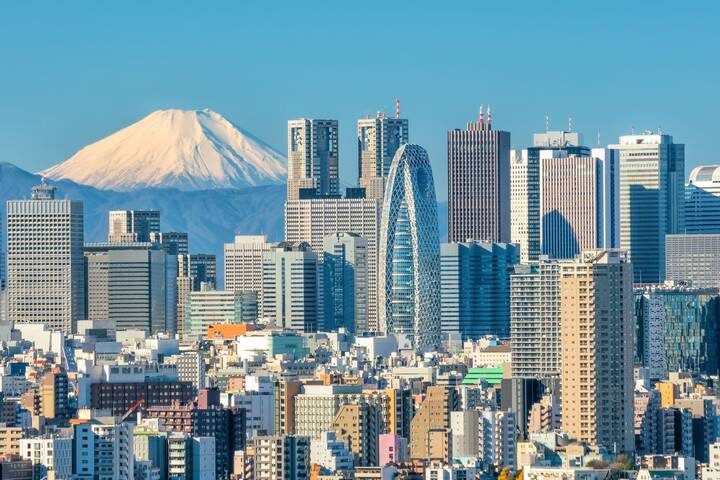
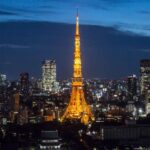
The next day packs in a broad sample of Tokyo. At Zojoji Temple, you get a view of Tokyo Tower and see rows of small Jizo figures dressed in hats and bibs. Shibuya Crossing is viewed from the bus, so this is a look rather than a chance to join the stream of pedestrians.
Meiji Shrine offers a quieter counterpoint. Tokyo Skytree then takes you to the Tembo Deck, 350 meters up, for a wide city view. Admission is included, but bad weather or other exceptional conditions can limit access. The operator says it may substitute another city viewpoint.
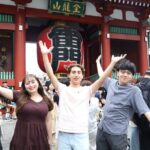
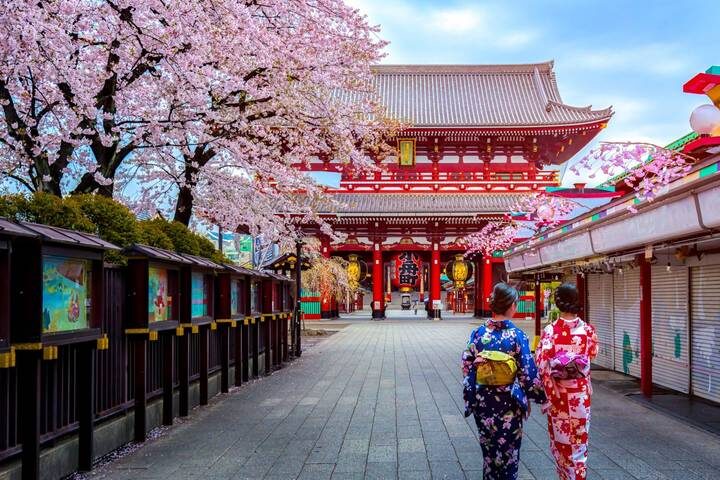
At Asakusa, Nakamise Street gives you time among the shops and the older temple-district atmosphere. The bus also passes Akihabara, known for manga and anime, and Ginza, associated with upscale shopping. These are drive-through glimpses, not extended visits, so allow separate time if either district is high on your list.
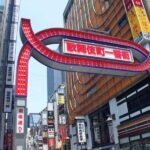
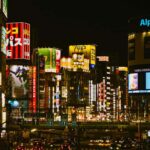
The day ends with a guided subway ride to Shinjuku, a walk through the district and an included dinner at a local restaurant. That is a handy first taste of Tokyo after a full day of sightseeing. Subway tickets for this outing are included.
You can also read our reviews of more tours and experiences in Tokyo.



Kyoto by bullet train
The high-speed train carries you nearly 500 kilometers from Tokyo to Kyoto in just over two hours. It is one of the trip’s neatest contrasts: a quick modern connection followed by a day among shrines, palace grounds and temple gardens.
Fushimi Inari is famous for its long corridors of red torii gates. The tour also visits the Imperial Palace and Kinkakuji, the Golden Pavilion, whose reflective exterior and garden setting make it one of Kyoto’s most recognizable sights. These are major stops, but the schedule gives you less freedom than an independent Kyoto stay.
Gion rounds out the visit, with time in the traditional district known for its geisha culture. Treat this as a chance to walk and observe, not as a promise of a particular encounter. You have some free time afterward, which matters in a city where a single afternoon can never cover every temple and neighborhood.
Tsumago and Matsumoto: a change of pace
The route leaves Kyoto by coach and heads for Tsumago, a small post-town known for its wooden houses. Free time and an included lunch give you a pause from the bus schedule. The village offers a different kind of historical setting from Kyoto’s grand religious sites: a more modest sense of everyday life along an old travel route.
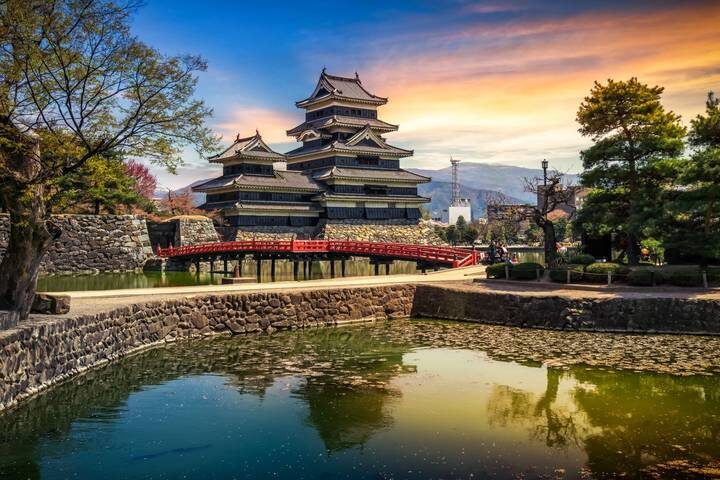
Next comes Matsumoto Castle, a 16th-century fortress nicknamed the Crow for its dark exterior. Admission is included, followed by free time in the city before the drive to Nagano. This is a packed transfer day, so the independent time in Matsumoto is likely to feel brief.
Zenko-ji and the Jigokudani macaques
In Nagano, you visit Zenko-ji, an important pilgrimage temple, and take part in the Gomakuyo ceremony, a traditional ritual for good fortune. The tour then heads into mountain country for Jigokudani Monkey Park, where forest trails lead to the area’s hot springs and Japanese macaques.
This is the tour’s most distinctive wildlife stop, but it is not a guaranteed animal sighting. In autumn, the monkeys’ movements can be unpredictable if food is plentiful in the mountains, and the park may close if they do not come down. The walk is through forested terrain, so sensible walking shoes are a better choice than smooth-soled city shoes.
The coach continues through high-altitude scenery, reaching about 2,172 meters, and passes near semi-active volcanoes. Kusatsu follows, with free time for lunch and a walk through its central area and city park, where open-air hot springs are part of the setting. The Kusatsu visit may be canceled in poor weather from November through April.
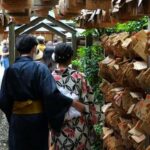
In Ikaho, you stroll among traditional stone stairways before checking into a ryokan. This is a welcome change from standard hotel rooms and a chance to try the hot-spring baths if you wish. A traditional Japanese dinner is included. If the ryokan experience is a priority, remember that it is one night, not a multi-day stay.
Nikko’s shrines and a long ride back
Nikko’s ornate Toshogu shrine is a major architectural stop. The visit includes its famous room associated with the sound of a dragon, as well as the quieter Taiyuinbyo Mausoleum. At Kanmangafuchi Abyss, you walk beside the river among rows of Jizo statues.
There is also free time in Nikko’s town center, then the coach returns to Tokyo, arriving at about 6:30 p.m. It is a full day, and the return drive leaves limited scope for adding plans that evening. The itinerary’s mix of elaborate shrine decoration and a riverside walk is a welcome shift after several temple-heavy days.


Kamakura, Enoshima and Odawara
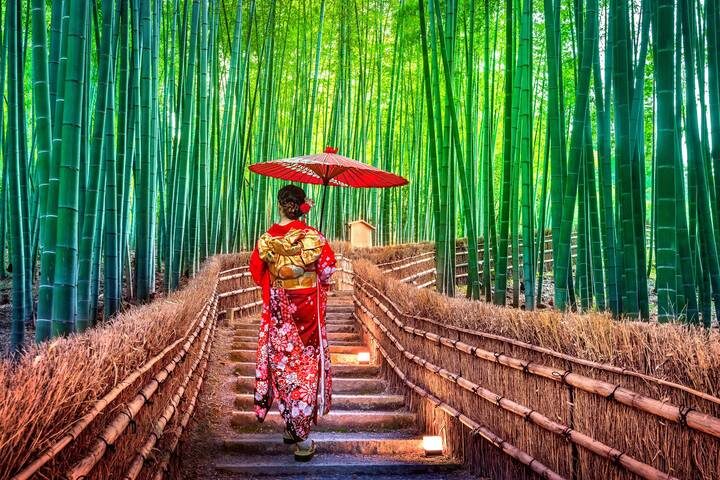
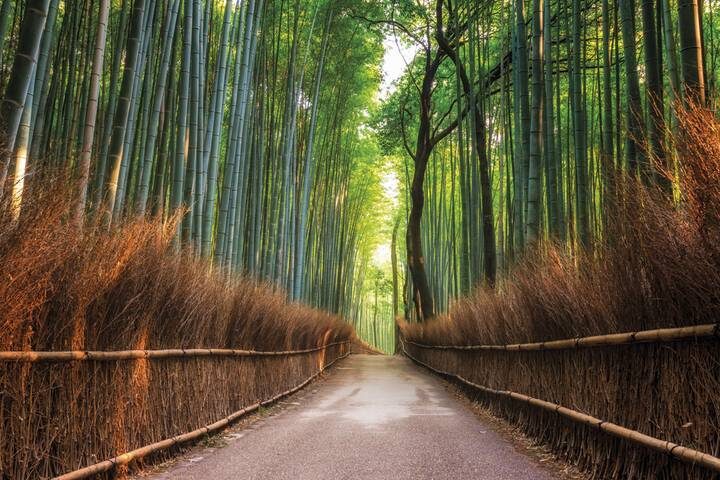
The next morning, the tour leaves Tokyo for Kamakura, once Japan’s capital and now a town of temples, shrines and gardens. At Hokoku-ji, you walk through a bamboo grove and have green tea. The visit to the Great Buddha, or Daibutsu, is another highlight, with admission included.
A coastal drive leads to Enoshima, where you have free time for lunch and a walk. This is a flexible stop, but lunch is not included. Later, Odawara Castle gives you a look at a medieval fortress restored in the 20th century, before an overnight stay in Odawara.
Owakudani and the Mount Fuji approach
The final sightseeing day starts in Owakudani, a volcanic valley with steam vents, bubbling mud and sulfur gases. The name is often rendered as Valley of Hell, and the scenery is a sharp change from temple gardens. Access can close because of volcanic activity or toxic gas; in that case, the planned alternative is Kitaguchi Hongu Fuji Sengen Shrine.
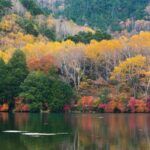
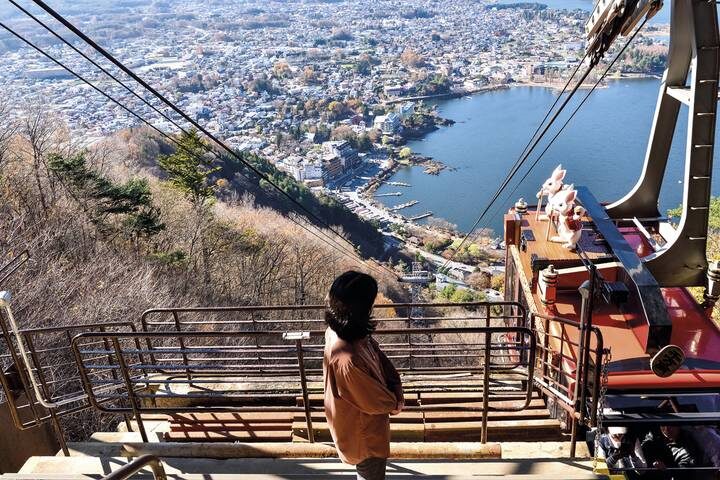
At Oshino Hakkai, eight ponds and a small village setting provide one of the route’s Fuji-viewing stops. Then comes Kawaguchiko, where a scenic boat ride on the lake is included. The coach continues toward Mount Fuji’s Fifth Station, at 2,305 meters, as conditions allow.
Winter weather often closes the upper road, so the tour goes only as far as permitted. Even in other seasons, cloud cover can limit the mountain view. This is a day built around scenery and weather, so keep expectations flexible and enjoy the route itself rather than treating a clear Fuji vista as guaranteed.
The tour returns to Tokyo at the end of the day. There is no departure airport transfer included, so check your flight time and arrange onward transport separately. The operator’s guide can recommend public transportation options.
Hotels, meals and transport value
The listed accommodations are four-star properties, including Shinagawa Prince Hotel in Tokyo, New Miyako Hotel in Kyoto, Metropolitan Nagano and Hotel Moriaki Ryokan in Ikaho. Exact hotel assignments can vary. The operator says hotels have private bathrooms and televisions, with public transport nearby, but they are not positioned as luxury stays and may not be in city centers.
Daily breakfast is included, as are one lunch in Tsumago and two dinners, one in Shinjuku and one at the ryokan. That leaves several lunches and dinners for you to choose and pay for yourself. Flights are also excluded, while the Tokyo-to-Kyoto bullet train and arrival shuttle are included.
At a starting price of $2,820, the value rests on how much coordination you want handled. The tour bundles accommodation, transport between stops, admissions to many headline sights, guiding and some meals. If you tried to cover Tokyo, Kyoto, Nagano, Nikko, Kamakura and Fuji independently in eight days, planning the connections would take time. In return, you accept a fixed schedule and less freedom at each stop.
Group size and guide language
Groups can range from 2 to 72 people, a wide spread that can affect the feel of the trip. The route may also combine people joining or leaving at different points. That can make it harder to build continuity with the same small group from start to finish.
English is listed for guided touring in Tokyo and Kyoto, while the operator notes that some departures may use bilingual commentary, commonly English and Spanish. Past English-speaking tour members have found the English explanations less detailed than the Spanish ones, and some found the translation waits frustrating. This is worth confirming before booking if thorough English commentary is important to you.
Guide assignments change. Guides named by past participants include José, Paco and David Solanes, but those names are not a promise about your departure. The feedback on guiding is mixed: some descriptions praise the guides’ energy, while others raise concerns about language balance and group changes.
One past participant also described a serious illness during the trip and difficulty reaching emergency assistance. The tour includes basic travel insurance, but that should not replace checking what your own policy covers or how to contact the insurer. Save the emergency contact details before departure and keep them accessible.
Who should book this tour?
The itinerary and accommodation categories received stronger marks than guiding in the available feedback, though the overall tour rating is 3 out of 5 based on only two reviews. That is a small sample, so take the comments as useful warnings rather than a complete verdict. Europamundo’s broader TourRadar operator rating is 4.1 out of 5 across 6,466 reviews.
I would consider this tour if you want a broad first look at Japan and value having transport, hotels and major admissions arranged. It suits people comfortable with early starts, changing hotels, coach travel and a schedule that touches many places without staying long in each.
I would hesitate if you want a small, stable group, extensive English-only commentary, or time to explore each city at your own pace. Before paying, confirm the language arrangement for your departure, check current hotel details and review your insurance contacts. Book for the breadth and convenience, not for a leisurely pace or guaranteed clear skies at Fuji.
Tokyo, Kyoto, Alps and Fuji (including Jigokudani Valley) by Europamundo – 8-Day Tour
FAQ
Are flights included in the tour price?
No. Flights are not included.
Is airport transportation included?
A shared shuttle transfer from Tokyo airport to the hotel is included on arrival. A departure airport transfer is not included.
What meals are included?
Daily breakfast is included, along with lunch in Tsumago and dinners in Shinjuku and at the Ikaho ryokan.
Is the tour guided in English?
English is listed for guided touring in Tokyo and Kyoto. The operator notes that some tours may use bilingual guides, usually in English and Spanish, so confirm the arrangement for your departure.
How large can the group be?
The stated group size ranges from 2 to 72 people.
Is the Mount Fuji Fifth Station visit guaranteed?
No. In winter, snow or weather may close the road, and the tour goes as far as conditions permit. Owakudani can also close during periods of volcanic activity or toxic gases.