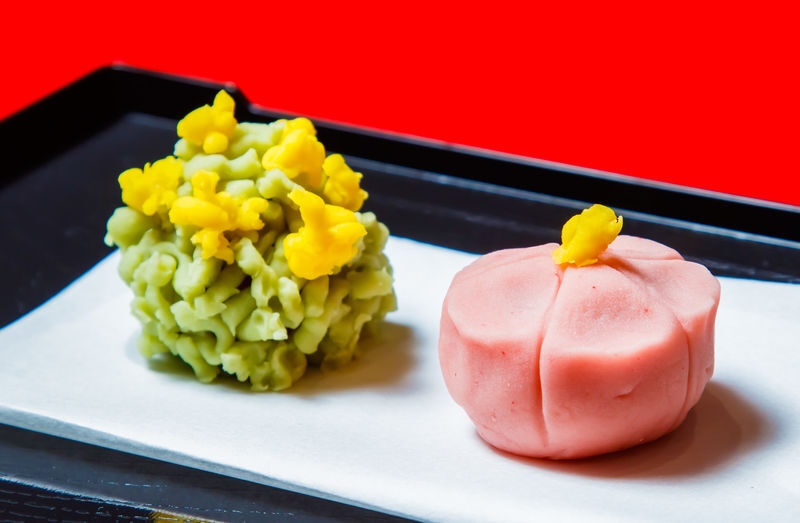
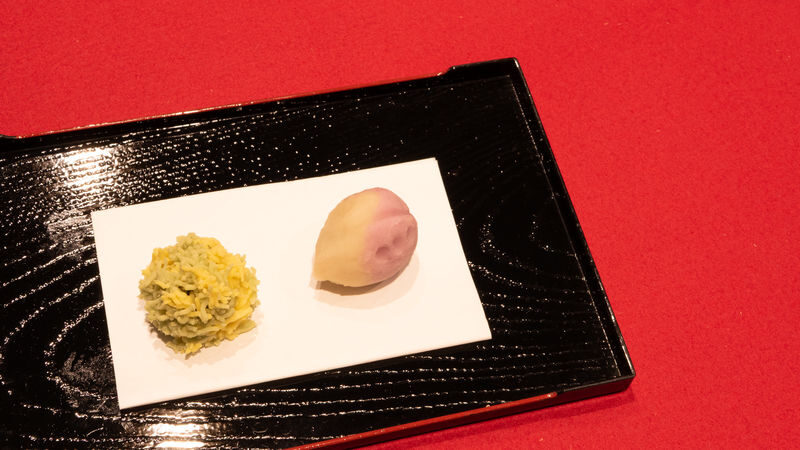
Nerikiri are Japanese sweets shaped to reflect the season, and in Sendai you get to make two yourself. At AN SENDAI Japanese Culture Experience, the ingredients include white and red bean paste from long-established Kyoto shops, and the class uses genuine wooden molds made by skilled artisans.
I like two things in particular: the chance to make a small edible artwork with your own hands, and the welcoming, clear instruction that makes the process approachable even if you have never worked with sweets before. The main consideration is time: this is a compact class, about an hour, so it is a focused taste of wagashi rather than a long workshop.
At a glance
- Make two seasonal nerikiri: You shape two traditional Japanese sweets yourself, with seasonal designs.
- Kyoto-sourced bean paste: The white and red bean paste comes from long-established shops in Kyoto.
- Artisan wooden molds: The class uses genuine wooden molds crafted by skilled artisans.
- Beginner-friendly instruction: The instructor explains the process clearly and speaks English.
- About an hour in central Sendai: The workshop is at No. 1 Aoba Building, on the seventh floor.
- From $11.79: Ingredients are included, making this a modestly priced hands-on cultural activity.

👉 See our pick of the 12 Best Tours In Sendai
- At a glance
- Shaping seasonal sweets in Sendai
- What happens during the one-hour class
- Why the Kyoto bean paste and wooden molds matter
- A friendly class for solo visitors and groups
- Finding AN SENDAI Japanese Culture Experience
- Is .79 good value?
- Who should book this Sendai sweets class?
- Should you book?
- FAQ
- How long does the sweets-making class take?
- How many sweets will I make?
- What ingredients are used?
- Are wooden molds used in the workshop?
- Is the class suitable for beginners?
- Does the instructor speak English?
- Where is the workshop?
- Is there an age limit?
- What is included in the price?
- Can I cancel for a refund?
- The Best Of Sendai!
- More Dessert Tours in Sendai
- More Tours in Sendai
- More Tour Reviews in Sendai
- Not for you? Here's more nearby things to do in Sendai we have reviewed
Shaping seasonal sweets in Sendai
 1 / 4
 2 / 4
 3 / 4
 4 / 4
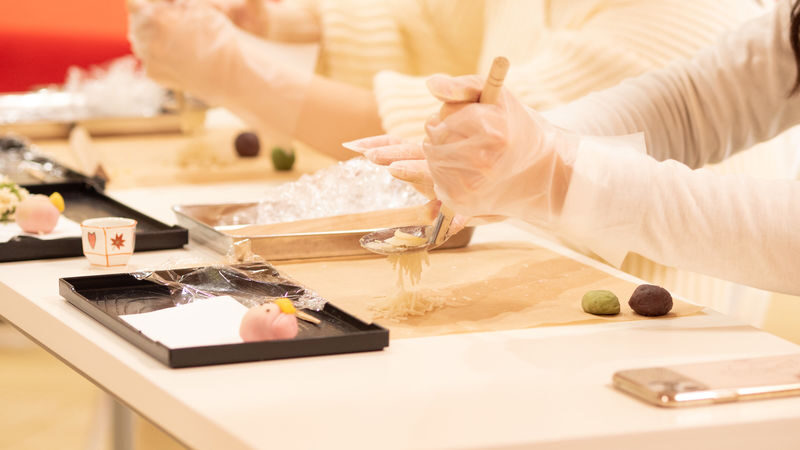
The appeal here is simple: you do not just look at wagashi, the traditional Japanese confectionery, you make two pieces of it. Nerikiri are made from bean paste and shaped into seasonal forms. Their finished appearance can be delicate, but the class is designed to make the process manageable for beginners.
That matters if you are curious about Japanese food culture but wary of signing up for a class that assumes prior skill. The instruction is clear and friendly, and the activity is short enough to fit into a day of sightseeing without taking over your schedule. You can come alone or with a group.
The ingredients give the class a useful point of connection to Kyoto, even though you are making the sweets in Sendai. The white and red bean paste comes from long-established shops there, while genuine wooden molds made by skilled wood artisans are part of the workshop. These details make the activity feel grounded in traditional confectionery, rather than like a craft project using generic materials.
You can also read our reviews of more tours and experiences in Sendai

What happens during the one-hour class
Plan on roughly an hour for the workshop. The scheduled activity is described as about one hour and five minutes, so allow a little extra time rather than arranging a tight connection immediately afterward. The exact timing may change with conditions, and your participation time is set when you book.
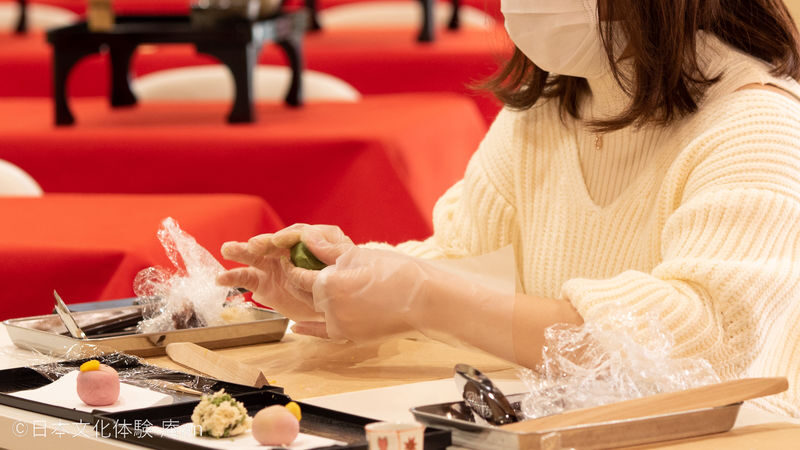
The core task is to make two seasonal nerikiri. You work with real ingredients, shaping the sweets by hand and using the class’s traditional tools. The finished pieces are meant to be both food and small works of art: the form and presentation matter alongside the taste.
No detailed sequence of steps is specified in advance, and that is part of the value of having an instructor there. You can follow the demonstration rather than trying to decipher a recipe on your own. The class is intended for beginners, and clear explanations make it easier to focus on shaping rather than worrying about getting every movement right.
One useful expectation to set: this is not described as a full-day cooking course or a broad survey of Japanese desserts. You make two sweets, learn through the process, and leave with a closer look at one traditional craft. That narrow focus suits a short visit, but anyone hoping to make several kinds of wagashi should look for a longer class.
Why the Kyoto bean paste and wooden molds matter
Bean paste is central to nerikiri, so the ingredient is more than a small footnote. This class uses white and red bean paste sourced from long-established shops in Kyoto. You get to handle ingredients associated with established confectionery makers while working in Sendai, which adds a tangible food connection between the two cities.
The genuine wooden molds are another distinctive detail. They are made by skilled wood mold artisans and used in the class. A traditional mold is a practical tool, but it also gives you a glimpse of the craft behind the finished sweet. Wagashi often relies on careful shaping and seasonal design, and the tools help make that artistry visible.
The class says the sweets taste good as well as looking finished. That is worth noting because the activity is not only about making something attractive for a photograph. You are working with edible ingredients, and the result is meant to be enjoyed as a sweet.
A friendly class for solo visitors and groups
The instructor is repeatedly described as friendly, caring, and clear in their explanations, and English is spoken well. That combination is important in a hands-on class. You need to understand each step, but you also want room to ask questions and enjoy the activity without feeling rushed or self-conscious.
The format works for solo participation as well as for a group. If you attend alone, the small, focused nature of the activity gives you a reason to chat with the instructor while making the sweets. If you go with friends or family, you can compare your finished designs. The activity has no age limit, although no further age-specific details are provided.
There is no guide name available, so you cannot request a particular instructor. What you can expect is English-language guidance and a beginner-friendly approach. If you are traveling with someone who is nervous about a food workshop, that is reassuring: the point is to try the craft, not to arrive with experience.
Finding AN SENDAI Japanese Culture Experience
The workshop is at AN SENDAI Japanese Culture Experience, on the seventh floor of No. 1 Aoba Building, at 1-1-6 Omachi, Aoba-ku, Sendai. The building’s Japanese address is 宮城県仙台市青葉区大町1-1-6 第一青葉ビル7階. The class is on the seventh floor, so take the elevator inside the building.
This is a practical detail to keep in mind if you are heading straight from another activity. Look for the building name and allow yourself enough time to locate the entrance and go upstairs. The meeting and return time are confirmed after booking, and available time choices can depend on the selected departure time and the activity duration. The displayed time options may be limited, so check the time you select rather than assuming you can arrive whenever suits you.
A mobile voucher is accepted. The voucher is valid only for the date and time specified, so keep it handy and check those details before you set off.


Is $11.79 good value?
At a starting price of $11.79, this is an affordable way to add a hands-on cultural activity to a Sendai visit. The price includes all necessary ingredients, and the class gives you about an hour of instruction and the chance to make two traditional sweets. Other personal expenses are not included.
The value is strongest if you want more than a tasting. You are handling the ingredients, learning how the sweets are shaped, and working with artisan wooden molds. That makes the fee feel worthwhile for someone interested in Japanese food or craft, especially since the class is accessible to beginners and can fit into a busy itinerary.
It is less compelling if your main goal is simply to eat dessert as cheaply as possible, or if you want a long, technically detailed cooking course. This is a brief activity with a narrow focus. Its appeal lies in doing the work yourself and understanding a small part of wagashi culture, not in producing a large quantity of food.
Who should book this Sendai sweets class?
I would recommend it to curious eaters, first-time visitors who want a cultural activity beyond sightseeing, and anyone who enjoys making things by hand. It is especially well suited to travelers with a spare hour who want an activity that is easy to follow and does not require prior cooking skill.
Families can consider it too, since there is no age limit, though the supplied information does not specify child-focused instruction or a minimum age. Solo visitors are also a good fit. The class can be enjoyable without a companion, and the instructor’s English and clear guidance help make the experience feel welcoming.
If you are comparing it with other Sendai activities, think about the kind of memory you want. This is not a city tour, a meal crawl, or an extended lesson. It is a short, hands-on introduction to seasonal Japanese sweets, with quality ingredients and a personal result at the end.
Should you book?
Book this if you want an affordable, beginner-friendly way to meet Japanese confectionery through making it yourself. The combination of Kyoto-sourced bean paste, genuine wooden molds, and attentive English-language instruction gives the class more substance than a quick snack stop.
Skip it if you have very little free time, want a long cooking course, or are not interested in shaping sweets. Otherwise, it is an easy activity to fit into a Sendai day, whether you come alone or with company. Book for the time you can keep, since the voucher is valid only on its specified date and time. Cancellations made at least 24 hours before the activity date receive a full refund.
Japanese Traditional Sweets Making in Sendai
“Instructor was very very friendly kind and helpful. They speak English well and they explain the process clearly. Super fun! Highly Recommended.”
FAQ
How long does the sweets-making class take?
The activity takes about one hour. The scheduled workshop is listed as one hour and five minutes, so allow a little extra time.
How many sweets will I make?
You will make two seasonal Japanese sweets called nerikiri.
What ingredients are used?
The class uses white and red bean paste sourced from long-established shops in Kyoto. All necessary ingredients are included.
Are wooden molds used in the workshop?
Yes. The class uses genuine wooden molds crafted by skilled wood mold artisans.
Is the class suitable for beginners?
Yes. The activity is described as easy to try, and the instructor explains the process clearly.
Does the instructor speak English?
Yes. English is spoken well, and the process is explained clearly.
Where is the workshop?
It is at AN SENDAI Japanese Culture Experience, No. 1 Aoba Building, 7th floor, 1-1-6 Omachi, Aoba-ku, Sendai.
Is there an age limit?
No. The activity has no age limit.
What is included in the price?
All necessary ingredients are included. Other personal expenses are not included.
Can I cancel for a refund?
You can receive a full refund if you cancel at least 24 hours before the activity date, using the destination’s local time.