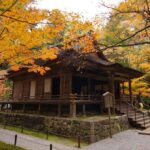
Kyoto’s quiet temple rituals and Tokyo’s interactive digital art make an appealing pair: this tour takes you from a Zen meditation session to the glowing rooms of teamLab, with a lot of Japan between them. You’ll also walk the old Nakasendo route between Magome and Tsumago, then spend a night at a Buddhist temple lodging.
I like the mix of hands-on traditions, including tea, calligraphy or ikebana, and the contrast between city visits and the Kiso Valley’s rural villages. The Shinkansen, ryokan and onsen add texture to the trip, not just transport and overnight stops.
The trade-off is a demanding schedule. The Fuji day includes several stops and a long transfer, and tight meal breaks and hurried transitions have been reported on past departures. This is a sightseeing tour with little spare time, not a slow-paced stay in Japan.
- Key points to know before booking
- Kyoto’s temples, tea and time pressure
- Fushimi Inari and Nara’s giant Buddha
- Nagoya: old samurai life and modern industry
- The Nakasendo trail and a night at a ryokan
- Matsumoto Castle and a Buddhist temple stay
- Mount Fuji: beautiful views, weather and a long day
- Tokyo’s temples, bonsai and digital art
- What the price includes, and who gets the best value
- Should you book this Japan tour?
- FAQ
- How long is the tour, and where does it start and end?
- What is the group size and guiding language?
- How strenuous is the Nakasendo walk?
- Are meals included?
- Is the Mount Fuji view guaranteed?
- Which costs are not included?
- The Best Of Kyoto!
- More Tours in Kyoto
- More Tour Reviews in Kyoto
- Not for you? Here's more nearby things to do in Kyoto we have reviewed
Key points to know before booking
 1 / 10
 2 / 10
 3 / 10
 4 / 10
 5 / 10
 6 / 10
 7 / 10
 8 / 10
 9 / 10
 10 / 10
- A full sweep of Japan: The route links Kyoto, Nara, Nagoya, the Kiso Valley, Matsumoto, Minobu, Mount Fuji and Tokyo in 14 days.
- Traditional experiences are built in: You’ll try Zen meditation, a matcha tea ceremony, calligraphy or ikebana, and a temple stay with vegetarian shojin ryori.
- The Nakasendo walk is the main active day: Expect about 9 km over roughly five hours between Magome and Tsumago.
- Fuji views depend on the weather: The tour visits several well-known viewpoints, but clouds can hide the mountain.
- Some days run to a tight clock: Past departures have faced rushed transitions and short meal breaks, so expect to keep moving.
- Check the final Tokyo schedule: Written day details differ on whether the plan includes Hamarikyu Garden or Omiya’s bonsai sites, and City Hall or Mori Tower for the city view.
👉 See our pick of the 25 Best Workshops And Classes In Kyoto
Kyoto’s temples, tea and time pressure
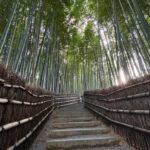
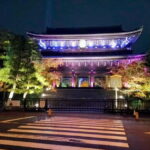
You begin with Kyoto, a city that rewards a longer stay, but this tour gives you a concentrated introduction. On the first full sightseeing day, you’ll travel by public transport with your guide to Arashiyama’s bamboo grove, Tenryuji Temple, Kinkakuji, Gosho Palace and Nijo-jo Castle. The range is impressive: Zen gardens, a gilded pavilion, imperial history and the shogun’s old residence all fit into one day.
Tenryuji’s garden offers a welcome change of pace after the busy bamboo paths. At Nijo-jo, look for the painted interiors and the so-called nightingale floors, which creak as you walk. The drawback is the number of stops. You’ll see major sights, but there may be limited time to linger, especially if crowds or transit slow the day.
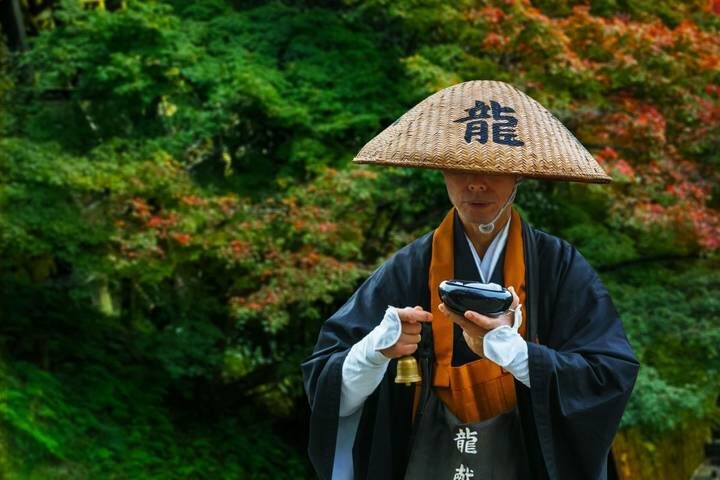
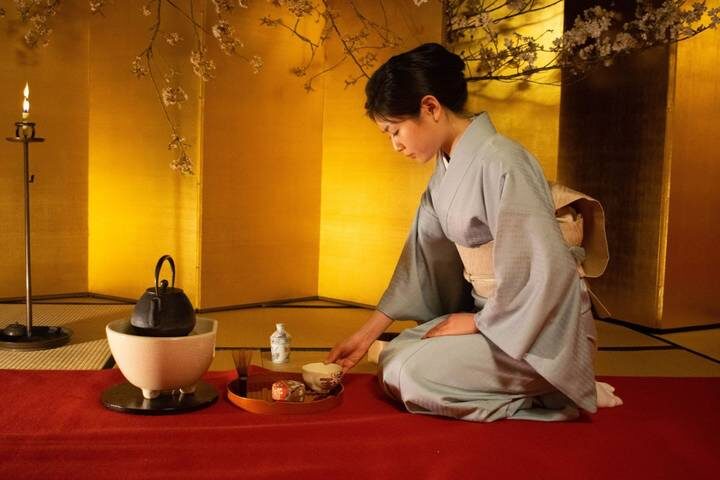
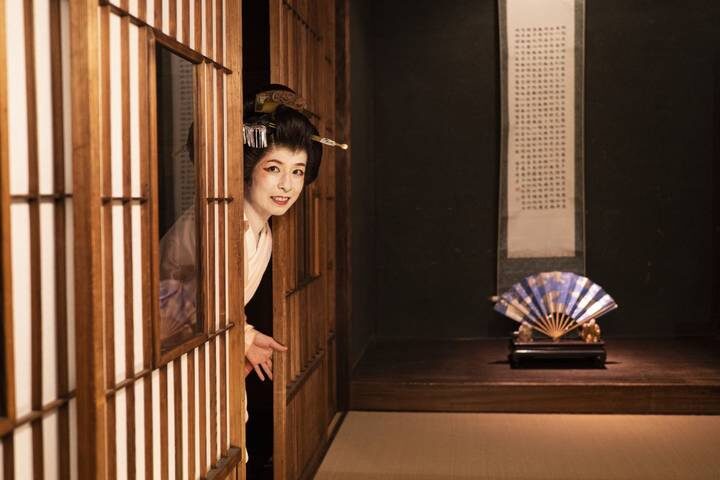
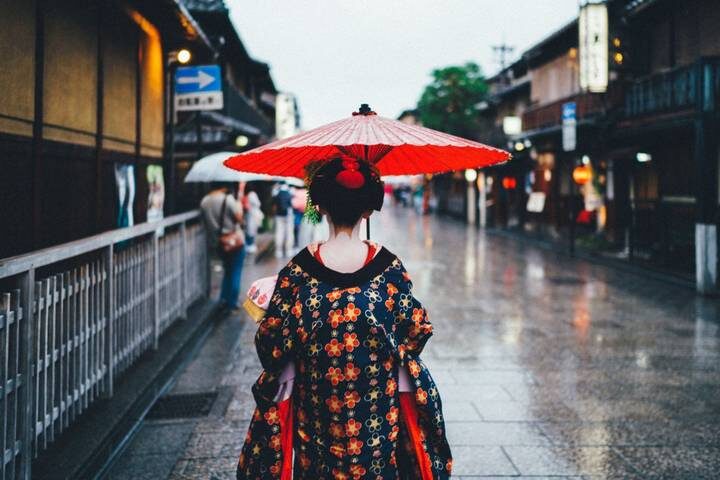
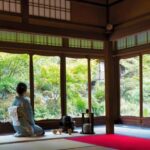
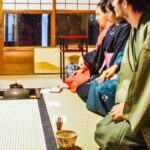
The next day gets closer to the rituals that make Kyoto more than a checklist. A monk leads a Zen meditation session, followed by a walk through Gion and the old lanes of Ninen-zaka and Sannen-zaka. The tea ceremony introduces matcha preparation and the customs around serving it, and a maiko performance adds a glimpse of a performing tradition that can be hard to encounter on your own.
You then have time to explore Higashiyama, including Kiyomizu Temple. Use that free stretch wisely. It’s one of the few chances to follow your own curiosity rather than the group’s timetable. On Day 4, the main luggage is sent ahead to Nagoya, so pack what you need for the night in a day bag.
You can also read our reviews of more tours and experiences in Kyoto.
Fushimi Inari and Nara’s giant Buddha
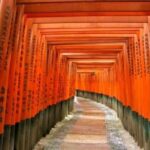
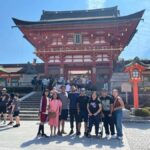
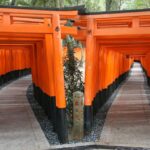
The day trip to Nara starts with Fushimi Inari, where thousands of vermilion gates form paths up the hillside. The shrine is a memorable stop, but the full route up the mountain takes time; with a group schedule, you may only walk part of it. Take photos, but also pause to notice how the gates frame the path as it climbs.
In Nara, tame sika deer roam around the park, and Todaiji Temple houses a huge bronze Buddha inside a vast wooden hall. Kasuga Shrine’s old stone lanterns bring a quieter, more intimate note to the day. Nara’s importance as Japan’s first imperial capital gives this visit real historical weight, though the day includes a return to Kyoto and can feel full.
Nagoya: old samurai life and modern industry
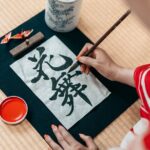
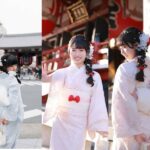
Before leaving Kyoto, you’ll visit a 400-year-old townhouse for either a calligraphy lesson or an ikebana class. Both are included. A kimono fitting is available for an extra charge, so decide in advance if you want it; the activity needs to be indicated when booking.
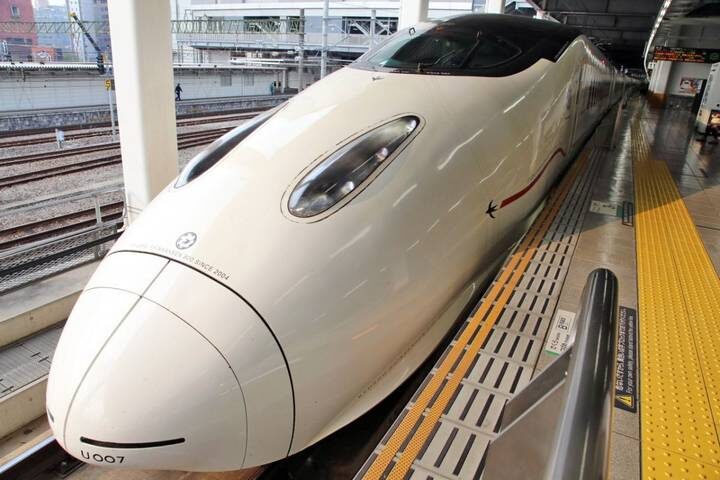
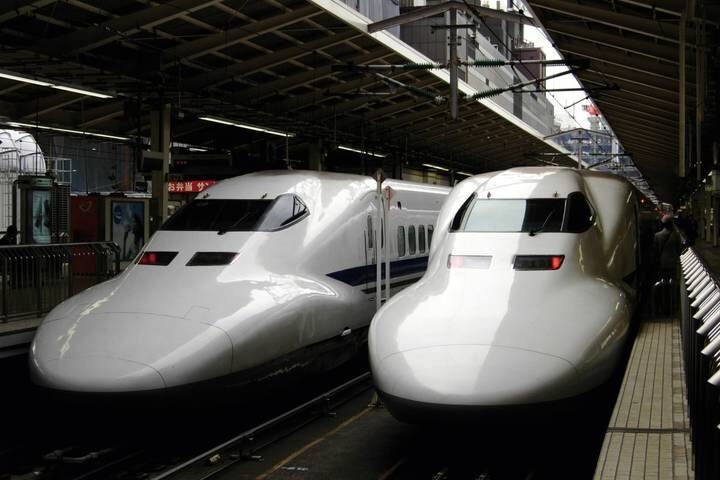
The Shinkansen ride to Nagoya is part of the experience. You can buy an ekibento at Kyoto Station and eat it on the train, a practical way to turn lunch into a small Japanese travel ritual. In Nagoya, the Osu district street-food tour introduces local specialties and gives you a first taste of the city beyond its transport hub.
The following day connects the Tokugawa family’s samurai world with Toyota’s industrial story. The Tokugawa Museum, garden and Samurai Prince’s Palace offer a look at elite life and the arts of the Edo period. The Toyota Memorial Museum shifts the focus to machinery, robots and hybrid technology. If your visit falls on a Monday, the Toyota stop moves to Day 6, so the order may change.
One past departure had a guide named Jan Michel, who was praised for working hard to keep the planned visits on track. Guides can vary, and a tightly timed program leaves little room to absorb delays. It’s sensible to treat the schedule as a sequence of highlights, not a promise of long, unhurried visits.
The Nakasendo trail and a night at a ryokan
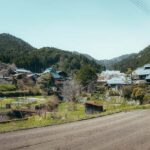
The tour’s most distinctive rural stretch begins in the Kiso Valley. You’ll walk about 9 km on the old Nakasendo route between Magome and Tsumago, with around five hours on foot and stated elevation changes of roughly 200 m up and 400 m down. The trail links preserved post towns once used by people travelling between Edo, now Tokyo, and Kyoto.
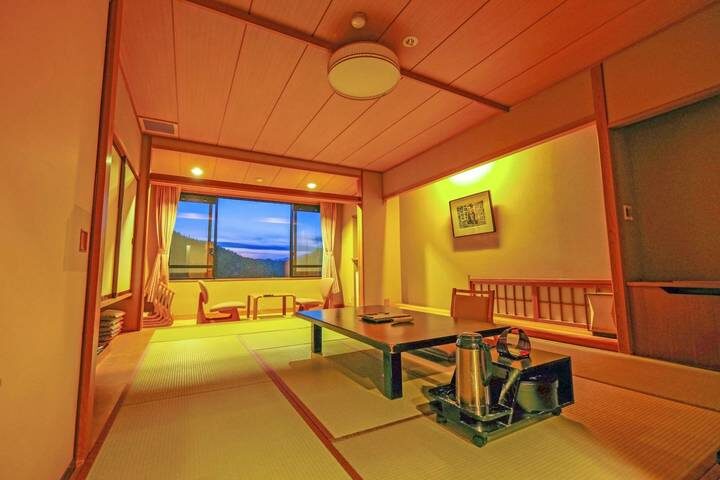
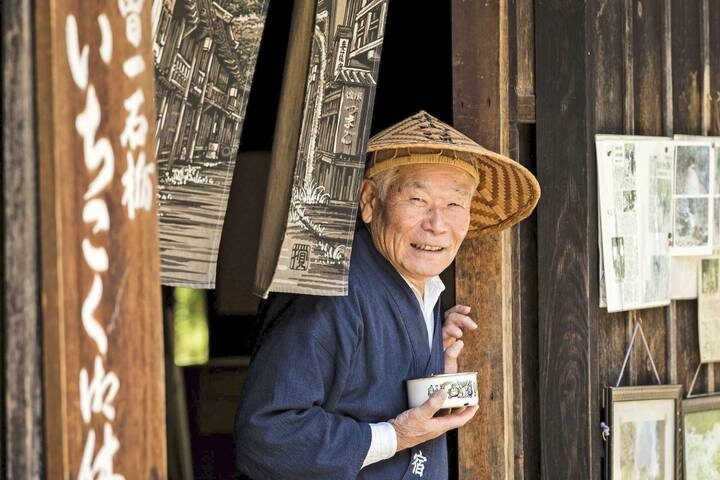
This is the day to bring comfortable walking shoes and be ready for a sustained outing. The tour is rated low intensity overall, but this walk is more than a short stroll. Afterwards, a ryokan stay brings a different rhythm: traditional rooms, futon bedding, tatami flooring, an onsen bath and a multi-course dinner. It’s one of the clearest examples of how the tour balances famous sights with a night shaped by local customs.
The next morning, you visit Kiso-Fukushima’s former checkpoint museum, a samurai residence and Kozenji Temple. The stops explain how the route was controlled and who held power in the region. The schedule offers several cultural visits before the train ride to Matsumoto, so this is another day when you’ll need to watch the clock.
Matsumoto Castle and a Buddhist temple stay
Matsumoto Castle, often called Crow Castle for its dark exterior, is a striking change from Kyoto’s gilded temples. Its original 17th-century tower is among the best-preserved castle structures in Japan. The interior visit gives you a closer view of its defensive design, although steep stairs and a busy timetable can make the climb feel more demanding than the tour’s low-intensity label suggests.
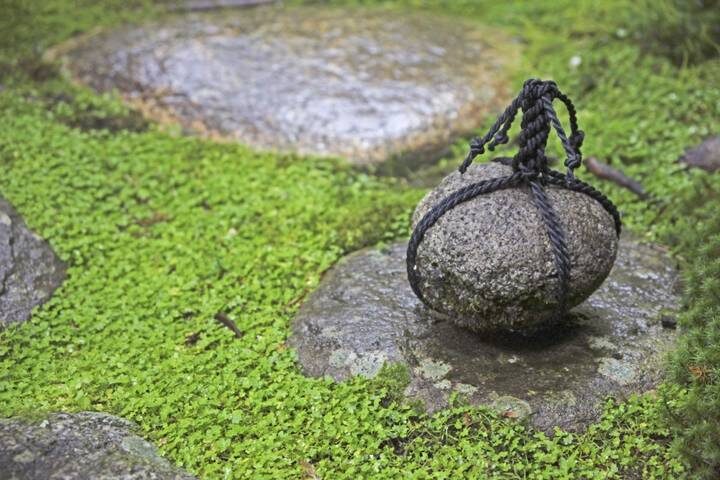
At the Matsumoto City Museum of Art, the permanent Yayoi Kusama exhibition offers a sharp contrast. Her works include Infinity Rooms and sculptures covered in dots. Then a chartered bus takes you to Minobu, where you stay at Kakurinbo, a temple lodging by Kuonji Temple. Dinner is shojin ryori, traditional Buddhist vegetarian cooking.
You can join an optional early morning service at Minobu Temple, usually around 5 a.m. It’s an early start, but it gives the temple stay a more personal connection to daily religious practice. If you prefer sleep, the service is optional; the tour still includes time to explore the temple grounds.

Mount Fuji: beautiful views, weather and a long day
The trip from Minobu to Tokyo takes in Iyashi no Sato, a reconstructed traditional village, Lake Kawaguchiko, Oishi Park, Chureito Pagoda and the Fuji Visitor Center. At Iyashi no Sato, thatched-roof houses create a strong setting for views of Fuji, when the mountain is visible. Oishi Park adds the lake to the picture, while the pagoda viewpoint is reached by a short hike.
This is a big transfer day, with roughly five hours of travel and around three hours of walking listed. The viewpoints are spread across the area, so much of the day is spent getting on and off transport. One past departure drew a complaint about spending a long time in transit for a very brief Fuji photo stop. That is a fair caution: the mountain is worth seeing, but this is not a relaxed lakeside day, and clear views are never guaranteed.
Confirm the transport arrangements and reserved seats before you travel. A past account described a long train journey without reserved seating, despite the tour’s stated inclusion of reserved Shinkansen seats. That may not reflect the current departure, but it is worth checking how the Fuji transfer is planned.
Tokyo’s temples, bonsai and digital art
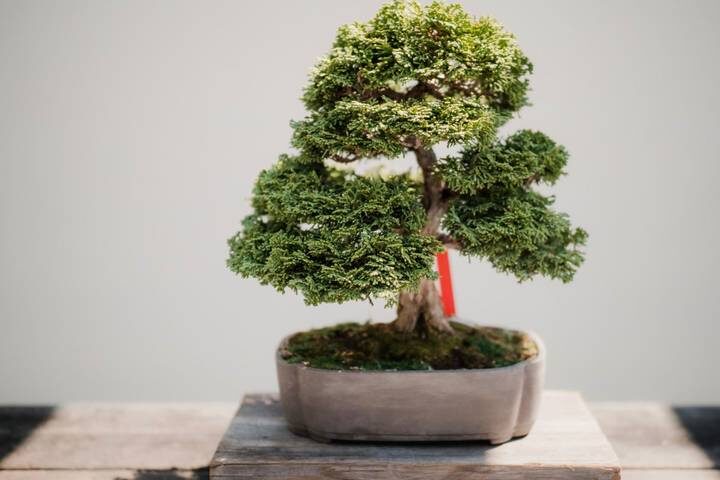
Tokyo gets two full sightseeing days, though the precise sequence needs confirmation. The written program names Hamarikyu Garden and a tea stop in one description, while the included activity list names Omiya’s bonsai nurseries and museum. The city-view stop also appears as both City Hall and Roppongi Hills Mori Tower in different descriptions. Ask DIAMIR which visits apply to your departure before booking, especially if bonsai or a particular viewpoint matters to you.
The shared Tokyo highlights include Sensoji Temple in Asakusa, Nakamise-dori shopping street and the huge lantern at Kaminarimon, also called Thunder Gate. Shibuya brings a very different scene: the Hachiko statue and the famous scramble crossing. A later day includes teamLab’s interactive digital art, Meiji Shrine’s wooded grounds, and time around Harajuku and Omotesando. Together, these stops show a city that can move from solemn shrine paths to fashion shops and large-scale digital installations in a few hours.
As in Kyoto, the advantage is variety; the cost is limited time in each district. If you have a particular interest, such as bonsai, contemporary art or shopping, check how much independent time the final schedule allows. The tour does not leave a spare day for side trips.
What the price includes, and who gets the best value
The package includes scheduled international flights from Frankfurt, a German-speaking guide, accommodation, transport, Shinkansen tickets with seat reservations, entrance fees and separate luggage transfers on two legs. You get 10 hotel nights, one ryokan night and one temple guesthouse night. Meals include breakfasts and several dinners, including the welcome meal, the ryokan dinner and shojin ryori; most lunches and drinks are not included.
That coverage can make the price worthwhile if you want a guide to coordinate a complex route and handle transport between cities. The included cultural activities and entrance fees also reduce the number of separate bookings you need to arrange. But no tour price is listed here, so compare the actual quote with what you would spend on flights, hotels, rail, meals and guided visits independently.
Budget extra for unlisted meals, drinks, tips, personal spending and optional activities such as the kimono fitting. The tour is best for first-time visitors who want a broad introduction, value a German-speaking guide and are comfortable moving often. It’s less suited to anyone hoping for long free afternoons, slow meals or time to get to know one city in depth.
Should you book this Japan tour?
Book it if you want a guided, high-coverage route that pairs Kyoto and Tokyo with the Nakasendo, Matsumoto, a temple stay and Fuji viewpoints. The balance of old and new Japan is the tour’s strongest feature, and the included cultural sessions make it more than a parade of photo stops.
Think twice if a rushed pace would spoil the trip for you. Ask about the Fuji transport, Tokyo schedule and meal breaks, and be realistic about the 9 km Nakasendo walk. If you want a first survey of Japan and can accept tight days, this route offers a lot in two weeks. If you prefer lingering, build your own itinerary with fewer stops.
The “Golden Route” and Ancient Japan by DIAMIR Erlebnisreisen – 14-Day Tour
FAQ
How long is the tour, and where does it start and end?
The tour lasts 14 days. It starts in Kyoto and ends in Tokyo, with international flights from Germany included in the package.
What is the group size and guiding language?
The stated group size is 6 to 12 people, and the tour is guided in German. A guide named Jan Michel led one departure, but the guide for your trip may differ.
How strenuous is the Nakasendo walk?
The walk between Magome and Tsumago is about 9 km and takes roughly five hours, with stated elevation changes of around 200 m up and 400 m down. The tour’s overall physical rating is low intensity, but this is a substantial walking day.
Are meals included?
The package includes breakfasts and several dinners, including a welcome dinner, a multi-course ryokan dinner and vegetarian shojin ryori at the temple lodging. Most lunches and drinks are not included. An ekibento is described for the train ride to Nagoya.
Is the Mount Fuji view guaranteed?
No. The program notes that the view depends on the weather. The tour visits several viewpoints around Lake Kawaguchiko and the Chureito Pagoda, but clouds may obscure Mount Fuji.
Which costs are not included?
Travel insurance, optional excursions, gratuities, personal expenses, and meals and drinks not listed in the program are not included. The kimono fitting is also available at an additional charge.