Japan’s big contrasts make this trip compelling: one day you’re among Tokyo’s shrine forests and crowded shopping lanes, and a few days later you’re standing quietly before Hiroshima’s Atomic Bomb Dome. Between them come a possible Mount Fuji view, Kyoto’s red torii gates, and a ride on the shinkansen. It is a fast, rewarding introduction to several sides of Japan.
I like two things especially: the route combines major cultural landmarks with smaller, characterful stops such as Kurashiki’s canal quarter and a Bizen pottery workshop; and the tour takes care of the long transfers, hotels and daily planning. The trade-off is the pace. Ten days cover a lot, but the drives can be long, Tokyo gets only one full sightseeing day, and some days involve more walking and stairs than the low-intensity label might suggest.
This is a guided group trip for people who want a broad first look without managing every train, hotel and connection themselves. One practical catch: Cosmos says this tour will not operate in its 2026 season, and no current departure dates are listed. Treat this as a review of the tour as offered, and check Cosmos or its sister company Globus for a current alternative before making plans.
- The trip’s strongest moments
- Tokyo: shrine quiet, garden paths and street food
- Mount Fuji: a view that depends on the weather
- Kyoto: gates, temples and a full day of contrasts
- Okayama and Kurashiki: garden calm and canal streets
- Hiroshima and Miyajima: remembrance and sacred architecture
- Bizen and Himeji: craft, then a castle
- Osaka: old farmhouses, castle walls and okonomiyaki
- What the tour includes, and what to plan around
- Who should consider this tour?
- Should you book it?
- FAQ
- How long is the Timeless Japan tour?
- Which places does the tour visit?
- Is the bullet train included?
- Are meals included?
- Are international flights included?
- Are airport transfers included?
- What language is the tour guided in?
- How large is the group?
- Is the Mount Fuji cable-car ride guaranteed?
- Is this tour currently operating?
- The Best Of Tokyo!
- More Tours in Tokyo
- More Tour Reviews in Tokyo
- Not for you? Here's more nearby things to do in Tokyo we have reviewed
The trip’s strongest moments
- A Fuji day built around classic views: Take a weather-dependent cable car near Lake Kawaguchi, then visit Chureito Pagoda for a familiar view of Mount Fuji.
- Kyoto’s essentials in two days: Visit Sanjusangendo, Fushimi Inari, Gion, Kinkakuji and Nishiki Market, with free time for your own temple-going.
- A serious day in Hiroshima: See Peace Memorial Park, the Atomic Bomb Dome, the museum and memorial hall, then continue to Miyajima and Itsukushima Shrine.
- Gardens with different moods: Compare Tokyo’s Shinjuku Gyoen with Koraku-en in Okayama, one of Japan’s Three Great Gardens.
- Useful transport built in: Travel by private, air-conditioned coach for most touring and by bullet train from the Fuji area to Kyoto.
- A strong record for guides and organization: Past groups singled out tour directors, smooth schedules and reliable driving, though the listed group size is 42 to 50.

👉 See our pick of the 25 Best Guided Tours In Tokyo
Tokyo: shrine quiet, garden paths and street food
Day one is deliberately light. You arrive in Tokyo, check in mid-afternoon and have time to rest or take a short neighborhood walk. International flights are not included, and airport transfers are available only as an extra service, so plan your arrival independently or arrange a transfer before departure.
The first sightseeing day starts at Meiji Shrine, a Shinto sanctuary set among trees in the city. The transition from urban Tokyo to a calm forested approach is part of the appeal. Shinjuku Gyoen follows, with traditional Japanese garden design alongside more modern elements. It was damaged during World War II and reopened as a public garden in 1949, making it both a pleasant pause and a reminder of the city’s recent past.
Asakusa Kannon Temple and Nakamise shopping arcade bring a different sort of energy. The temple is a major religious site, while the arcade is lined with shops and food stalls. You have the afternoon free, a useful chance to pick your own pace after a guided morning.
The limitation is time. You get one full day of scheduled Tokyo sightseeing, which means the tour samples the city rather than trying to cover it. If Tokyo is a main reason for your trip, arrive early or add days on your own.
You can also read our reviews of more tours and experiences in Tokyo.

Mount Fuji: a view that depends on the weather
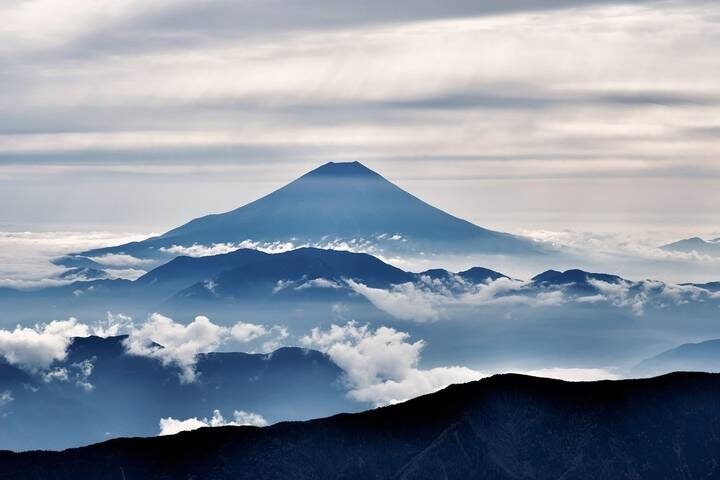
On day three, the coach leaves Tokyo for the Five Lakes region. The cable-car ride near Lake Kawaguchi is weather permitting, so don’t treat a clear Fuji panorama as guaranteed. Chureito Pagoda offers another chance for the classic pagoda-and-mountain composition, but Mount Fuji can hide behind cloud. That is the nature of mountain views, not a flaw in the schedule.
The day is built around scenery and photography rather than a long mountain hike. That suits the tour’s low-intensity rating, though you should still expect walking at stops. The overnight hotel is listed in Numazu, so this is a regional excursion, not a stay at a lakeside resort.
Kyoto: gates, temples and a full day of contrasts
Day four includes one of the trip’s most memorable transitions: the bullet train from the Fuji area to Kyoto. The shinkansen is an efficient way to cover distance, and its inclusion means you can enjoy the ride without arranging tickets or transfers yourself.
Sanjusangendo Temple is known for its 1,001 statues of Kannon, the Buddhist figure associated with mercy. The scale of the hall and the repeated figures give the visit a very different character from the open-air shrines elsewhere on the route. Later, Fushimi Inari Shrine brings the striking passageways of bright vermilion torii gates. The site is extensive, so the time available and how far you walk will shape the visit.
A guided walk through Gion introduces Kyoto’s historic geisha district, followed by a local treat. This is an orientation rather than a full evening in the neighborhood. A traditional ryokan stay is offered as an extra-cost option, but the listed standard hotel is Kyoto Tokyu Hotel.
Day five begins at Kinkakuji, the Gold Pavilion, whose gold-leaf exterior reflects in the pond. It is one of Kyoto’s most photographed temples, and crowds can affect the feel of the visit. Nishiki Market then offers a practical taste of the city through its food shops and local goods. You have time to browse, but this is not a formal food tour.
The Samurai and Ninja Museum adds a more hands-on stop, with a guided explanation of weapons, tools and armor, plus the chance to pose in samurai armor and a helmet. It is a lighter counterpoint to the temples, and may be especially fun for families. The afternoon is free, which matters in Kyoto: there are far more shrines and neighborhoods than two days can fit.
Okayama and Kurashiki: garden calm and canal streets
The drive south on day six breaks up the journey to Hiroshima with two worthwhile stops. Koraku-en covers about 30 acres and includes ponds, plum groves, tea fields and broad lawns. The open spaces give it a less enclosed feel than some Japanese gardens, and the walk offers a welcome change from temple interiors.
Kurashiki’s Bikan Historical Quarter is a smaller-scale stop. Its canal, white-washed buildings and stone streets preserve the look of an Edo-period commercial center. You have free time here, rather than a tightly guided visit, so you can stroll and look around at your own pace.
Then it is on to Hiroshima. This is one of the tour’s longer transfer days, and the schedule asks you to make the most of limited time in each place. Keep a book, headphones or other bus-day comforts handy.
Hiroshima and Miyajima: remembrance and sacred architecture
Day seven gives Hiroshima the attention it deserves. Peace Memorial Park is not simply a photo stop. The Atomic Bomb Dome remains as it was after the bombing on August 6, 1945, and the nearby Memorial Museum and Memorial Hall help place the site’s history and human cost in context. Allow yourself time to take this visit seriously; it is emotionally demanding for many people.
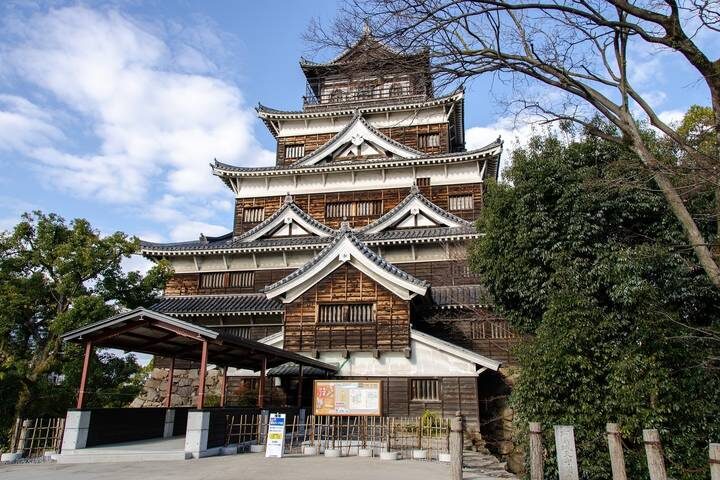
Later, the group travels to Miyajima Island to visit Itsukushima Shrine and its famous torii gate, which appears to float over the water. The effect depends on conditions at the time, so the view may differ from the familiar images. The shrine itself is built over the water and offers a striking contrast with the solemn memorial sites earlier in the day.
This pairing is one of the itinerary’s best choices. It moves from a painful chapter of modern history to a sacred place shaped by the sea, without pretending those experiences are the same. The day is full, though, and includes transport as well as walking around both sites.






Bizen and Himeji: craft, then a castle
On day eight, the coach heads north. In Bizen, you visit a pottery workshop and learn about Bizen-yaki, a pottery tradition with more than a thousand years of history. The stop adds a craft dimension to a trip otherwise centered on temples, gardens and monuments. The information provided does not specify a hands-on pottery session, so think of this as a workshop visit and introduction.
Himeji Castle is the day’s architectural highlight. This UNESCO World Heritage Site is one of Japan’s finest surviving examples of early 17th-century castle design. Its combination of defensive function and graceful appearance makes it an important counterpoint to the temples and shrines. After the visit, the coach continues to Osaka for the evening.
Osaka: old farmhouses, castle walls and okonomiyaki
The final sightseeing day begins at the Open-Air Museum of Old Japanese Farm Houses, where restored Edo-period buildings show traditional thatched-roof architecture. It is a welcome change of scale and setting after several days of famous religious and historic sites.
Osaka Castle follows, then lunch includes okonomiyaki, the city’s well-known savory pancake. This included meal is one of the tour’s three lunches. The final guided walk takes you through Minami, including Shinsaibashi, Namba and Dotonbori. The district brings together shopping, restaurants and nightlife, and the afternoon and evening are yours to return for another meal or see the neon signs after dark.
Osaka is the tour’s endpoint, not a long stay. You leave after breakfast on day ten, so add a night if you want a more relaxed final evening or more time to explore.
What the tour includes, and what to plan around
The package includes nine breakfasts, three lunches, hotel accommodation, a professional English-speaking tour director, a private air-conditioned coach for touring and the bullet train to Kyoto. The hotels named are in Tokyo, the Mount Fuji area, Kyoto, Hiroshima and Osaka. International flights, insurance, airport transfers and other activities are not included.
The value is in the logistics as much as the sightseeing. Japan’s rail and city transport can be straightforward, but a multi-city route with luggage, timed visits and regional transfers takes planning. Here, the guide and coach handle much of that work. Past tour groups often praised the organization, guide support and safe, punctual driving. Guides named in past departures included K Ono and Noriko, with one account spelling the name Nariko. Those names do not guarantee who would lead a future departure.
The group size is listed as 42 to 50, although some past departures were smaller. A larger group can make transitions slower, especially around busy attractions, but it also means the tour can offer a ready-made social setting. Some past groups appreciated meeting people and having the practical details managed for them.
Accommodation was generally rated well, though hotel locations may not always put you close to evening restaurants. Check the exact hotel details for any departure that becomes available, and be prepared to use free evenings to explore or arrange dinner. The three included lunches are helpful, but most dinners are your responsibility.
The low-intensity rating should not be read as no-effort sightseeing. You walk through gardens, temple grounds, markets, historic streets and memorial sites, and some visitors found the walking and stairs greater than expected. Wear comfortable shoes and ask the operator for current mobility details if you have concerns.
Who should consider this tour?
This route suits a first-time Japan visitor who wants a guided overview of the country’s best-known cultural and historical stops, and who values organized transport over a fully independent itinerary. It also works for families and for people who like a mix of city time, gardens, food and serious history.
It is less suitable if you want slow travel, multiple free days in Tokyo or Kyoto, or detailed time at every site. The schedule is broad by design, and the drives between cities take real time. Independent travelers who are comfortable arranging trains and hotels may prefer to spend the same ten days in fewer places.
One important booking note: Cosmos has stated that Timeless Japan will not operate for its 2026 season, and there are no current departure months listed. The tour details remain useful for understanding the route, but check for a current Cosmos or Globus Japan tour rather than assuming this exact trip is available.
Should you book it?
If this exact itinerary returns, it is a strong choice for a well-organized first visit, especially if Fuji, Kyoto, Hiroshima and Miyajima are all on your must-see list. Its best value comes from combining major sights with smaller stops and taking the transport burden off your shoulders. Before committing, confirm current availability, group size, hotel locations and walking expectations. If you want more time in Tokyo or Kyoto, add independent days or choose a slower route.
Timeless Japan by Cosmos – 10-Day Tokyo to Osaka Tour
“Great exposure to a totally unfamiliar culture.”
FAQ
How long is the Timeless Japan tour?
The tour lasts 10 days, beginning in Tokyo and ending in Osaka.
Which places does the tour visit?
The route includes Tokyo, the Mount Fuji area, Kyoto, Okayama, Kurashiki, Hiroshima, Bizen, Himeji and Osaka.
Is the bullet train included?
Yes. The tour includes a bullet-train ride from the Mount Fuji area to Kyoto on day four.
Are meals included?
Nine breakfasts and three lunches are included. One lunch features Osaka’s okonomiyaki.
Are international flights included?
No. International flights are not included.
Are airport transfers included?
Airport transfers are not included in the package. The tour information says transfers may be added for an extra cost.
What language is the tour guided in?
The tour is guided in English by a professional tour director.
How large is the group?
The stated group size is 42 to 50 people. Some past departures had fewer participants.
Is the Mount Fuji cable-car ride guaranteed?
No. The cable-car ride is weather permitting, and views of Mount Fuji depend on conditions.
Is this tour currently operating?
Cosmos has said it will not operate Timeless Japan for its 2026 travel season, and no current departure months are listed. Check Cosmos or Globus for available Japan alternatives.























